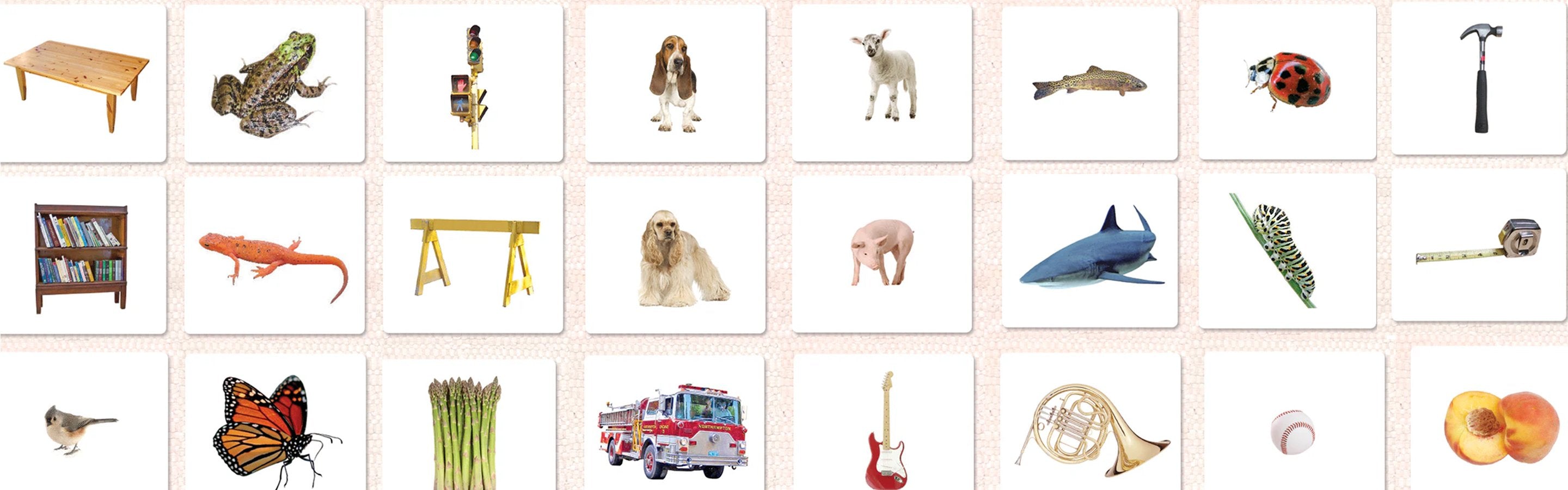
Vocabulary Cards



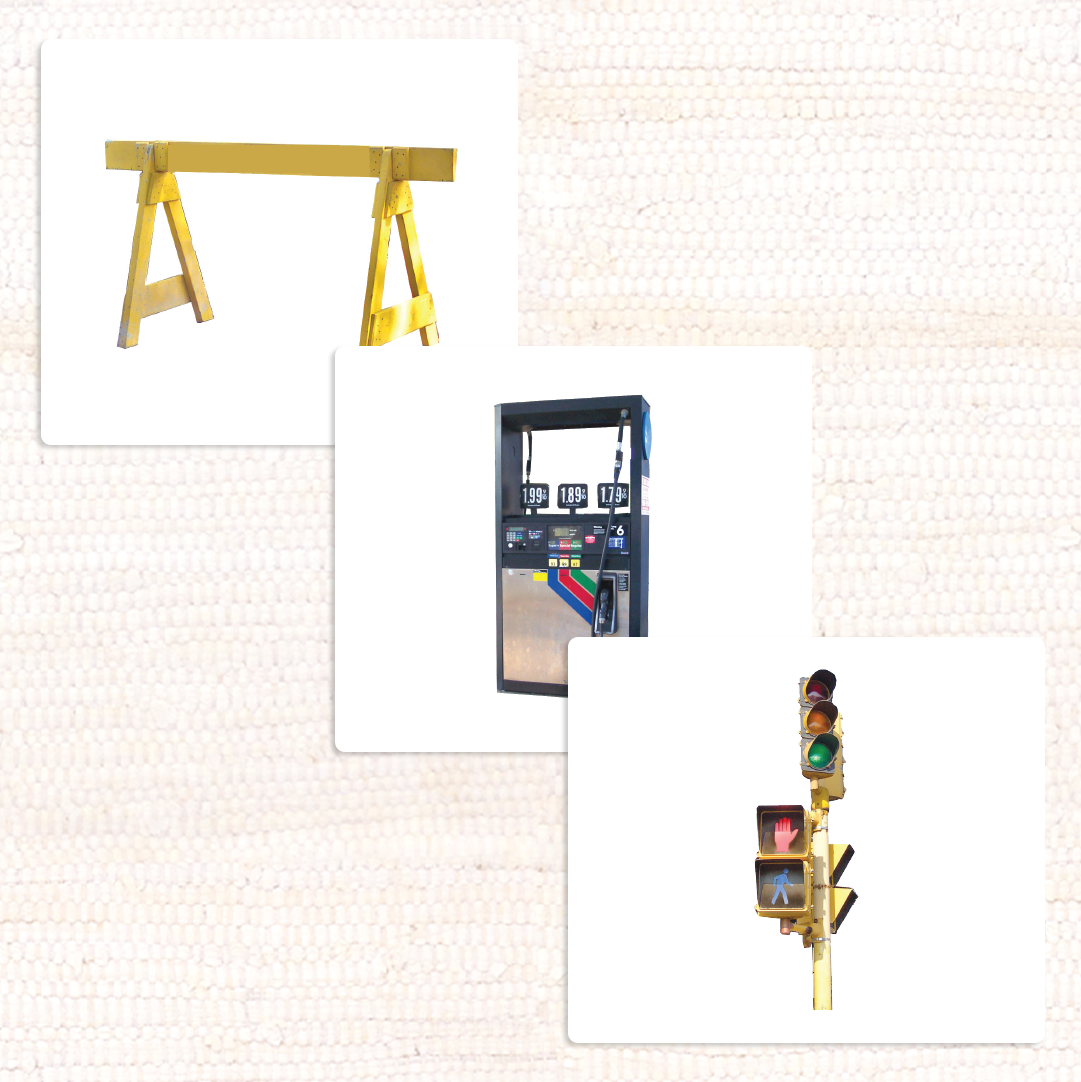
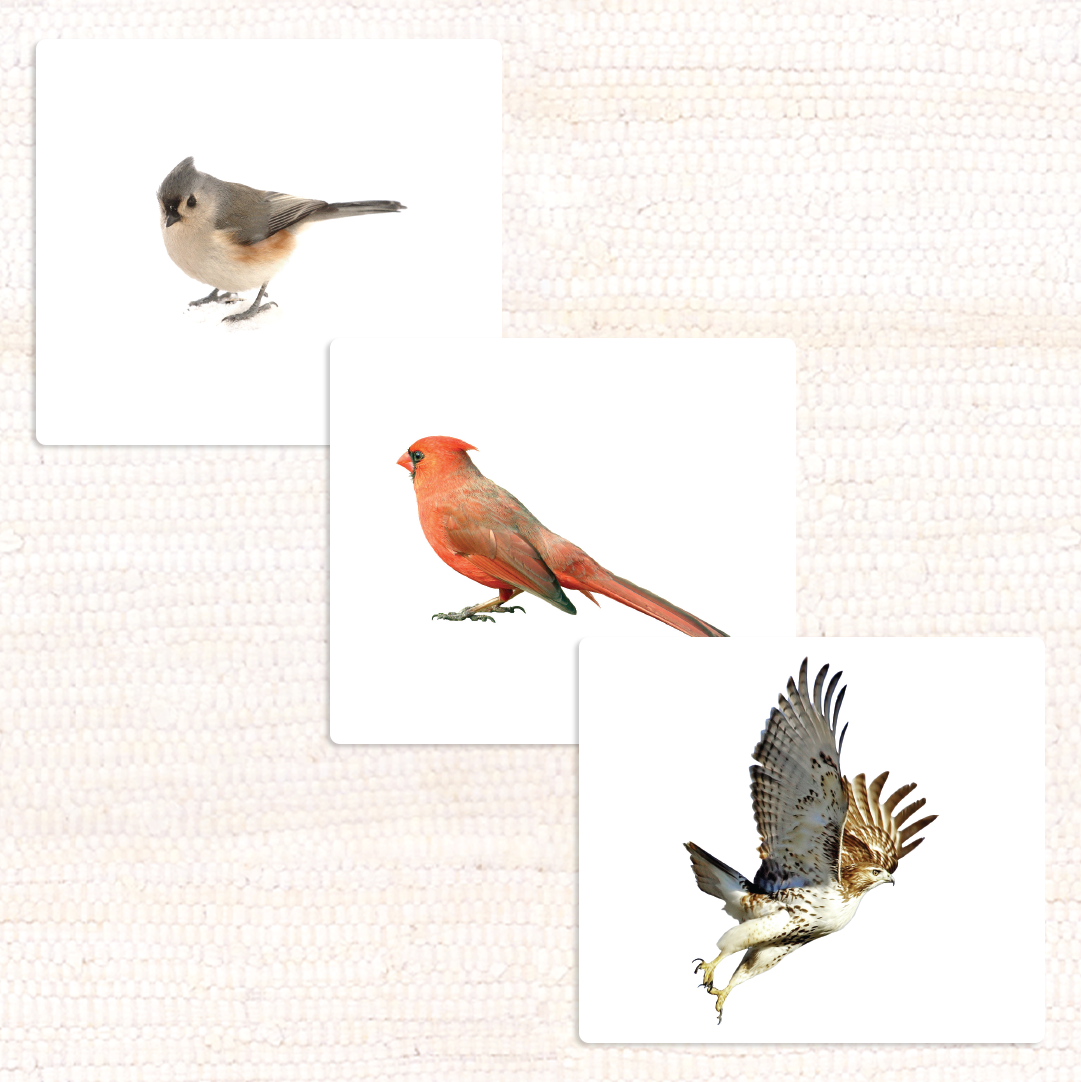














More Information:
Vocabulary Cards

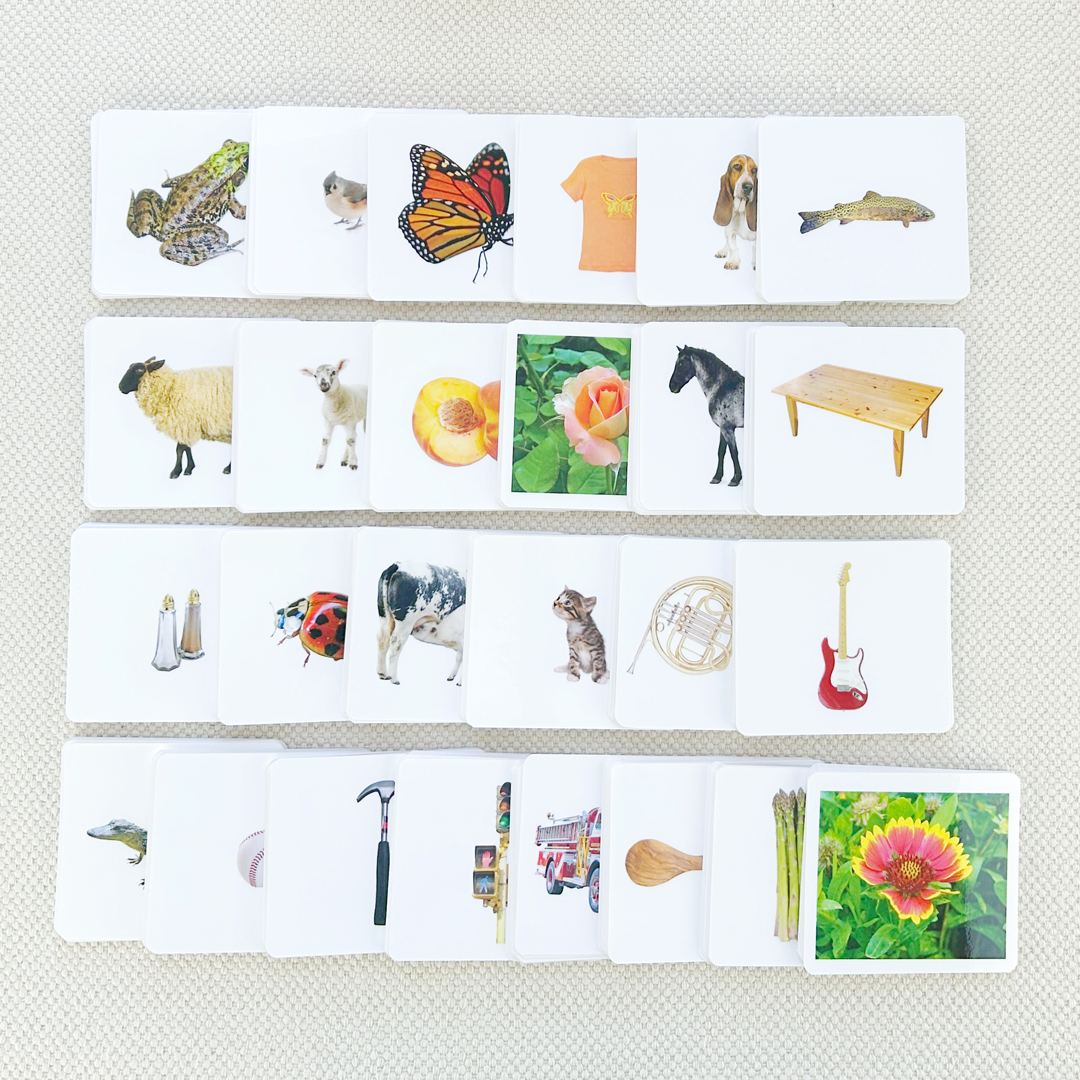
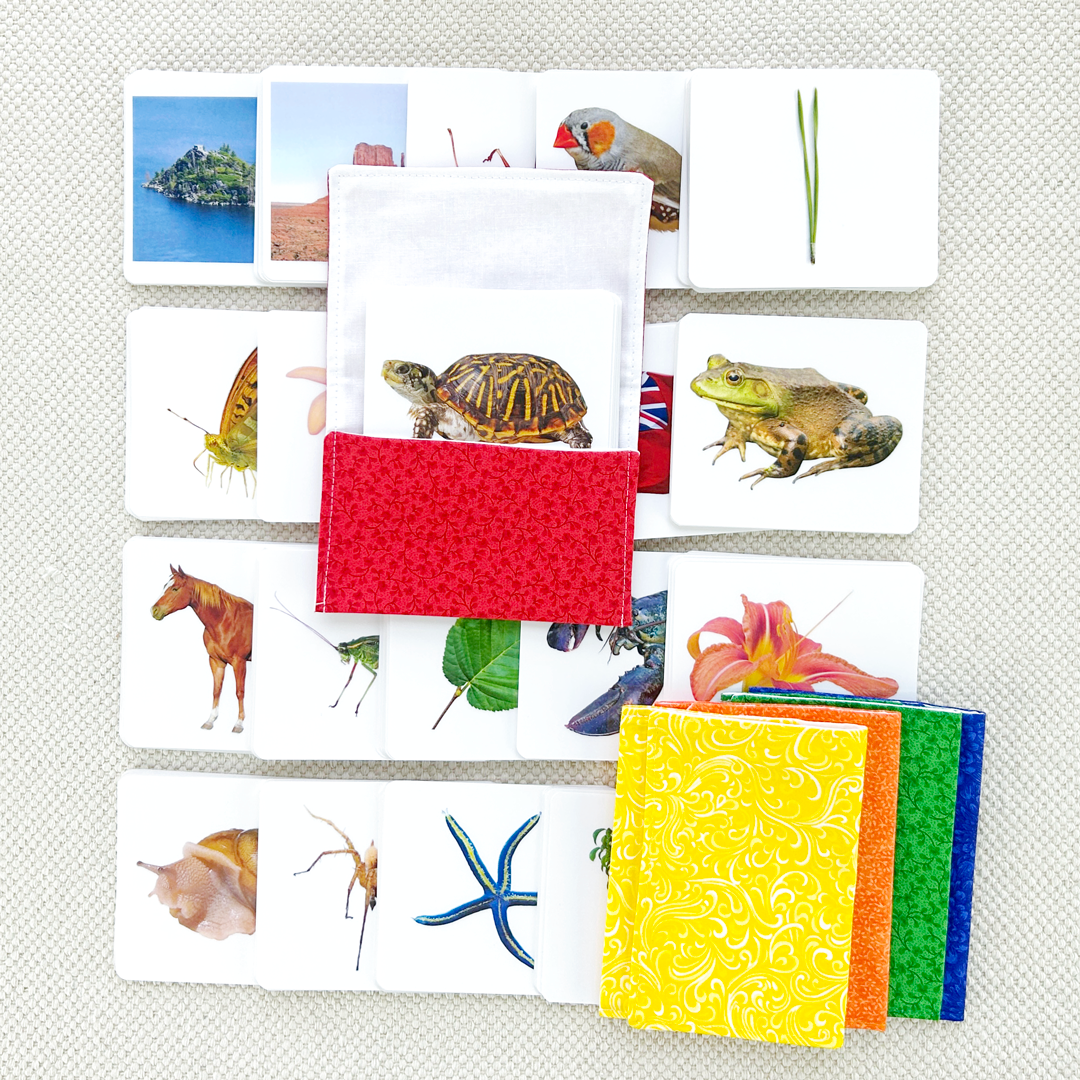
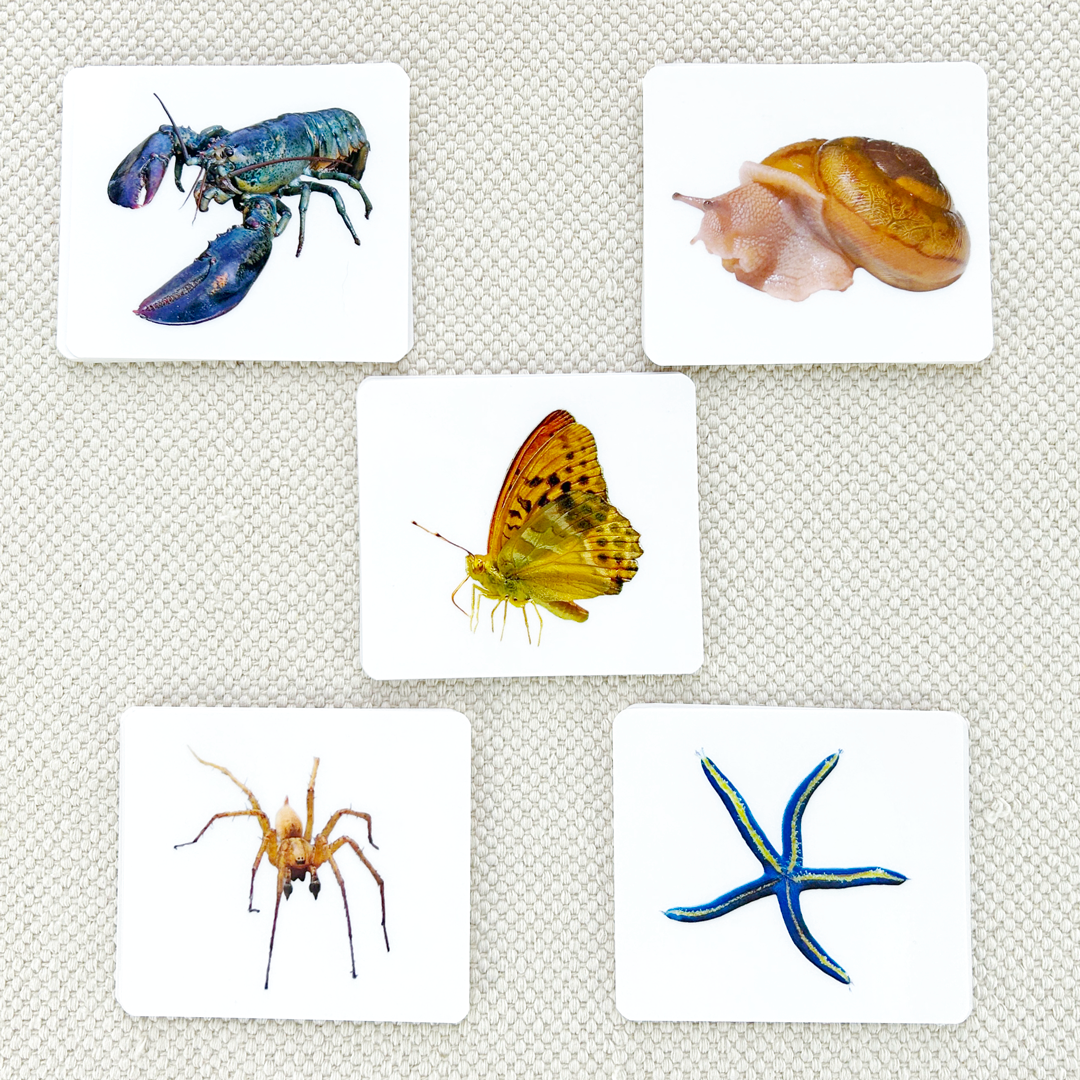
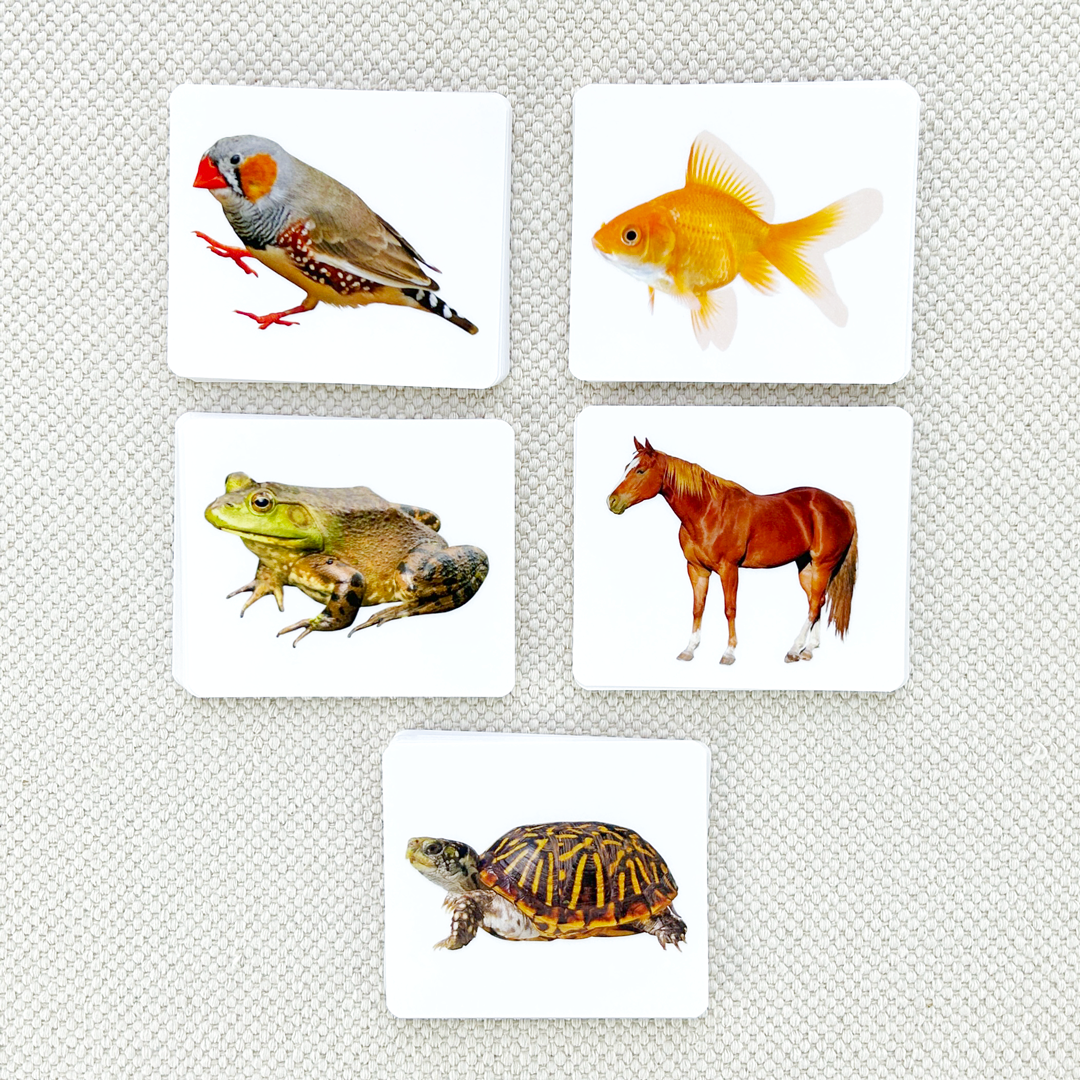
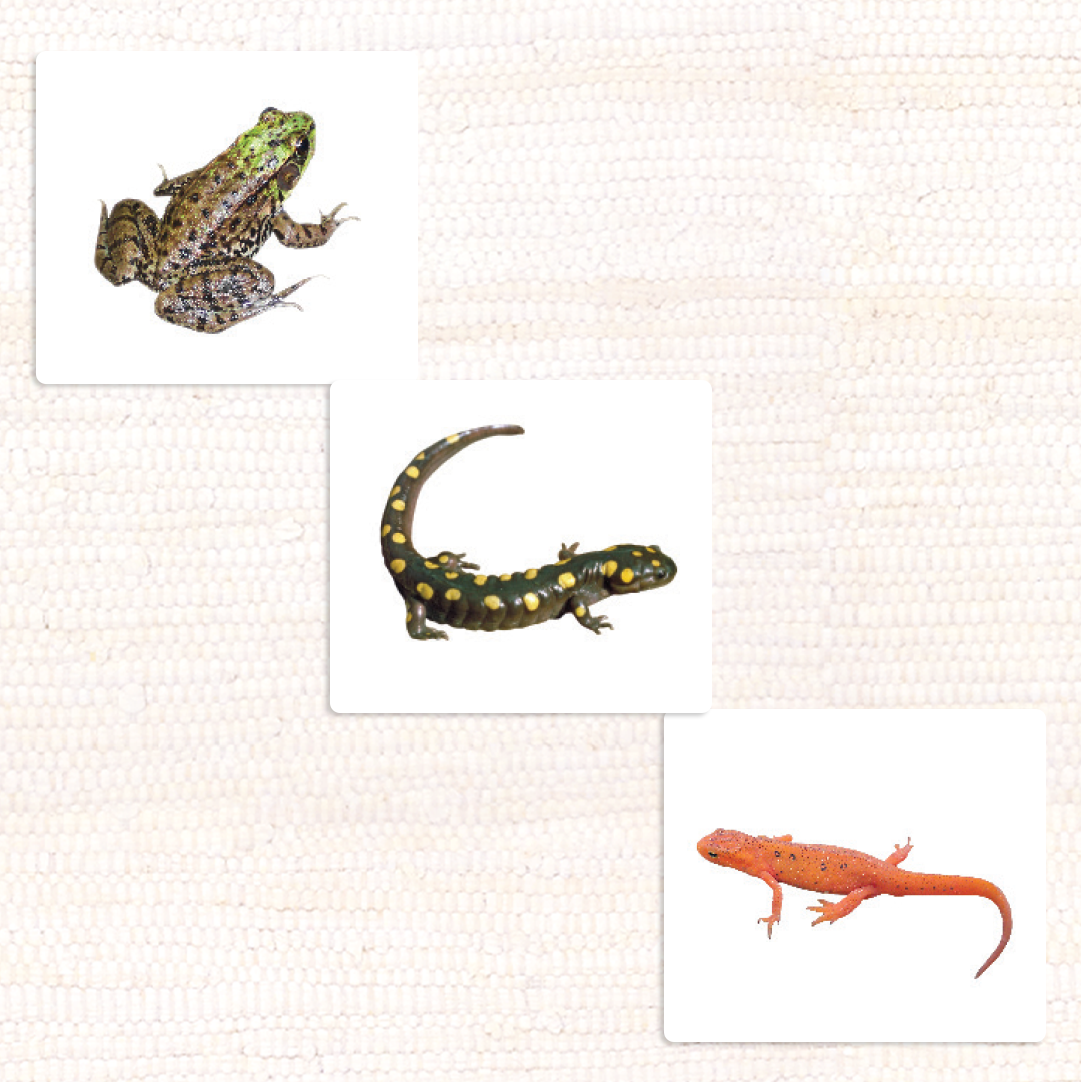
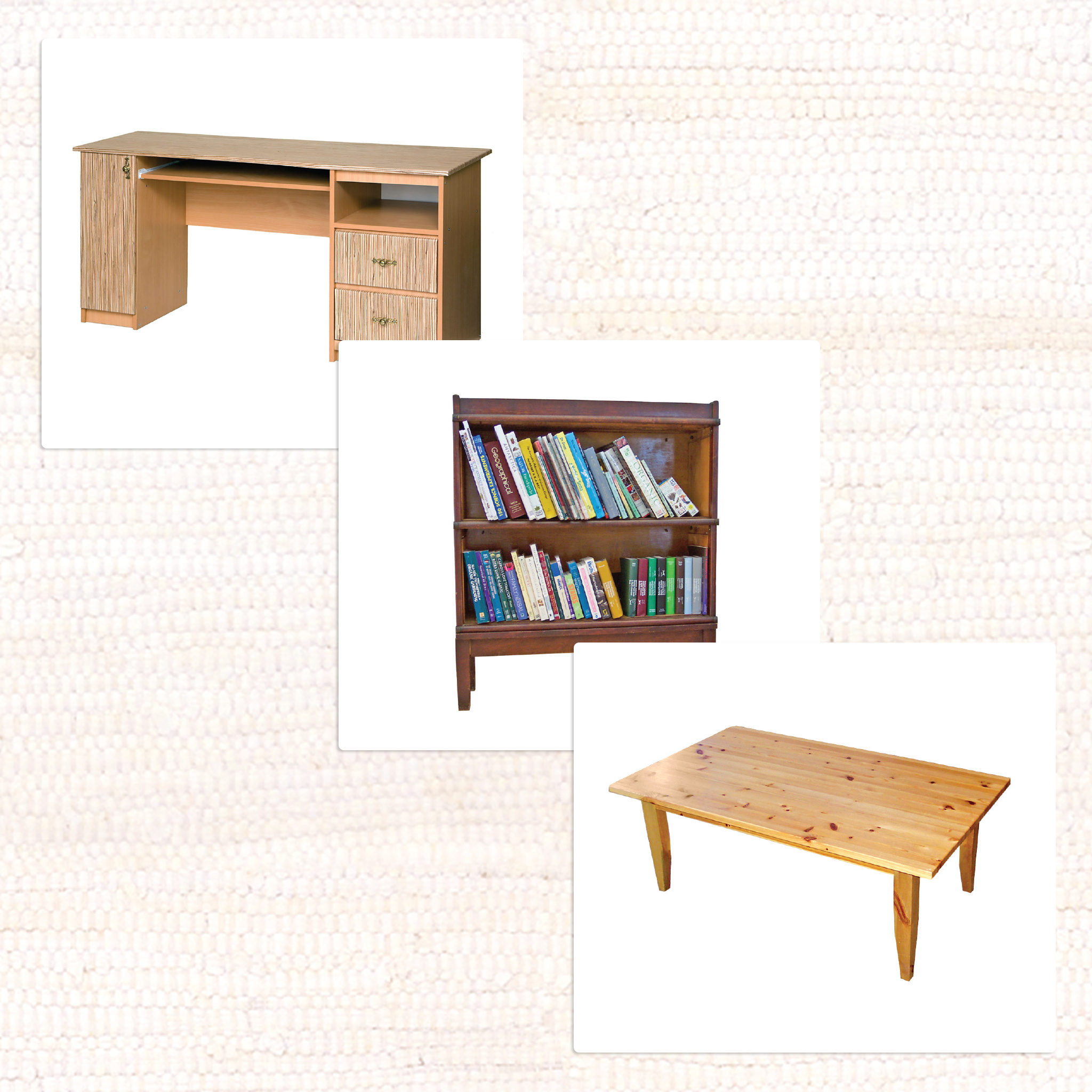
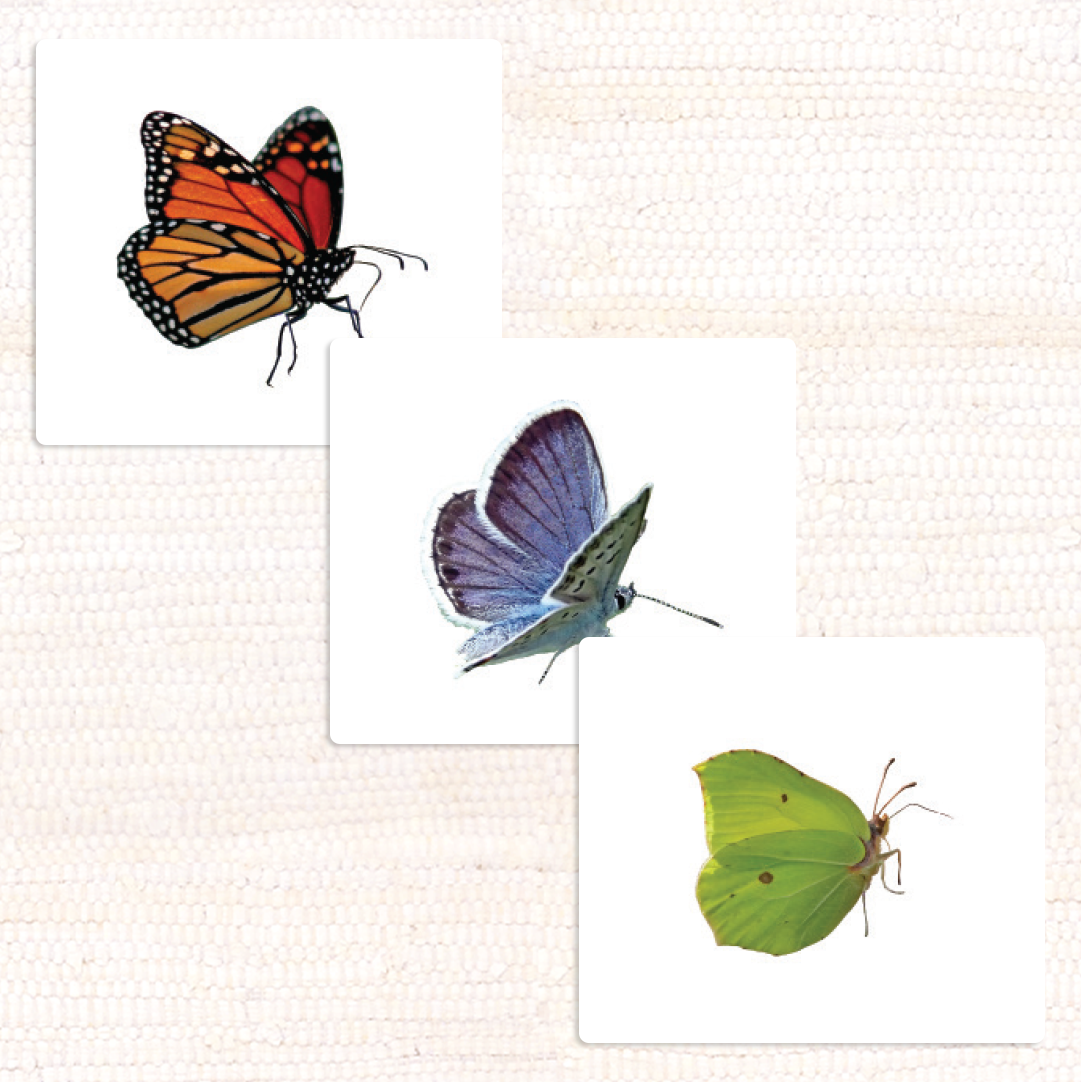
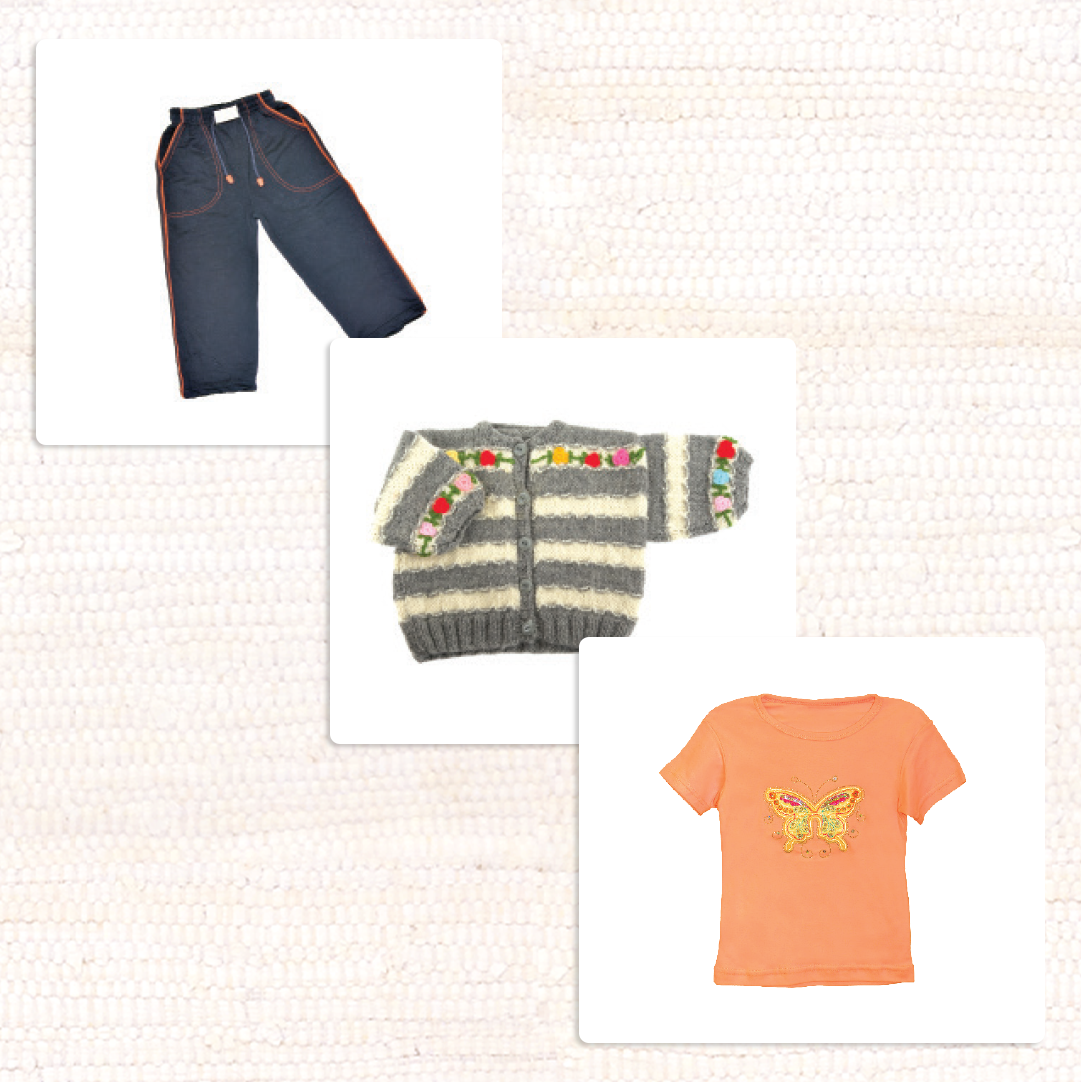
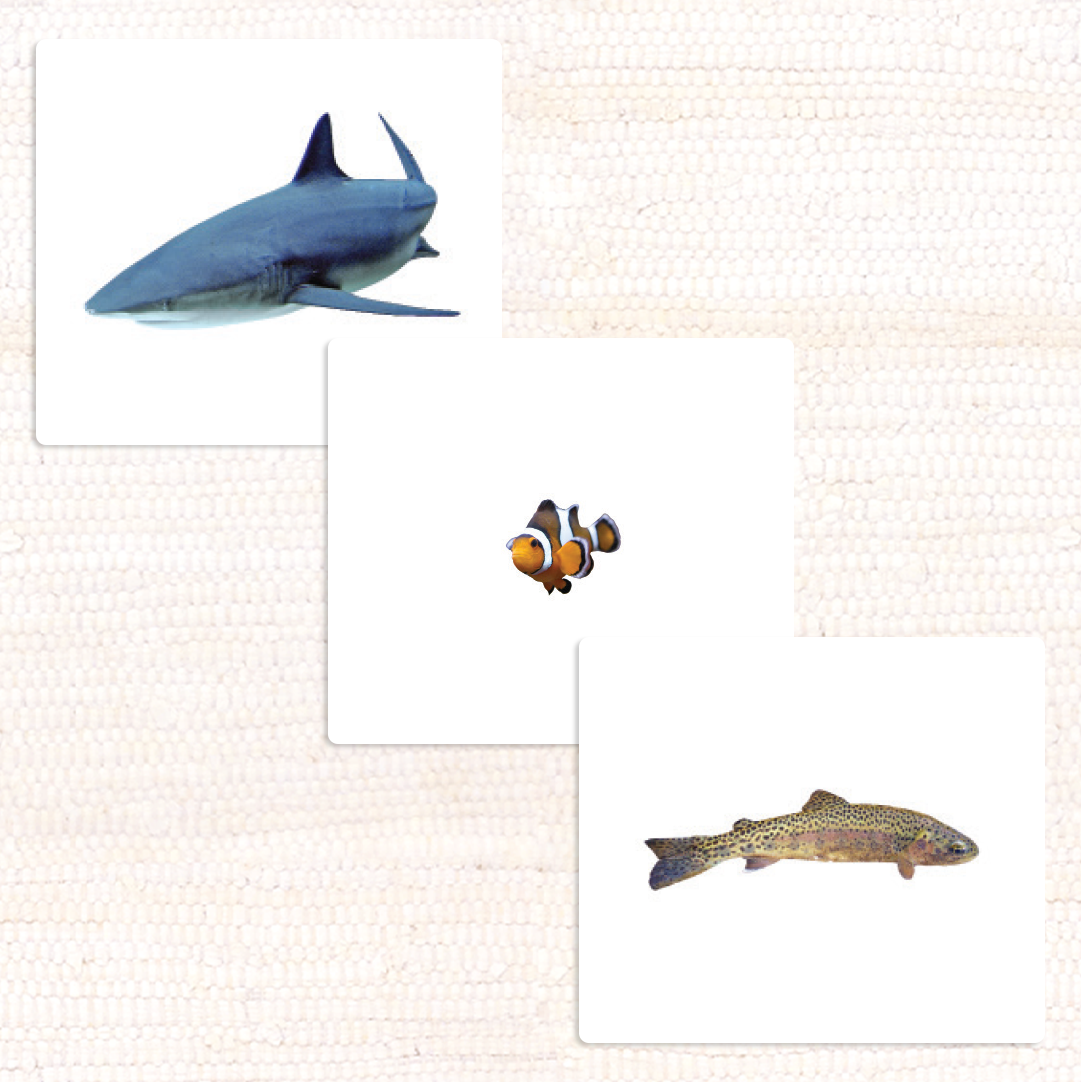
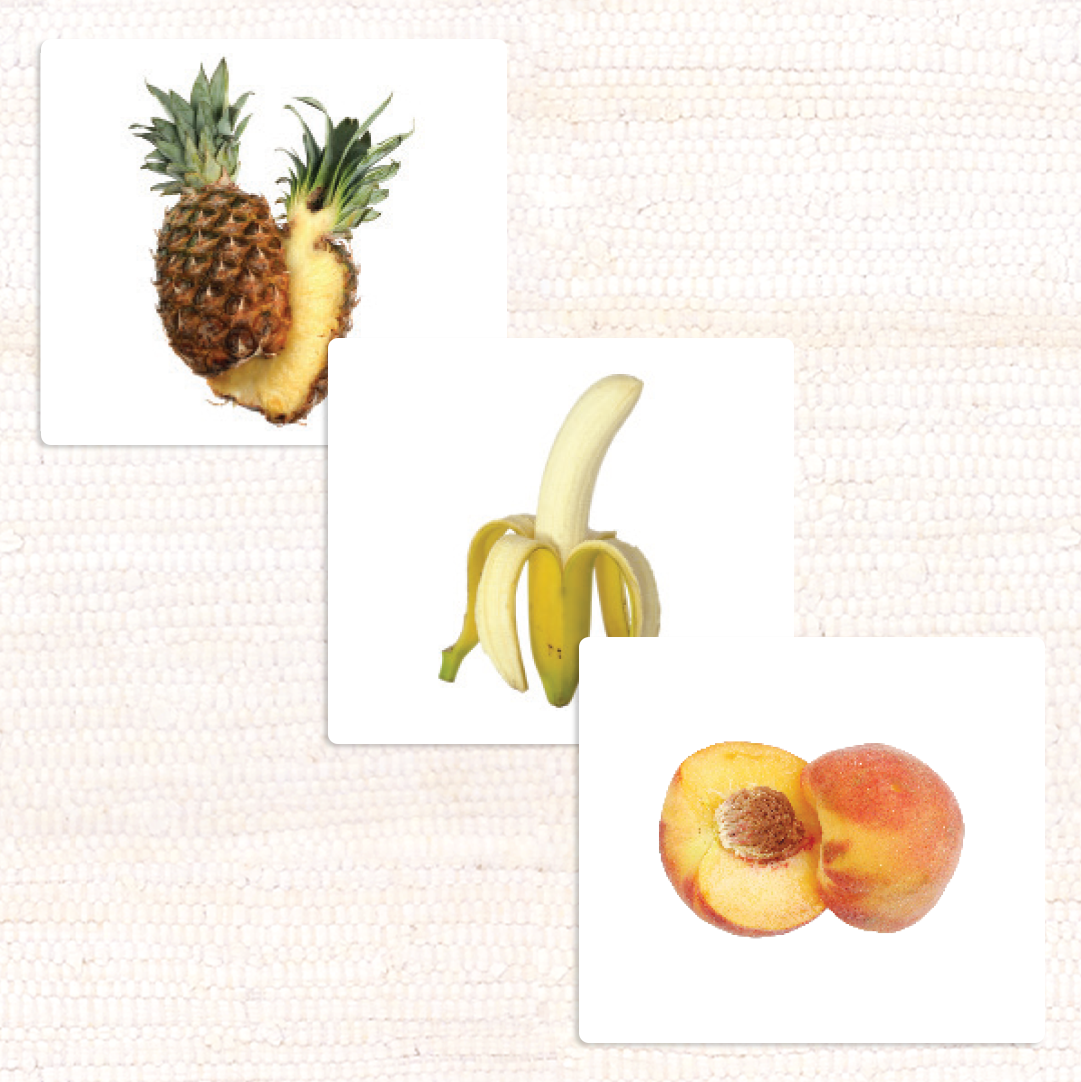
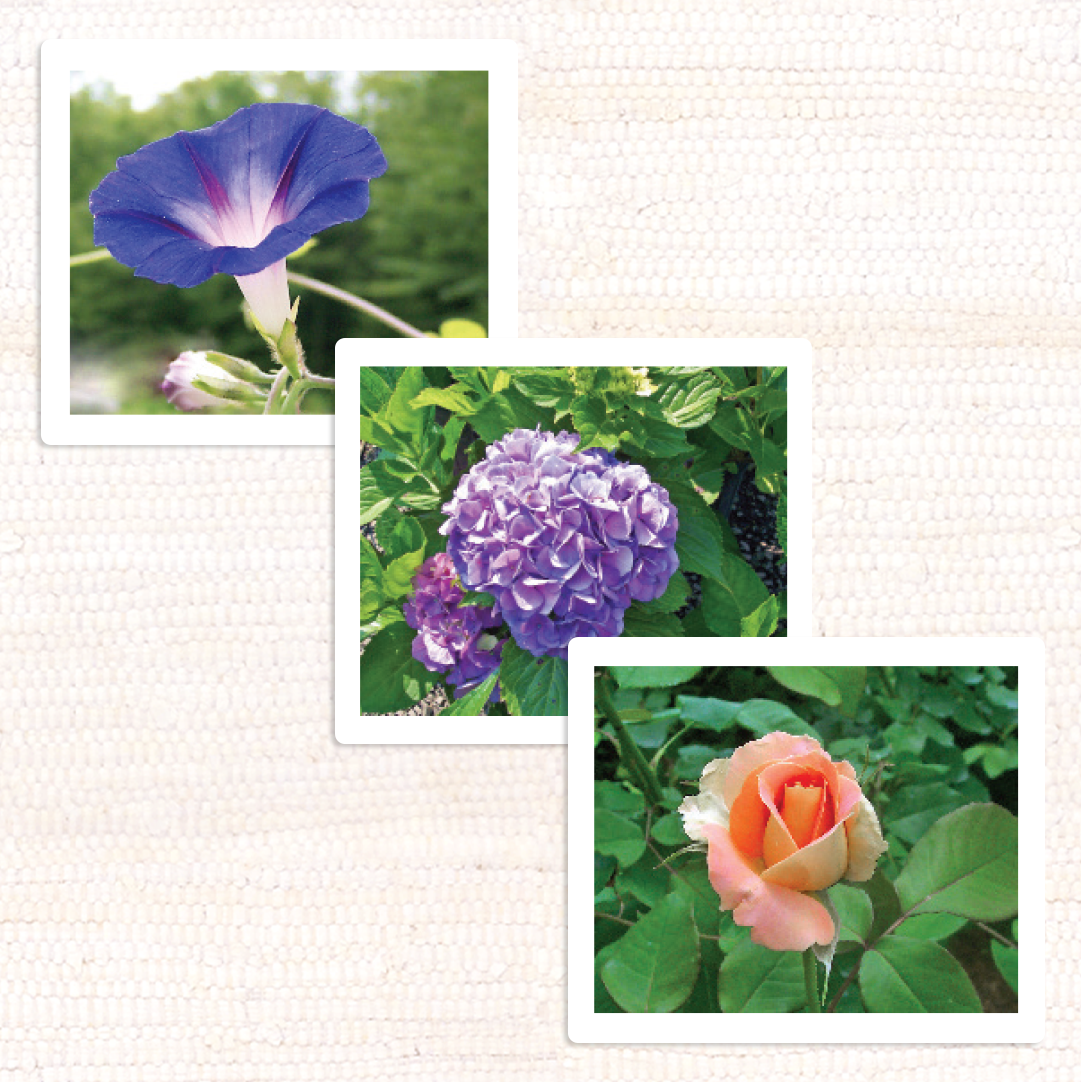
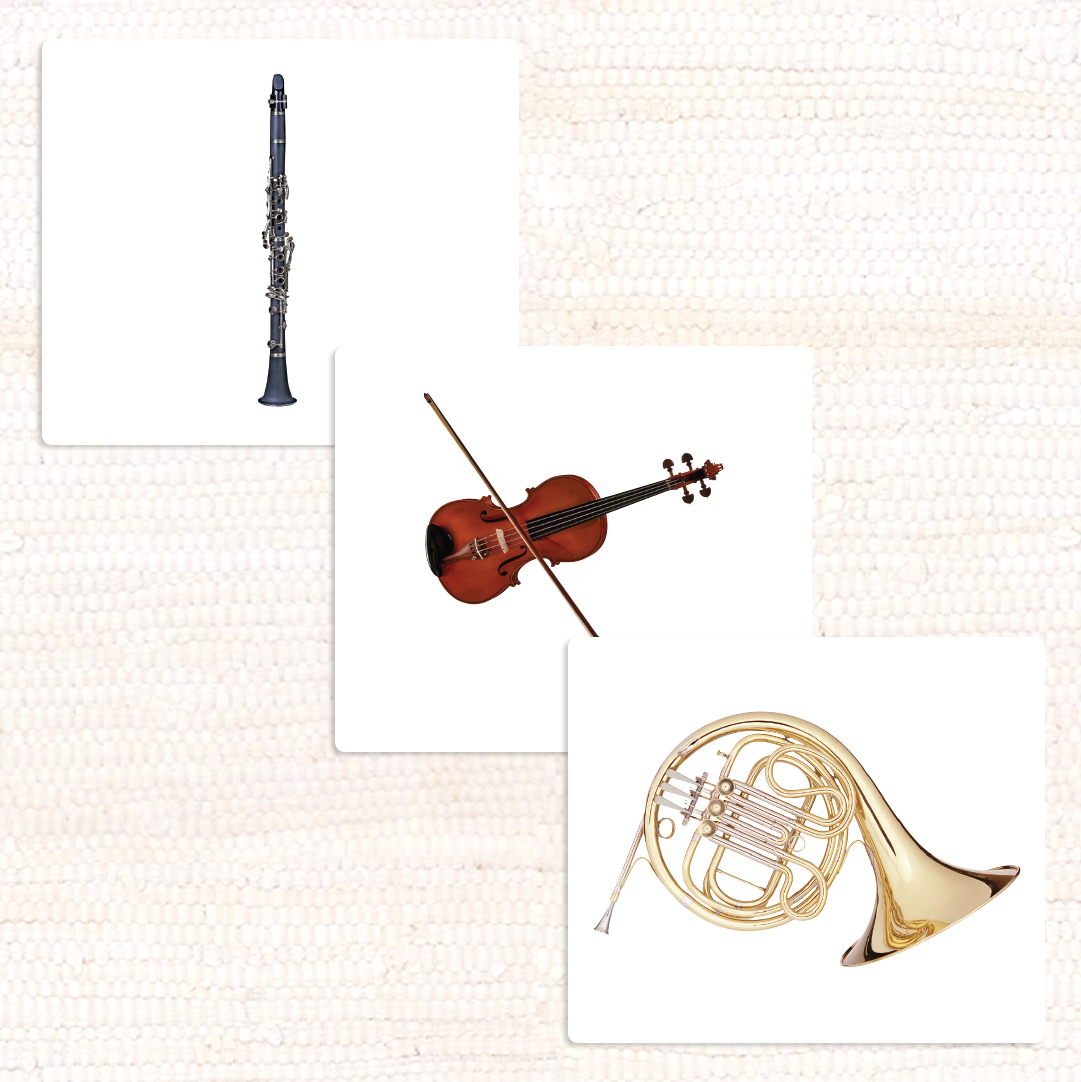
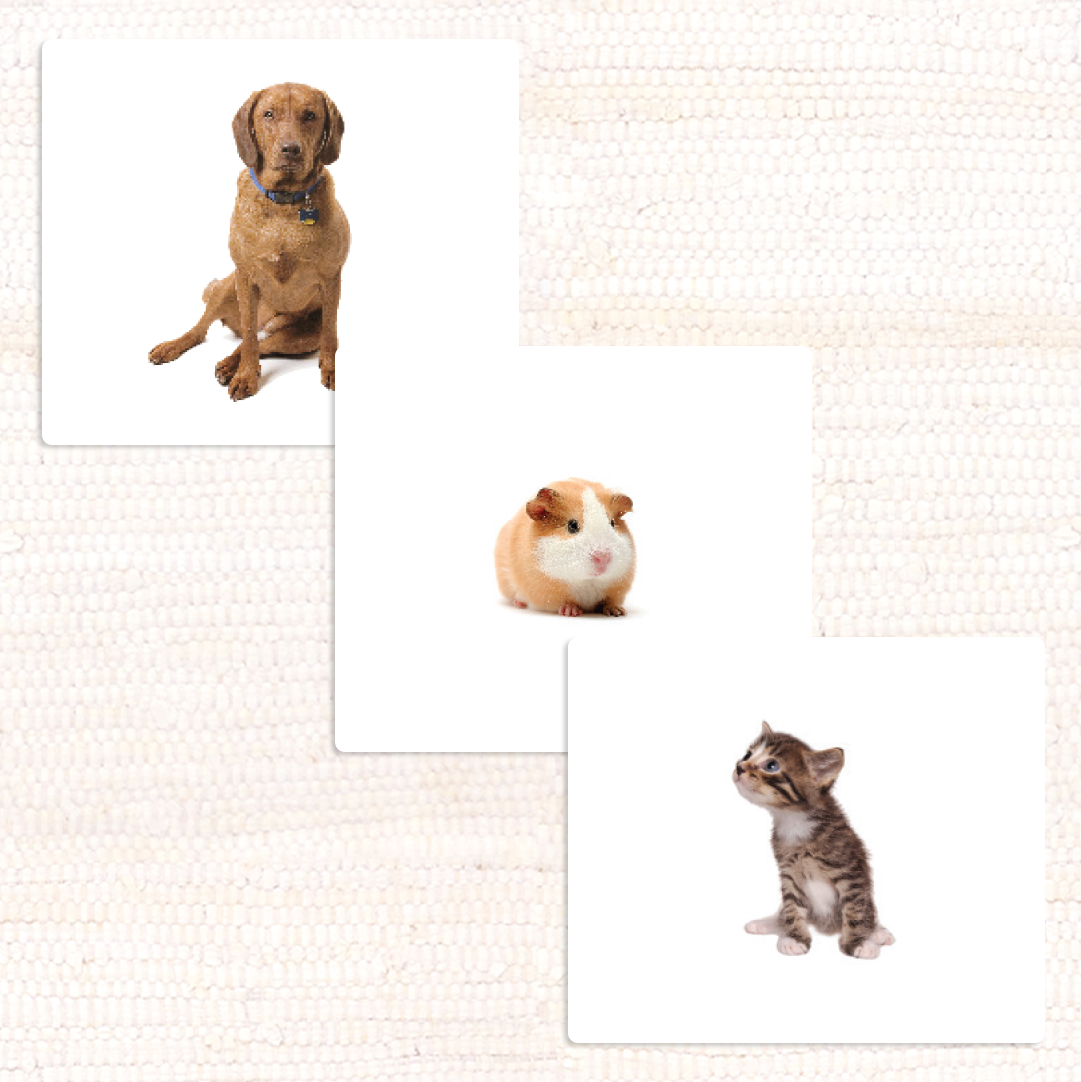
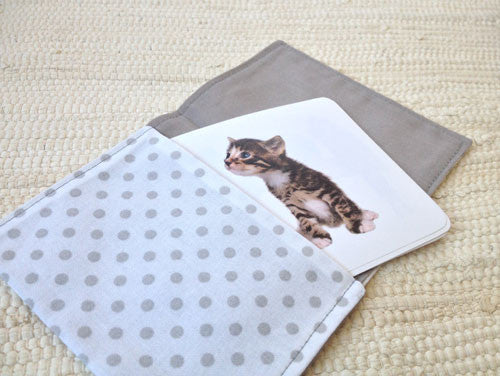
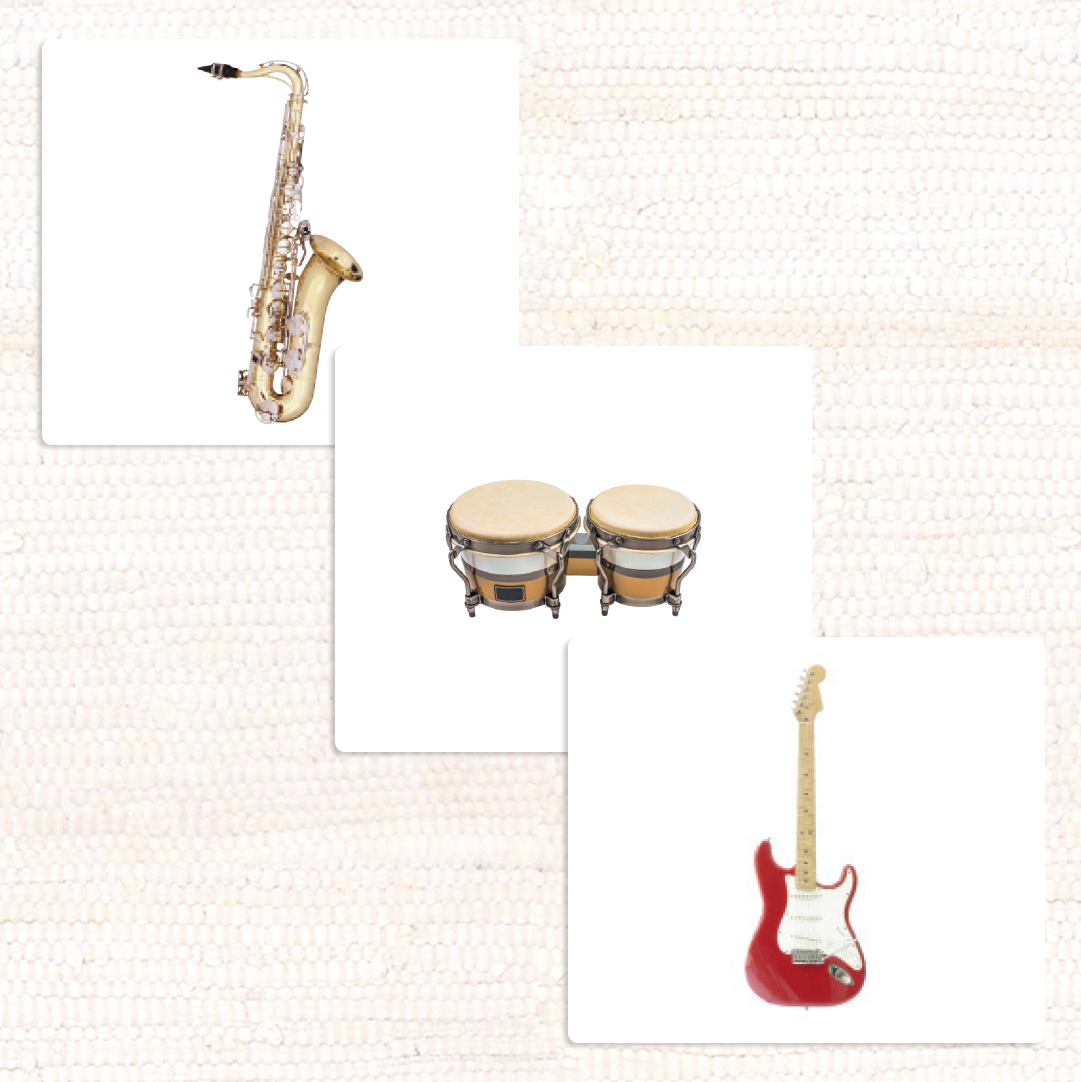
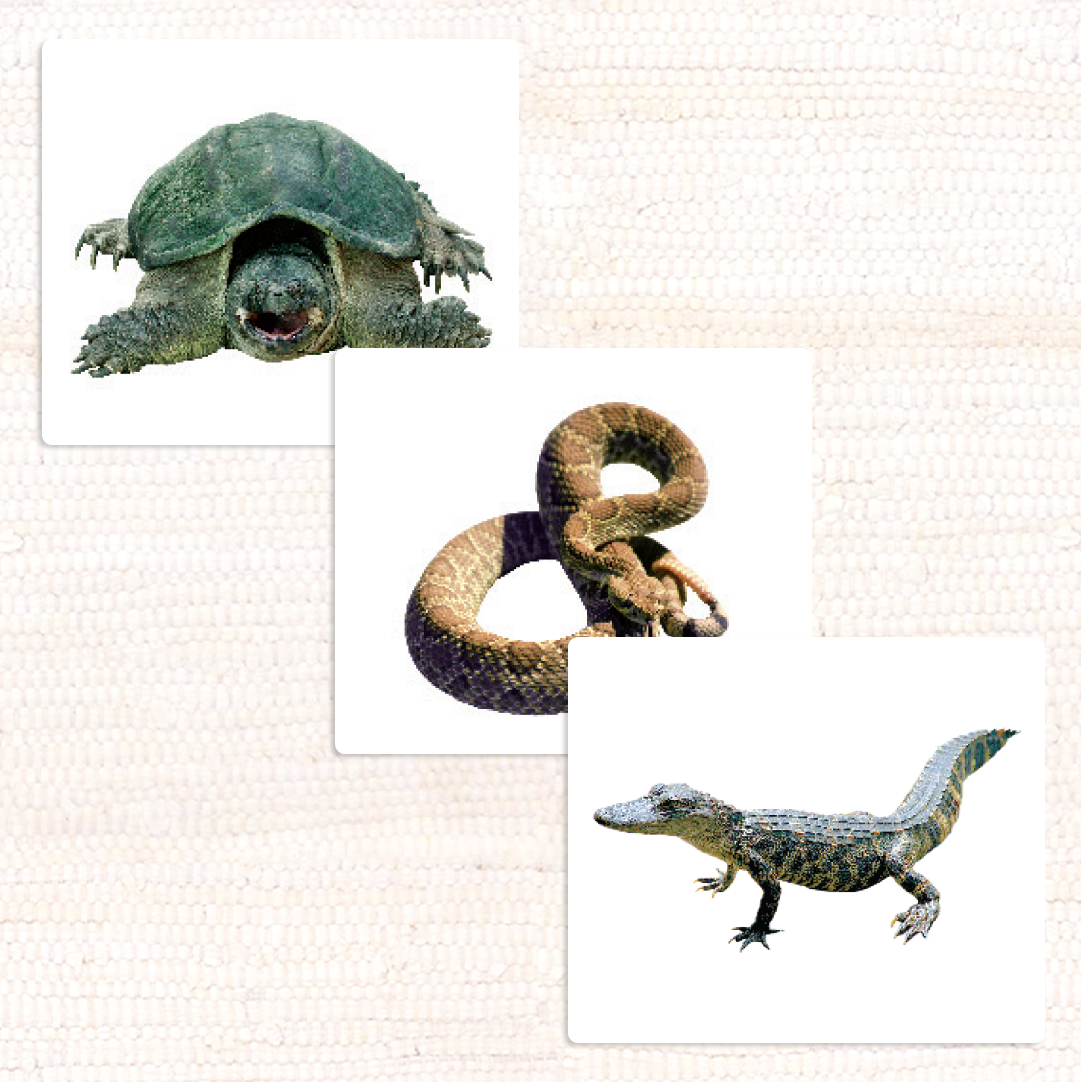
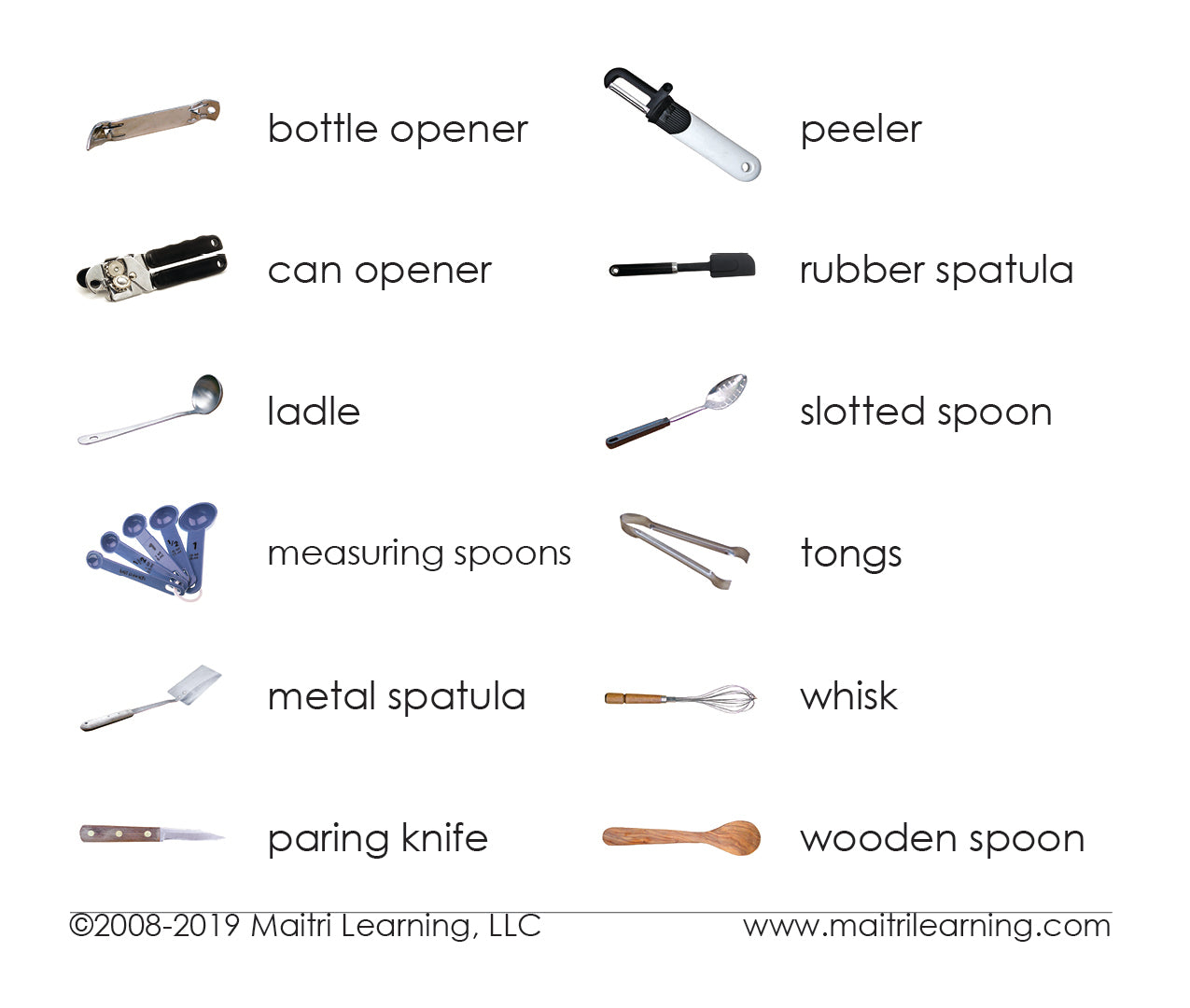
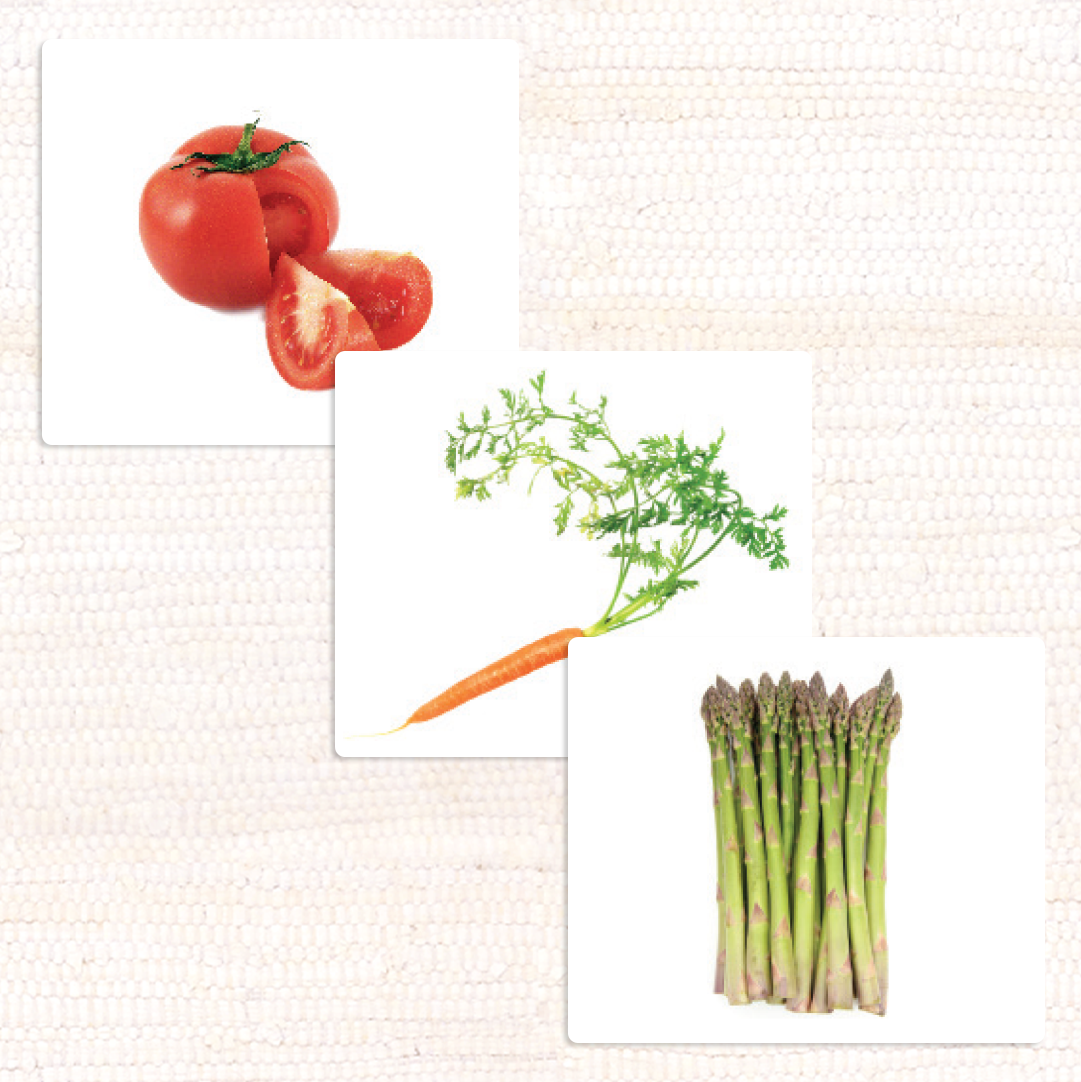
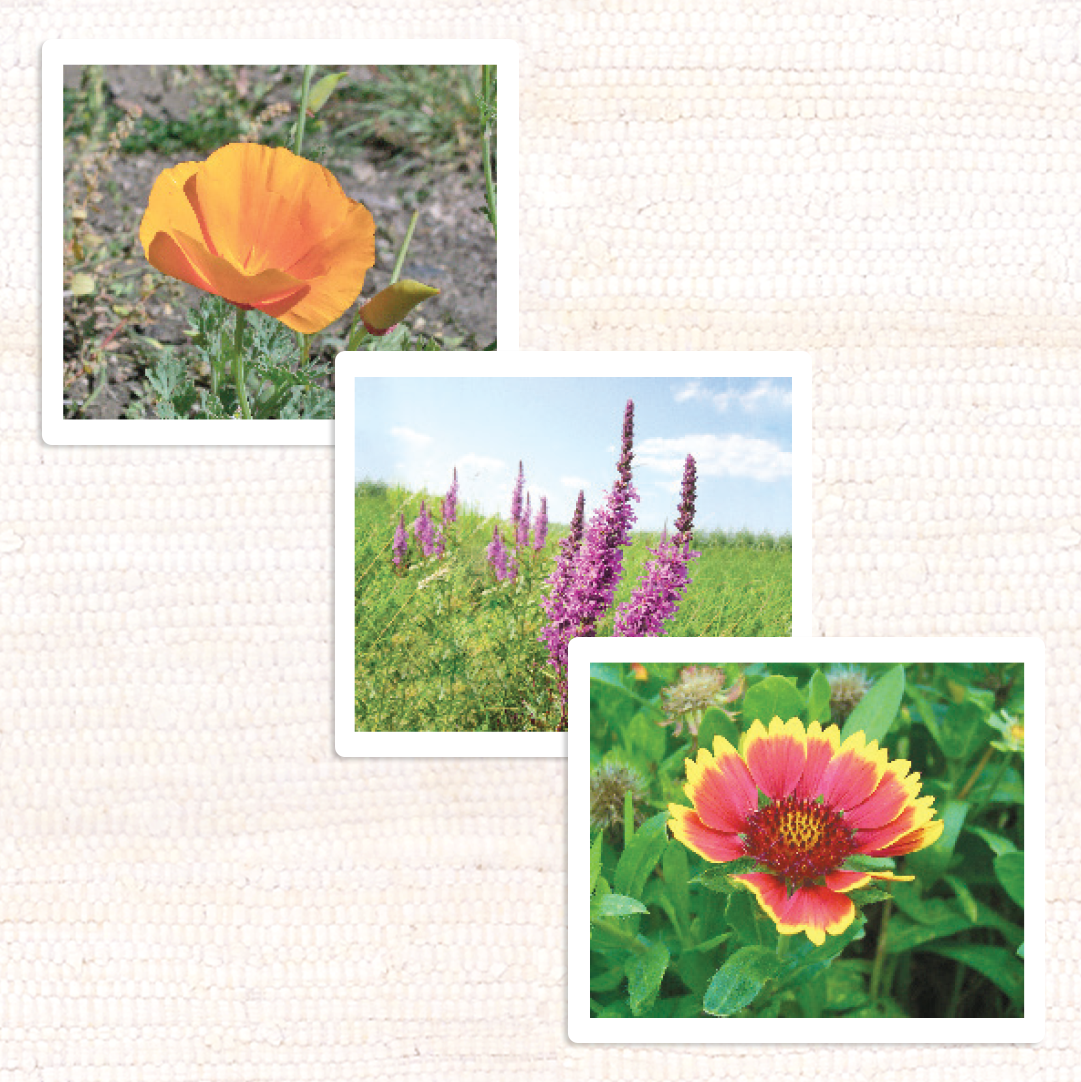
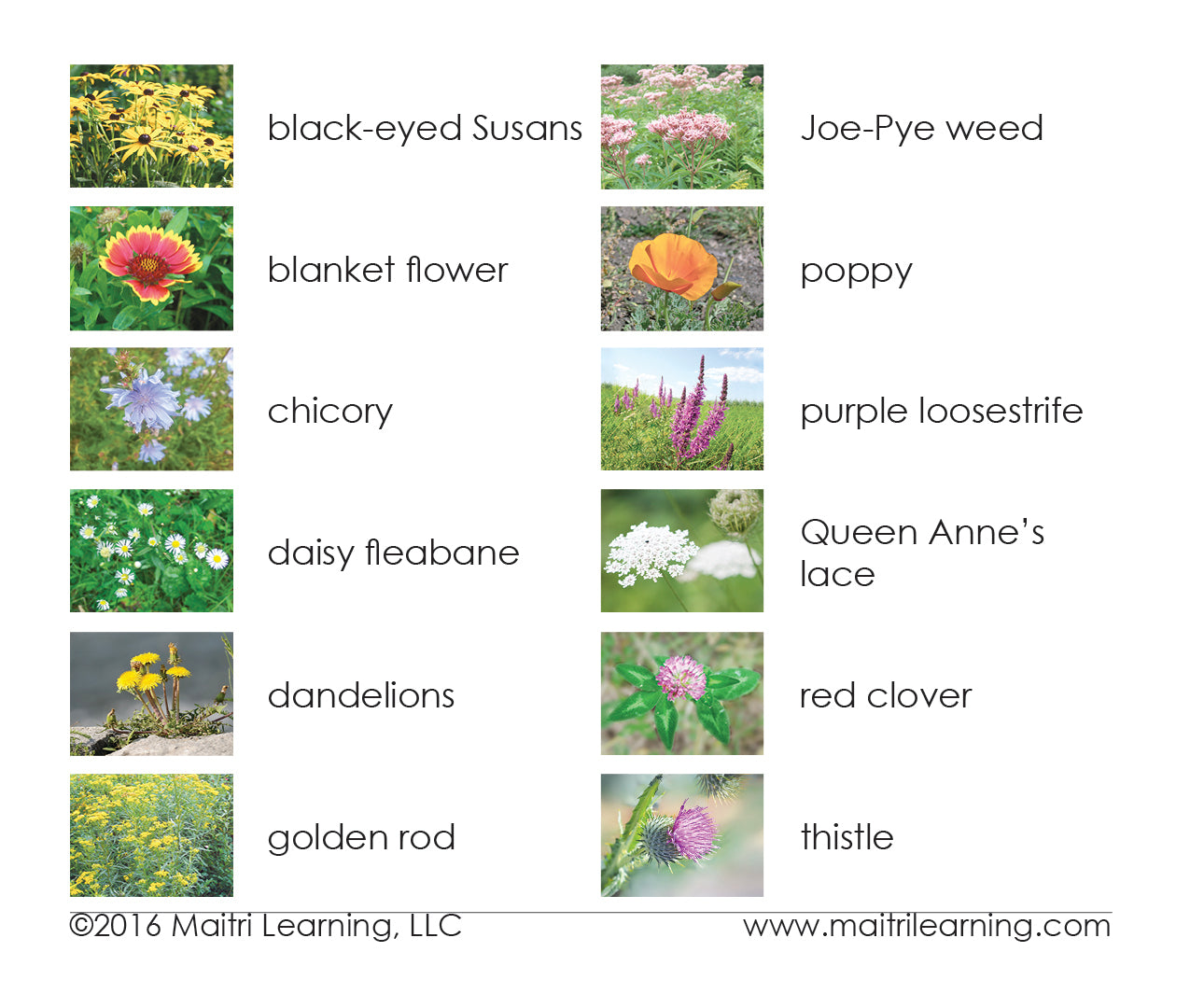
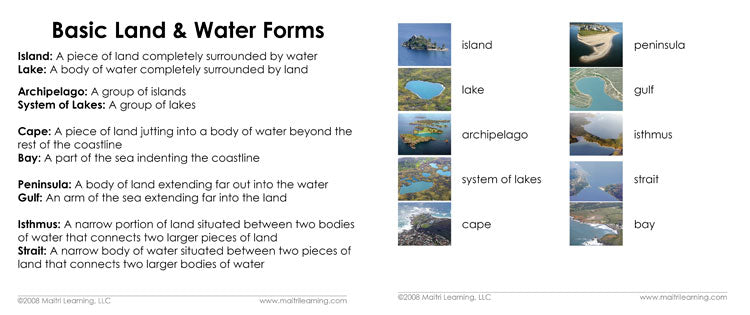
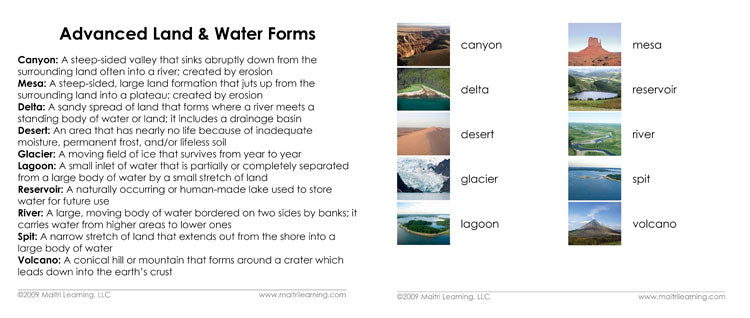
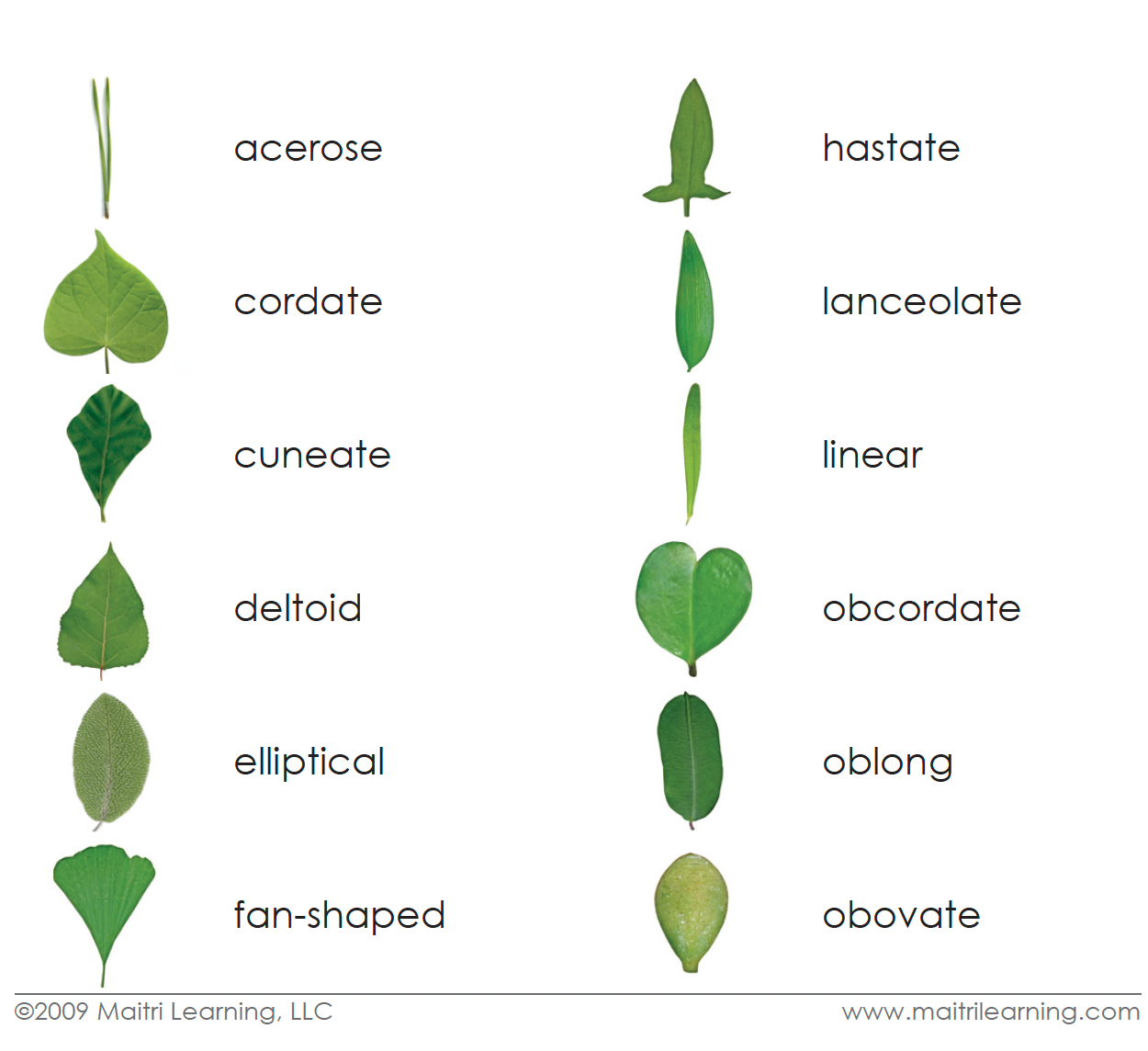
Montessori vocabulary cards are text-free picture cards with real photographs, used to build children's spoken vocabulary before they read. Each packet covers one topic, such as pets, clothing, tools, birds, or musical instruments, so children learn the precise names of things in their world. They are designed for Montessori primary classrooms (ages 3–6), homeschools, English learners, and intervention settings.
What's in this collection
- Single-topic packets covering everyday life, animals, plants, music, geography, and more
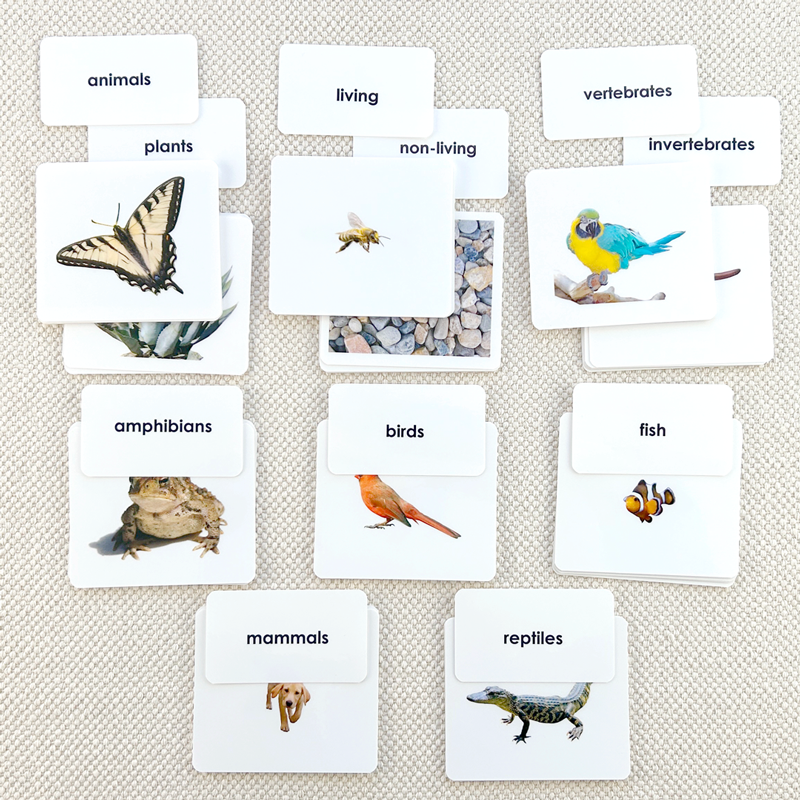
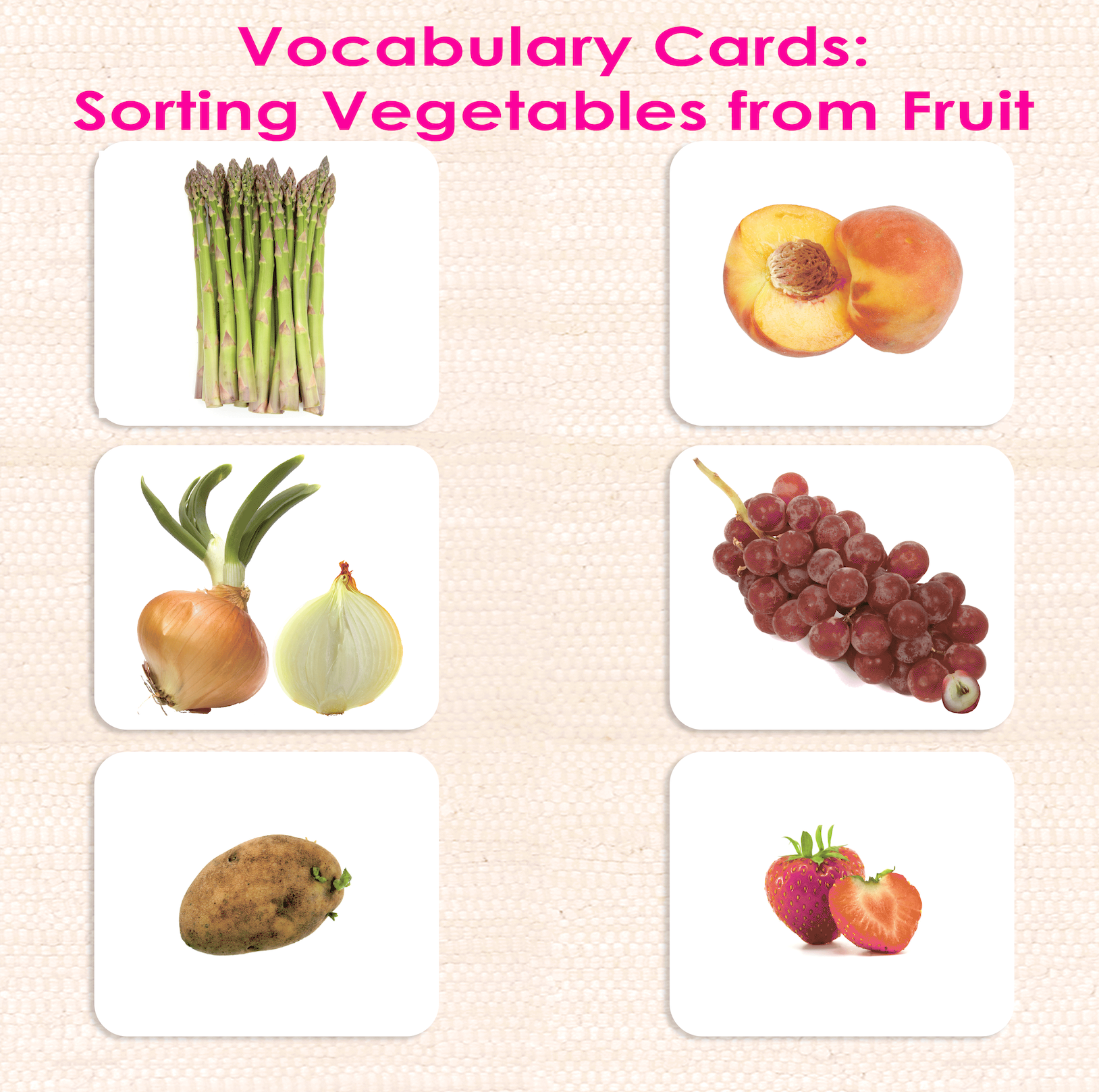
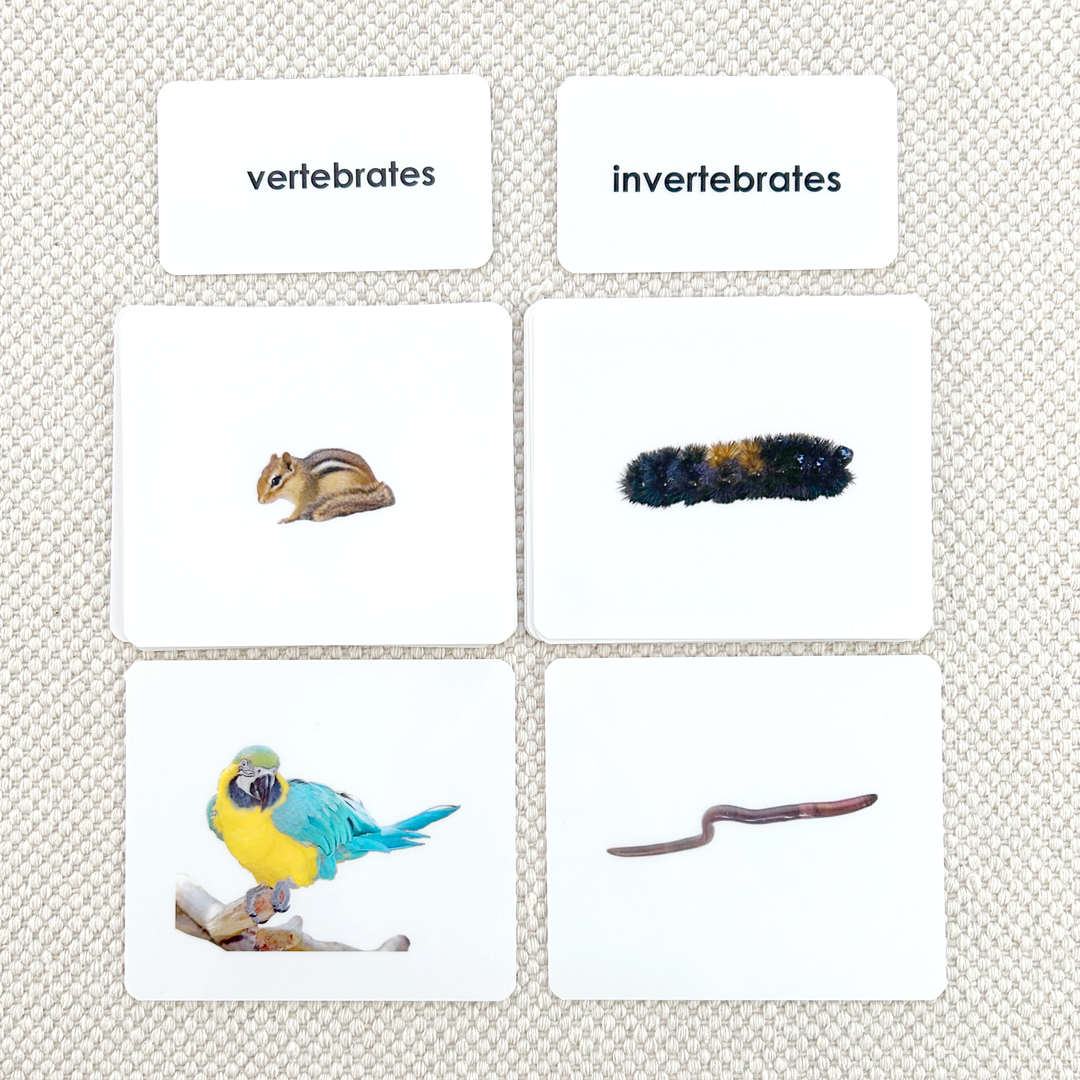
- Sorting cards for classifying, such as living/non-living and vertebrate classes
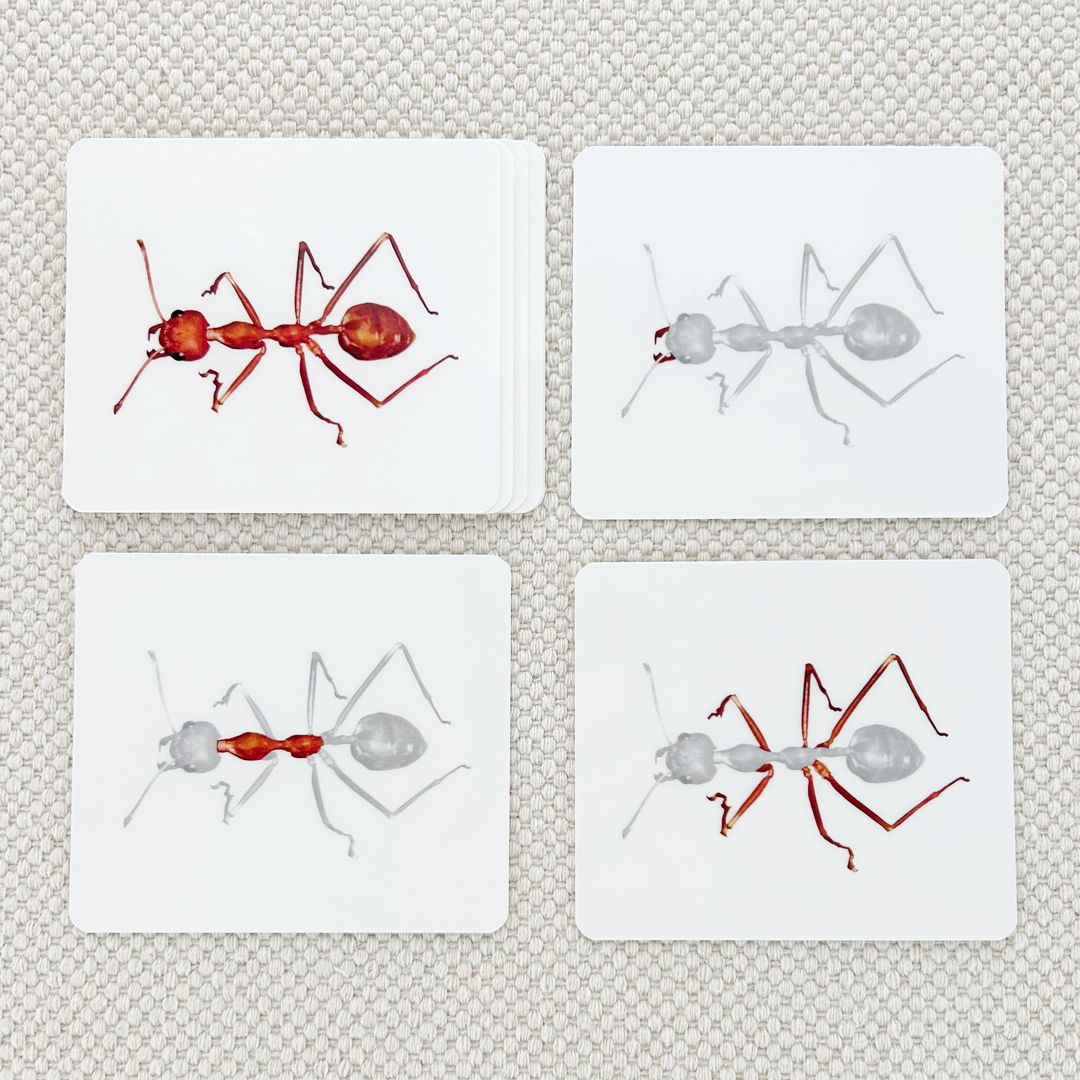
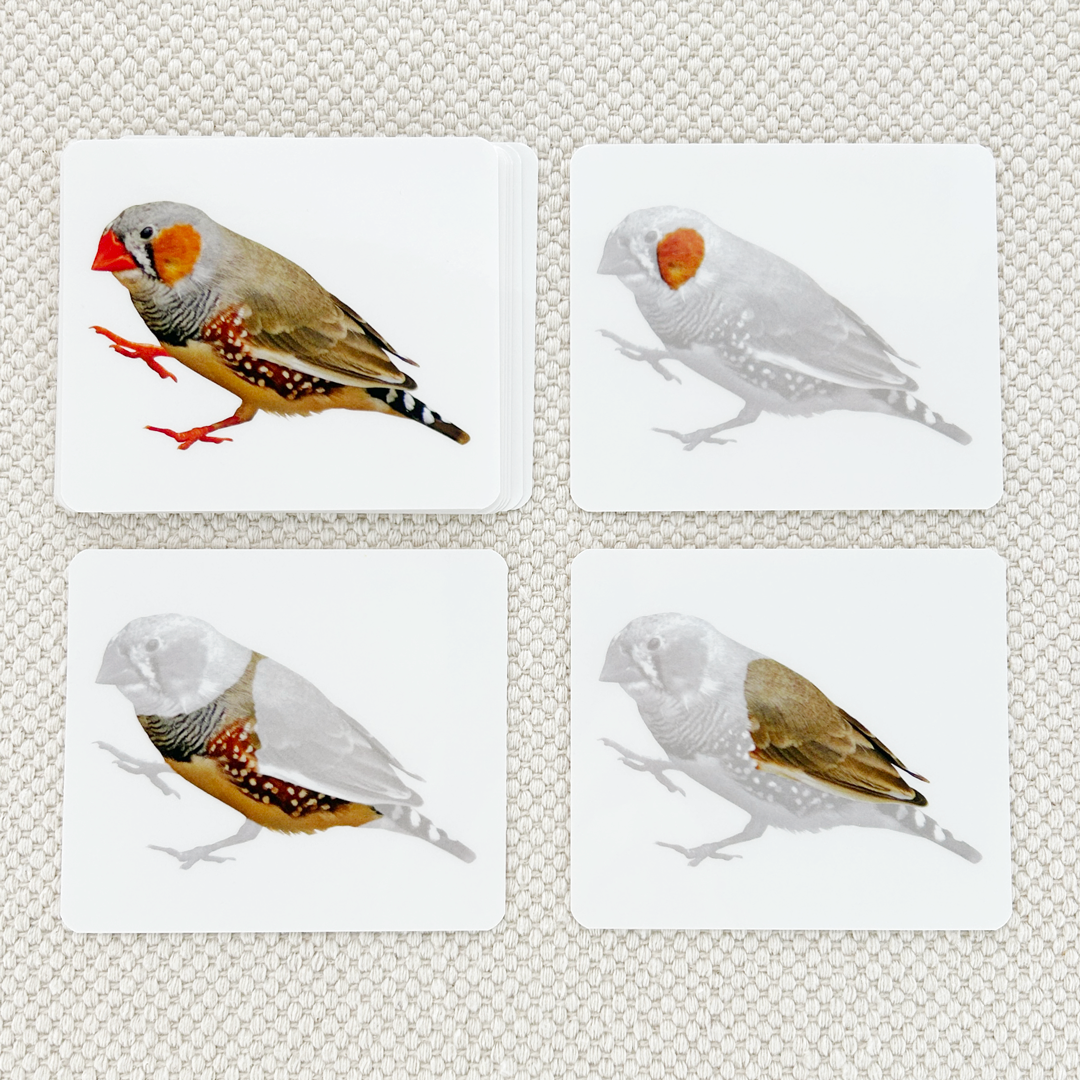
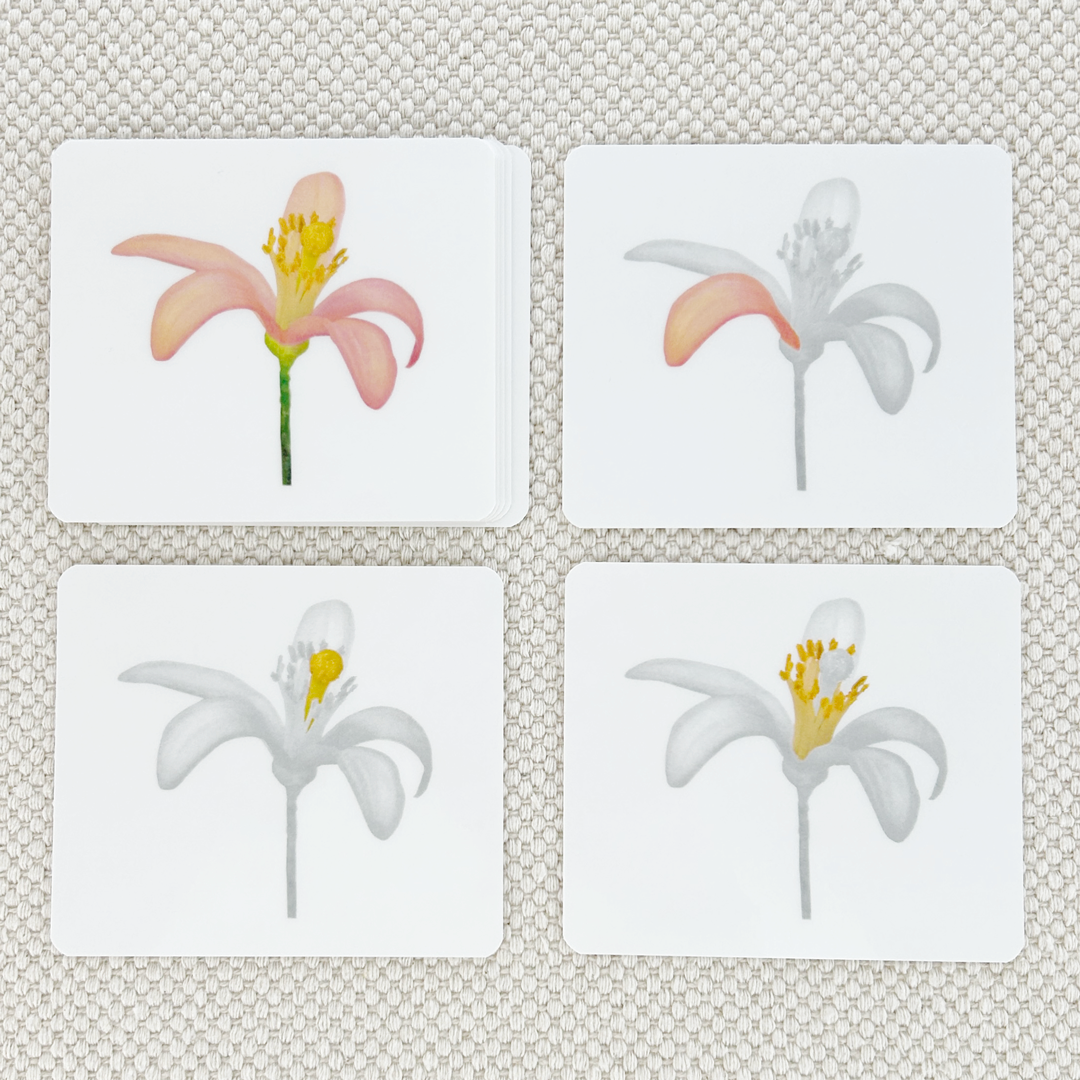
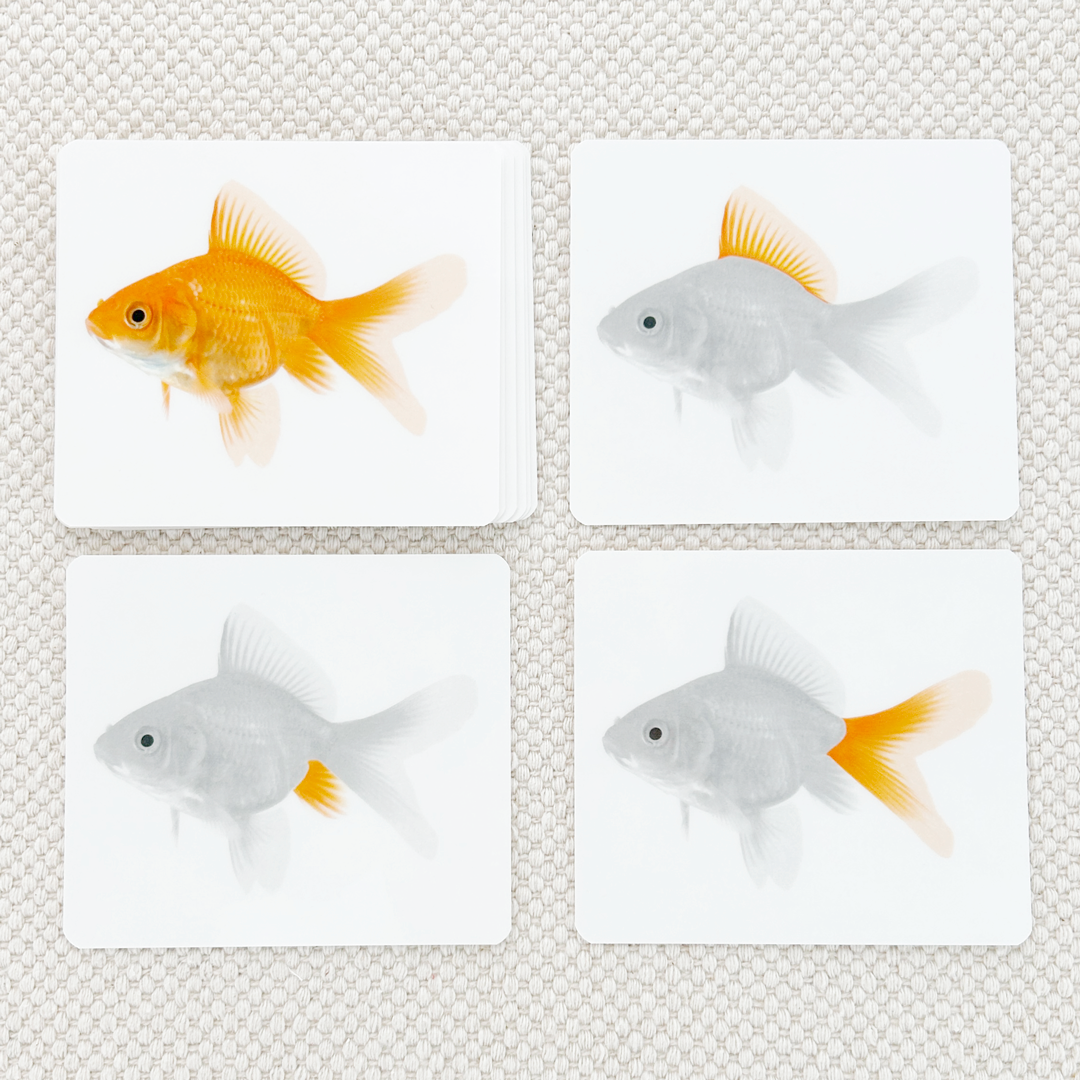
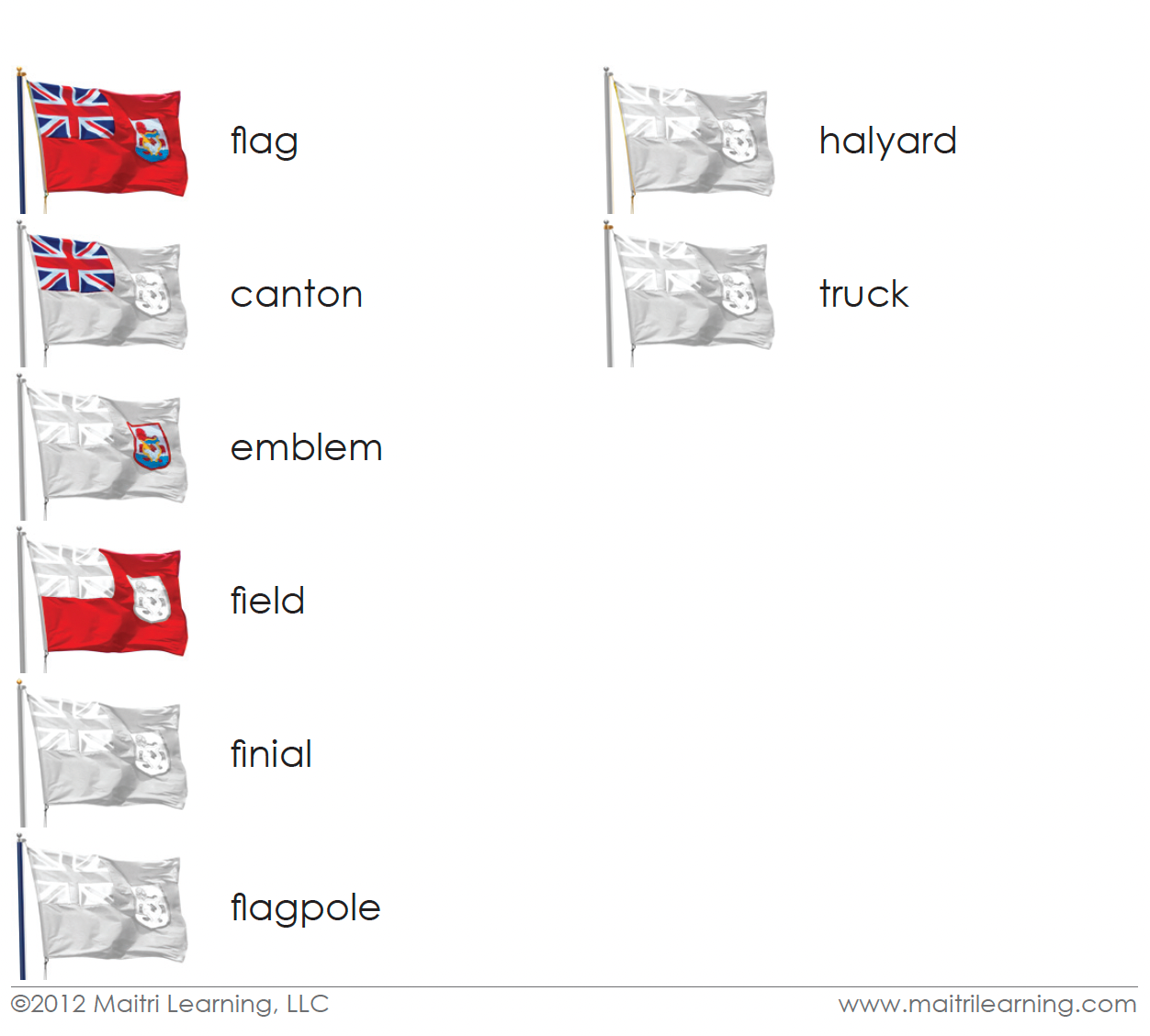
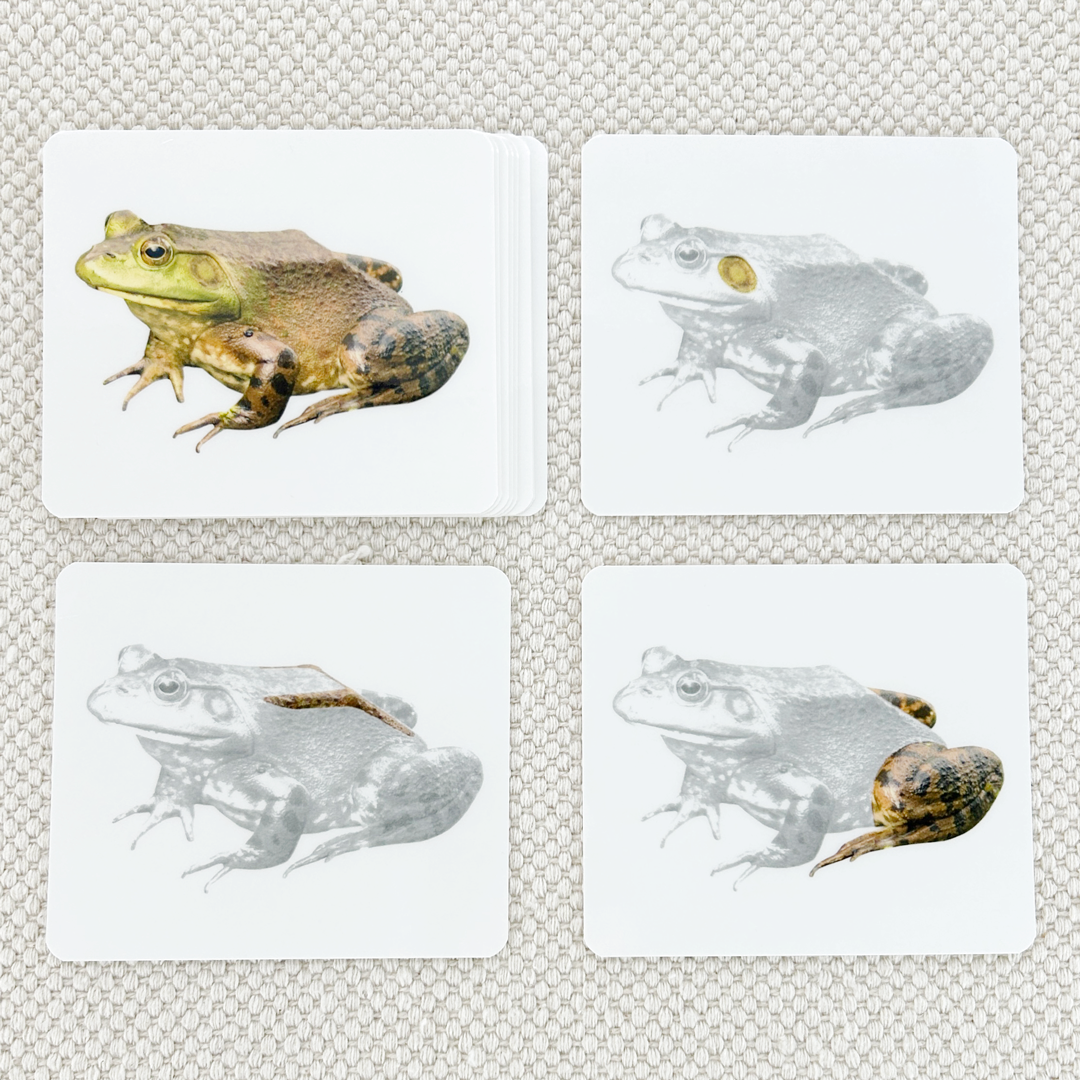
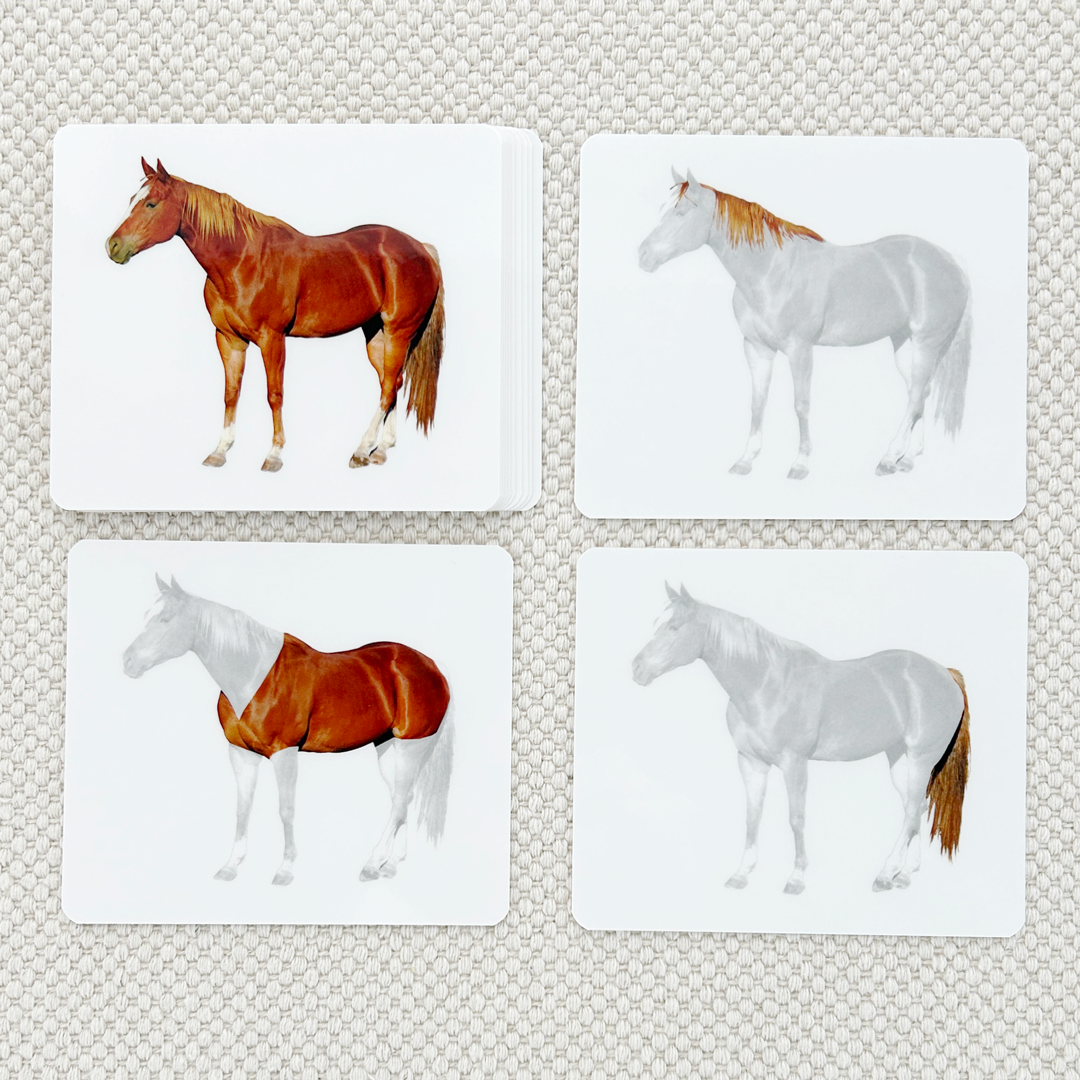
- Advanced "Parts of" vocabulary cards that name the parts of animals, plants, and flags (for example, the parts of the bird)
- Discounted sets: the Vocabulary Starter Set, Basic Vocabulary Card Set, Advanced Vocabulary Card Set, and Sorting Set
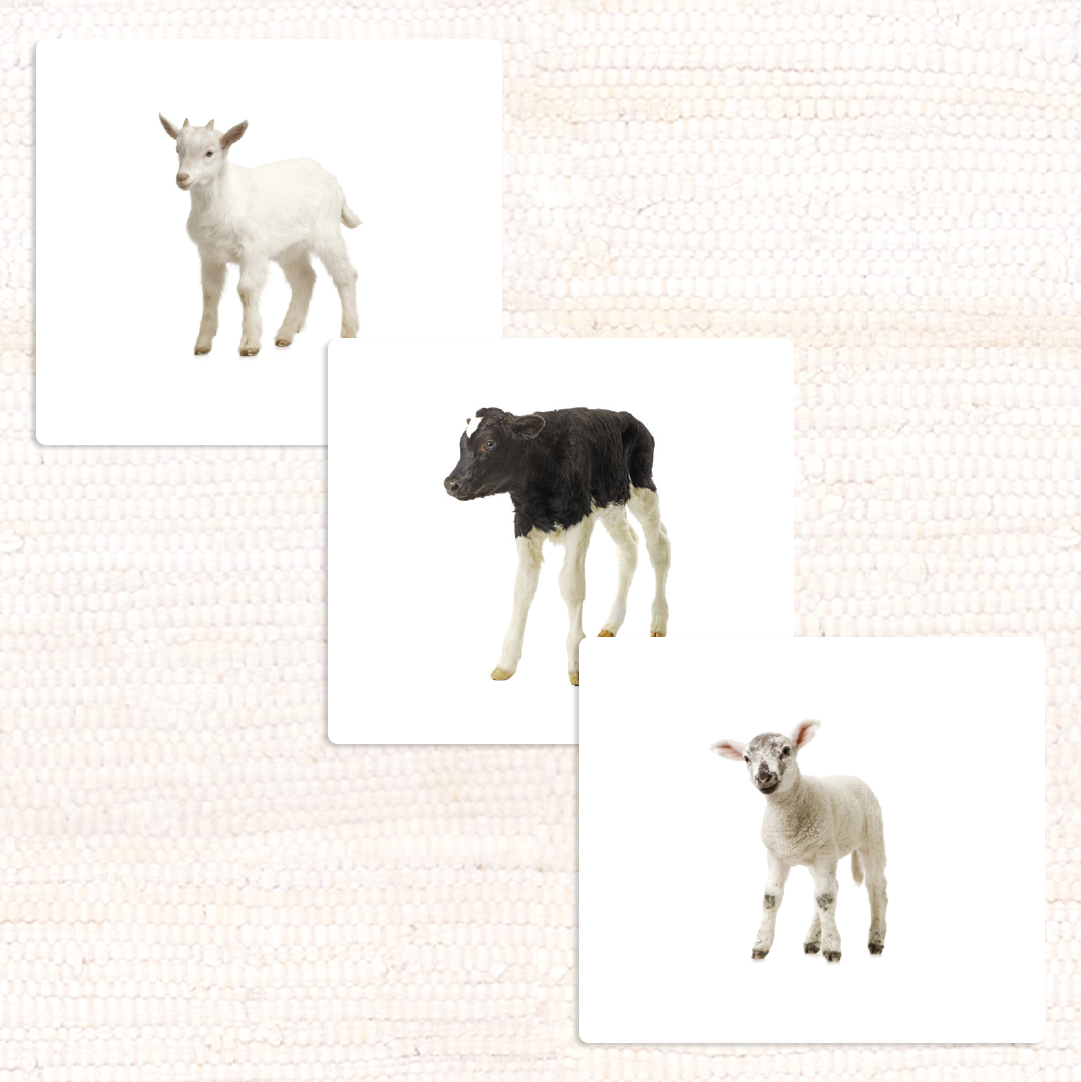
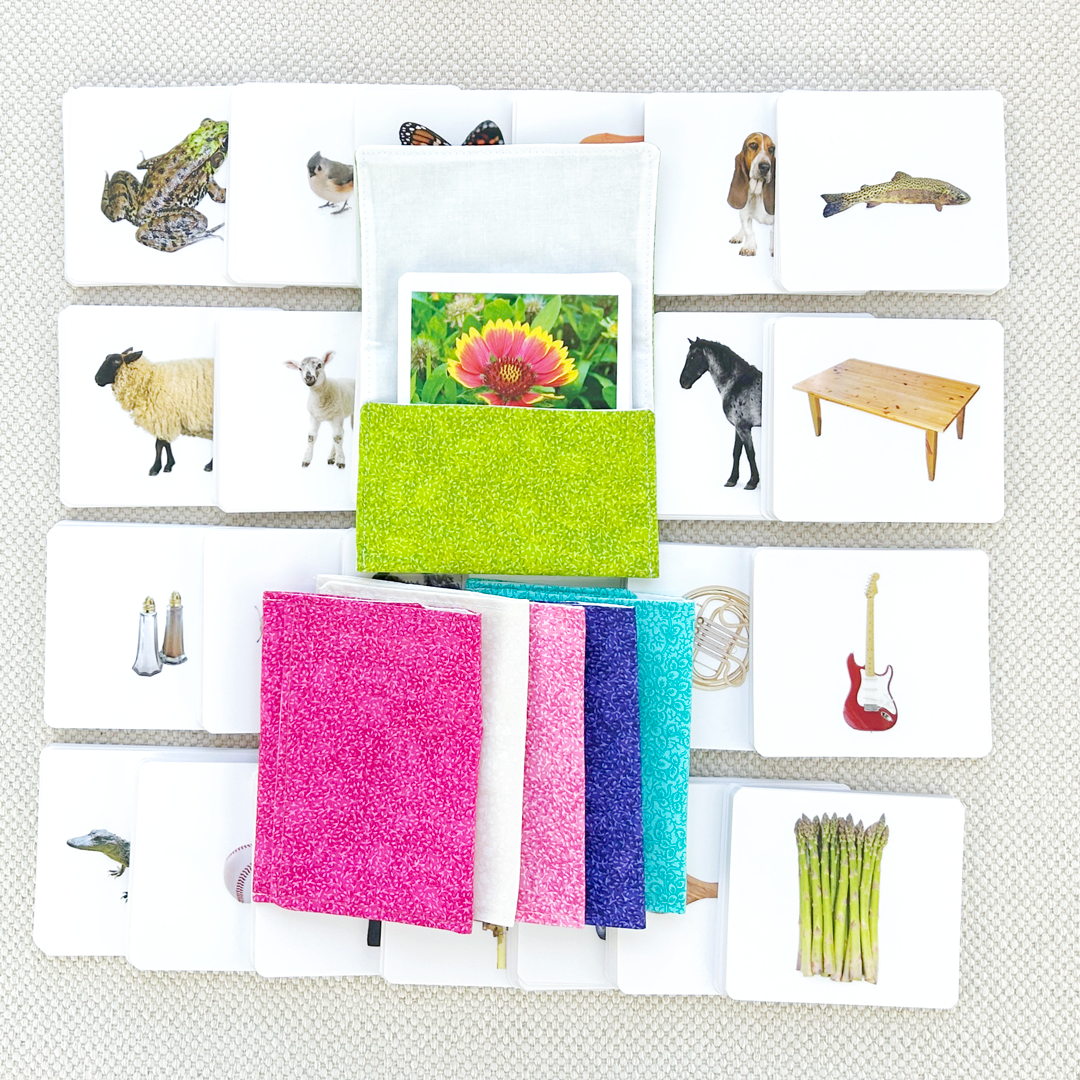
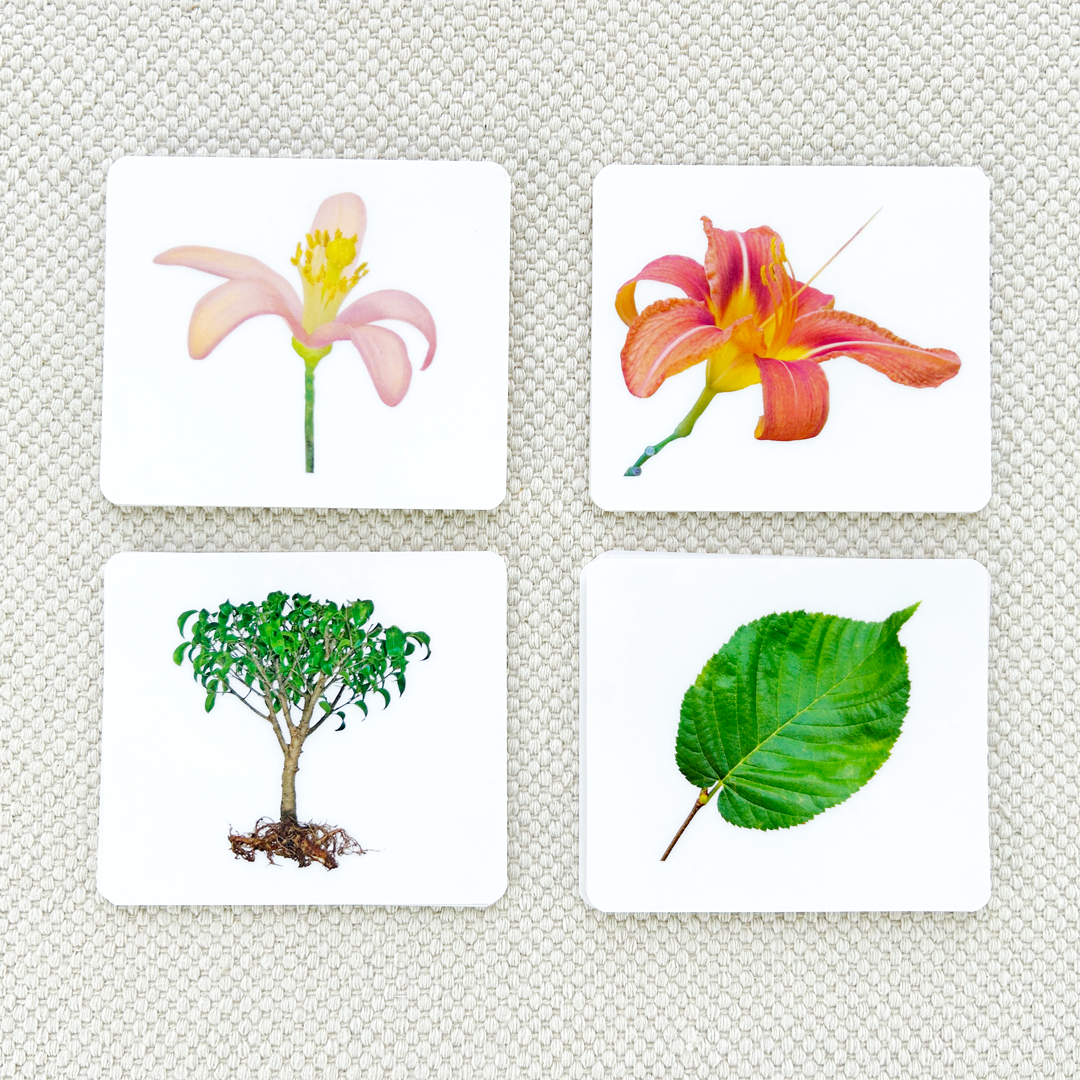
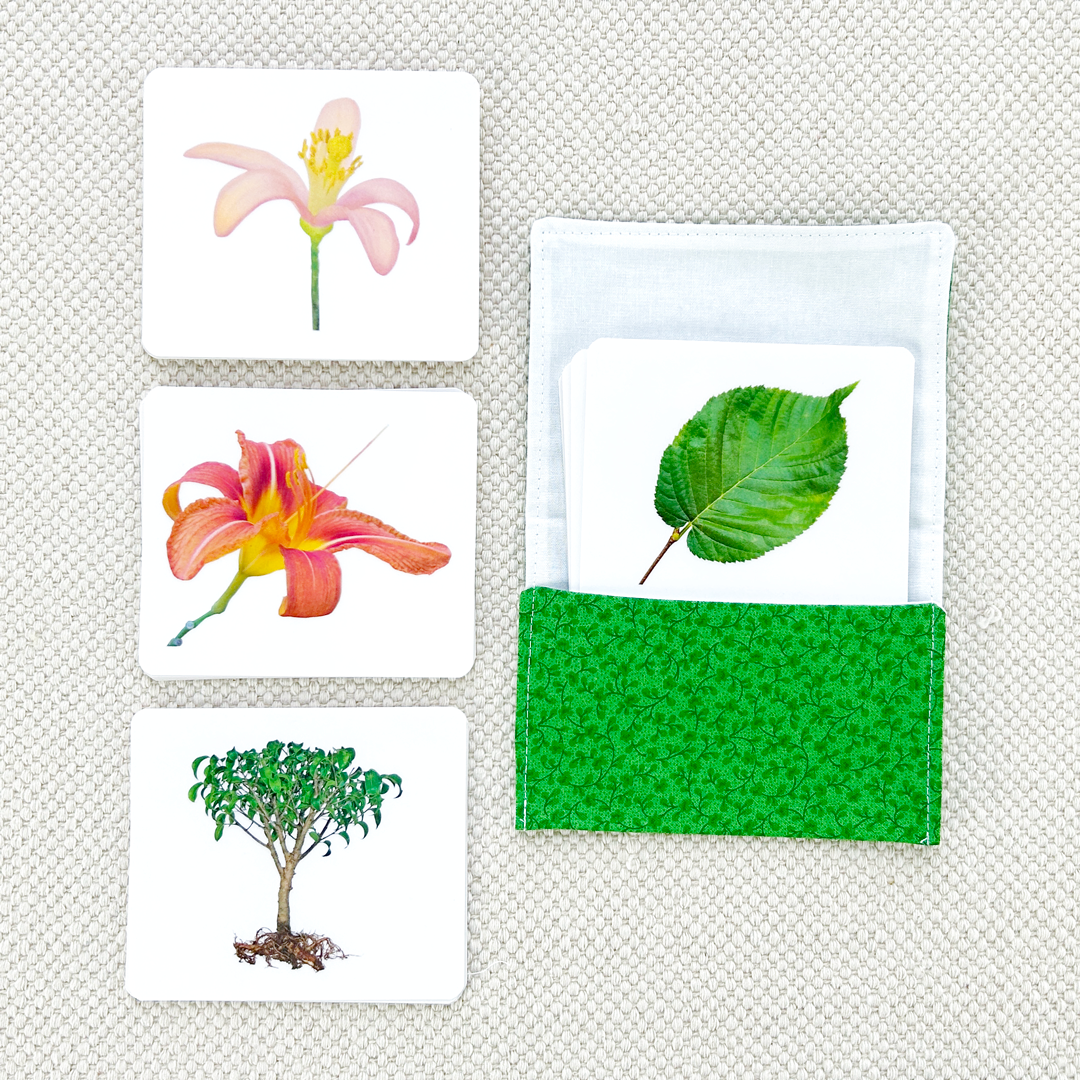
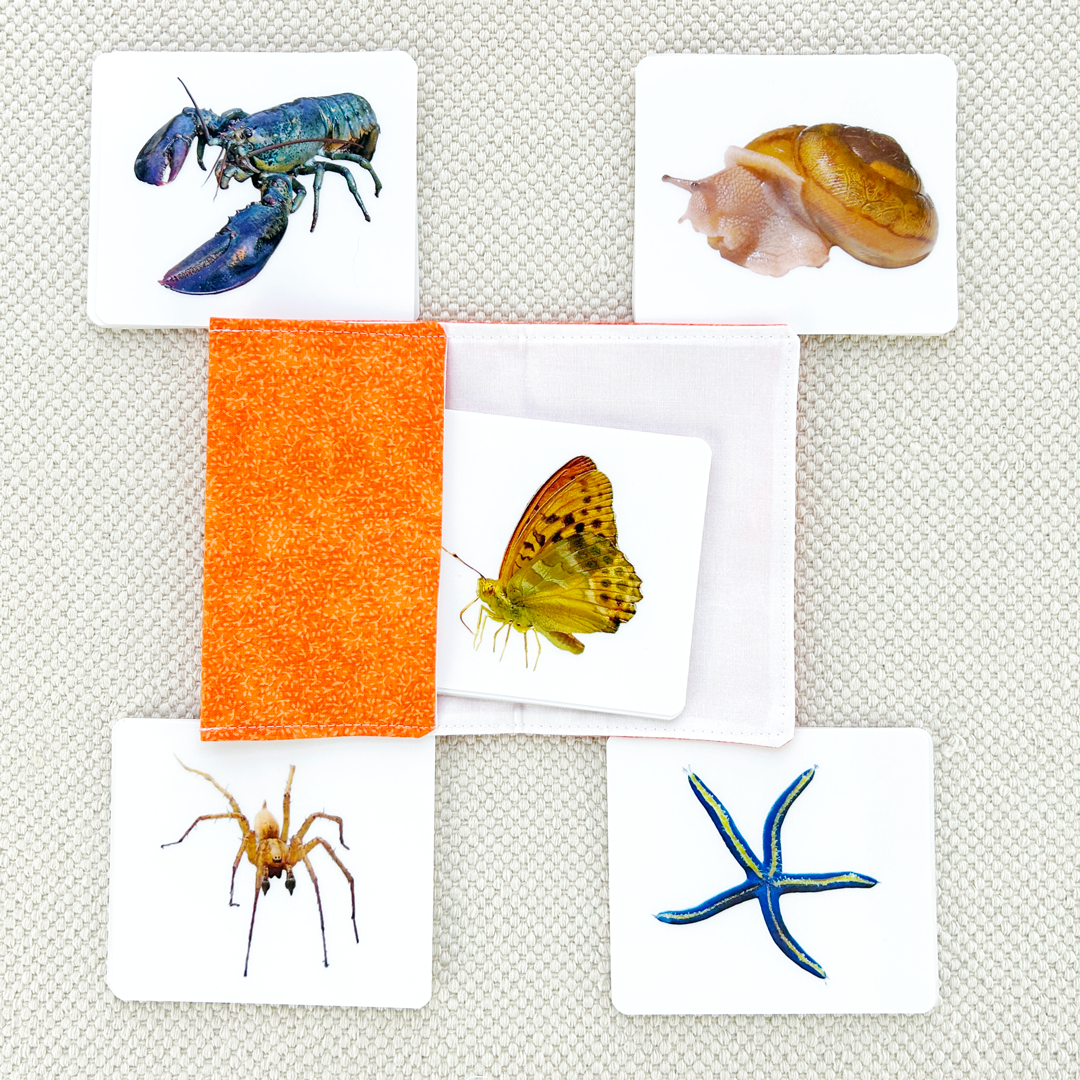
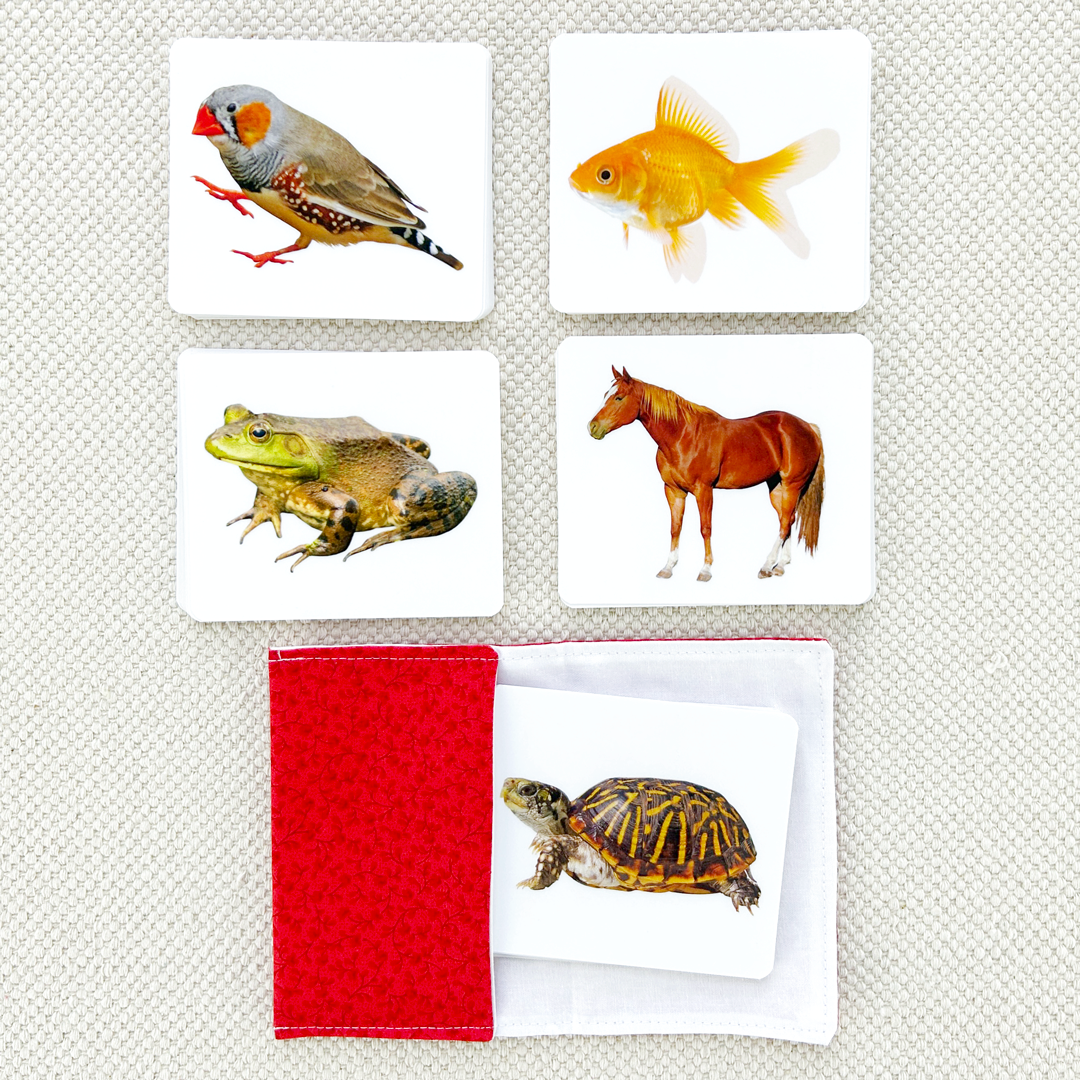
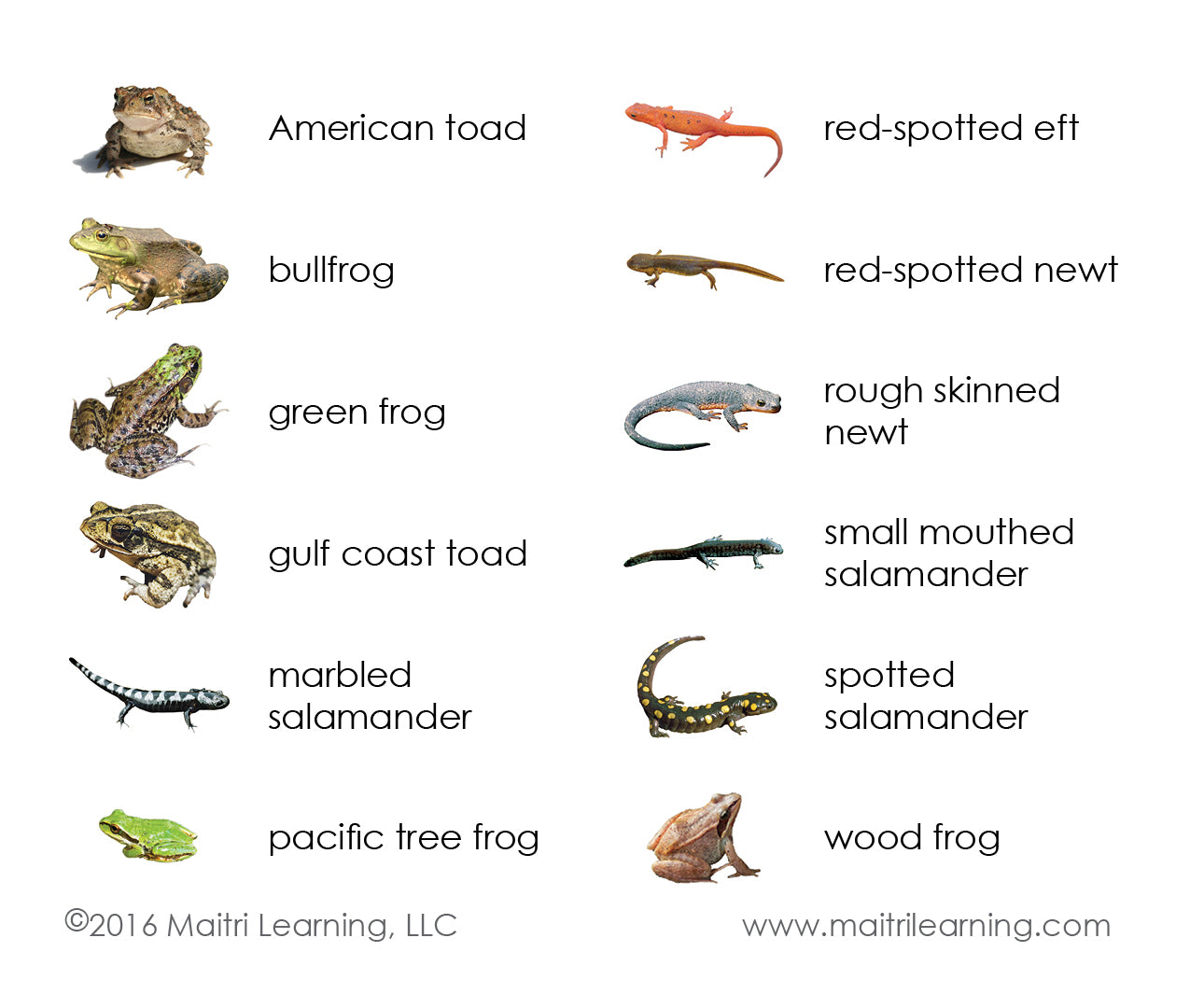
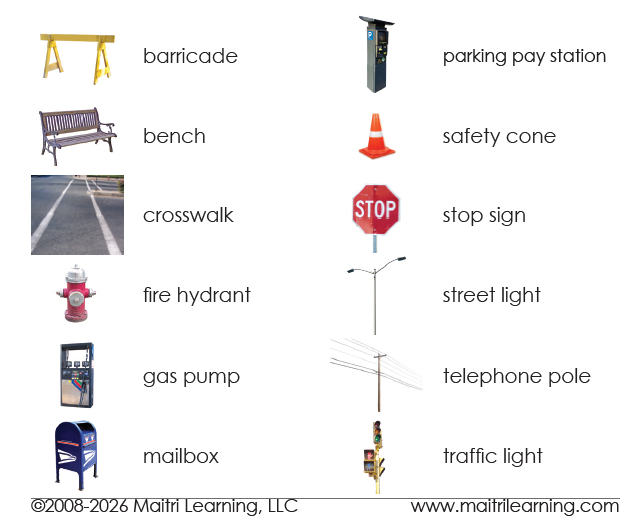
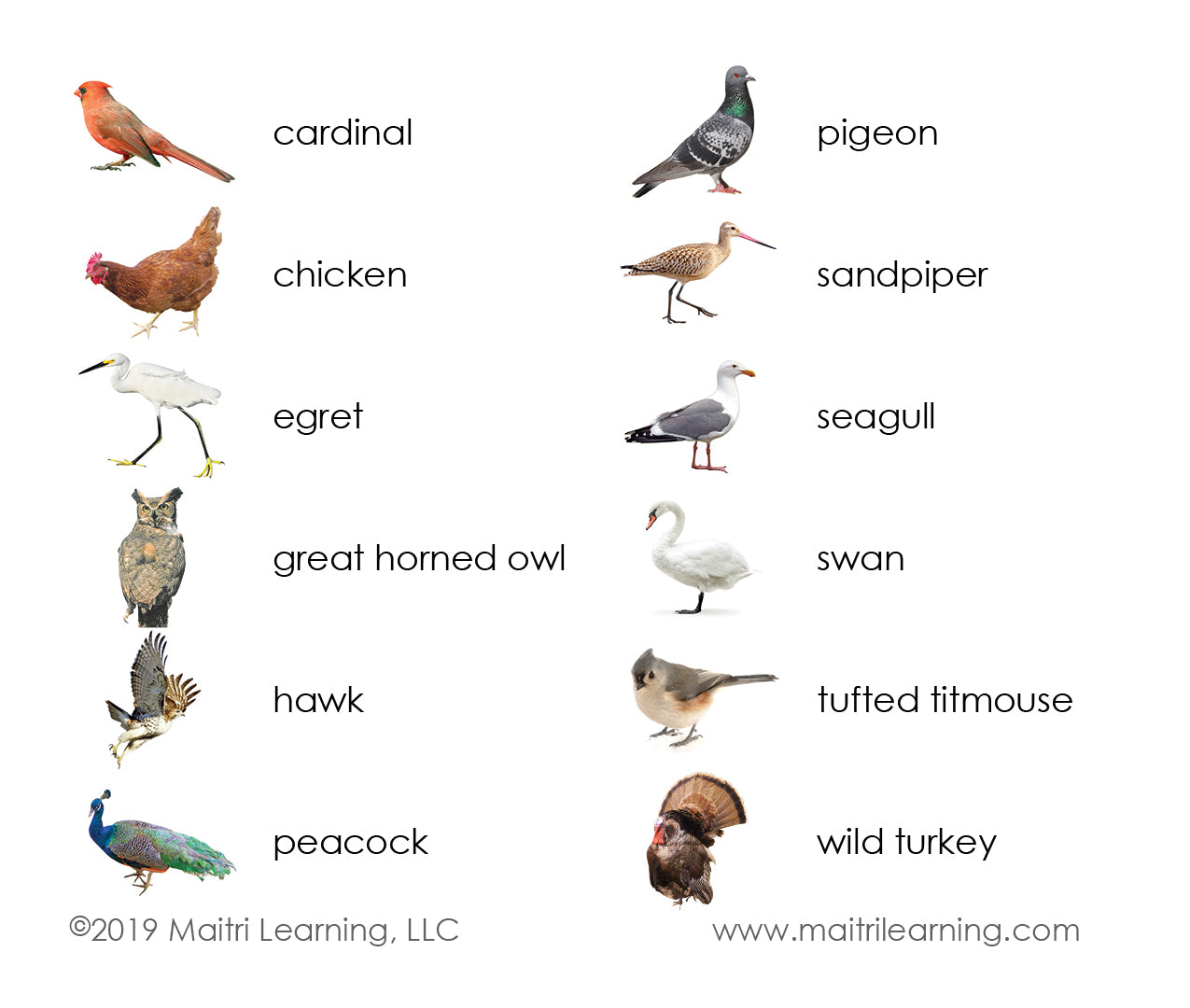
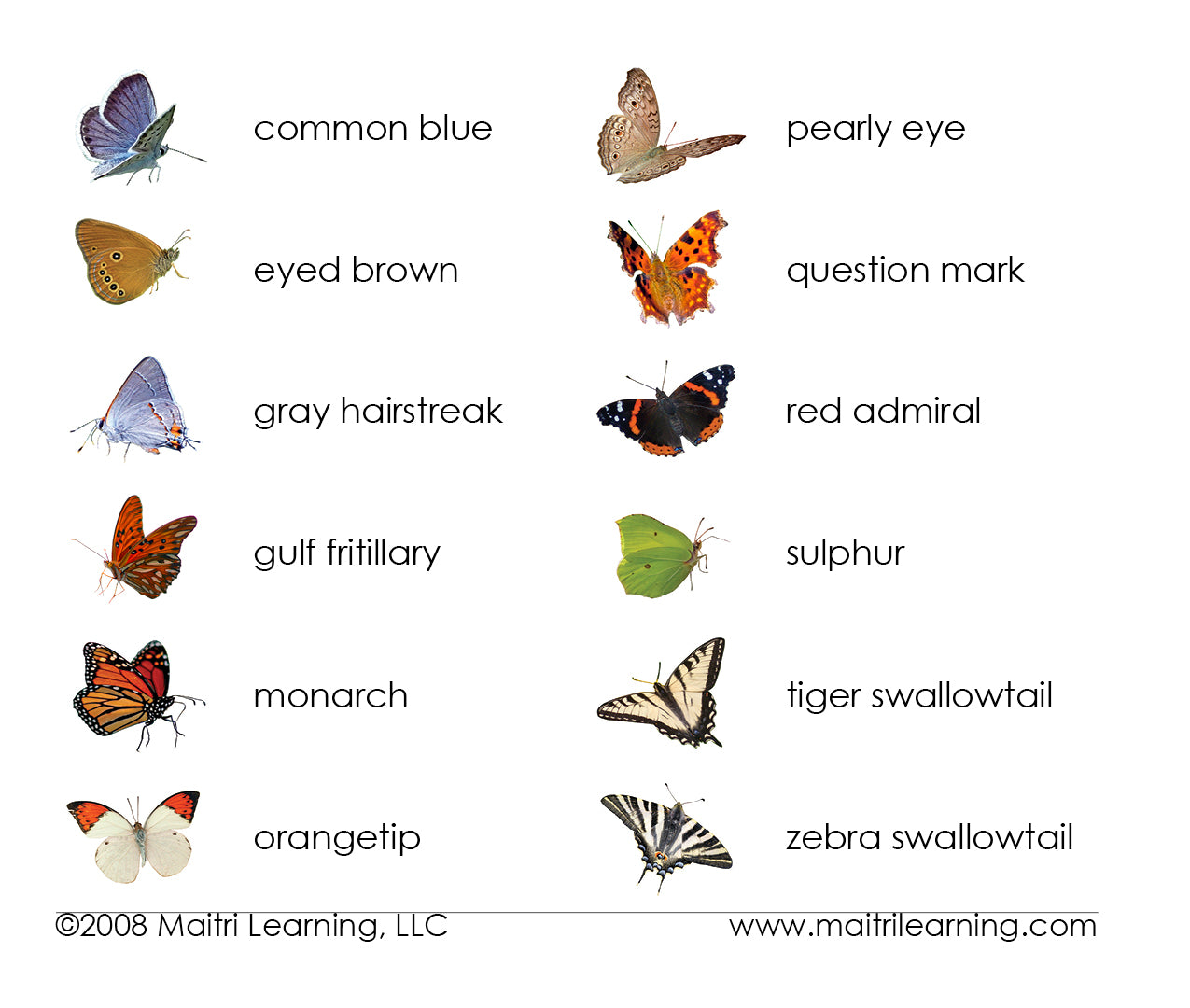
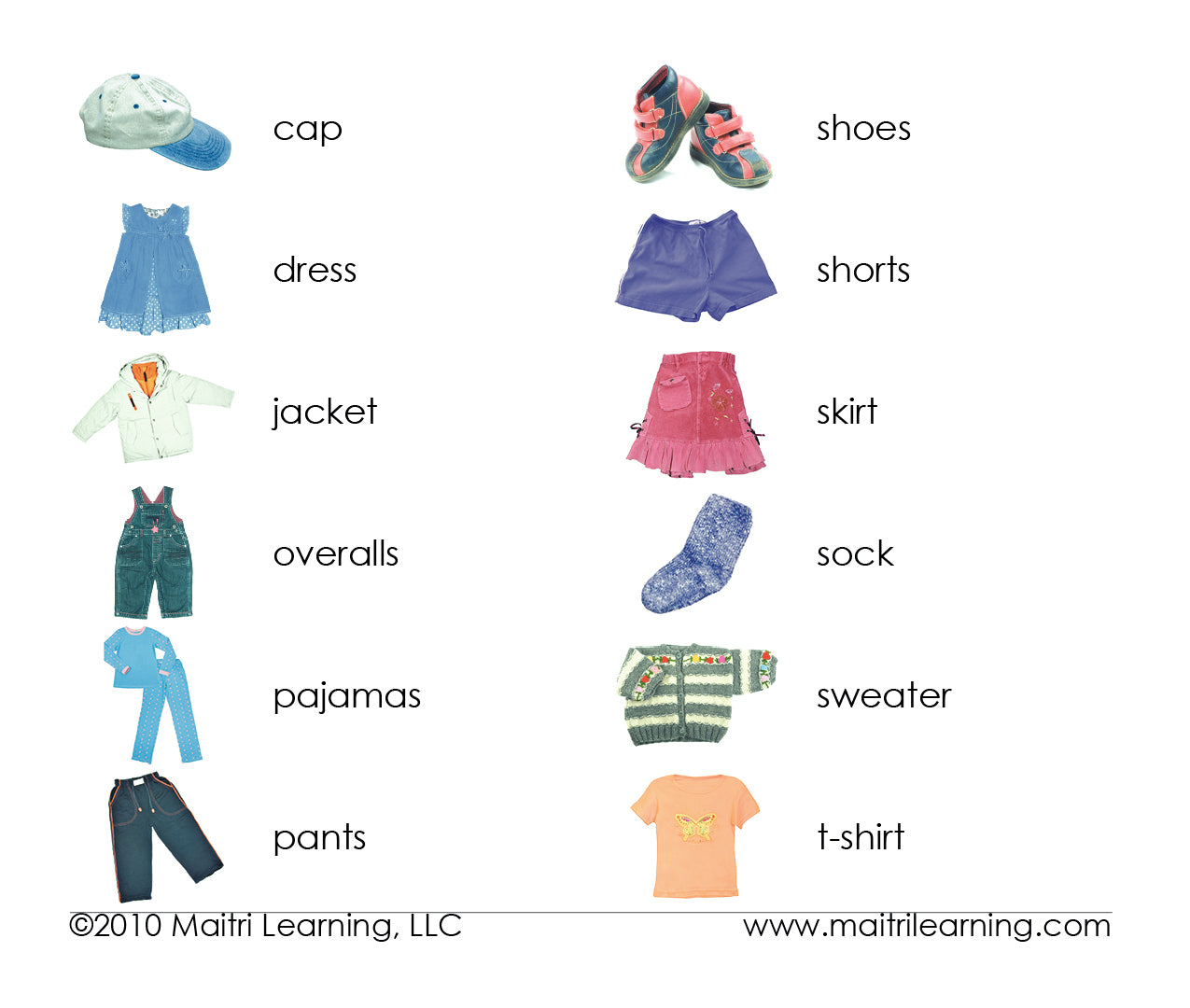
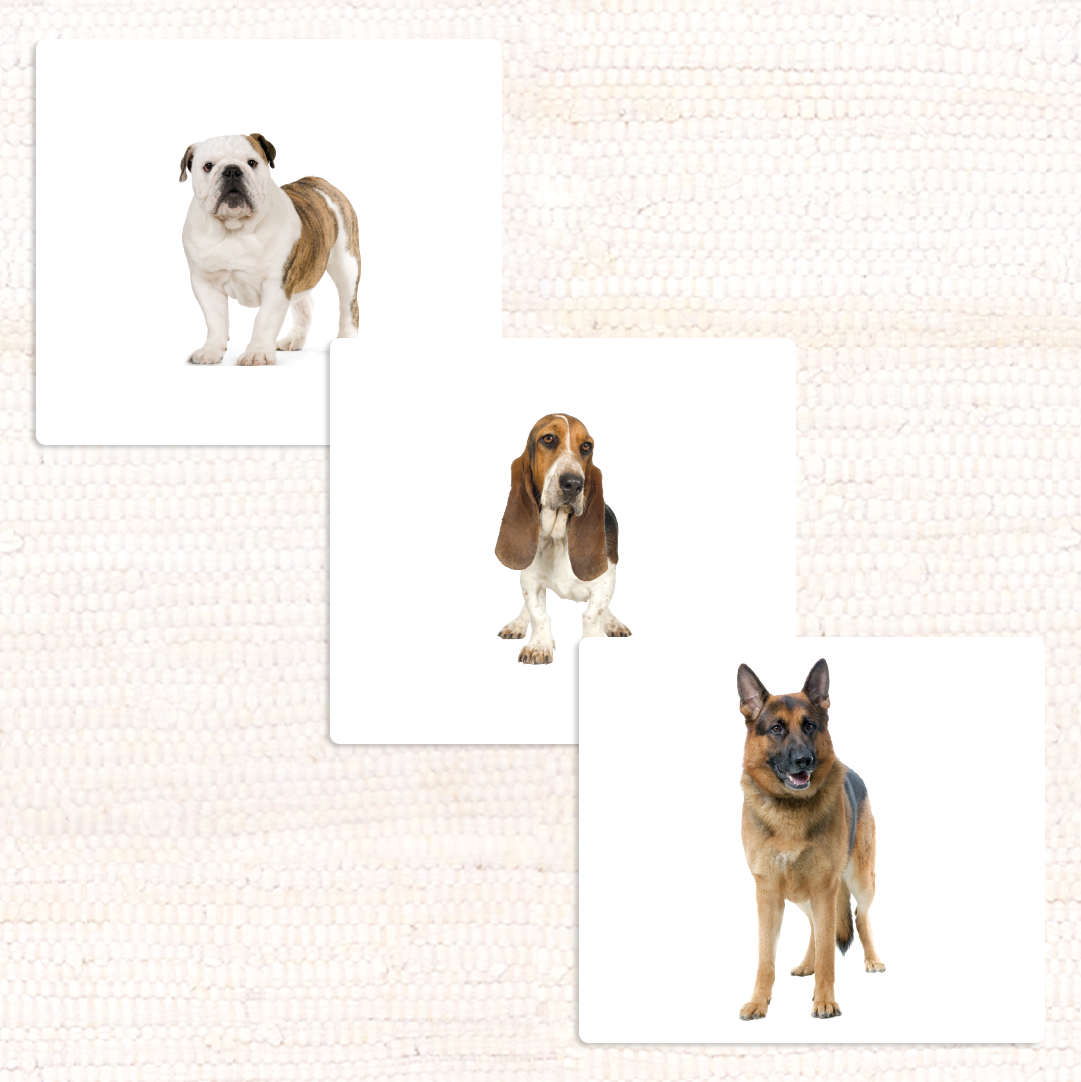
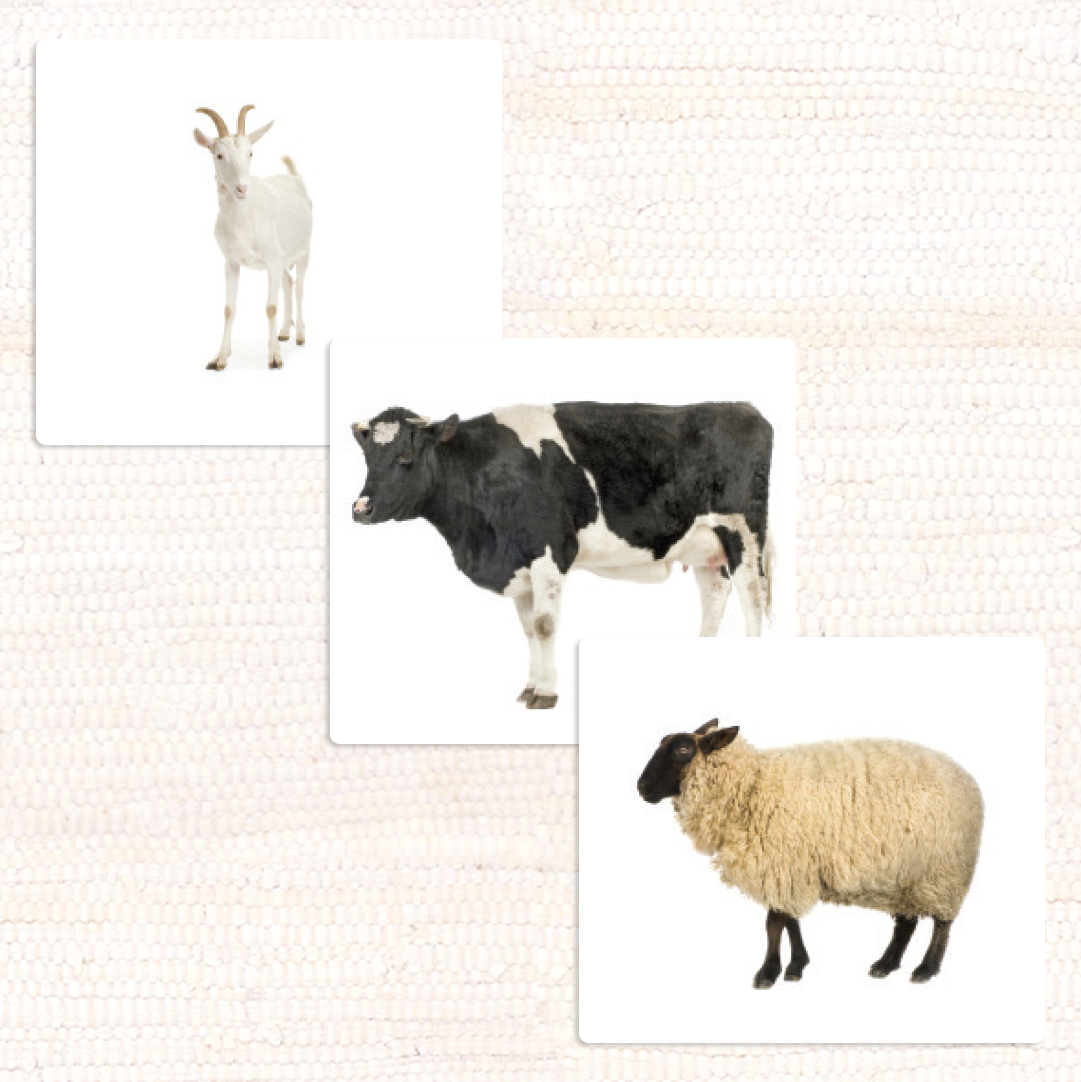
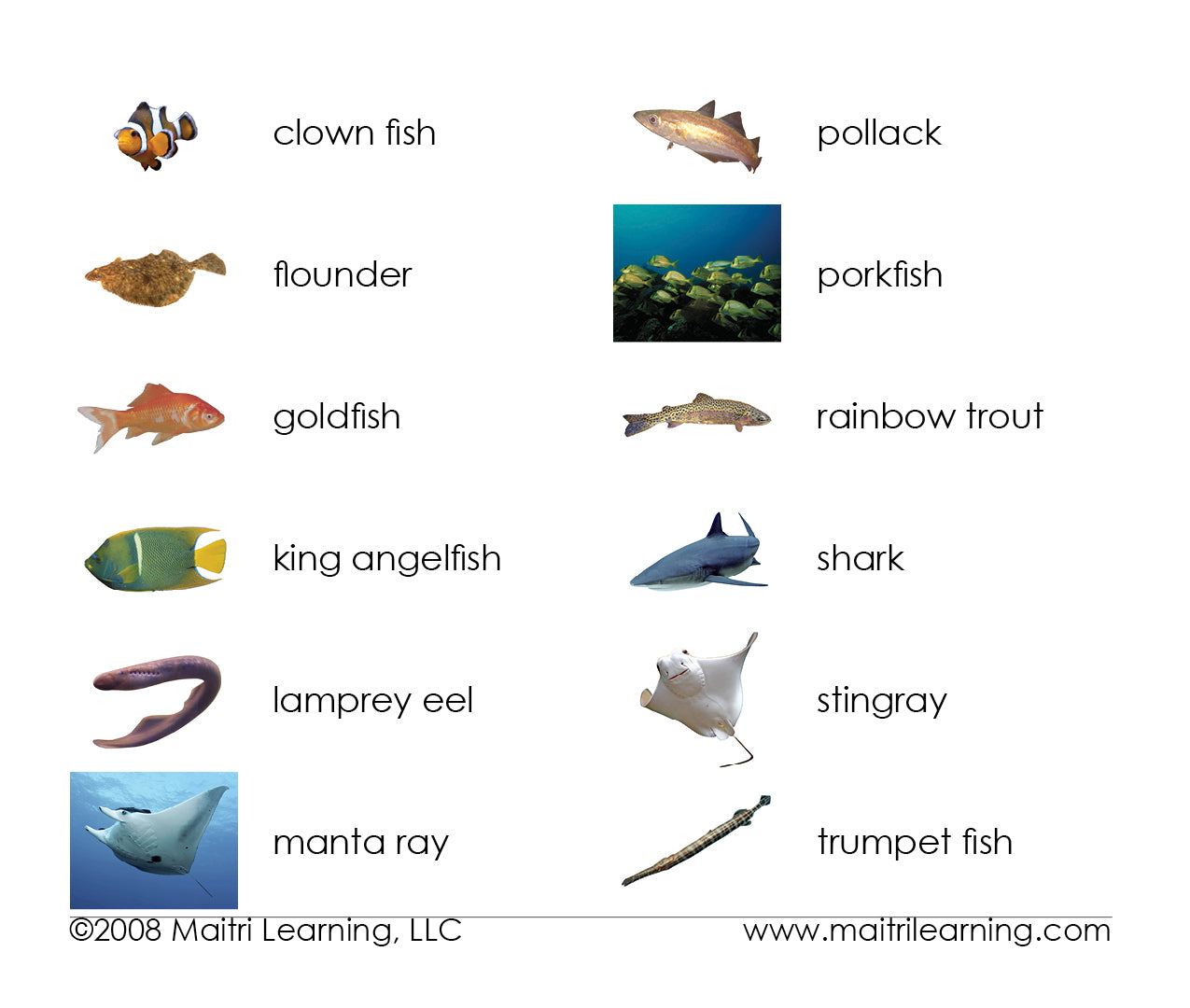
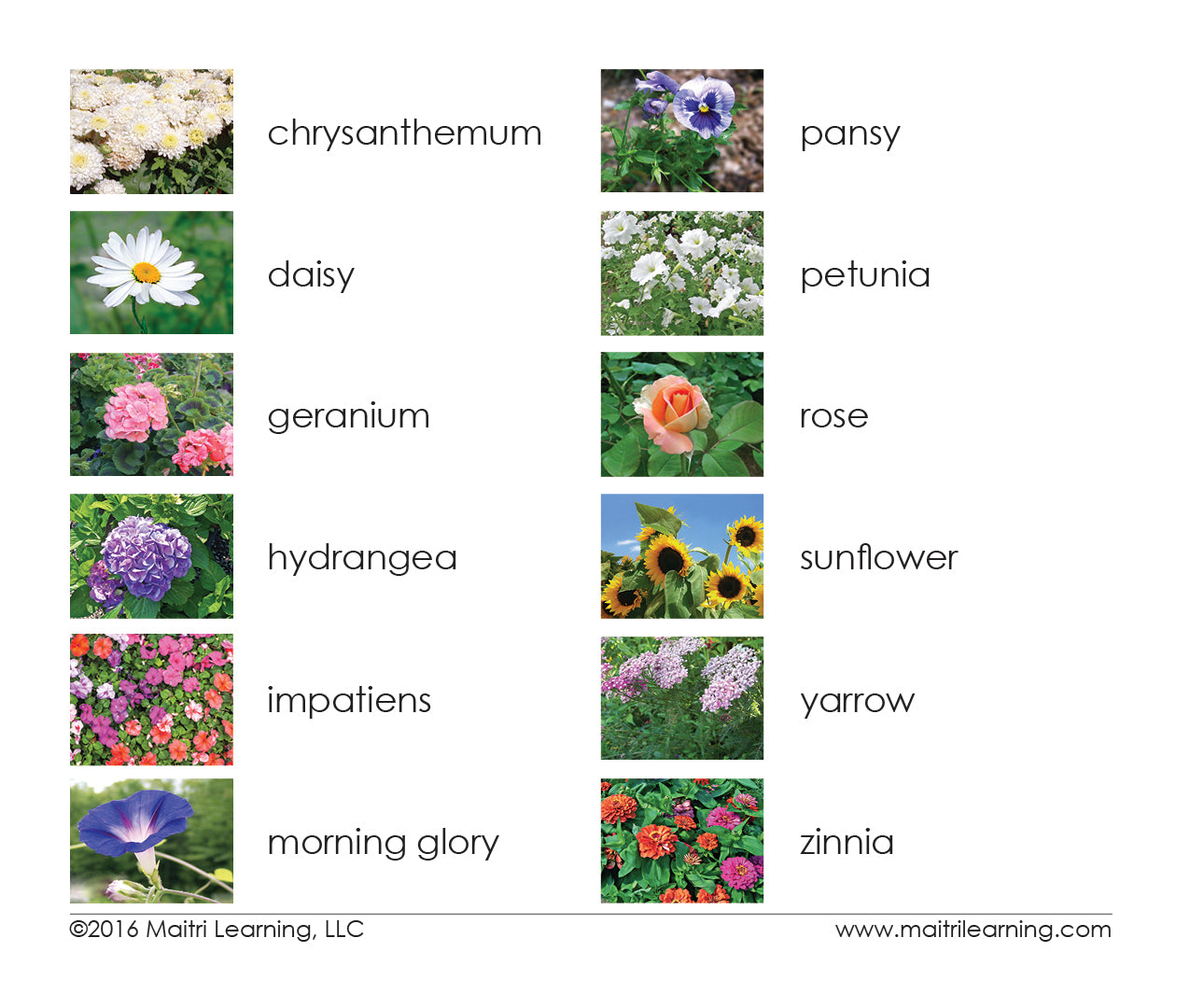
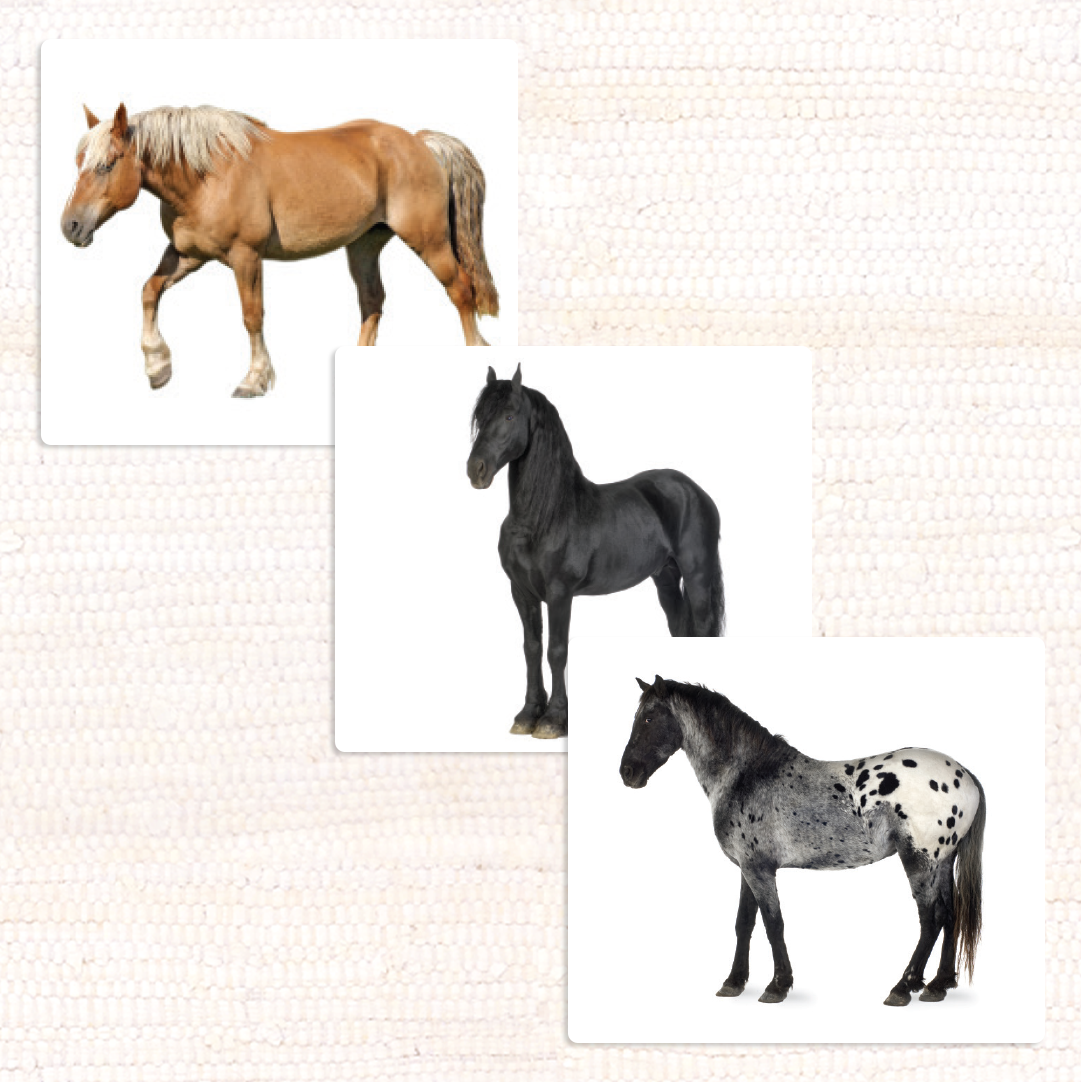
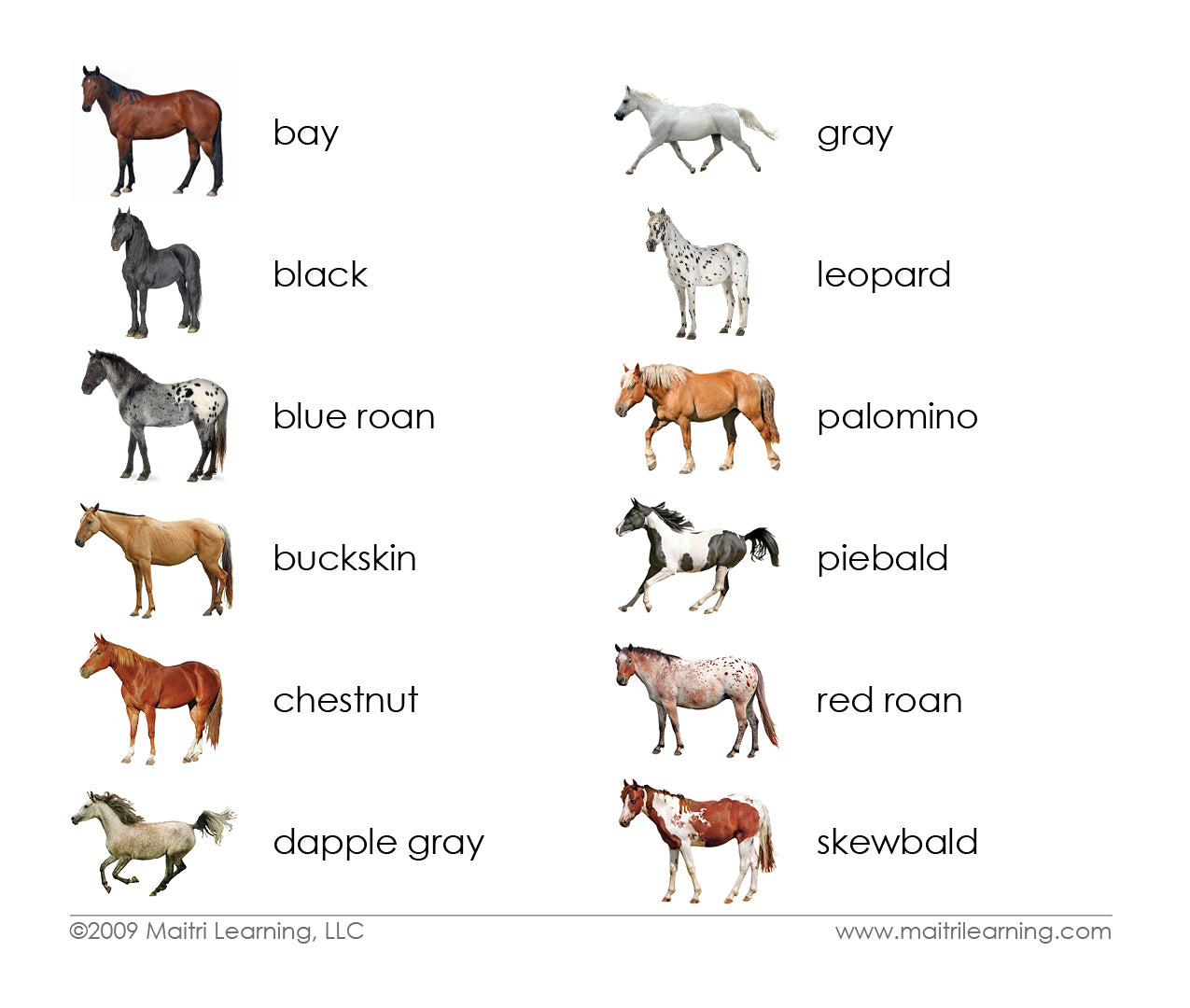
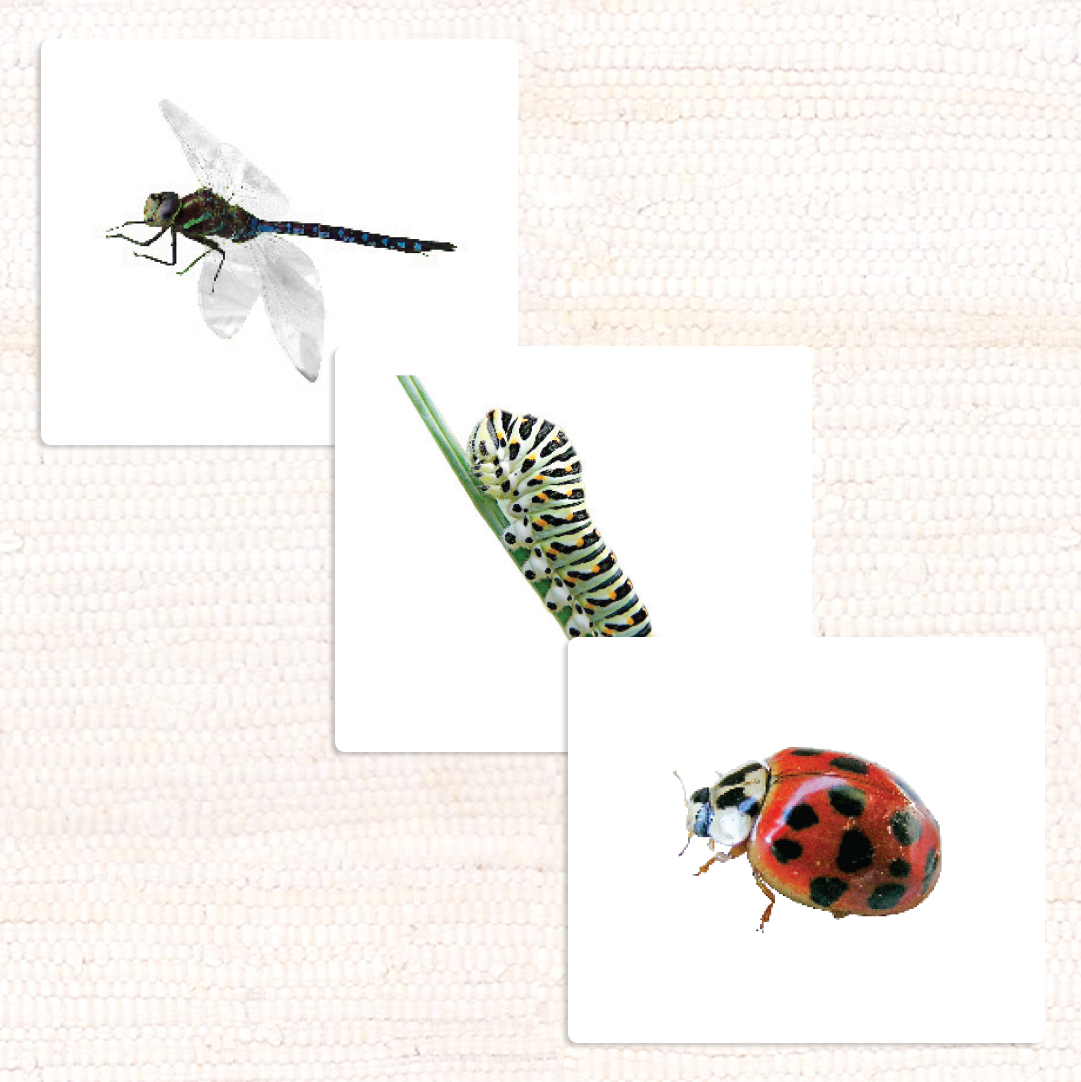
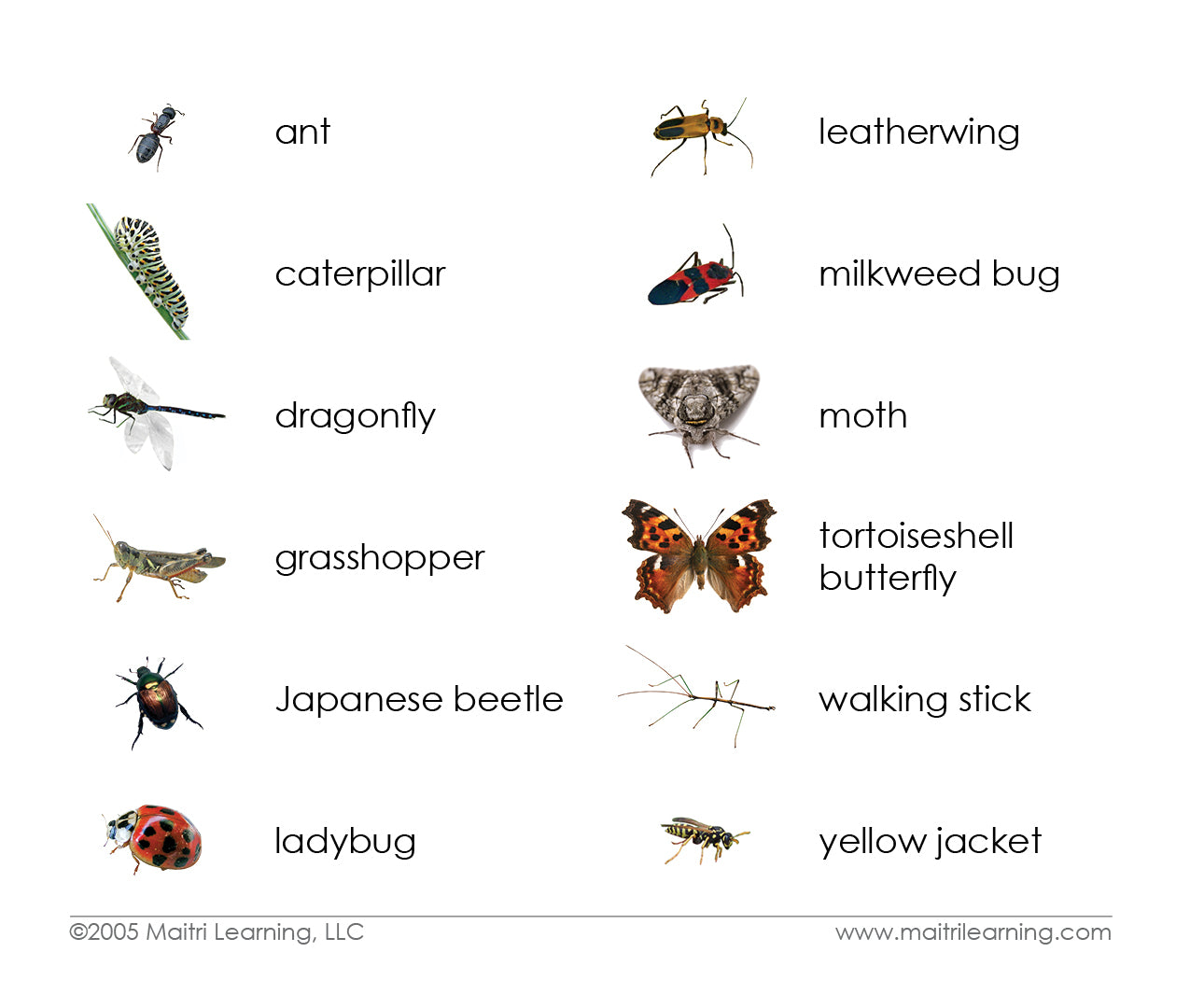
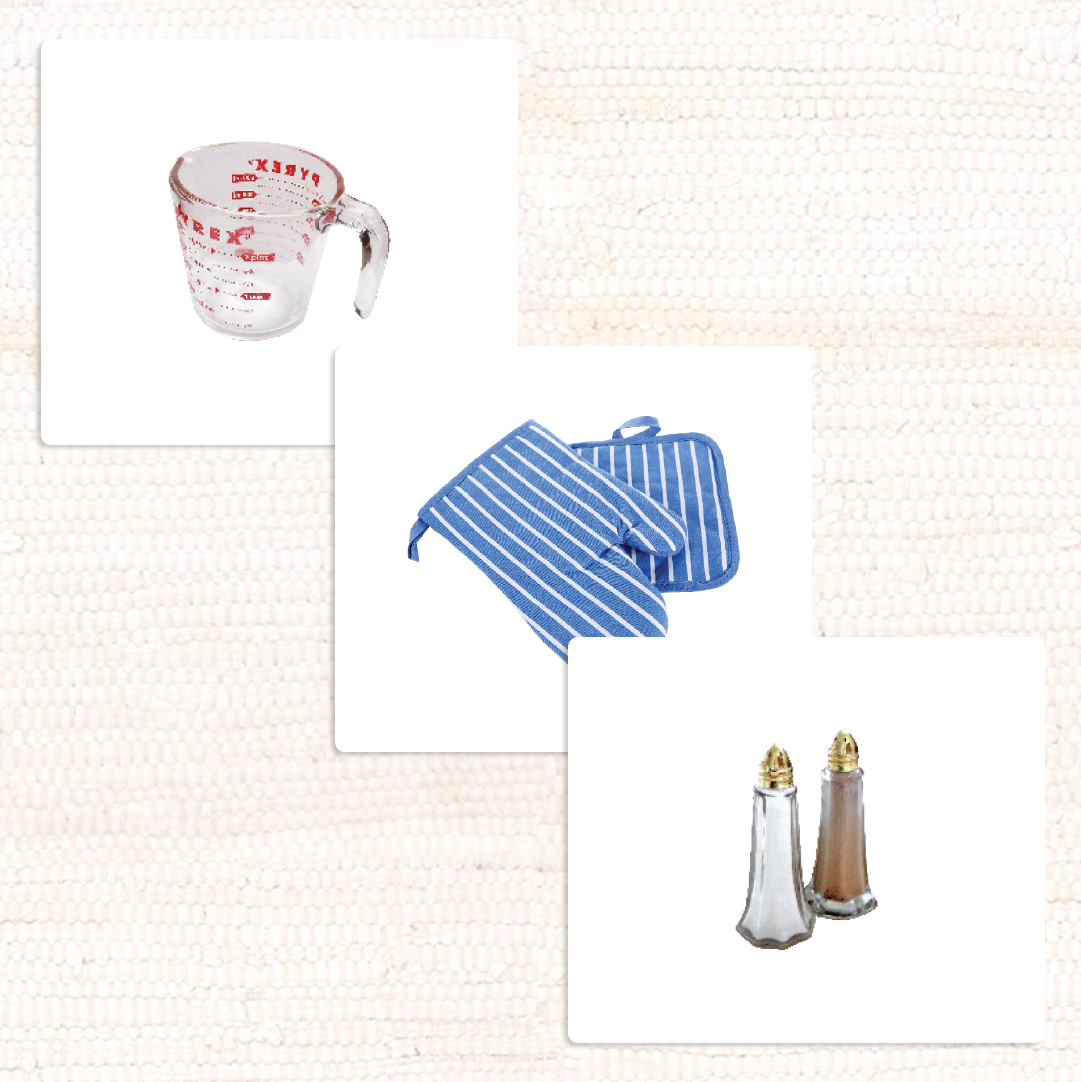
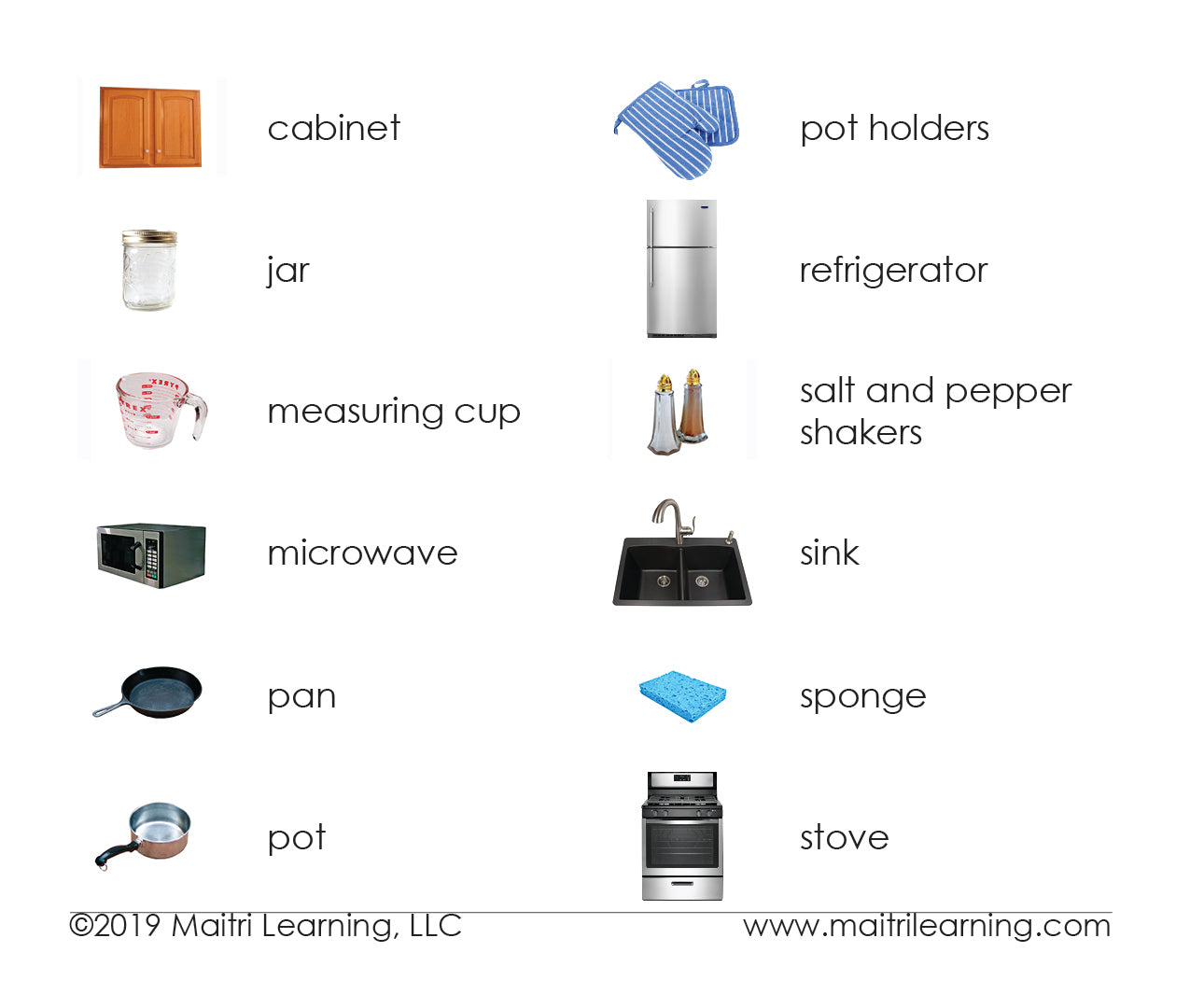
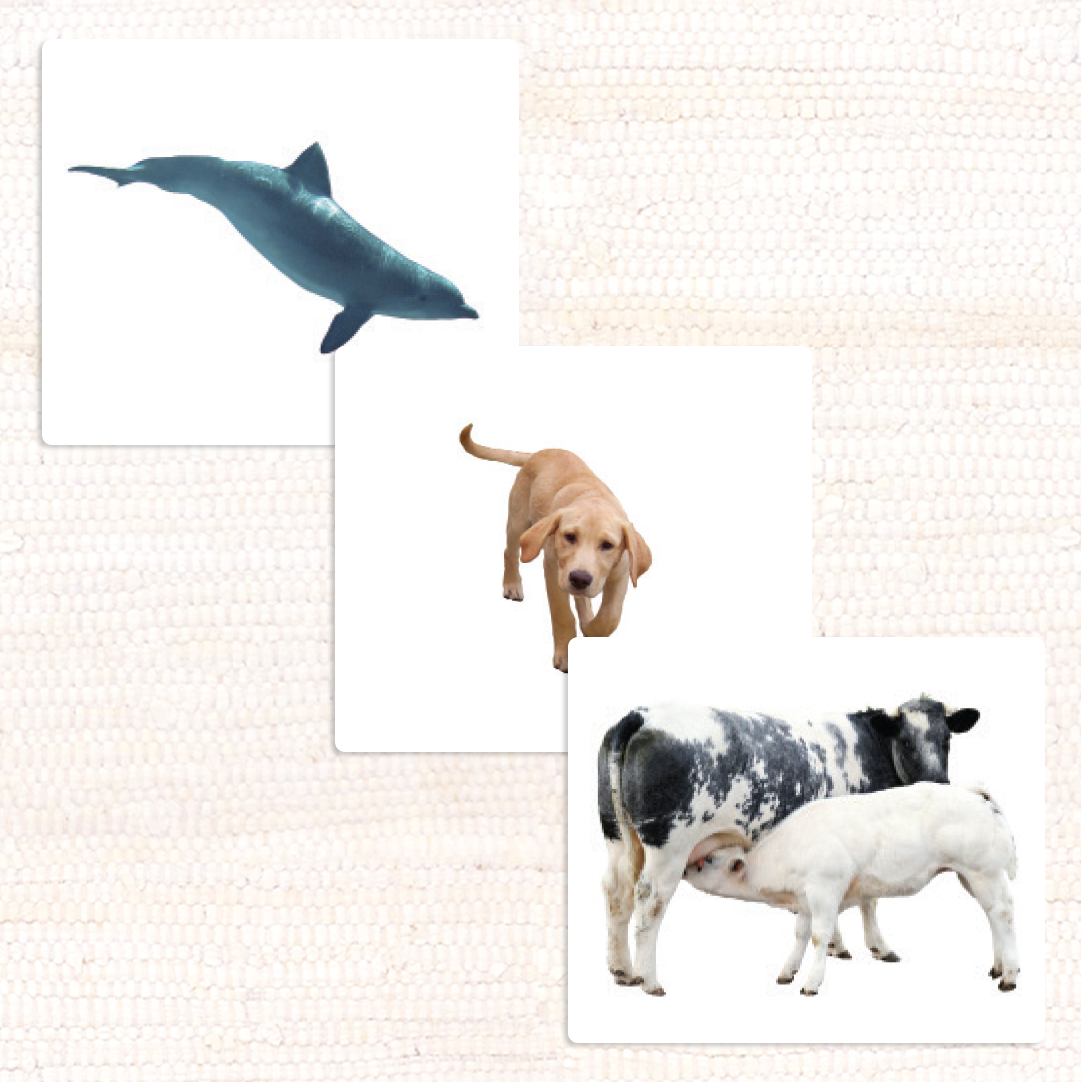
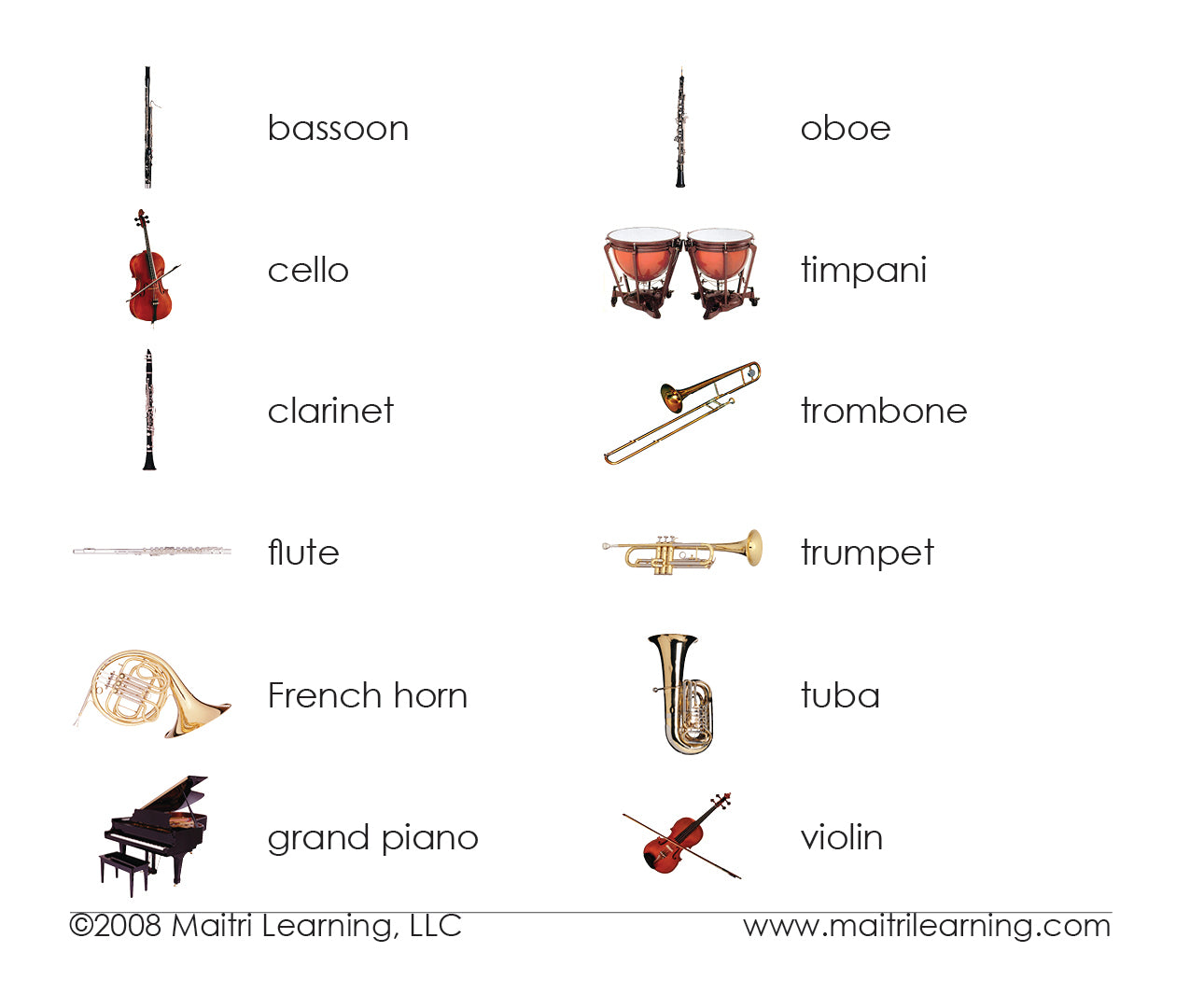
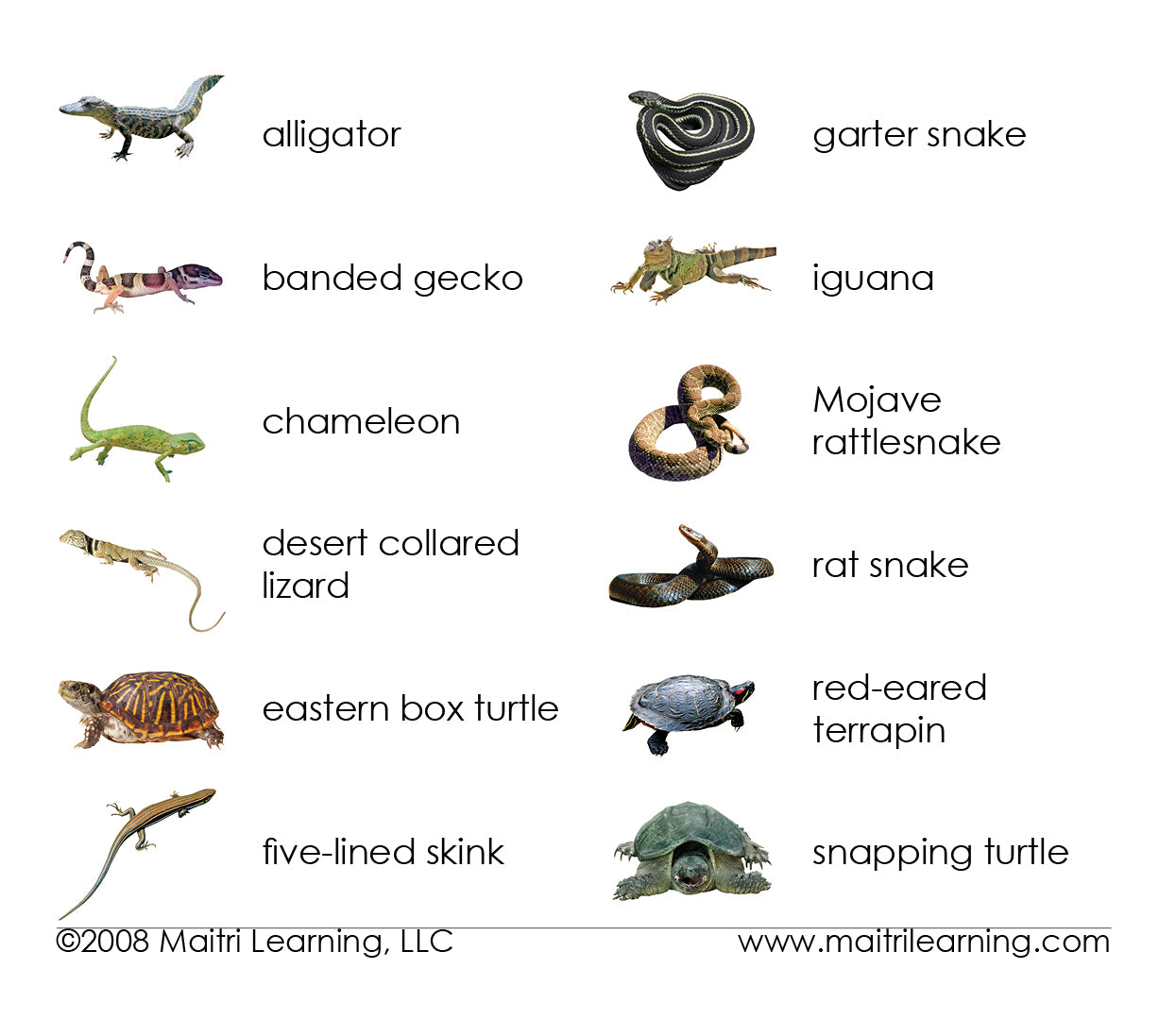
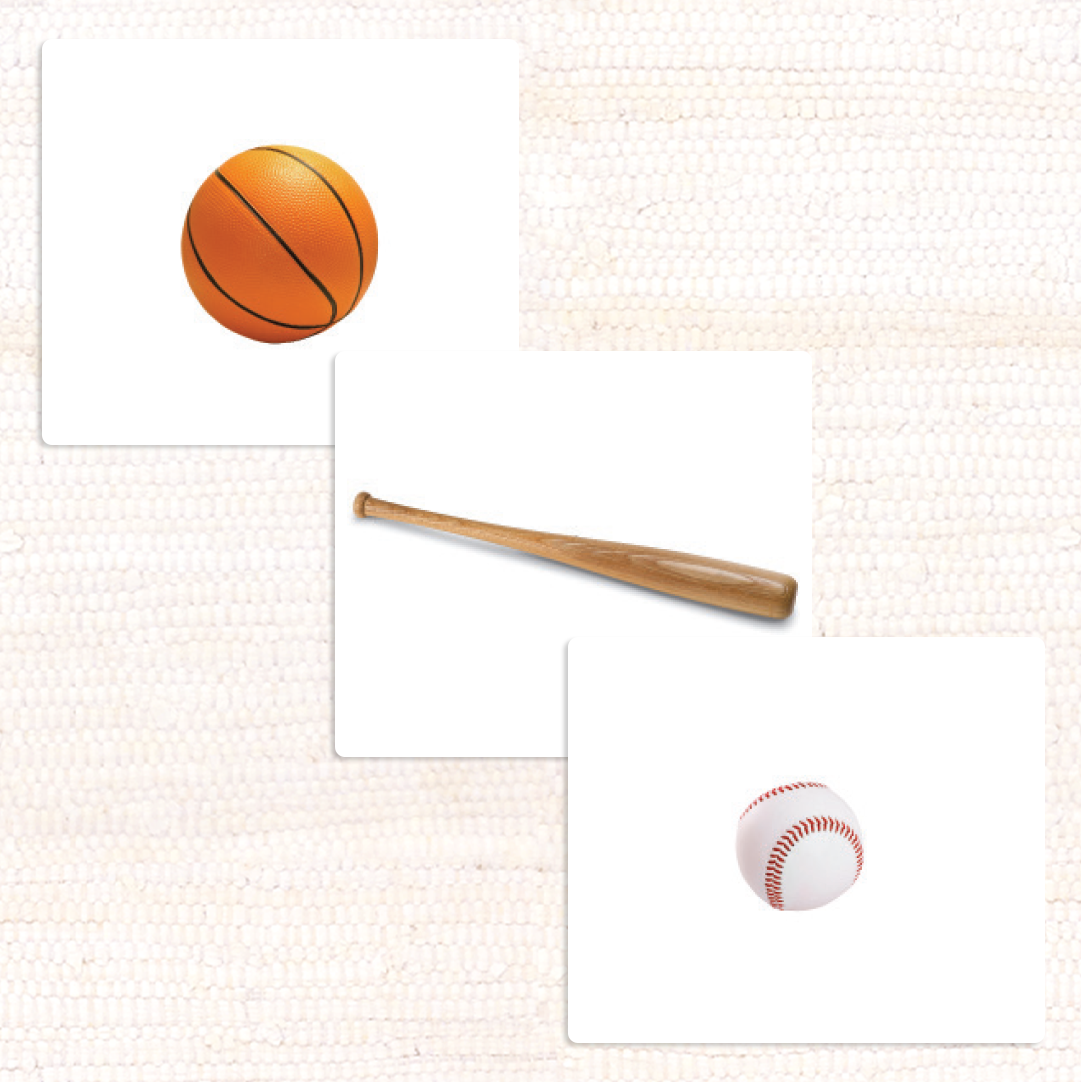
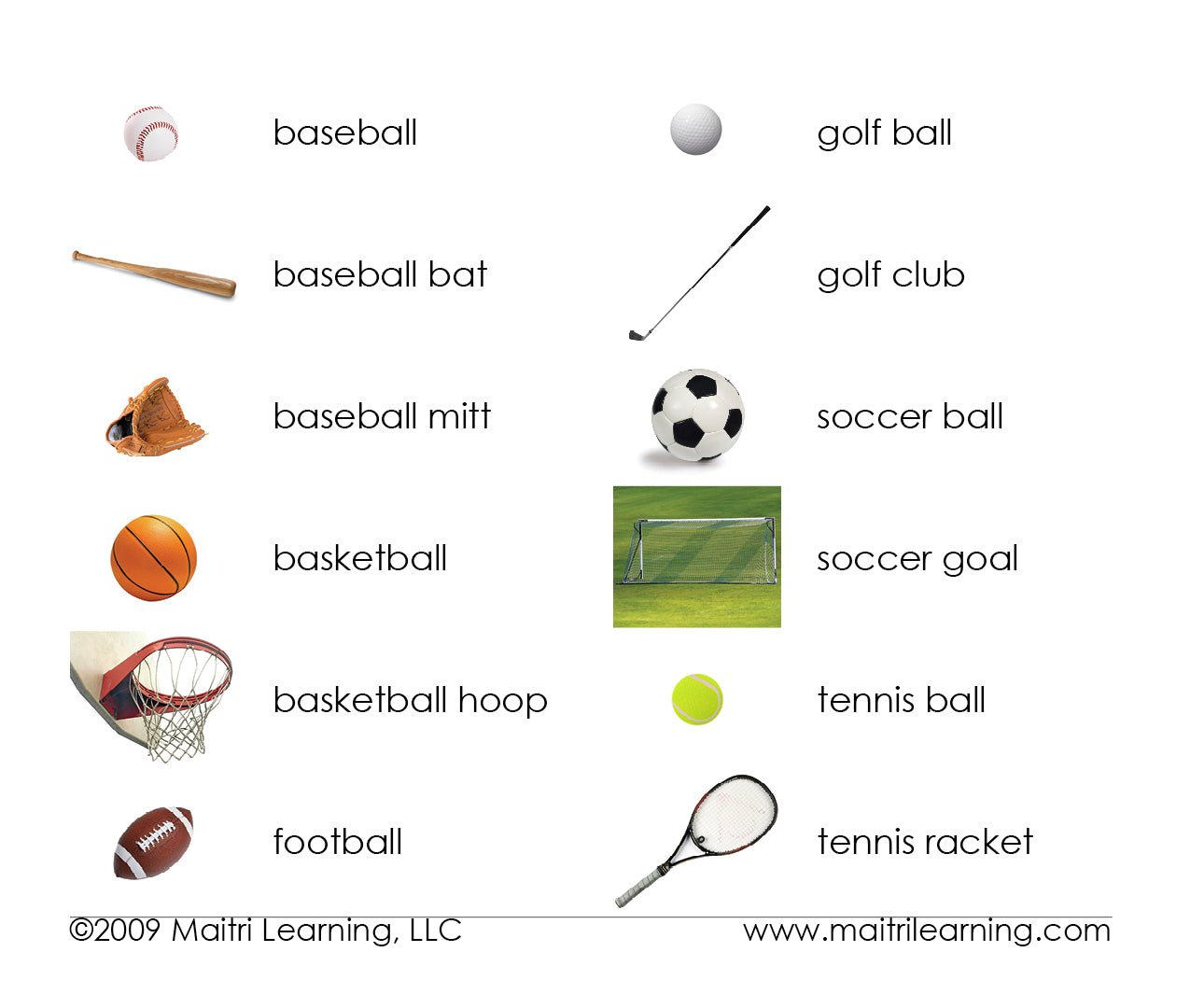
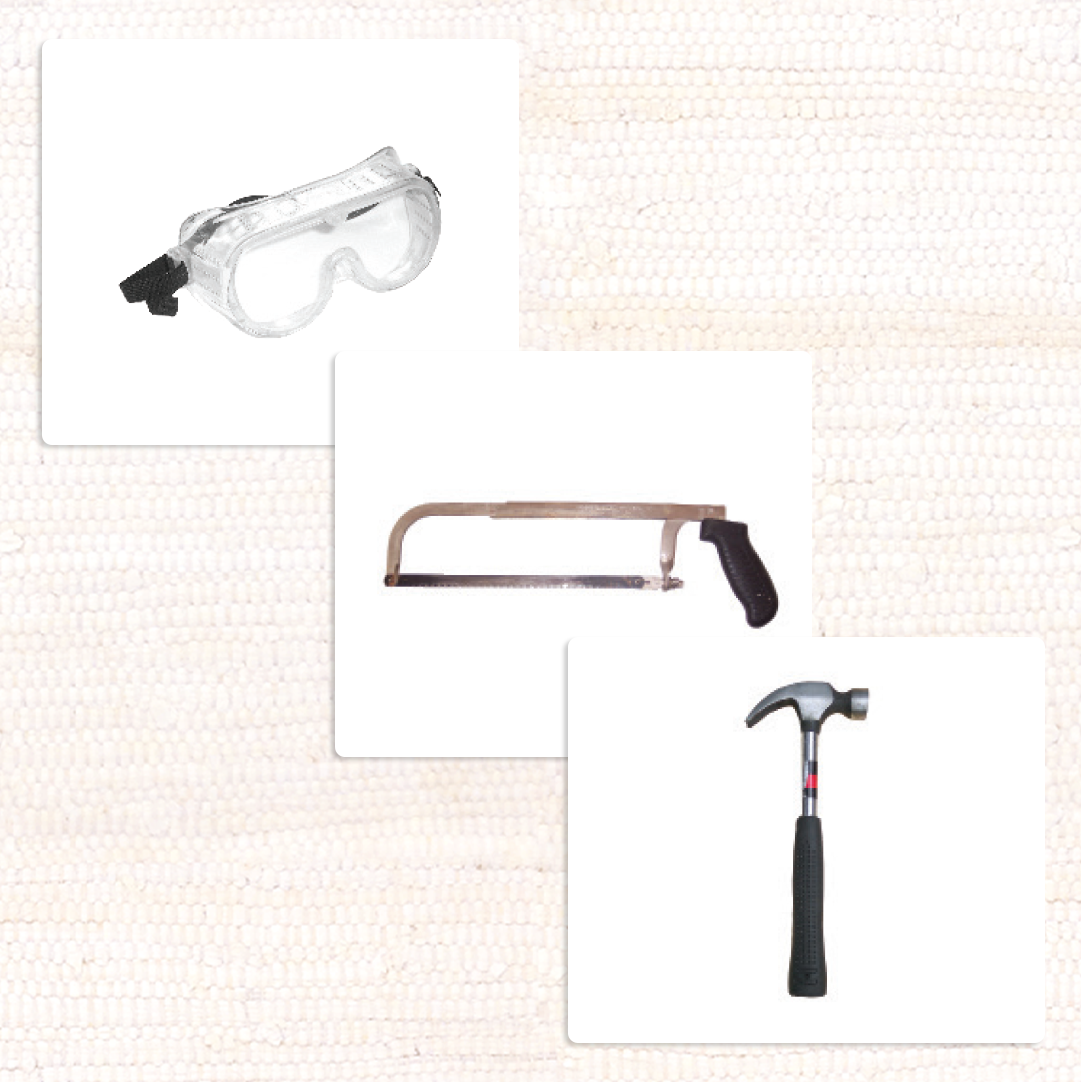
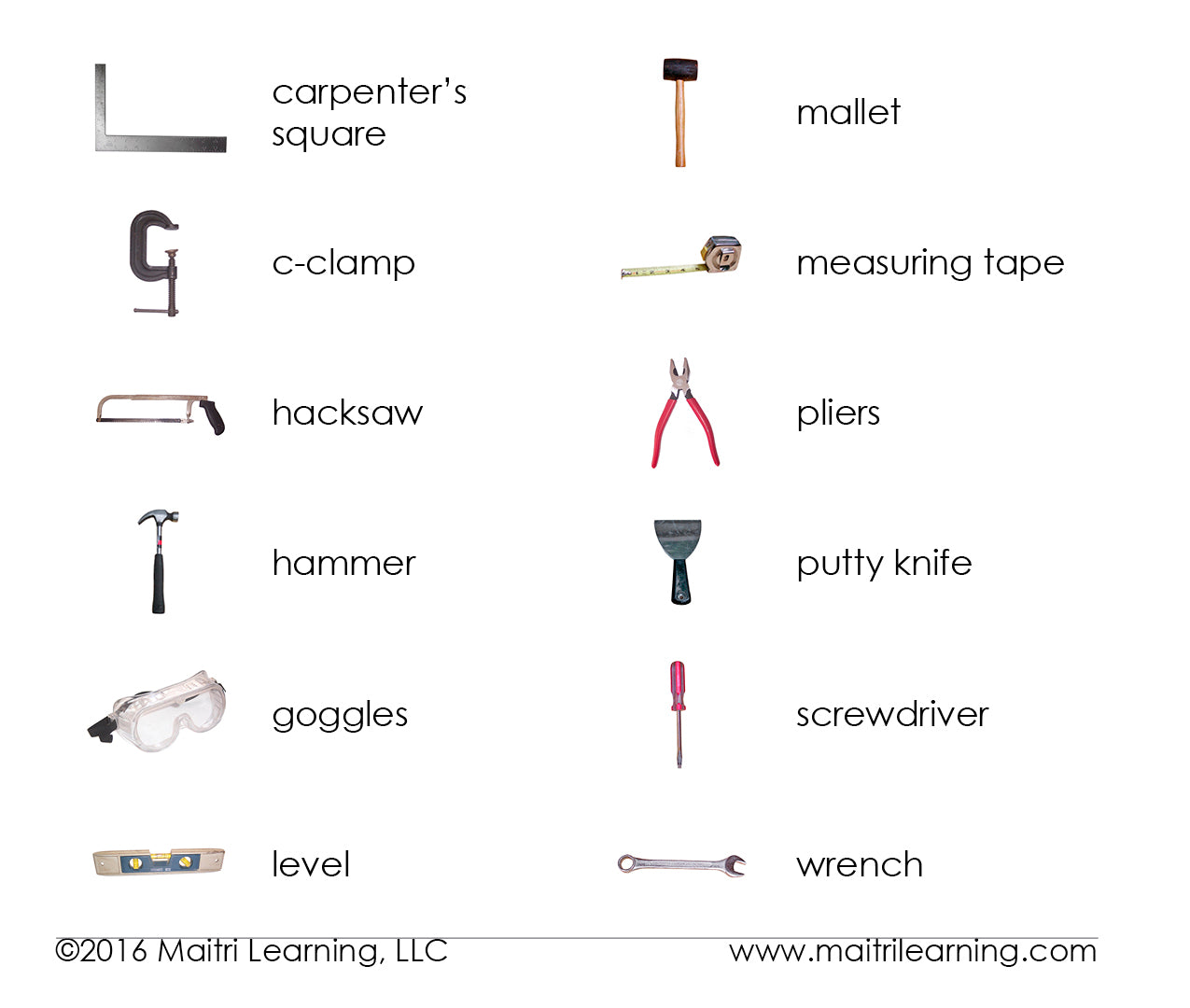
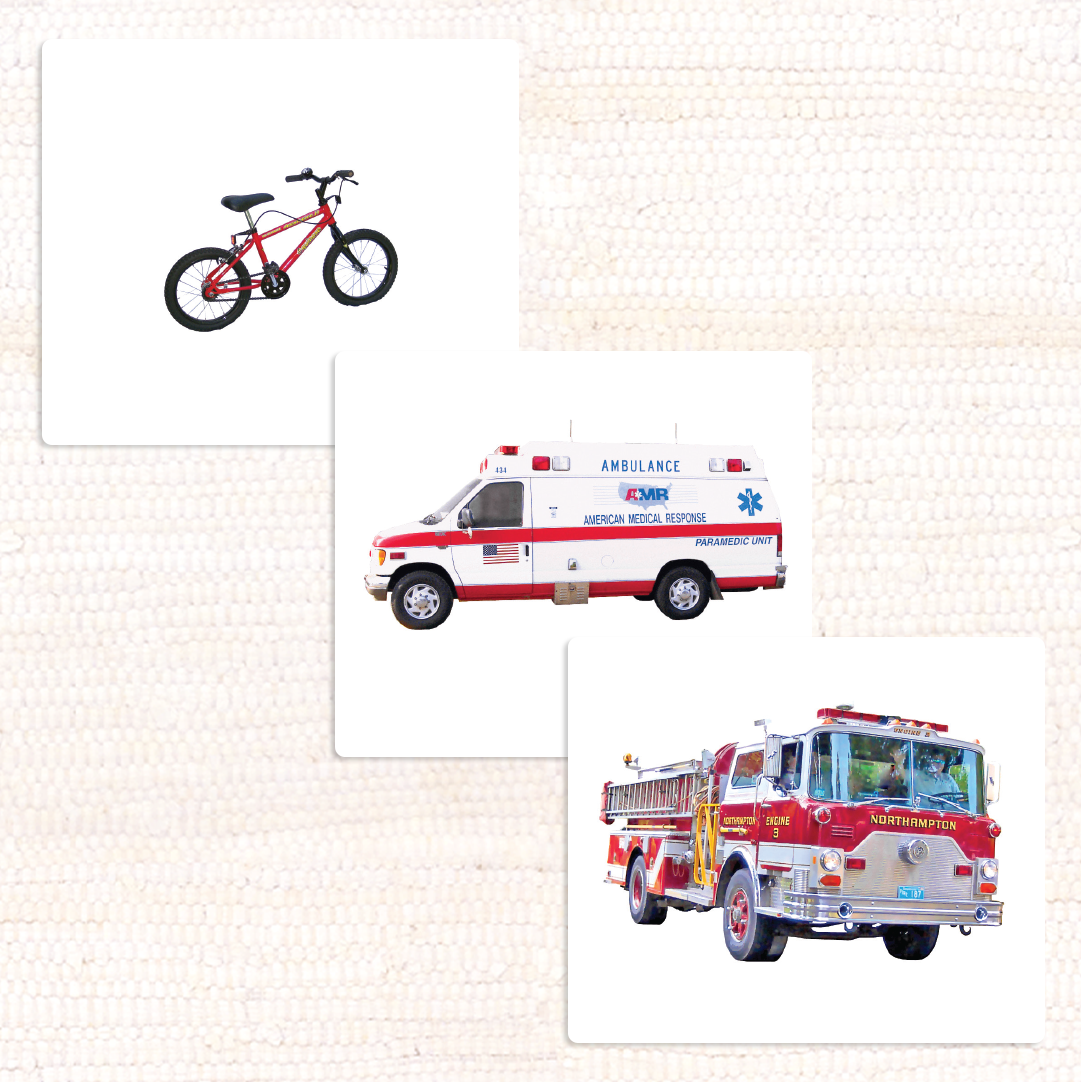
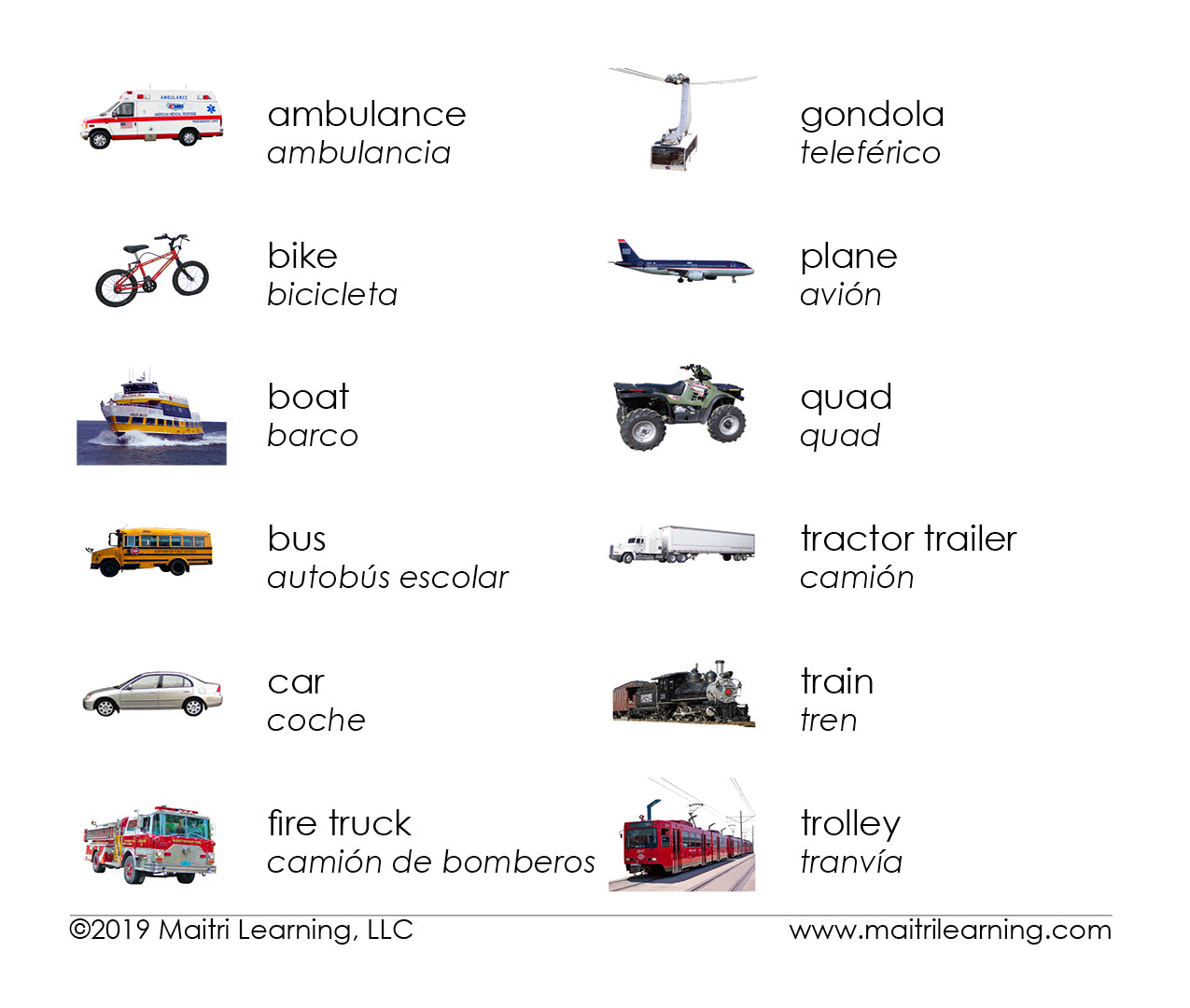
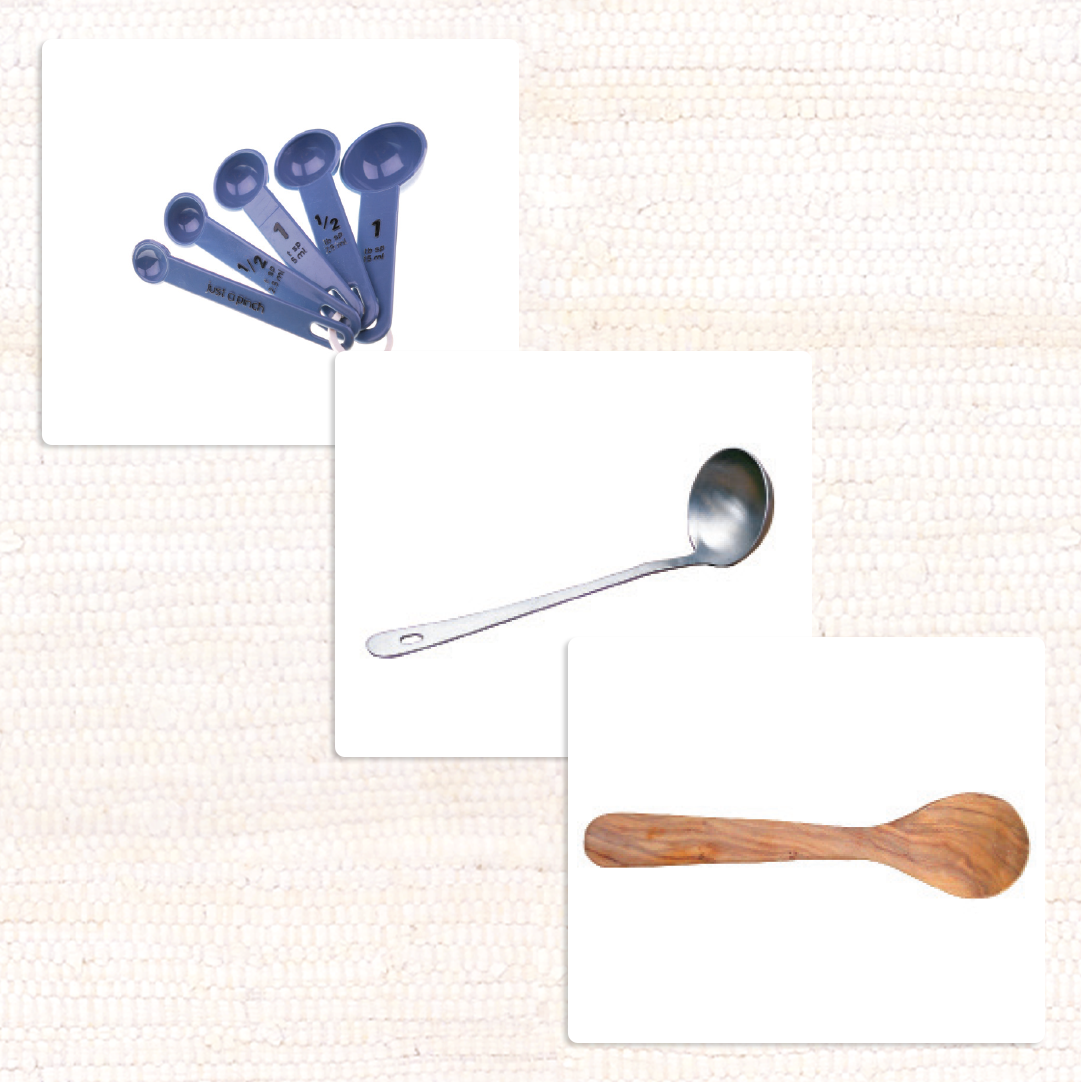
Every card shows one real photograph with no printed word. Cards are approx. 4¼" x 3¾". Each packet includes a control sheet for the adult that pictures and names every card. The photos match our matching cards and 3-part reading cards, so the same topic can grow with a child from speaking to reading.
Why vocabulary cards matter for reading
Vocabulary is one of the language strands that supports reading comprehension. Children who know more words understand more of what they later read. They also have more context to engage in conversation and social relationships.
In a Montessori classroom, adults first give children the full, precise names of things in the environment ("snack table," "aloe vera plant," "tile floor"). Vocabulary cards then expand that learning from real, three-dimensional objects to two-dimensional pictures, so children can learn the names of things they can't see in the room.
How do you use Montessori vocabulary cards?
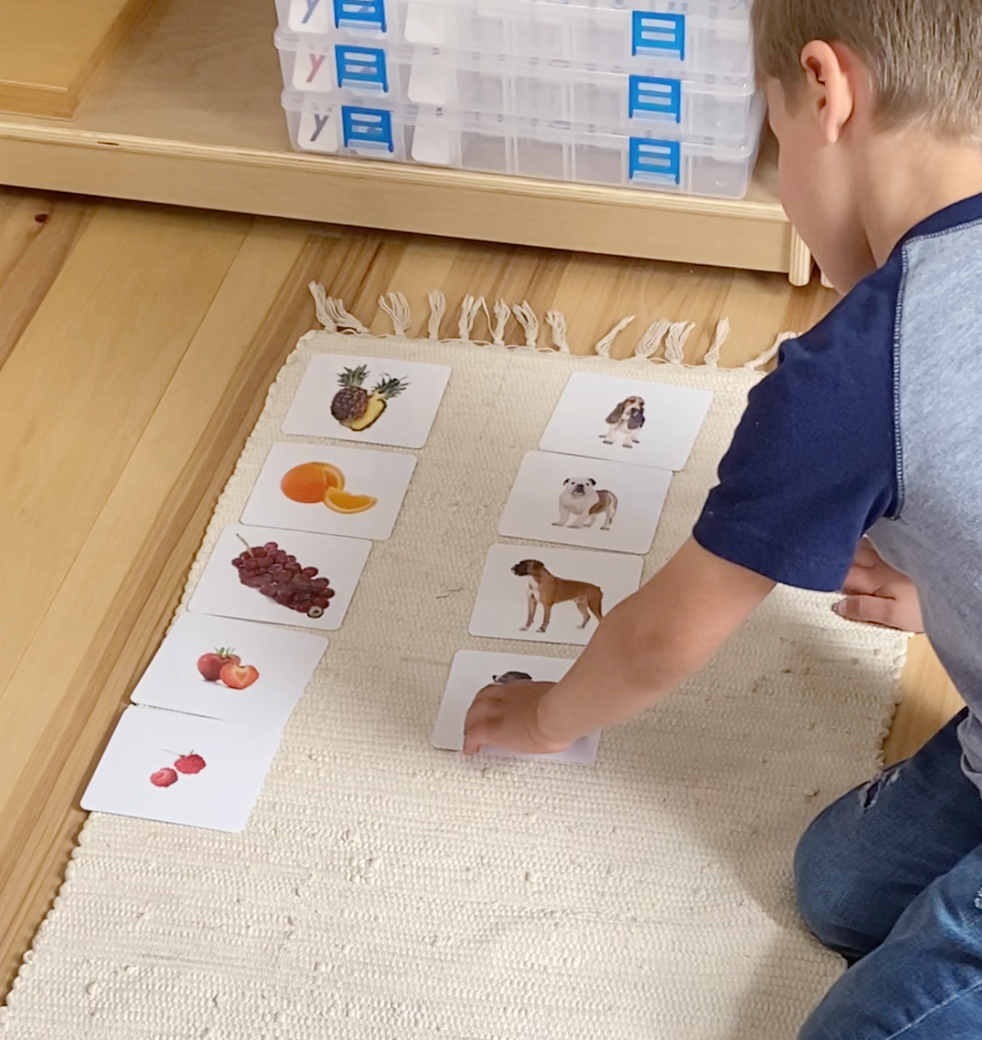
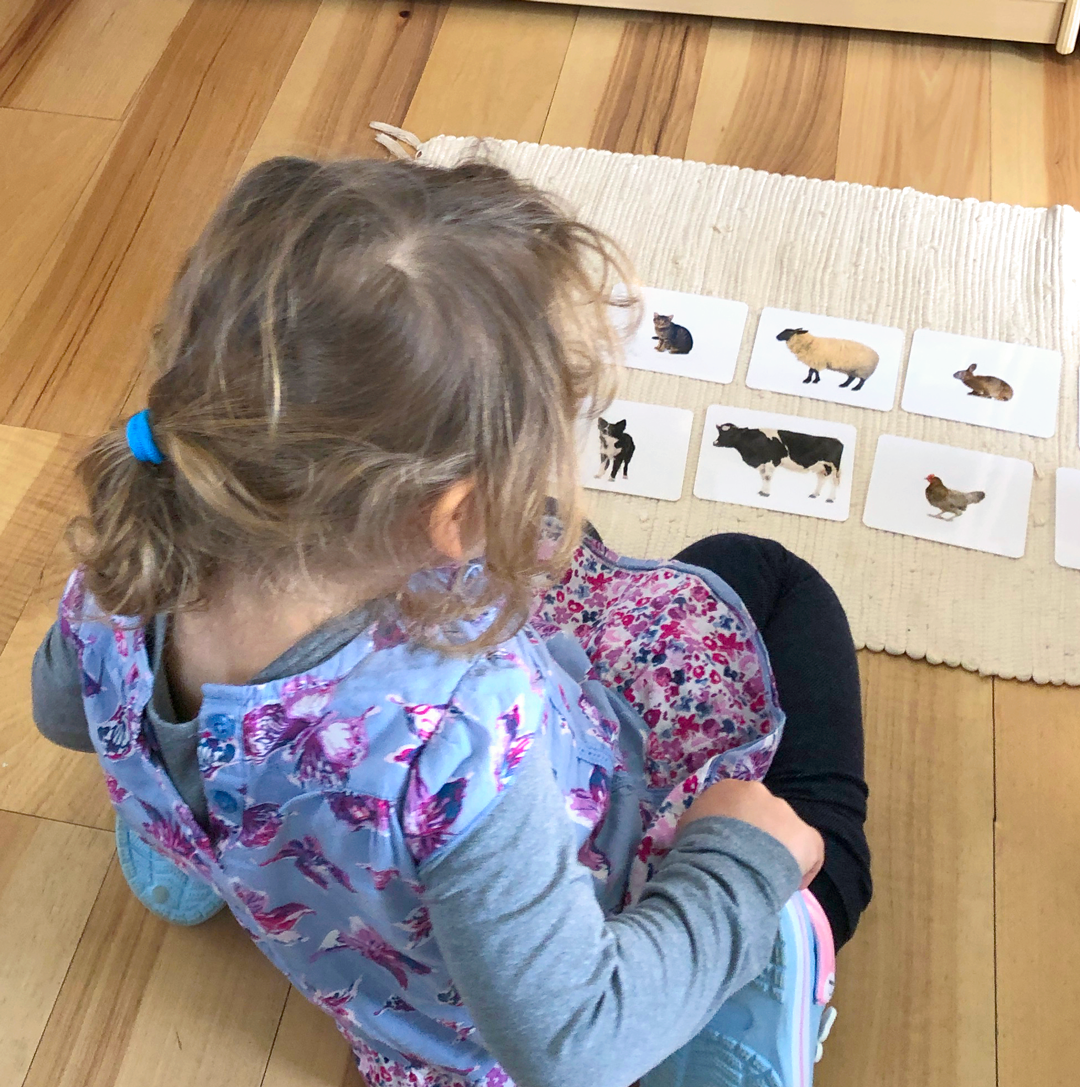
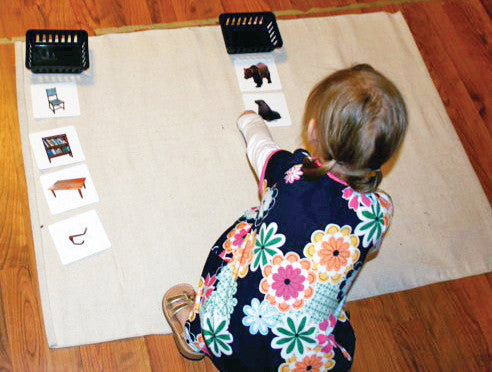
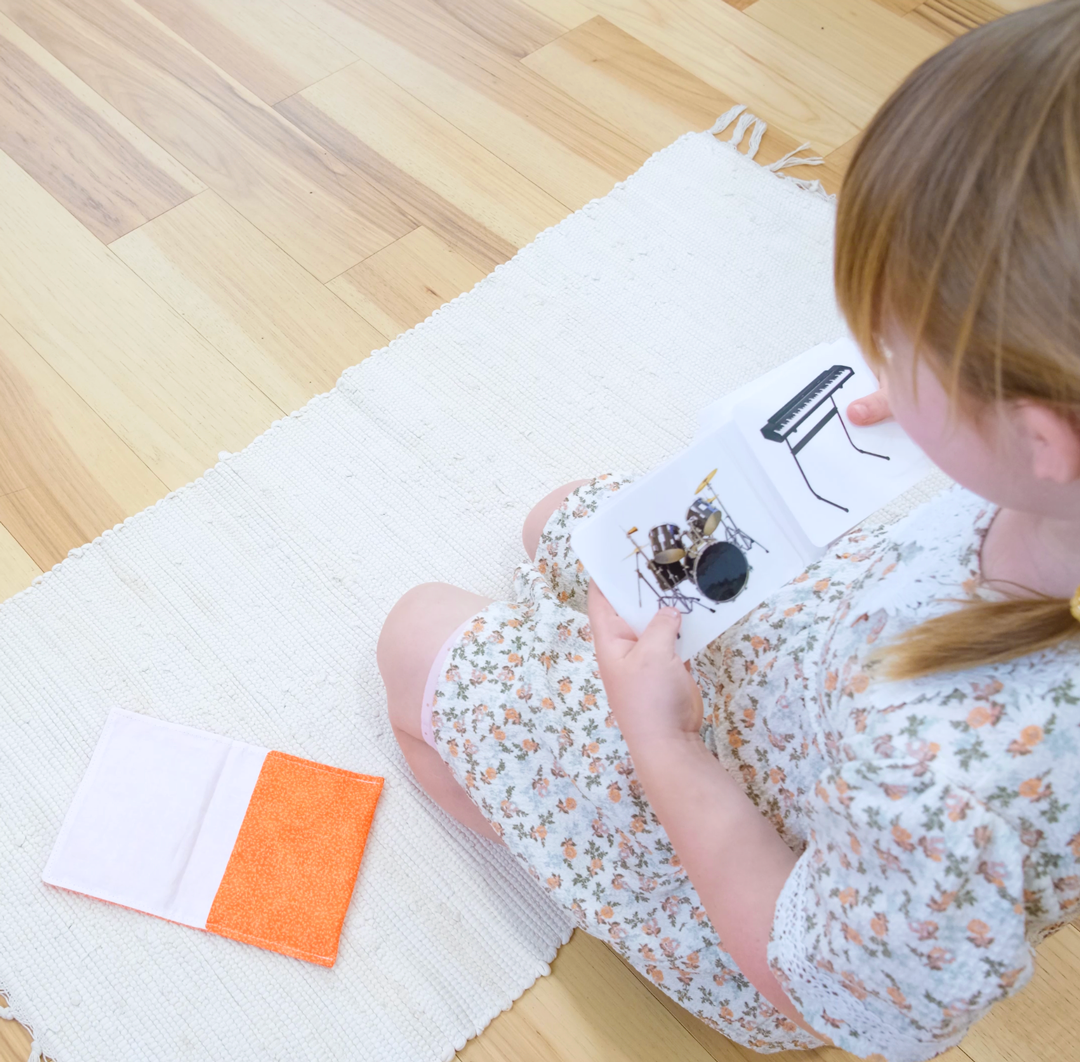
- Give three-period lessons. Choose 3 to 8 cards. First, name each picture clearly (naming). Then ask the child to do something with each card as you repeat its name: "Can you put the hammer on the mat?" (recognition). Finally, once the child is confident, point to a card and ask, "What is this?" (recall).
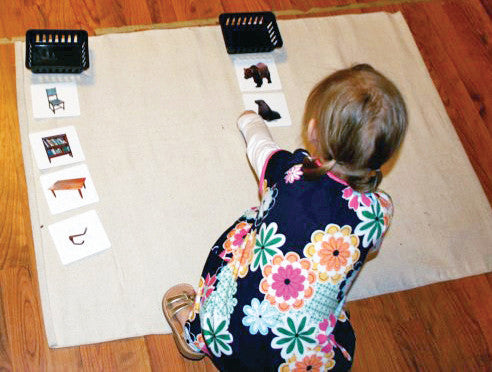
- Play sorting games. Once children know the names, mix cards from two or more packets and invite them to sort. Children may sort by topic, color, shape, or rules of their own. This builds classification skills.
What comes next
When children know the vocabulary, the same photos support the next steps: matching cards for visual discrimination, then 3-part reading cards once children begin reading. For the youngest children, start with our large-format toddler vocabulary cards. To see where vocabulary fits in the full sequence, read about the Montessori Science of Reading.
What ages are vocabulary cards for?
Typically ages 3 to 6, in the preschool and kindergarten years. They also work well for English learners of any age and for children who need oral vocabulary support in intervention settings.
Why don't the cards have words on them?
These cards are for spoken vocabulary, not reading. Leaving words off keeps the focus on the picture and the spoken name, and it avoids discouraging pre-readers who can't yet read the printed word. The control sheet in each packet gives the adult the name of every card.
How are vocabulary, matching, and 3-part cards different?
They use the same photos in three formats for three stages. Vocabulary cards are picture-only, for learning names. Matching cards come in identical pairs, so children match picture to picture. 3-part cards add word labels and control cards, so reading children can match words to pictures and check their own work.
Which set should I start with?
For a new classroom or homeschool, the Vocabulary Starter Set is the easiest place to begin. To build a full vocabulary shelf, choose the Basic Vocabulary Card Set, then add the Advanced Vocabulary Card Set as children's interests expand.
Download a PDF of our materials

Follow Us