
Definition Cards




More Information:
Definition Cards

Montessori definition cards turn sentences into grammar puzzles. Students match each term to its definition, then rebuild the definition from its first and second halves. Along the way, they move the pieces around, try different combinations, and get a feel for which sentences work and which don't. Control cards let them check their own work. It's an engaging way to get students paying attention to grammar, and a powerful reading comprehension activity.
Definition cards are one part of our build-a-book activity. For the complete activity, students also need the matching vocabulary cards and definition book. If you're starting fresh, our book and card sets include everything. If you already own the vocabulary cards and book, these cards complete your set.
What's in this collection
- Definition cards for "Parts of" animals: ant, bird, butterfly, fish, frog, horse, katydid, lobster, sea star, snail, spider, and turtle
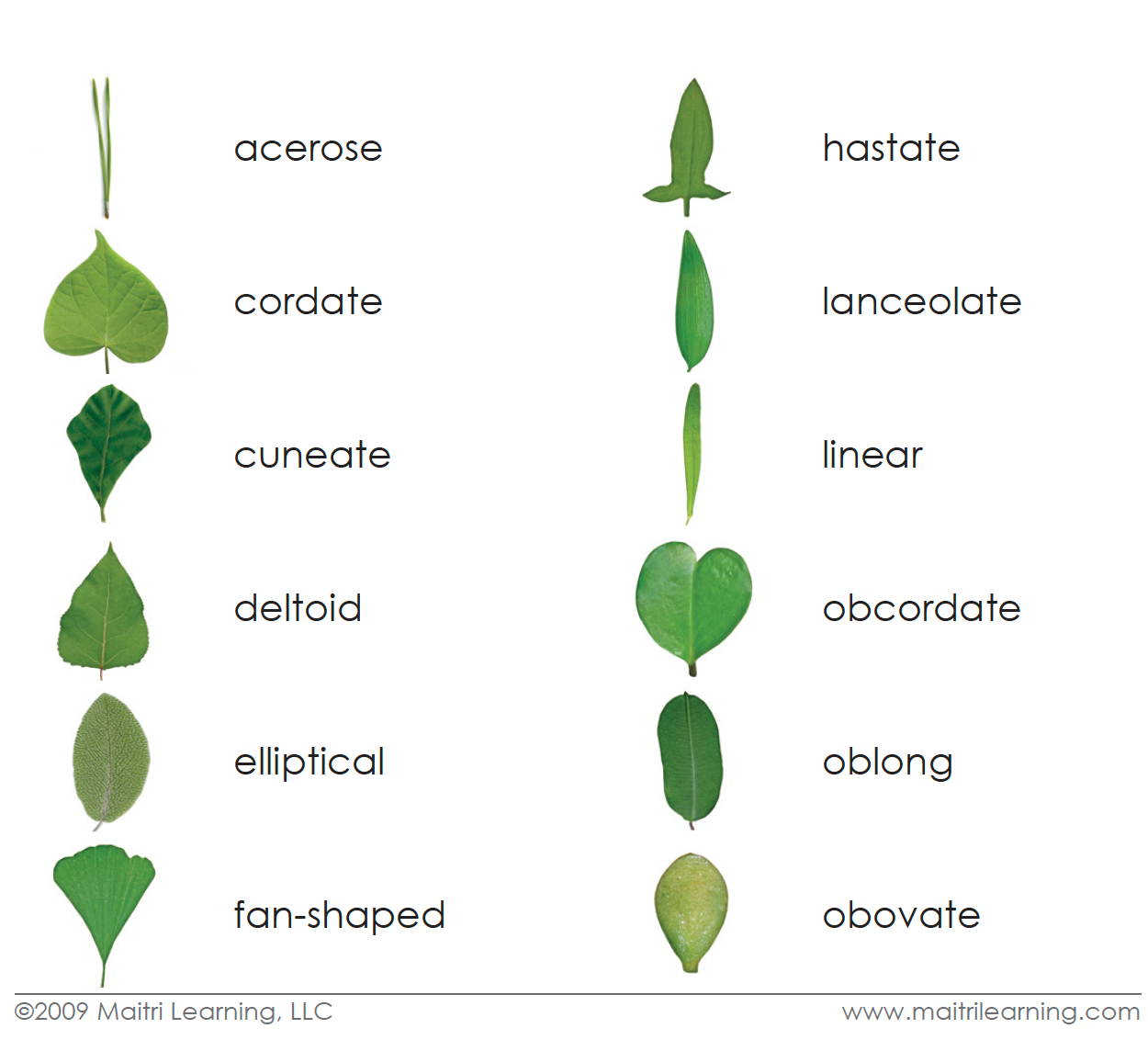
- Definition cards for botany: parts of the flower (dicot), flower (monocot), leaf, and tree, plus leaf shapes
- Definition cards for geography and more: Land & Water 1, Land & Water 2, parts of the flag, and horse coat colors
- Sets: Vertebrates, Invertebrates, Botany, and the complete Definition Card Set of 21
Each term comes on five cards: a control card with the term and full definition (3⅔" x 4⅓"), a term card (3⅔" x ¾"), a full definition card (3⅔" x 3⅜"), a first-half definition card (3⅔" x 1¼"), and a second-half definition card (3⅔" x 2¼"). All card sizes are approximate.
Why definition cards matter for reading
Scarborough's (2001) reading rope names language structures and verbal reasoning as strands of language comprehension. Definition cards work on both. A student can recognize a finished sentence without thinking much about it. Rebuilding that sentence from separate pieces is different. The student plays with the parts, tries a first half with a second half, and notices when the result doesn't make sense. That hands-on experimenting builds a sense of how sentences are put together, which helps them understand complex sentences in informational text.
Reference
Scarborough, H. S. (2001). Connecting early language and literacy to later reading (dis)abilities: Evidence, theory, and practice. In S. B. Neuman & D. K. Dickinson (Eds.), Handbook of early literacy research (pp. 97–110). Guilford Press.
How do you use Montessori definition cards?
These cards are meant to be used as part of the build-a-book activity. You can still use them on their own but they will be less effective.
To use them alone, first, expose students to the vocabulary naturally, through conversation, real-world observation, the matching book, and the 3-Part Cards.
Then introduce the definition cards in two stages.
Stage 1: Lay out the term cards. Students match each full definition card to its term, then check their work with the control cards.

Stage 2: Lay out the term cards again. Students match the first-half definition cards to the terms, then the second-half cards. Once more, they check with the control cards.

Our free definition cards lesson plan walks through each stage.
Learn how Montessori and the Science of Reading align.
Can definition cards be used on their own?
They're designed as one part of the build-a-book activity, alongside the matching vocabulary cards and definition book. If you're starting a new topic, the book and card set is the best choice. If you already own the book and vocabulary cards, adding the definition cards completes the activity.
What ages are definition cards for?
Typically grades K–6 (ages 6–12). They work best for students who are already reading well and have some background knowledge of the topic.
Which definition cards match my book?
Each packet of definition cards matches the definition book with the same title. For example, Parts of the Fish Definitions pairs with the Parts of the Fish book.
Download a PDF of our materials

Follow Us