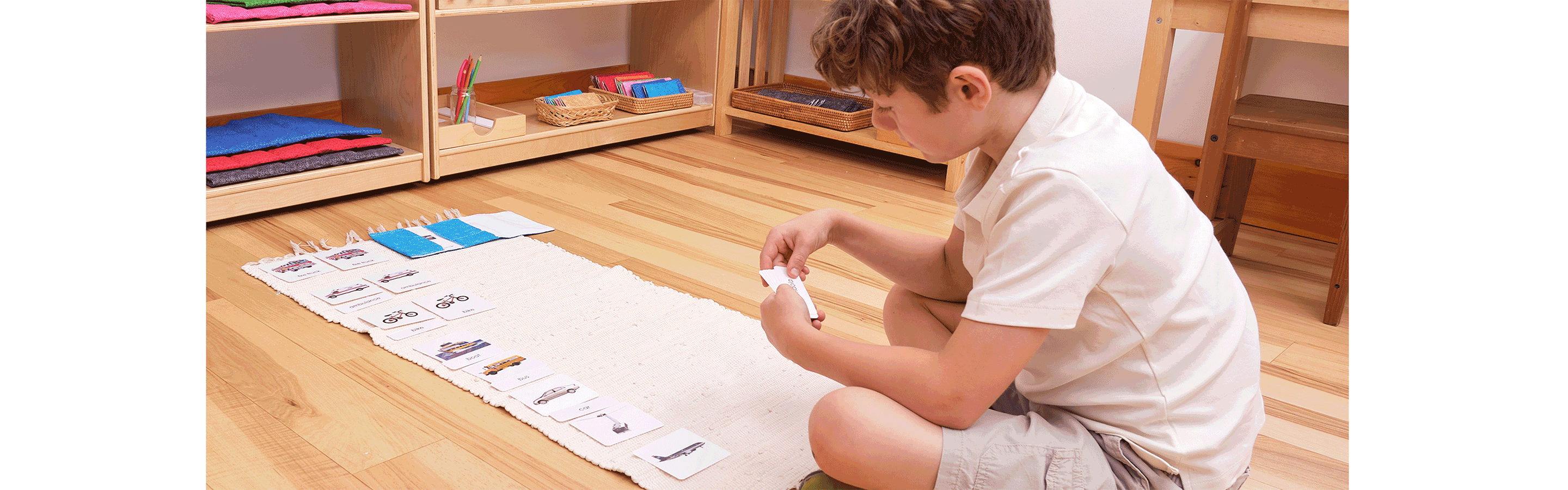
3-Part Classified Reading Cards
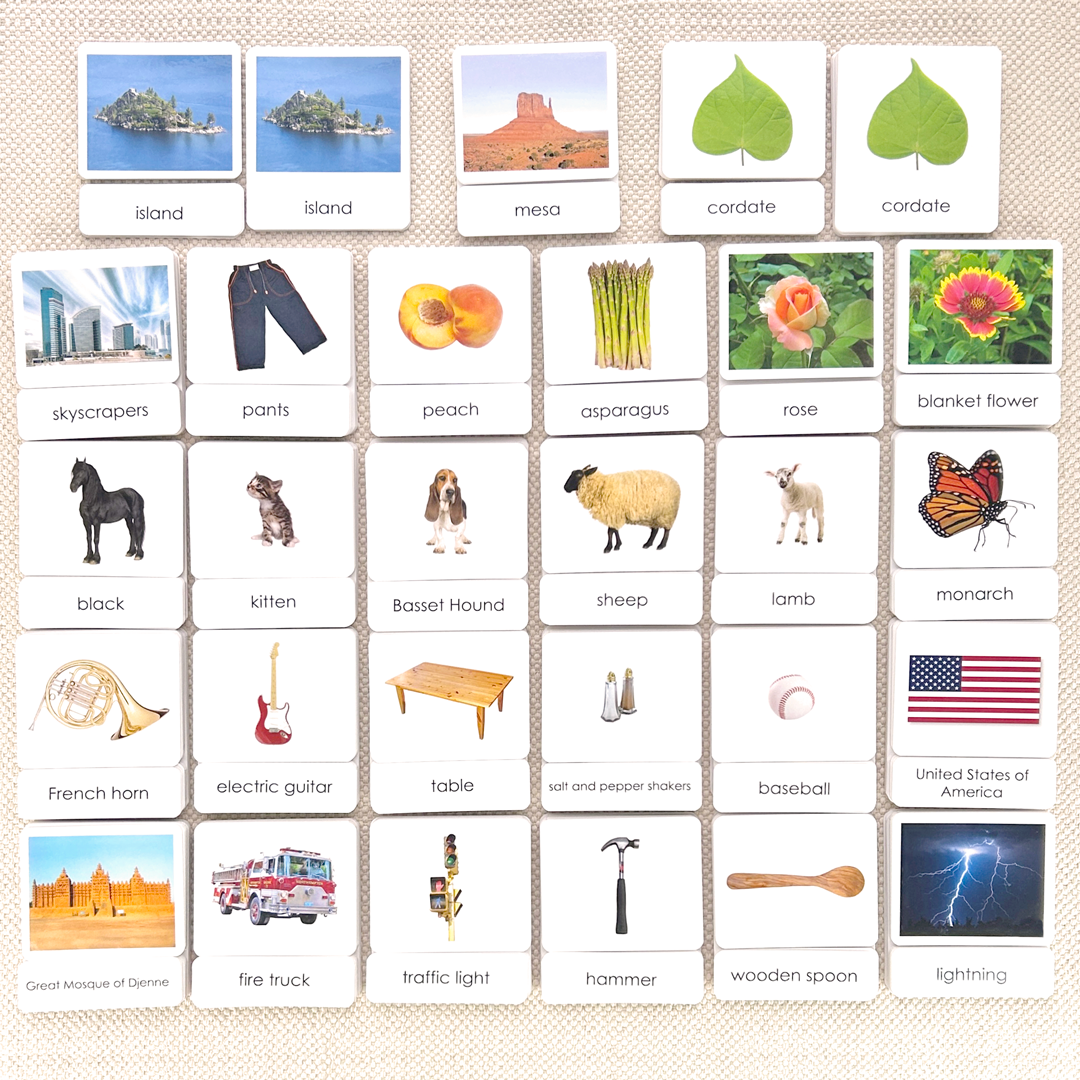
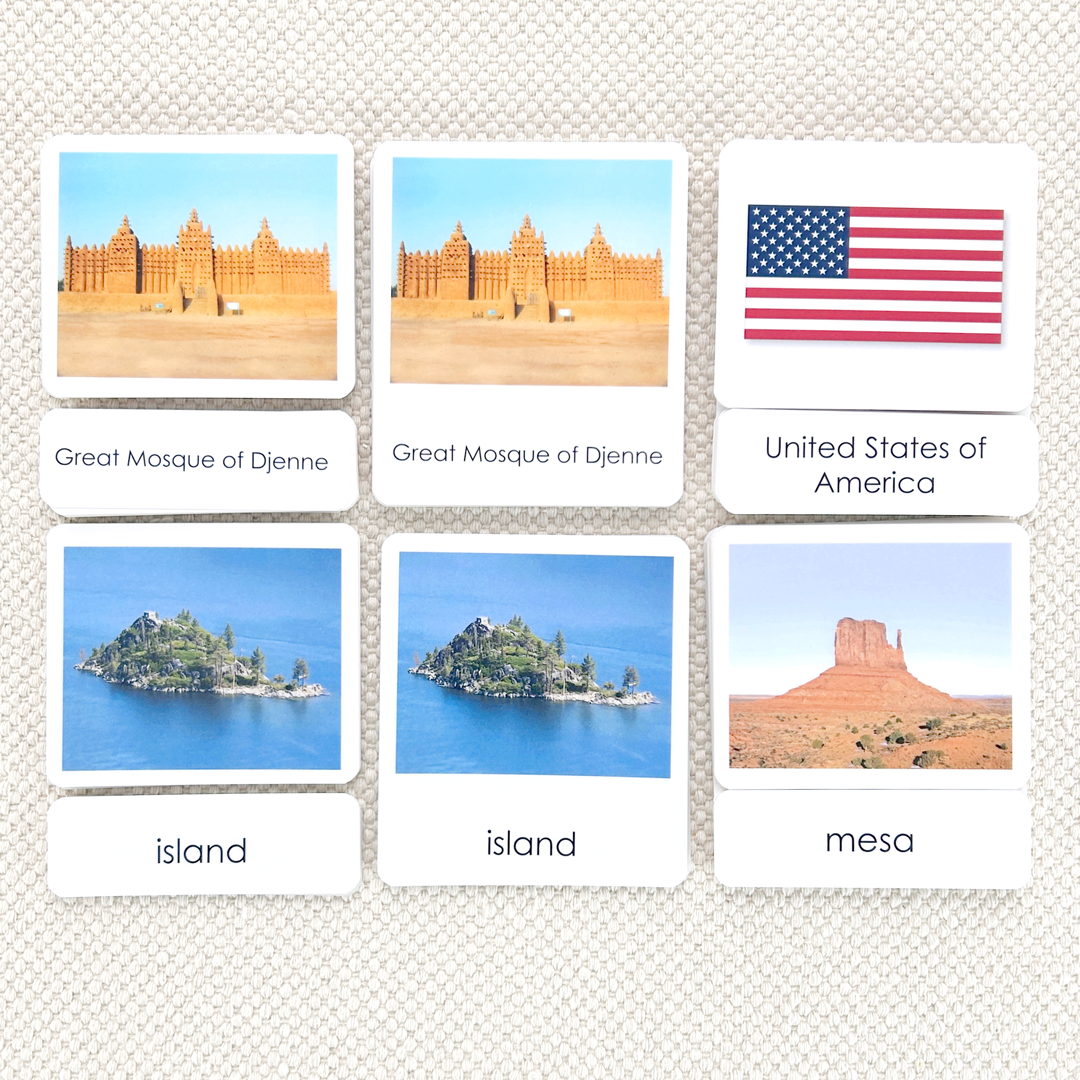
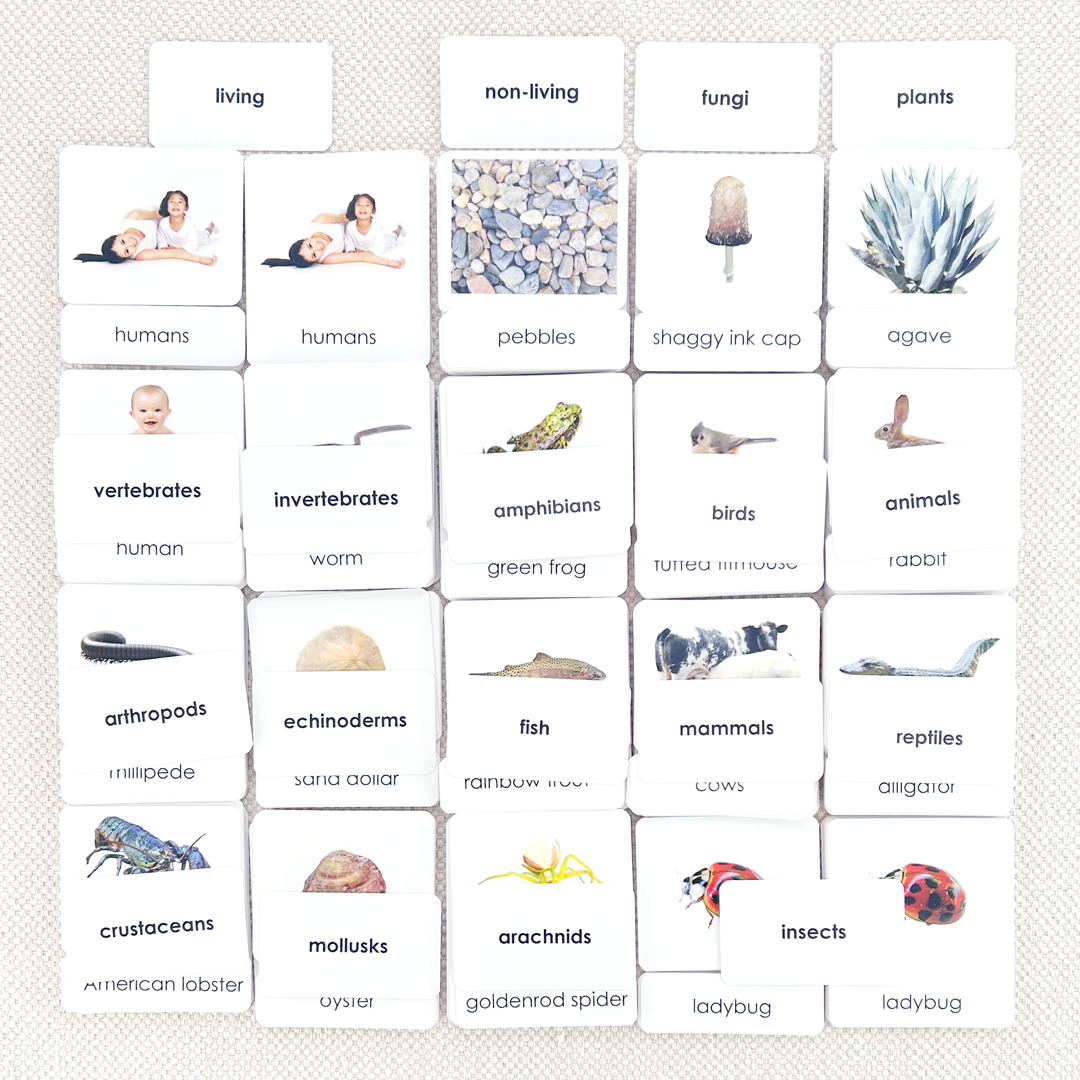

























More Information:
3-Part Classified Reading Cards
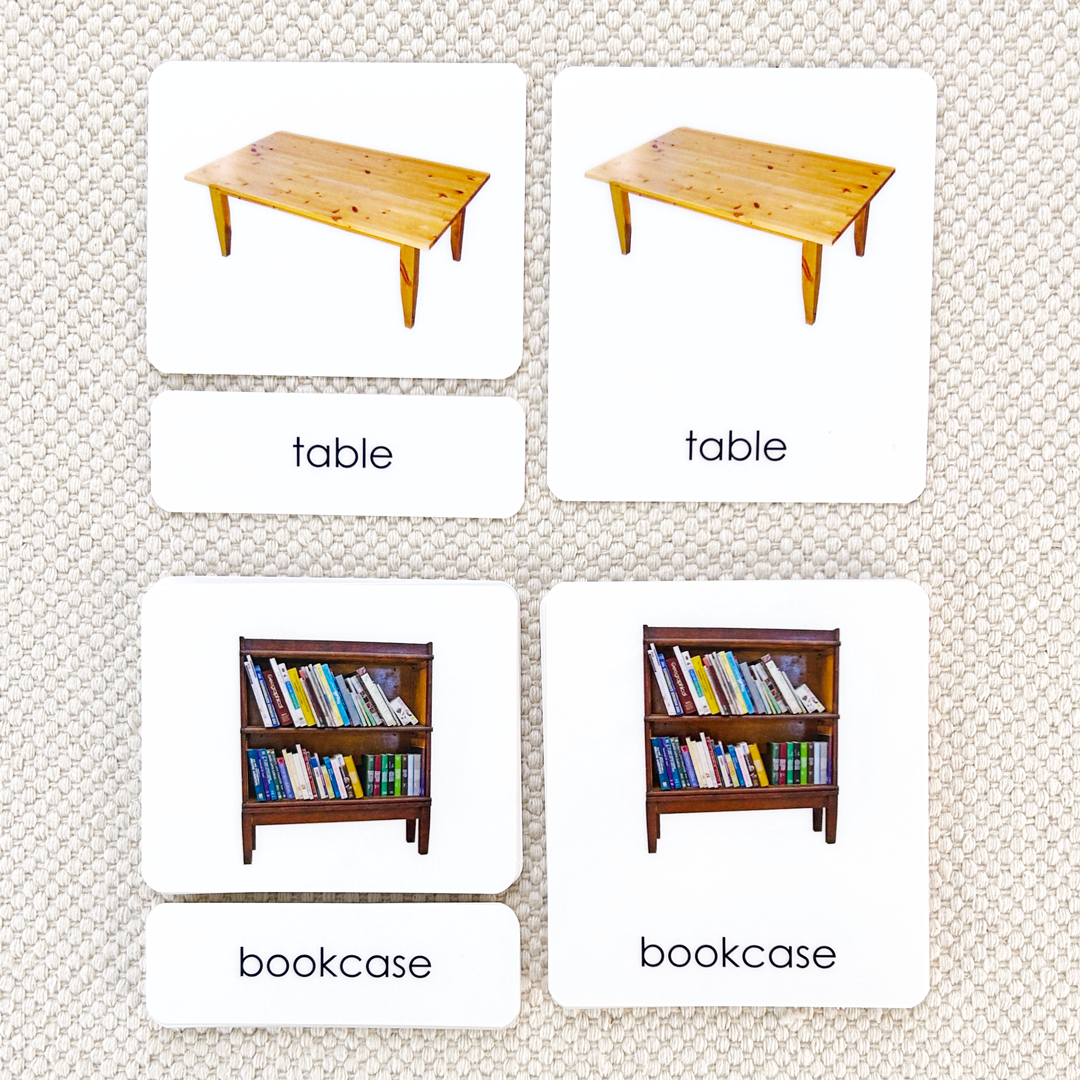
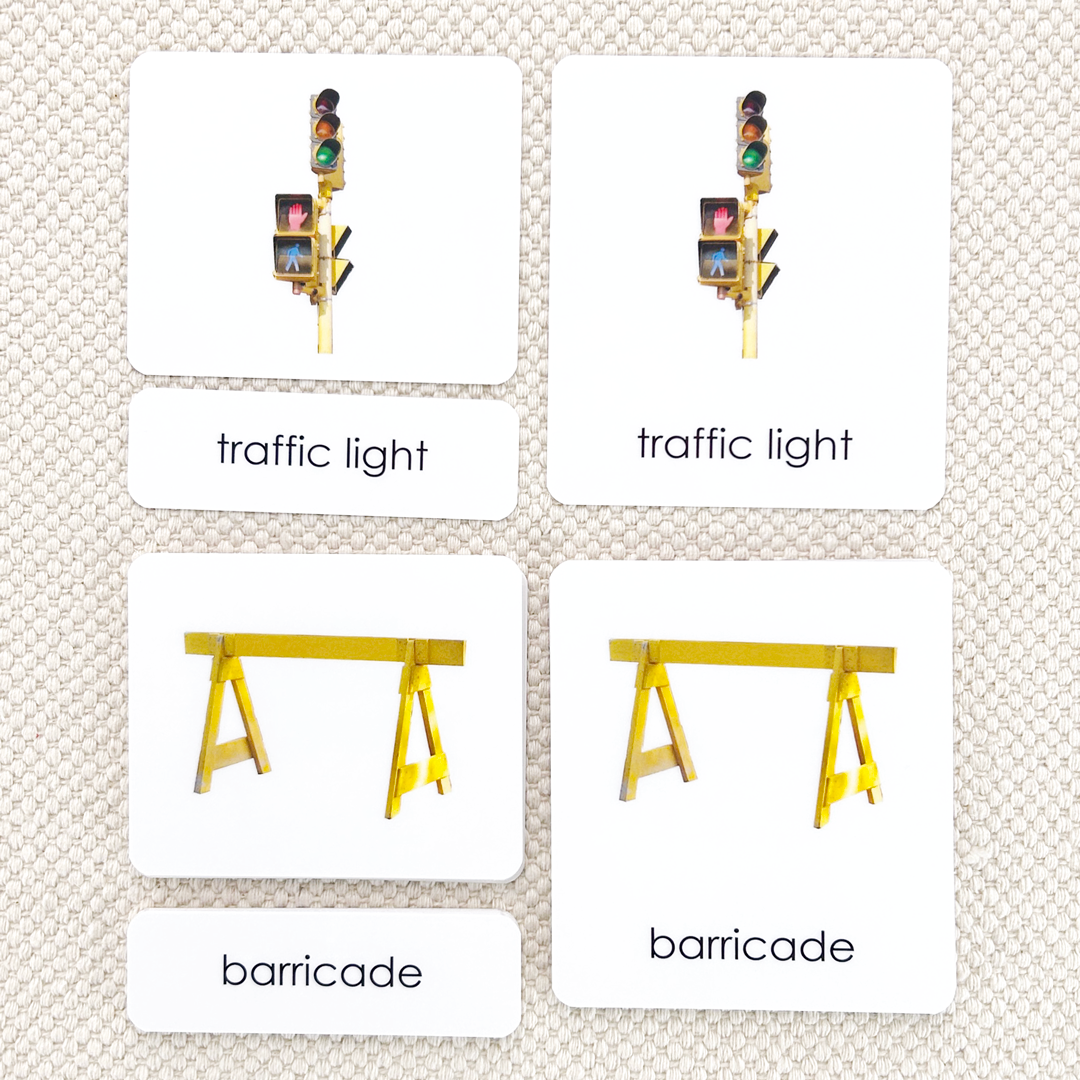
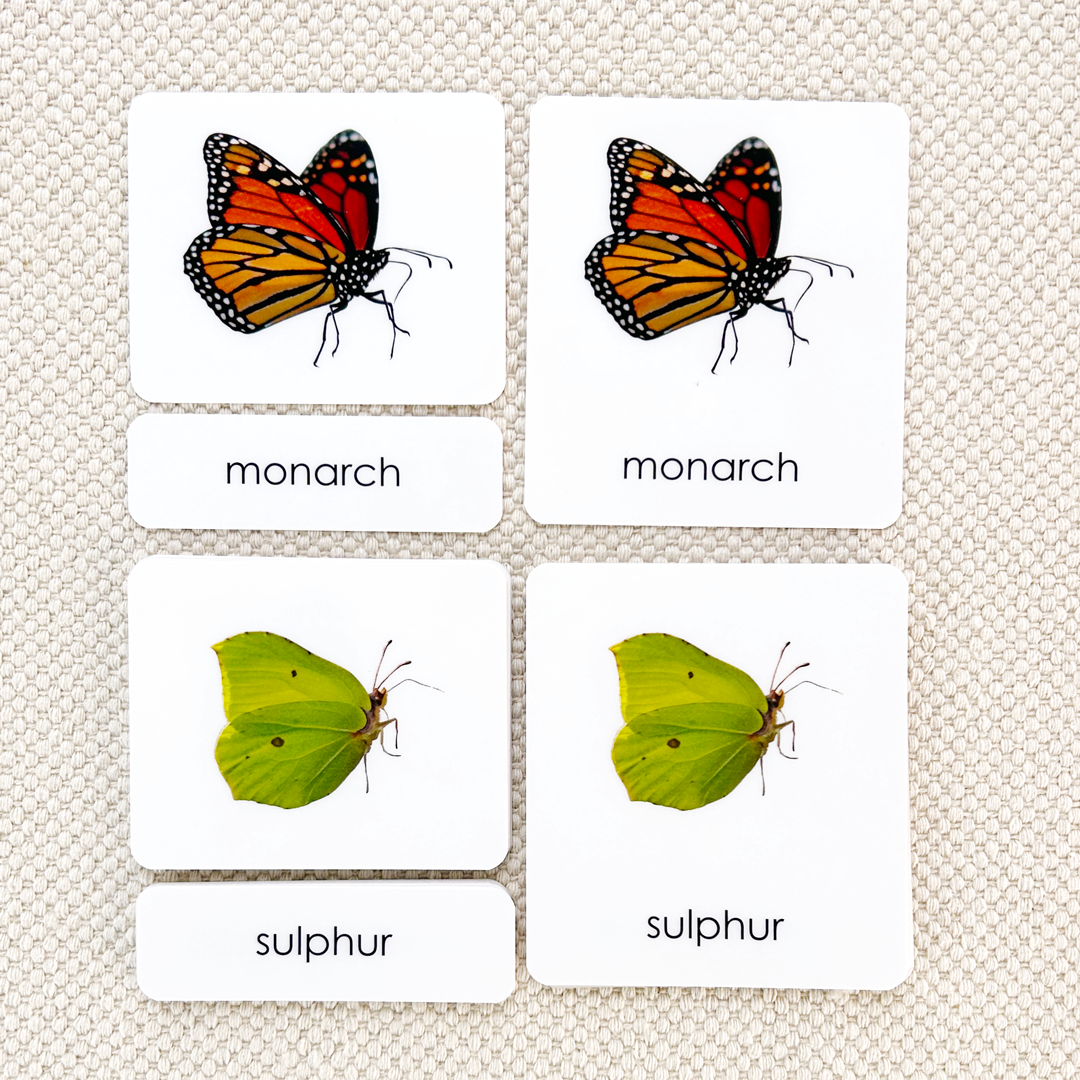
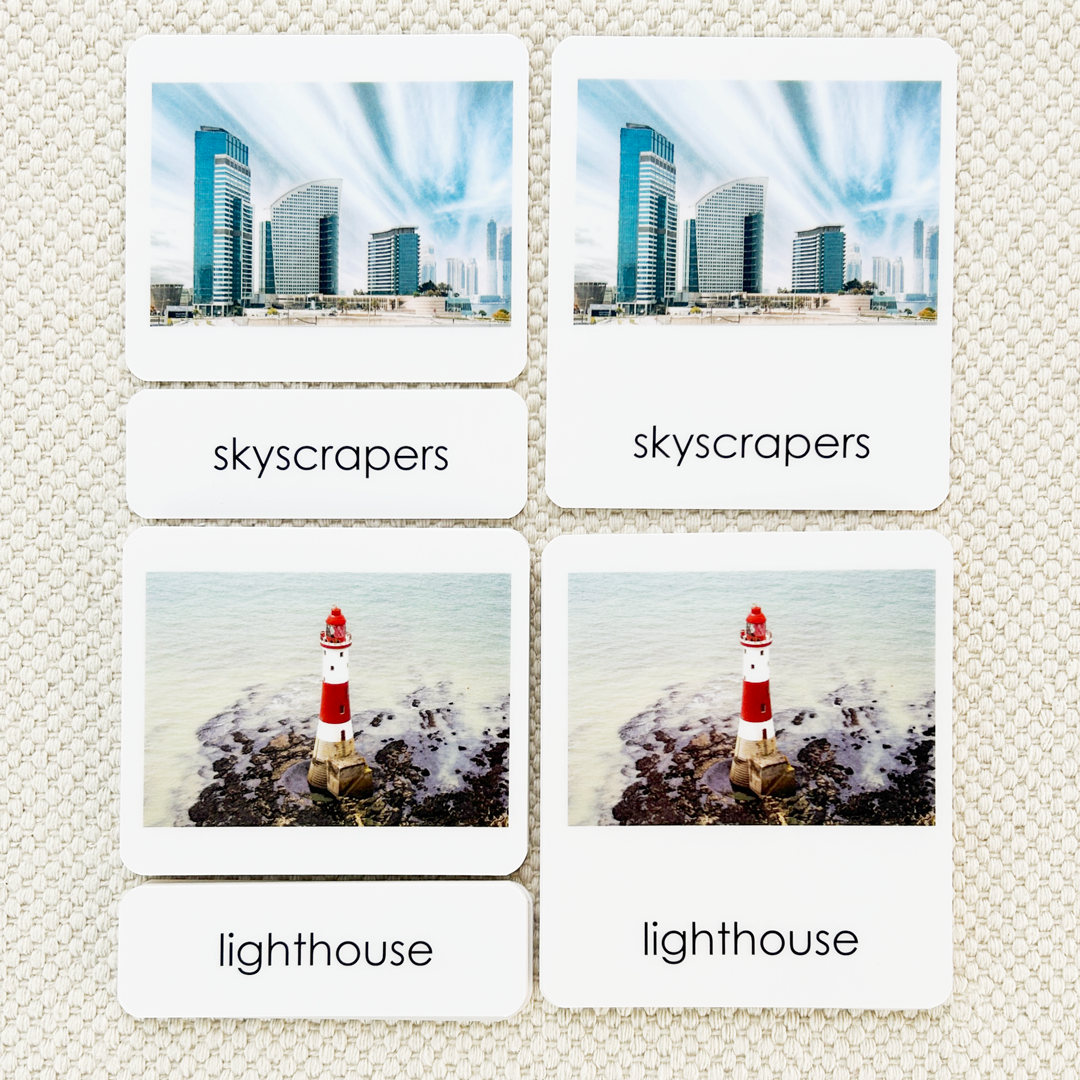
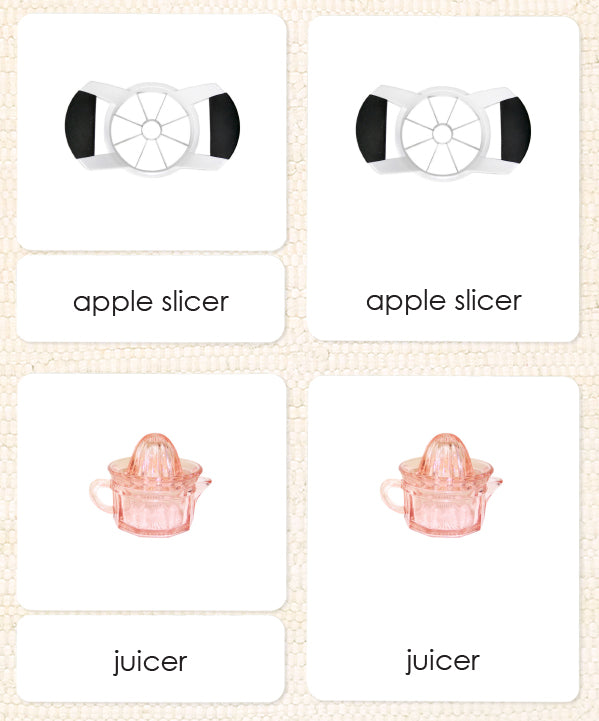
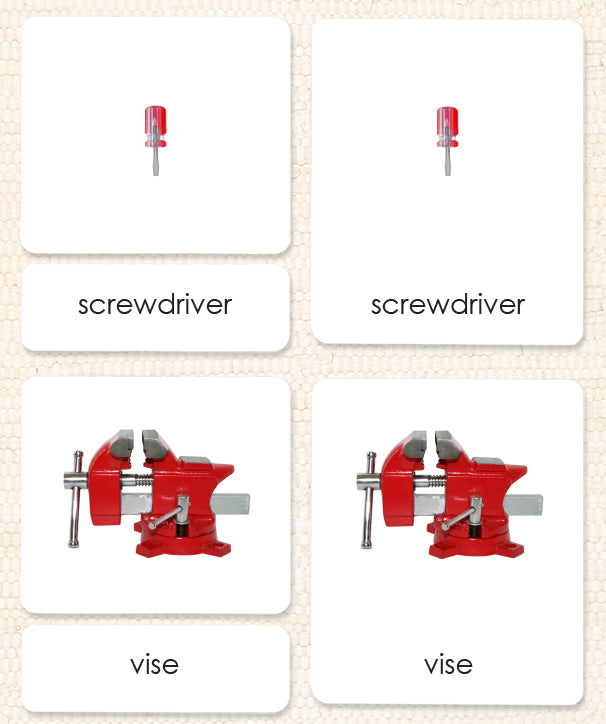
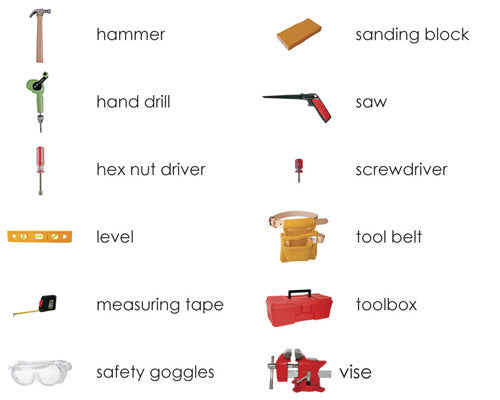
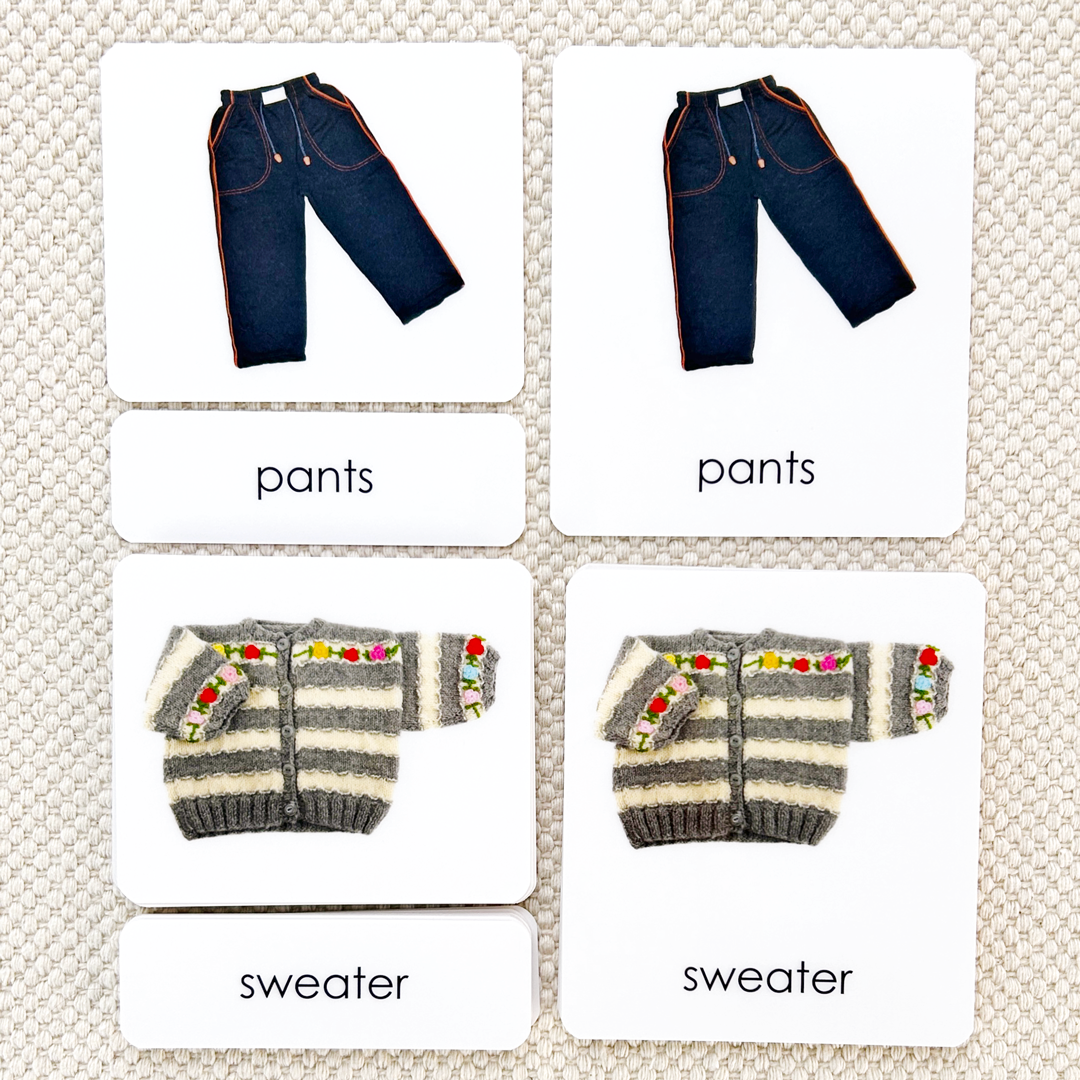
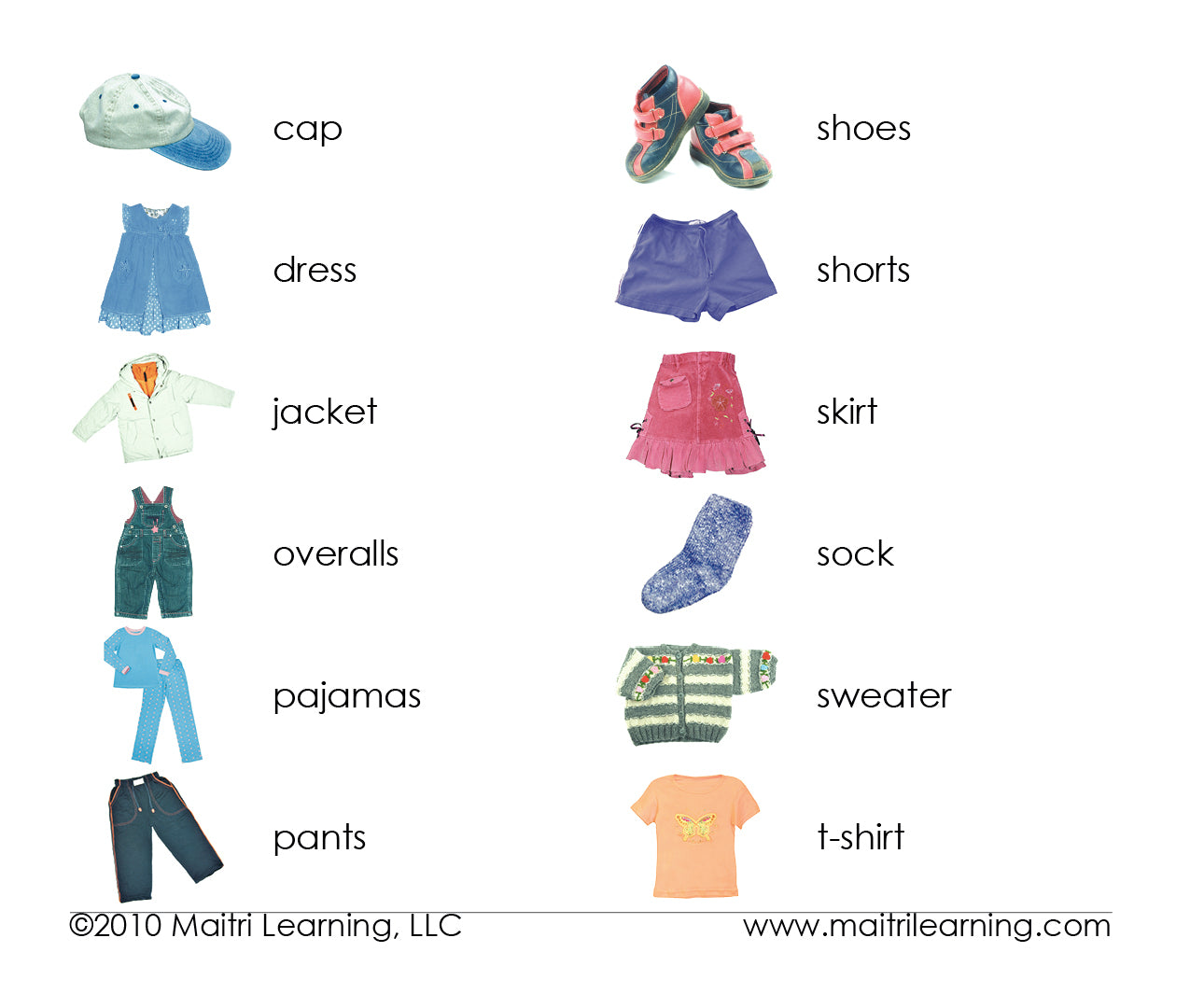
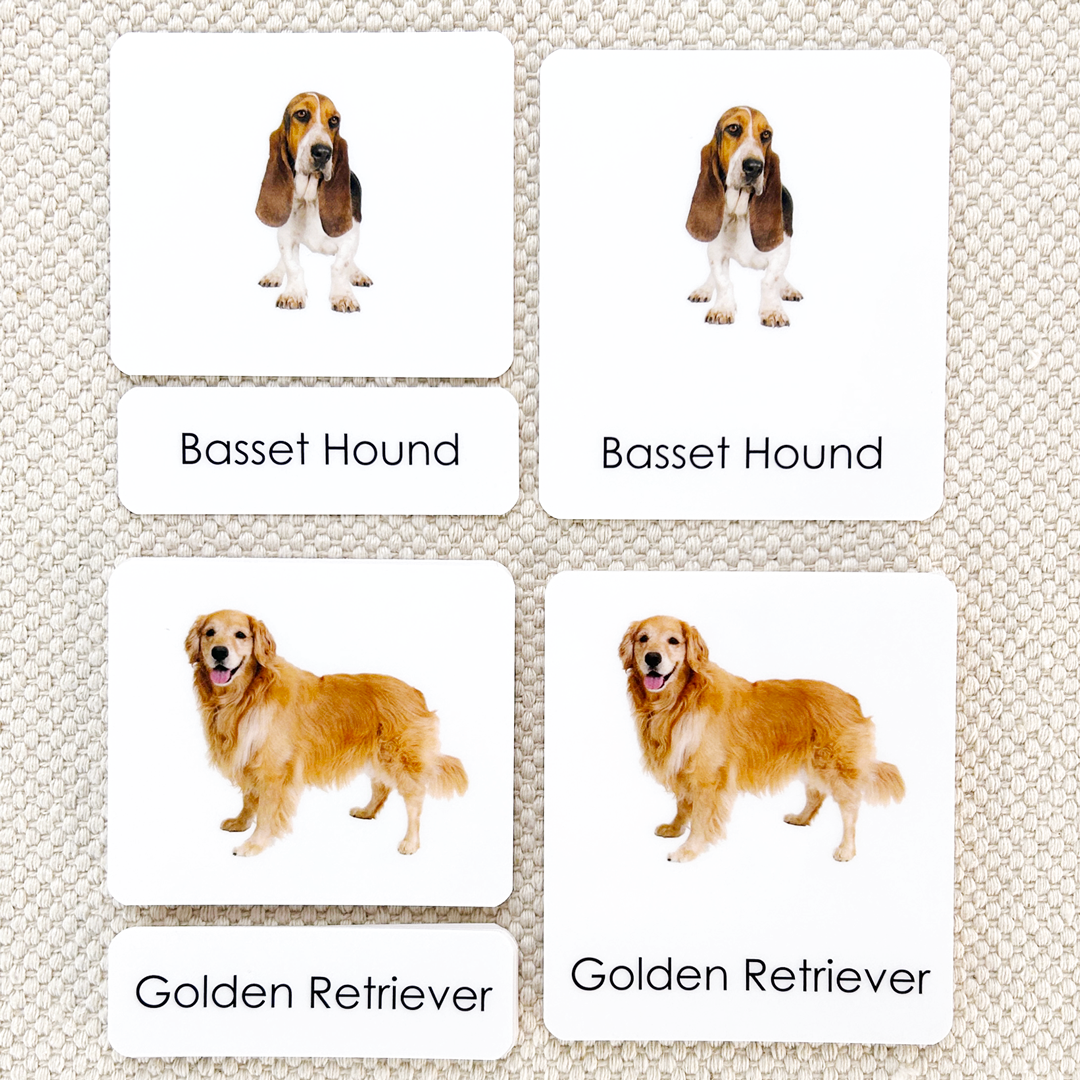
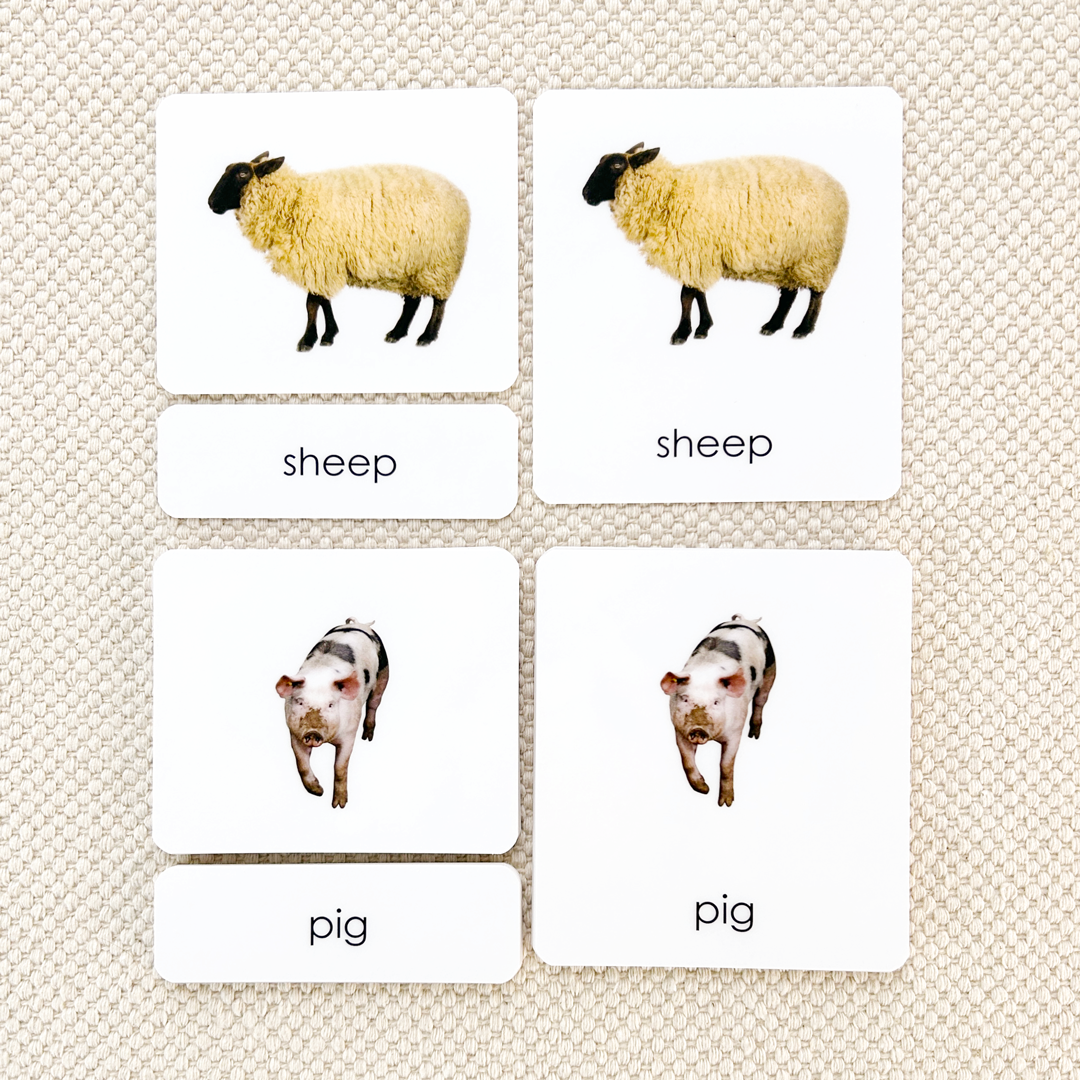
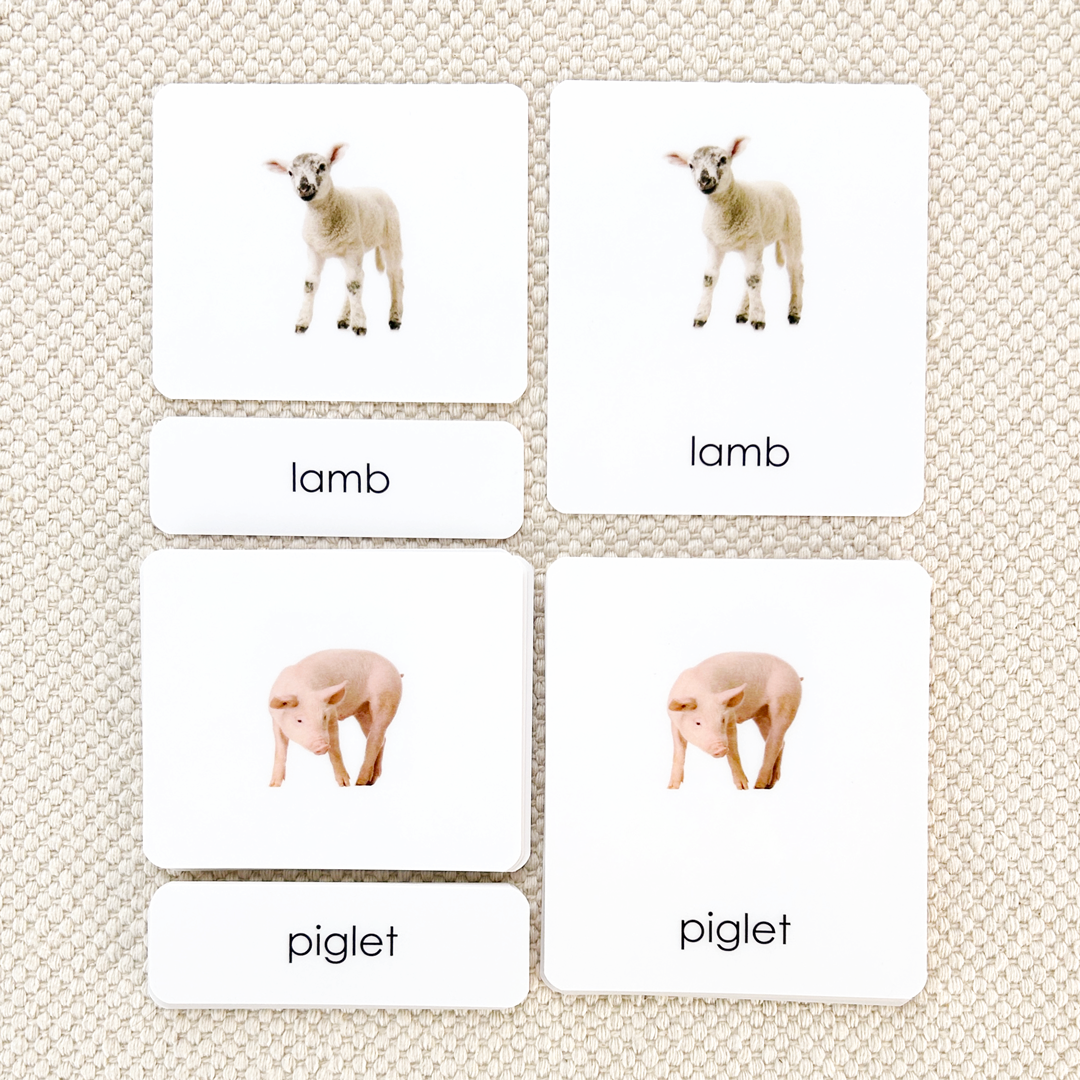
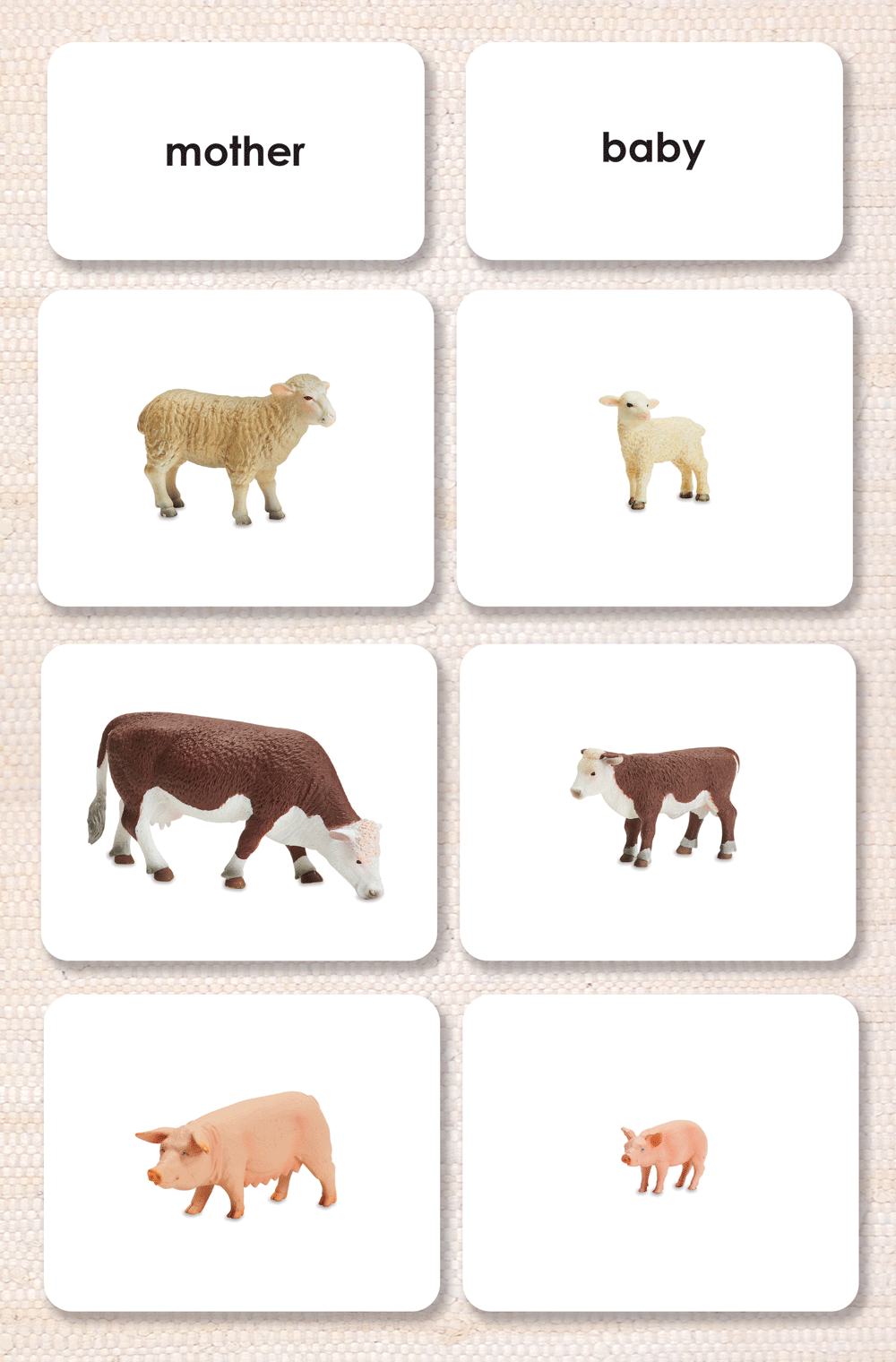
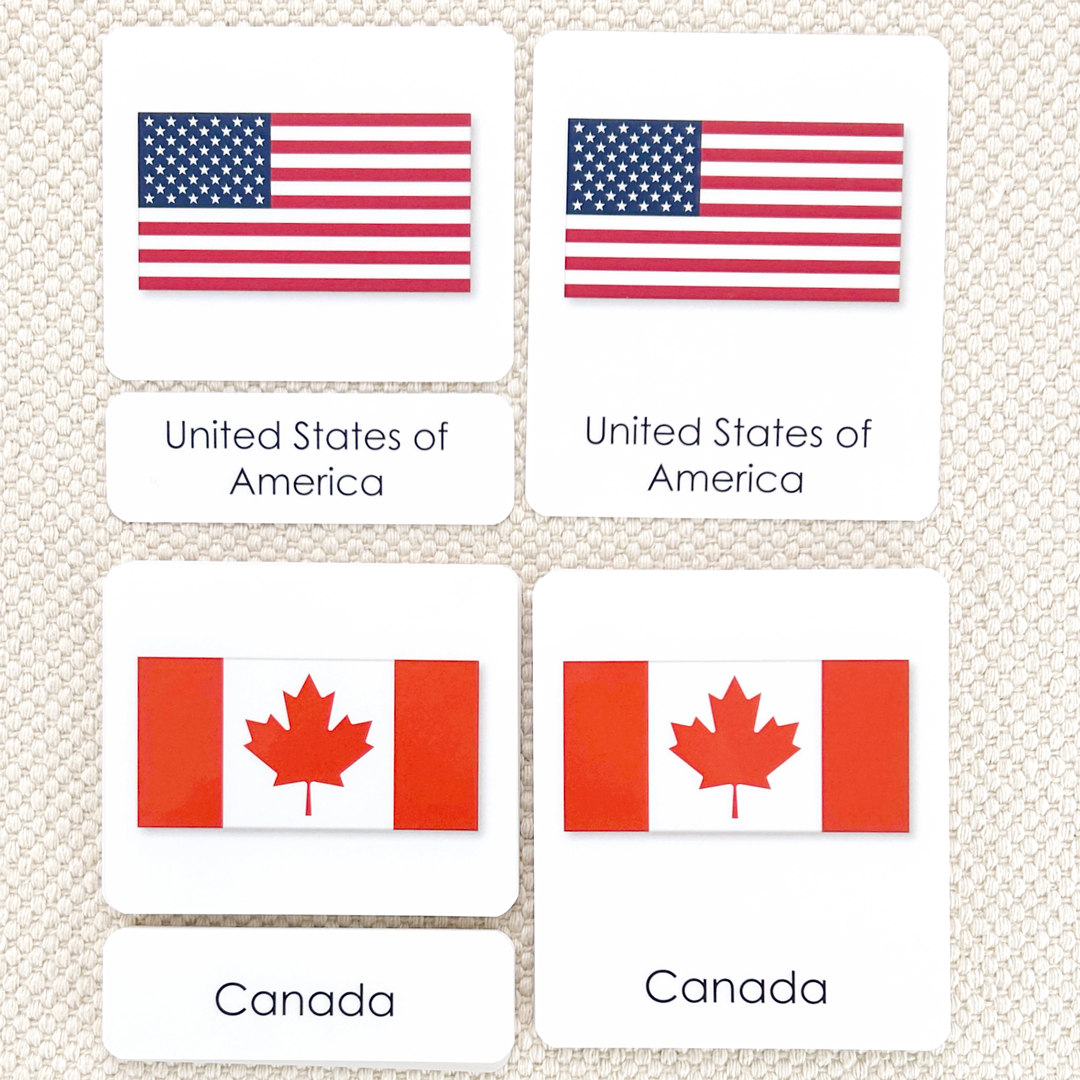
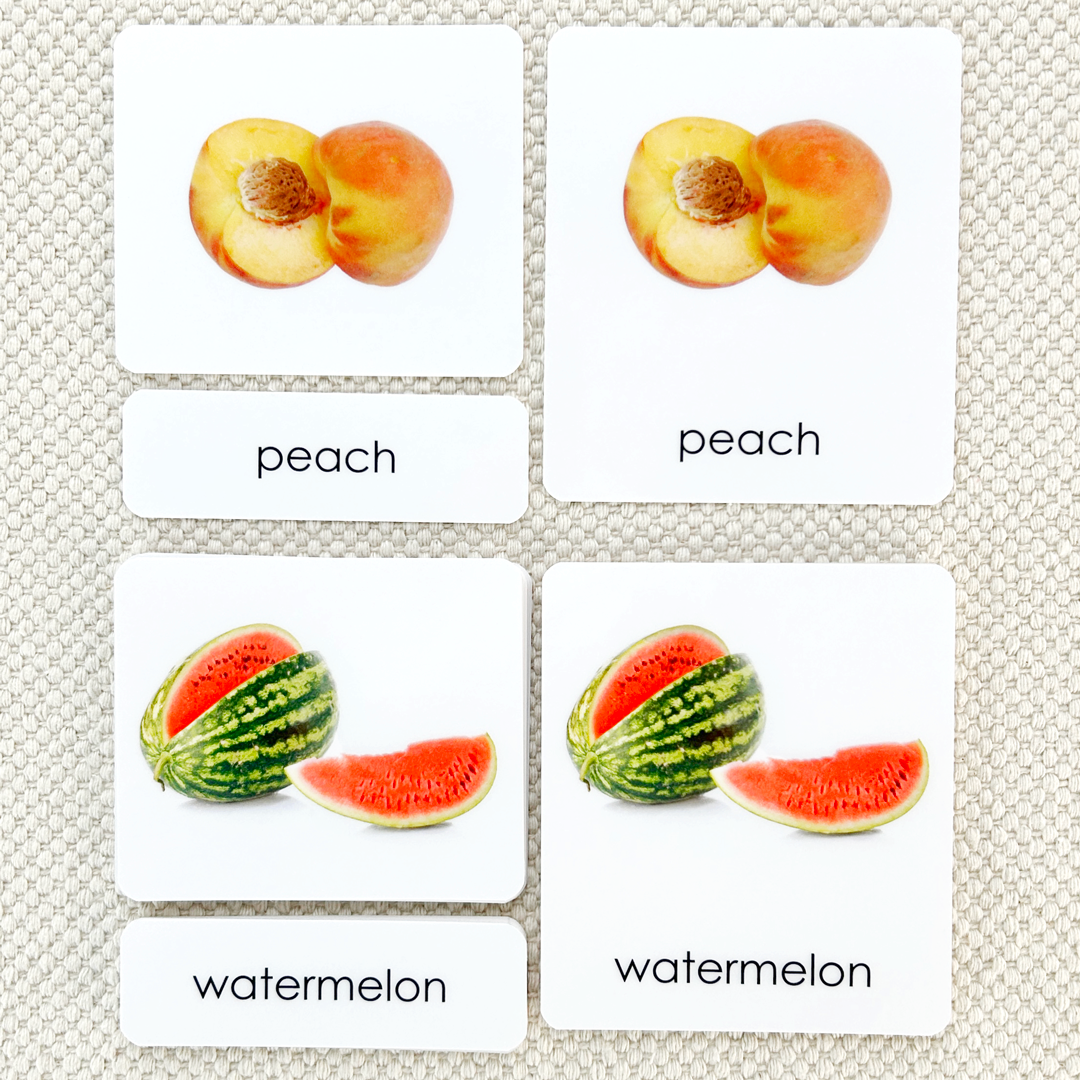
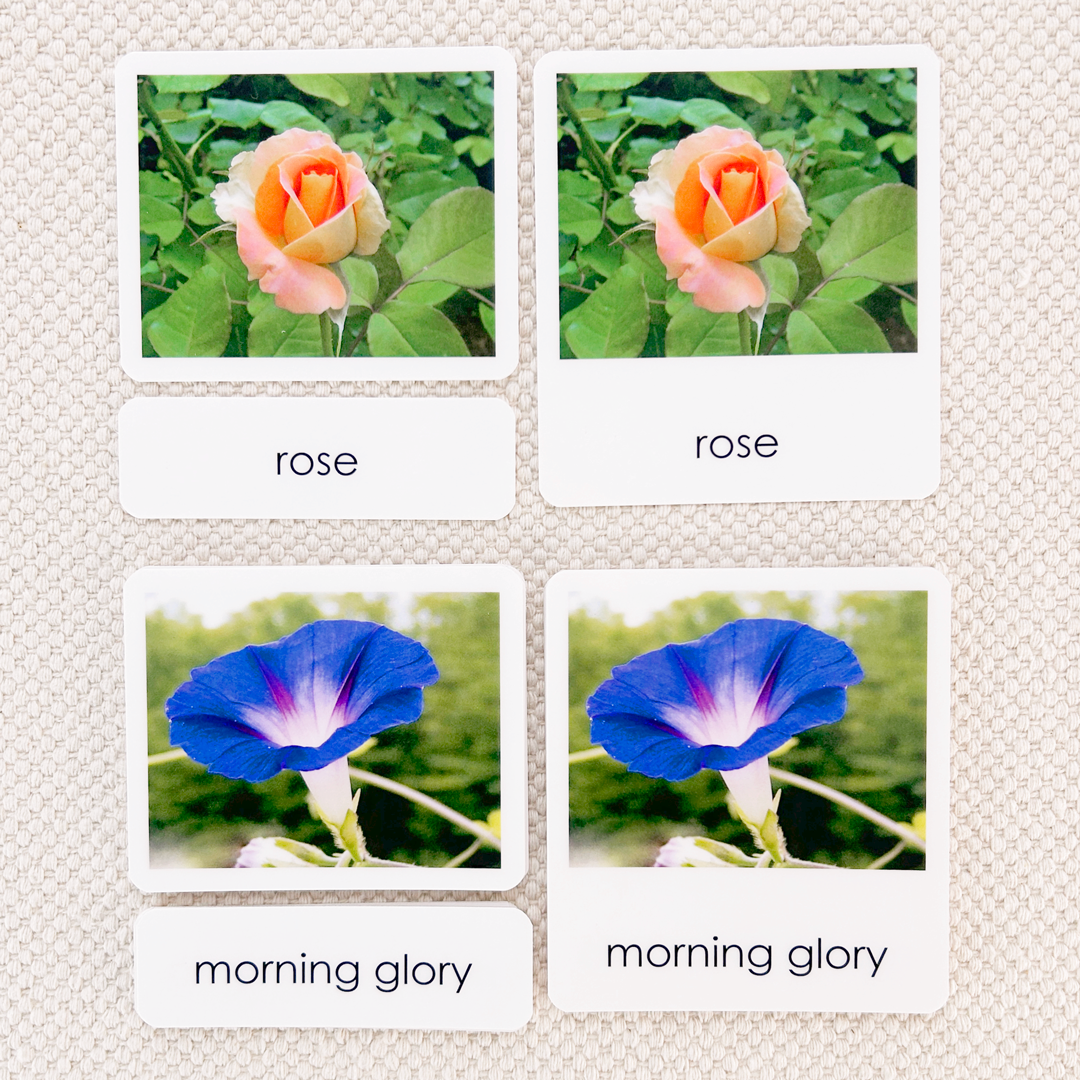
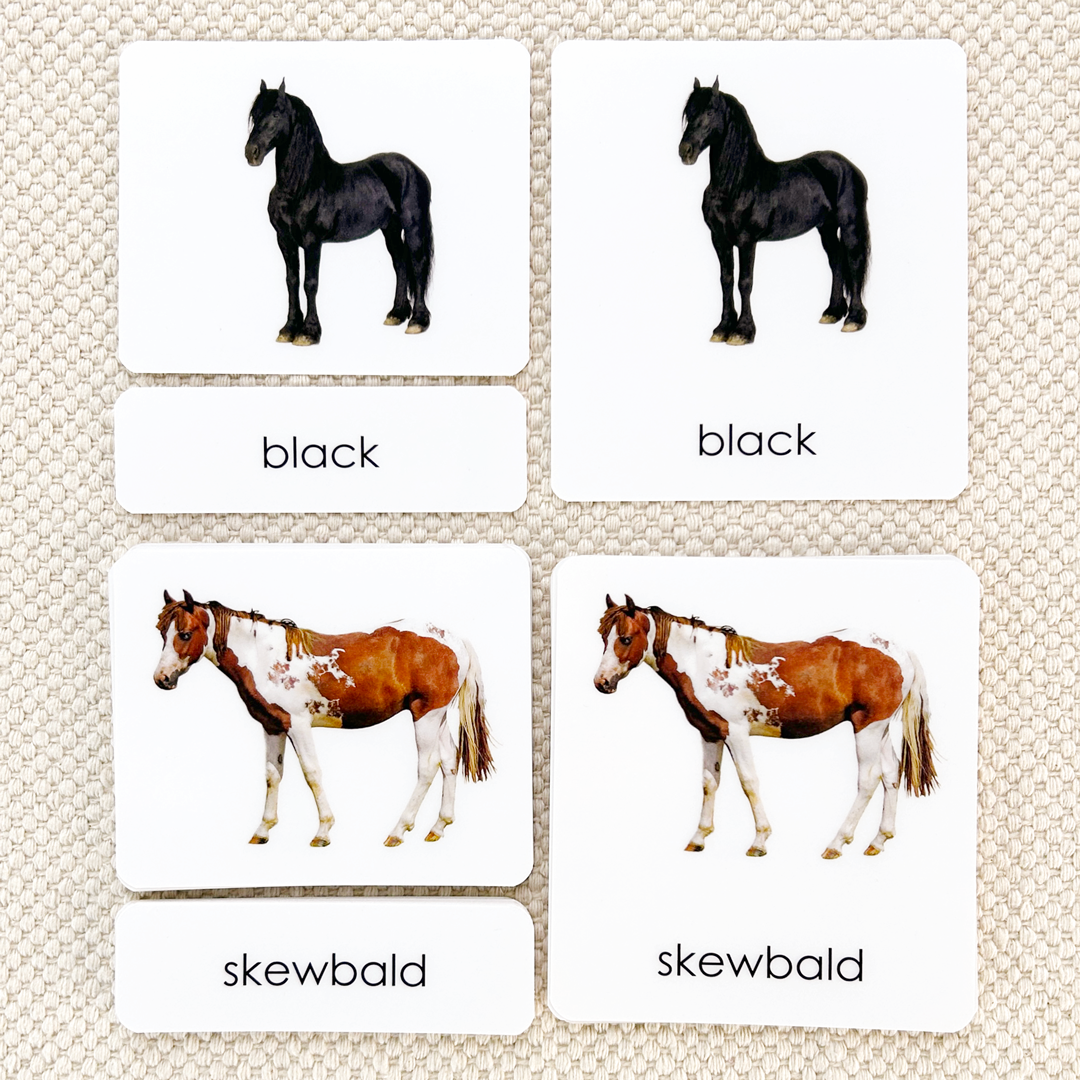
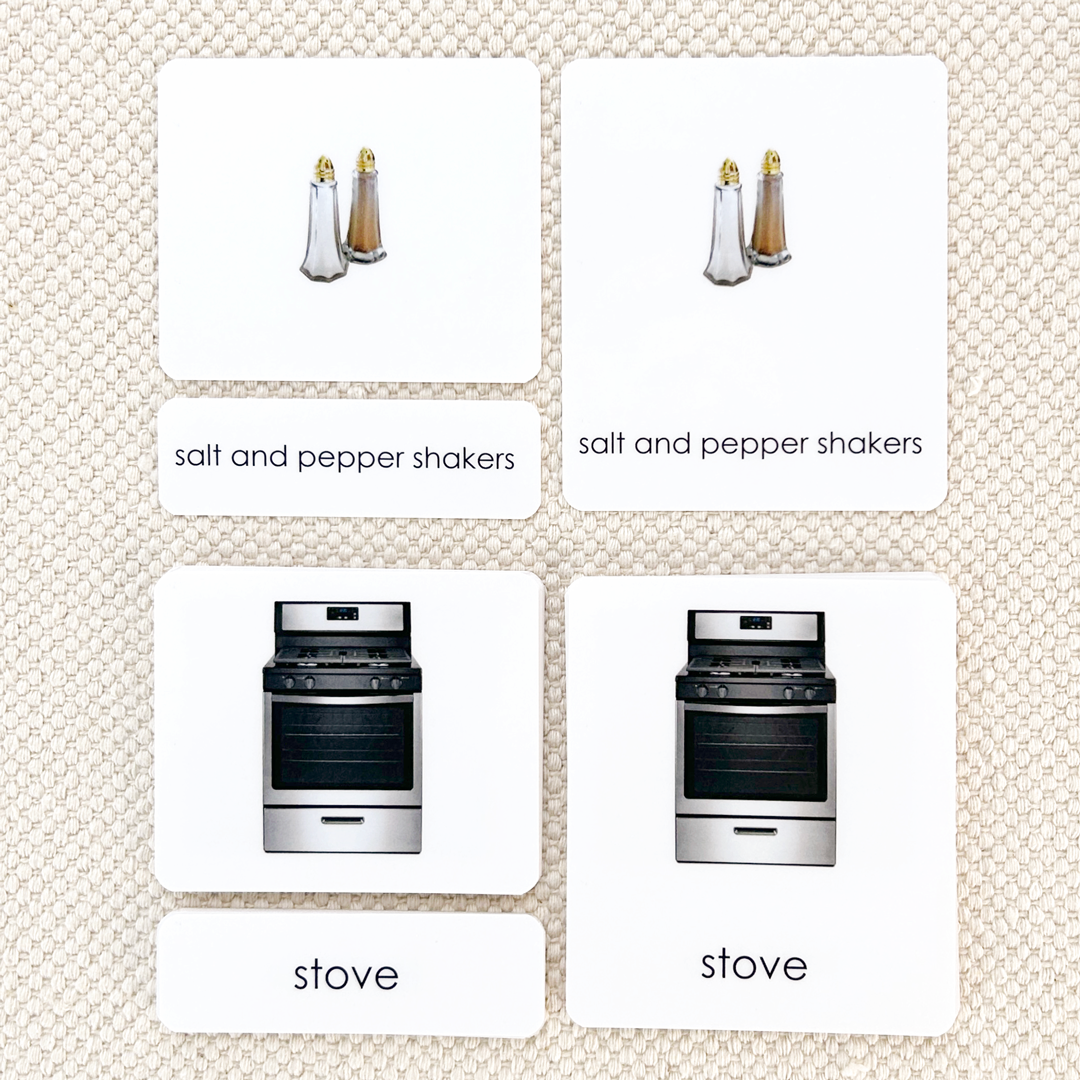
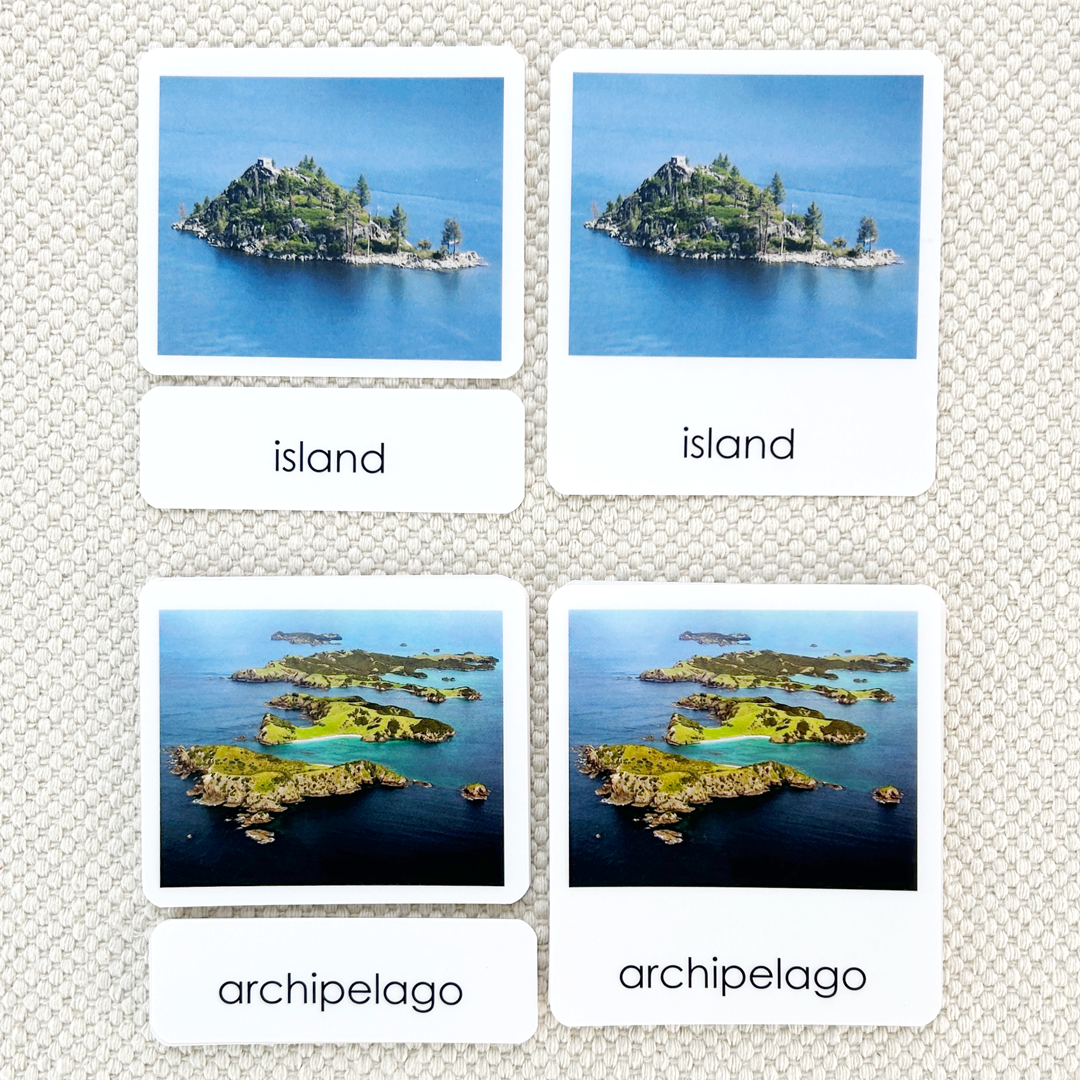
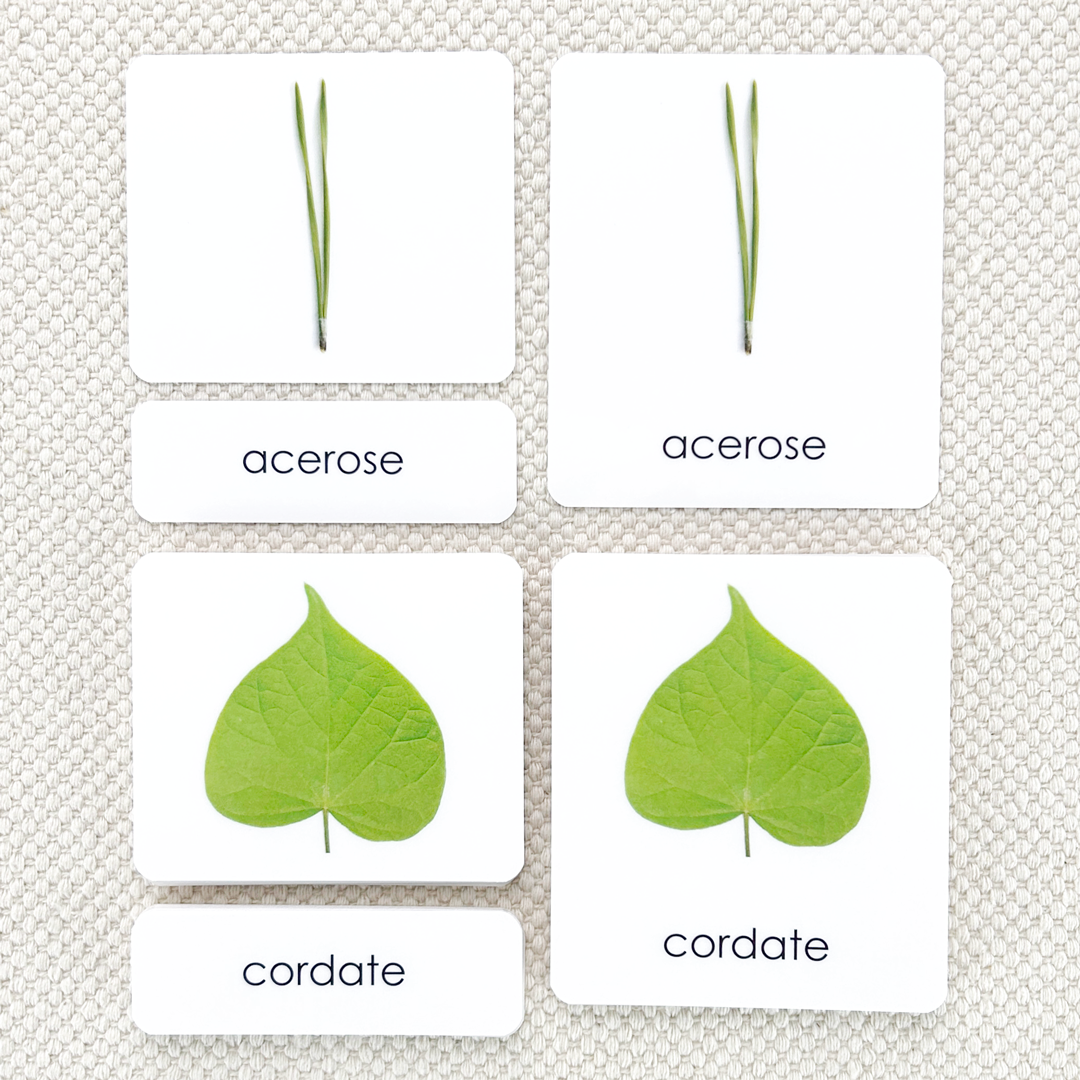
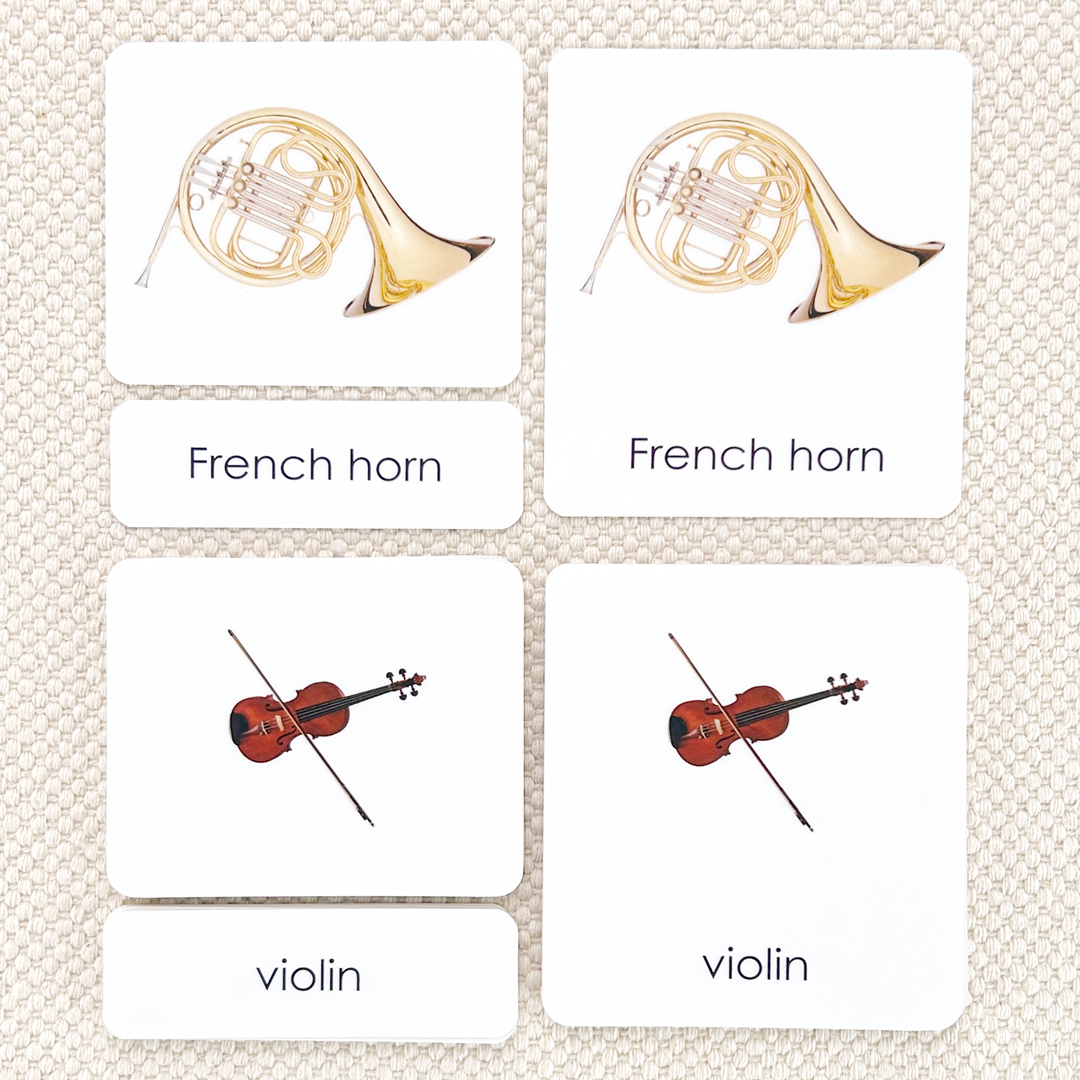
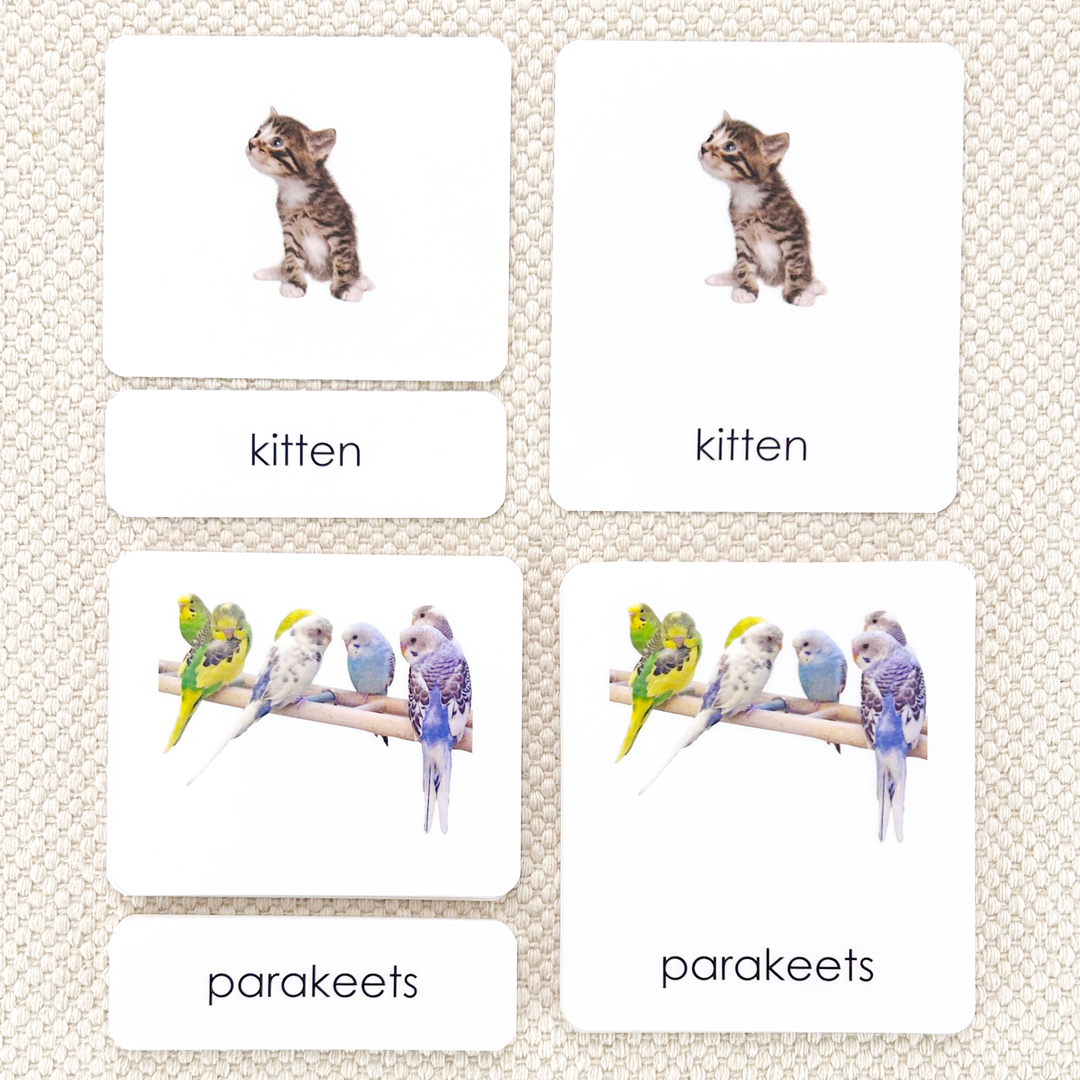
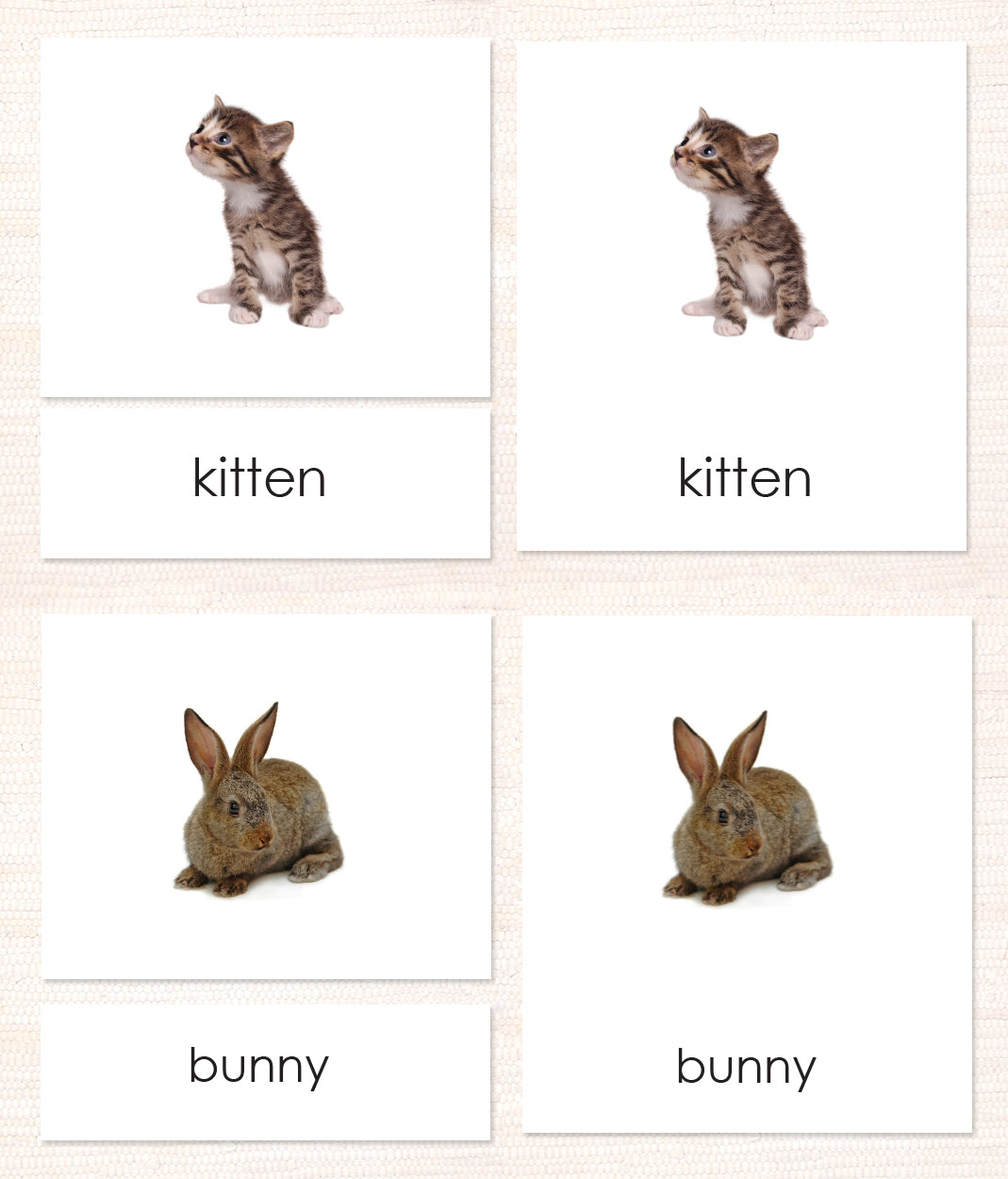
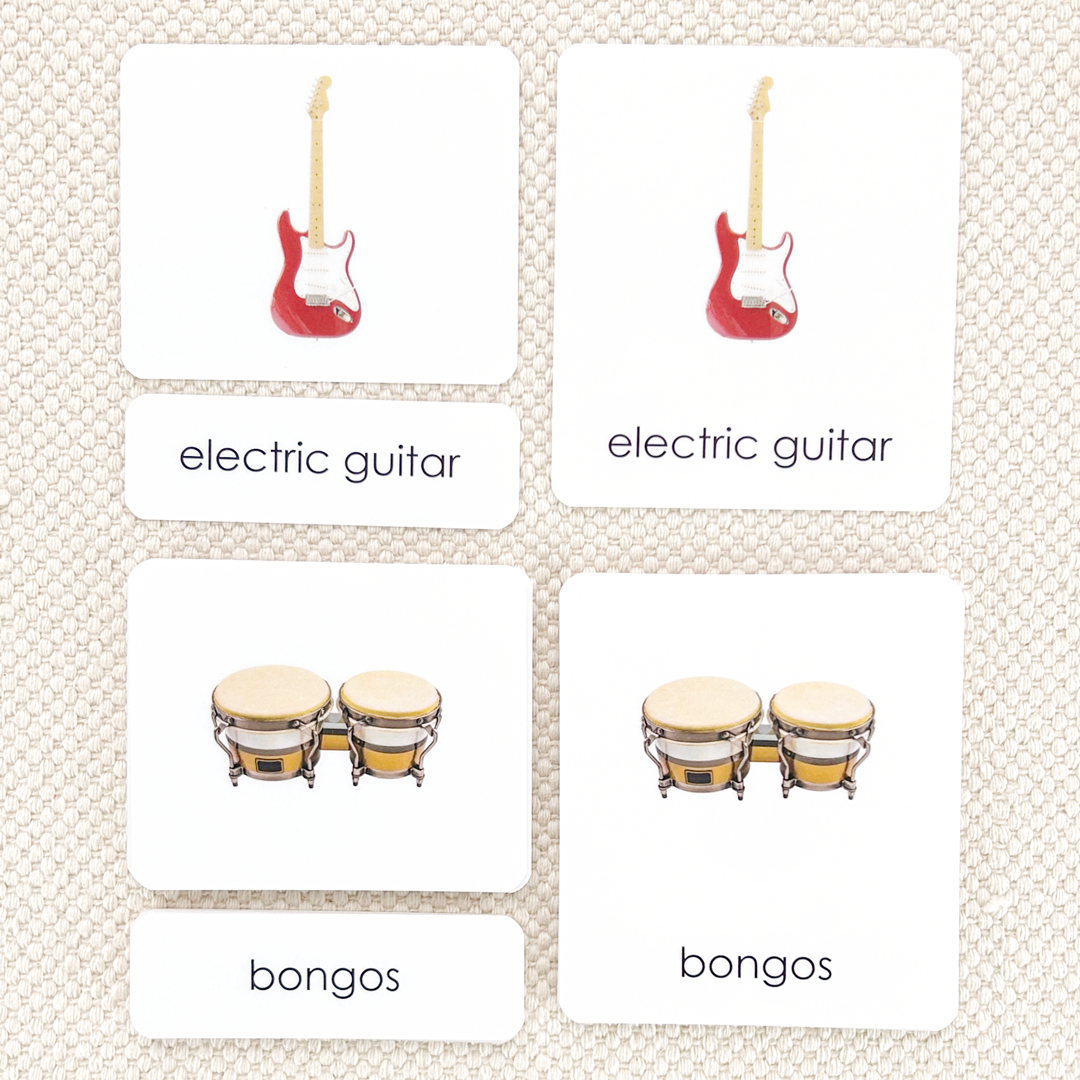
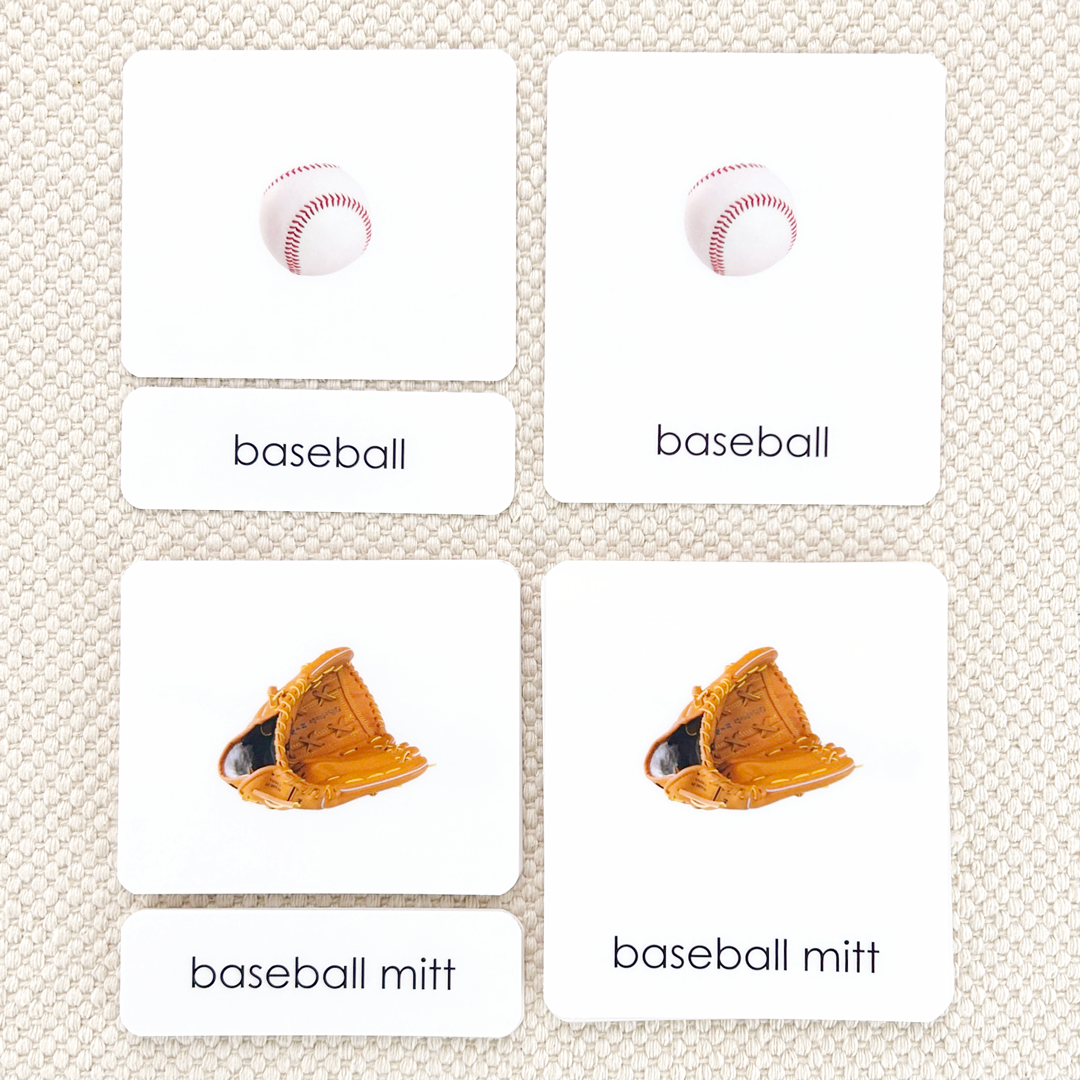
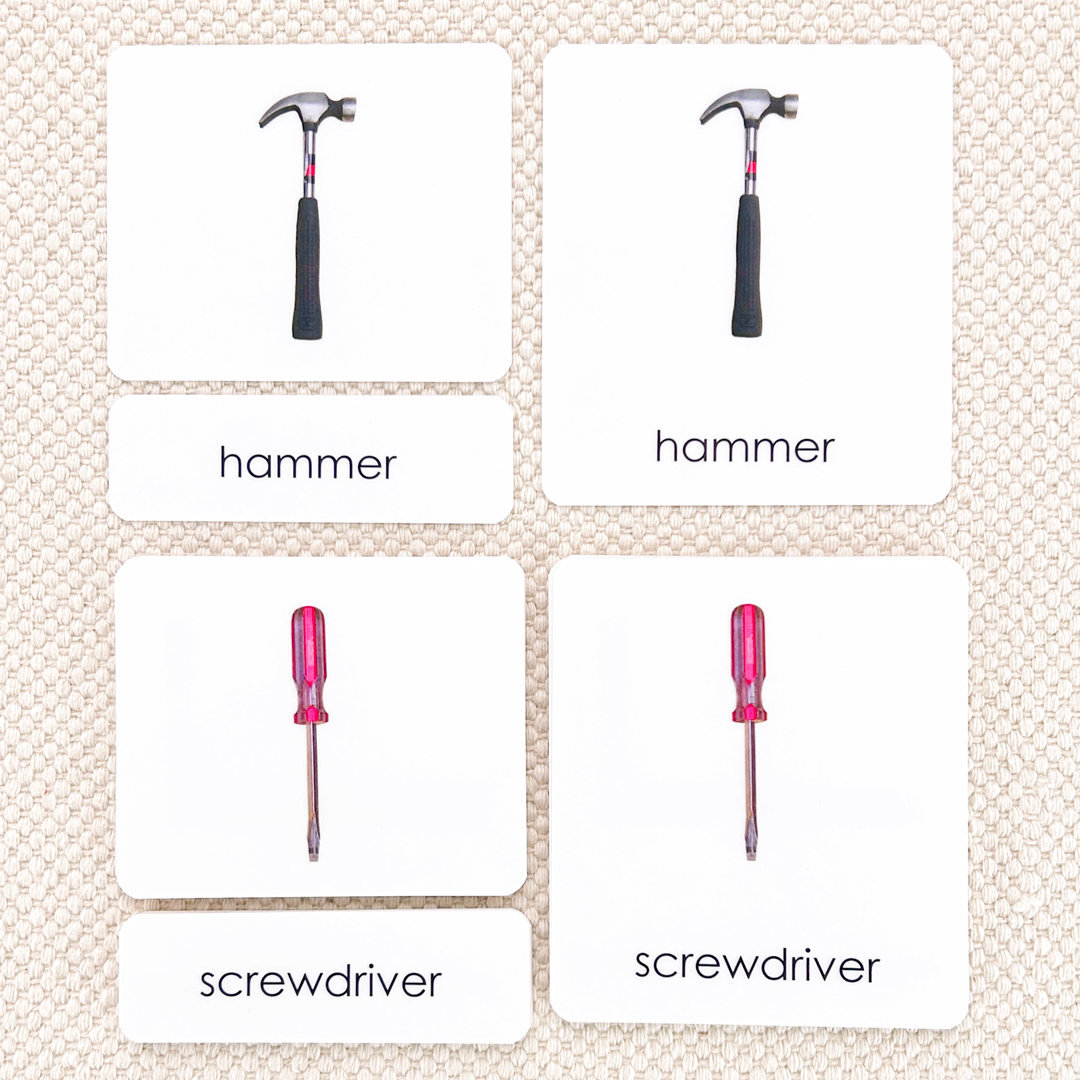
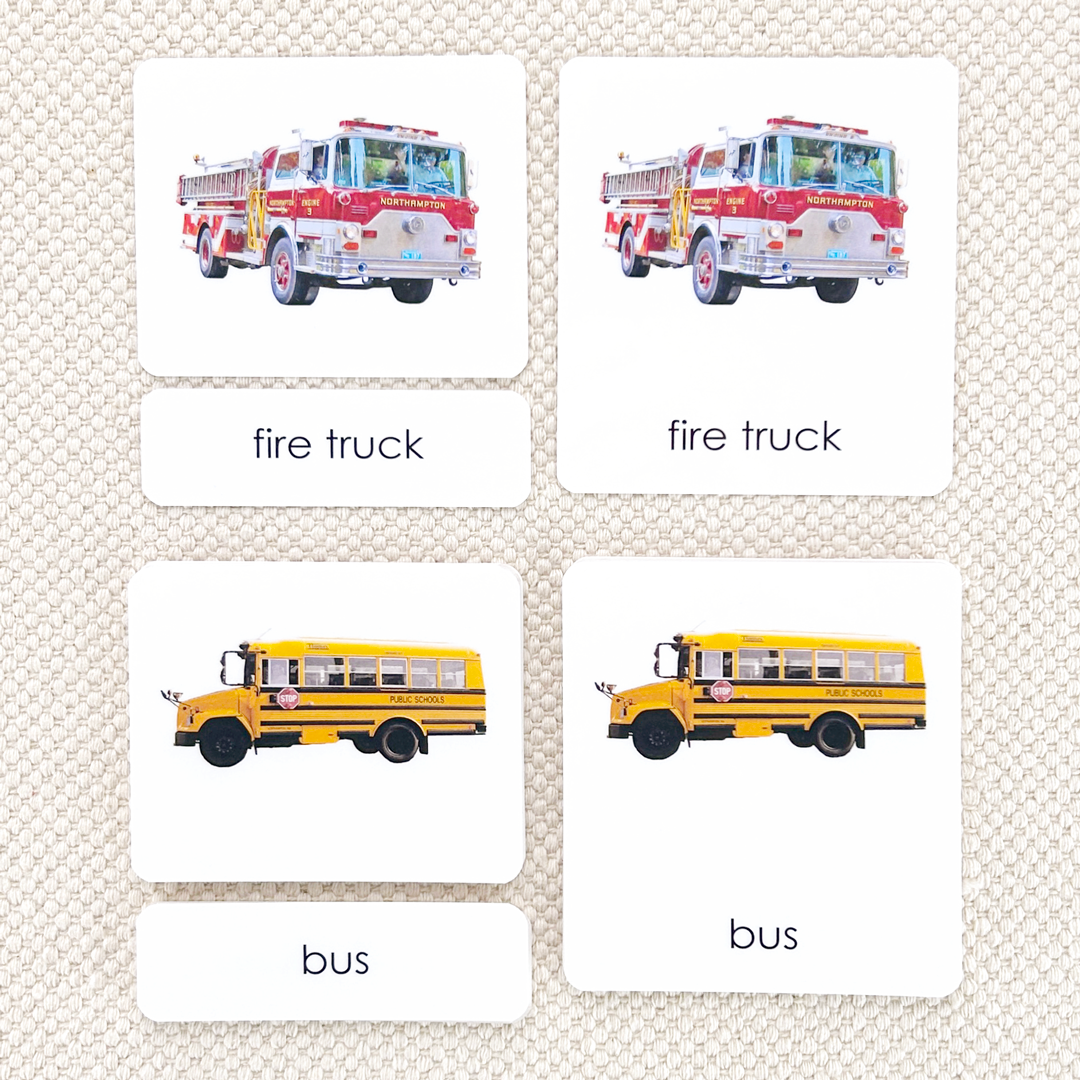
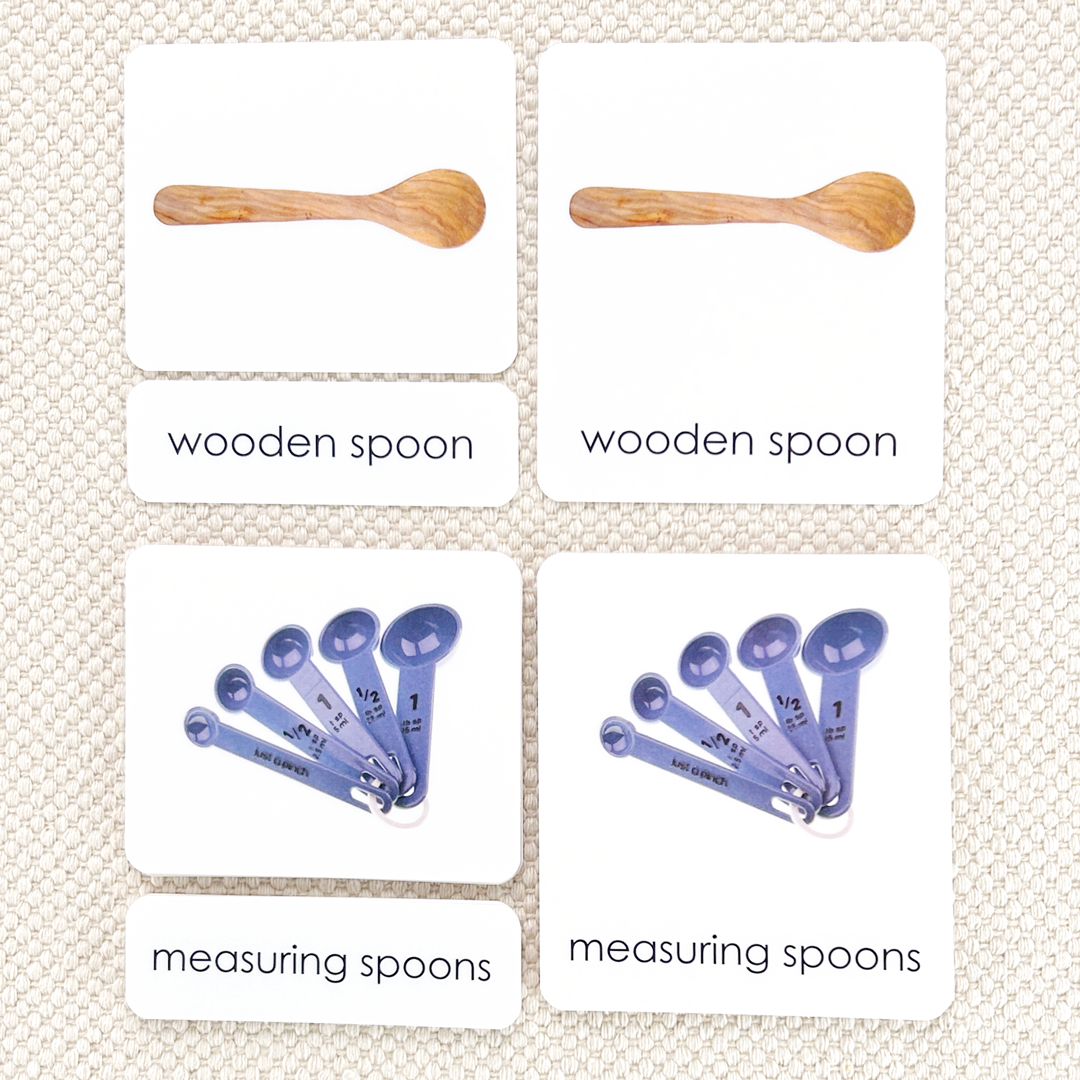
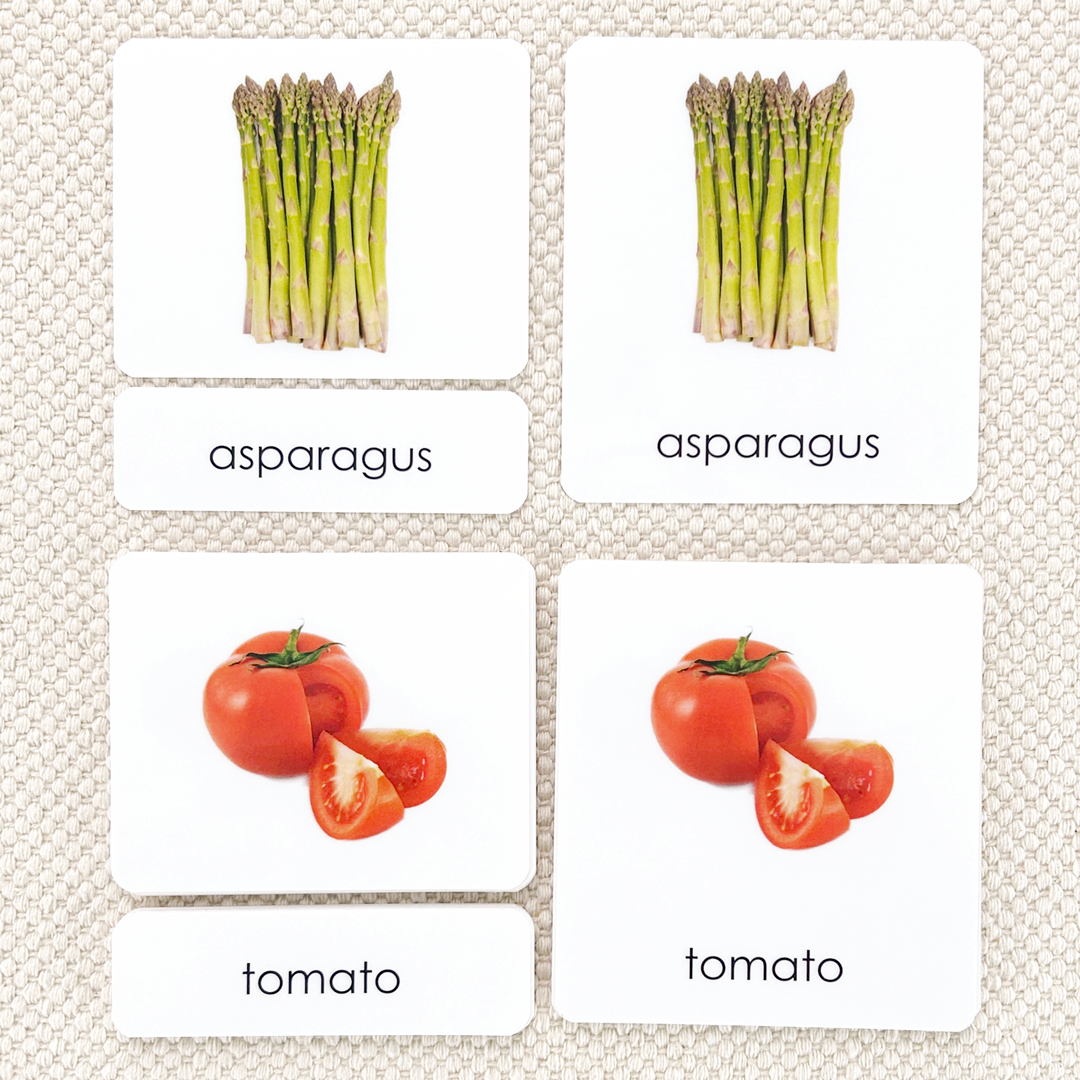
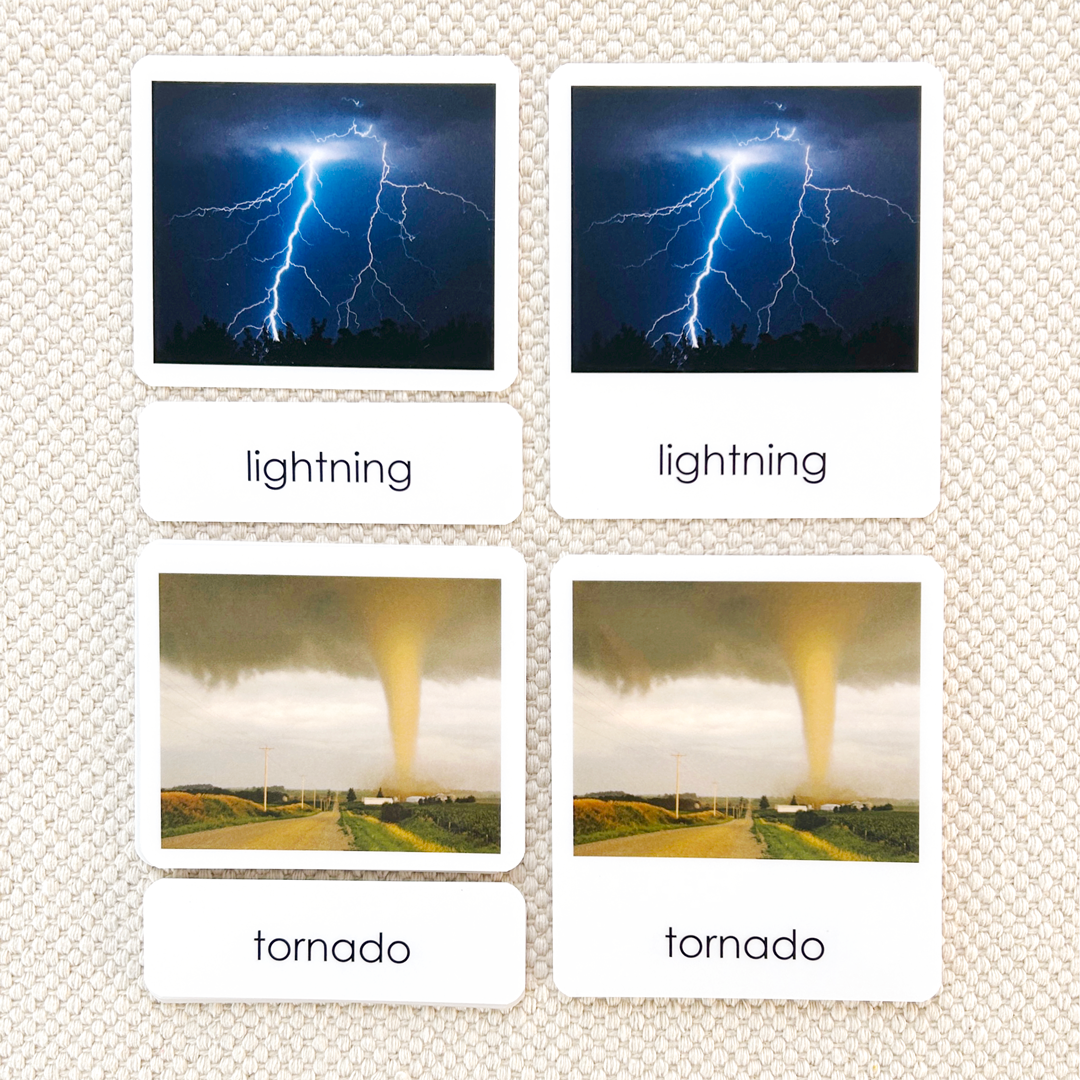
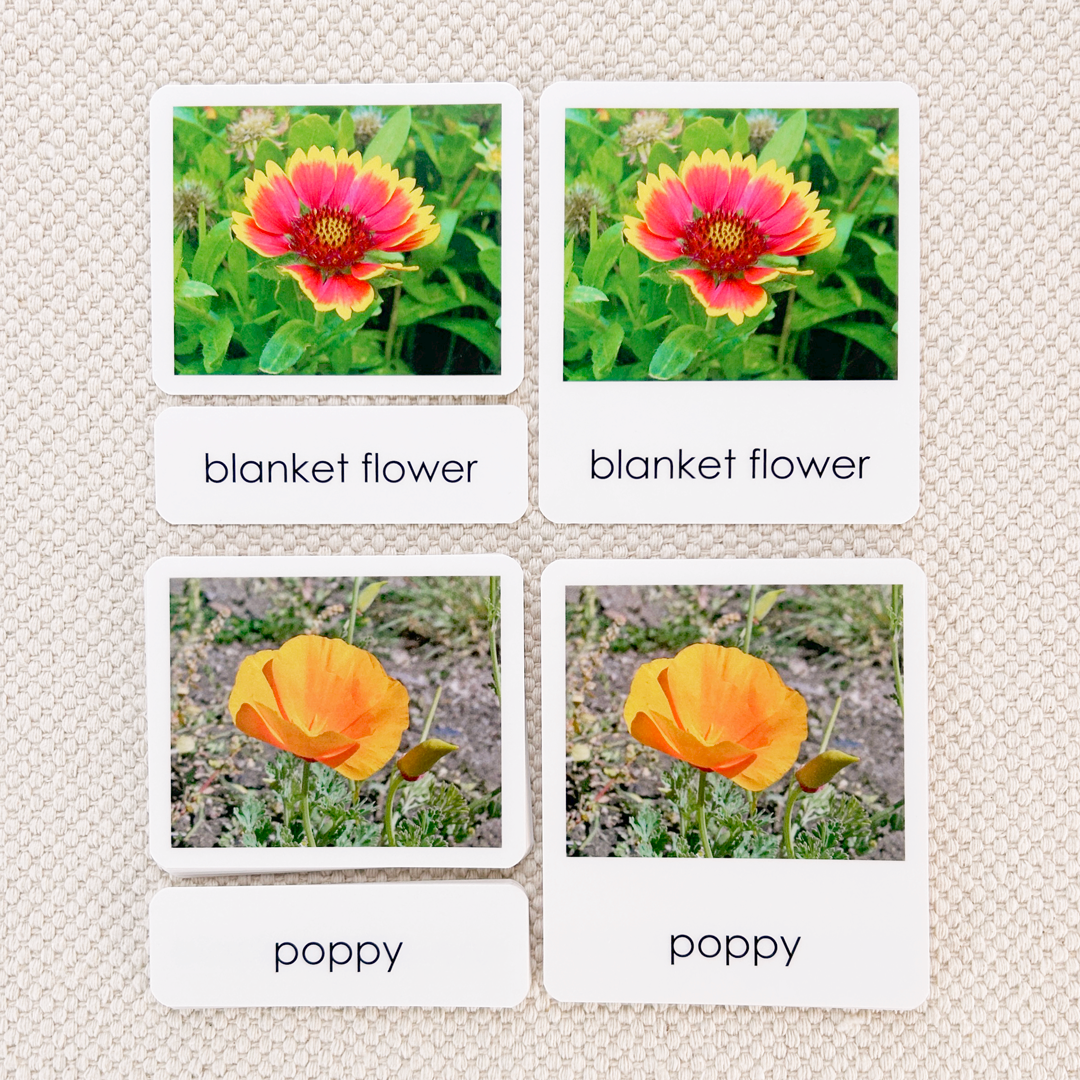
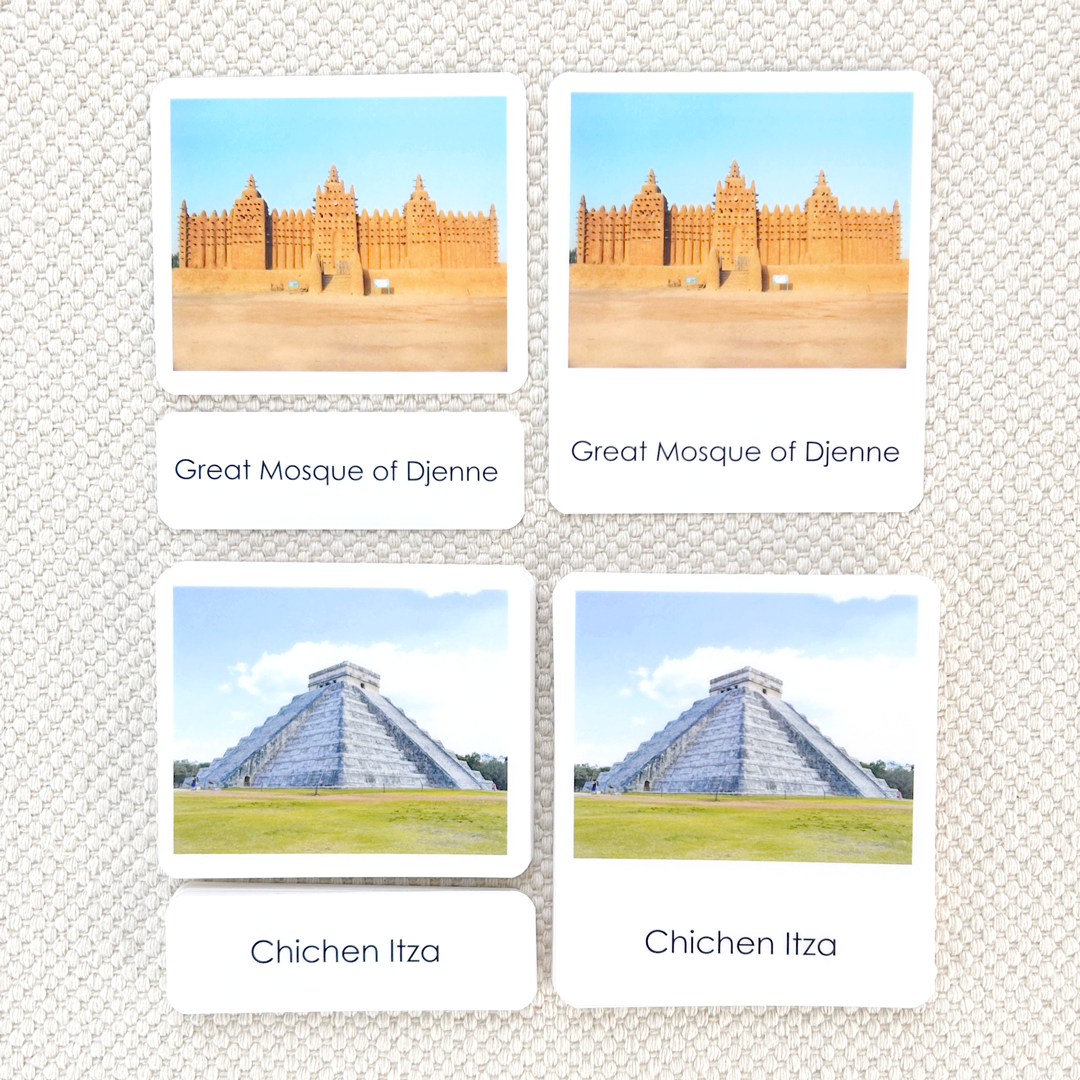
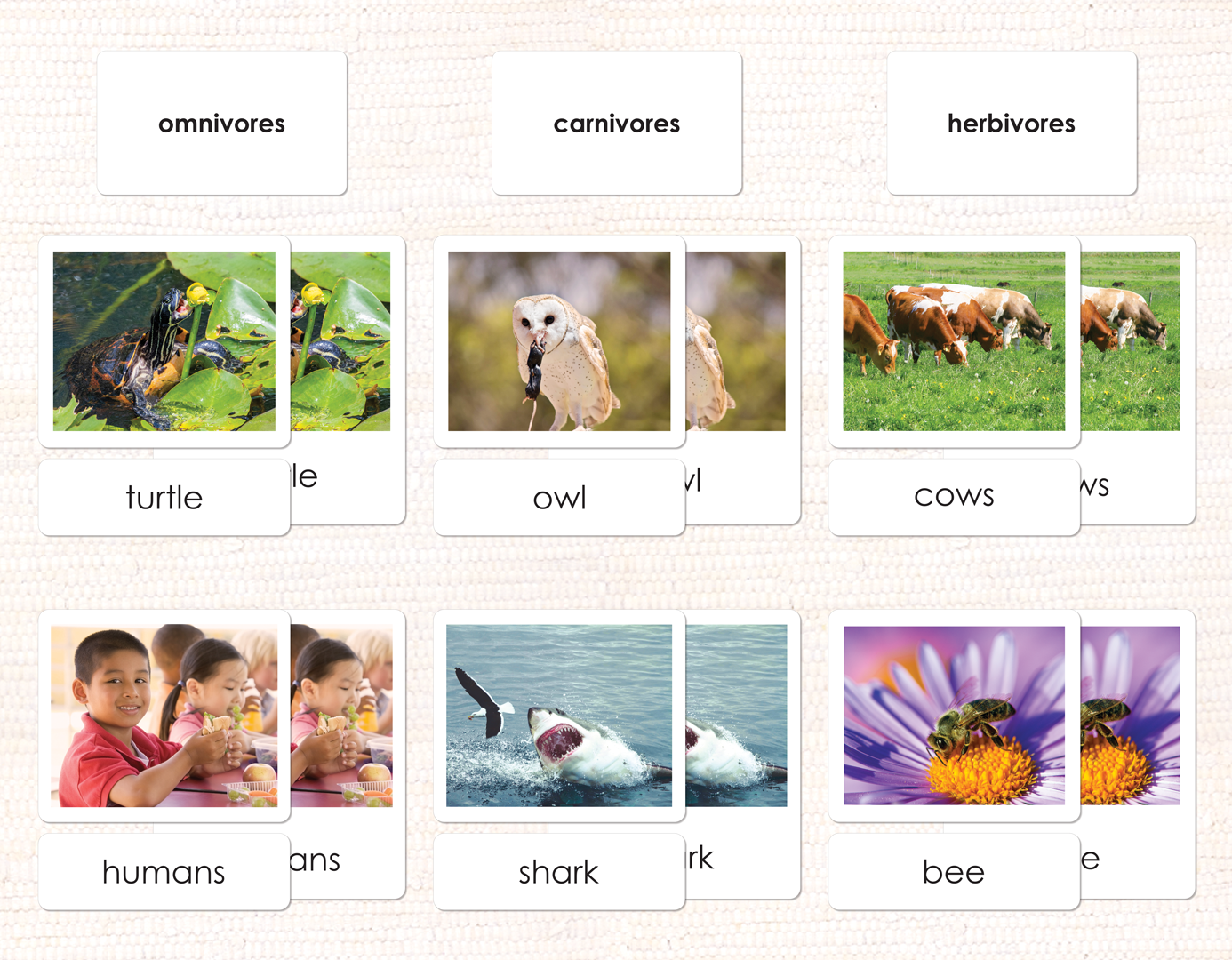
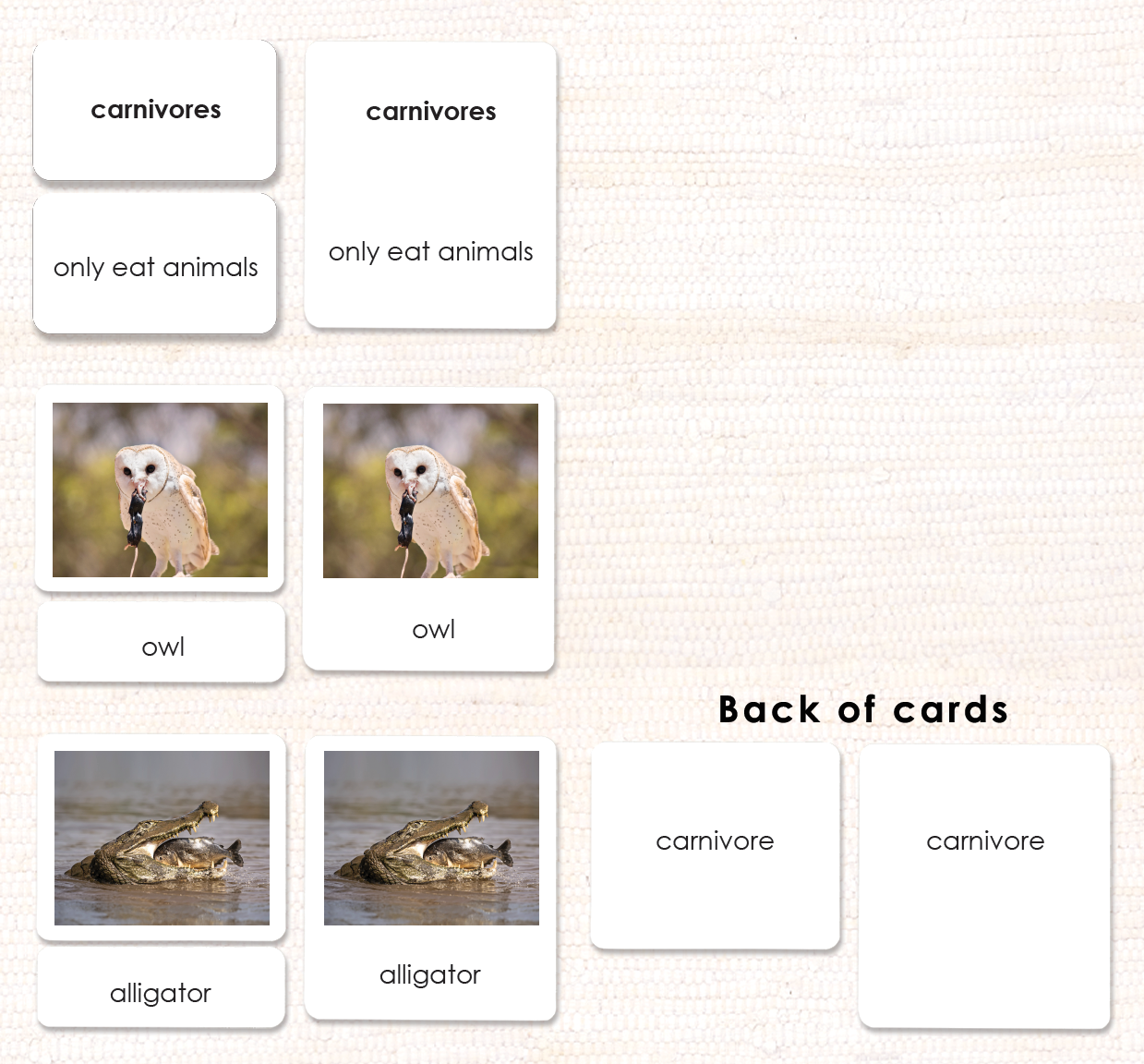
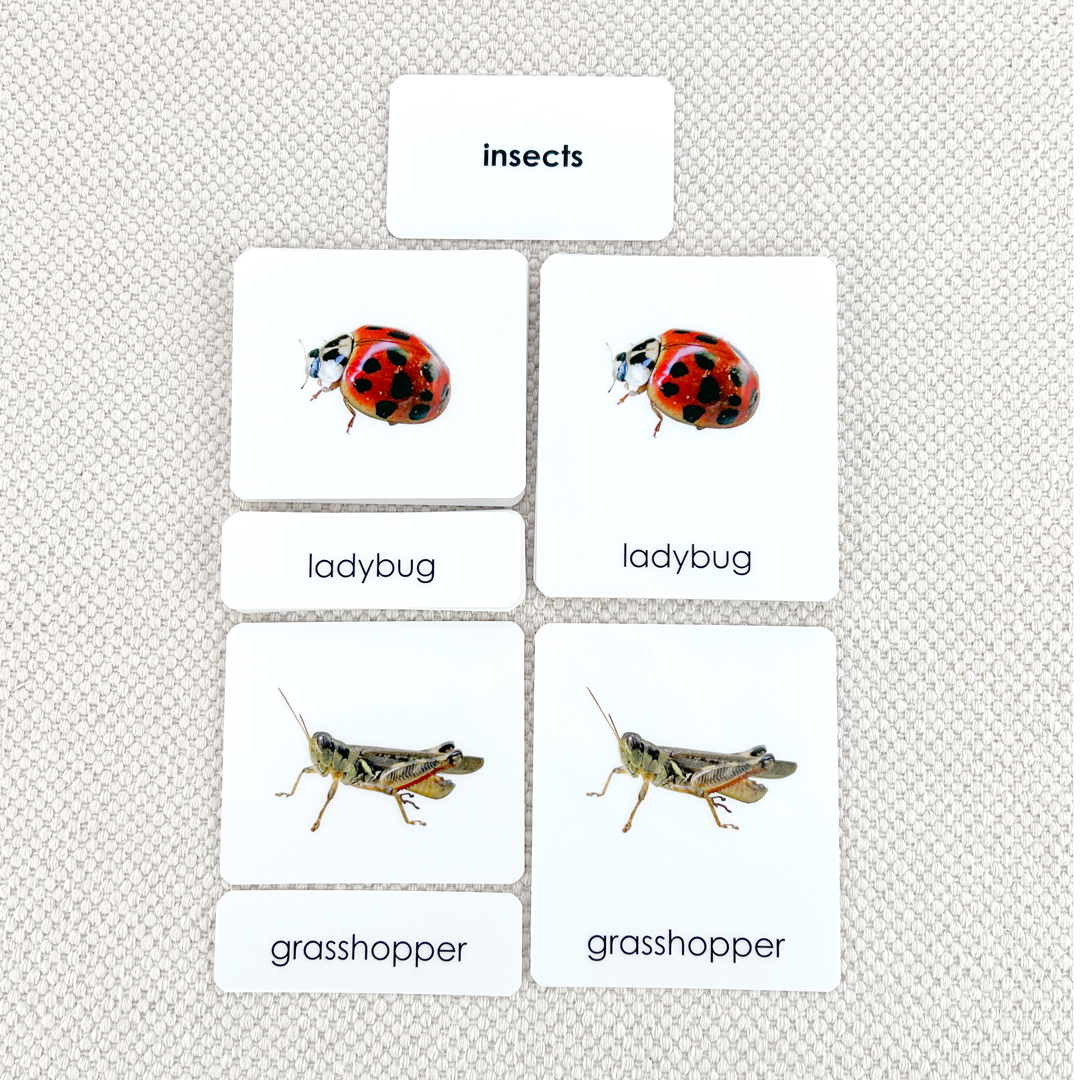
Montessori 3-part cards (also called classified cards or nomenclature cards) are a self-correcting reading activity. Each term has three cards: a photo card, a word label, and a control card showing the photo and word together. Students lay out the photos, read and match the labels, then check their work against the control cards, with no teacher correction needed.
Our classified 3-part cards are for students who can read phonetic words and are ready to stretch into non-phonetic words, but might not be ready for books. Every set uses real photographs, and the topics are broad enough that students can follow their own interests while building reading fluency.
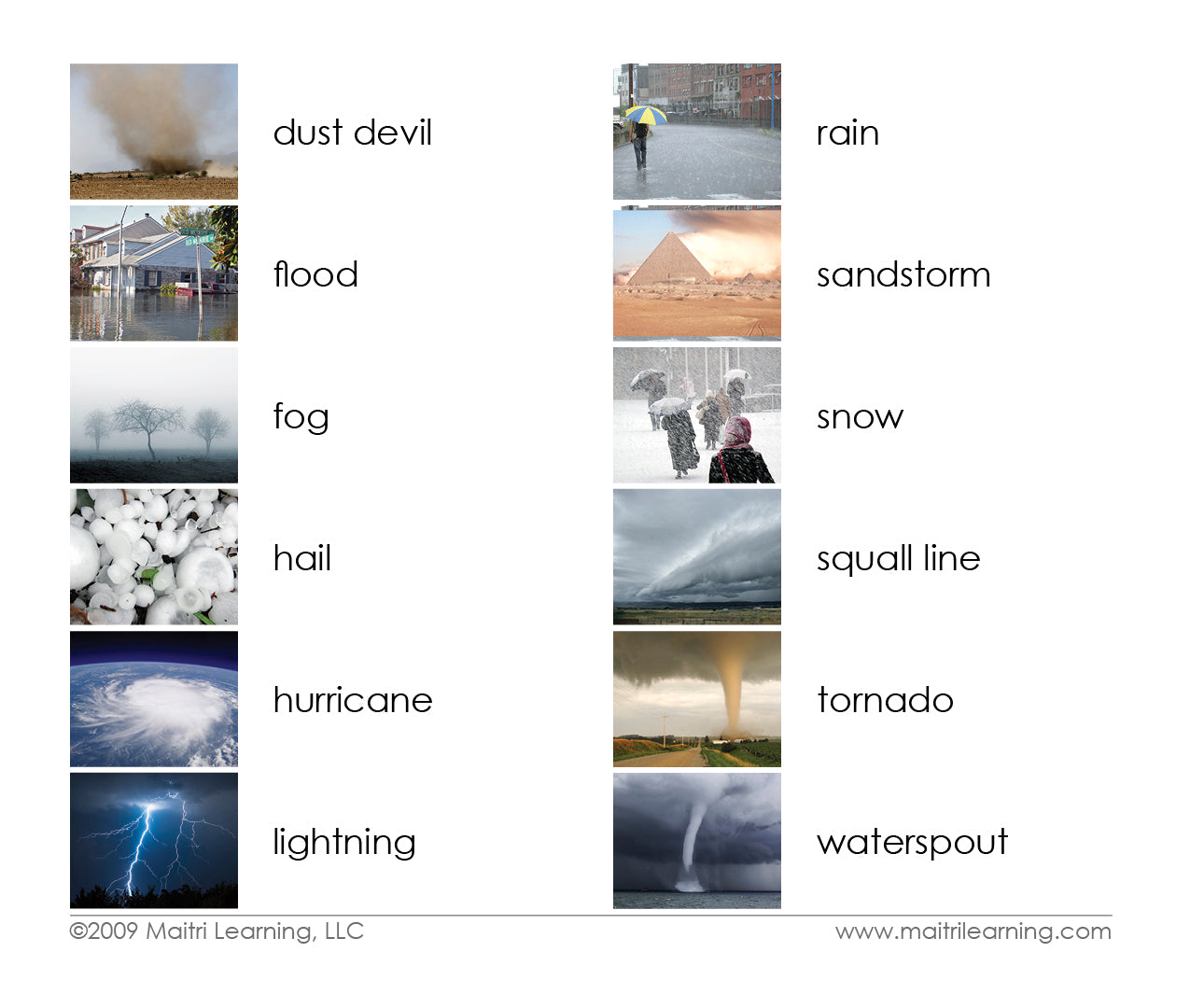
What's in this collection
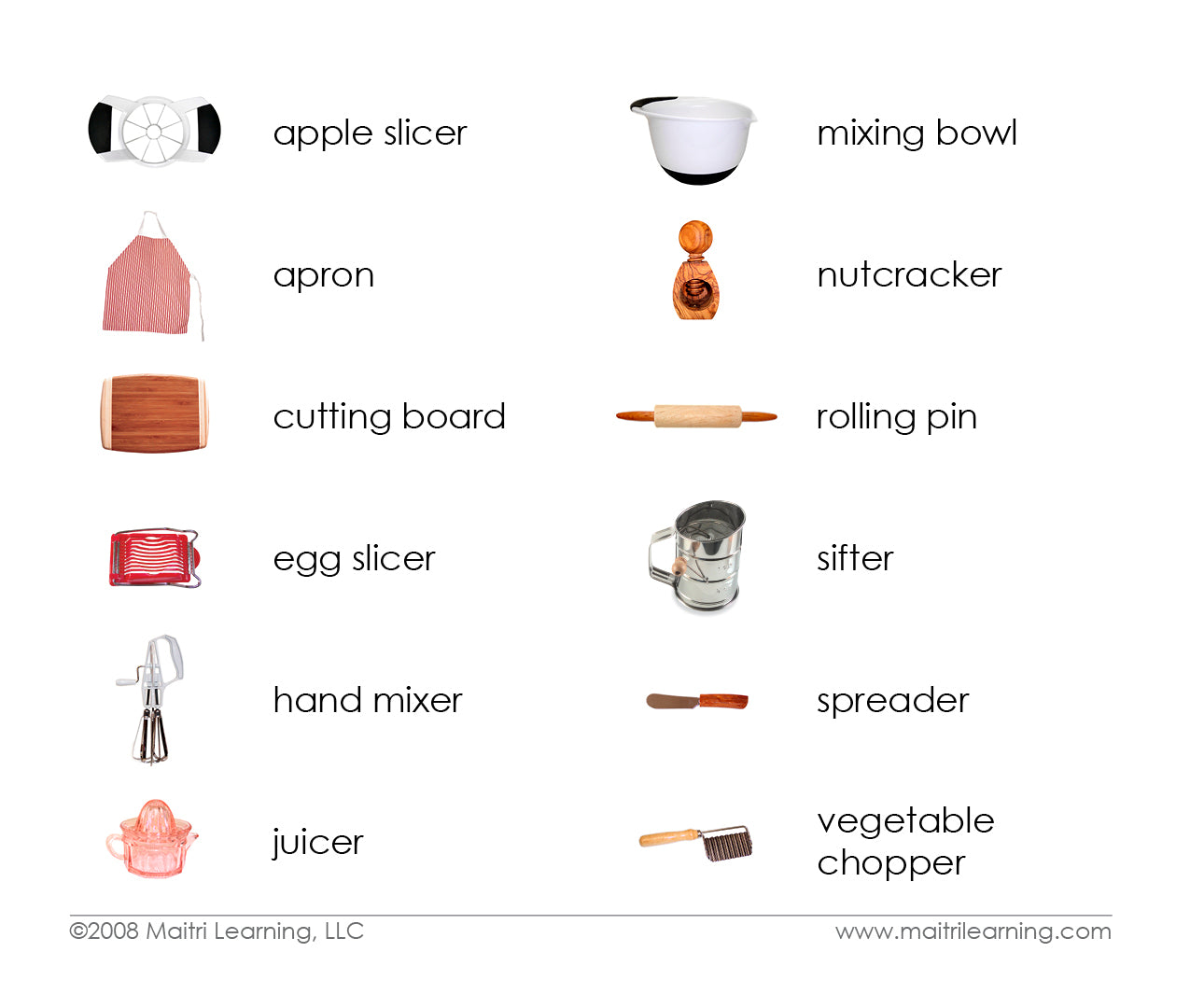
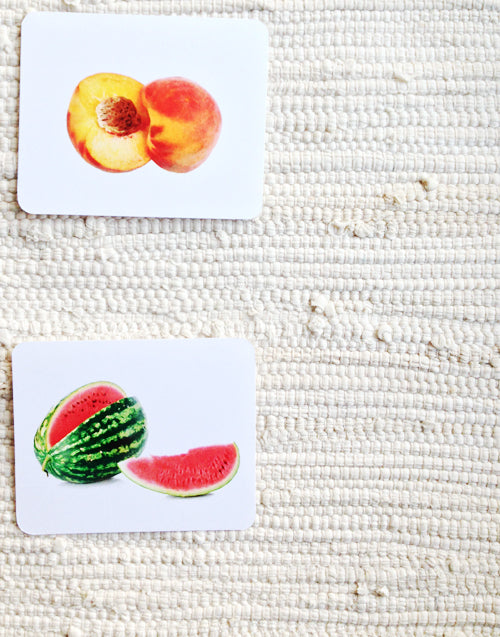
- Everyday objects: sets like Around the House, Fruit, and Transportation, or the full Common Nouns 3-Part Card Bundles
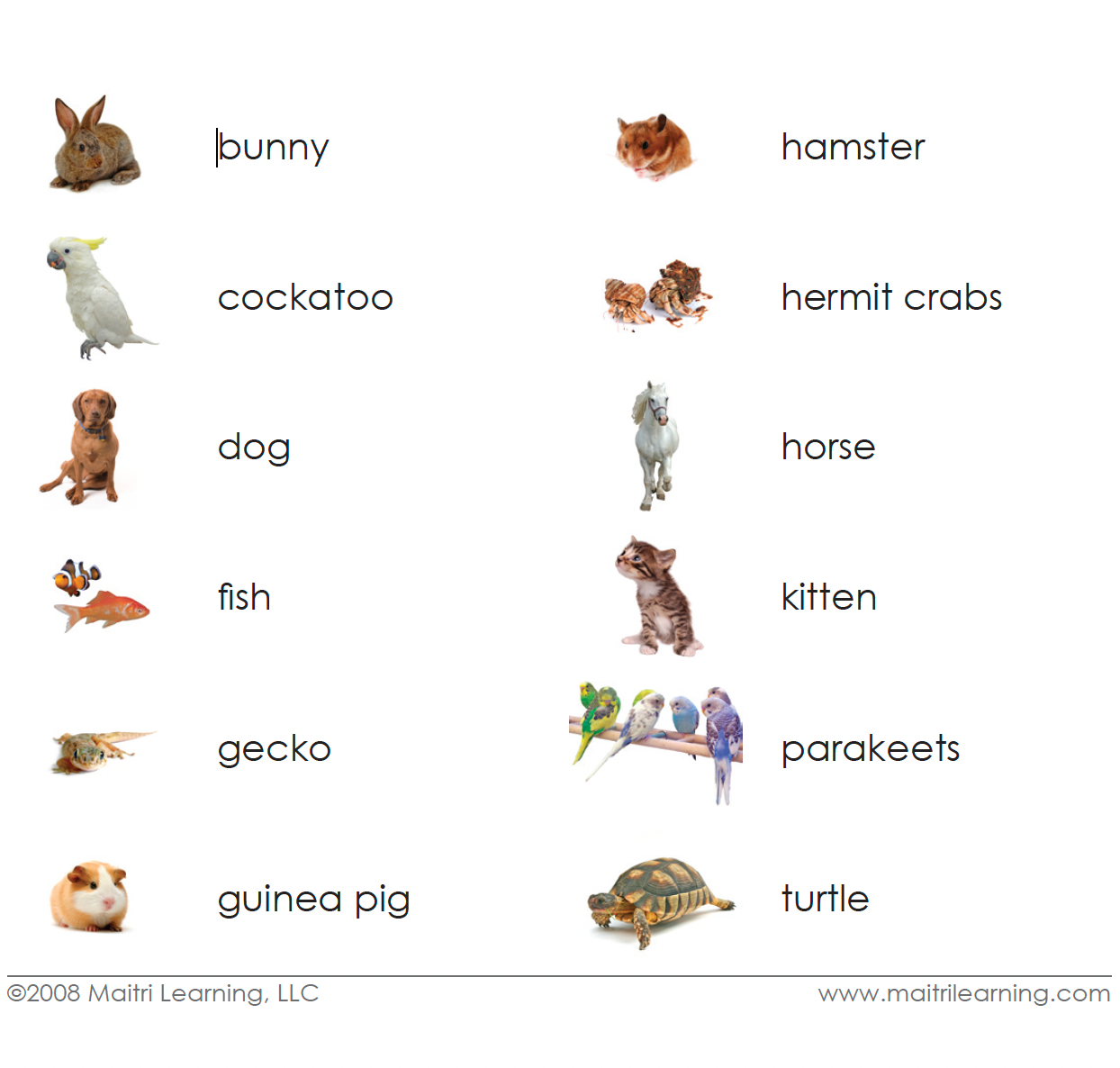
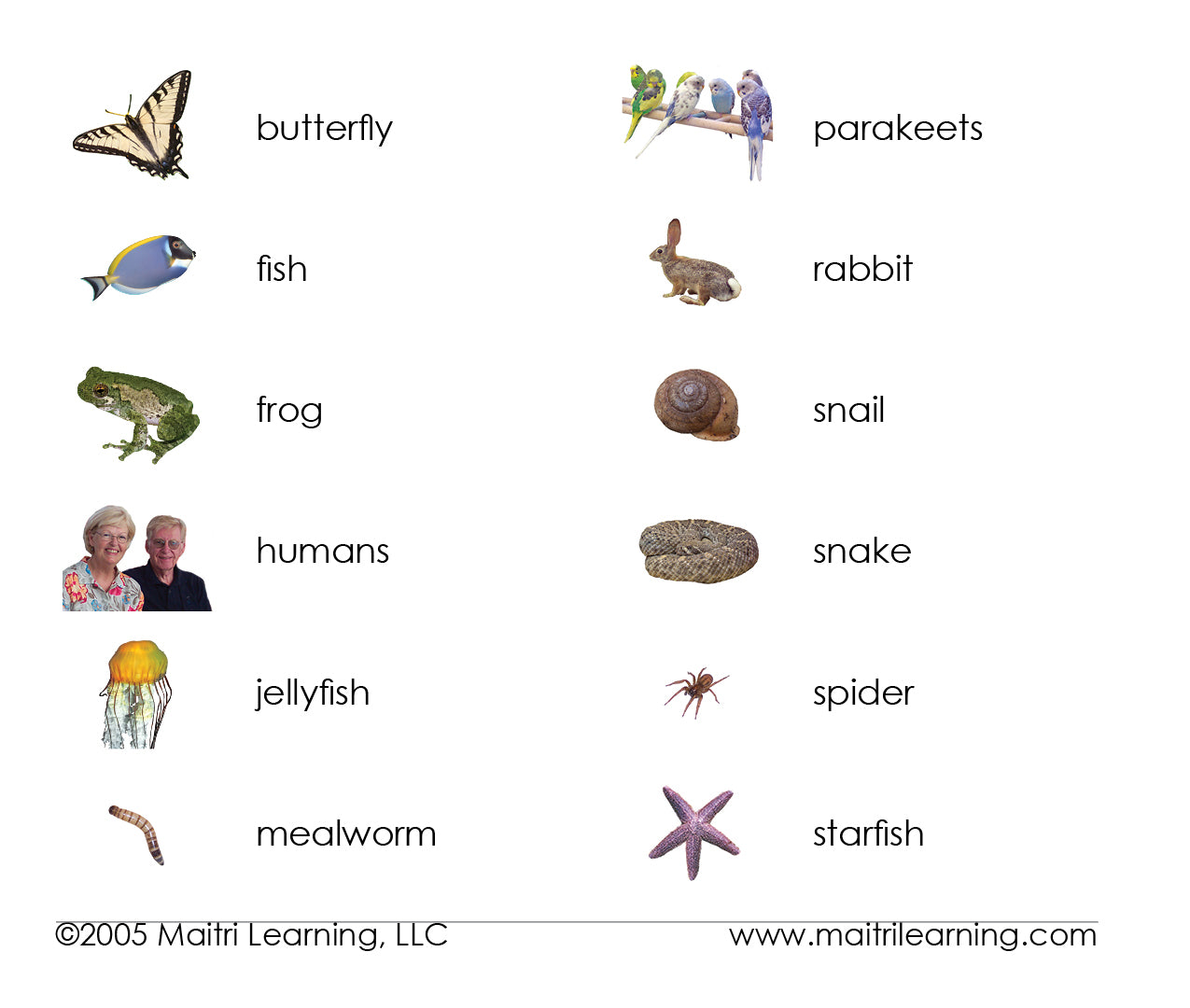
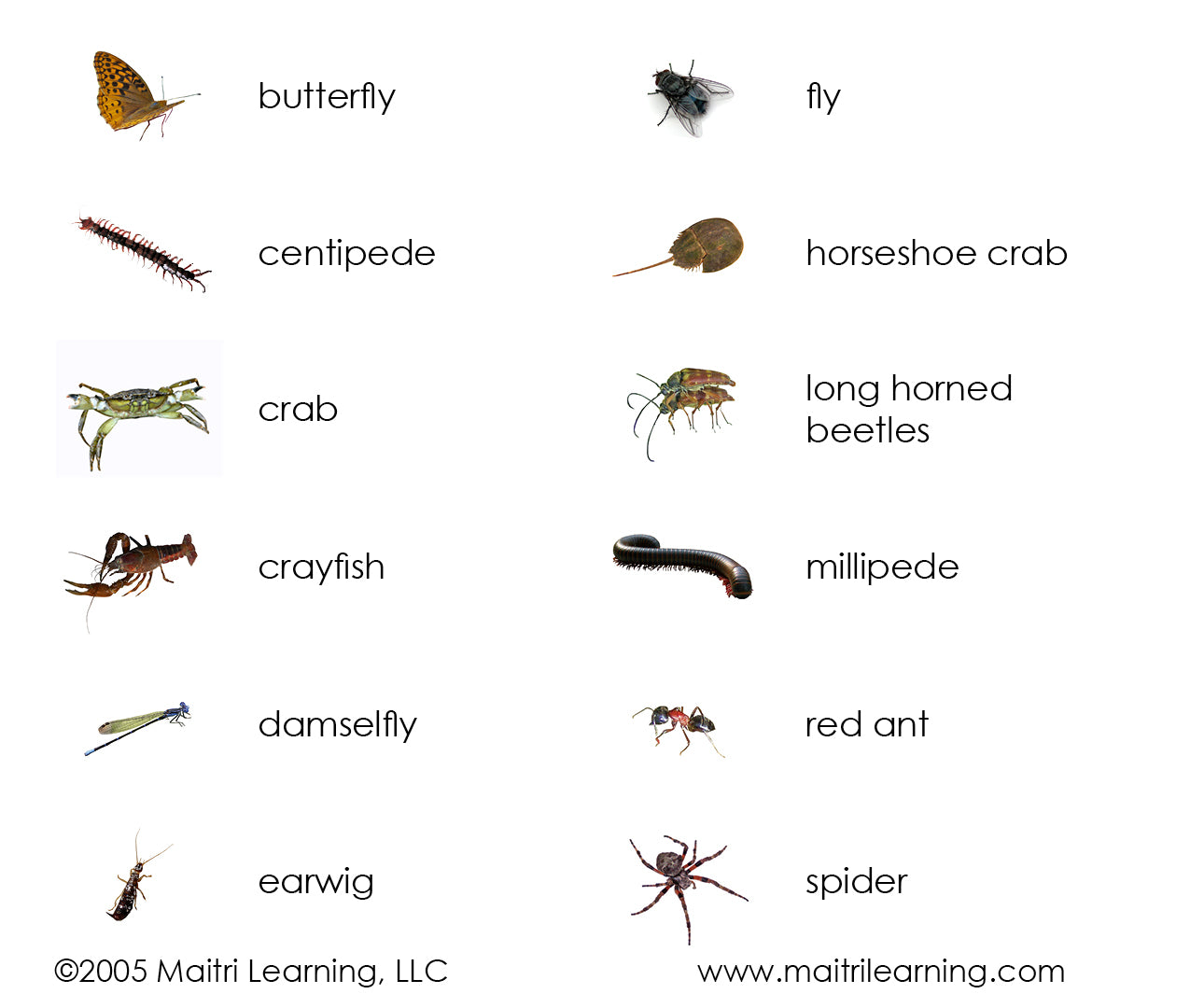
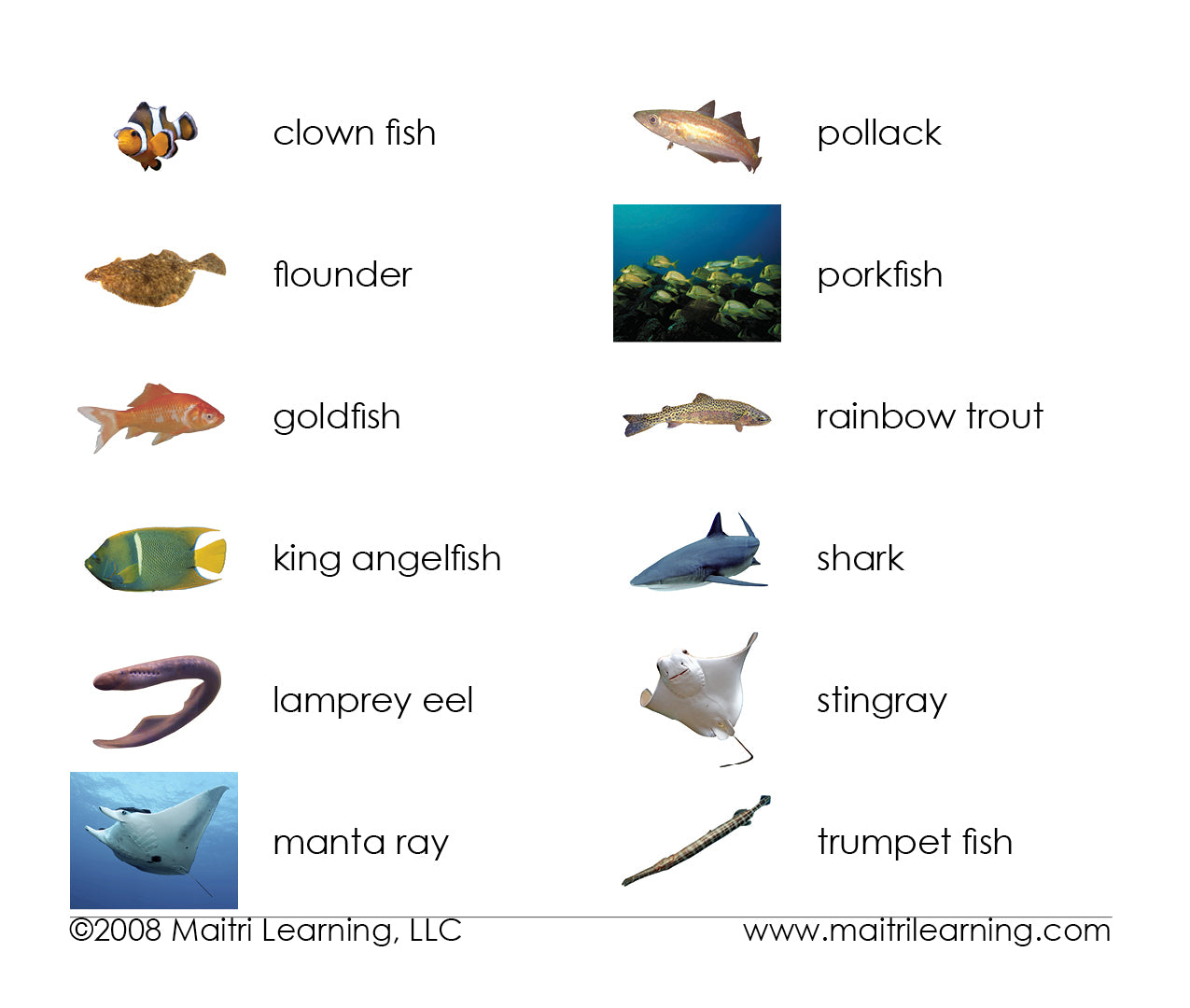
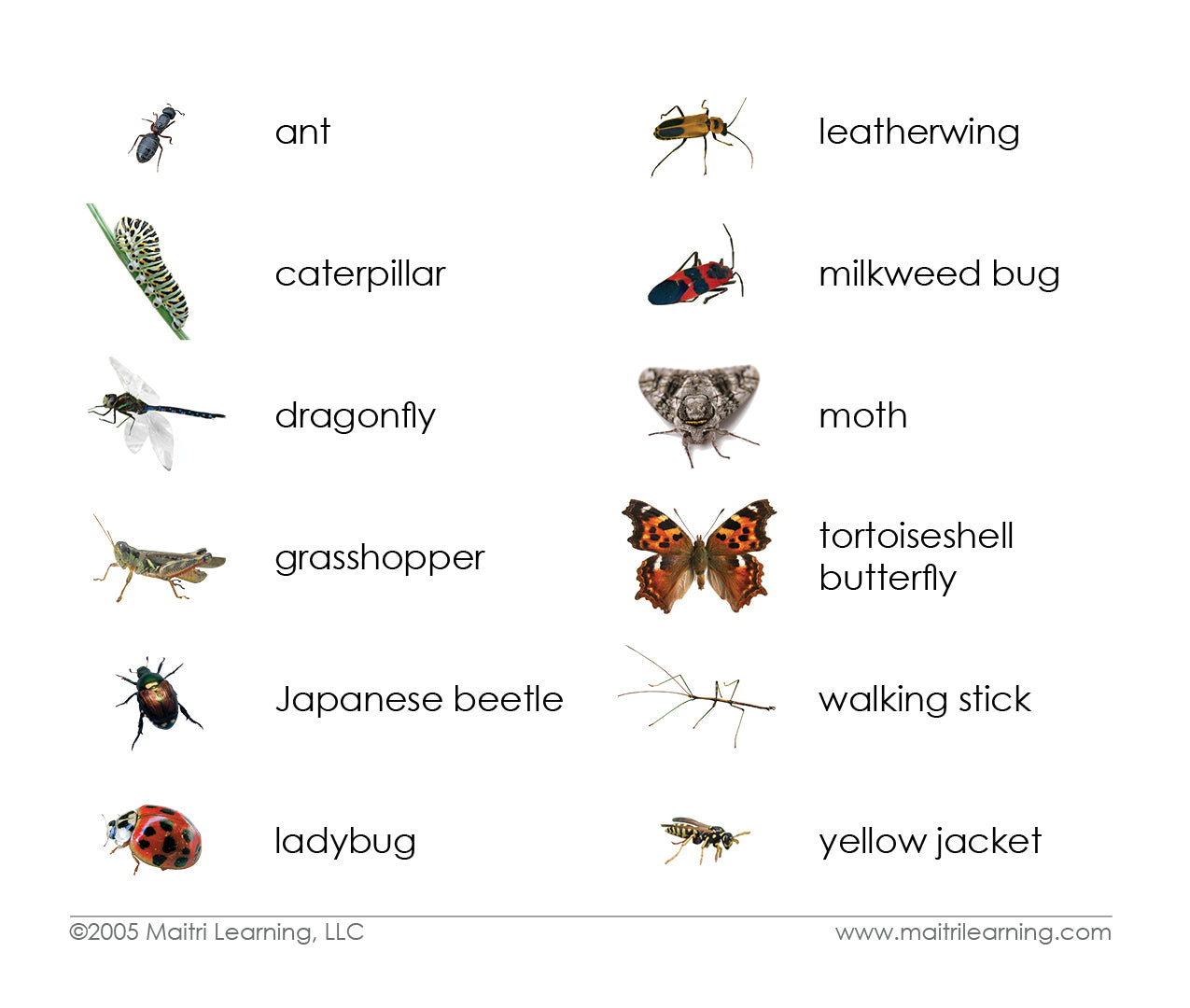
- Zoology: vertebrate and invertebrate groups, from amphibians to insects, in our Zoology 3-Part Cards and the Reading Fluency: Zoology Kit
- "Parts of" cards: the external anatomy of animals and plants, in our "Parts of" 3-Part Cards and "Parts of" bundles
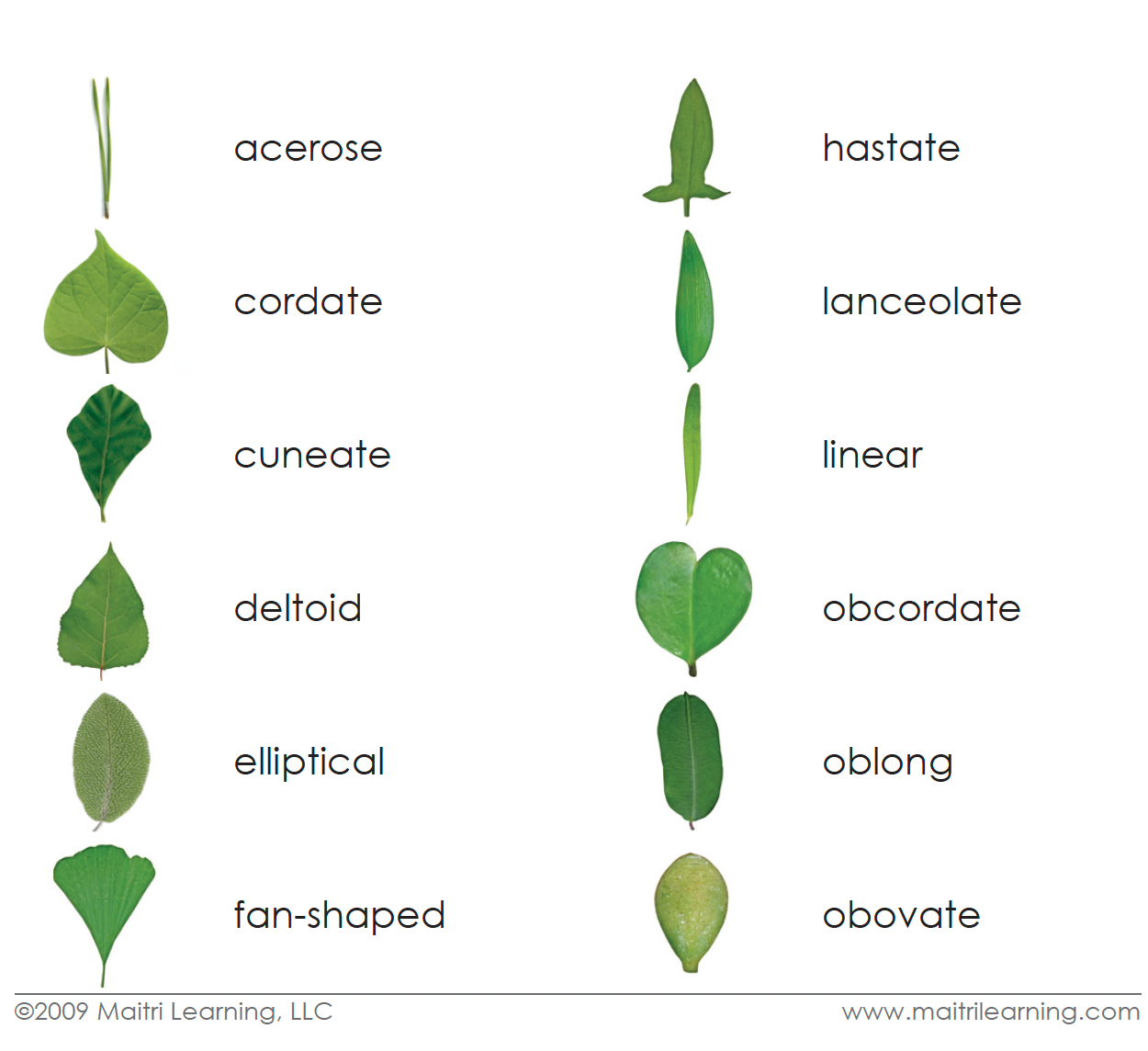
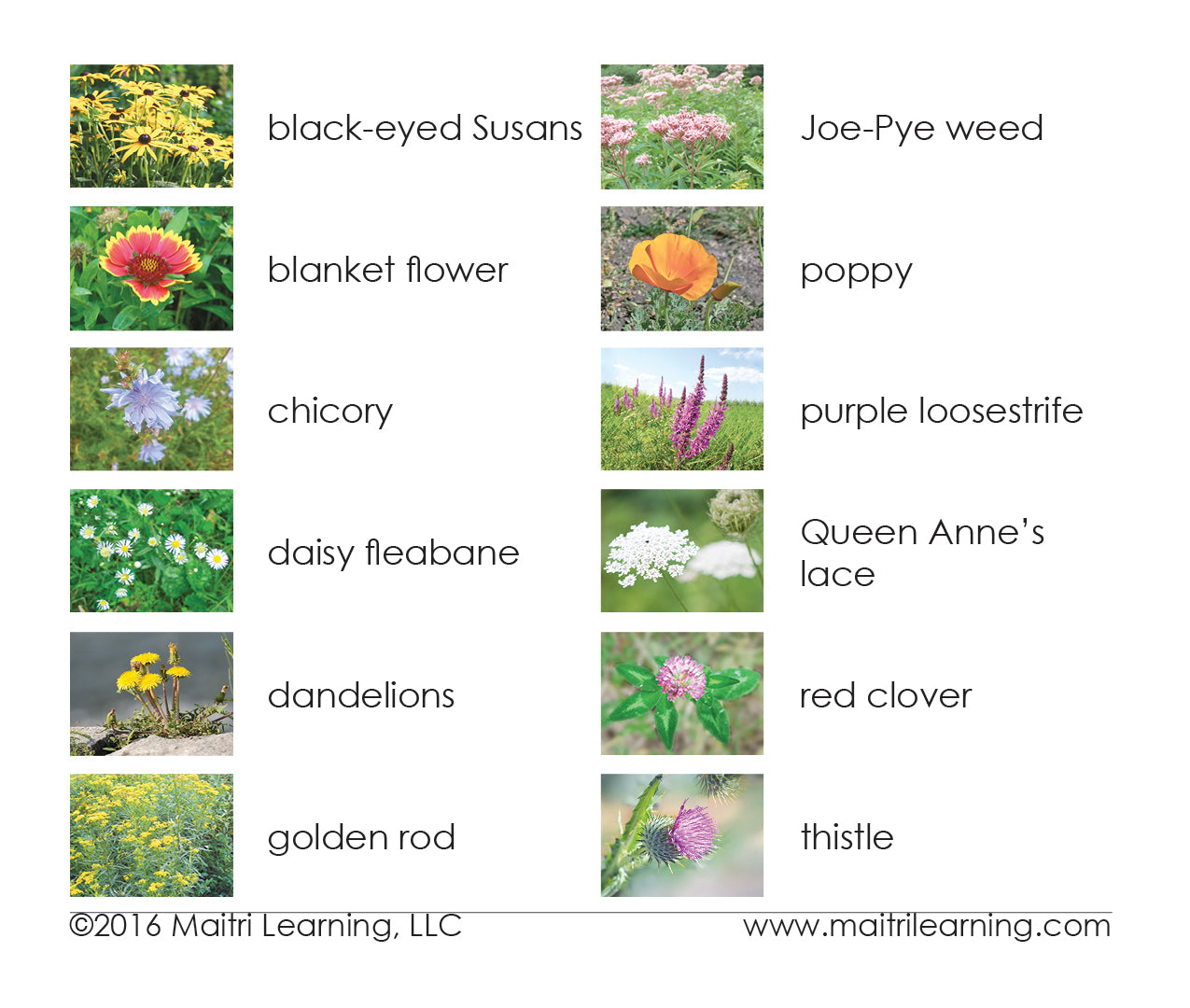
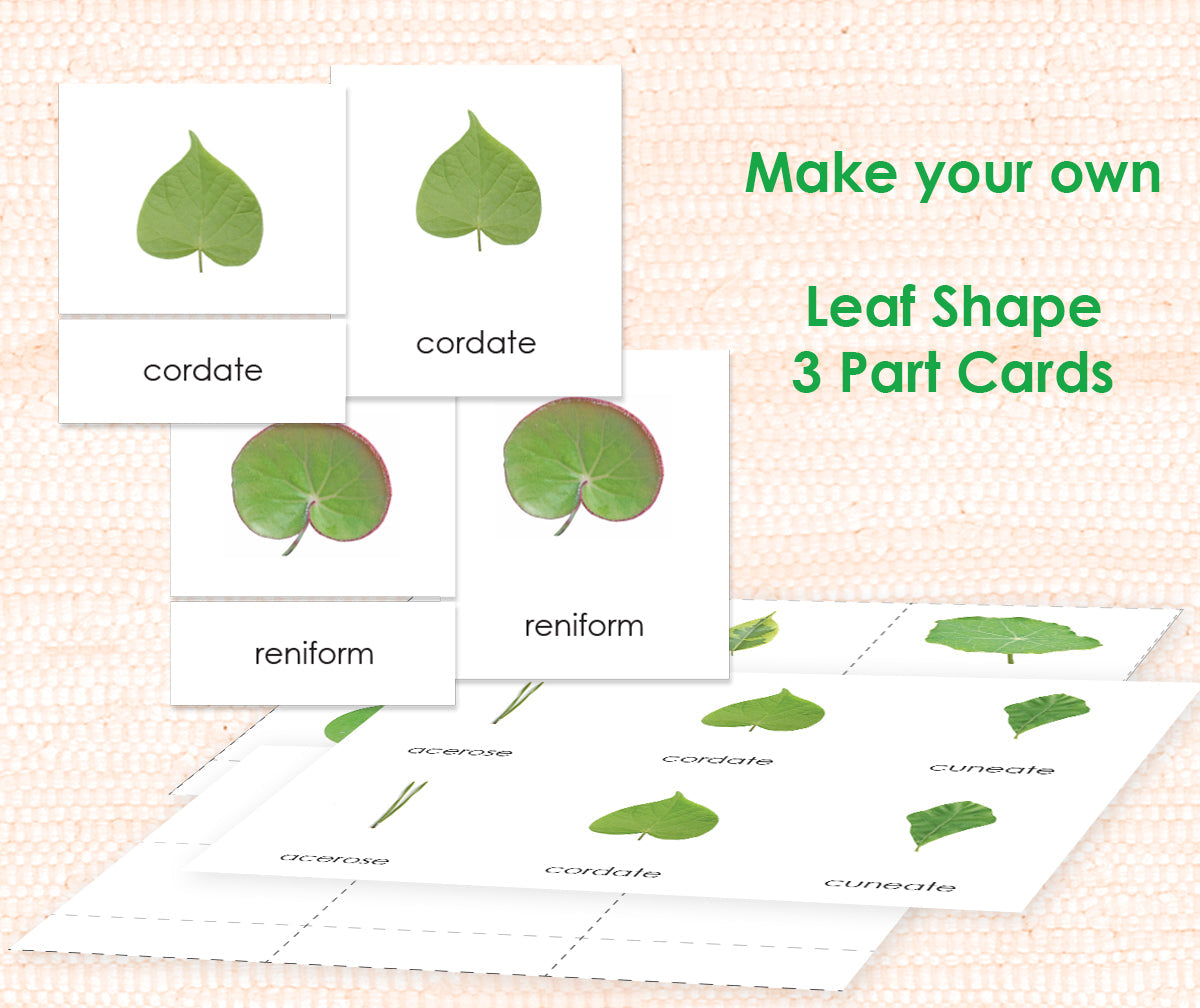
- Botany: Leaf Shapes (Botany Cabinet), Garden Flowers, and Wildflowers
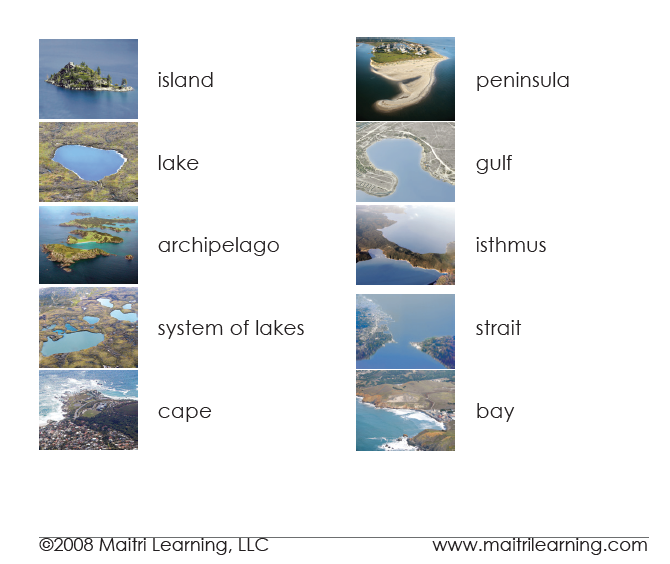
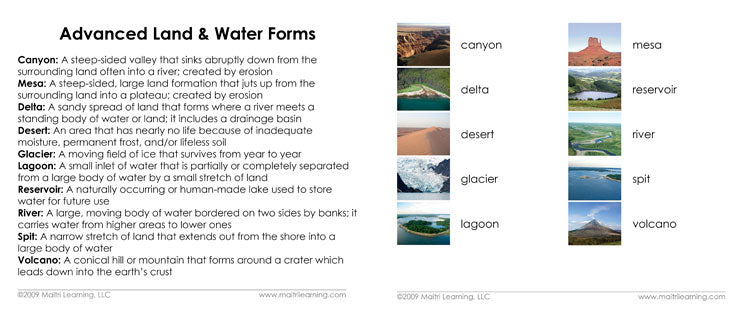
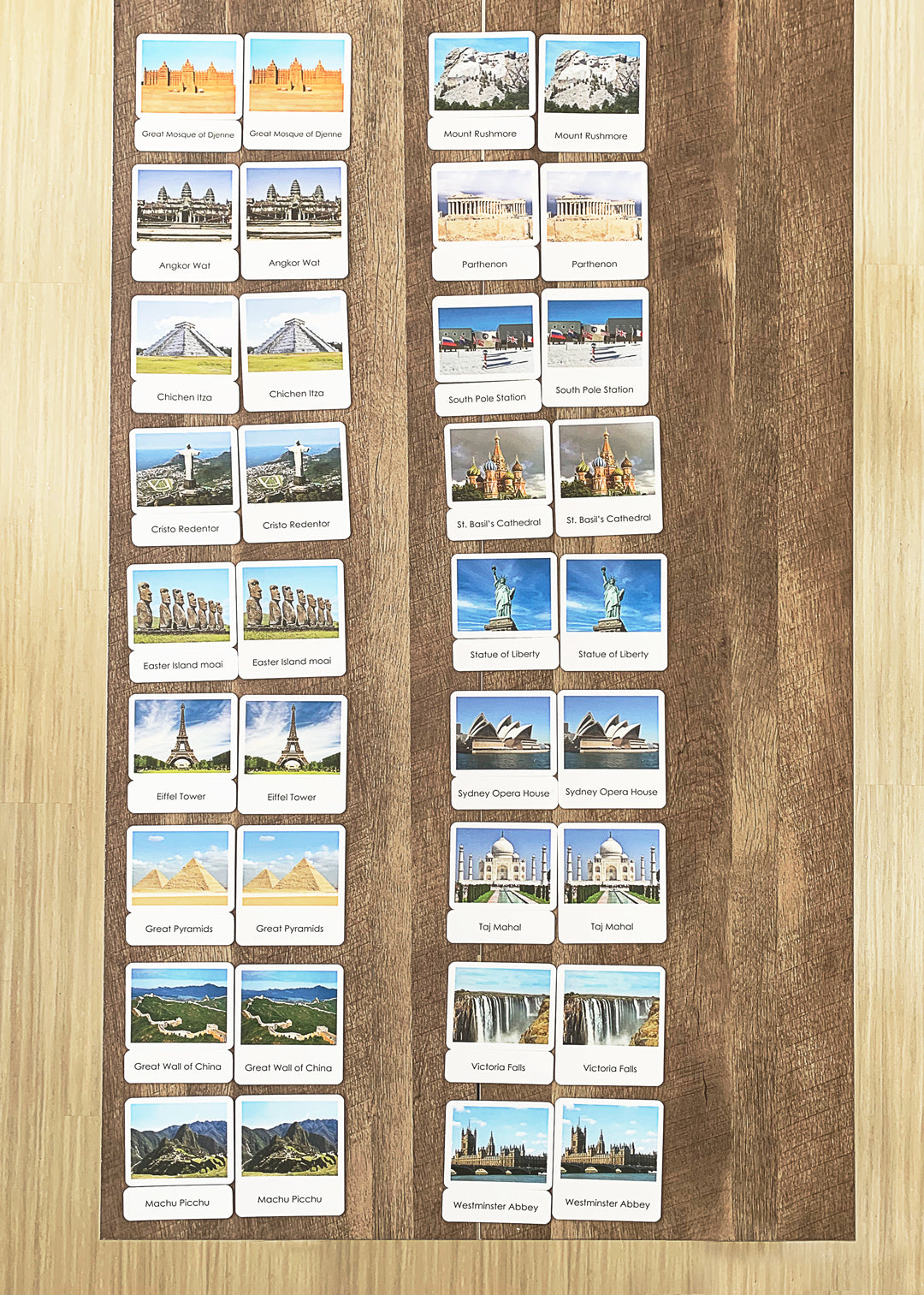
- Geography: Land & Water, Flags of North America, and World Landmarks
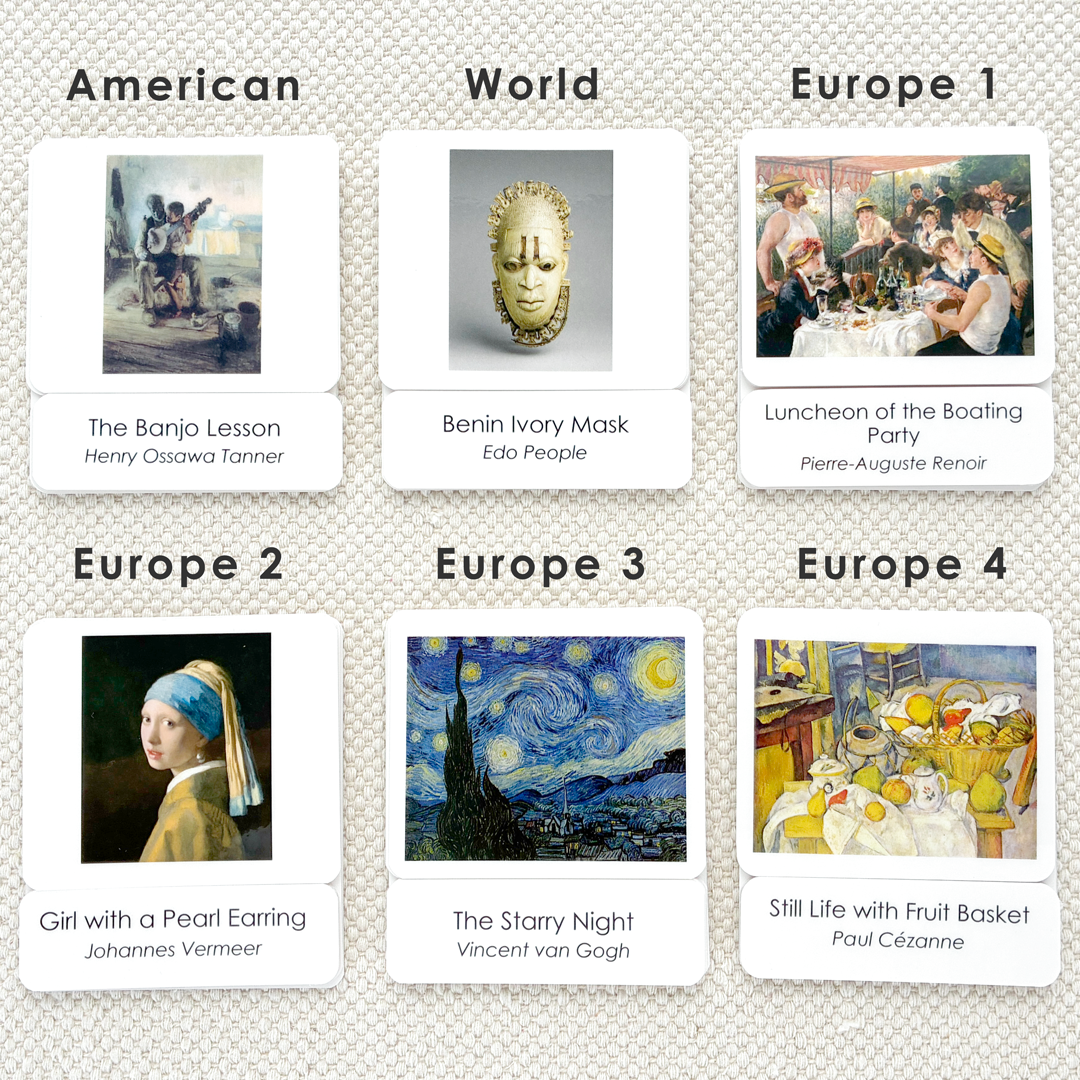
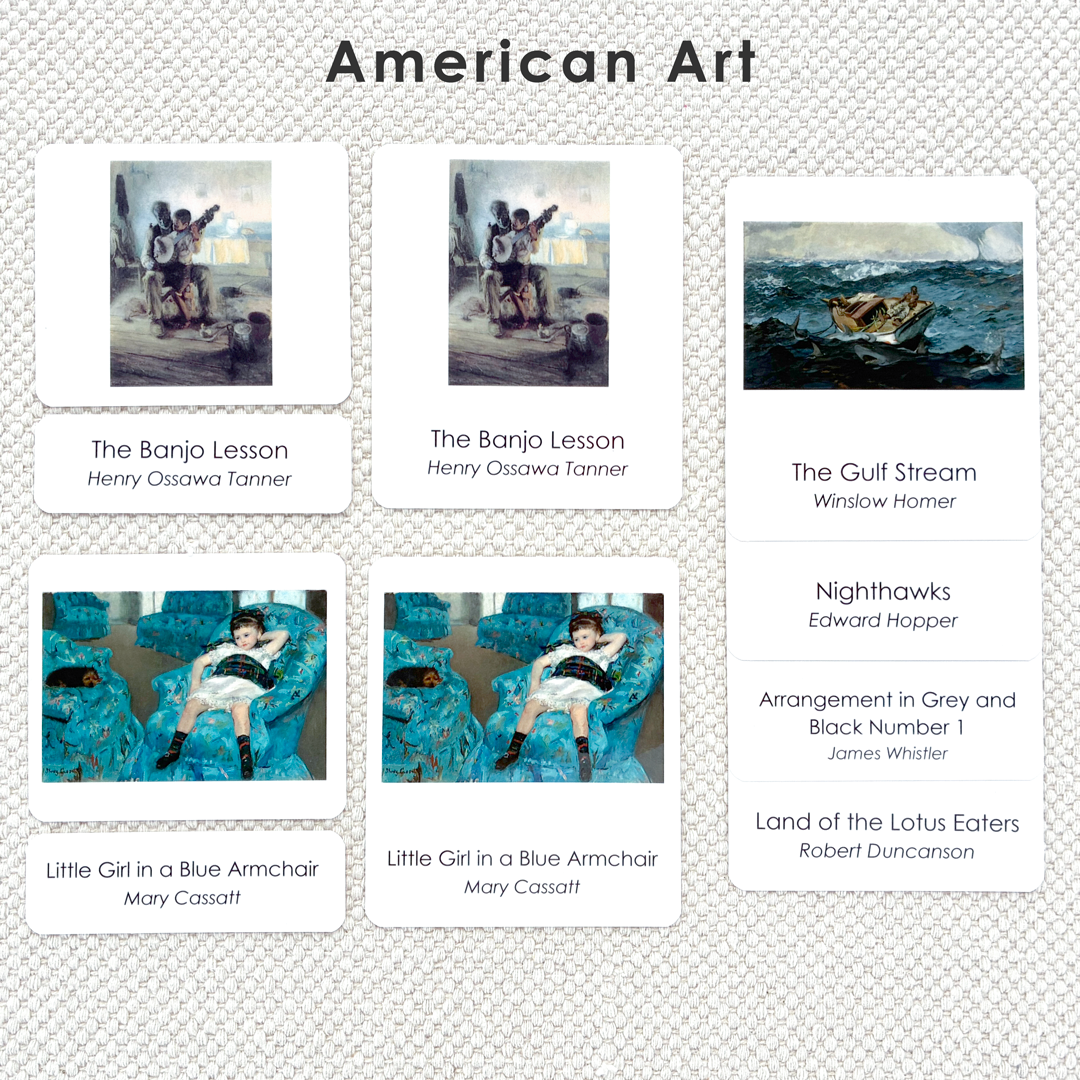
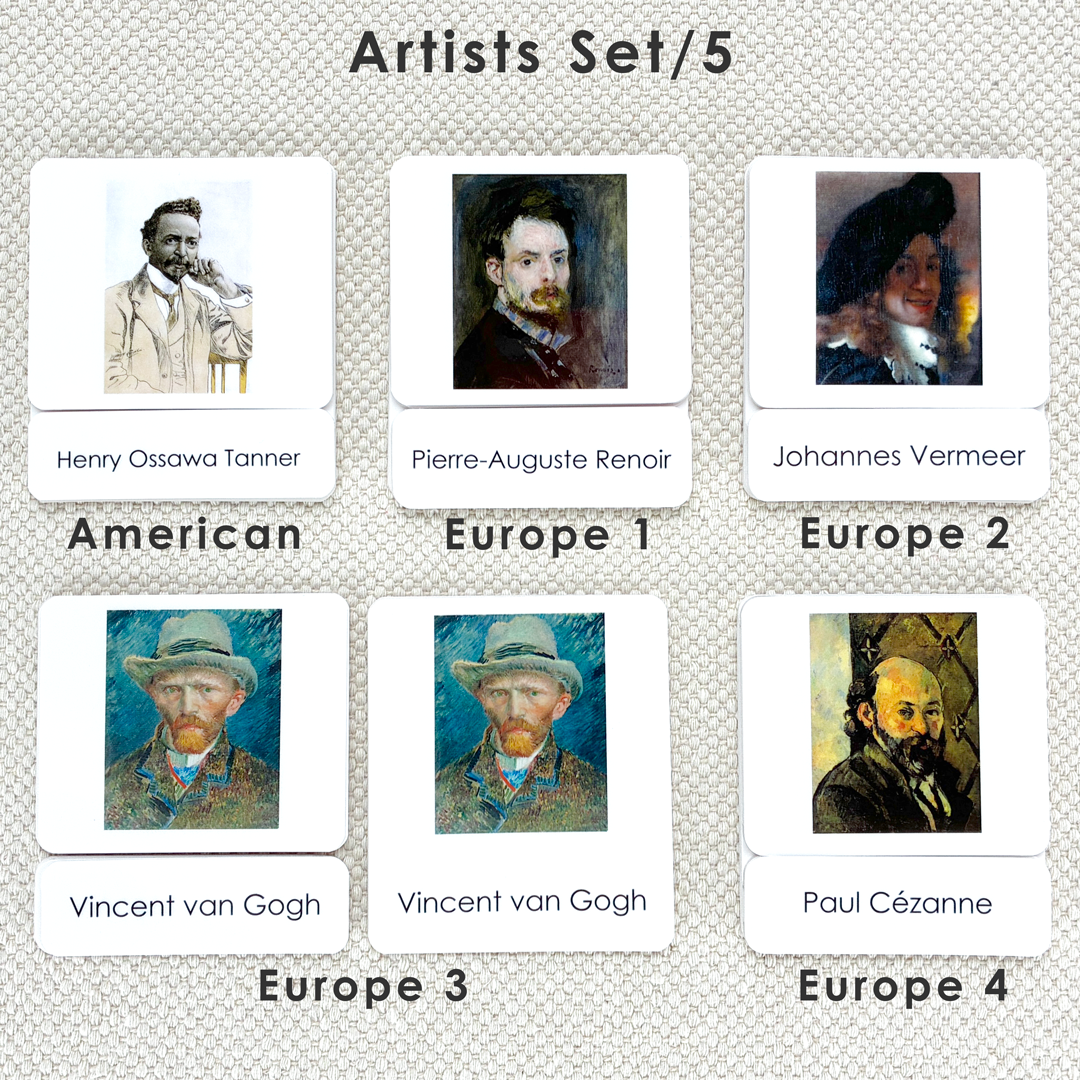
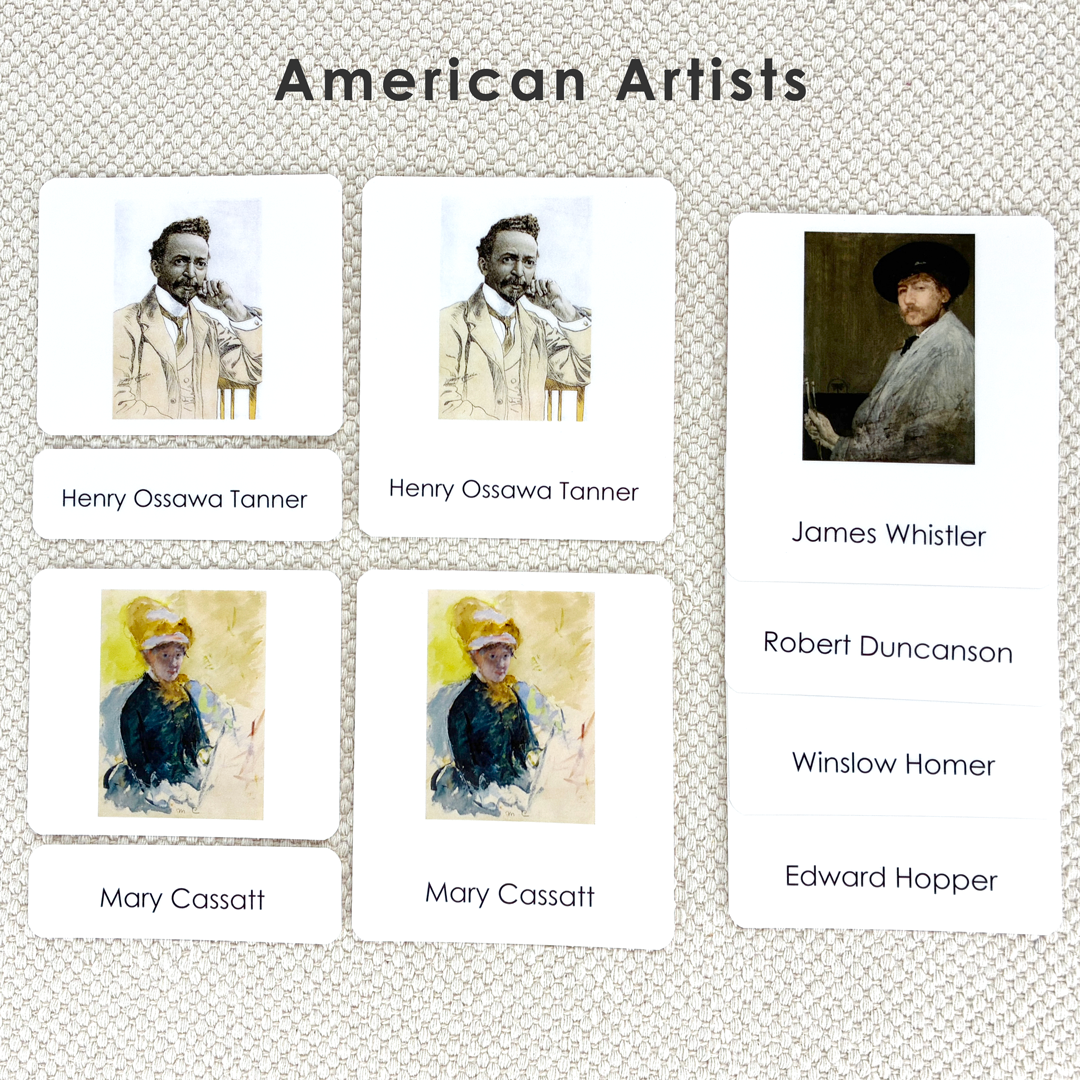
- Fine art and music: Fine Art, Artists, and Musical Instruments
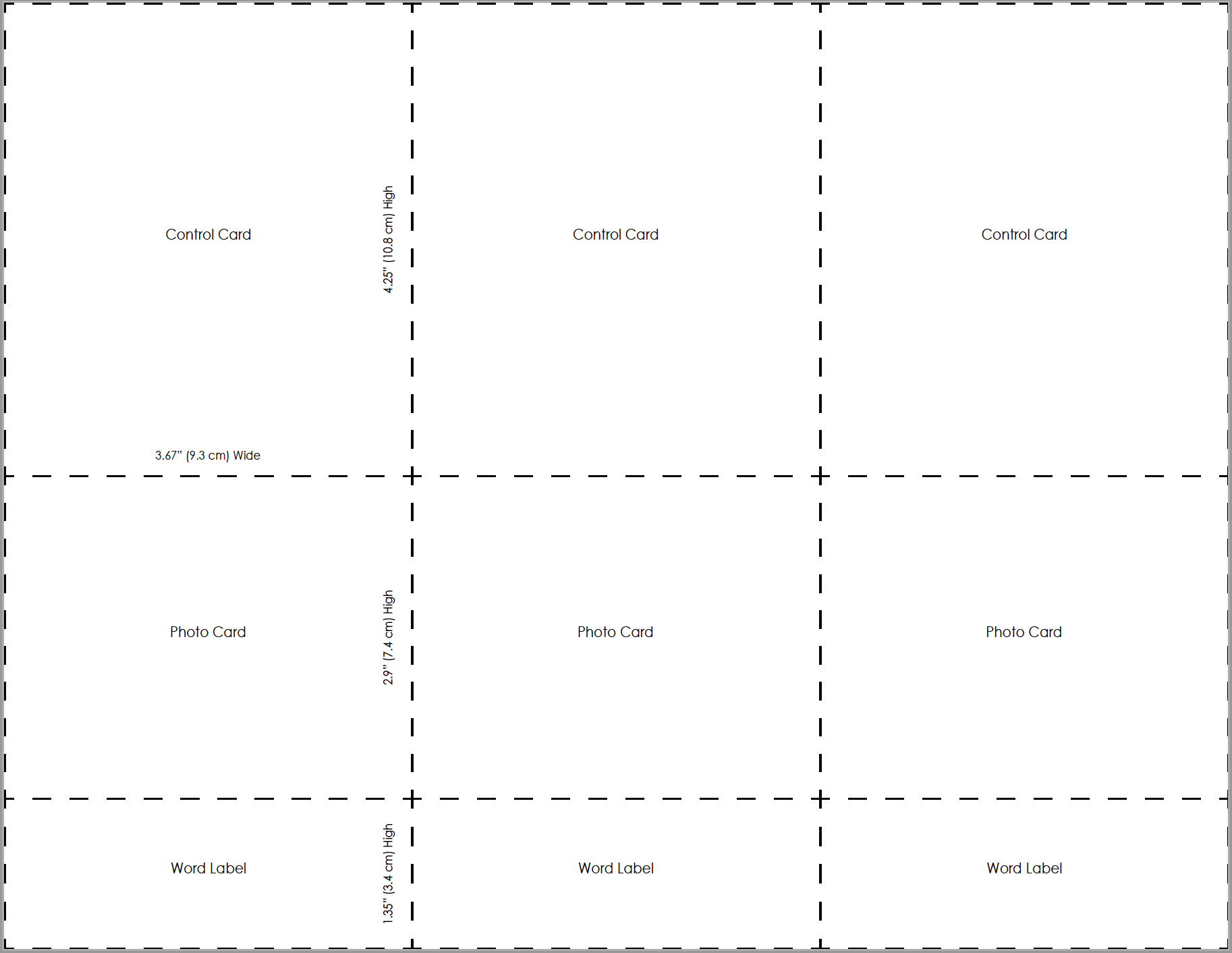
Every packet includes photo cards, word labels, and control cards, eco-laminated with a food-grade laminate and rounded corners. Approximate card sizes are 3¾" x 4¼" (control cards), 3¾" x 3" (photo cards), and 3¾" x 1¼" (word labels). Each packet comes in a sturdy, clear reclosable bag with a lesson plan.
Why 3-part cards matter for reading
In Scarborough's (2001) reading rope, skilled reading weaves together two sets of strands: word recognition and language comprehension. 3-part cards practice both. Reading and matching each word label to it's photo is word recognition work, and it gives students who have mastered phonetic words practice with the less predictable spellings found in real vocabulary. The real photos and focused topics build the vocabulary and background knowledge needed for the language comprehension side of the reading rope.
The control card makes the work self-correcting. Students check their own accuracy so they can find and fix their own errors without waiting for an adult. The large variety of topics available is specifically designed so teachers can match students interests with their classroom work. When students choose topics they care about, they come back to the cards again and again and each repetition is more reading practice.
Reference
Scarborough, H. S. (2001). Connecting early language and literacy to later reading (dis)abilities: Evidence, theory, and practice. In S. B. Neuman & D. K. Dickinson (Eds.), Handbook of early literacy research (pp. 97–110). Guilford Press.
How do you use 3-part cards?
Begin by using the photo cards alone to teach vocabulary through the three-period lesson. Then use the photo cards from this and other packets for sorting work. When students are stretching past phonetic reading, use all three parts: lay out the photo cards, read and match the word labels to the photos, and use the control cards to check for accuracy independently. For step-by-step guidance, download our free 3-part card lesson plan.
| 1. Lay out the photo cards | 2. Read and match the word labels | 3. Check work with the control cards |
|---|---|---|
 |
 |
 |
What comes before and after 3-part cards
Many of our 3-part card sets are also available as Vocabulary Cards and Matching Cards. These use the same photos in a slightly larger format, with no text. With all three in one classroom, 3-year-olds (vocabulary cards), 4-year-olds (matching cards), and readers (3-part cards) can explore the same topic together.
When students are ready for longer text, move on to our reading comprehension activities, like grammar, word study, and build-a-book/definitions-in-stages work.
Customer Review
"The quality of the 3-part reading cards was excellent. The company has certainly created a useful product. Their informative instructions and guidelines for age appropriate usage with children was appreciated. Children themselves will be intrigued and have a natural curiosity to match the pictures and words. I look forward to purchasing other card selections from Maitri Learning."
— Christine Maasdam
What ages are 3-part cards for?
Typically Kindergarten (ages 5–6) and above. Students of any age can benefit if they:
- Can read phonetically
- Are interested in the topic
- Need reading practice
- Prefer self-correcting activities to teacher correction
Which 3-part cards should I start with?
For students just beginning to read, start with our Phonetic 3-Part Cards. For a first classified set, choose everyday objects the student already knows, like Around the House or Fruit. From there, follow the student's interests into zoology, botany, geography, art, or music.
What's the difference between 3-part cards, matching cards, and vocabulary cards?
All three use the same photographs. Vocabulary cards have no words and are for building spoken vocabulary before students read. Matching cards pair two identical photos so students can practice using their new vocabulary. 3-part cards add a word label and a control card, so students can read each word, match it to its photo, and check their own work.
How should I store and display 3-part cards?
We recommend putting several titles out at one time to meet the interest of the entire room. We like to organize and display these in our 3-pocket foldover cloth pouches. (Note that each packet comes in a sturdy, clear reclosable bag that is for teacher storage only, not student use.) As the children lose interest in the topics on the shelf, swap them out for different 3-part cards (you can use the same pouches maintained in the same shelf location).
Download a PDF of our materials

Follow Us