
Reading Comprehension












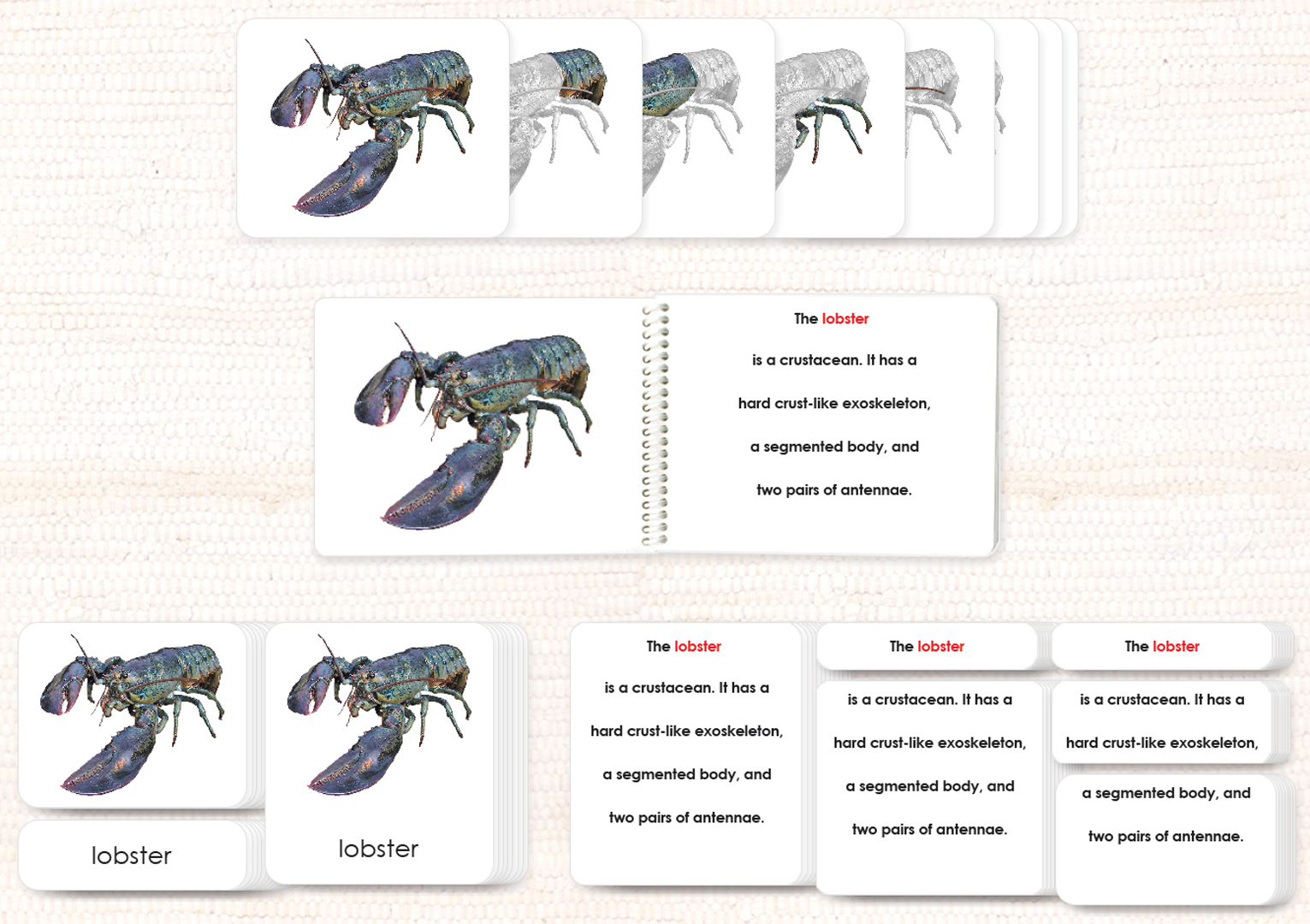
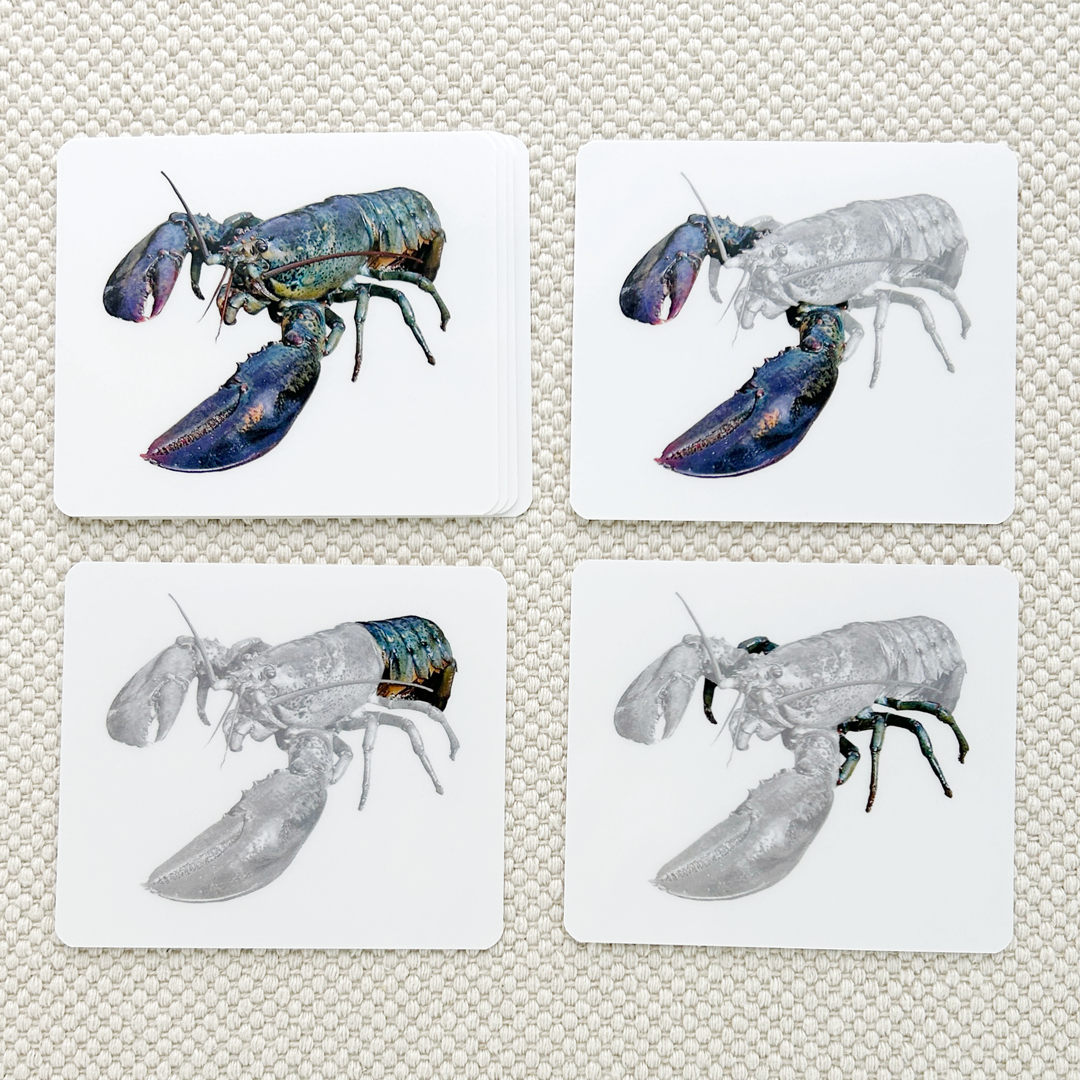
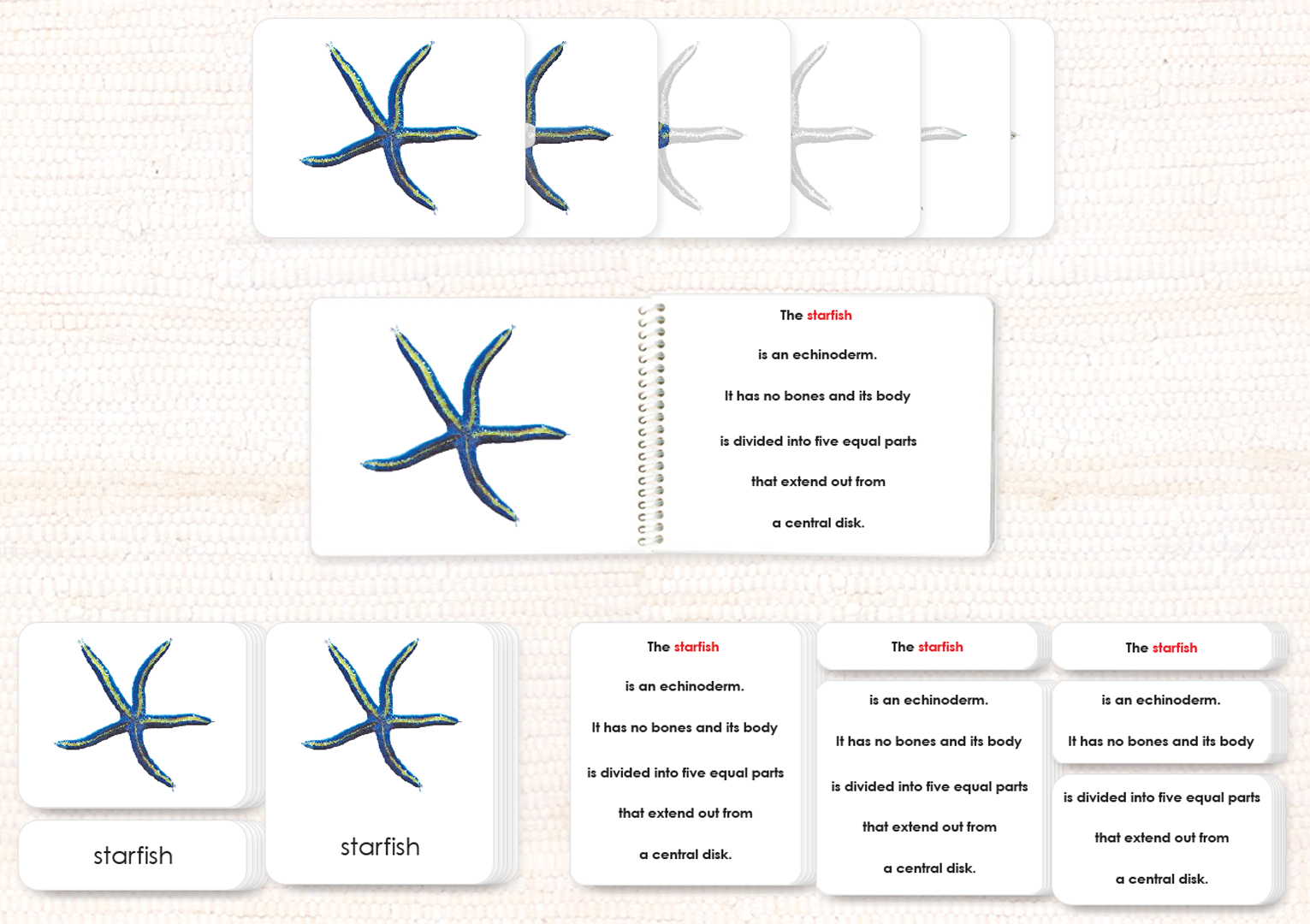
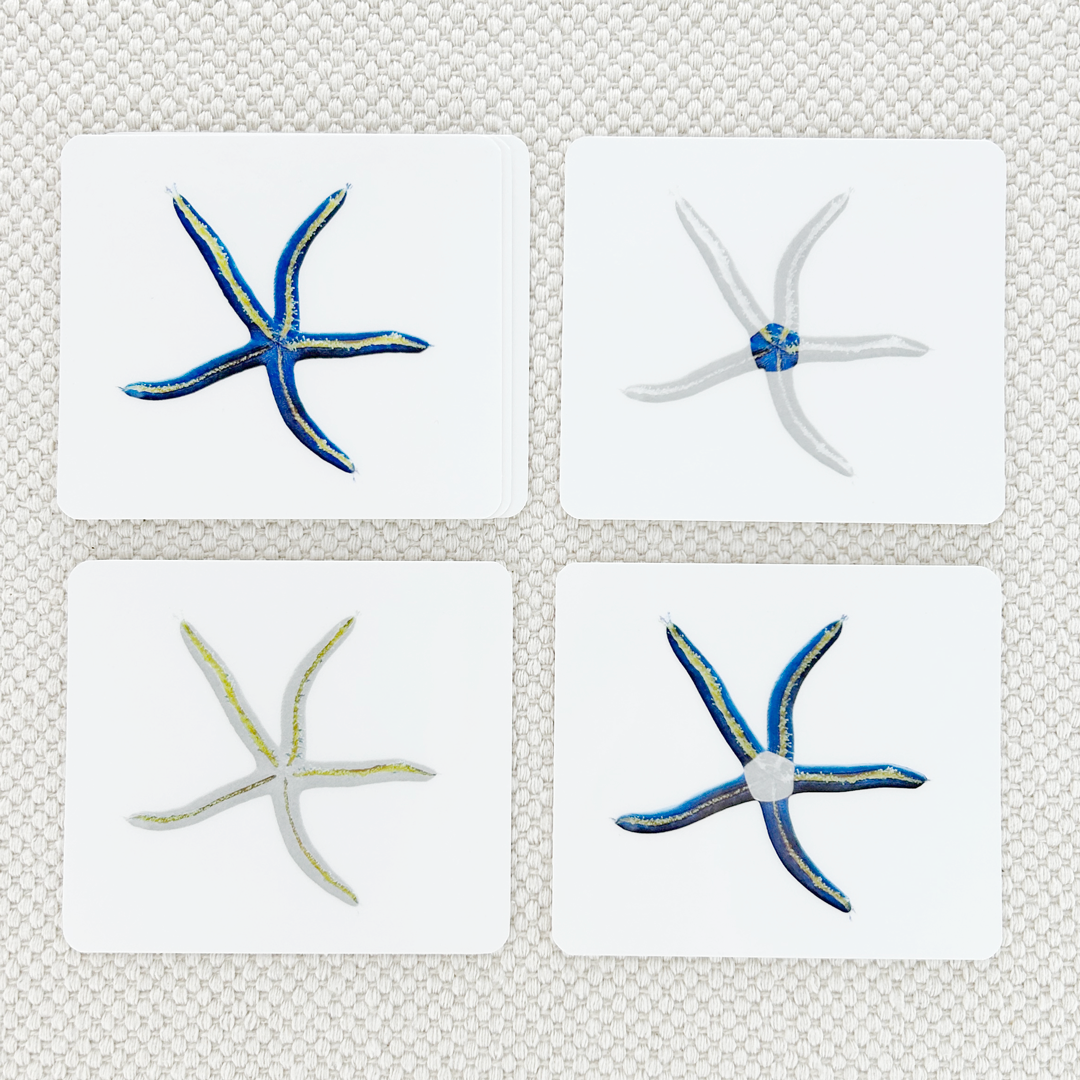

More Information:
Reading Comprehension
Reading comprehension materials help students understand, interpret, and think about what they read. Our goal is more than understanding the words on the page. We want students to read between the lines. That takes a large vocabulary, knowledge about the world, a feel for how sentences work, and a sense of context and gist.
That's why the early work matters so much. Phonics gives students the ability to decode the words on the page, while vocabulary and sorting work help them understand what those words mean and how ideas connect. The materials in this collection build on both.
What's in this collection
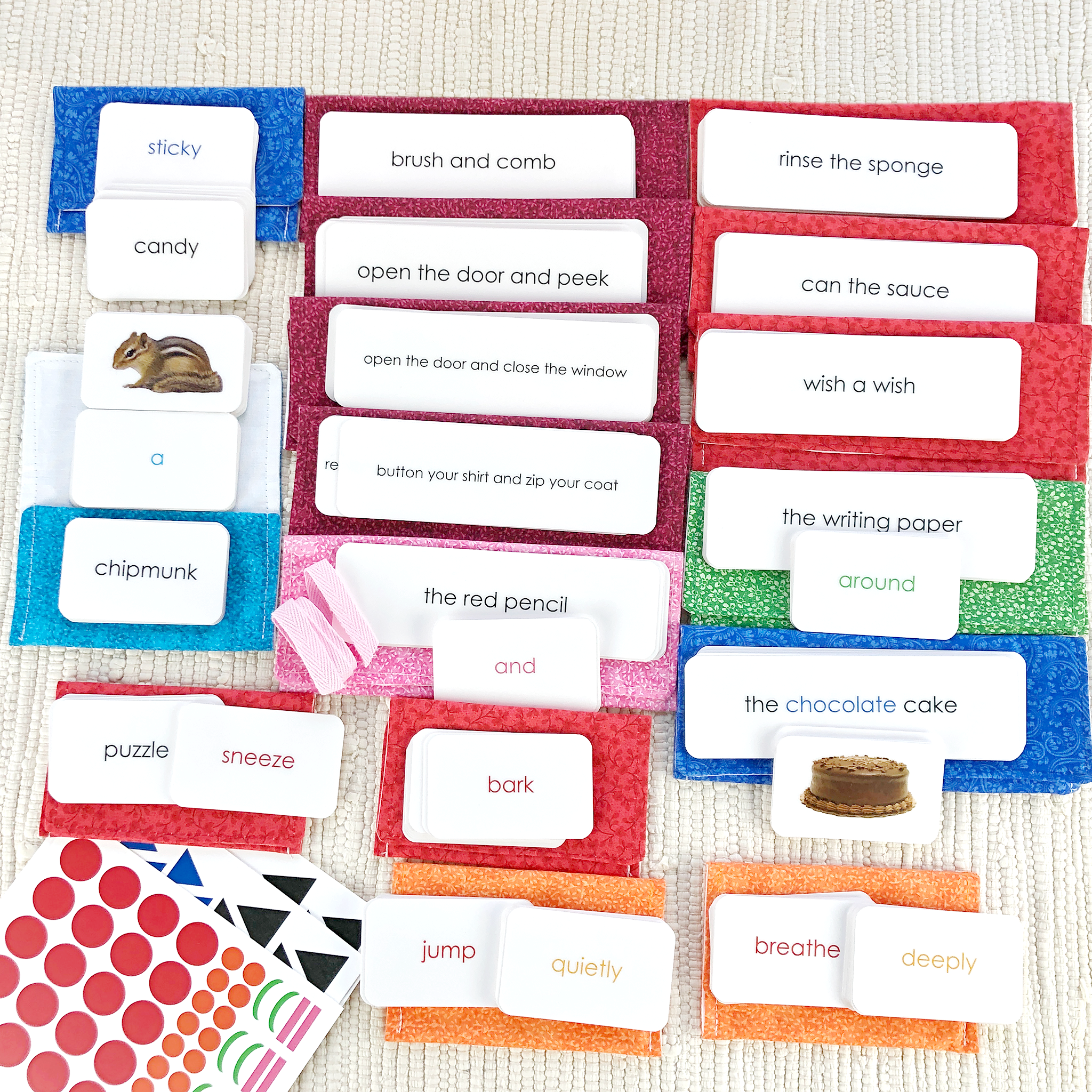
- Grammar: hands-on games that show students how words function in a sentence
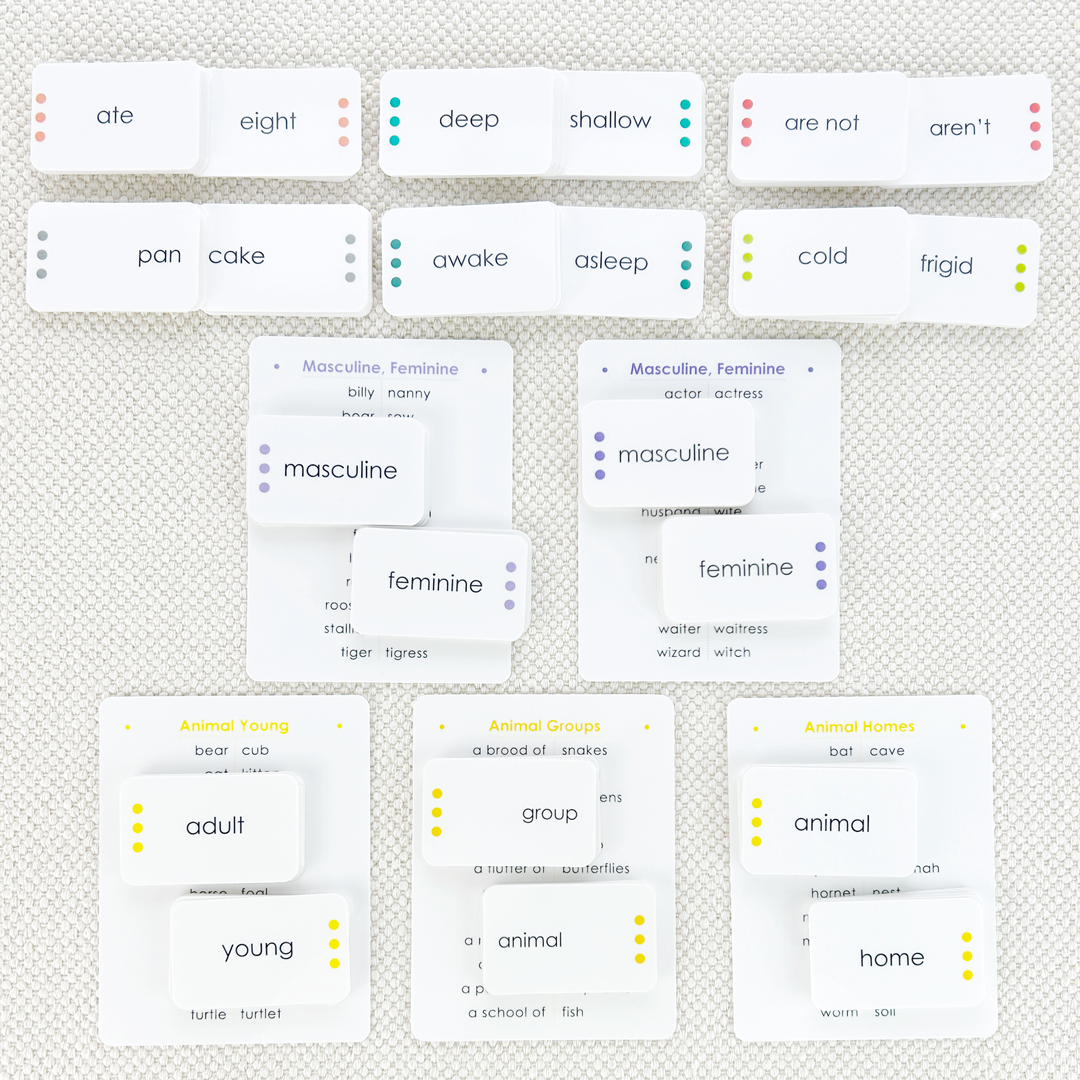
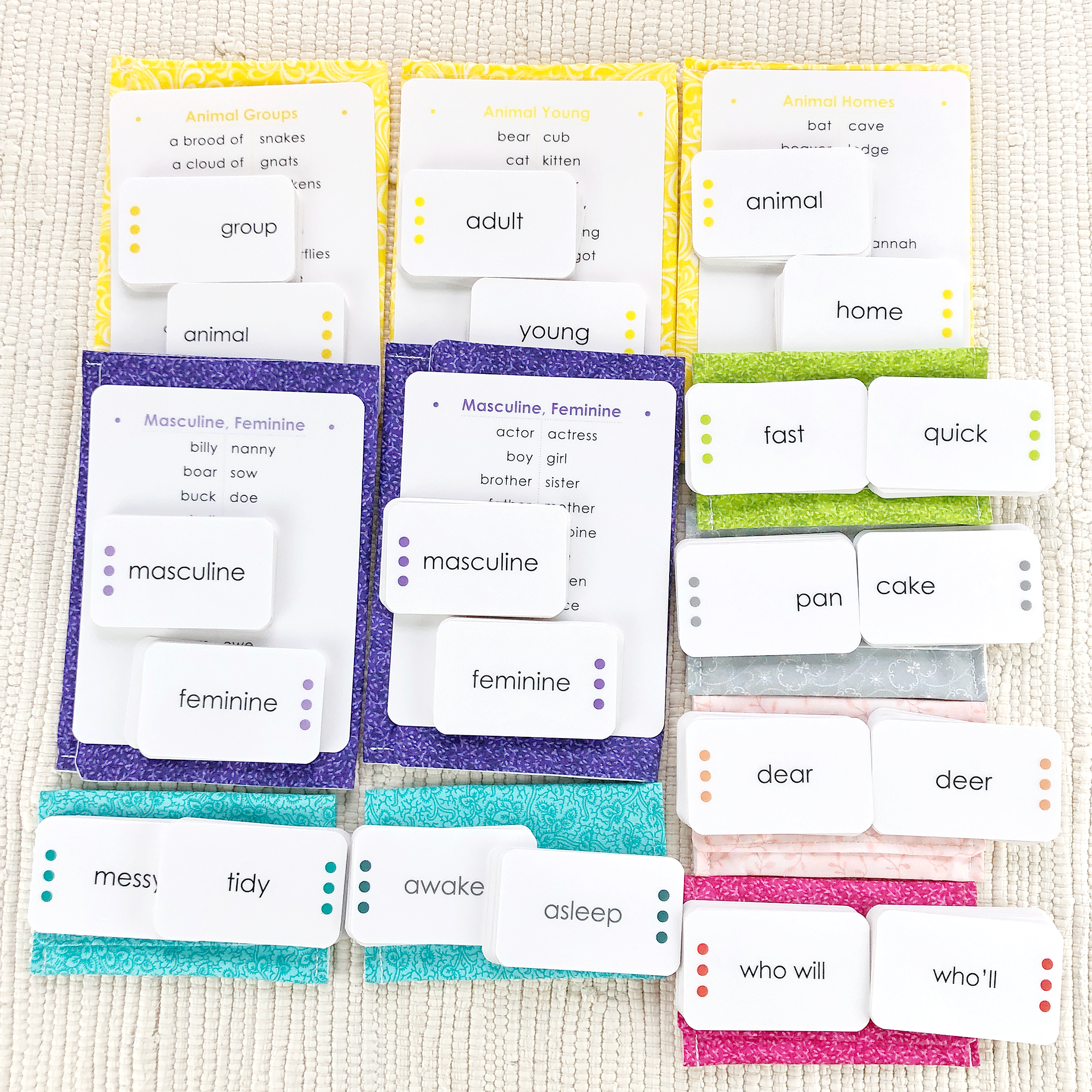
- Word Study: card-based activities for compound words, homonyms, synonyms, antonyms, contractions, and more
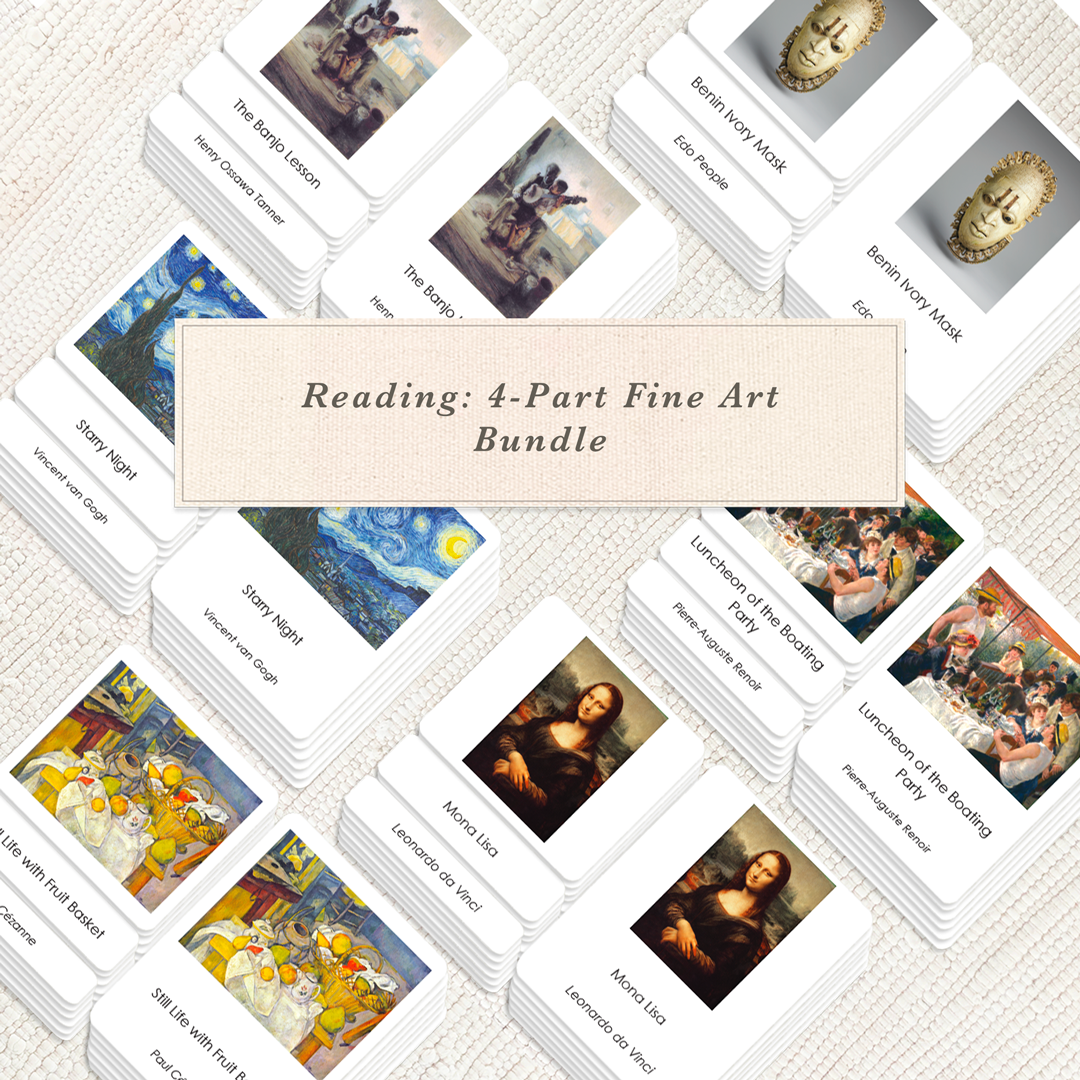
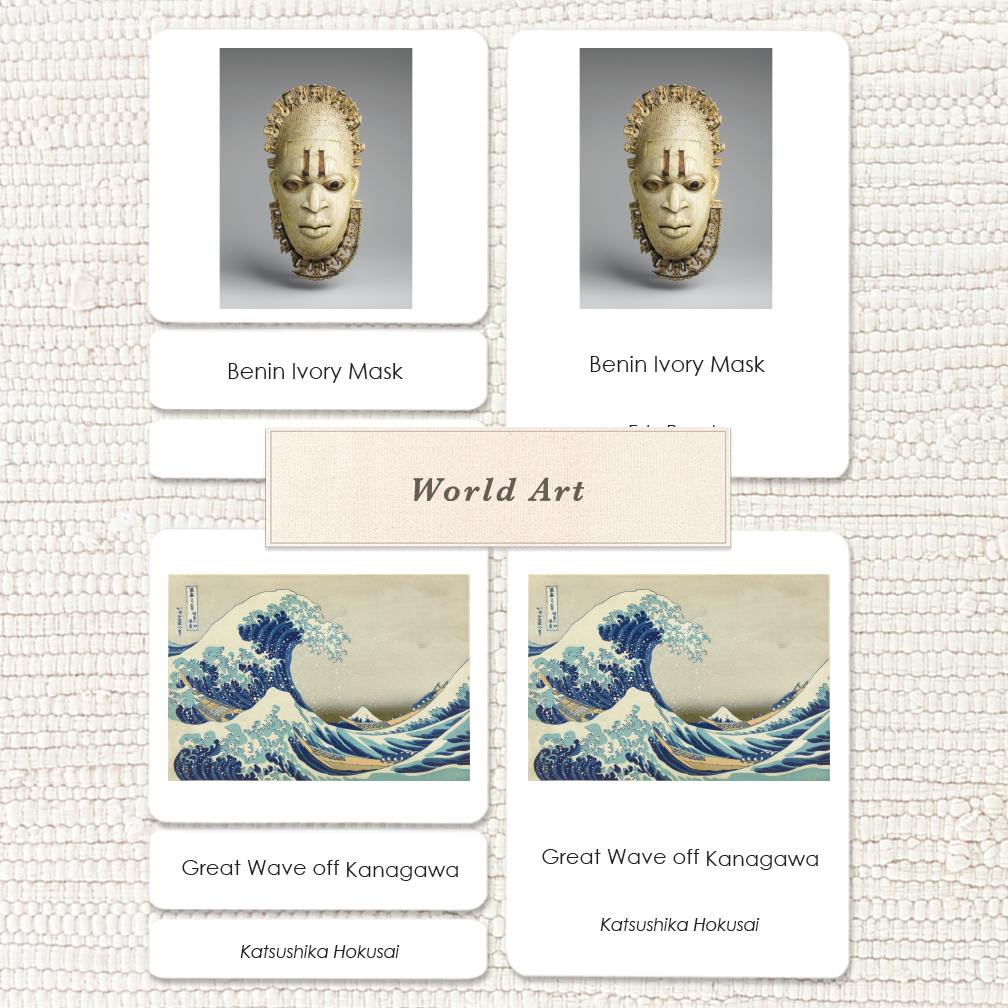
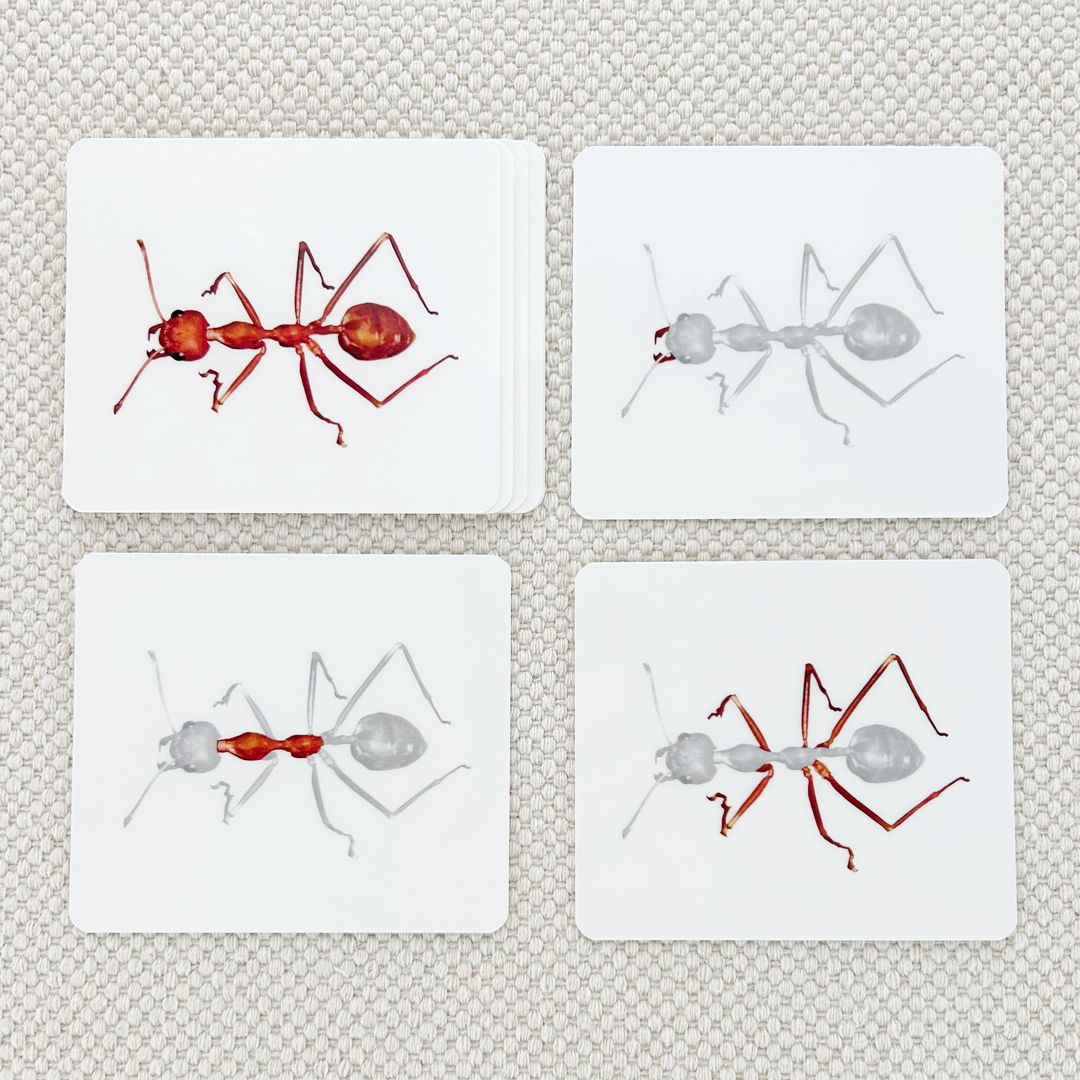
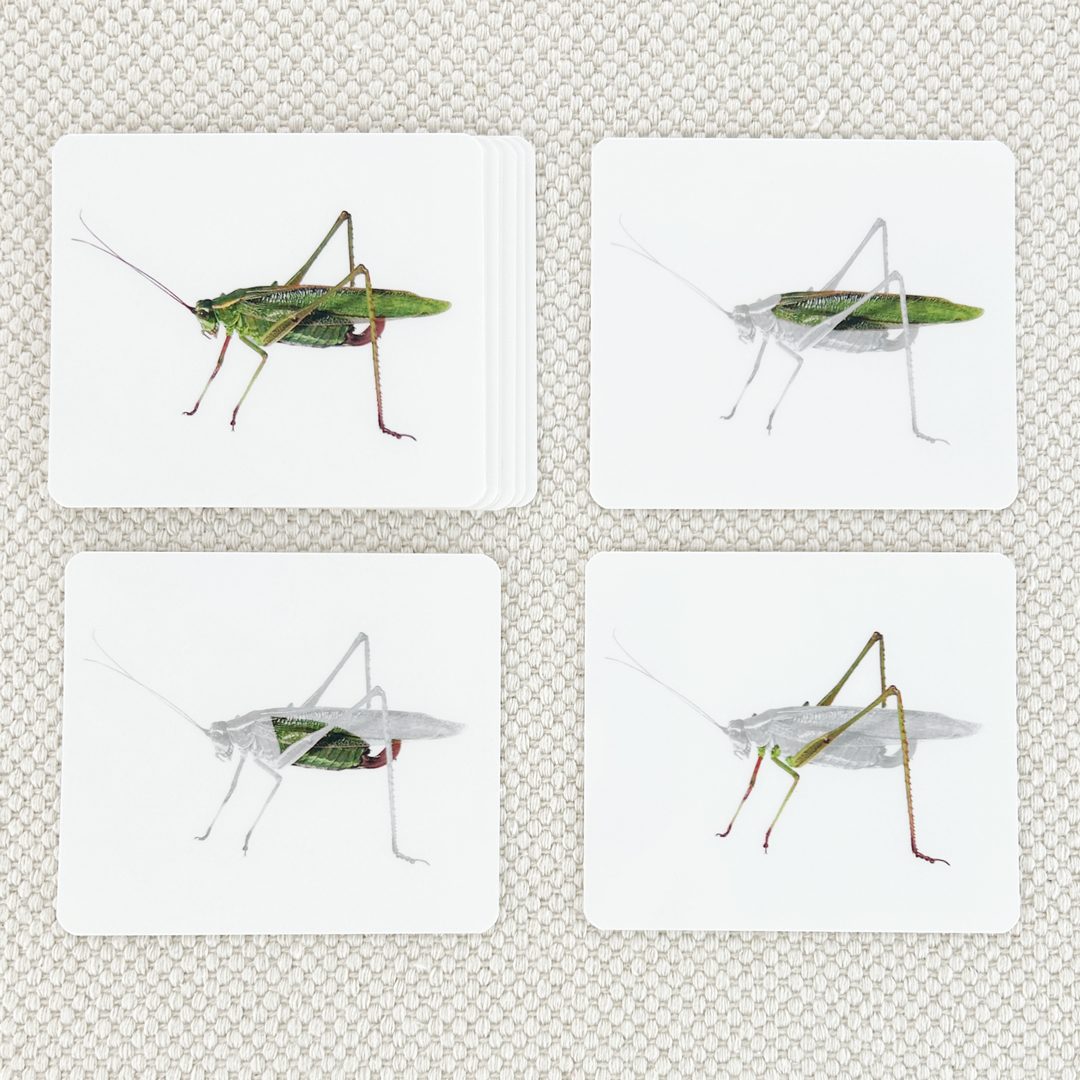
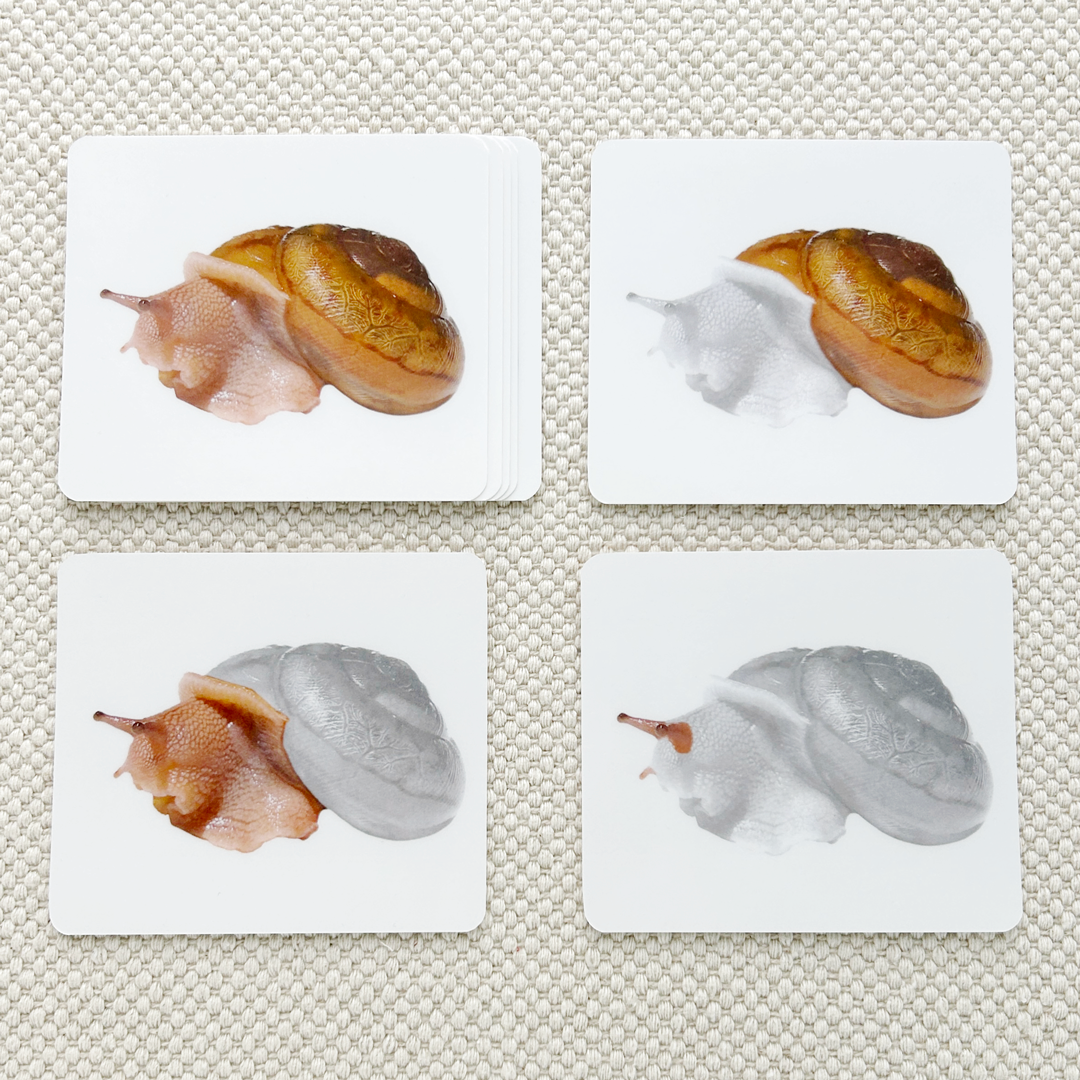
- 4-Part Fine Art Cards: students use context clues to match famous artworks with their titles and artists
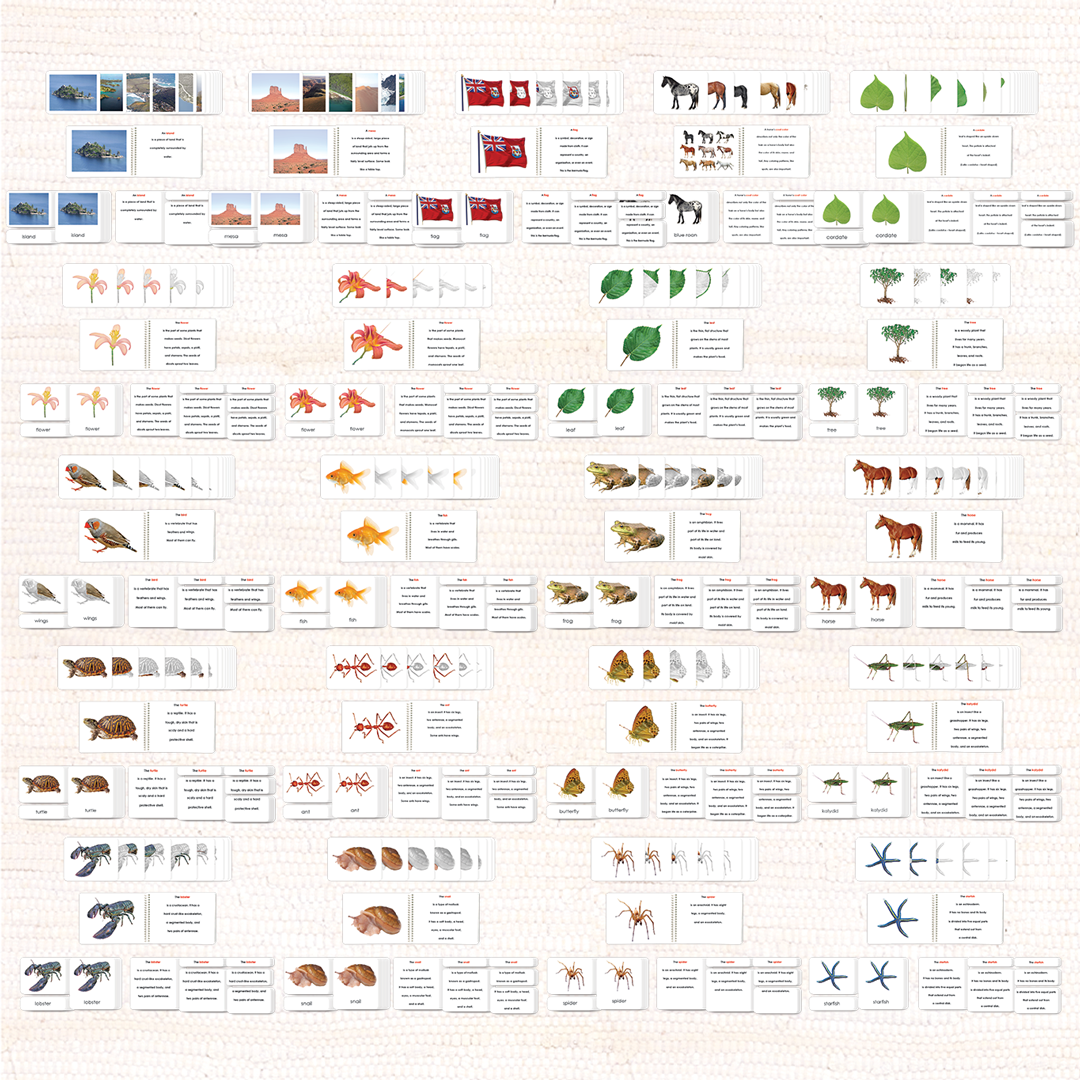
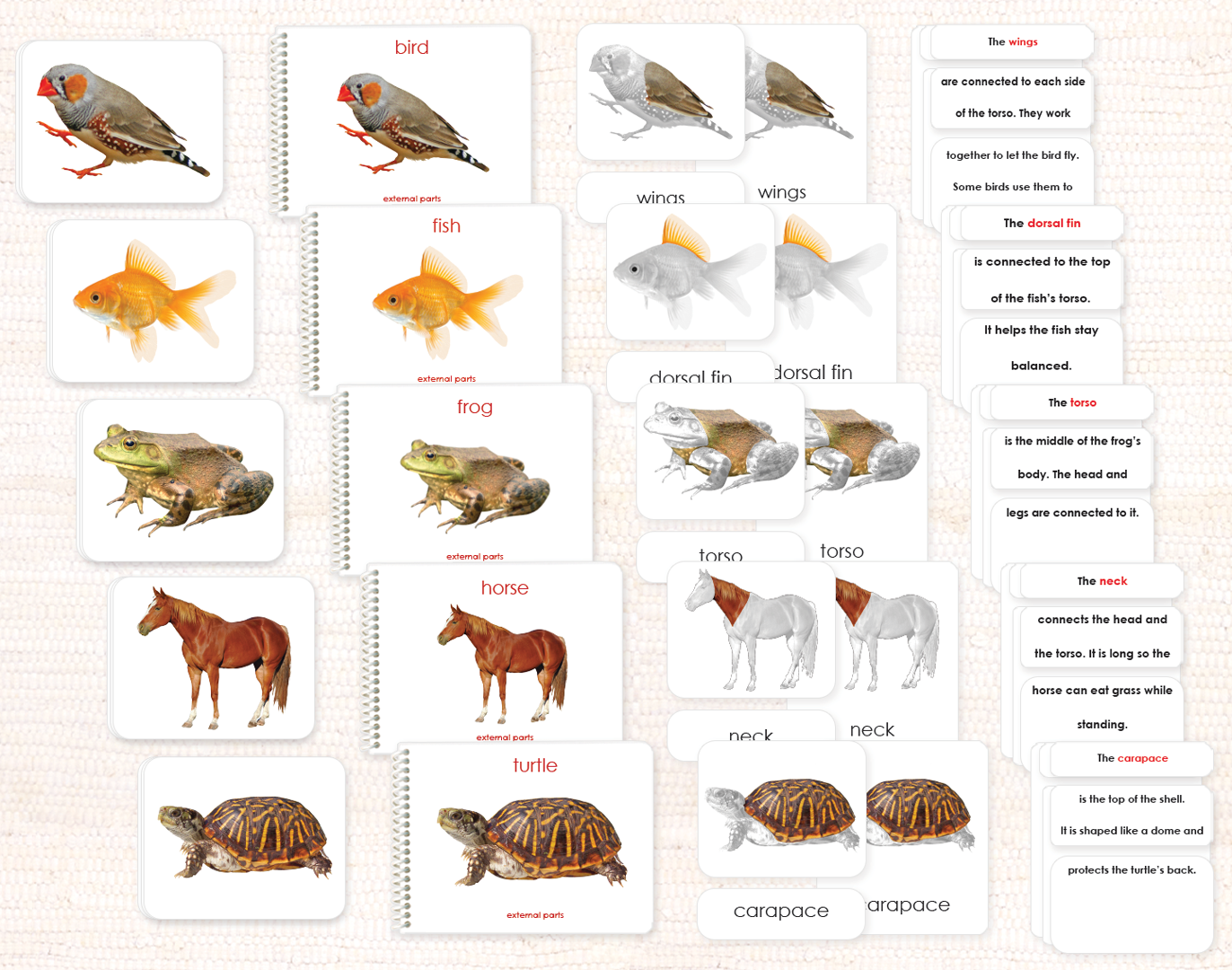
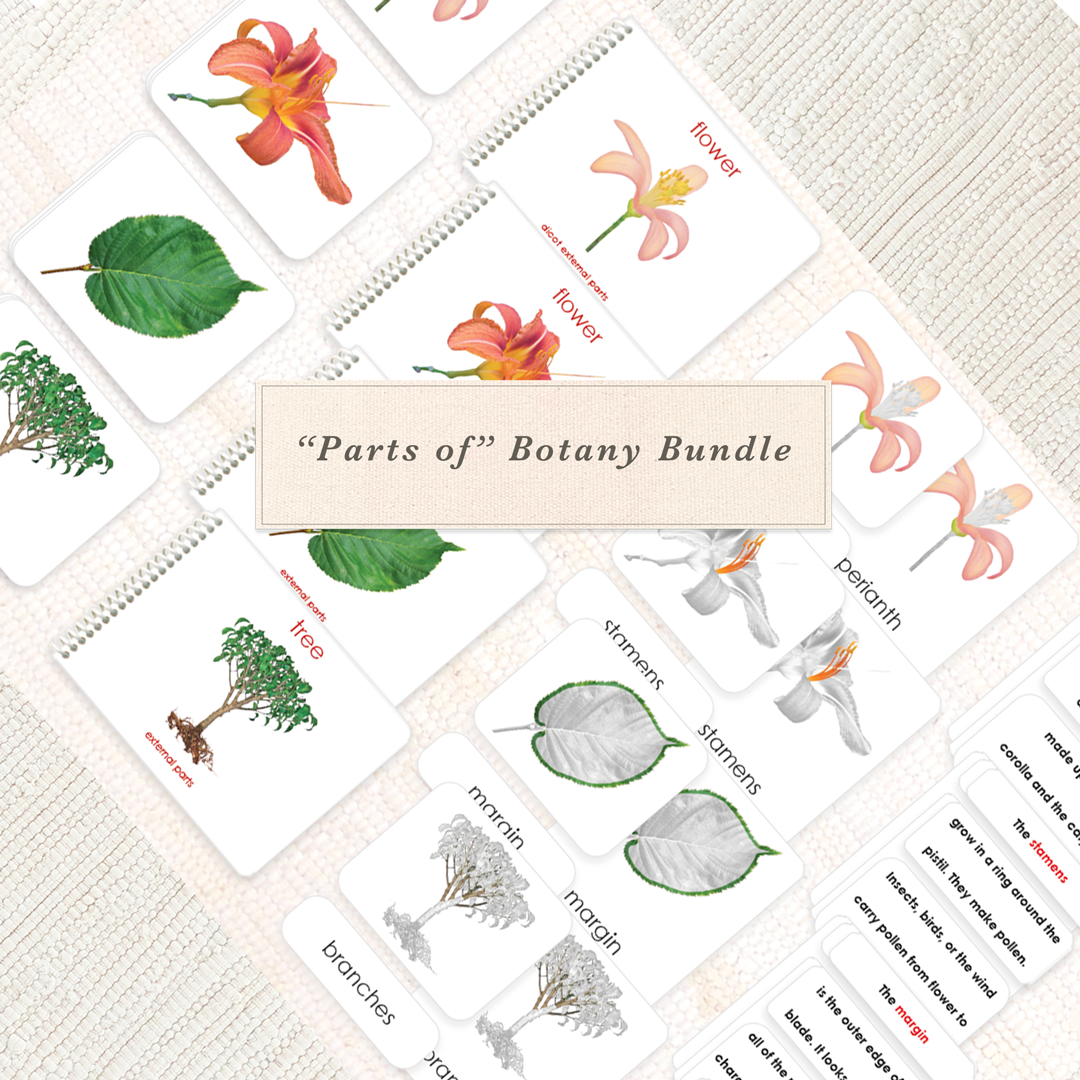
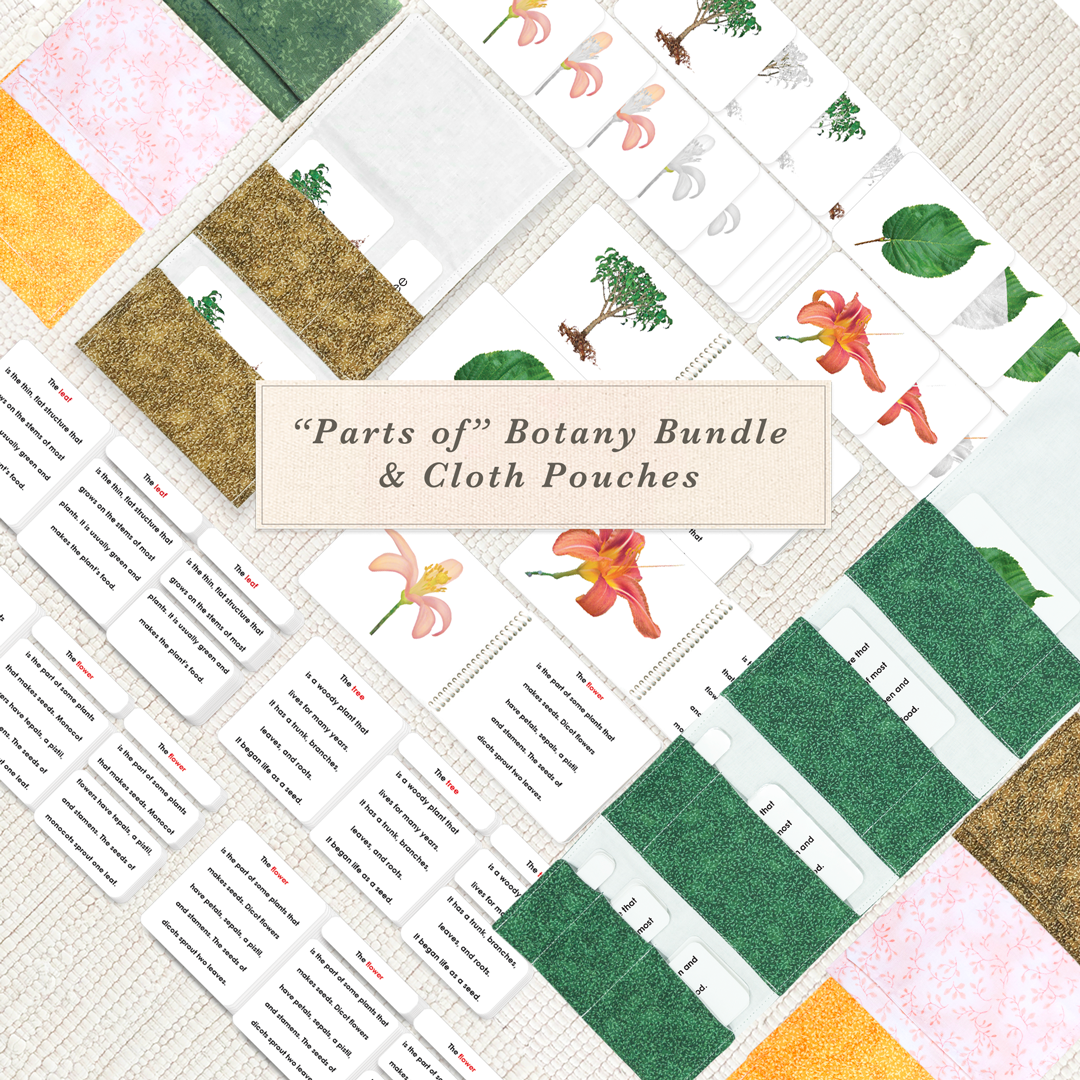
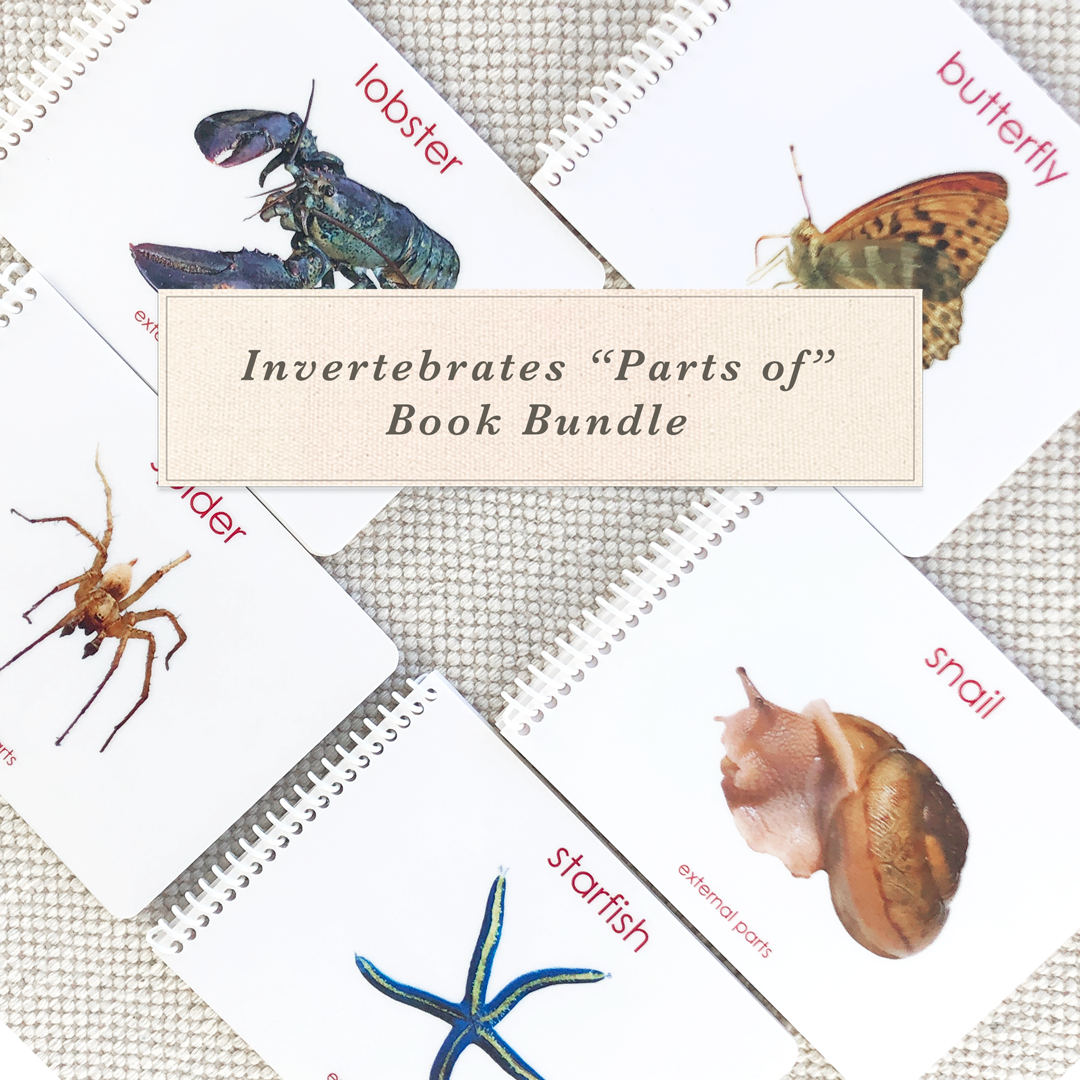
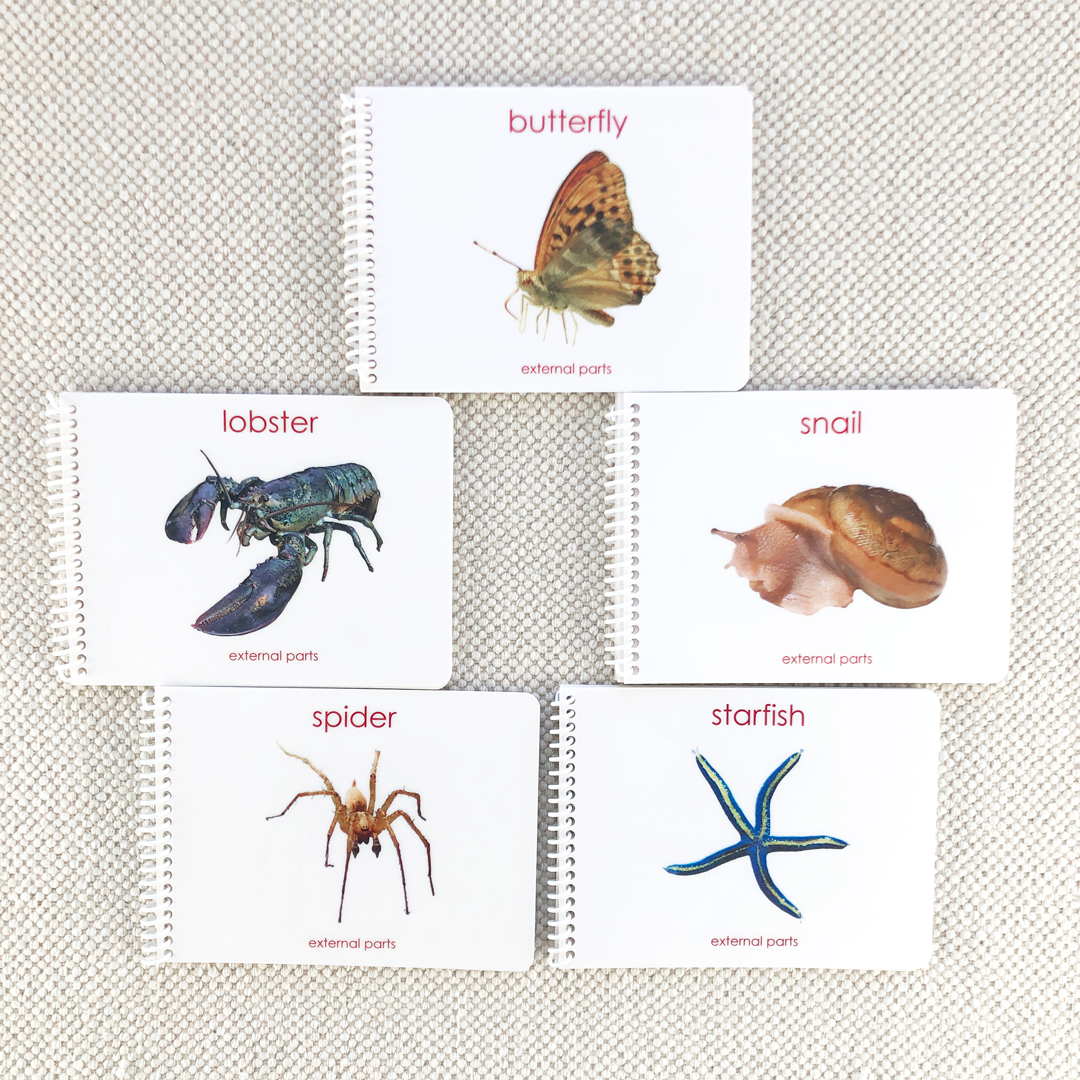
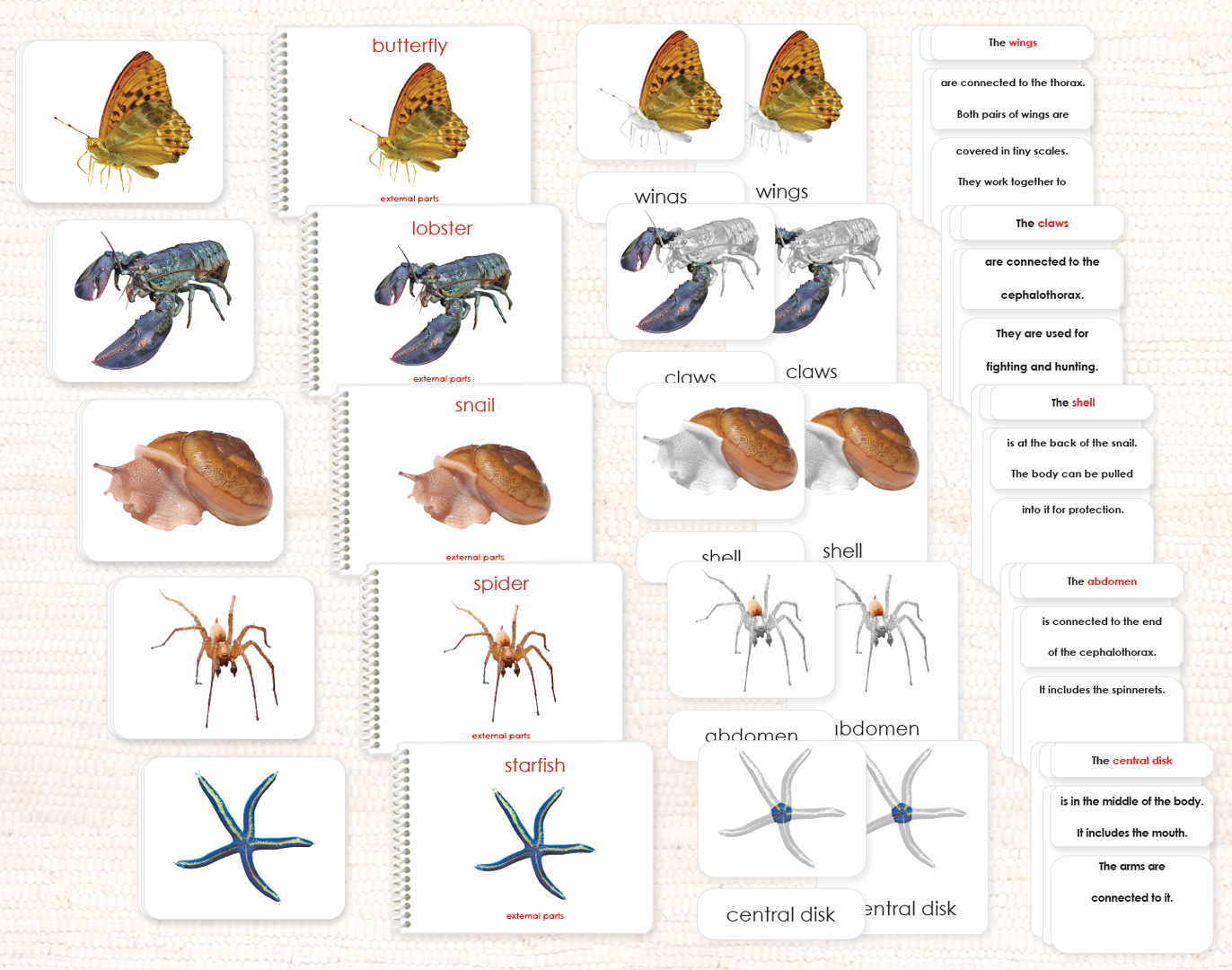
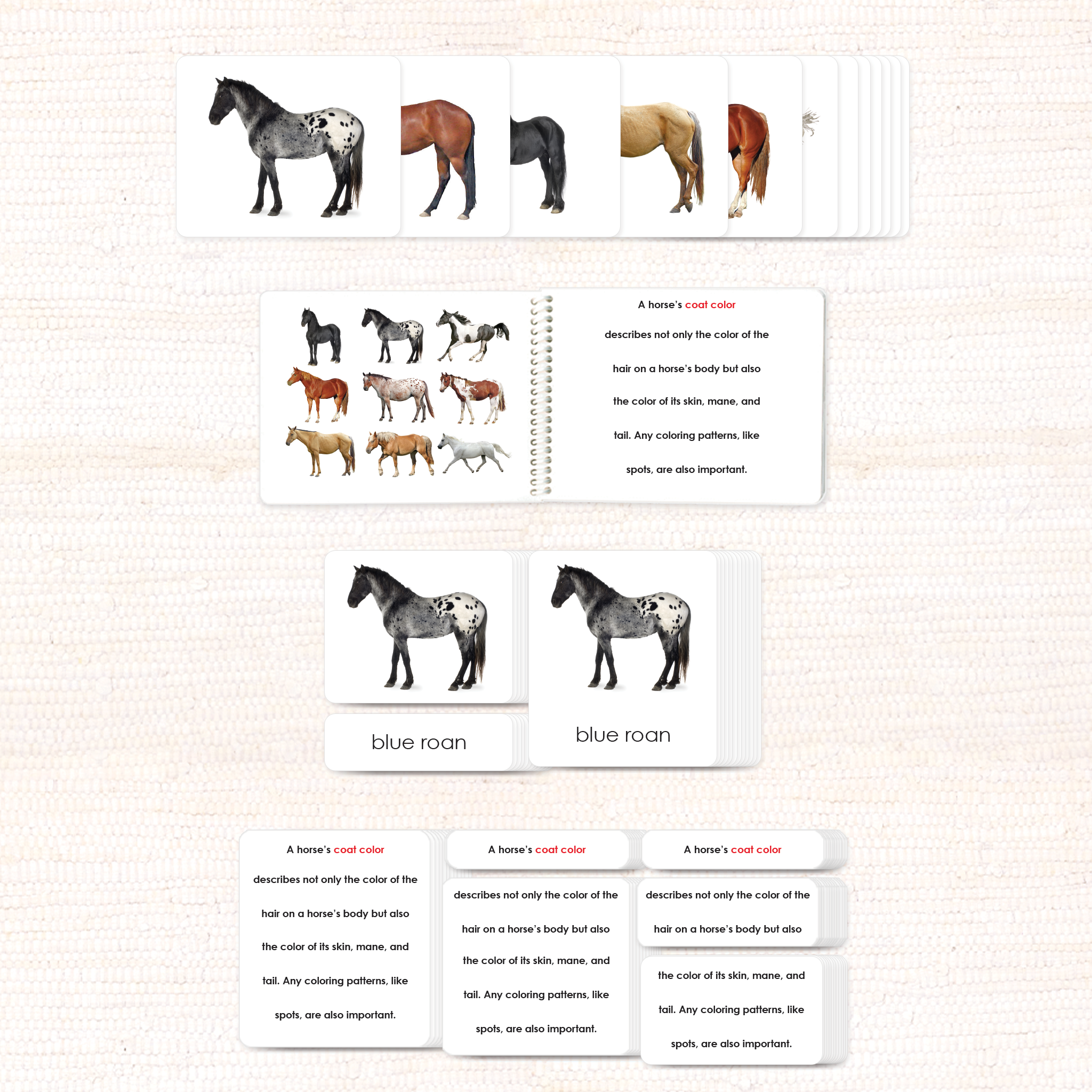
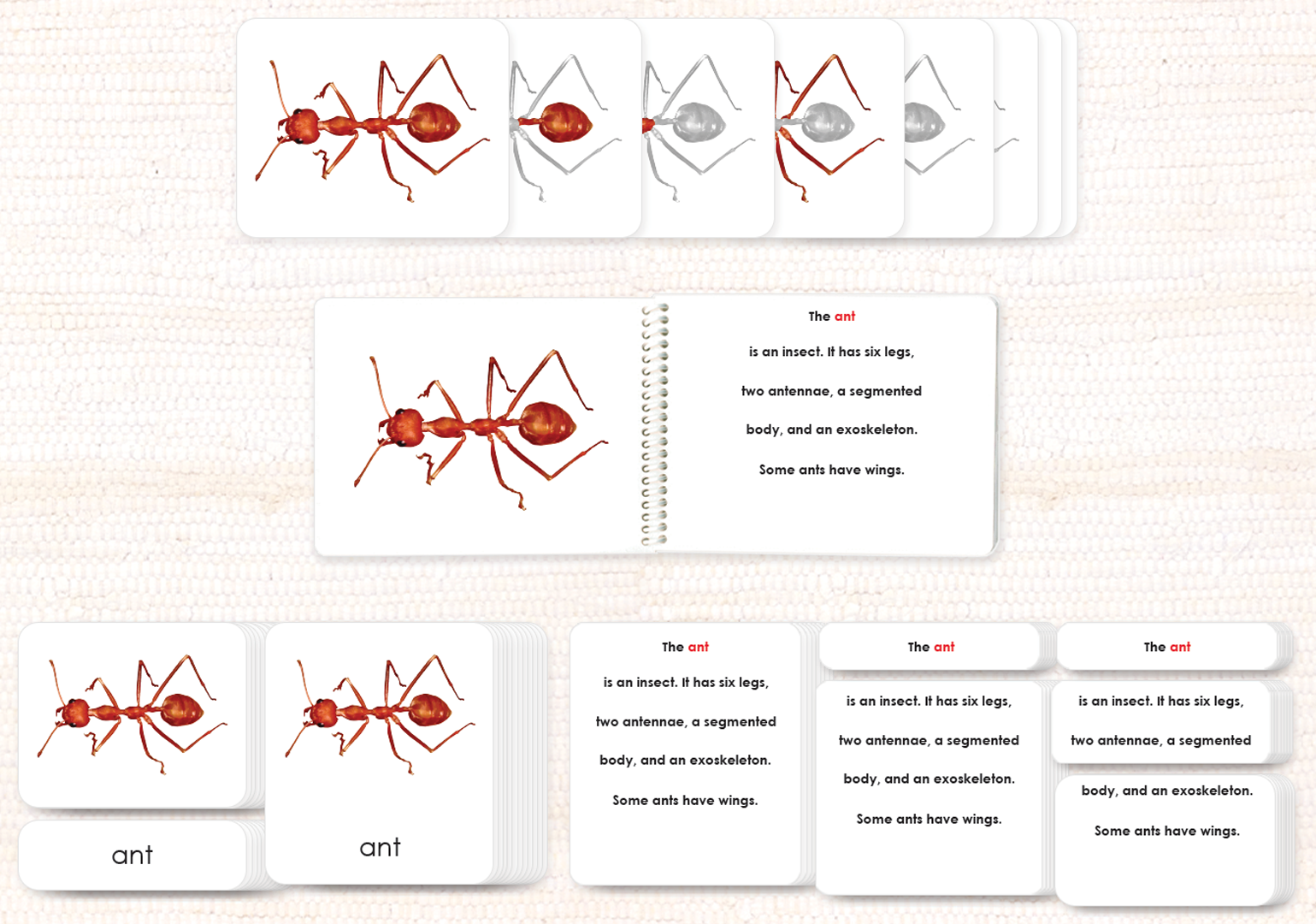
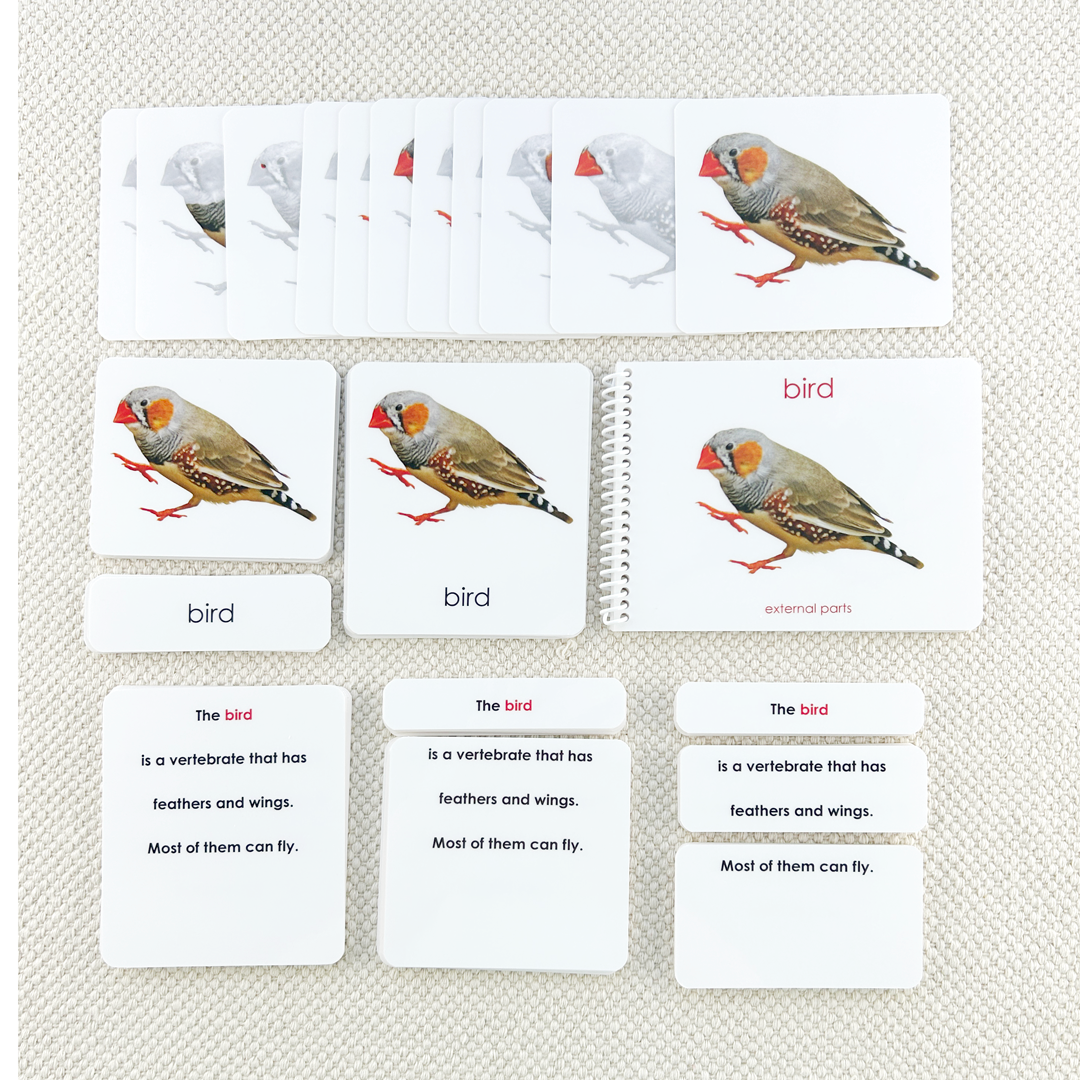
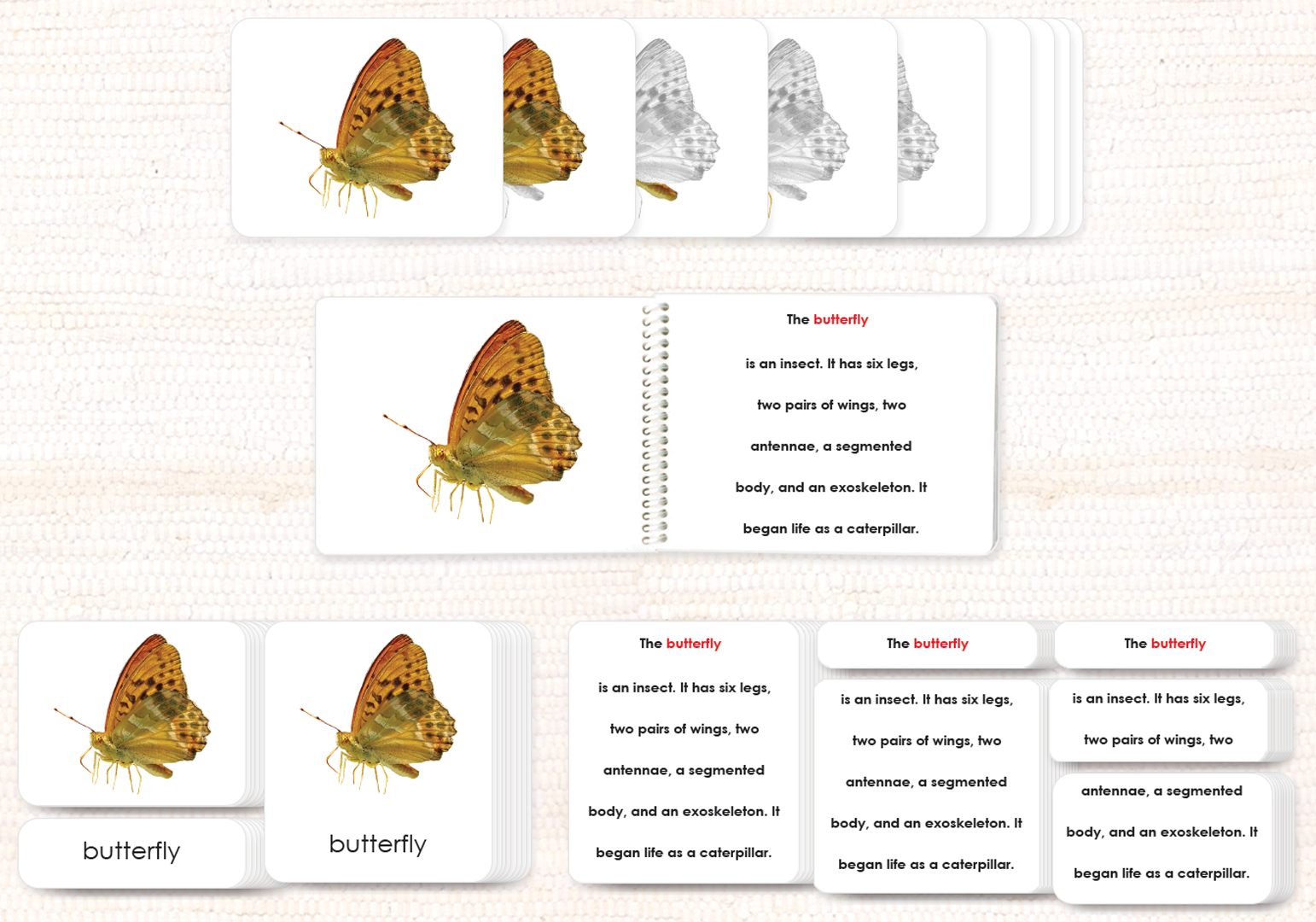
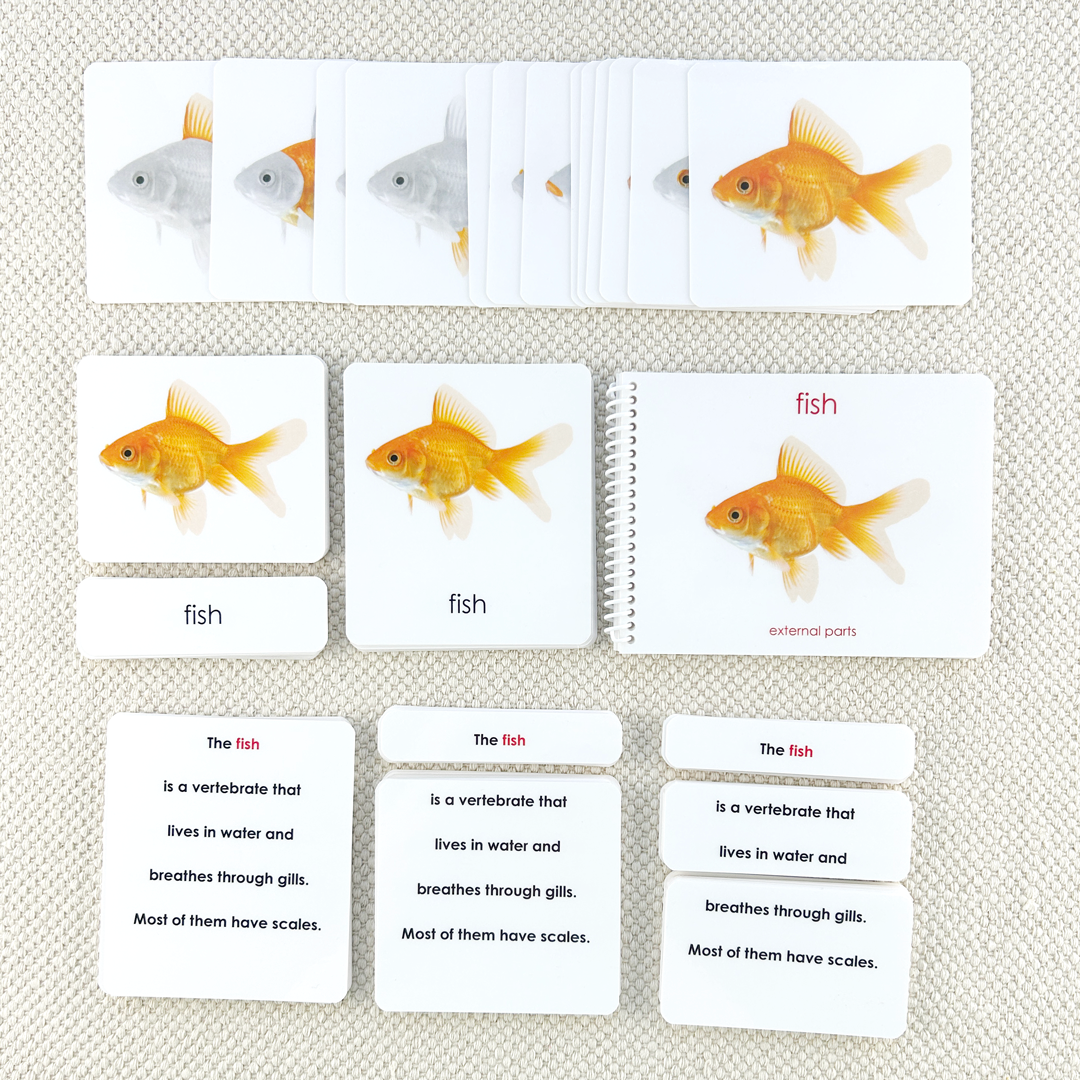
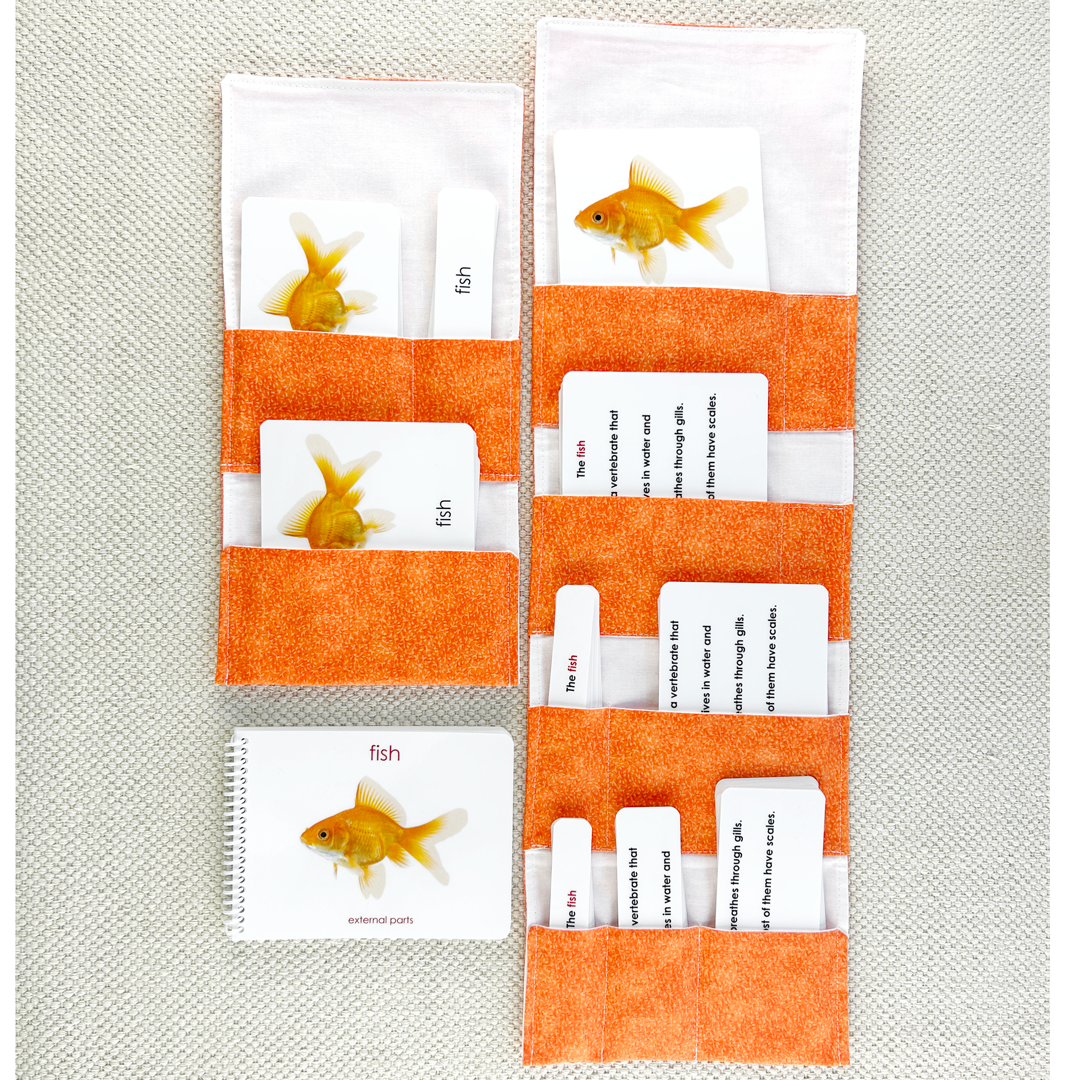
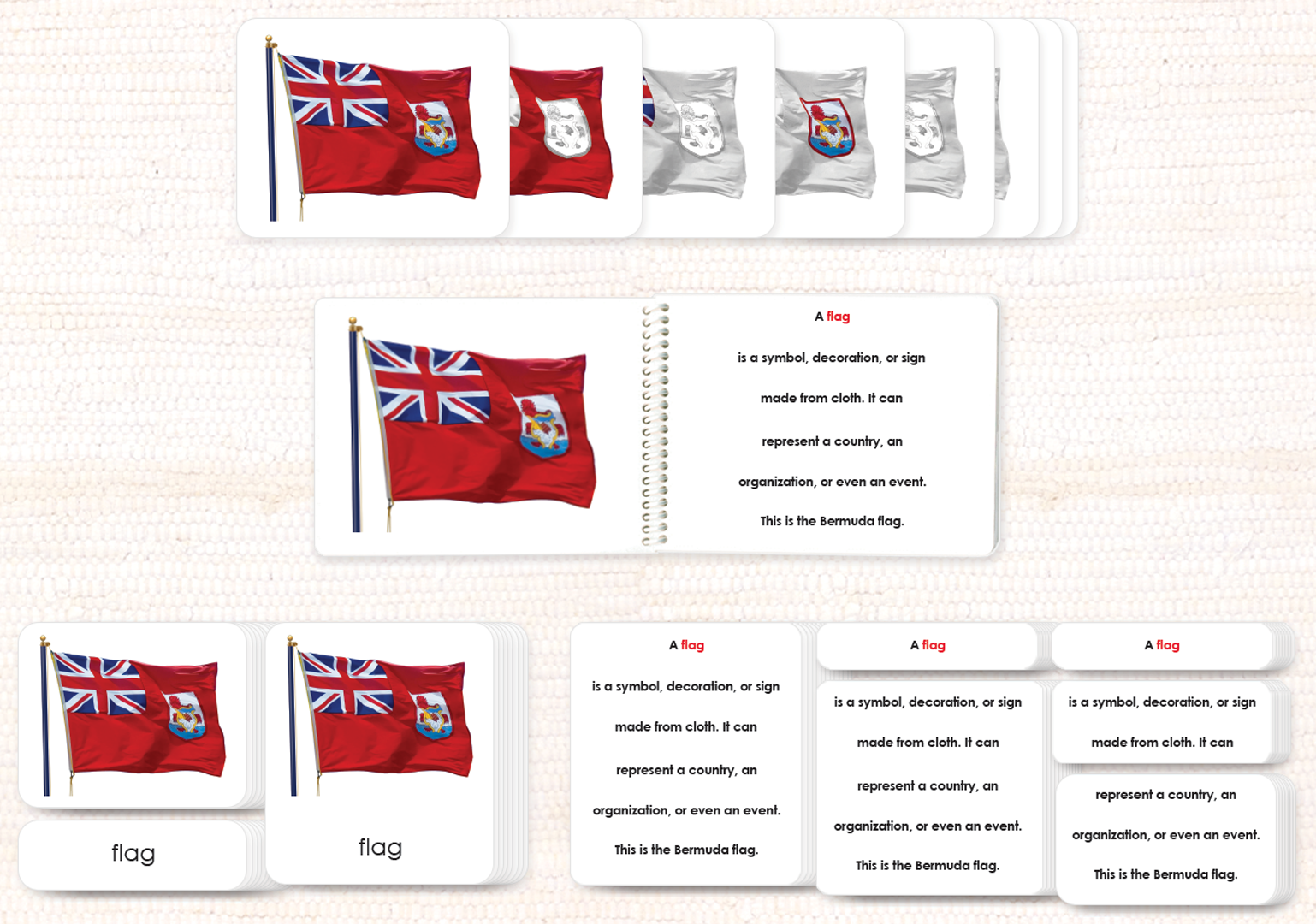
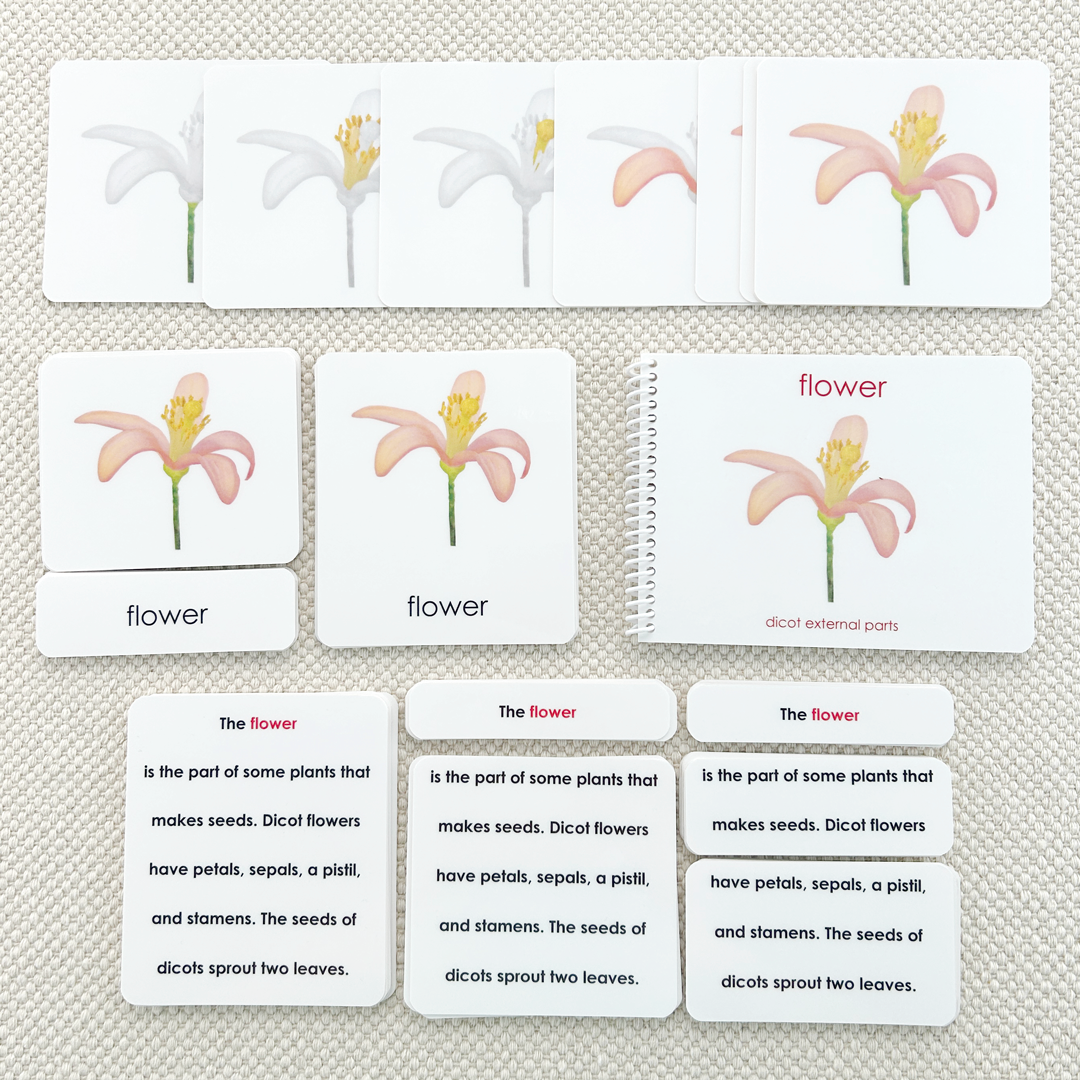
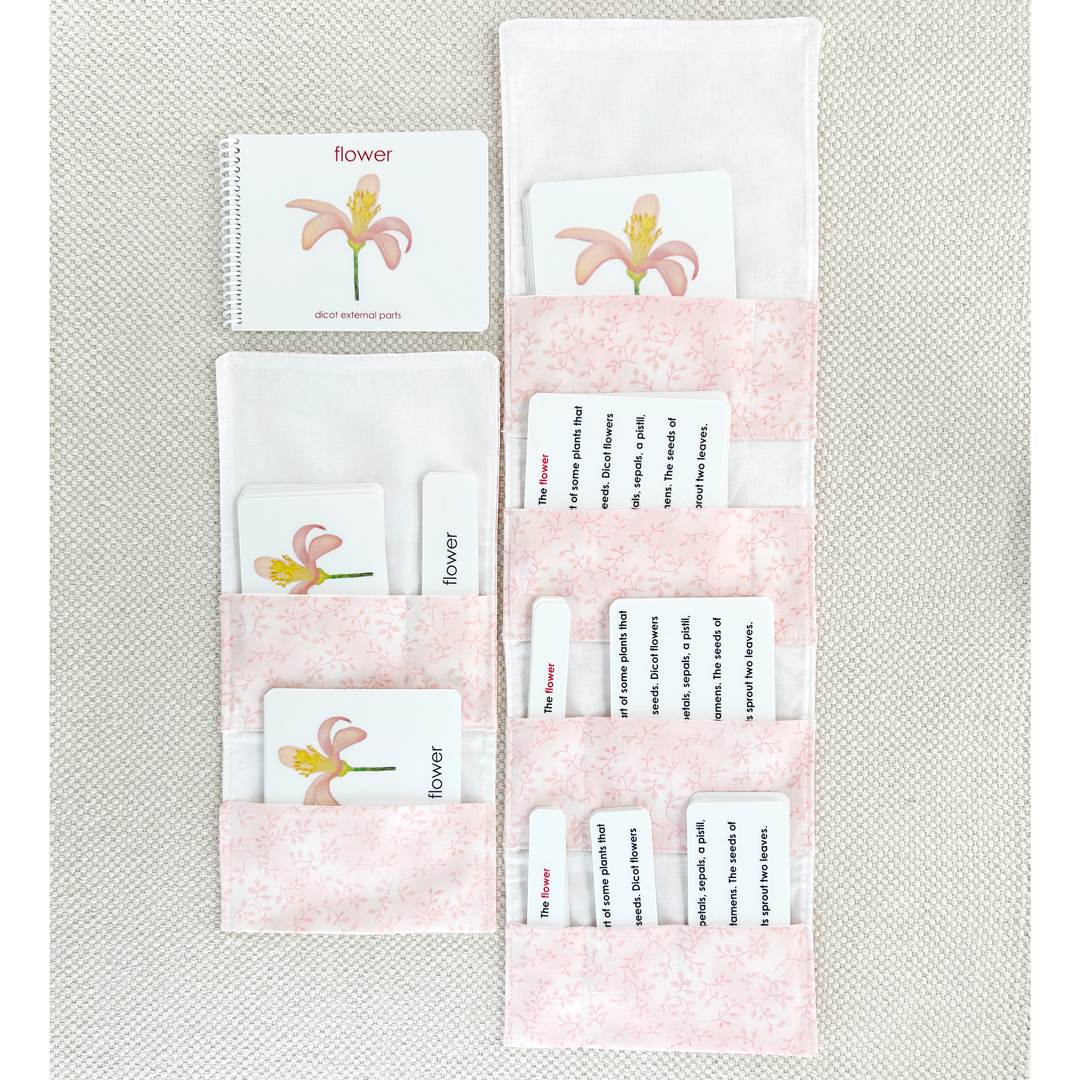
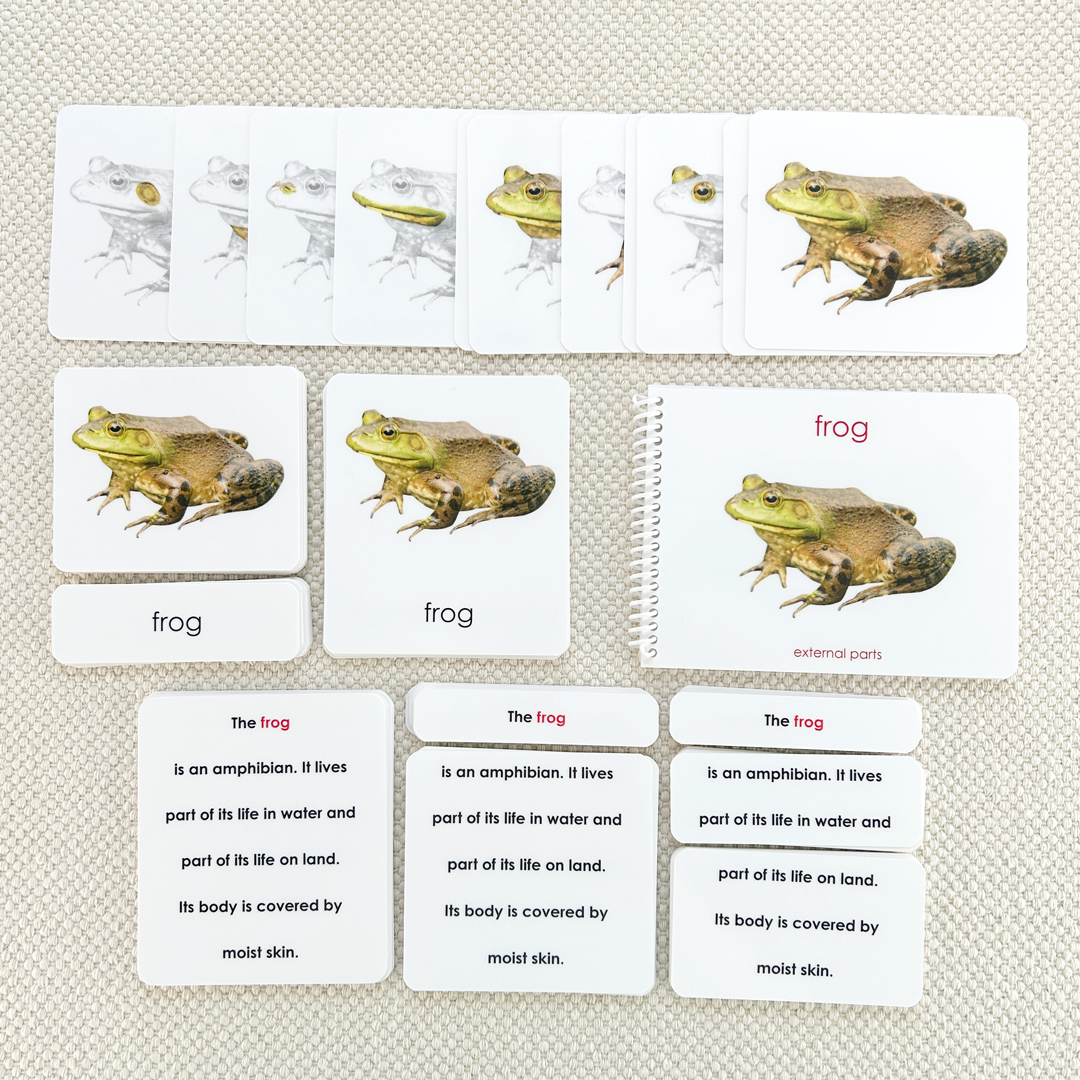
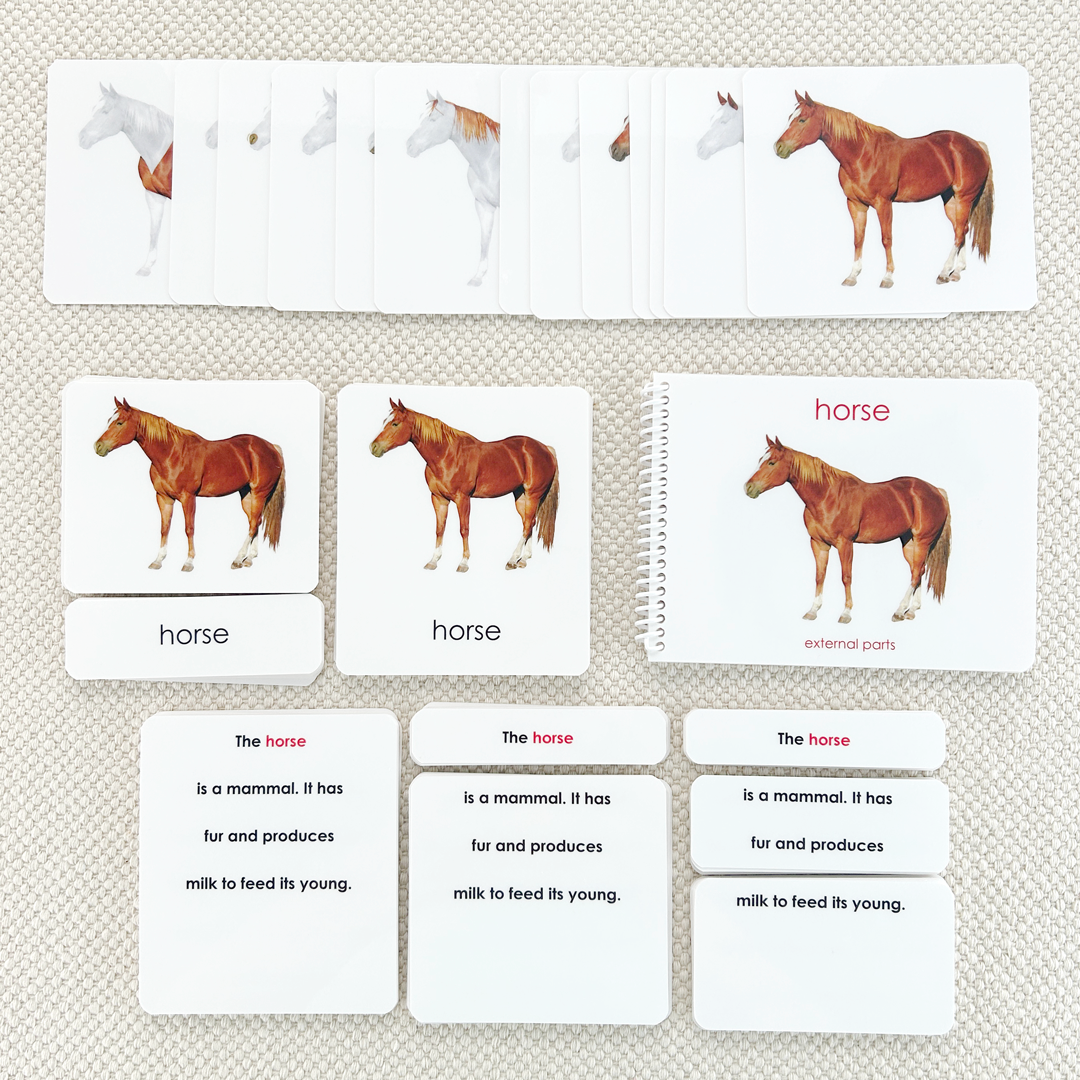
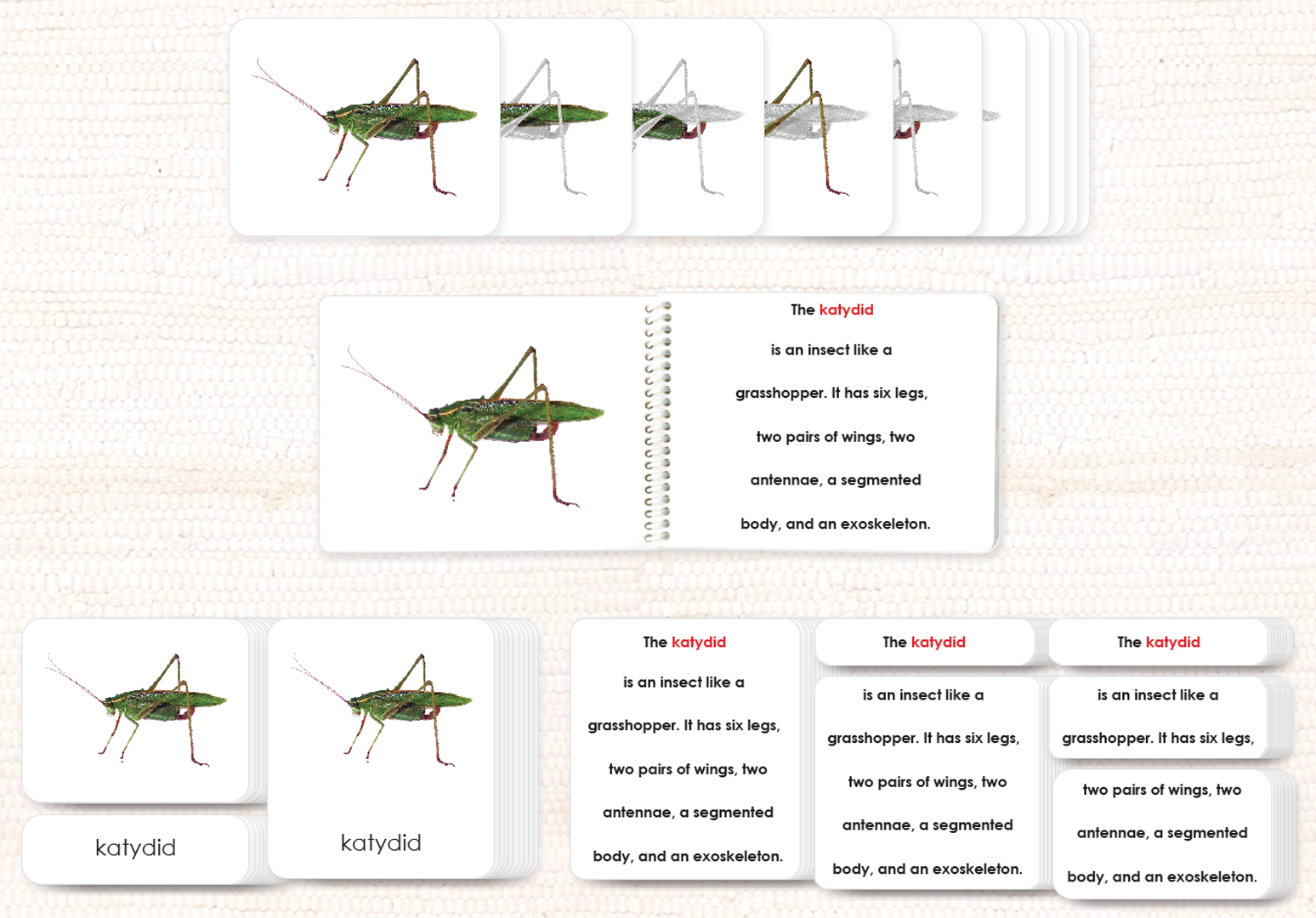
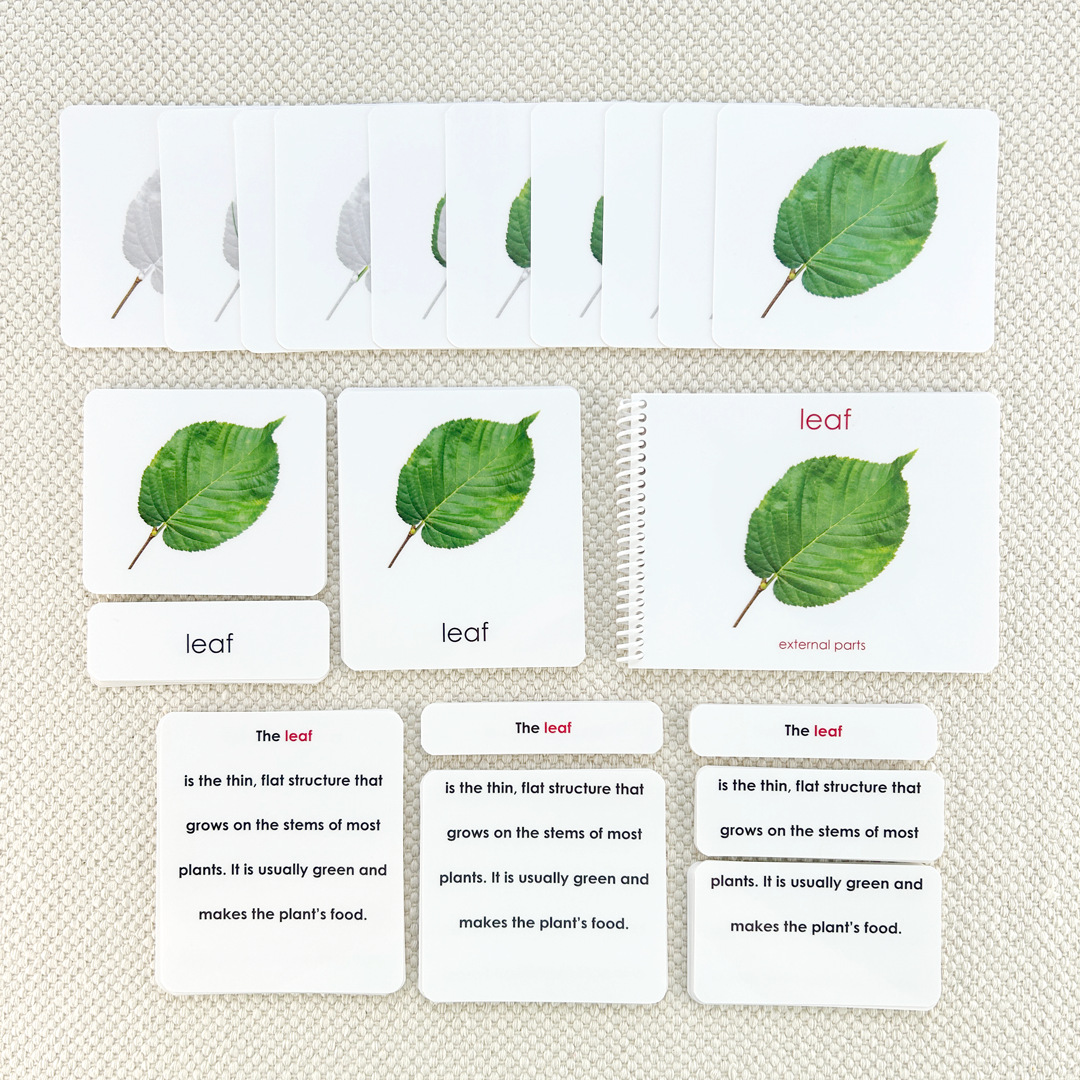
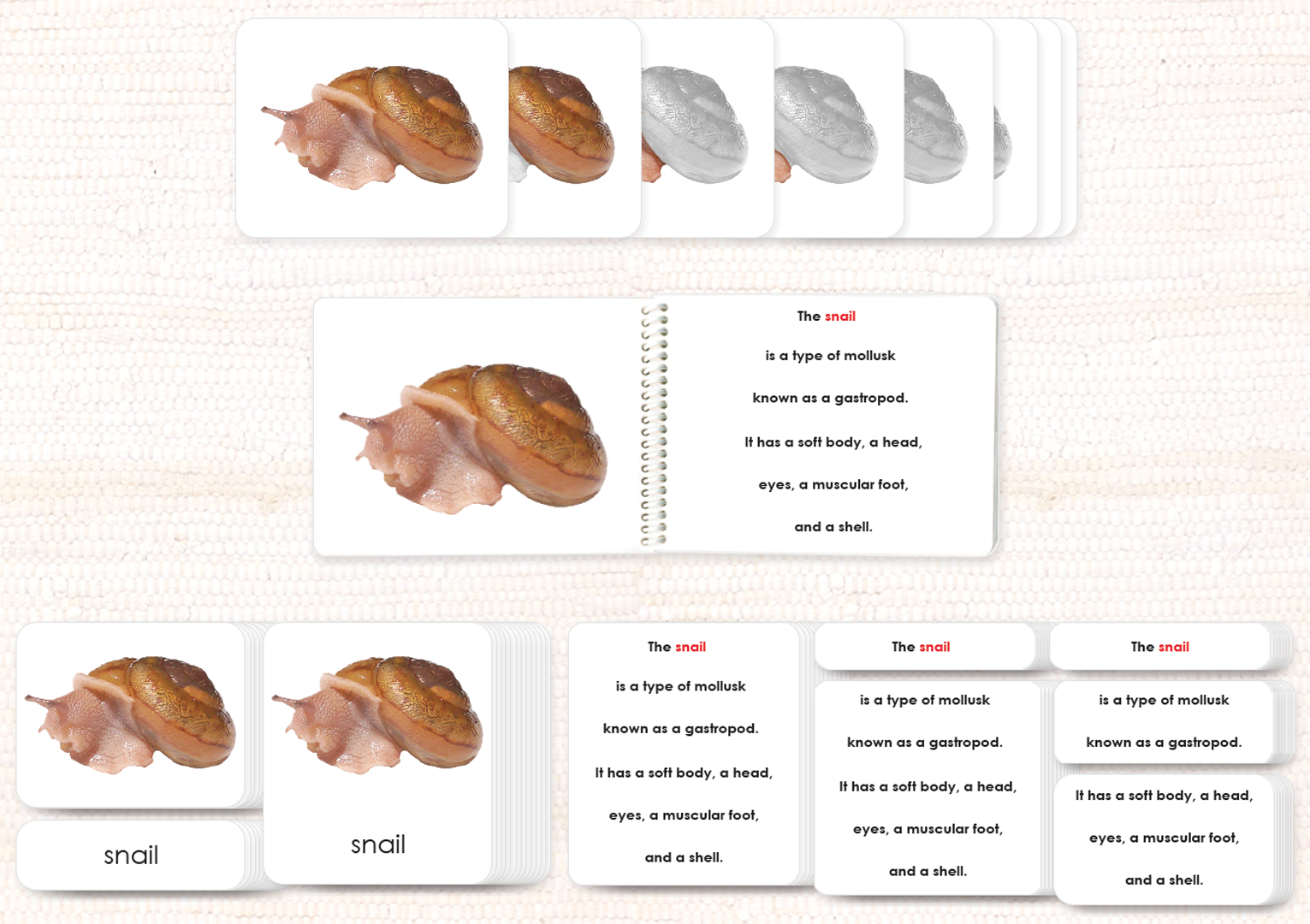
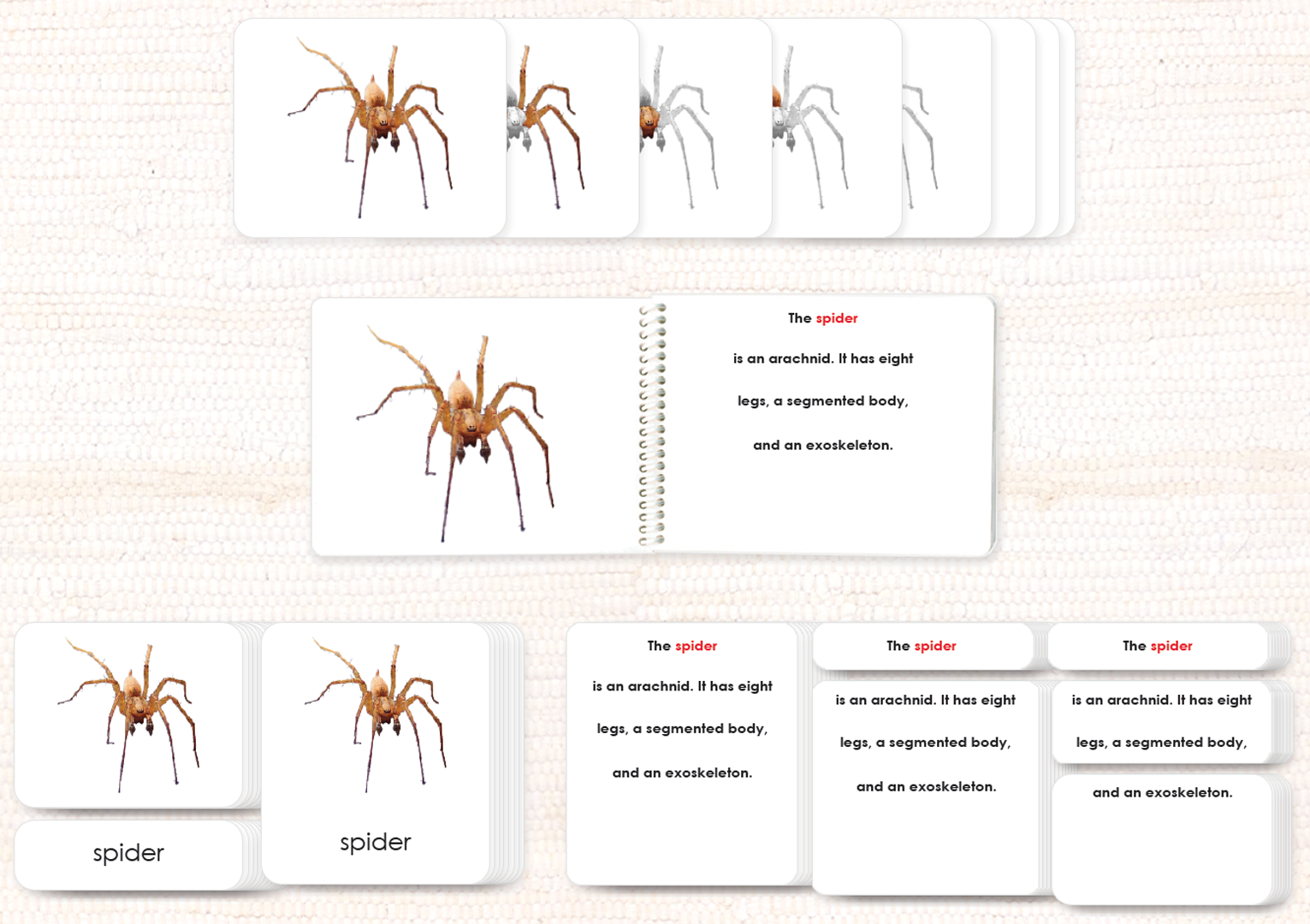
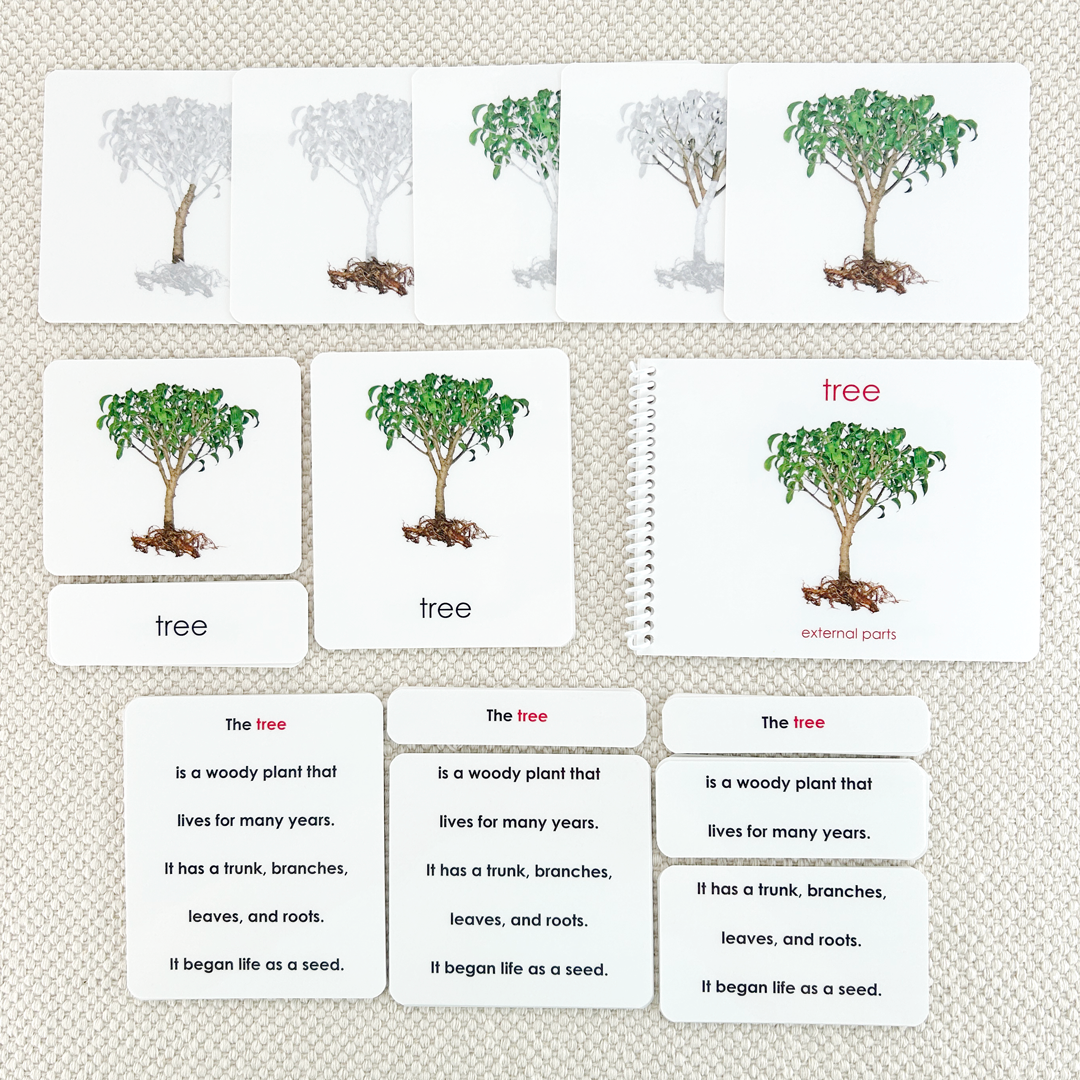
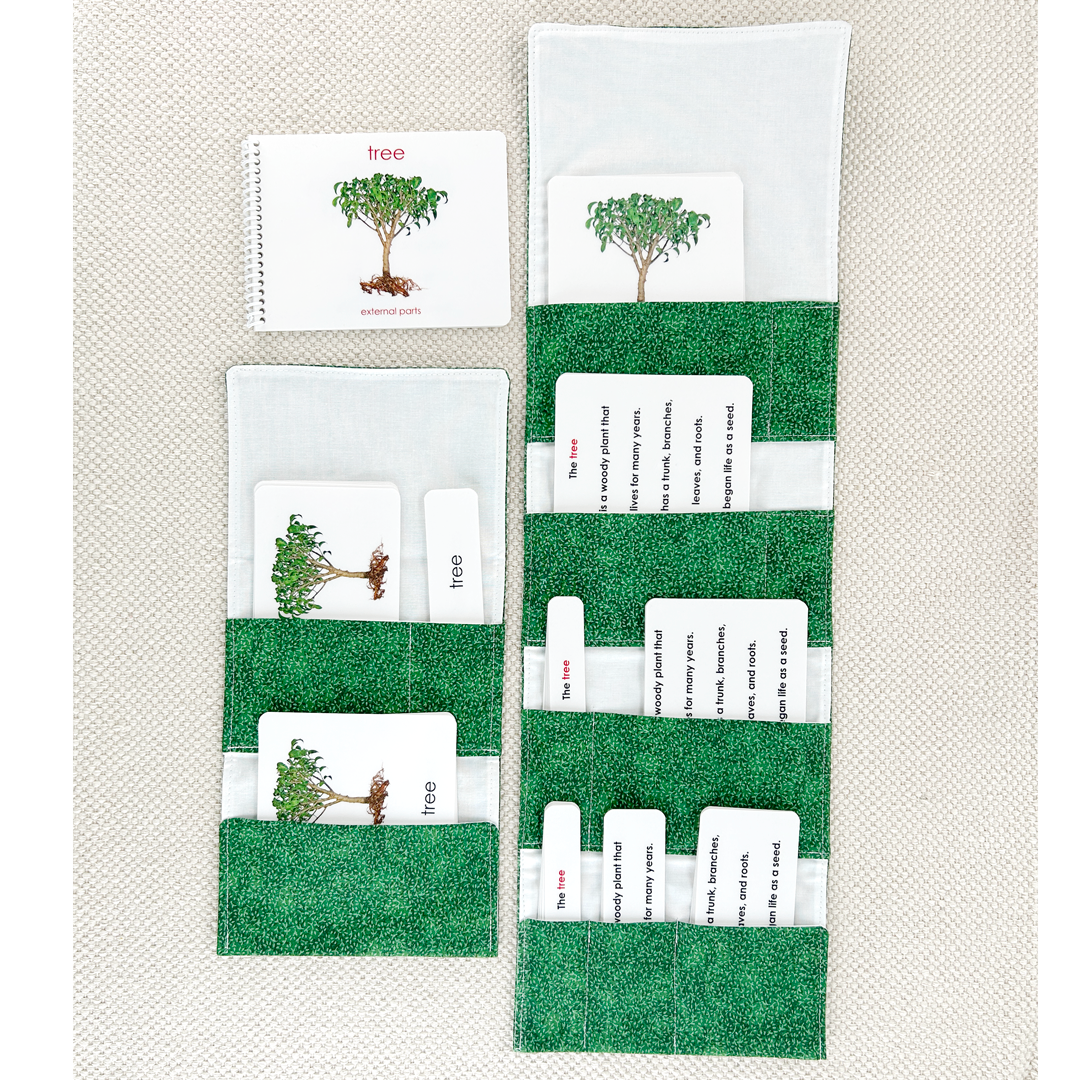
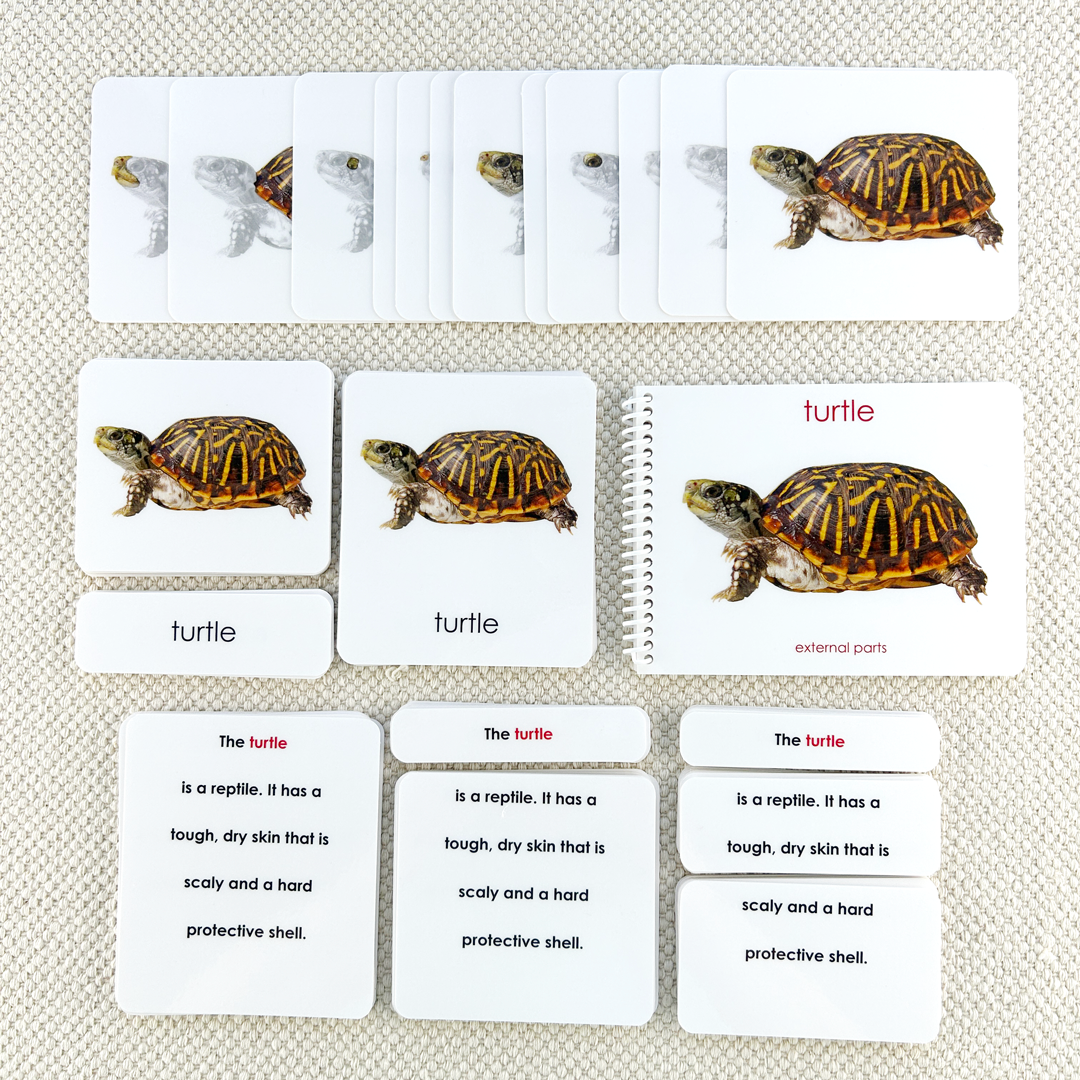
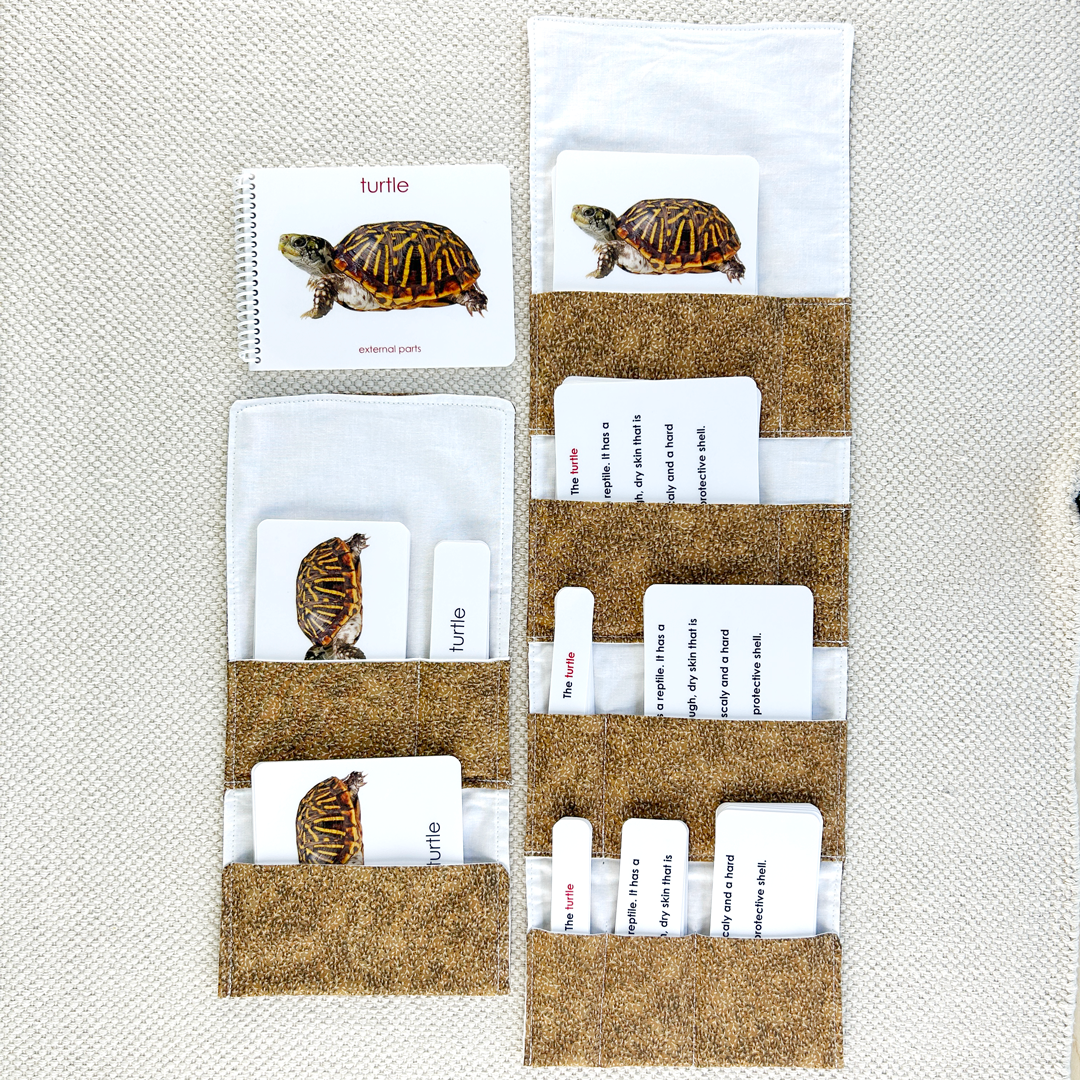
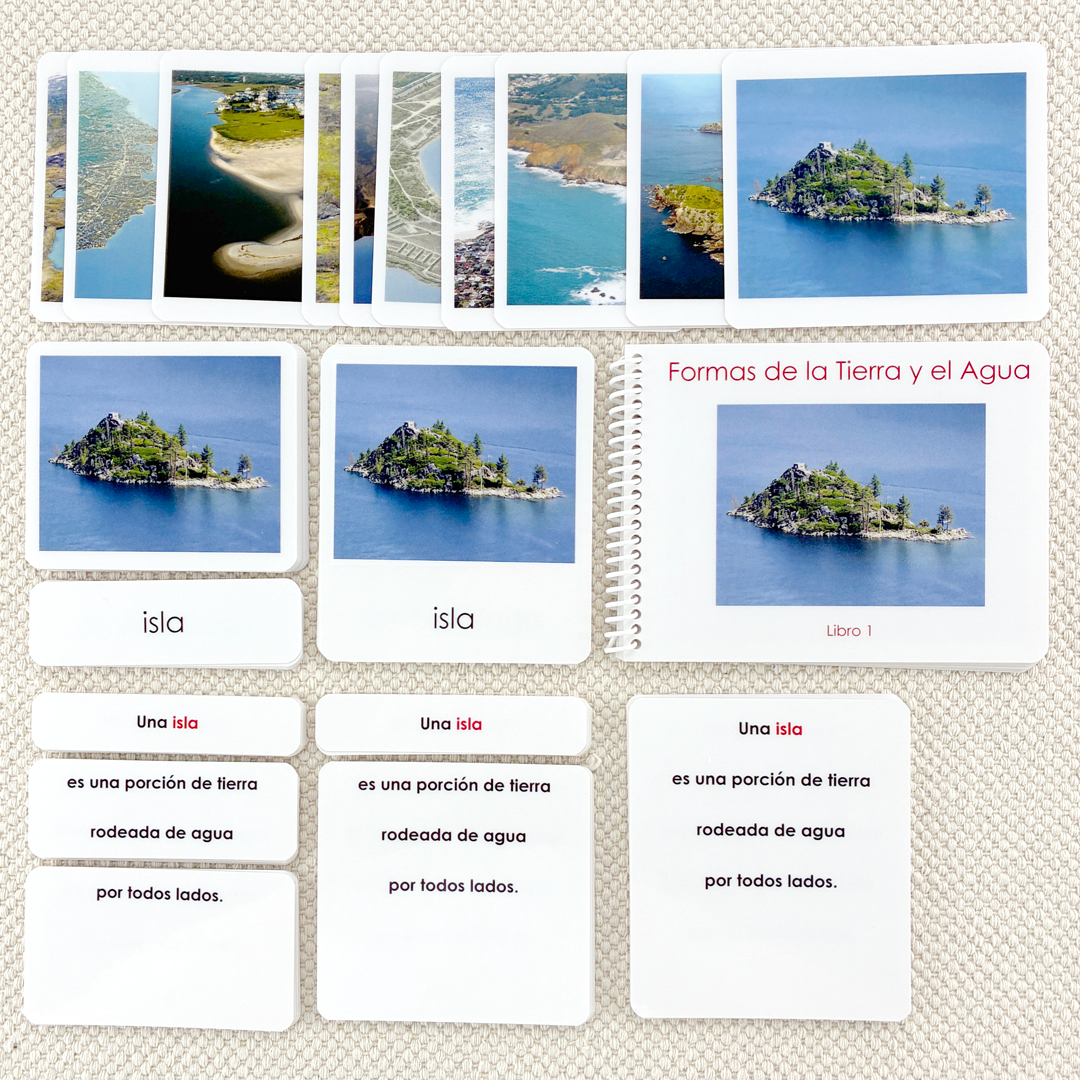
- Definition Books: one real photo and its definition on every spread, with the term in red
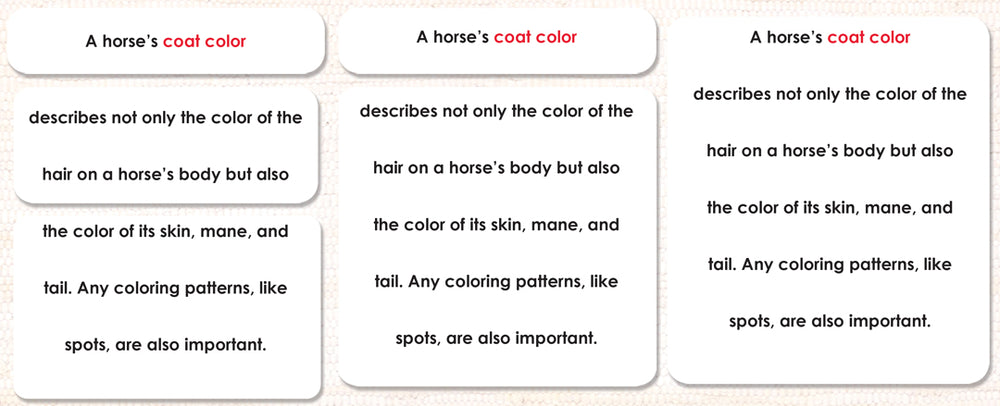
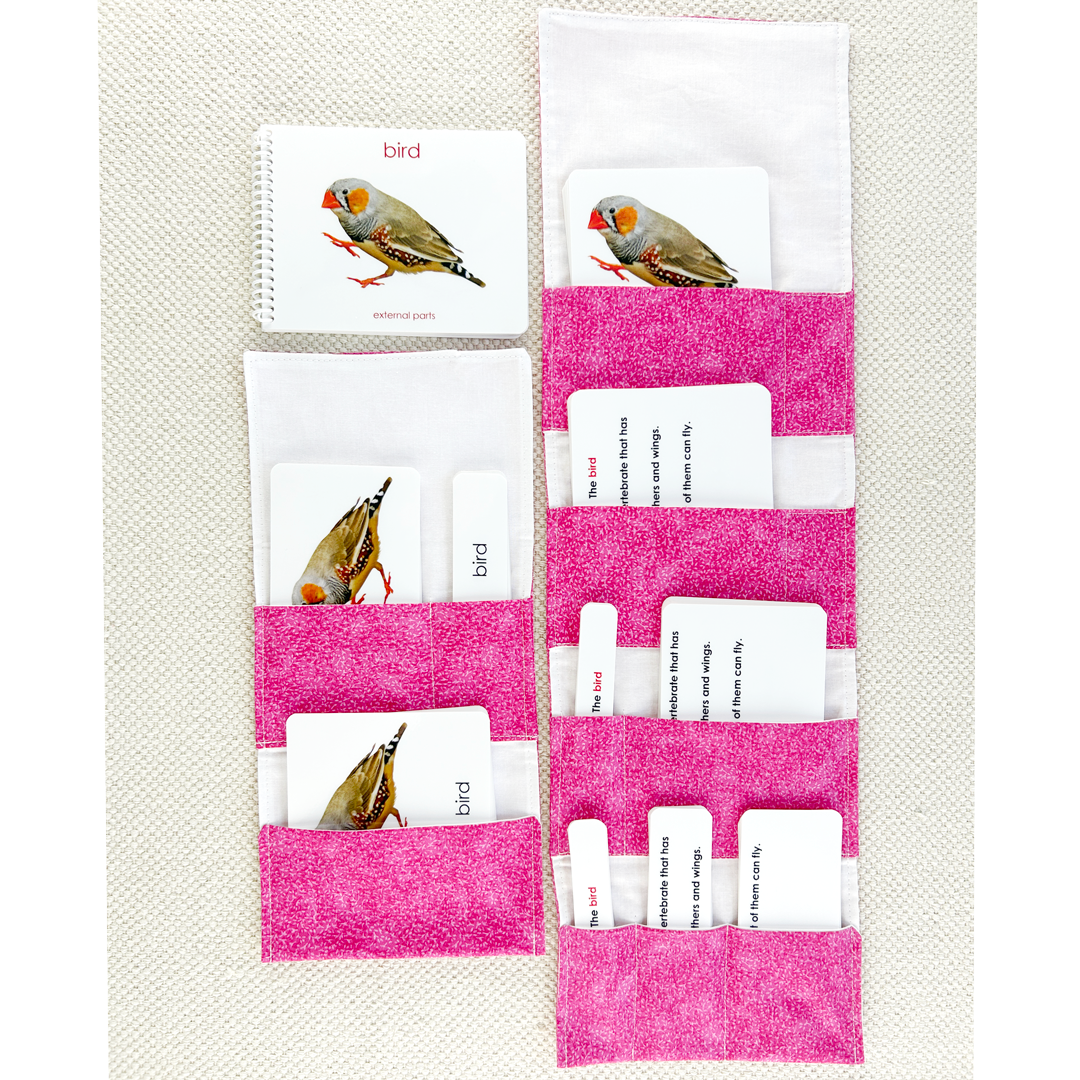
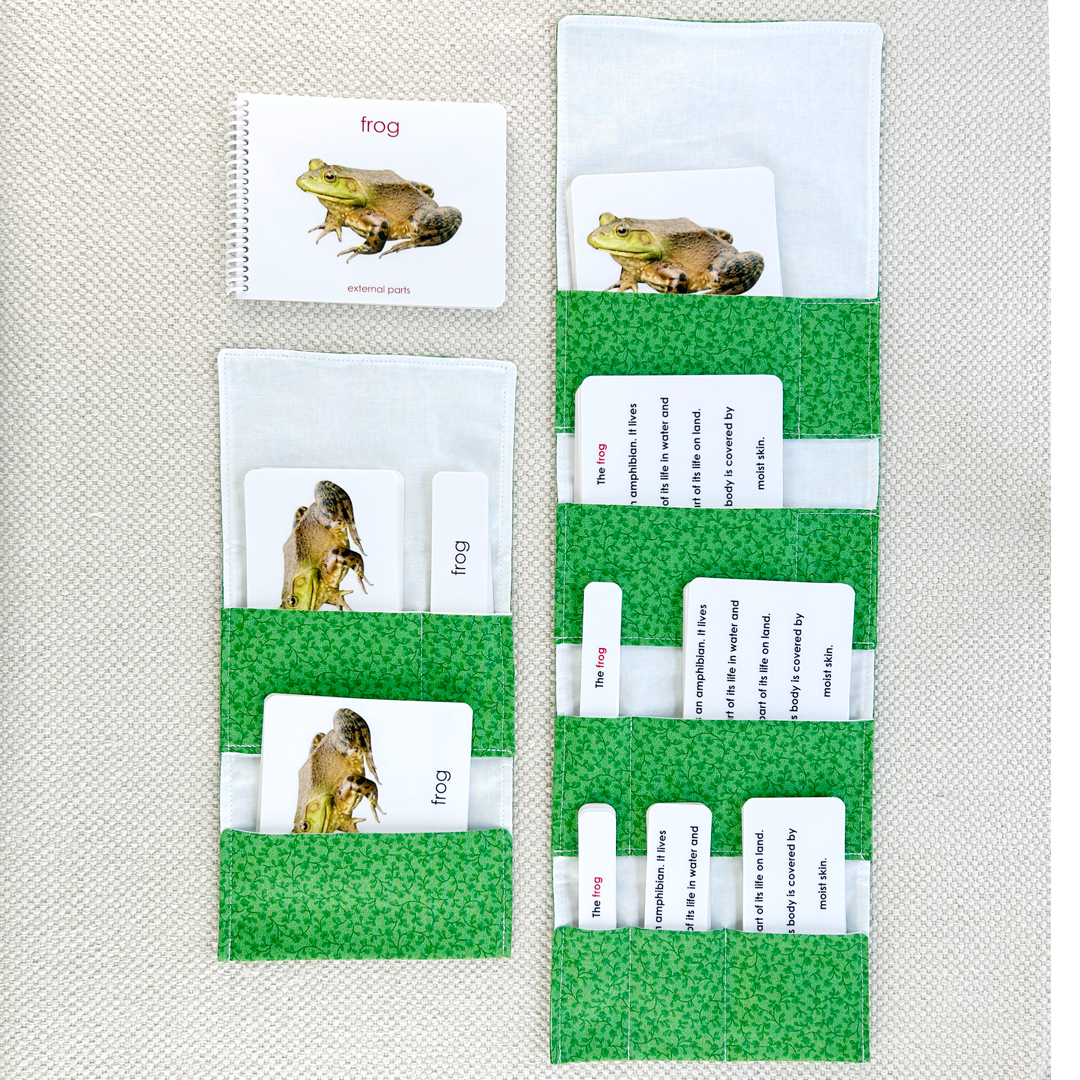
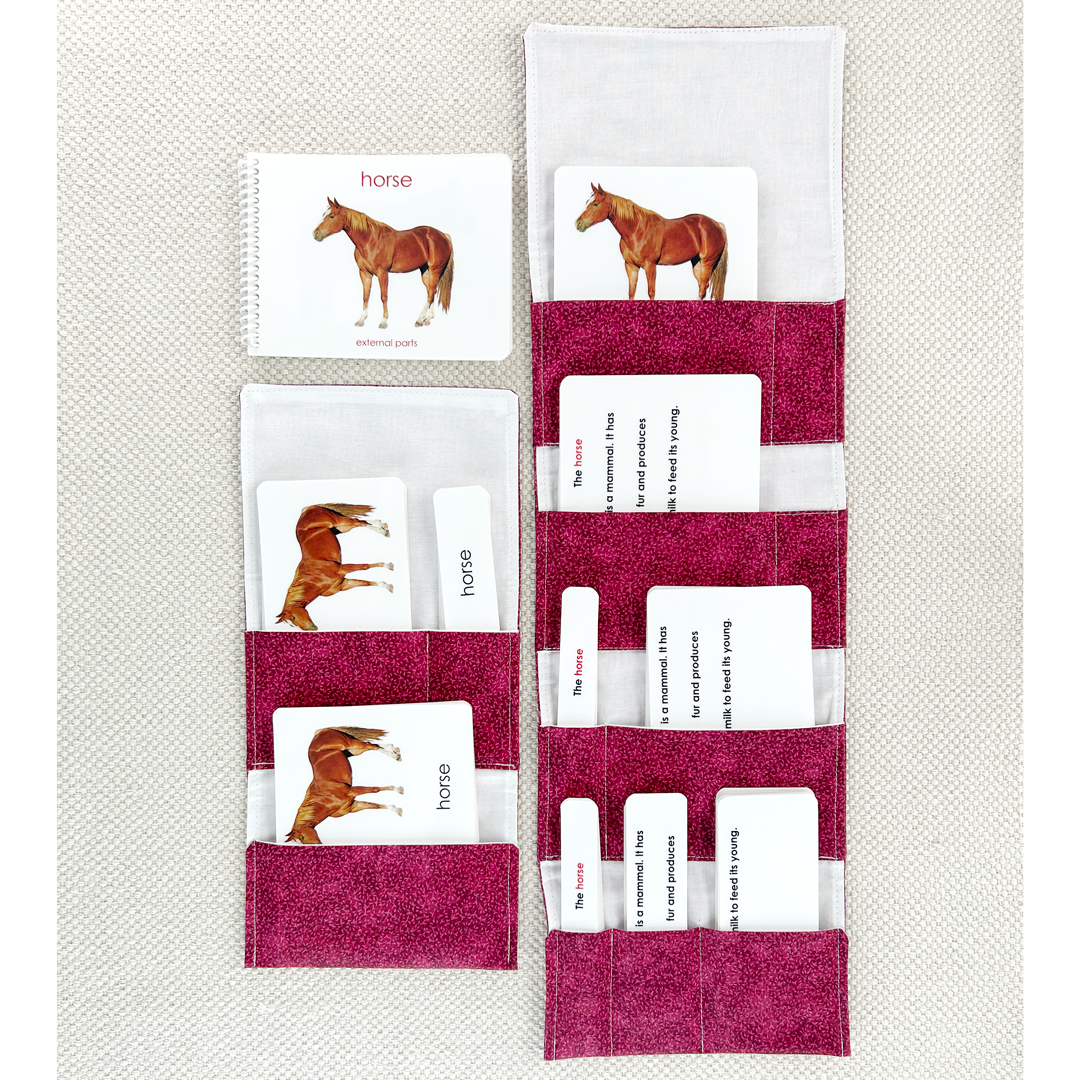
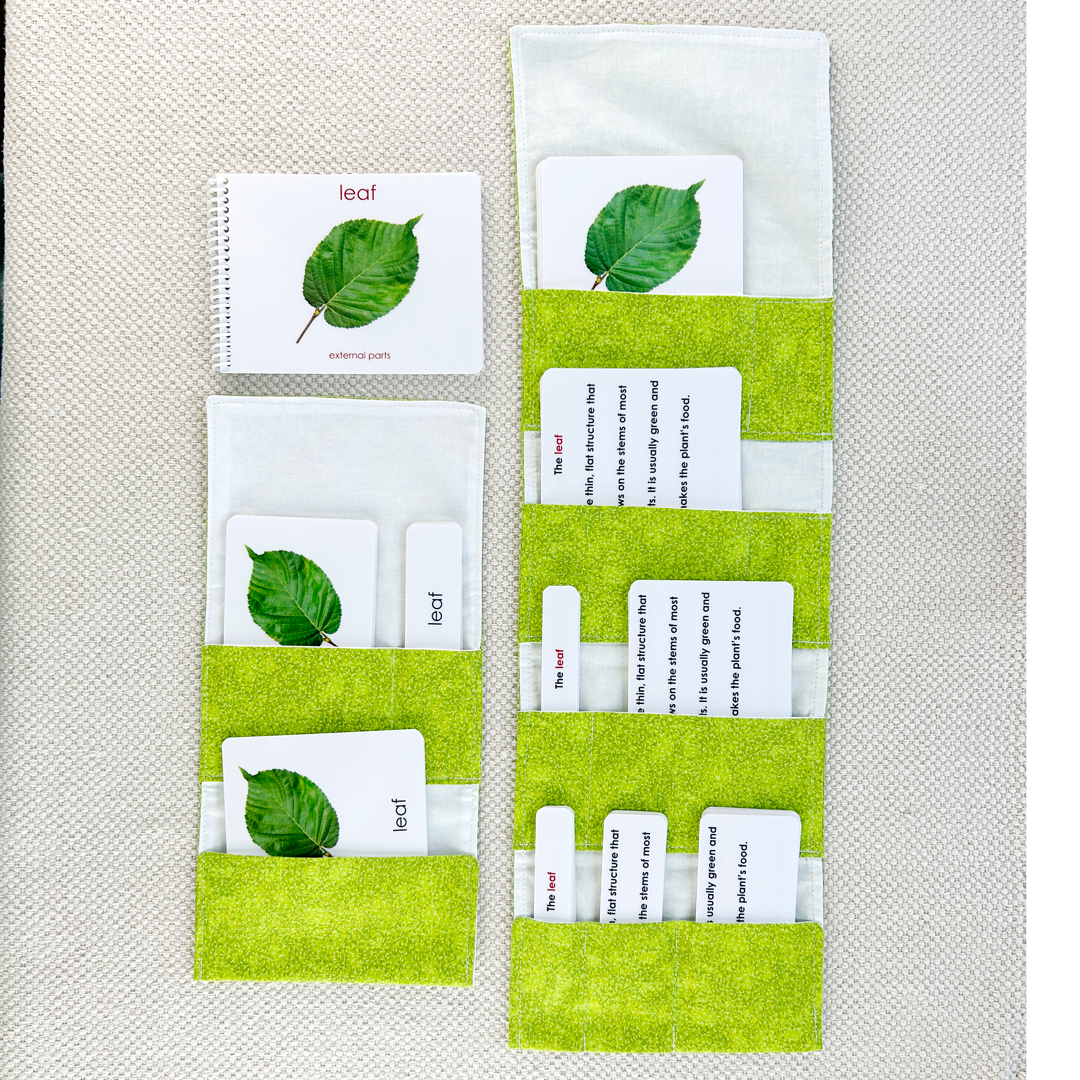
- Definition Cards: students rebuild each definition from separate pieces, in stages of increasing challenge
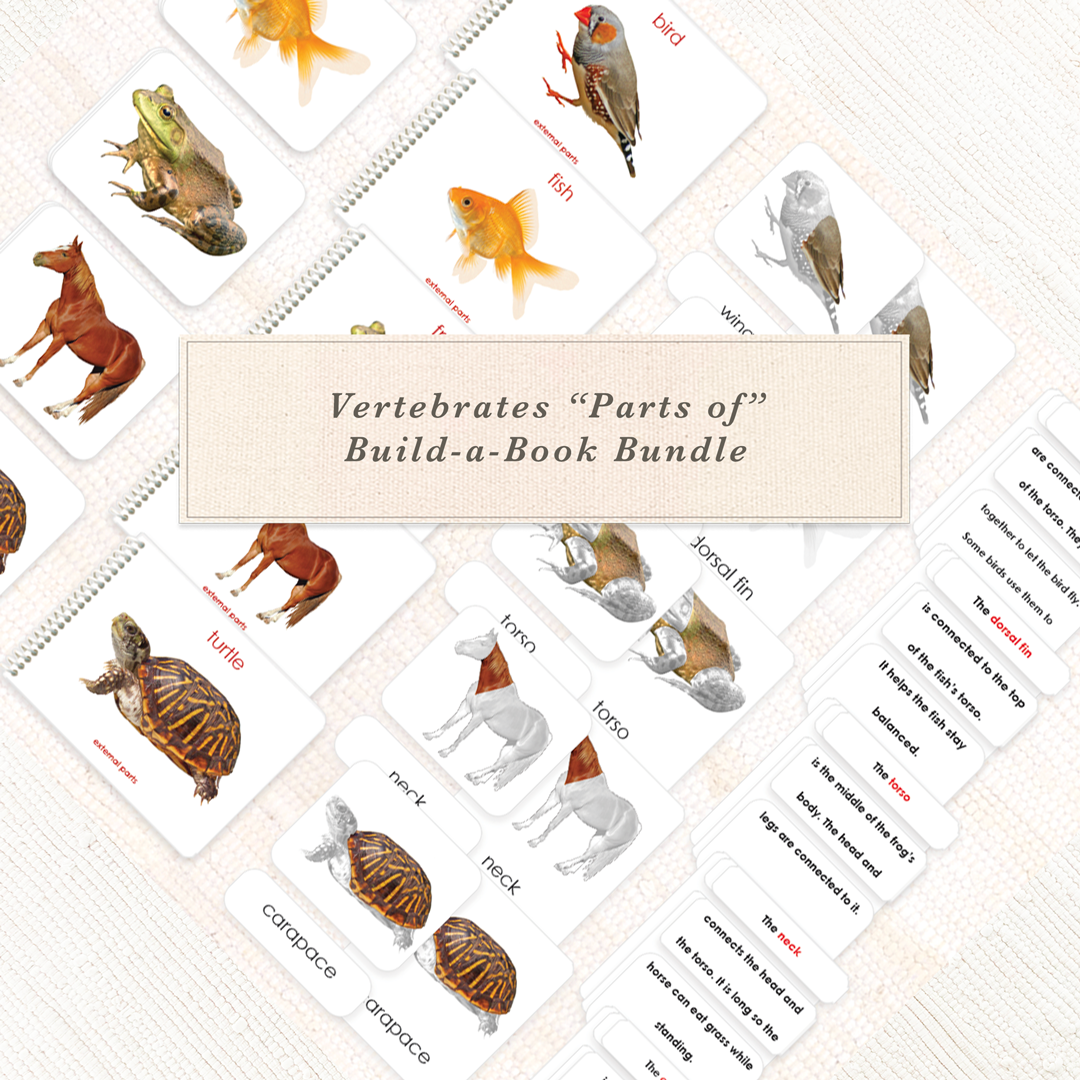
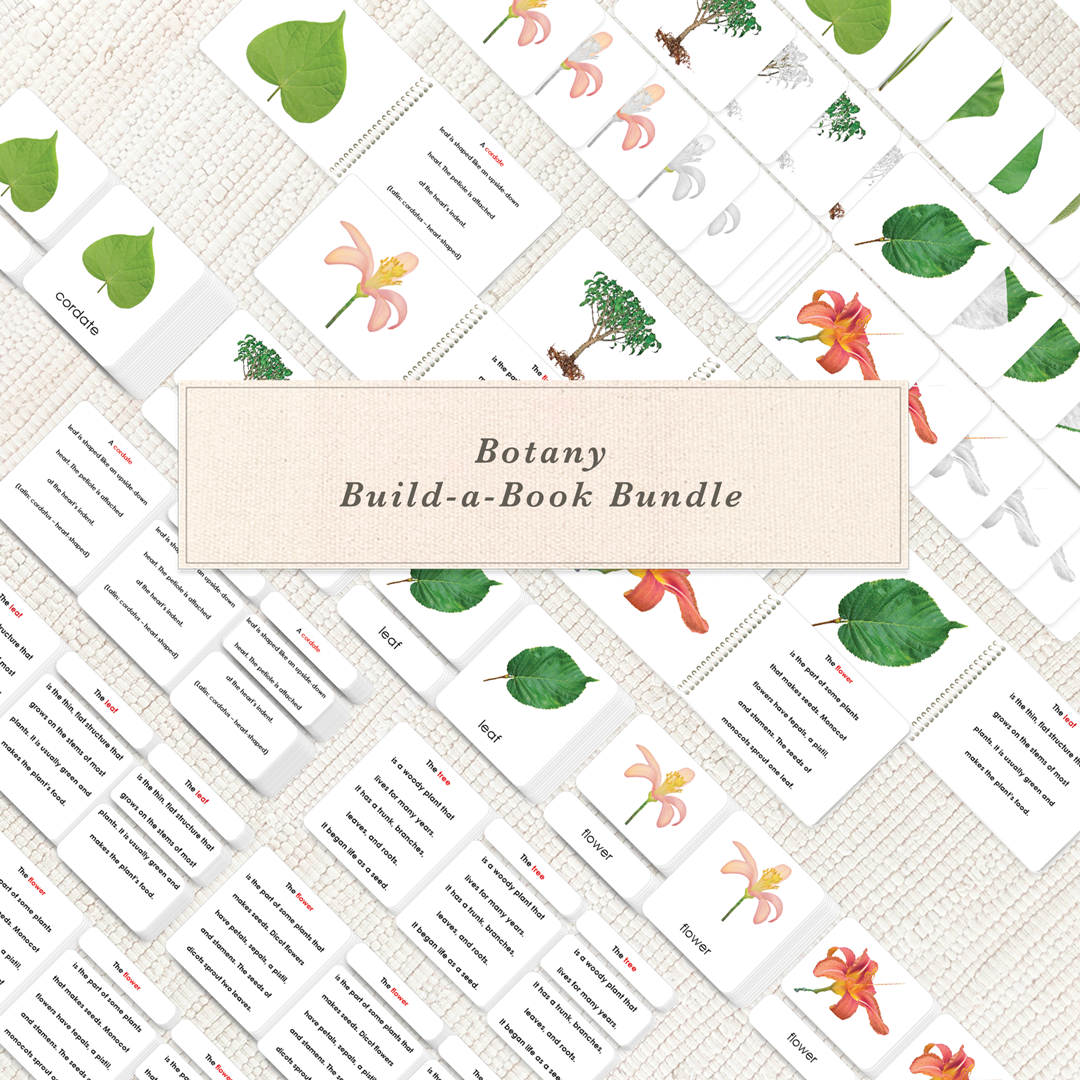
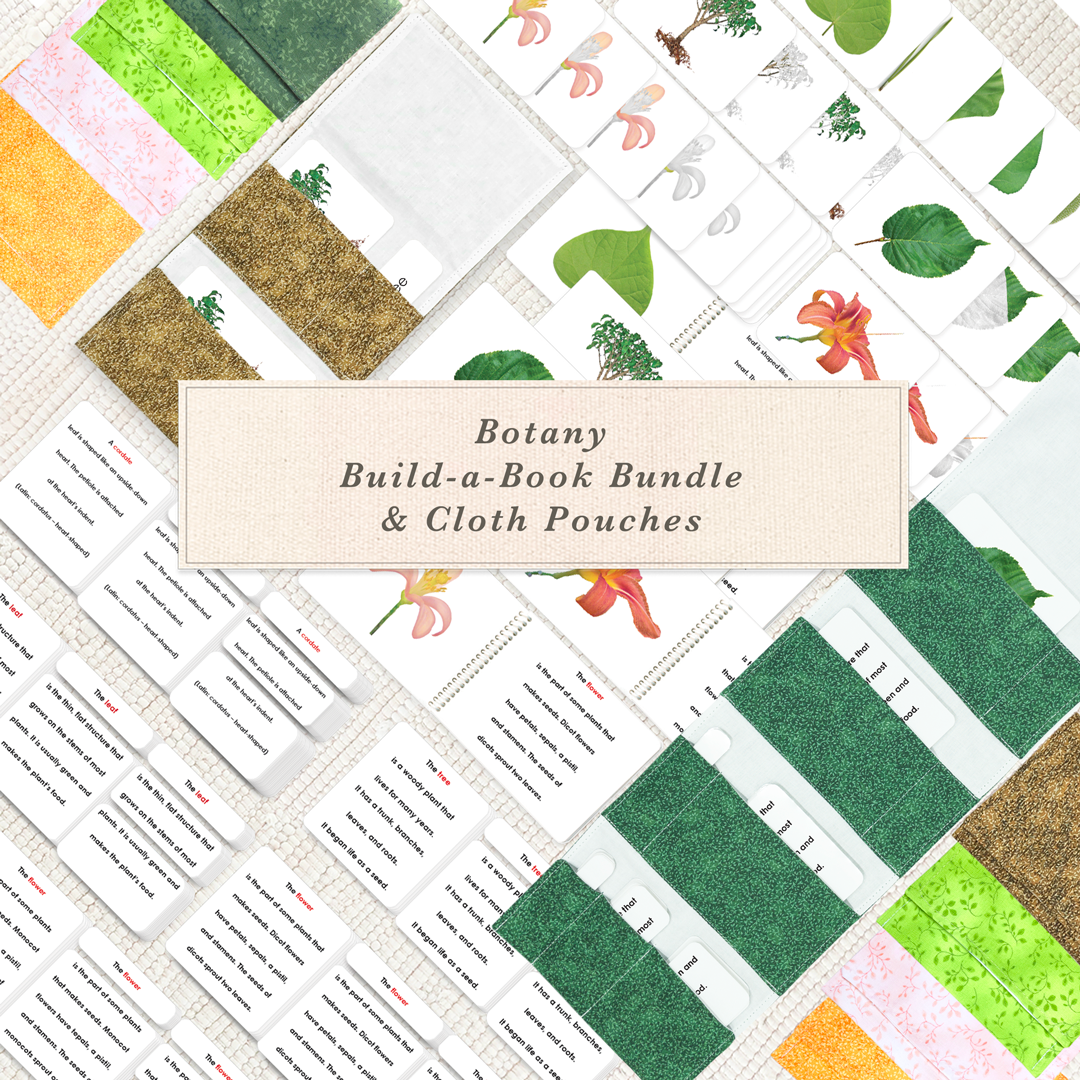
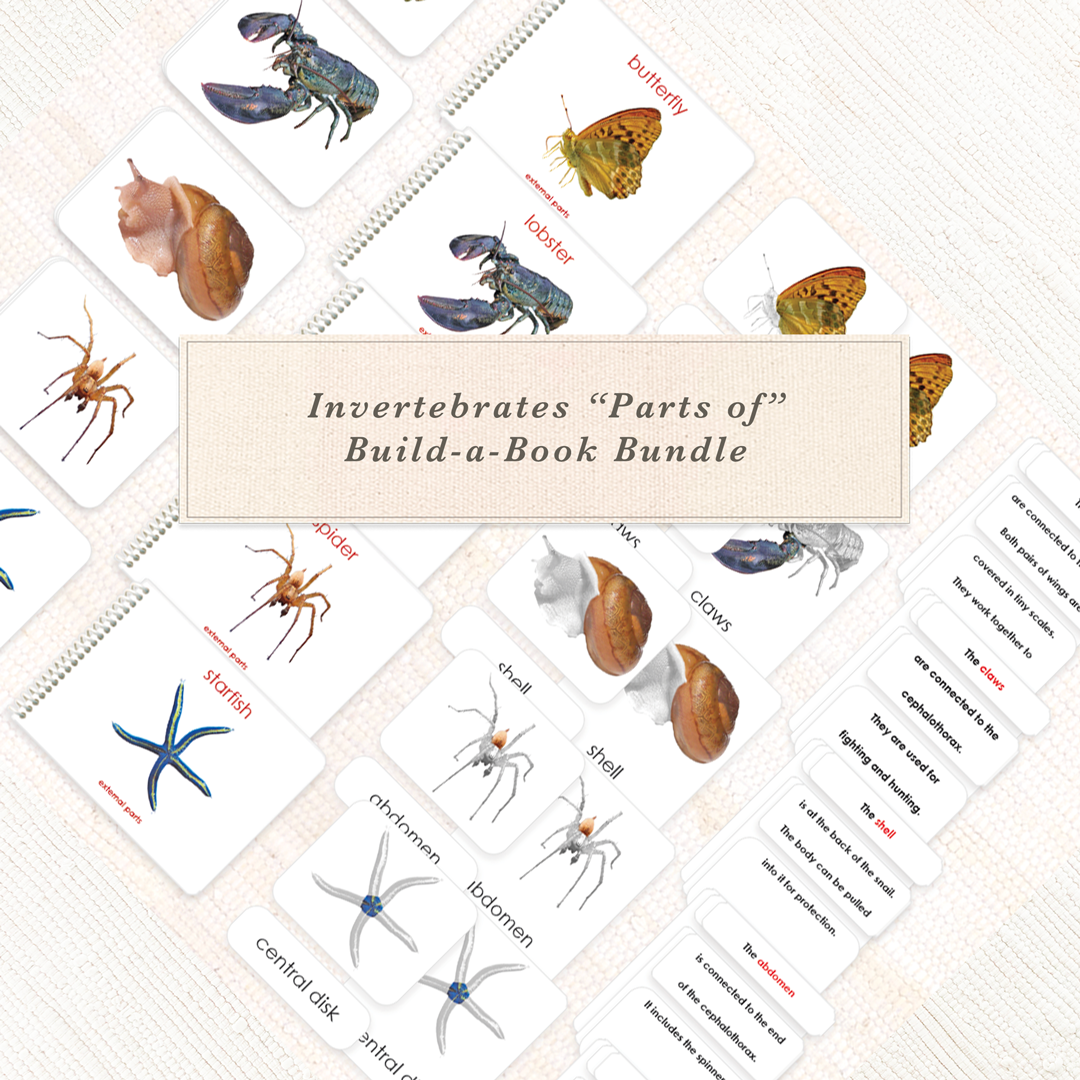
- Build-a-Book Sets: vocabulary cards, 3-part cards, a definition book, and definition cards together for a complete learning experience
For a full shelf, see our Grammar Kit, Word Study Kit, Reading Comprehension Kit, and Complete Book Bundle.
Why these materials matter for reading comprehension
In Scarborough's (2001) reading rope, language comprehension is made of several strands that weave together: vocabulary, background knowledge, language structures, and verbal reasoning. Each material in this collection strengthens one or more of them. Word study grows vocabulary. Definition books build background knowledge. Grammar and definition cards build an understanding of how sentences are put together. The 4-part cards and definition cards ask students to reason, using clues to decide what fits.
Interest matters too. When students choose topics they care about, they come back to the work again and again, and each time is more practice understanding language.
Reference
Scarborough, H. S. (2001). Connecting early language and literacy to later reading (dis)abilities: Evidence, theory, and practice. In S. B. Neuman & D. K. Dickinson (Eds.), Handbook of early literacy research (pp. 97–110). Guilford Press.
Learn how Montessori and the Science of Reading align.
Where should I start?
Begin with grammar and word study, which introduce students to how words work. Next, introduce the 4-part fine art cards, where students use context clues to match artworks with their titles and artists. Finally, pull it all together with definition cards and build-a-book sets. Definition books can be read aloud at any point, and students can read them on their own as their fluency grows.
When is a student ready for these materials?
Most of this collection is for students who are already reading with some ease, typically Kindergarten and up. Definition books can be read aloud to younger students long before they read on their own. As always, follow the student, not their birth date. Older students, English learners, and students in intervention benefit too.
Why does early vocabulary and sorting work matter for comprehension?
Students can only understand what they read if they know what the words mean and how ideas relate to each other. Vocabulary work gives them the words. Sorting teaches them to group things by what they have in common, which helps them find the gist of what they read. Both lay the groundwork long before students read on their own.
Download a PDF of our materials

Follow Us