
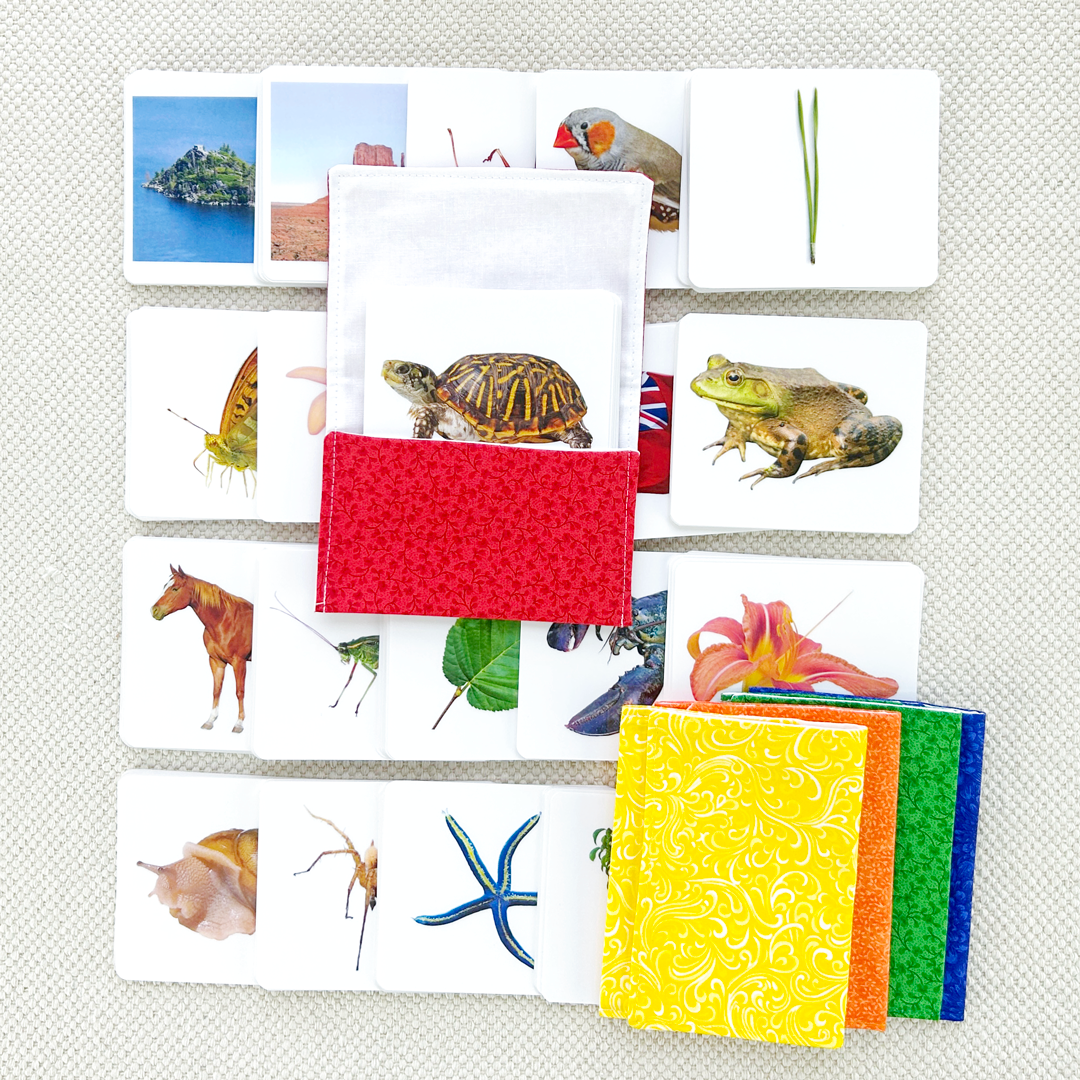
Advanced Vocabulary Card Set/20
 Rooted in Neurodevelopment
-

See the Guided Lesson Plan
 High quality materials
 Eco-Happy
 Fun & Engaging Activities
Ages/Stages
Common Core
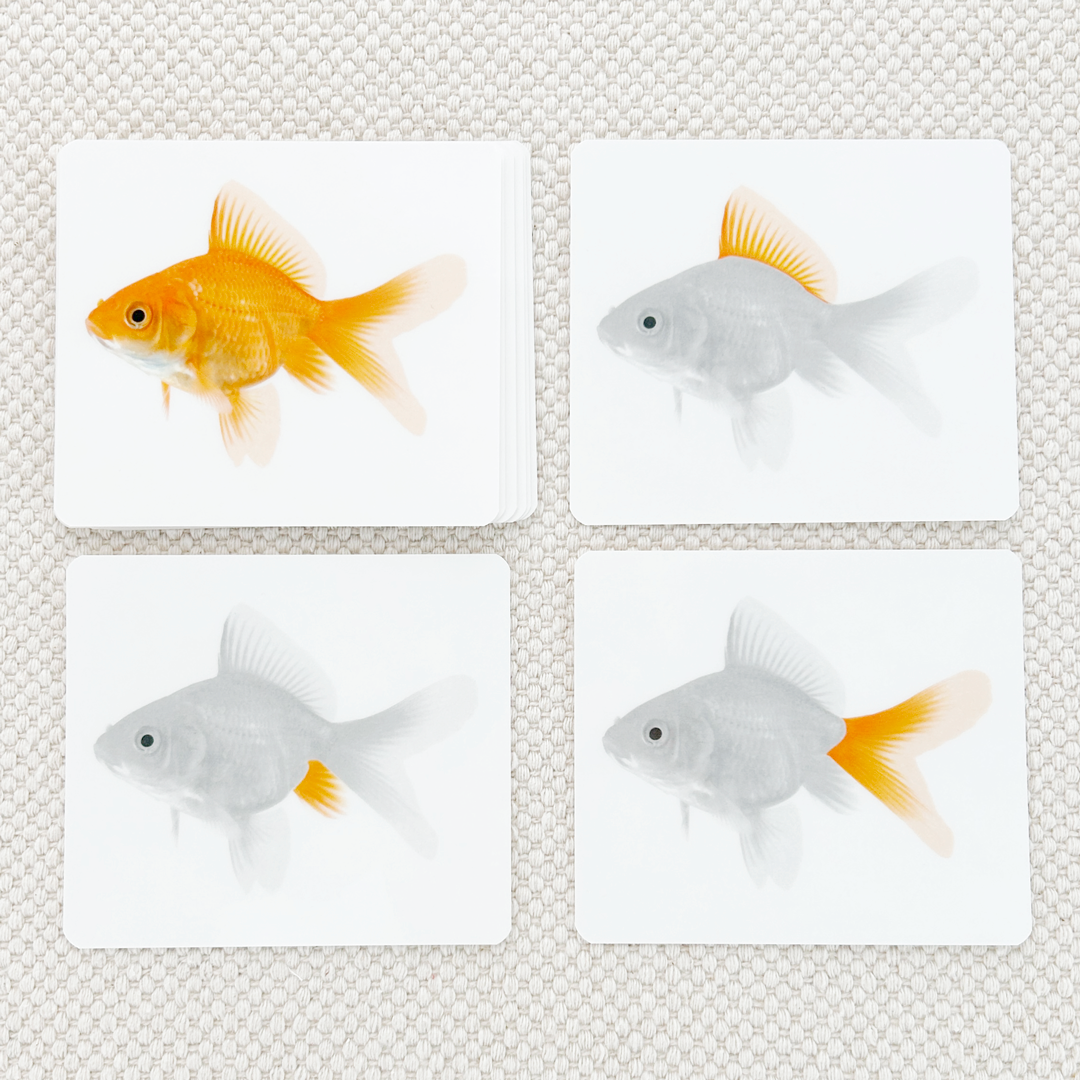
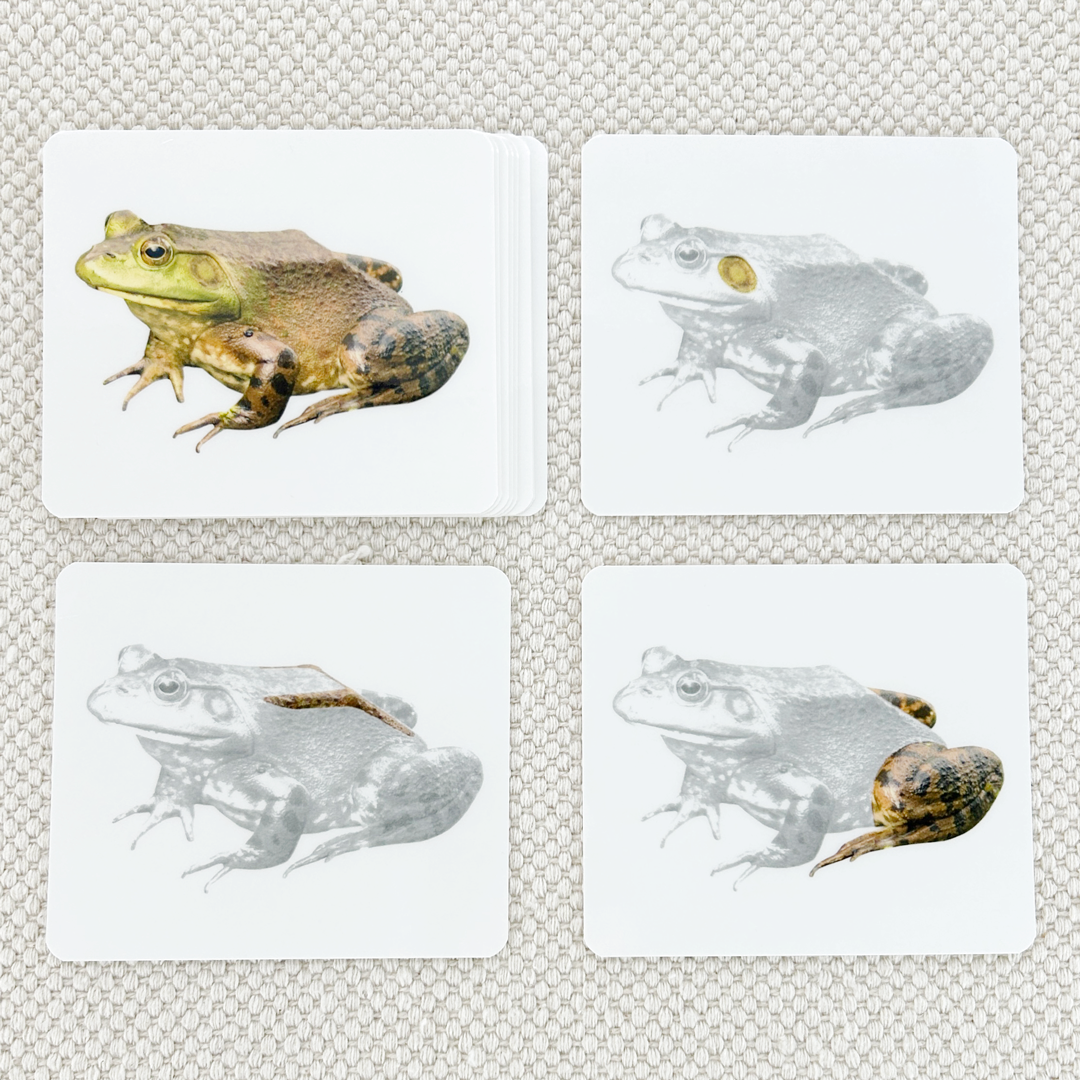
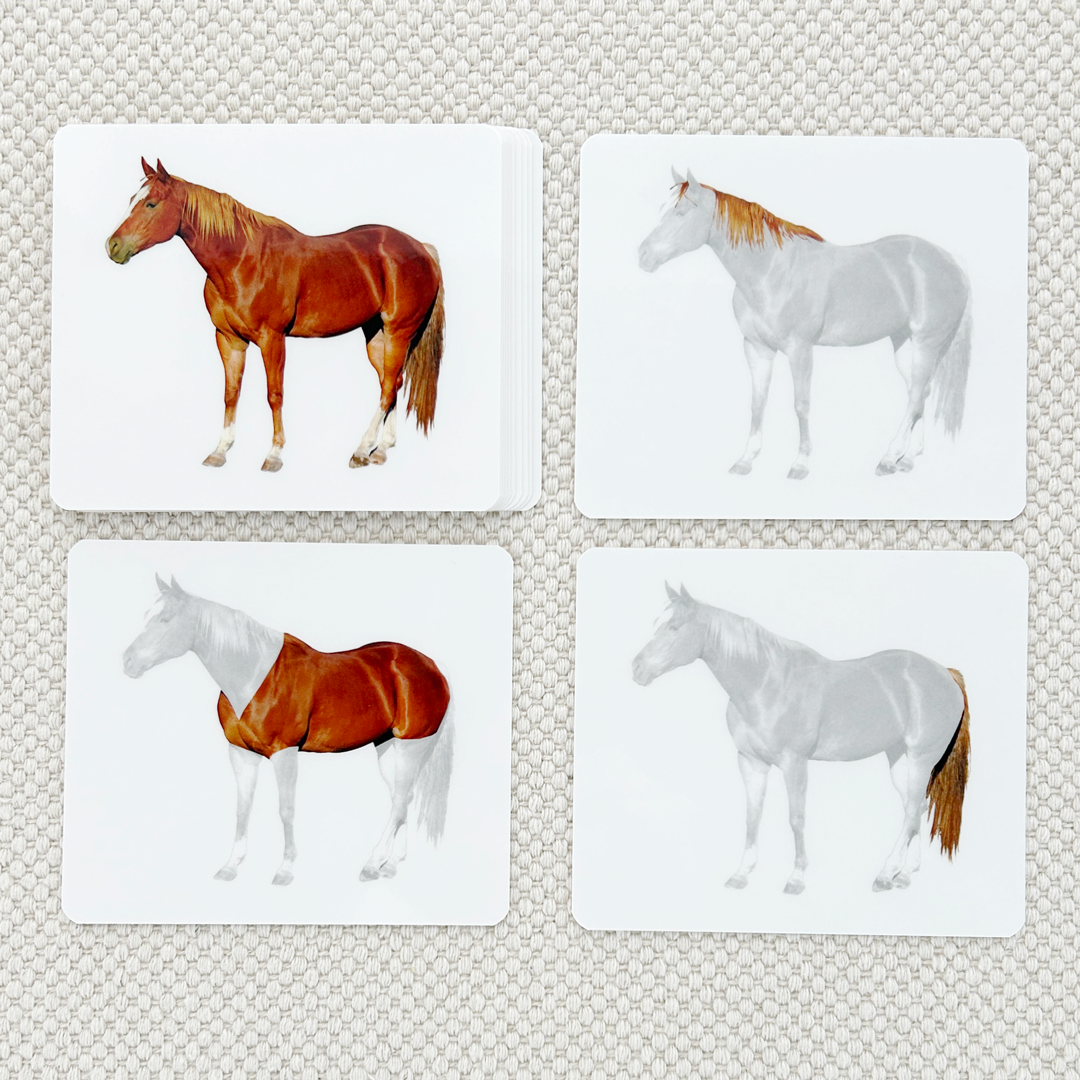
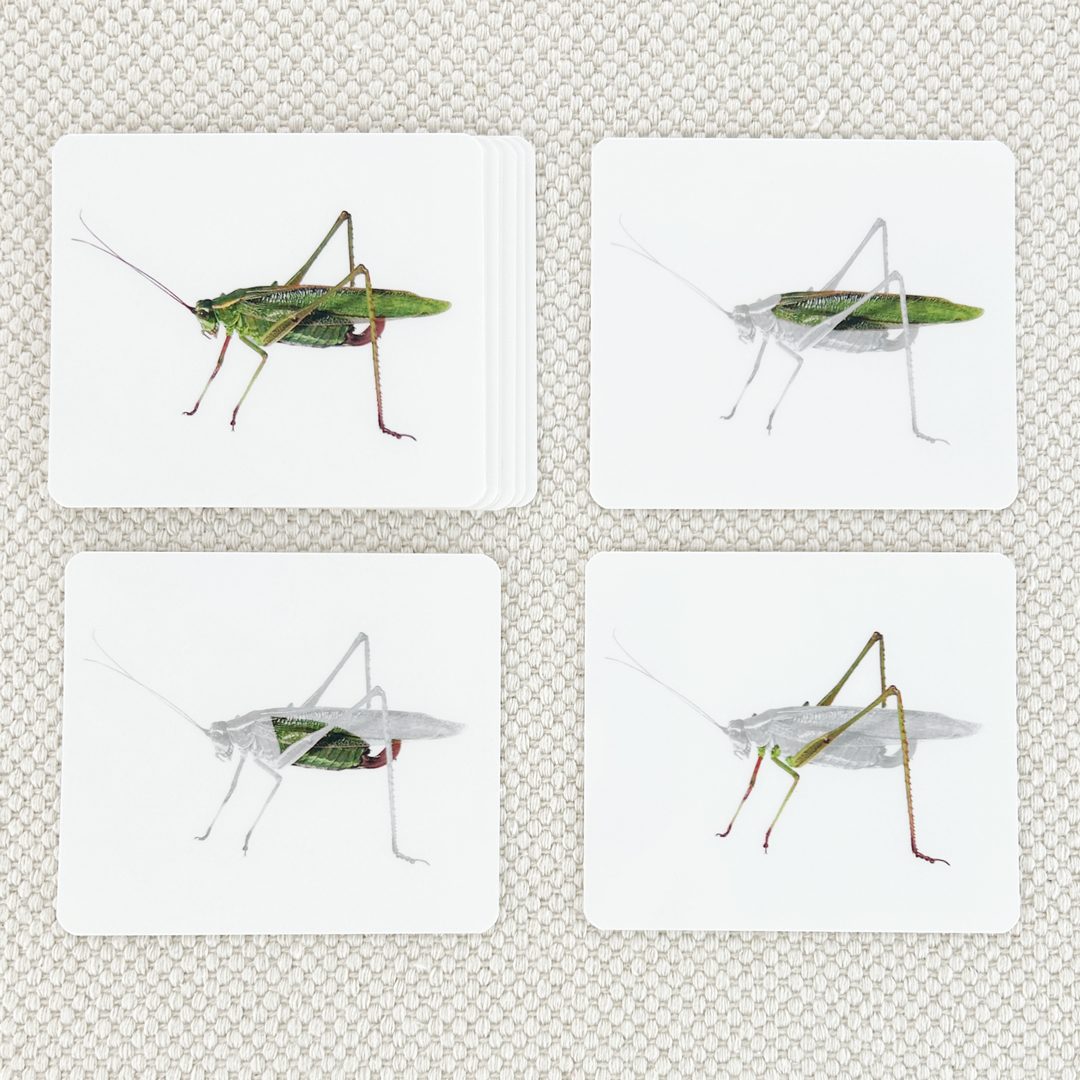
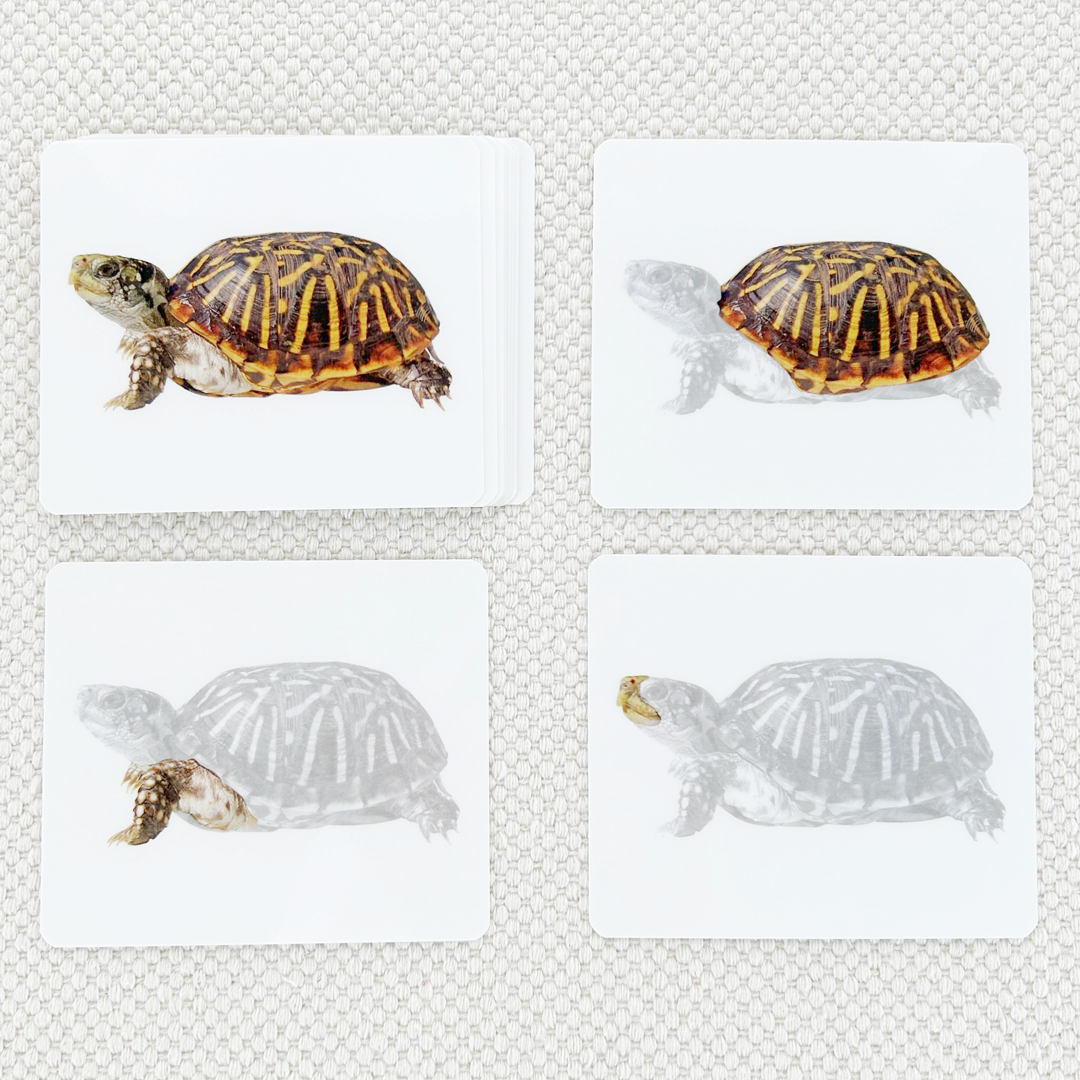
Our Advanced Vocabulary Card Set includes all 20 of our advanced vocabulary card packets: text-free picture cards that name the parts of animals, plants, and flags, along with land and water forms and leaf shapes. Students learn each precise term through the three-period lesson, building spoken vocabulary before they read. The set is designed for Montessori primary classrooms, homeschools, English learners, and intervention settings.
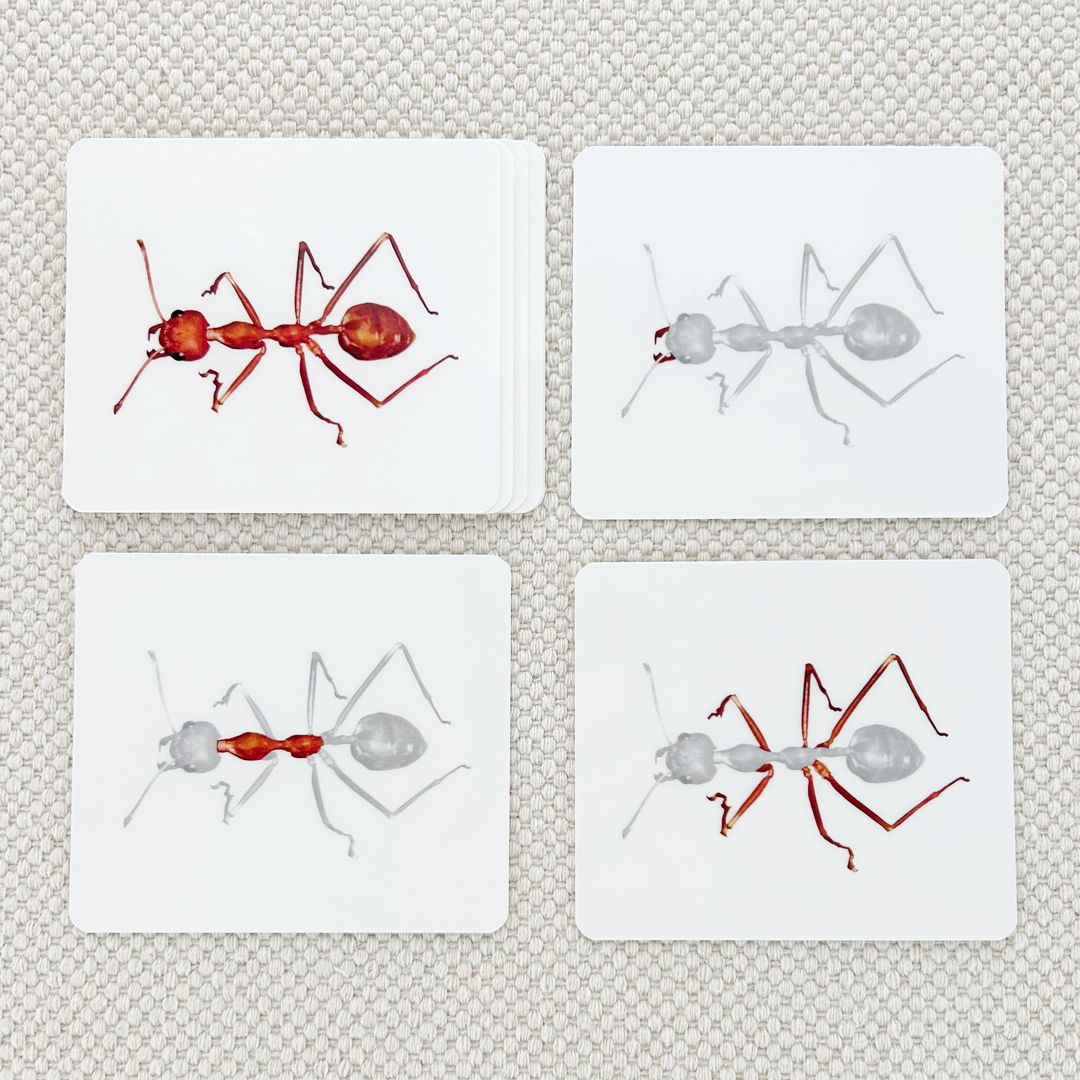
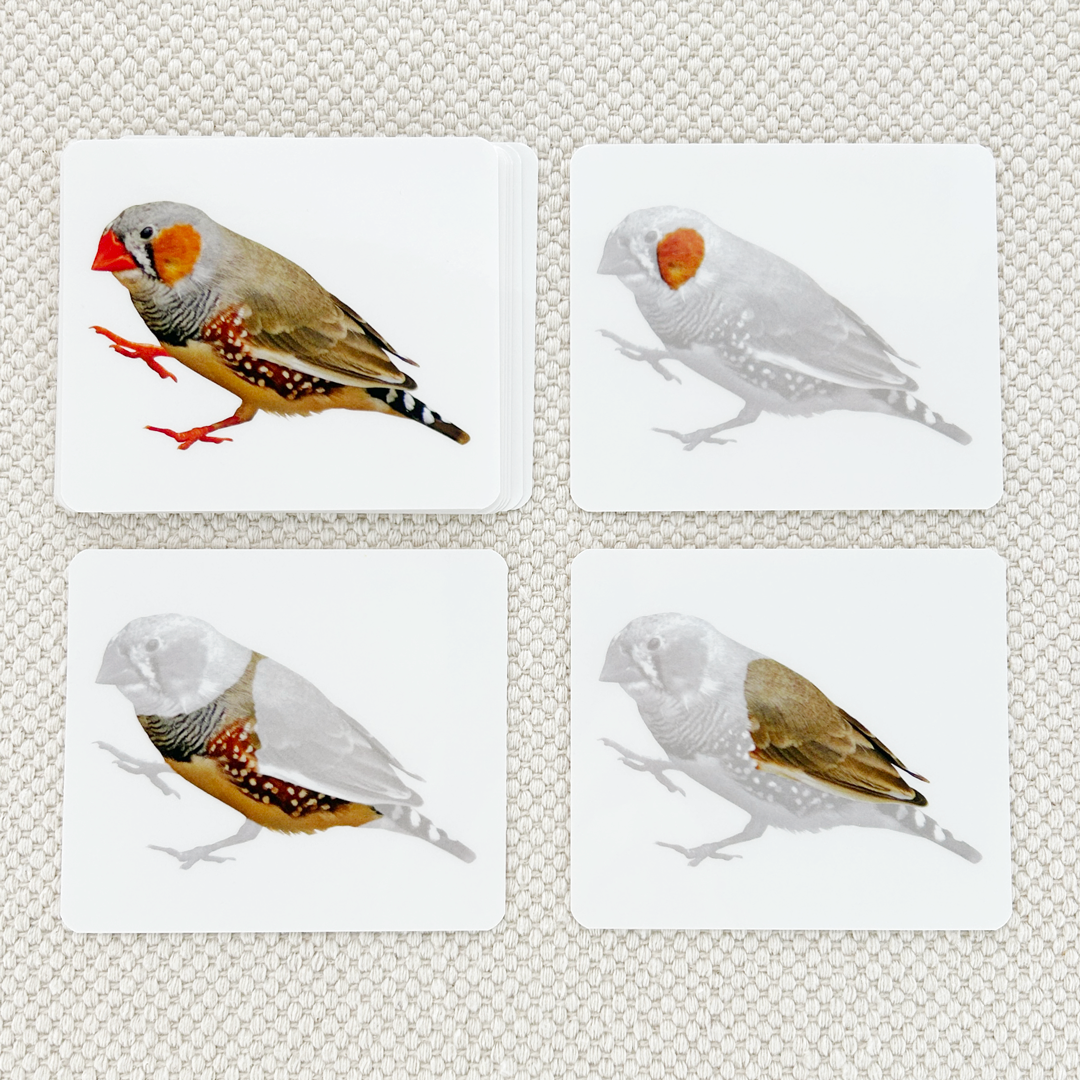
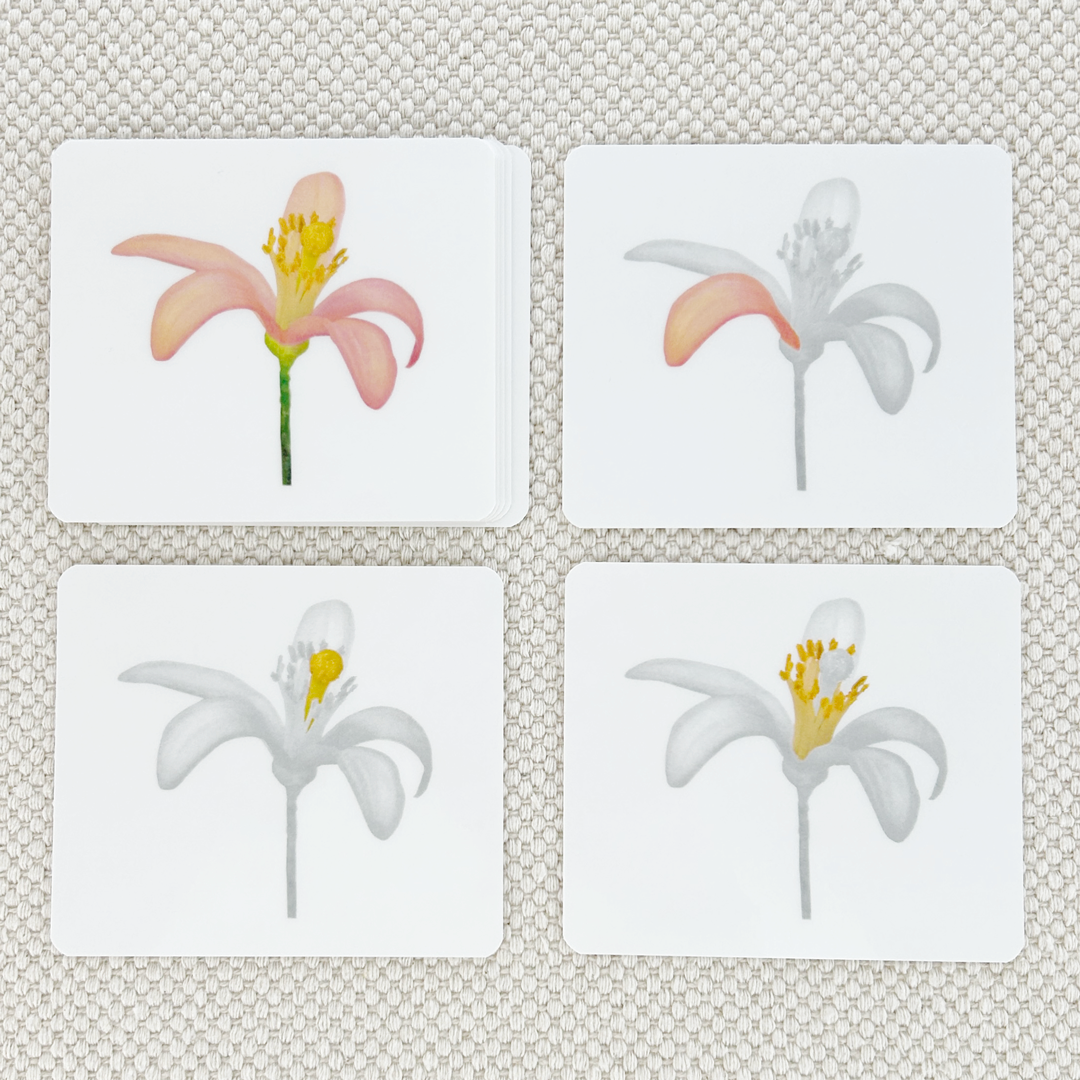
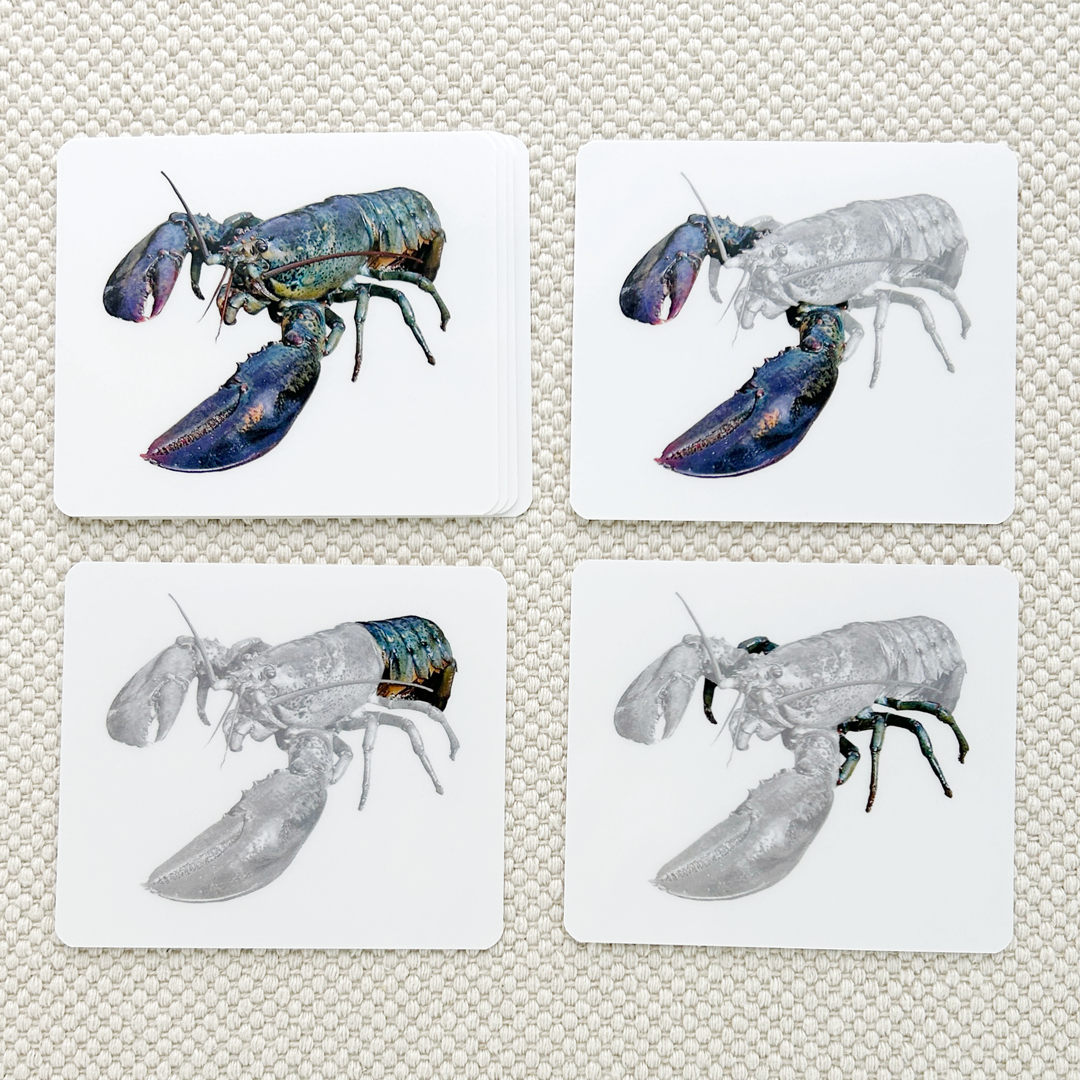
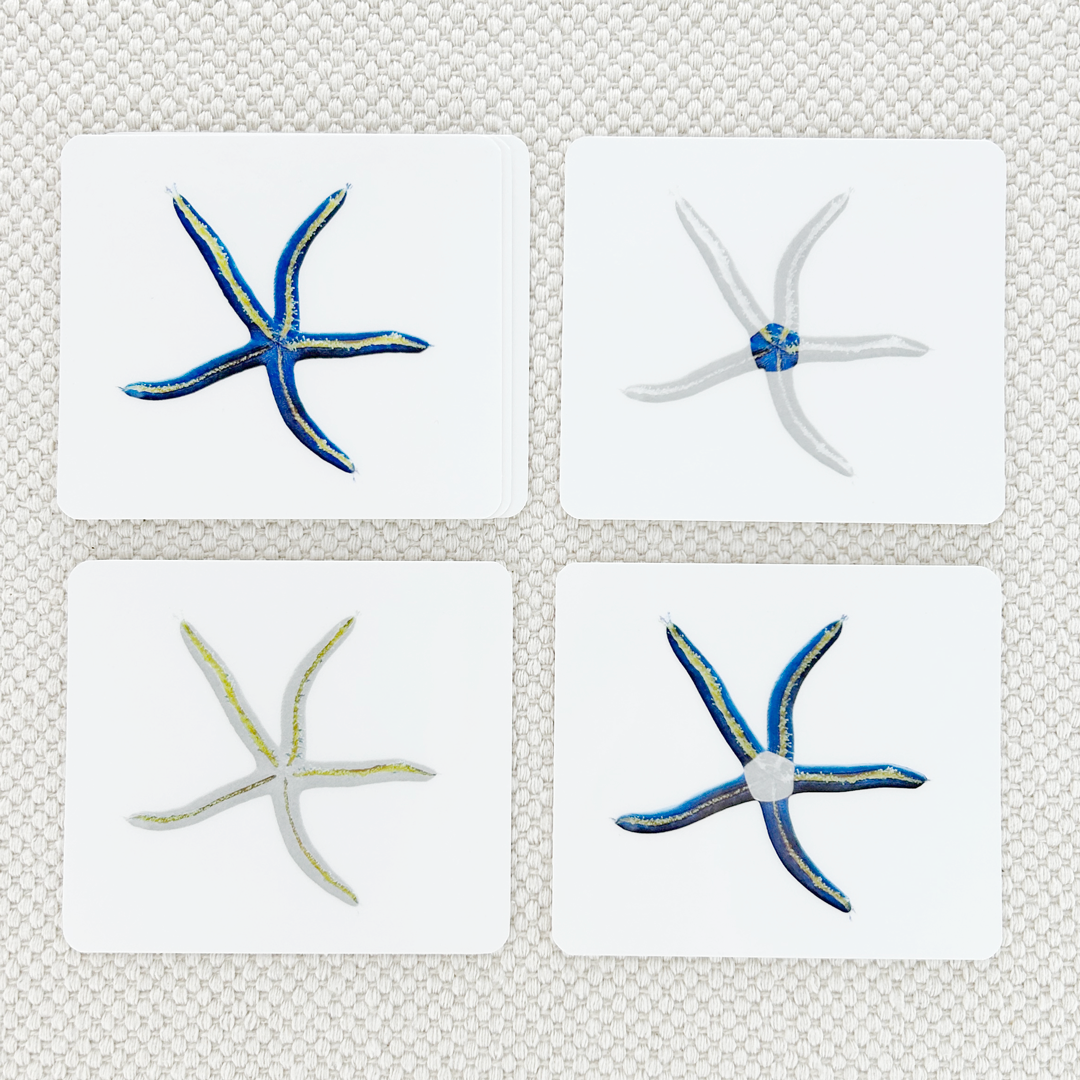
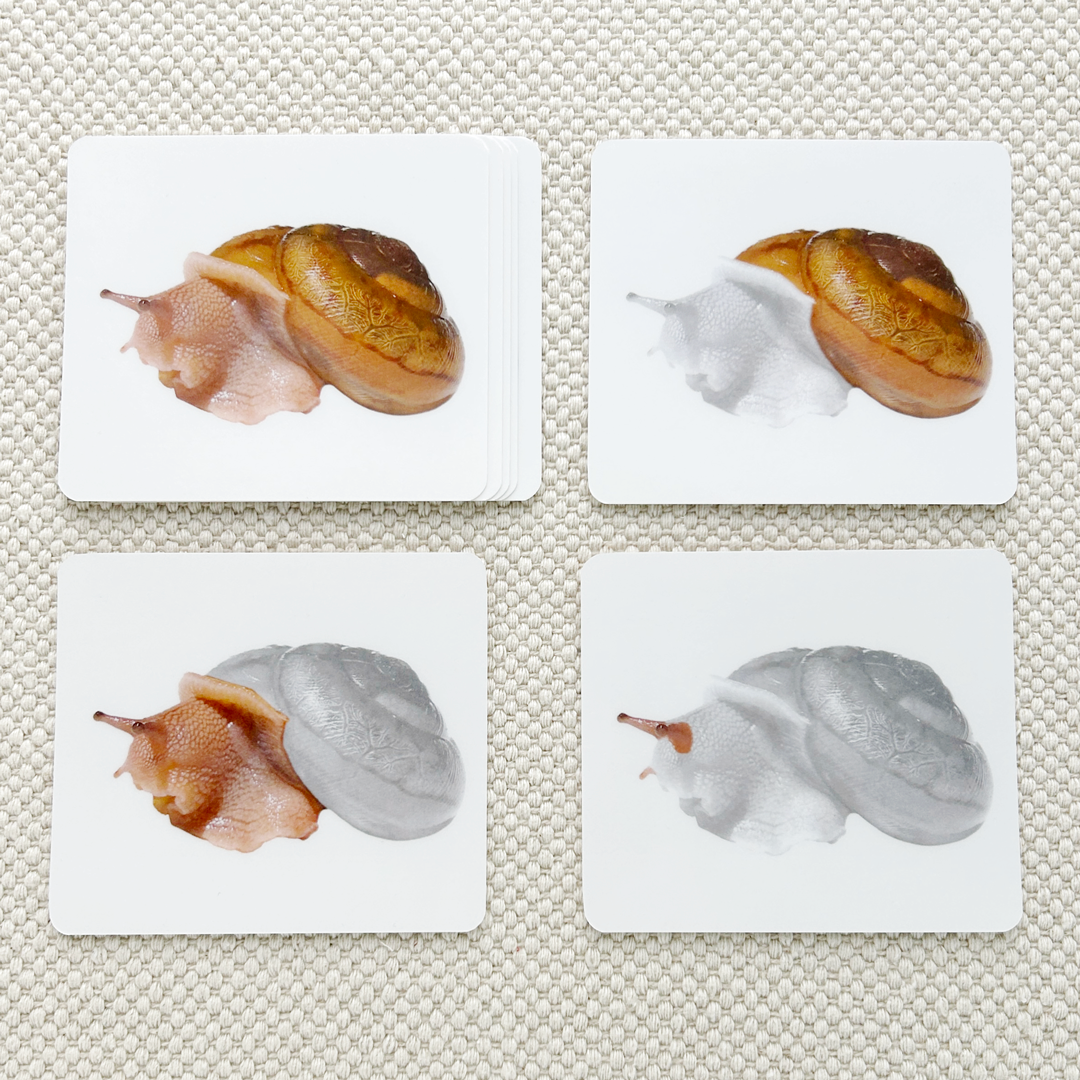
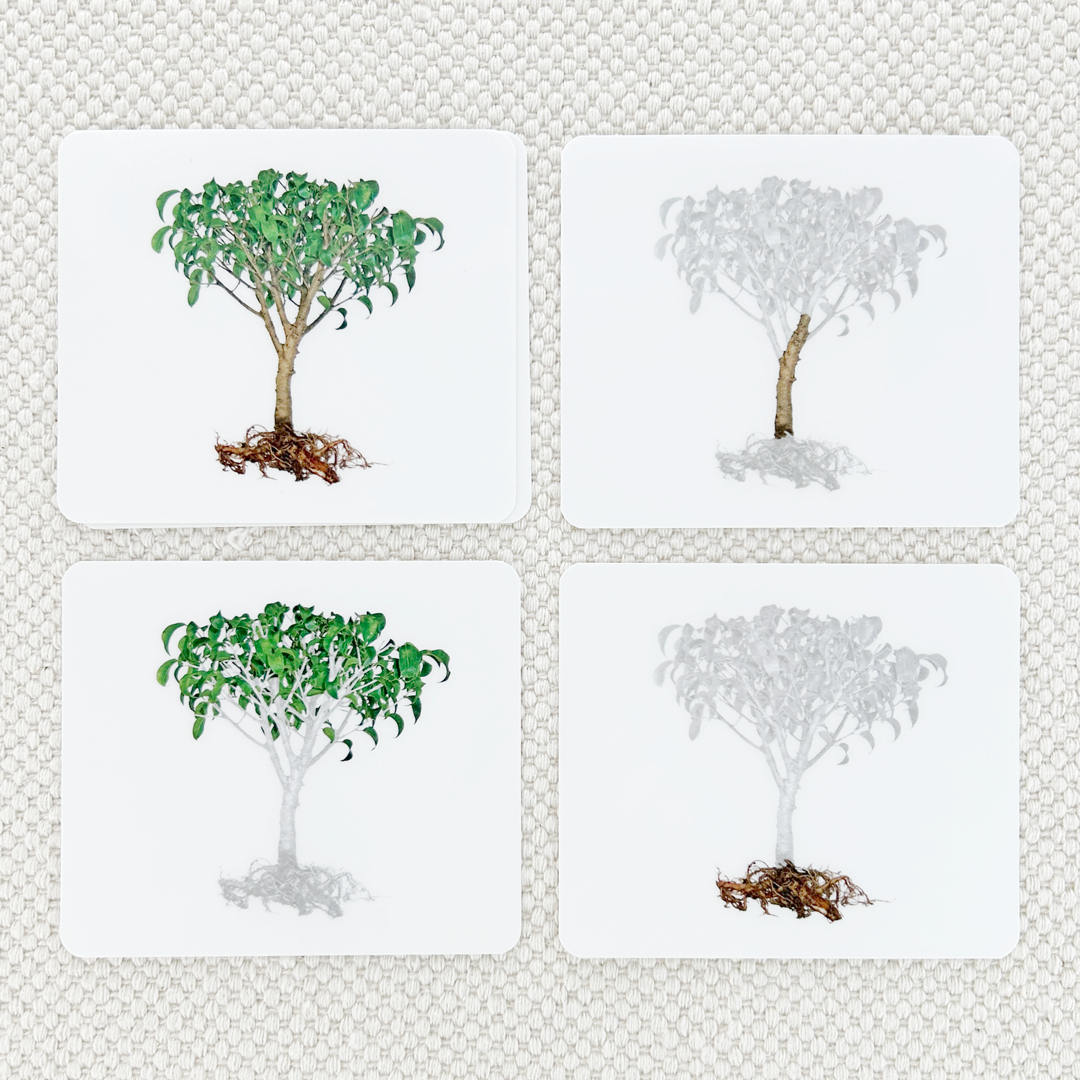
Montessori vocabulary work moves from naming whole things to naming their parts. A student who knows "bird" is ready for "wing," "beak," and "tail." Precise terms like "thorax," "petiole," and "peninsula" are the words students will later meet in informational text. Topics are Land & Water 1, Land & Water 2, Leaf Shapes, and the Parts of the Ant, Bird, Butterfly, Dicot Flower, Fish, Flag, Frog, Horse, Katydid, Leaf, Lobster, Monocot Flower, Sea Star, Snail, Spider, Tree, and Turtle.
Each packet is the first step in a complete learning sequence. The same terms appear in our matching Definition Books, 3-Part Reading Cards, and Definition Cards, so one topic can grow with a student from speaking to reading to comprehension.
What's included
- 20 advanced vocabulary card packets (5 to 13 cards in each packet)
- Each card shows one picture with no text
- Cards are approx. 4¼" x 3¾"
- Eco-laminated with a food-grade laminate, with rounded corners
- Each packet in its own sturdy, clear reclosable bag for storage
- Lesson plan included
Download our free lesson plan for teaching advanced vocabulary.
Choose the Cards + Cloth Pouches option to add five of our medium cloth pouches, or add as many as you like separately. Five pouches let you display five packets at a time and rotate topics to keep the shelf fresh. For the full build-a-book activity, our All-in-One Definition Pouch keeps each topic's cards together.
Created by a Montessori teacher. Eco-printed in our rural New England office.
Made in the USA. CPSIA compliant.
Note: Photos may change from those pictured.
Why do vocabulary cards matter for reading?
Interest drives learning. Montessori is a student-centered approach: the teacher observes what each student is curious about and offers materials that match. A student fascinated by spiders, flowers, or flags will want to know what every part is called, and with 20 topics, there is a packet for many interests. When they are interested in the topic, students will choose these cards again and again. Each time is more practice naming and discussing. That practice builds vocabulary and background knowledge, part of the language comprehension side of reading in both Gough and Tunmer's (1986) simple view of reading and Scarborough's (2001) reading rope.
How do you use the Advanced Vocabulary Card Set?
Keep a few packets on the shelf at a time and rotate them, choosing topics that match your students' interests. Spark curiosity with the real thing when you can, such as a leaf, a flower, a flag, or an animal seen outdoors. Then use the three-period lesson on a few cards at a time. Land and water cards can also be sorted into land forms and water forms. Once students know the names, read the matching Definition Book aloud, pausing to discuss. When students are reading, move on to the matching 3-Part Reading Cards. As reading becomes more fluent, invite students to read the book on their own. Finally, use the Definition Cards to rebuild the book in the full build-a-book activity.
What ages is this for?
Typically ages 4 and up for the vocabulary cards. The full sequence, from read-aloud through the build-a-book activity, typically runs from preschool through grade 6 (ages 4–12) as students' reading grows. The cards also work well for English learners and students in intervention settings.
How is this different from the Basic Vocabulary Card Set?
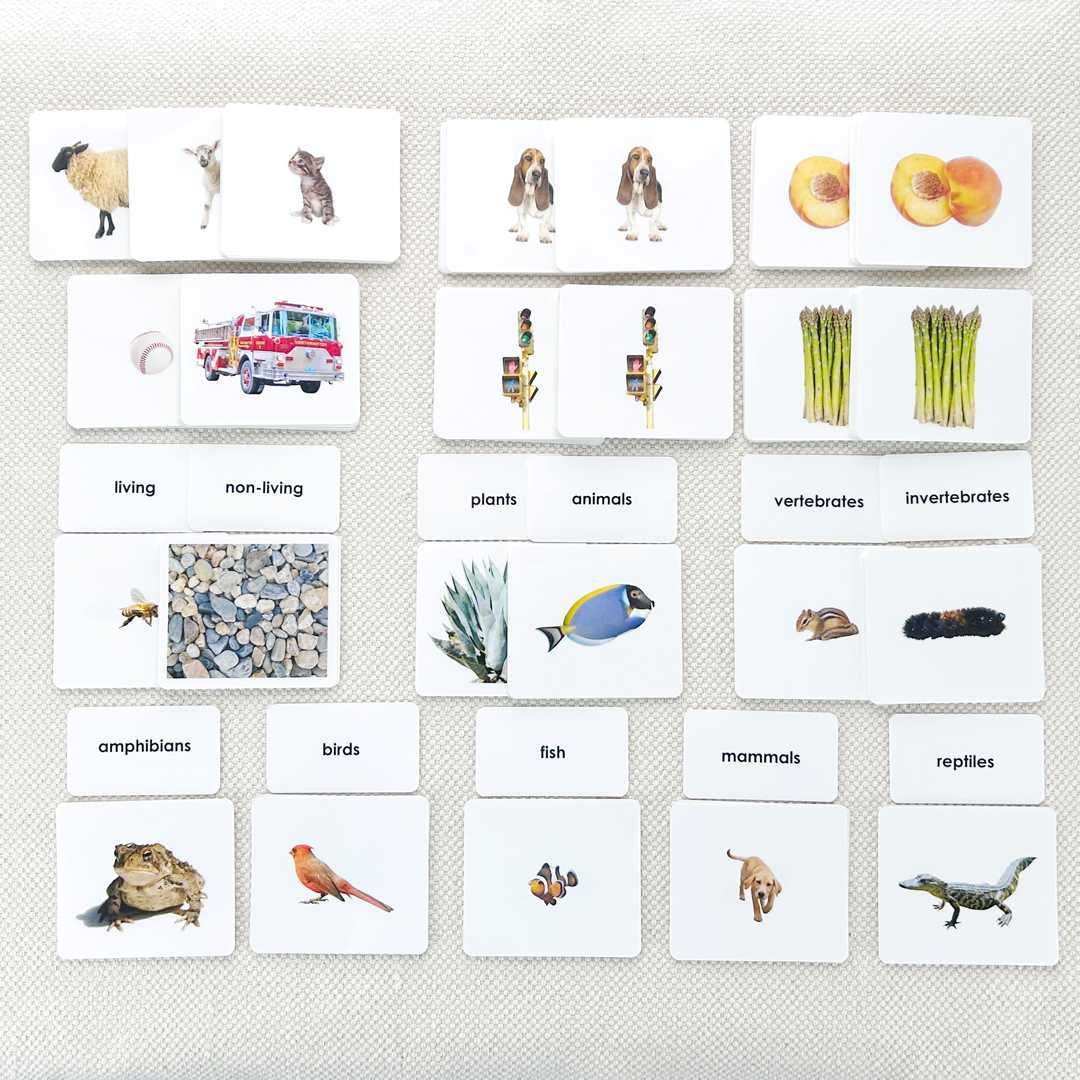
The Basic Vocabulary Card Set names whole things in a student's world, such as pets, fruit, and tools. The Advanced Set names advanced vocabulary (like the parts of things and the forms of land and water) and corresponds to our books and definition cards for reading and comprehension work. Many students begin with the Basic Set and add the Advanced Set as their interests deepen.
Choose options
Included In This Bundle







Knowledge Bank
Recommended Articles

Download a PDF of our materials

Follow Us