Phonogram Study







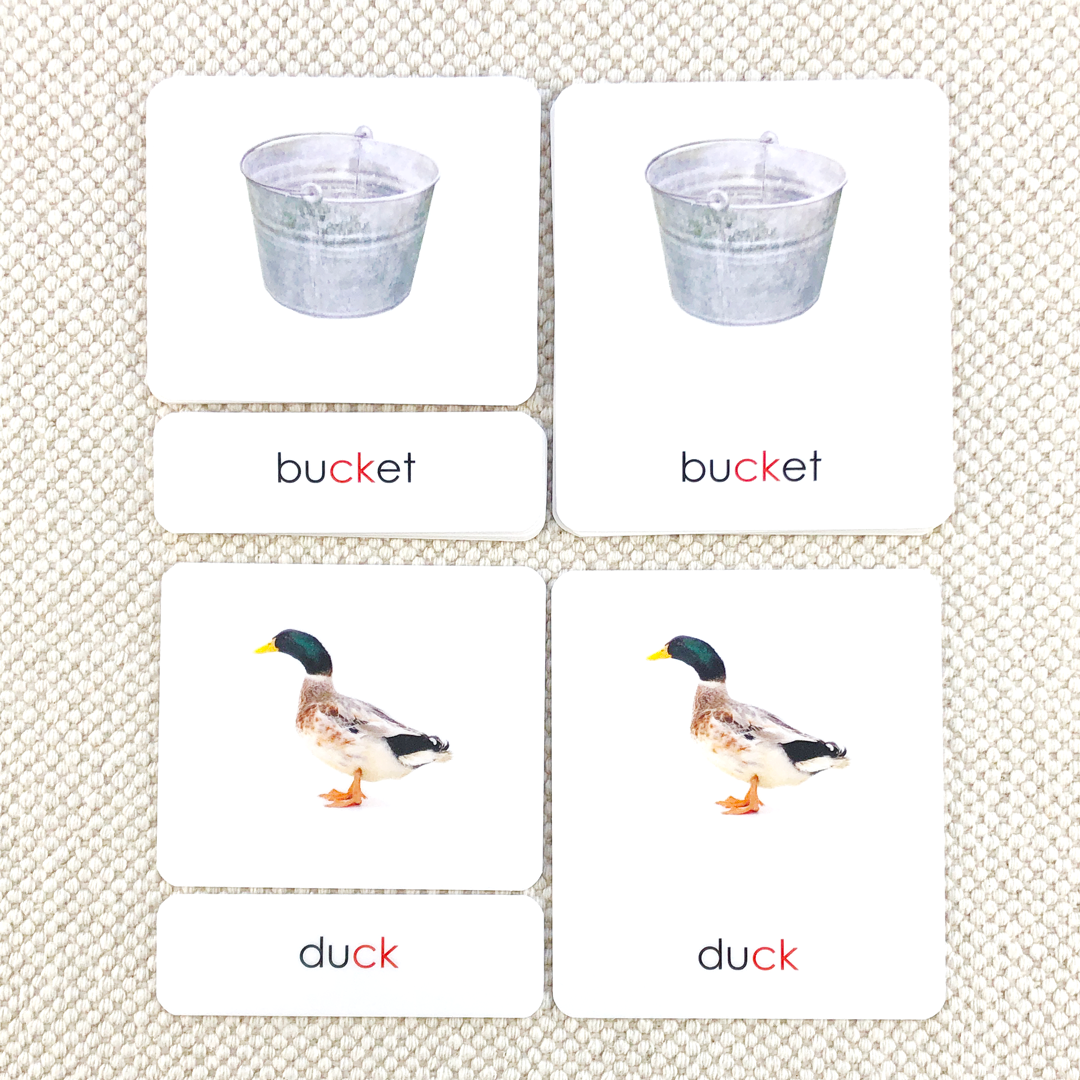
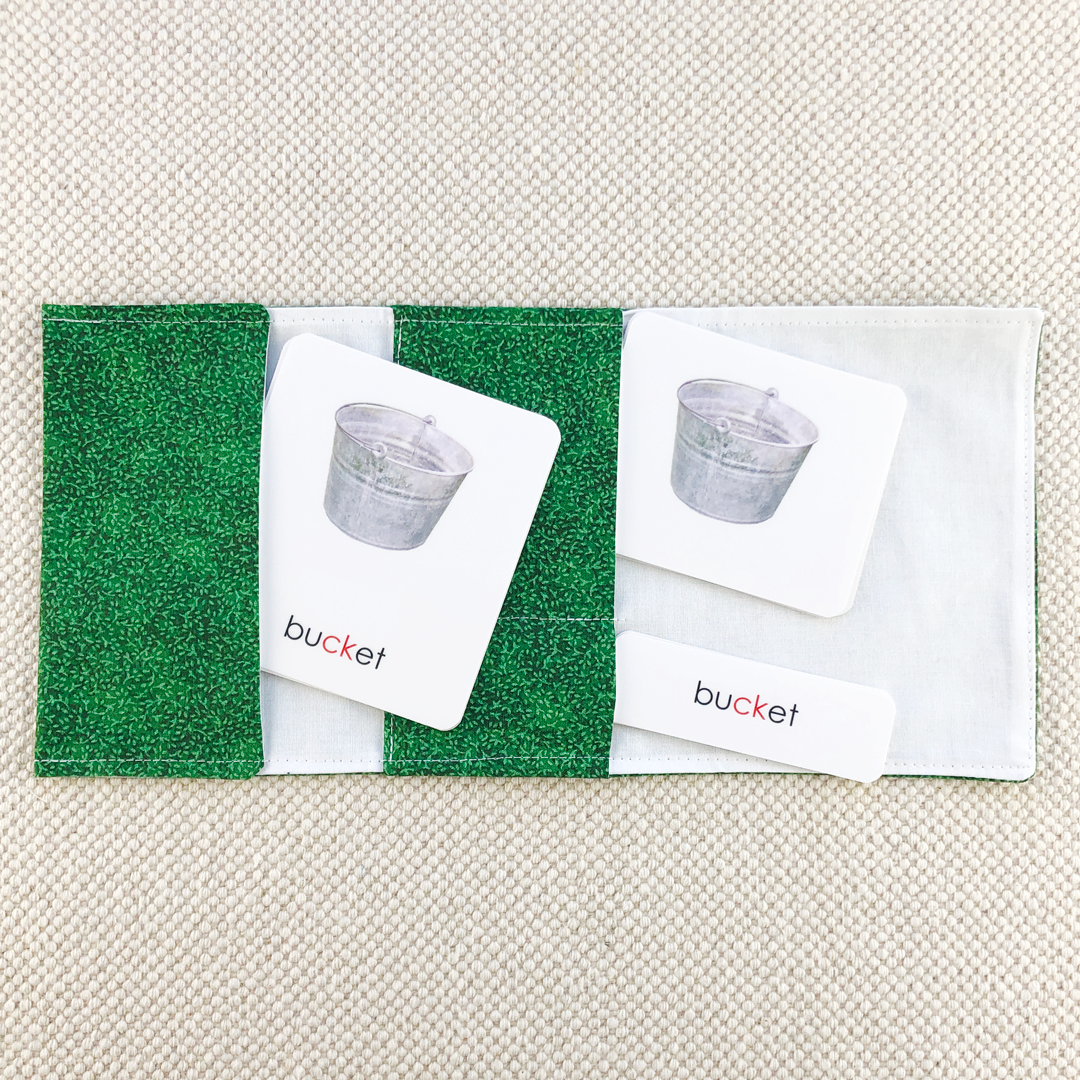
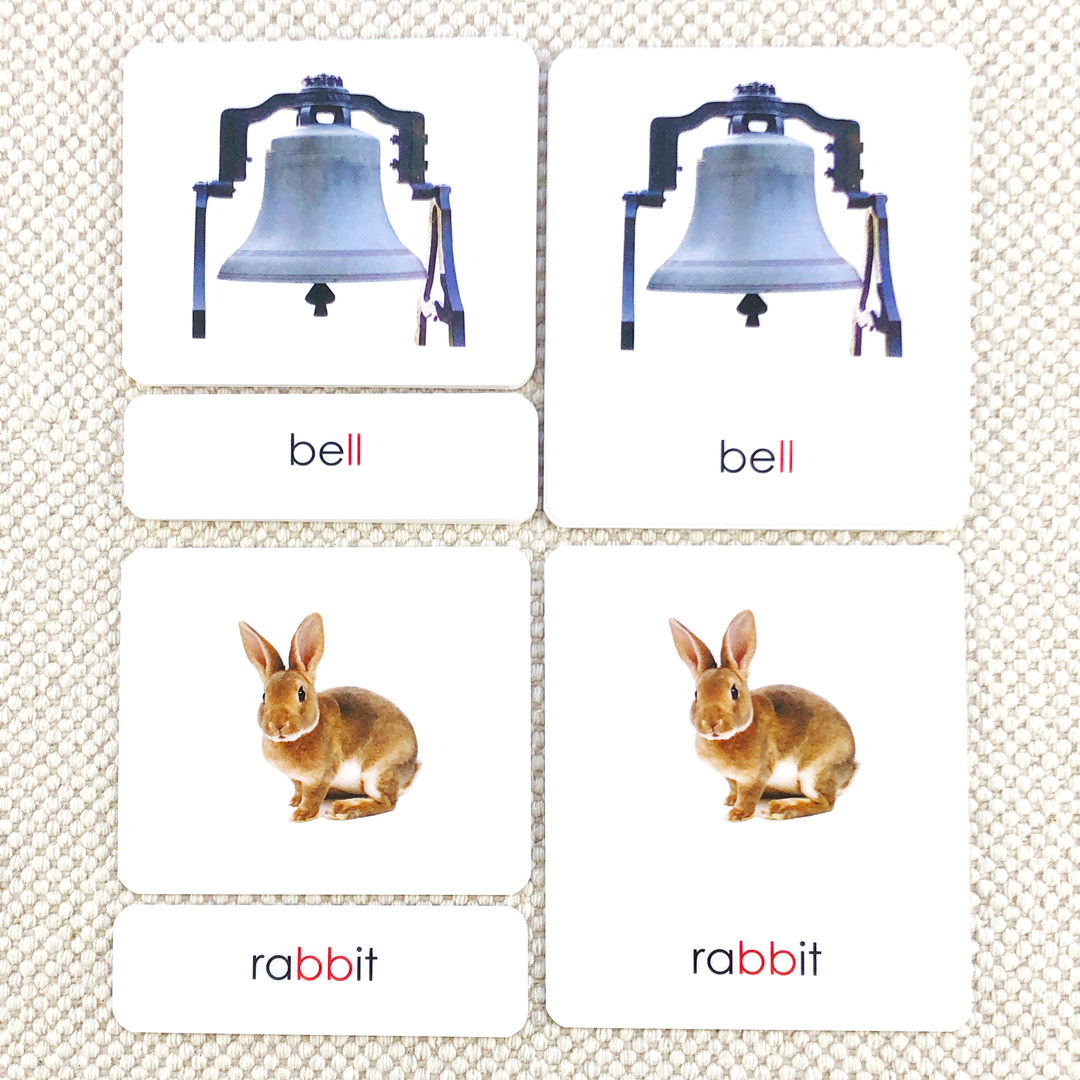
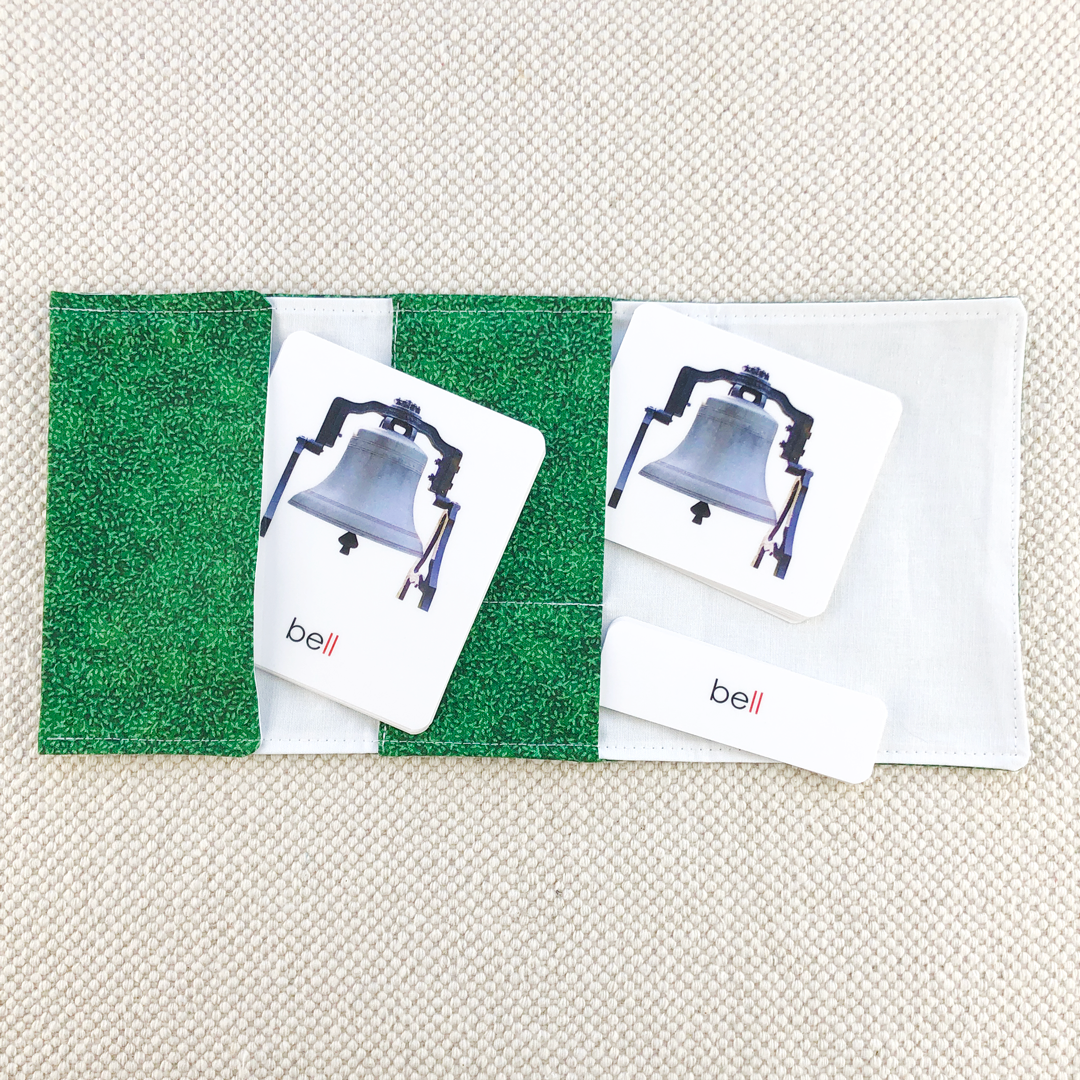

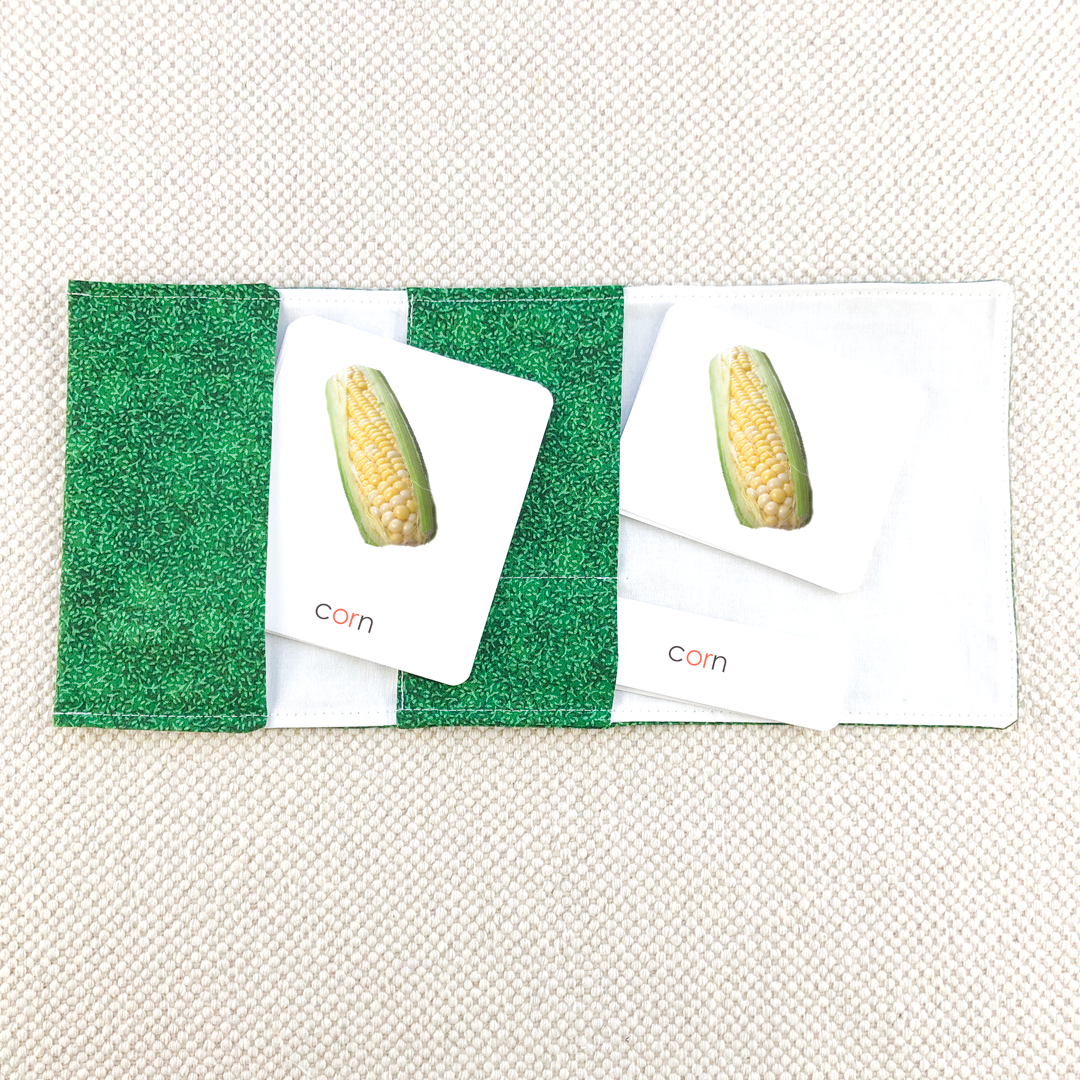
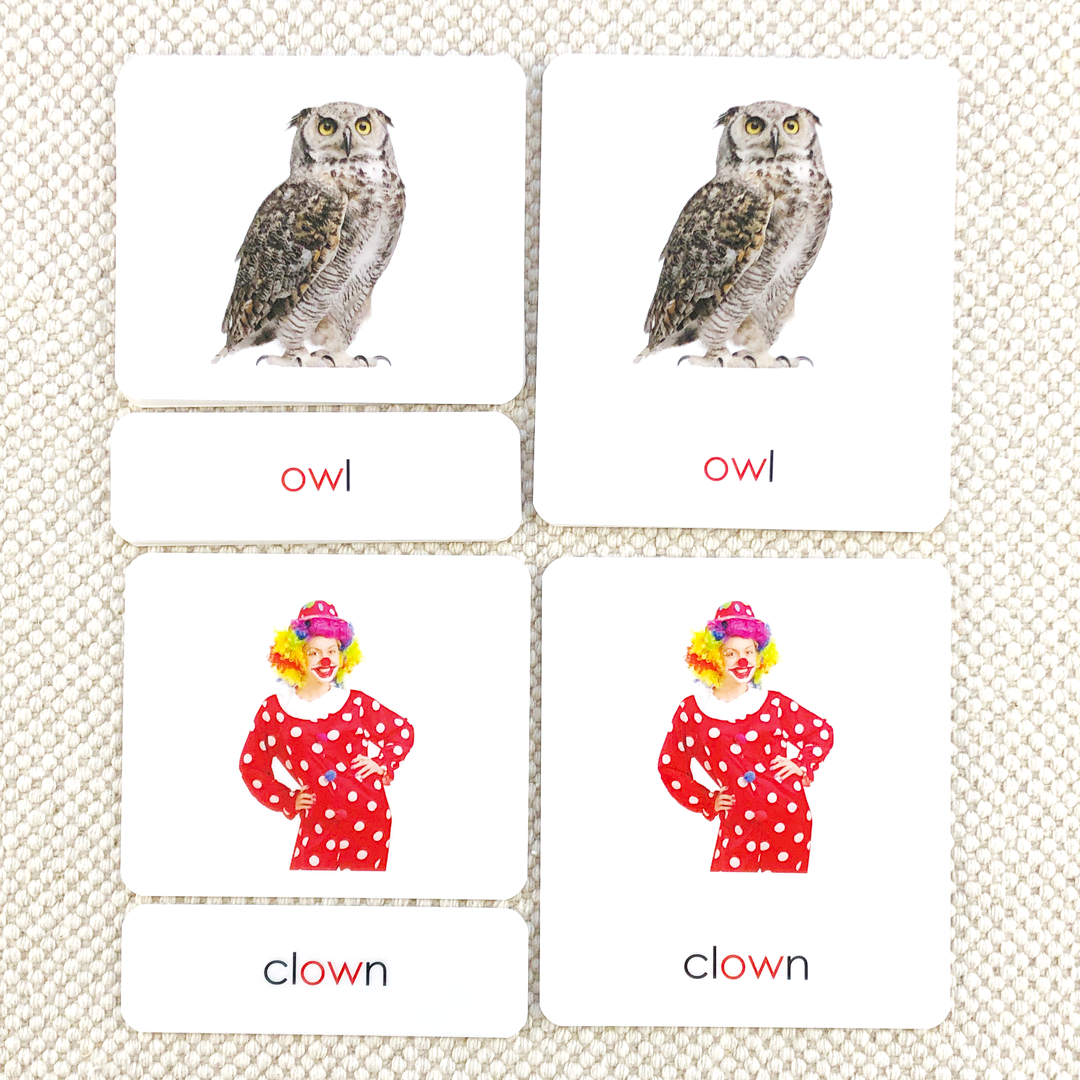
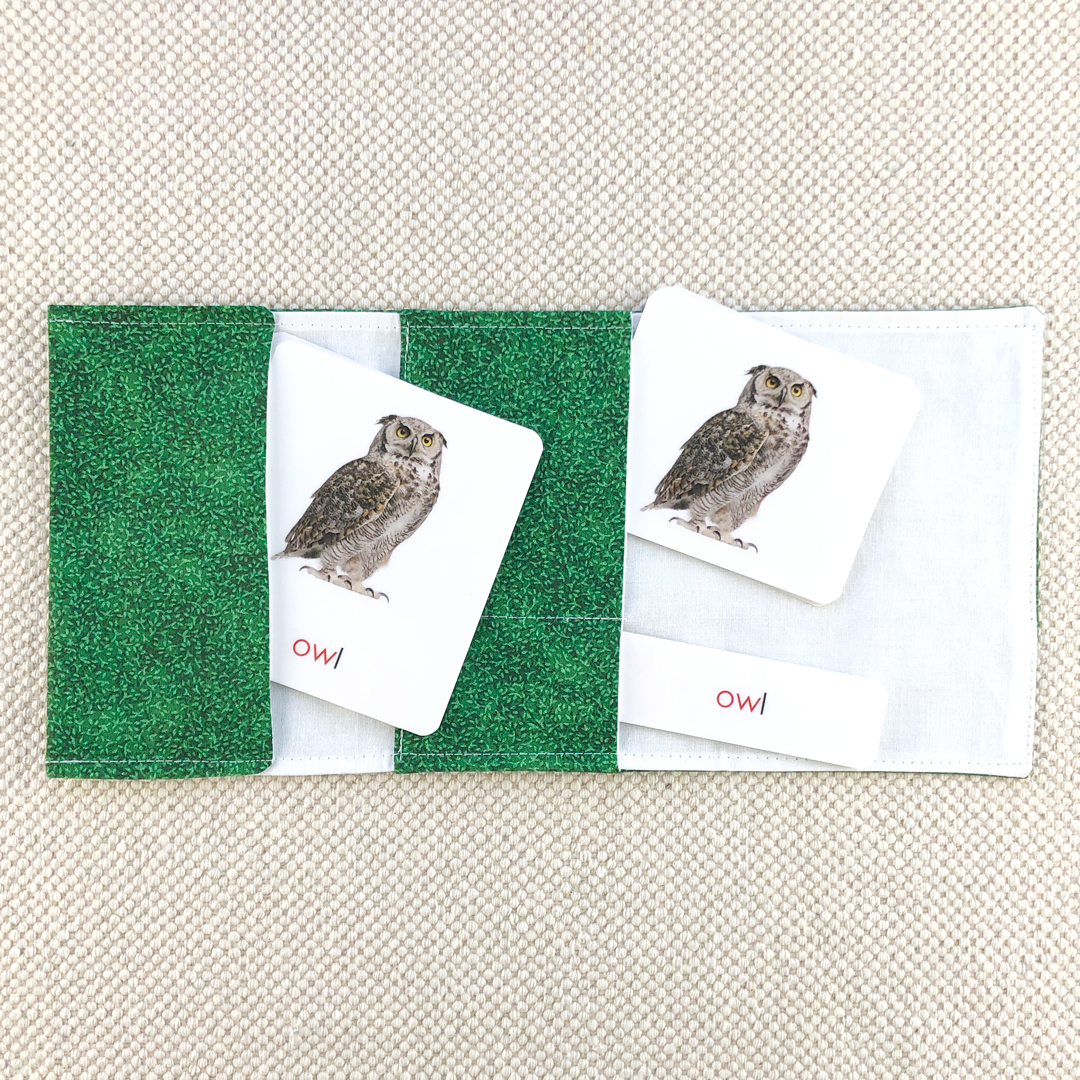
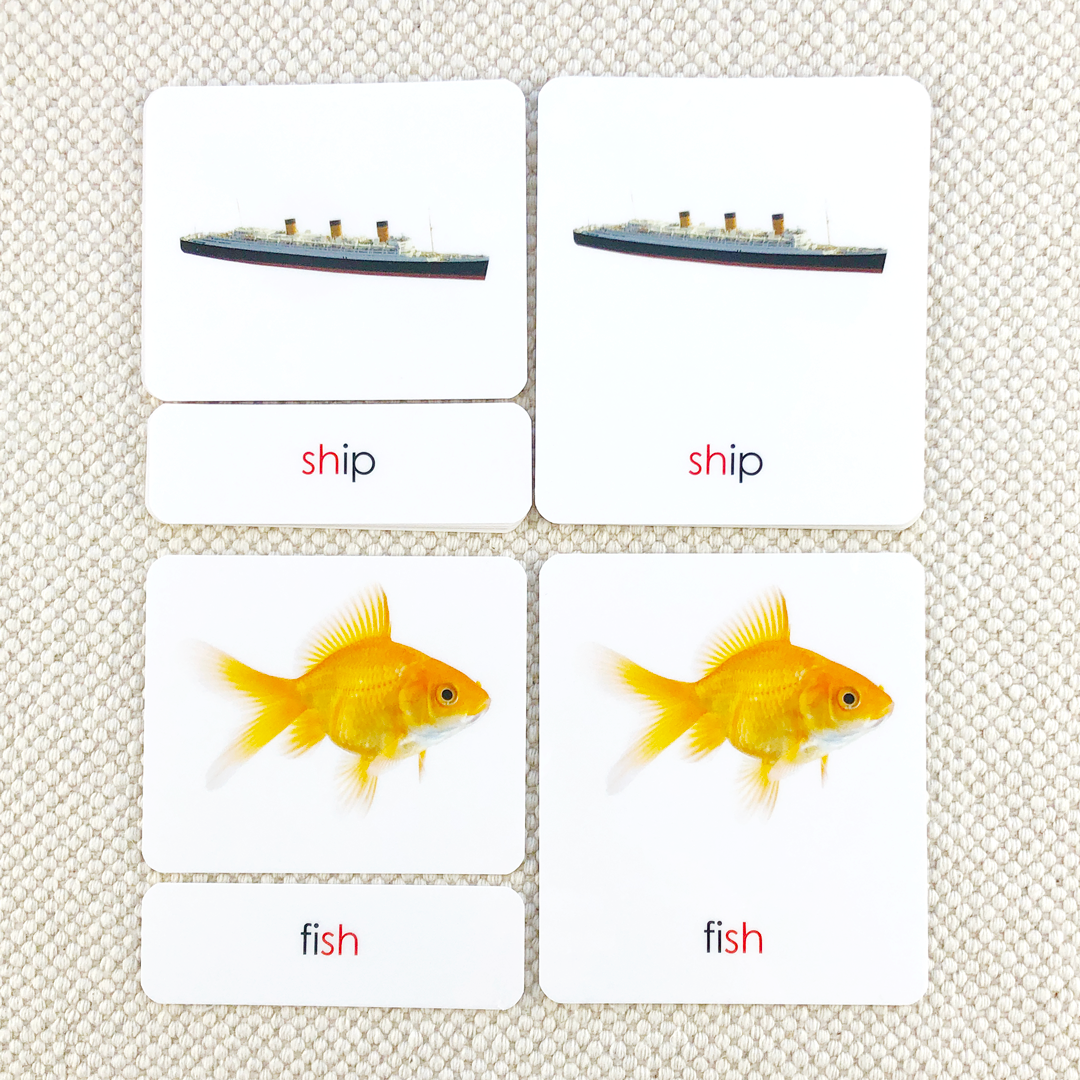


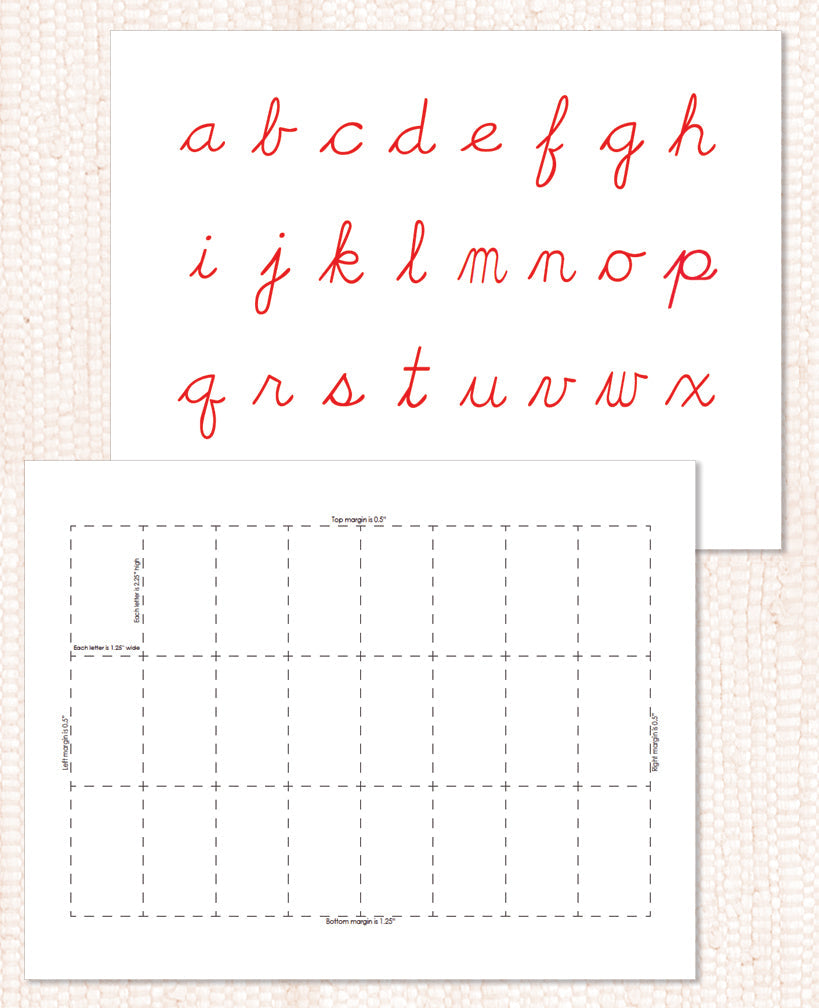
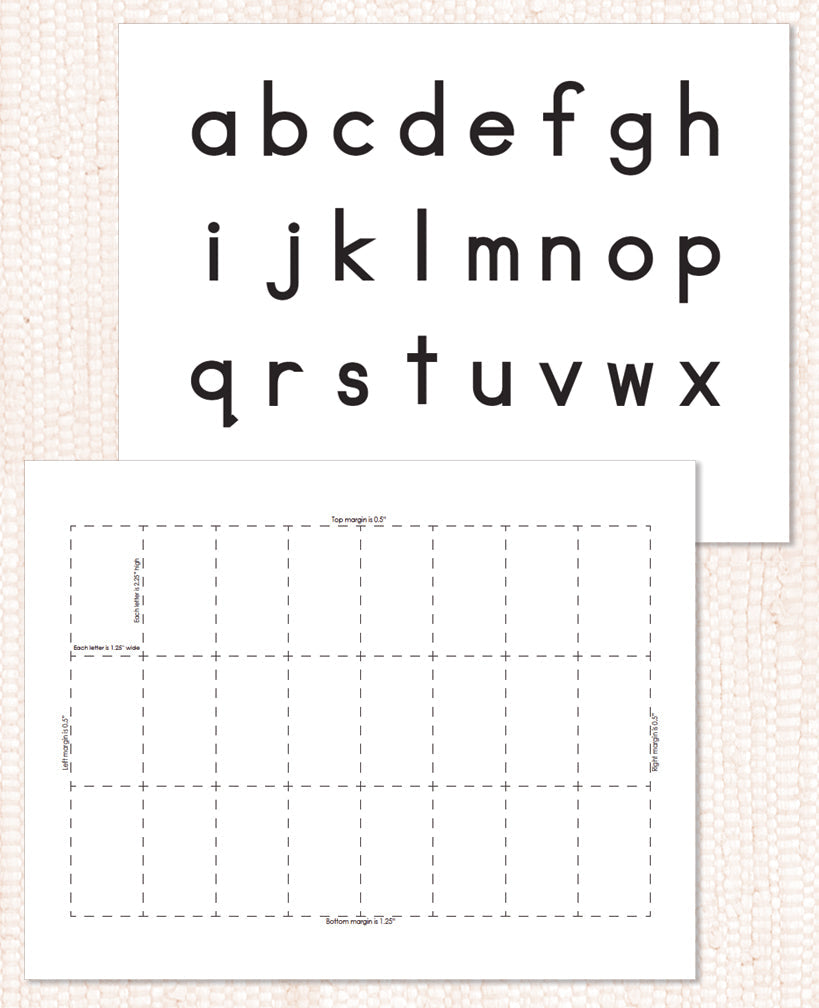
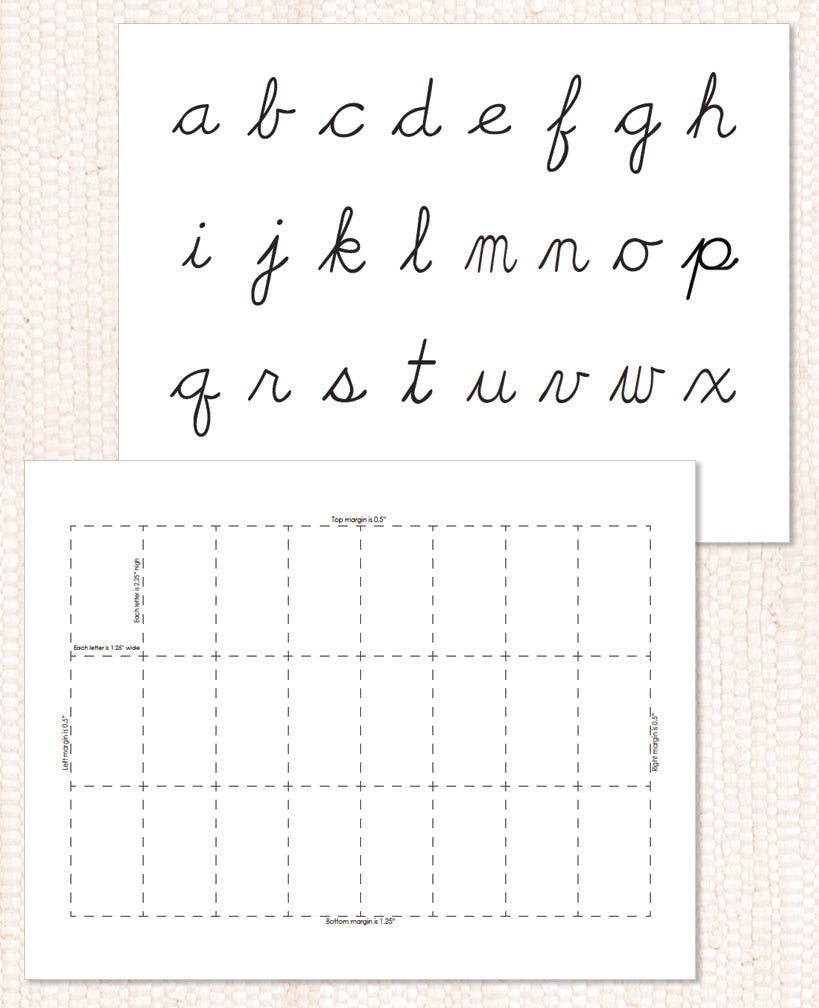
More Information:
Phonogram Study
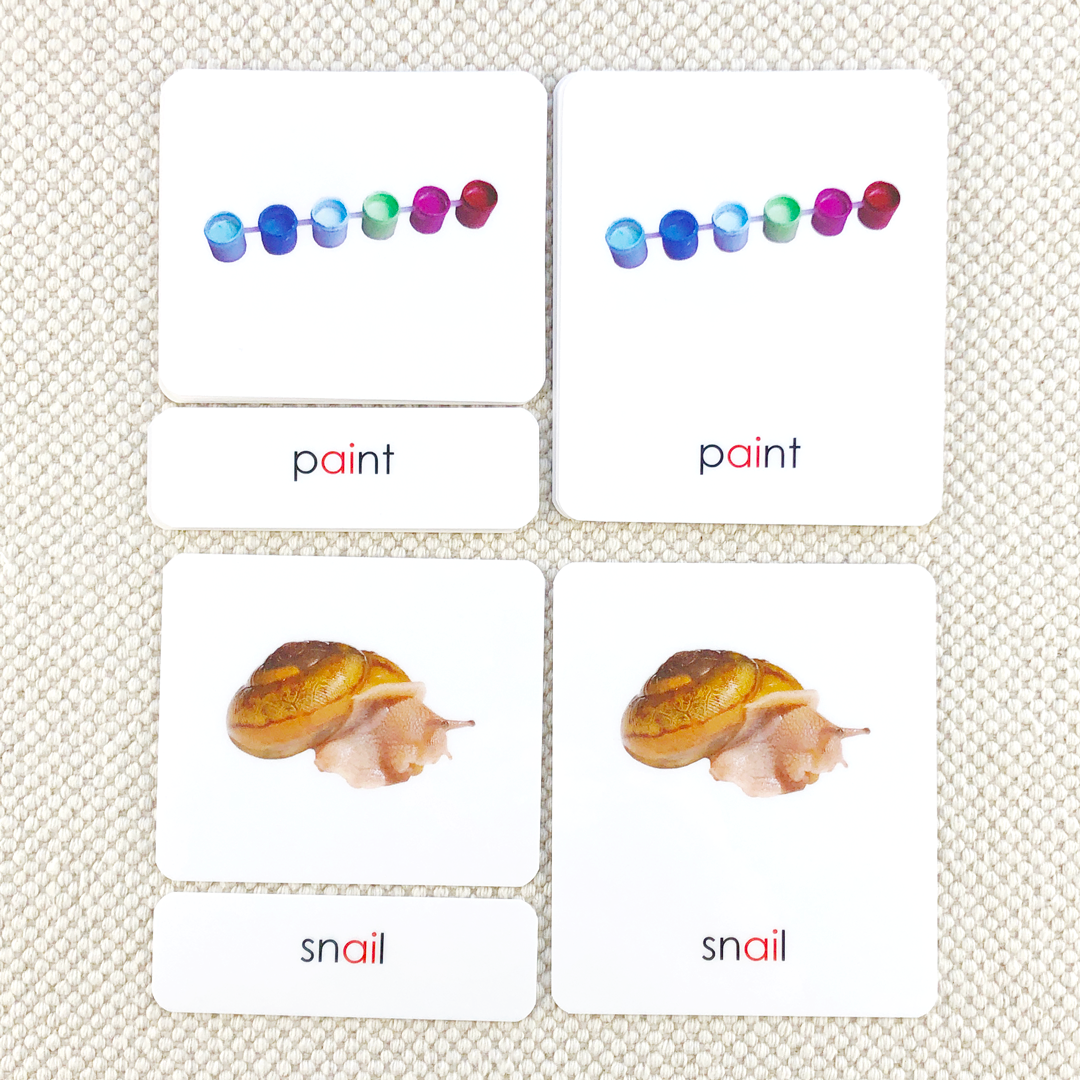
Phonograms are letter combinations that stand for a single sound, like sh in ship or ai in paint. Our phonogram materials let students trace, build, read, and spell these key sounds of English, from their first introduction through independent spelling.
Because phonograms appear at every stage of learning to read and write, this collection gathers them in one place, organized by how students use them.
What's in this collection
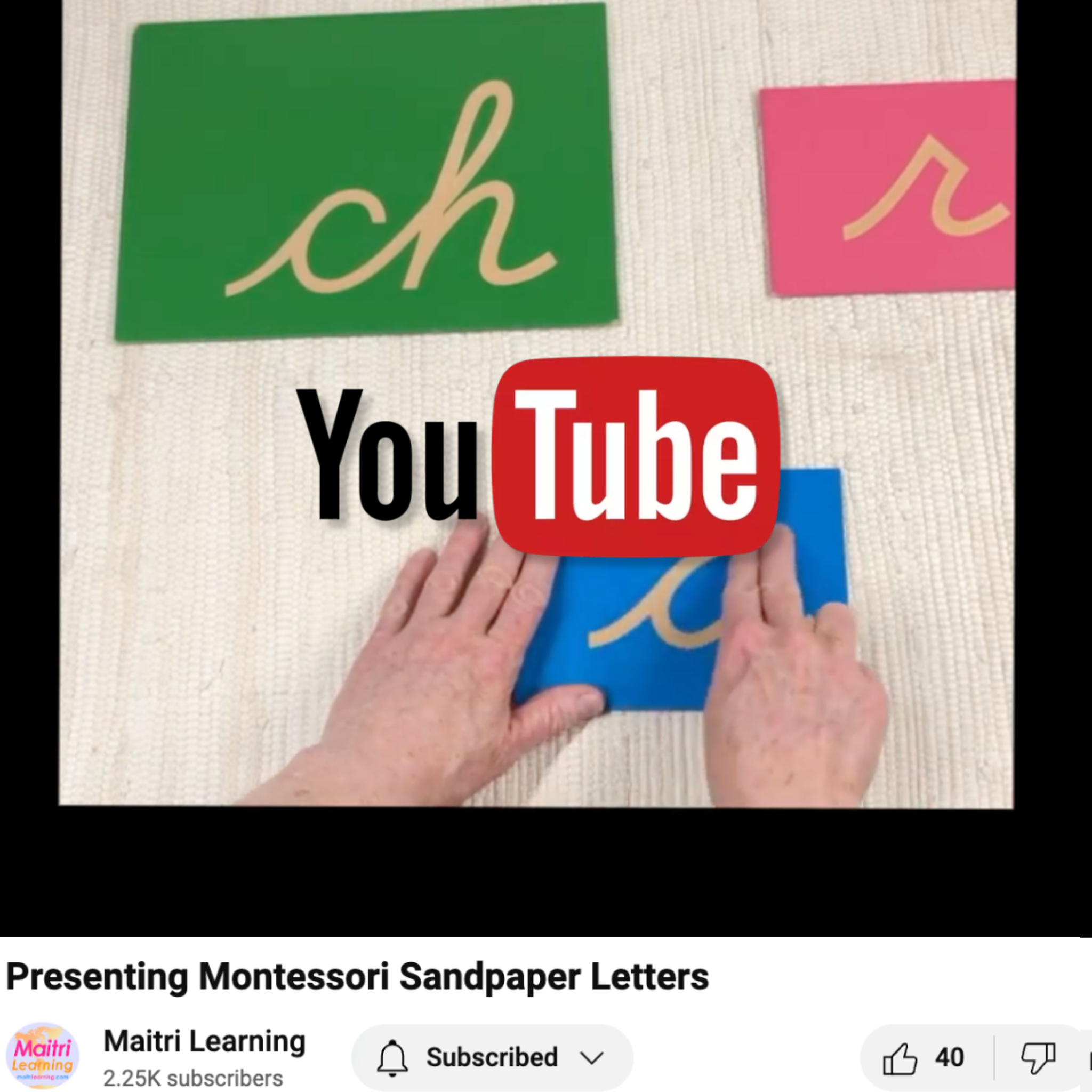
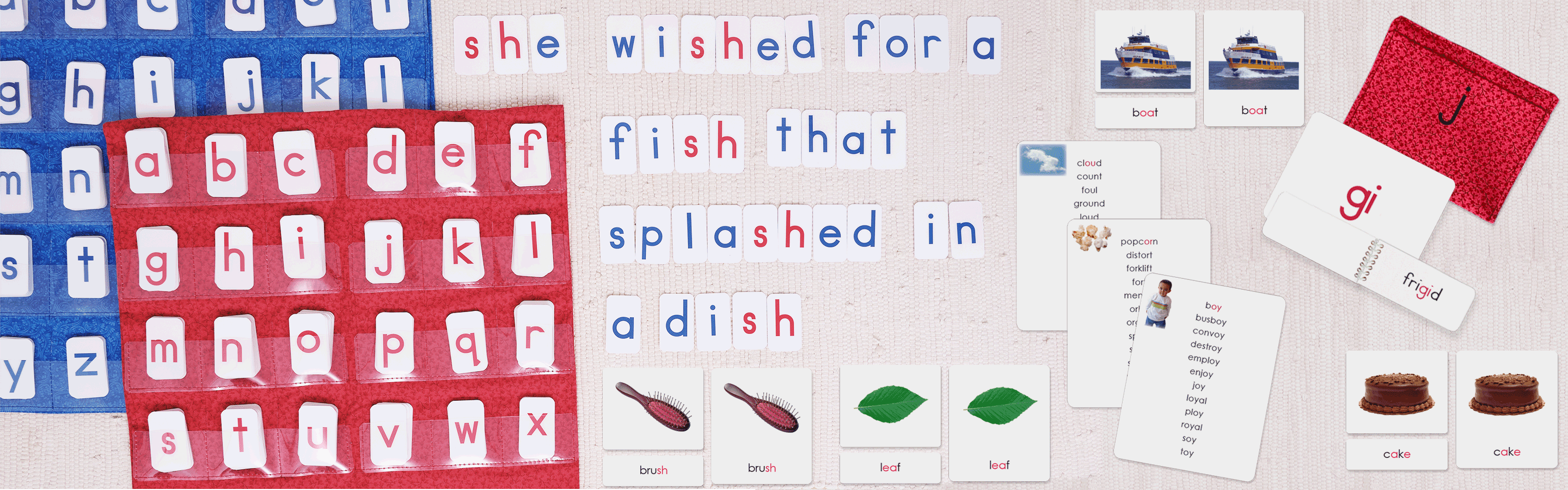
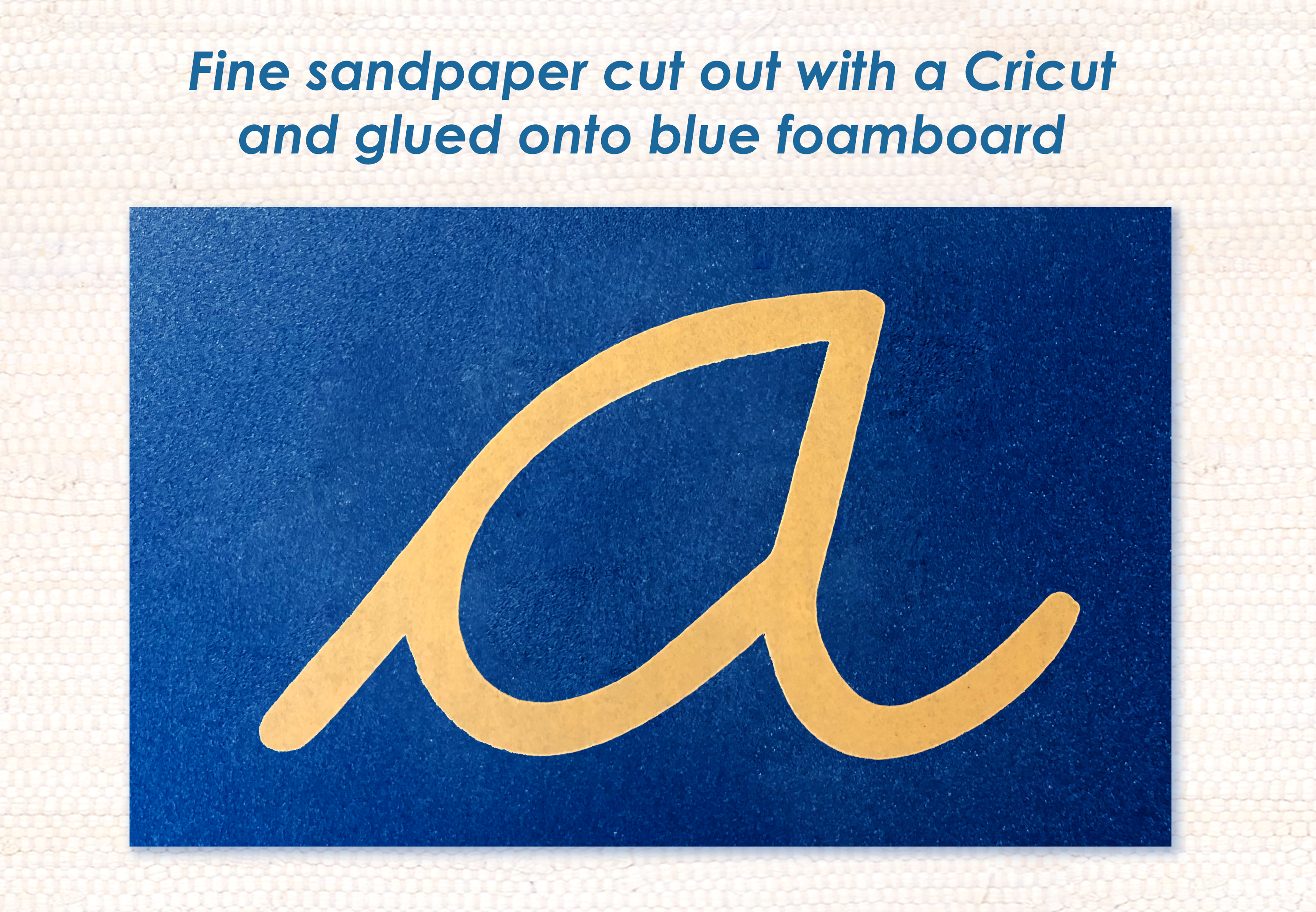
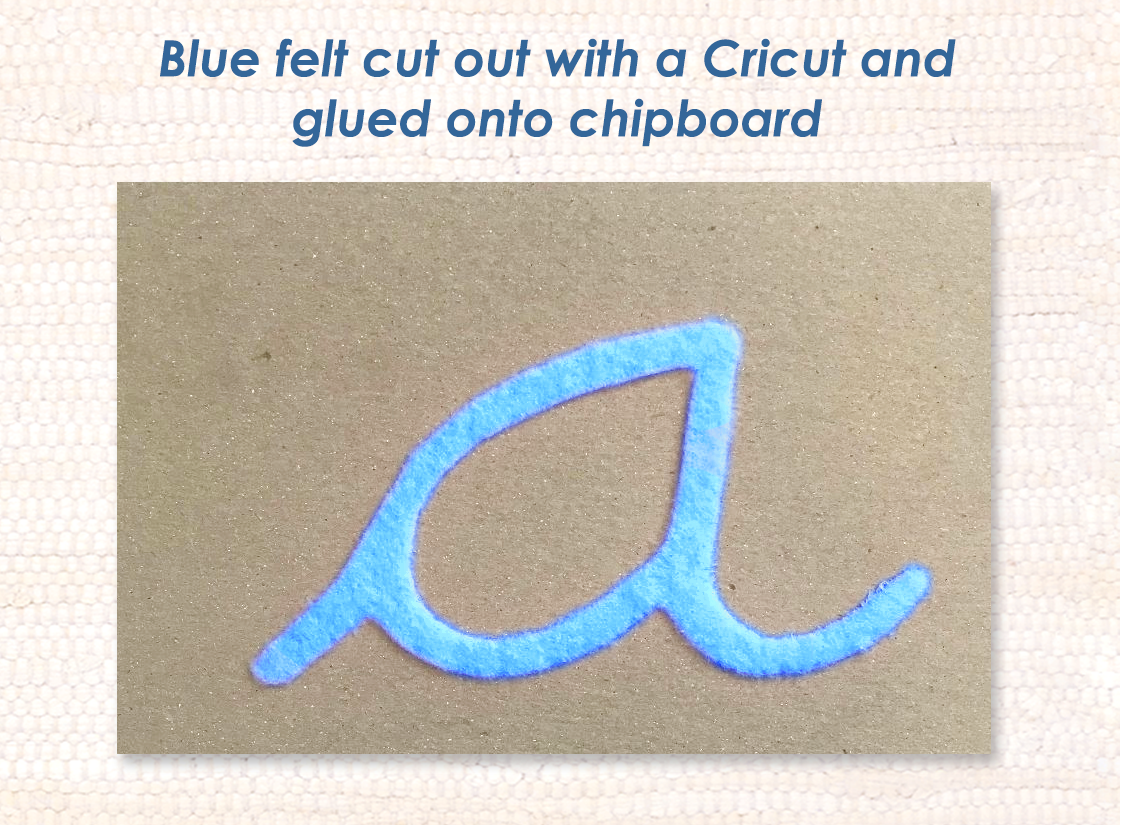
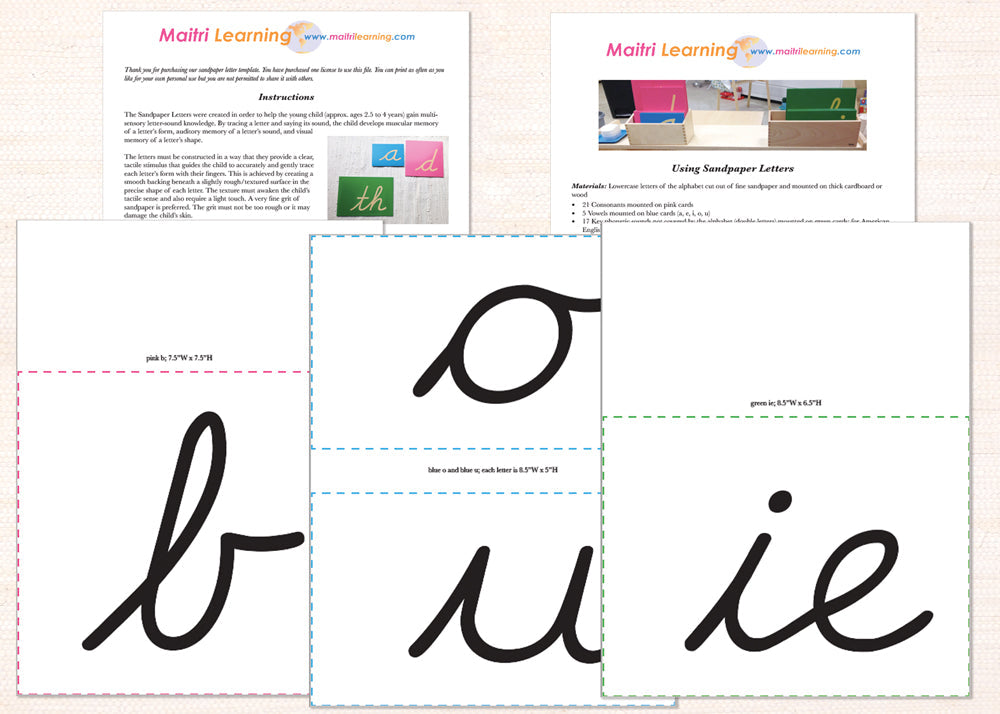
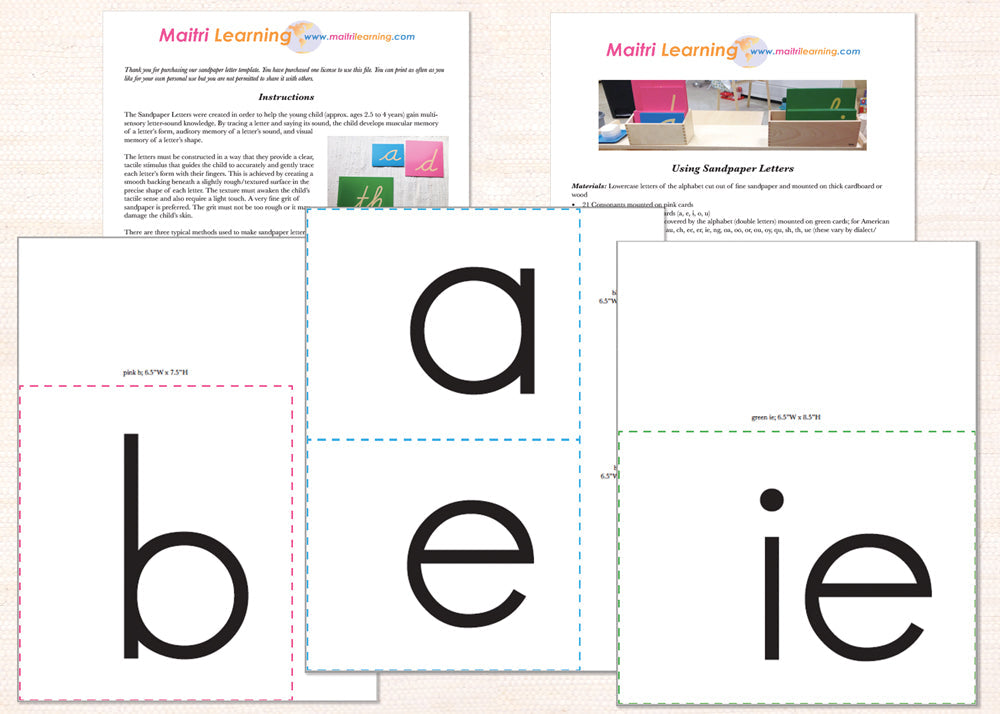
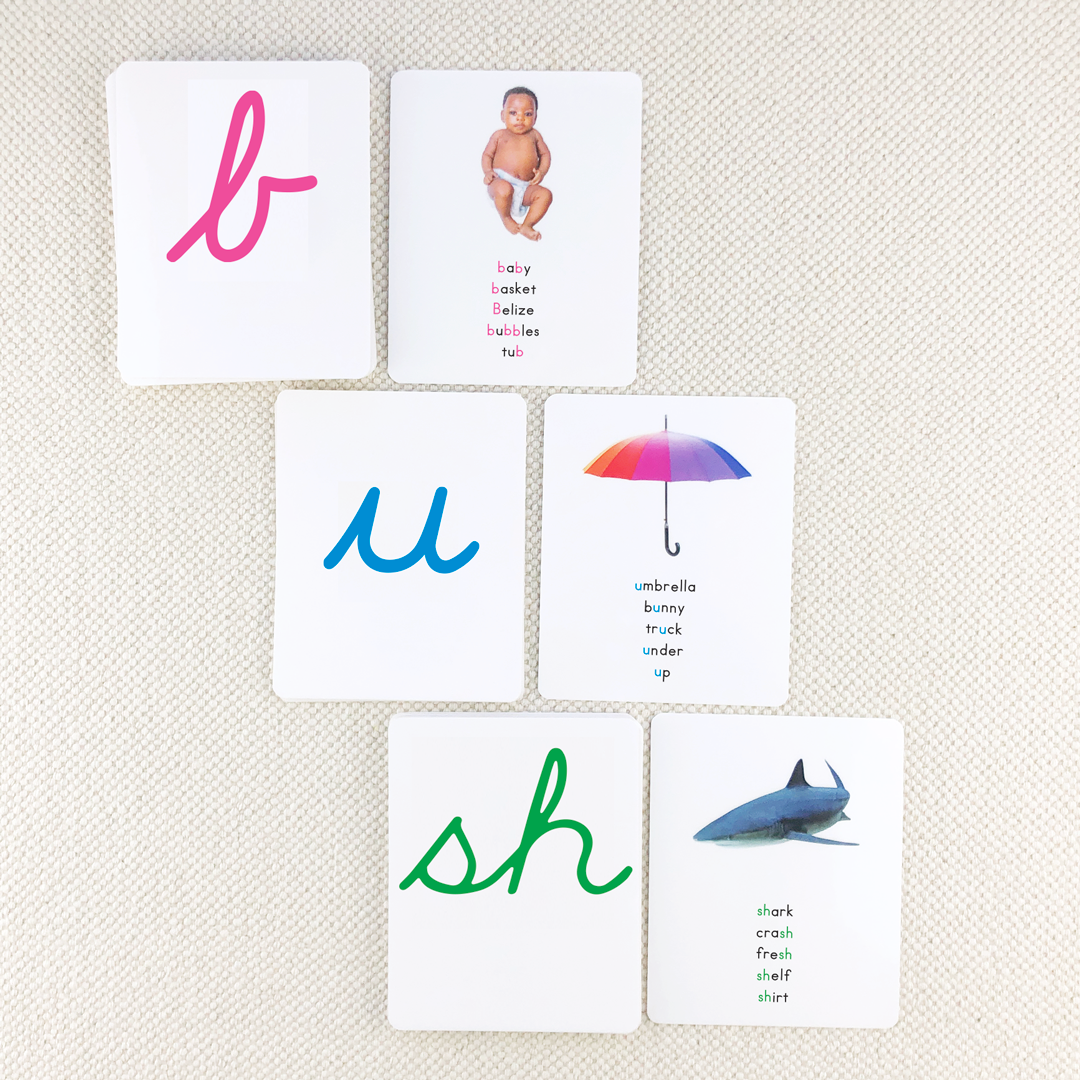
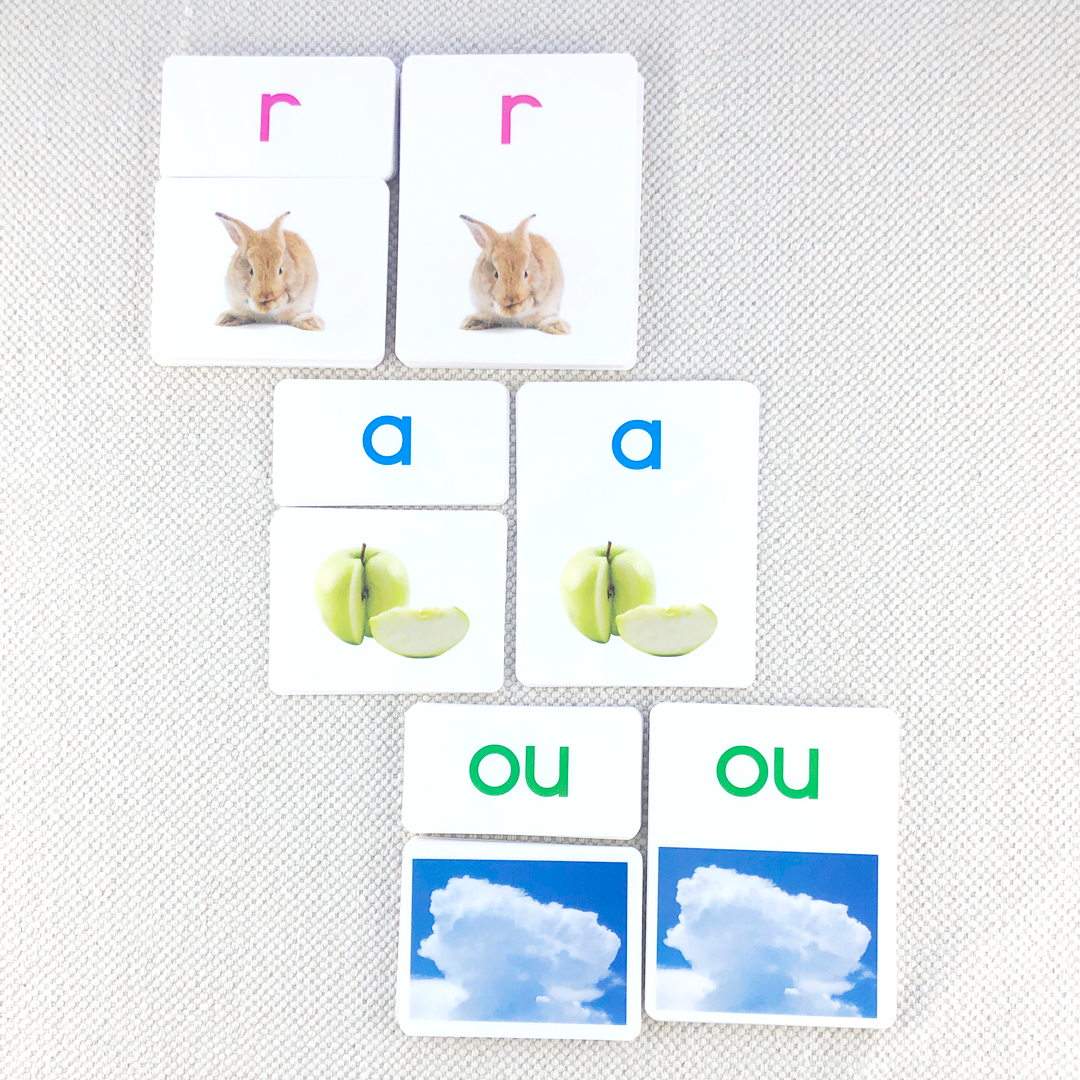
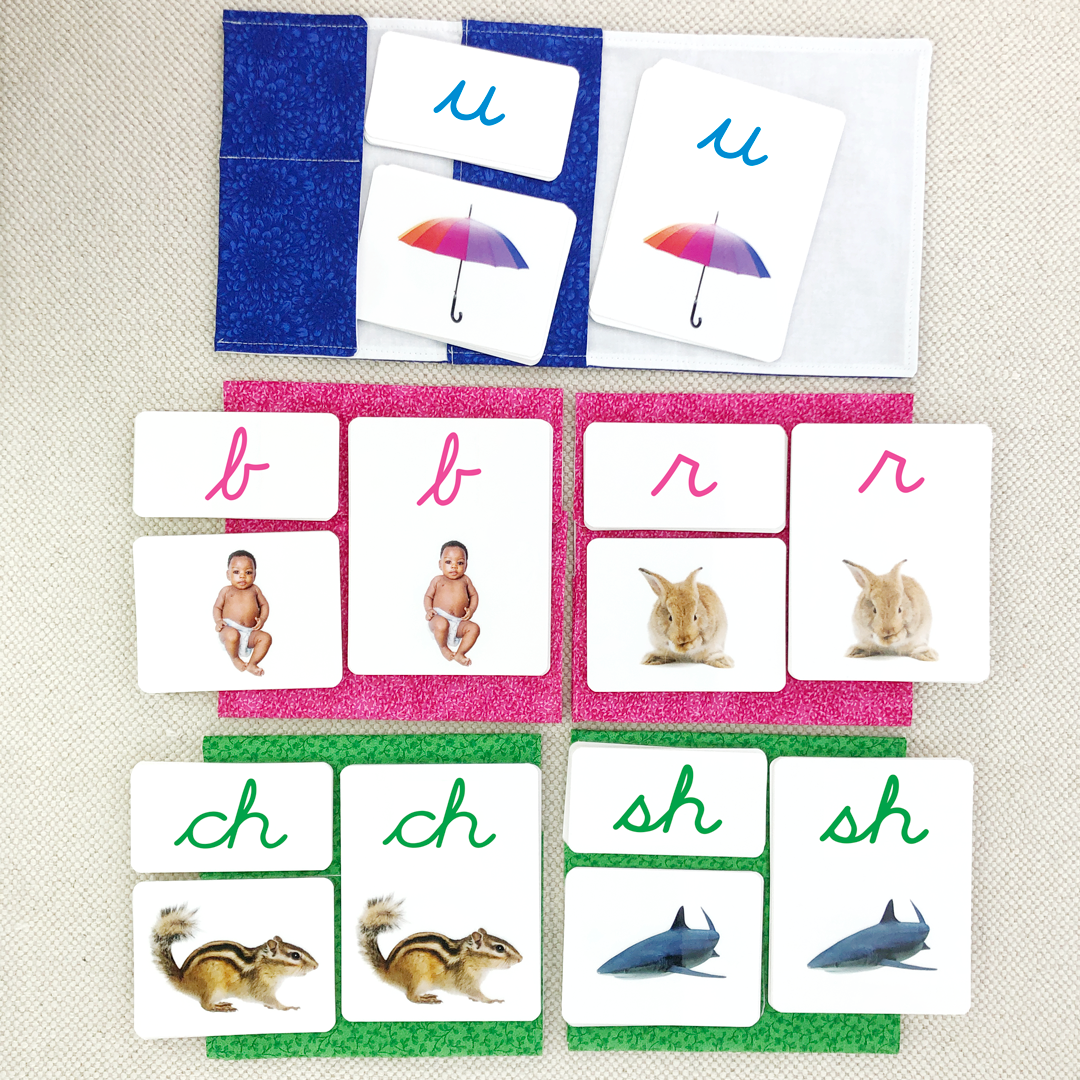
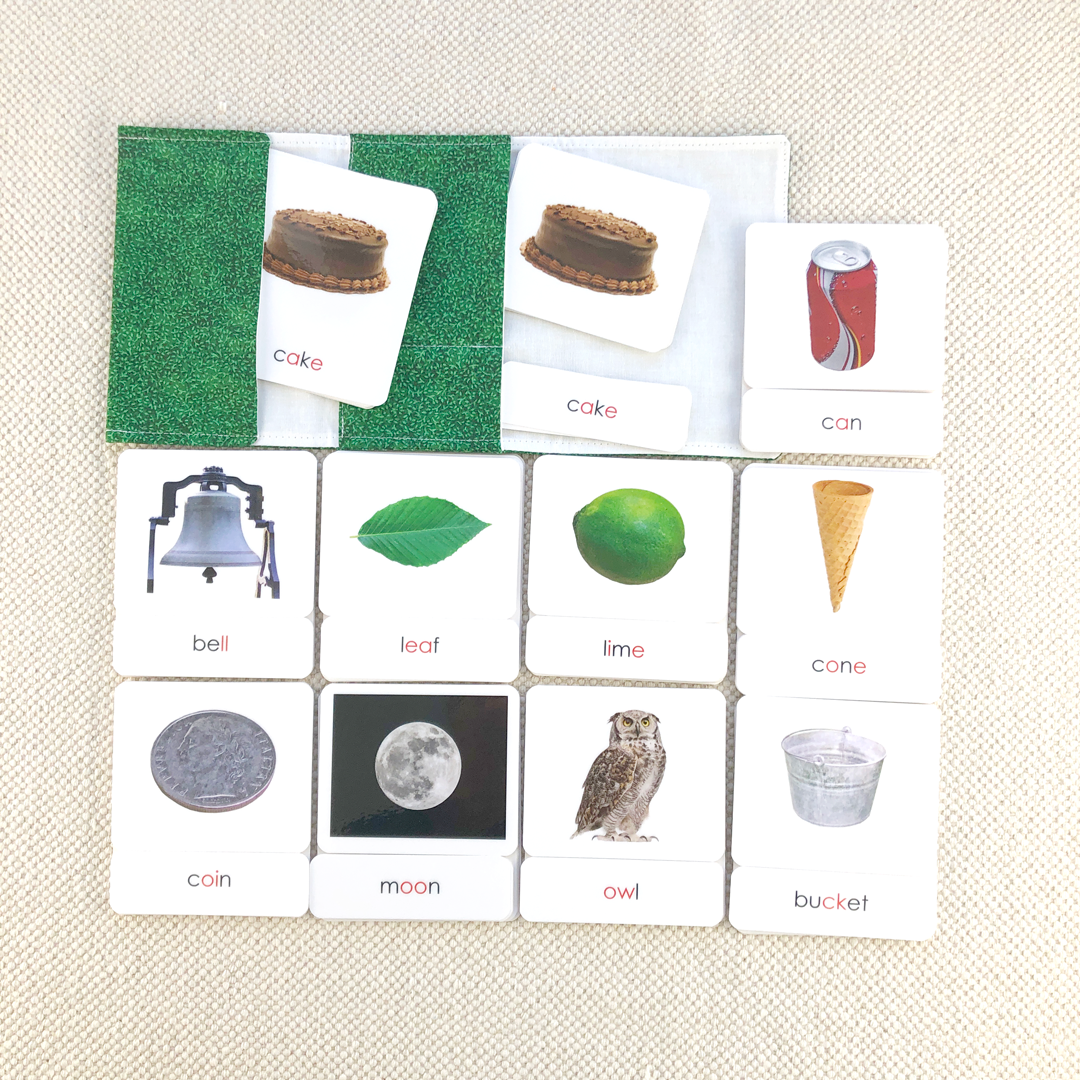
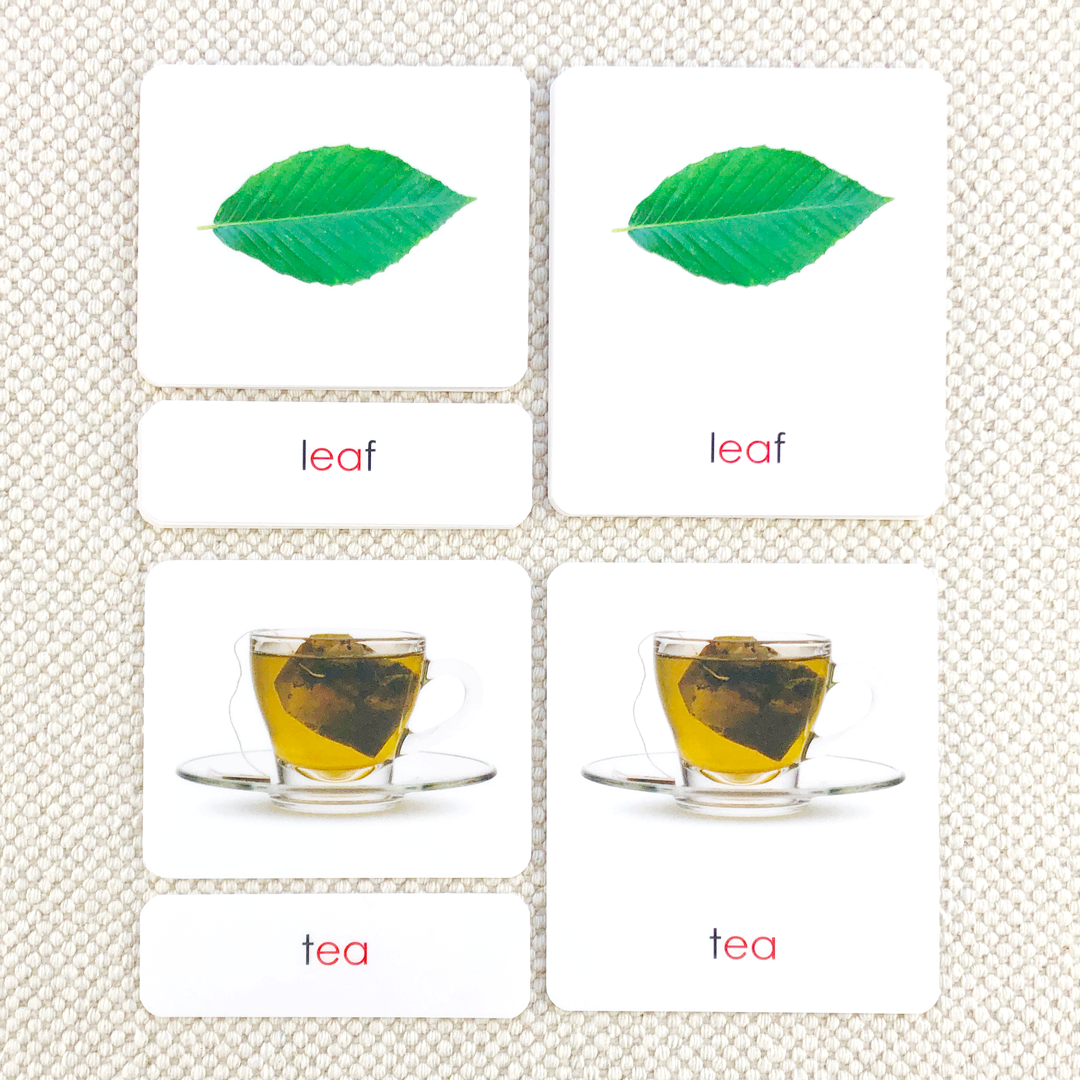
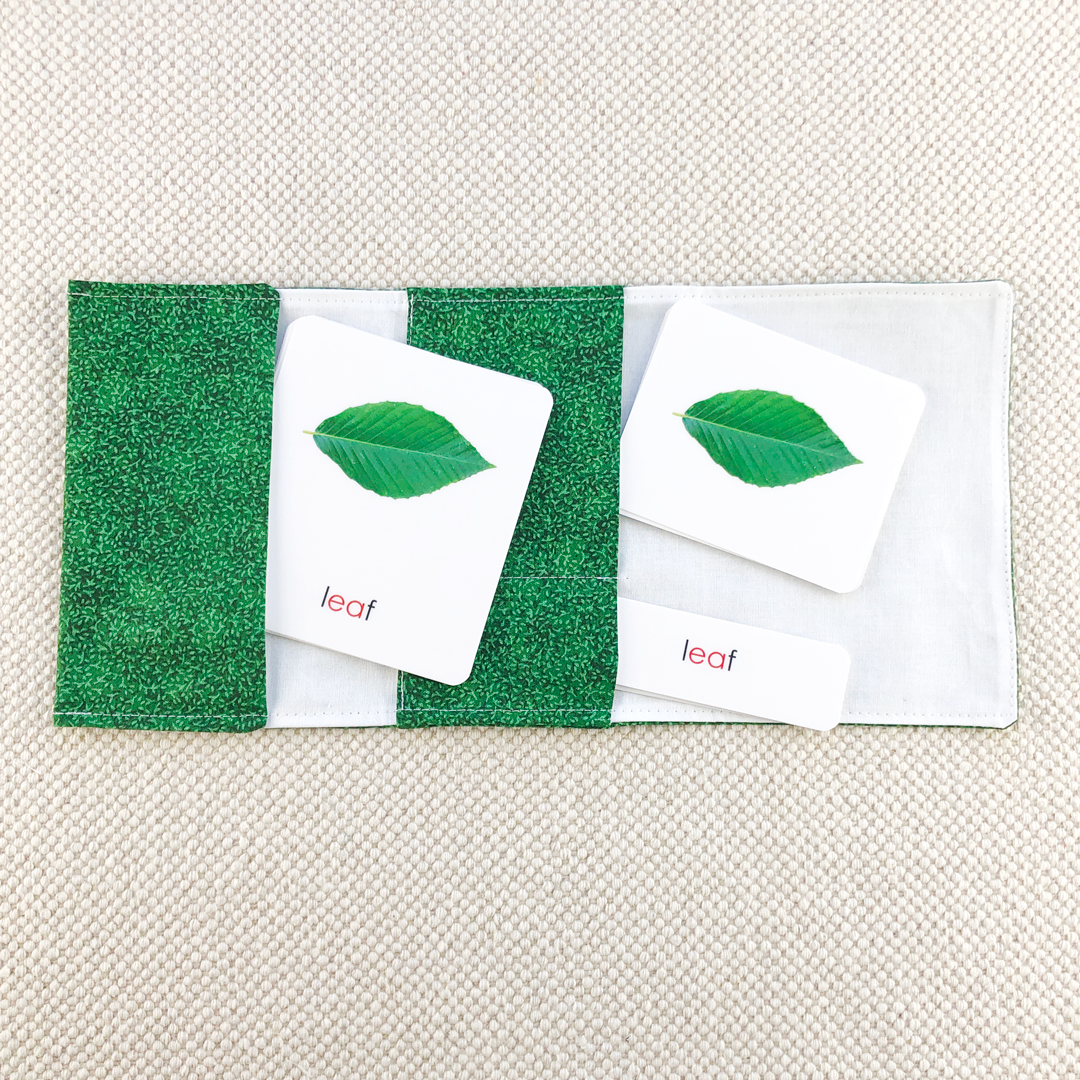
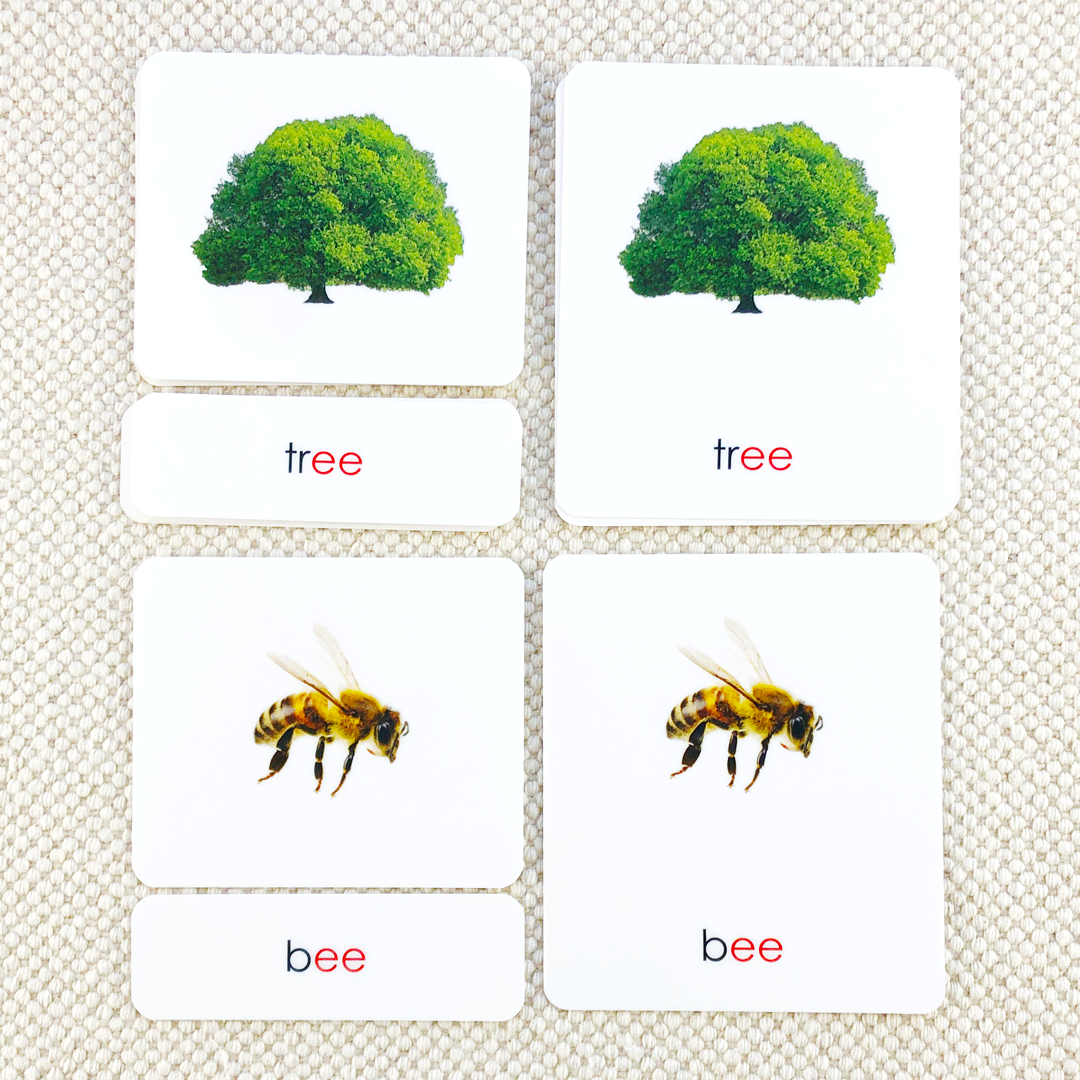
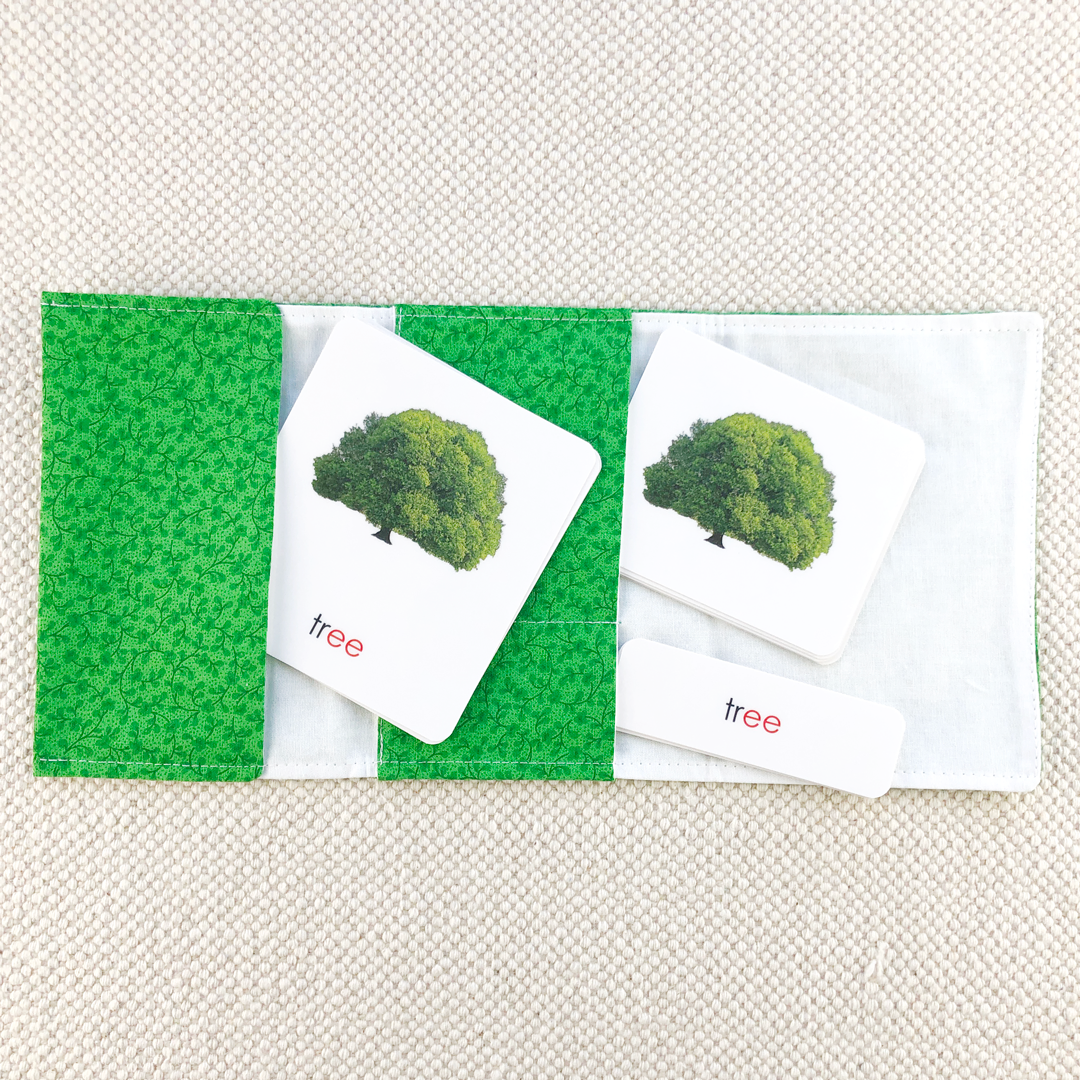
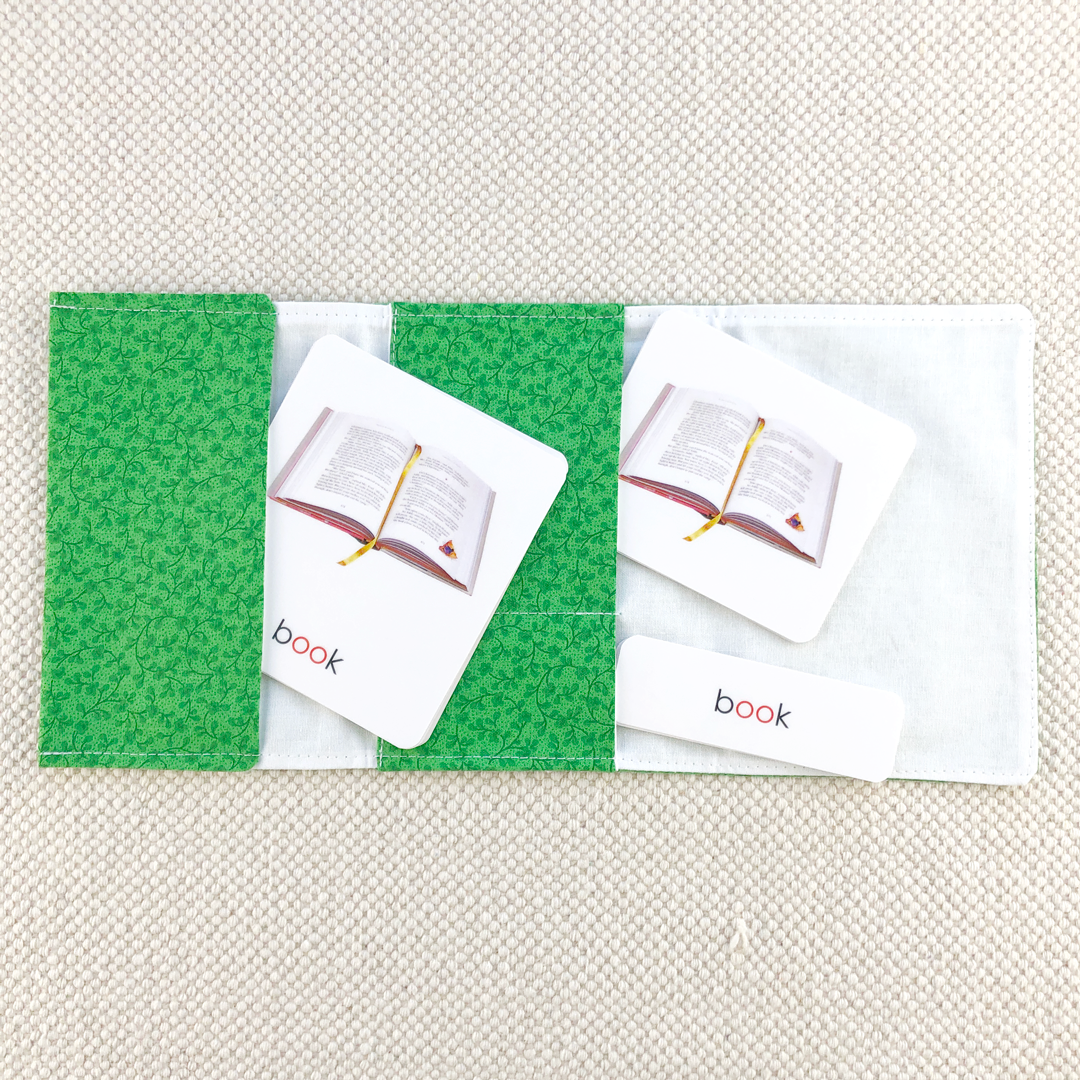
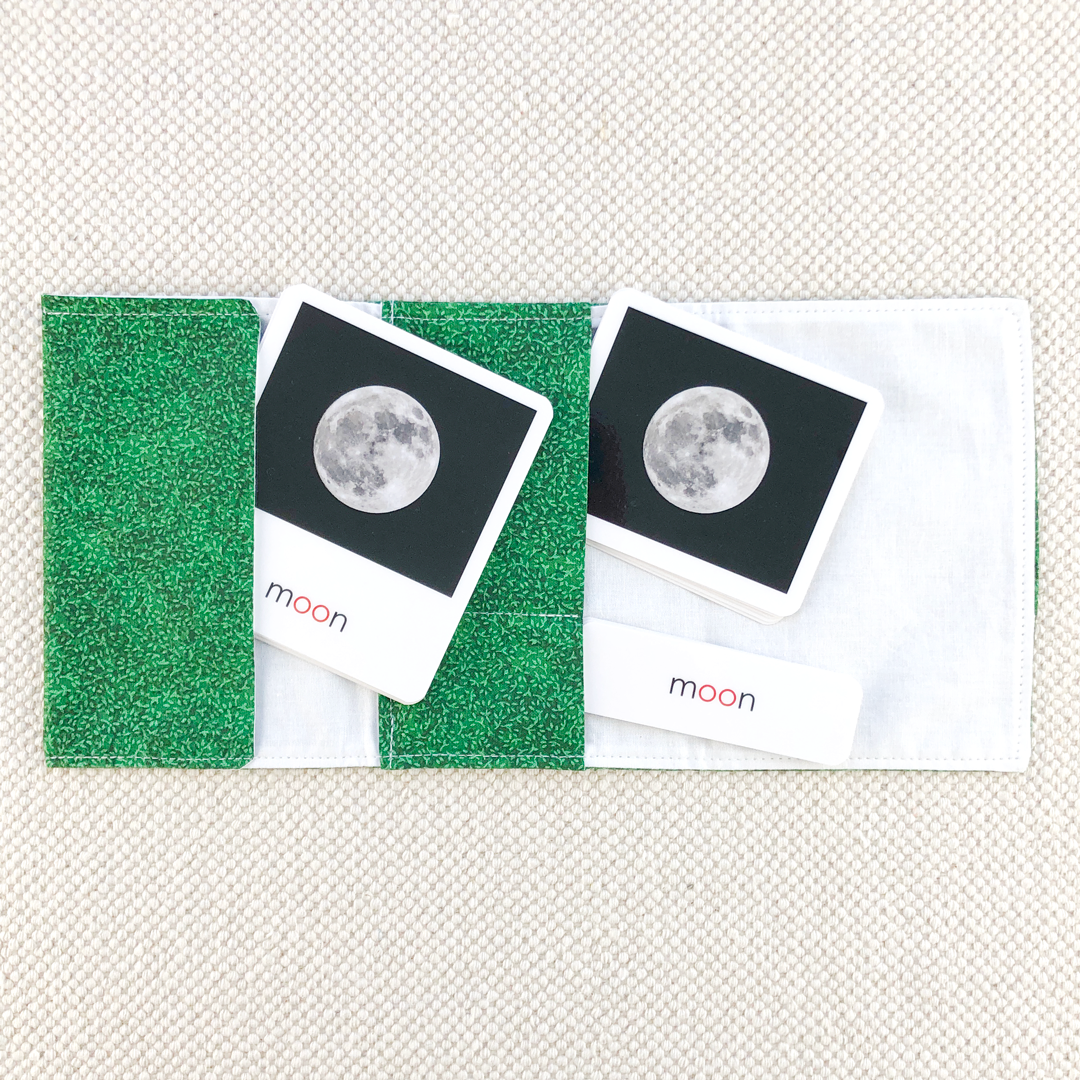
- Learn the sounds. Our digital sandpaper letters introduce each phonogram's shape and sound through tracing. Our Letter-Sound Charts give children a clear reference for the sounds letters make and are great for 3-period lessons. Our 3-Part Letter Sound Cards allow students to practice and solidify their letter-sound knowledge in a self-correcting way.
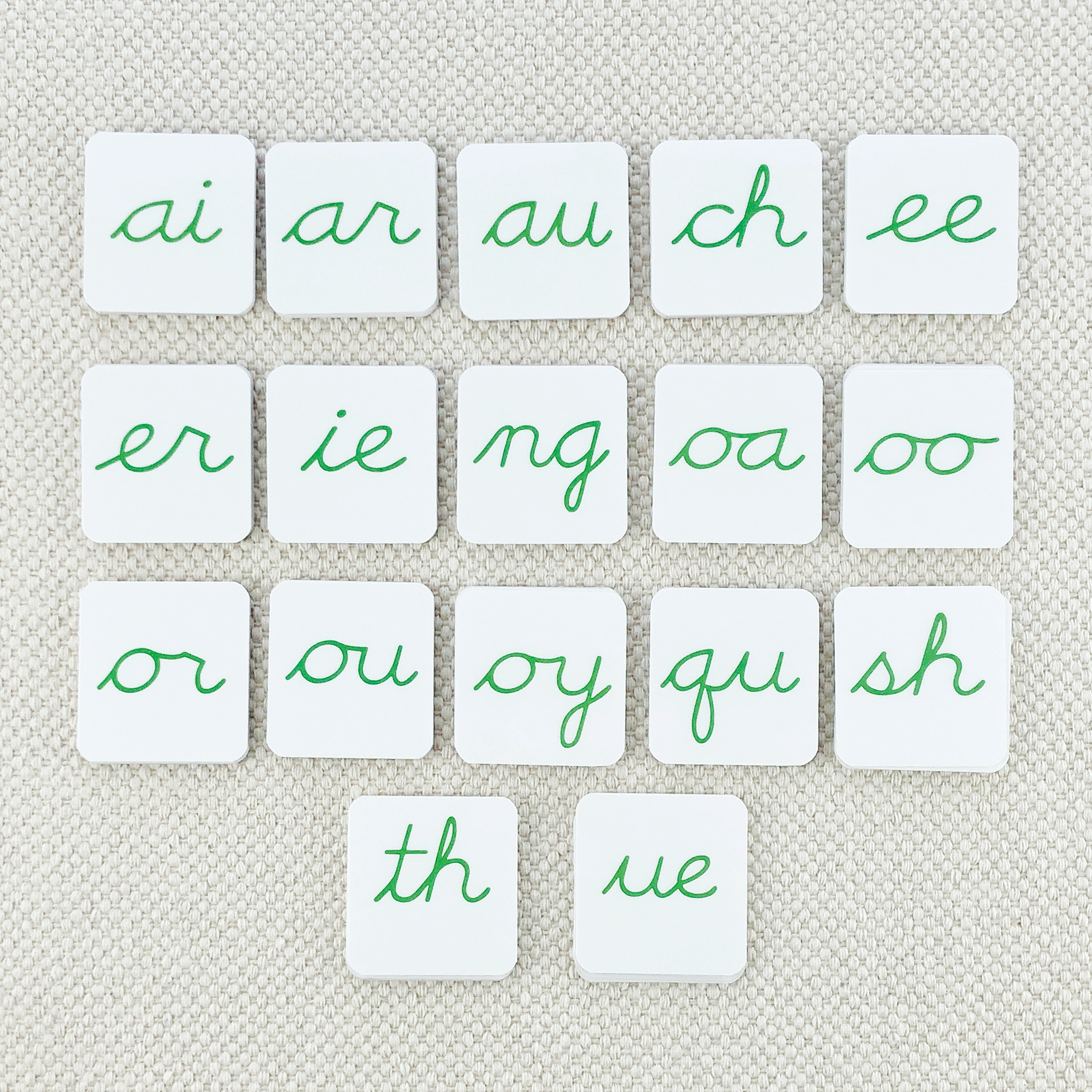
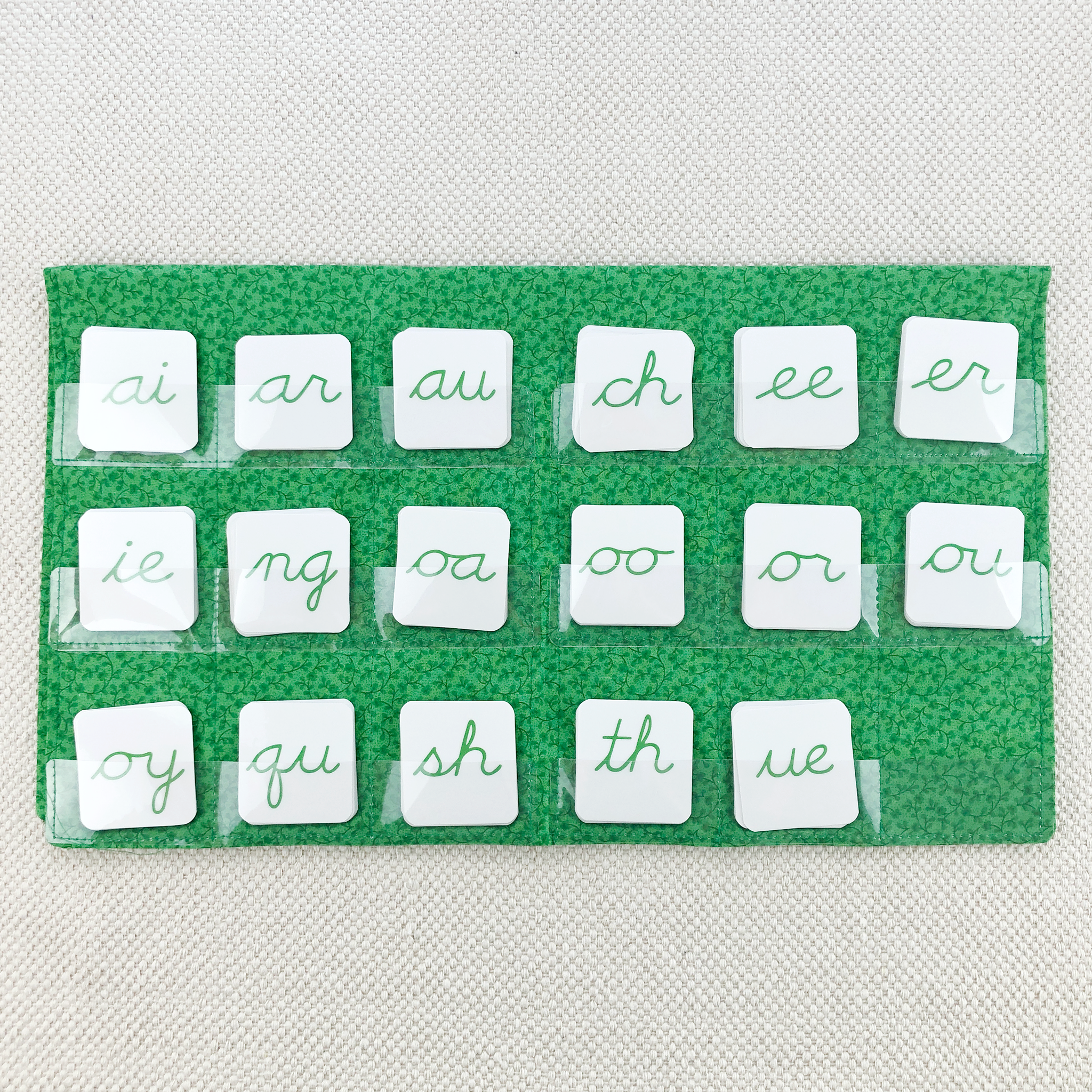
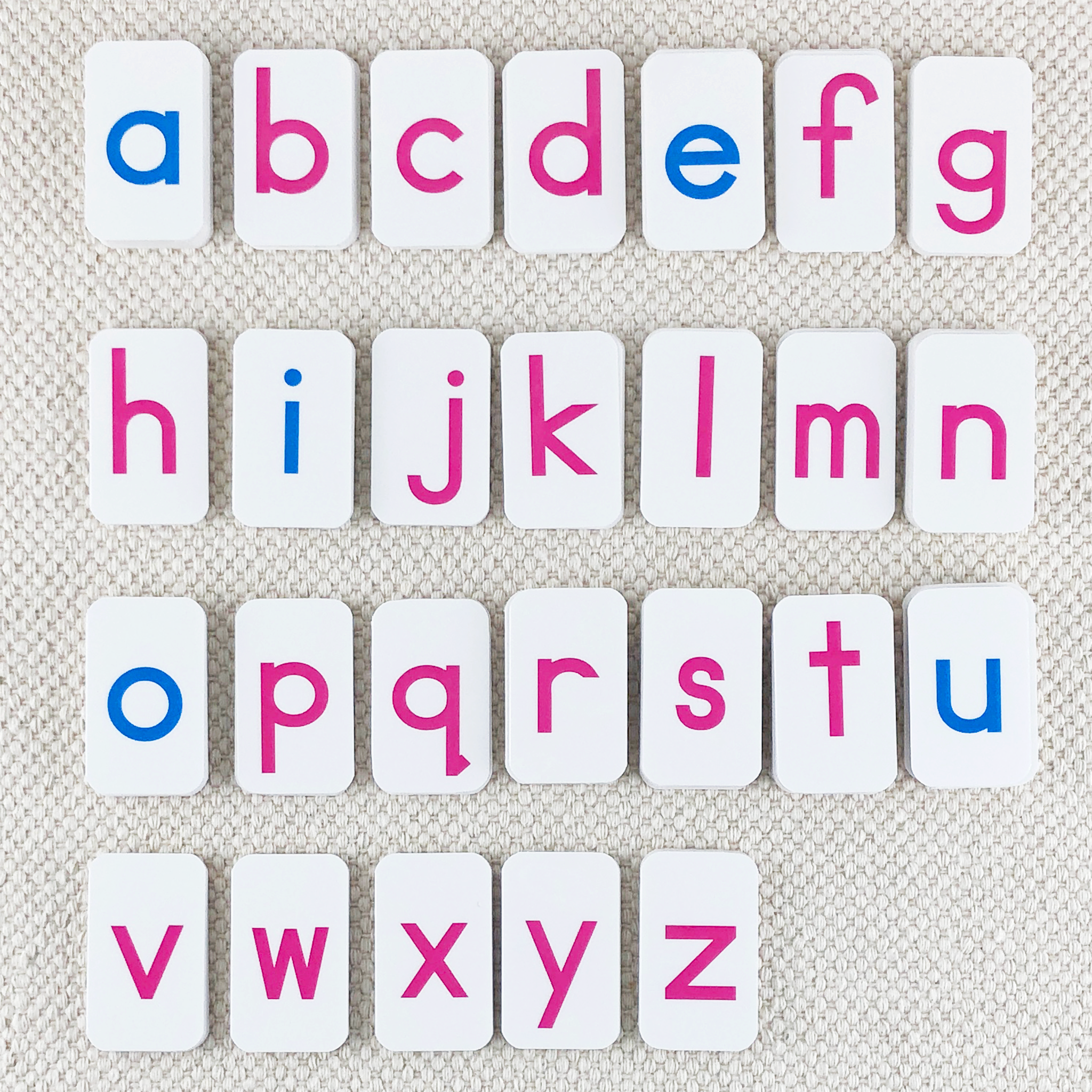
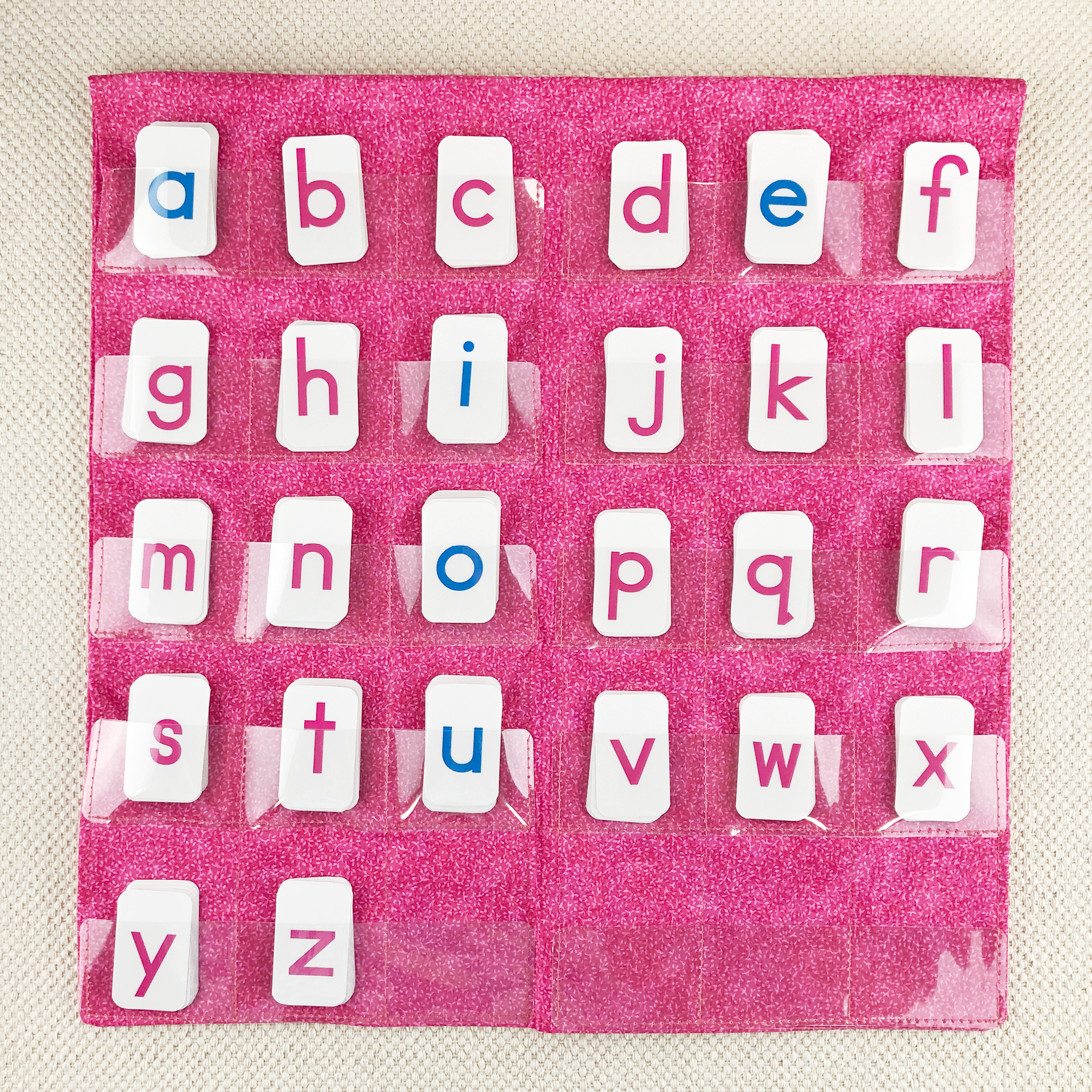
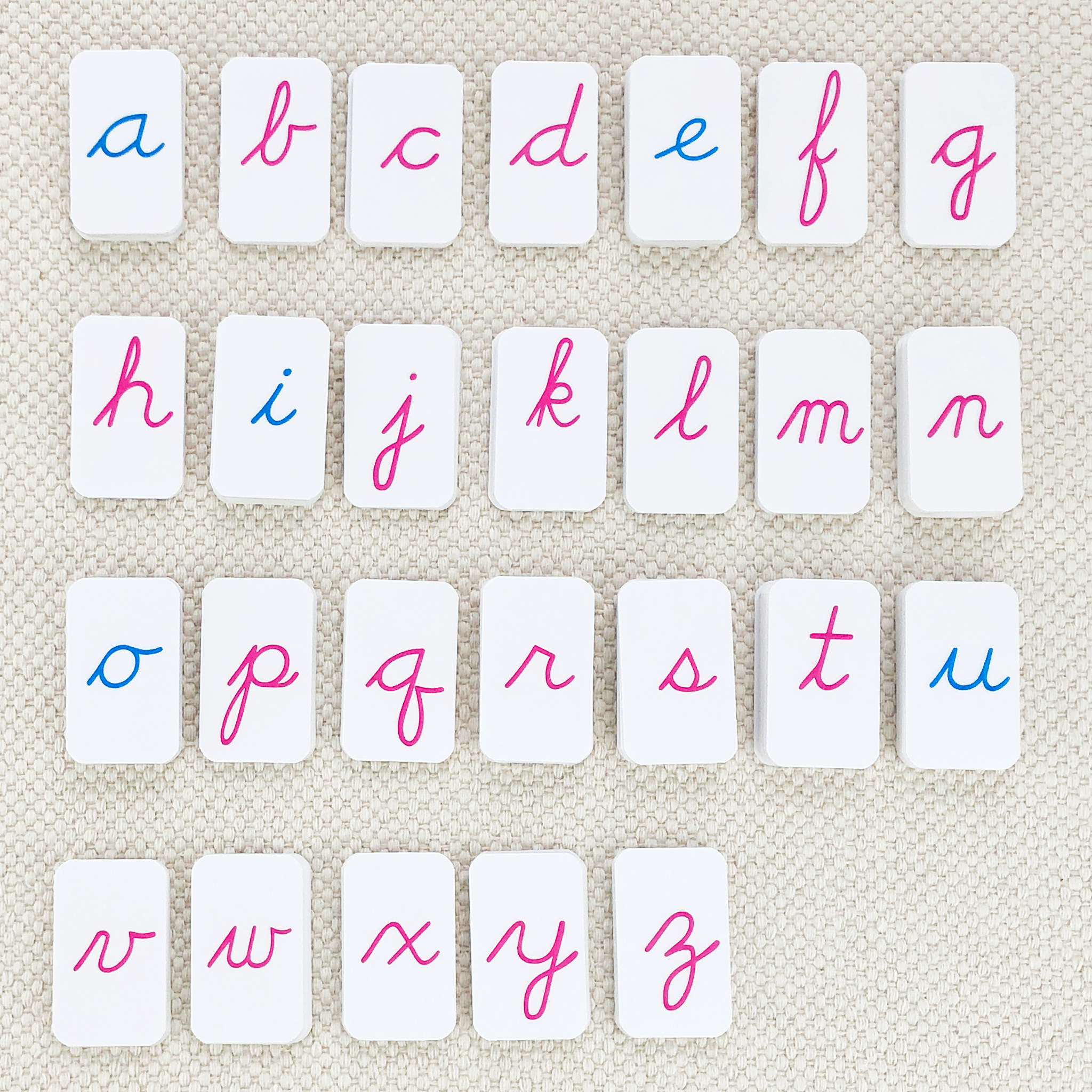
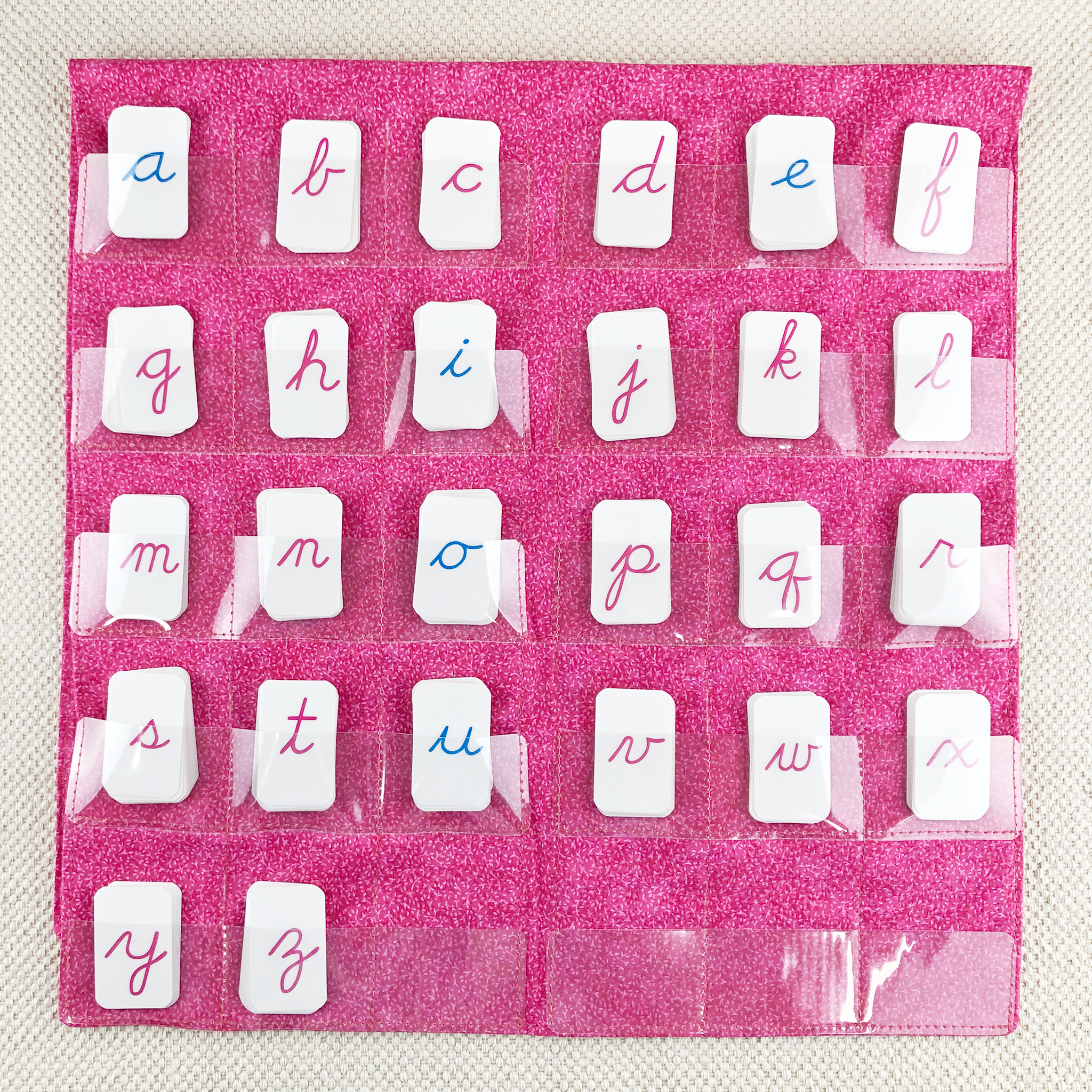
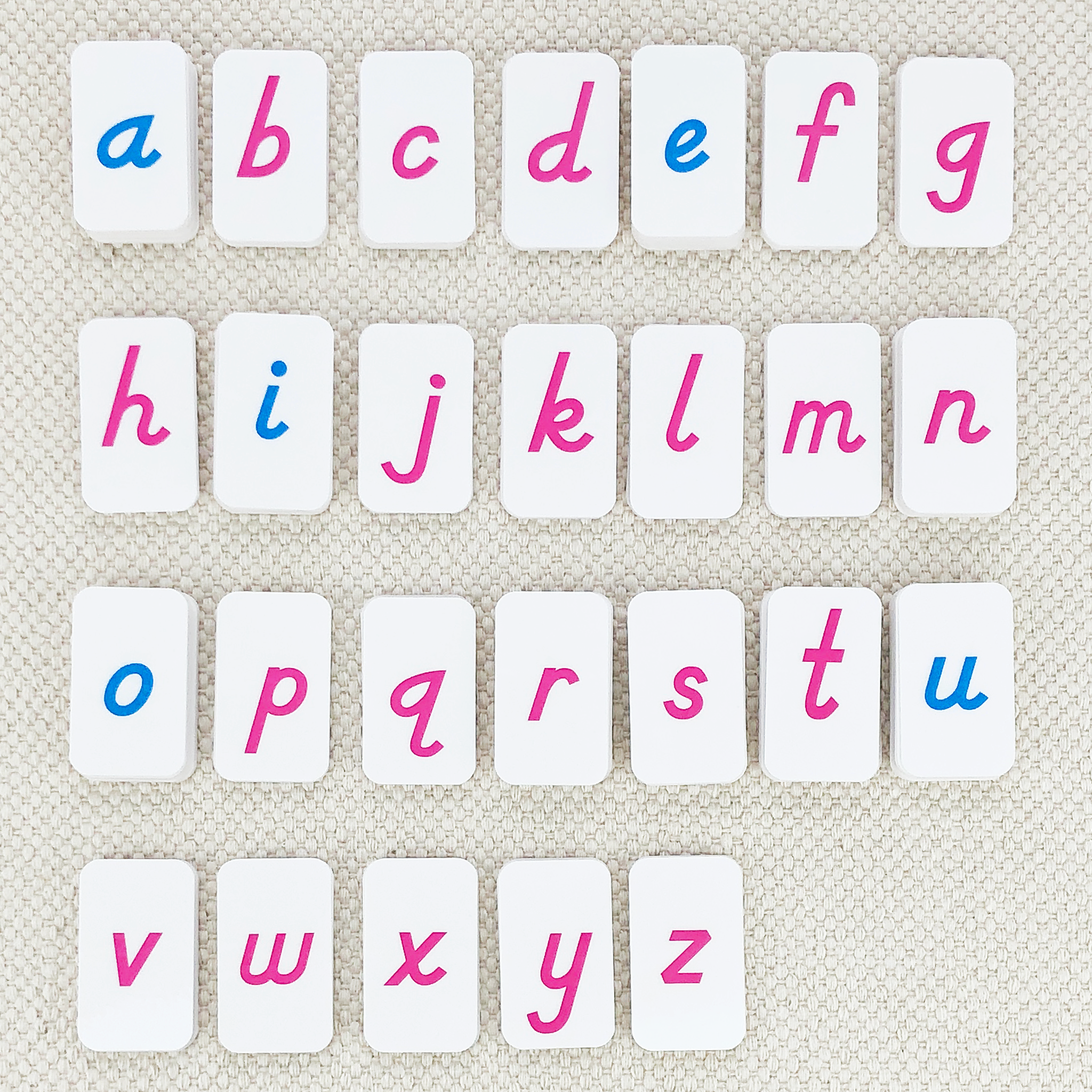
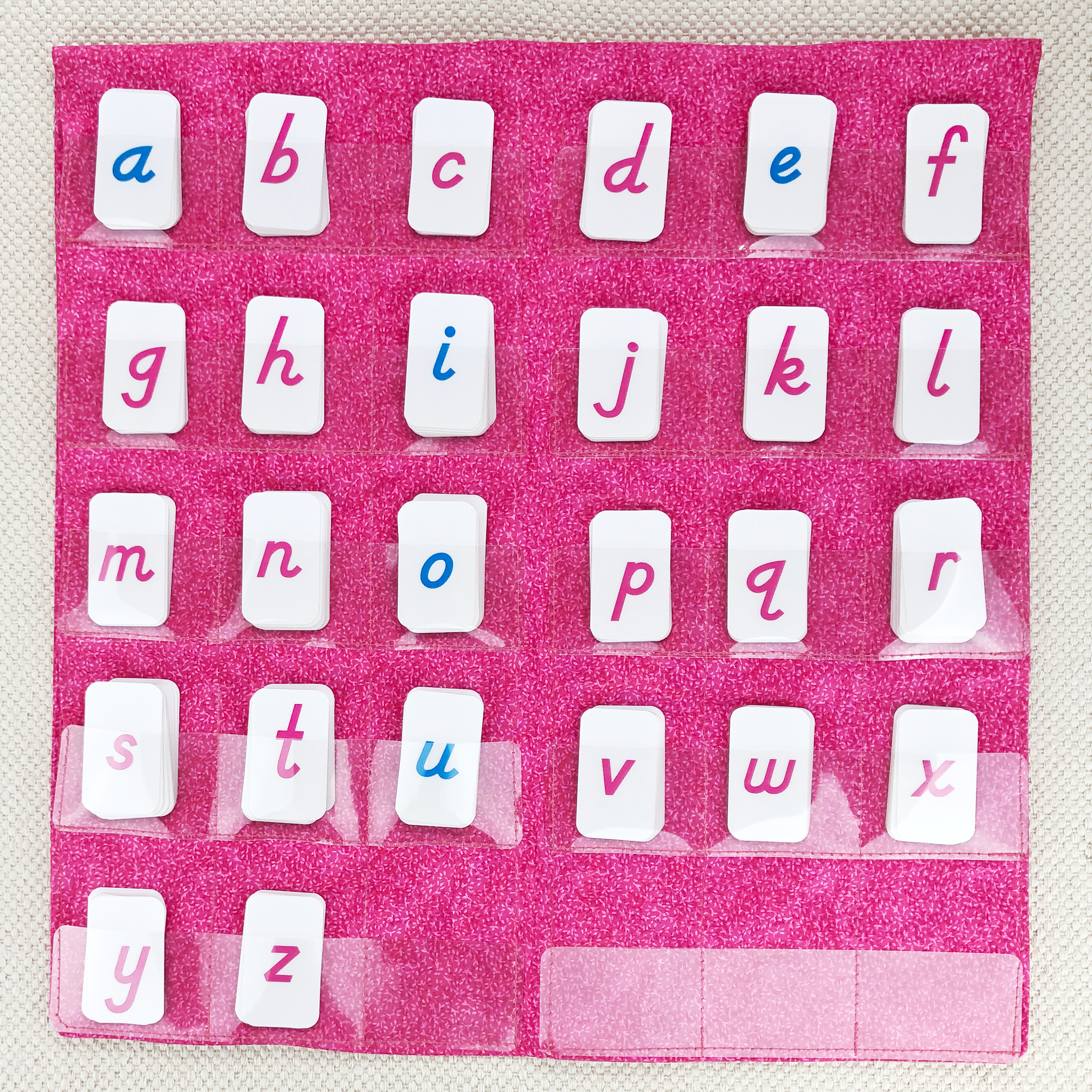
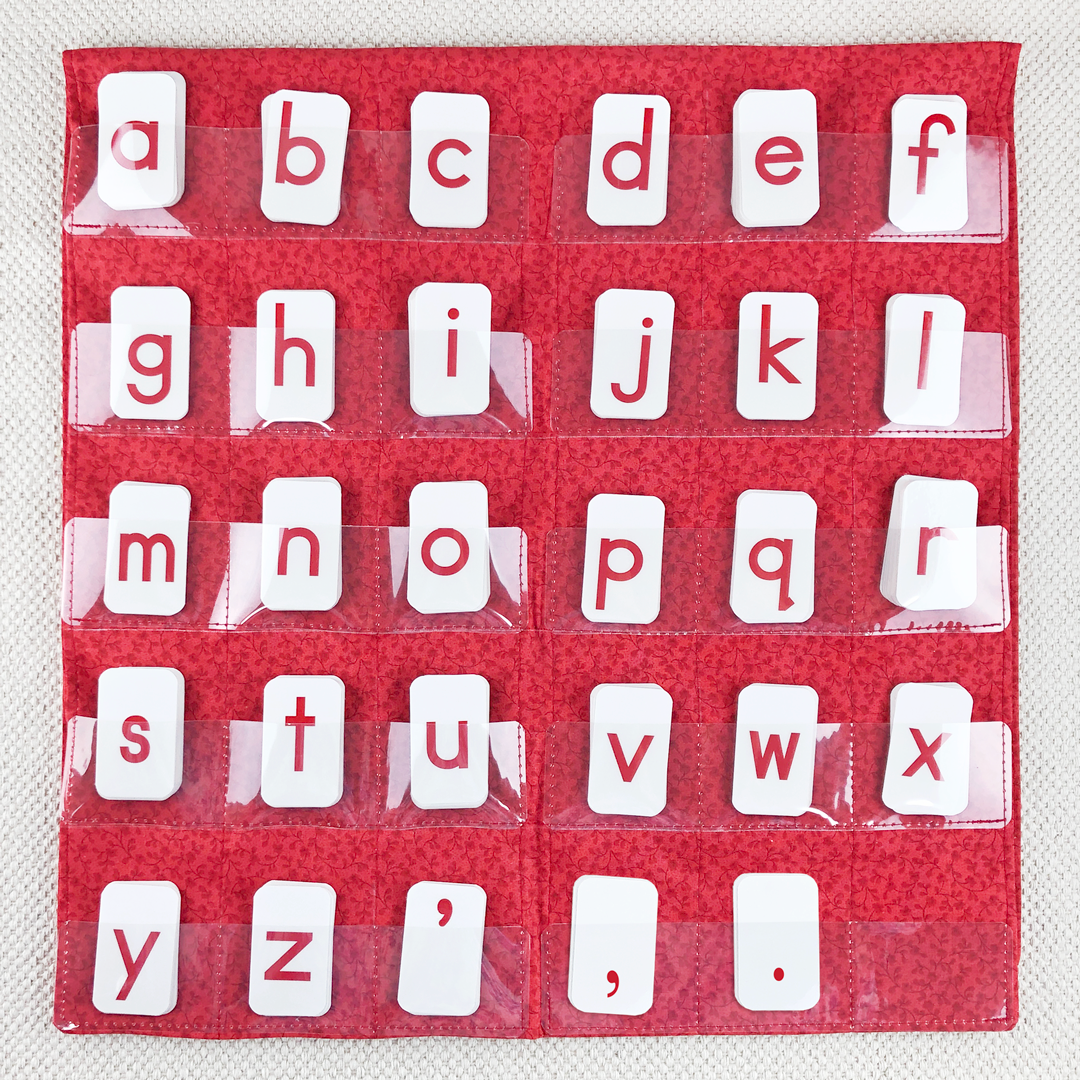
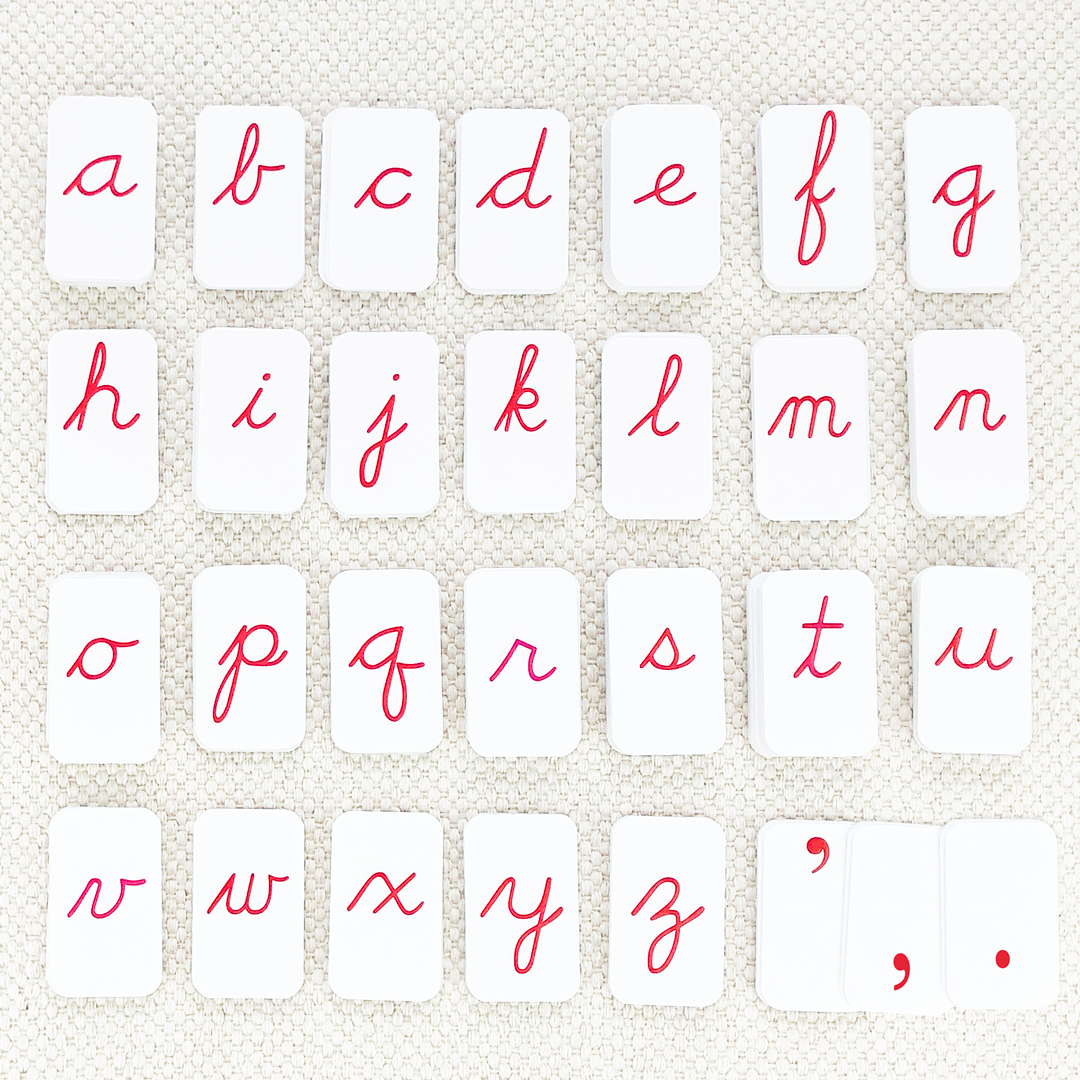
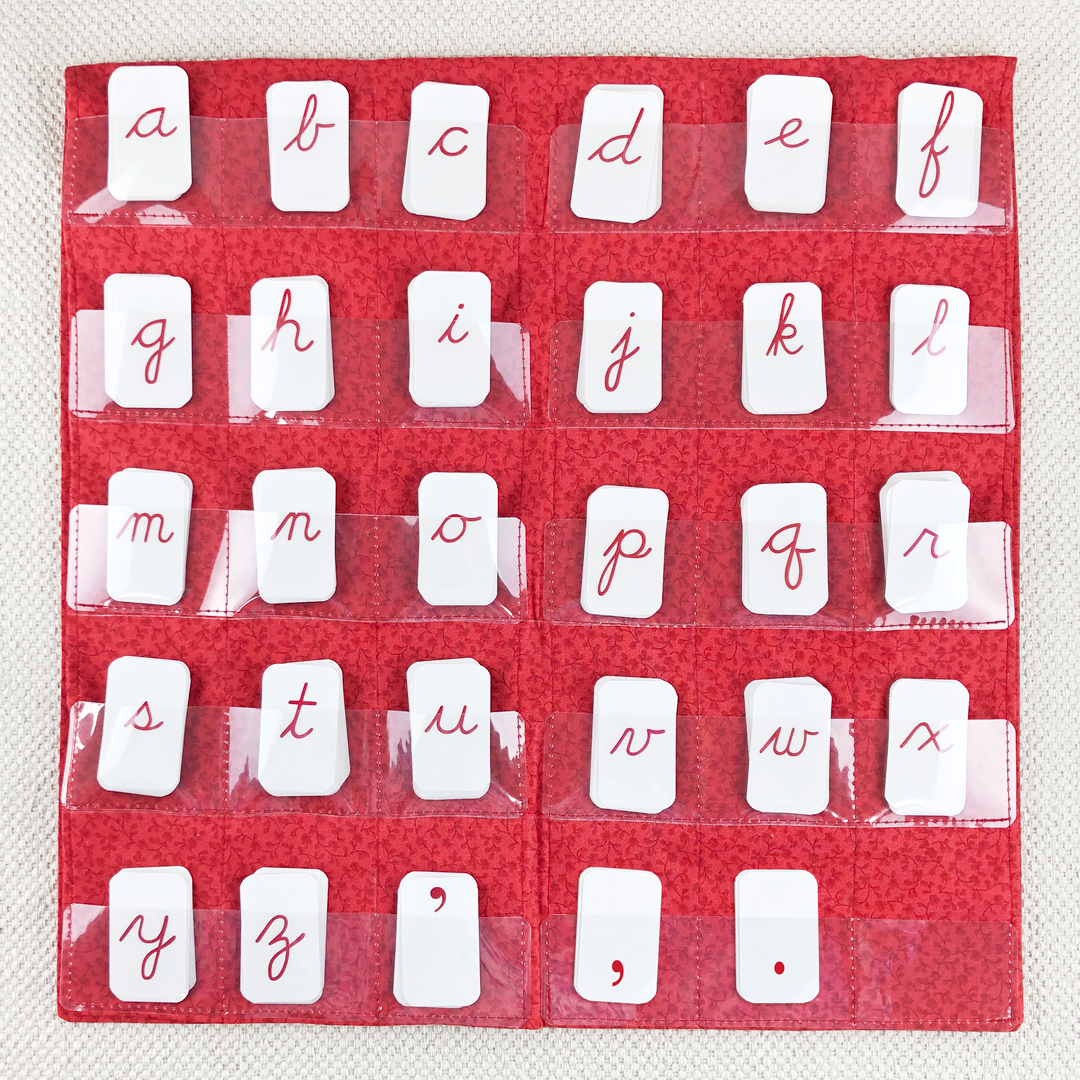
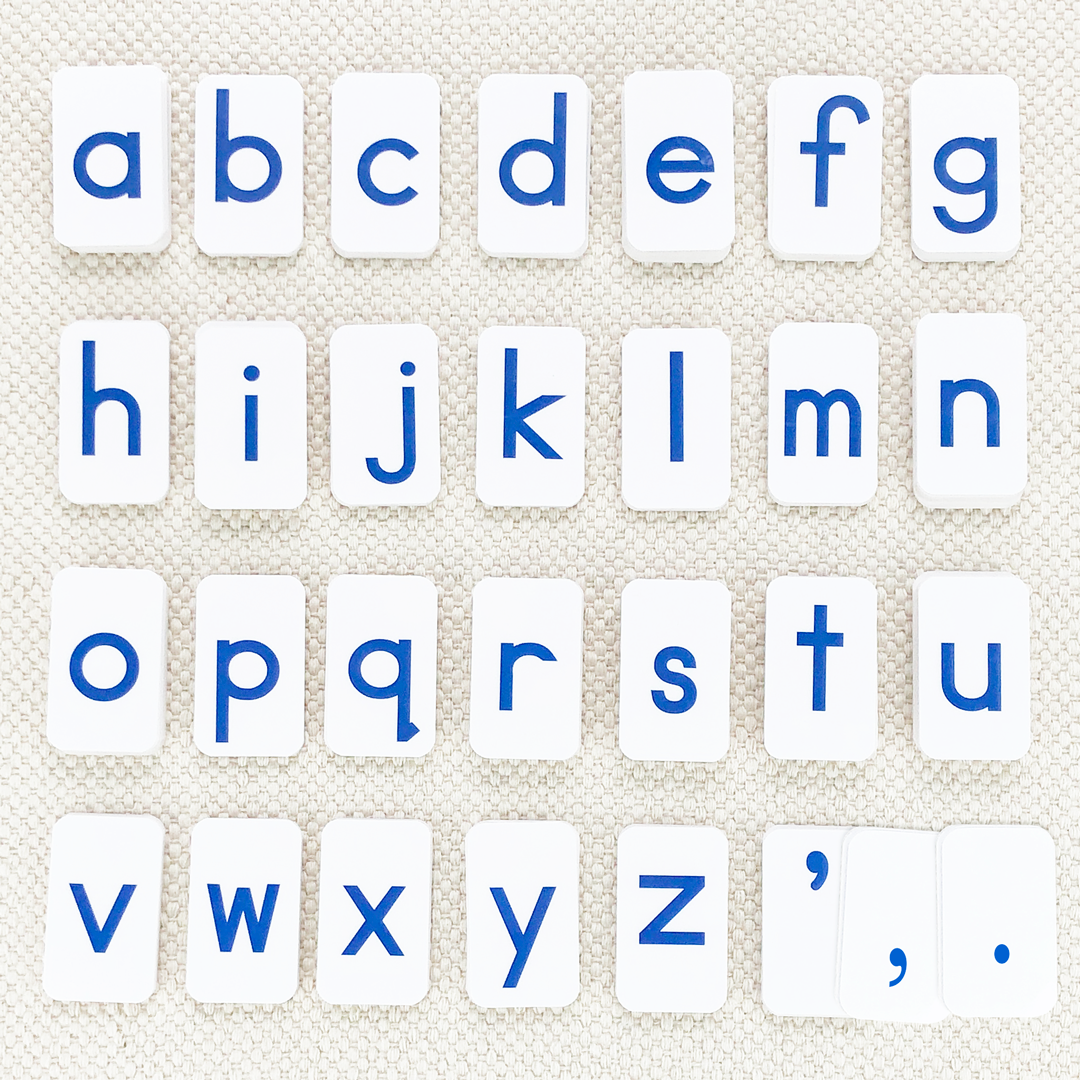
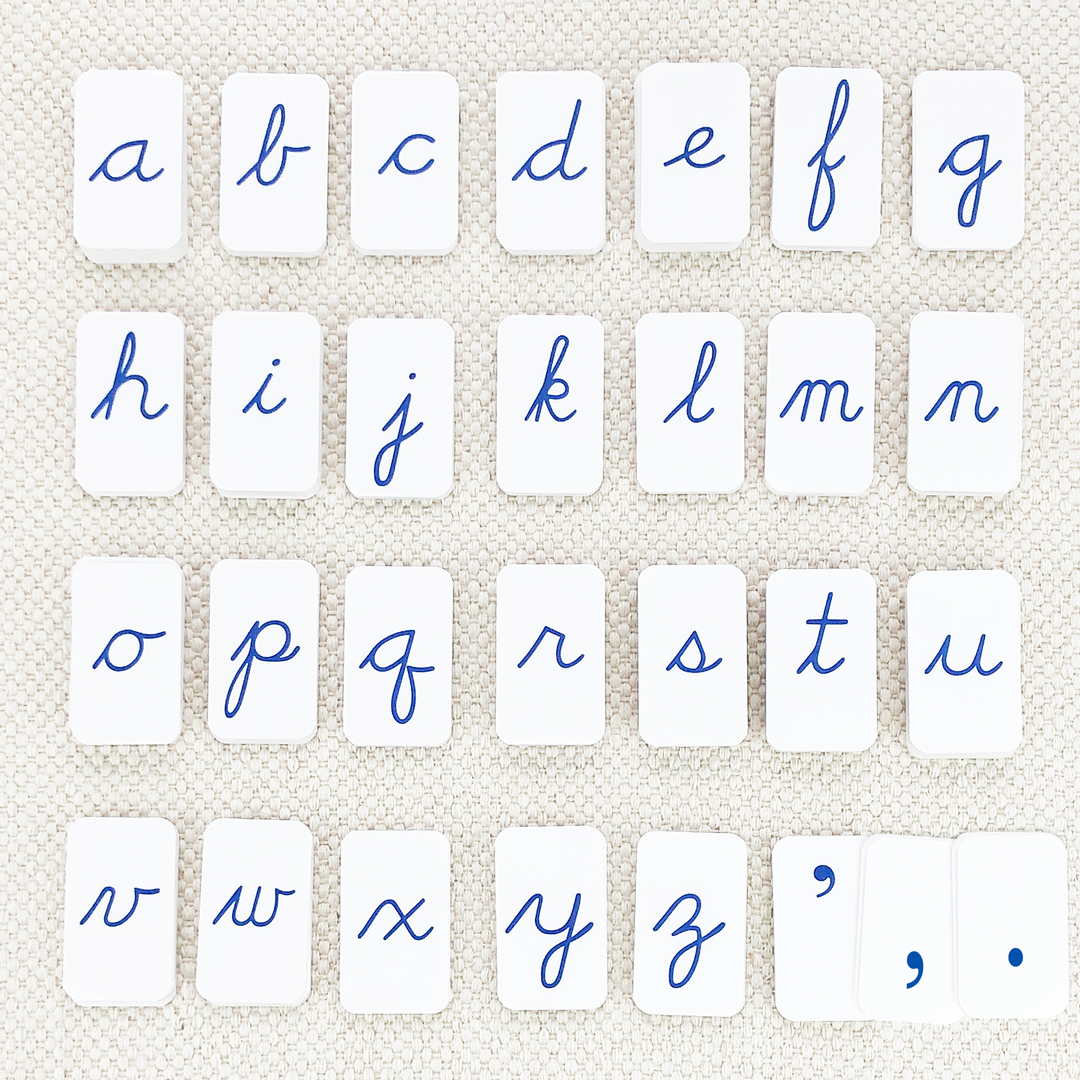
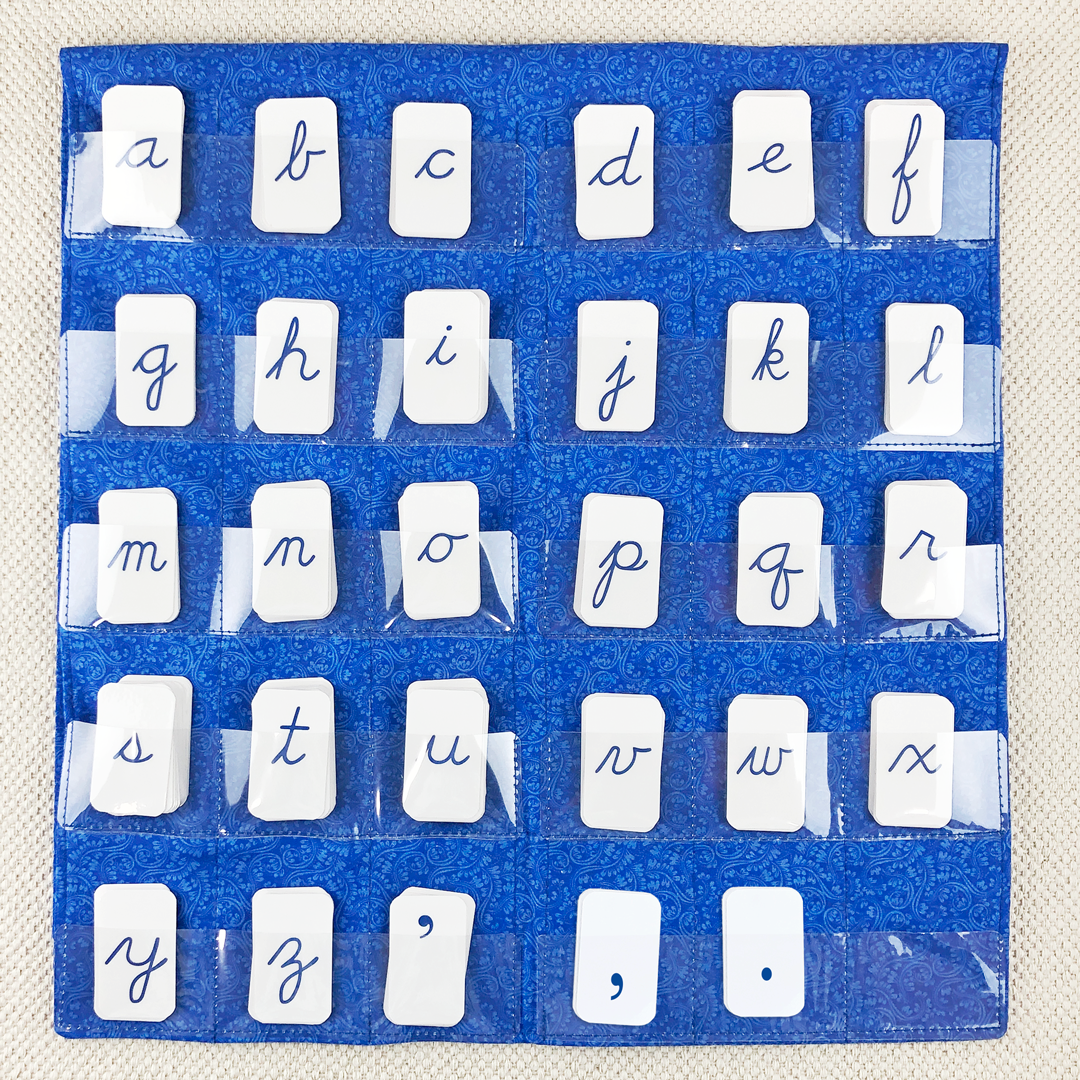
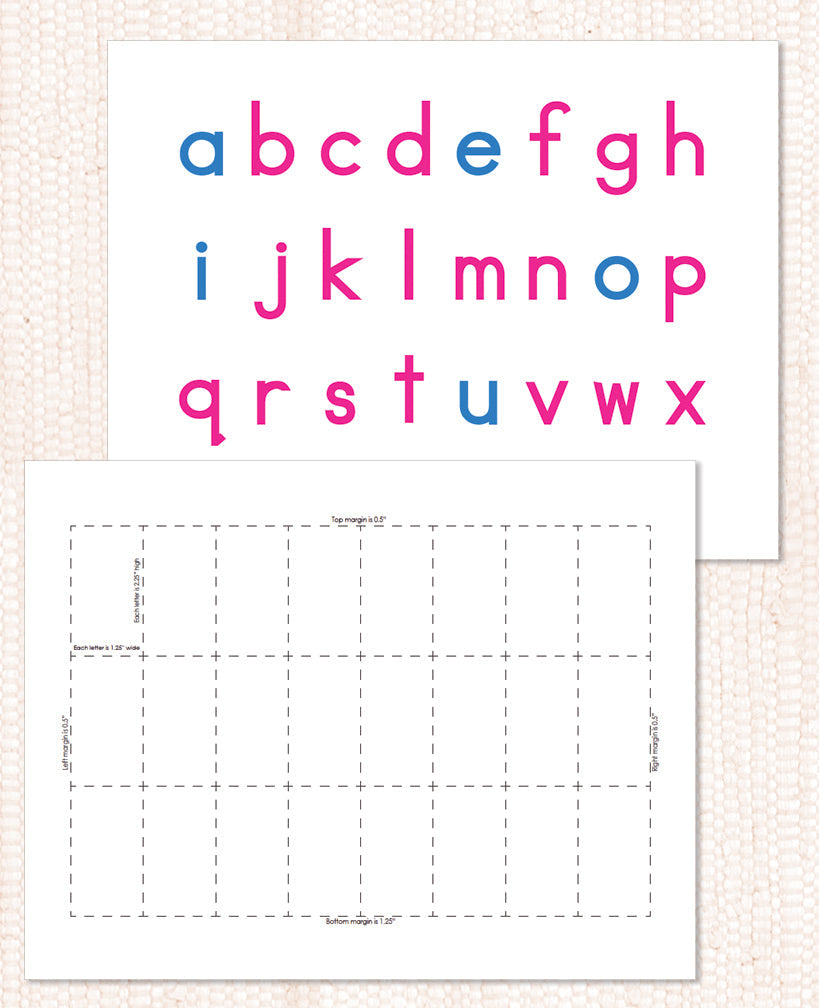
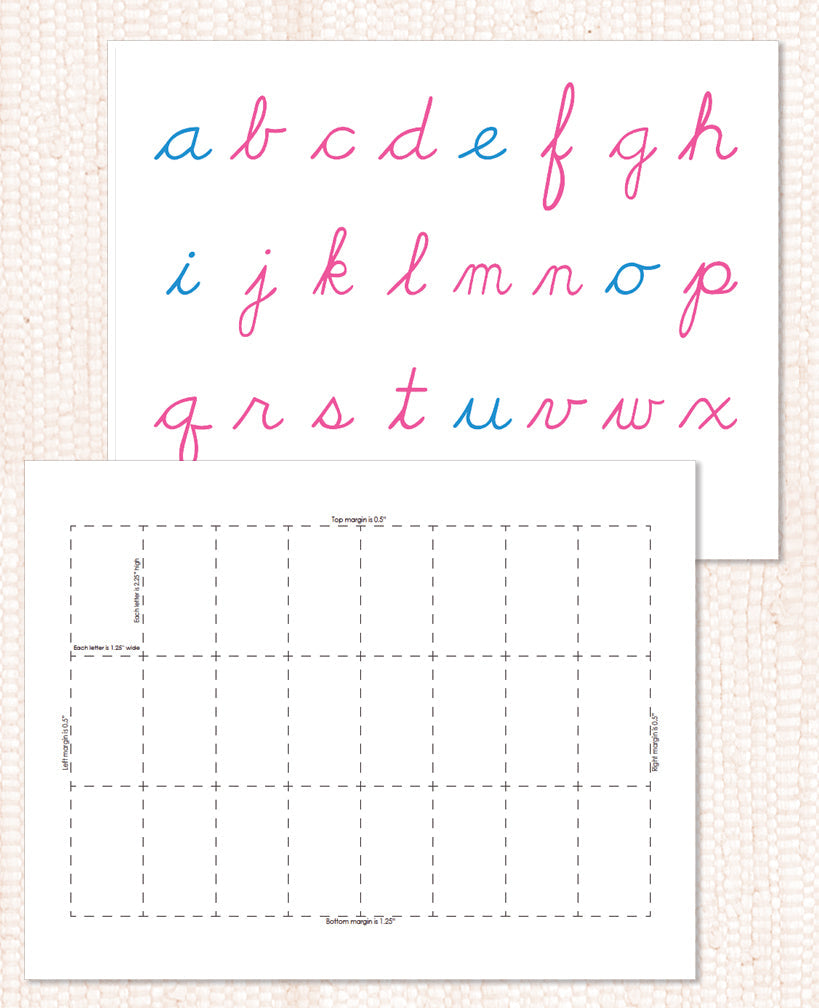
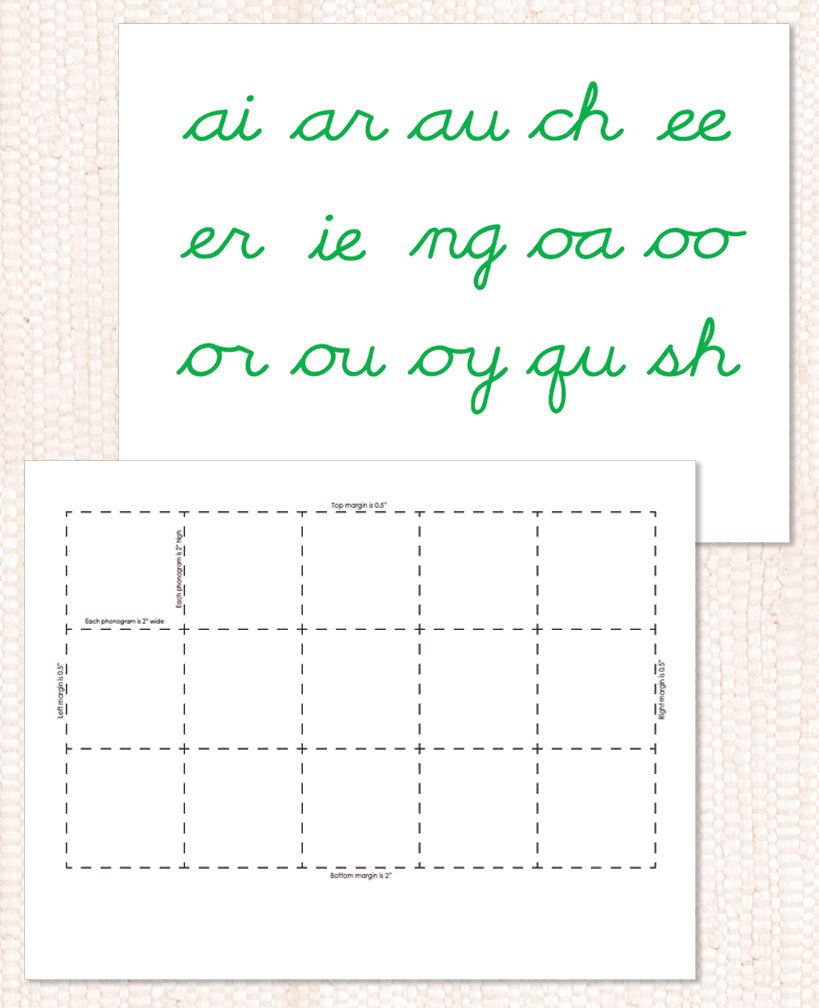
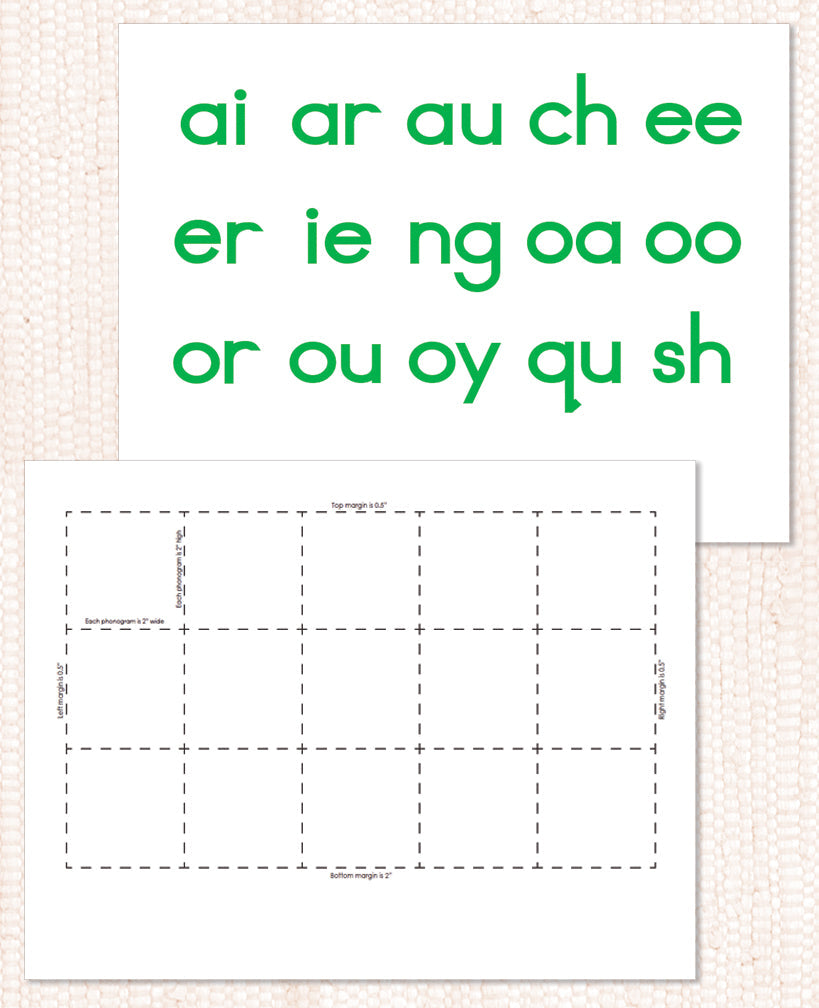
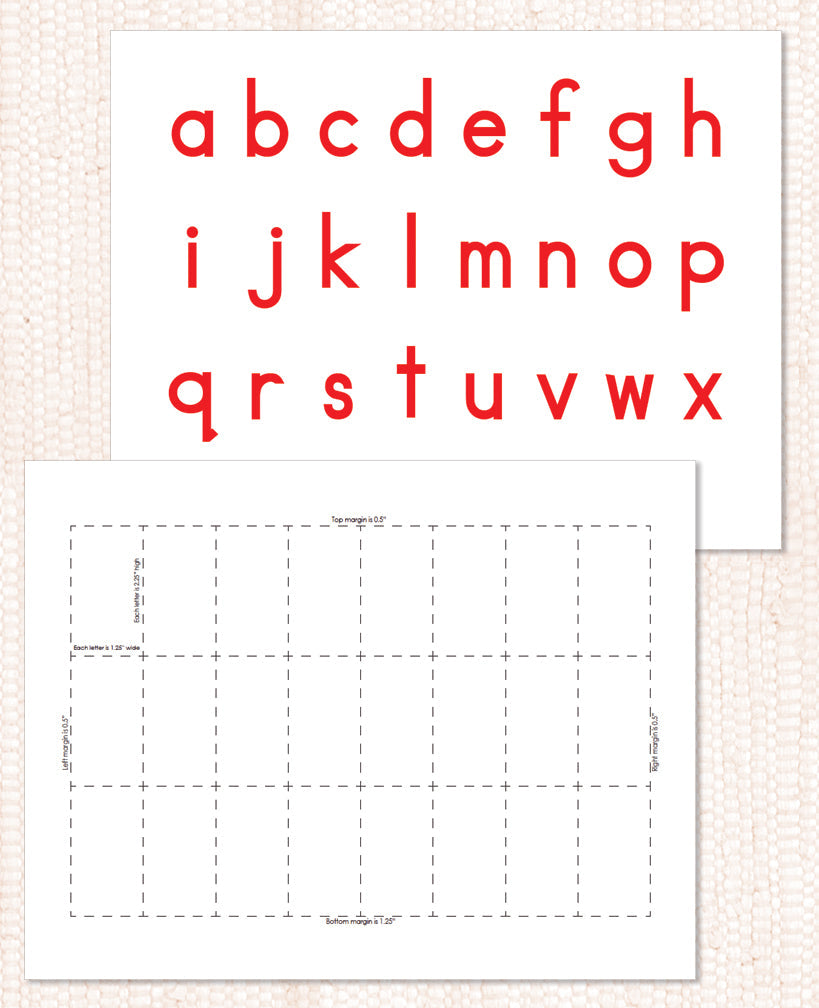
- Build words (encoding). The green phonogram alphabet works alongside the pink and blue alphabet, so students can spell words like ship and corn on their own.
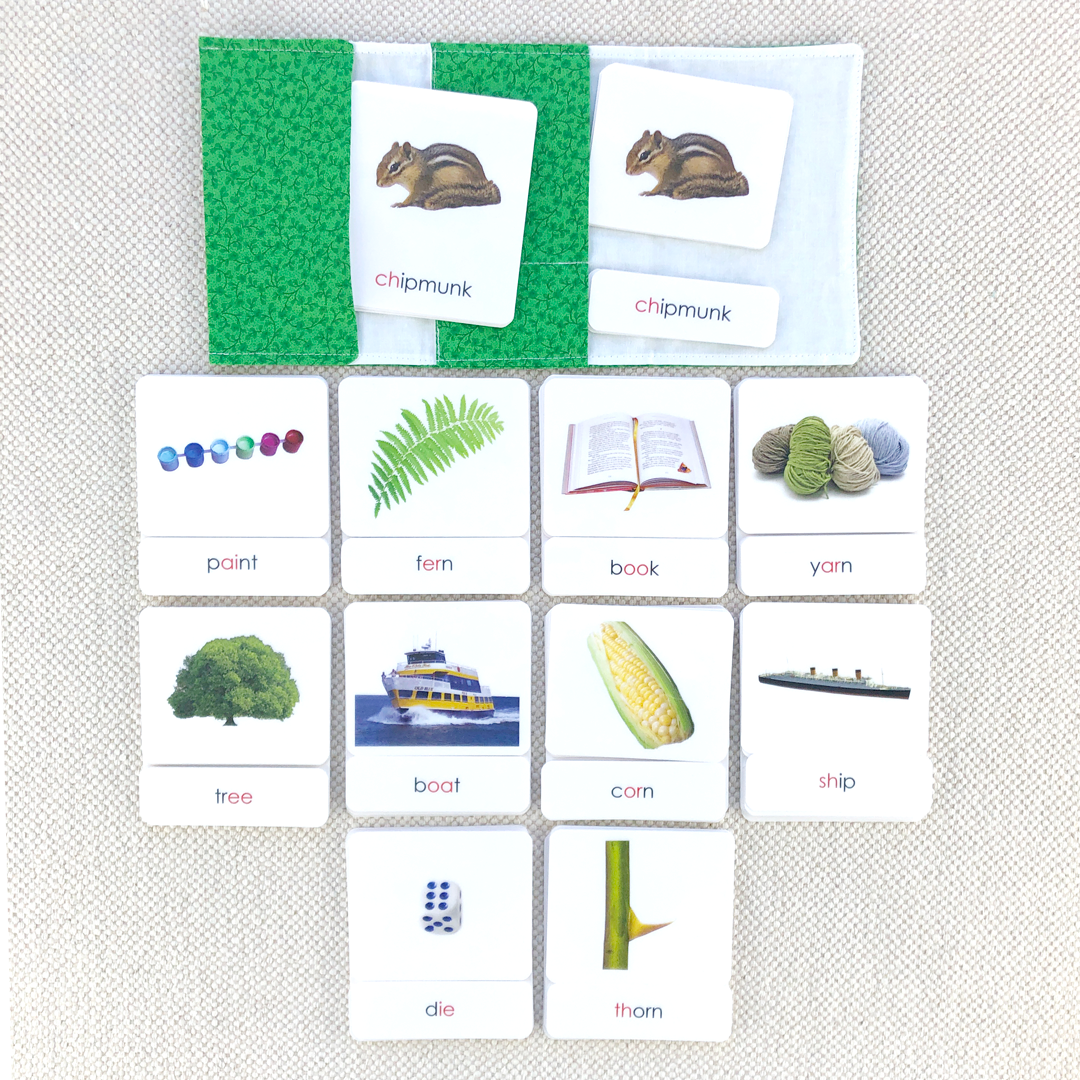
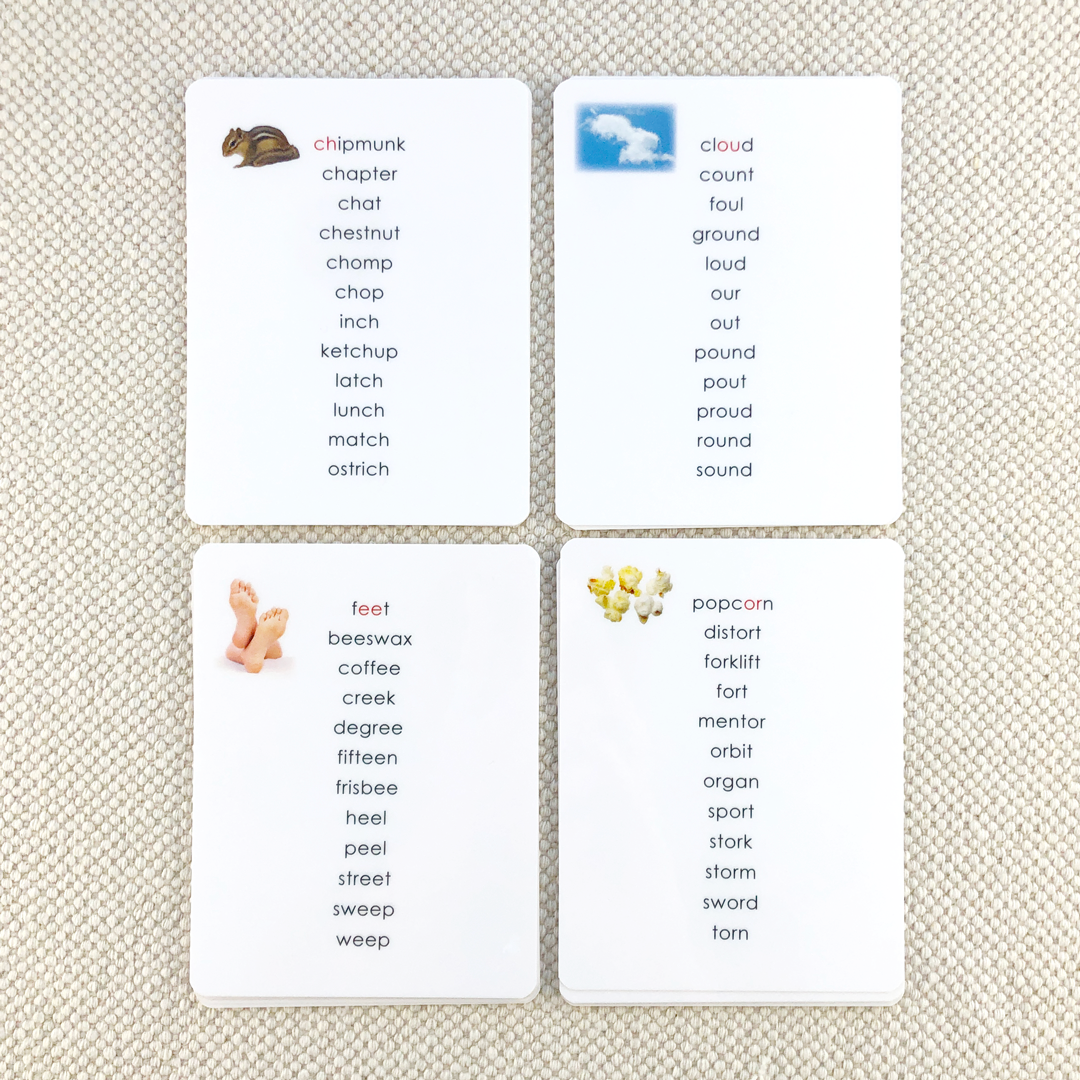
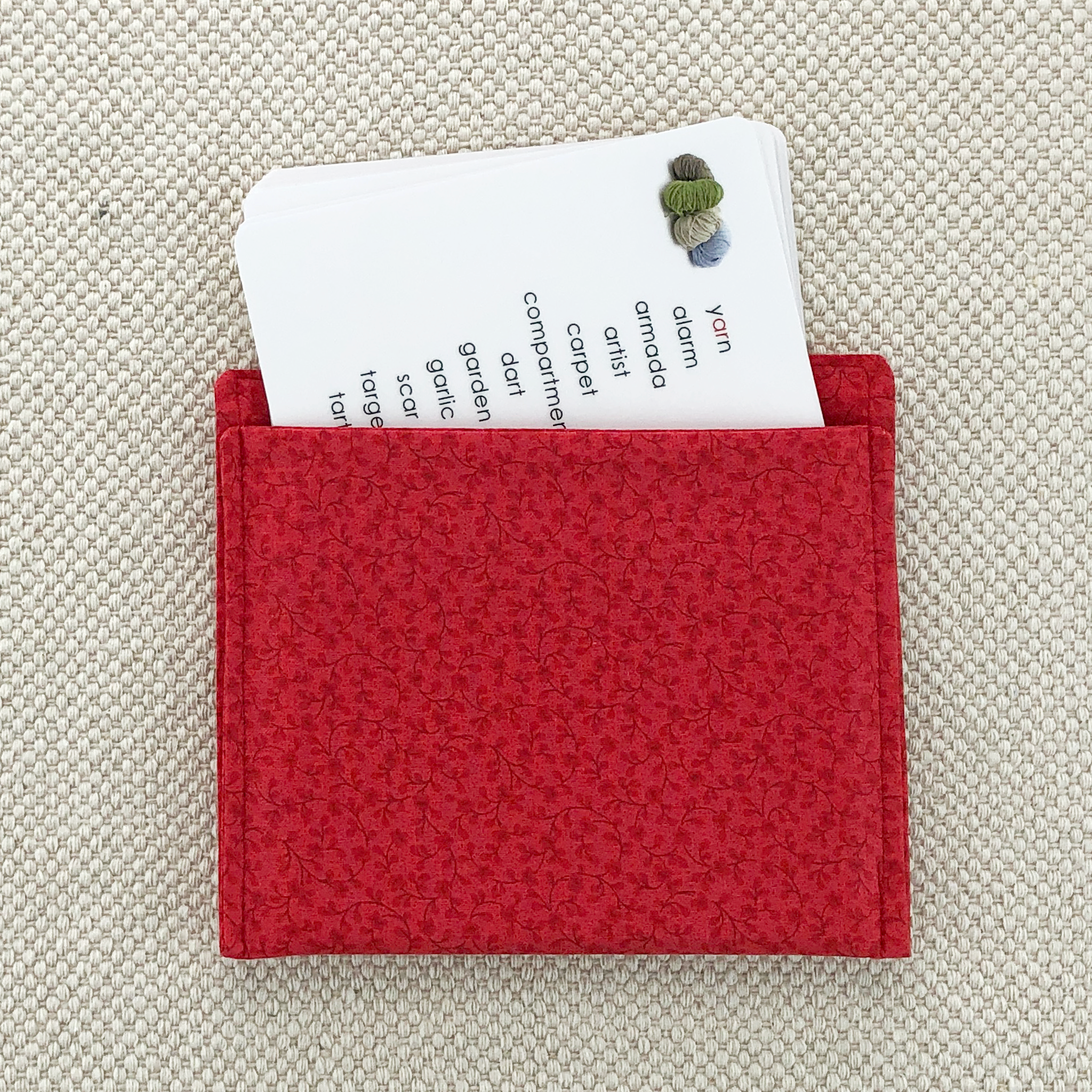
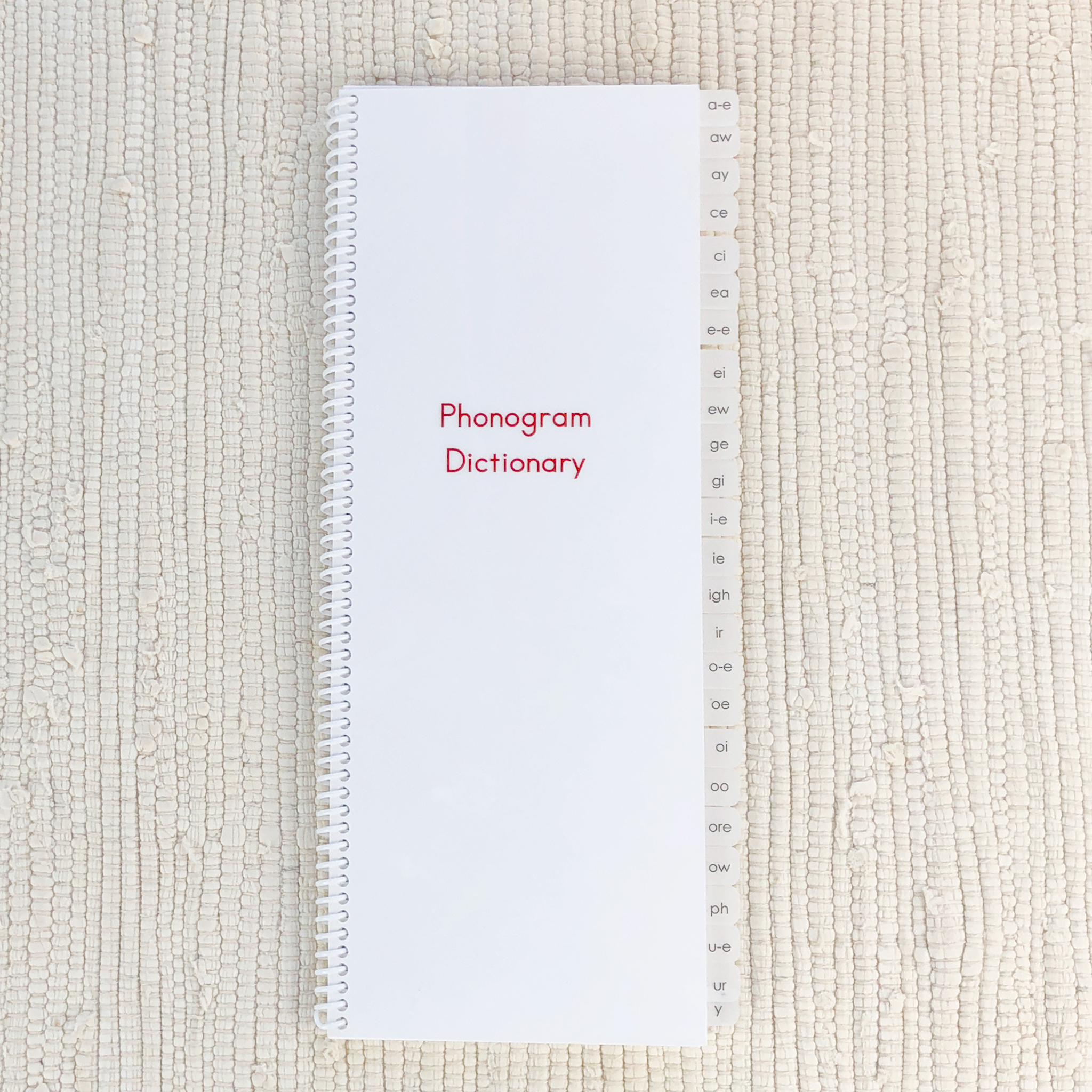
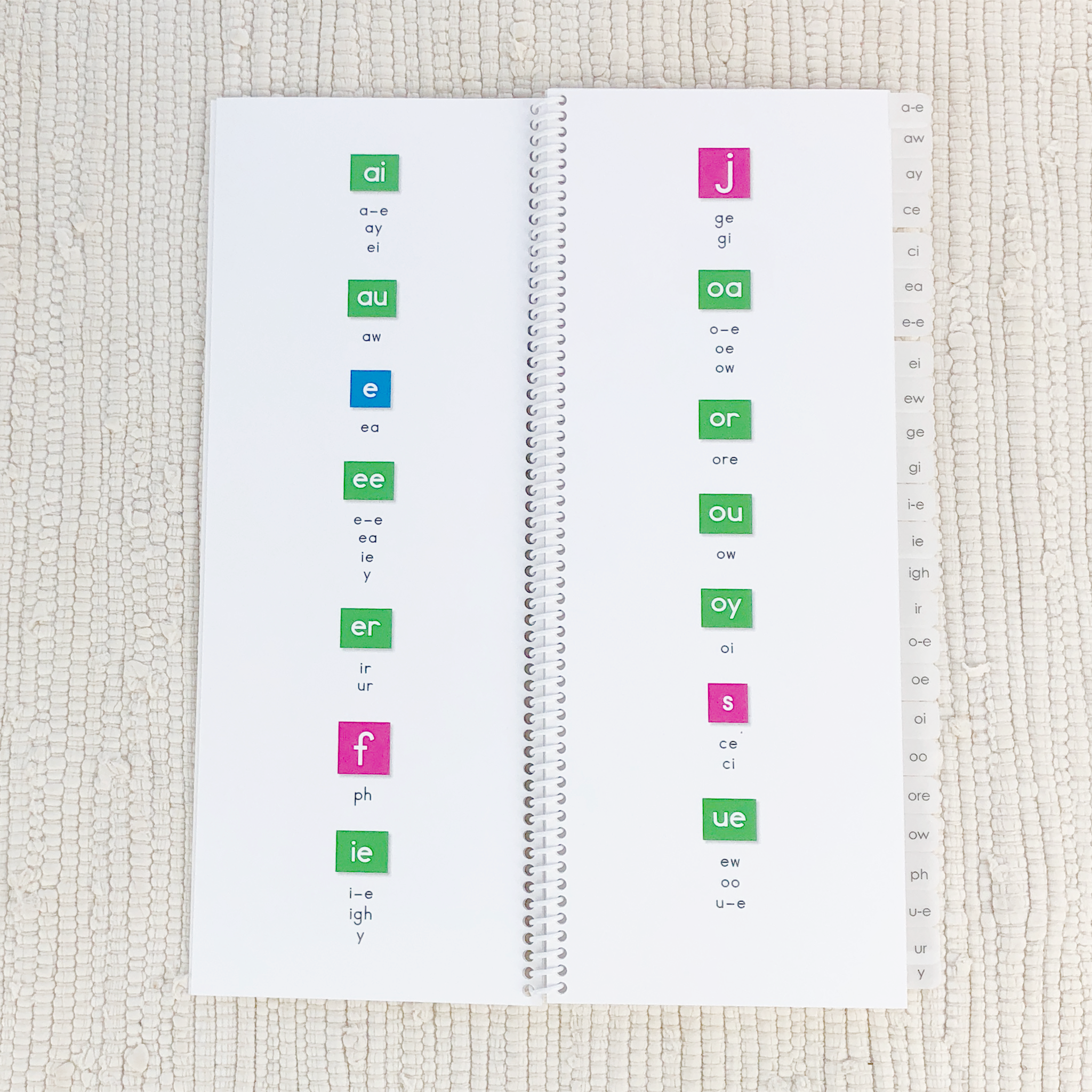
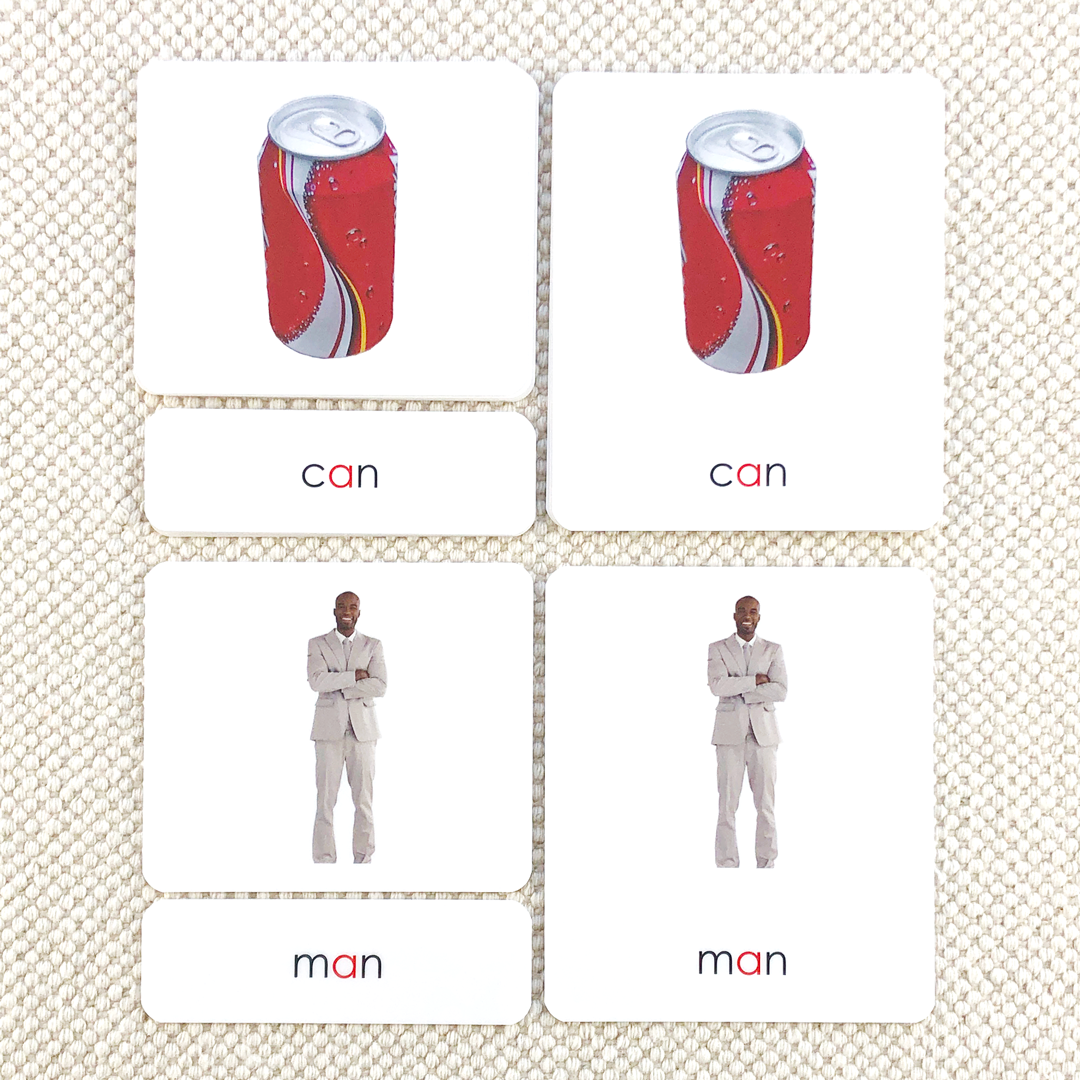
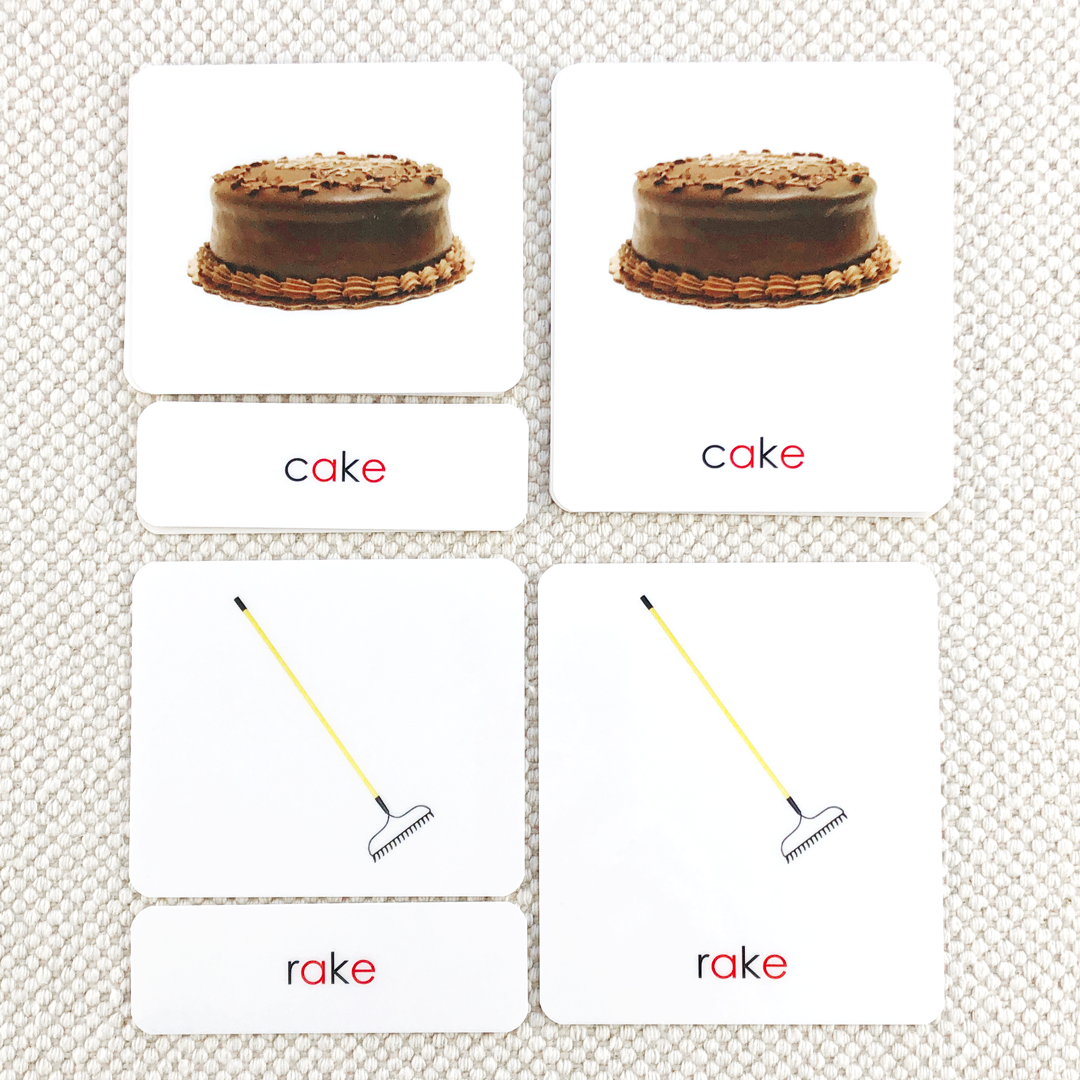
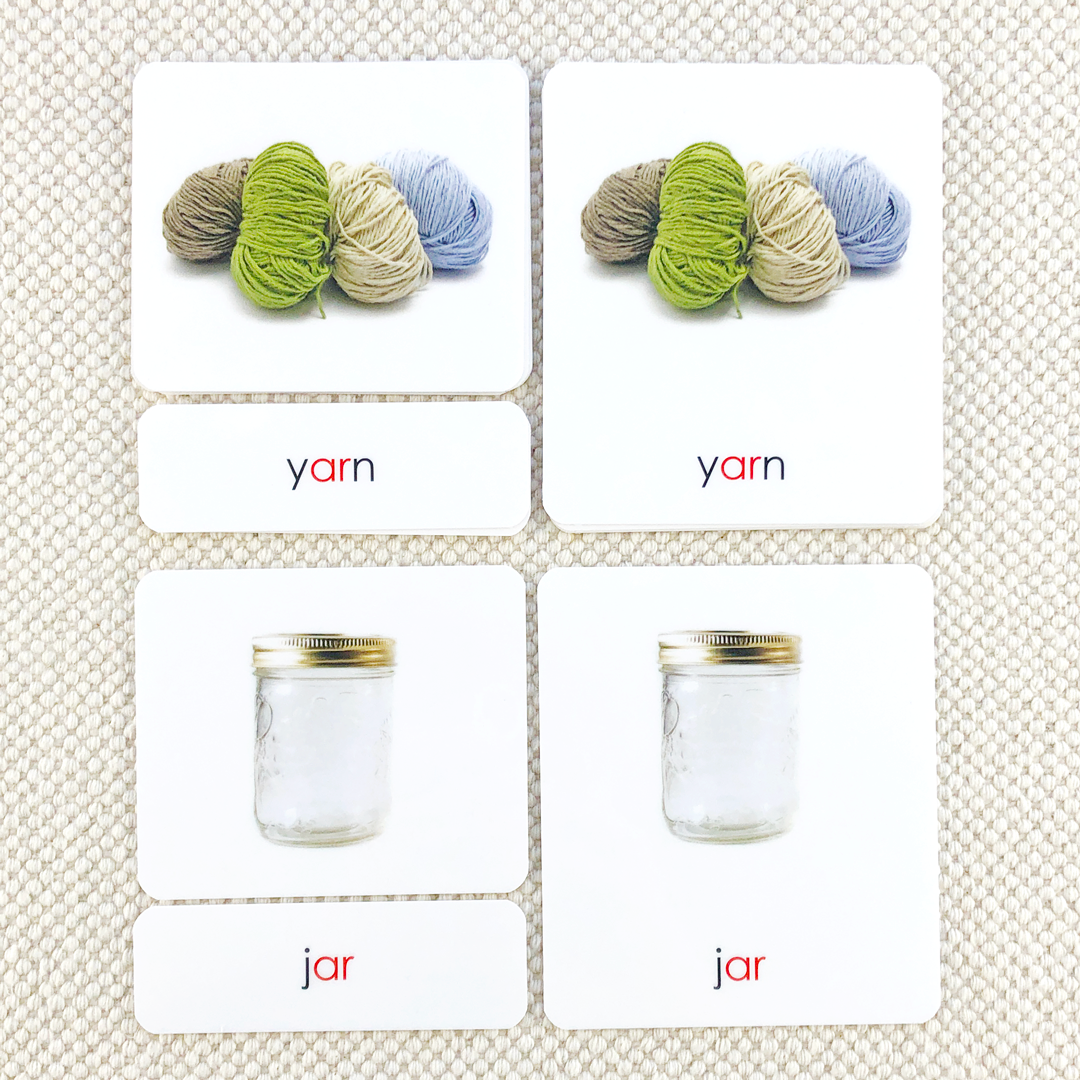
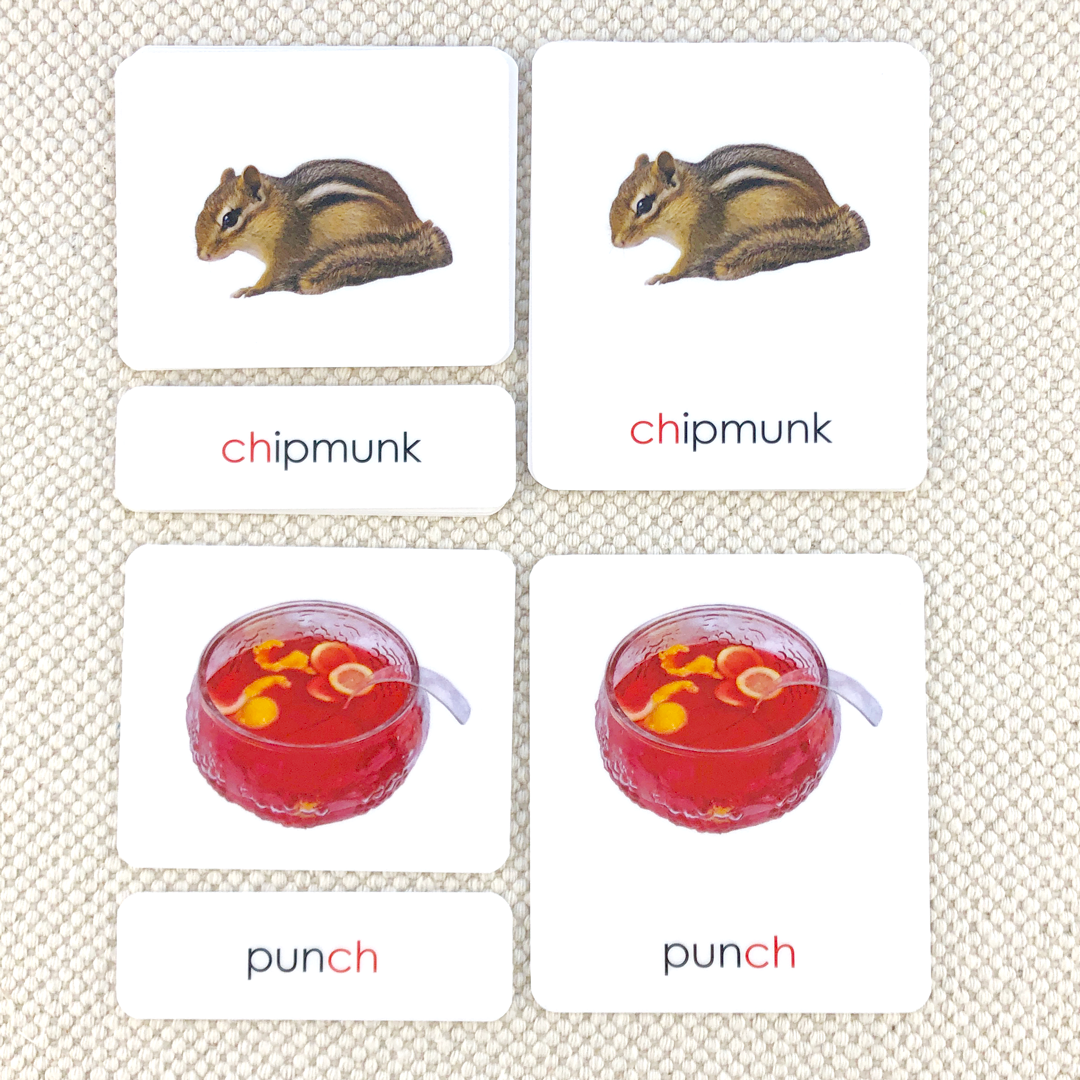
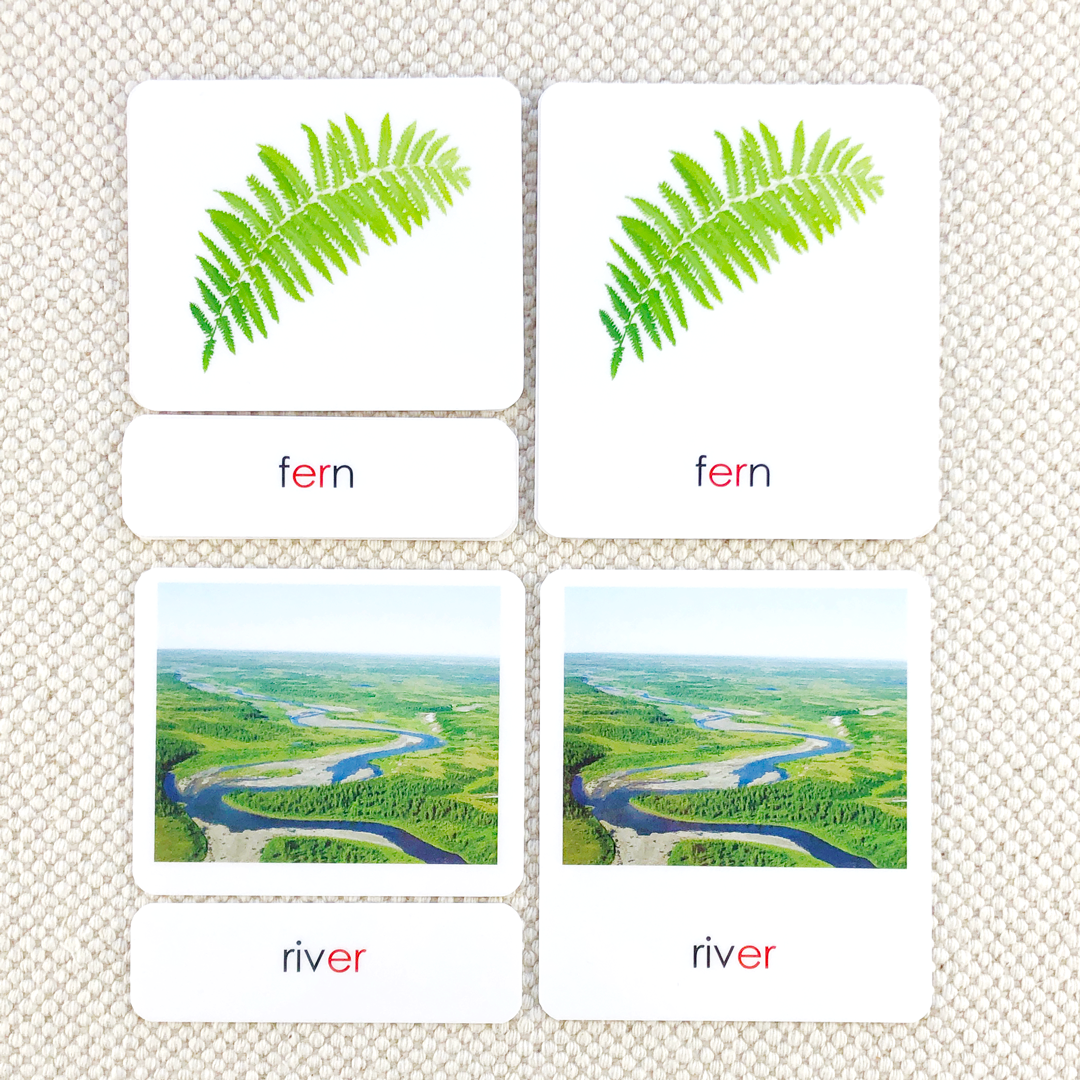
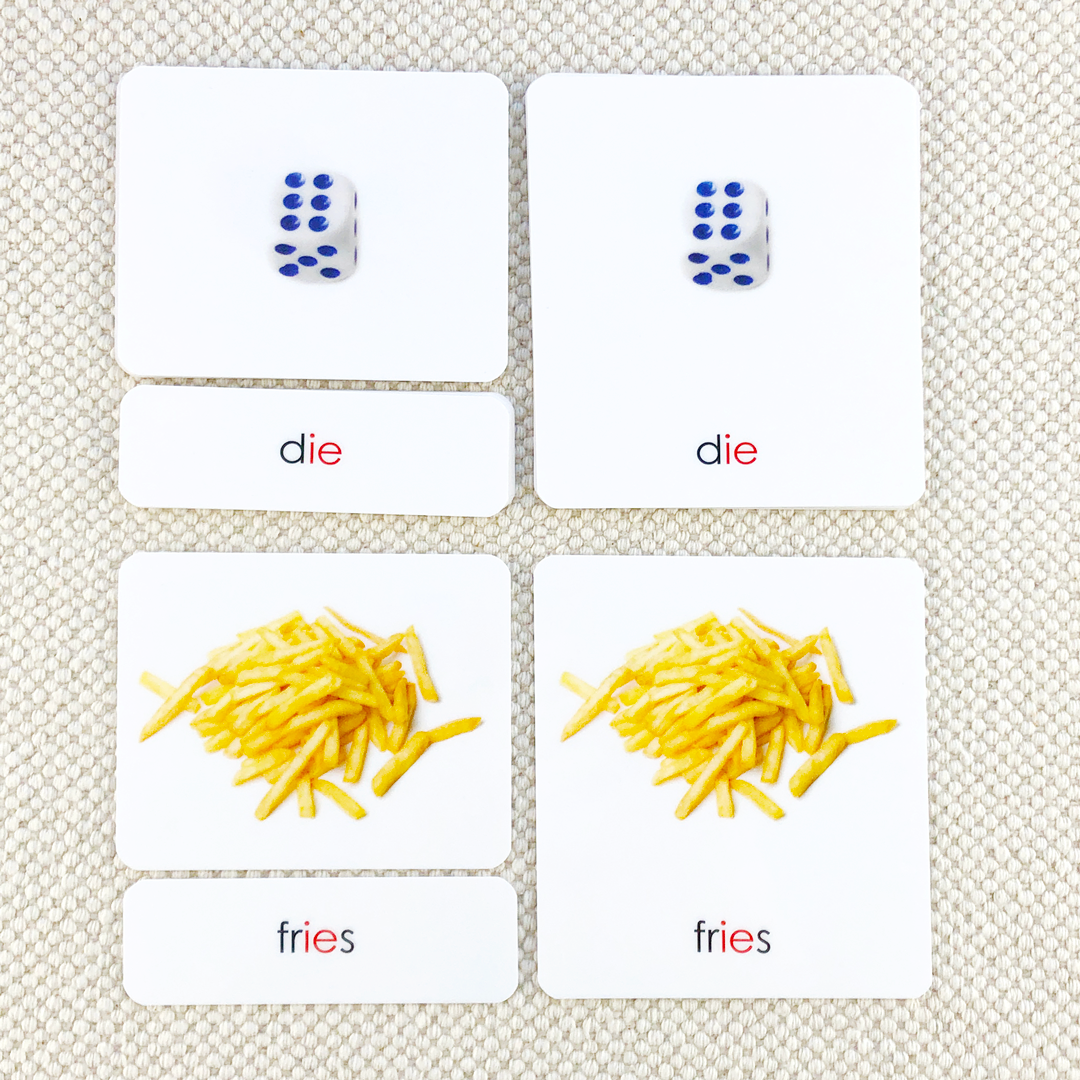
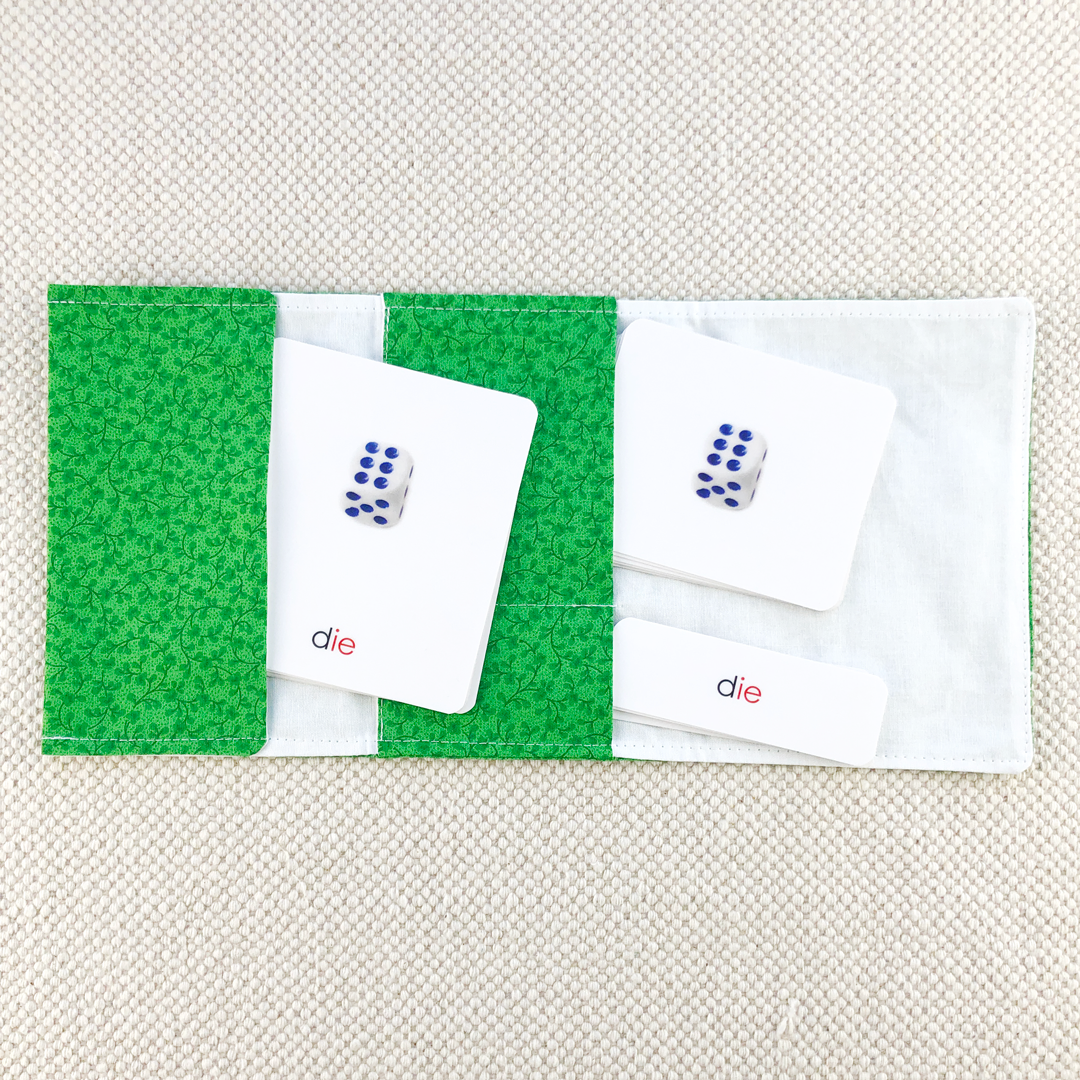
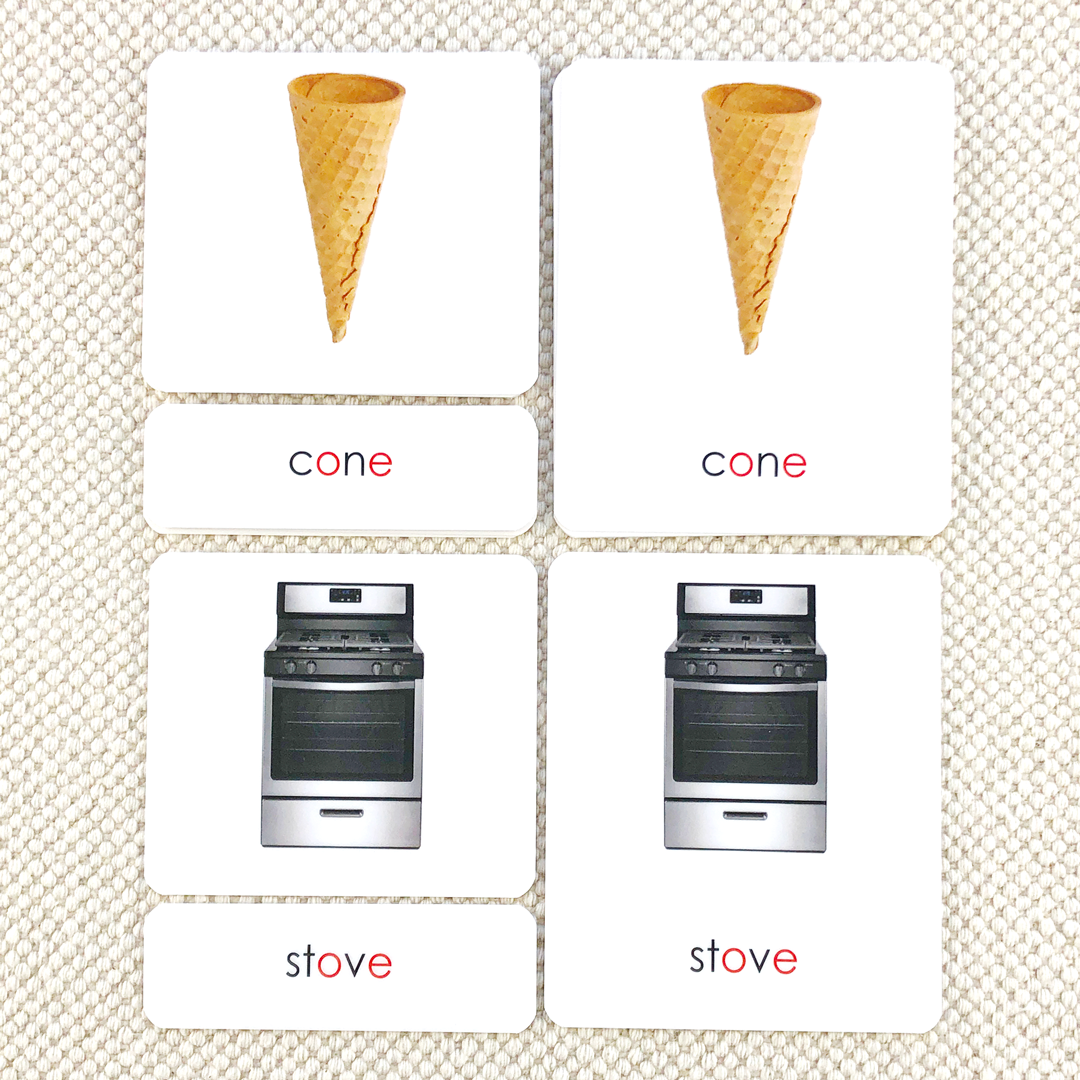
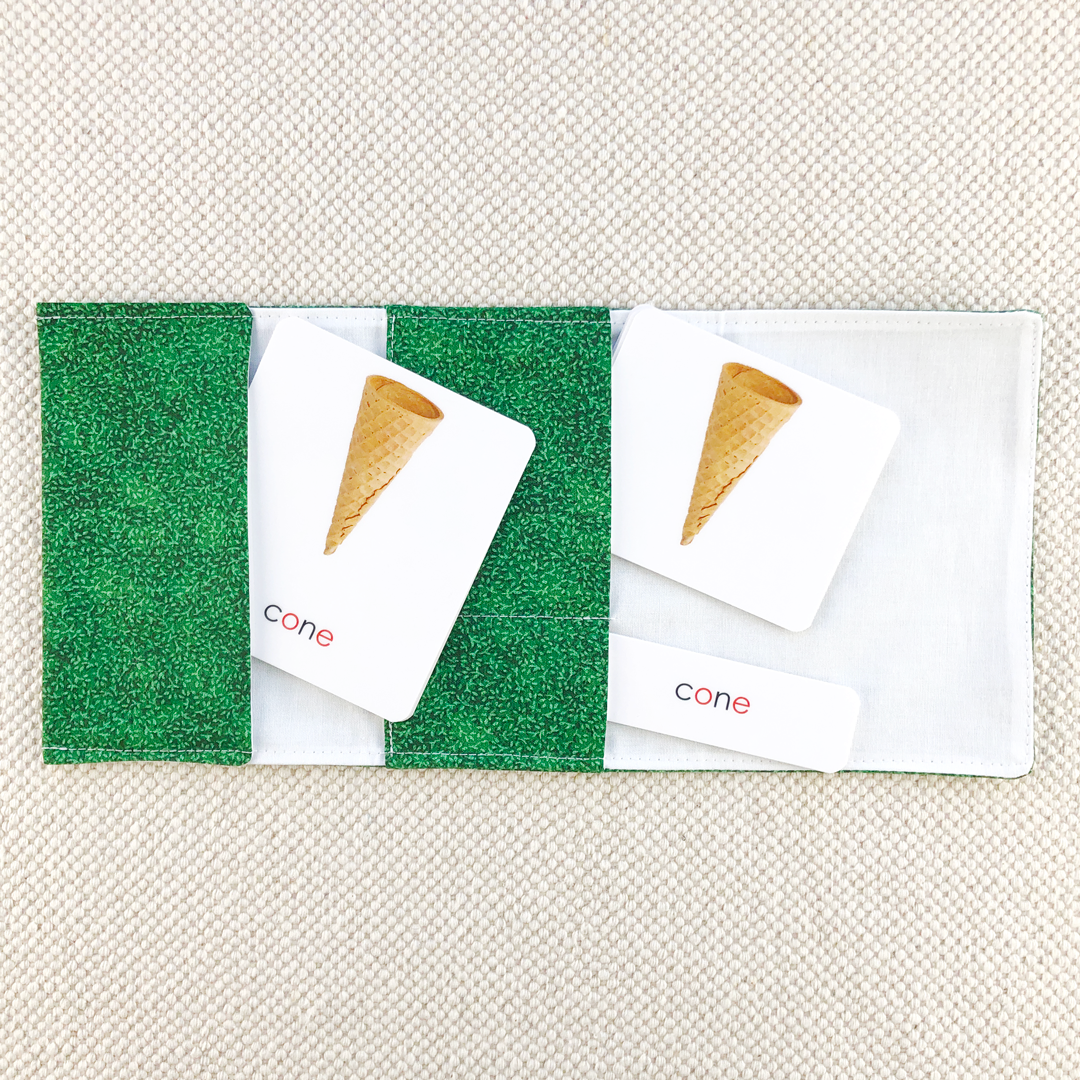
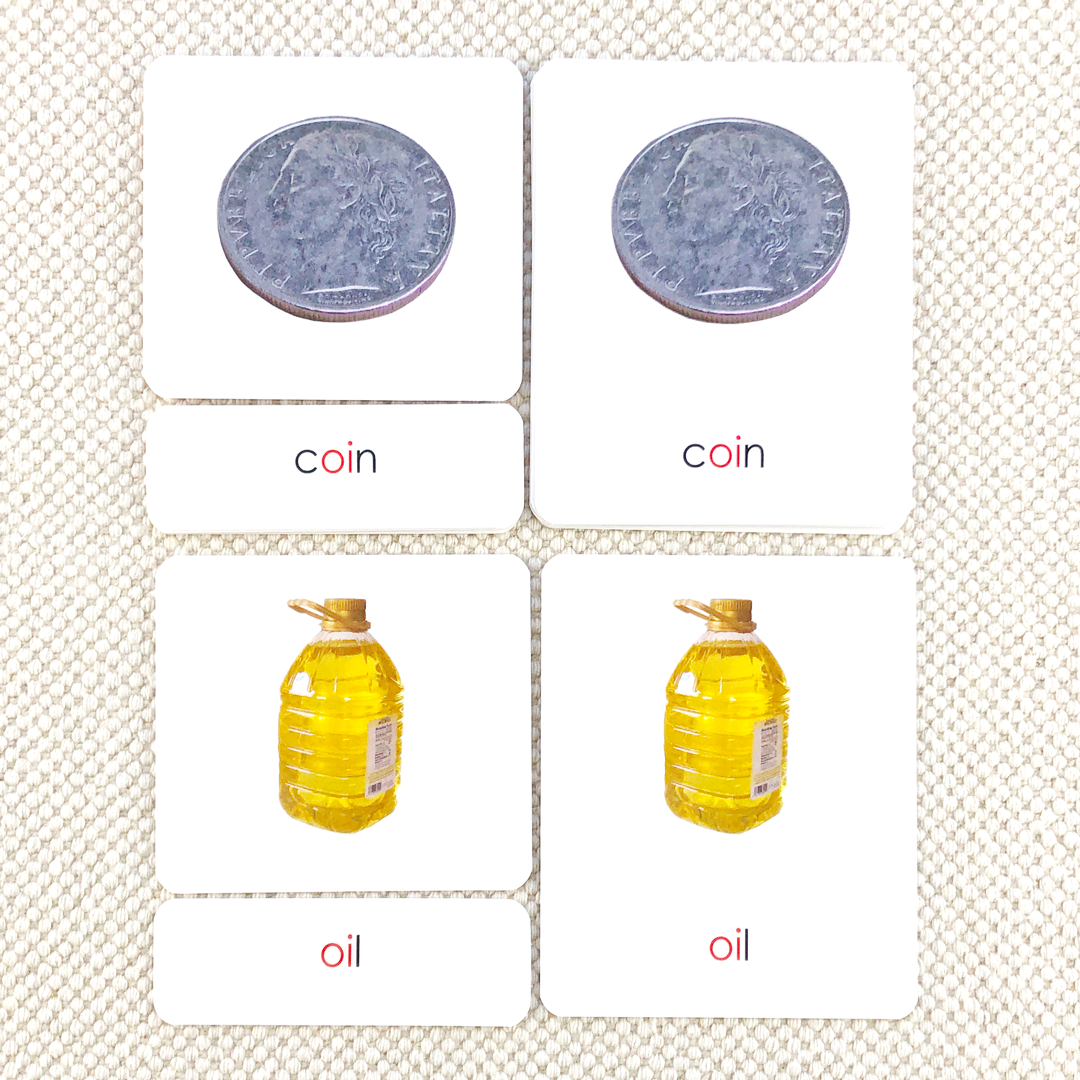
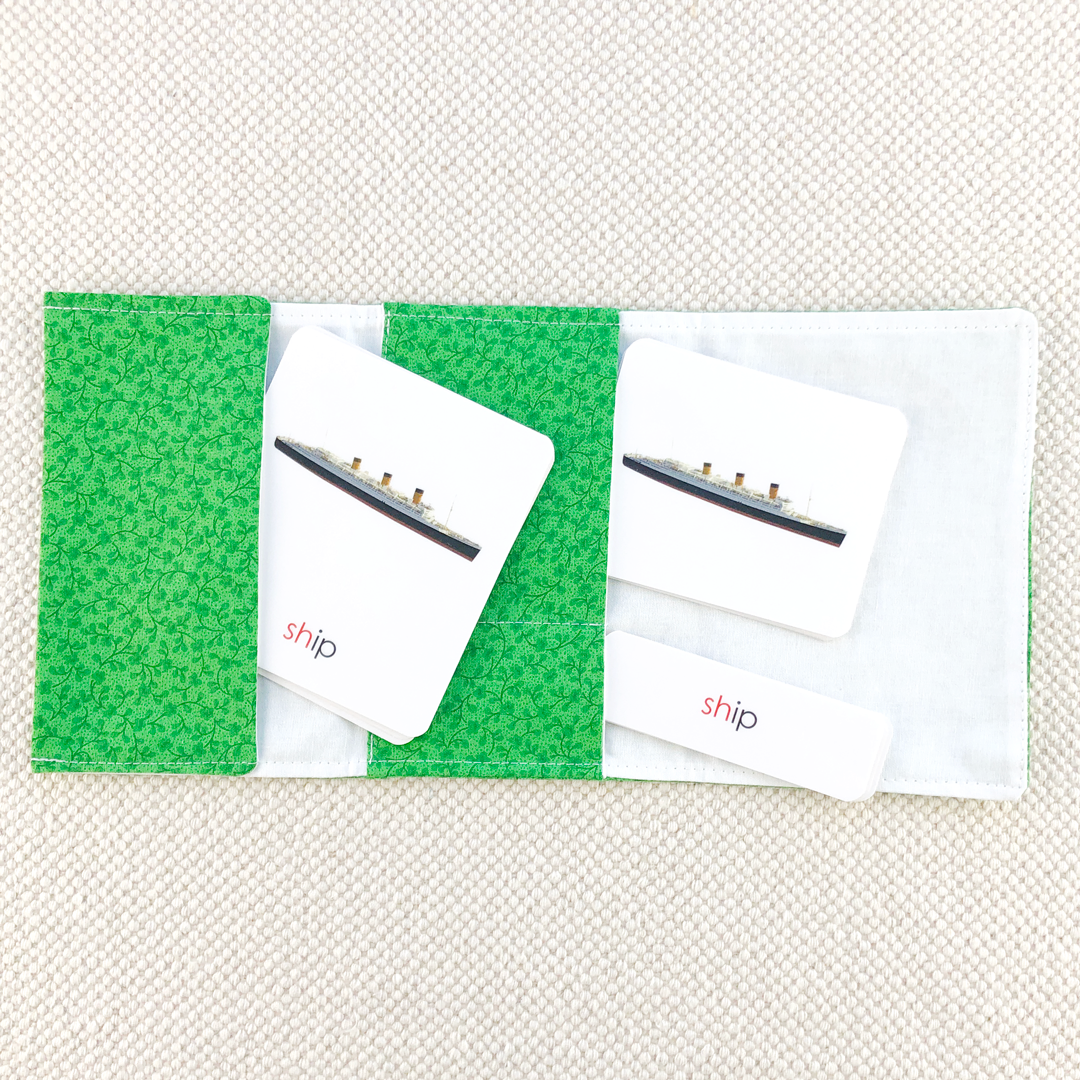
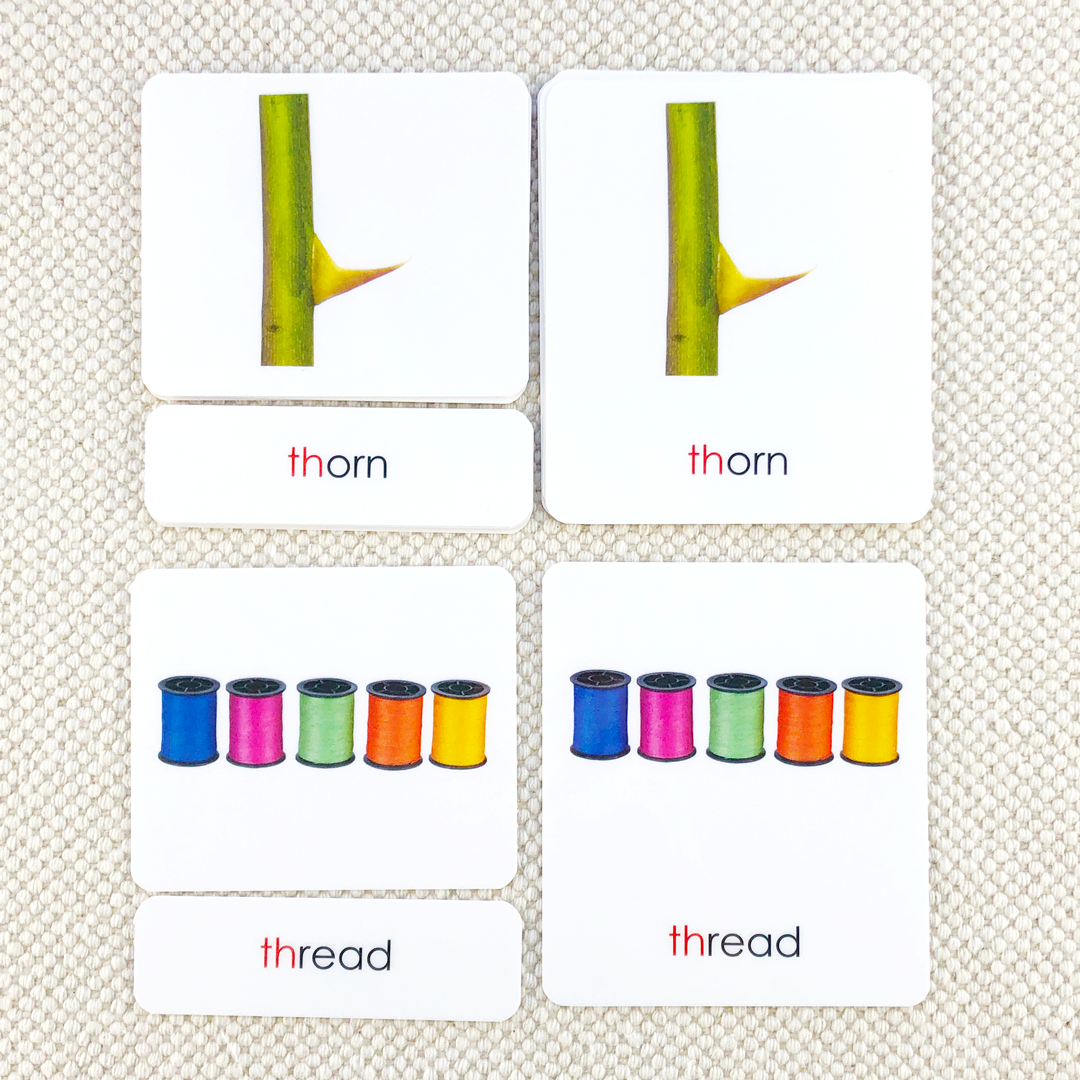
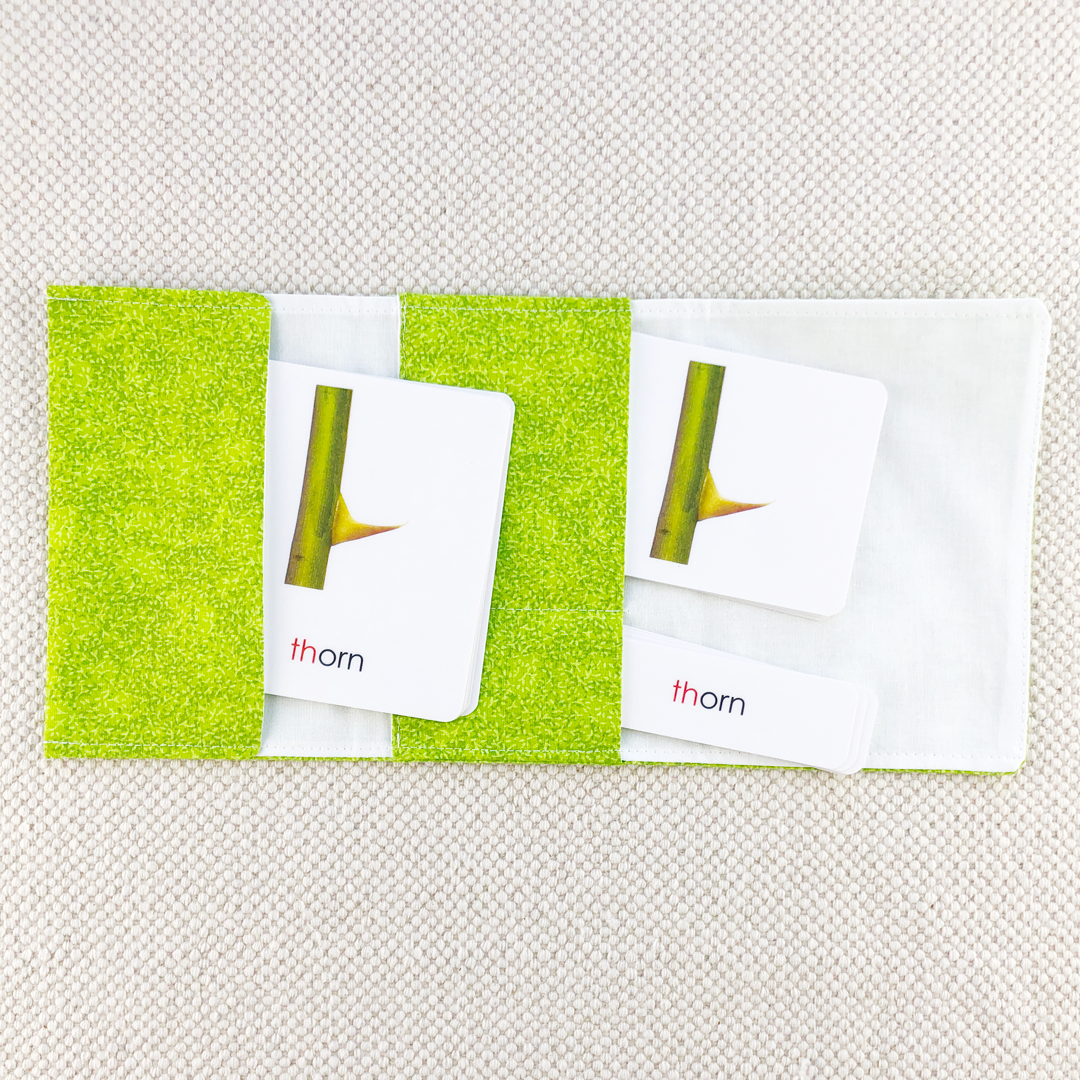
- Read words (decoding). Our Level 3 phonogram reading cards (the green series) feature one phonogram per packet, printed in red. Phonogram lists come next. The Phonogram Dictionary helps readers figure out the different sounds common spelling variations make.
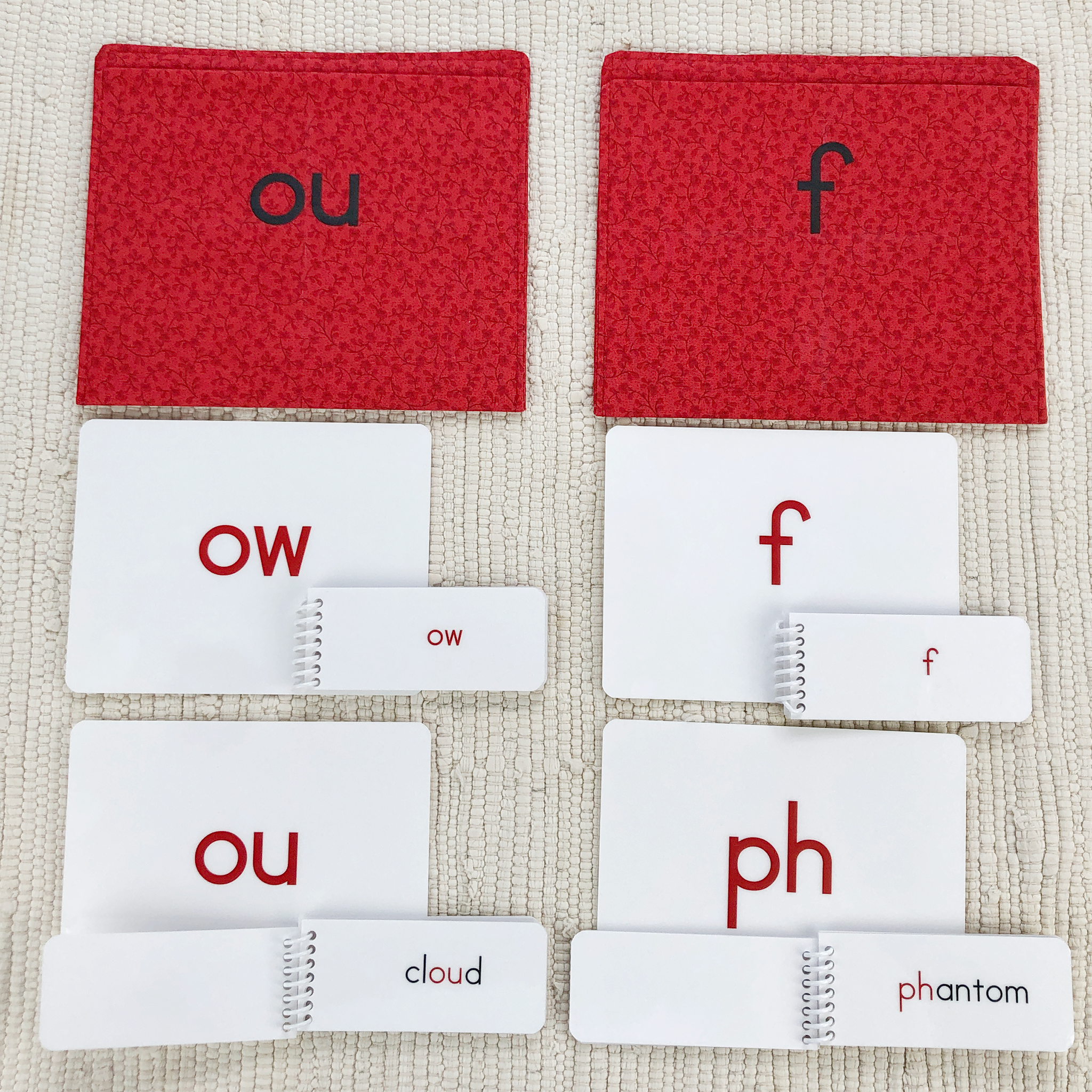
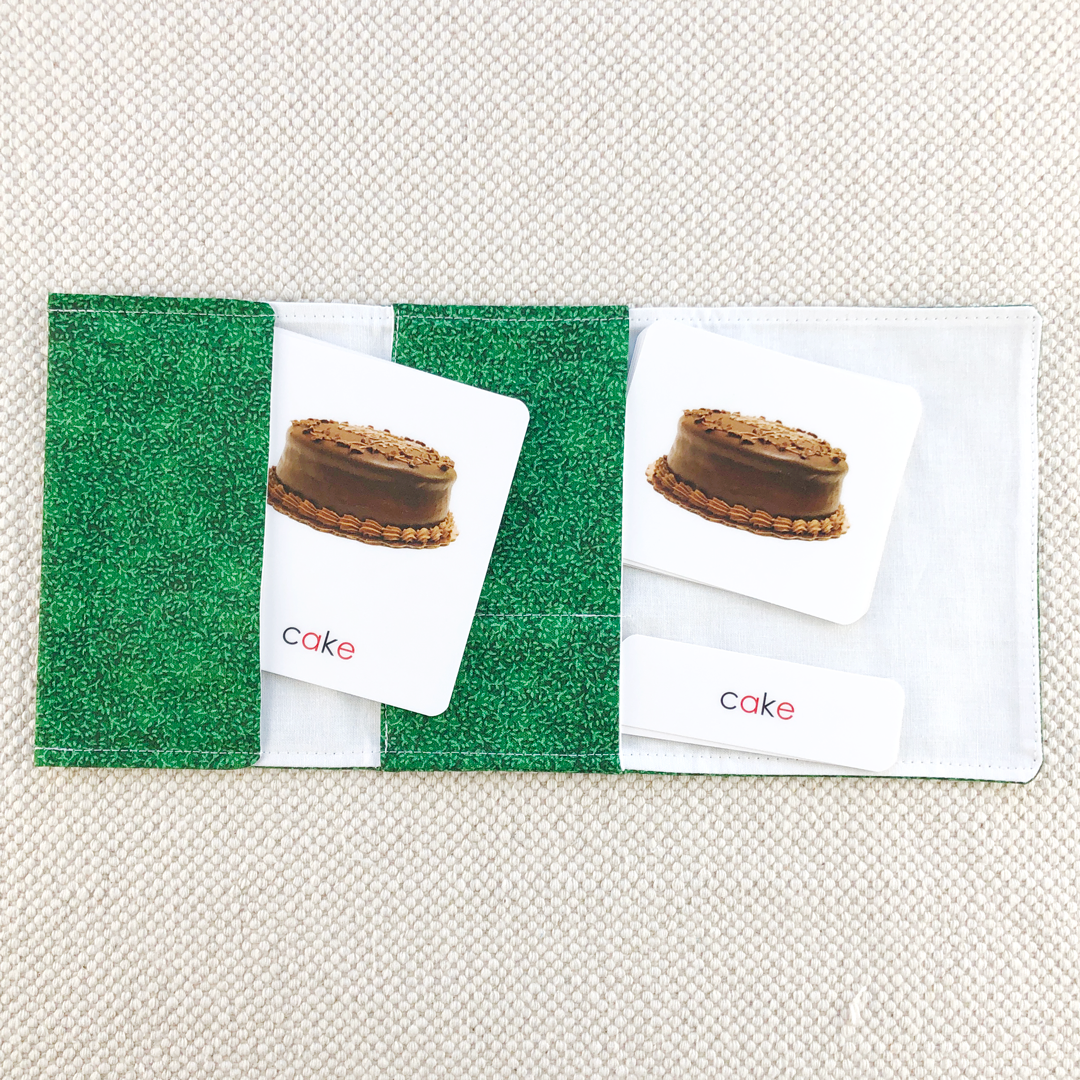
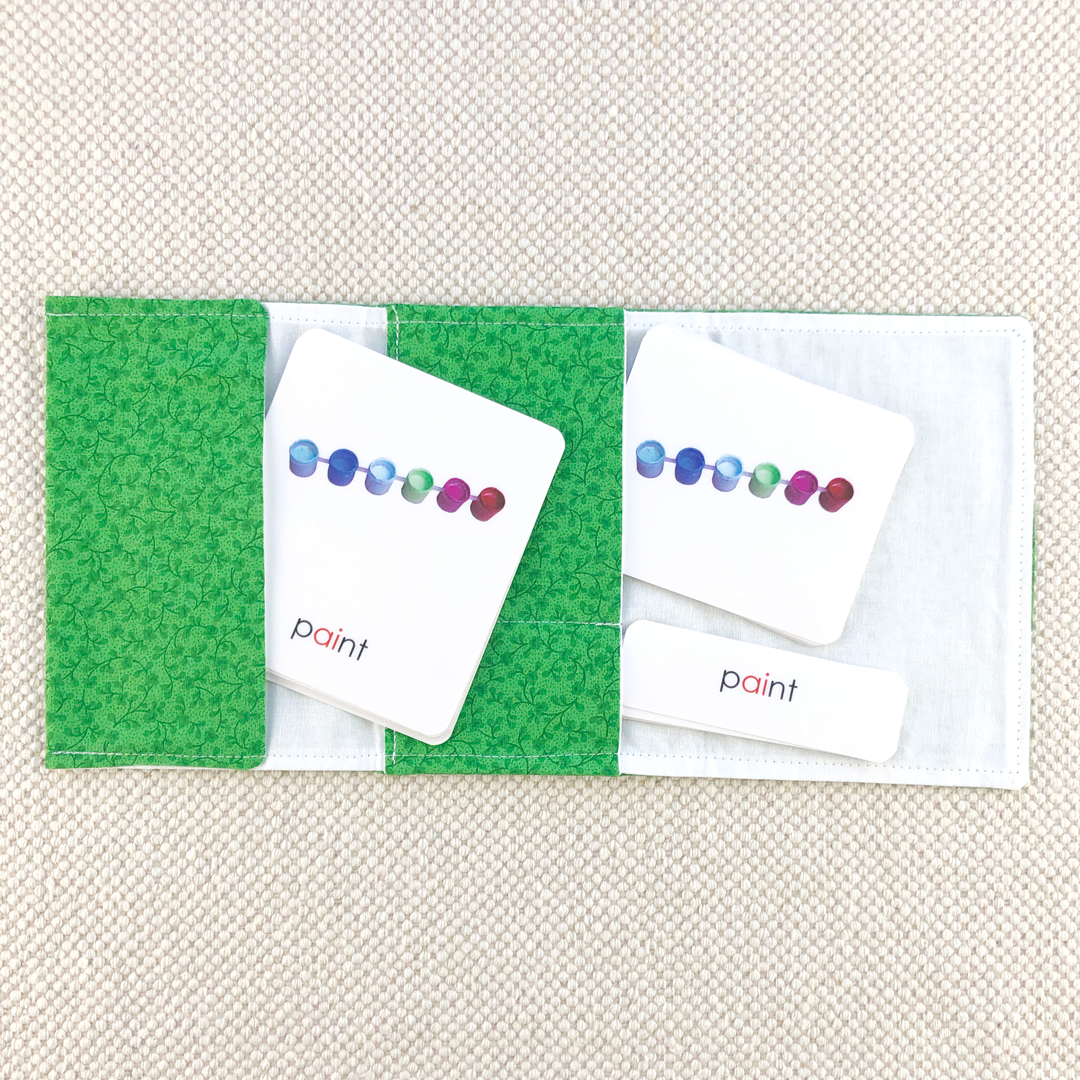
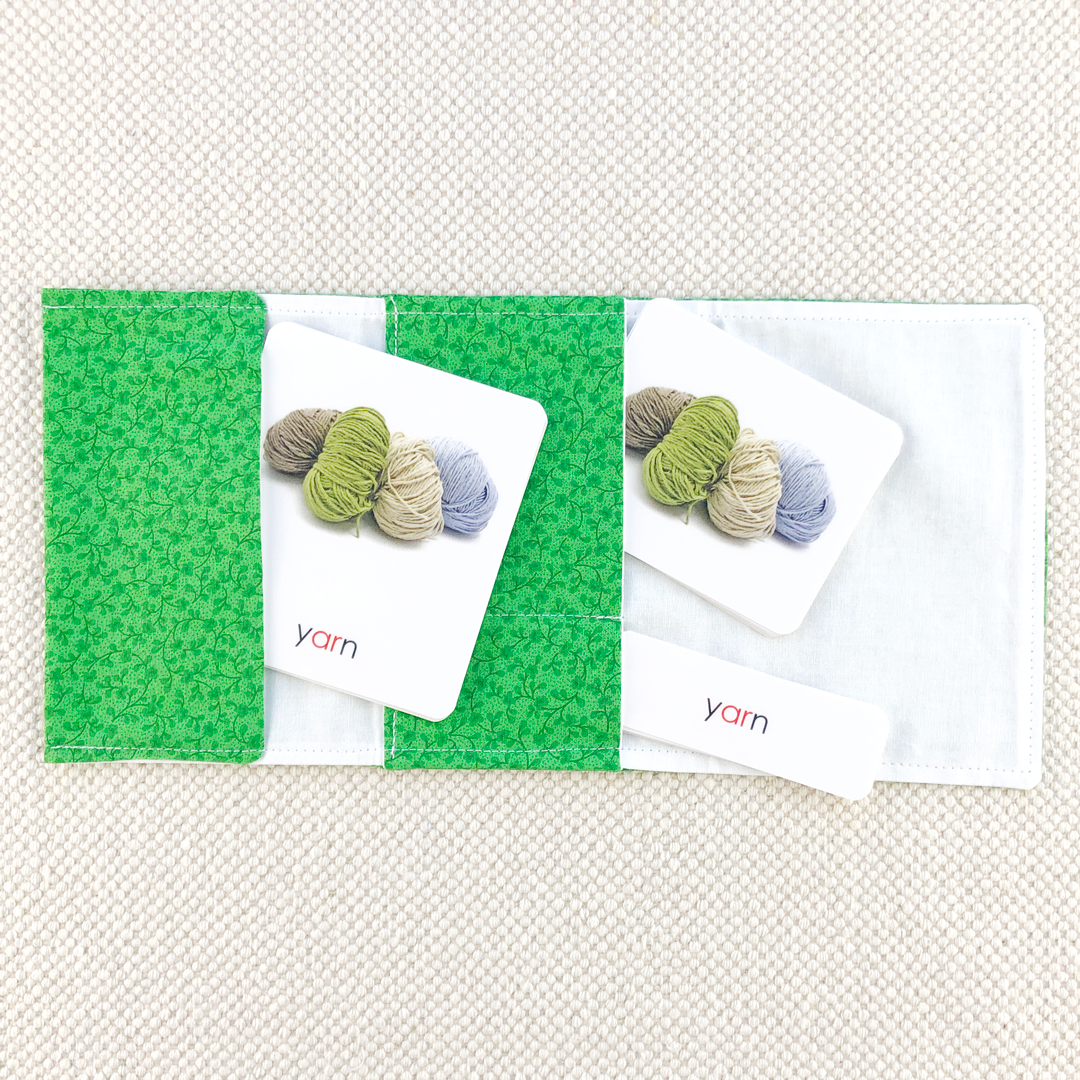
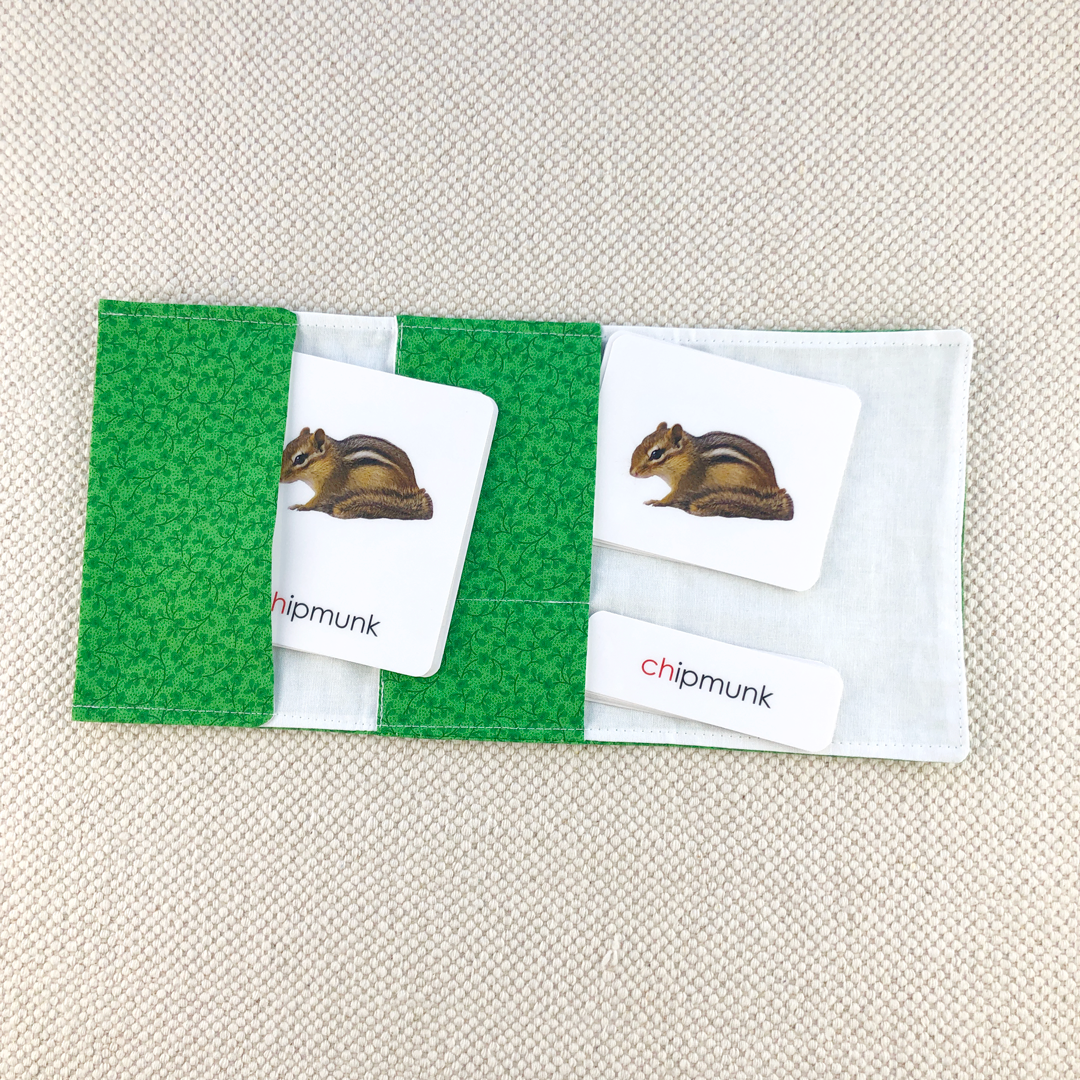
- Spell. Phonogram folders support the move from reading phonogram words to spelling them.
Why phonograms matter for reading
English has about 44 sounds but only 26 letters, so many sounds are spelled with two or more letters. A student who knows only single-letter sounds will get stuck on words like ship, rain, and chip. Knowing the key phonograms opens up far more words to both reading and spelling. This is part of the word recognition side of Scarborough's (2001) reading rope, alongside phonological awareness and decoding.
In our Montessori/Dwyer approach, key phonograms are introduced alongside the single letters, so students don't hit a wall when a word they want to write needs sh or th.
Where phonograms fit in our literacy sequence
Phonograms run through several stages of our Montessori Science of Reading sequence: students learn them in Step 2: Phonological Awareness & Encoding, read them in Step 3: Phonics/Early Reading, and spell them in Step 5: Spelling.
What comes next
Once students read and spell phonogram words with confidence, they are ready for reading comprehension activities like grammar, word study, and definitions-in-stages (build-a-book).
What is a phonogram?
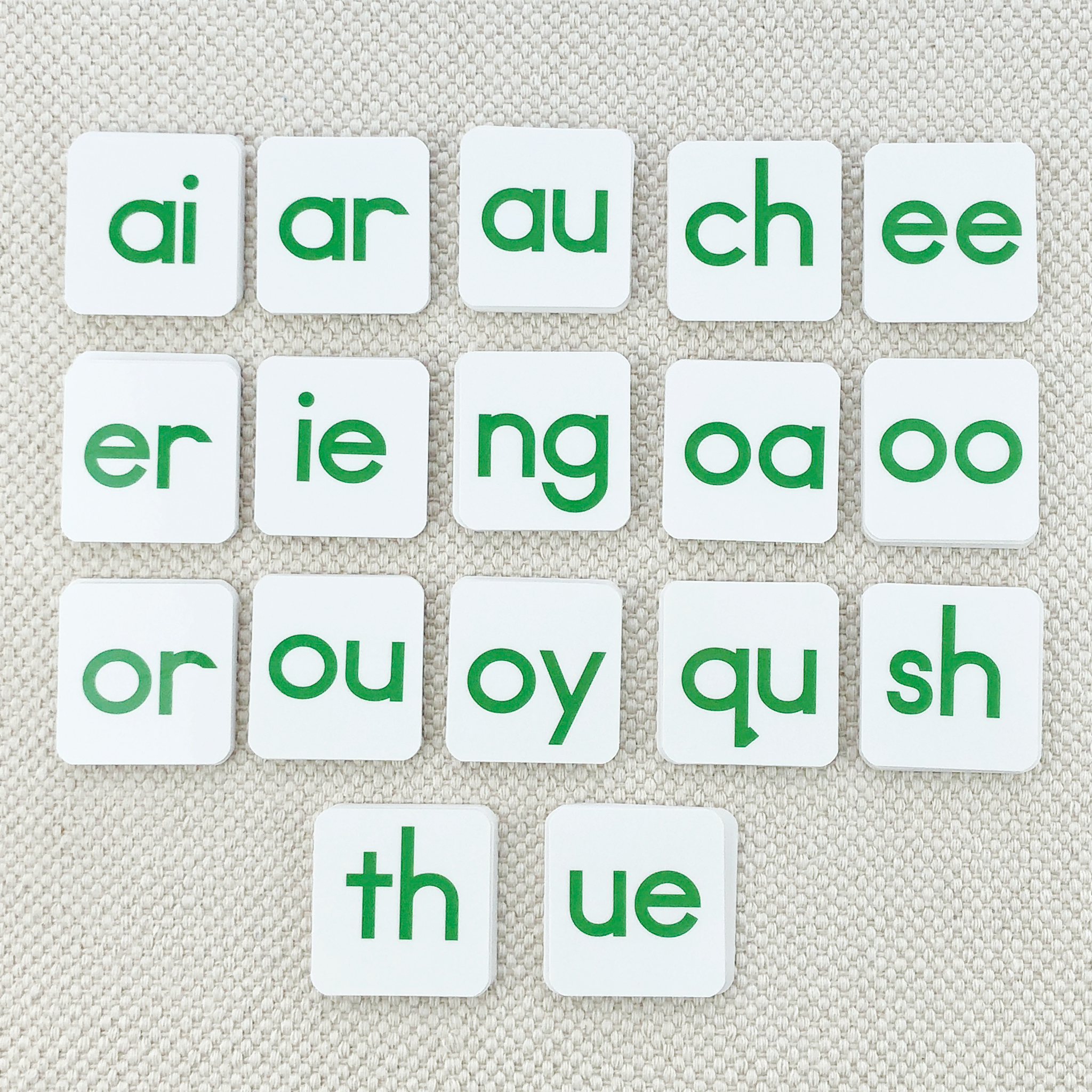
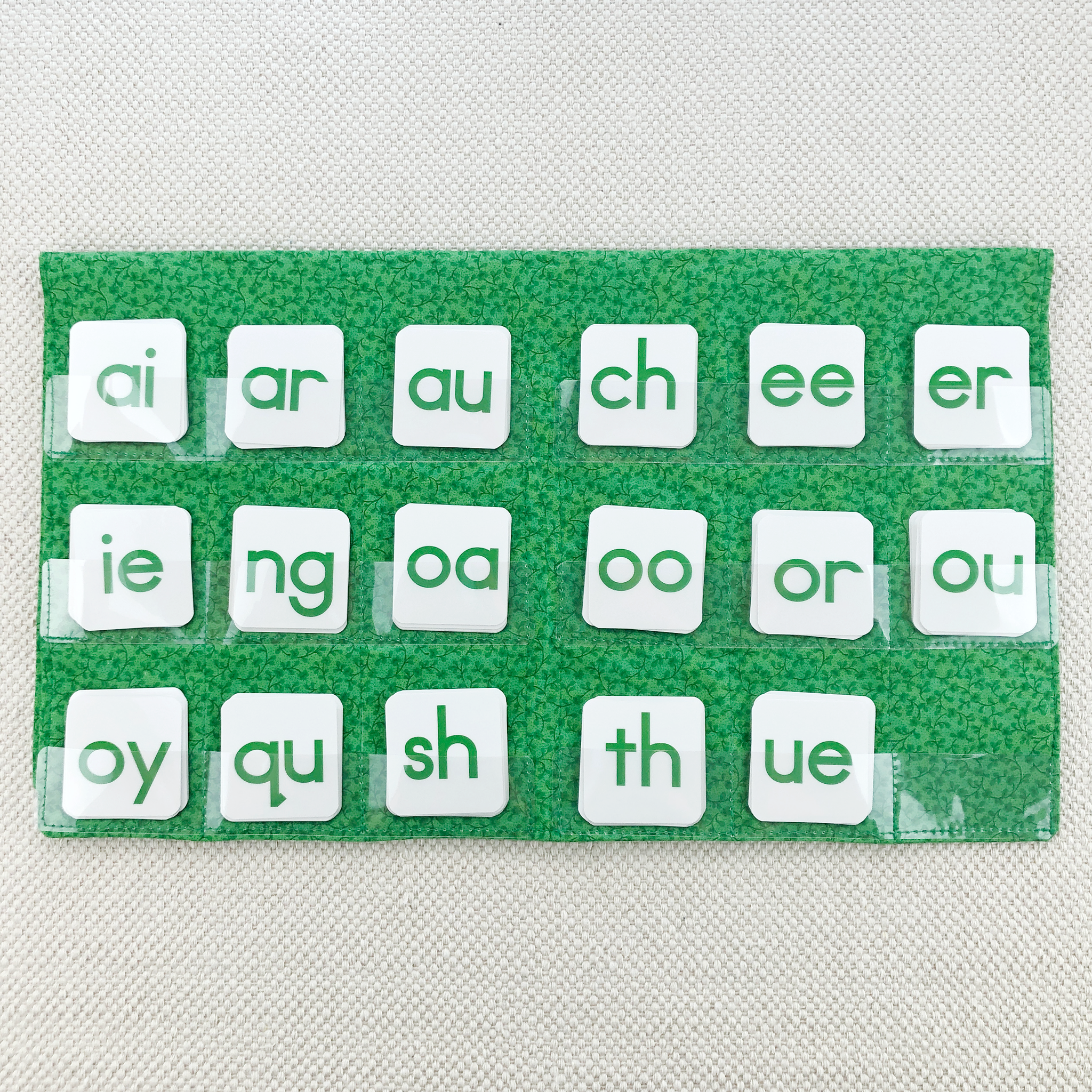
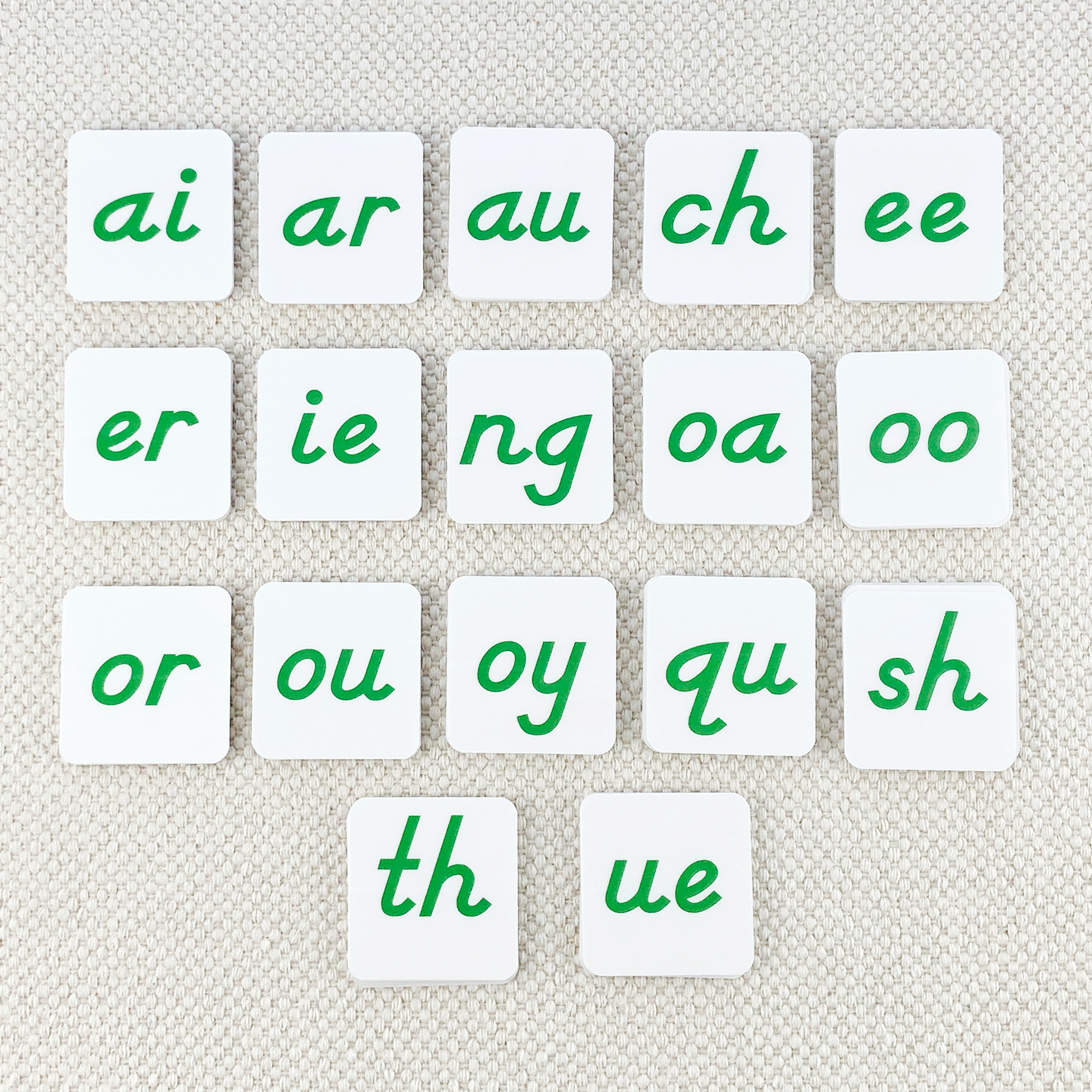
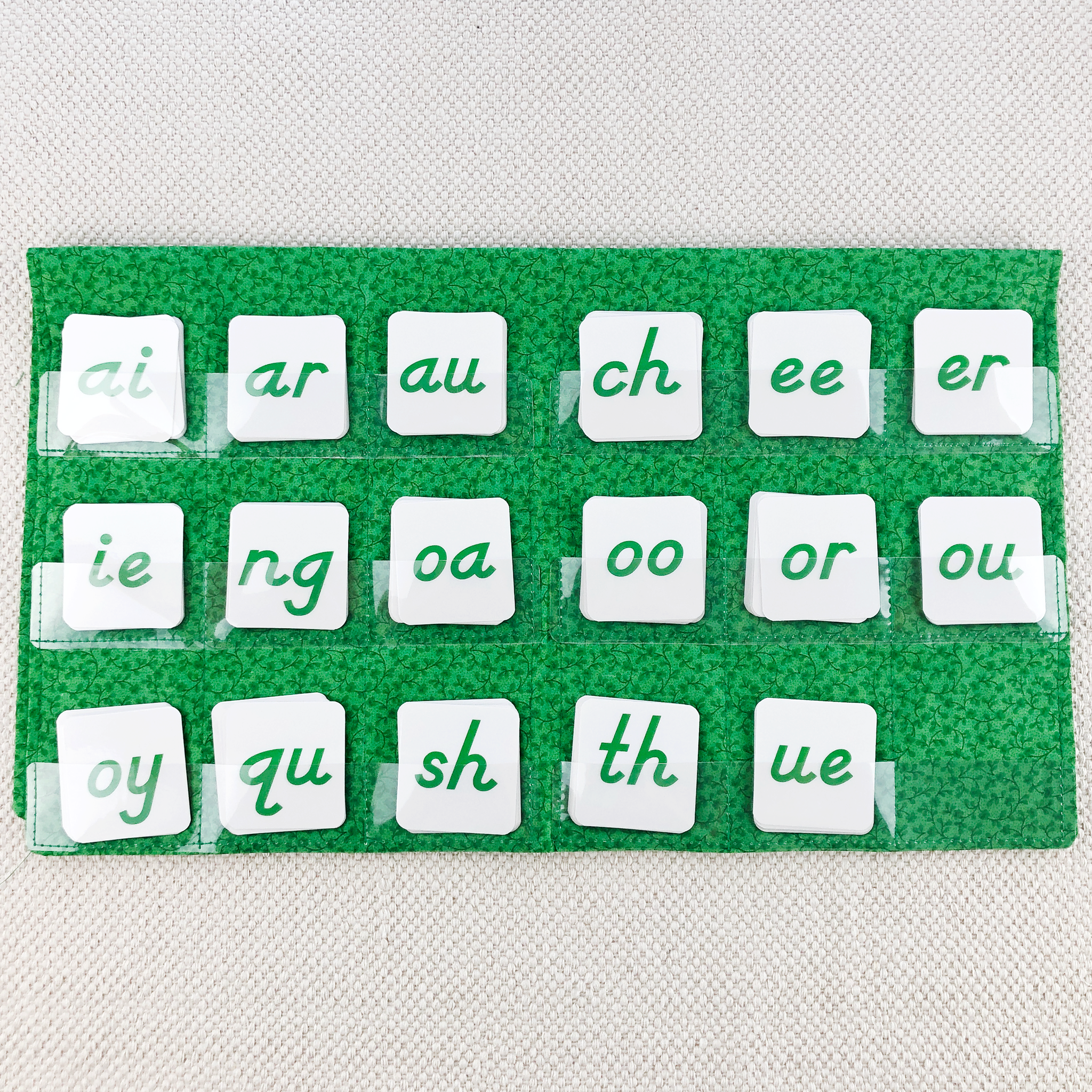
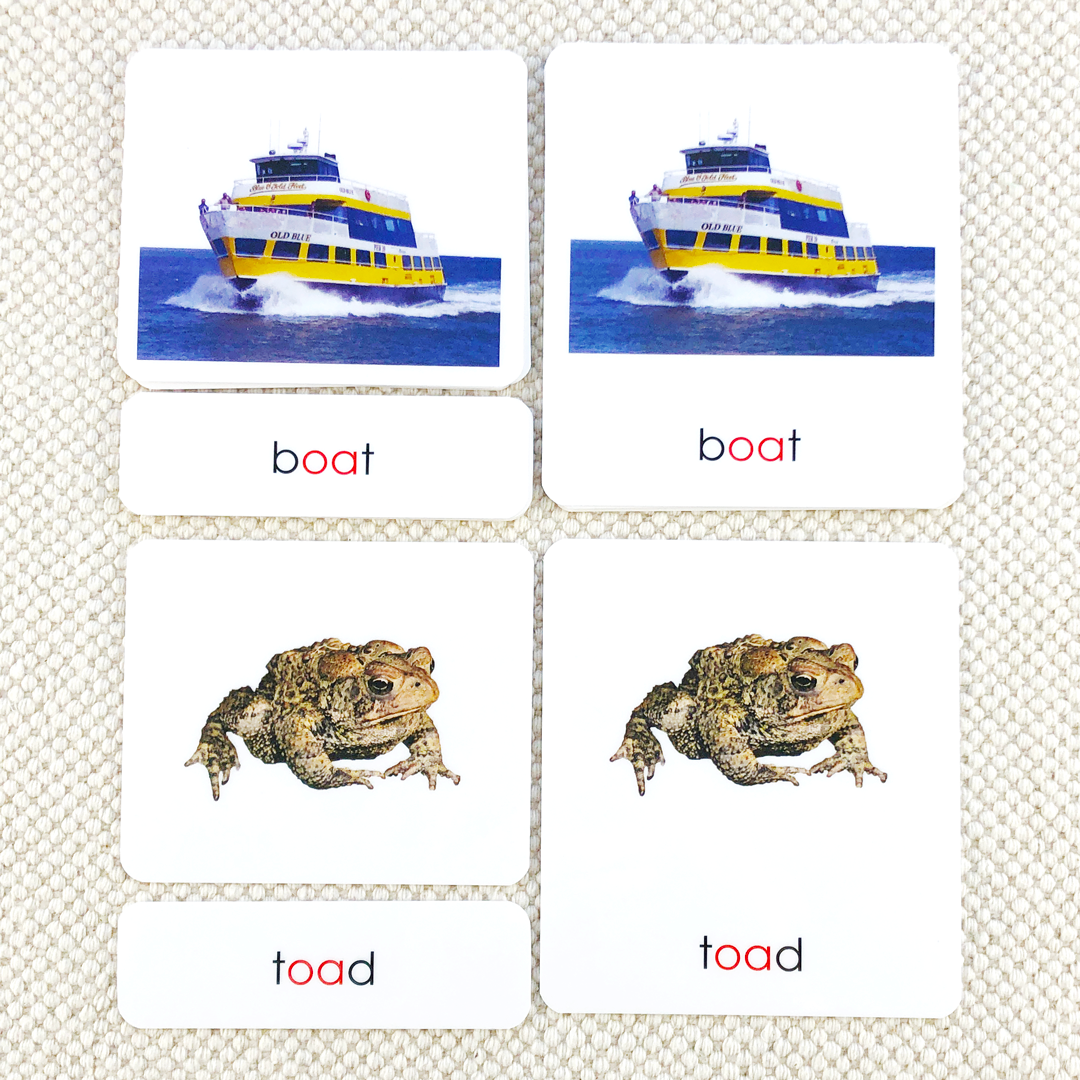
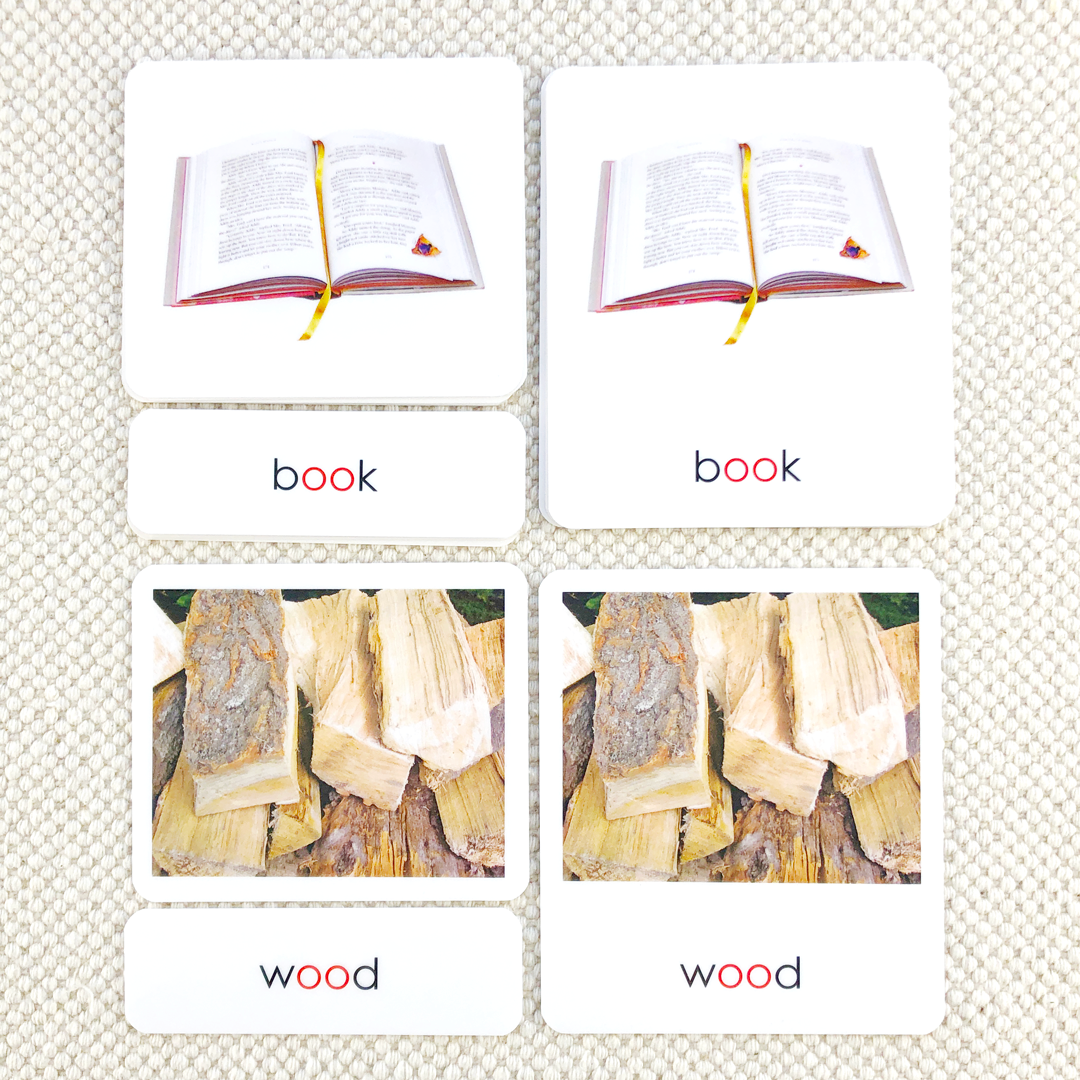
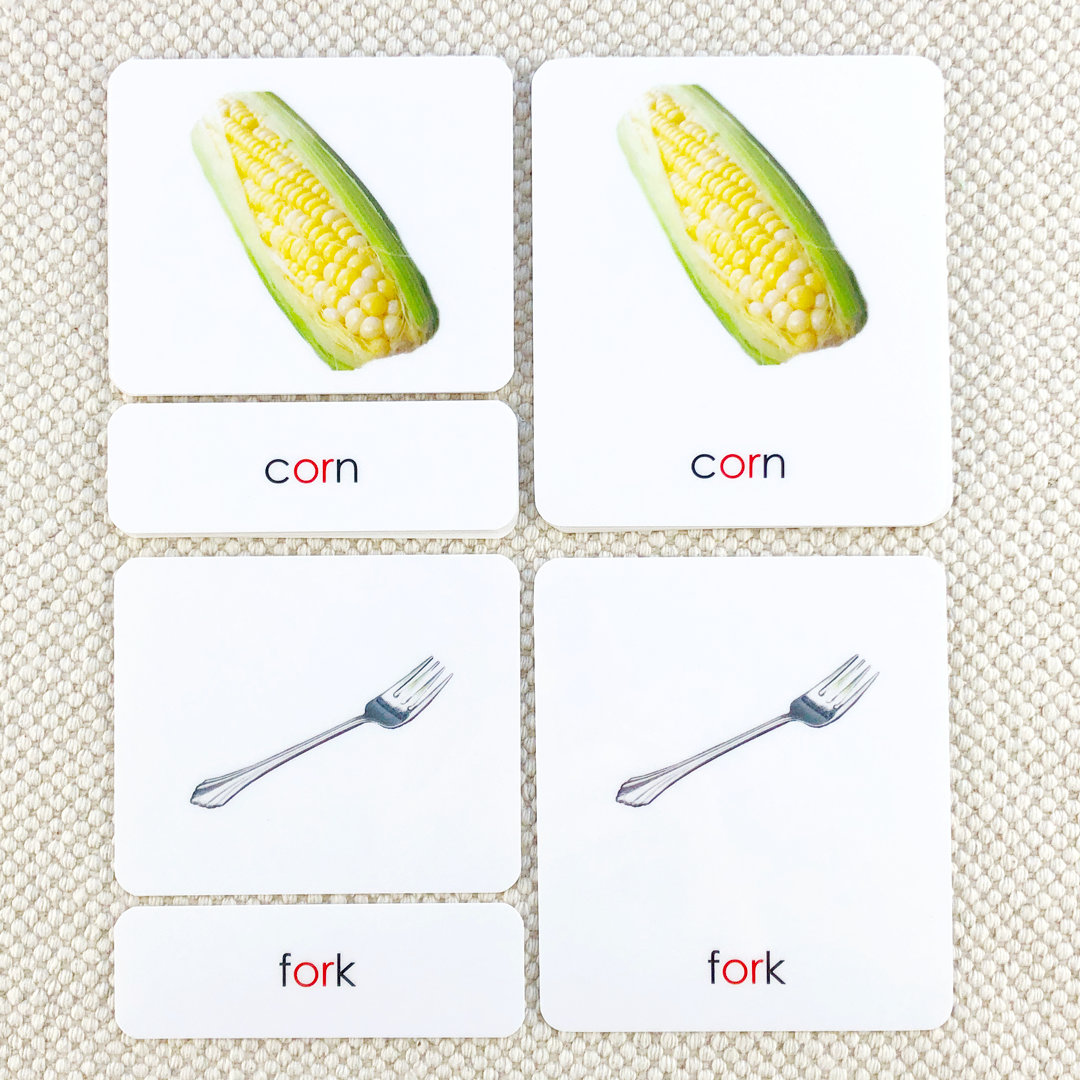
A phonogram is a letter or group of letters that represents a sound. Most Montessori classrooms explicitly teach around 17 phonograms/digraphs: ai (rain), ar (yarn), au (Paul), ch (chip), ee (tree), er (fern), ie (pie), ng (ring), oa (boat), oo (book), or (corn), ou (cloud), oy (toy), qu (quill), sh (ship), th (moth), and ue (glue).
When should students start learning phonograms?
Students can trace and learn key phonograms alongside the single-letter sandpaper letters. With this preparation, they can then encode (write) words phonetically with the movable alphabets. From there, they'll begin reading and can effortlessly read any phonetic word that includes the 17 key sound phonograms they've learned. At that point, we introduce the phonogram spelling variations.
Which phonograms come first?
Start with the 17 key phonograms that match the green sandpaper letters: ai, ar, au, ch, ee, er, ie, ng, oa, oo, or, ou, oy, qu, sh, th, and ue. Teach the short vowel sounds for single vowels (a like apple, etc.). Once those are secure, move on to other common spelling variatios, such as a-e, ay, and igh.
What ages is this for?
Typically ages 3 and up for learning the sounds, ages 4 to 5 for movable alphabet writing and reading simple phonetic words with the key sound phonograms, and kindergarten and above for refining spelling. Older students who need phonics support or intervention also benefit.
Download a PDF of our materials

Follow Us