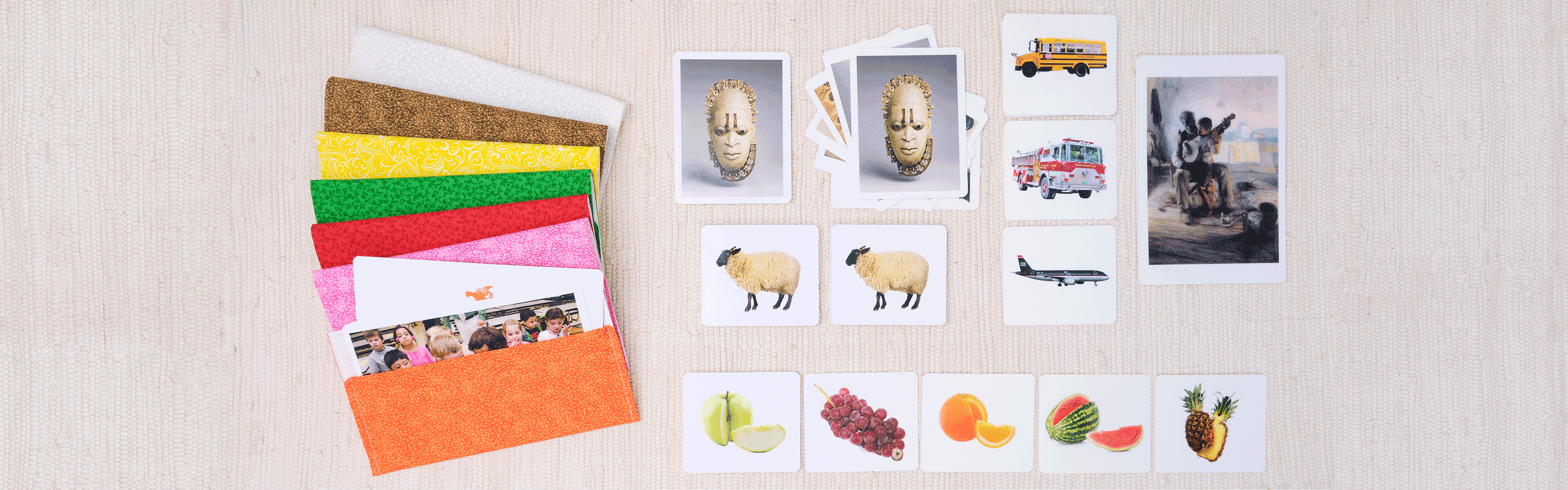
Vocabulary & Oral Language

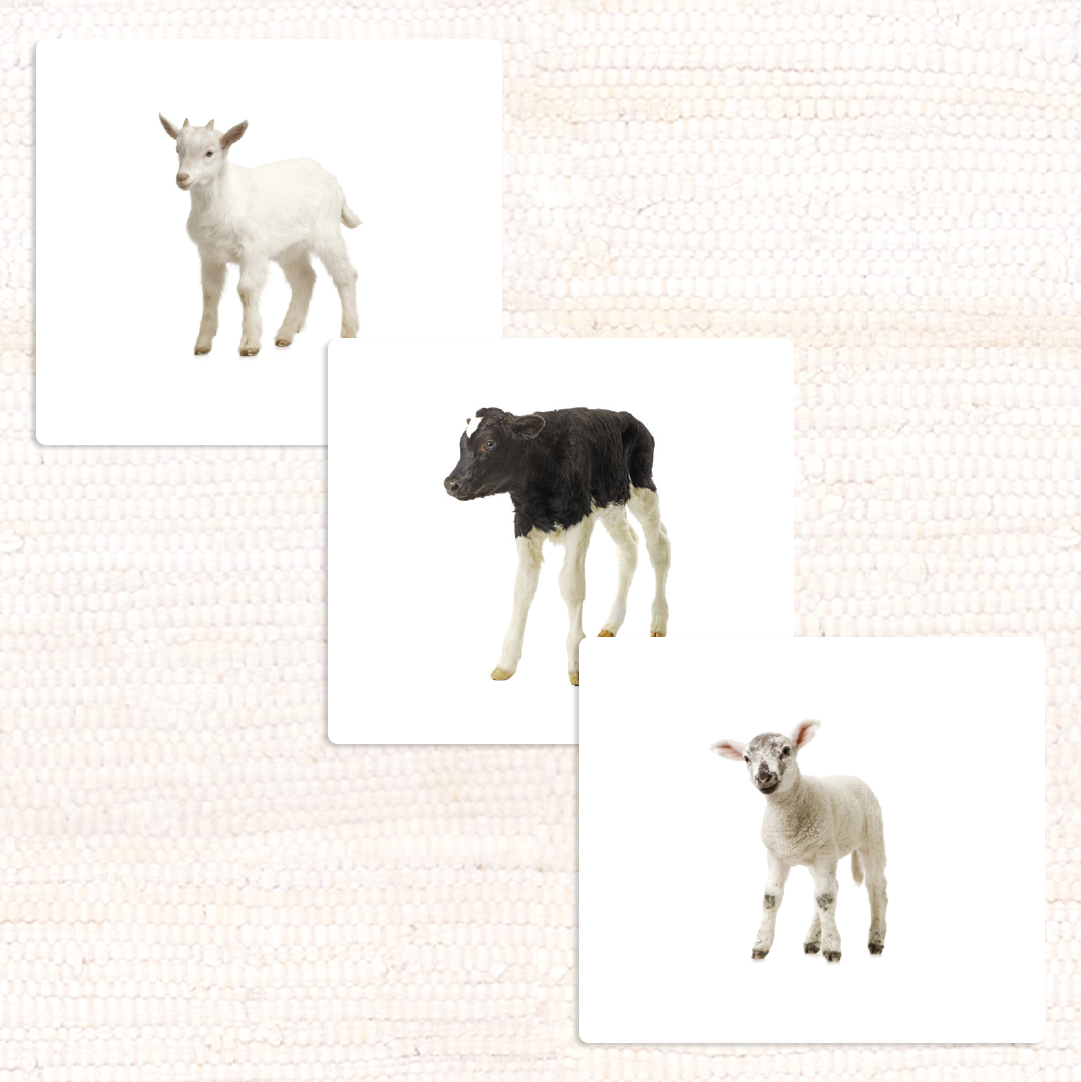
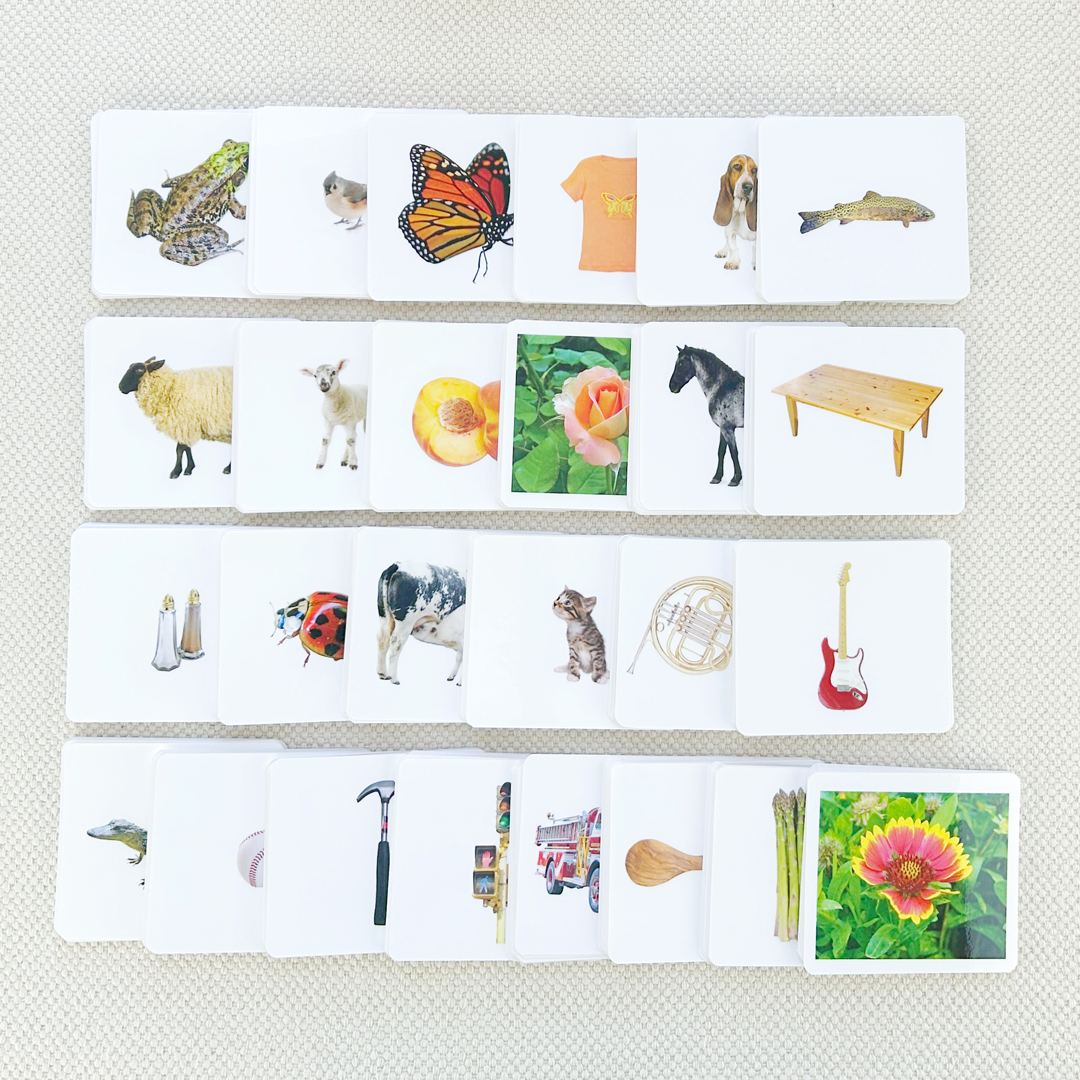
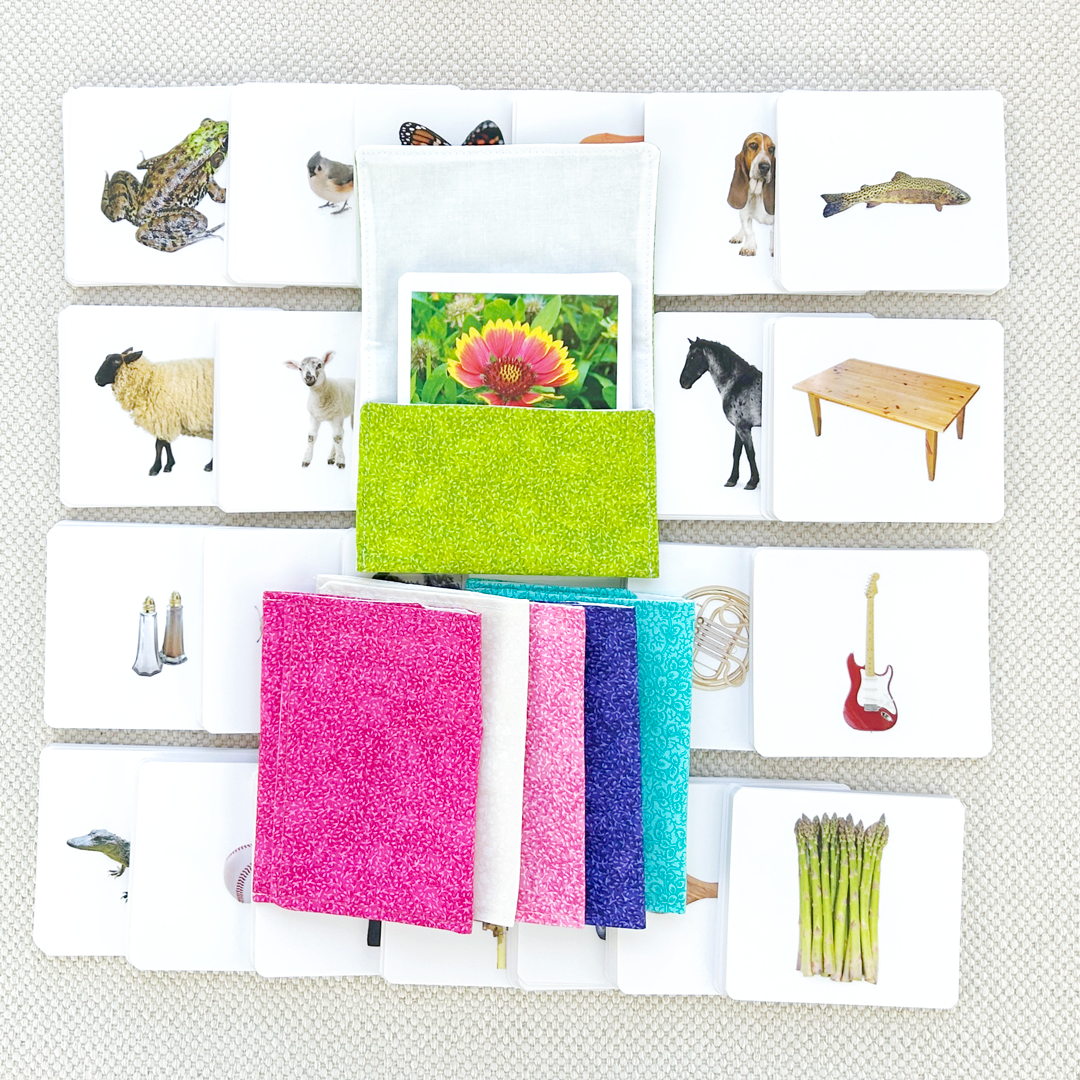





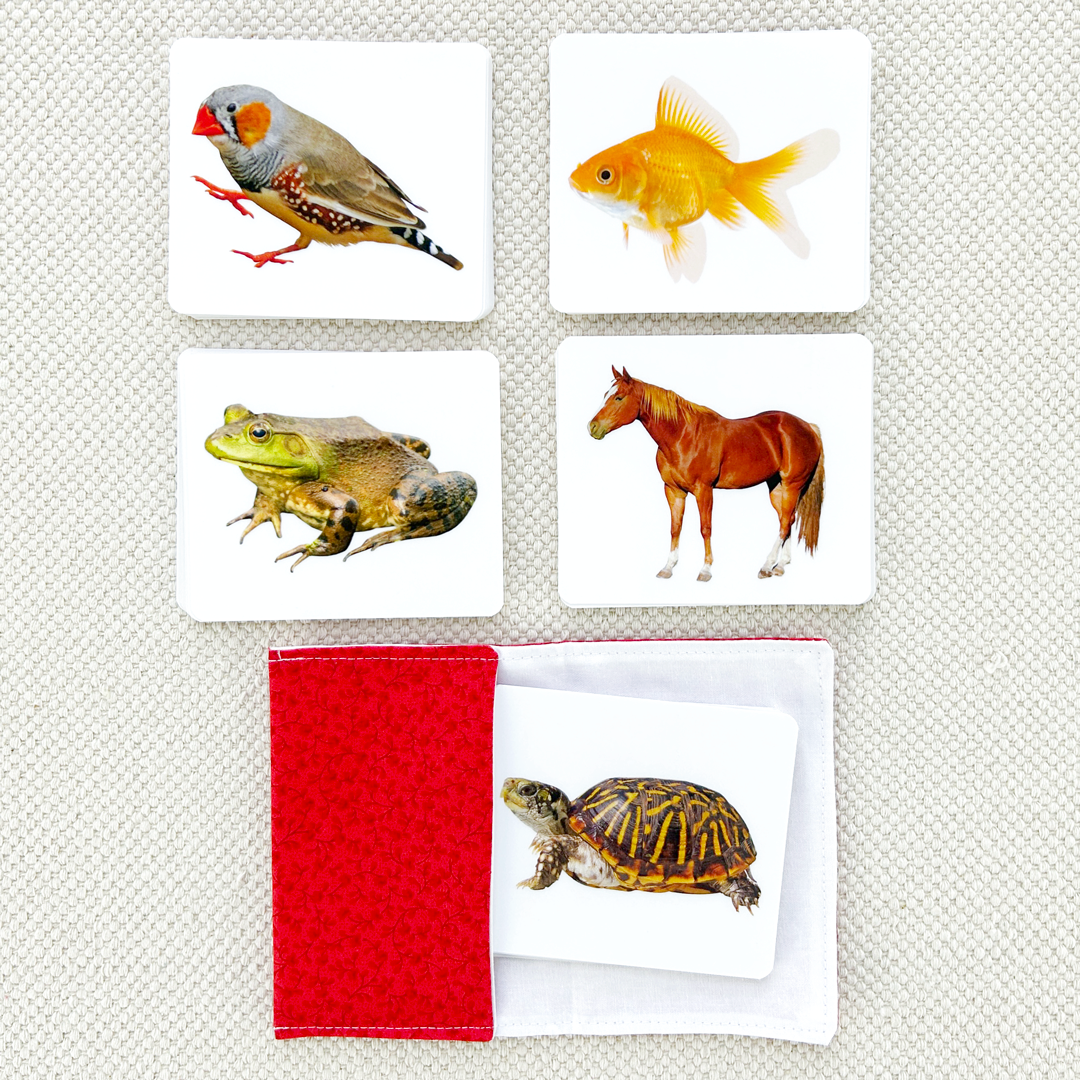
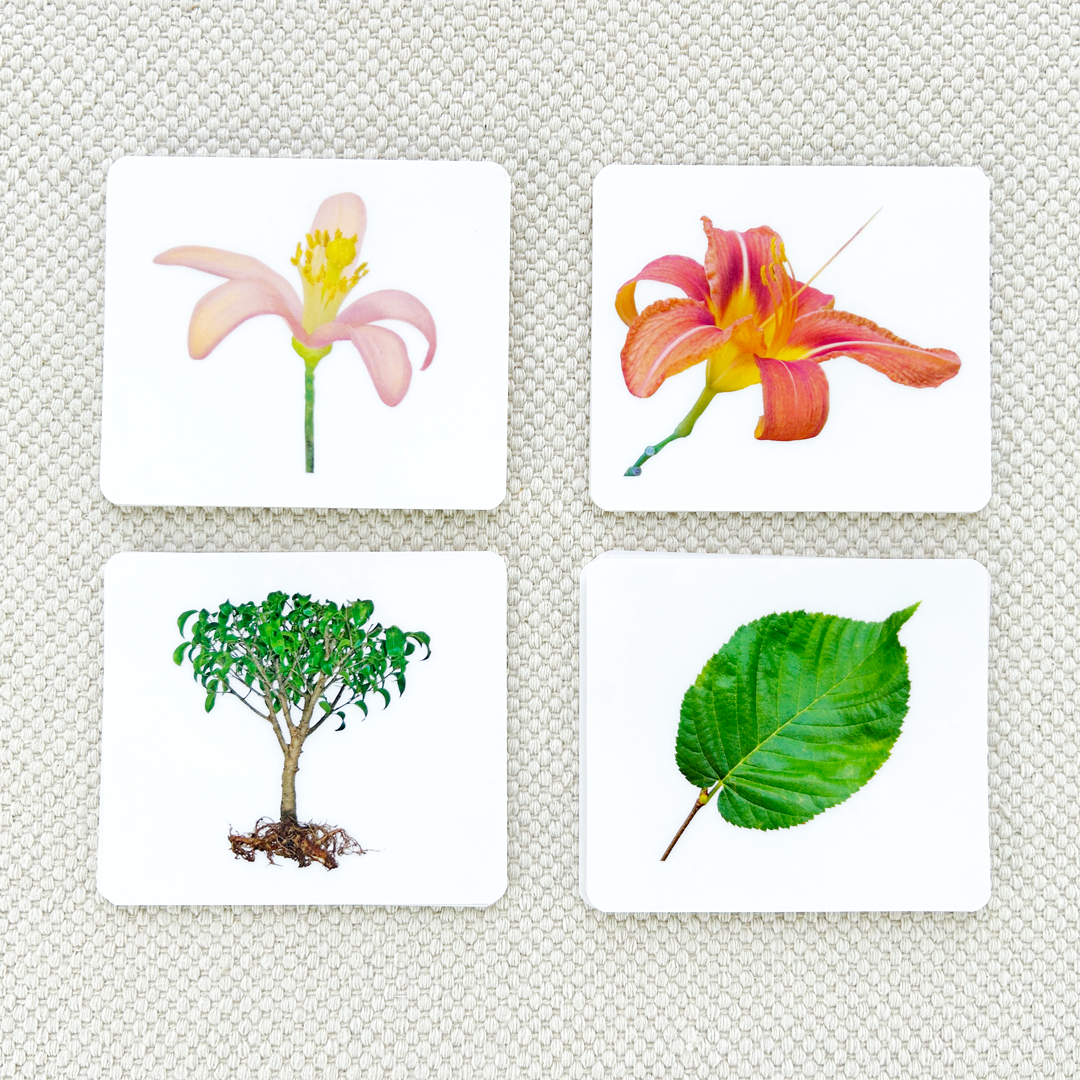
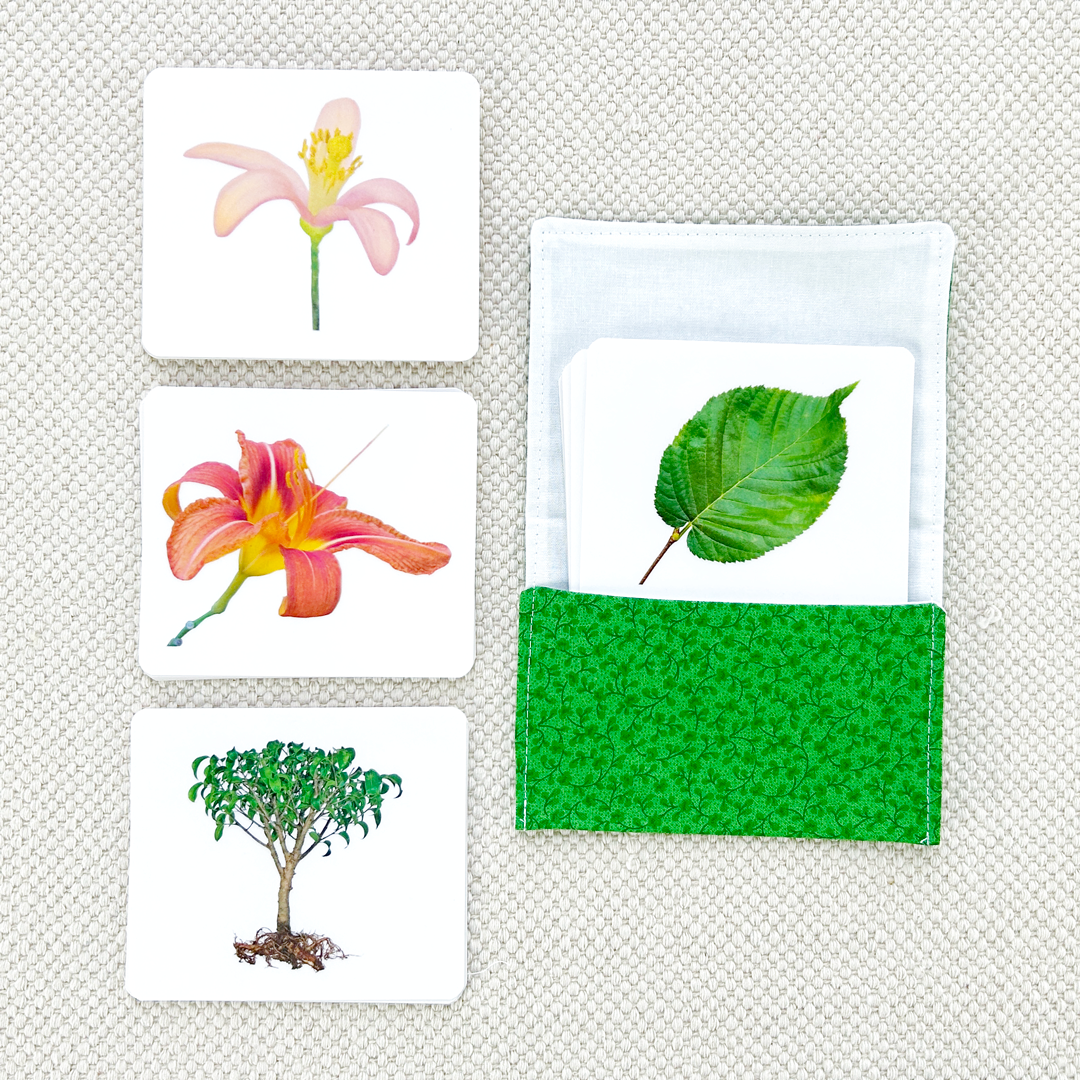
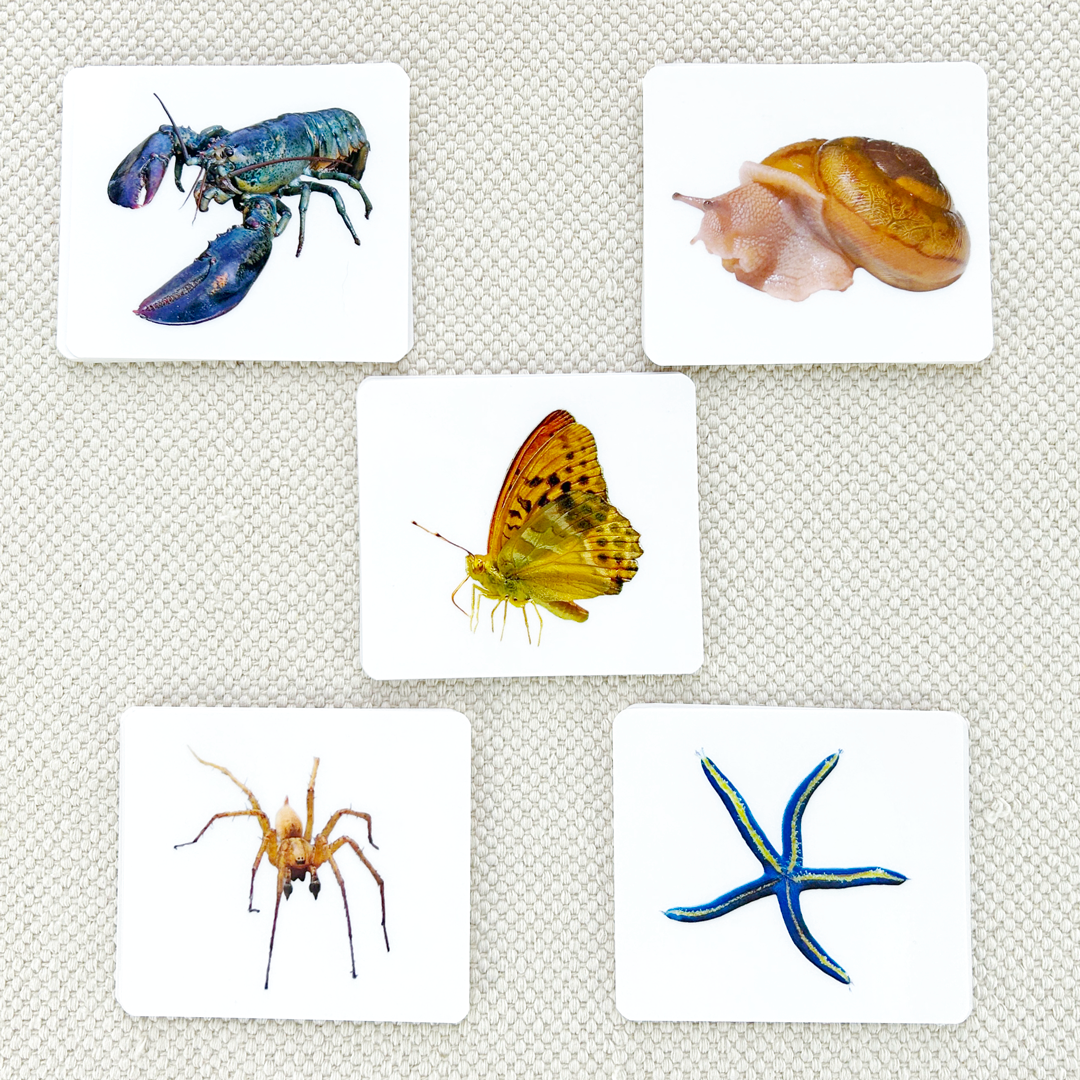

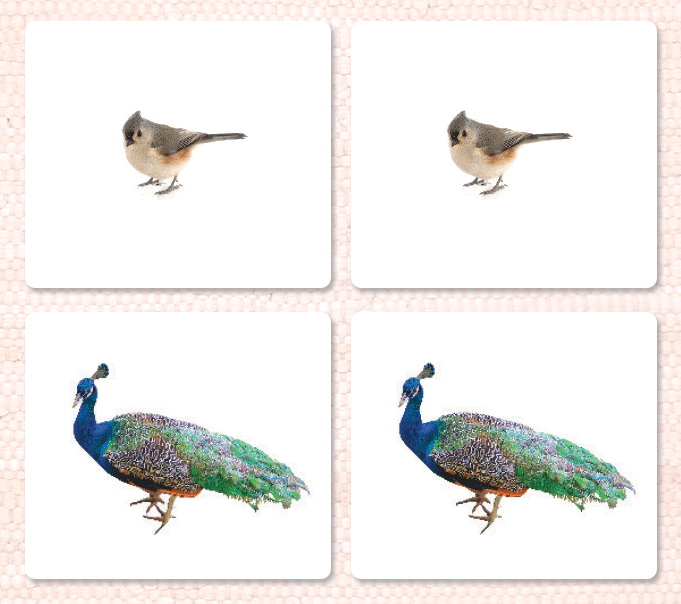
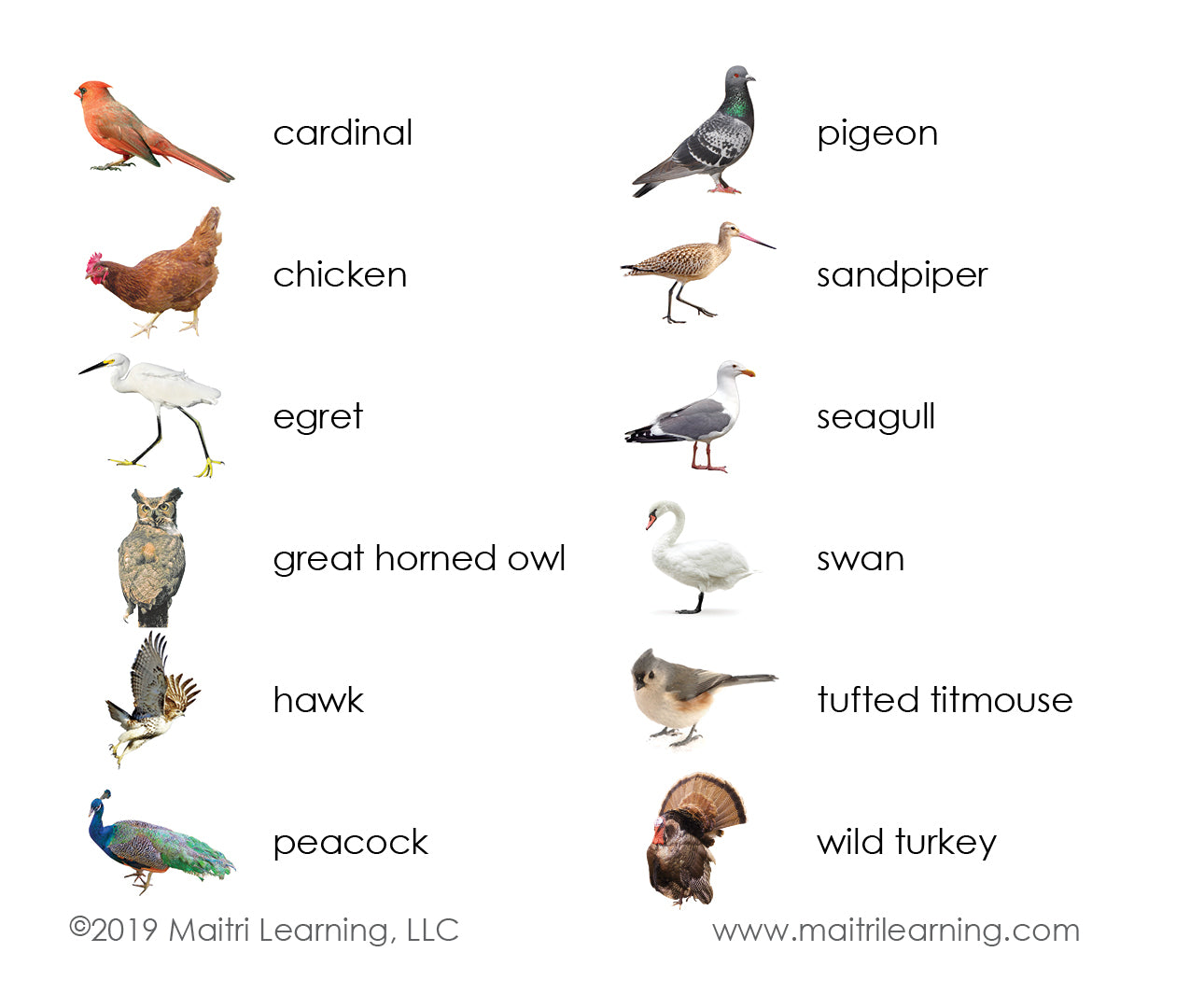
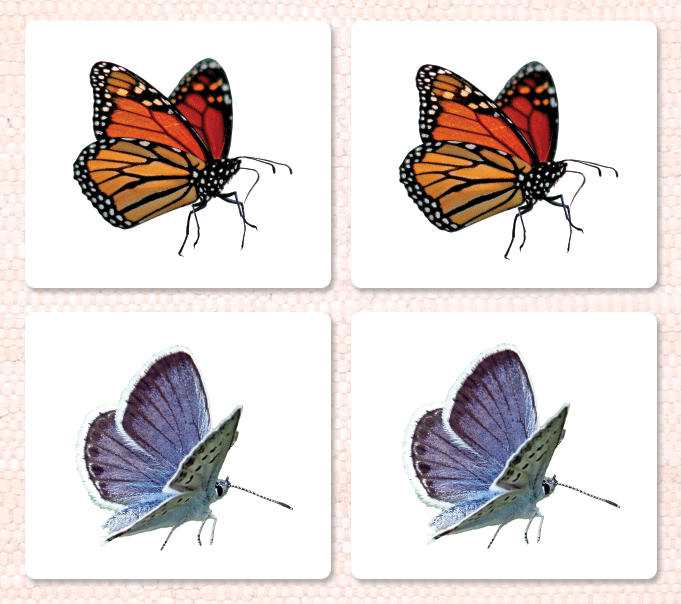
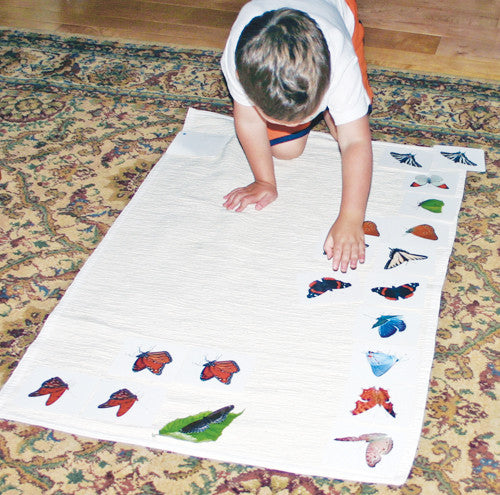
More Information:
Vocabulary & Oral Language
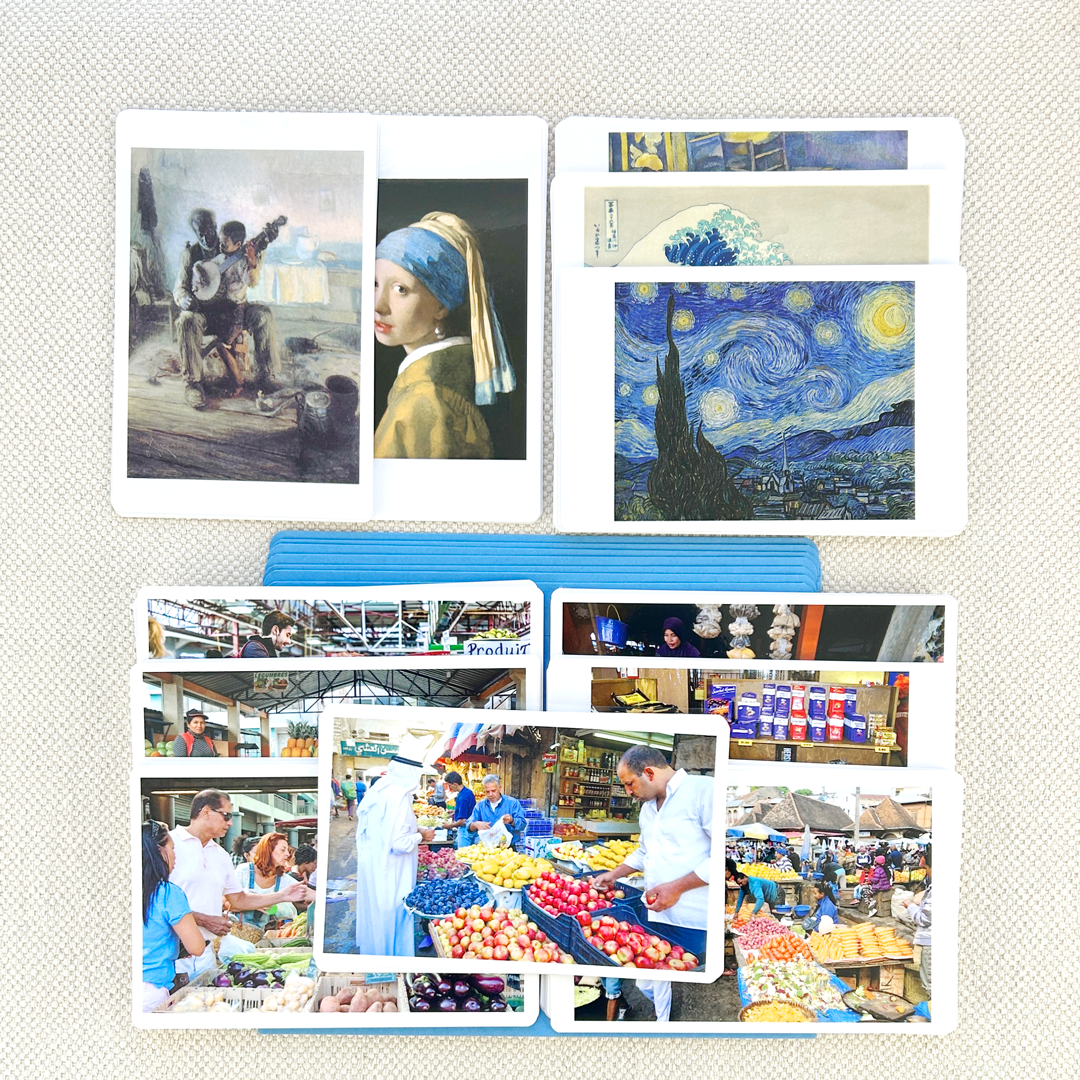
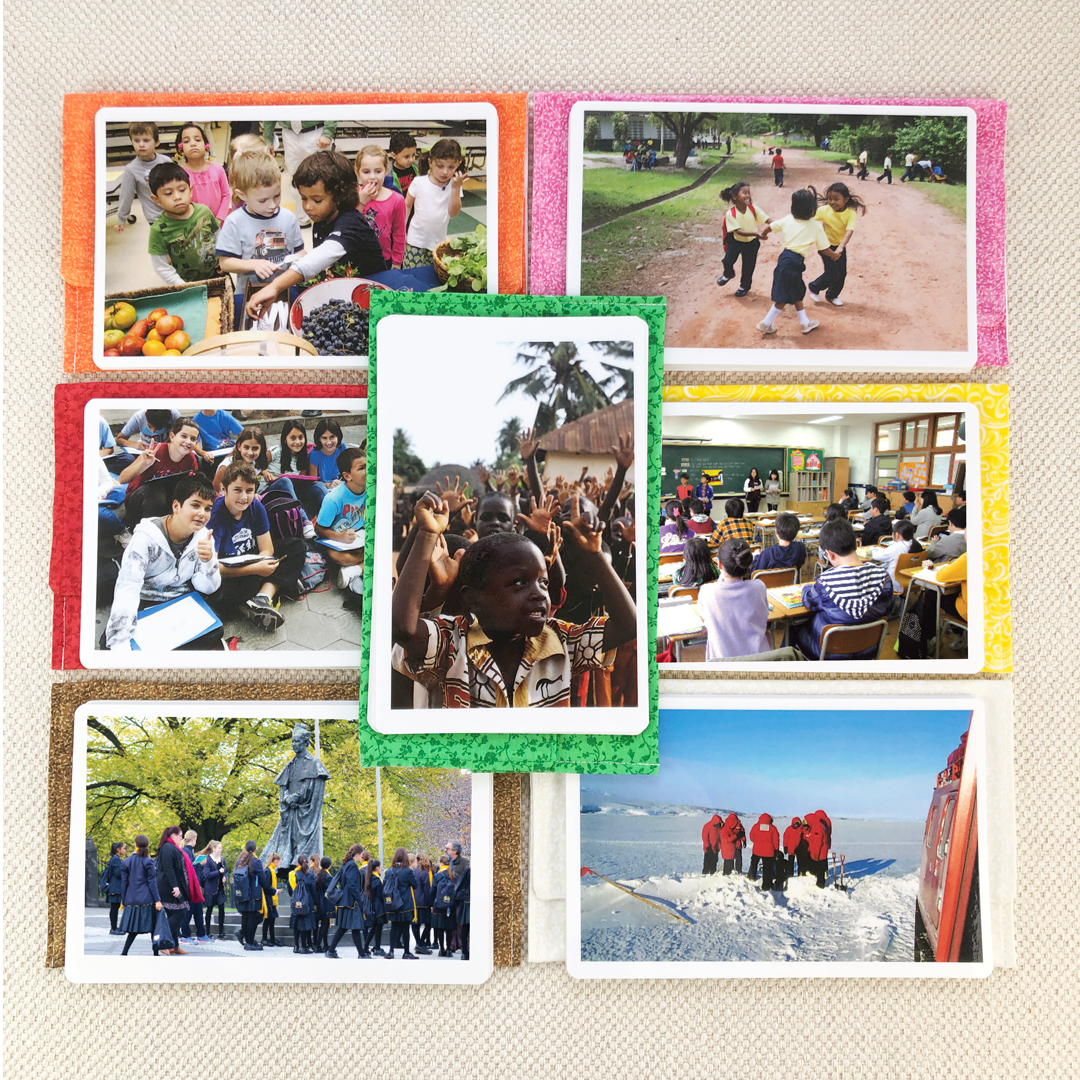
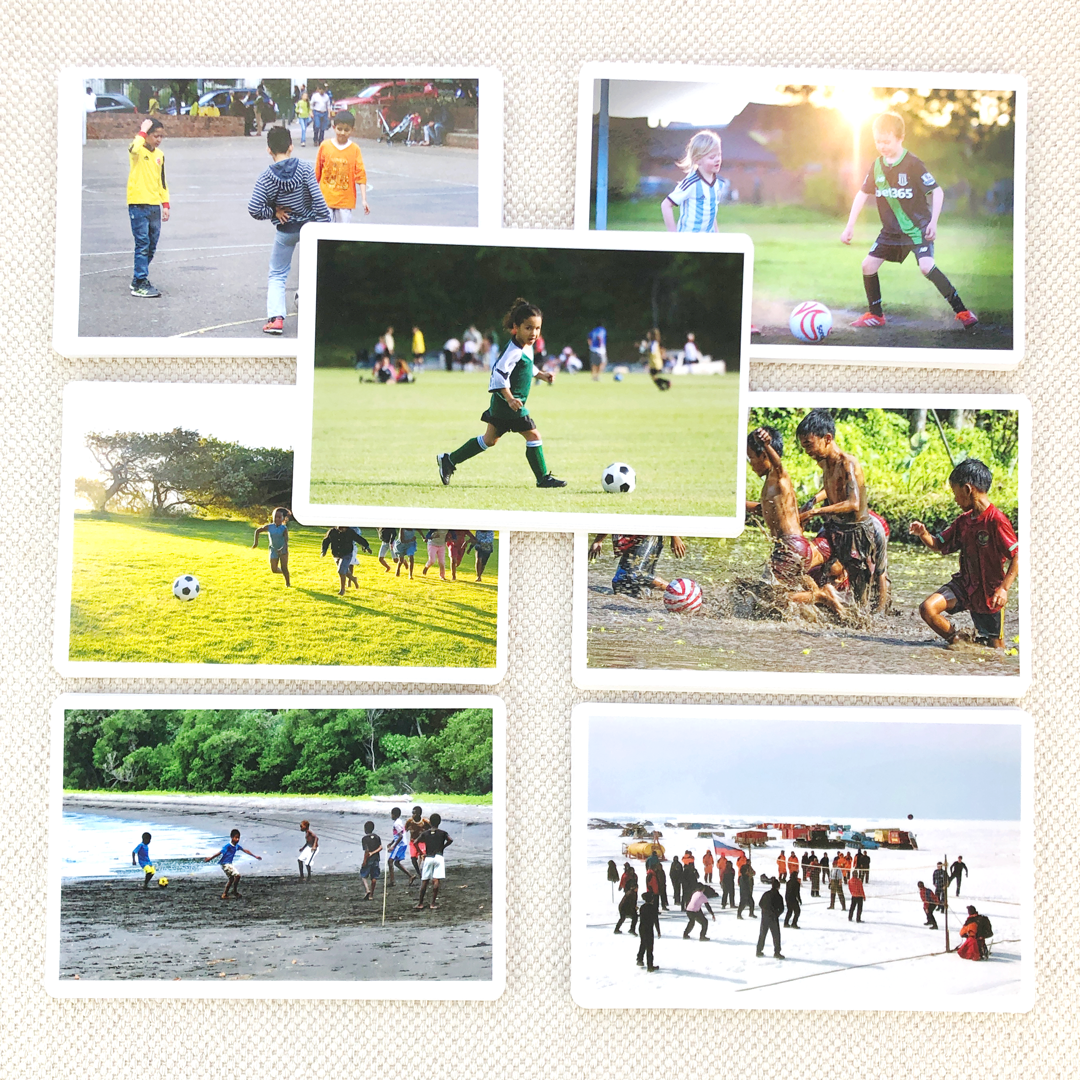
Oral language is the foundation of reading. Before students can understand what they read, they need to understand the words when they hear them, and they need background knowledge about the world those words describe. This collection builds both, through real-photo vocabulary cards, matching and sorting activities, fine art cards, and geography folders.
Every material here is designed for conversation. Use them for three-period lessons, but also to spark discussion, follow students' interests, and open new fields of inquiry.
What's in this collection
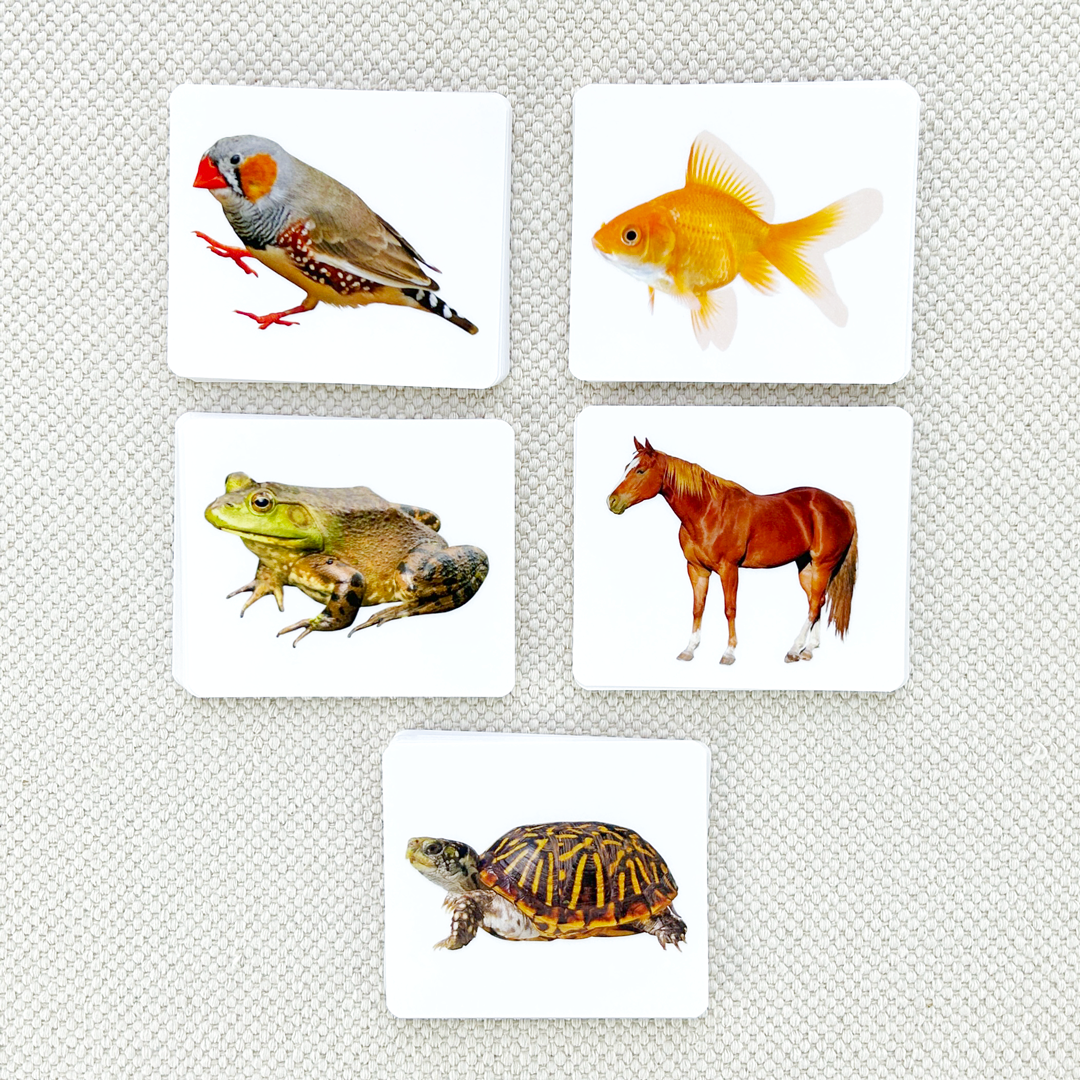
- Toddler Vocabulary Cards: large, extra-sturdy cards with background-free photos for students 18 months to 3 years
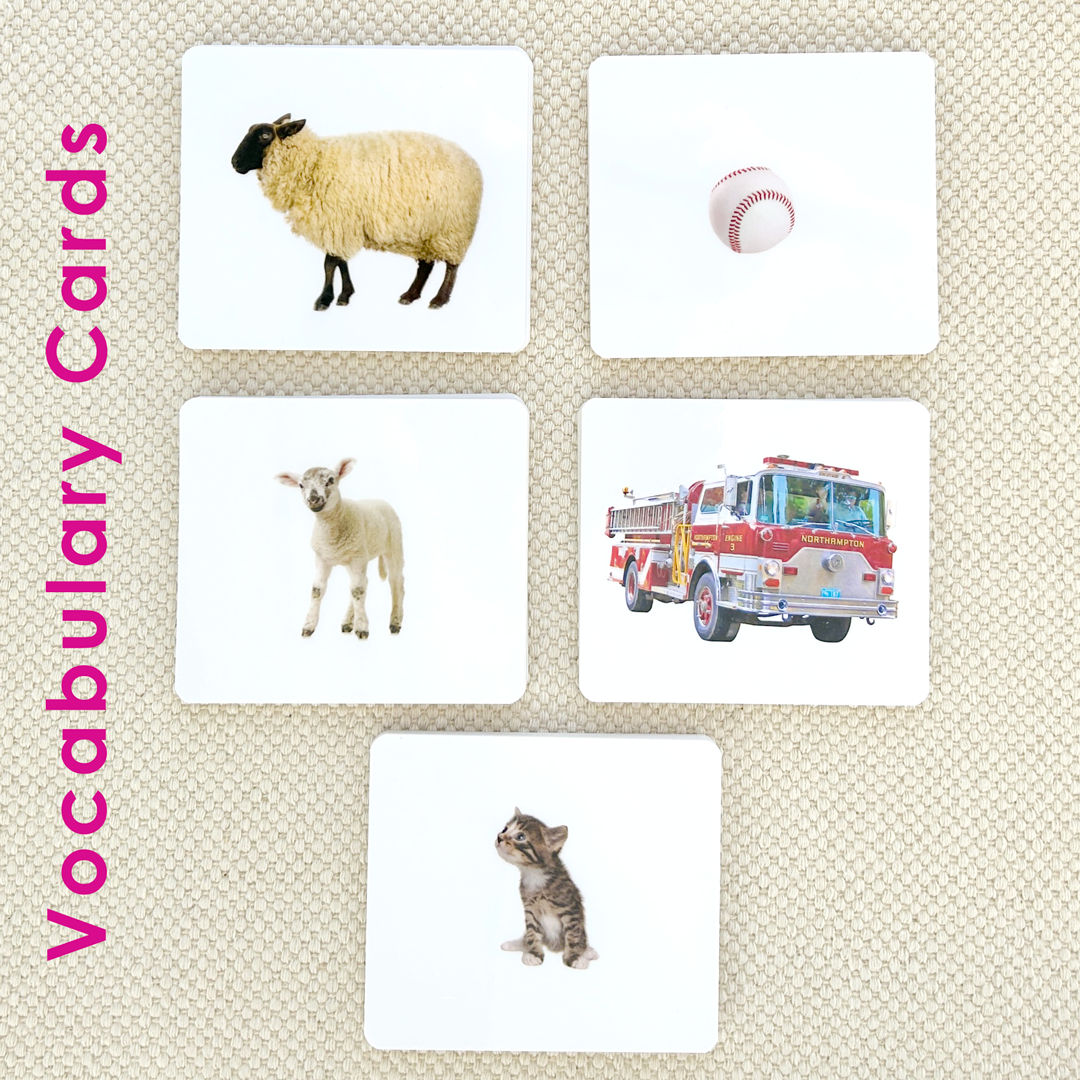
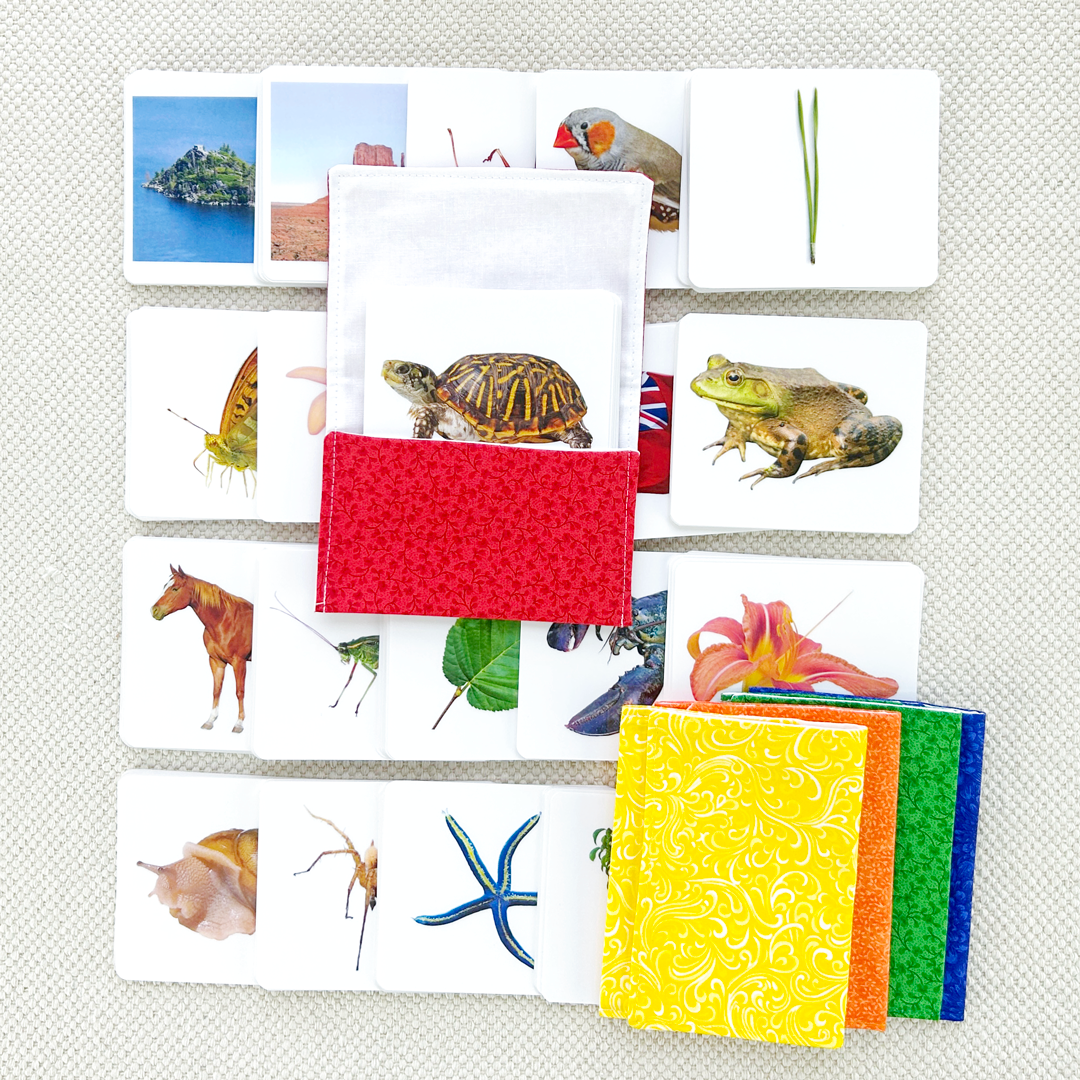
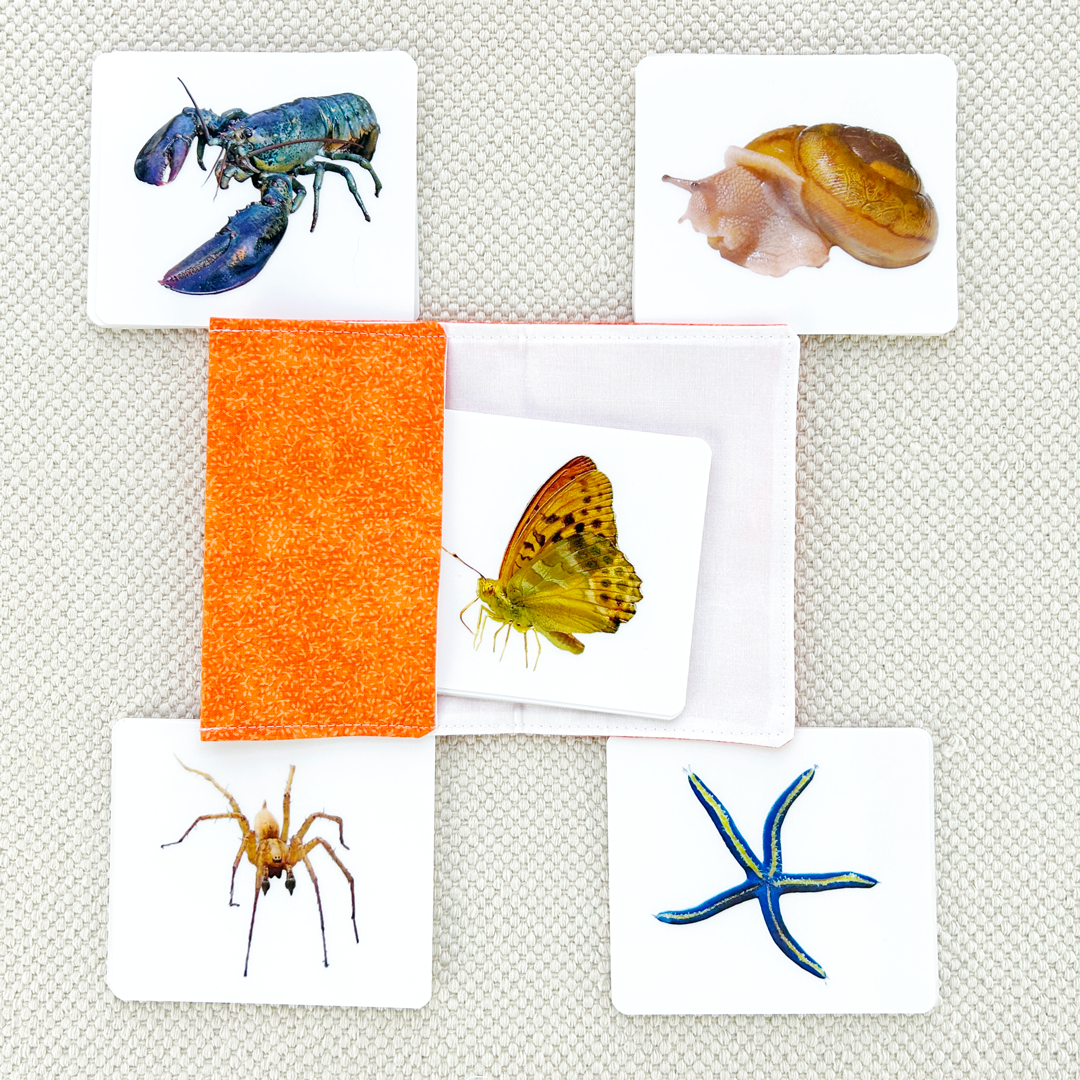
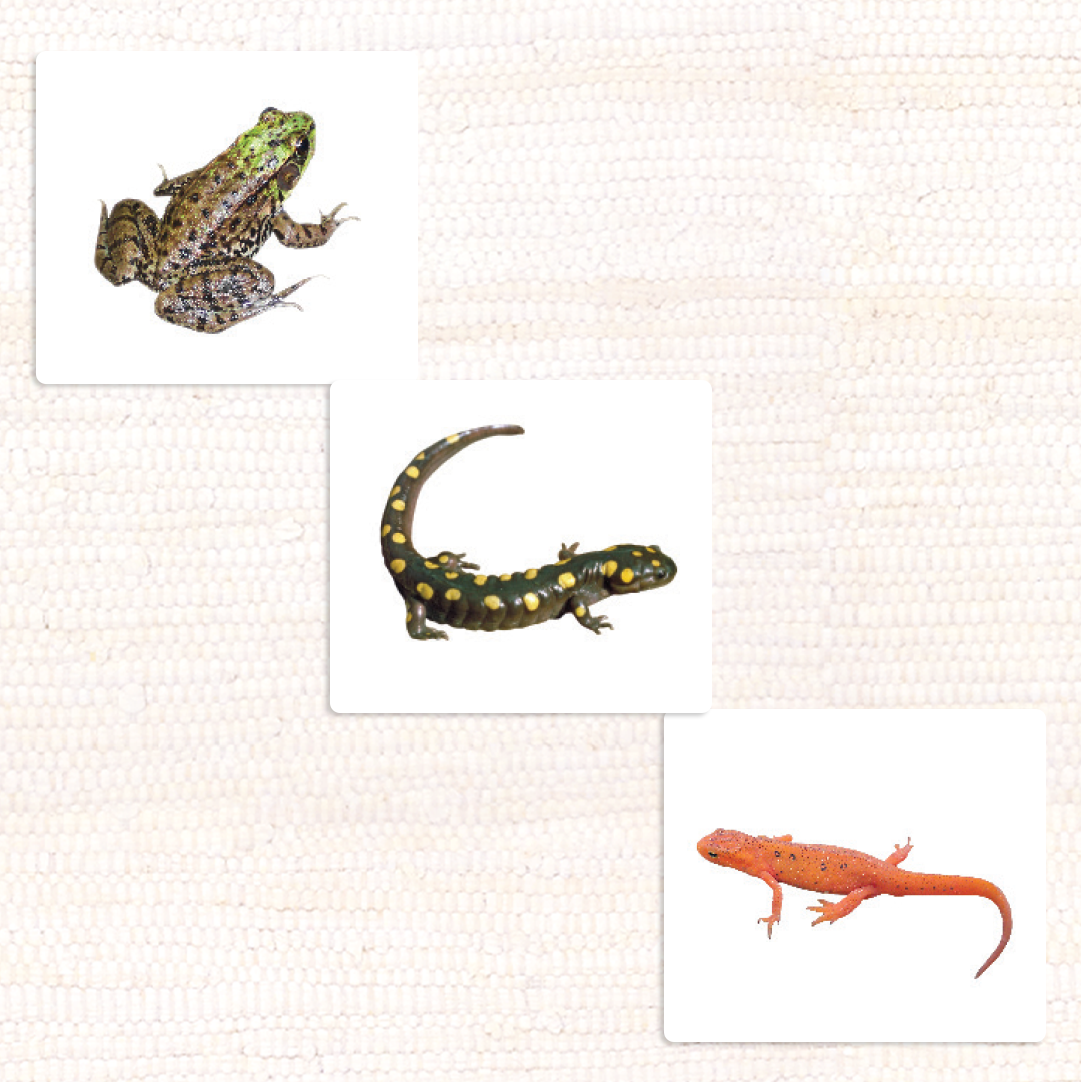
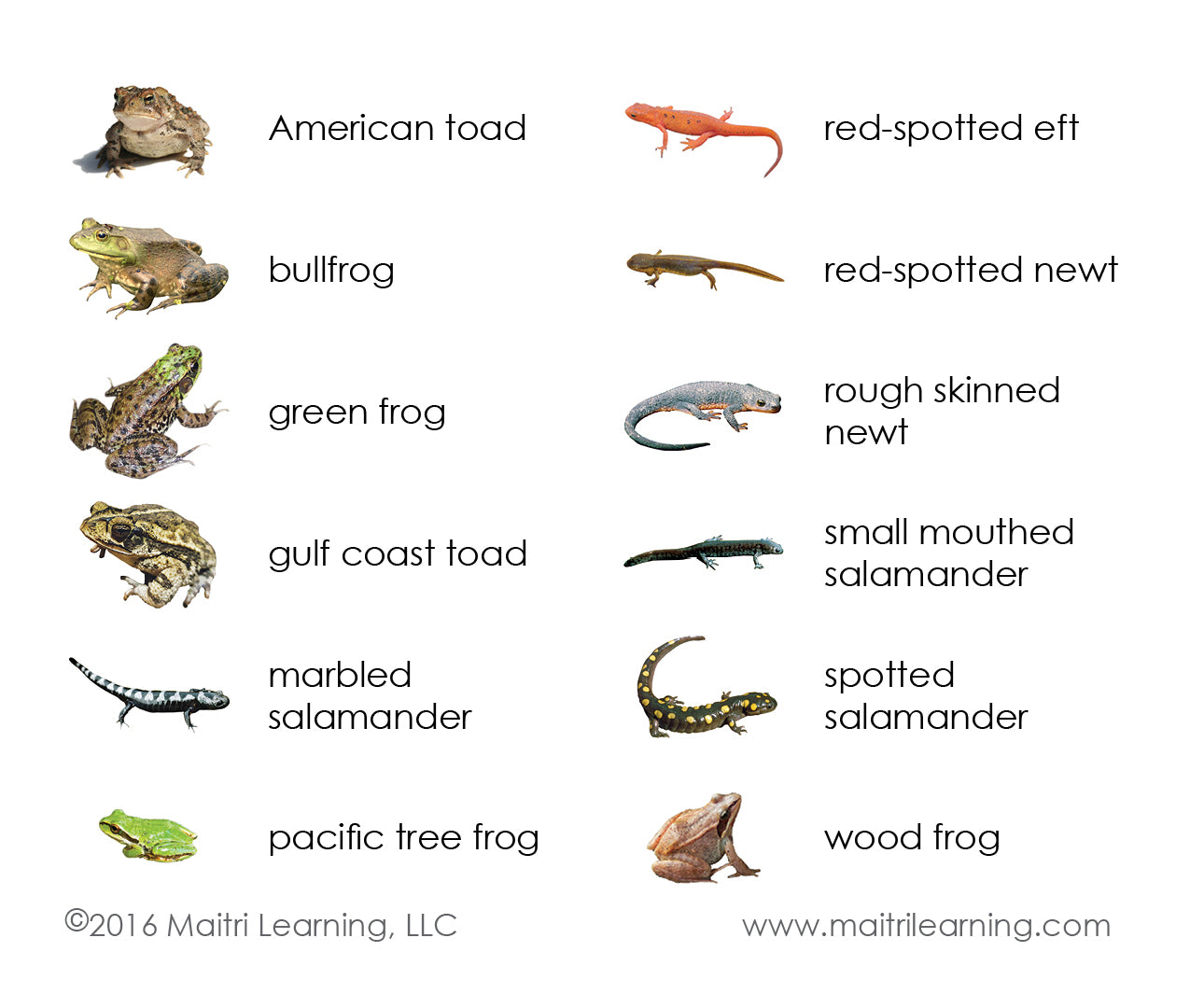
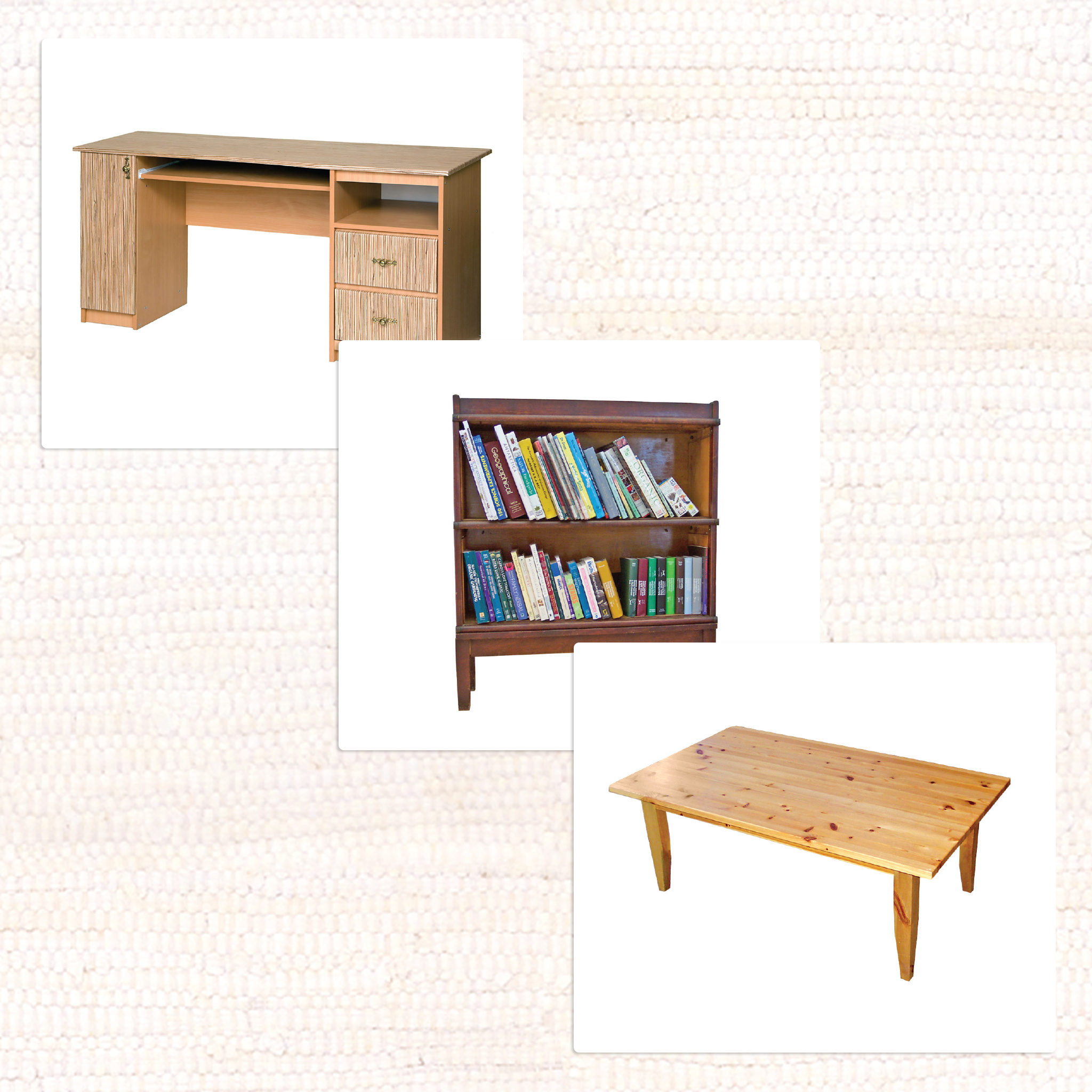
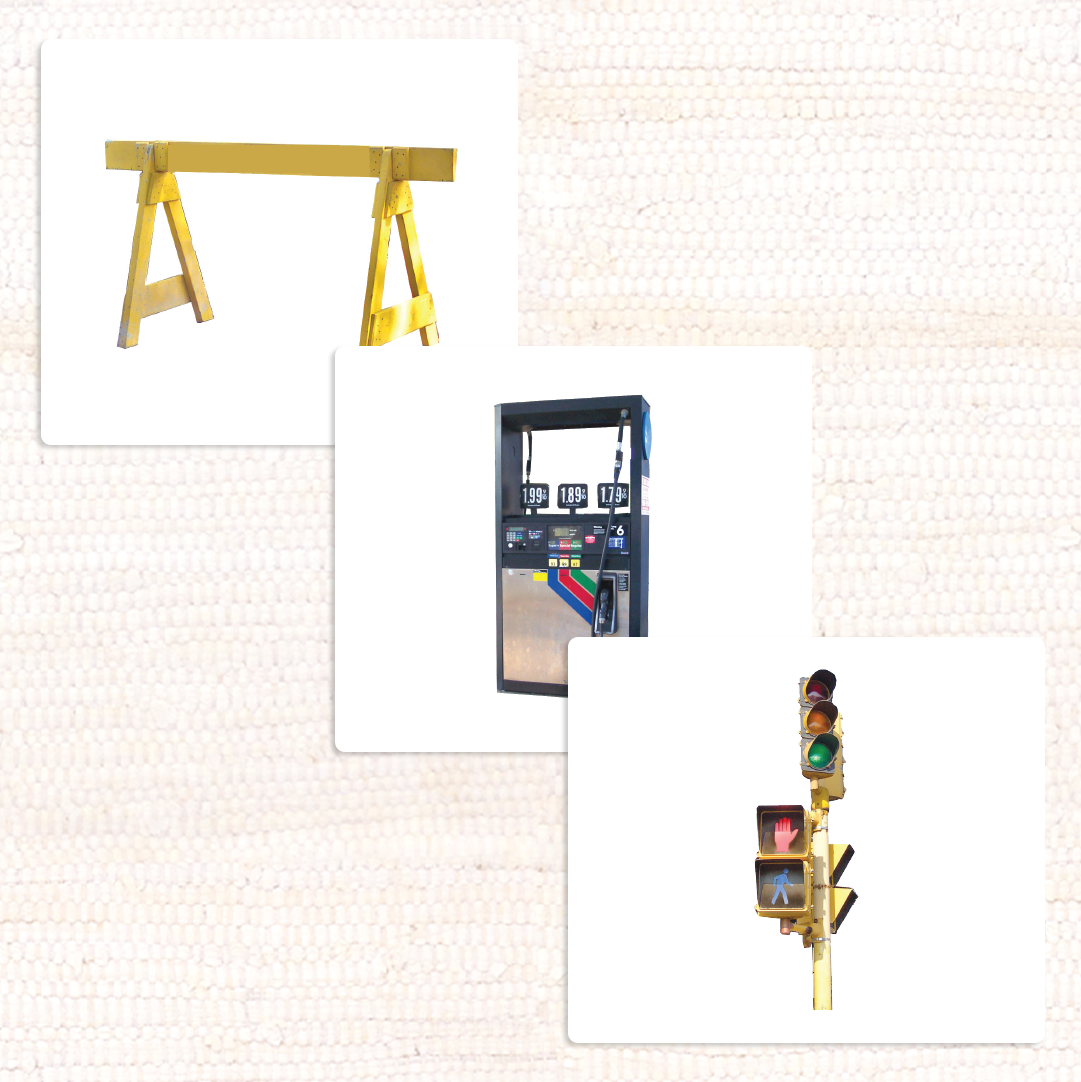
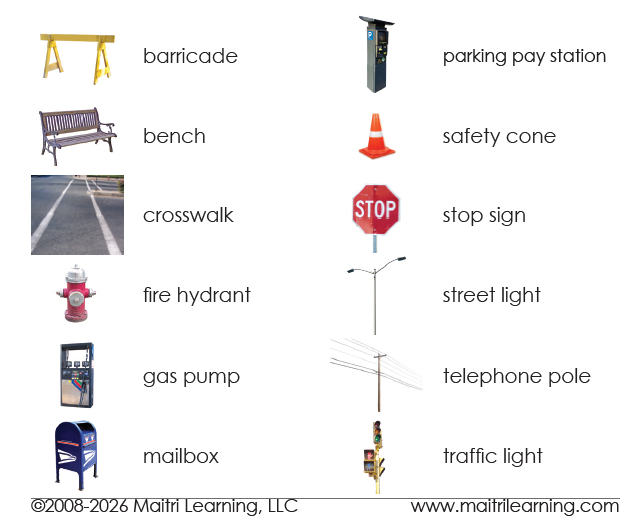
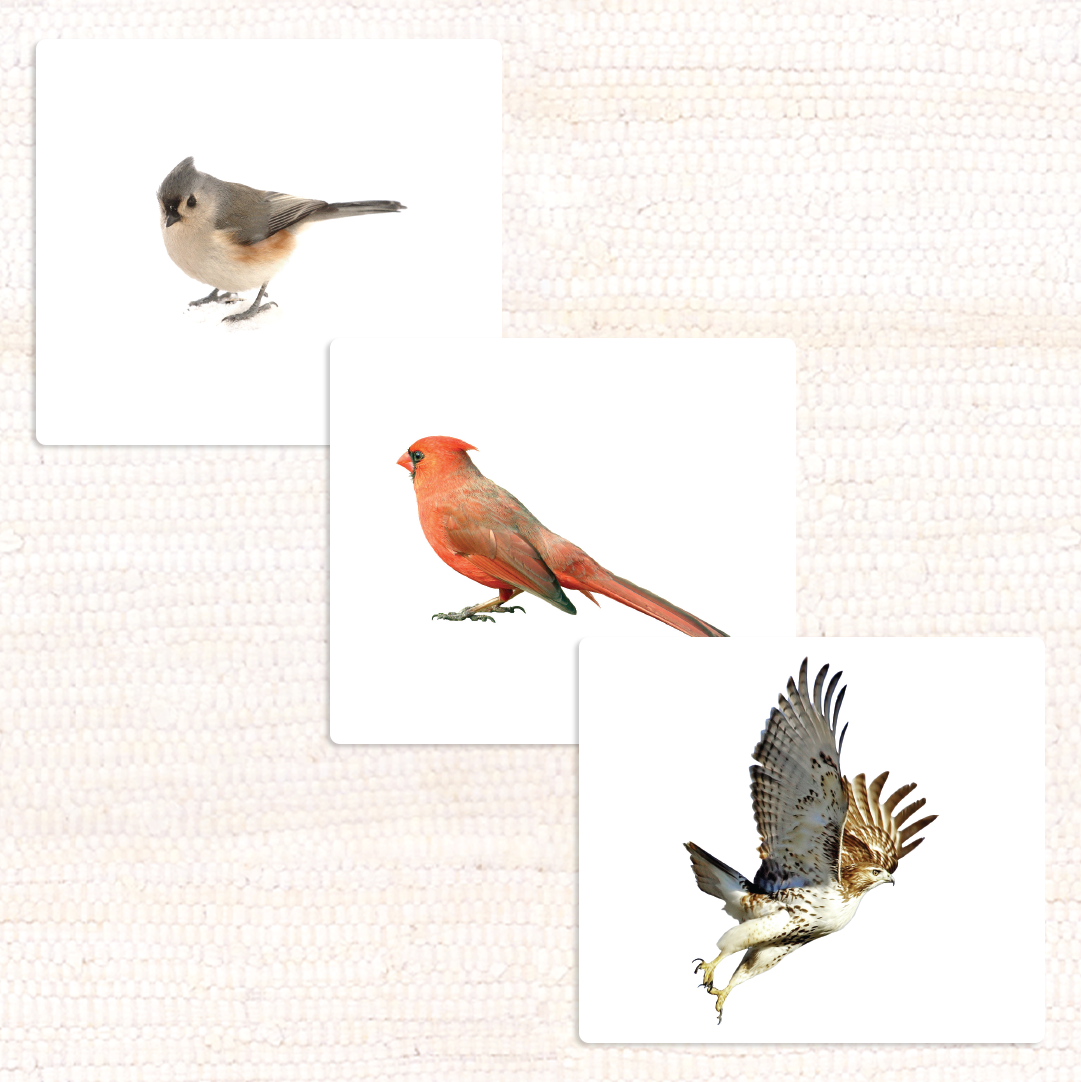
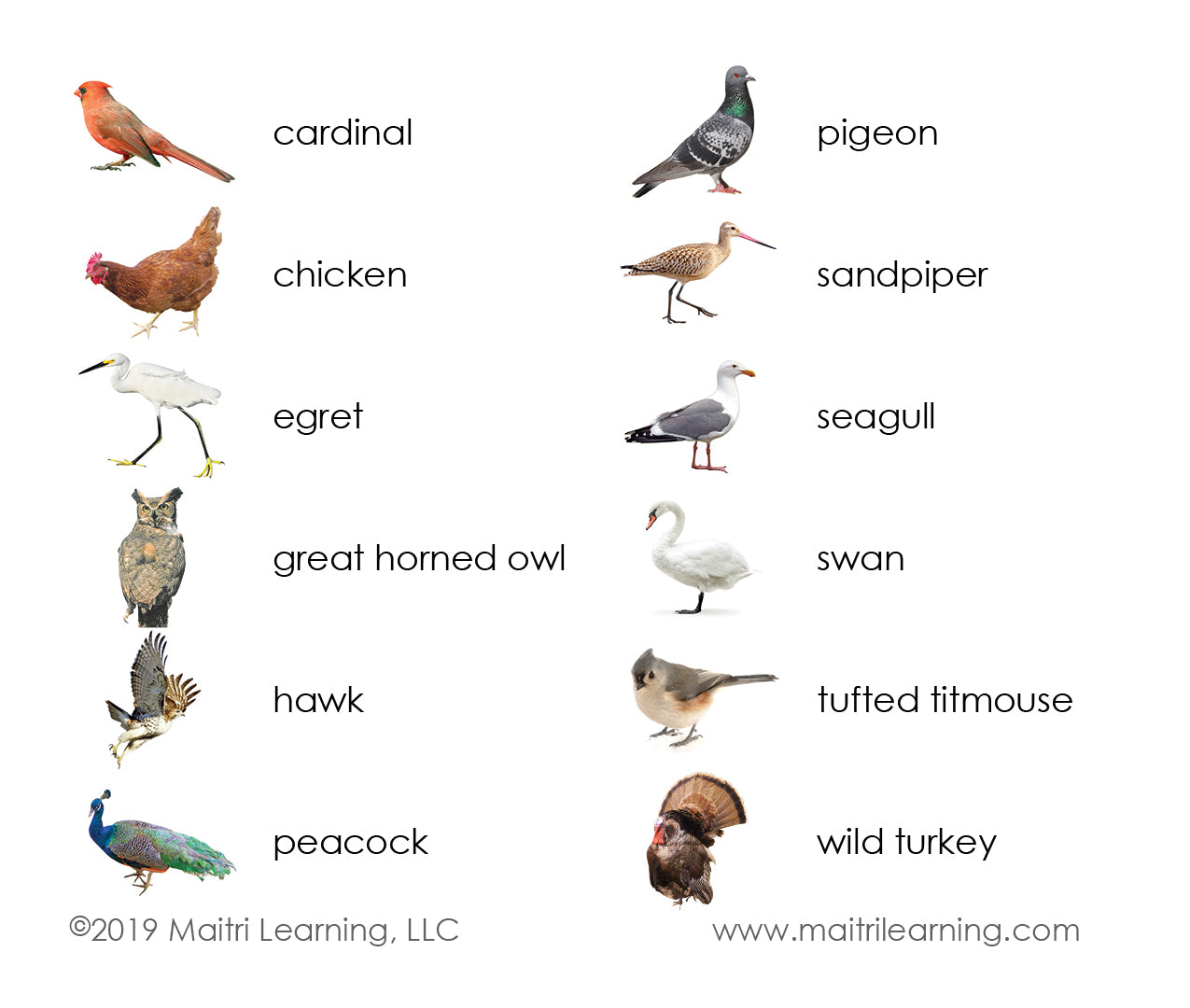
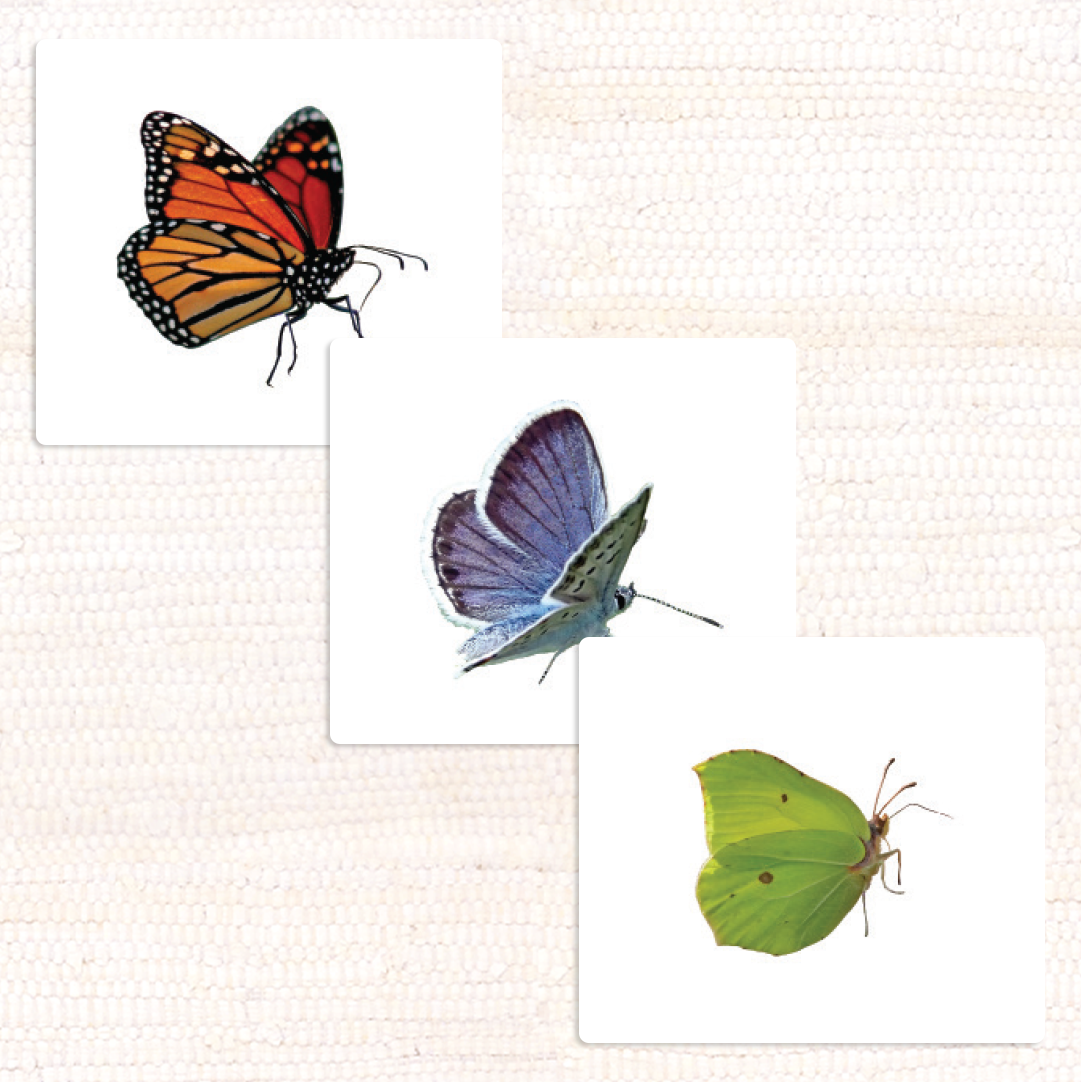
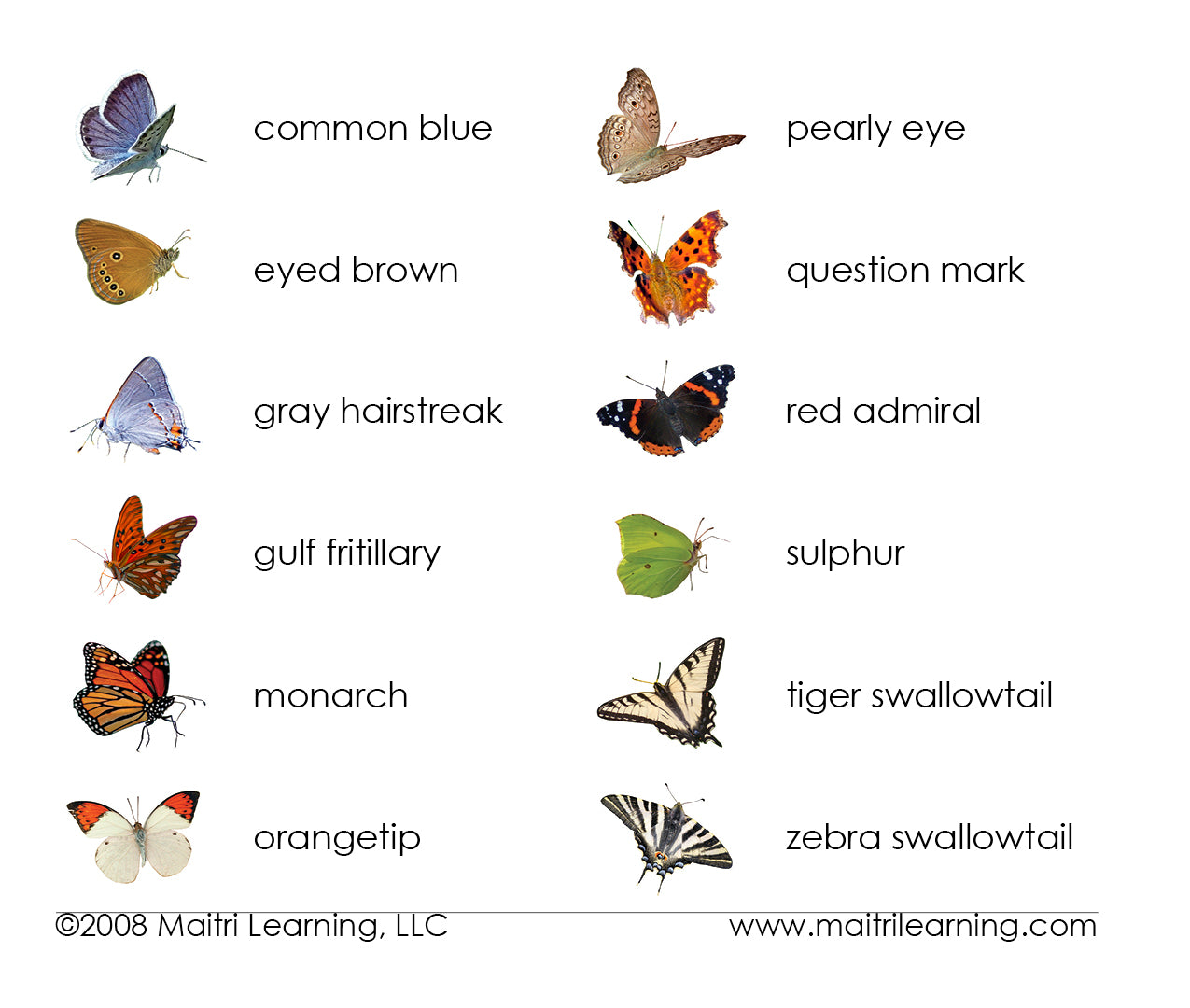
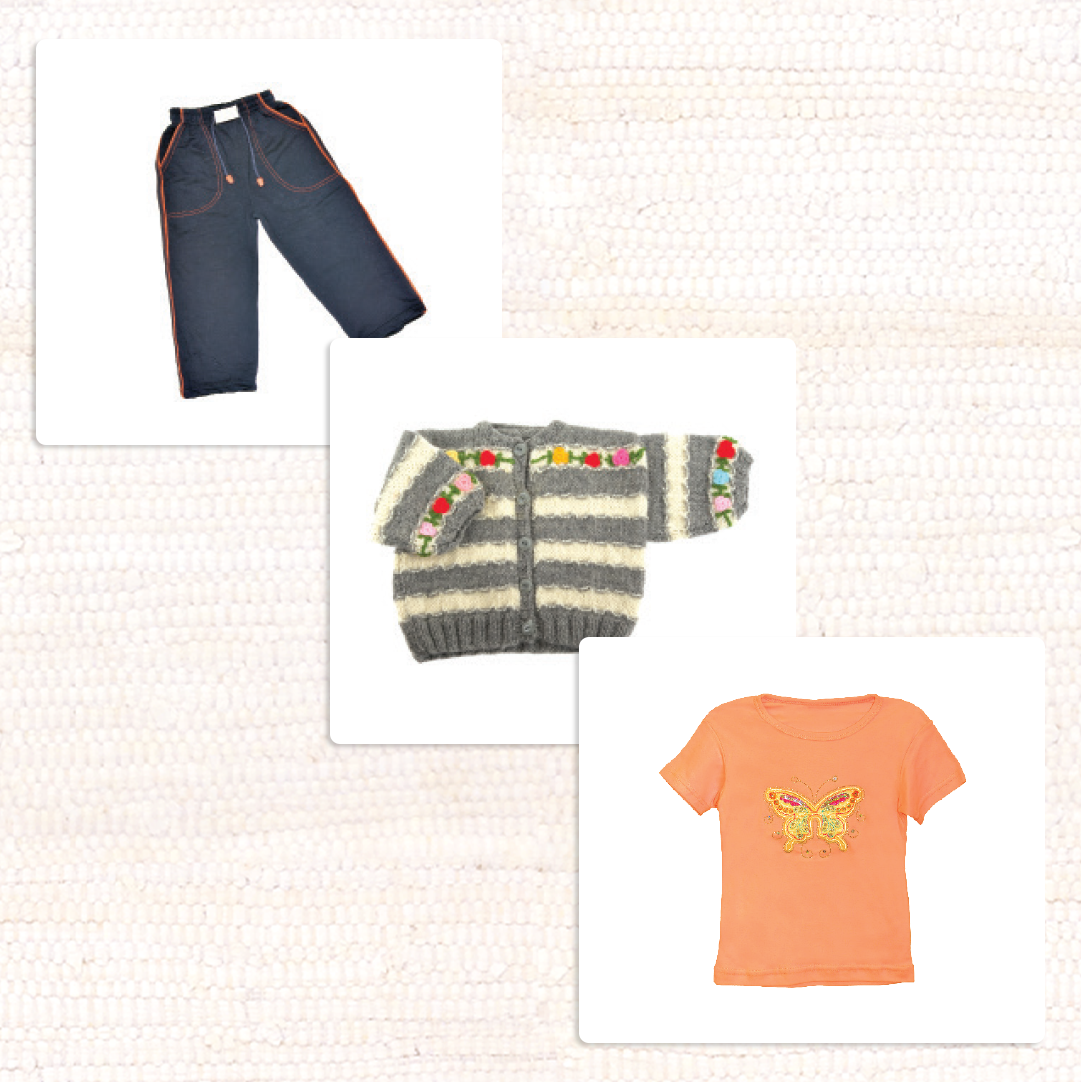
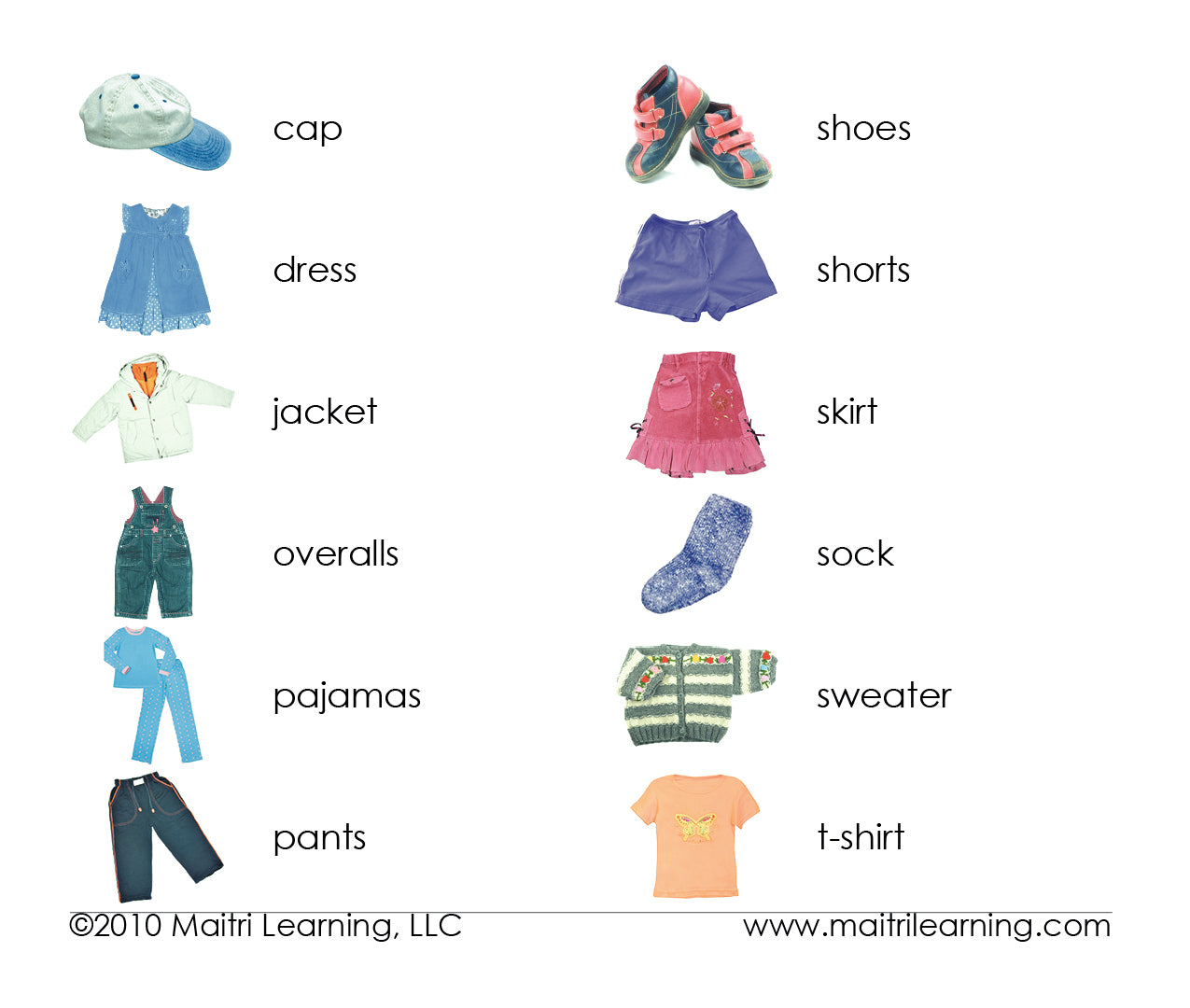
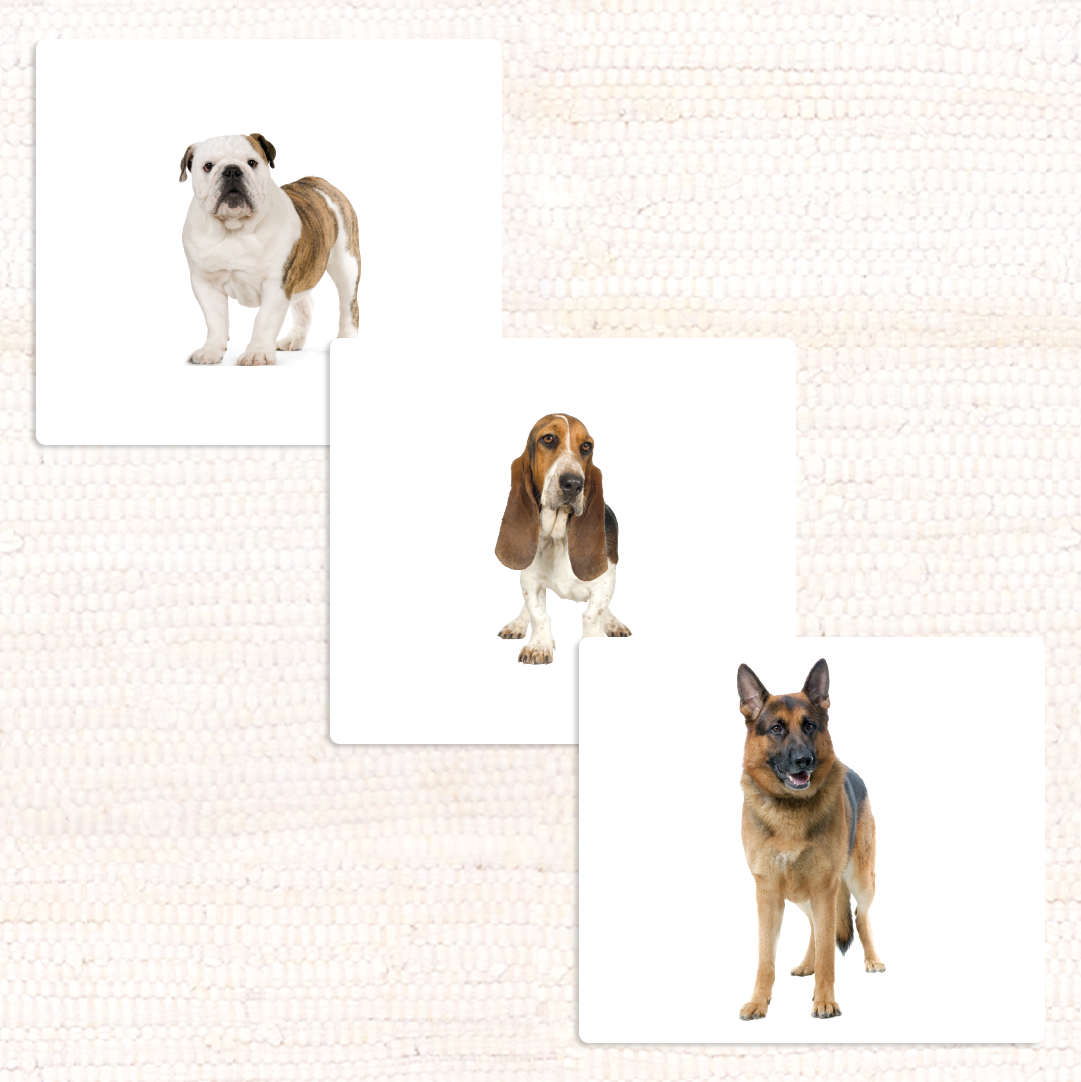
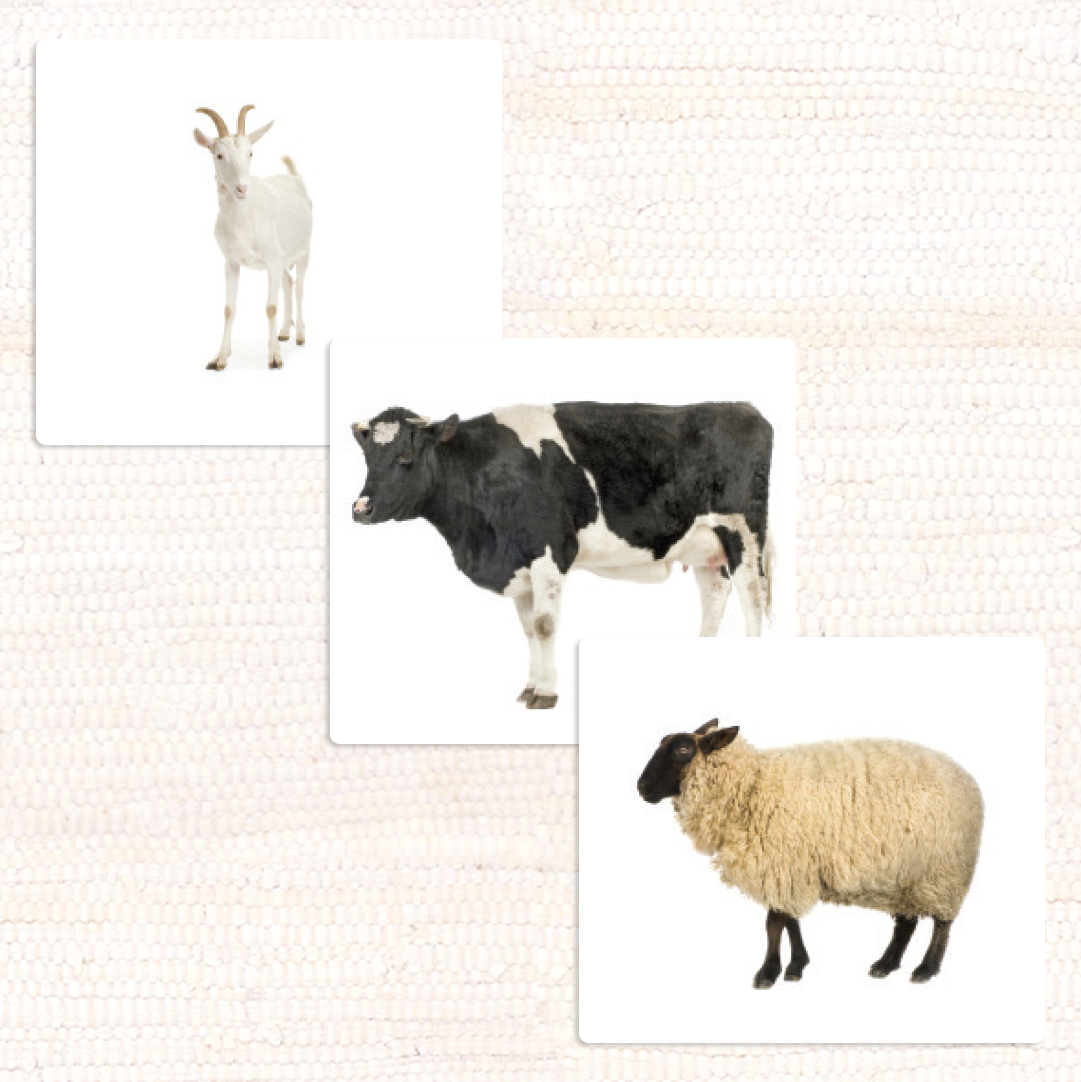
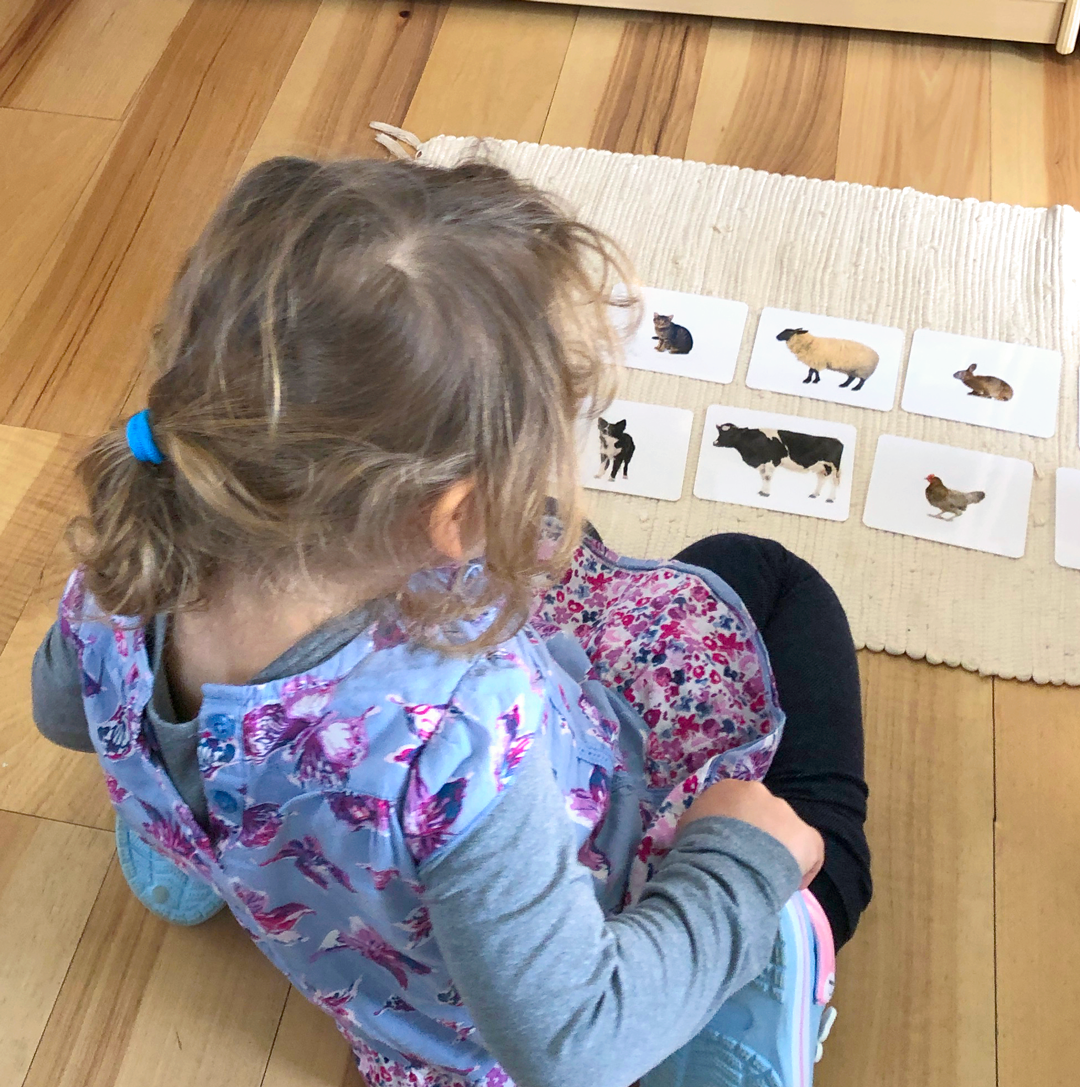
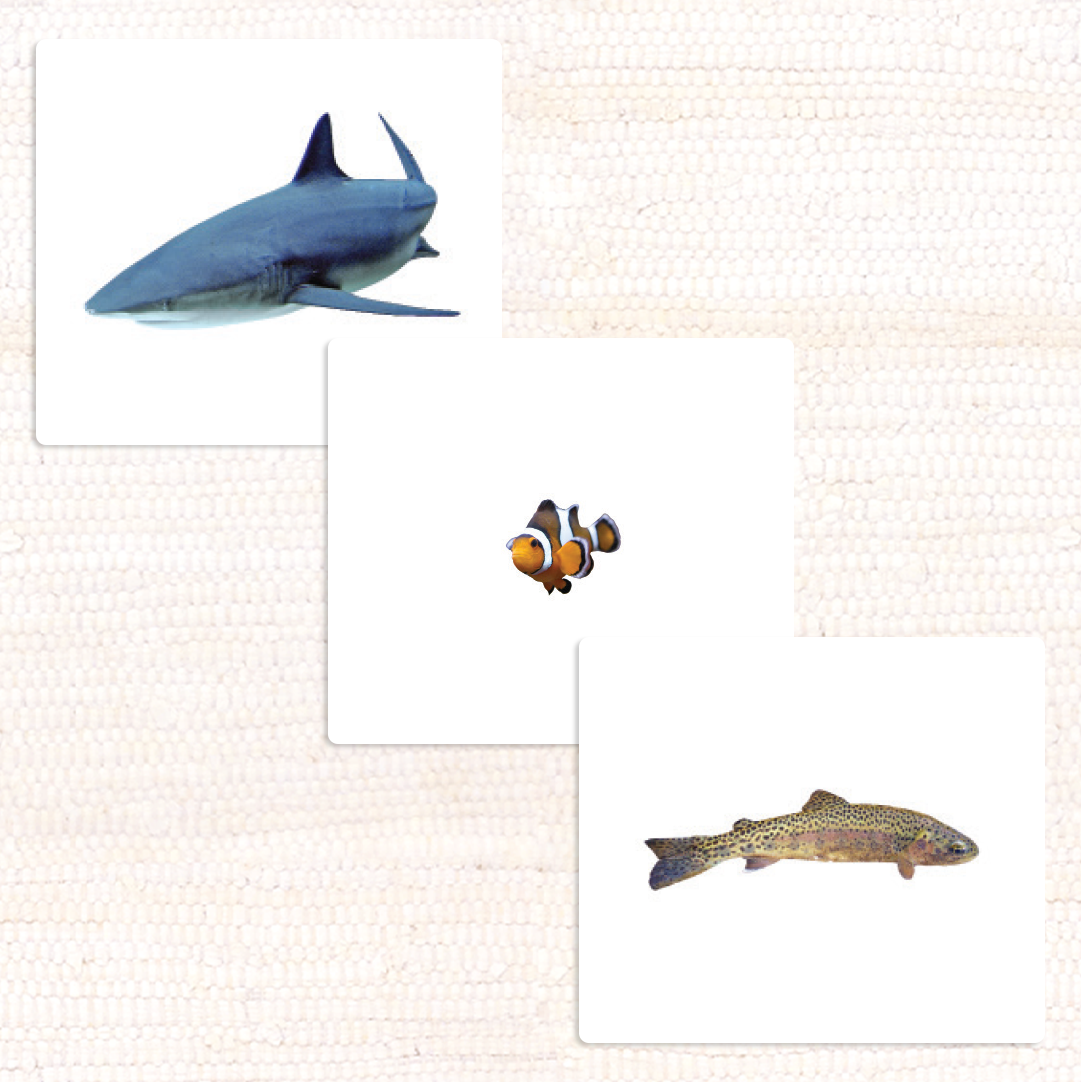
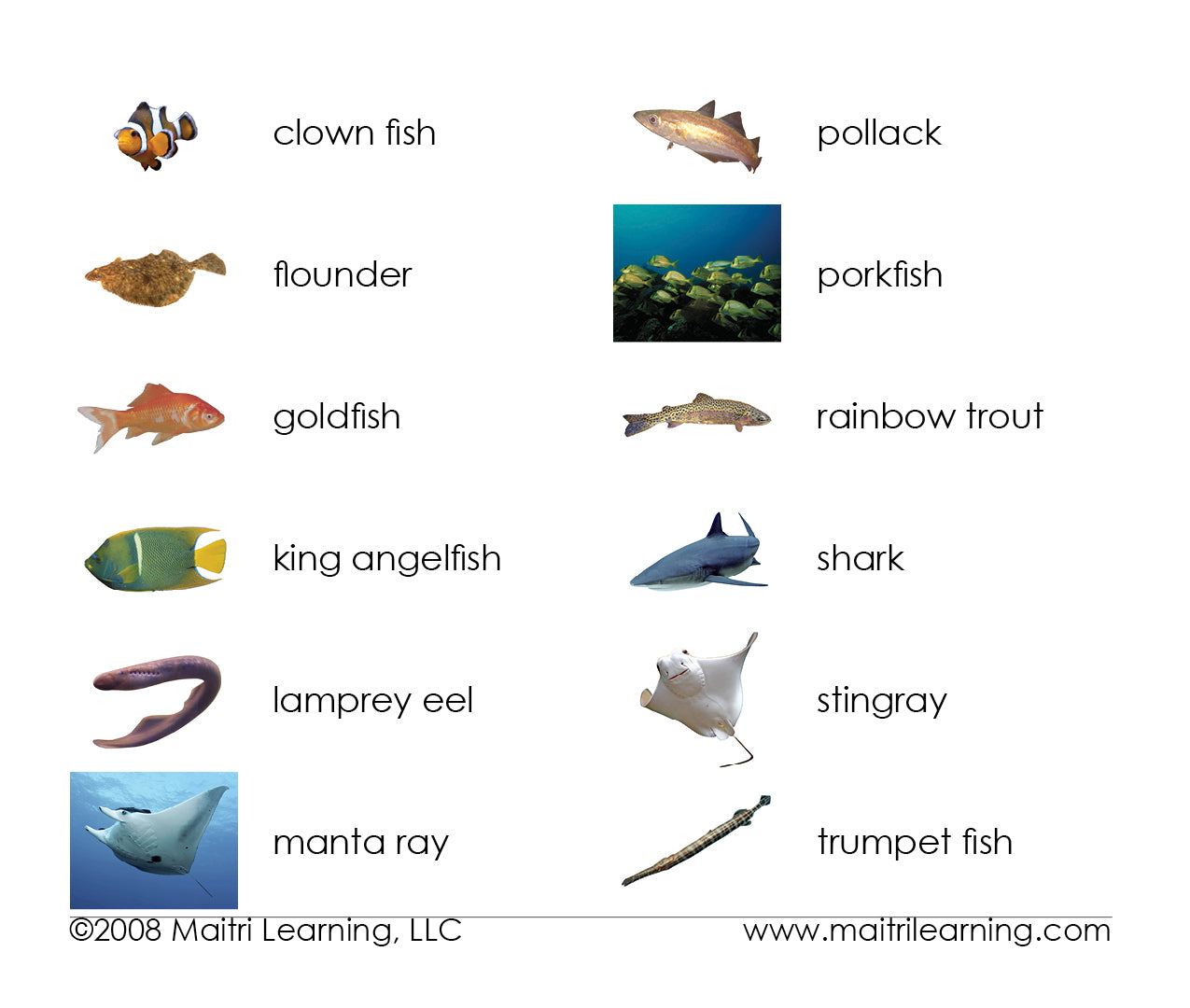
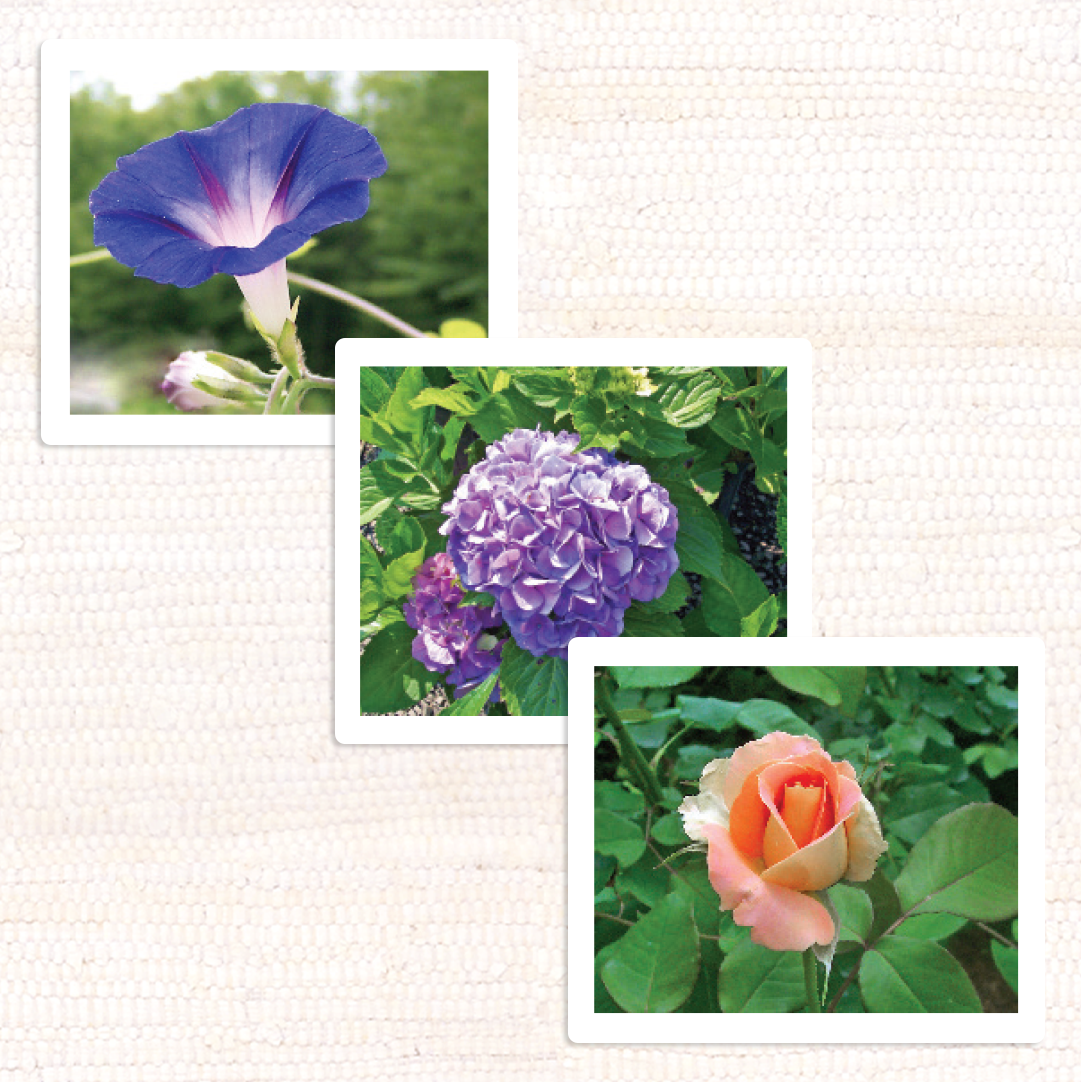
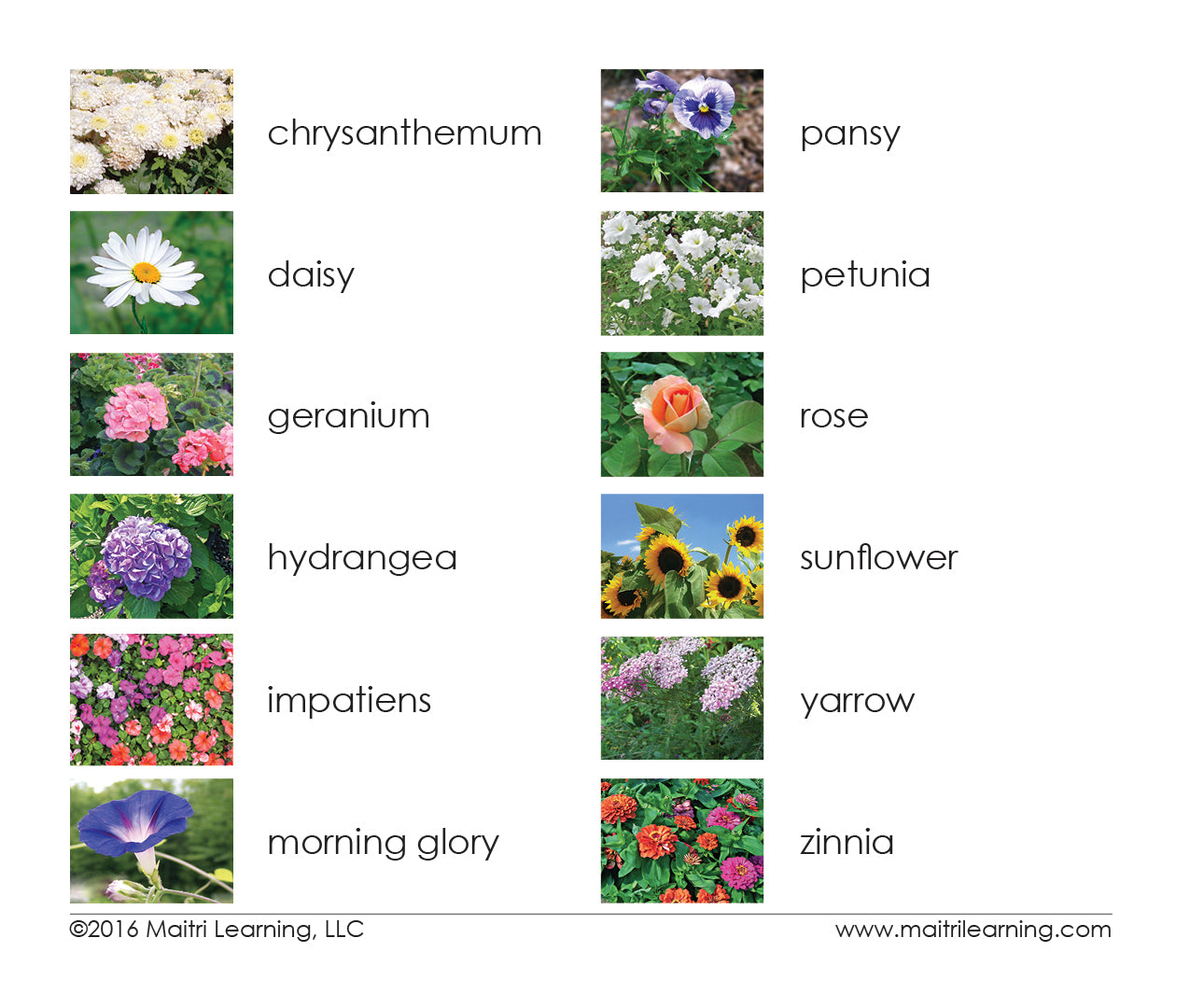
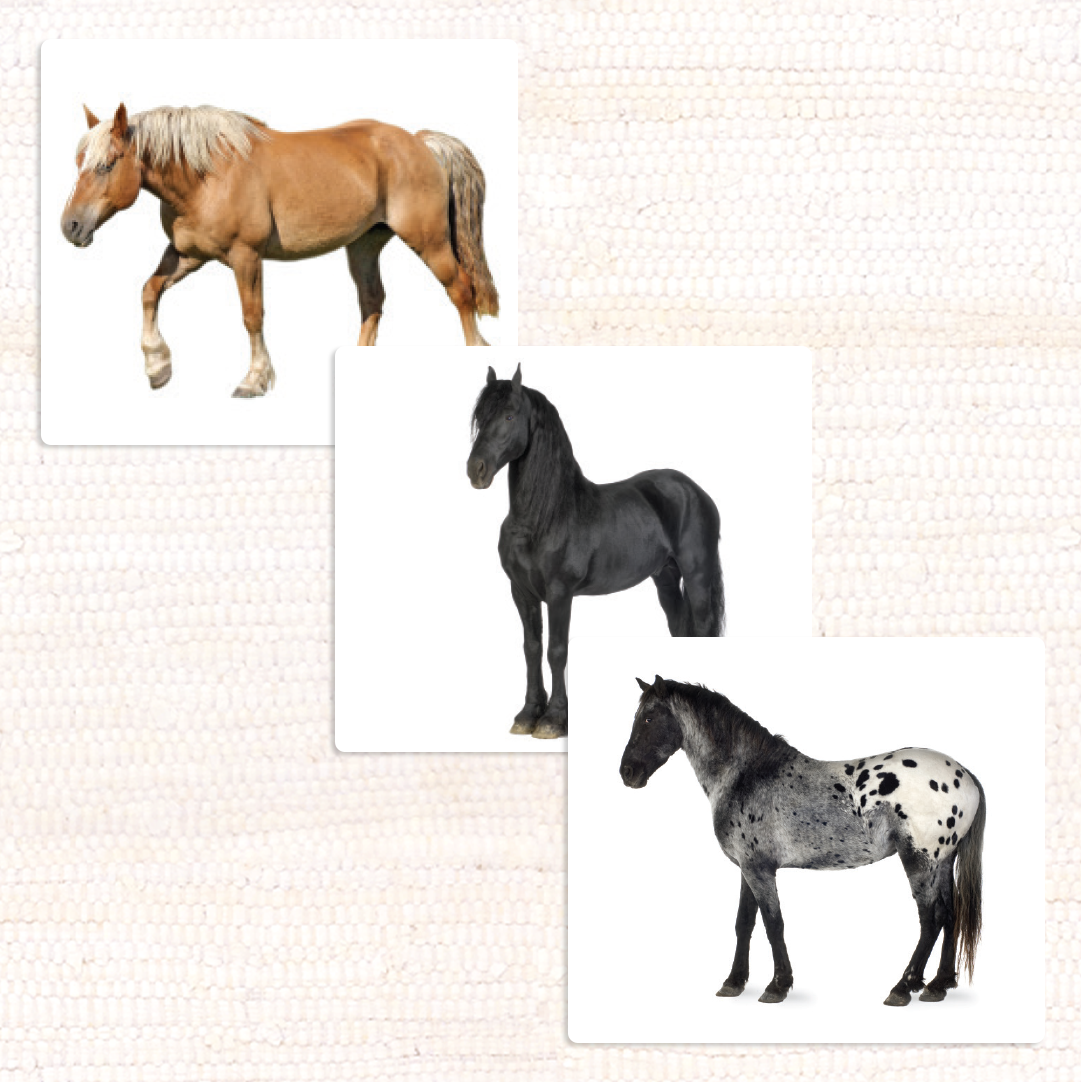
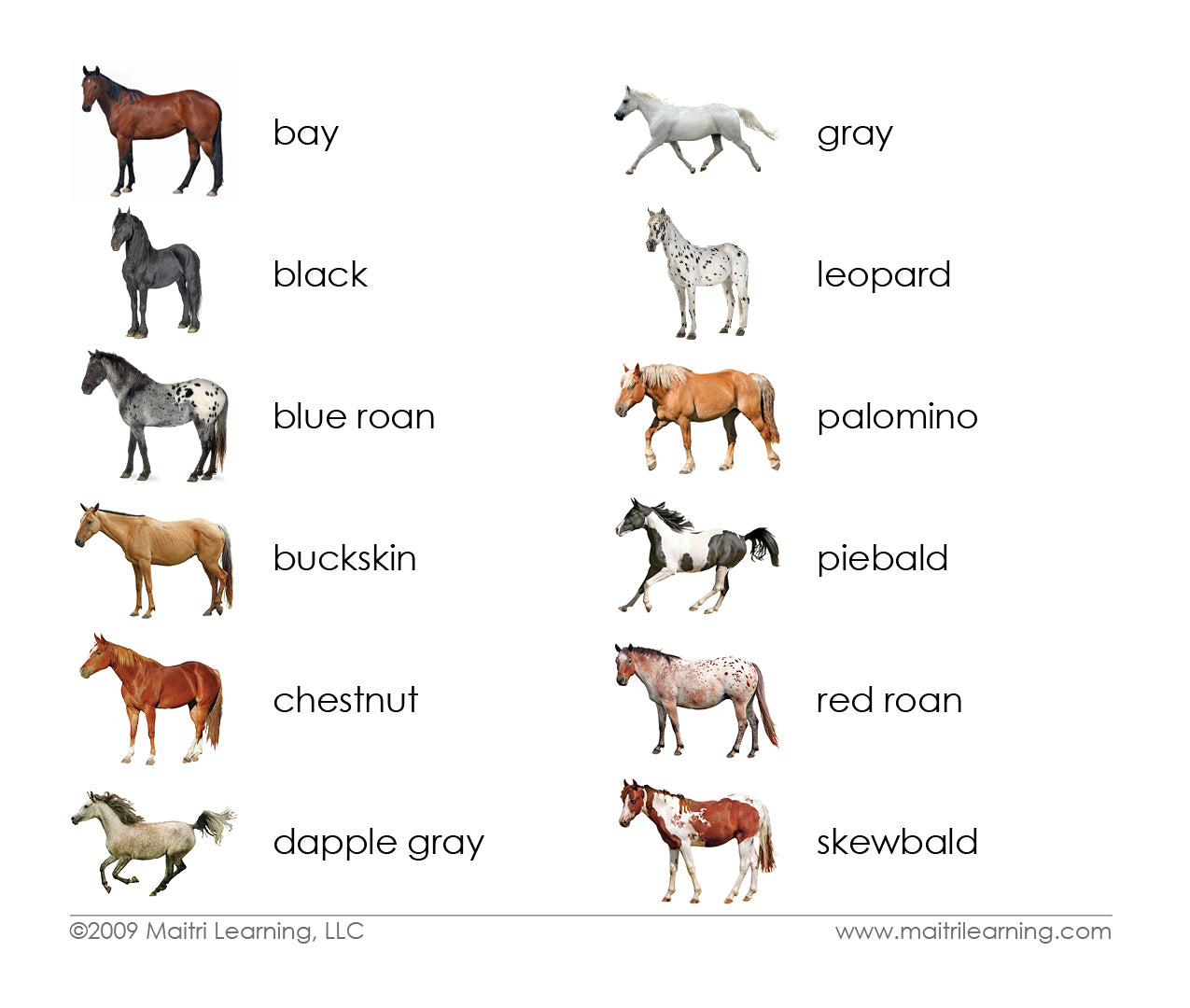
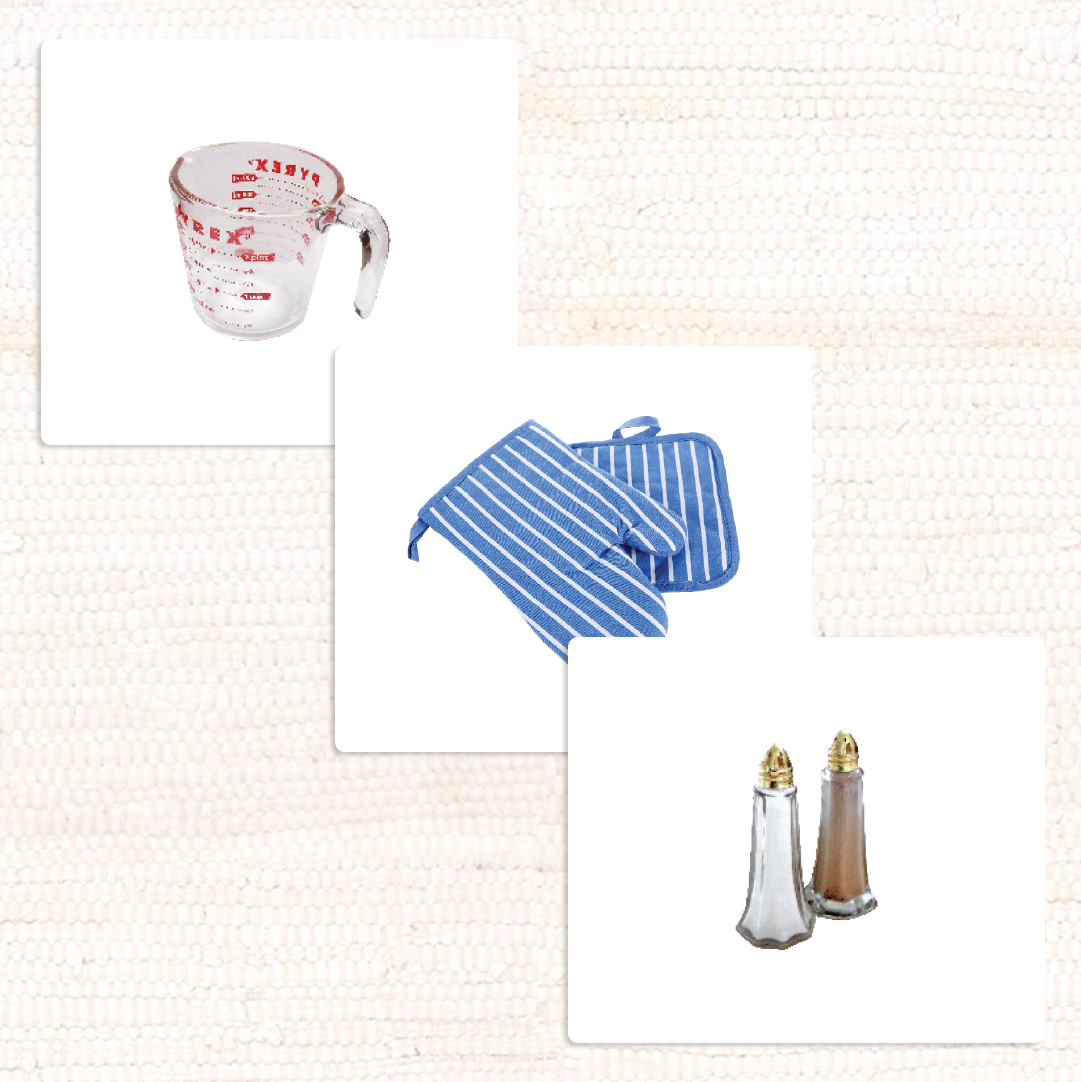
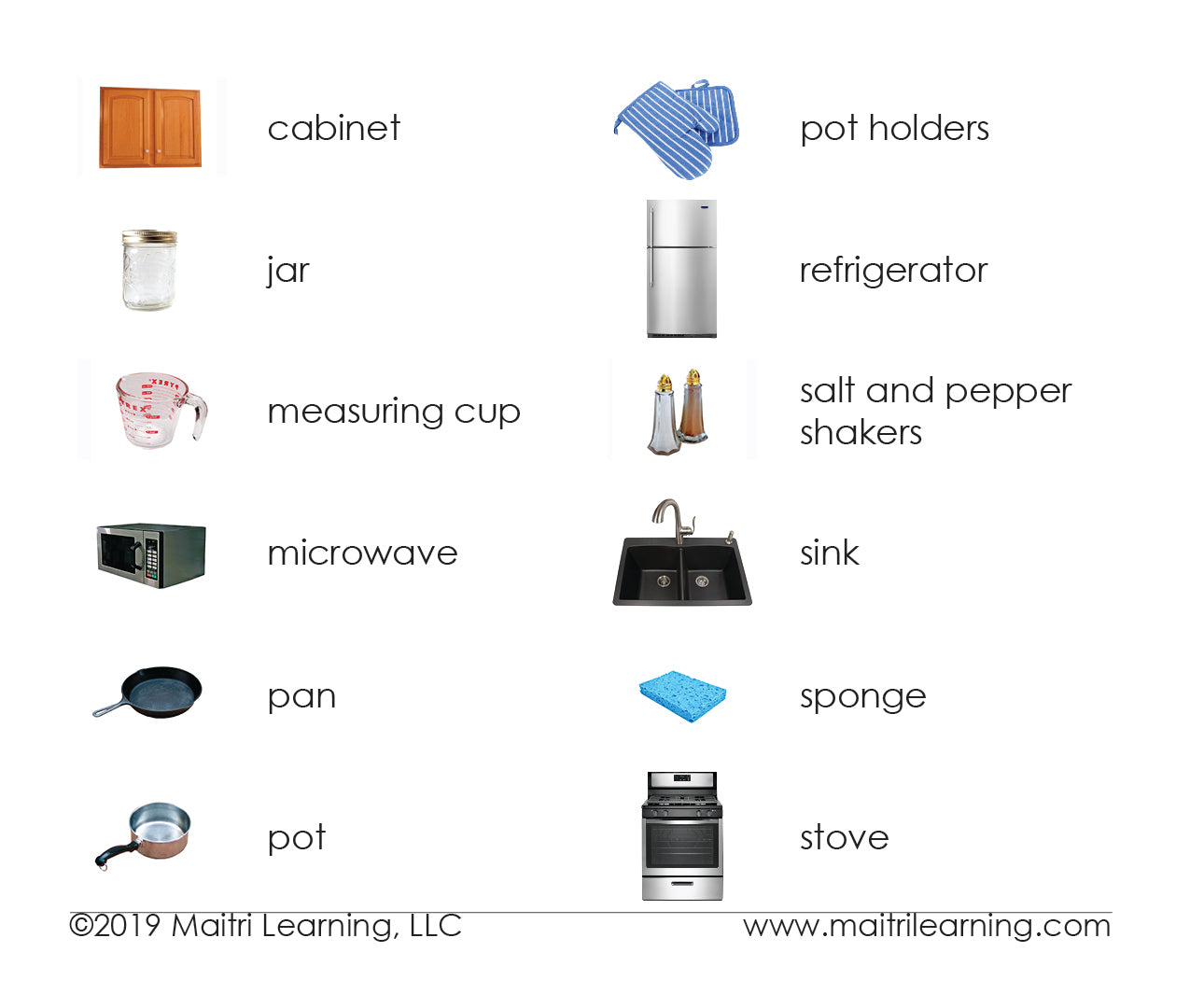
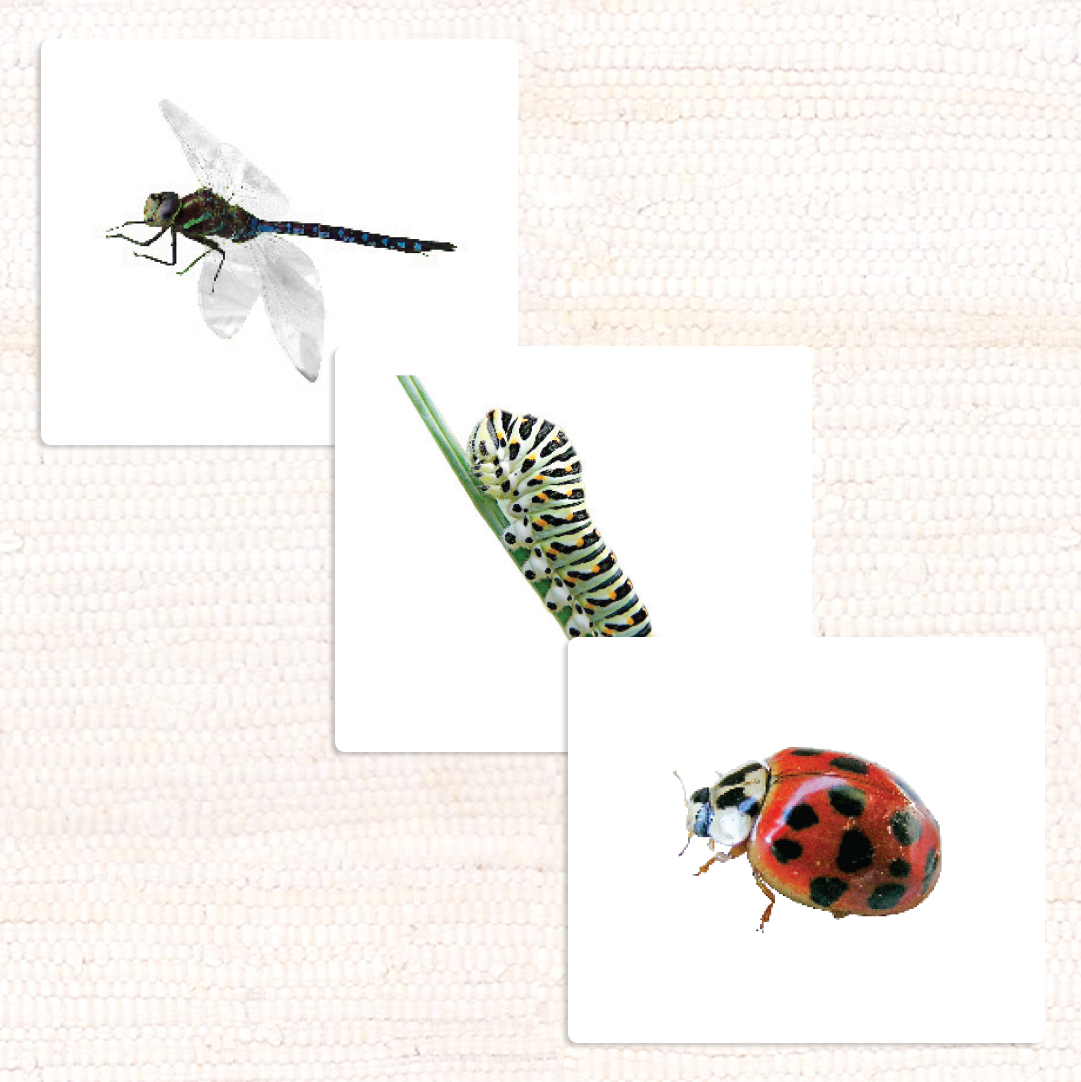
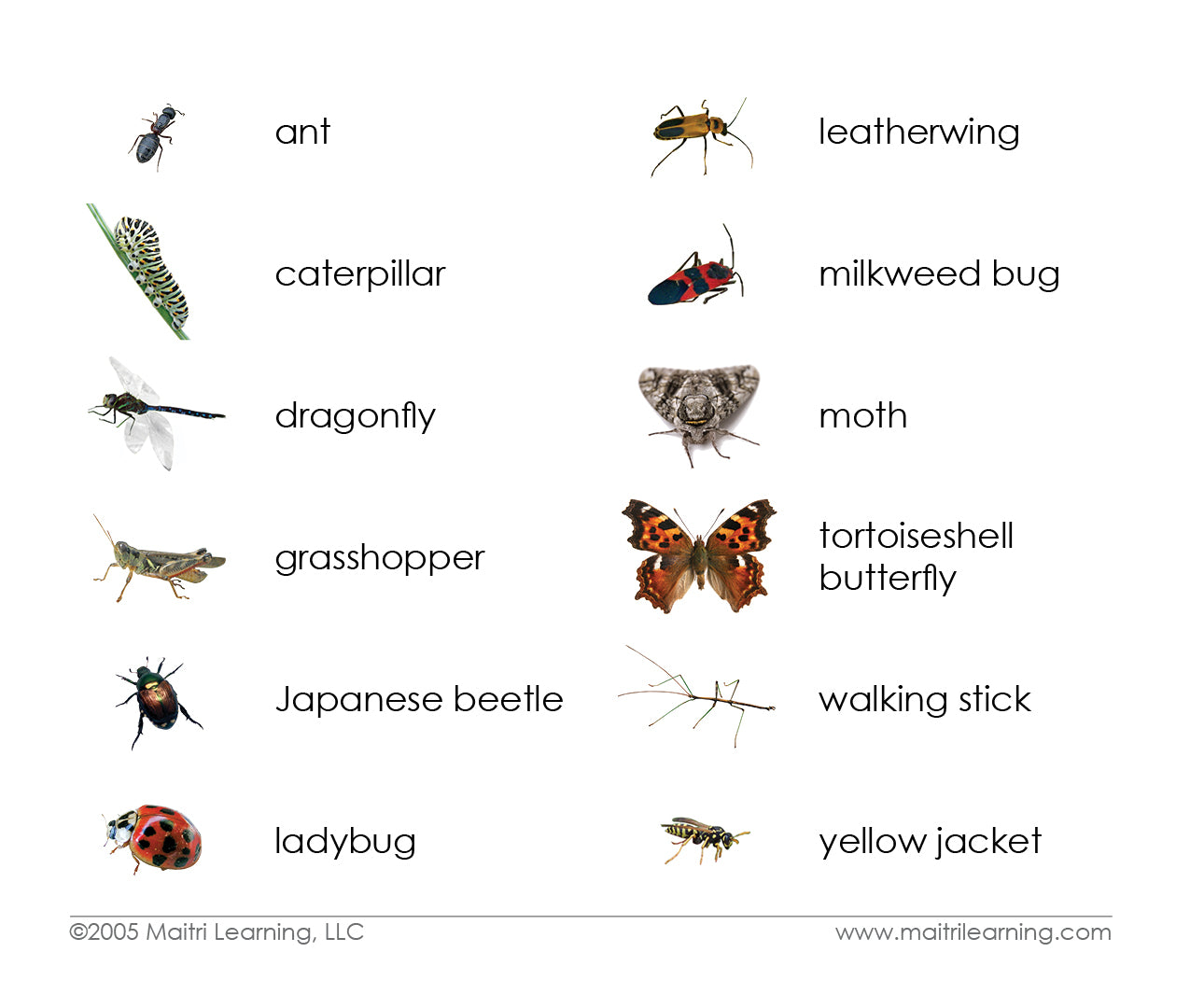
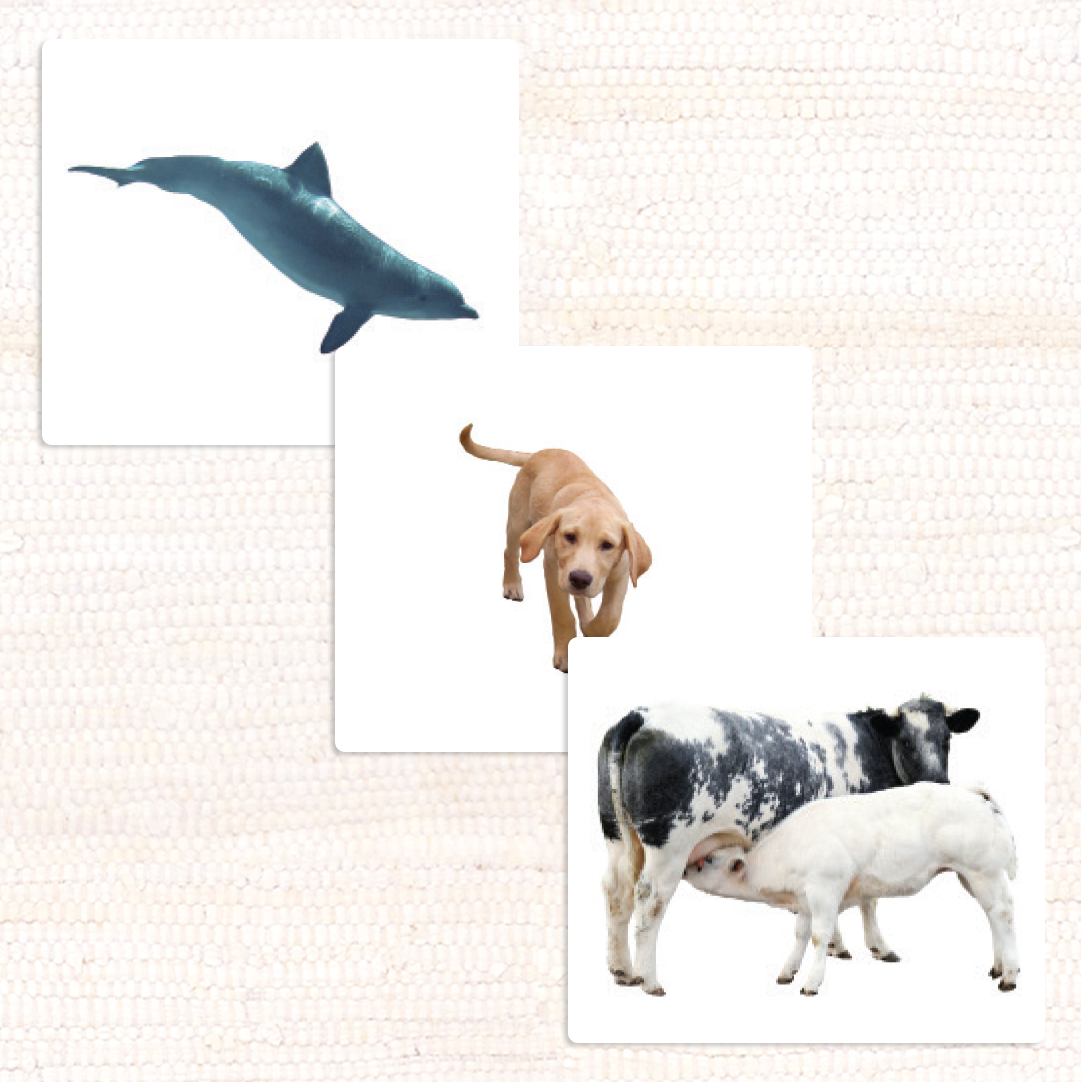
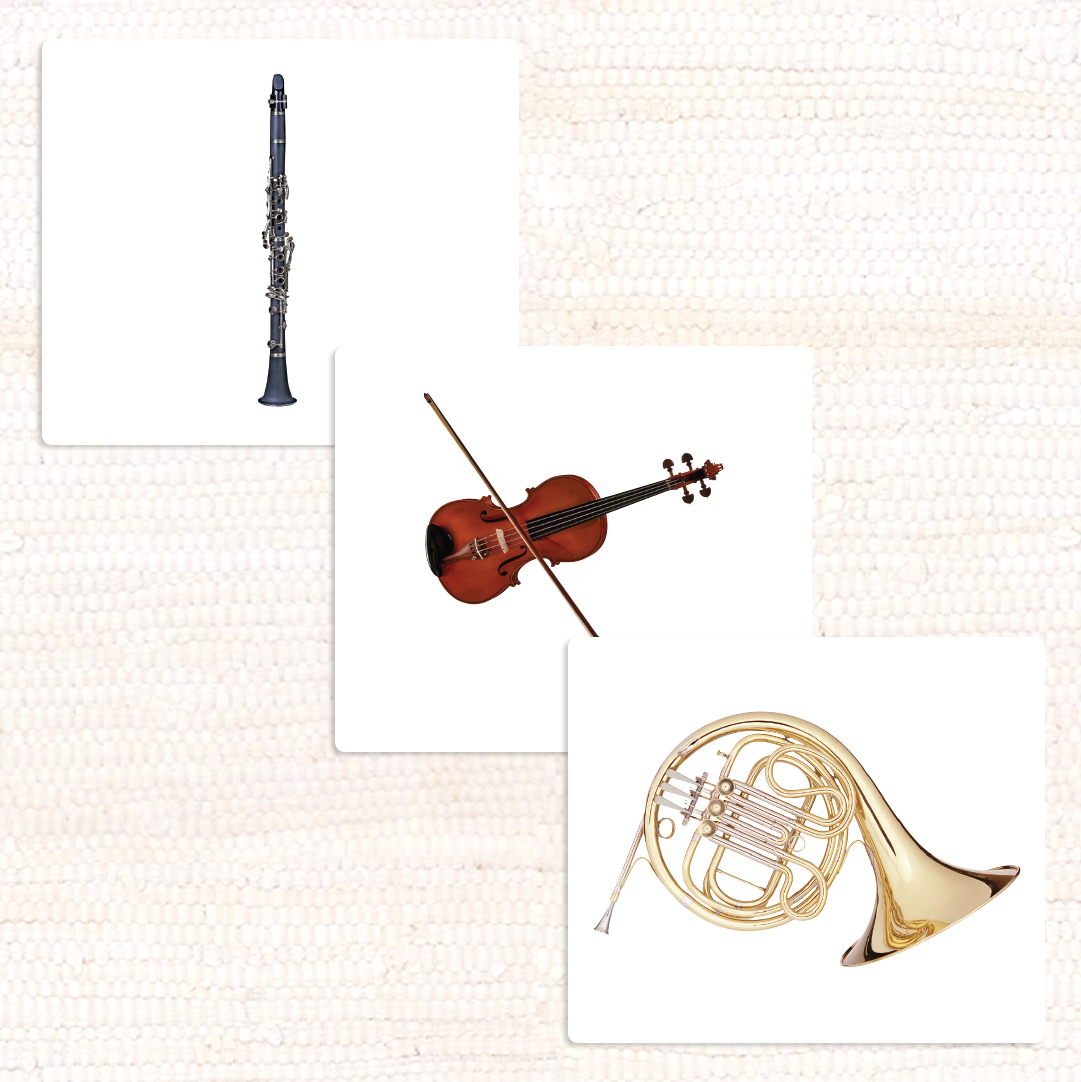
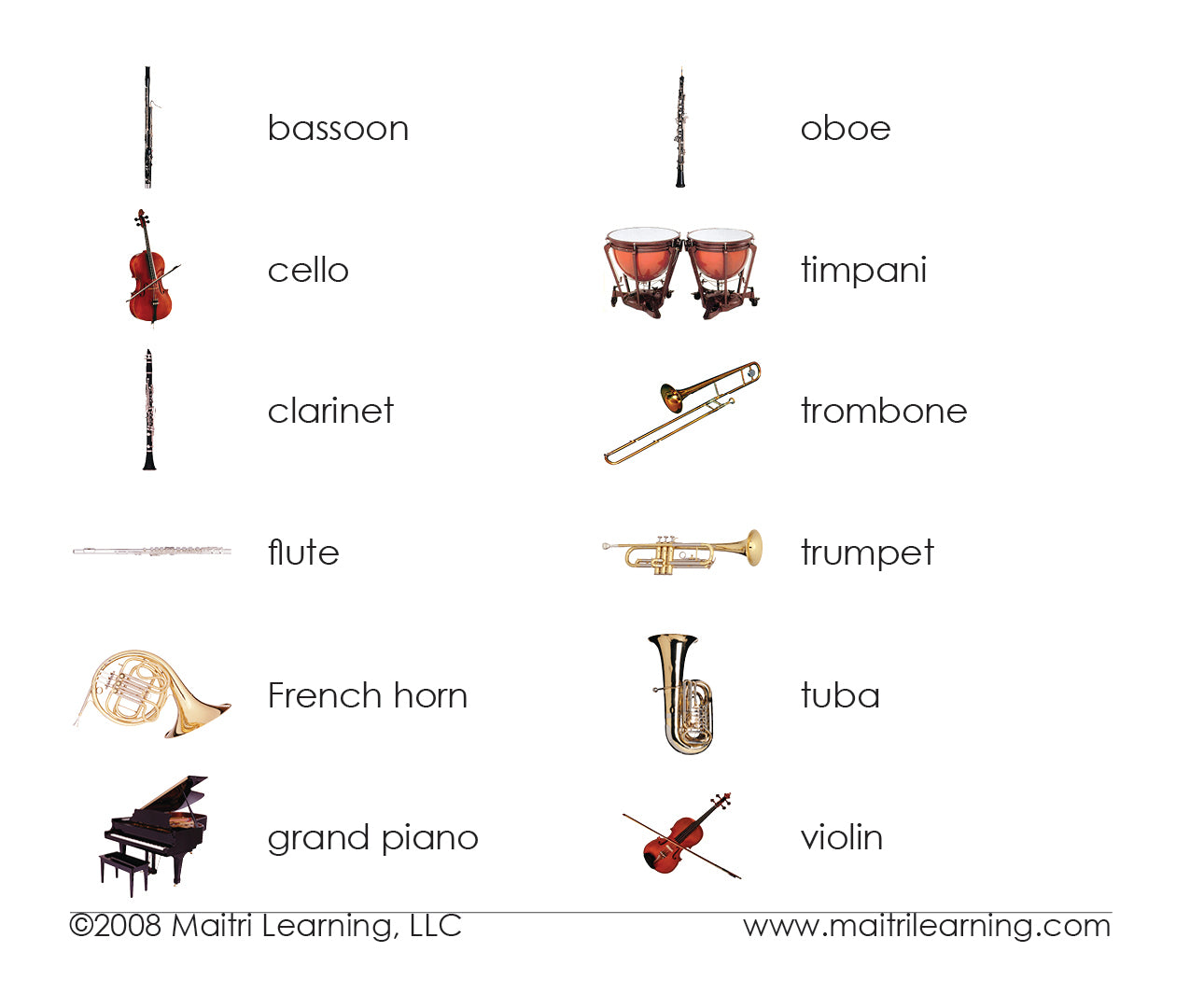
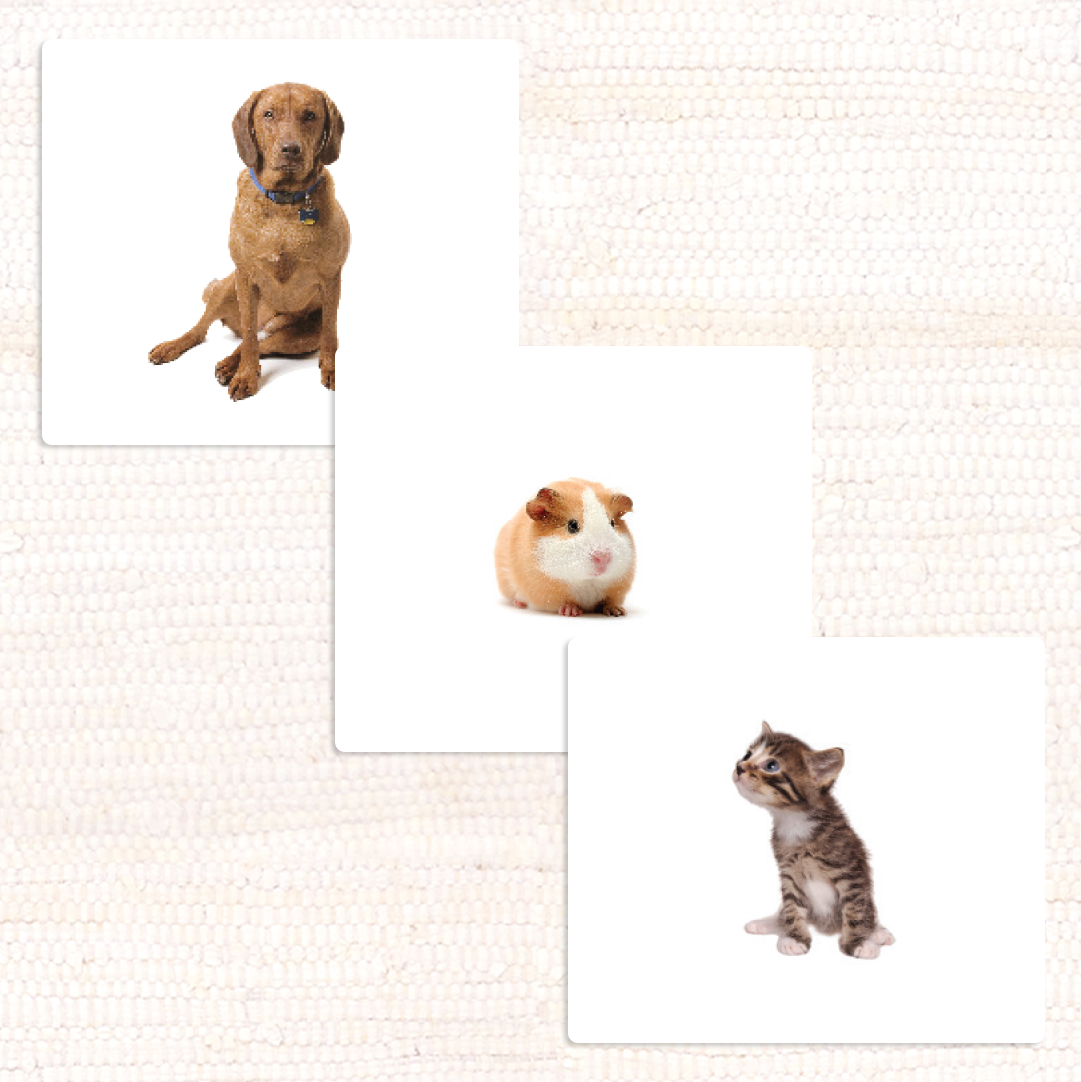
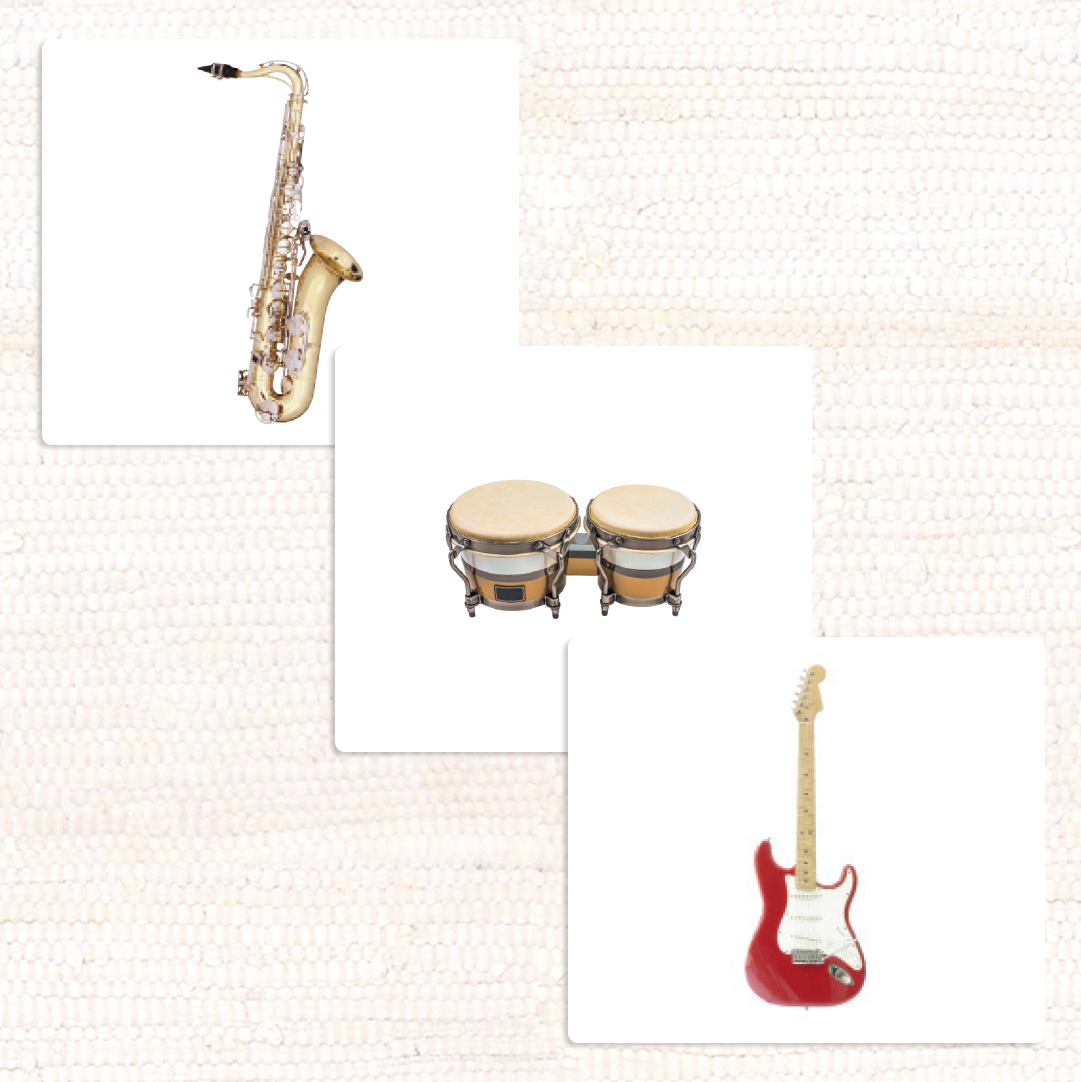
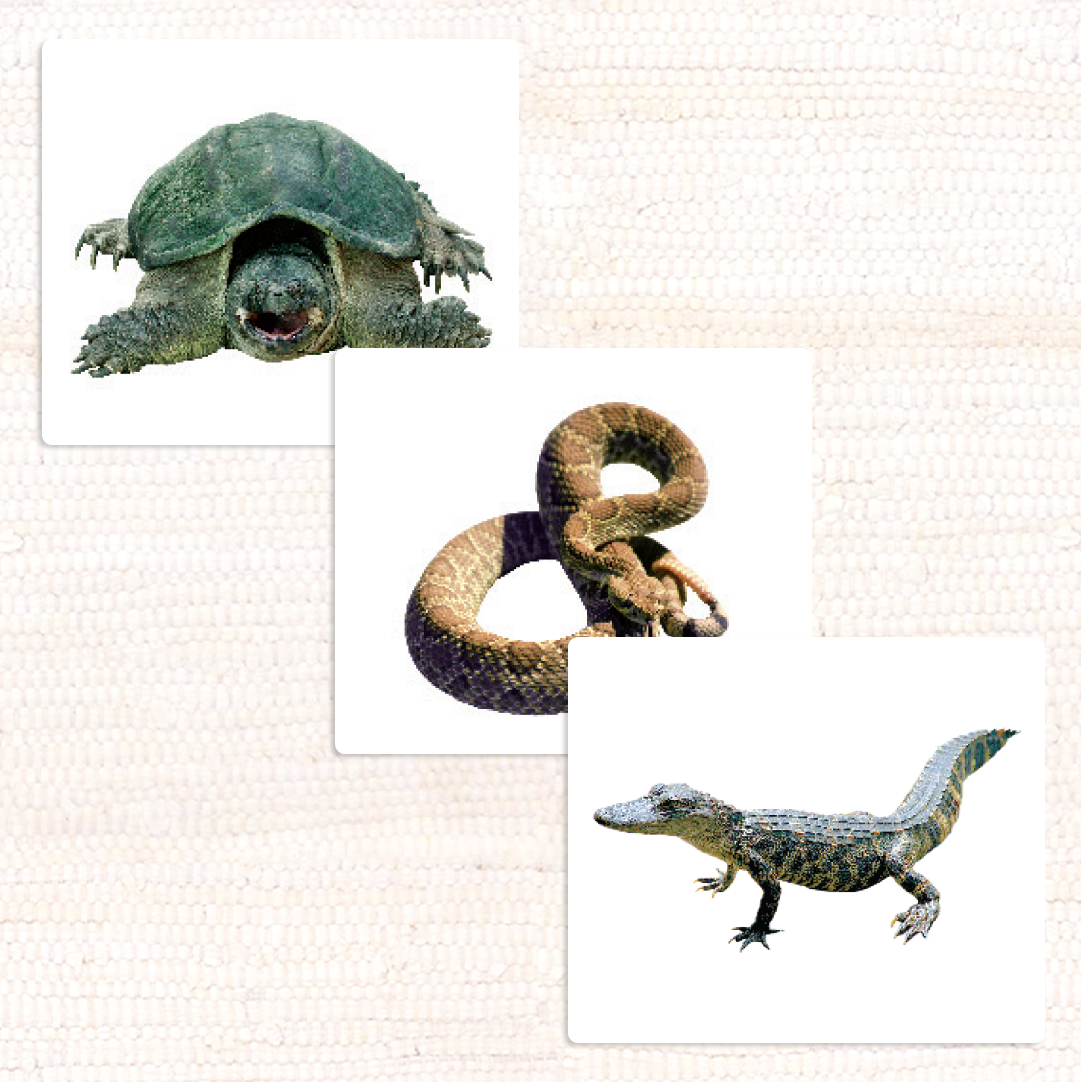
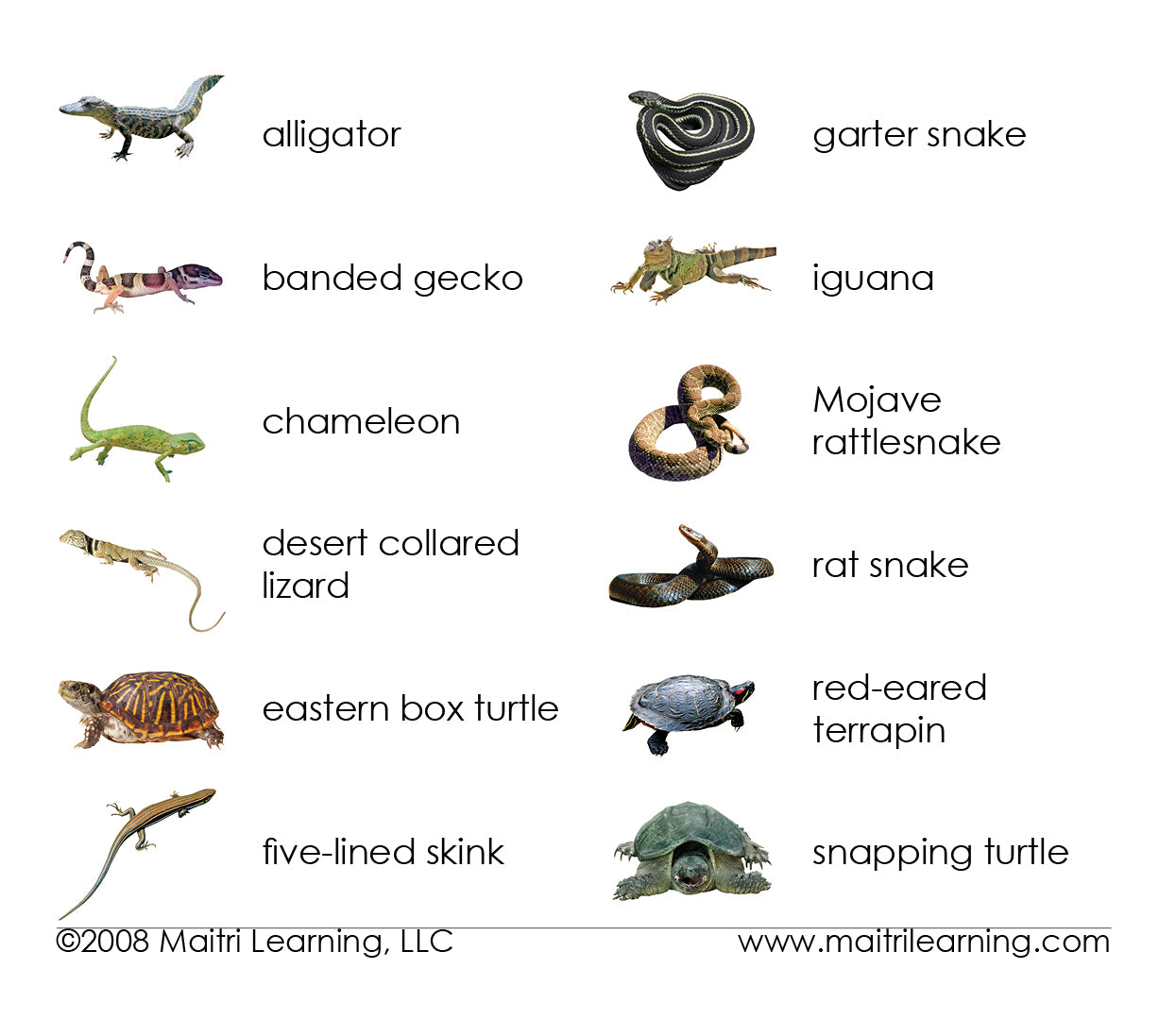
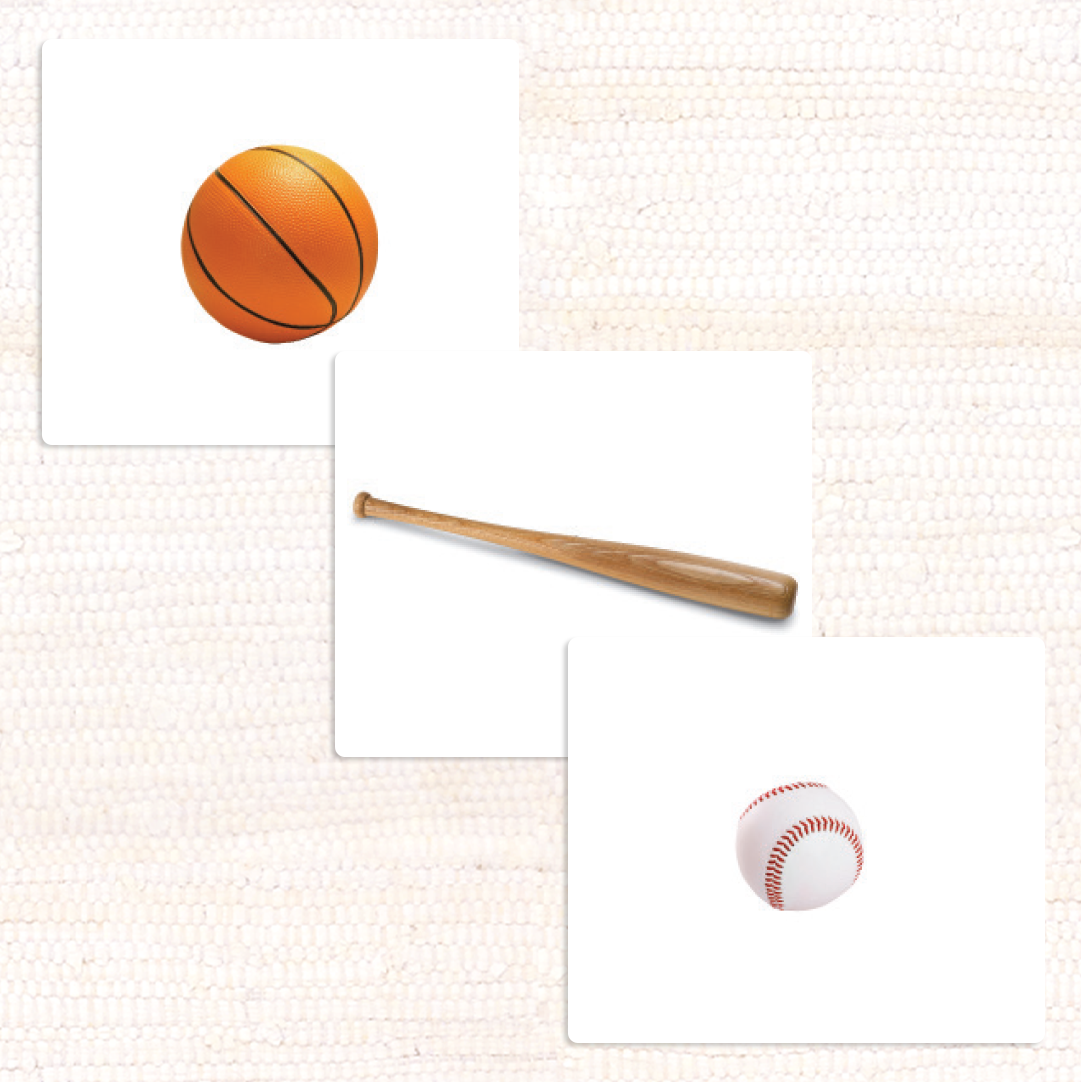
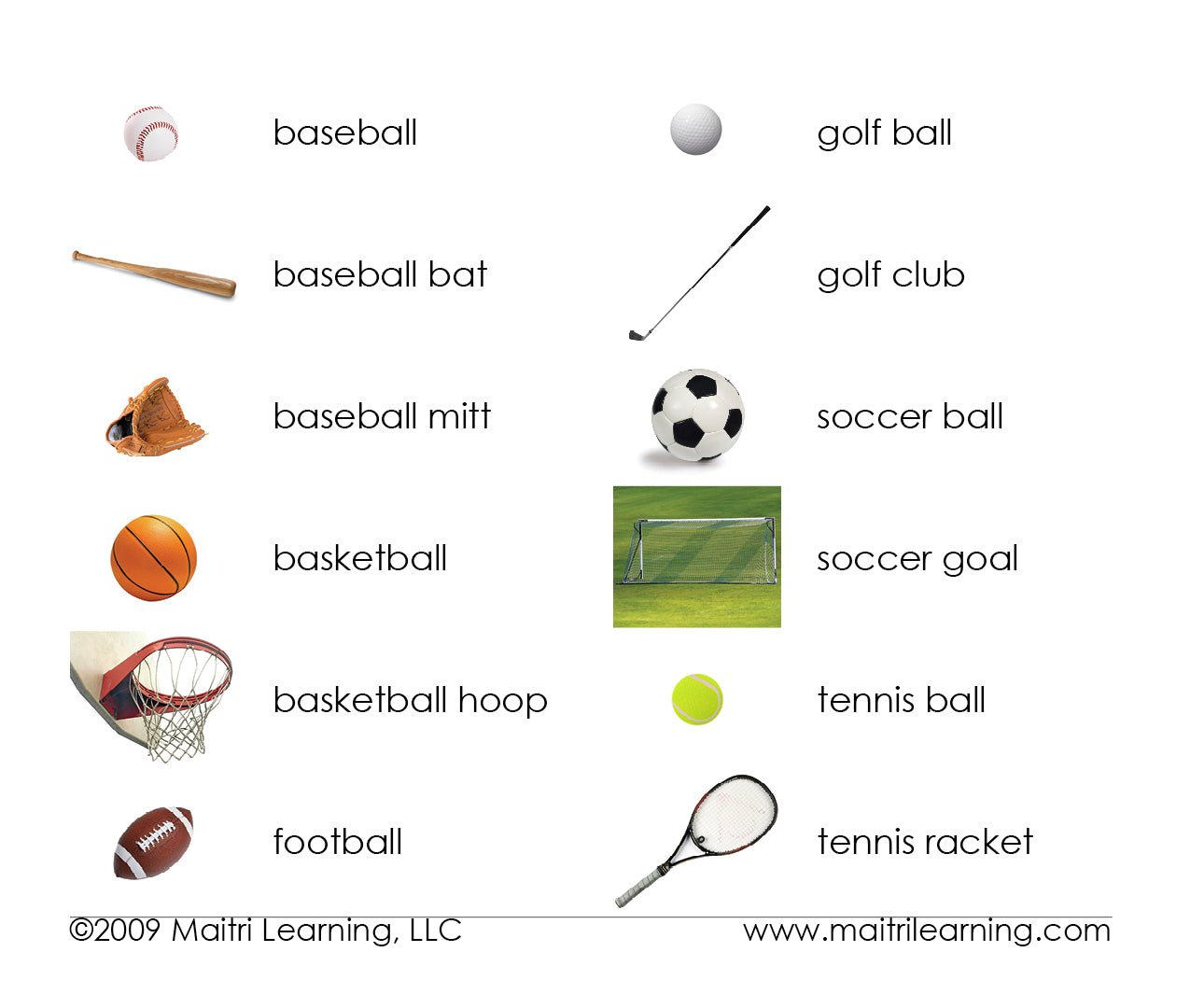
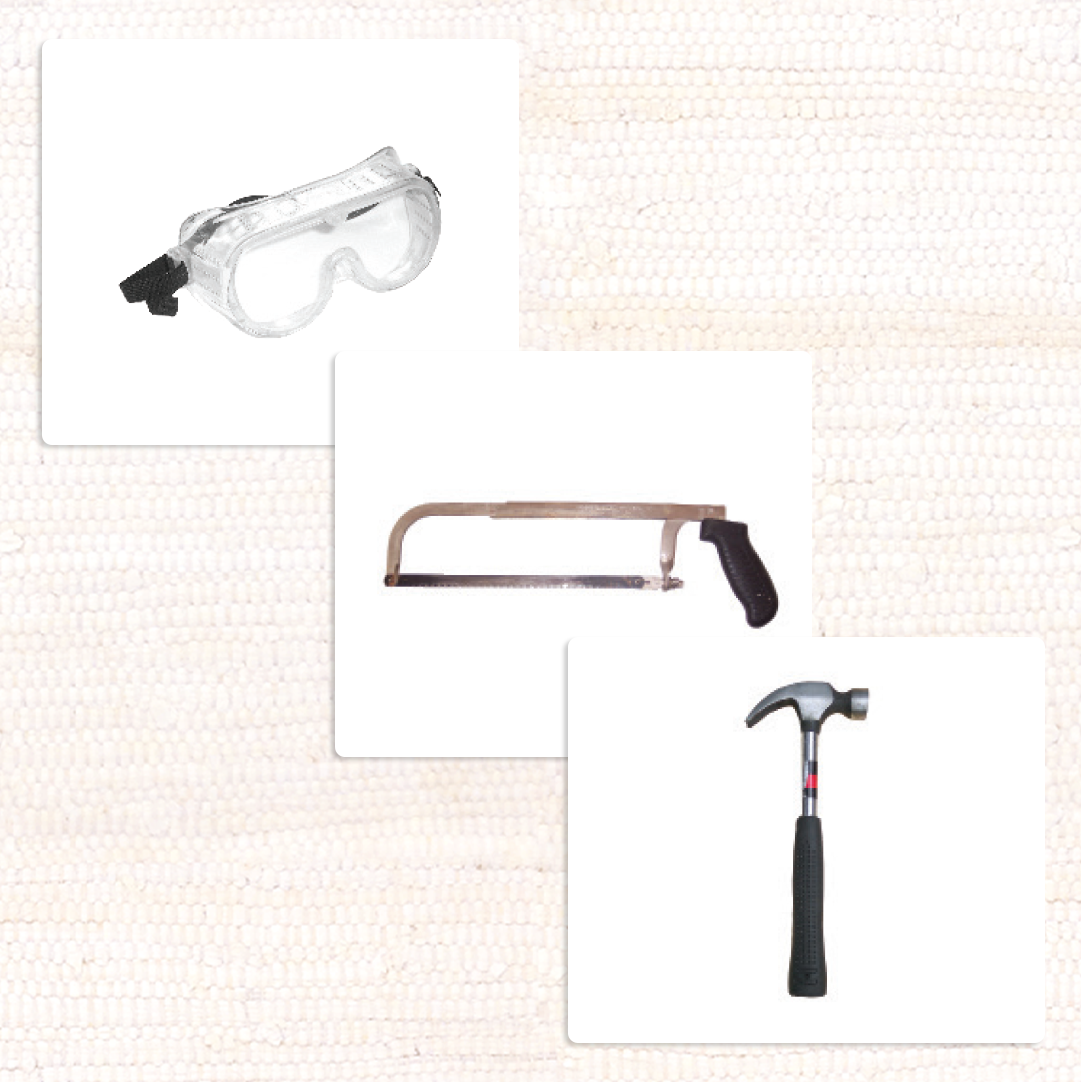
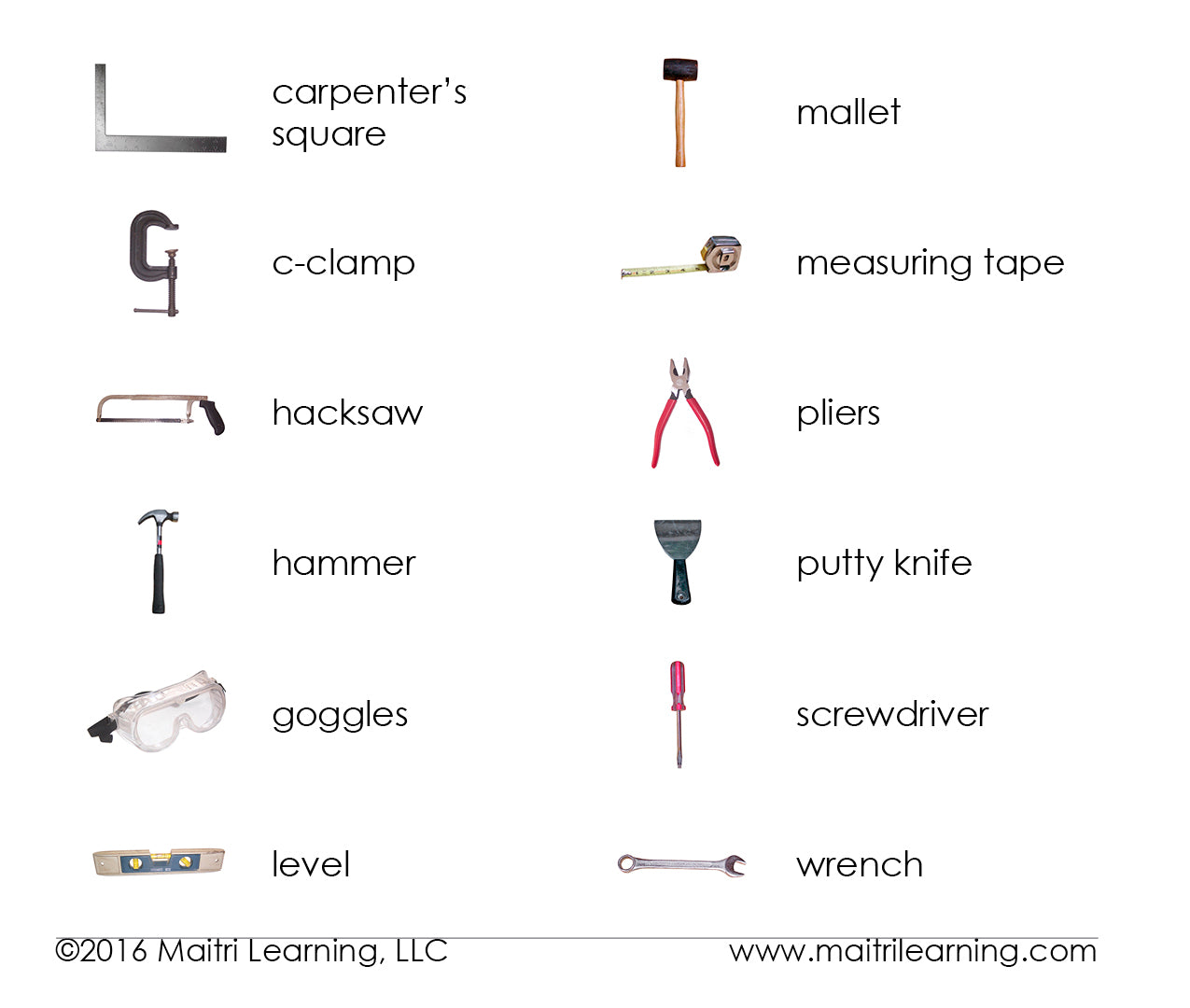
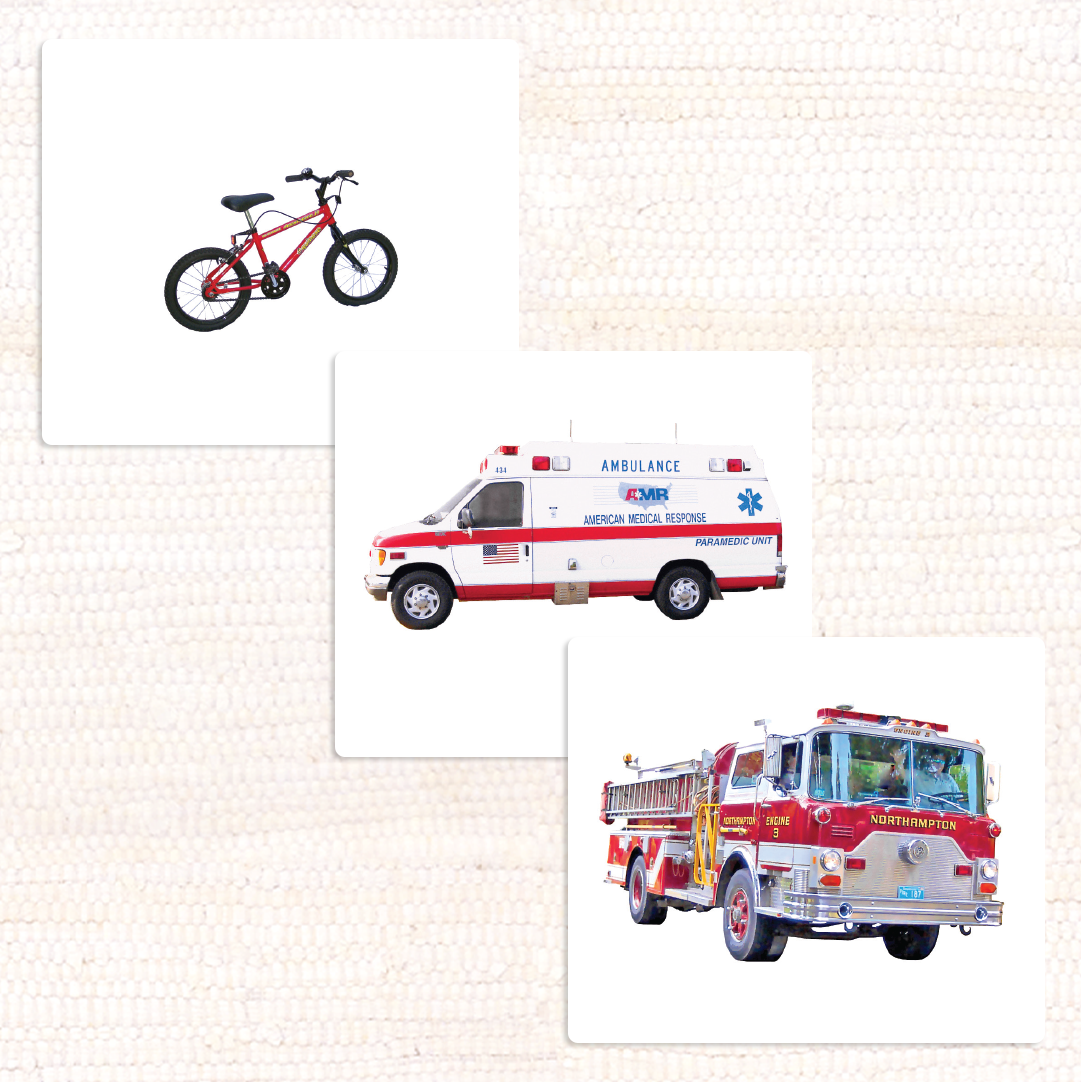
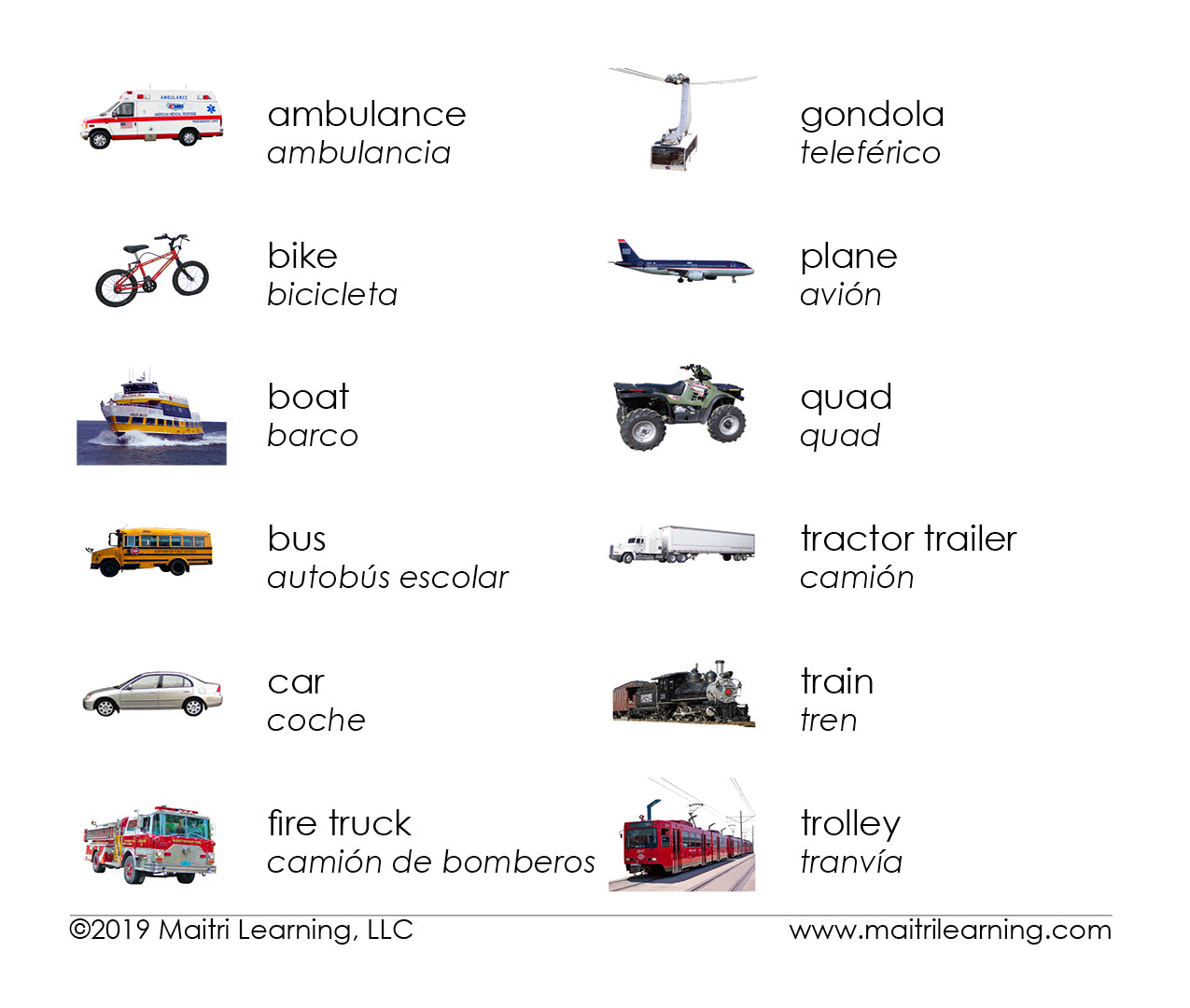
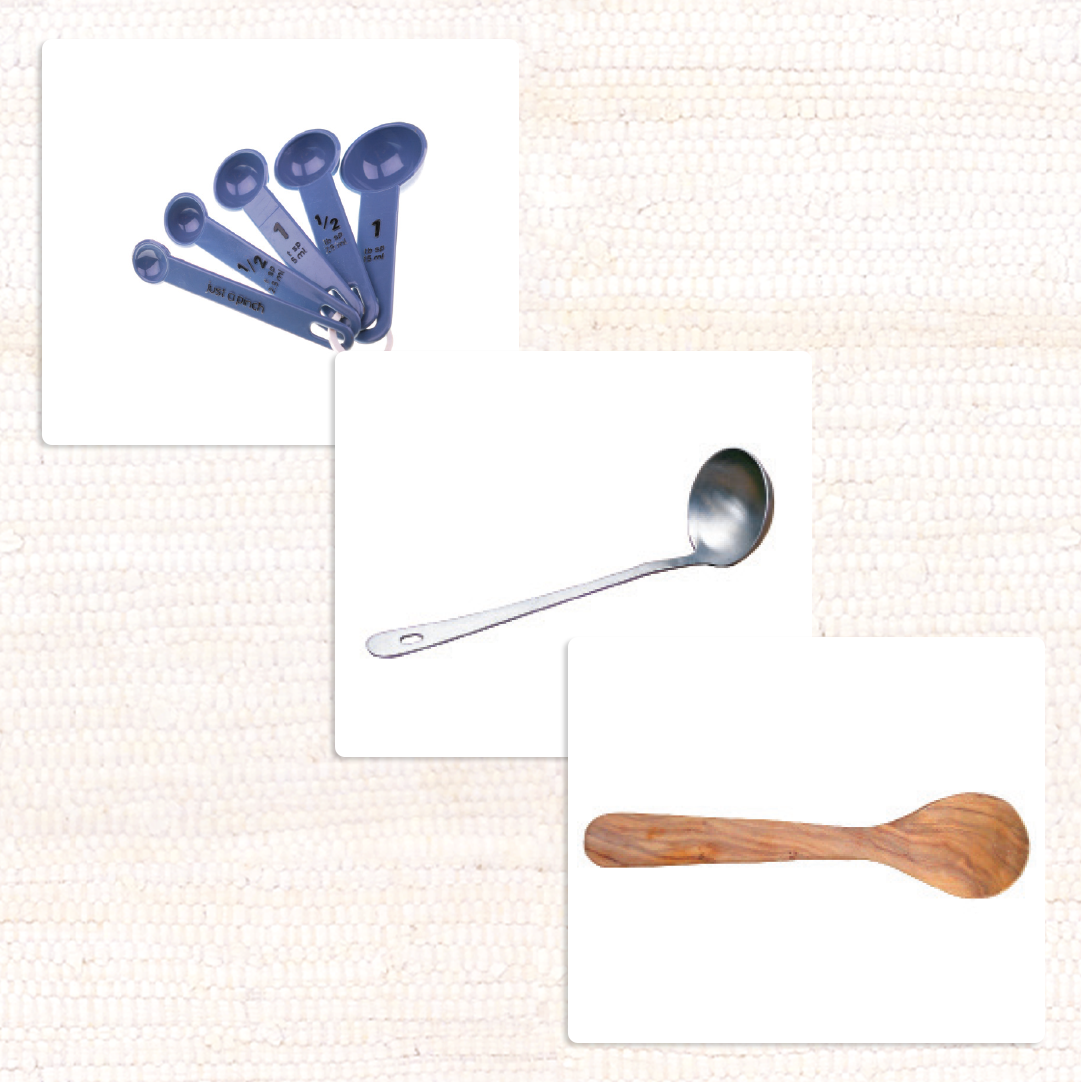
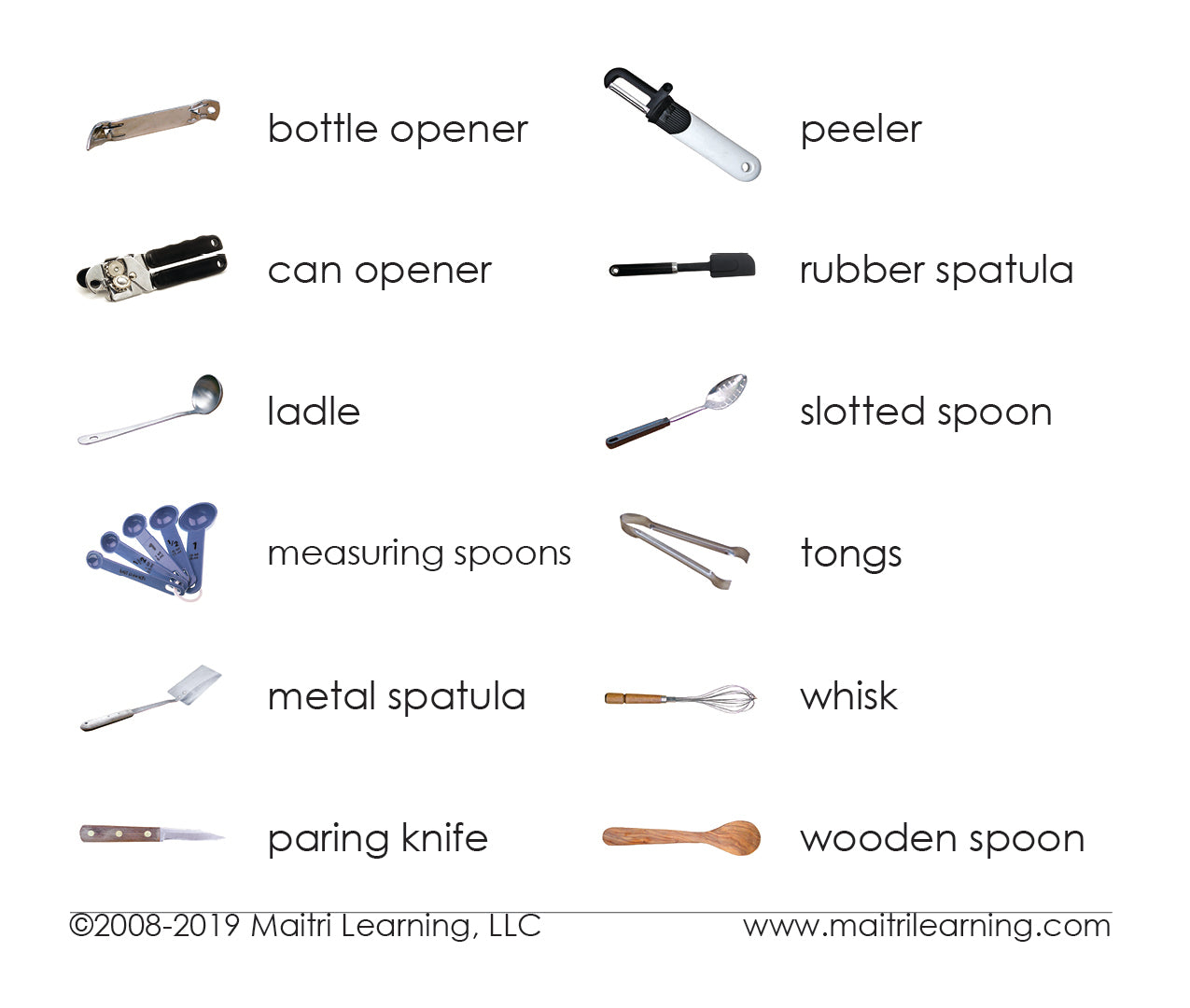
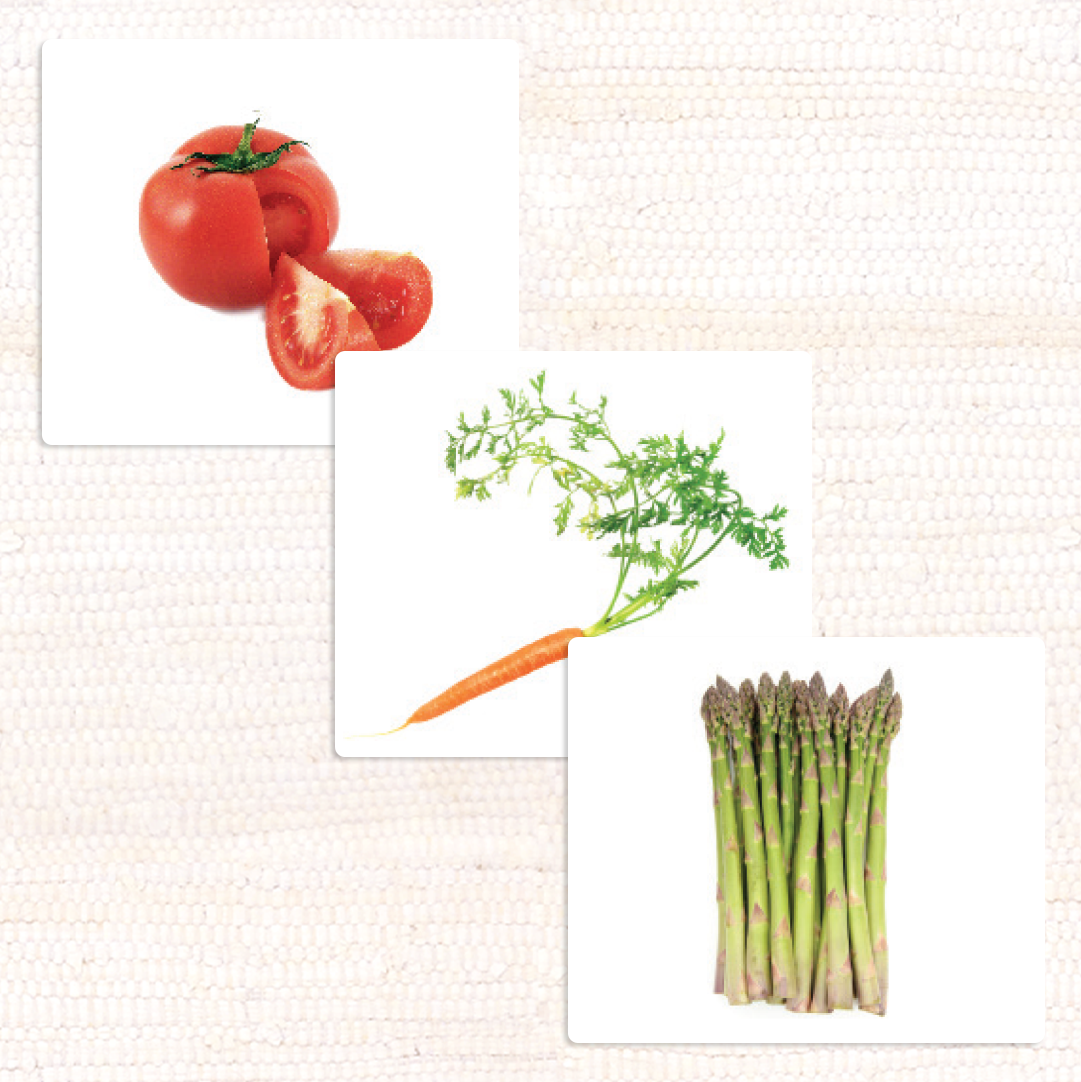
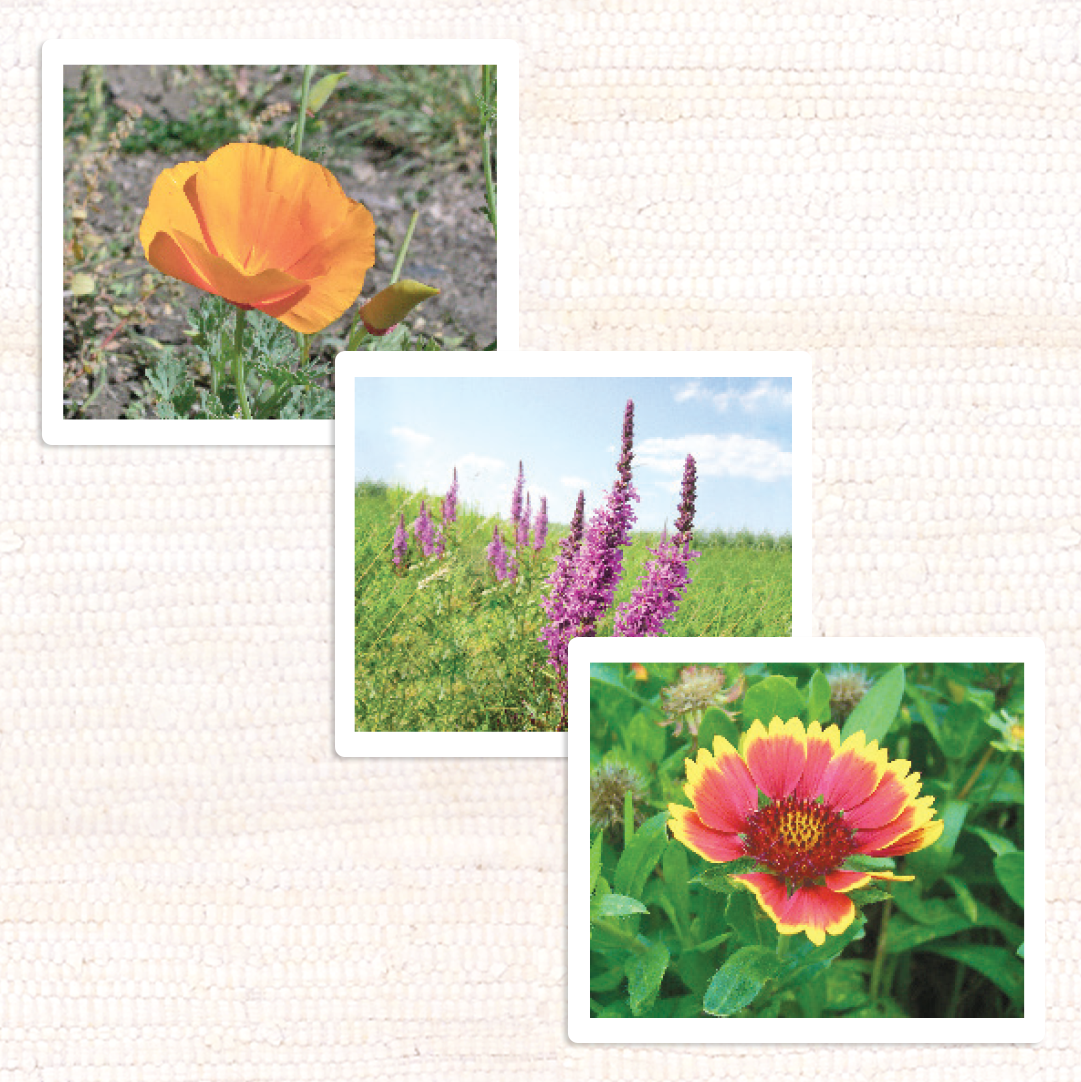
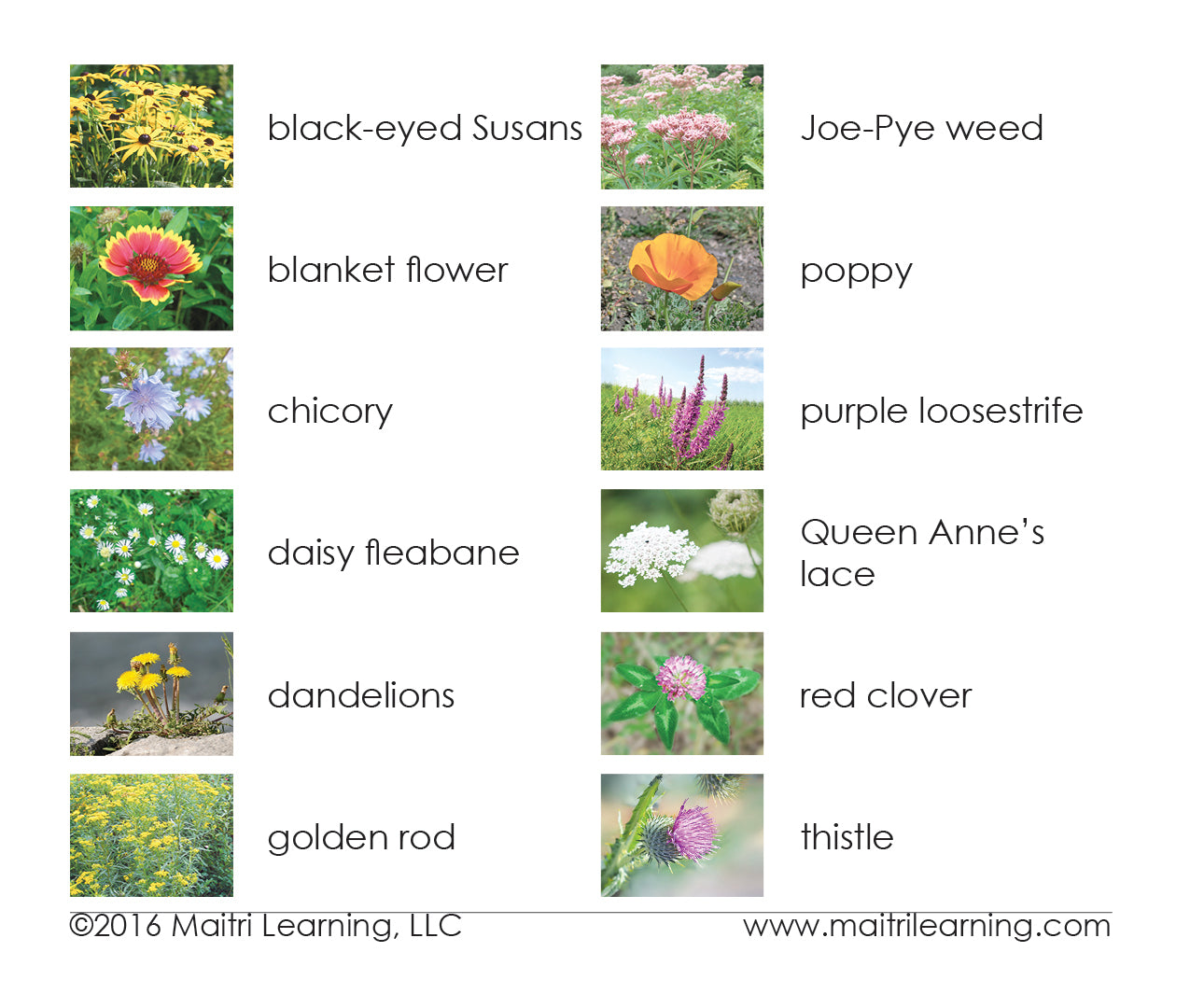
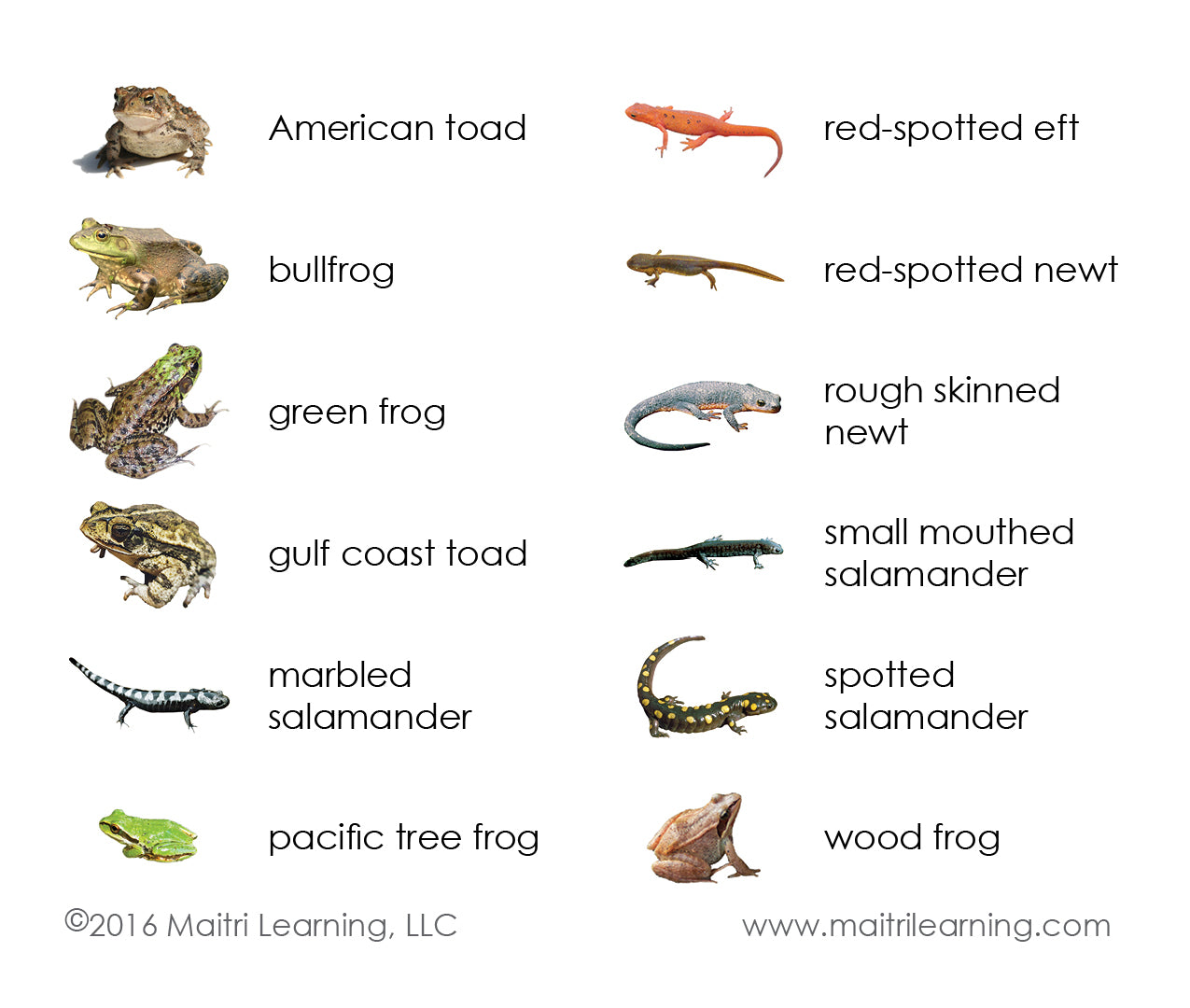
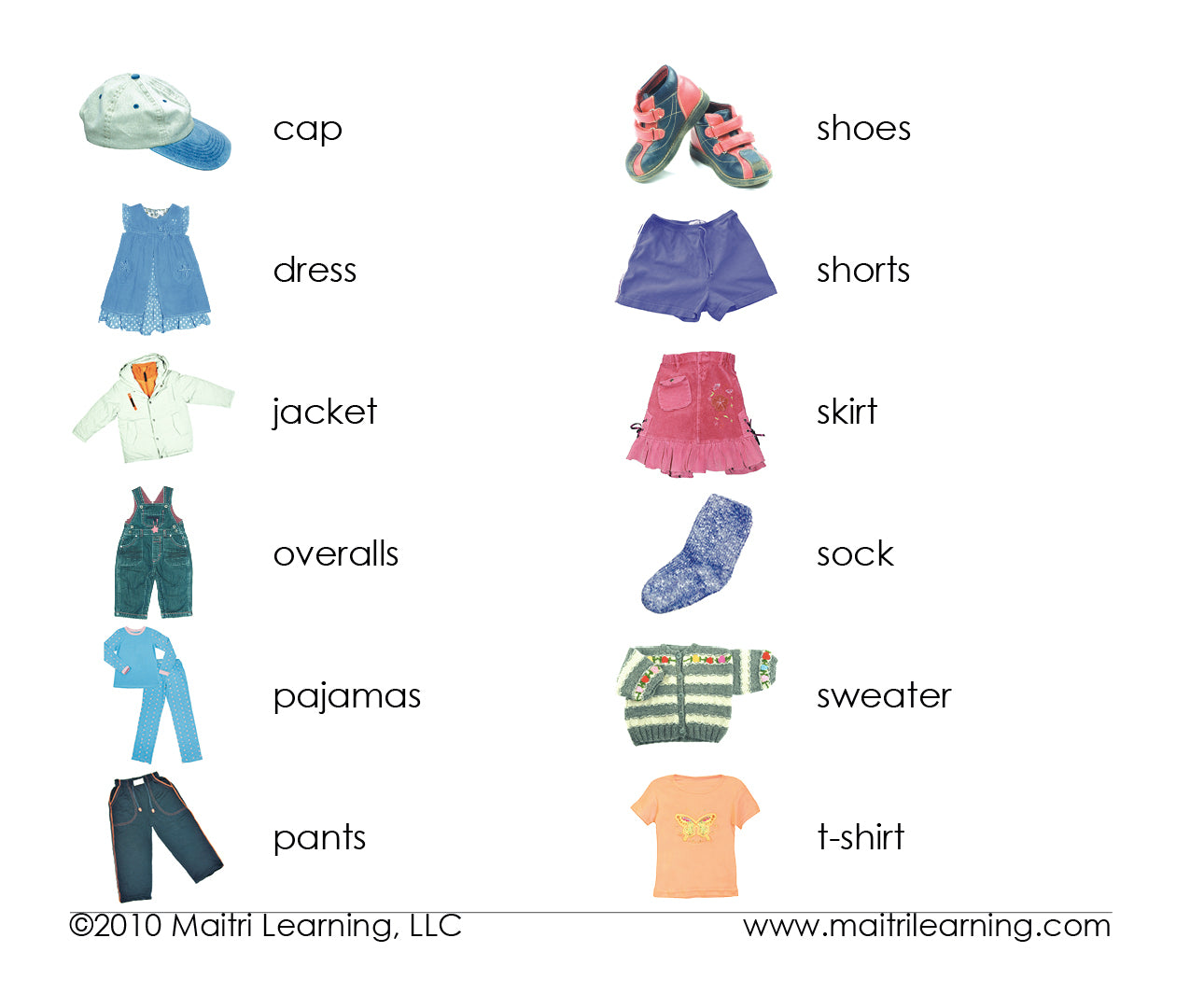
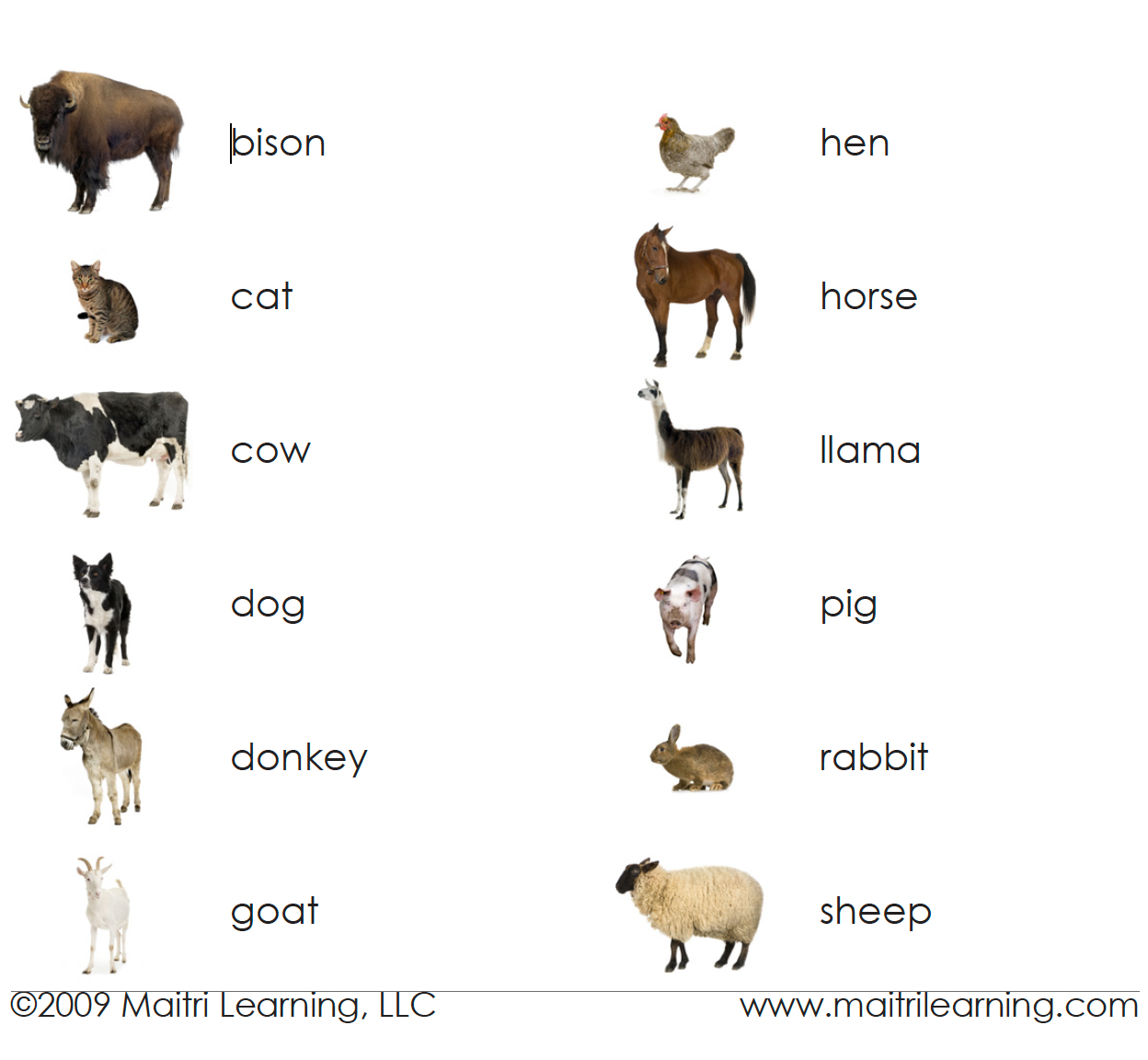
- Vocabulary Cards: text-free photo cards for naming lessons, covering everyday objects, animals, plants, geography, music, and the "Parts of" external anatomy series
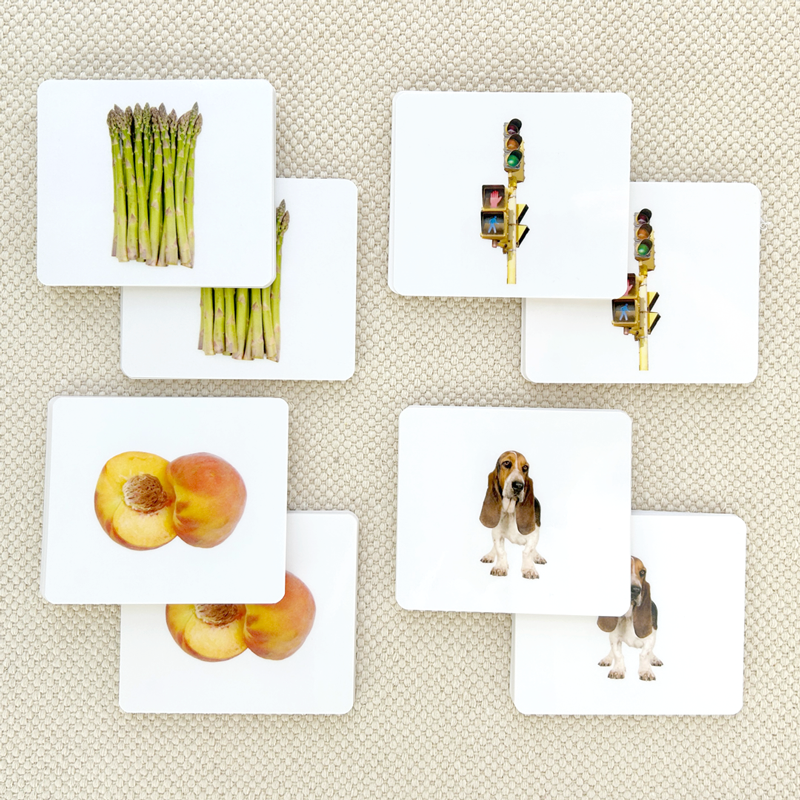
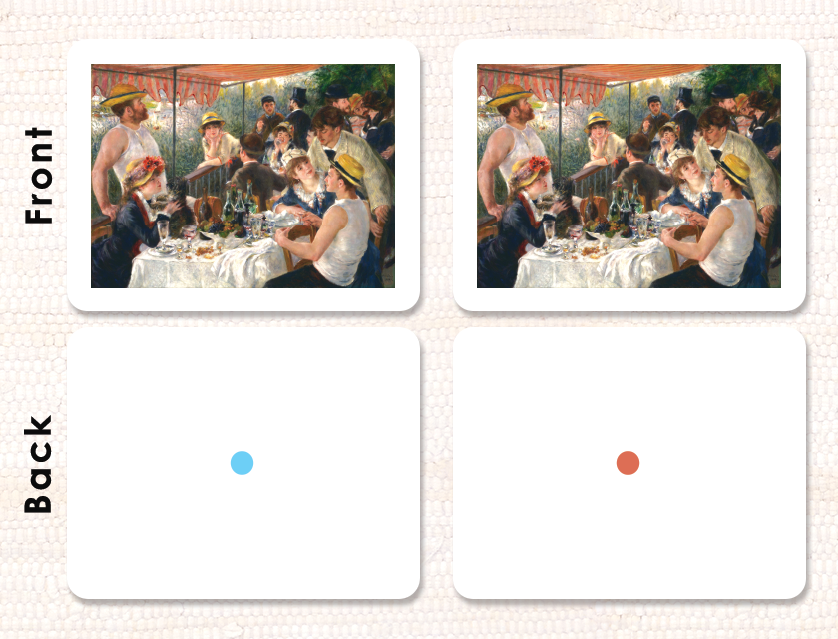
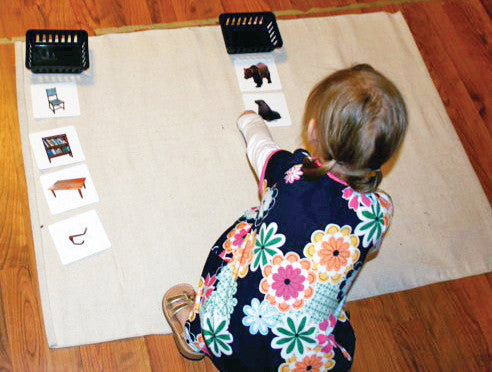
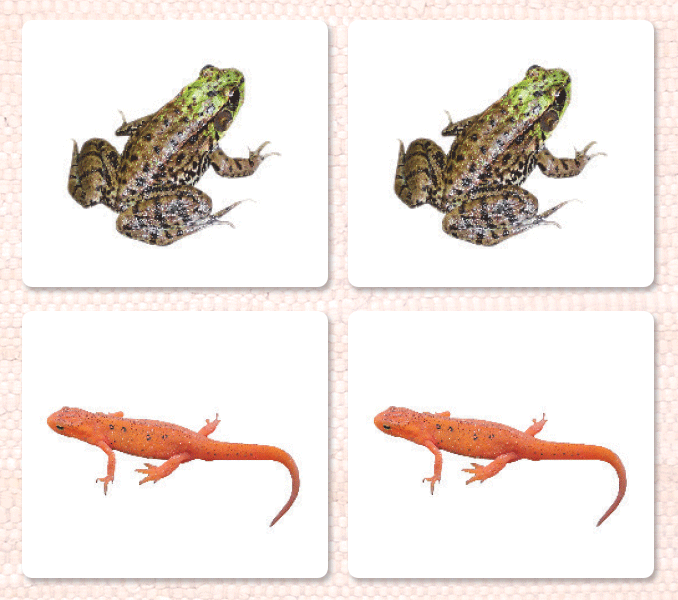
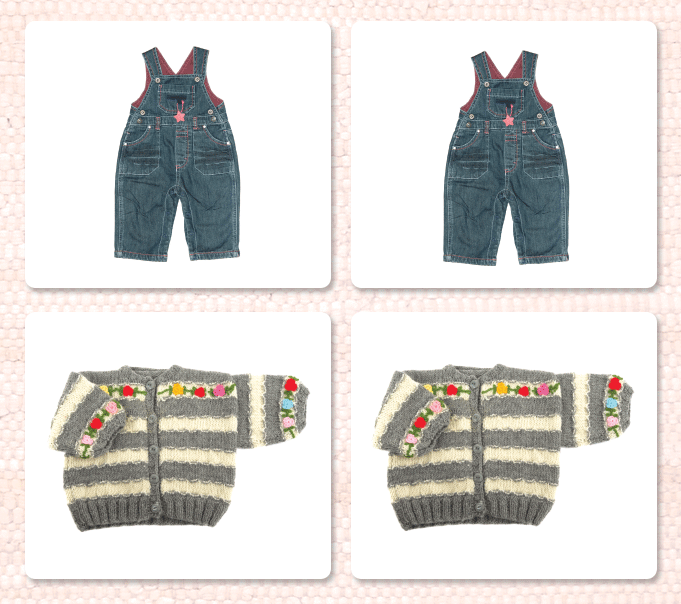
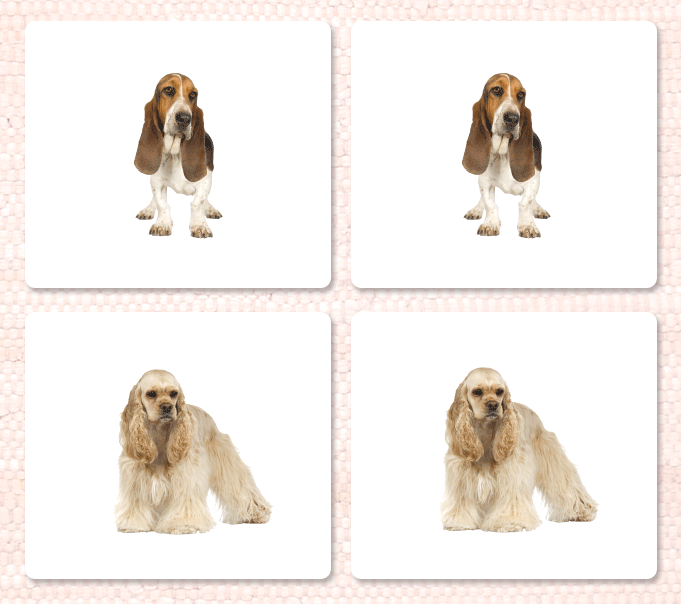
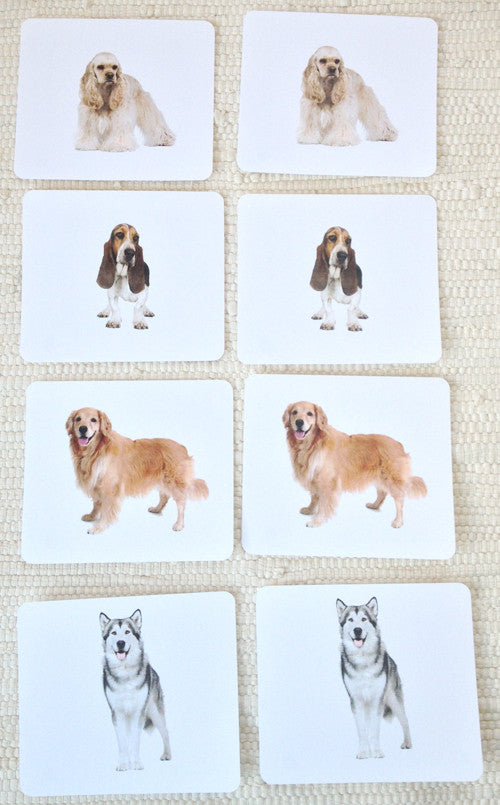
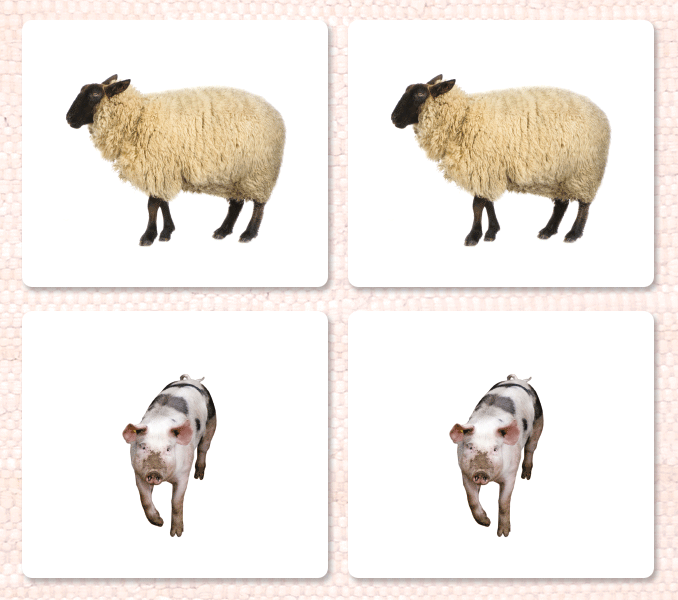
- Matching Cards: pairs of identical photos so students can practice using their new vocabulary
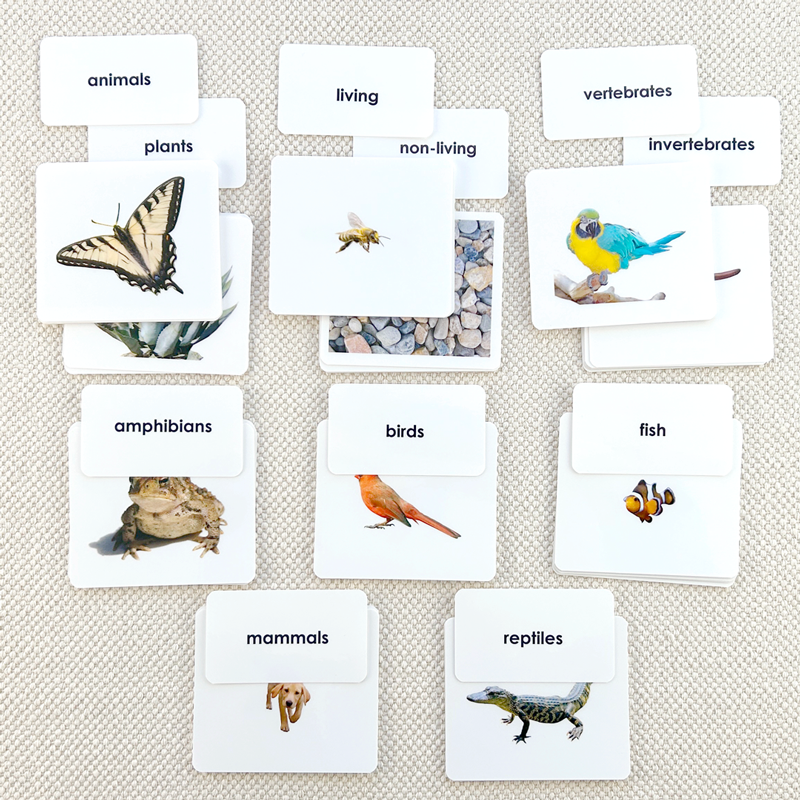
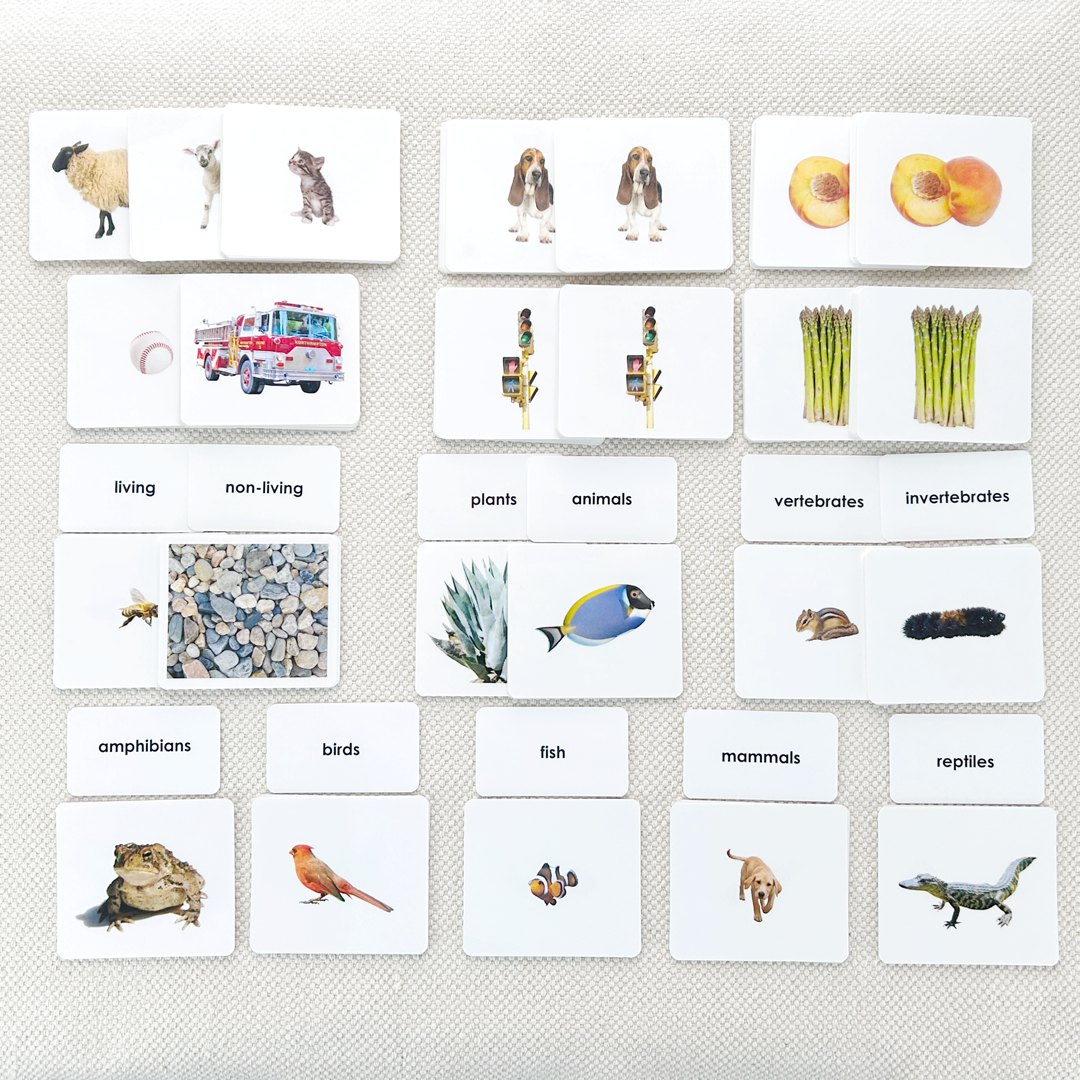
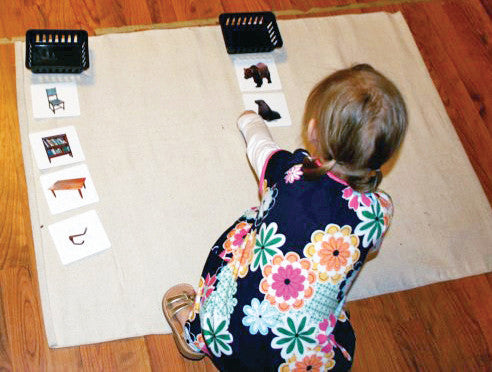
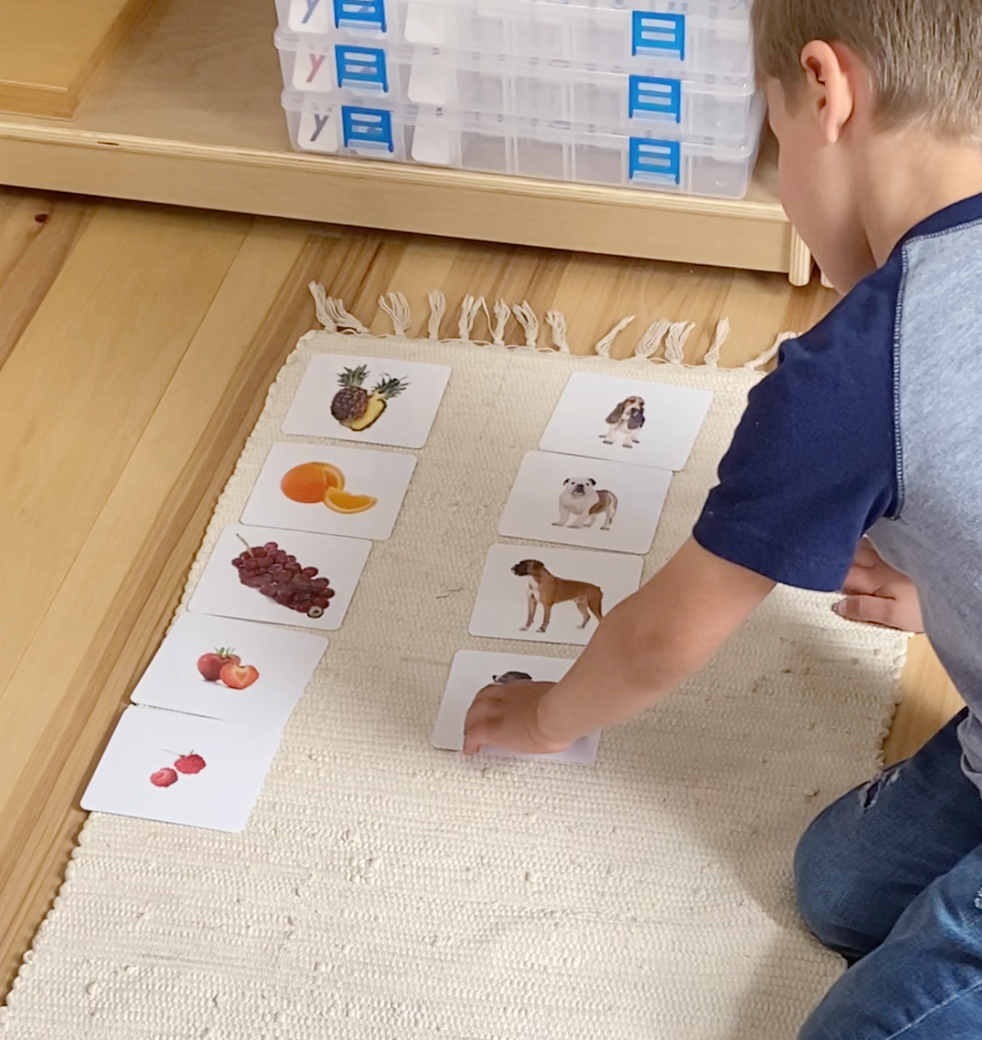
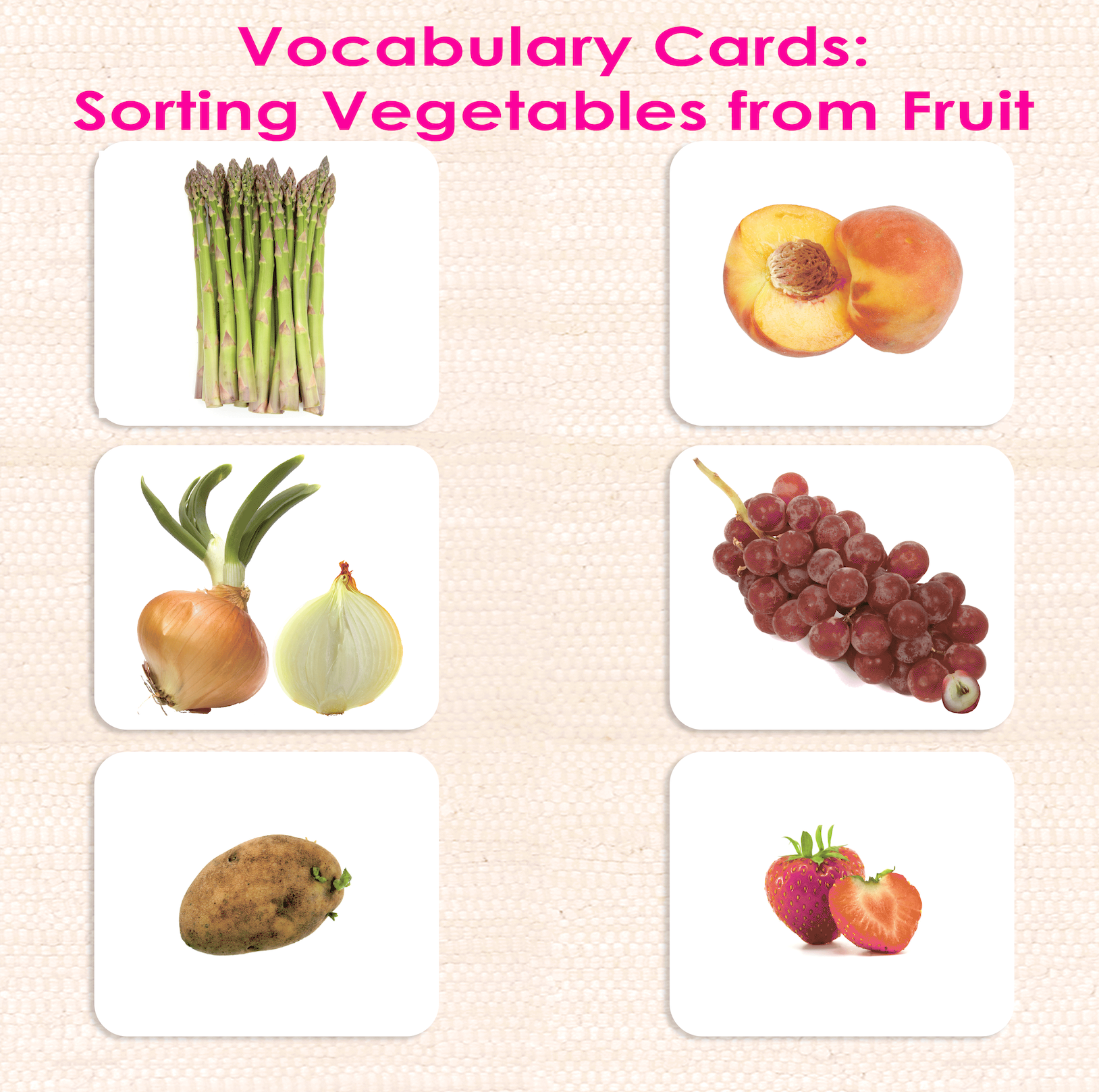
- Sorting Cards: classification activities that show how words relate to one another, building depth of vocabulary
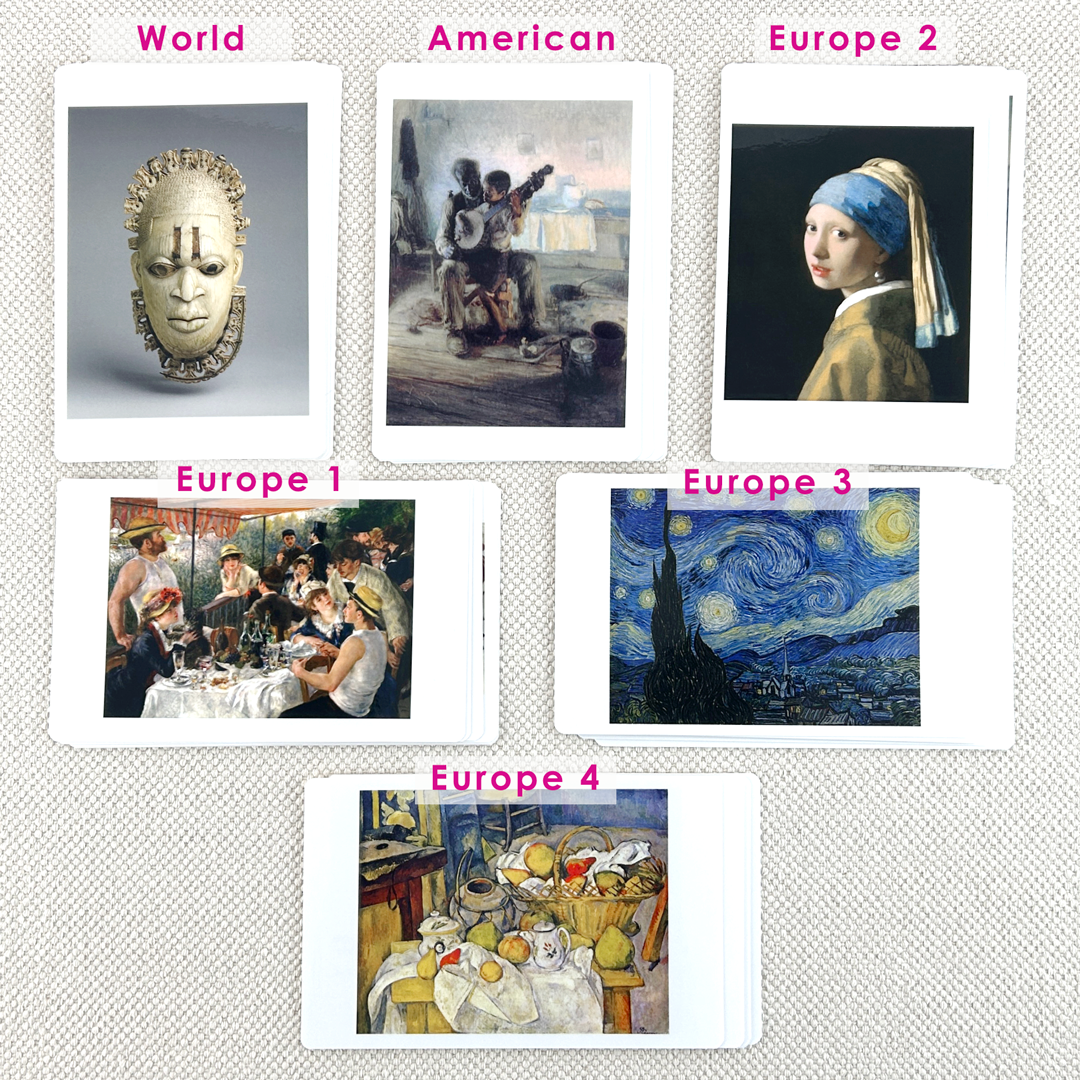
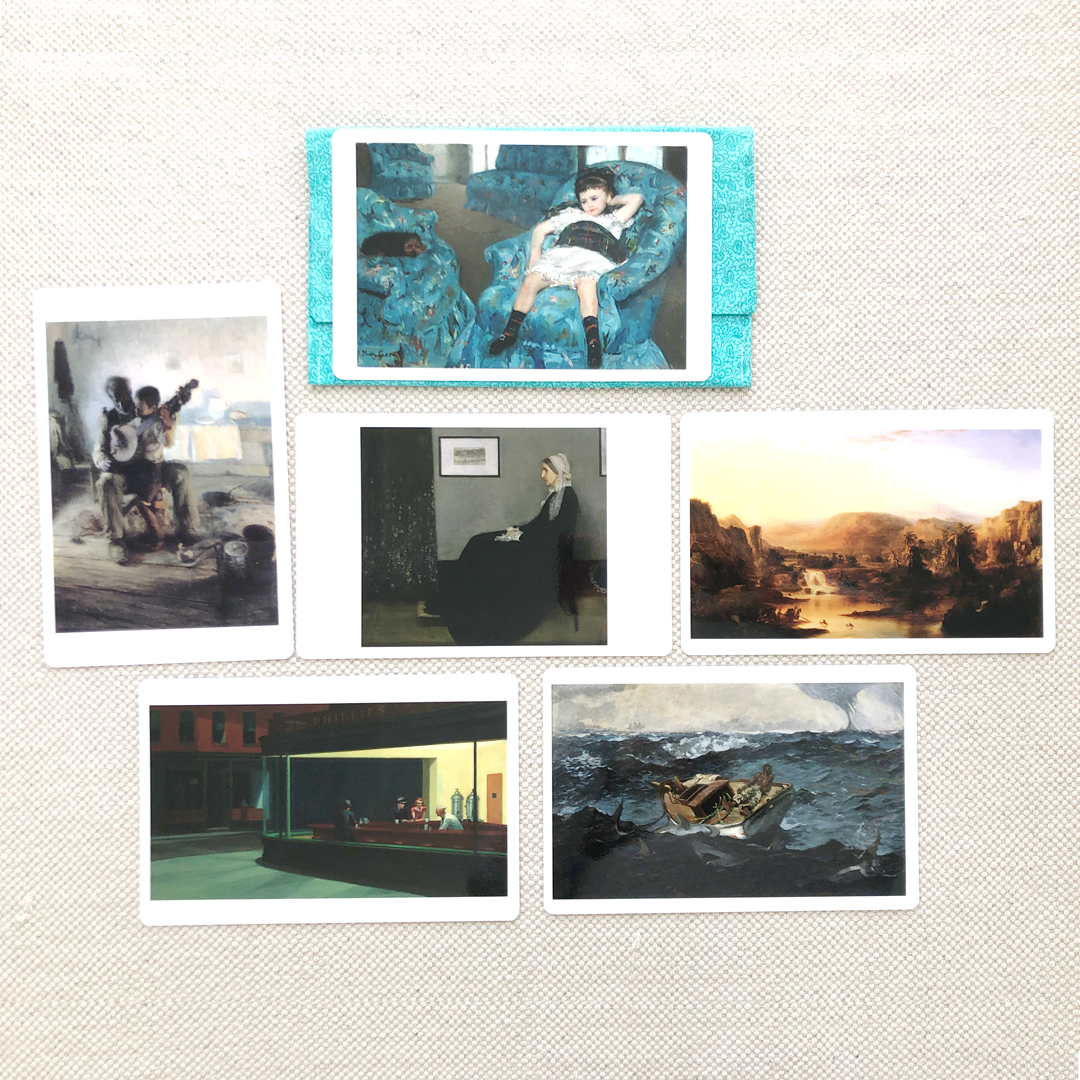
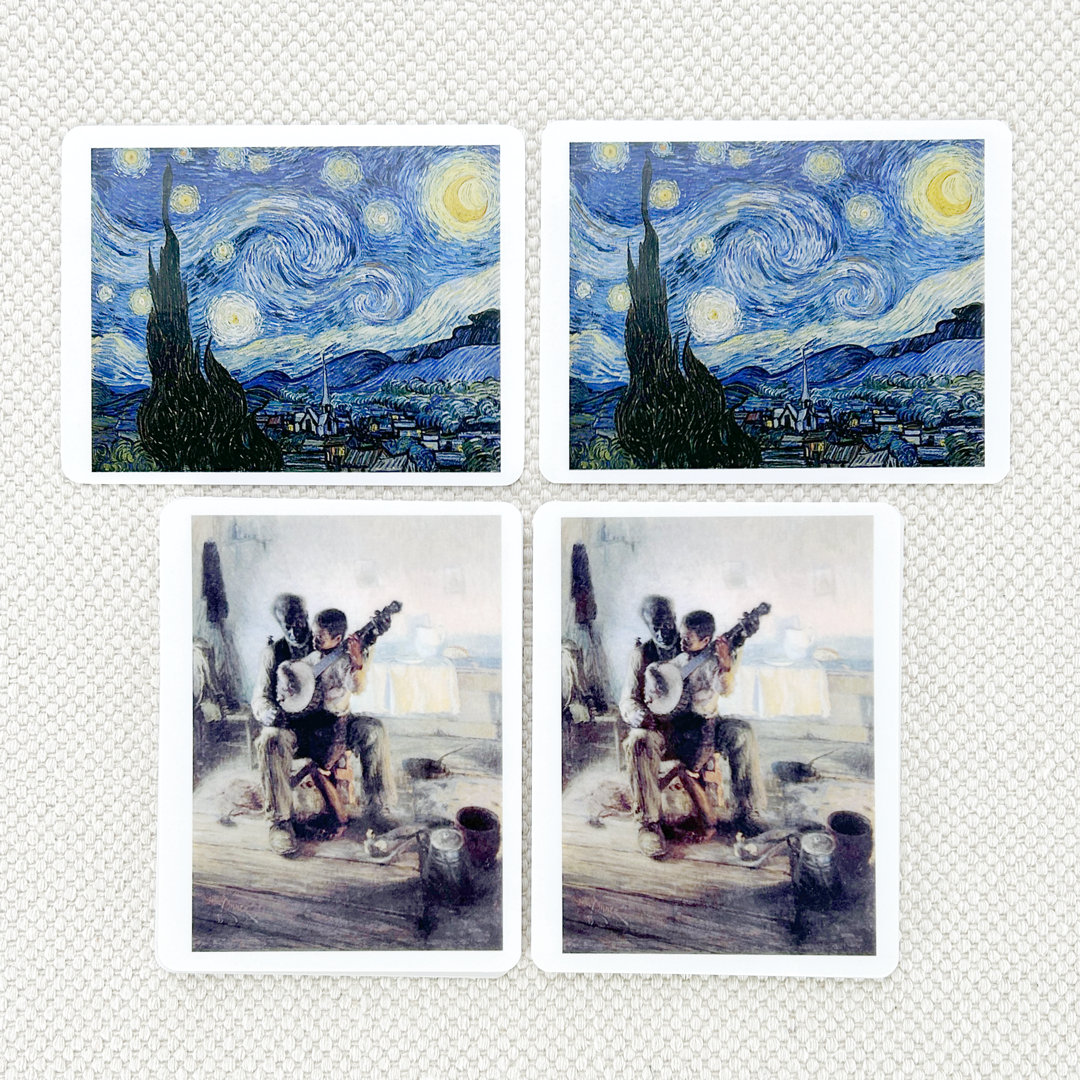
- Fine Art Cards: masterworks that invite descriptive language and conversation
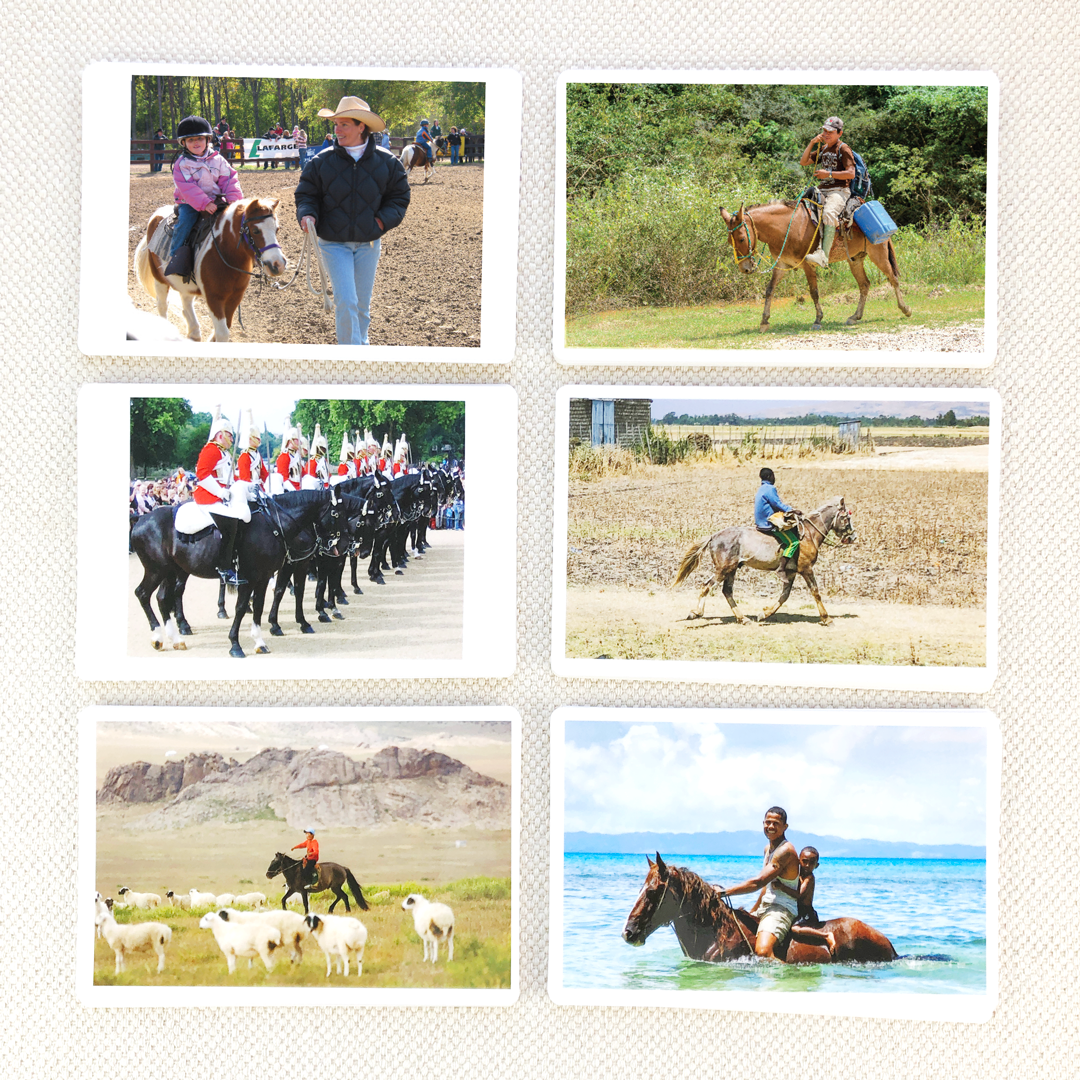
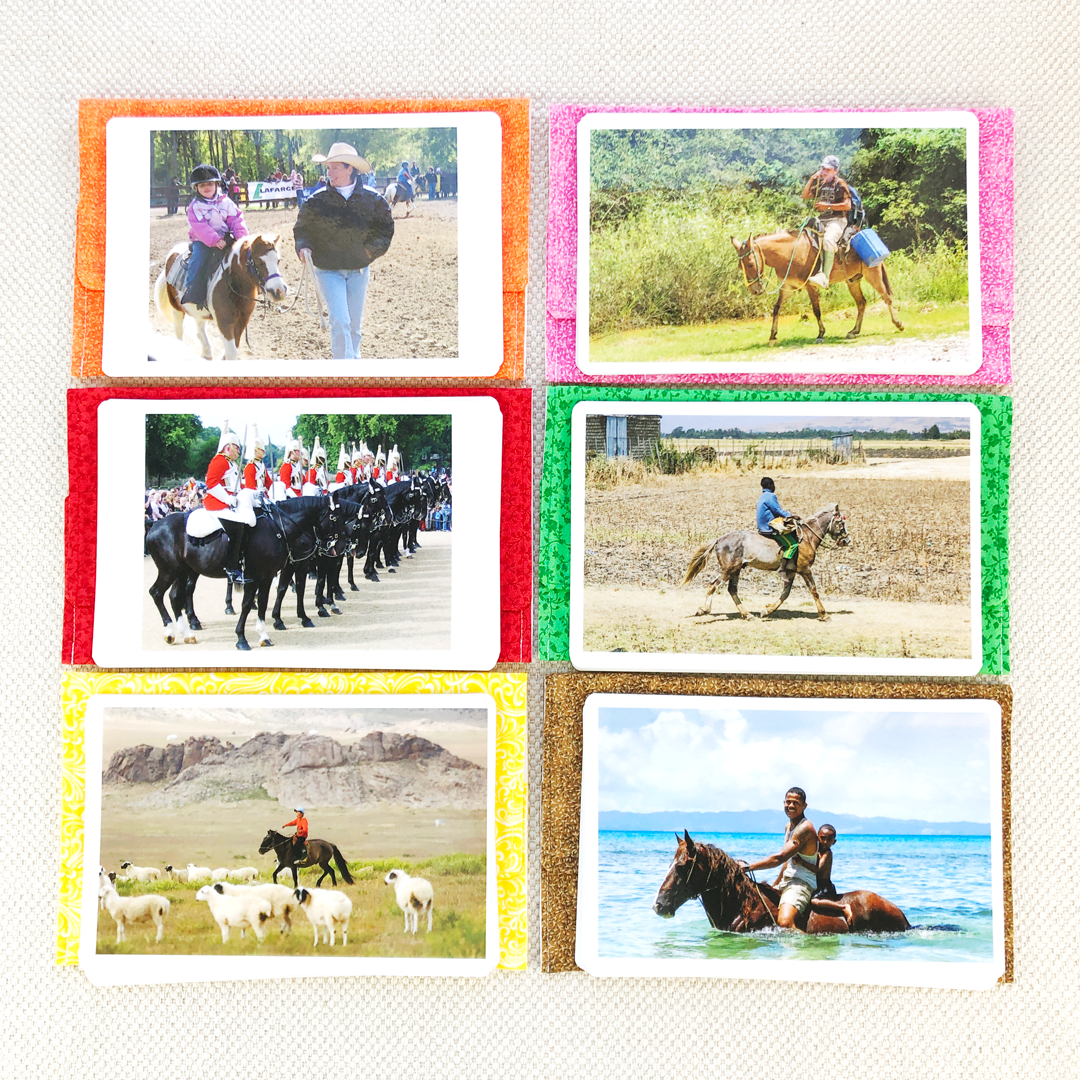
- Geography Folders: photos of daily life across all seven continents, presenting an equitable, parallel view of cultures around the world
For a ready-made start, see our Vocabulary Starter Set, Basic Vocabulary Card Set, Advanced Vocabulary Card Set, and Sorting Set. All cards are eco-made in the USA with a food-grade laminate and rounded corners.
Why oral language matters for reading
In Scarborough's (2001) reading rope, skilled reading weaves together word recognition and language comprehension. Vocabulary and background knowledge are two of the language comprehension strands. A student who decodes fluently but doesn't know what the words mean will still struggle to understand the text. That's why oral vocabulary work starts long before reading and continues alongside phonics instruction.
Interest drives this learning. Montessori is a student-centered approach: the teacher observes what each student is curious about and offers materials that match. When students care about a topic, they choose the cards again and again, and each repetition is more practice naming, discussing, and connecting new words to what they already know.
Reference
Scarborough, H. S. (2001). Connecting early language and literacy to later reading (dis)abilities: Evidence, theory, and practice. In S. B. Neuman & D. K. Dickinson (Eds.), Handbook of early literacy research (pp. 97–110). Guilford Press.
How do you use Montessori vocabulary materials?
Most of these materials are introduced with the three-period lesson, which Dr. Maria Montessori adapted from the work of Édouard Séguin:
- Period 1, naming: The teacher names each picture: "This is a cardinal."
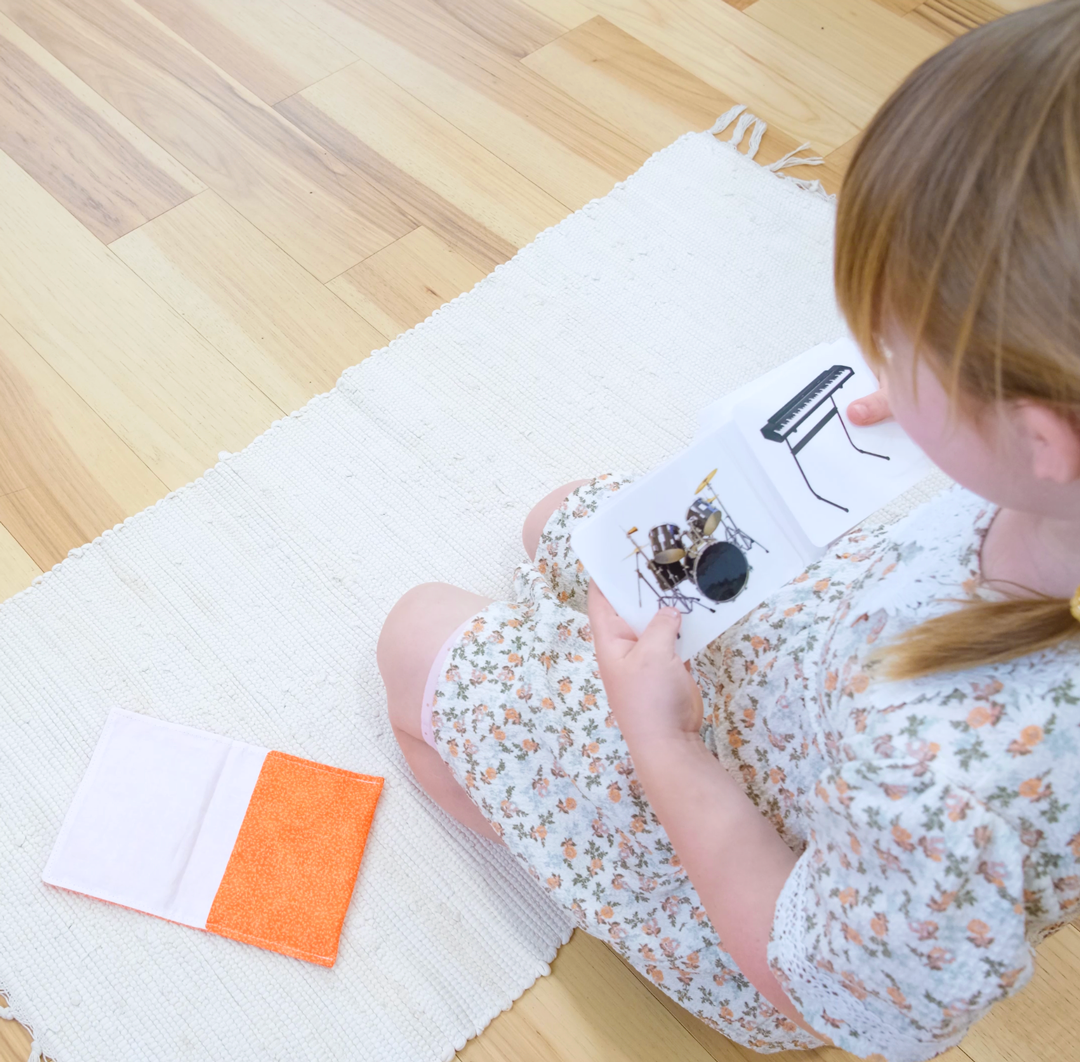
- Period 2, recognition: The student acts on the cards while the teacher repeats the names: "Can you put the cardinal in the basket?"
- Period 3, recall: Once the student is ready to succeed, the teacher asks, "What is this?"
Toddlers typically get only the first two periods. From there, the sequence grows with the student: vocabulary cards to learn new words, matching cards to practice using them, and sorting cards to explore how words relate. Along the way, match cards to real objects, take the conversation outdoors, and let students' questions lead you to the next topic.
What comes next
Once students know many words well, they are ready to play sound games with them. Our phonological awareness and encoding materials build on the vocabulary students already have. When students are reading, most of our vocabulary topics continue as 3-Part Reading Cards, using the same photos.
Learn more
- How Montessori aligns with the Science of Reading
- Vocabulary lesson video library
- Free pre-reading lesson plans
- Pre-reading activities
What ages are these materials for?
Toddler cards are typically for ages 18 months to 3 years. Vocabulary cards typically start at age 3, and "Parts of" vocabulary cards at age 4. Matching and sorting cards typically begin around age 4. Fine art cards and geography folders work for any interested age. All of these materials also support English learners and students who need oral vocabulary intervention.
Where should I start?
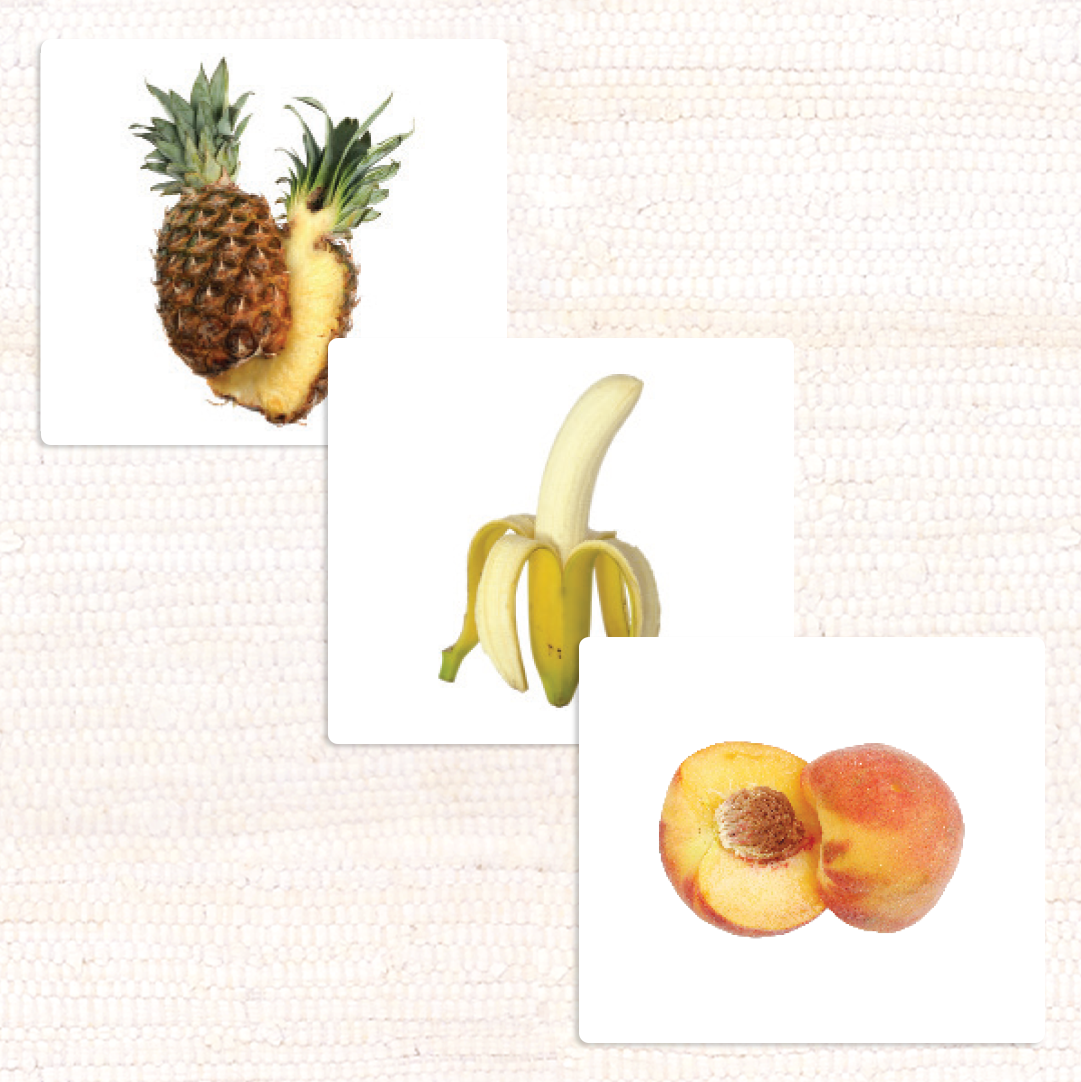
For students under 3, start with our Toddler Vocabulary Cards. For other students, start with topics that they are curious about. Young children are often very interested in things from their daily life like everyday objects, pets, or fruit. Our Vocabulary Starter Set bundles five of these first topics. From there, follow each student's interests.
What's the difference between vocabulary cards, matching cards, and 3-part cards?
All three use the same photographs. Vocabulary cards have no words and are for building spoken vocabulary. Matching cards pair two identical photos so students can practice using their new vocabulary. 3-part cards add a word label and a control card, so students who are reading can match each word to its photo and check their own work.
How should I store and display vocabulary cards?
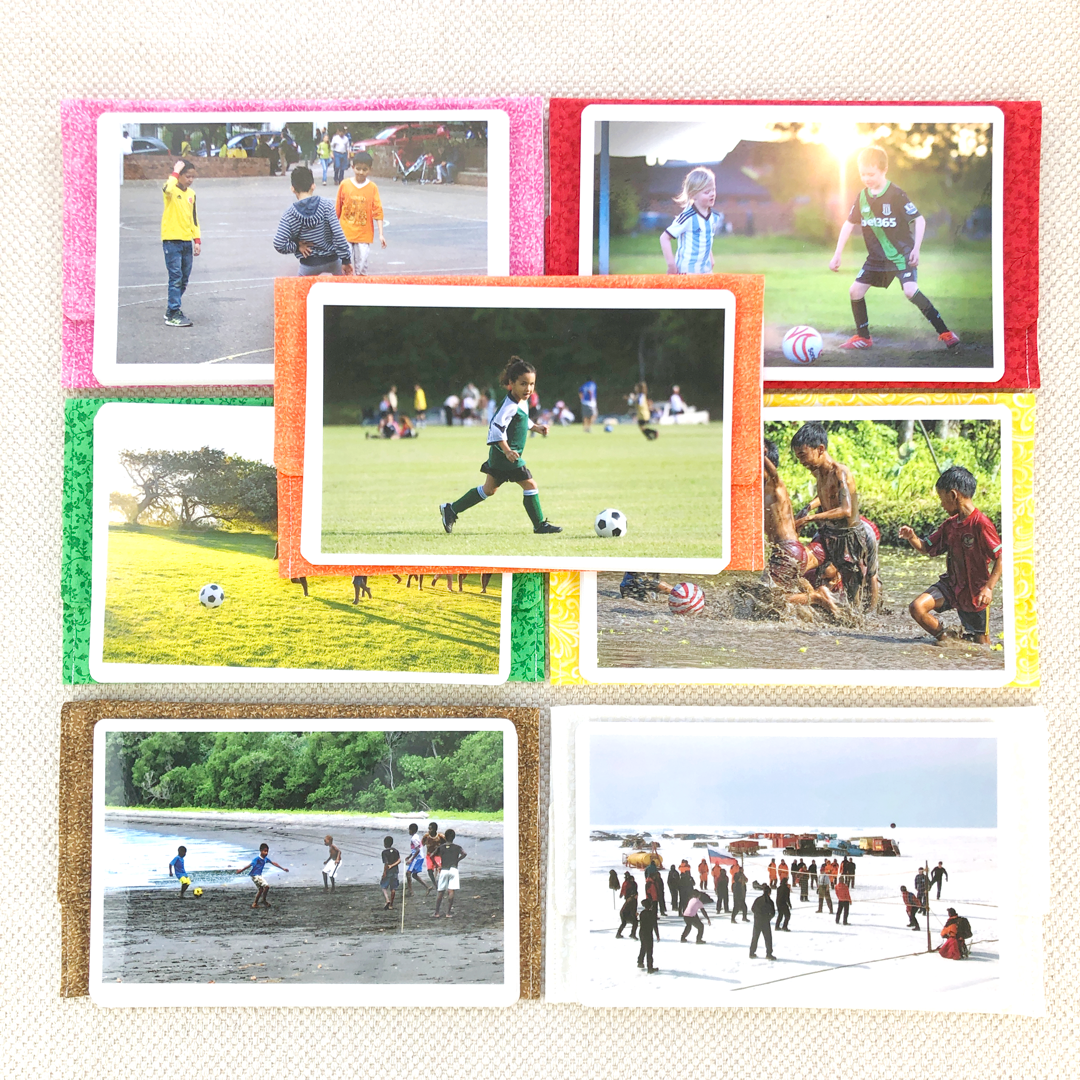
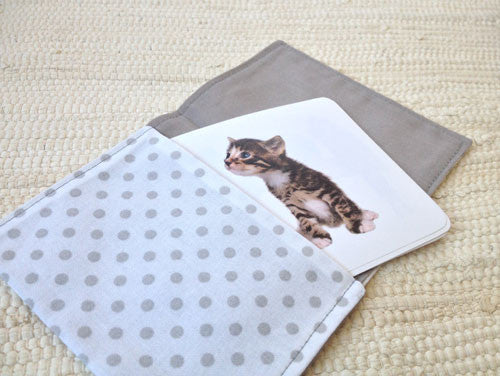
We recommend putting several titles out at one time to meet the interest of the entire room. We like to organize and display these in our medium cloth pouches (for vocabulary cards), two-pocket pouches (for matching cards) or large cloth pouches (for toddler cards, geography folders, and art display cards). (Note that each packet comes in a sturdy, clear reclosable bag that is for teacher storage only, not student use.) As students lose interest in the topics on the shelf, swap them out for new ones. You can use the same pouches, kept in the same shelf location.
Download a PDF of our materials

Follow Us