
Phonological Awareness & Encoding






More Information:
Phonological Awareness & Encoding
In the Science of Reading, encoding (writing) is the process of converting spoken sounds into written symbols. Decoding (reading) is converting written symbols back into sound. Research suggests that teaching encoding helps improve children's decoding skills (Weiser & Mathes, 2022).
Before children can encode or decode, they need letter-sound knowledge: the understanding that spoken sounds map to written symbols in a systematic, learnable code. This is the alphabetic principle, and explicit, systematic instruction in it is the foundation of the word recognition strand of Scarborough's Reading Rope (Scarborough, 2001) and of structured literacy approaches more broadly.
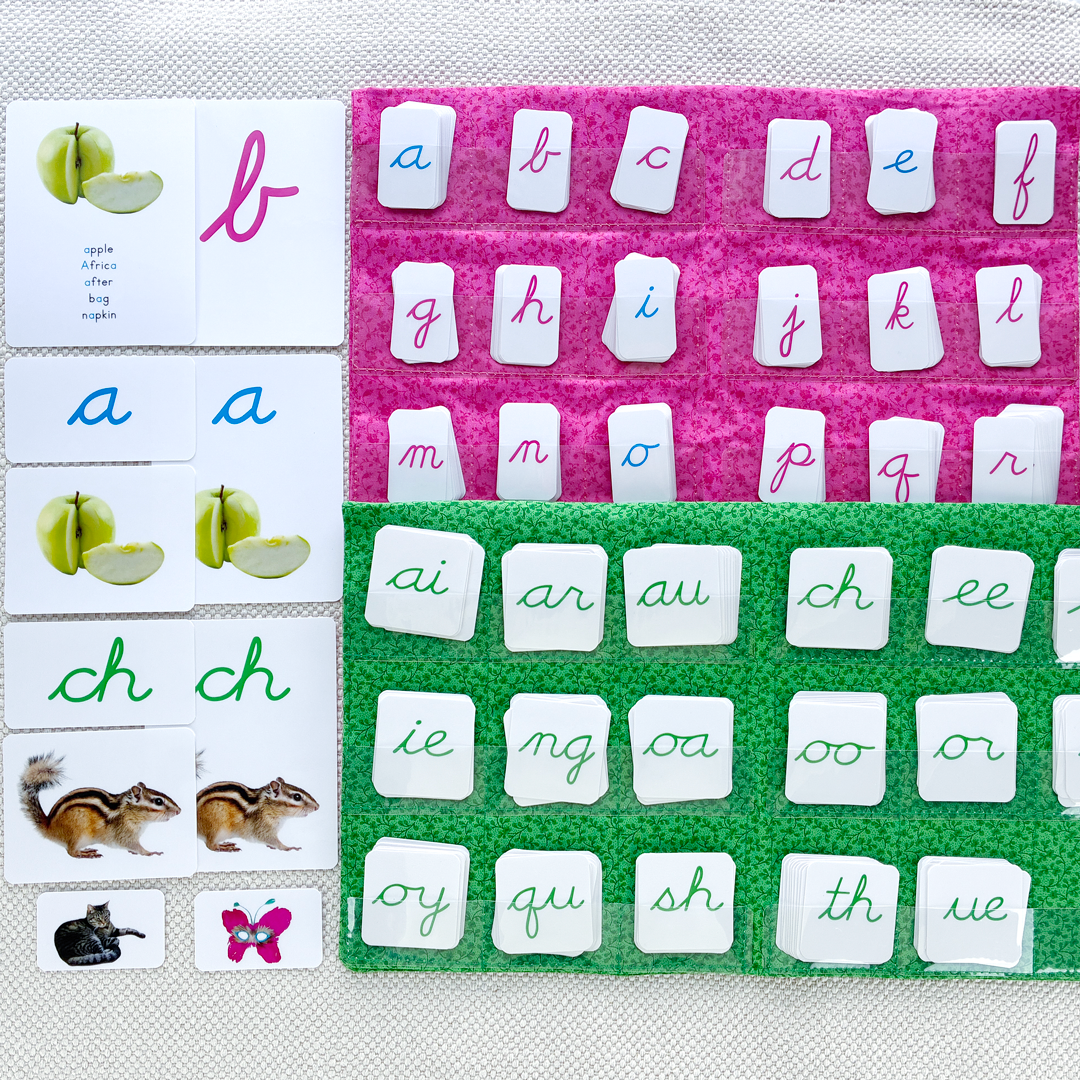
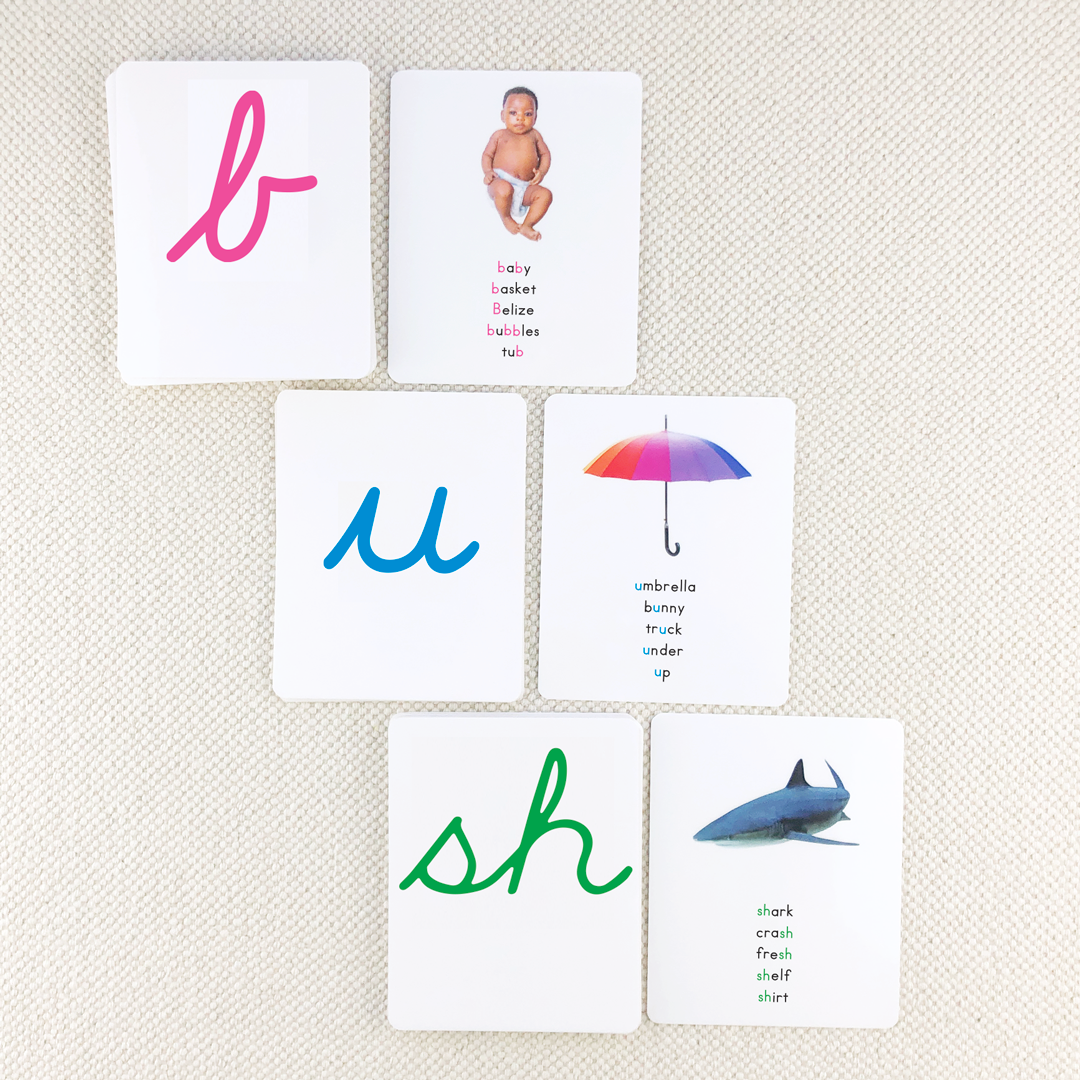
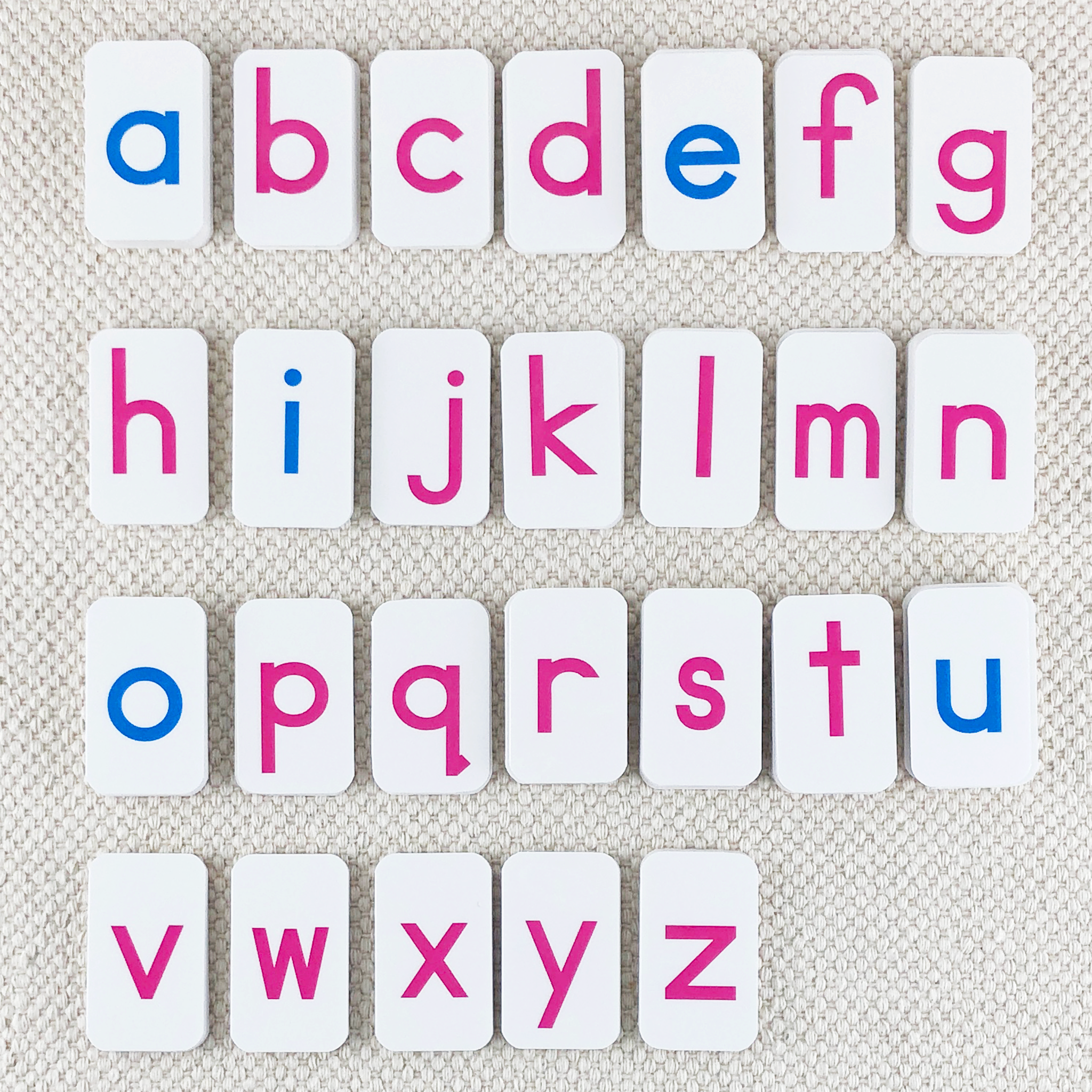
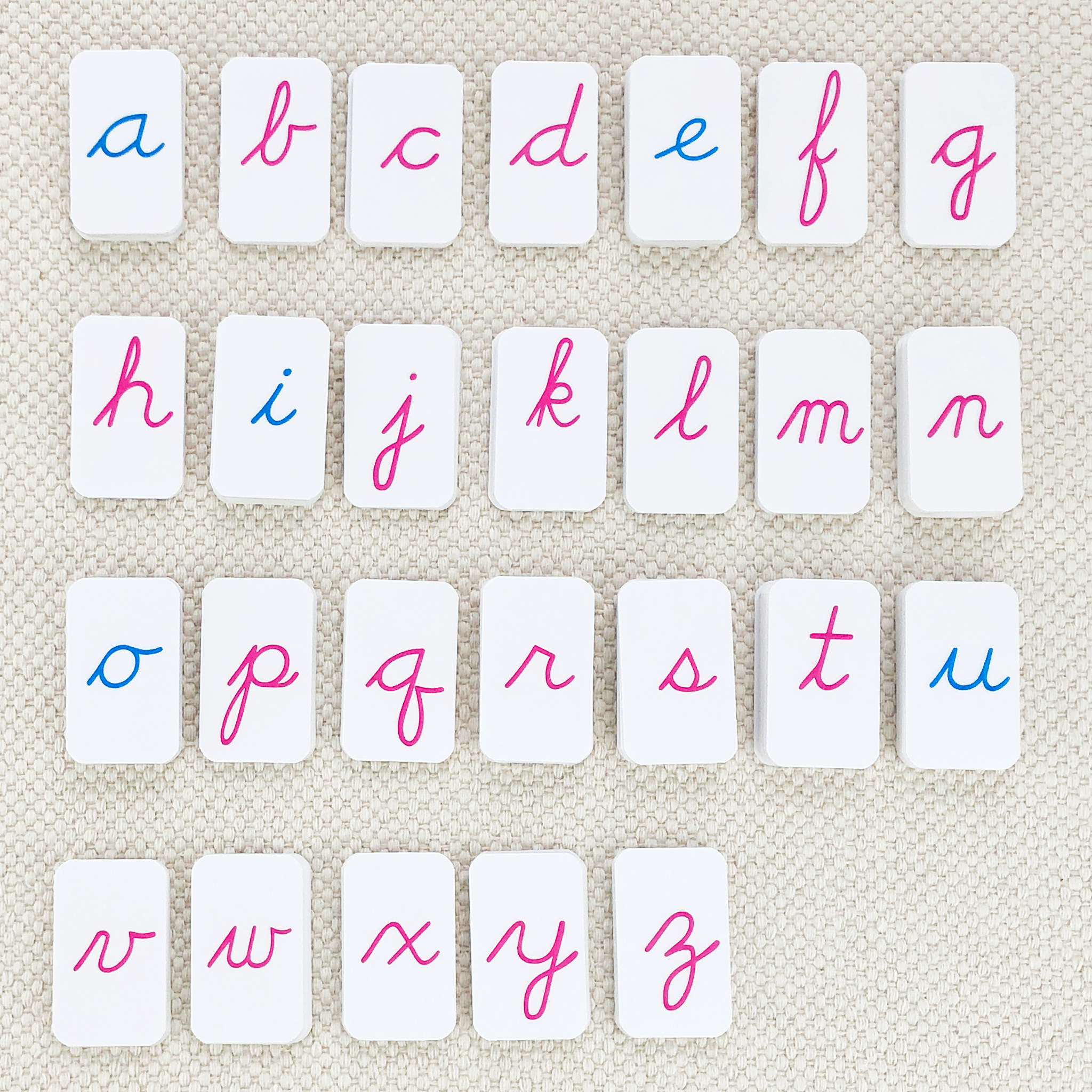
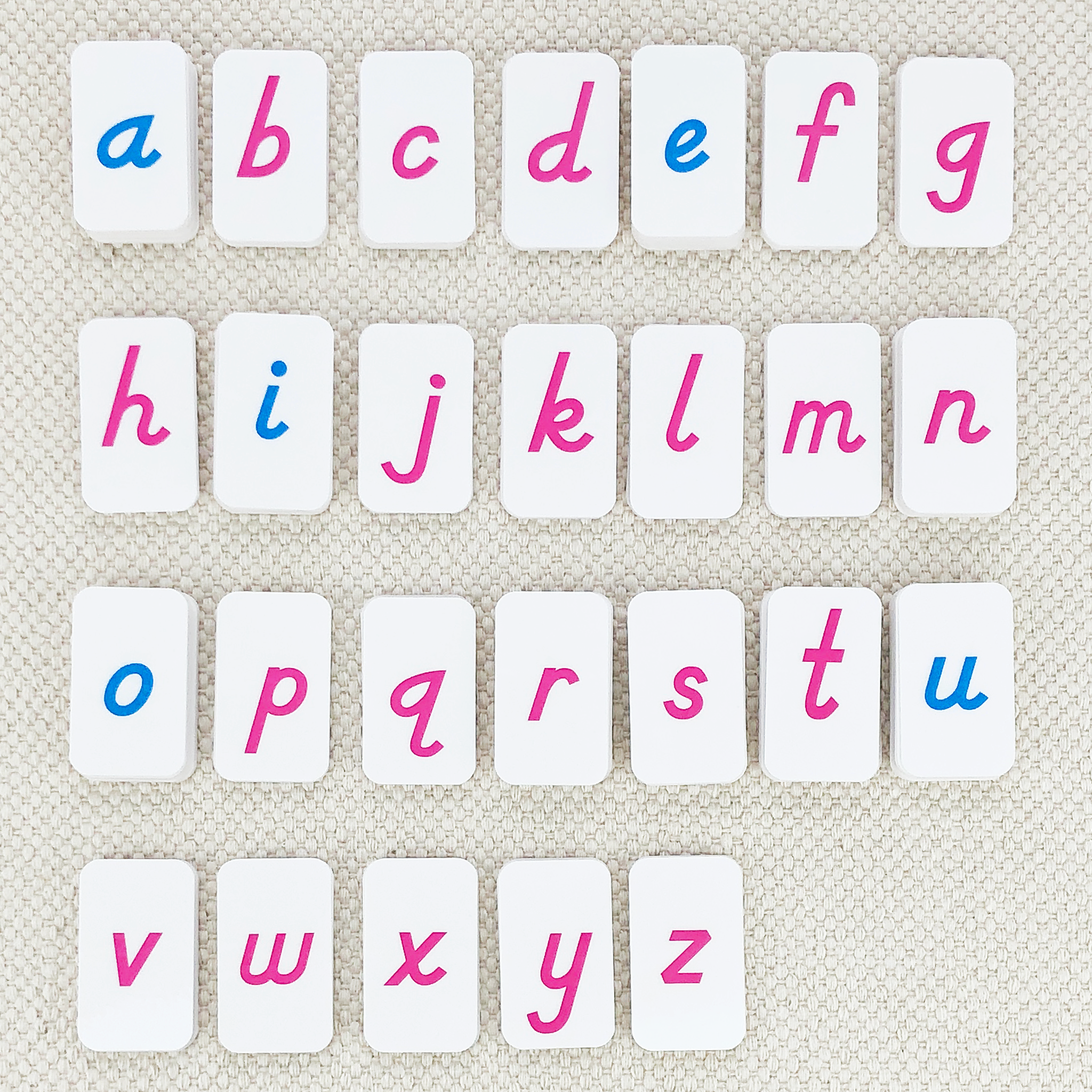
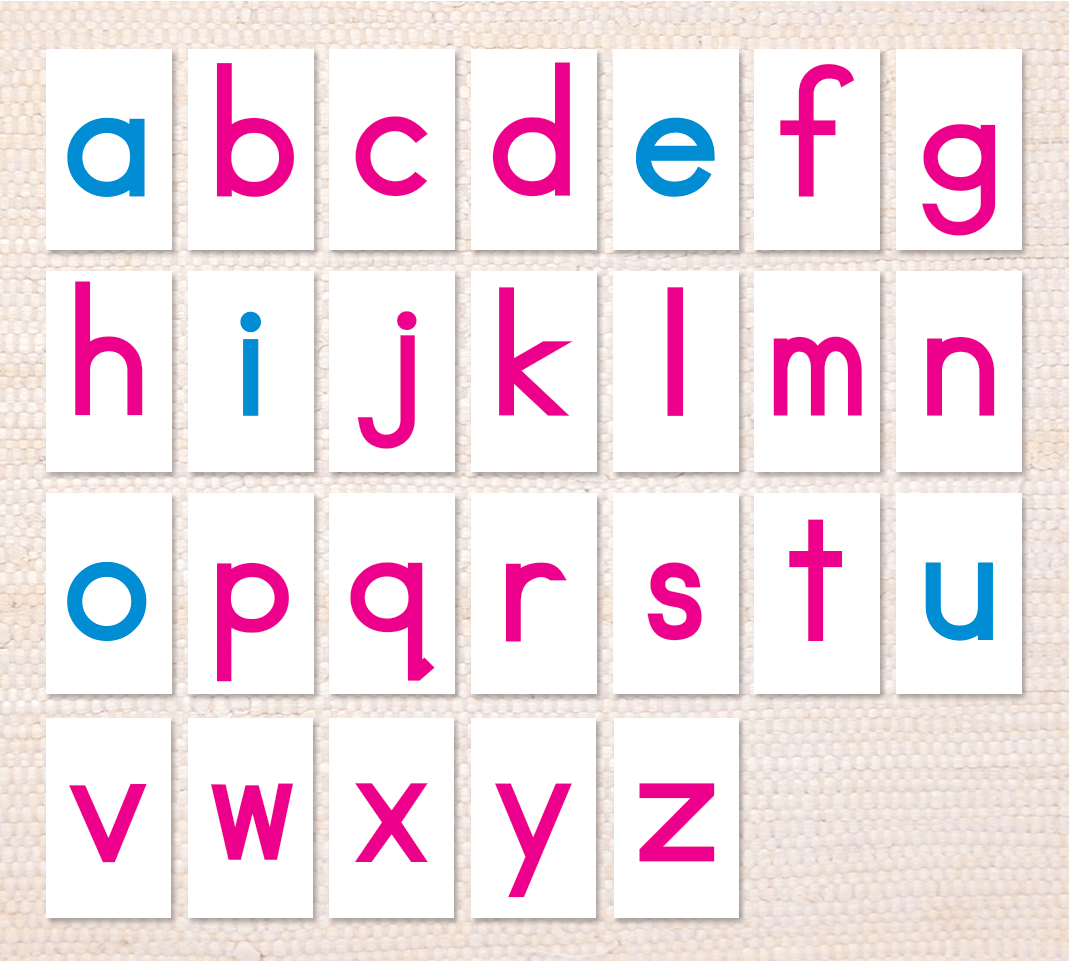
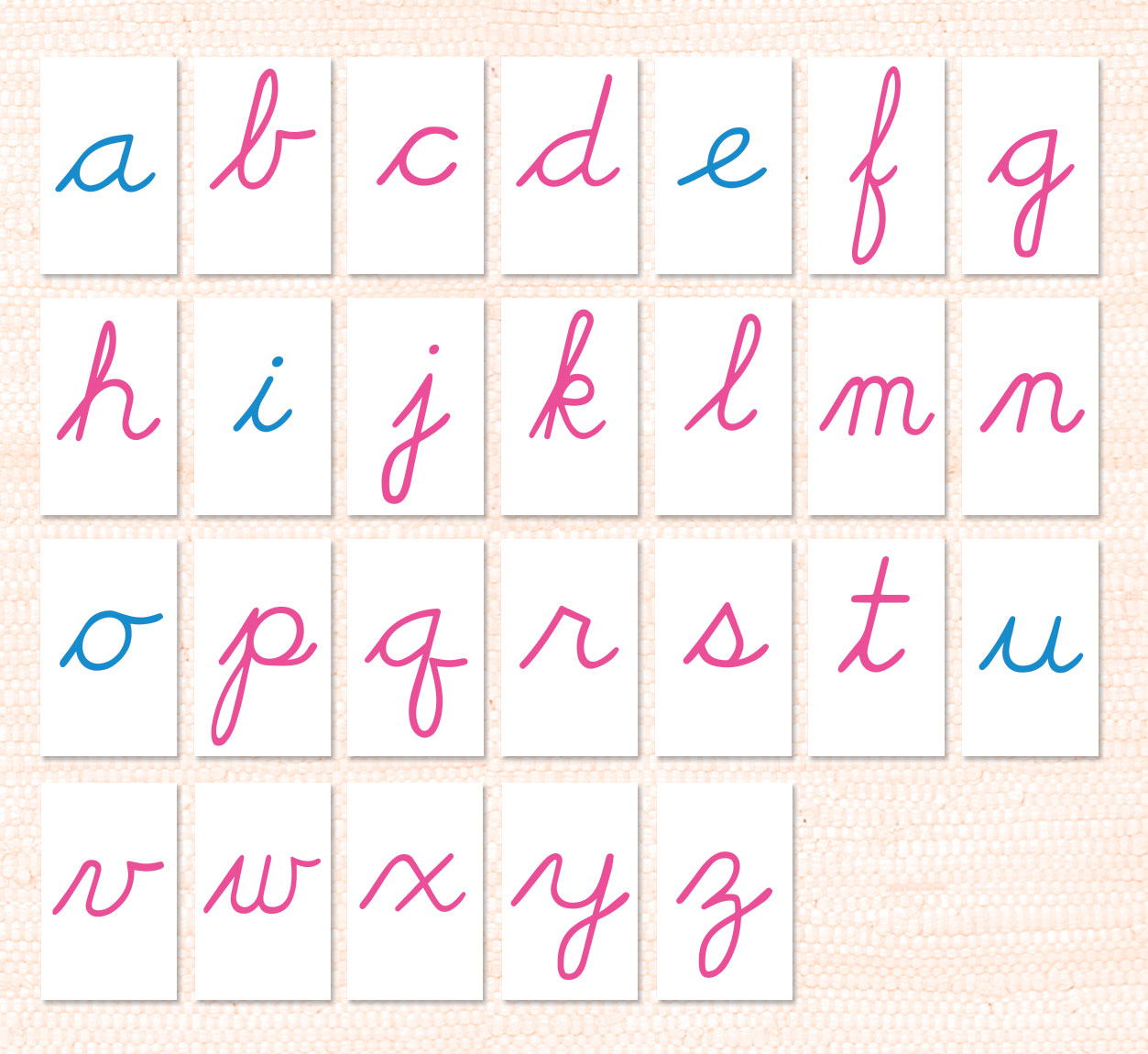
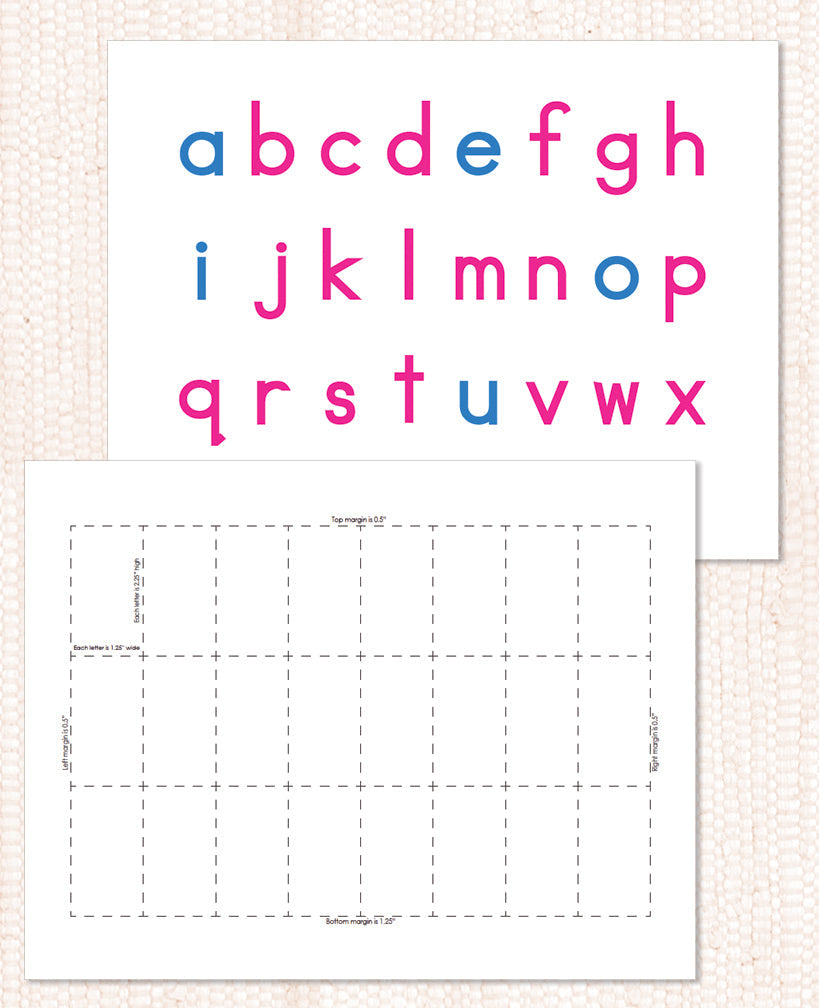
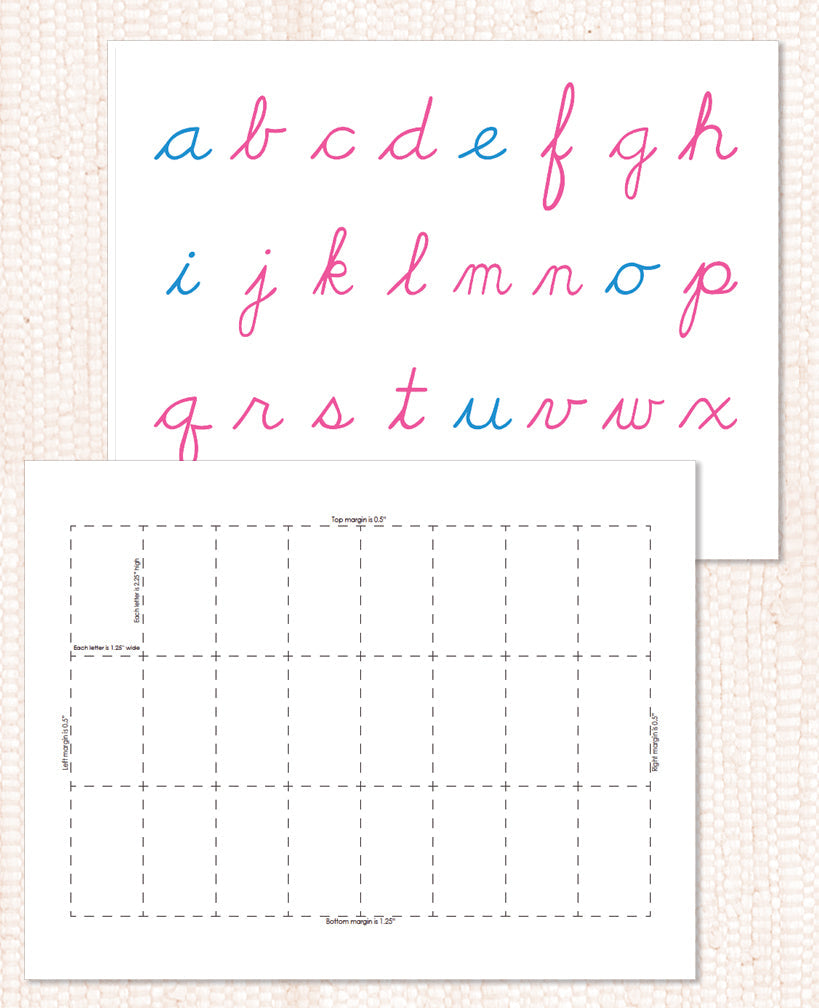
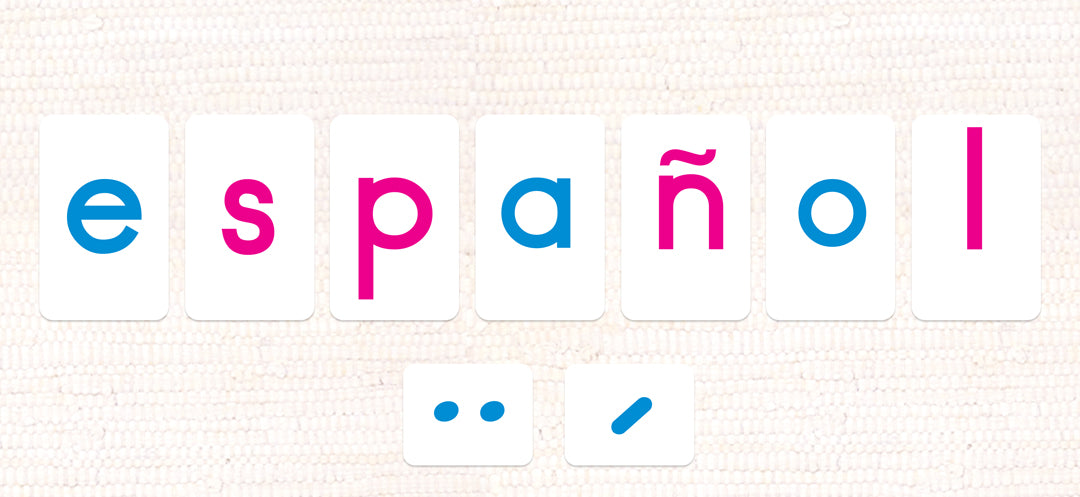
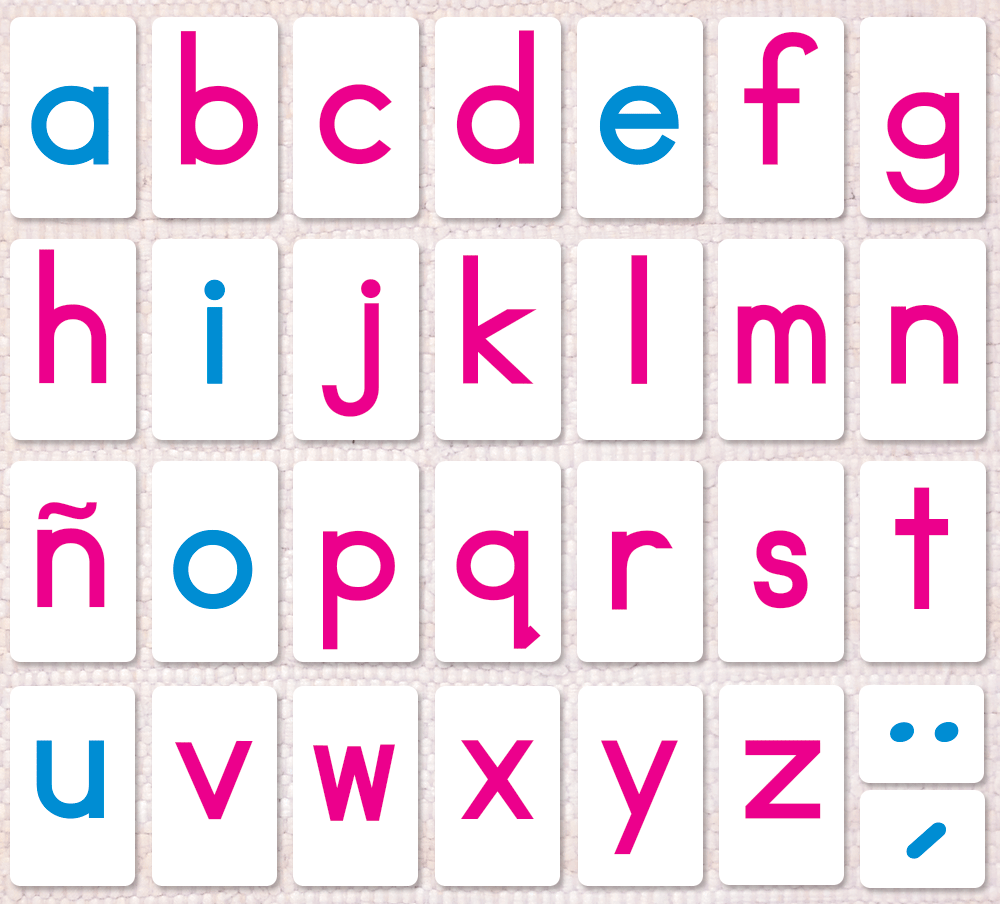
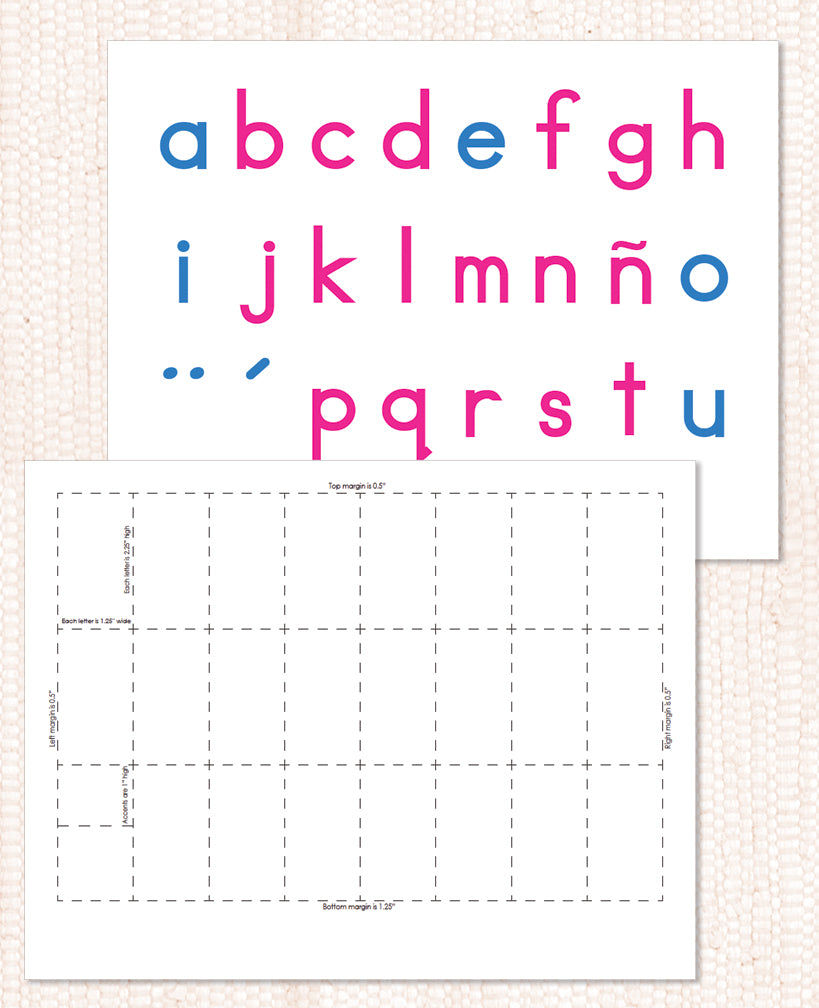
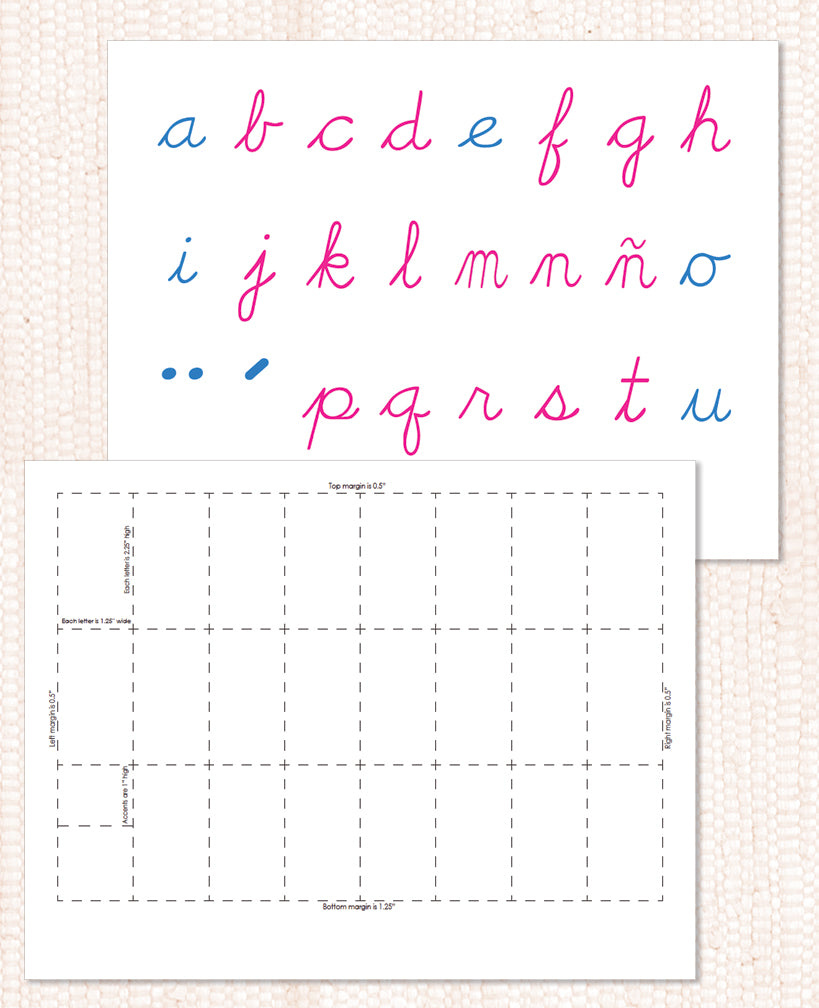
Dr. Montessori knew this. That's why she taught children the sounds of language (see our letter-sound chart charts above) and why she created the Montessori Movable Alphabet; to allow children to write with their mind even before their motor skills are ready to write with a pencil. The alphabet also allows them to easily change/revise/correct what they've written without the fine motor demands and frustration of handwriting.
Our founder (Julia Volkman) won Harvard's Dean Prize for her graduate research on the movable alphabet. Her research showed that 3- and 4-year-olds can phonetically spell words with an alphabet that they can't write with a pencil. This demonstrates that the young child's mind is ready to build words before their hand has mastered letter formation.
This collection covers the letter-sound activities that the Science of Reading identifies as foundational: single letter sounds, phonograms/digraphs (the multi-letter combinations that represent the remaining key sounds of English), and the structured progression from sound recognition to encoding.
What's in this collection:
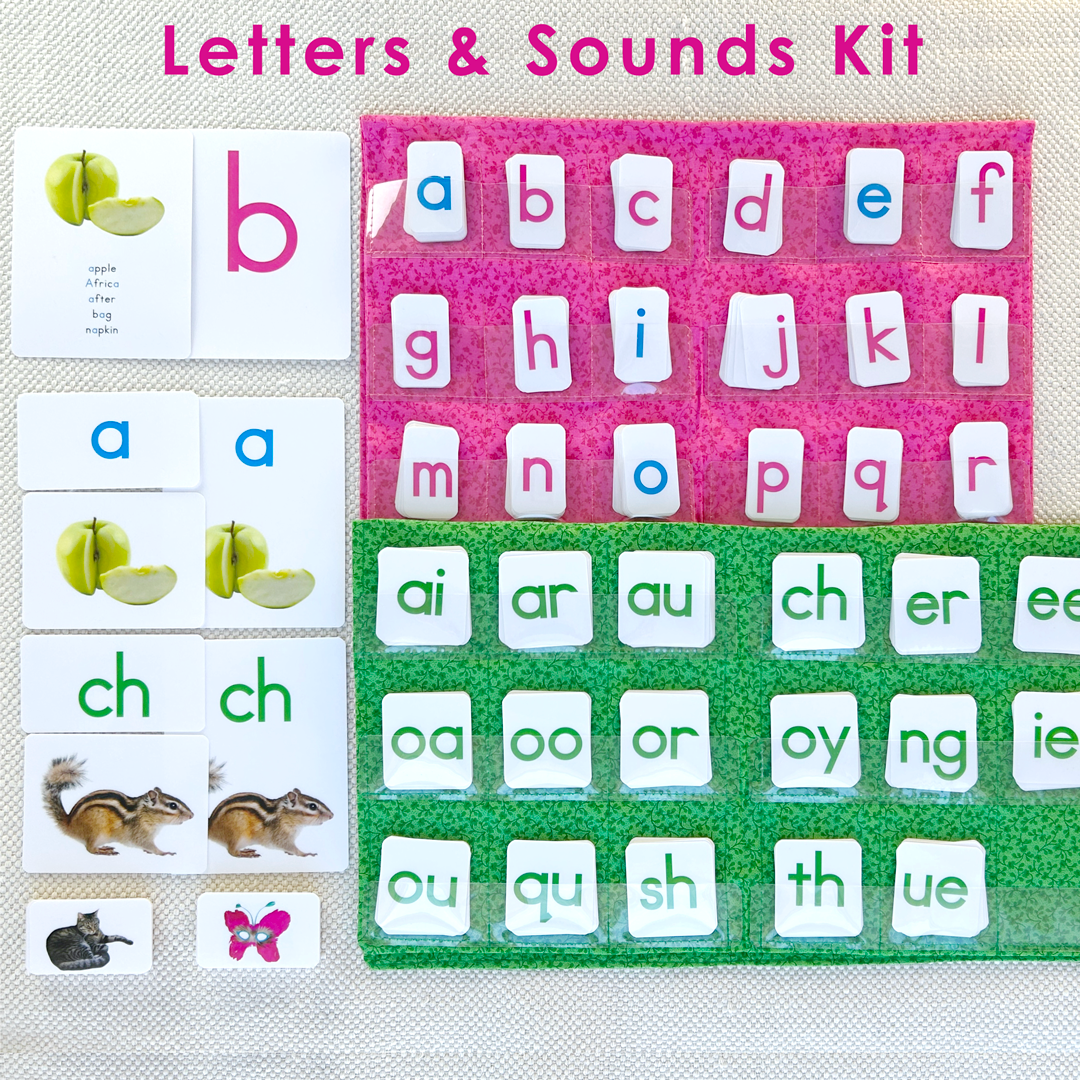
- Letter Sound Charts — Teaching and reference charts for each letter and phonogram, showing the letter, a key image, and example words.
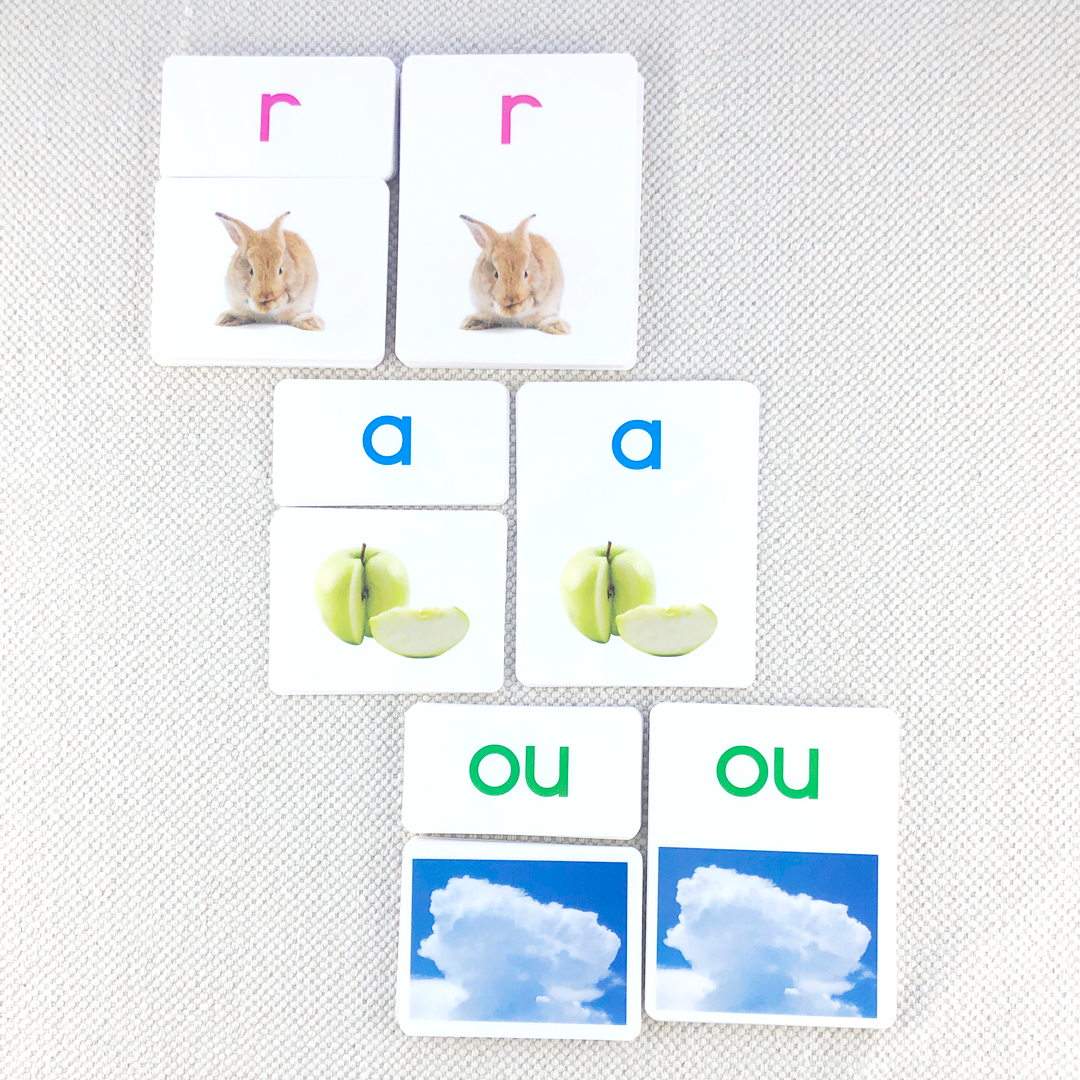
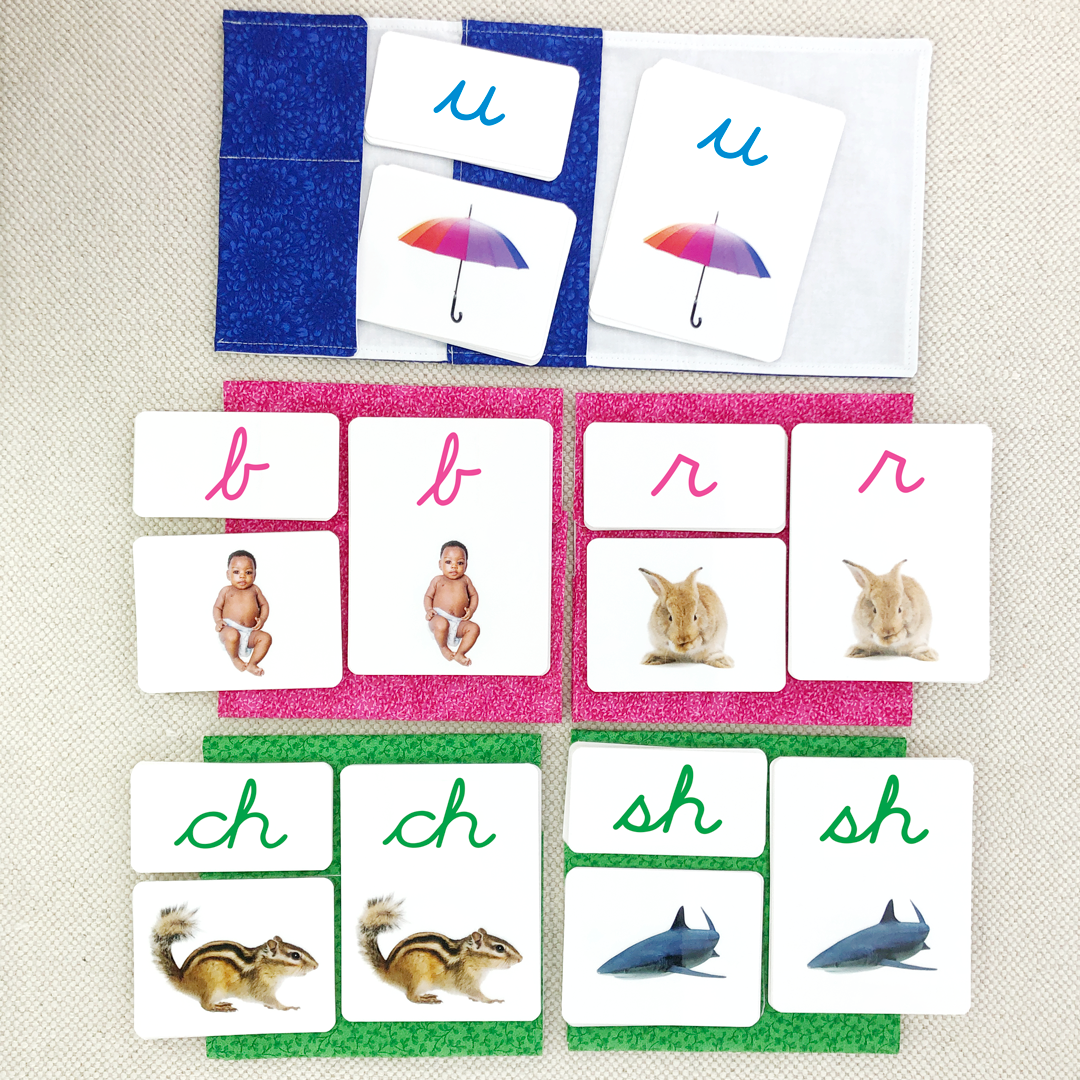
- 3-Part Letter Sound Cards — Montessori three-part cards for independent practice with letter-sound correspondence: letter card, image card, and word card used together for systematic phonics instruction.
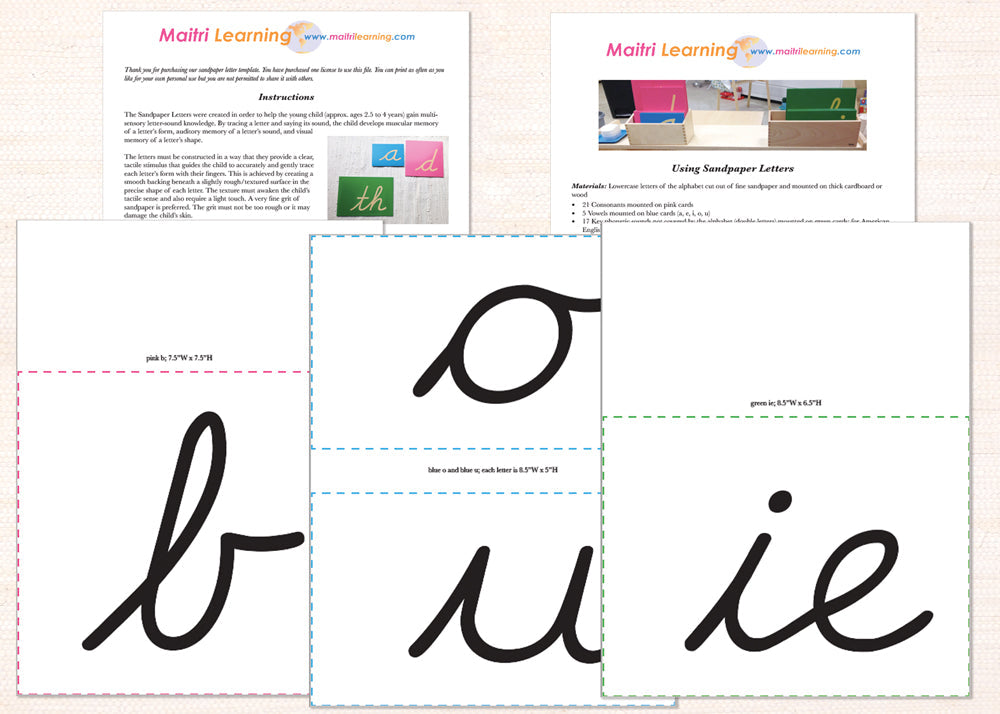
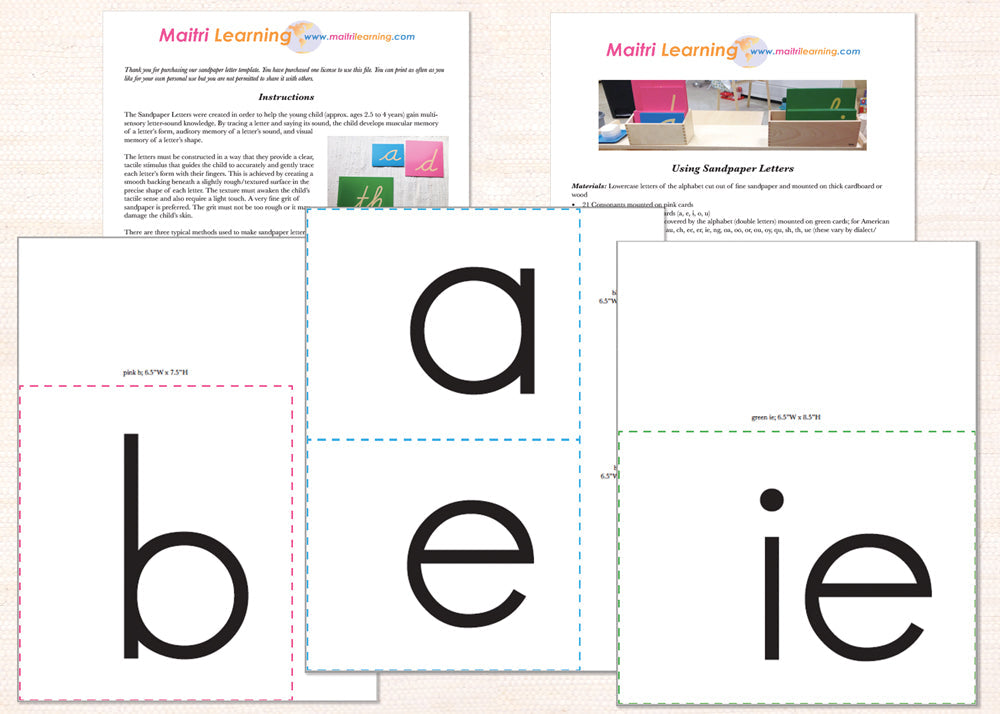
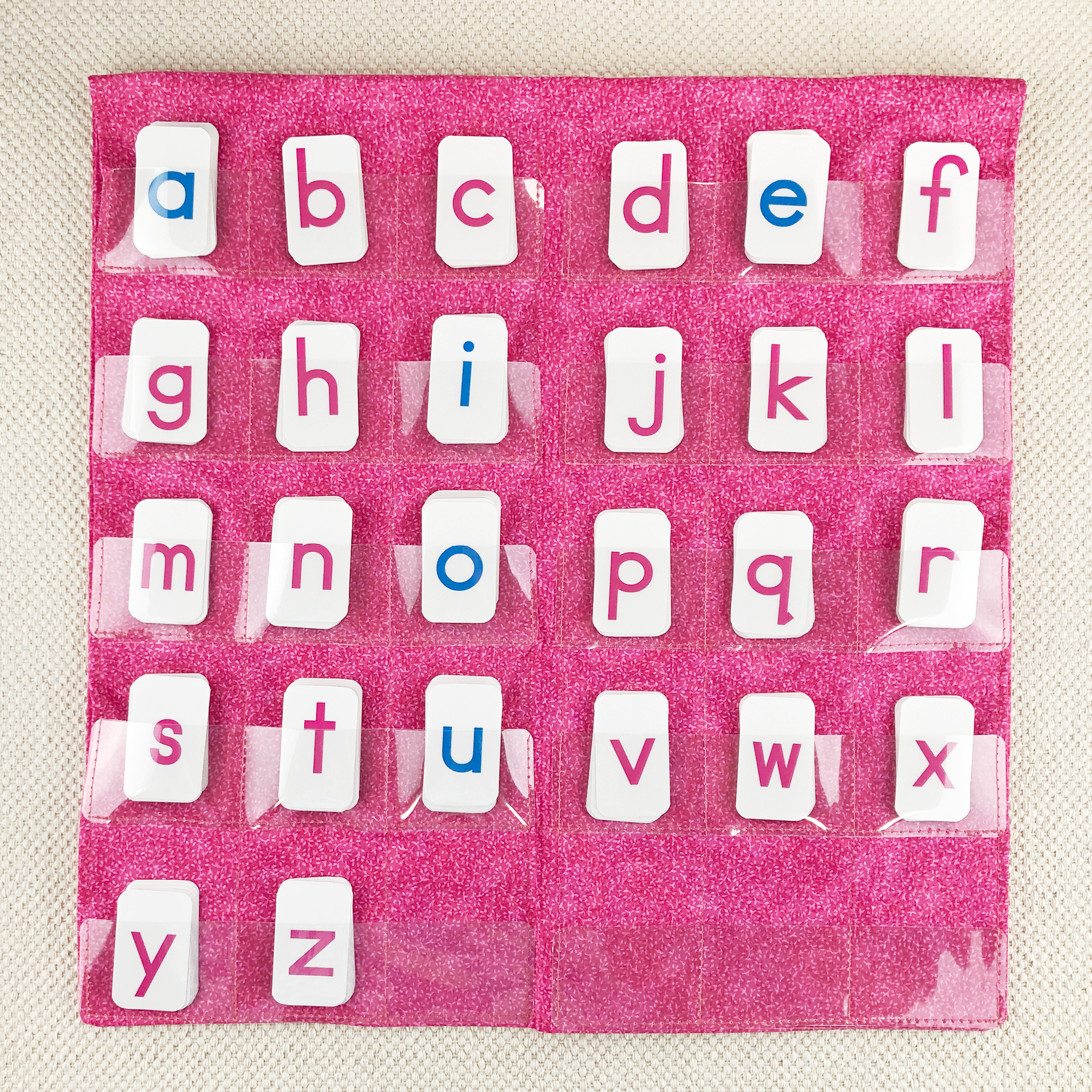
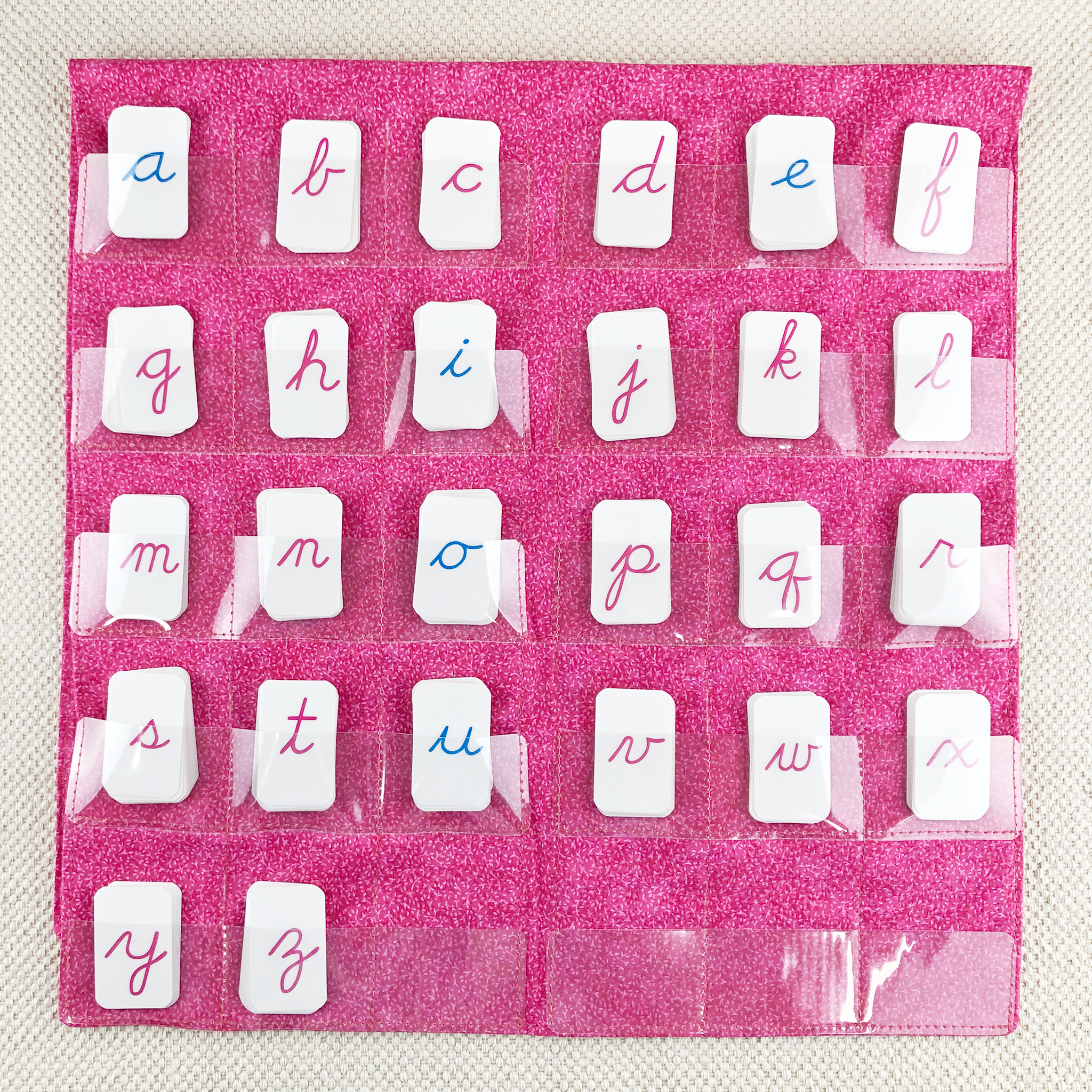
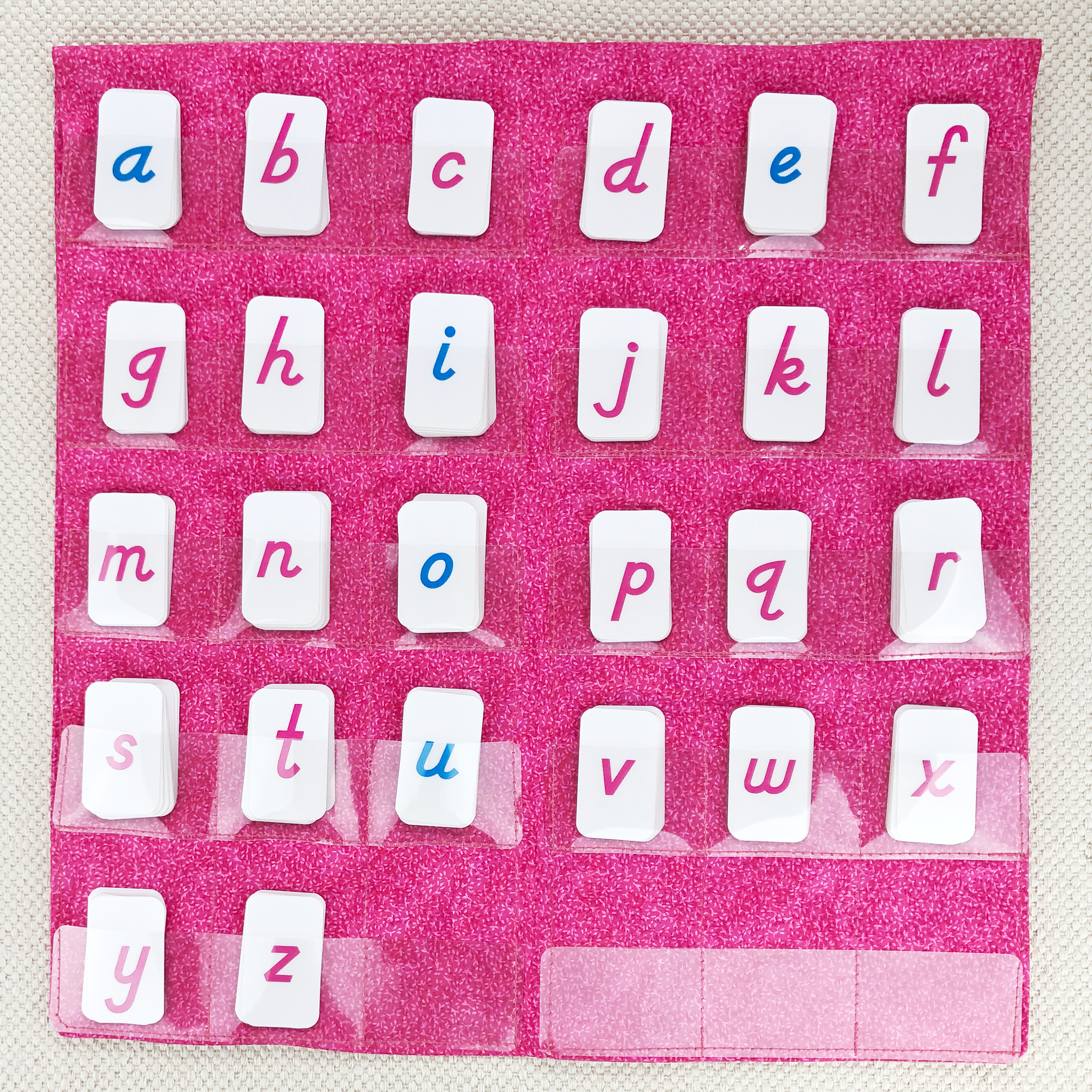
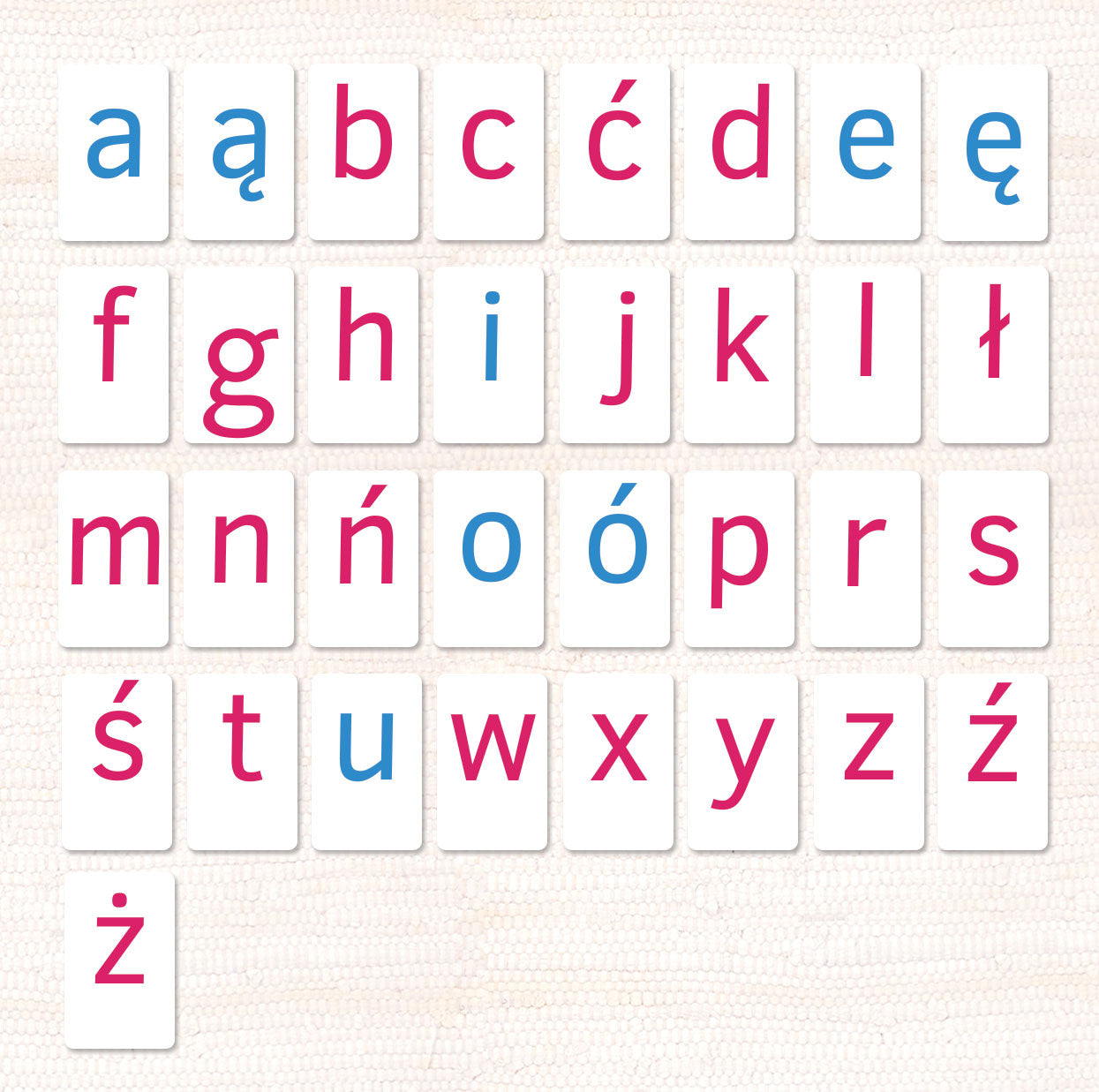
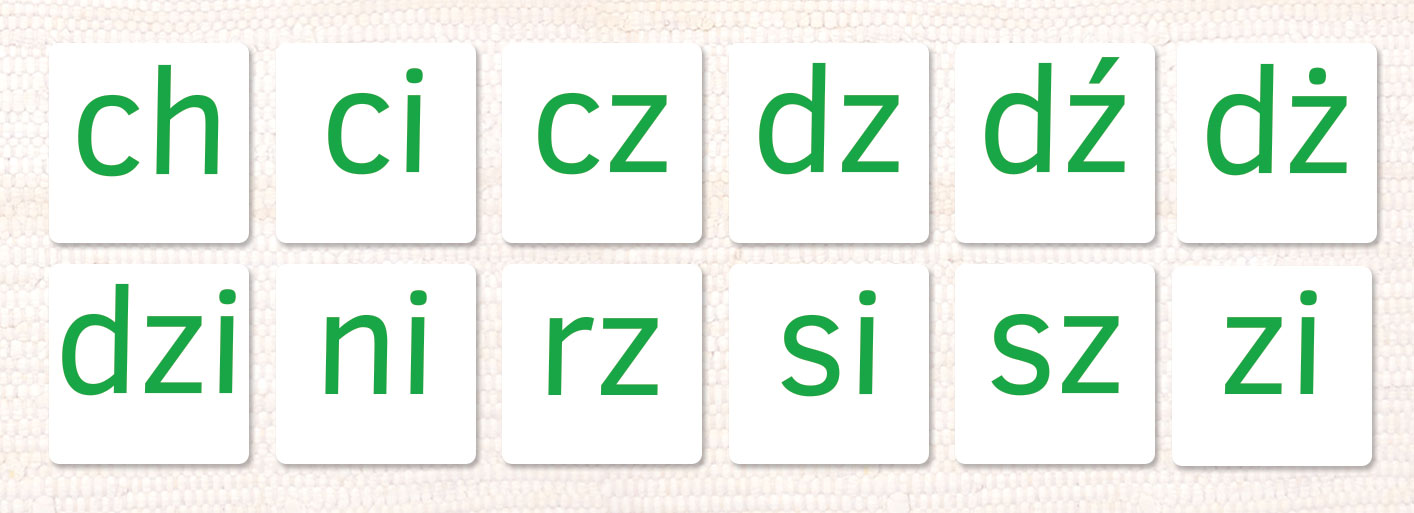
- Movable Alphabets — Laminated letter cards in print or cursive; color-coded per Montessori convention. Available in English, Spanish, and Polish. Use these for encoding words, phrases, and early stories before pencil work begins.
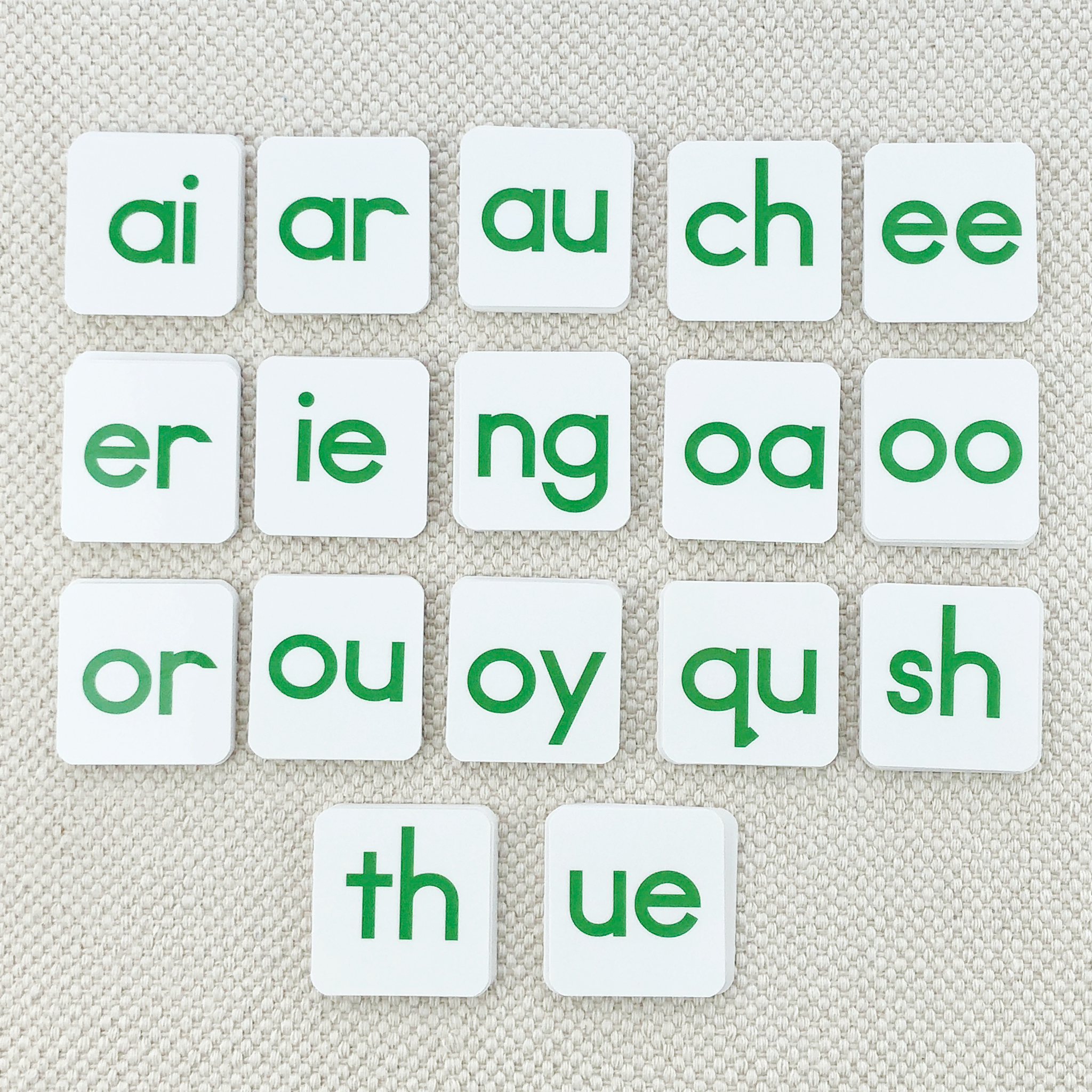
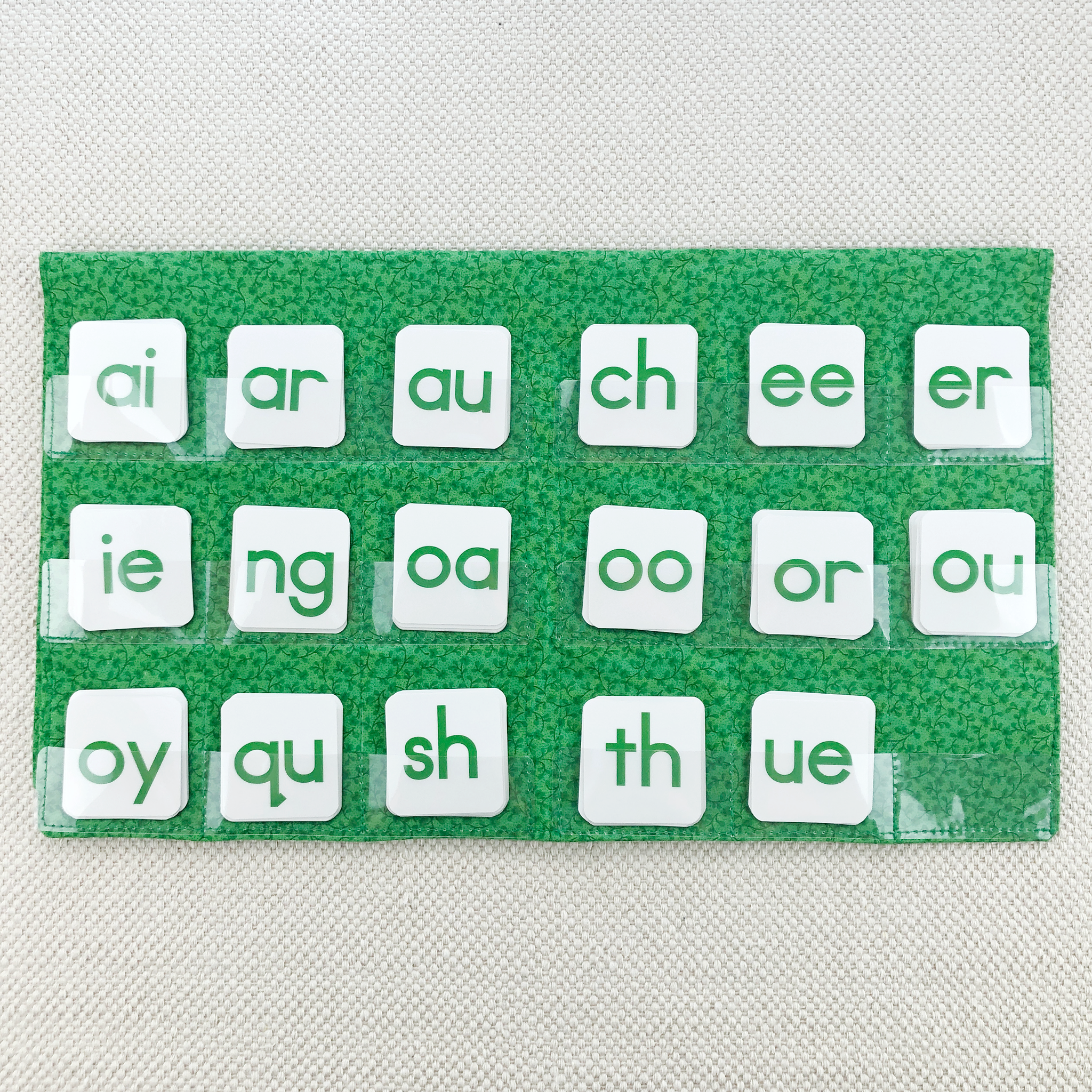
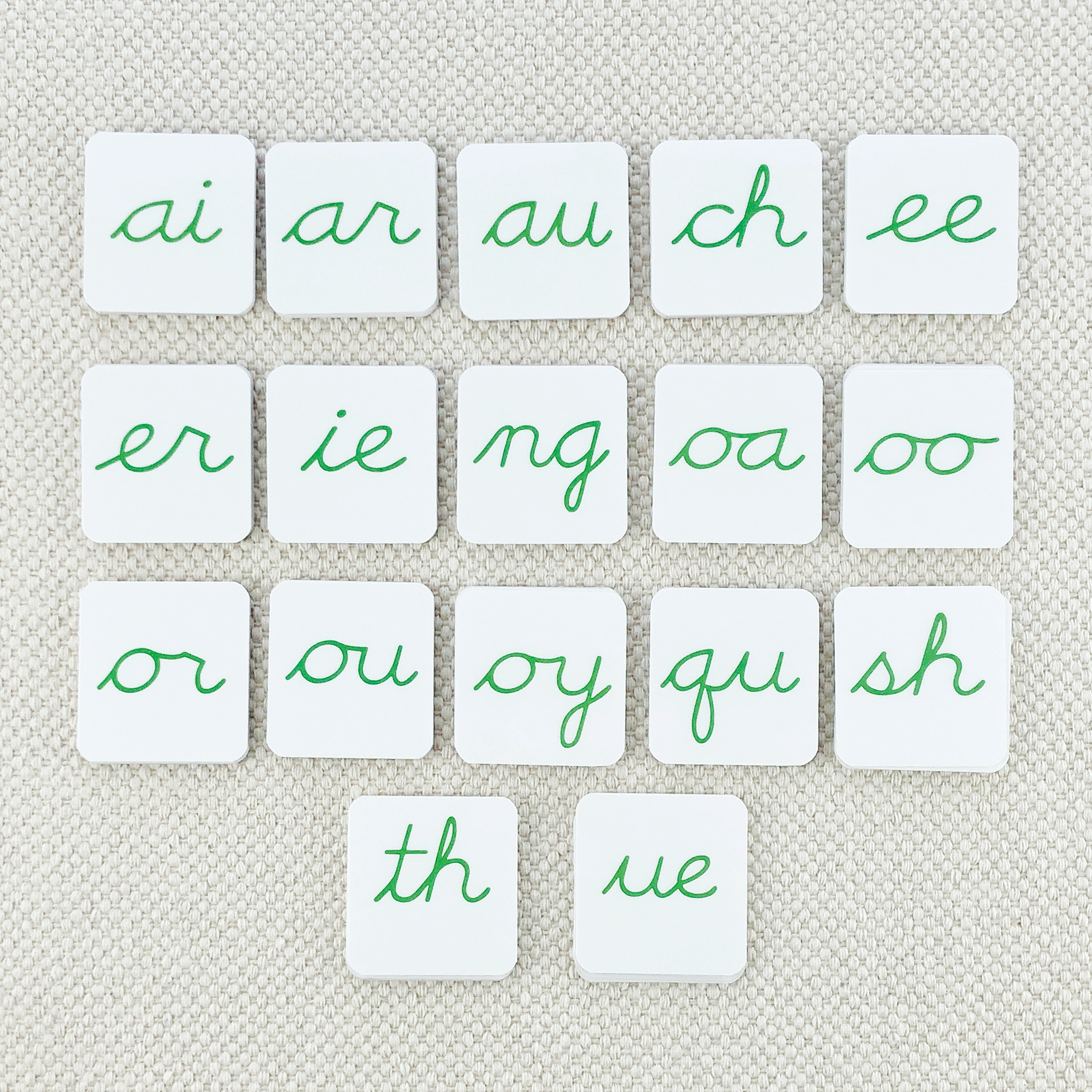
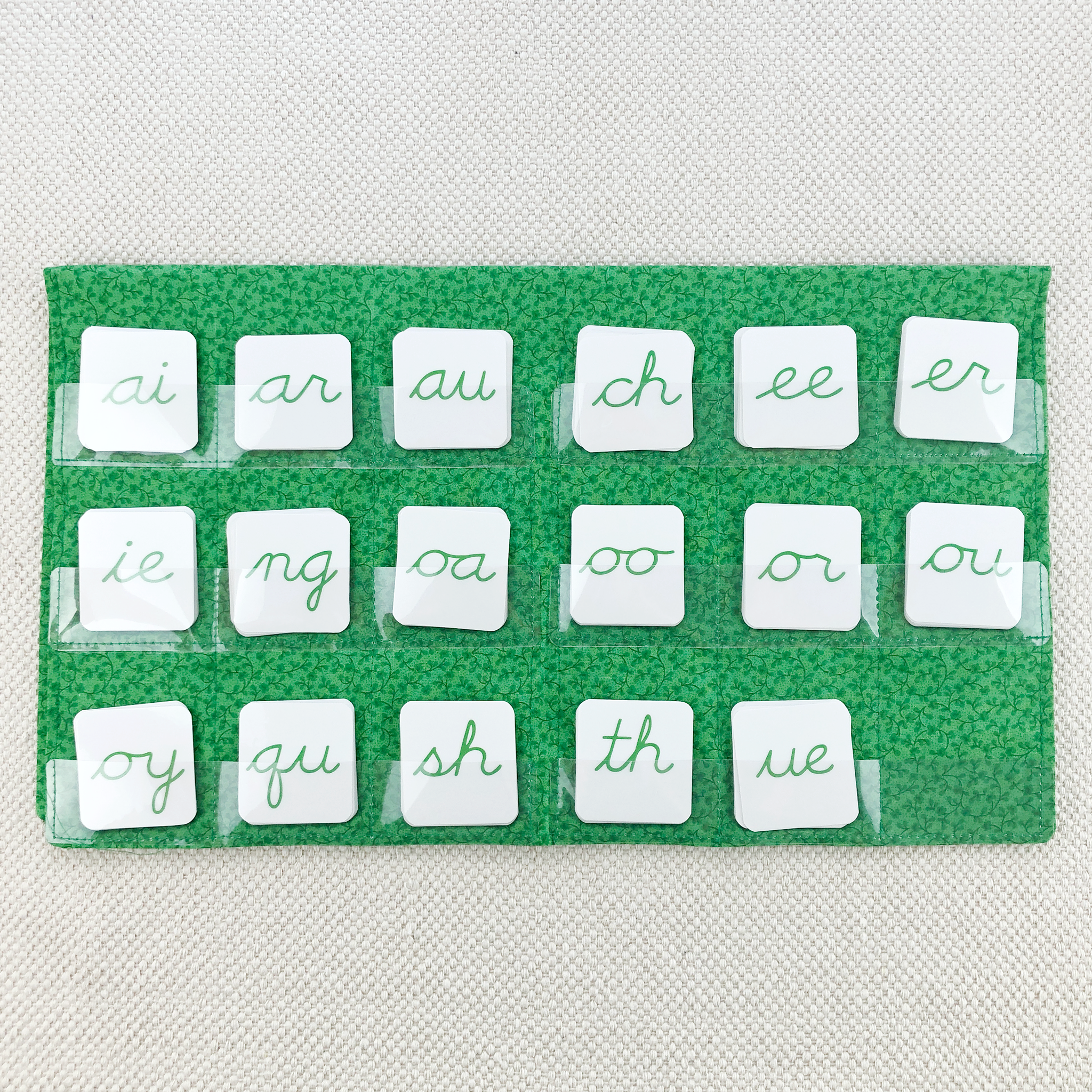
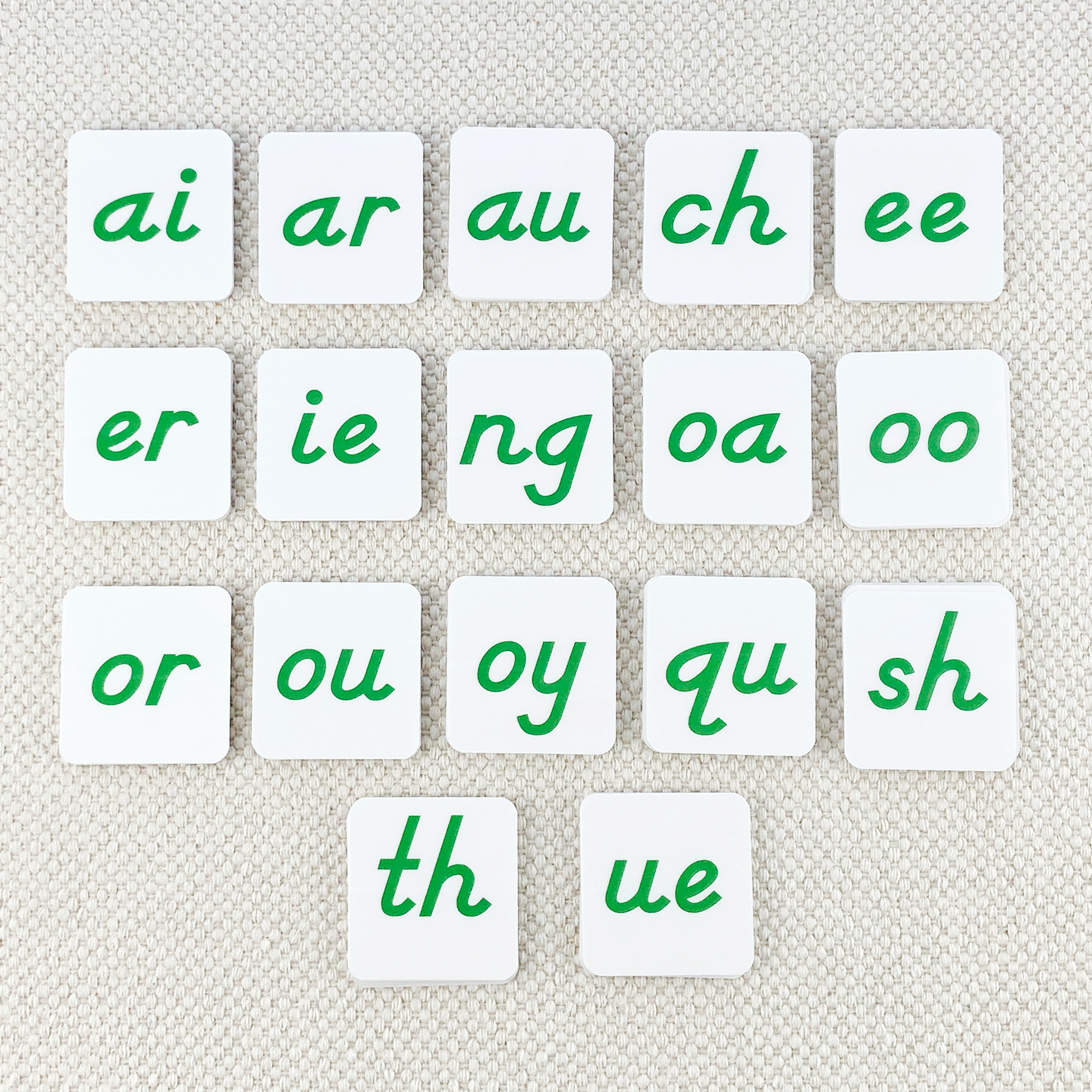
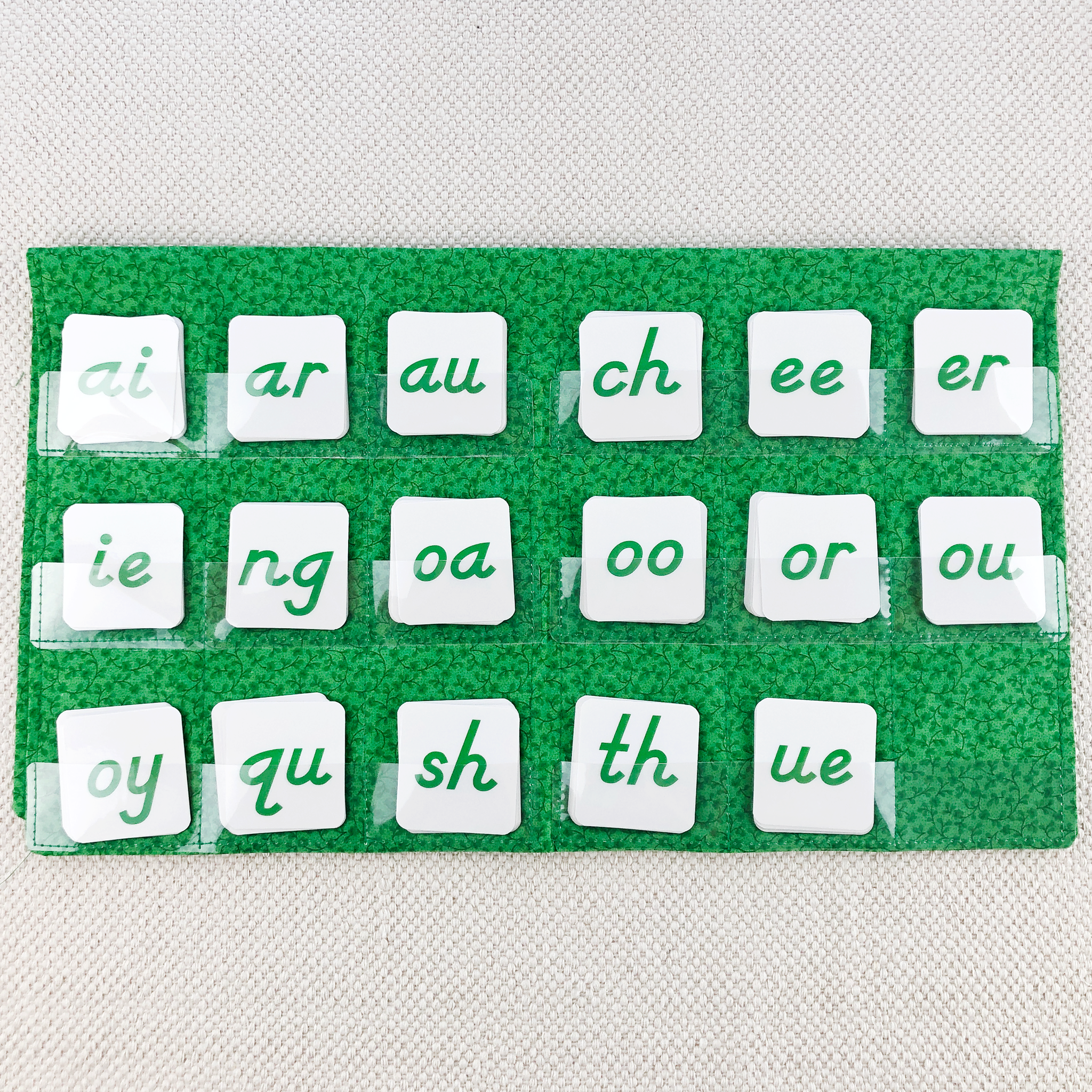
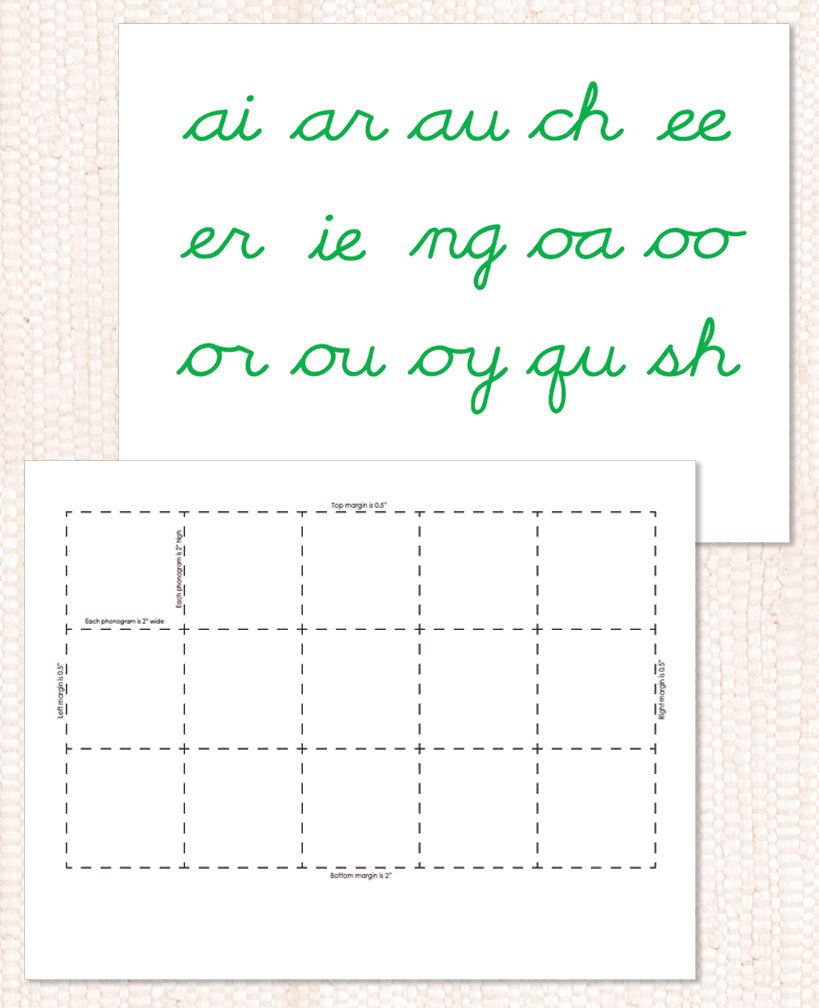
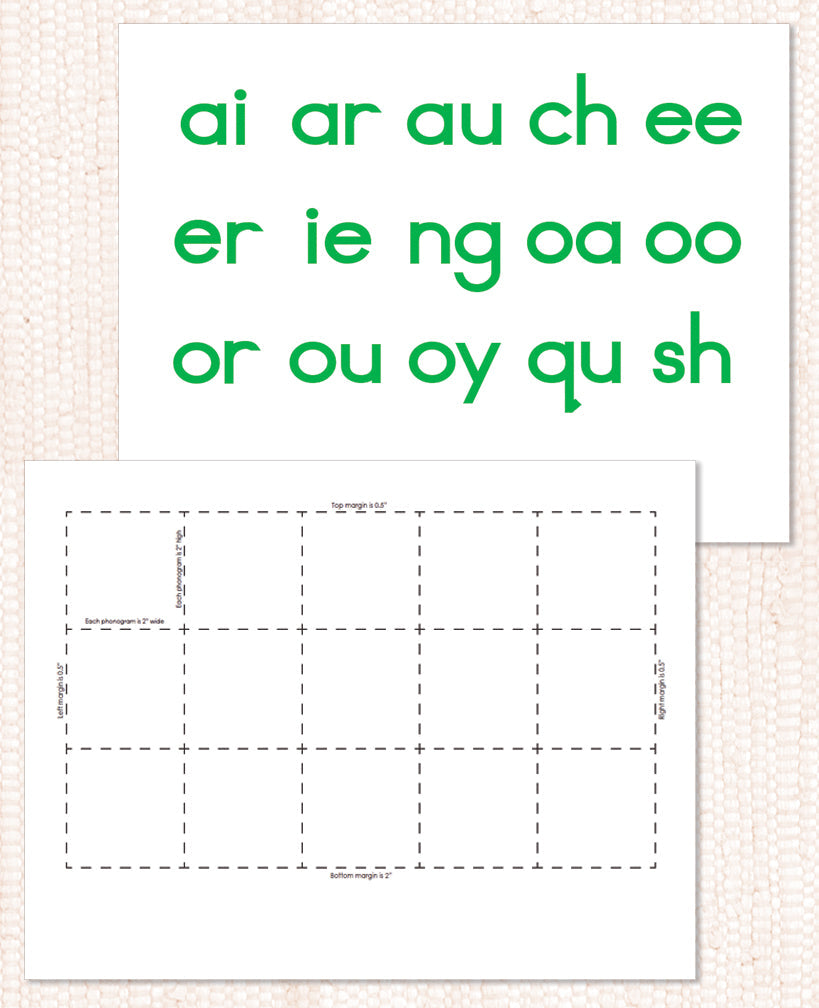
- Phonogram Alphabets — 17 phonograms in card format covering the key multi-letter sounds of English (sh, th, ee, ai, etc.), used alongside single-letter alphabets to give learners access to the full phonetic range of the language.
- Phonetic Picture Cards — Images whose names represent target phonemes; used for sound isolation and early encoding practice.
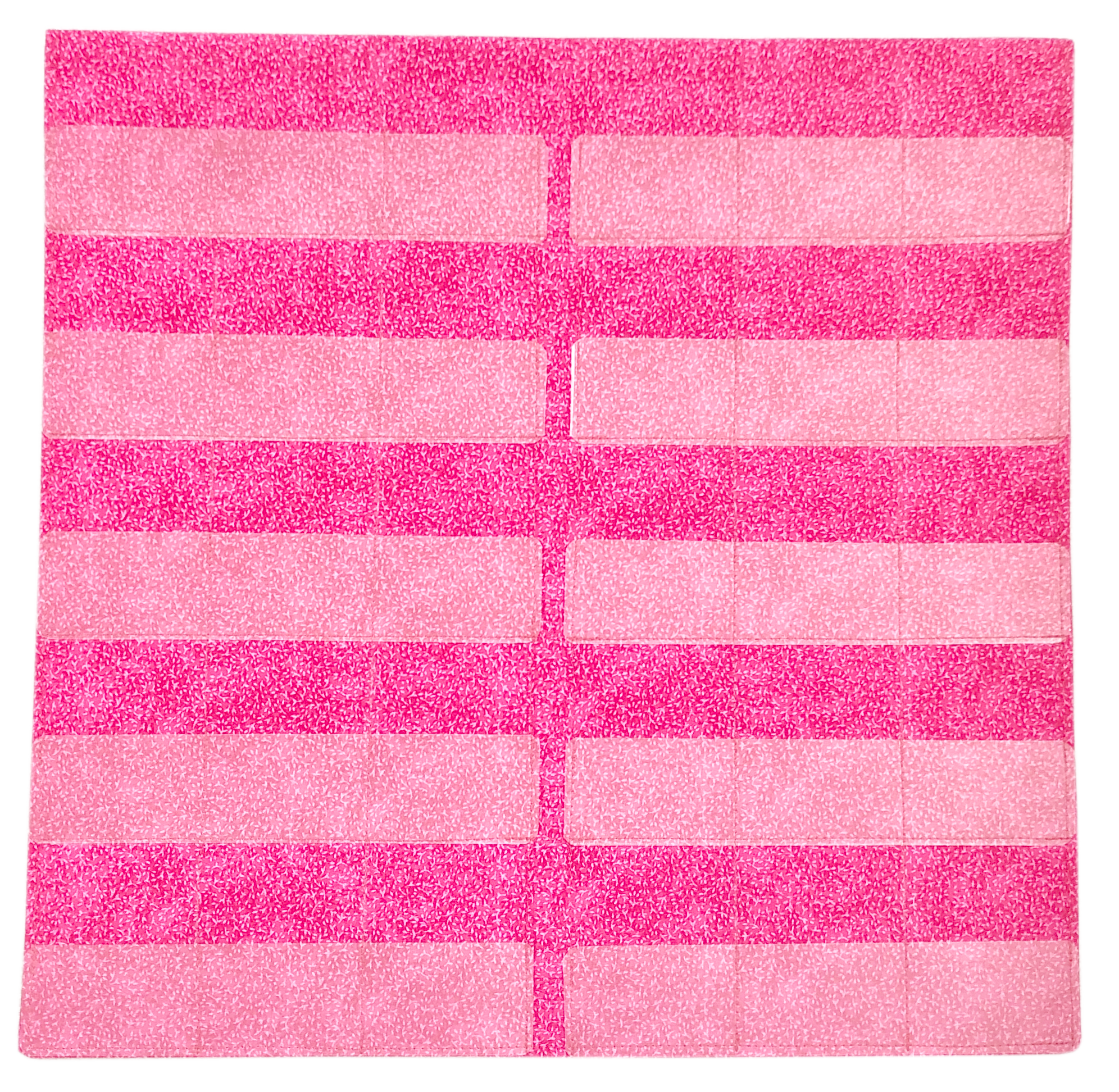
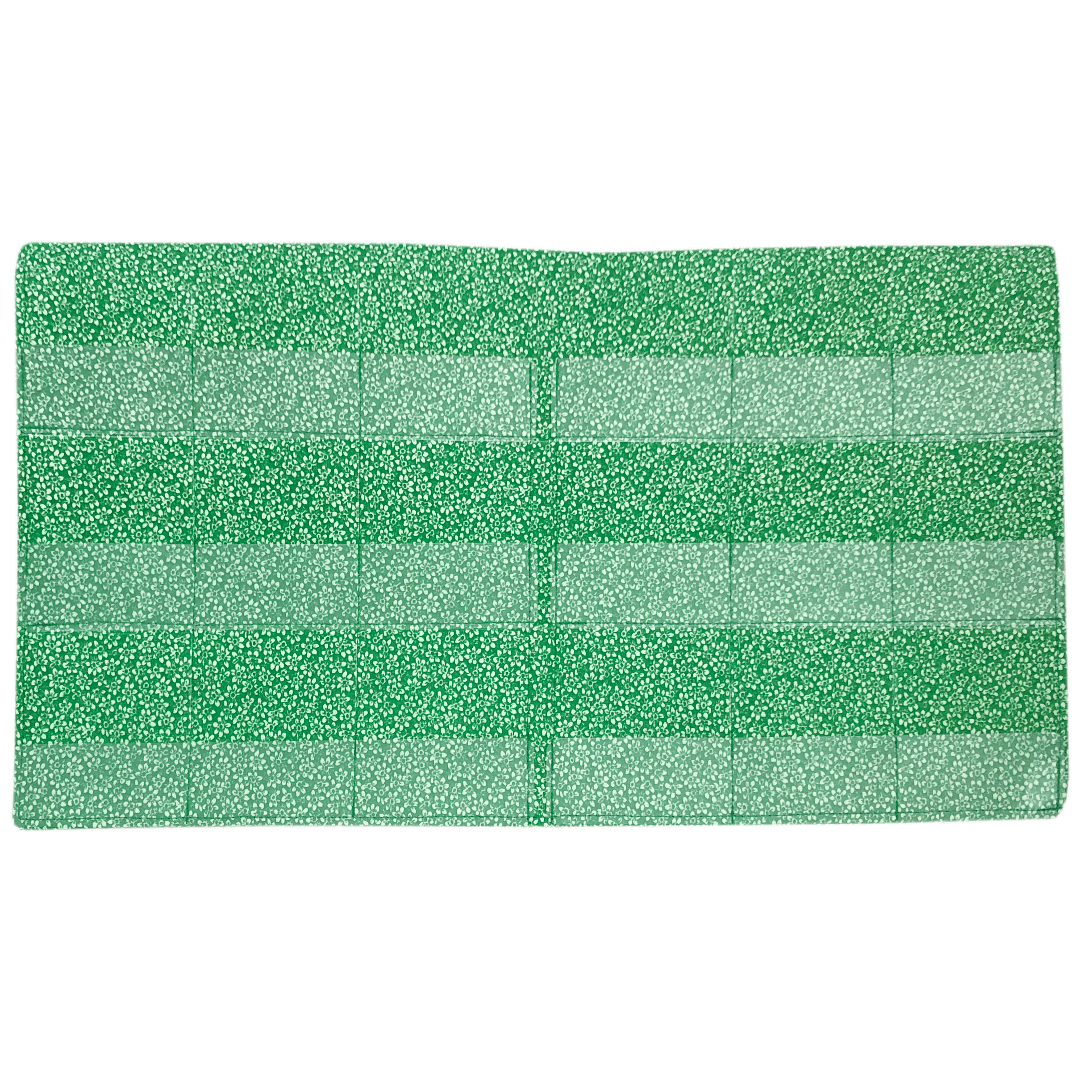
- Alphabet Pocket Charts — Classroom display and sorting tool for systematic letter-sound instruction.
All cards are eco-made with rounded corners in the USA by Maitri Learning.
More Information
→ How Montessori aligns with the Science of Reading
→ The Science Behind Maitri Learning
References
Gough, P. B., & Tunmer, W. E. (1986). Decoding, reading, and reading disability. Remedial and Special Education, 7(1), 6–10. https://doi.org/10.1177/074193258600700104
Scarborough, H. S. (2001). Connecting early language and literacy to later reading (dis)abilities: Evidence, theory, and practice. In S. B. Neuman & D. K. Dickinson (Eds.), Handbook of Research in Early Literacy (pp. 97–110). Guilford Press.
Weiser, B., & Mathes, P. (2022). Using encoding instruction to improve the reading and spelling performances of elementary students at risk of literacy difficulties: A best-evidence synthesis. Journal of Learning Disabilities.
Download a PDF of our materials

Follow Us