Sorting Cards





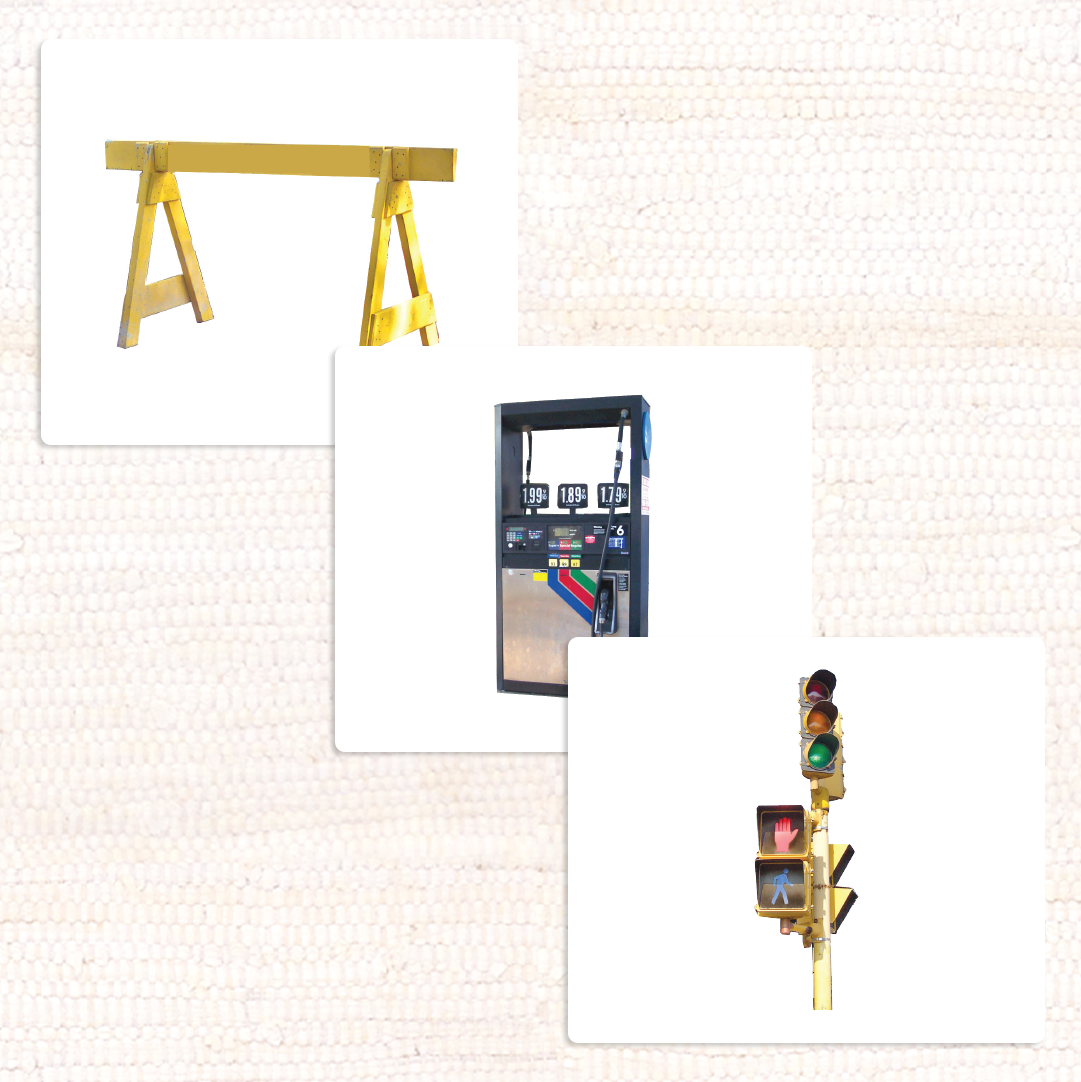
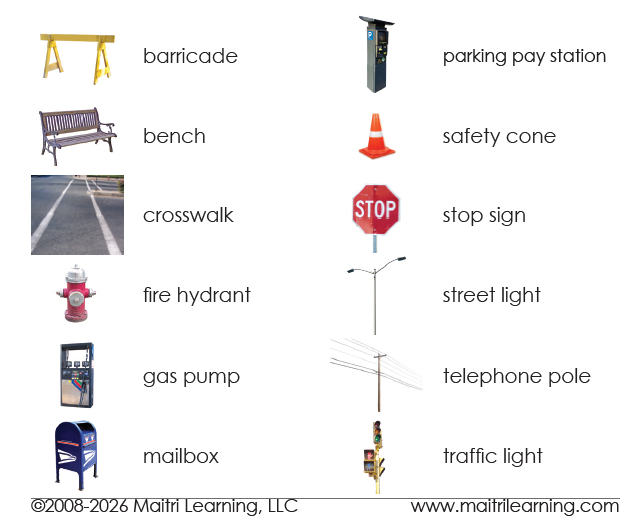
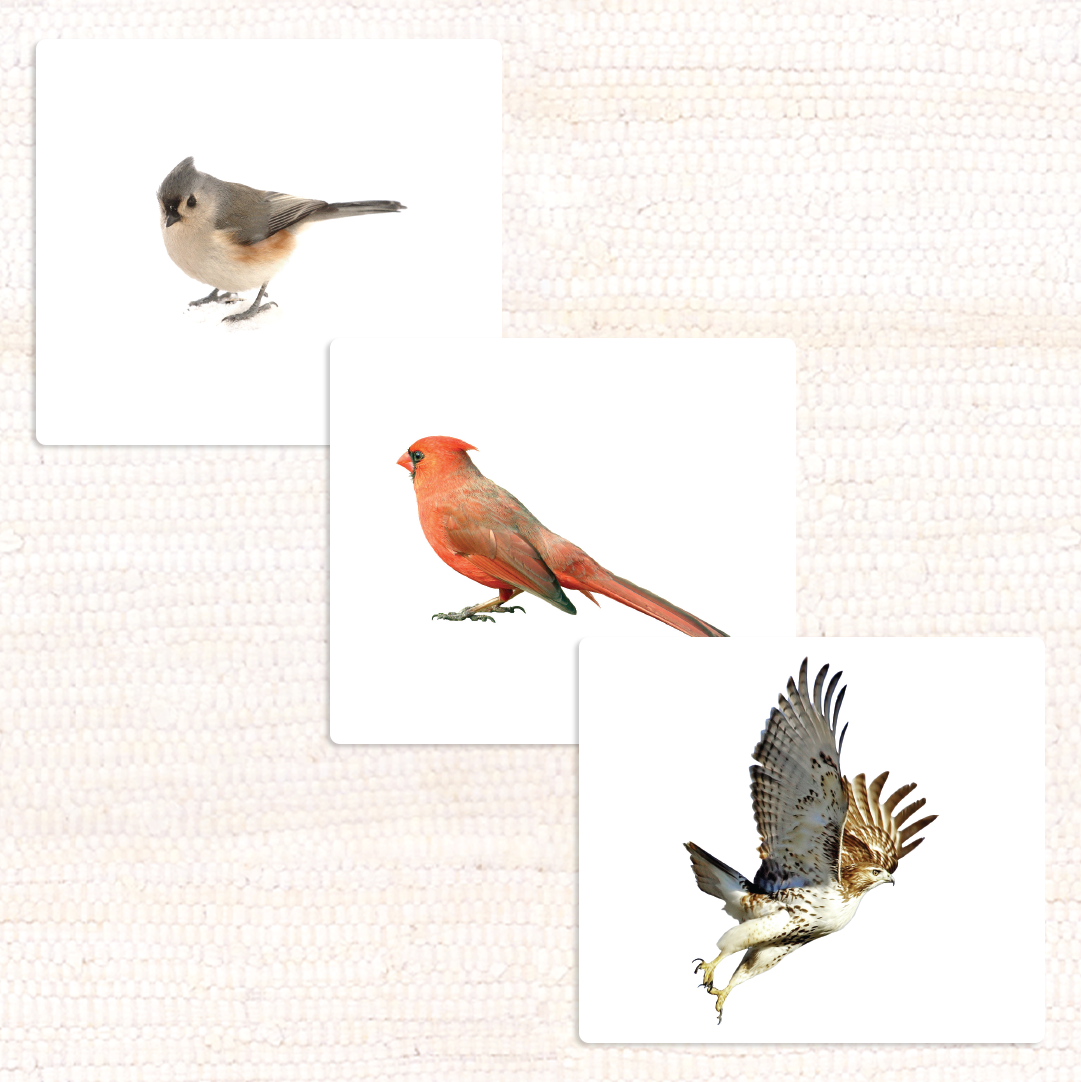
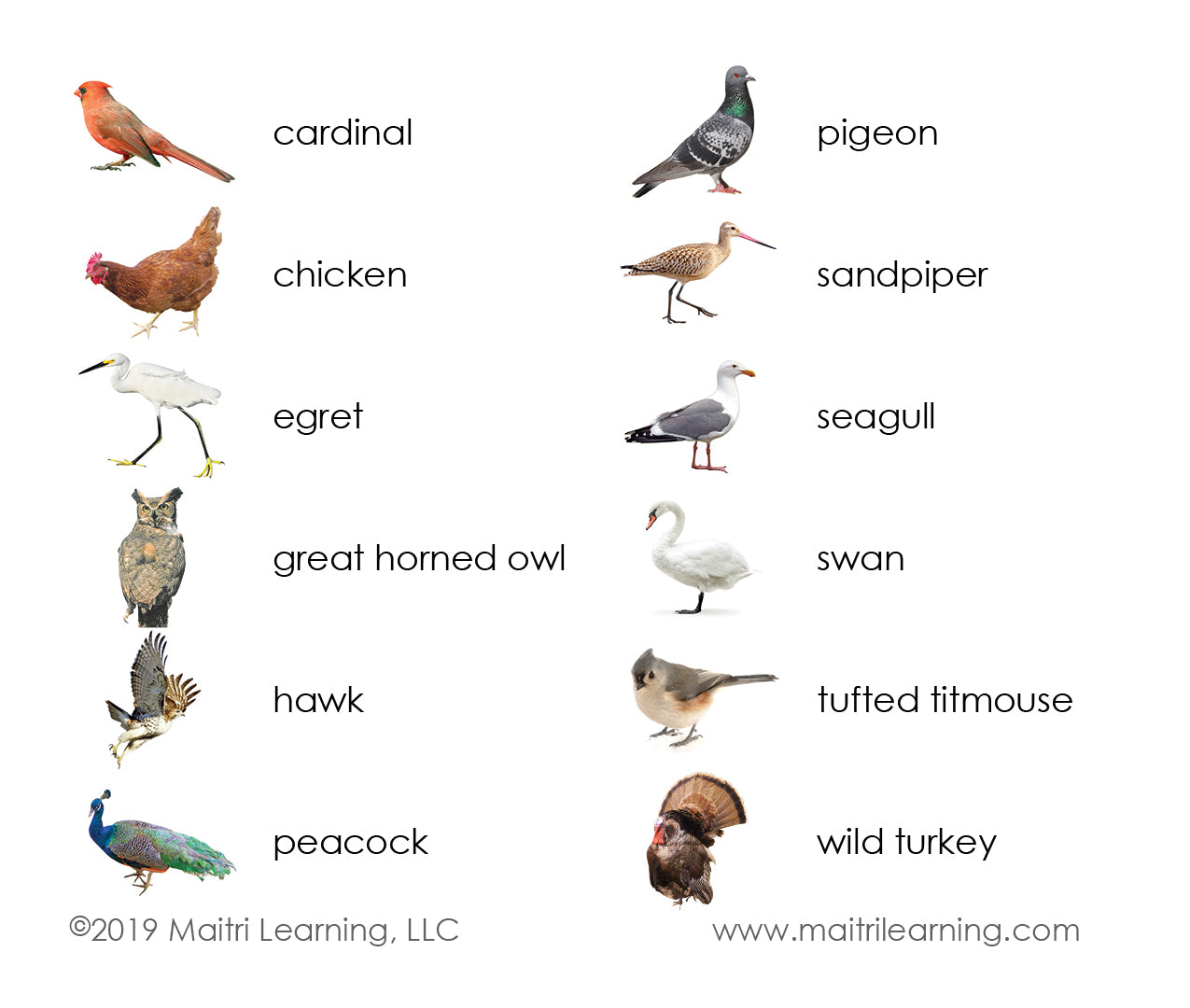

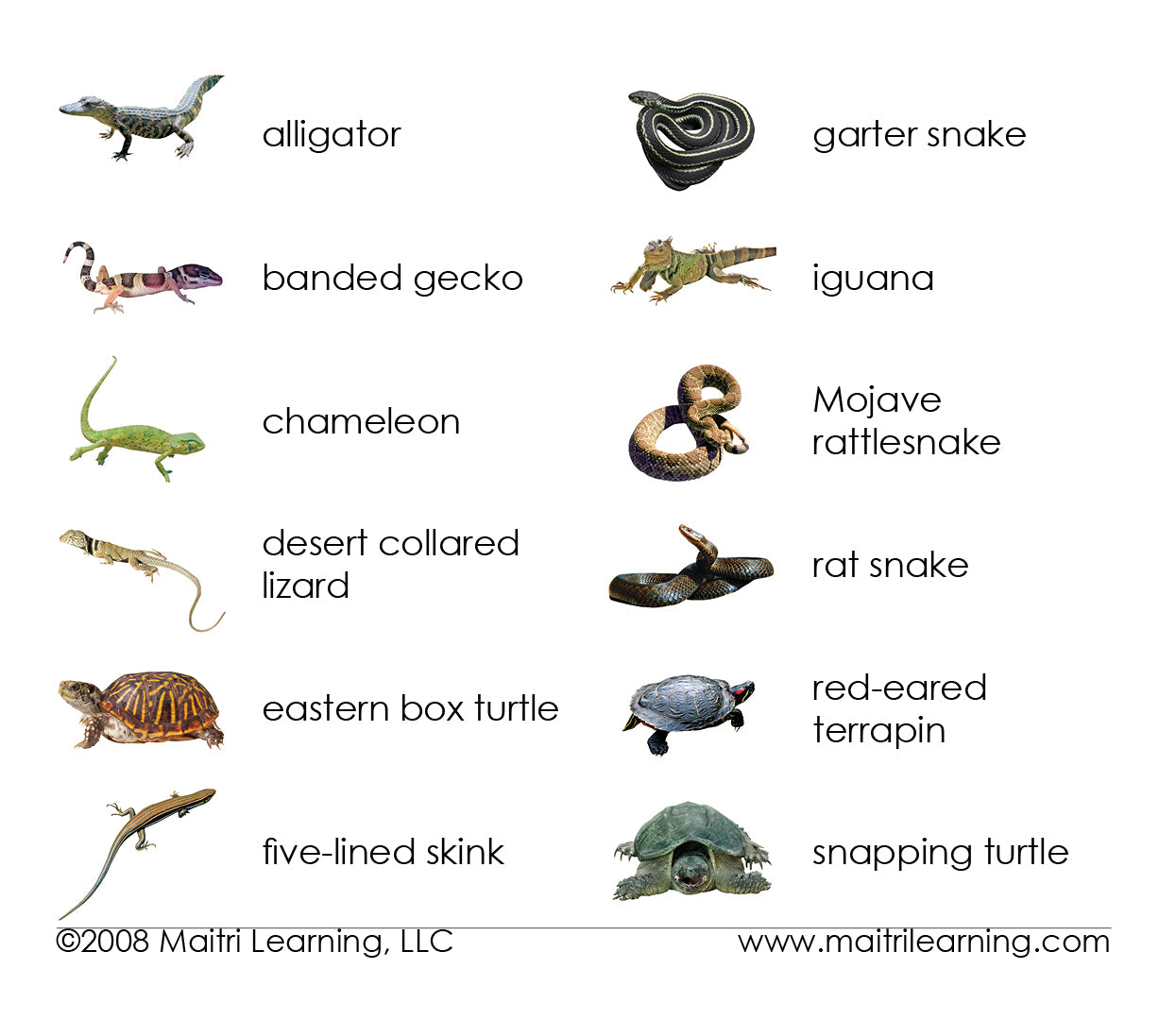
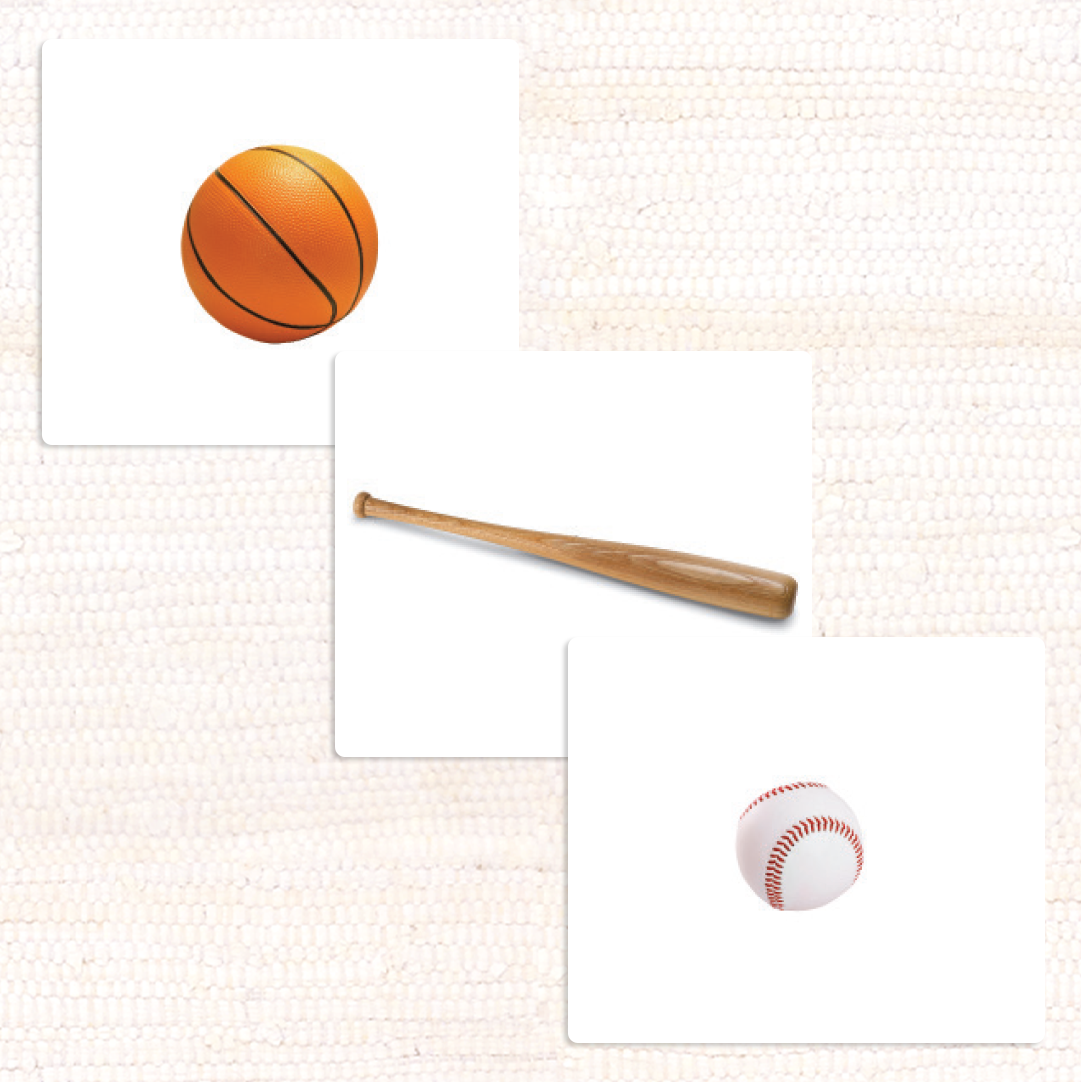
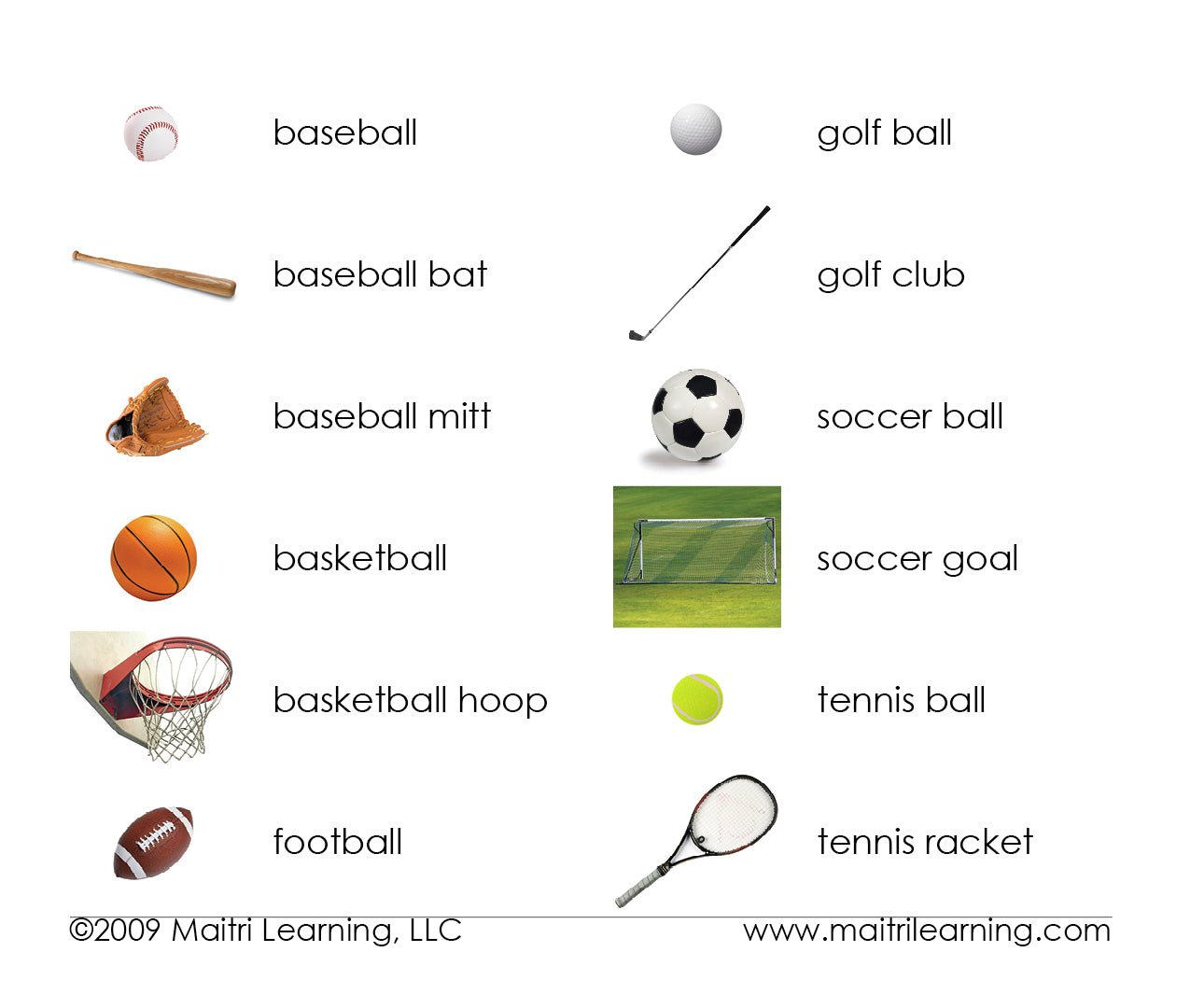
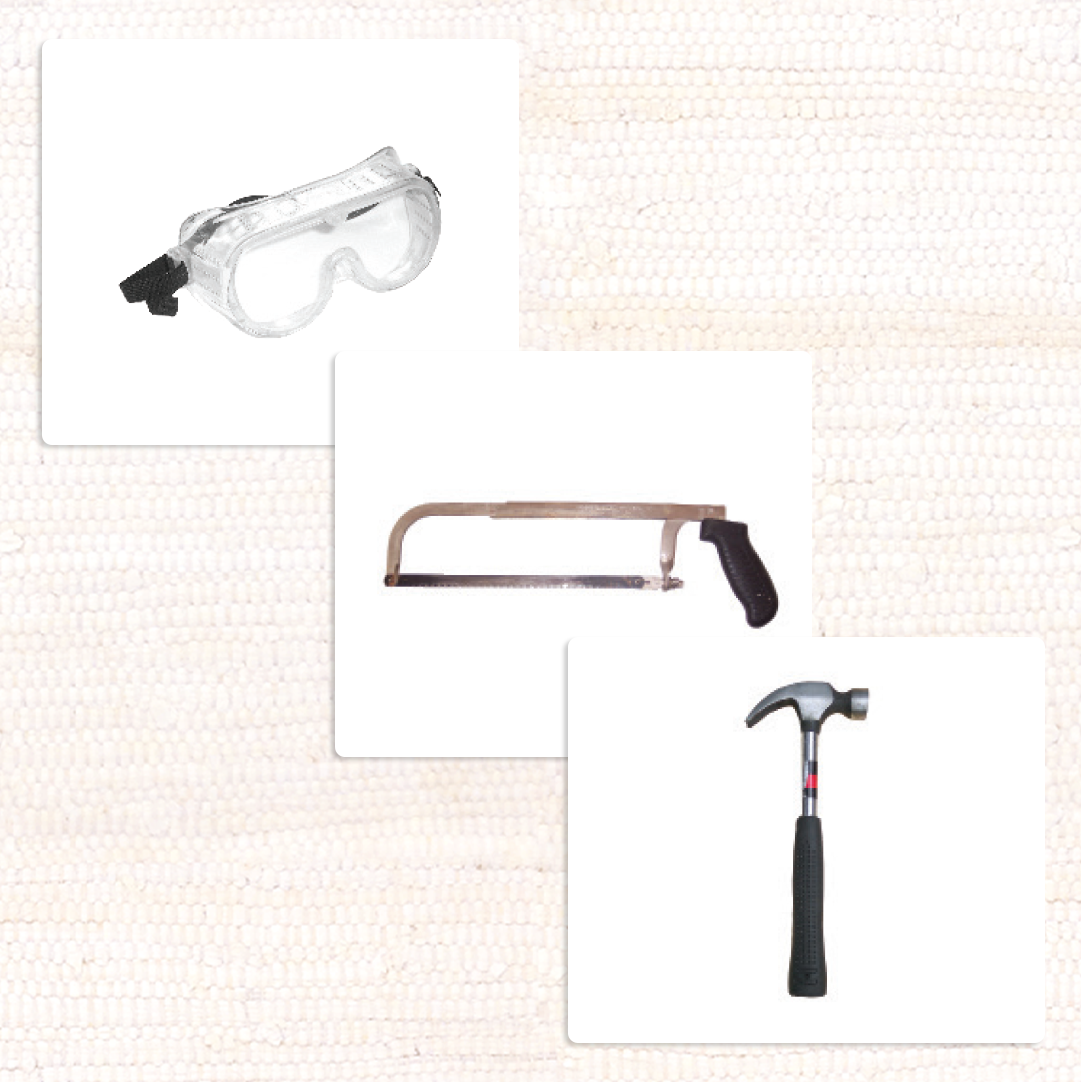


More Information:
Sorting Cards
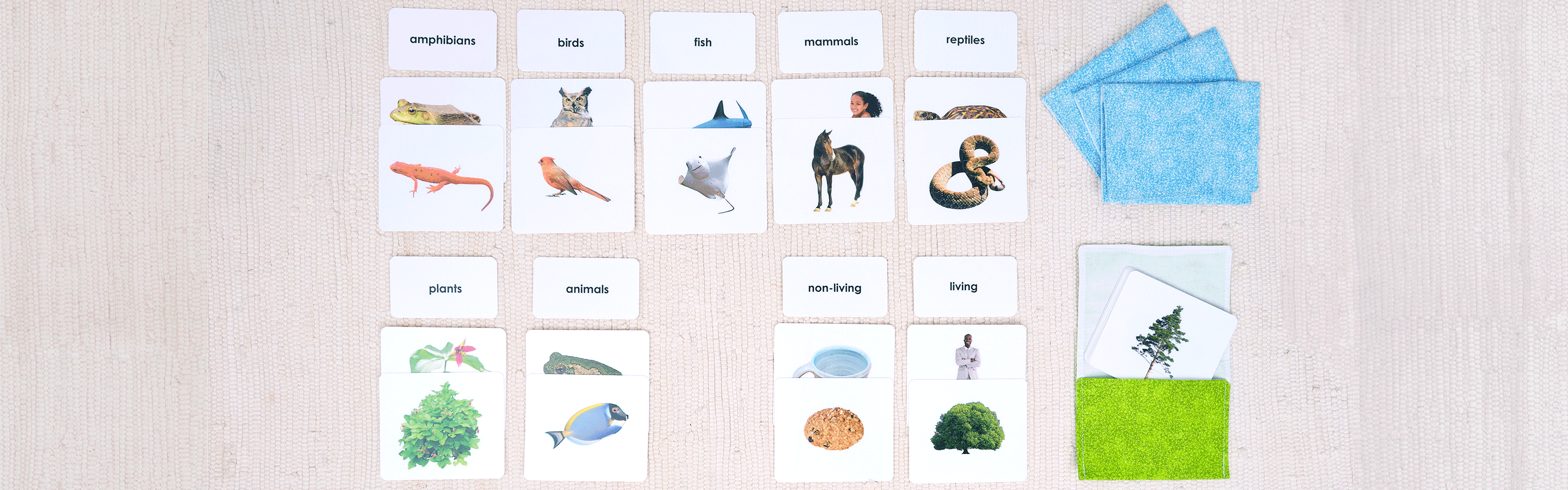
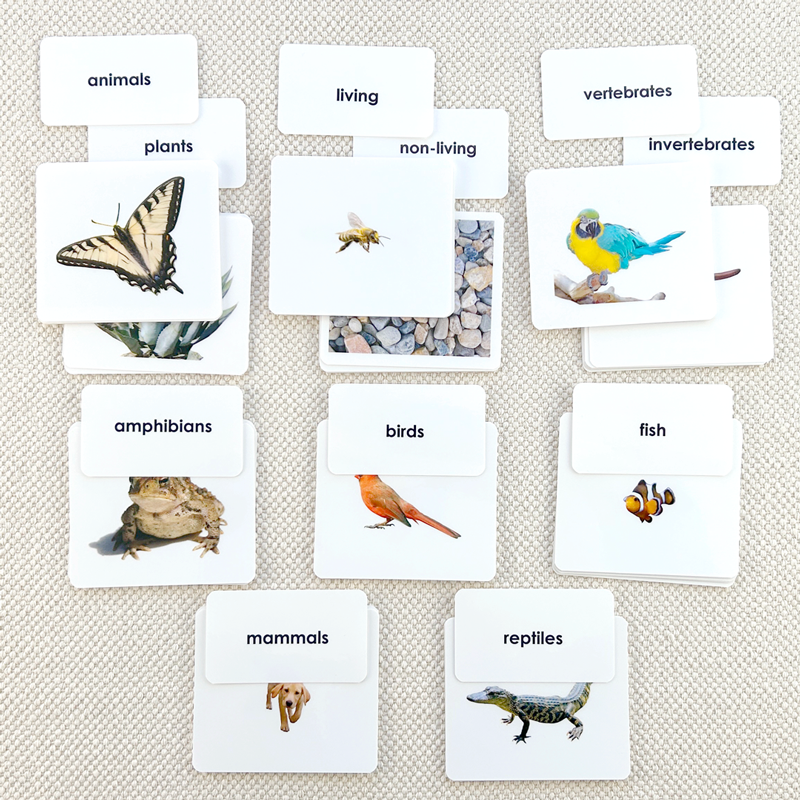
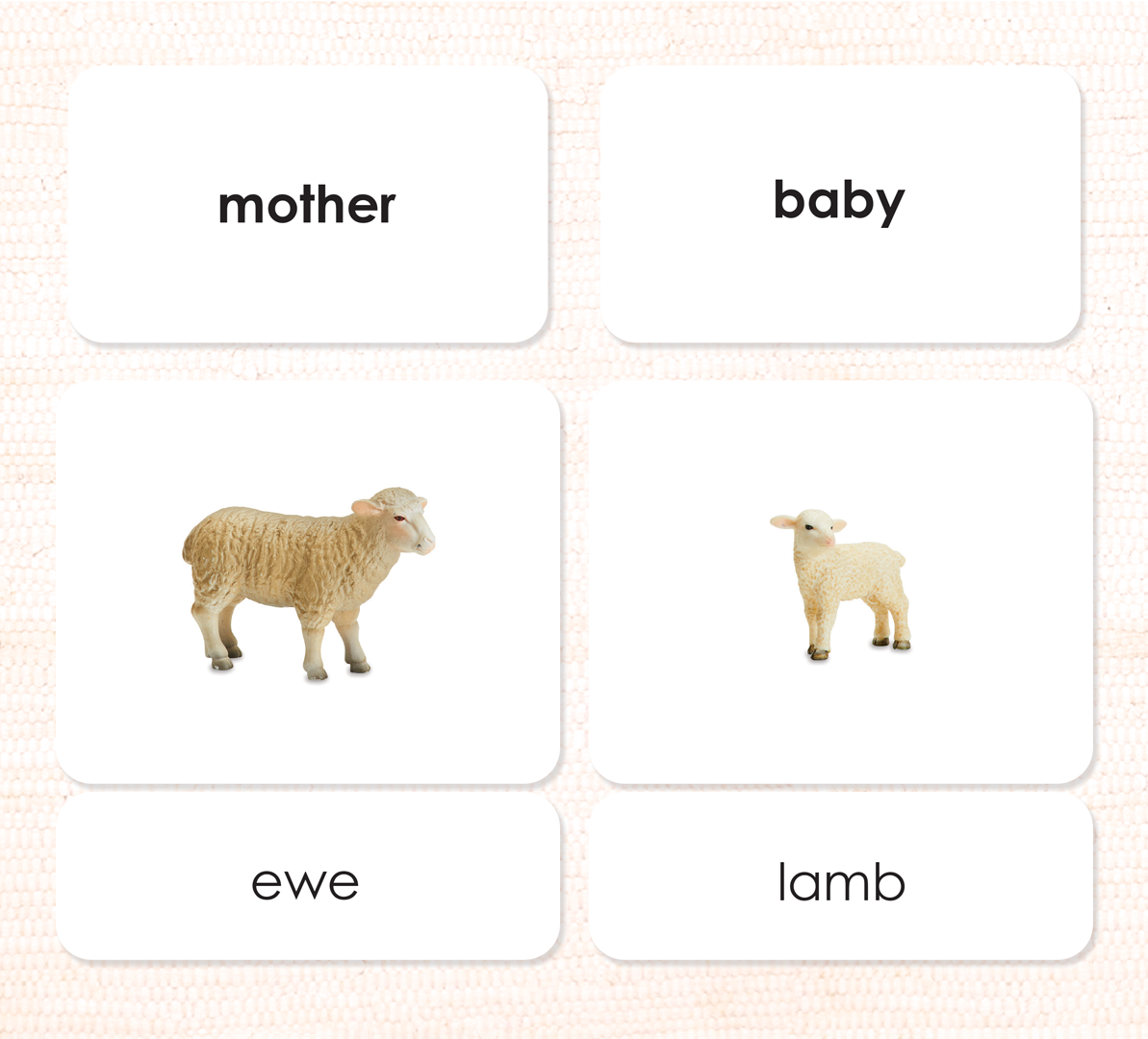
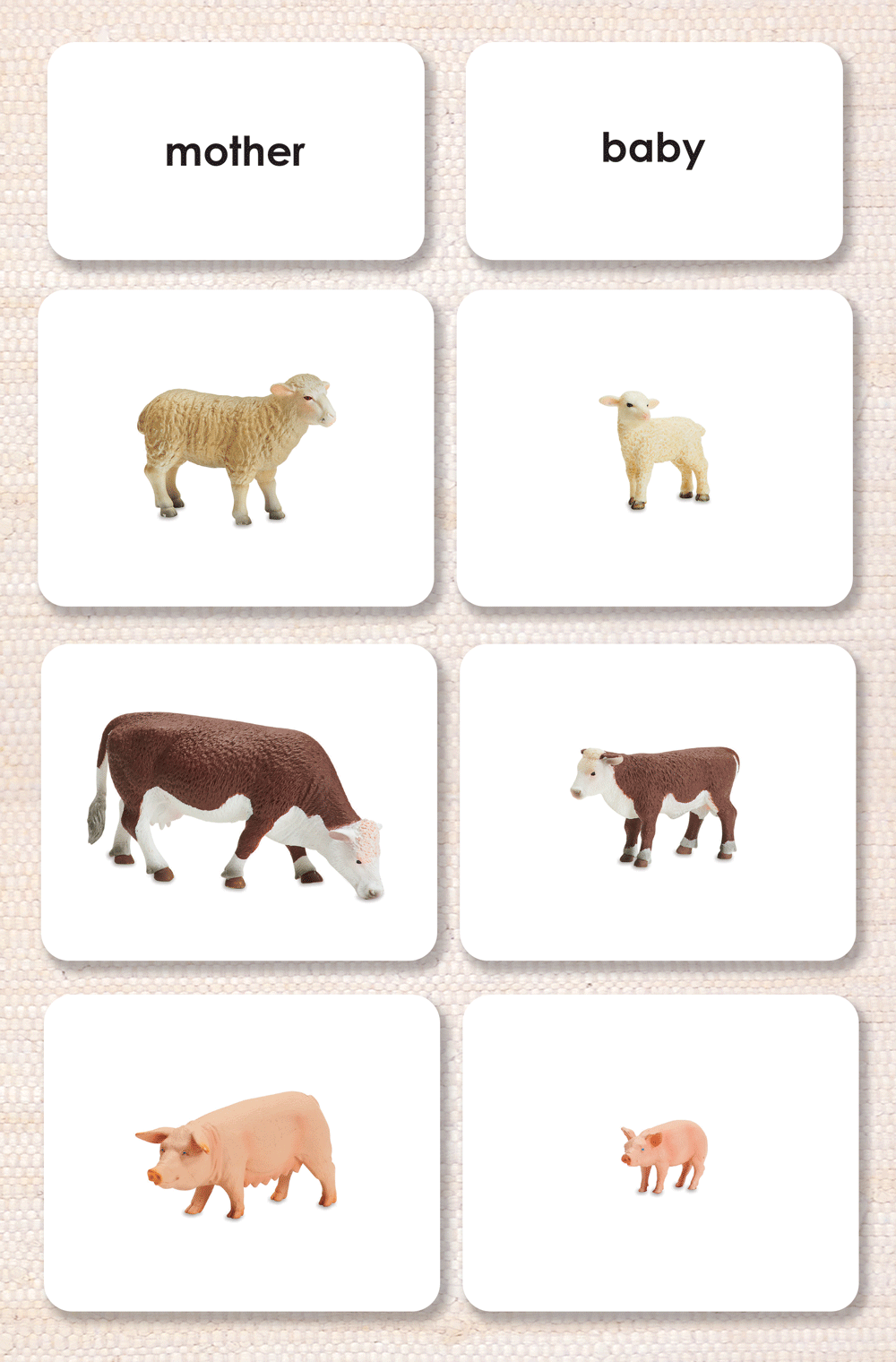
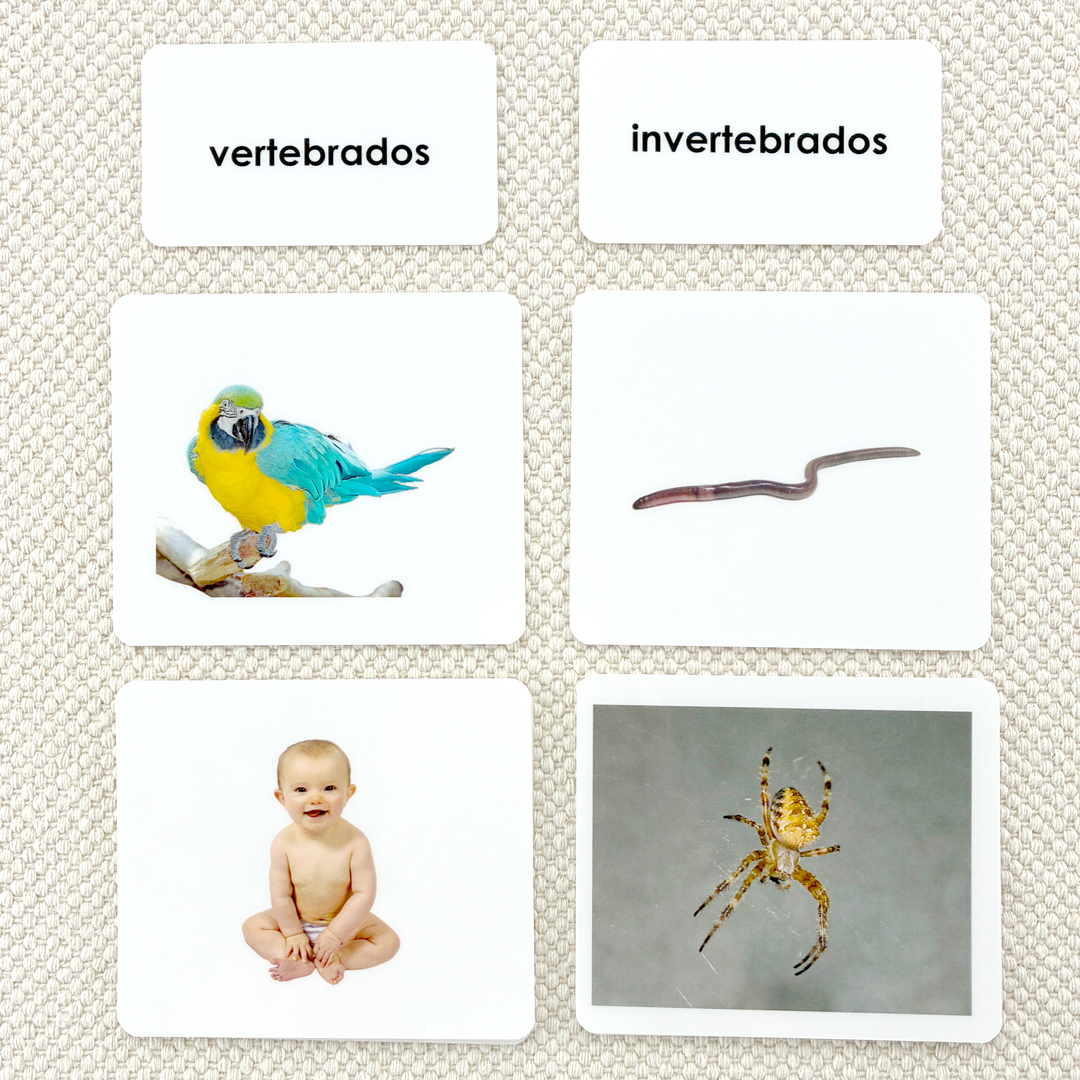
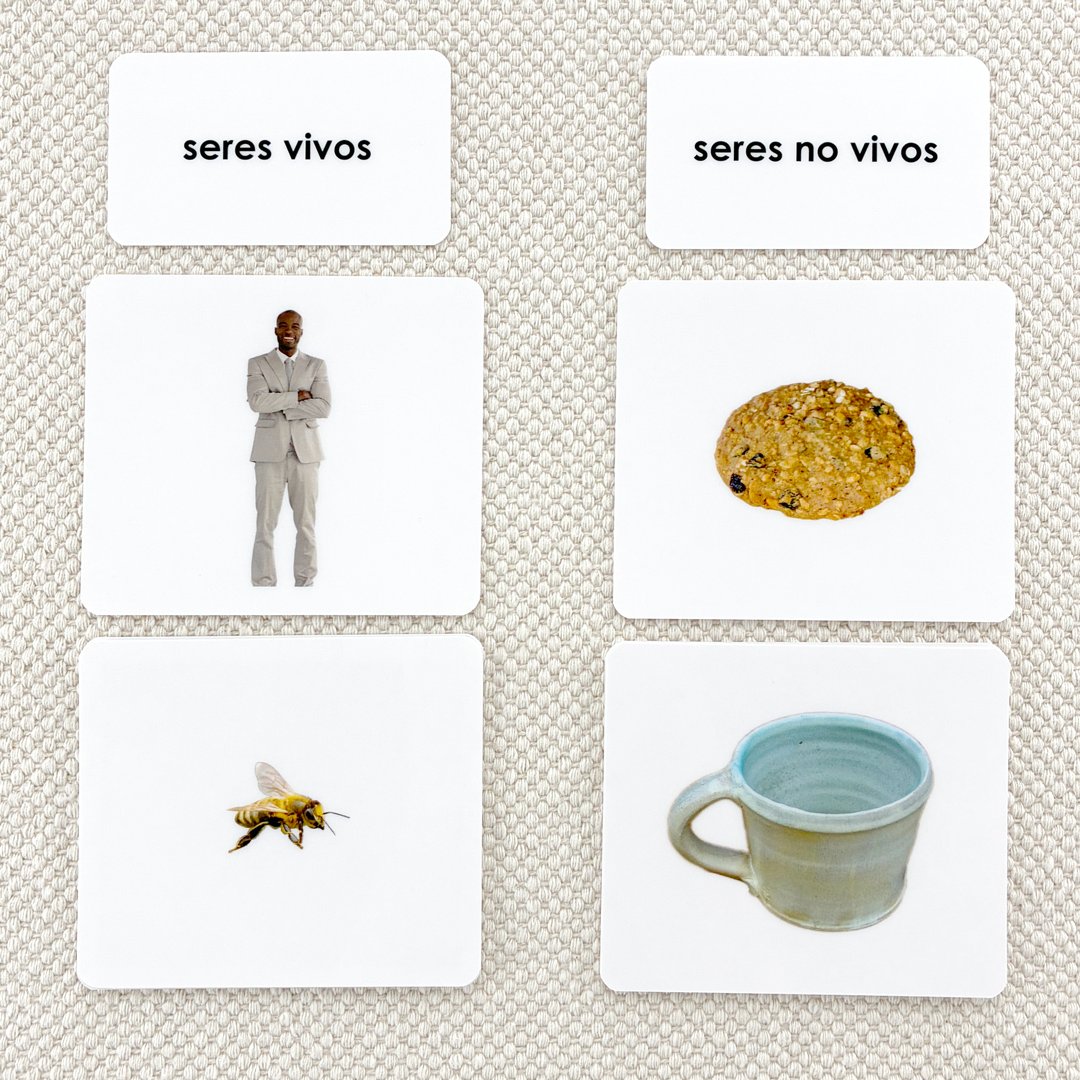
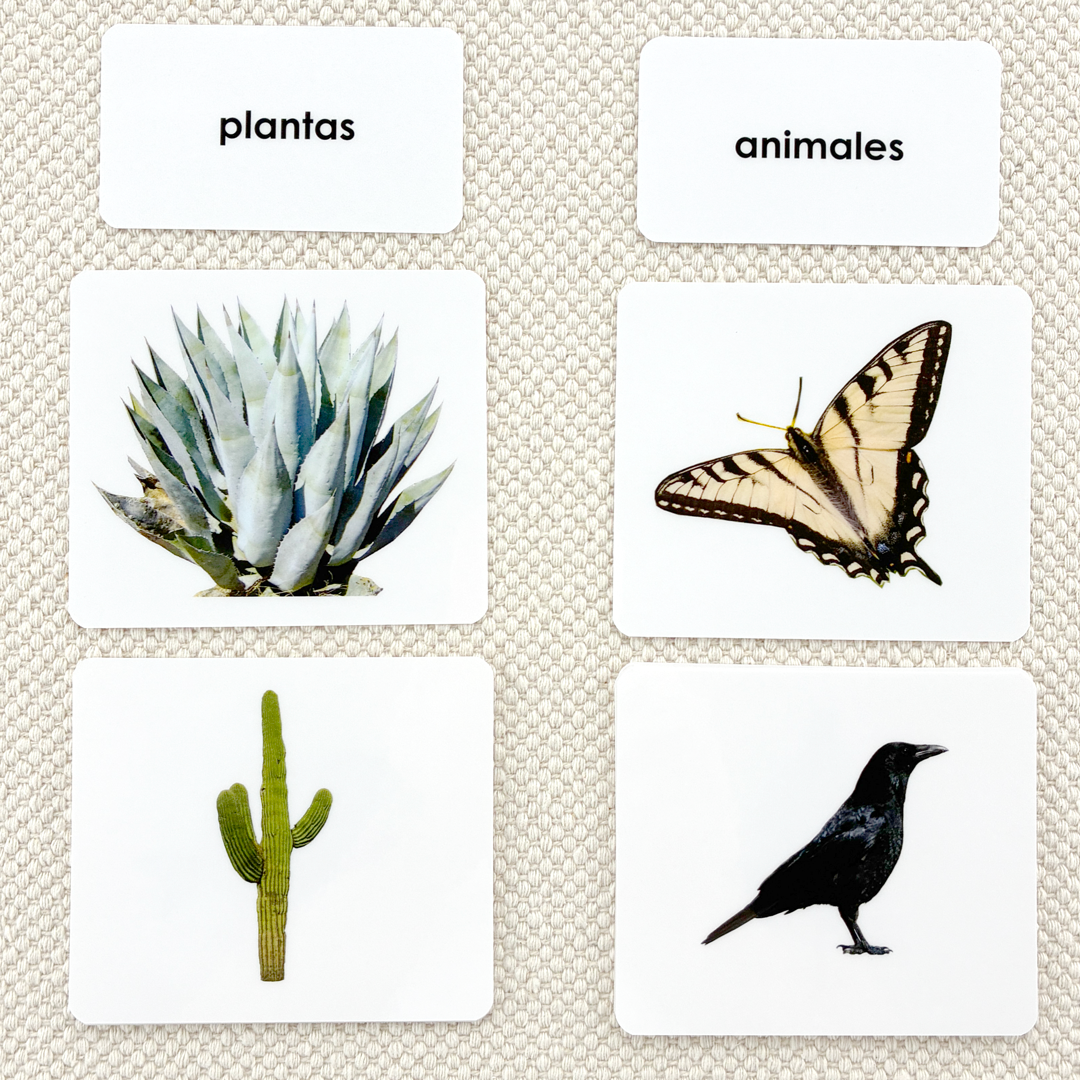
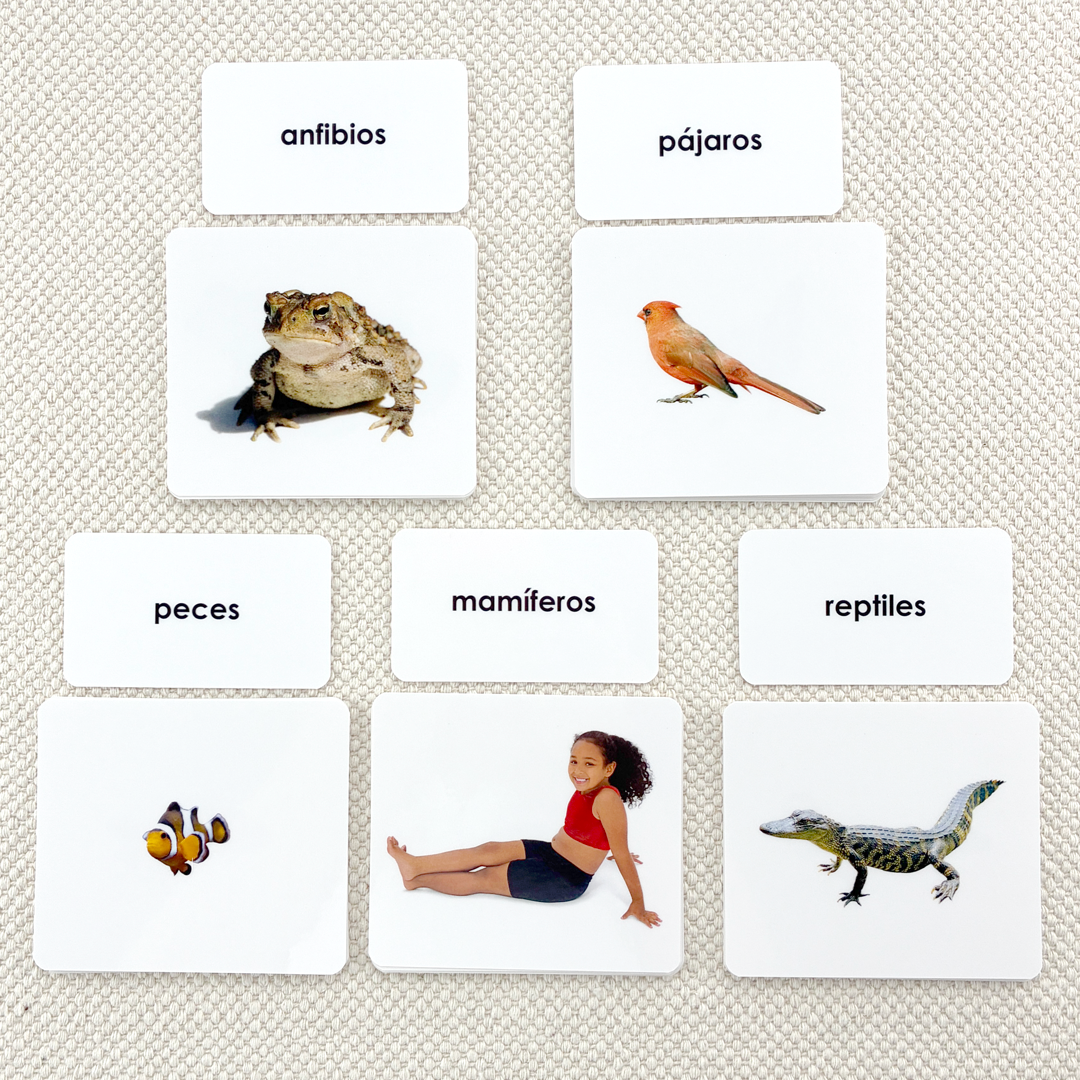
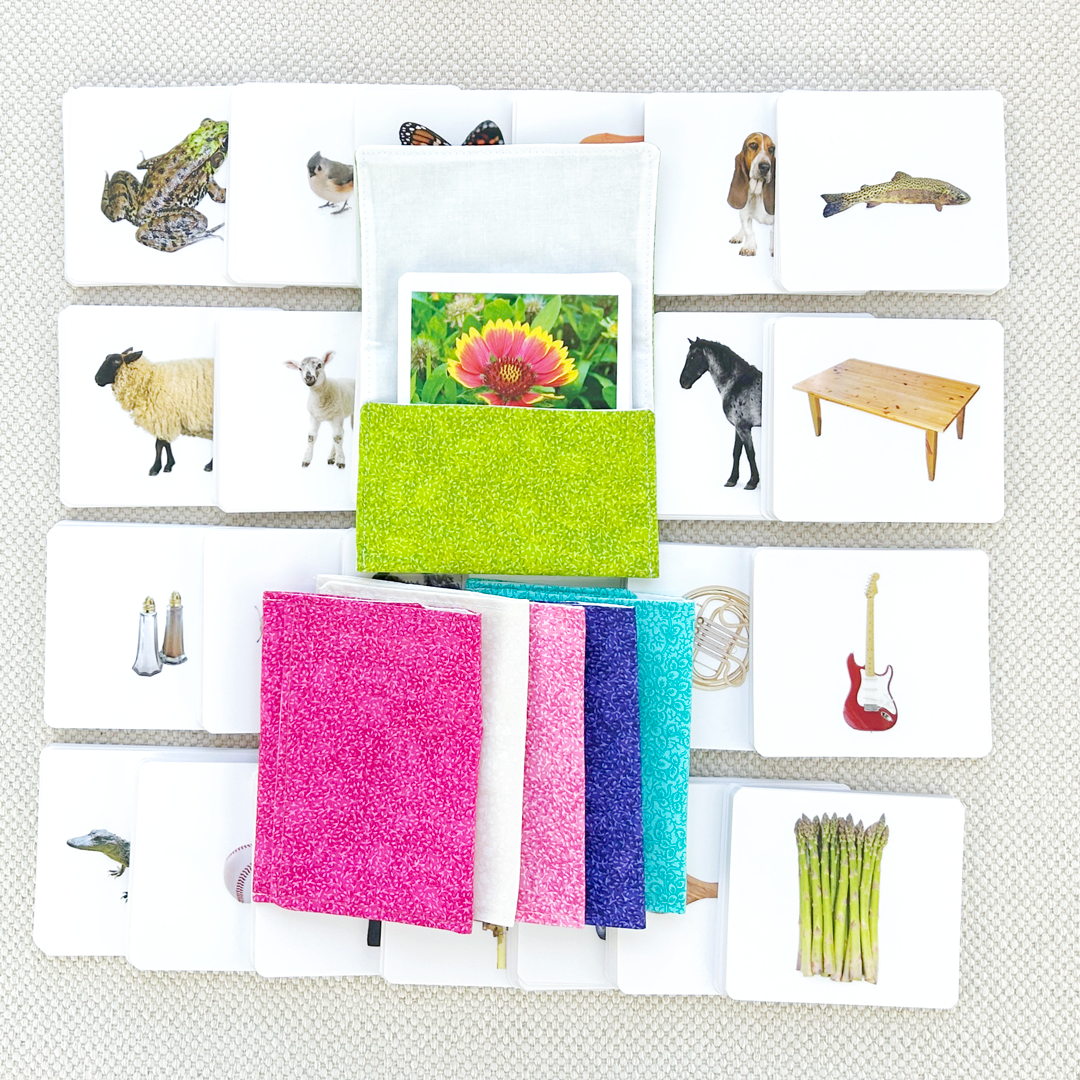
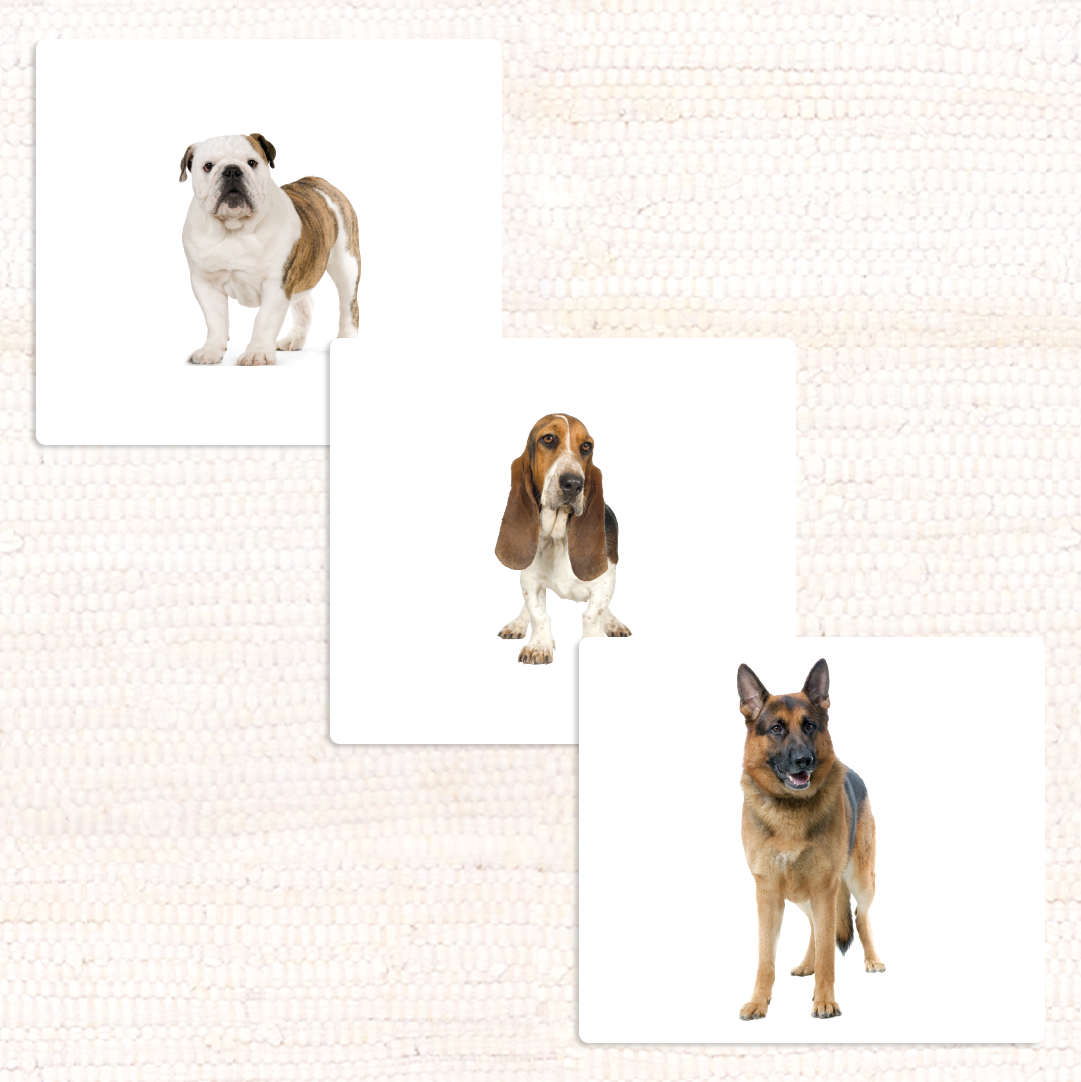
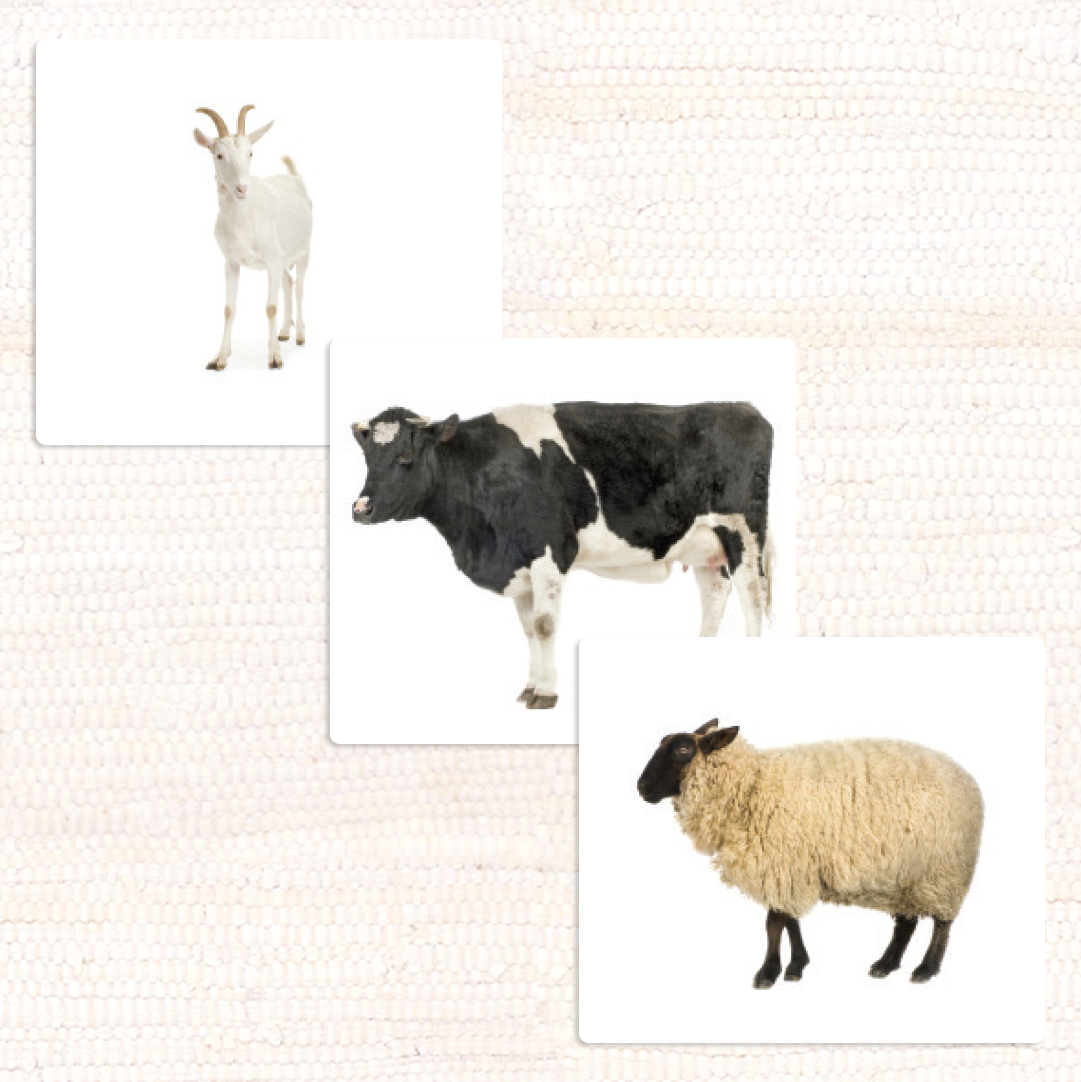
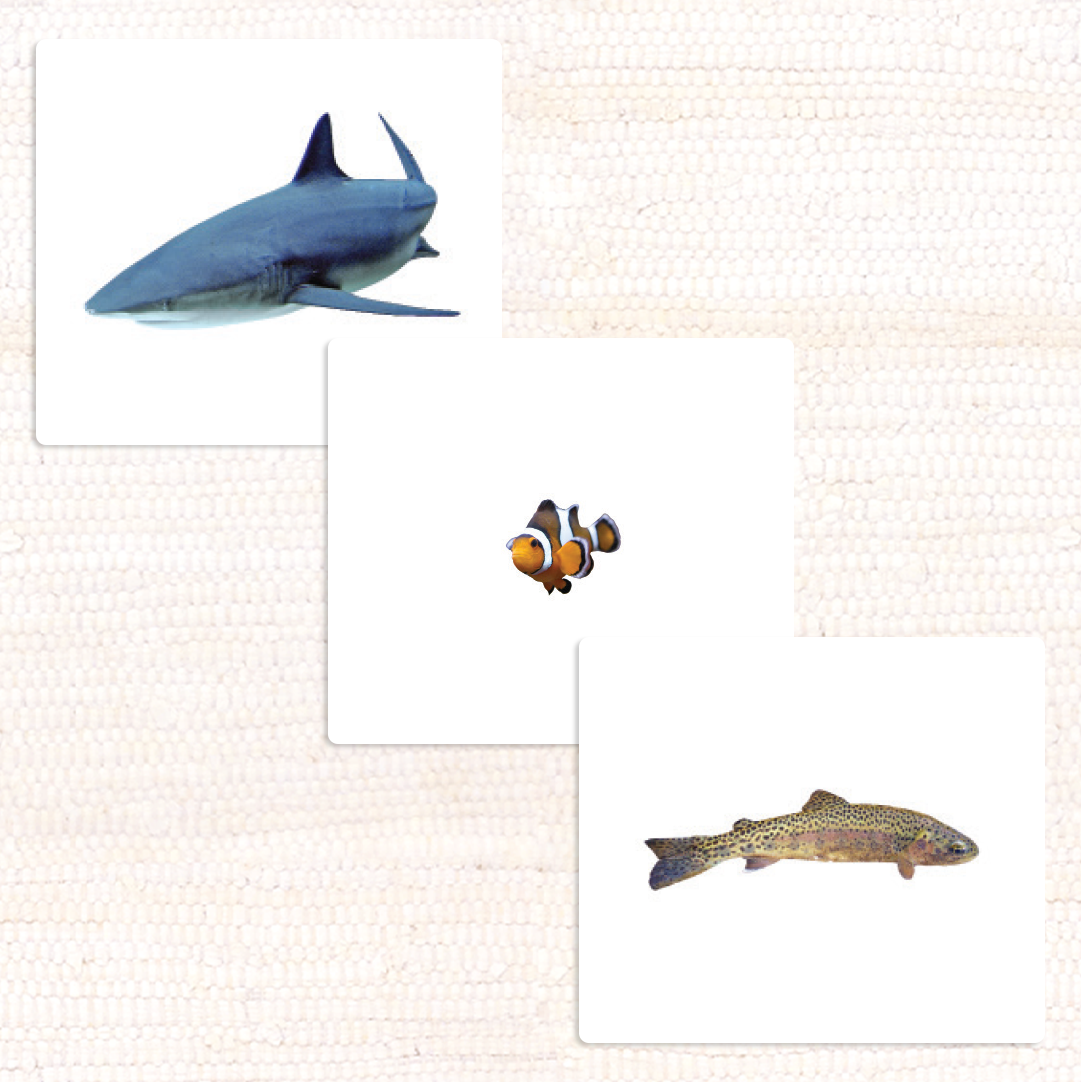
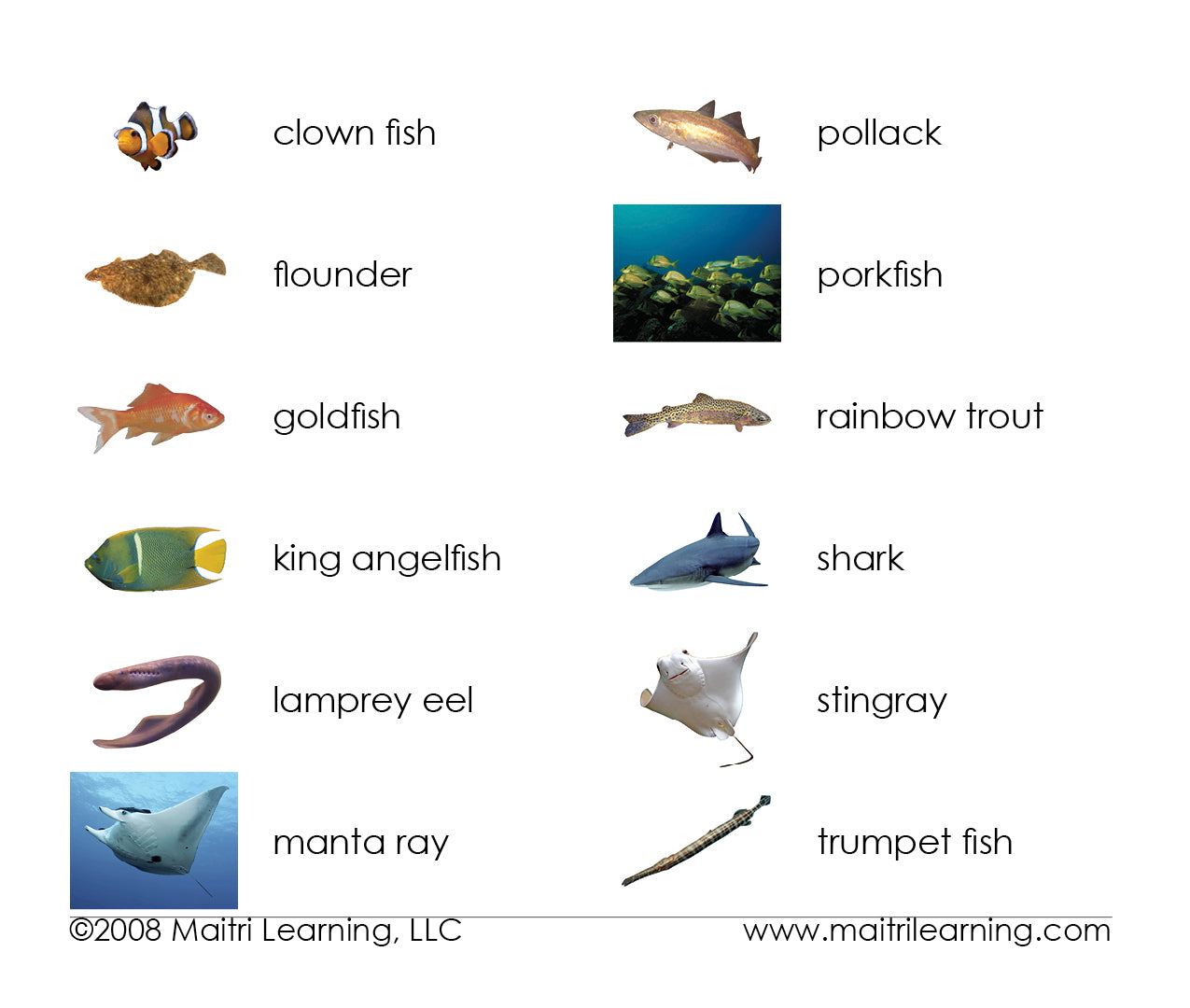
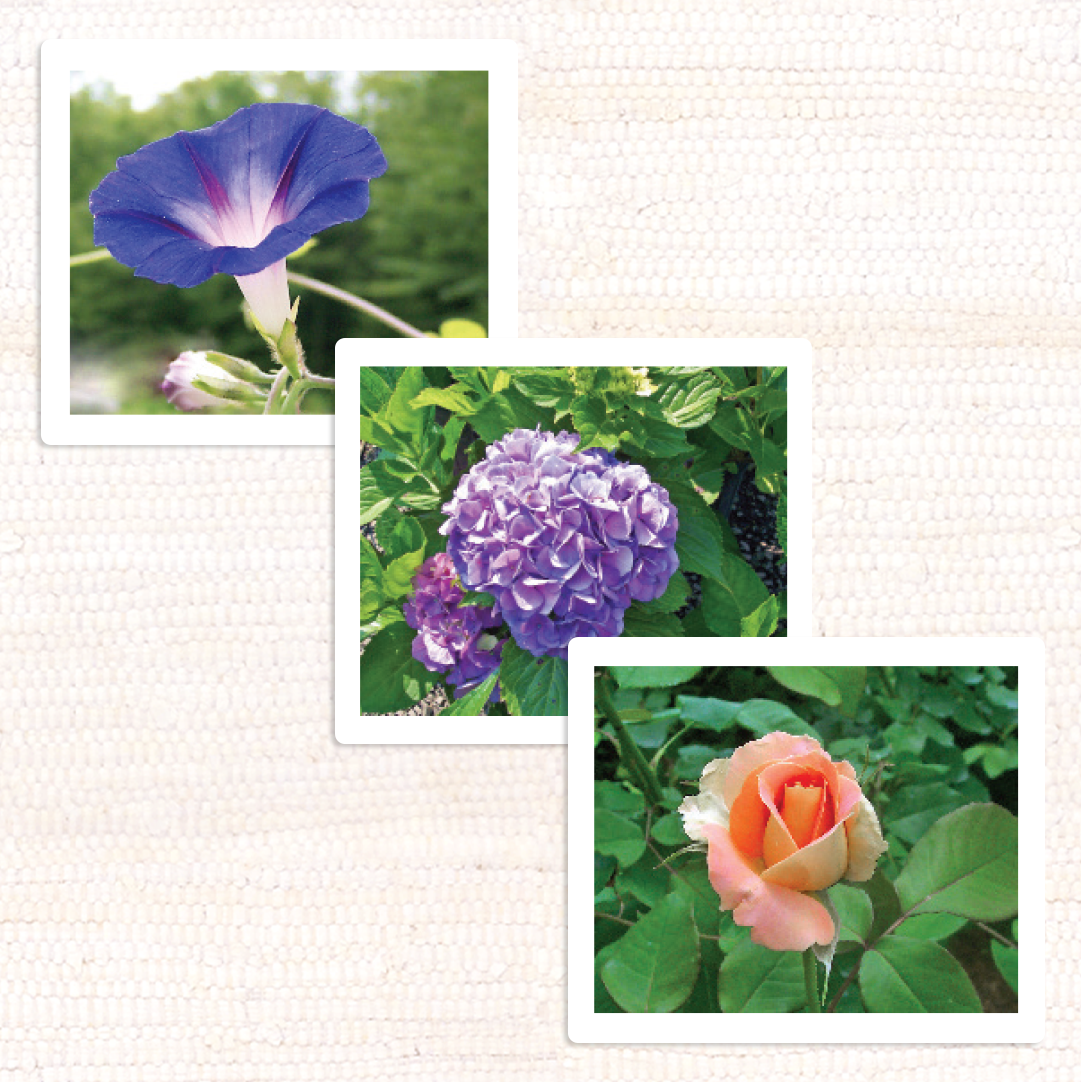
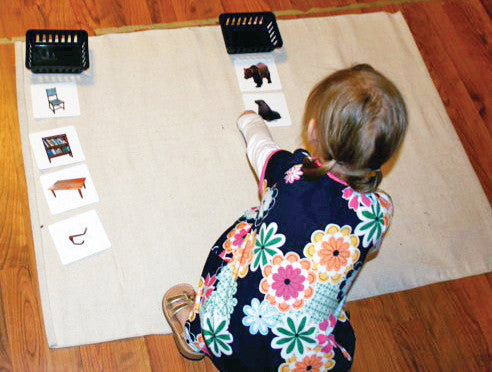
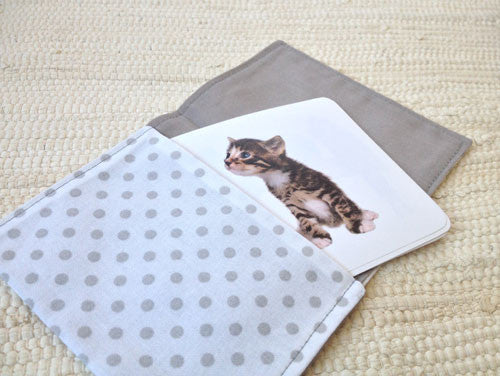
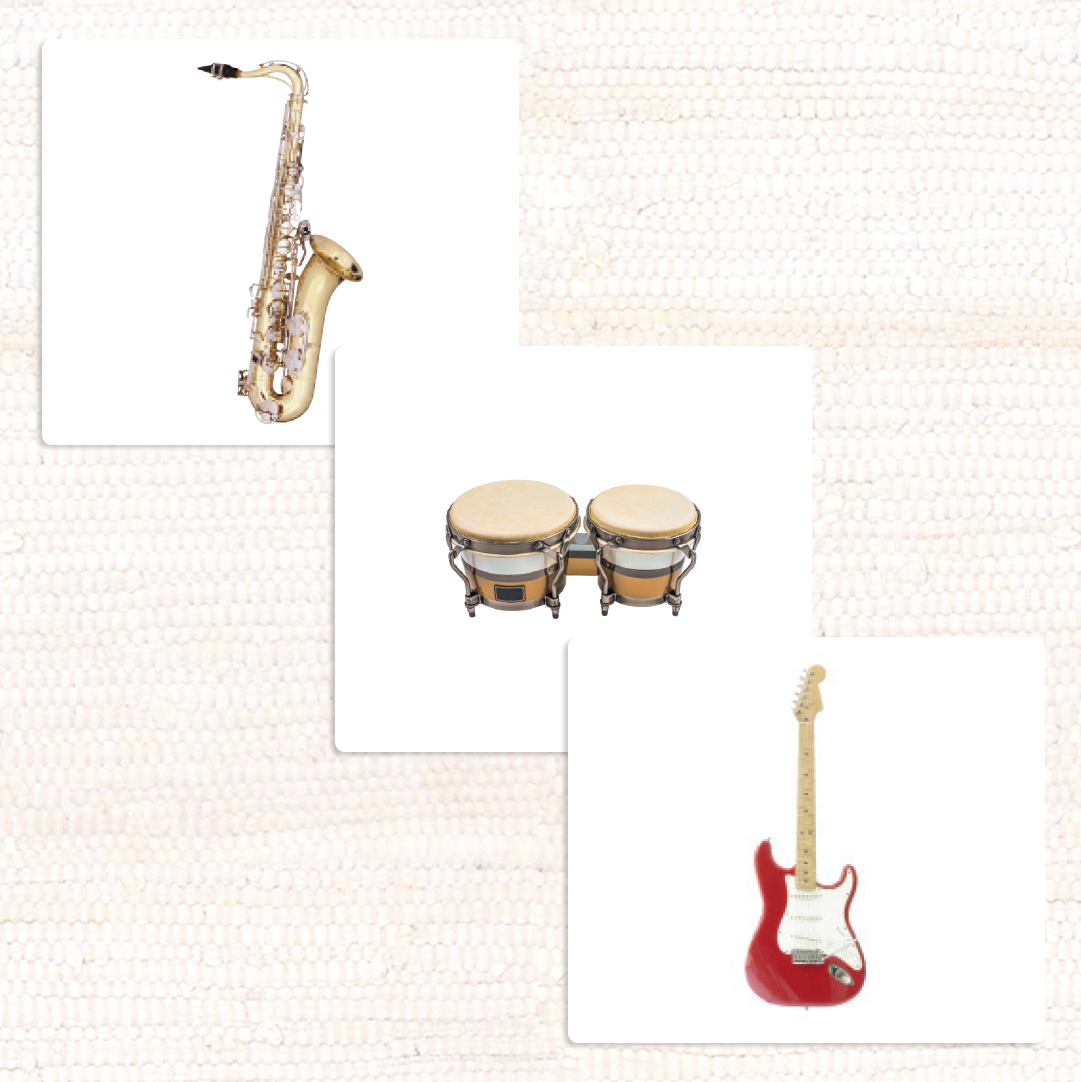
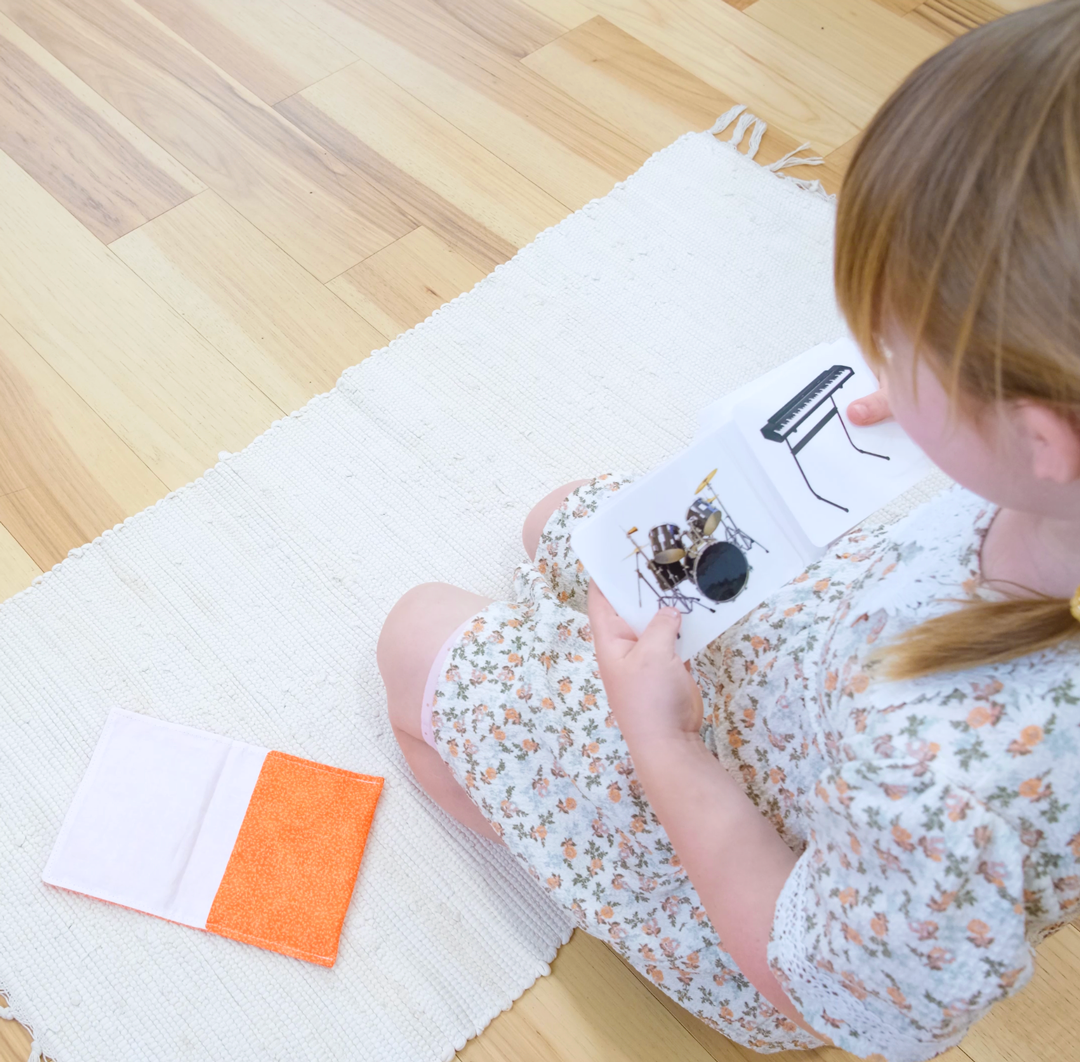
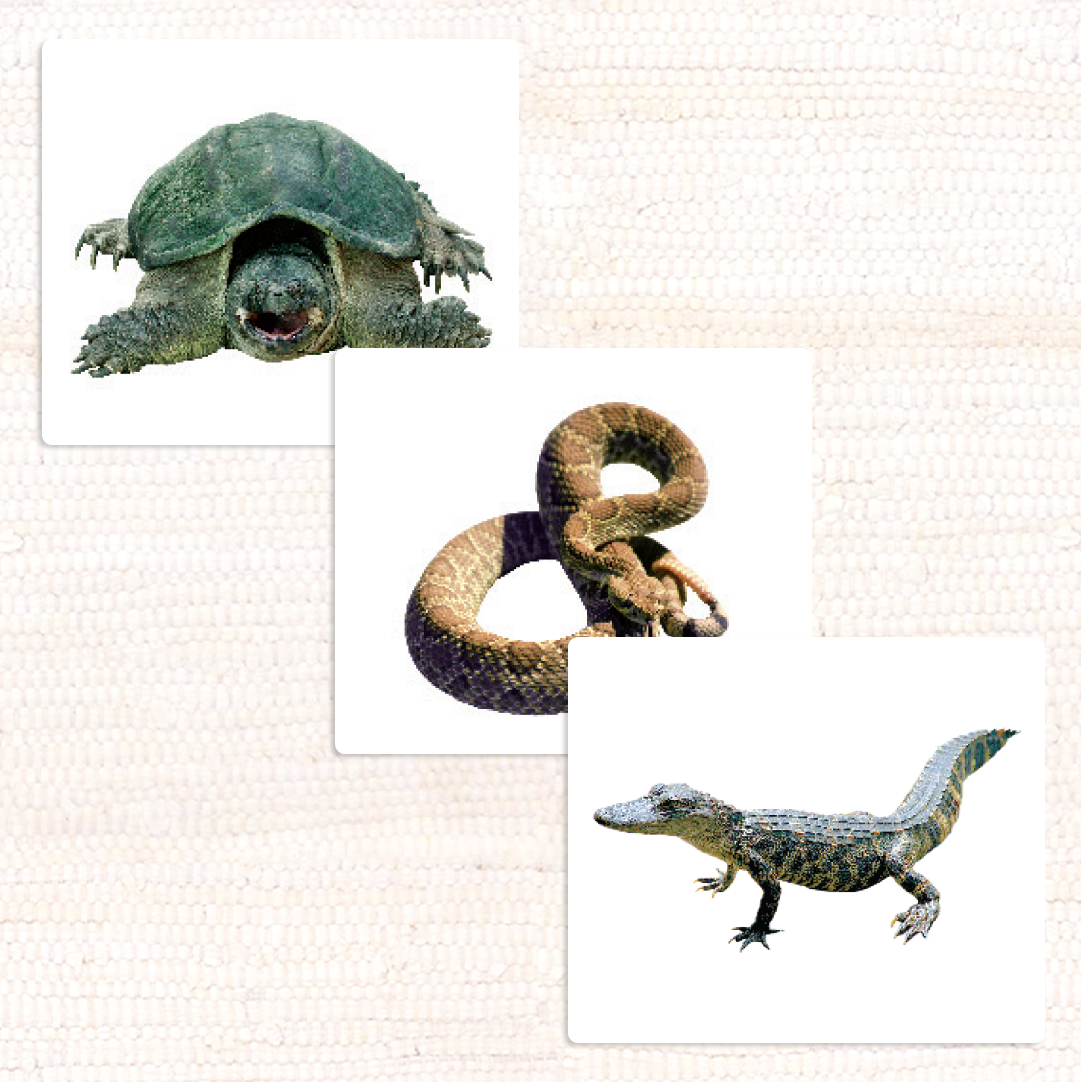
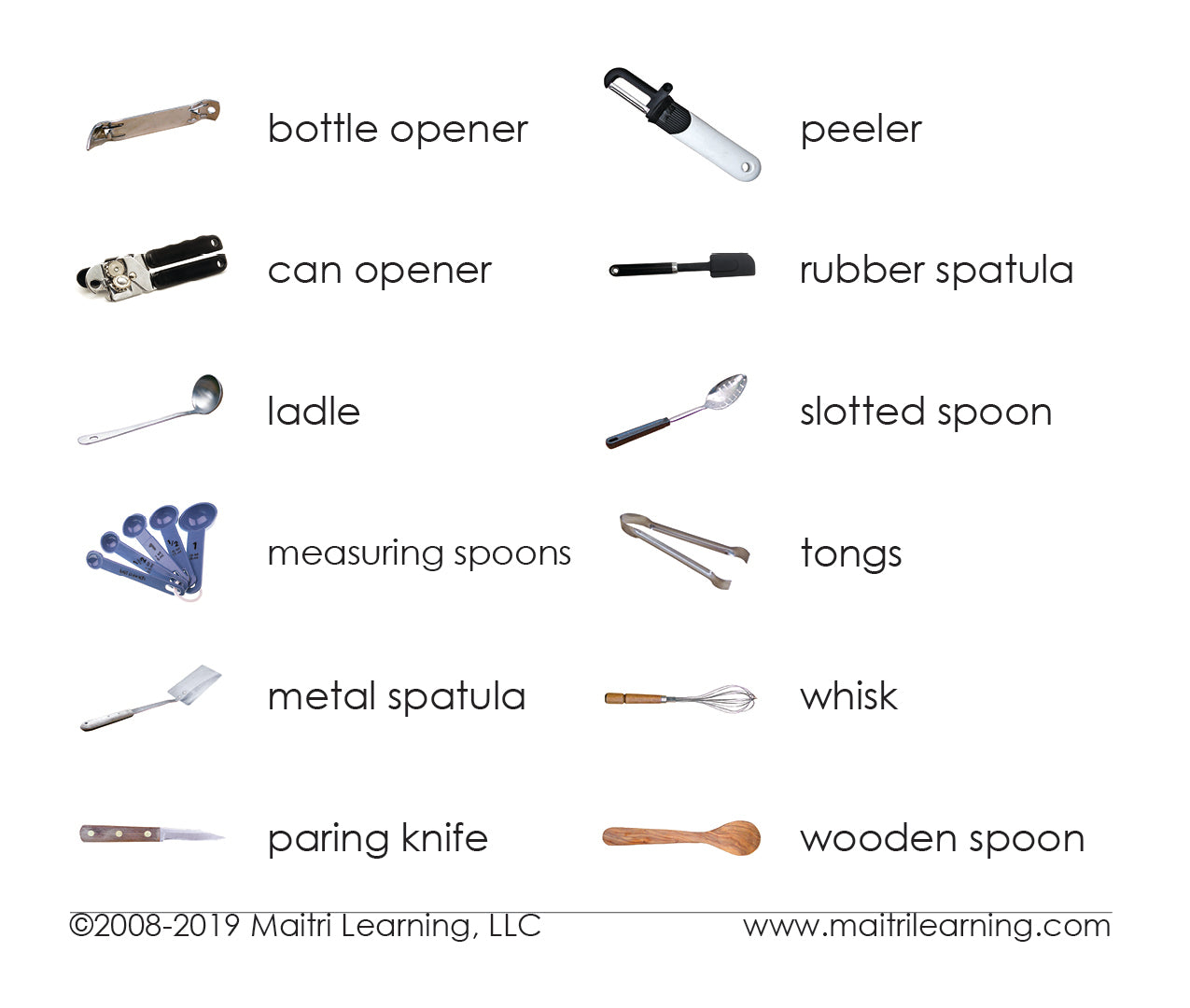
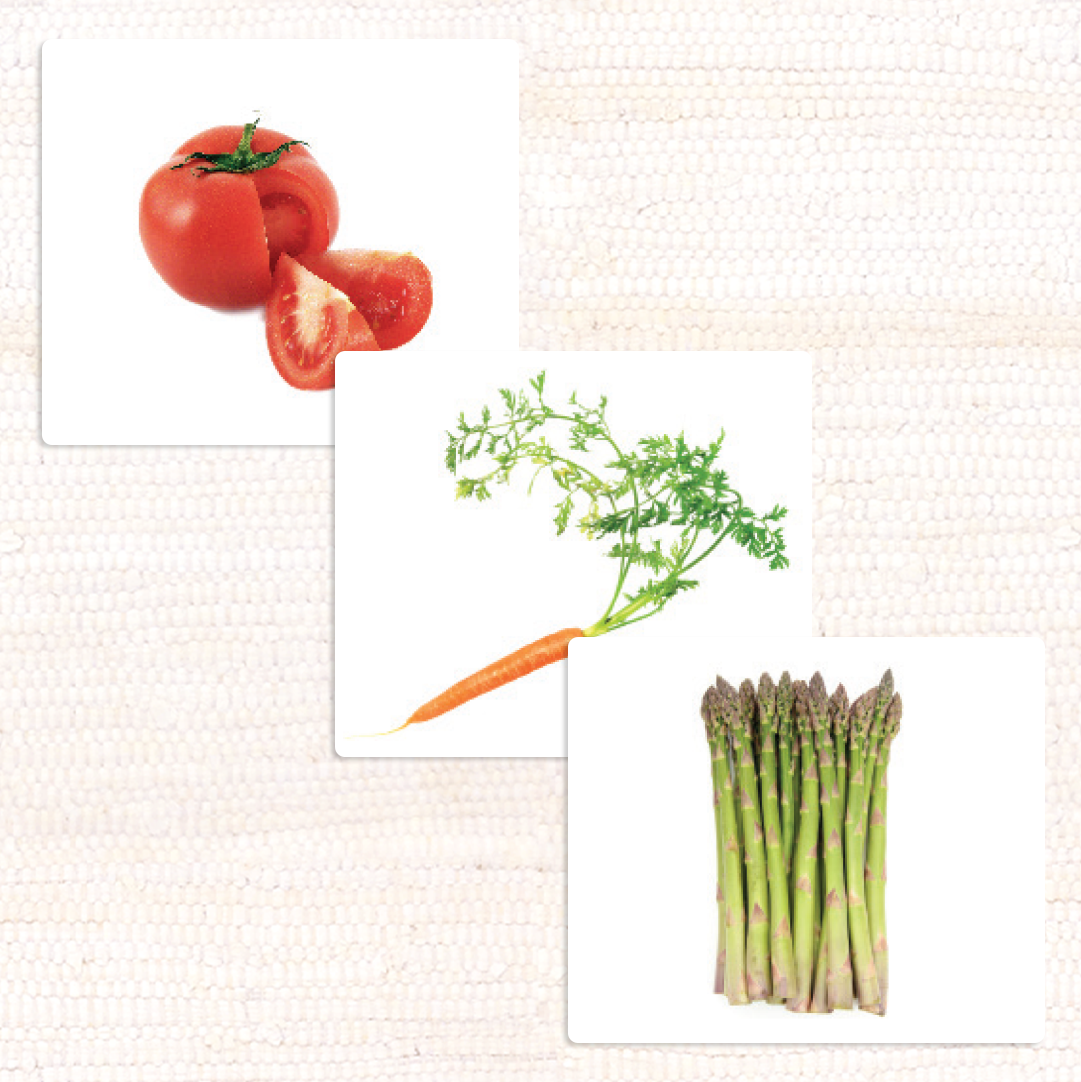
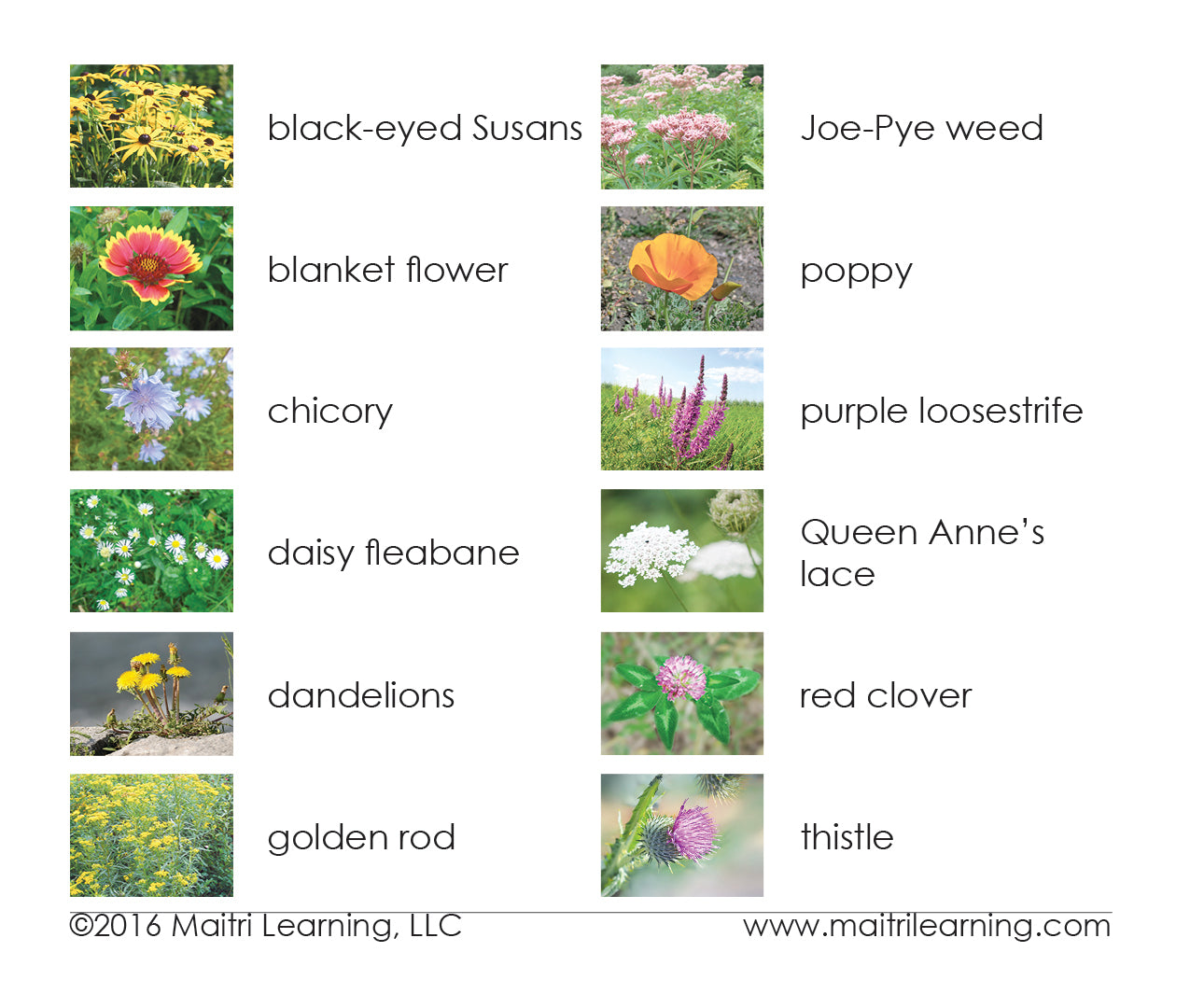
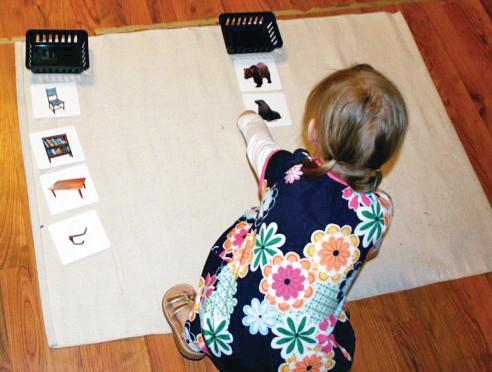
Our Montessori sorting cards are real-photo cards students use to group things into categories, such as living and non-living, plants and animals, or the five vertebrate classes. Sorting builds classification skills, and it gives children a reason to use precise vocabulary as they discuss why each card belongs where it does. The cards are designed for Montessori primary classrooms (ages 3–6), elementary science work, homeschools, English learners, and intervention settings.
What's in this collection
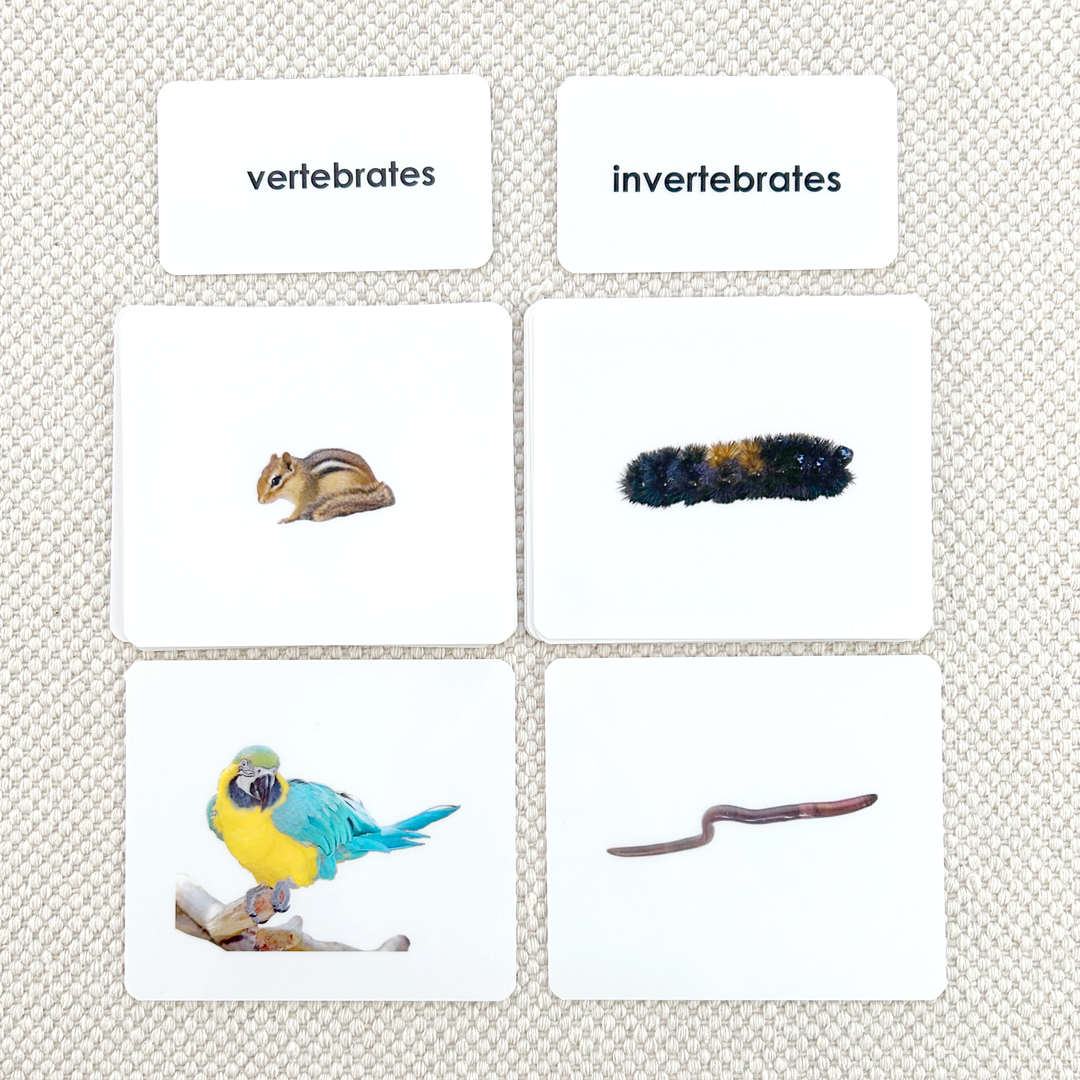
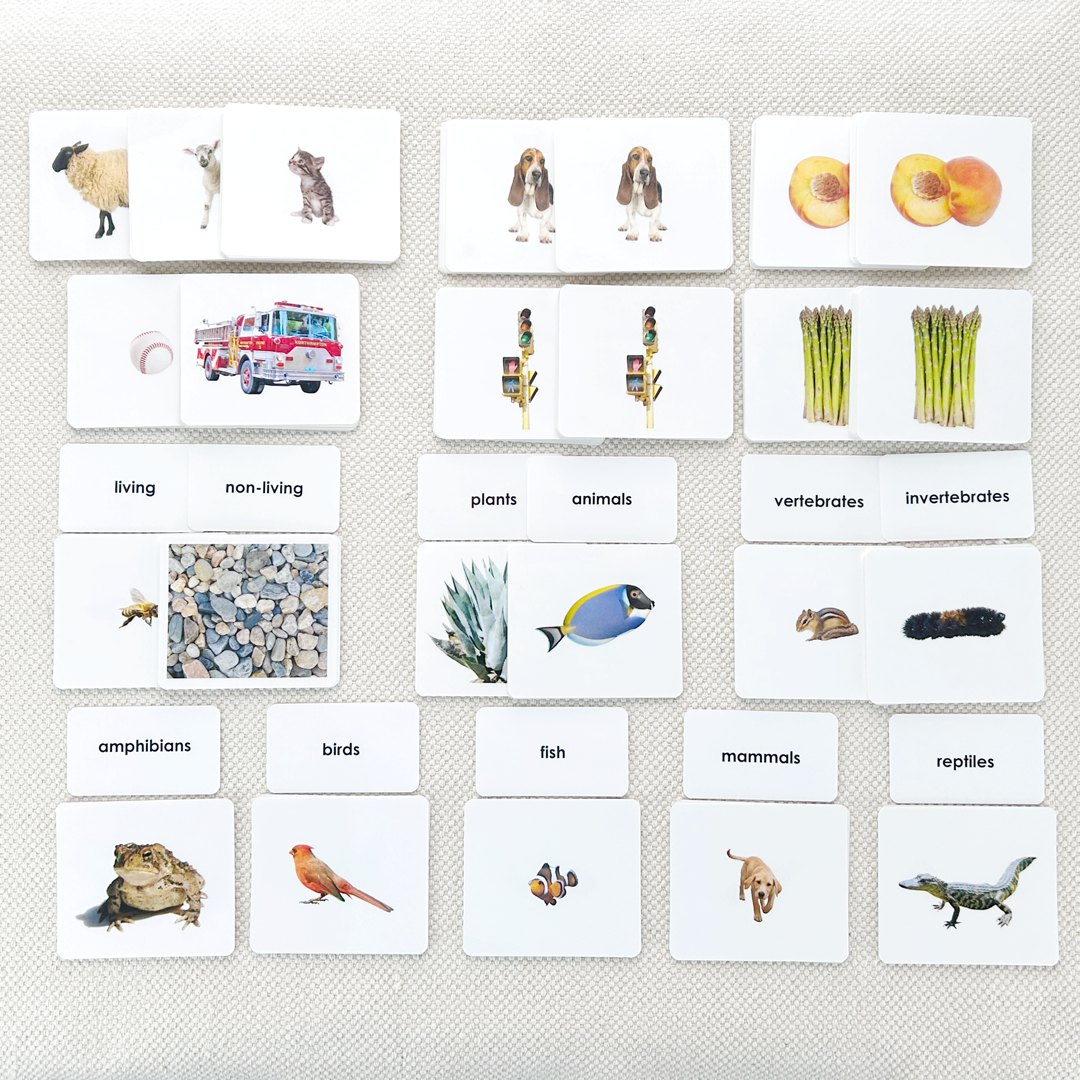
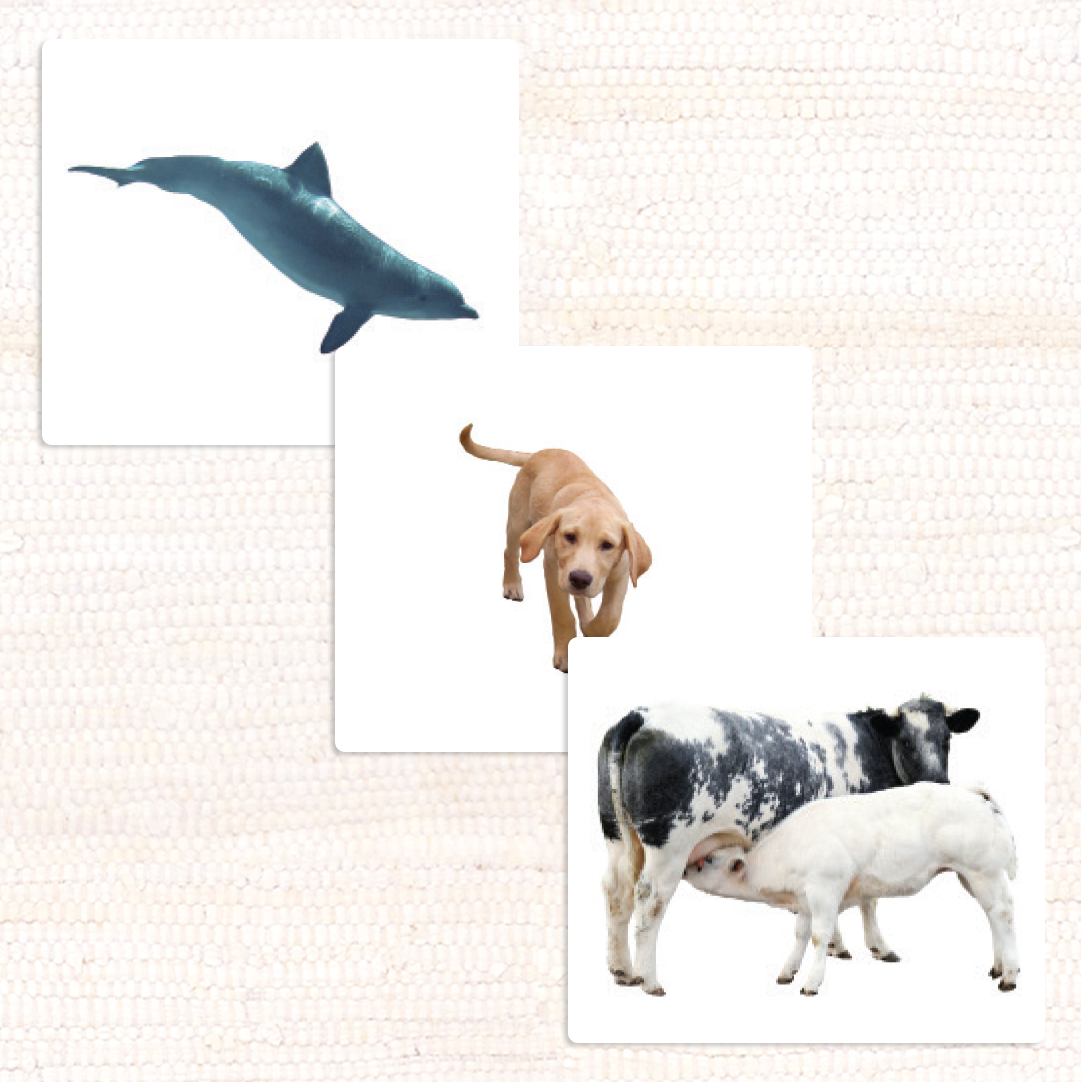
- Classification card sets including sorting labels for broad scientific categories: living/non-living, plant/animal kingdom, invertebrates/vertebrates, and vertebrate classes
- A discounted sorting card bundle: the Sorting Set
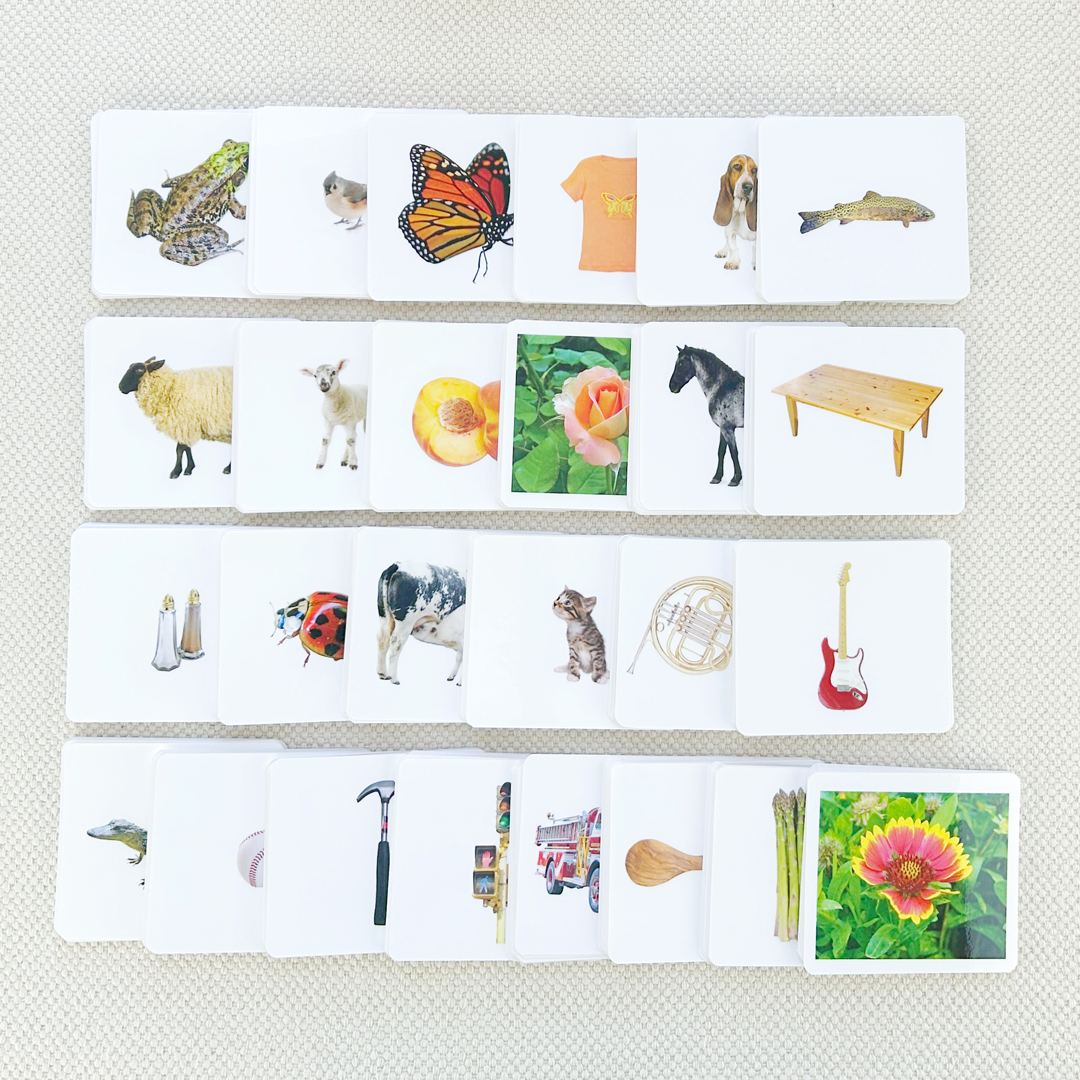
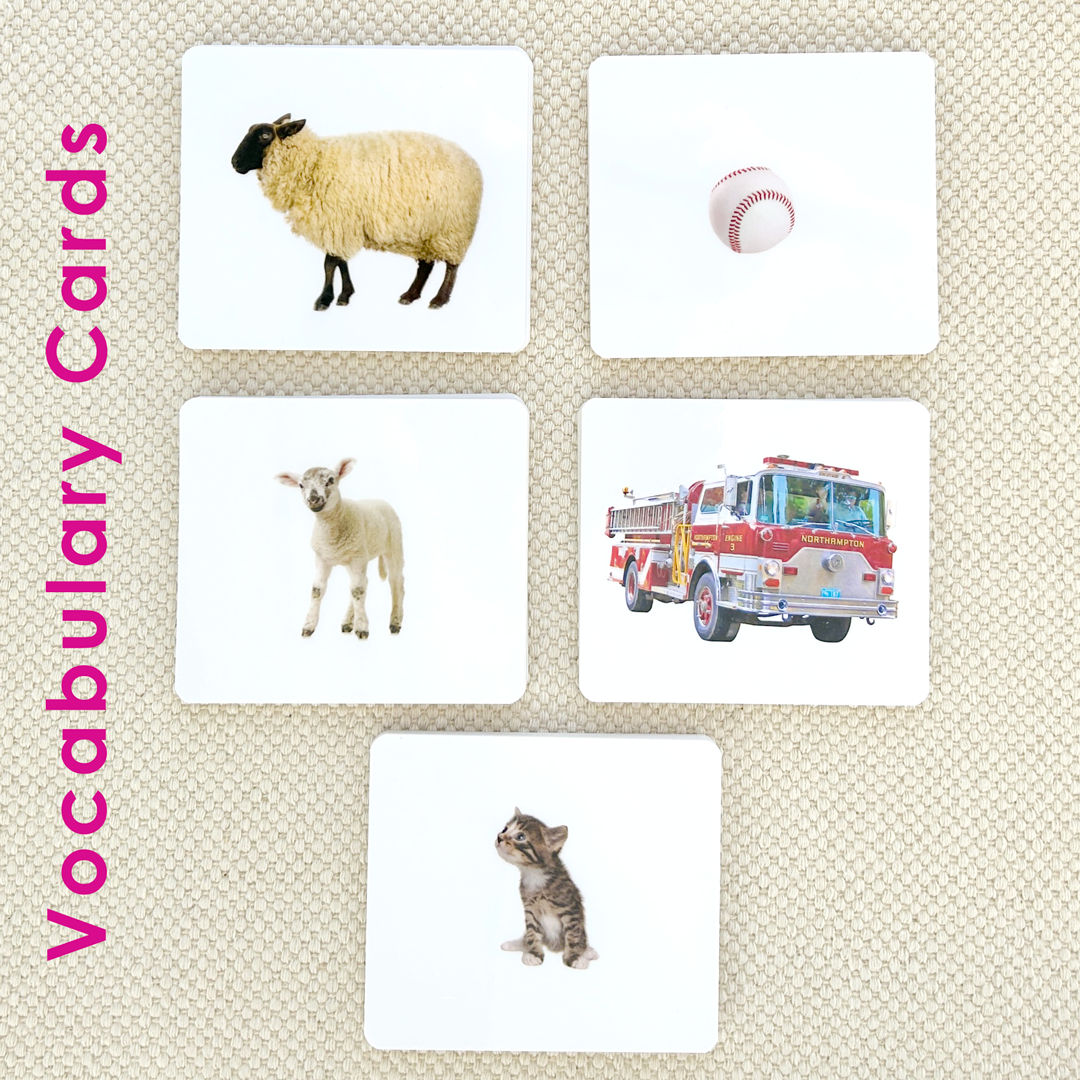
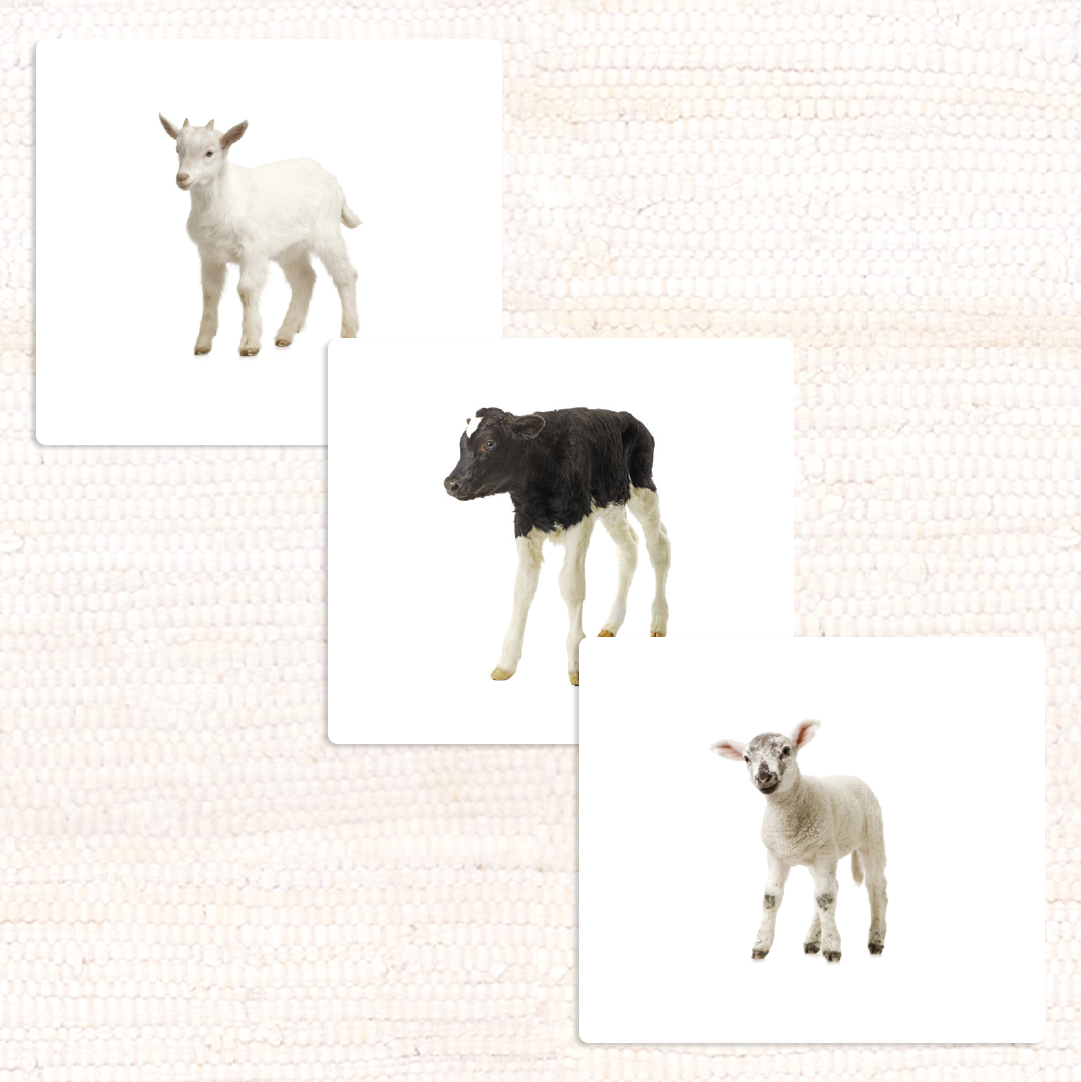
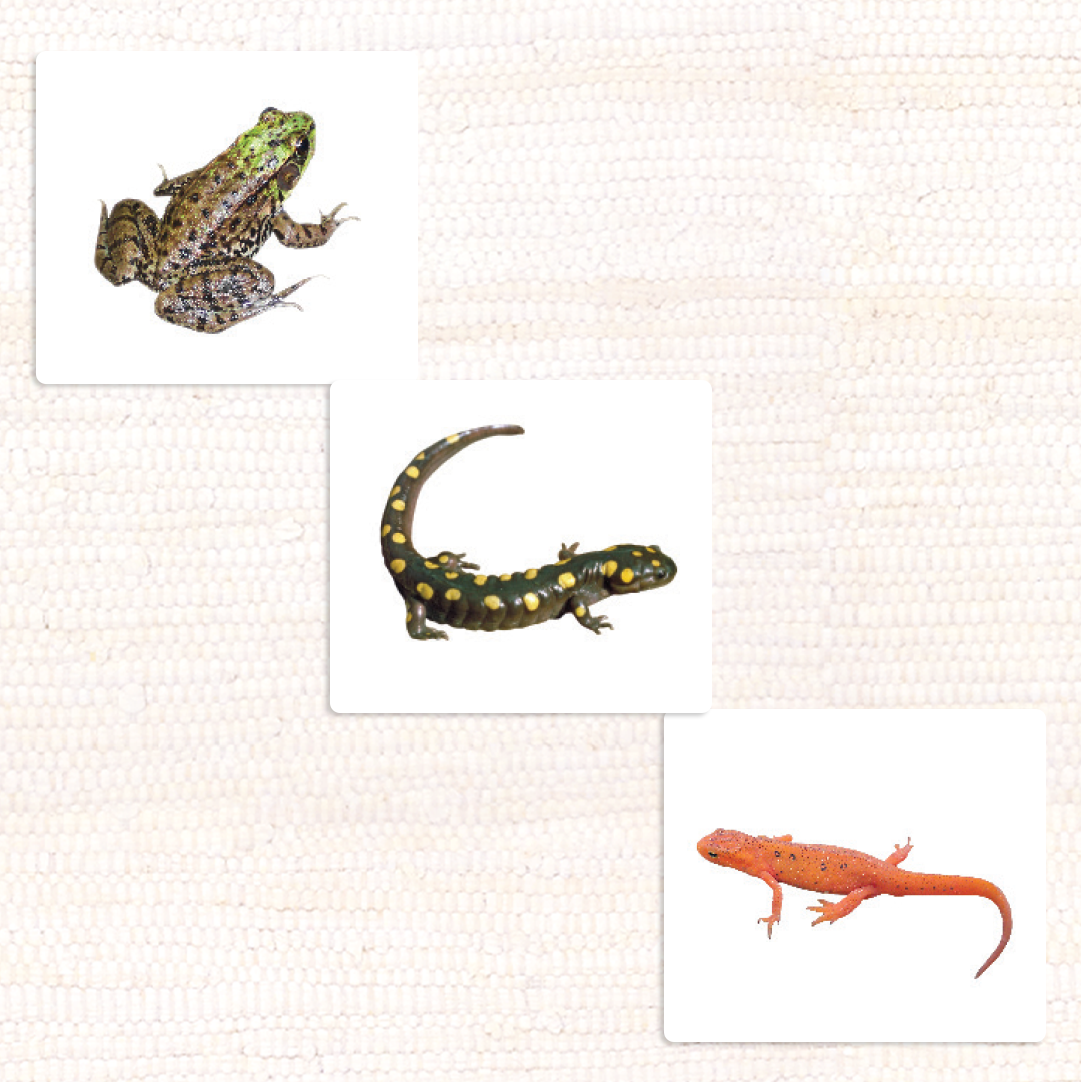
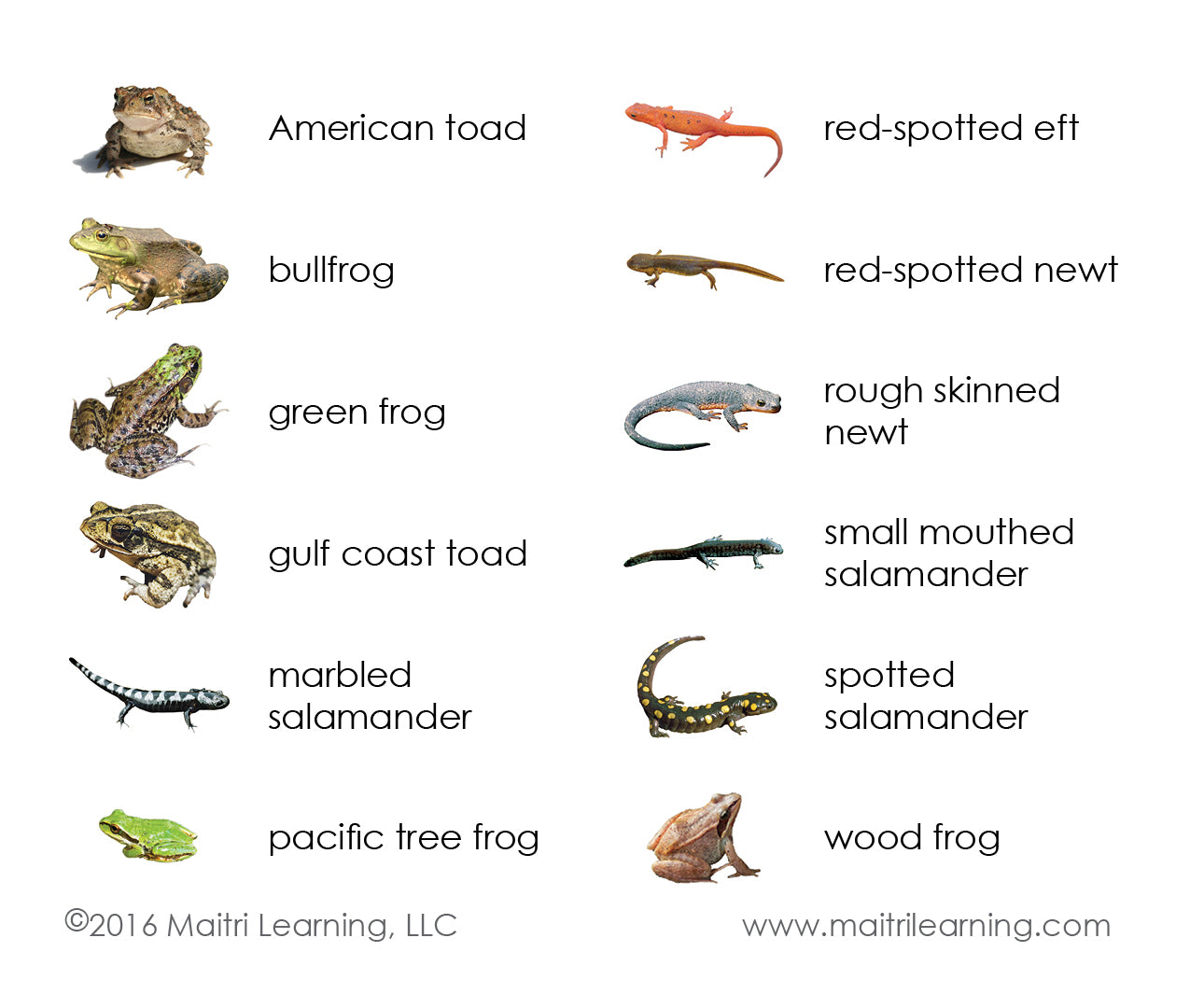
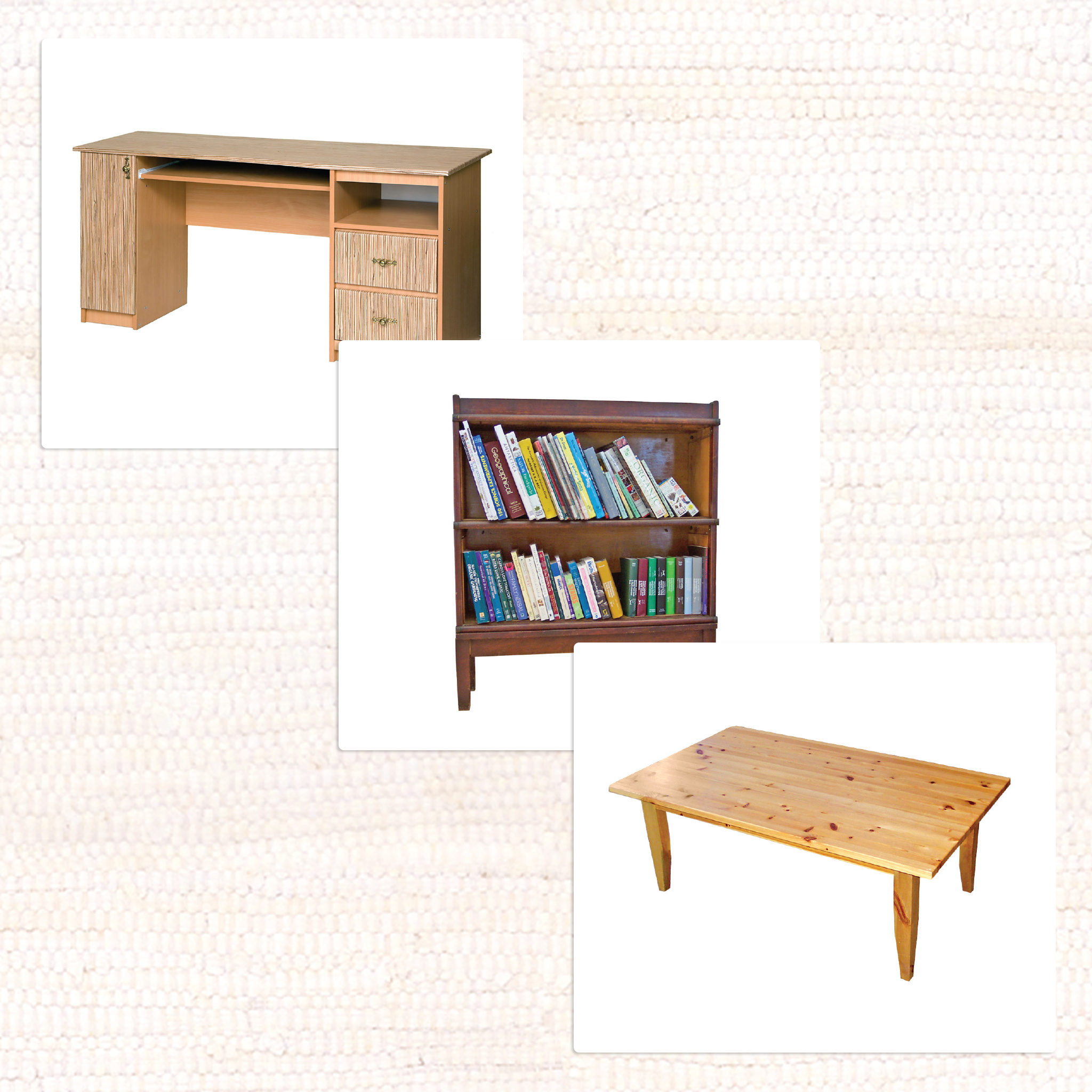
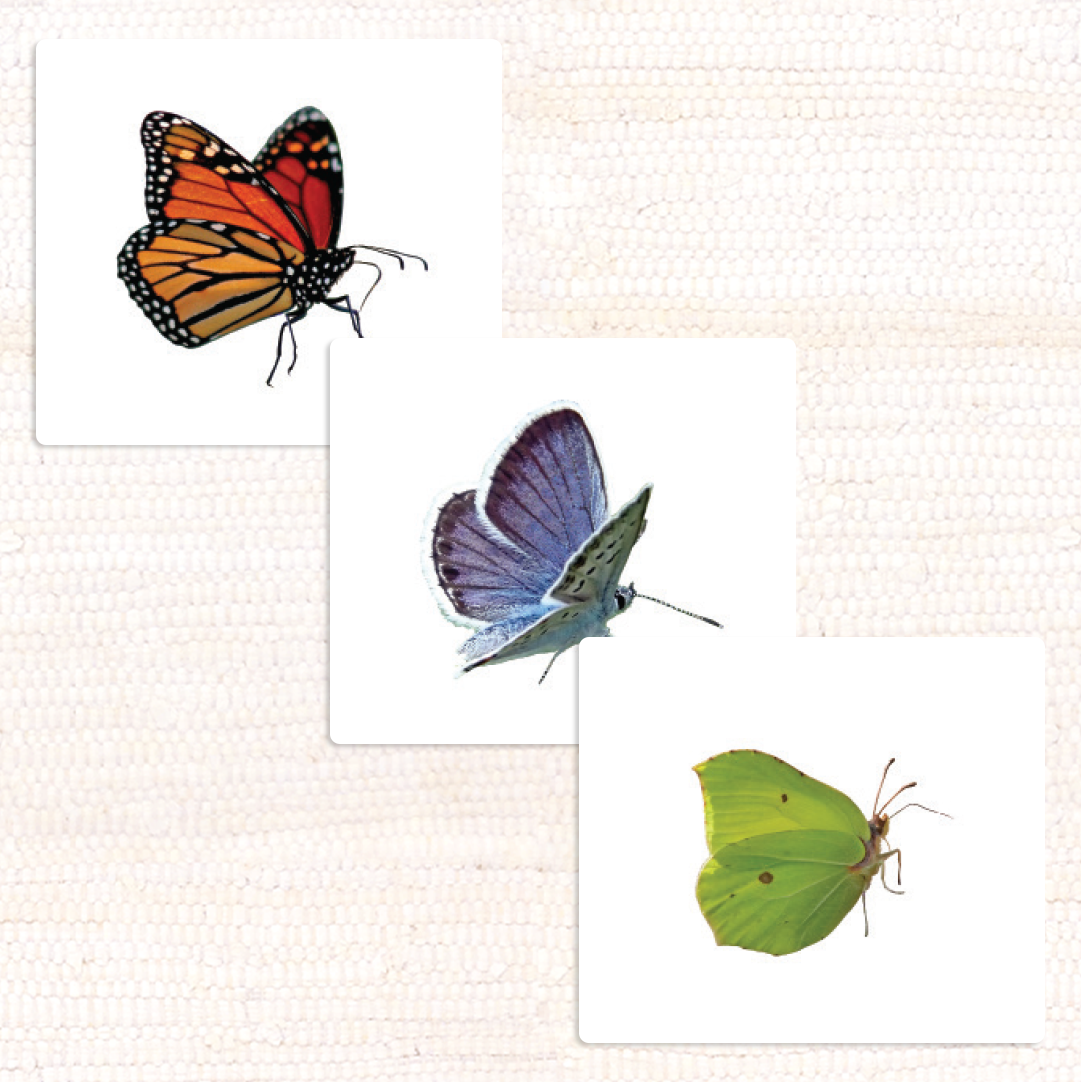
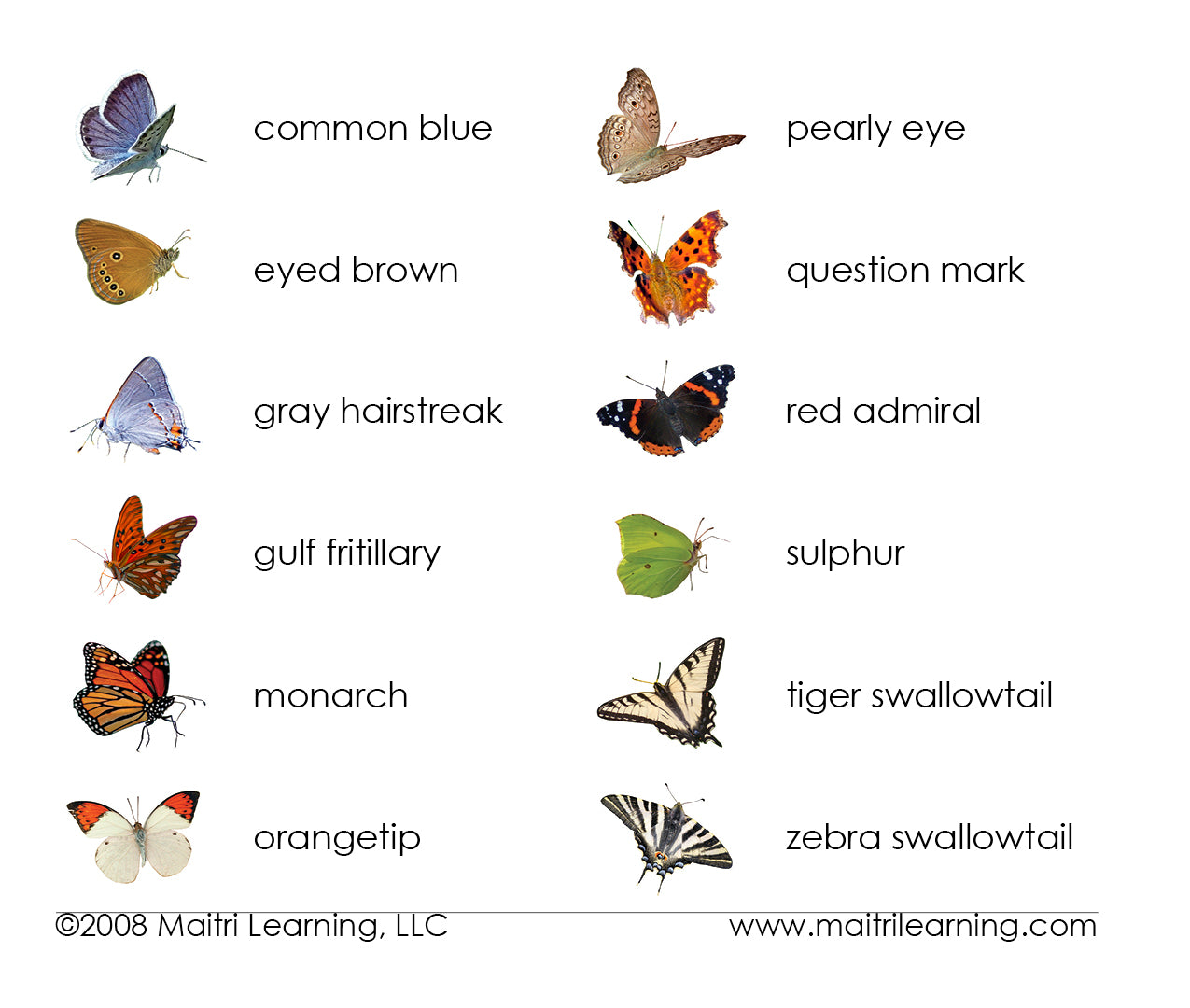
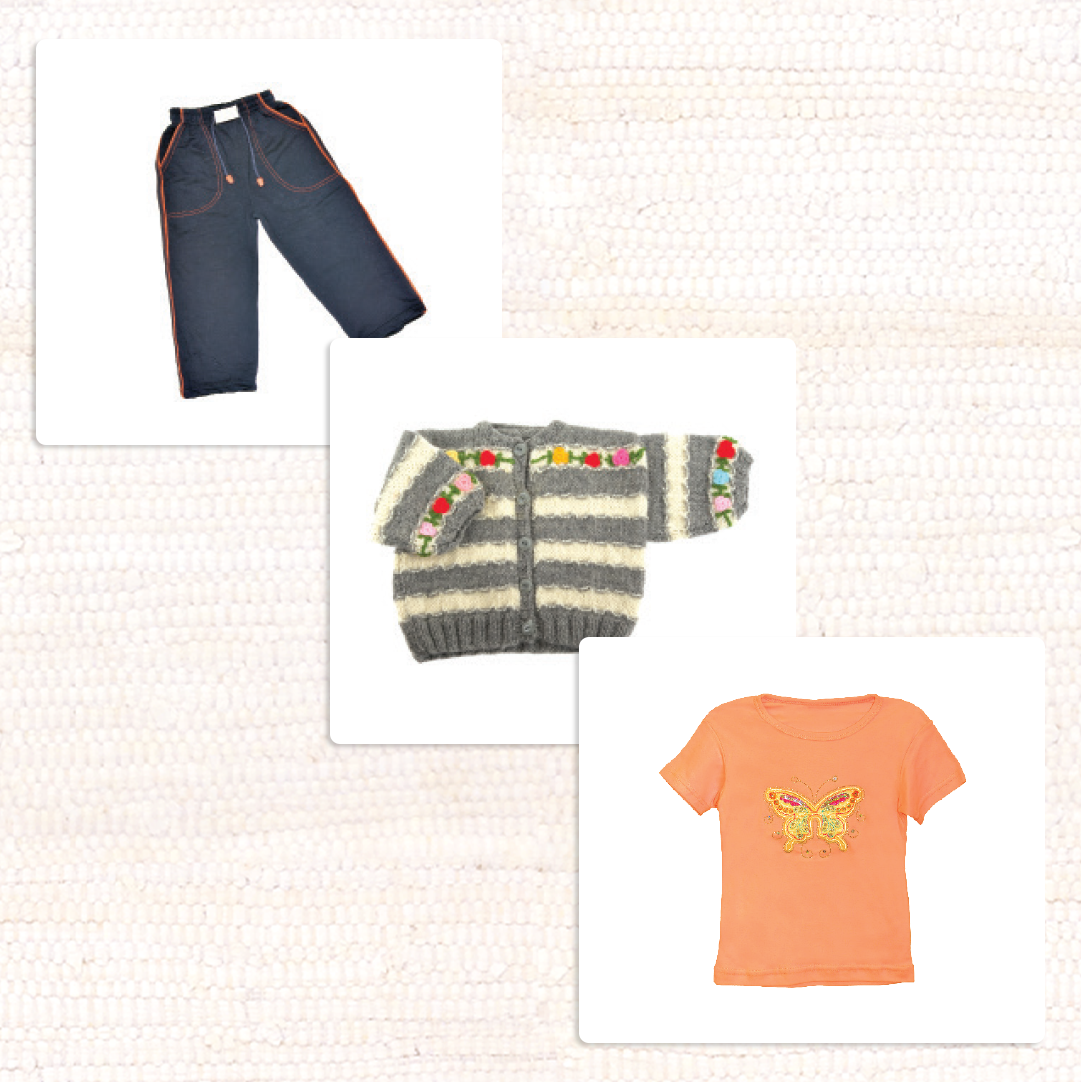
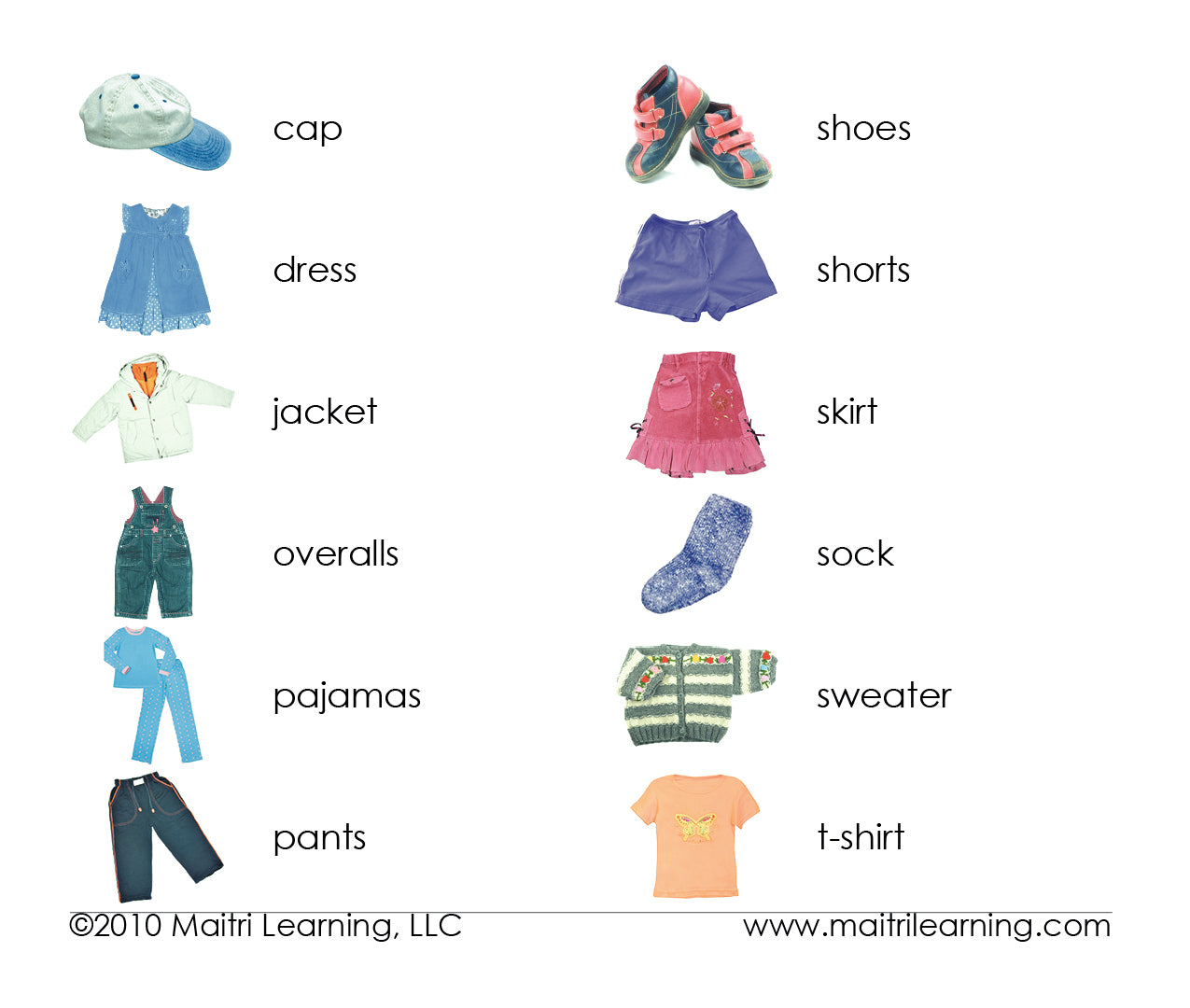
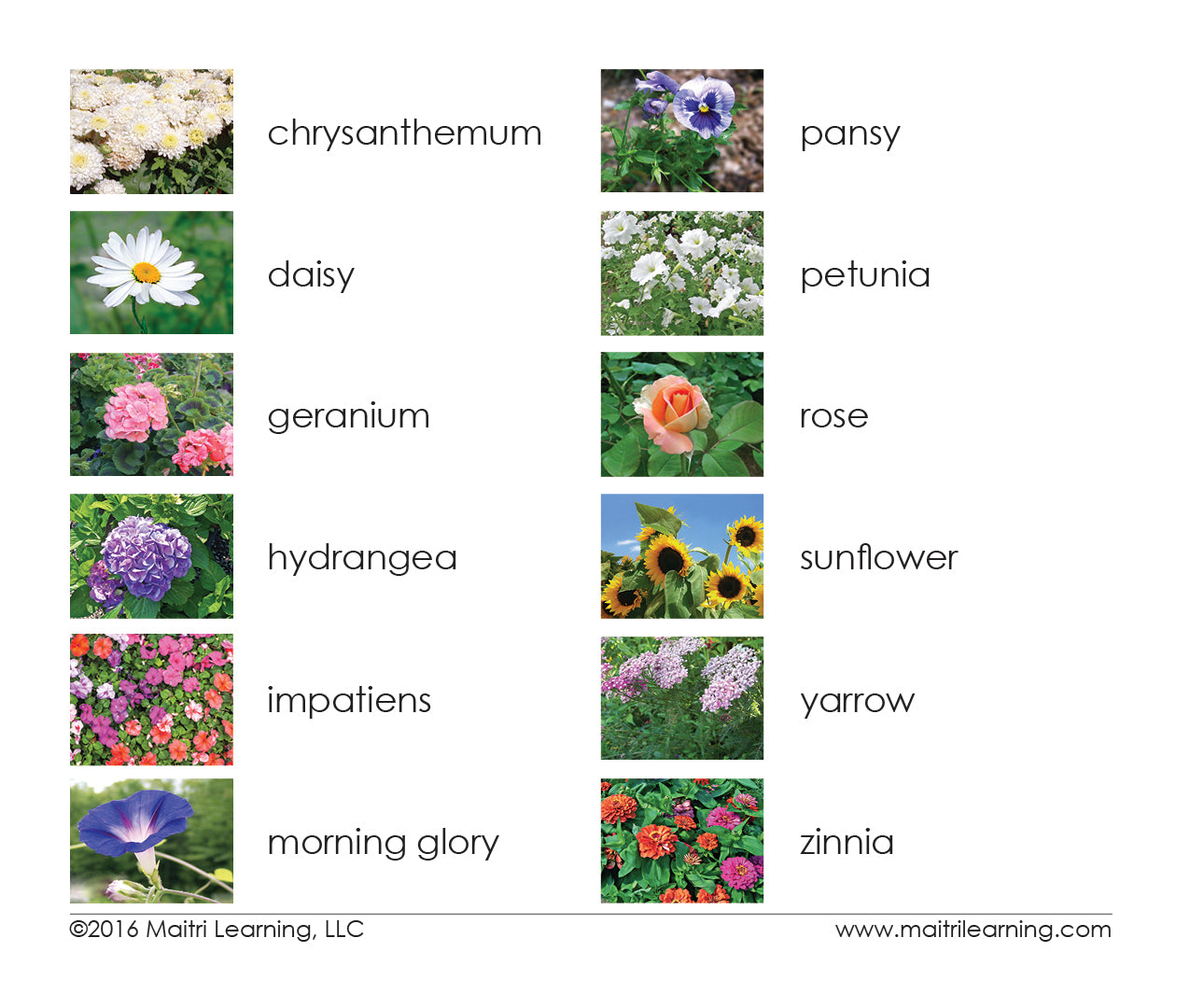
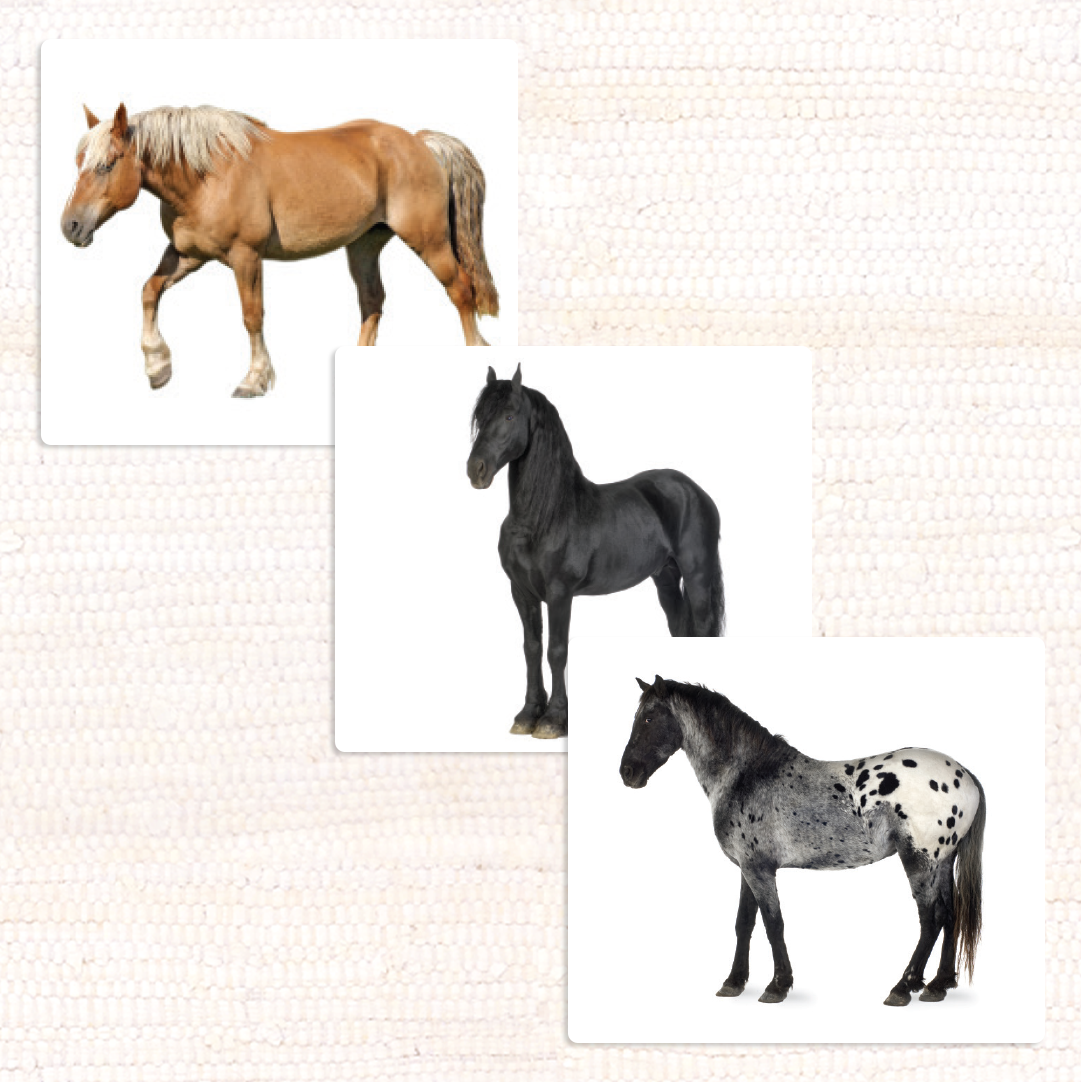
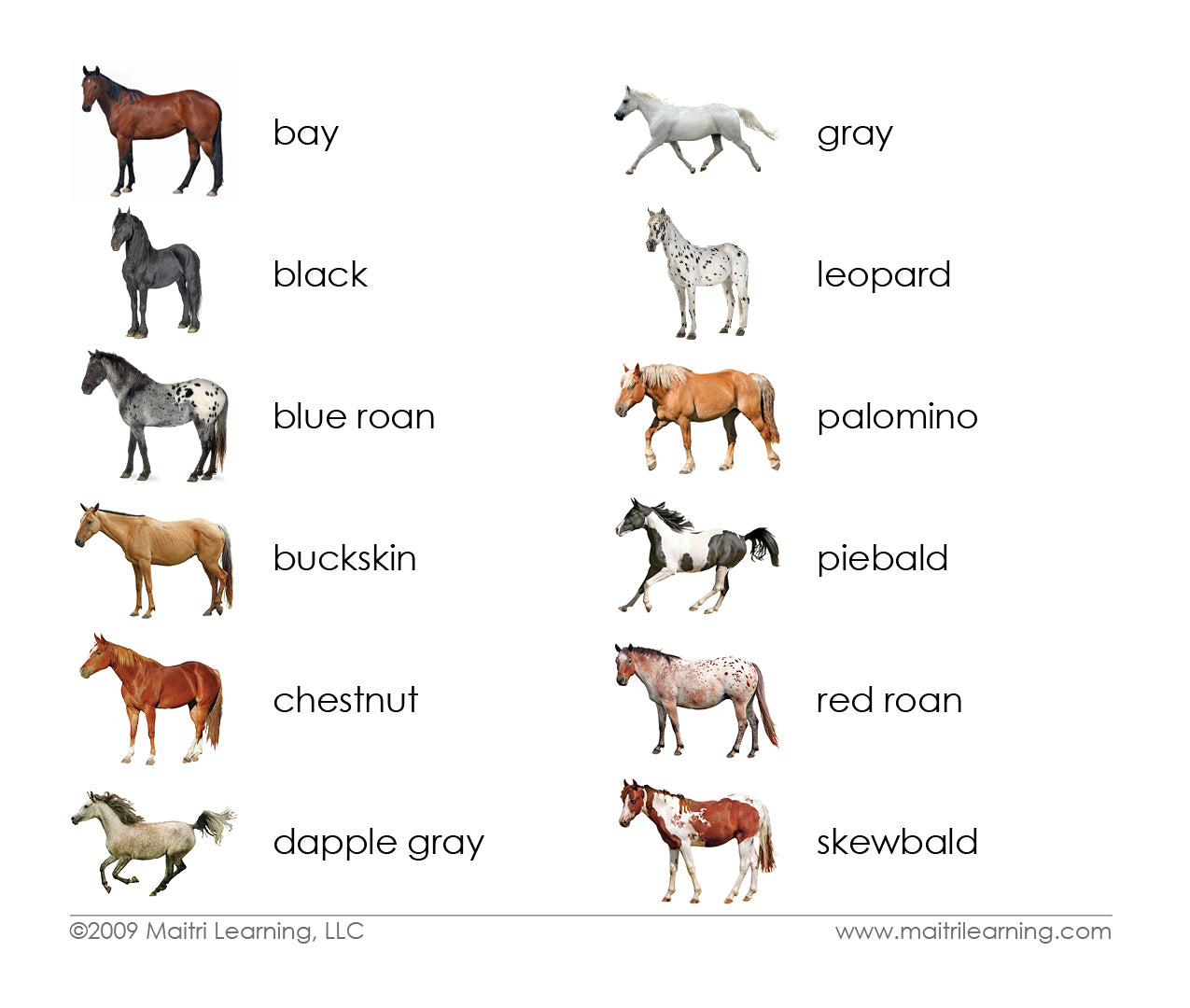
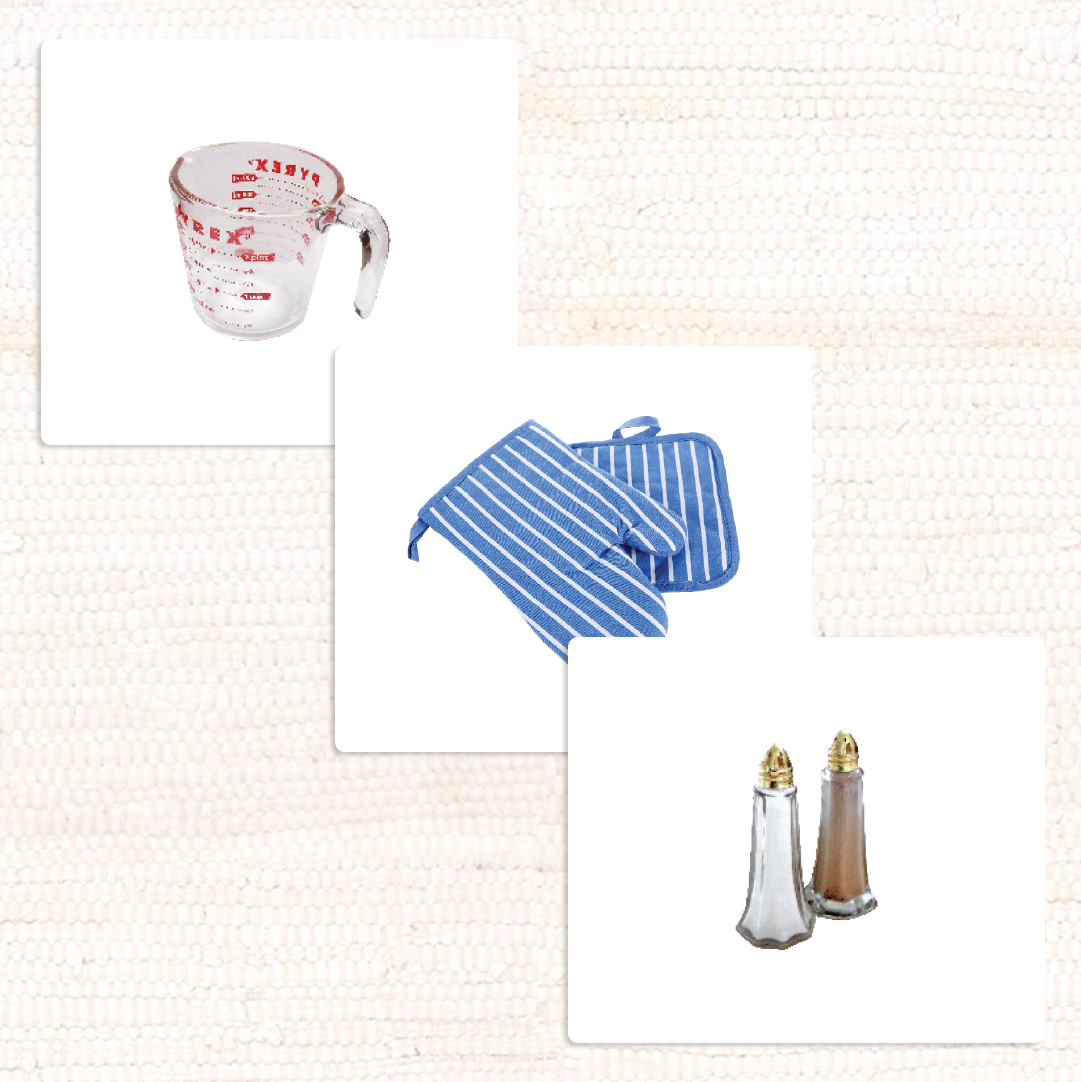
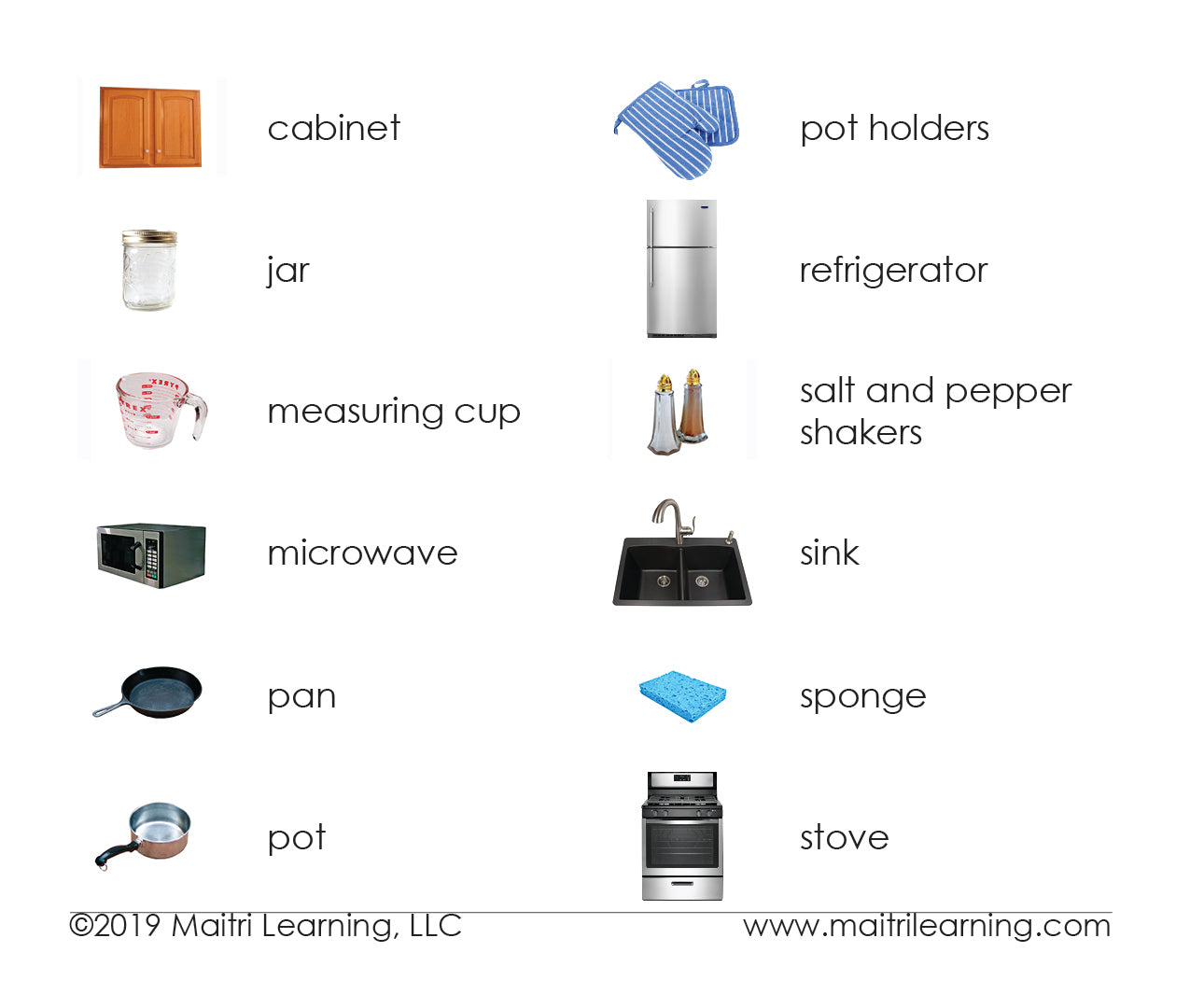
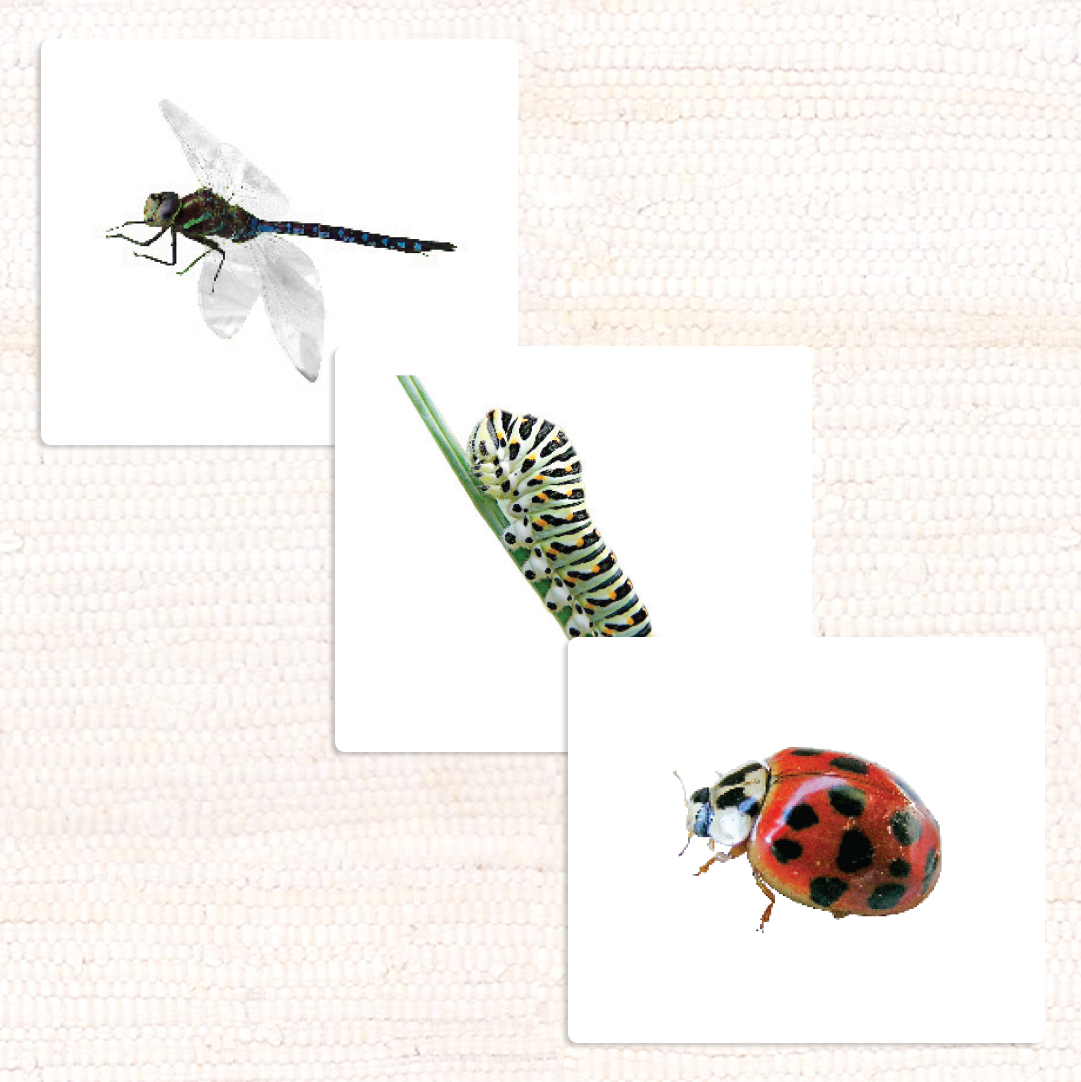
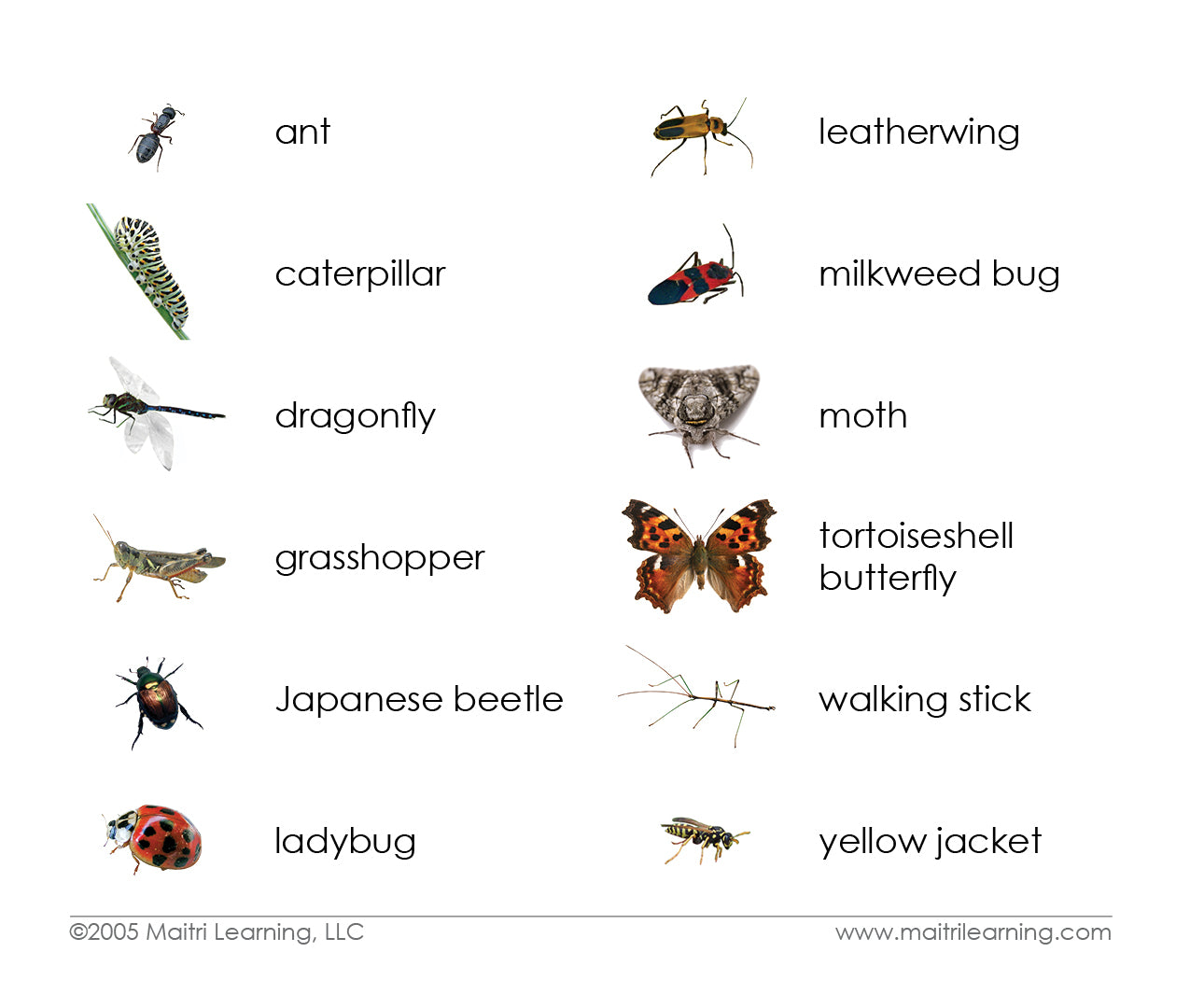
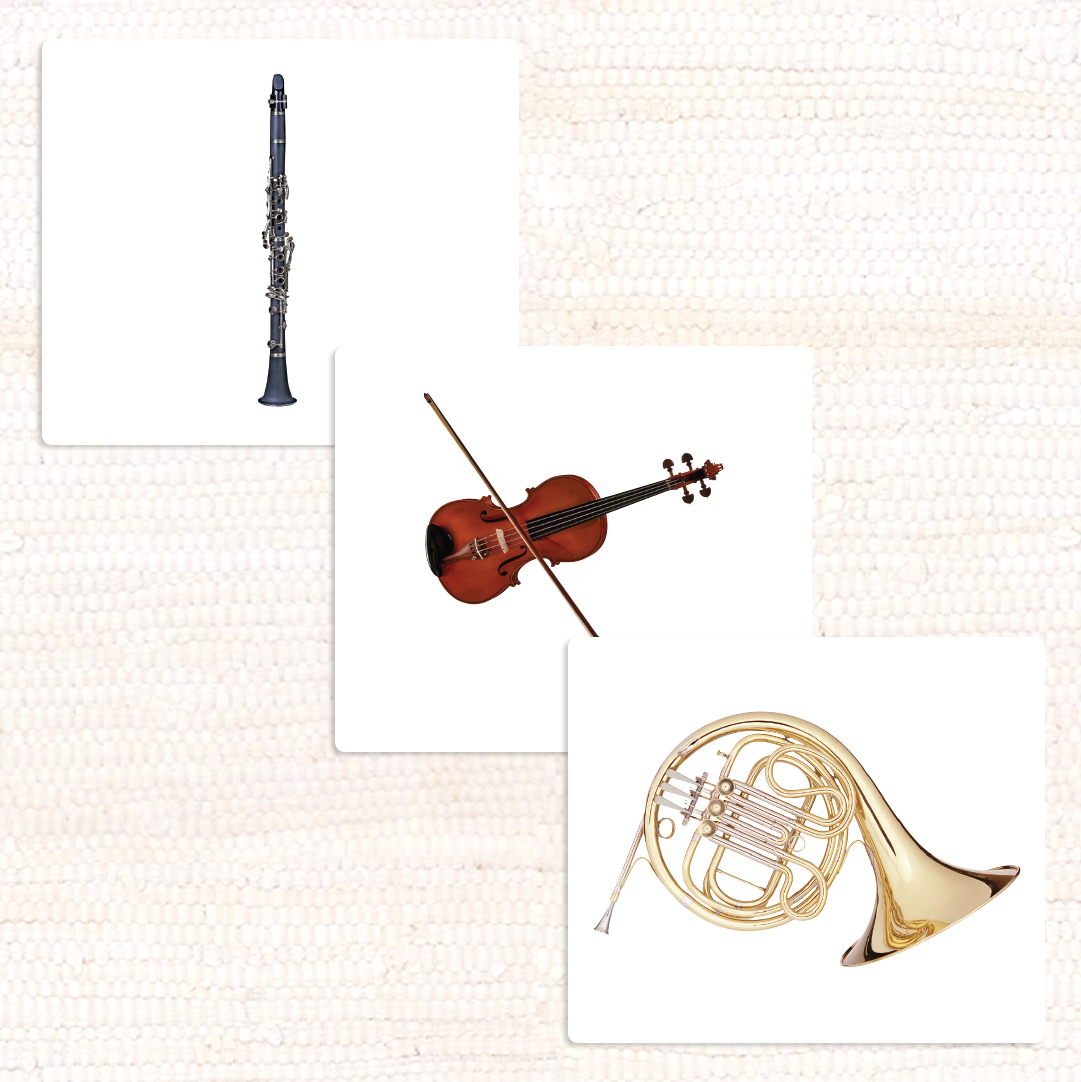
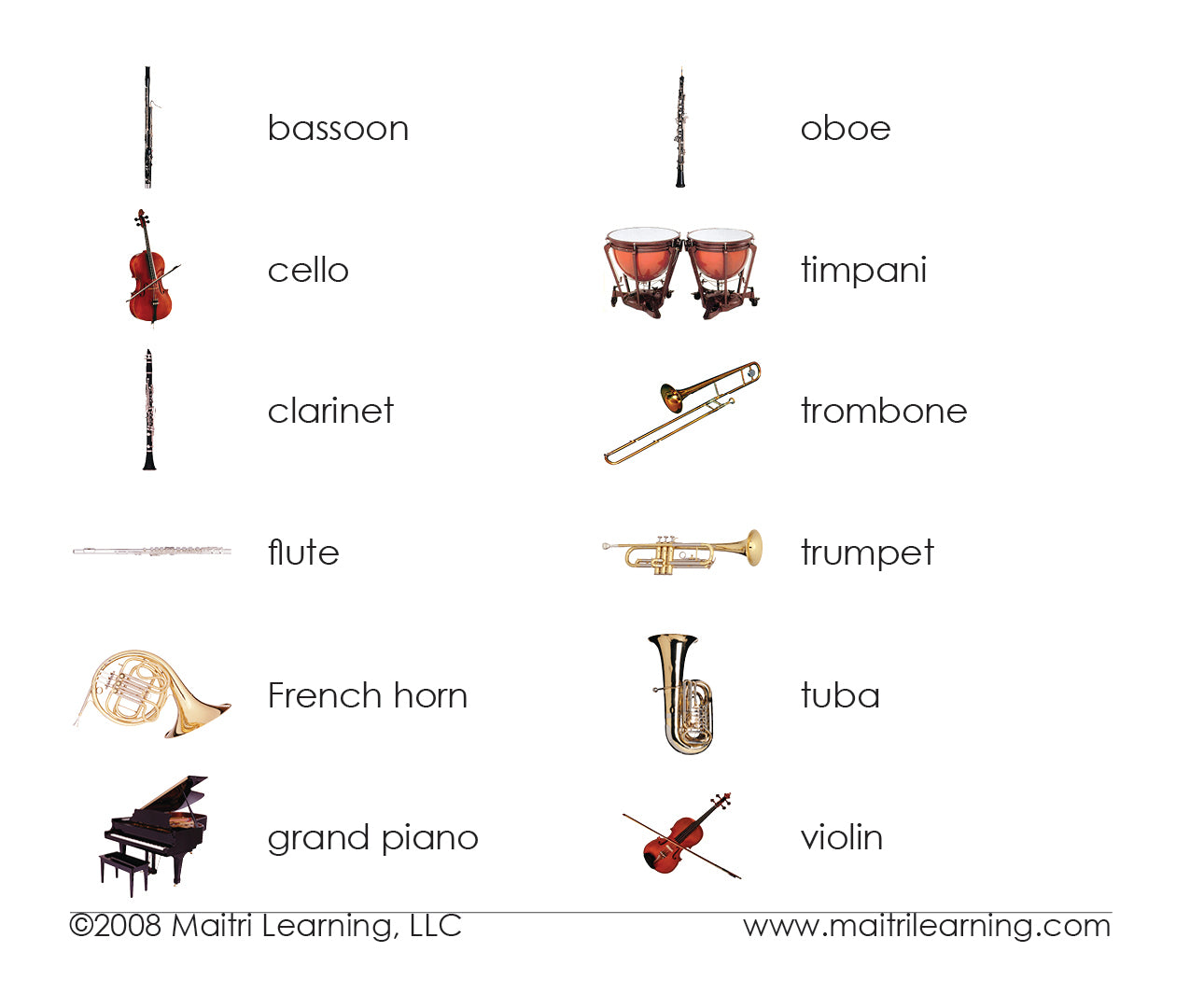
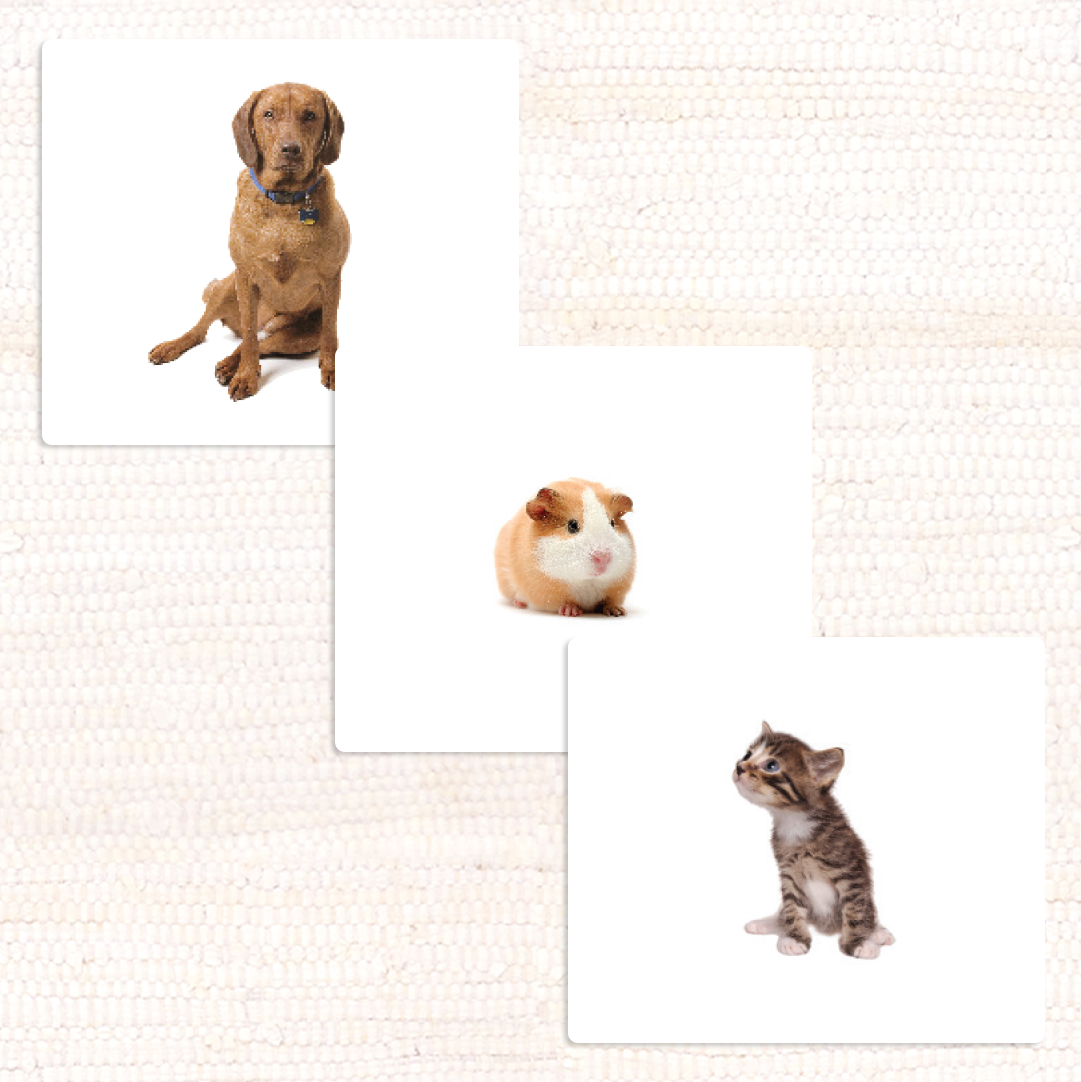
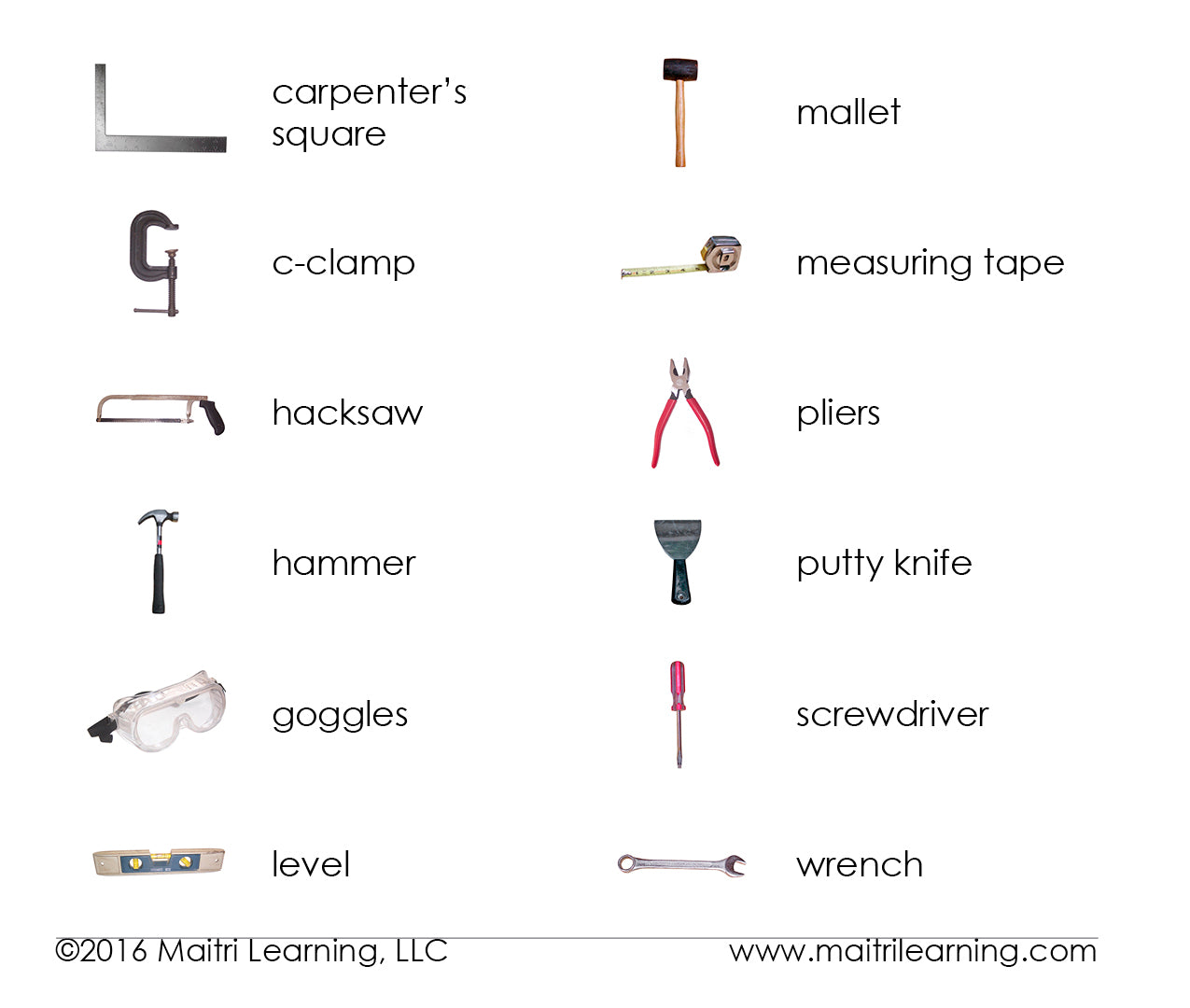
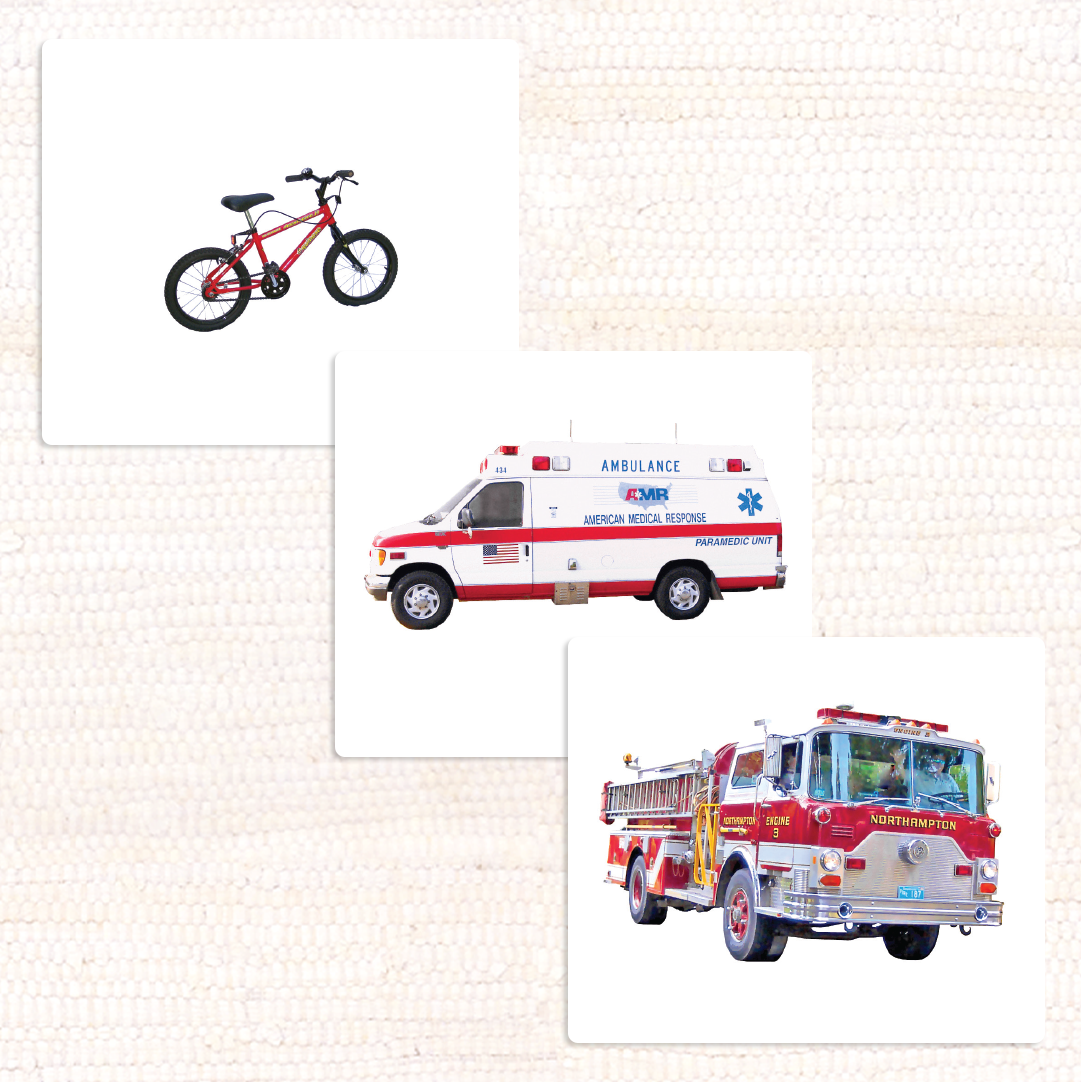
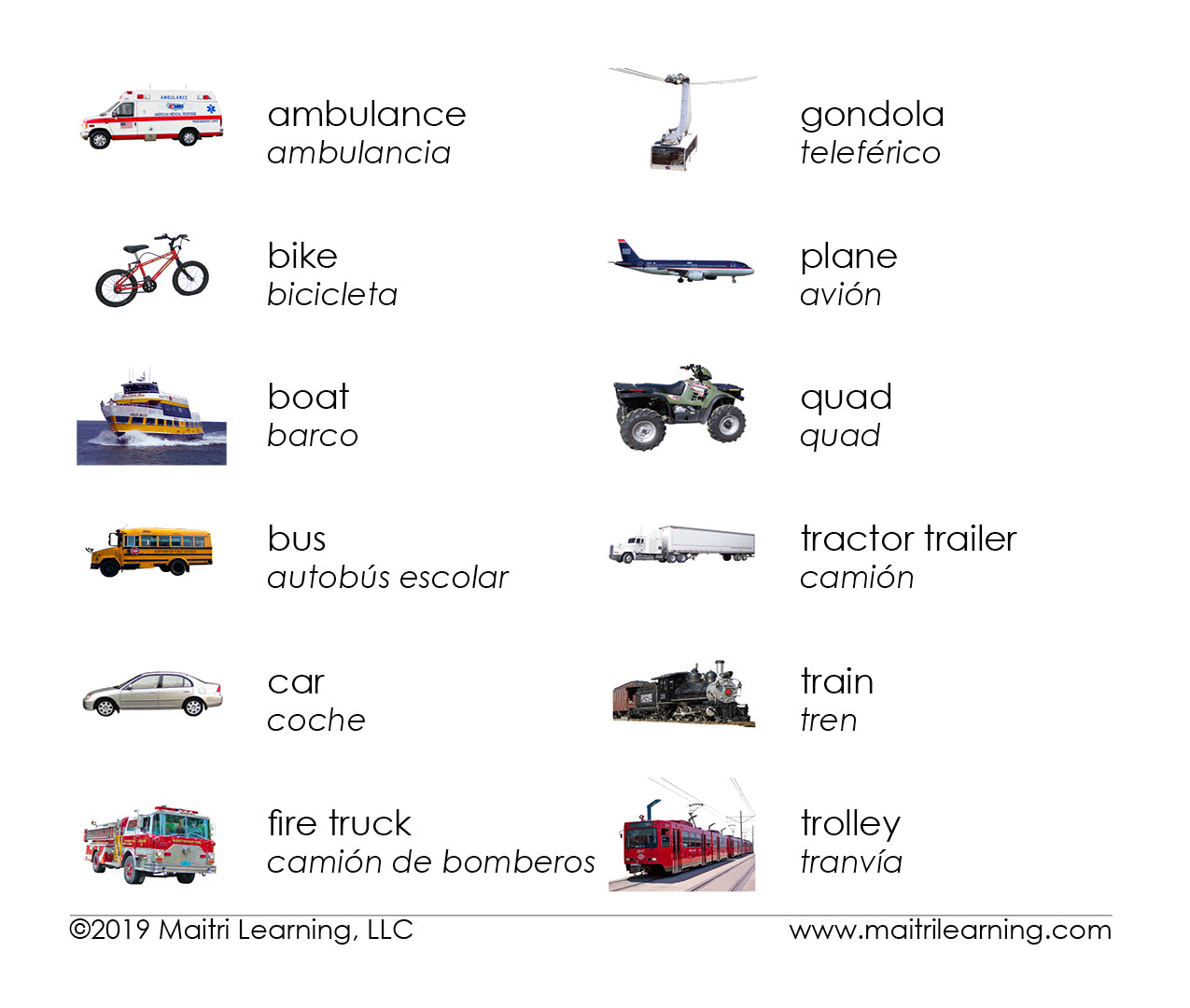
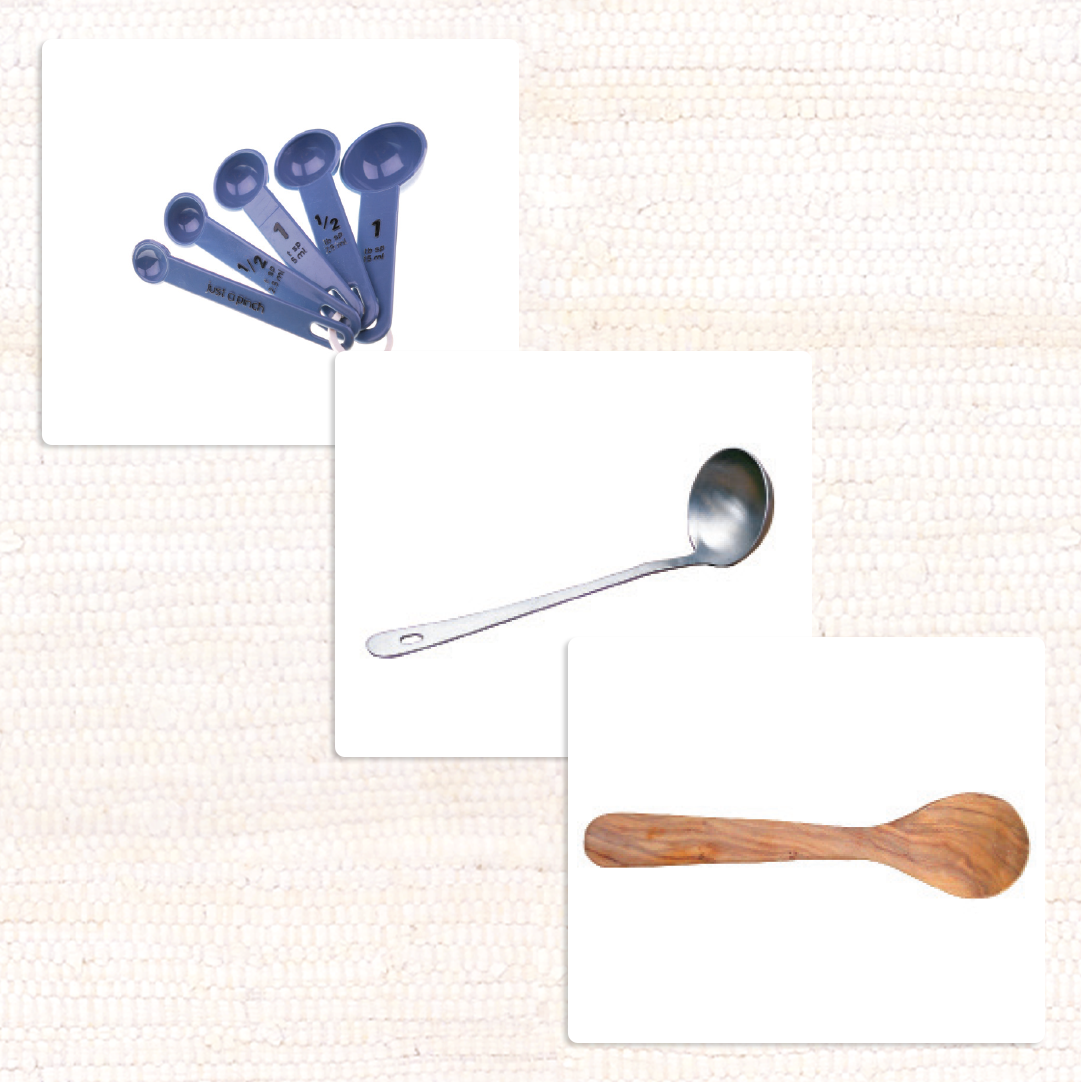
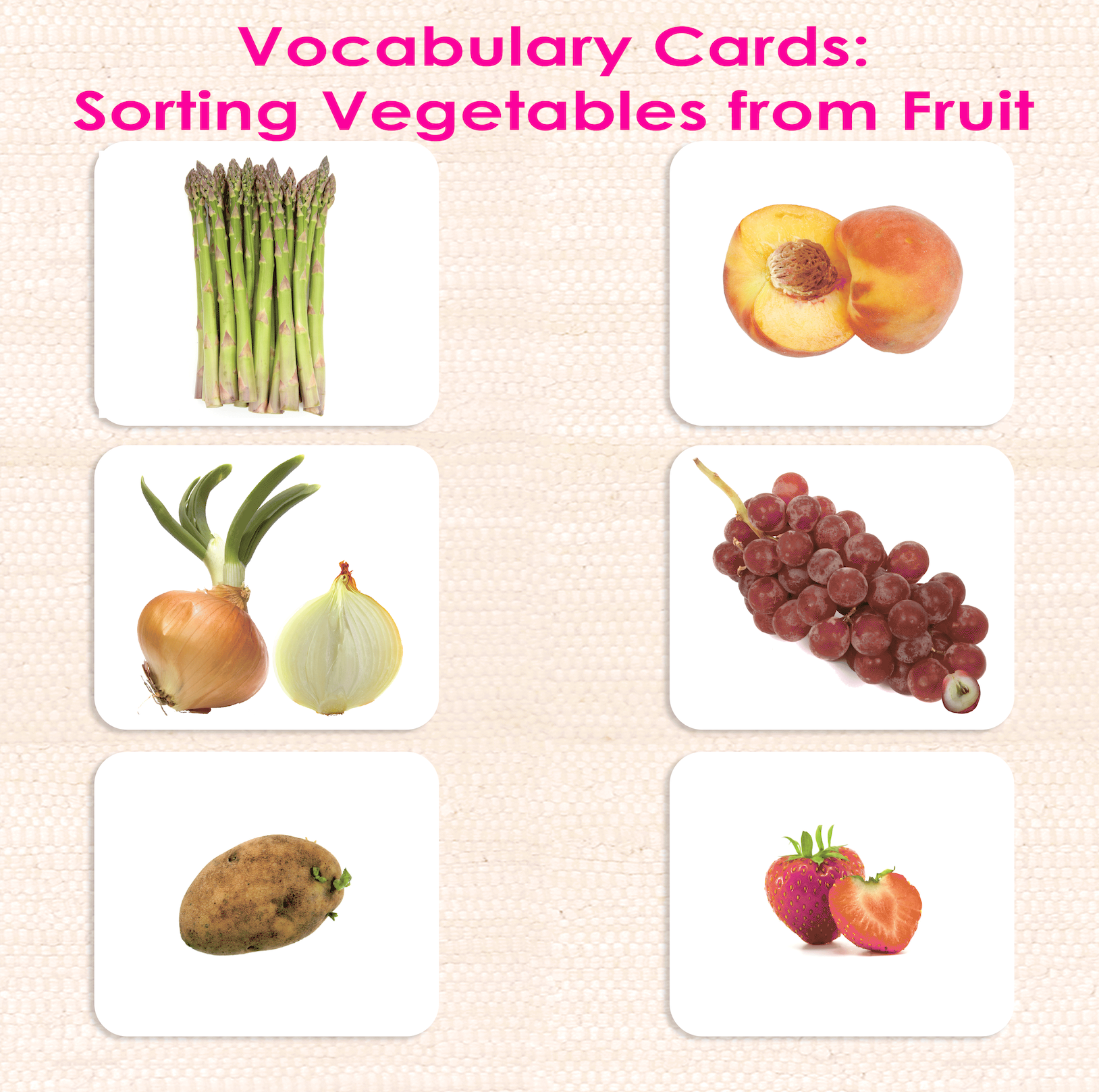
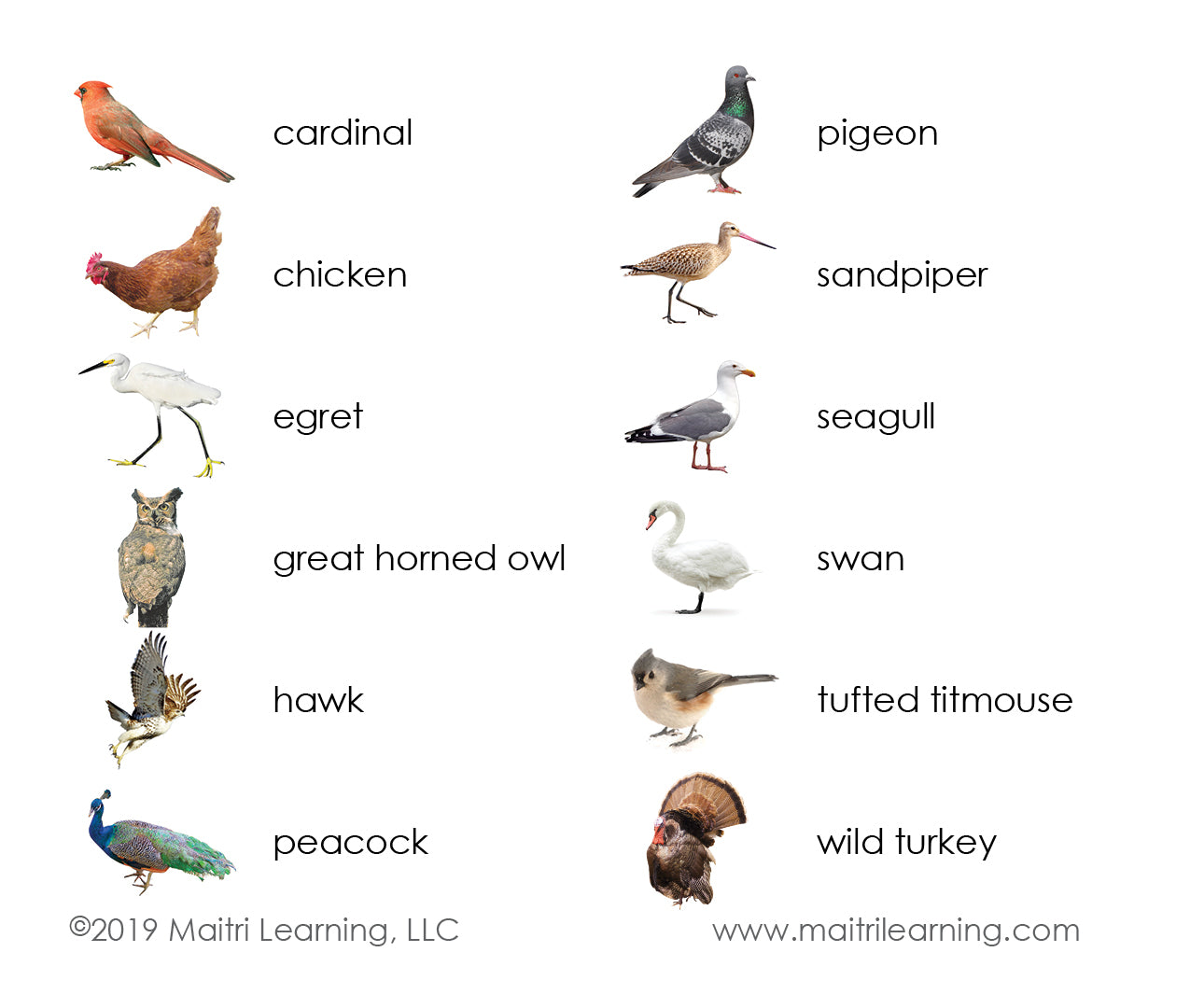
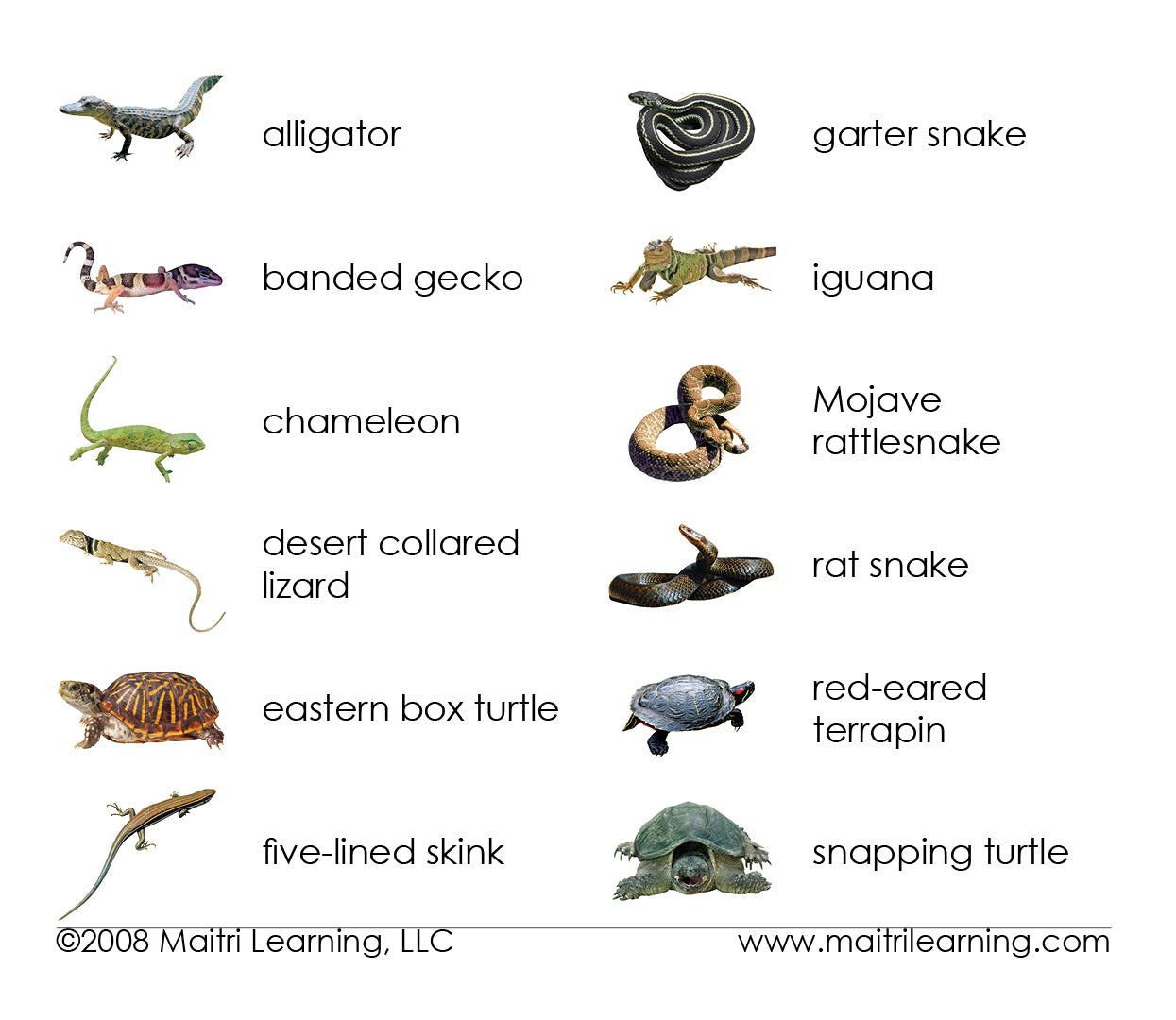
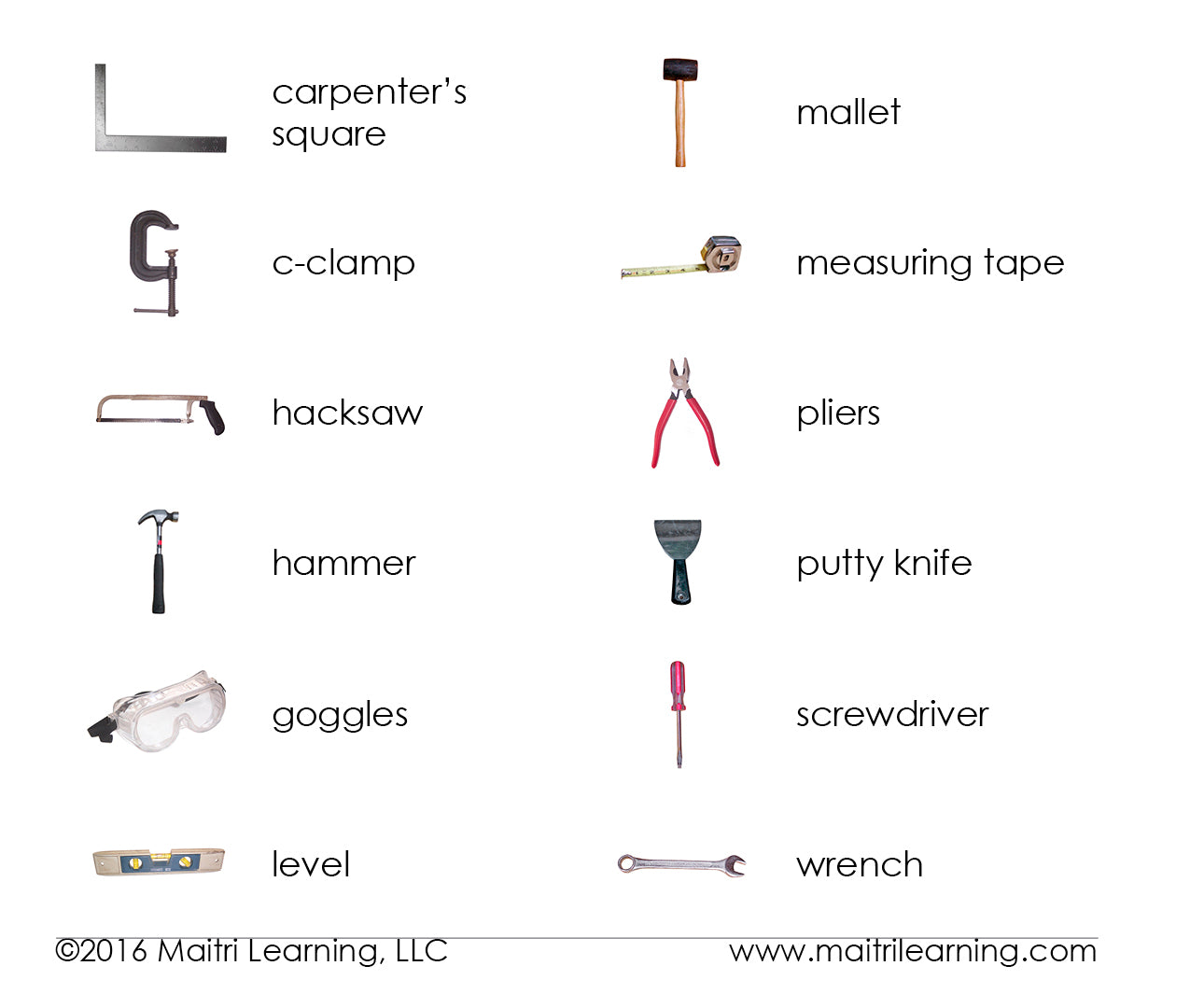
- Vocabulary cards (no sorting labels) for open-ended sorting: mix any two or more vocabulary card packets and invite children to sort them
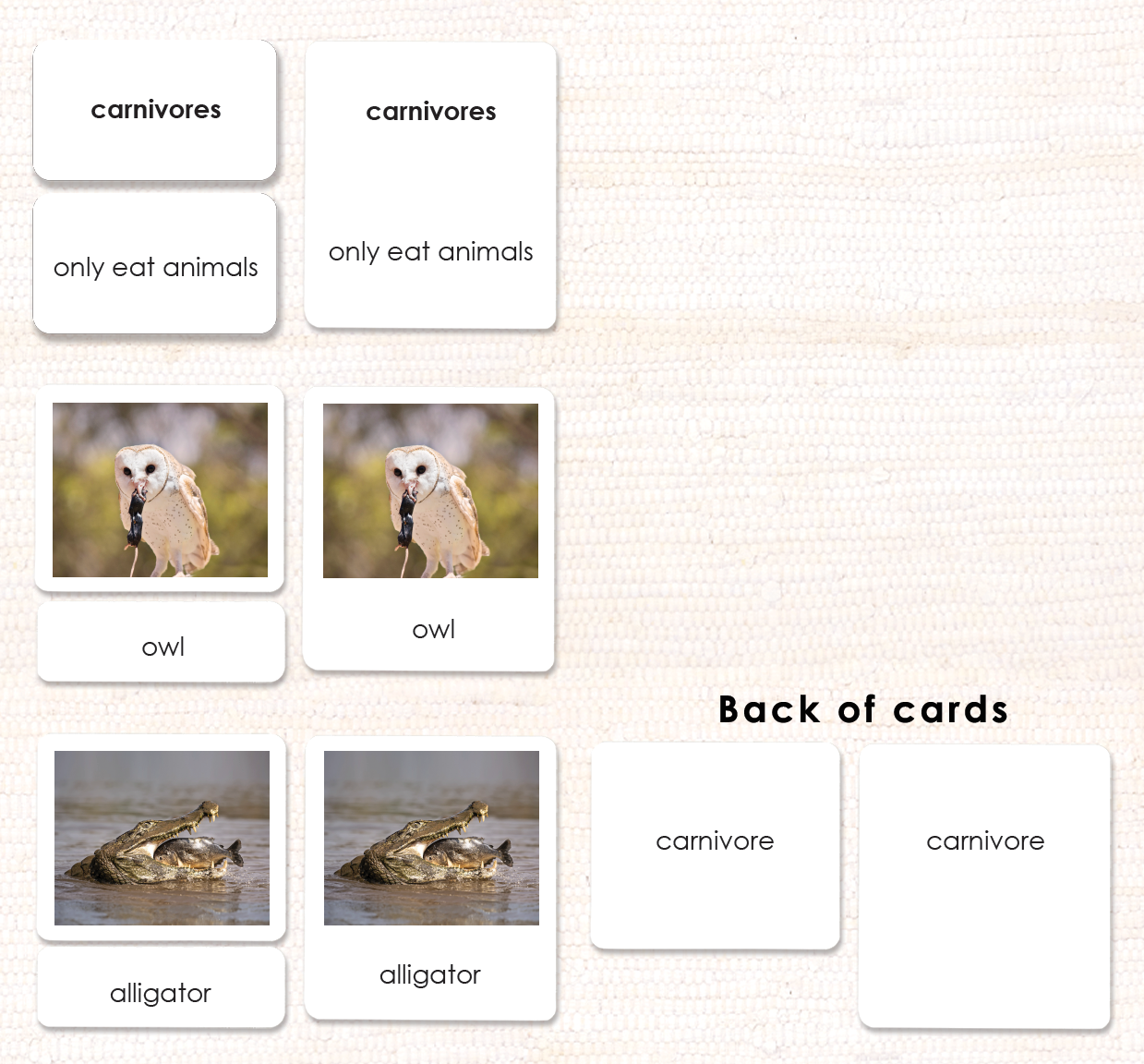
- 3-part sorting cards that combine sorting with reading
-
Spanish editions of many titles
Why sorting matters for reading
Vocabulary and background knowledge are two of the language strands that support reading comprehension (Scarborough, 2001). Learning how words relate to one another through classification activities is part of how we build gist and the word webs that support literacy.
To decide whether a card belongs with the mammals or the birds, the learner has to notice the features that define each group and name them. The categories children build this way (living things, vertebrates, carnivores) are the same ones they will later need to understand informational text.
References
Scarborough, H. S. (2001). Connecting early language and literacy to later reading (dis)abilities: Evidence, theory, and practice. In S. B. Neuman & D. K. Dickinson (Eds.), Handbook of early literacy research (pp. 97–110). Guilford Press.
How do you use Montessori sorting cards?
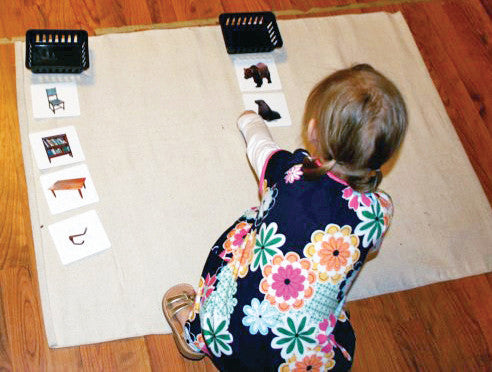
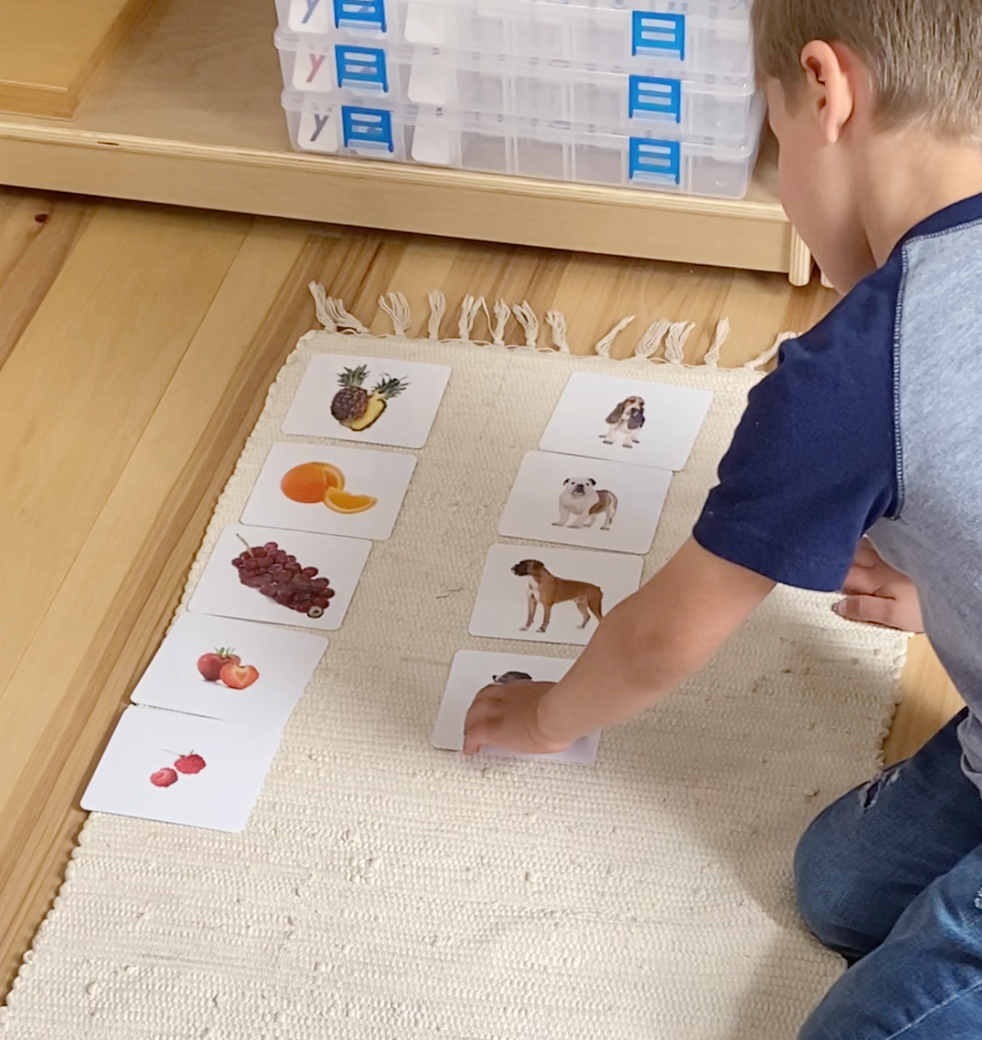
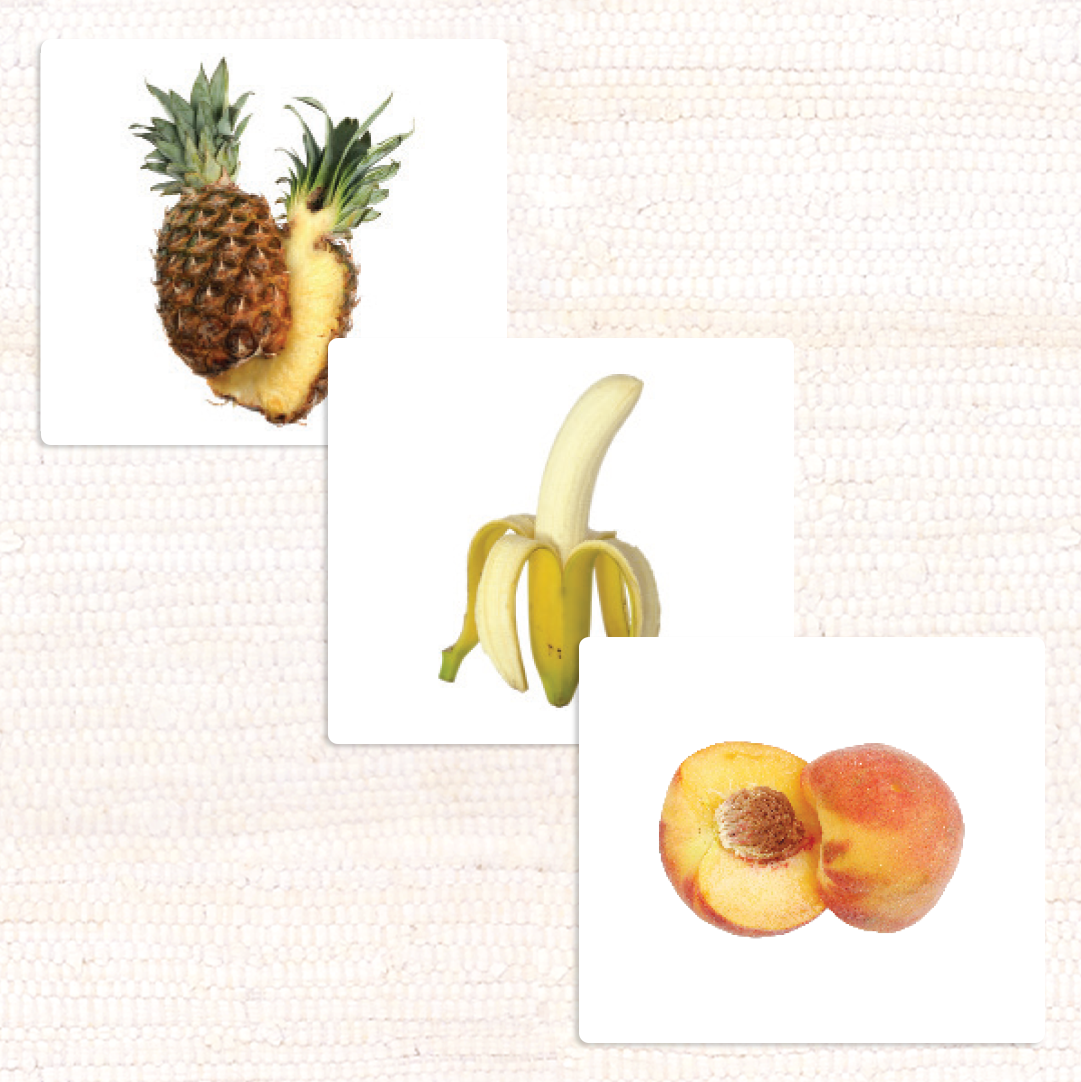
- Start with words children already know. Mix two vocabulary packets that are clearly different, such as fruit and dogs, and invite the child to sort them into two groups.
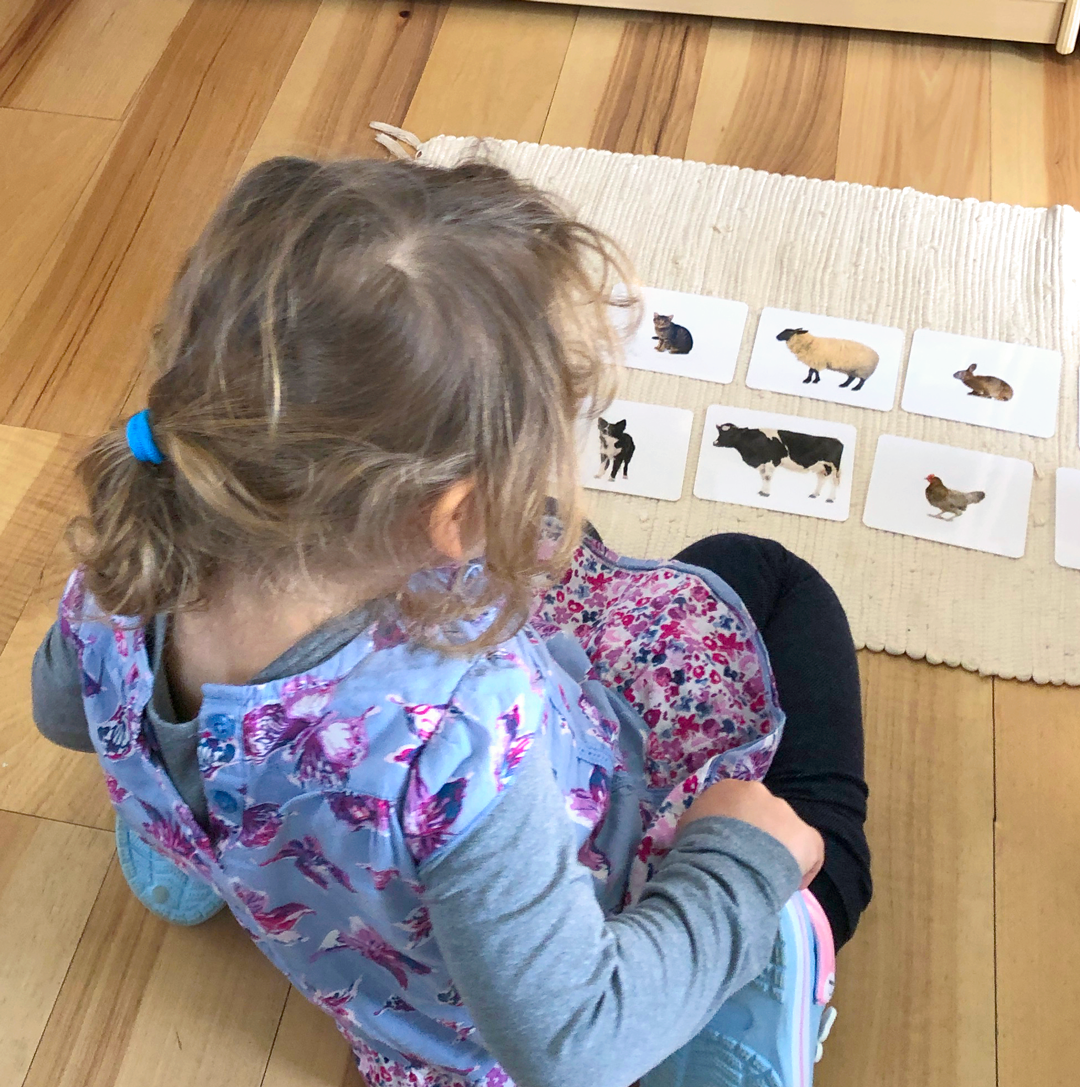
- Talk about the groups. Discuss what makes each category unique. In open-ended sorting there is often more than one right answer. For example, the child may sort by size, color, or shape. This is fine and will refine with practice.
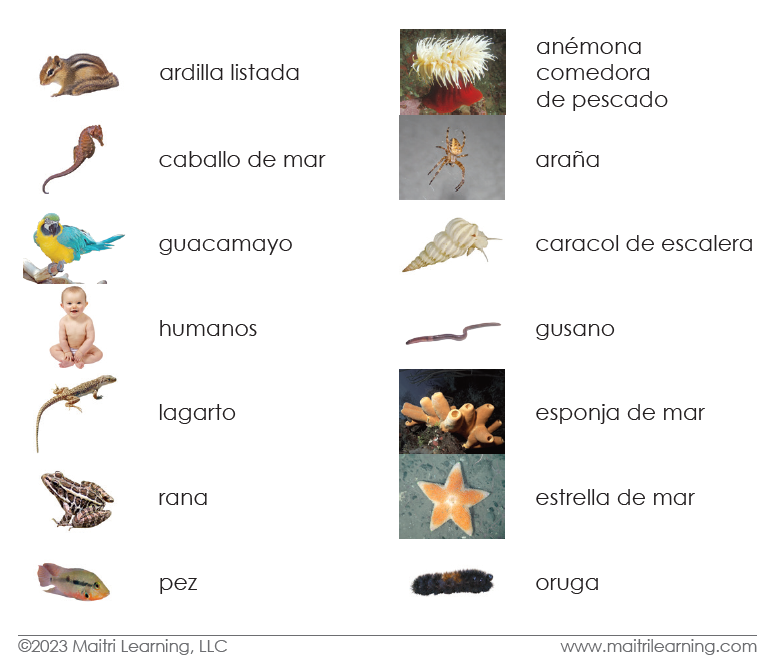
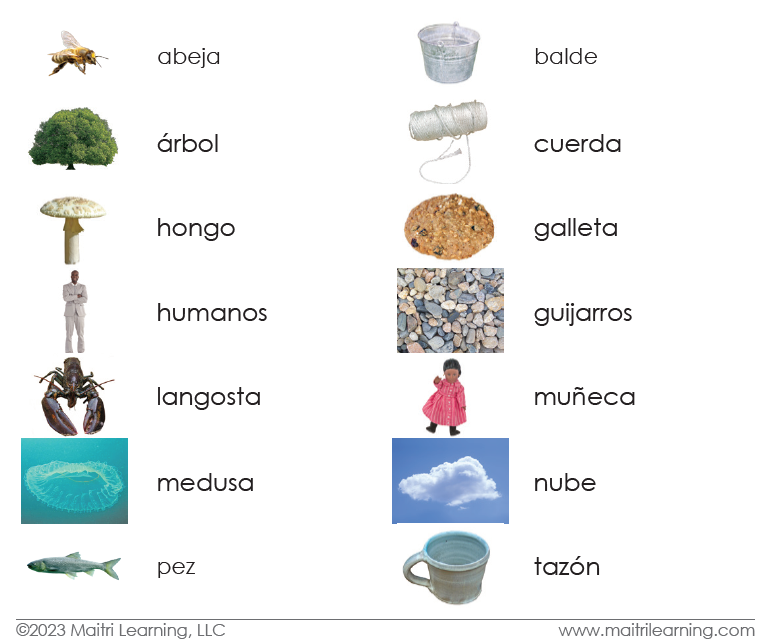
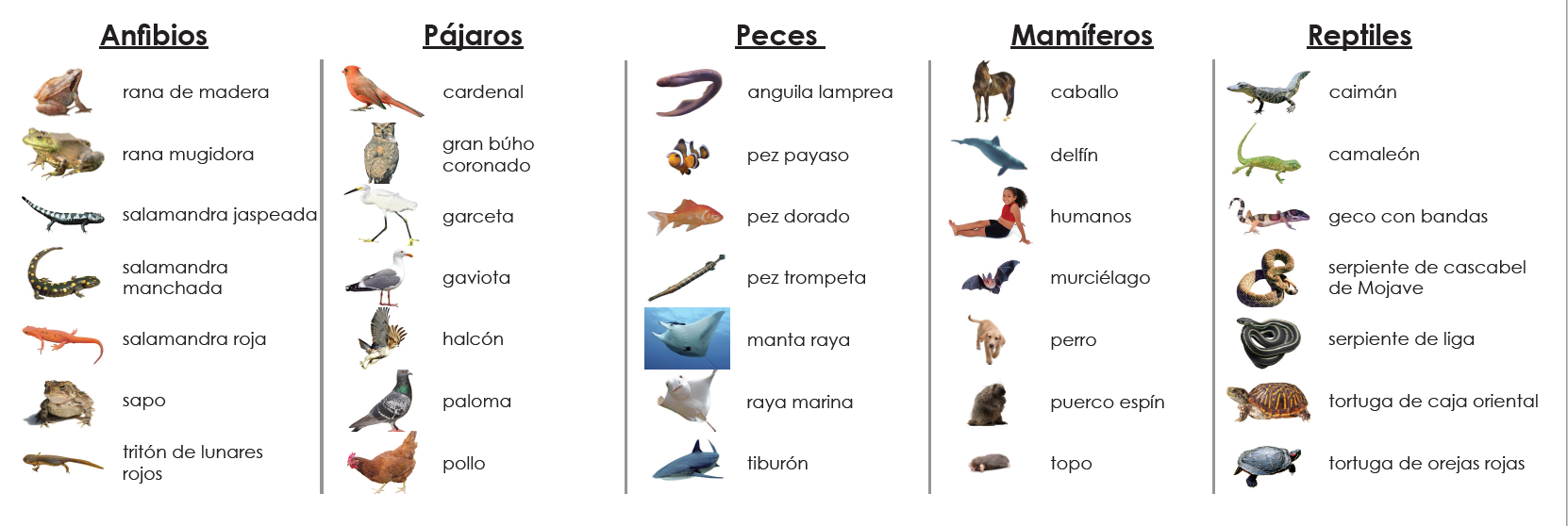
- Move from broad to fine categories. When the student has experience with basic sorting, move into more advanced classification with living/non-living, then plants/animals, then invertebrates/vertebrates, then the five vertebrate classes. Each step asks children to notice finer differences. Discuss what it means to be in each group (use the teacher reference provided) and sort the cards together at first.
- Add labels for readers. Once children are reading, place the sorting labels at the top of each column so they read the category name as they sort.
What comes next
When students can sort confidently, they can go deeper into the same categories with reading work via our 3-part reading cards, zoology cards, and "Parts of" cards. To see where classification fits in the full sequence of literacy development, read about the Montessori Science of Reading.
What ages are sorting cards for?
Use these cards without the labels for pre-readers starting around age 3. When students start reading, add in the sorting labels and the 3-part cards.
Can I use vocabulary cards for sorting?
Yes. Any two or more vocabulary card packets can be mixed for sorting.
Is there one right way to sort?
It depends on the activity. Scientific categories, such as vertebrate classes, have correct answers. Open-ended sorting with vocabulary cards often has more than one way; students may sort by color, size, habitat, or rules of their own. The goal is to get them categorizing and grouping in any way at first. Finer levels of distinction develop later.
Which set should I start with?
Start sorting vocabulary cards with great contrasts like pets from vegetables. Then move on to sorting vocabulary cards with finer levels of distinction like vegetables from fruit. Once students succeed with that, move from Living/Non-Living Sorting, to Plant/Animal Kingdom, to Vertebrates/Invertebrates, and then to Vertebrate Classes.
Are sorting cards available in Spanish?
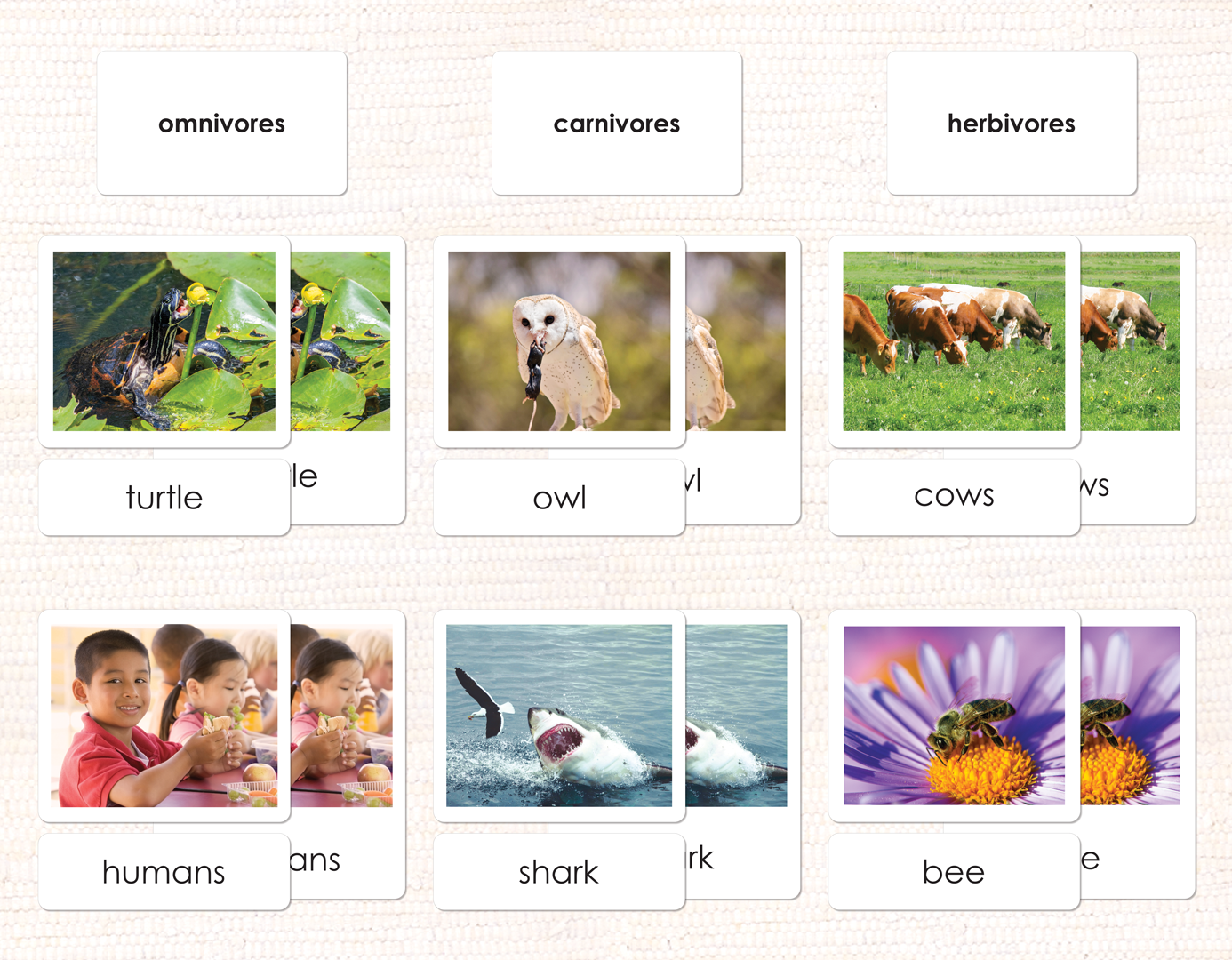
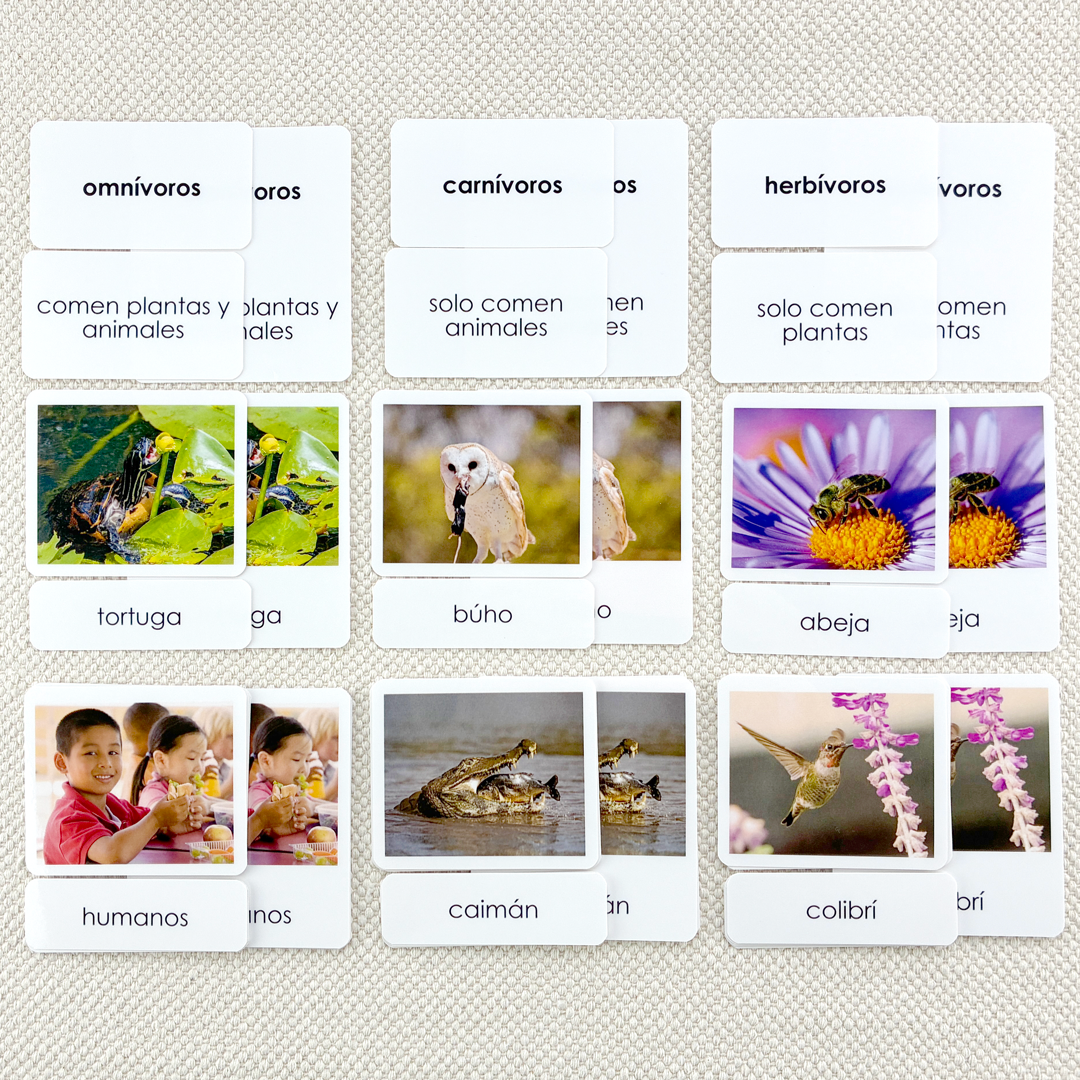
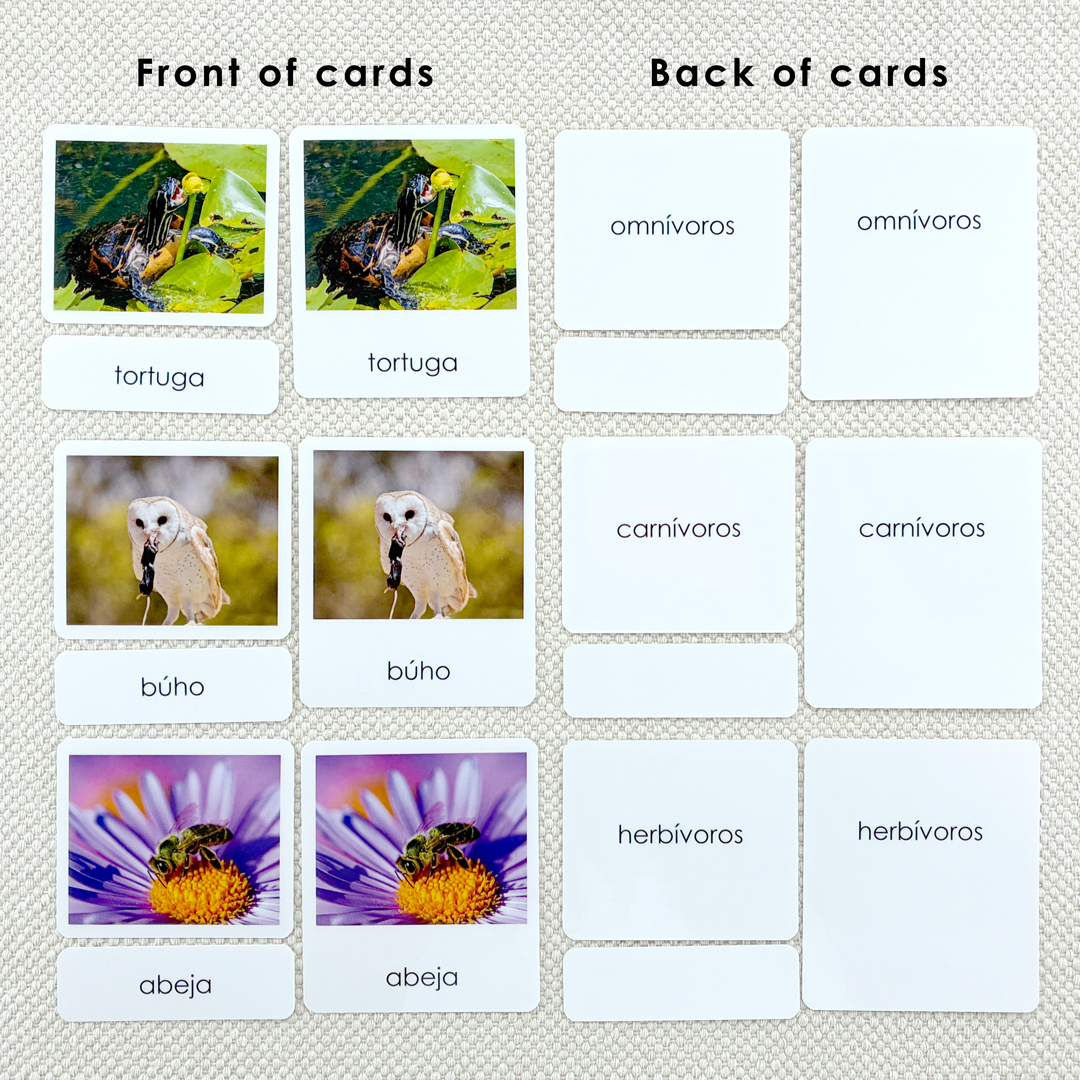
Yes. Spanish editions are available for living/non-living, plant/animal, invertebrates/vertebrates, vertebrate classes, and carnivores, herbivores & omnivores. Browse all Spanish materials.
Watch a teacher demonstrate how to use these materials
Download a PDF of our materials

Follow Us