Letter-Sound Knowledge

More Information:
Letter-Sound Knowledge
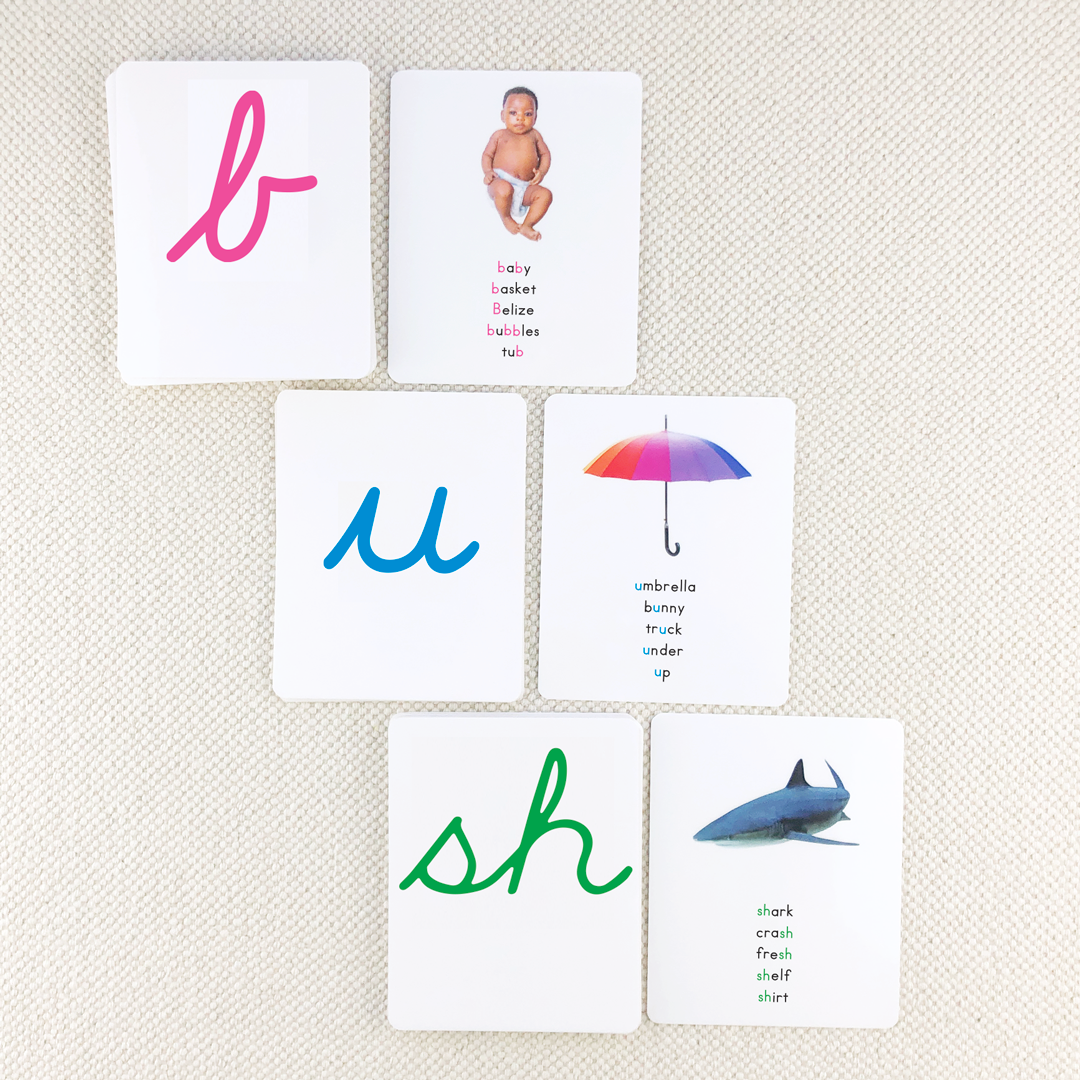
Letter-sound knowledge is knowing the sound each letter makes and connecting that sound to the written letter. It is the foundation for phonics, decoding, and spelling. Maitri Learning's Montessori materials build this skill with Letter Sound Charts, 3-Part Letter Sound Cards, and digital sandpaper letters.
What's in this collection
- Letter Sound Charts give children a clear reference for the sounds letters make. Use these in 3-period lessons to teach the sound of each letter and key digraph in English.
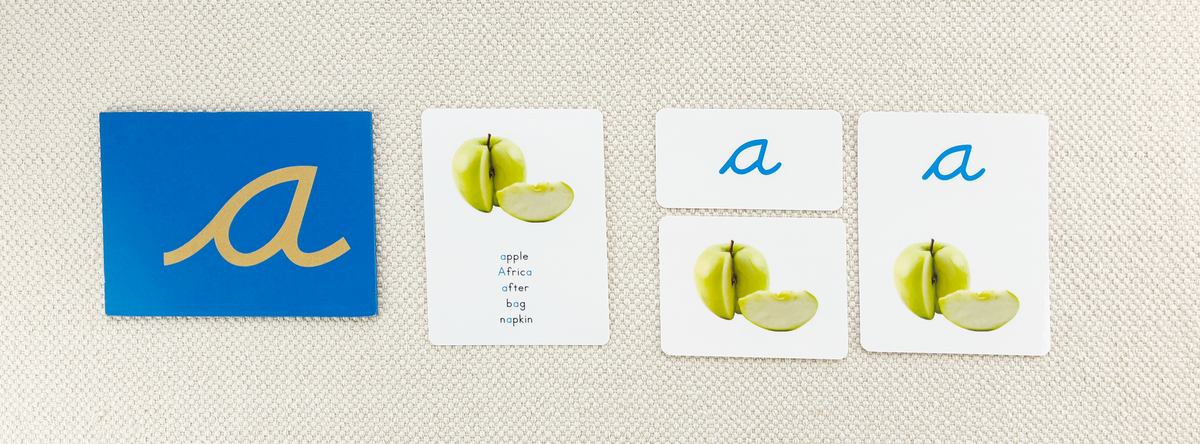
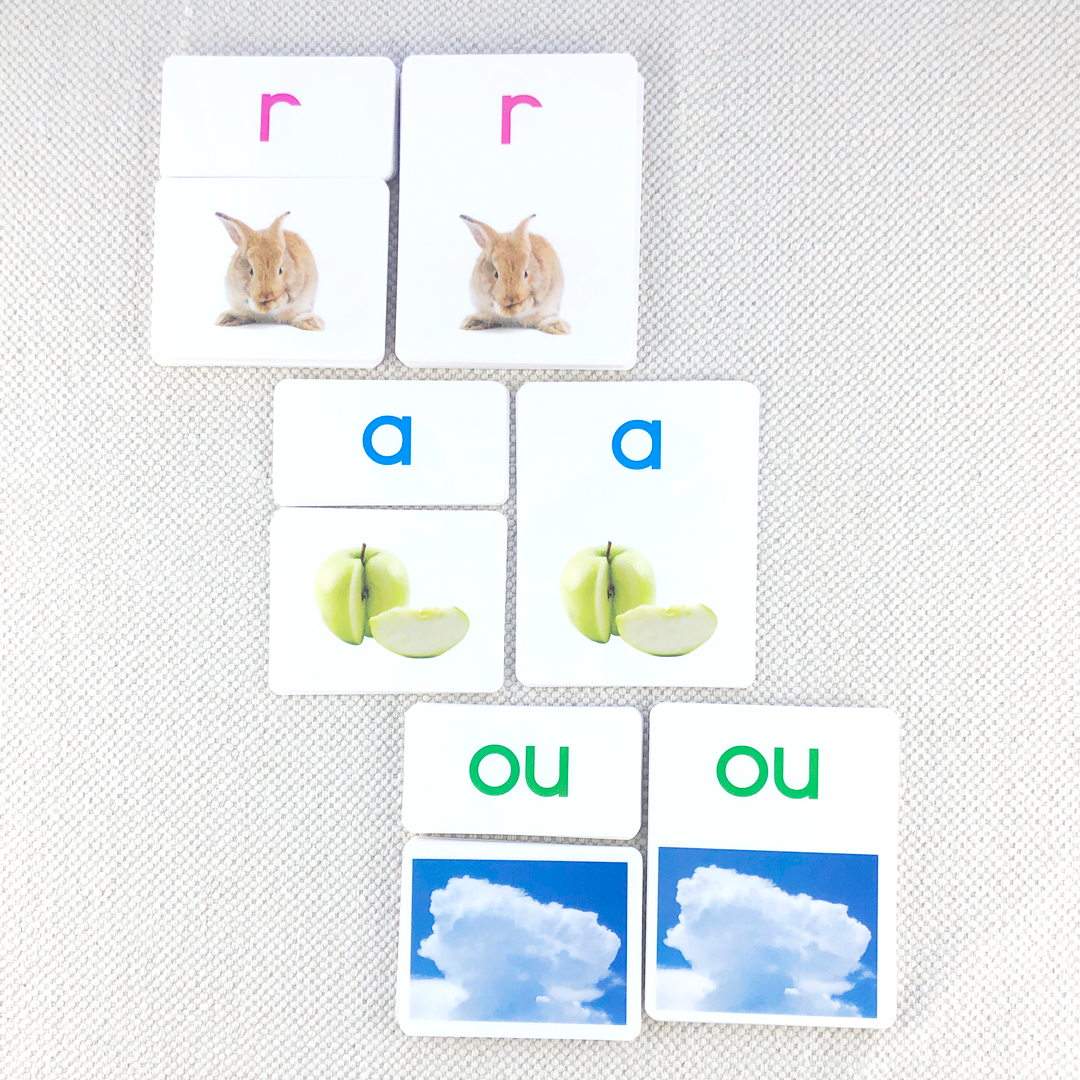
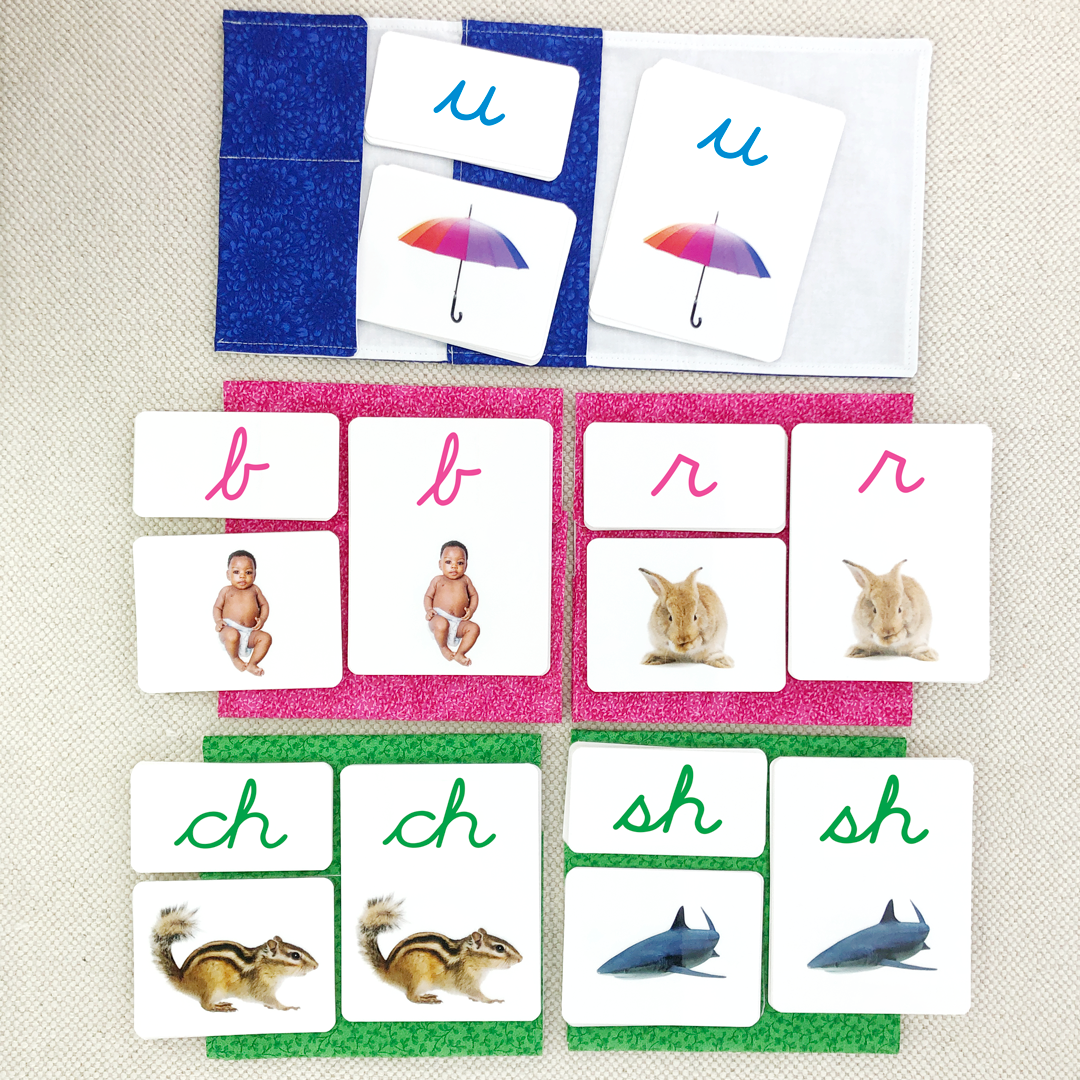
- 3-Part Letter Sound Cards are self-correcting: a built-in control of error helps children recognize and fix their own mistakes. Use these to allow students to practice and solidify their letter-sound knowledge.
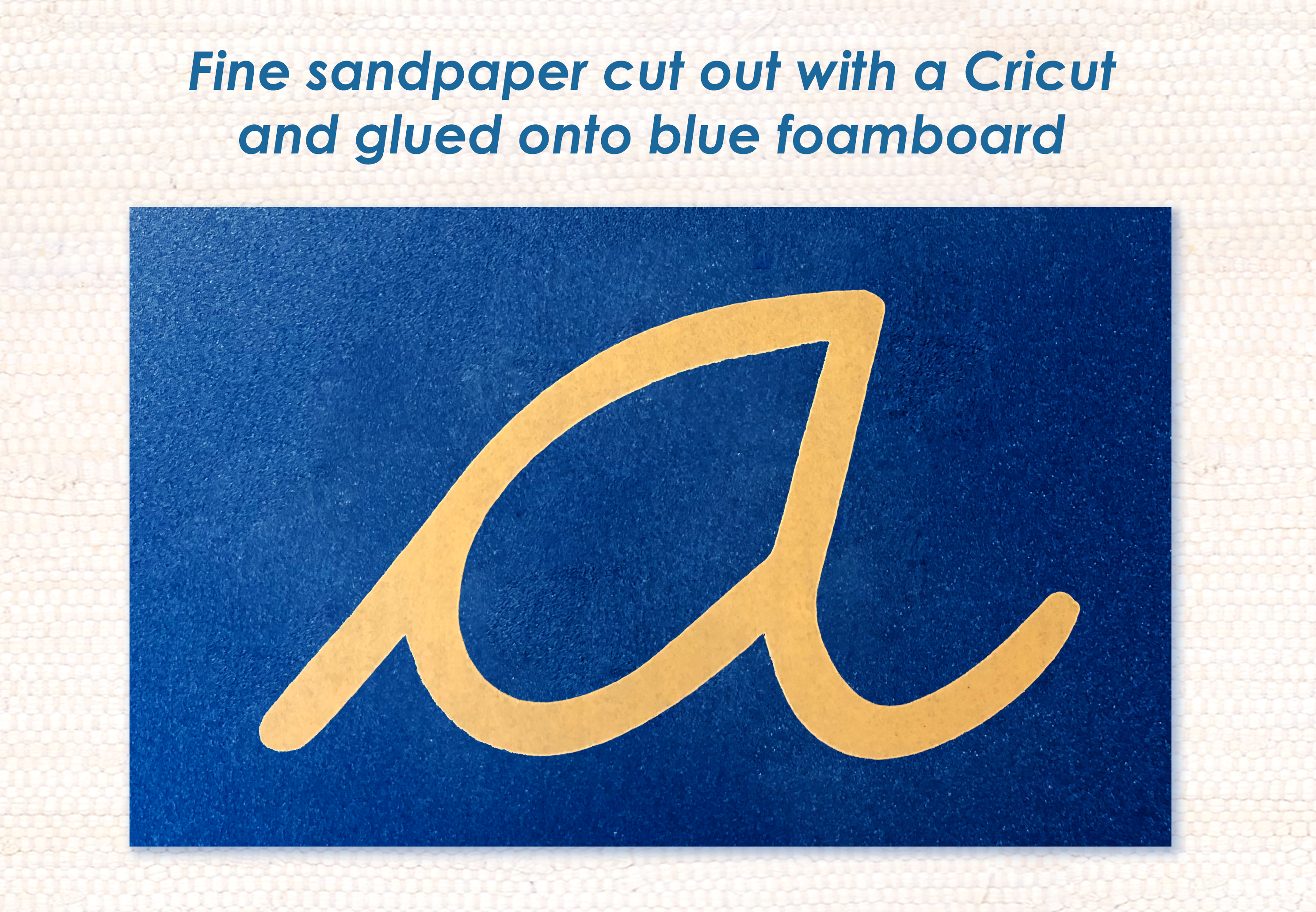
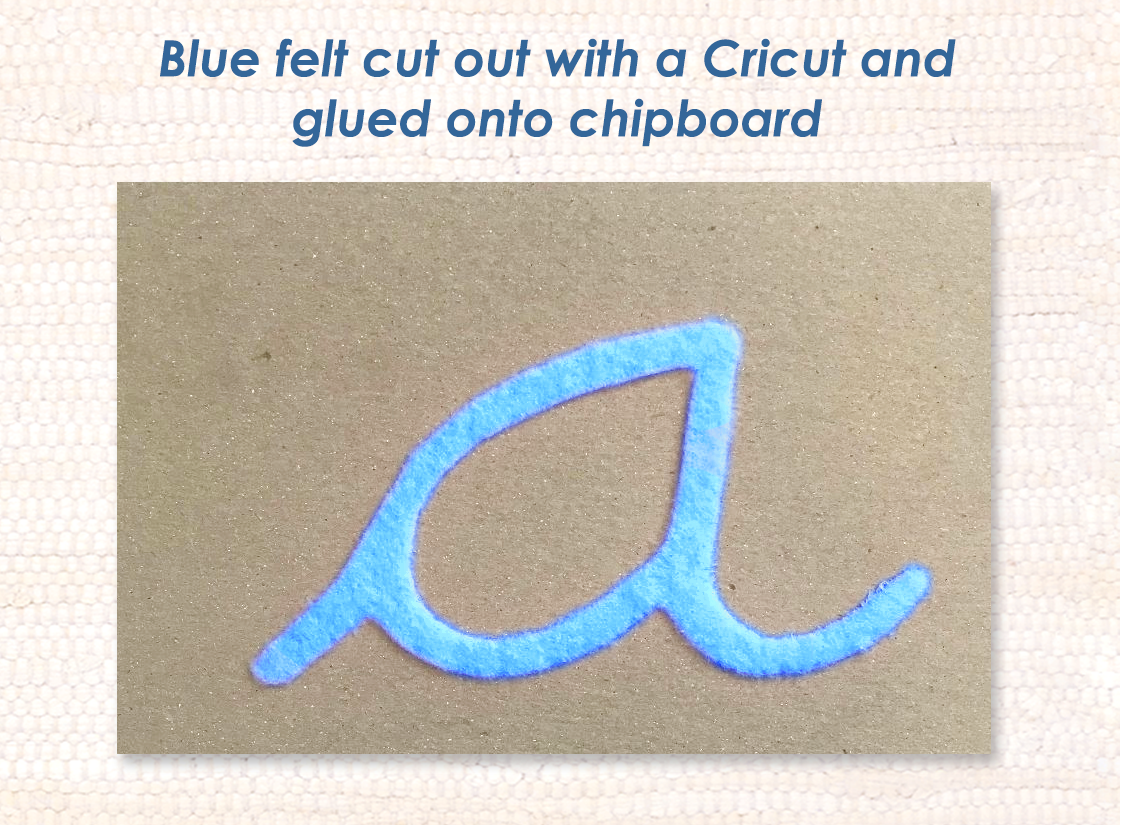
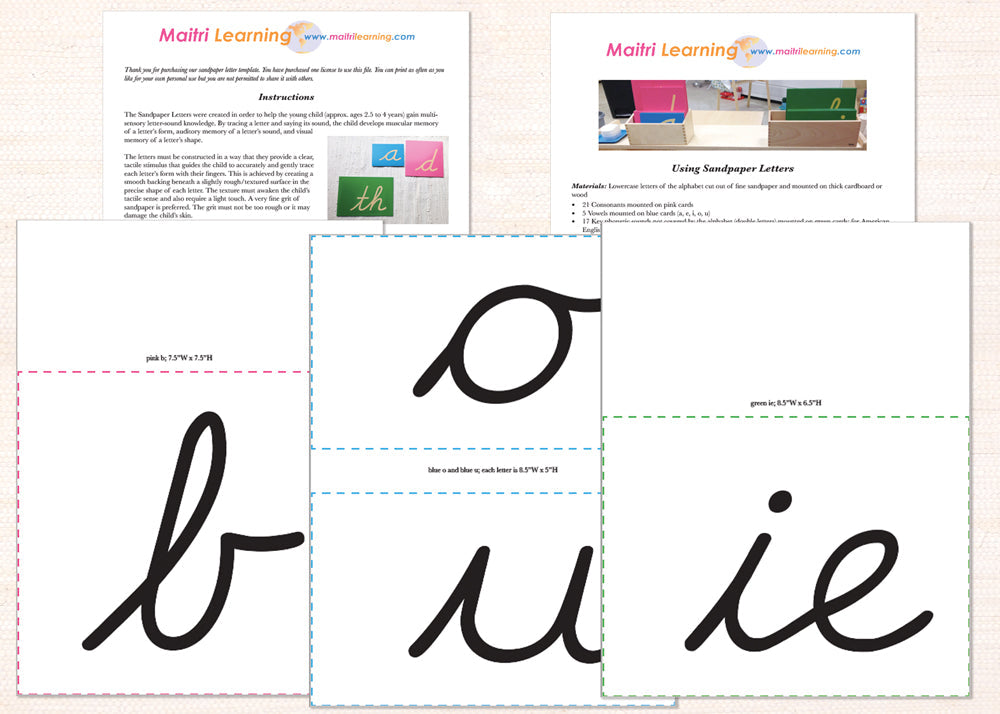
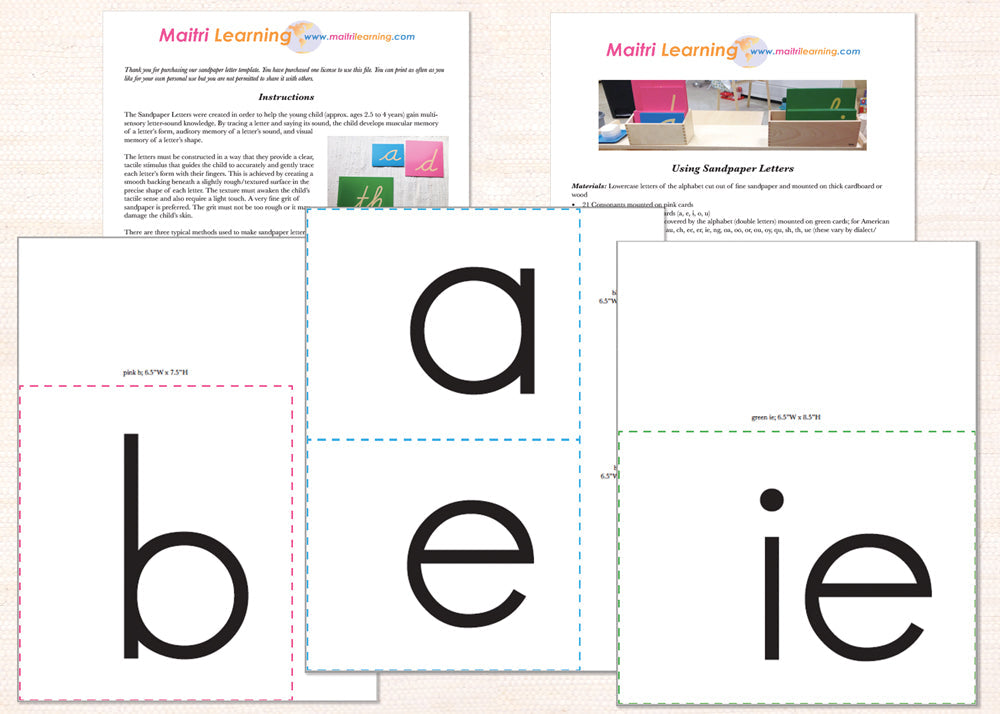
- Digital sandpaper letters are files for making your own sandpaper letters, a Montessori tool children trace while saying each letter's sound. Choose the PDF download or the SVG file for Cricut cutting machines. You can use these instead of or in addition to letter sound charts.
Why letter-sound knowledge matters for reading
In order to read, we have to connect the sounds we hear in a word to the letters that create those sounds. We do this by specializing part of our brain that is used to recognize faces into something that can also recognize letters (Dehaene, et al., 2010). We develop this special brain region, called the "letterbox," by learning letter shapes and their corresponding sounds. These materials give students explicit practice with exactly that: connecting letters to their sounds.
Should I choose print or cursive?
If you have a choice, we recommend cursive. When we read cursive handwriting, the brain uses two systems: one that recognizes the shapes of the letters and another that recognizes the gestures used to write them (Nakamura et al., 2012). Learning the cursive sandpaper letters, and tracing them while saying each sound, may link the movement of writing to the shape and sound of each letter.
Cursive is also easier to write at the word level because children don't have to lift their pencil between letters, and the connected letters help show where one word ends and the next begins. We don't know of studies that directly compare which font children should learn first, so this is our reasoned recommendation, not a proven result. If your school or district teaches print, choose print so children have consistency from room to room.
What comes next
Once children know their letter sounds, they are ready to build words with movable alphabets (encoding) and to read words with our Phonics and Decoding materials. See how every stage fits together in our Montessori scope and sequence, or read more about developing letter-sound knowledge with Montessori sandpaper letters.
References
Dehaene, S., Pegado, F., Braga, L. W., Ventura, P., Nunes Filho, G., Jobert, A., Dehaene-Lambertz, G., Kolinsky, R., Morais, J., & Cohen, L. (2010). How learning to read changes the cortical networks for vision and language. Science, 330(6009), 1359–1364. https://doi.org/10.1126/science.1194140
Nakamura, K., Kuo, W.-J., Pegado, F., Cohen, L., Tzeng, O. J. L., & Dehaene, S. (2012). Universal brain systems for recognizing word shapes and handwriting gestures during reading. Proceedings of the National Academy of Sciences, 109(50), 20762–20767. https://doi.org/10.1073/pnas.1217749109
Frequently asked questions
What ages are these letter sound materials for?
These materials are designed for PreK through Grade 2 (about ages 3 to 8), and they also work for ESL learners, intervention, and homeschool. Use them with any child who is learning the sounds letters make.
Why do you include phonograms/digraphs in these materials?
In a partially phonetic language like English, we need more than one letter to make every key sound (for example, the ch in chip or the sh in fish). So, the Montessori/Dwyer approach assigns one key sound to each single letter (like b as in bat, c as in cat) and many pairs of letters (like th as in thing and ue as in glue).
This key sound approach simplifies teaching and learning because it is consistent and predictable. We lean on key sound phonetics first and later expand to include spelling variations.
How do 3-part letter sound cards work?
All 3-part cards include a built-in control of error, so children learn to recognize and fix their own mistakes without a teacher telling them they are right or wrong.
Are the sandpaper letters physical or digital?
The sandpaper letters in this collection are digital files for making your own: a PDF download and an SVG file for Cricut cutting machines.
Download a PDF of our materials

Follow Us