Phonics & Decoding










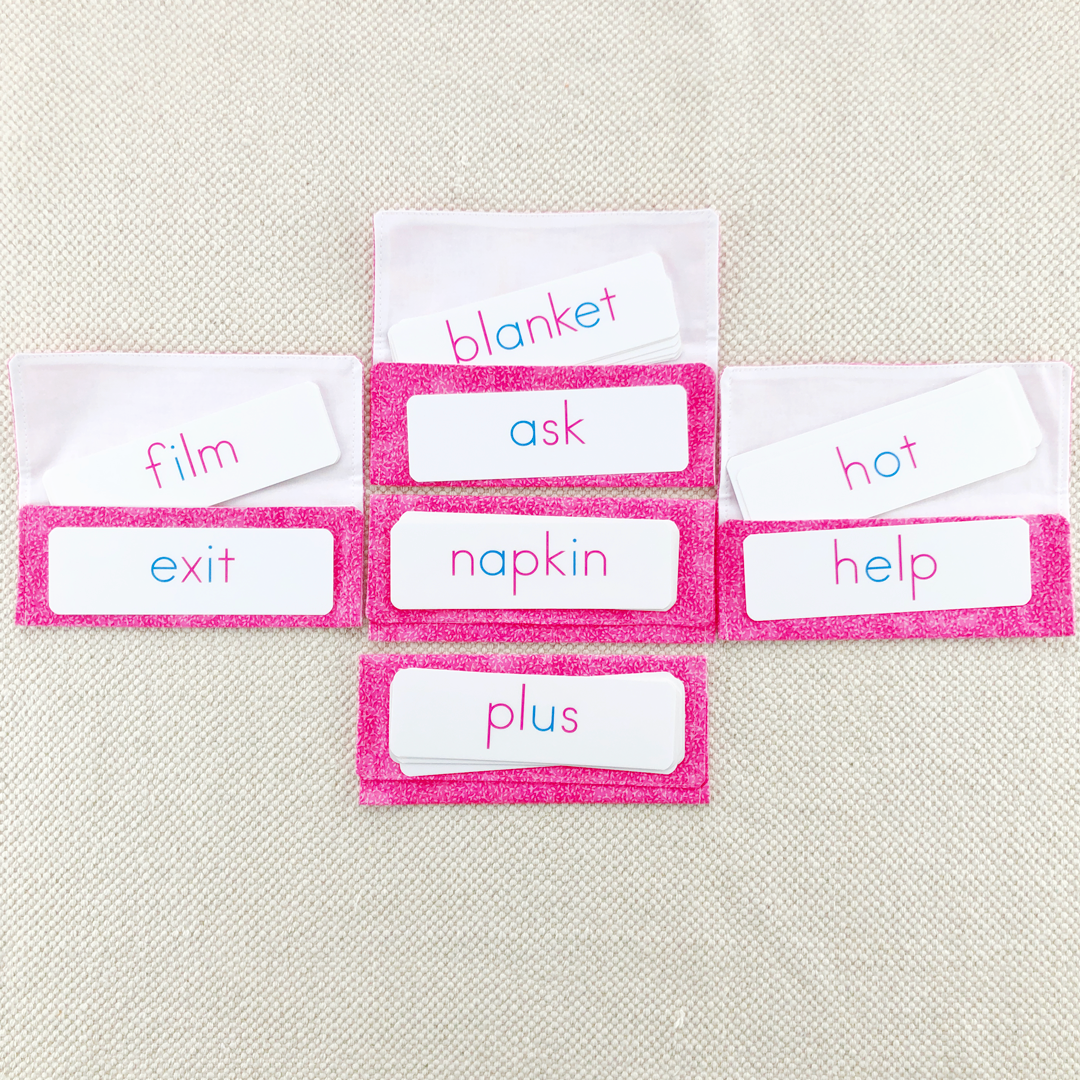

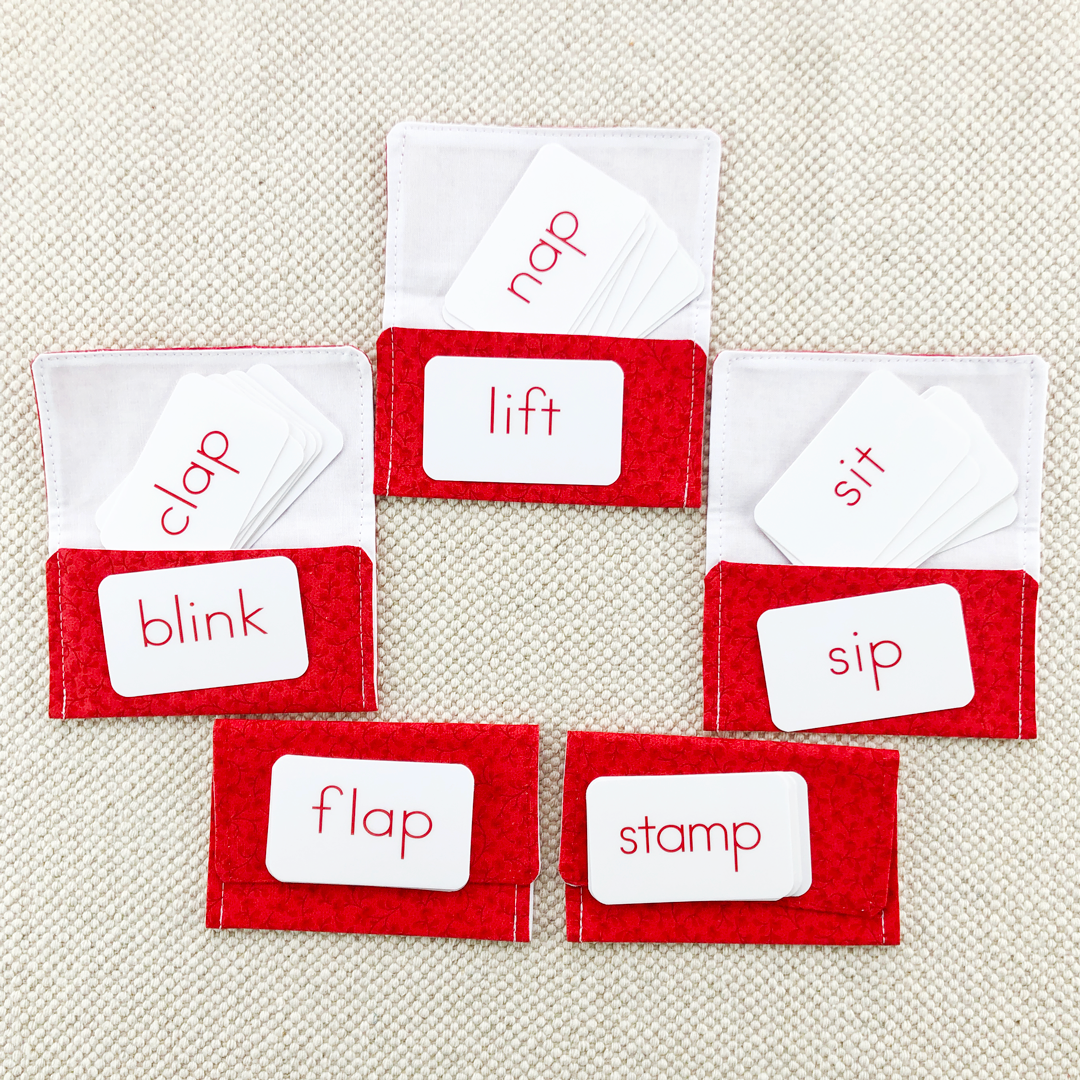

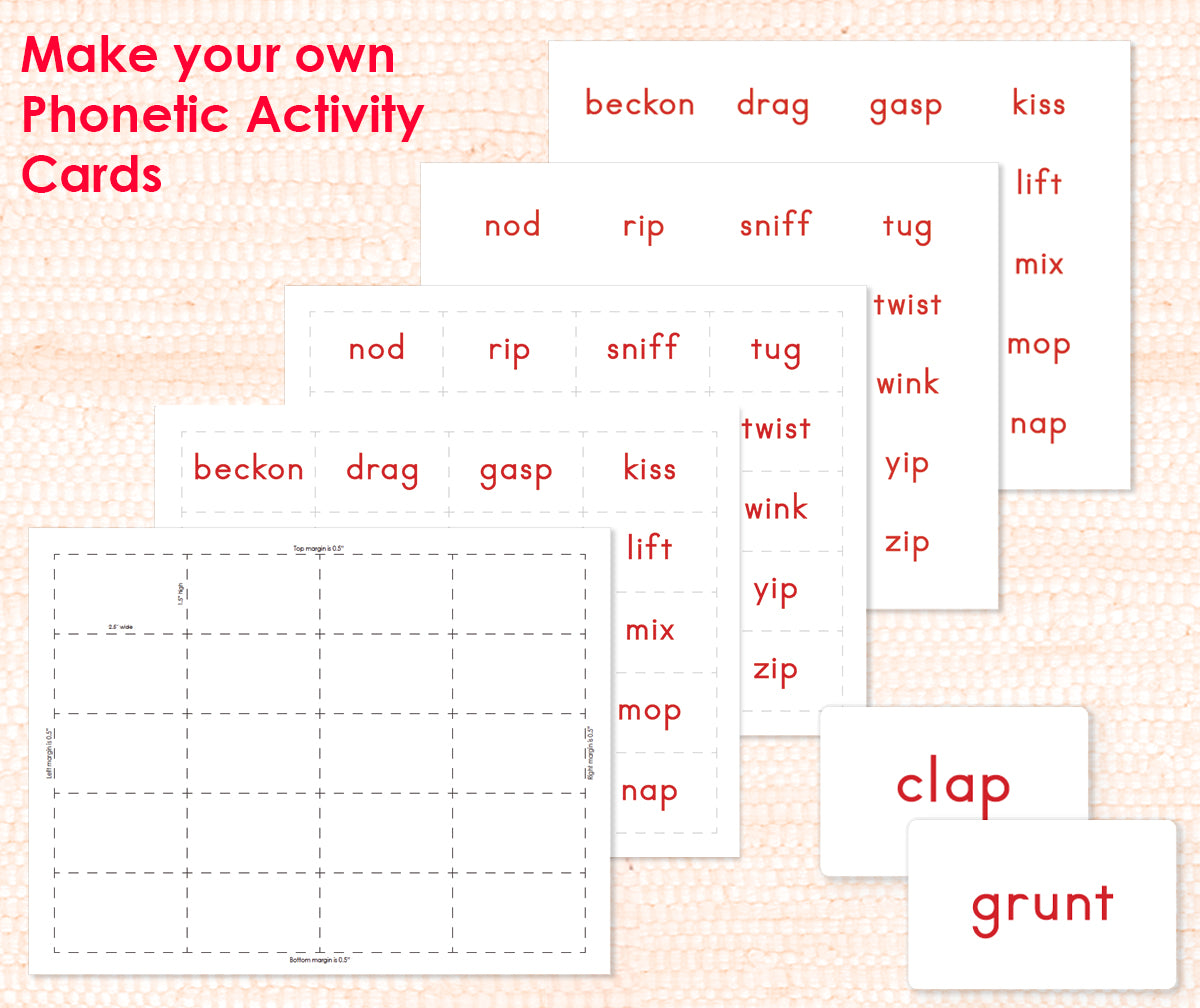
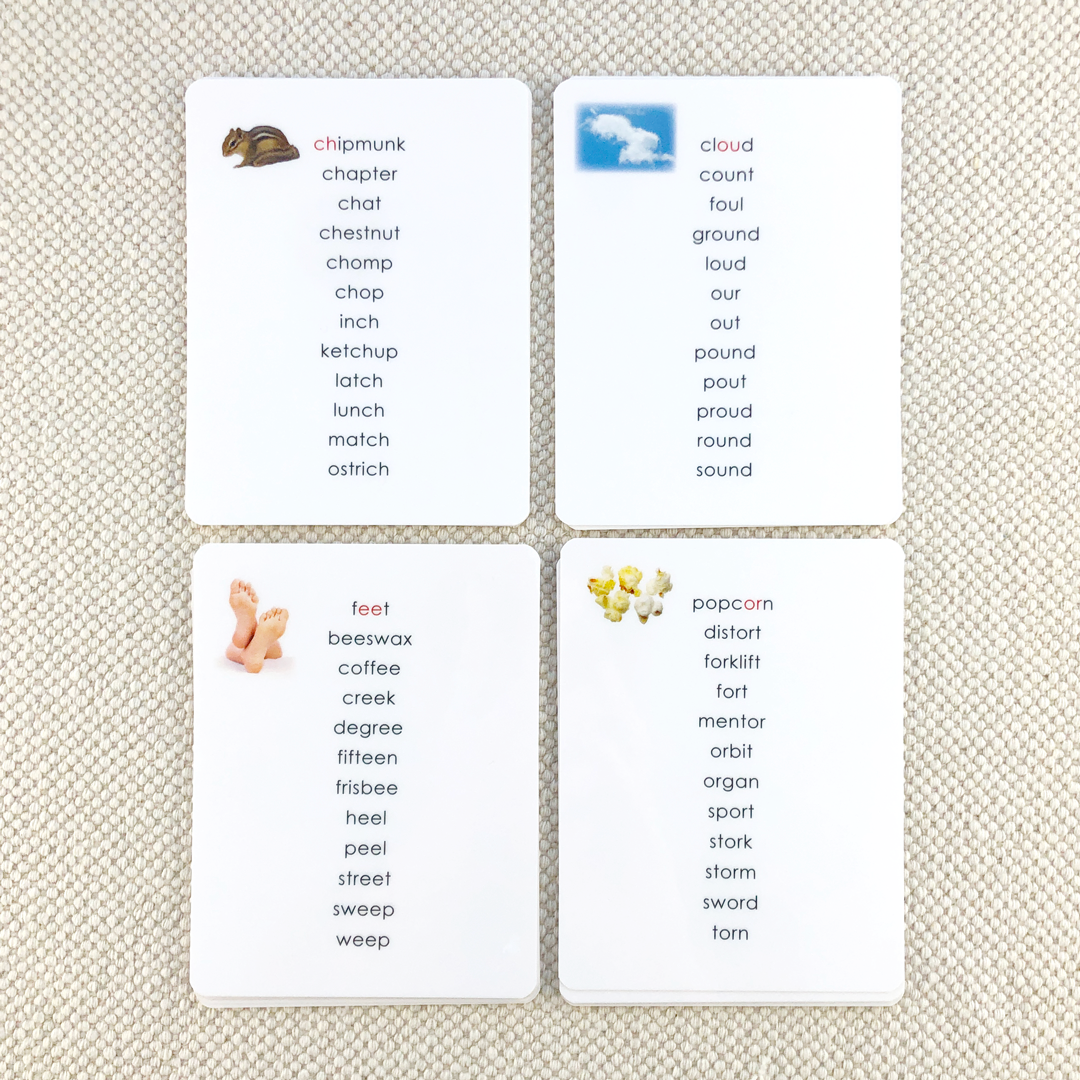



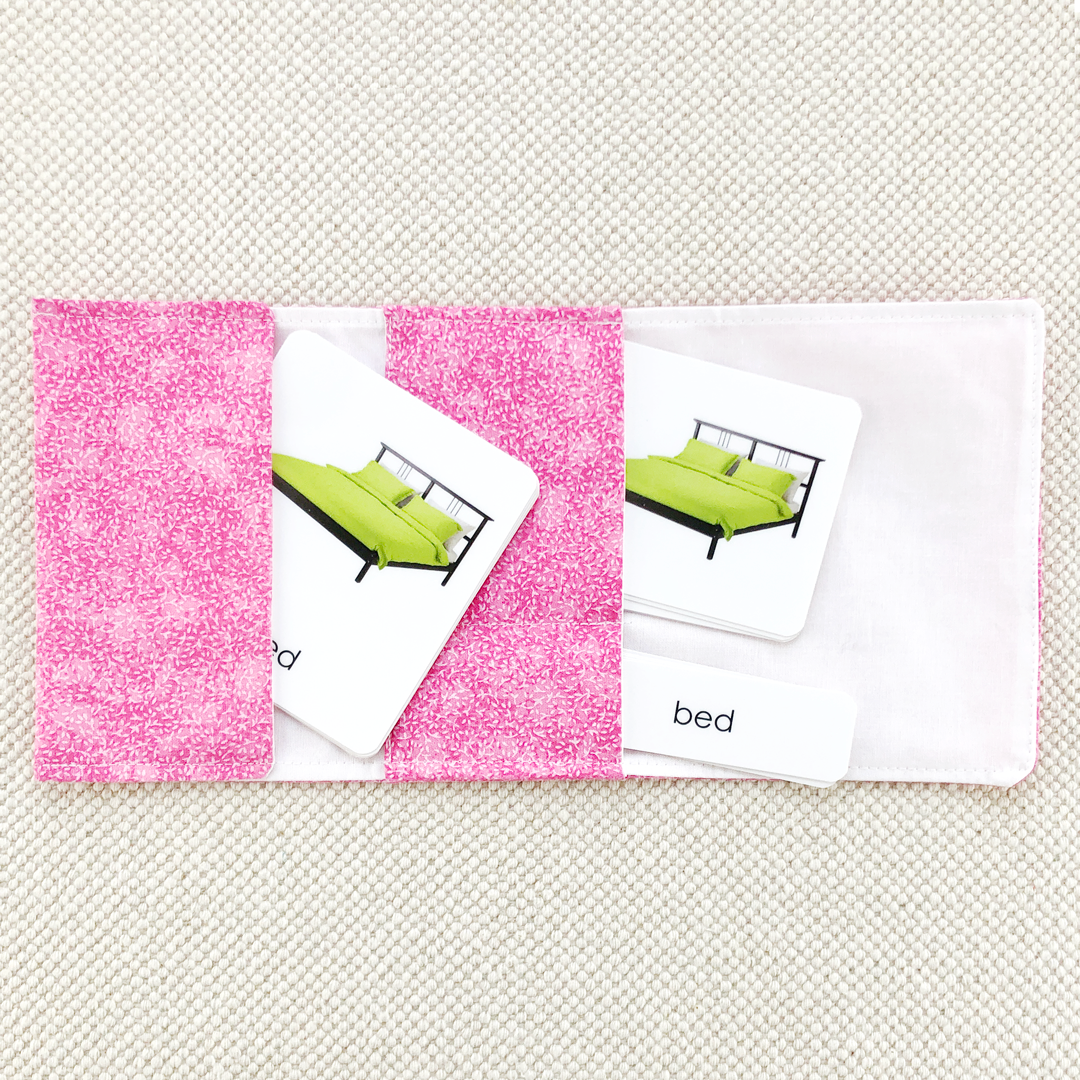
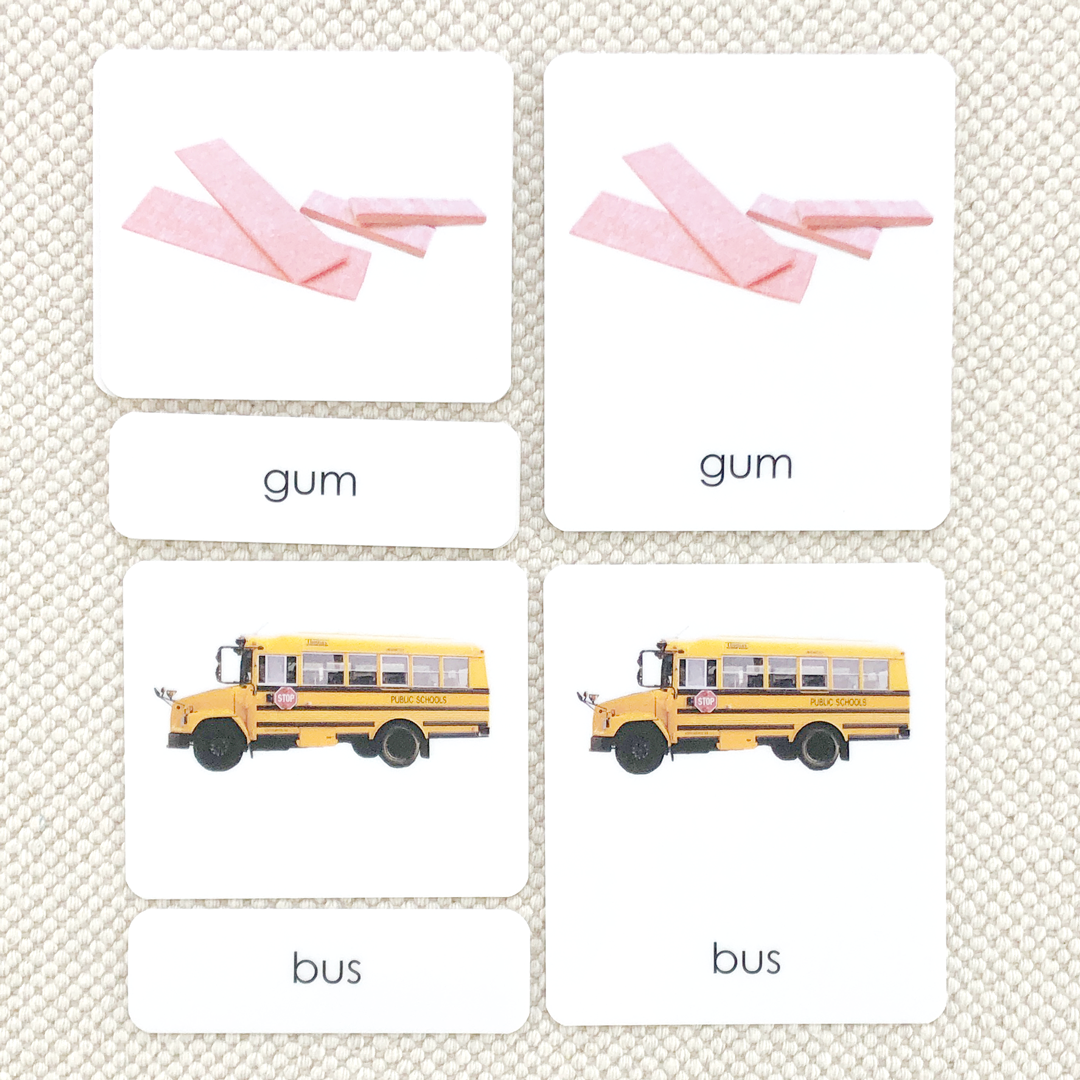
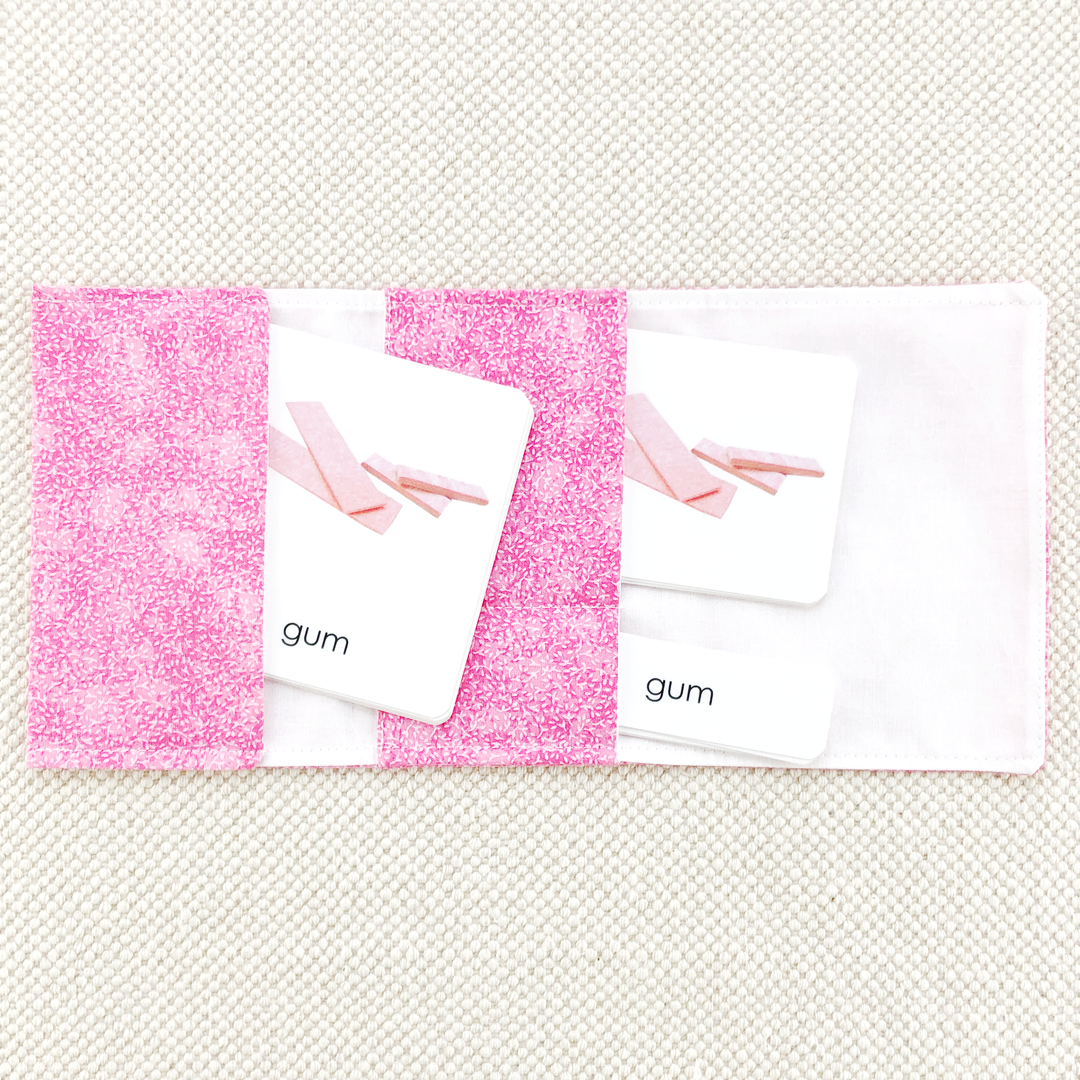
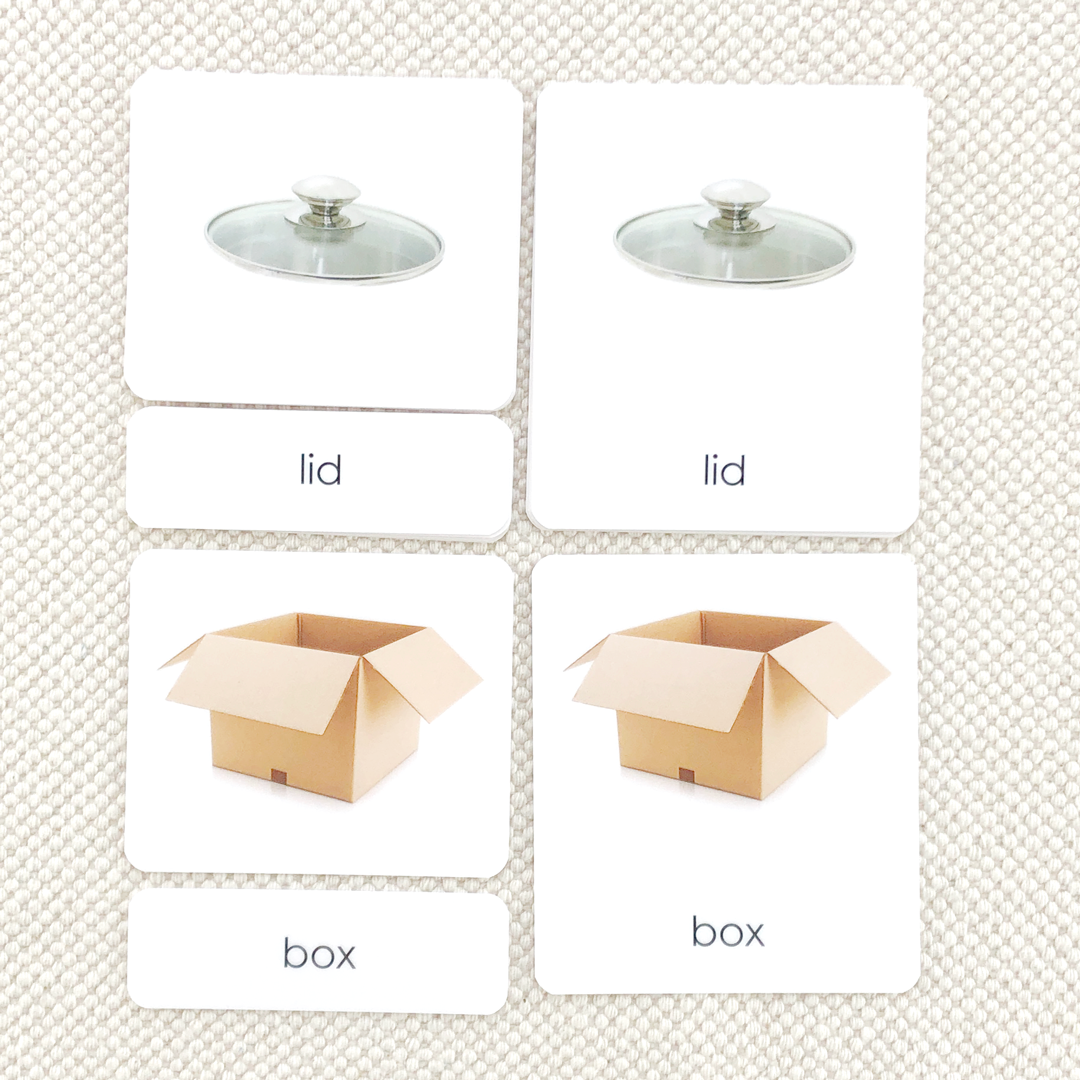
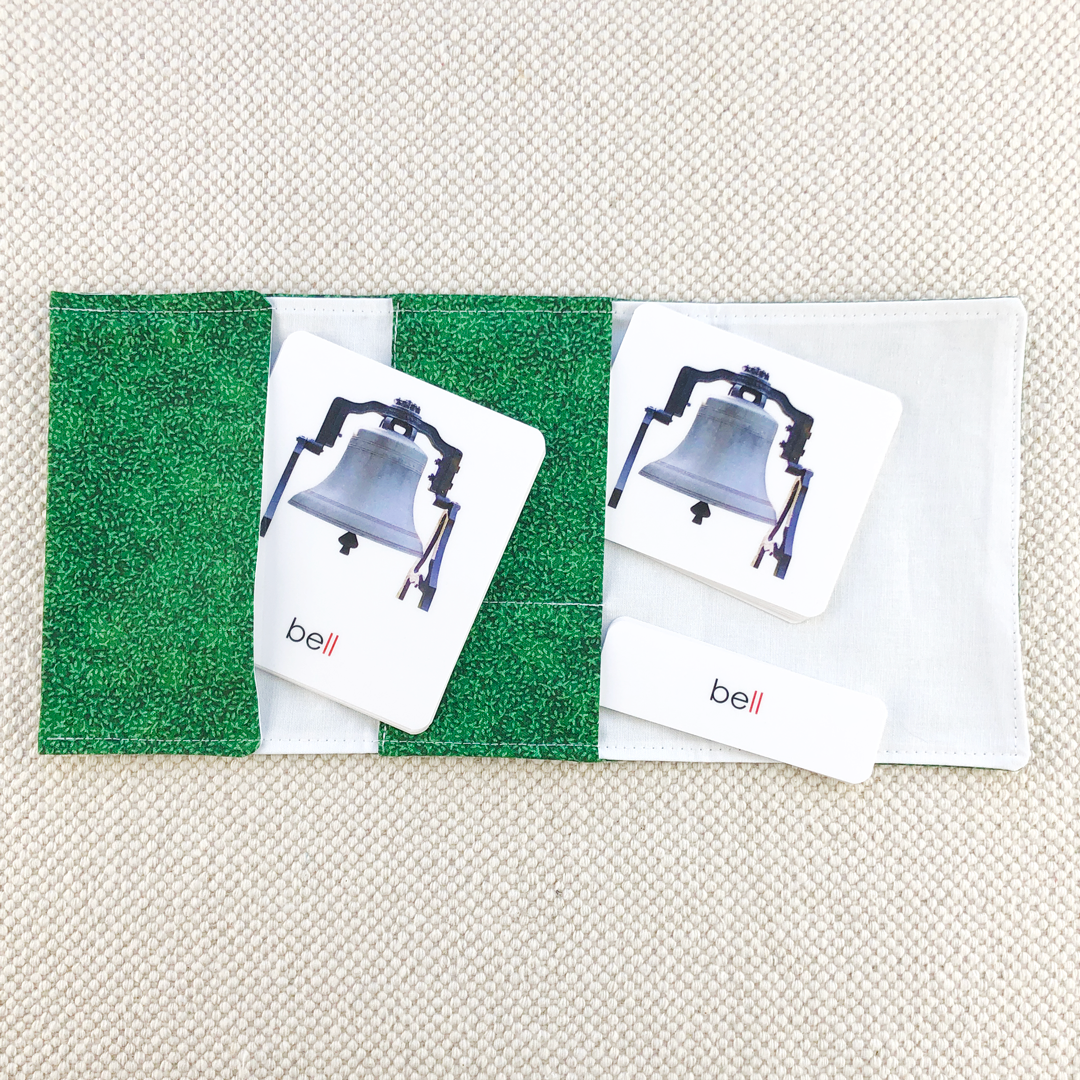
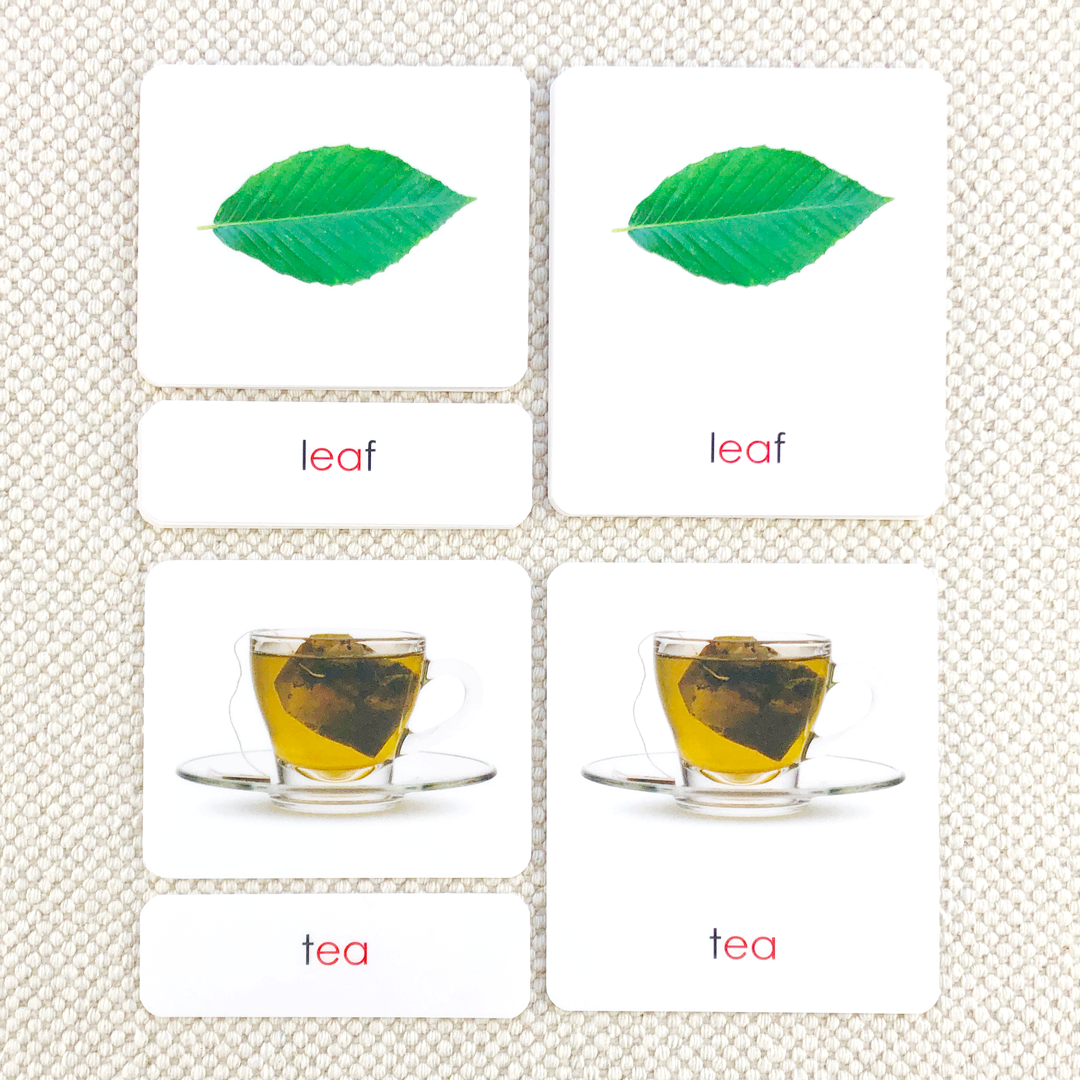
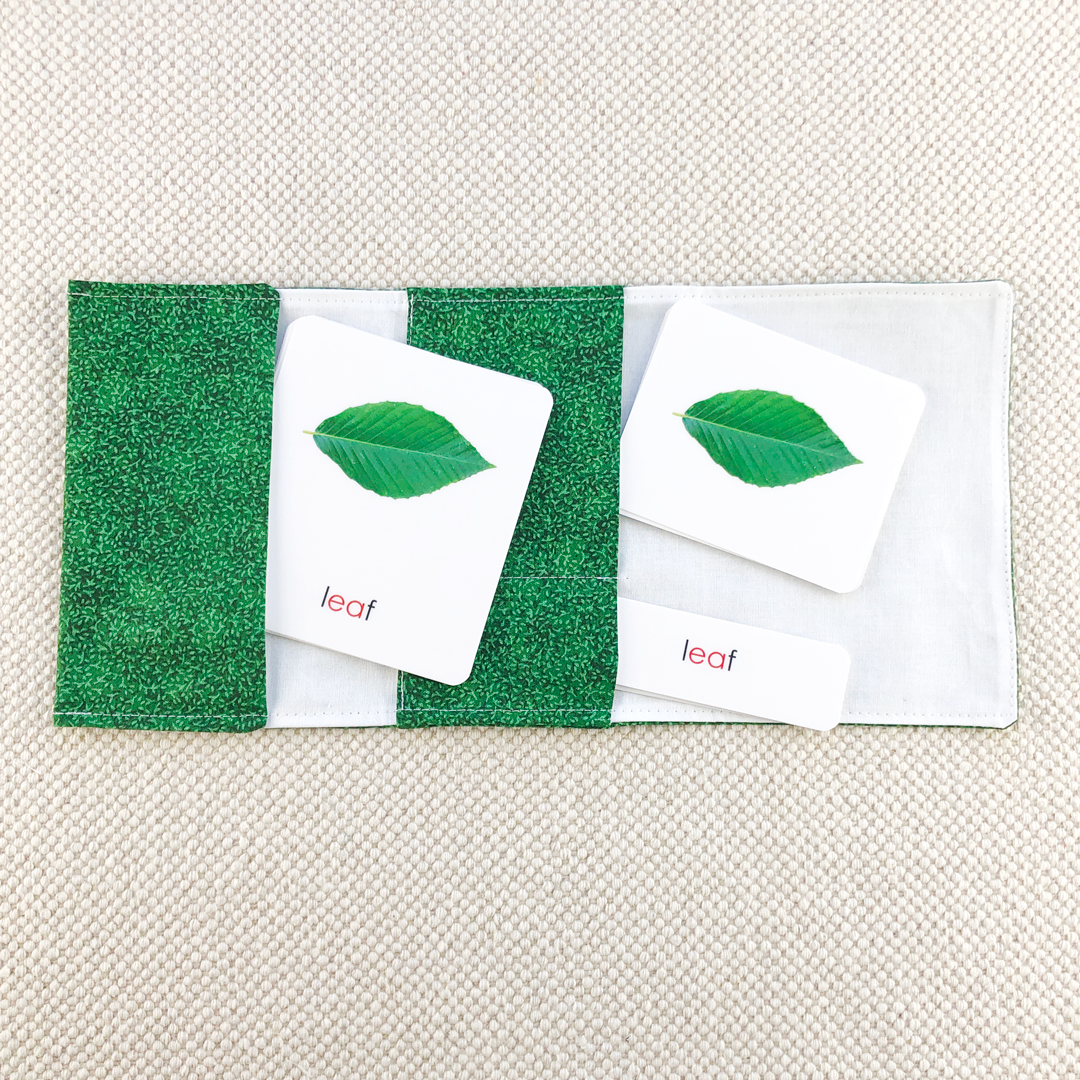
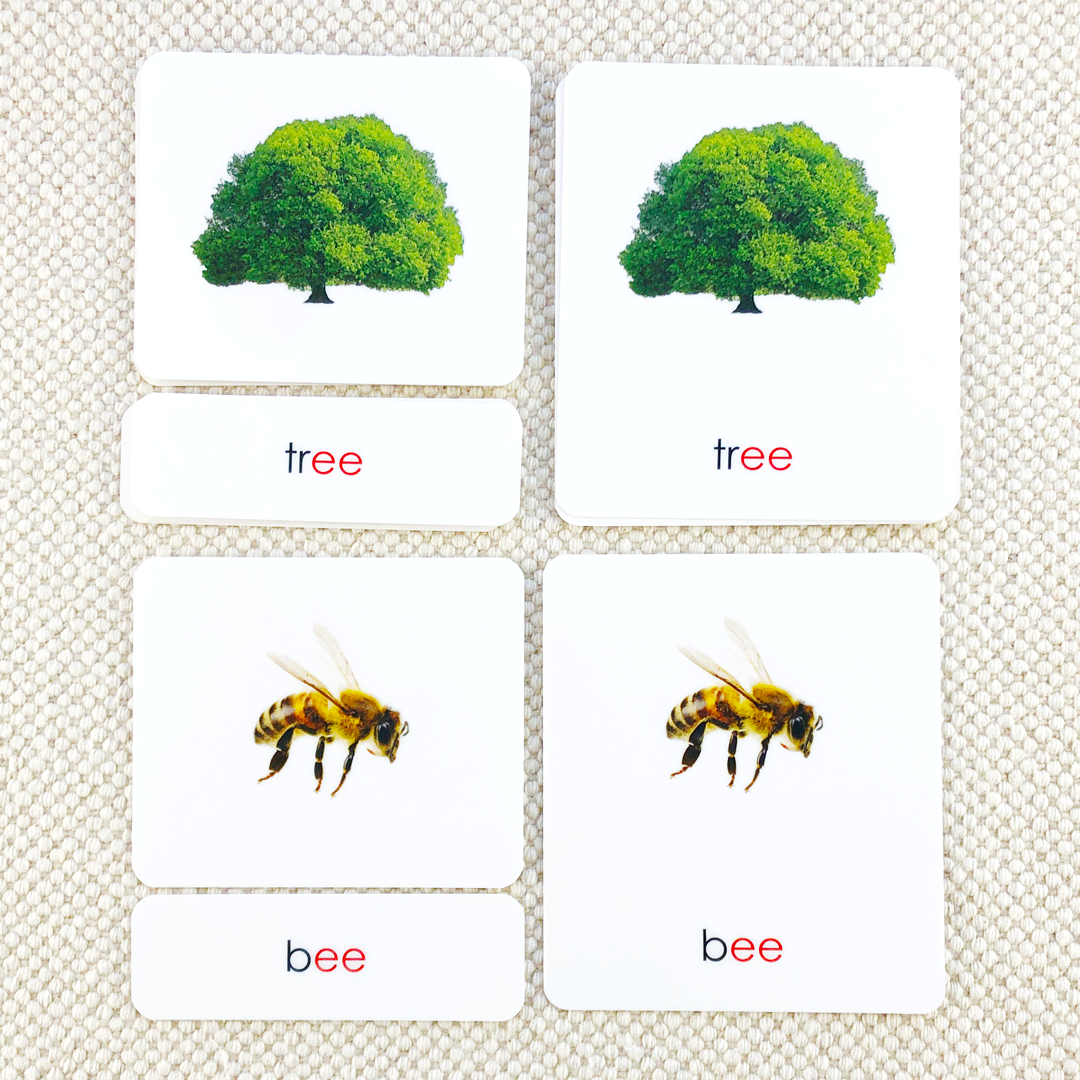
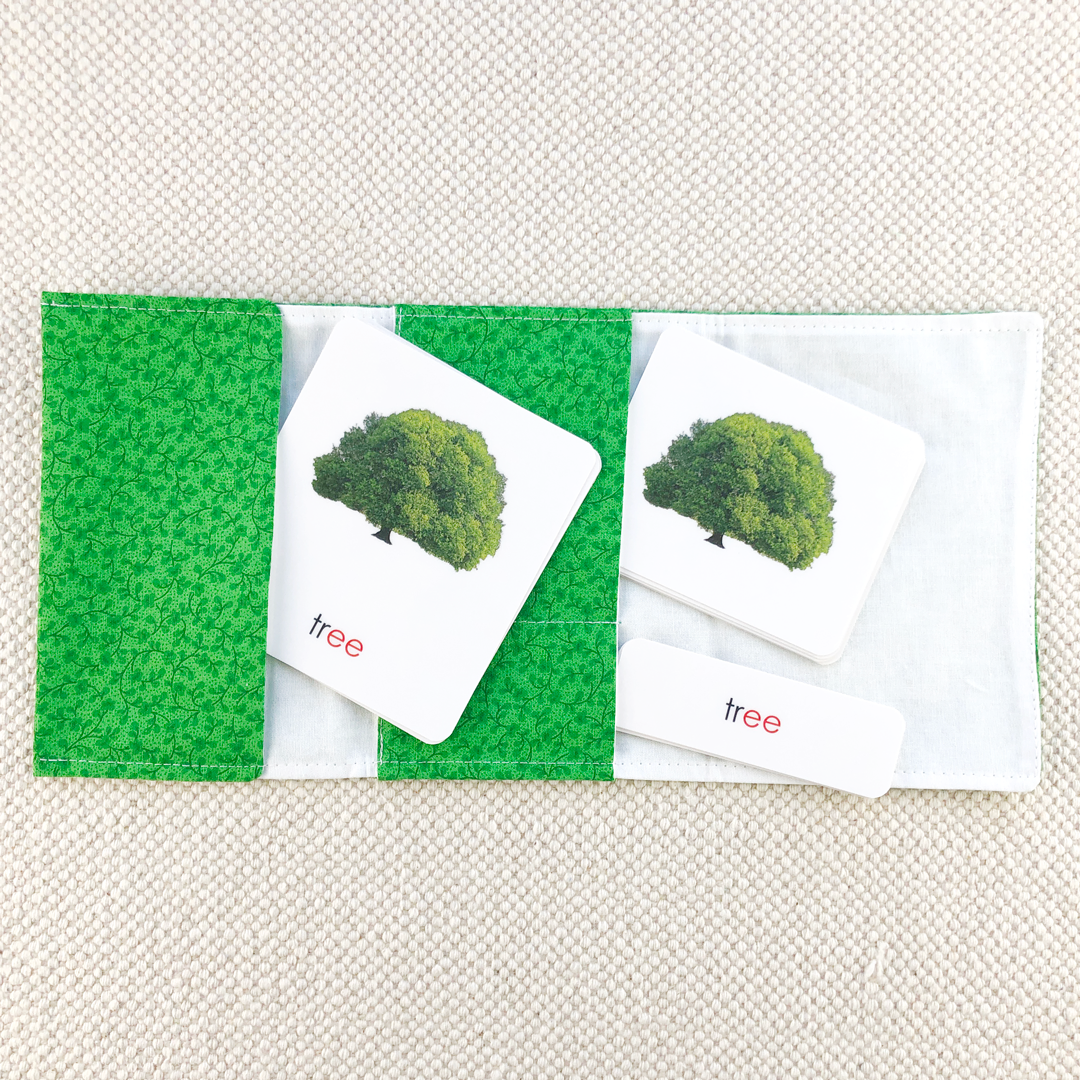
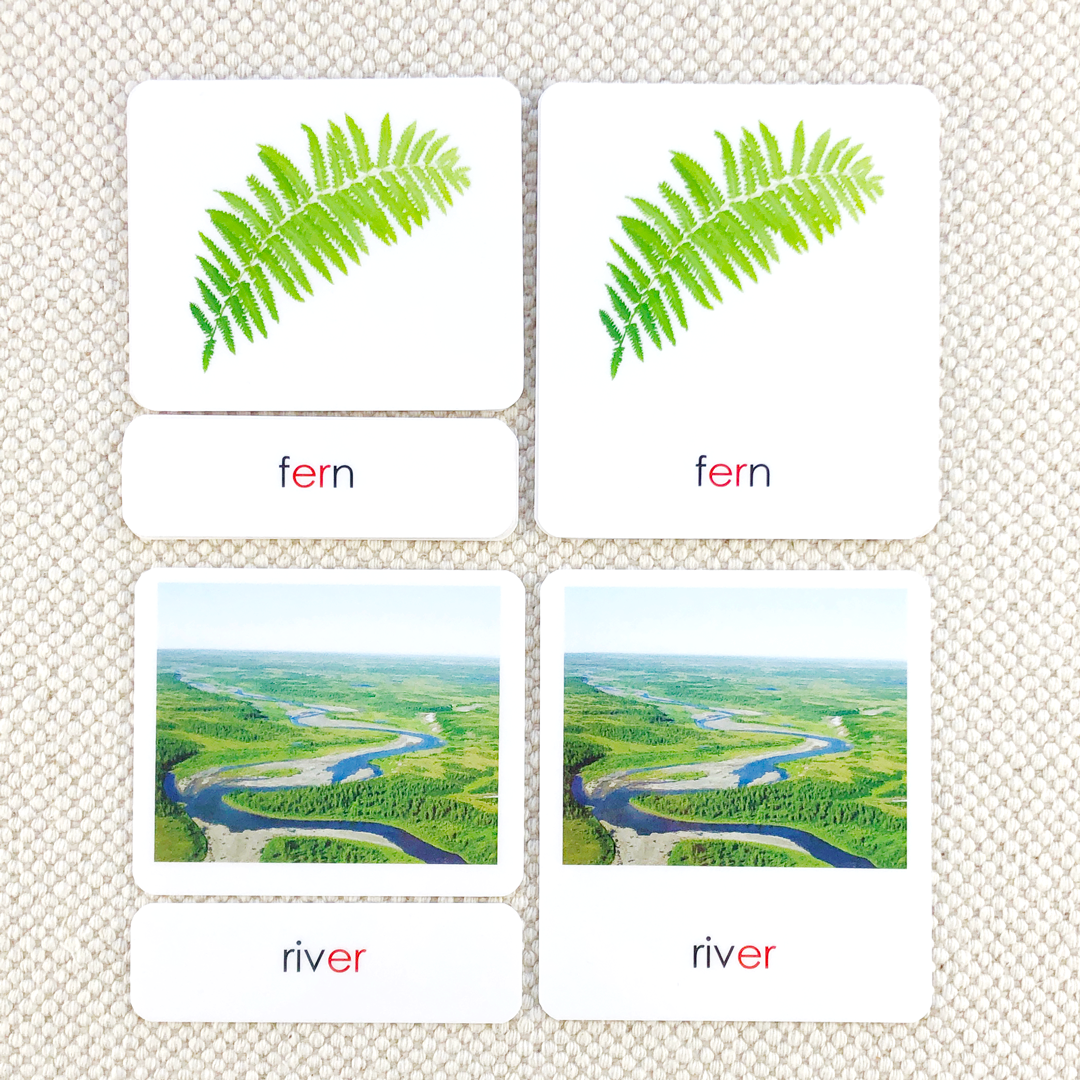
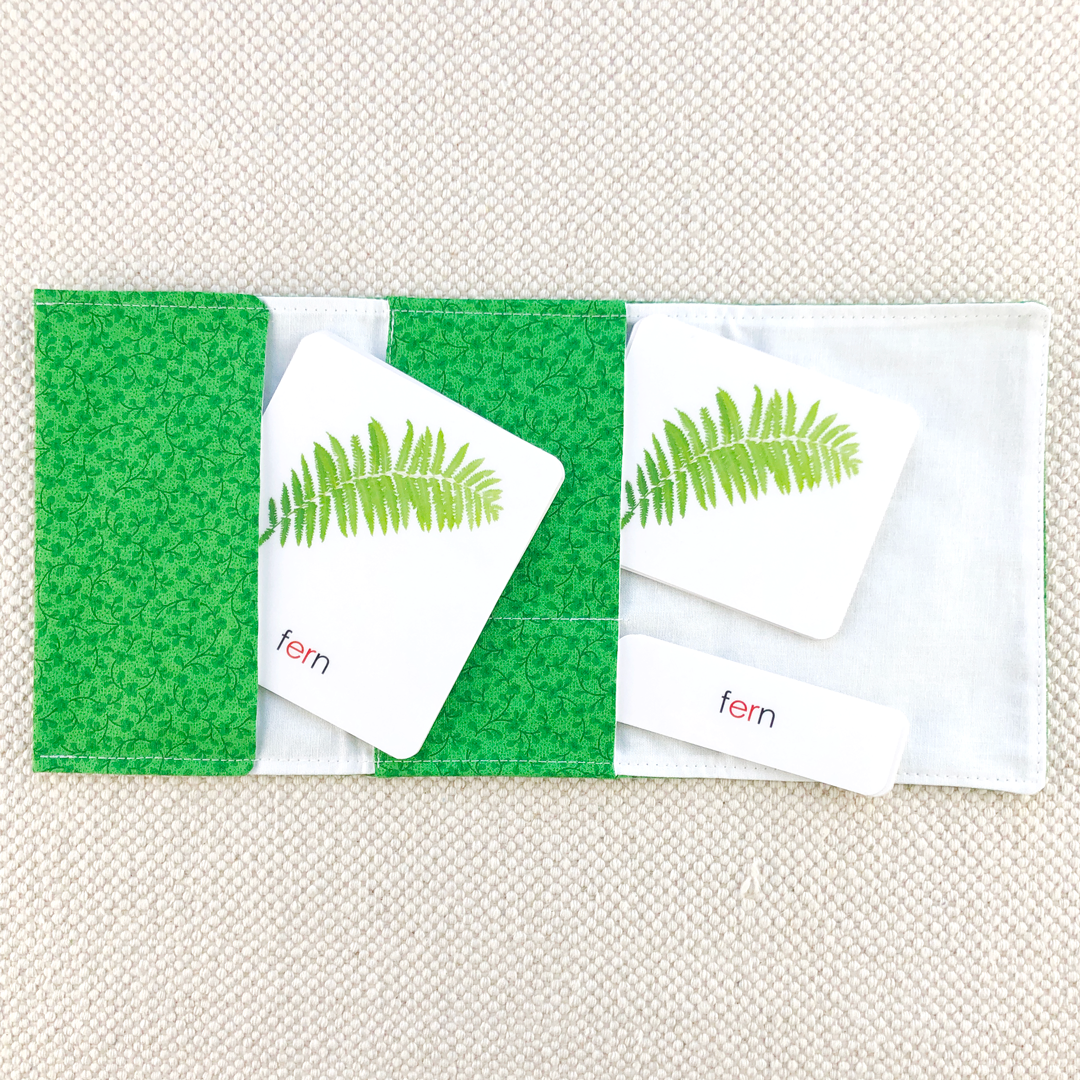
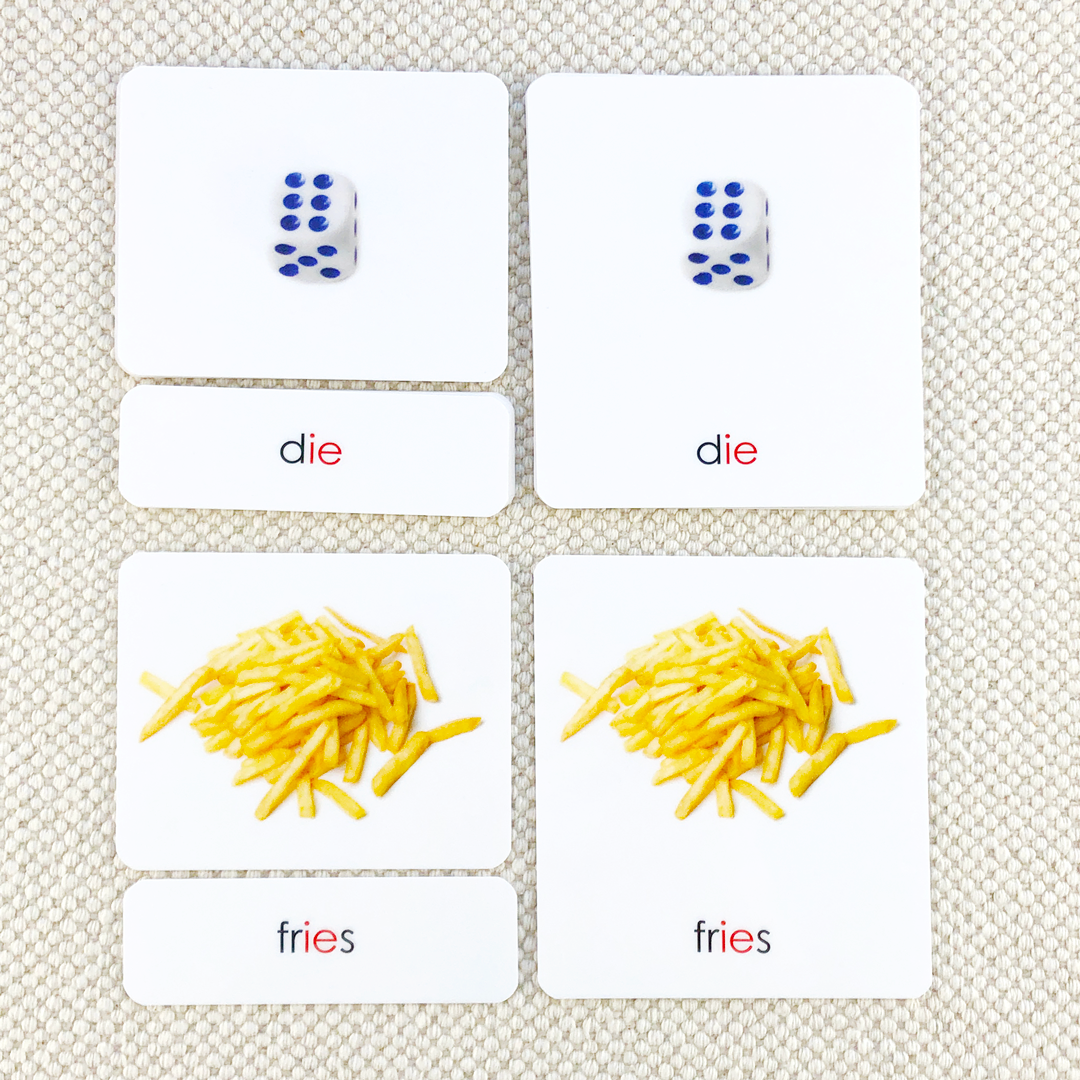
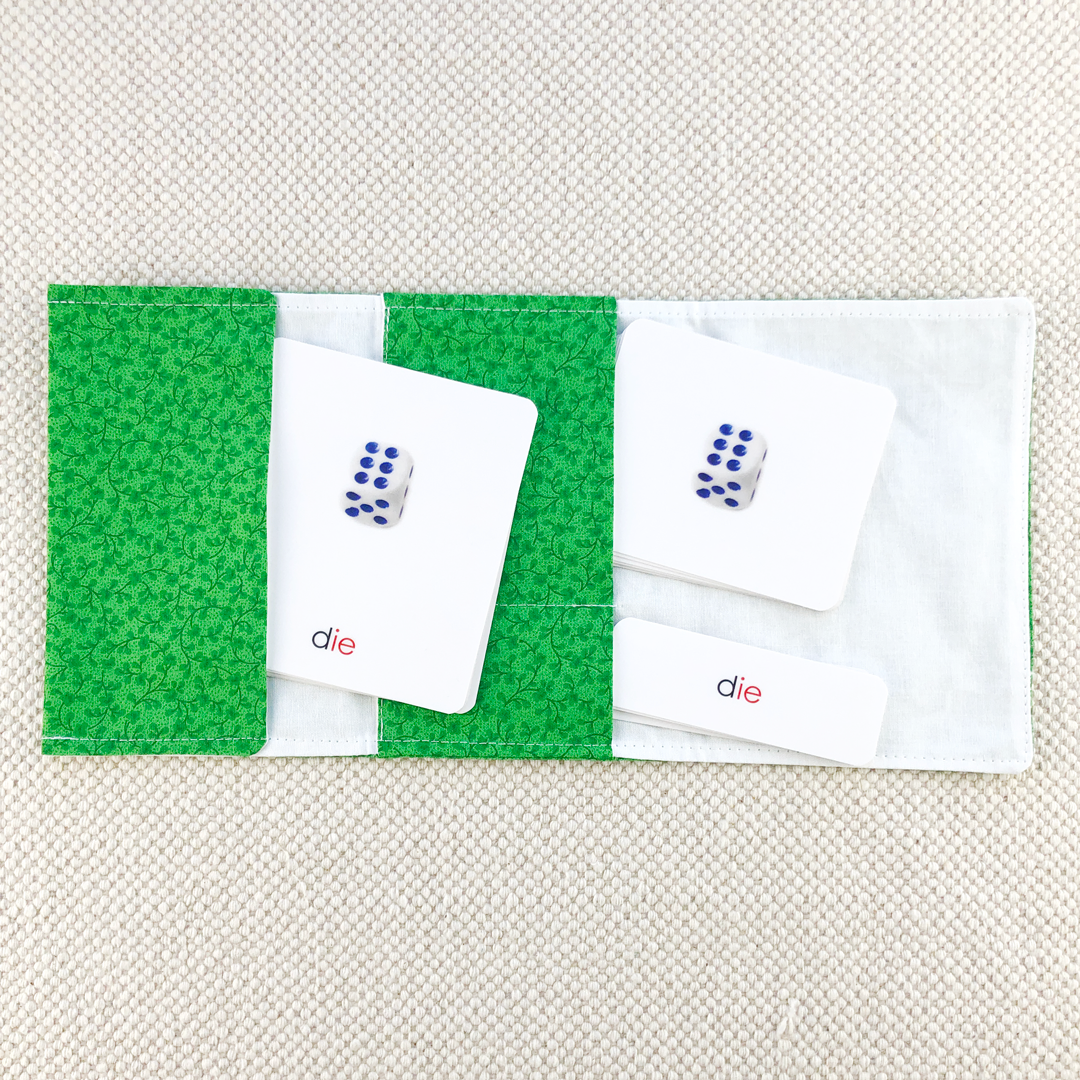
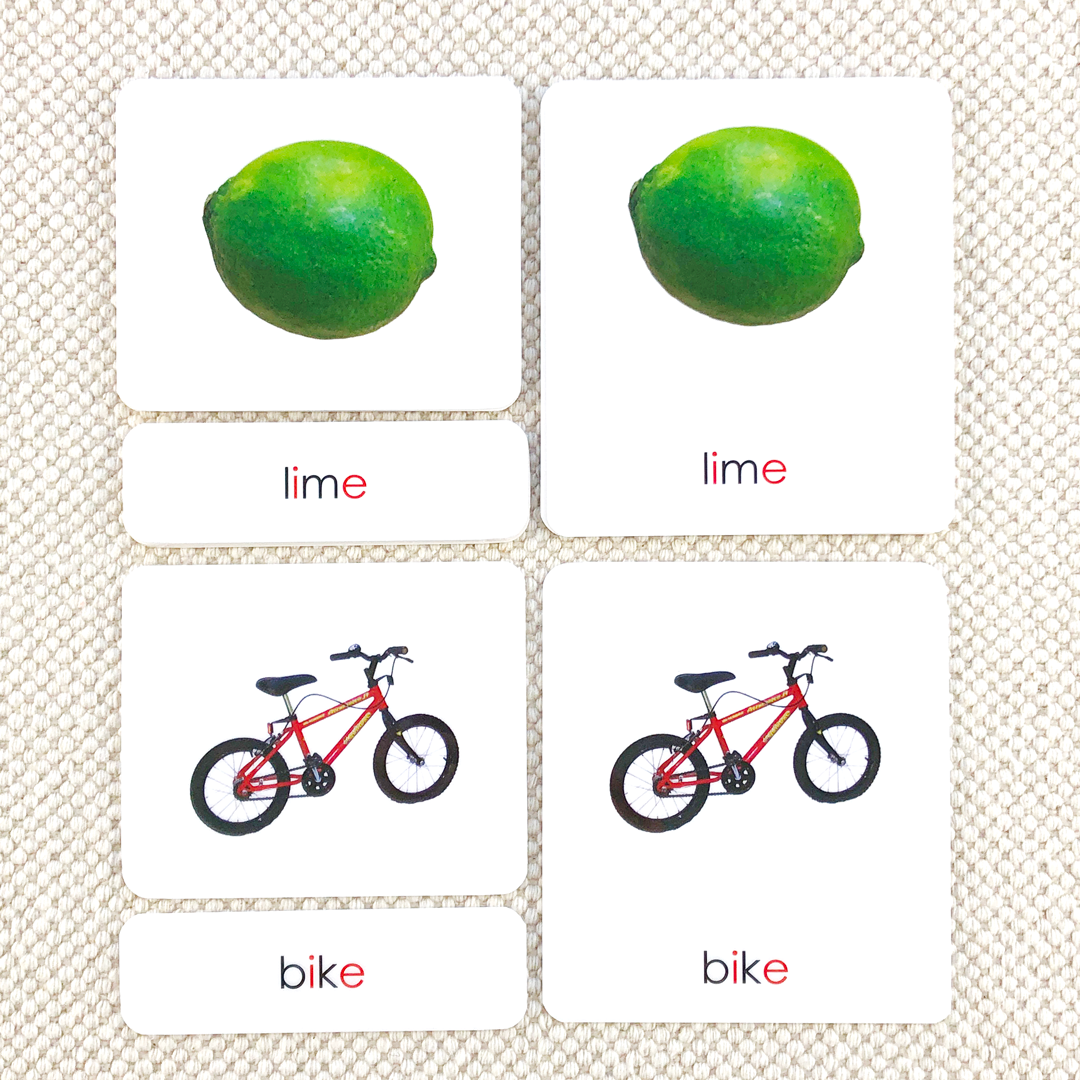
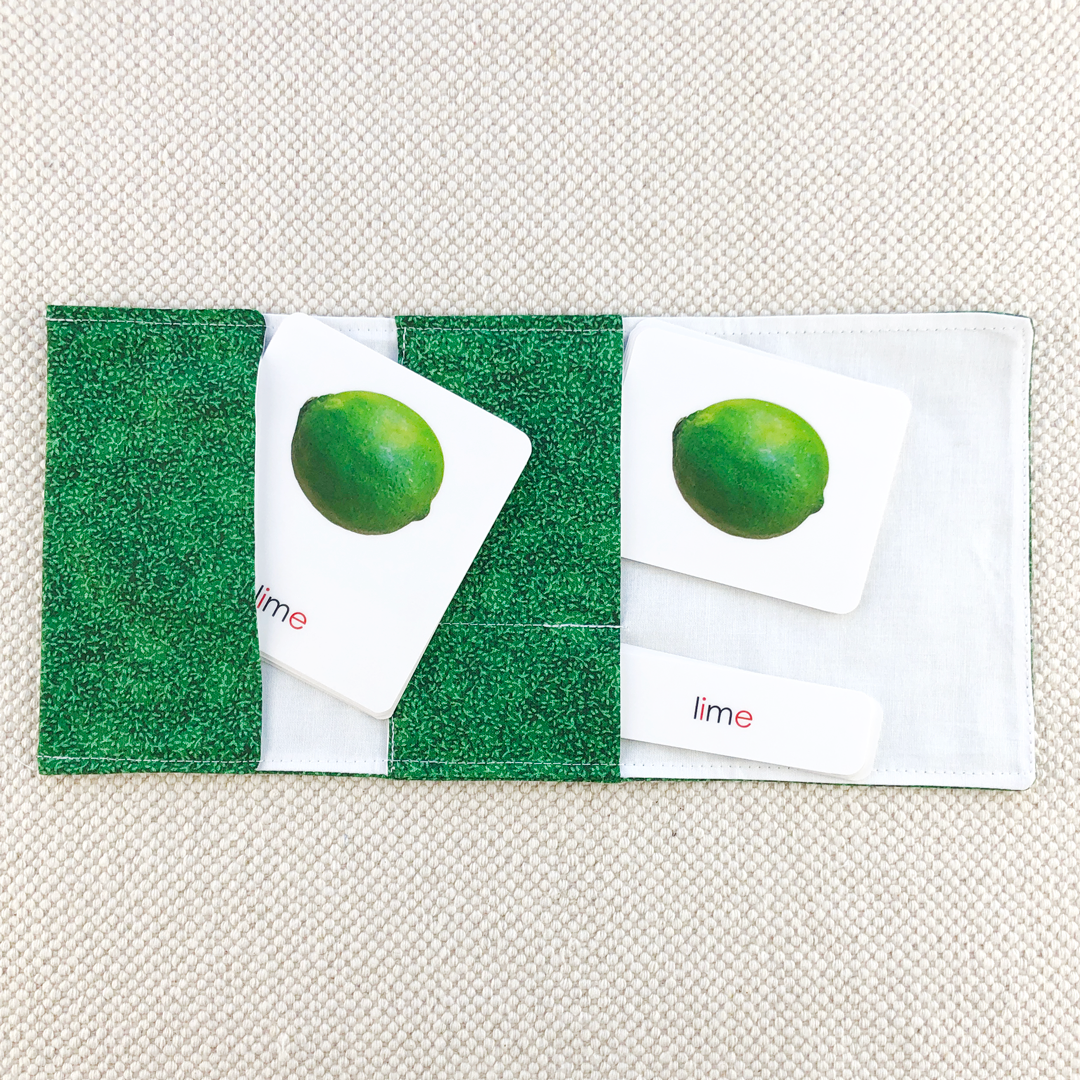
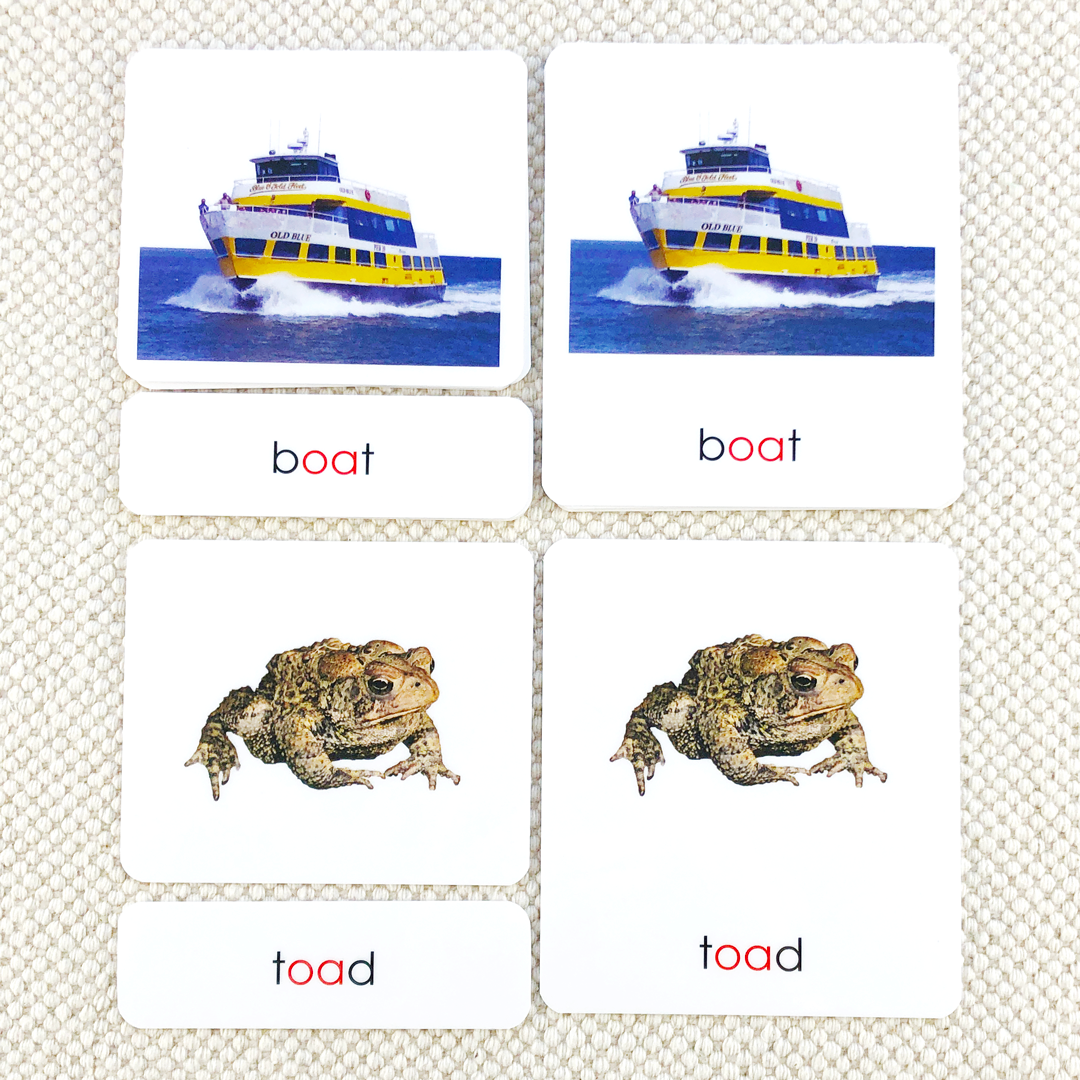
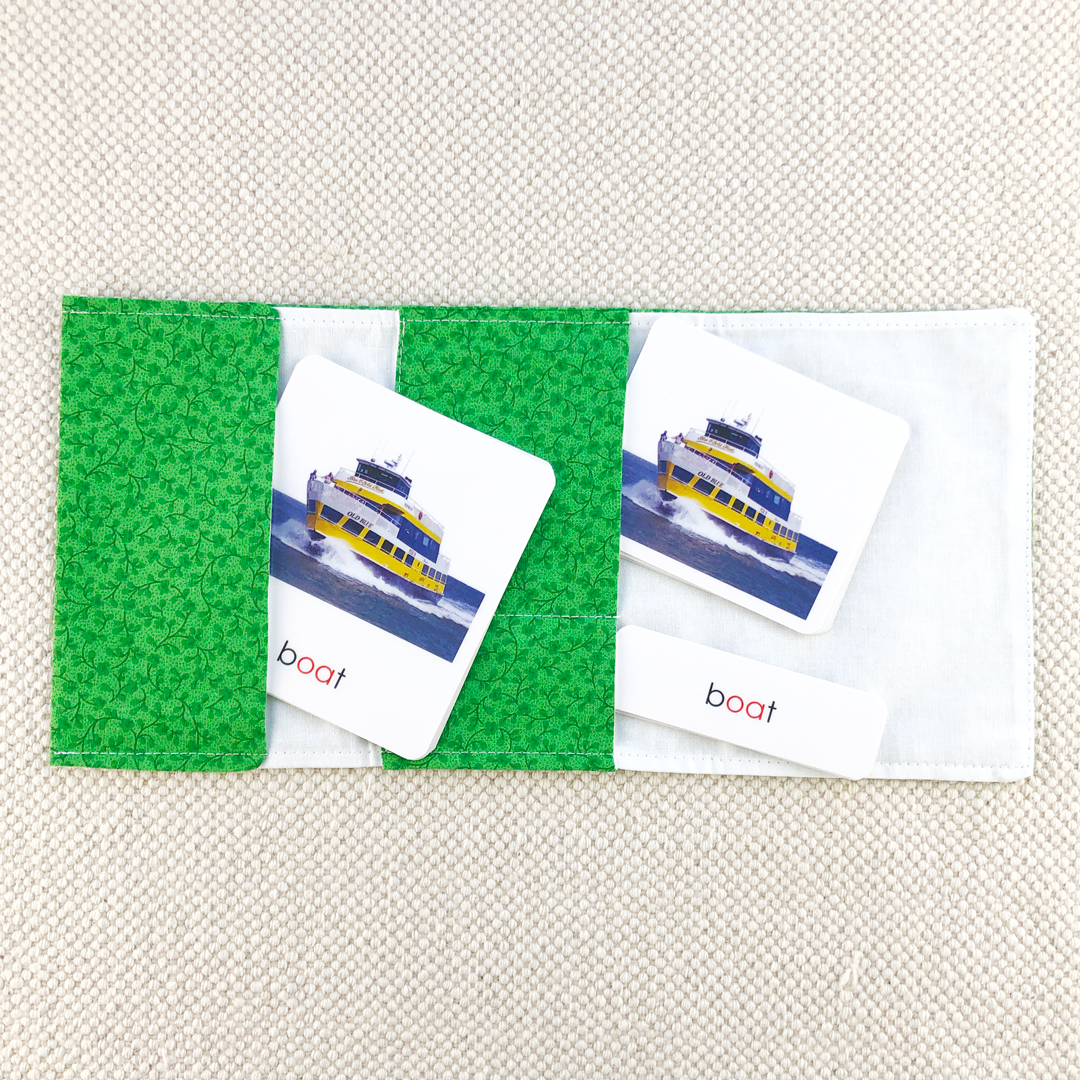
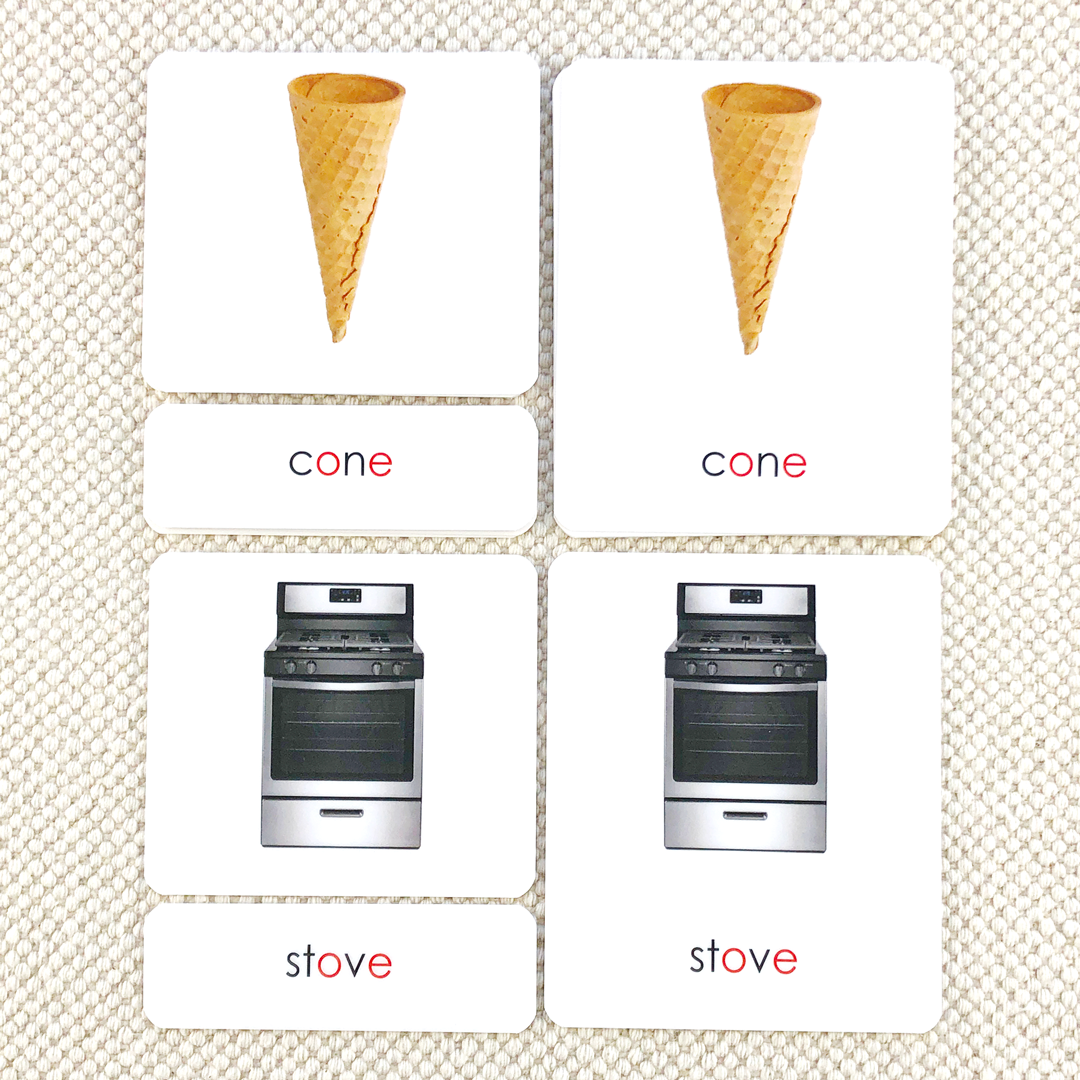
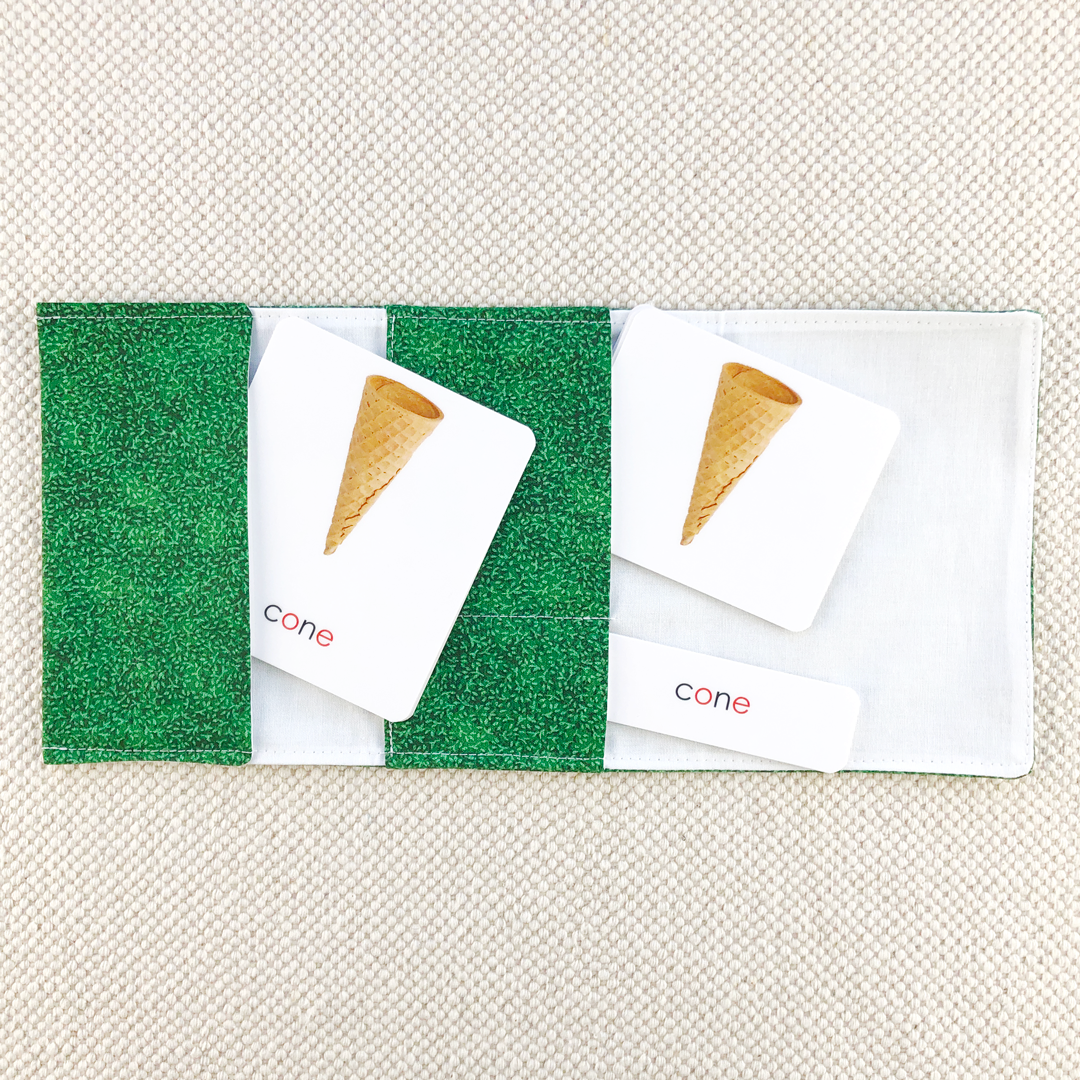
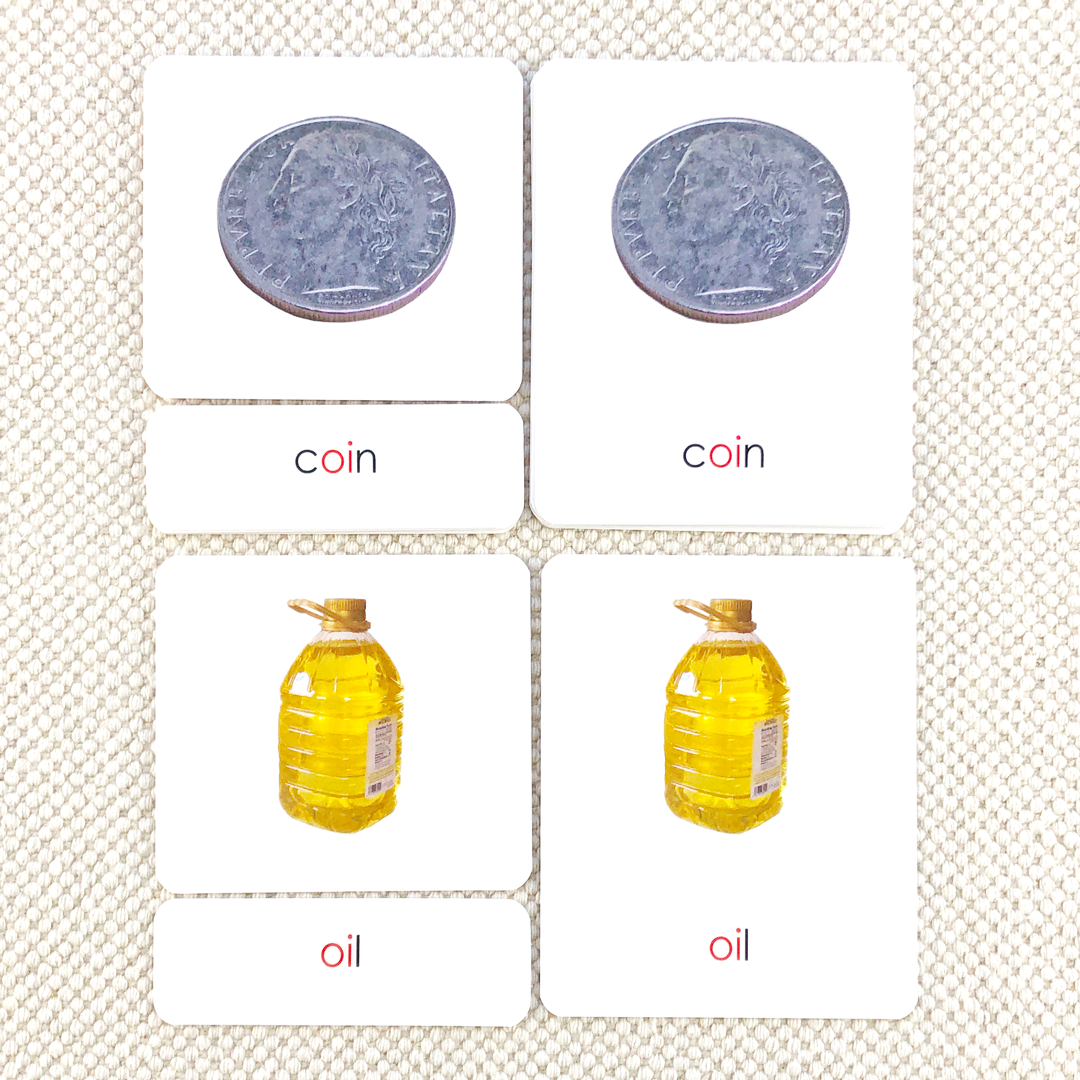
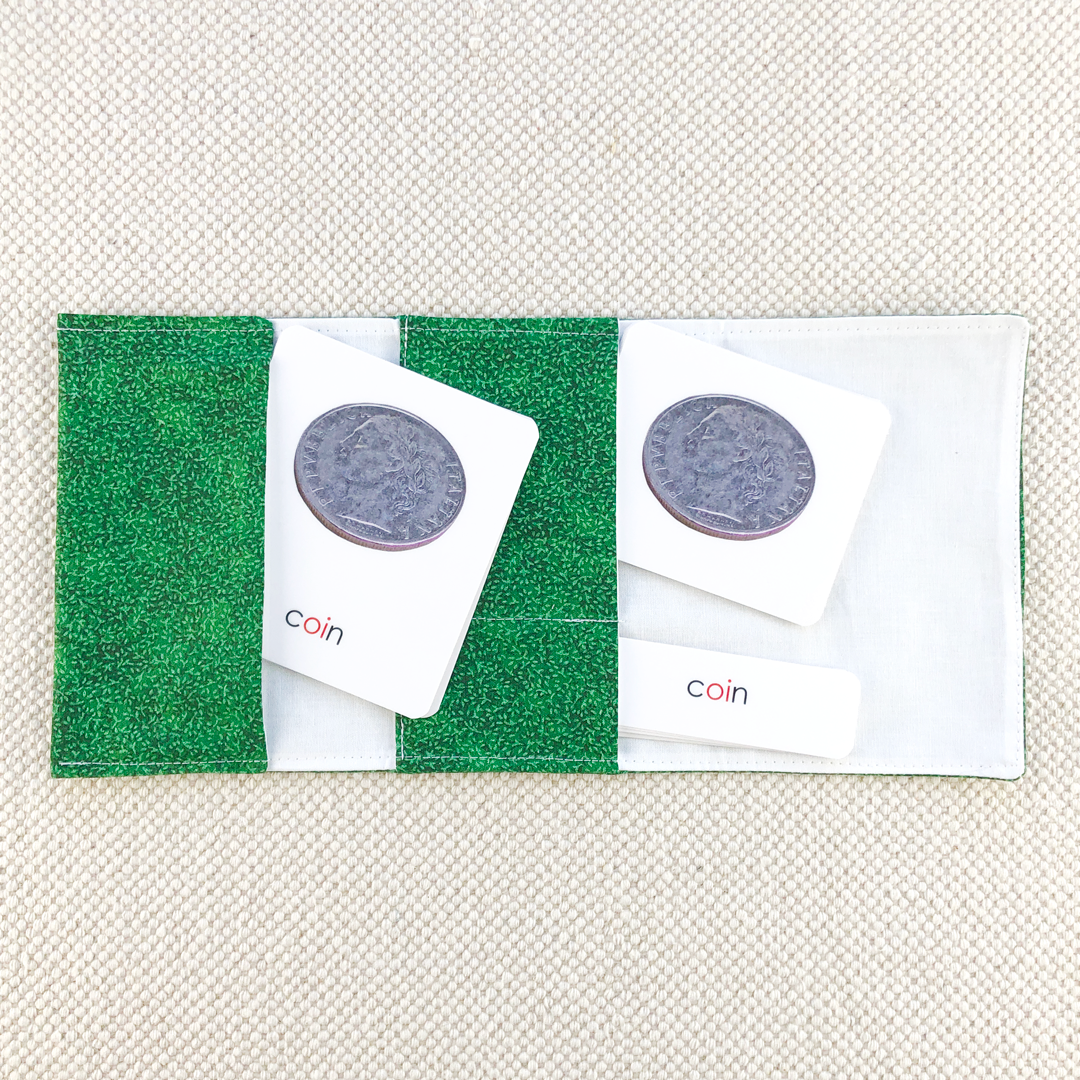
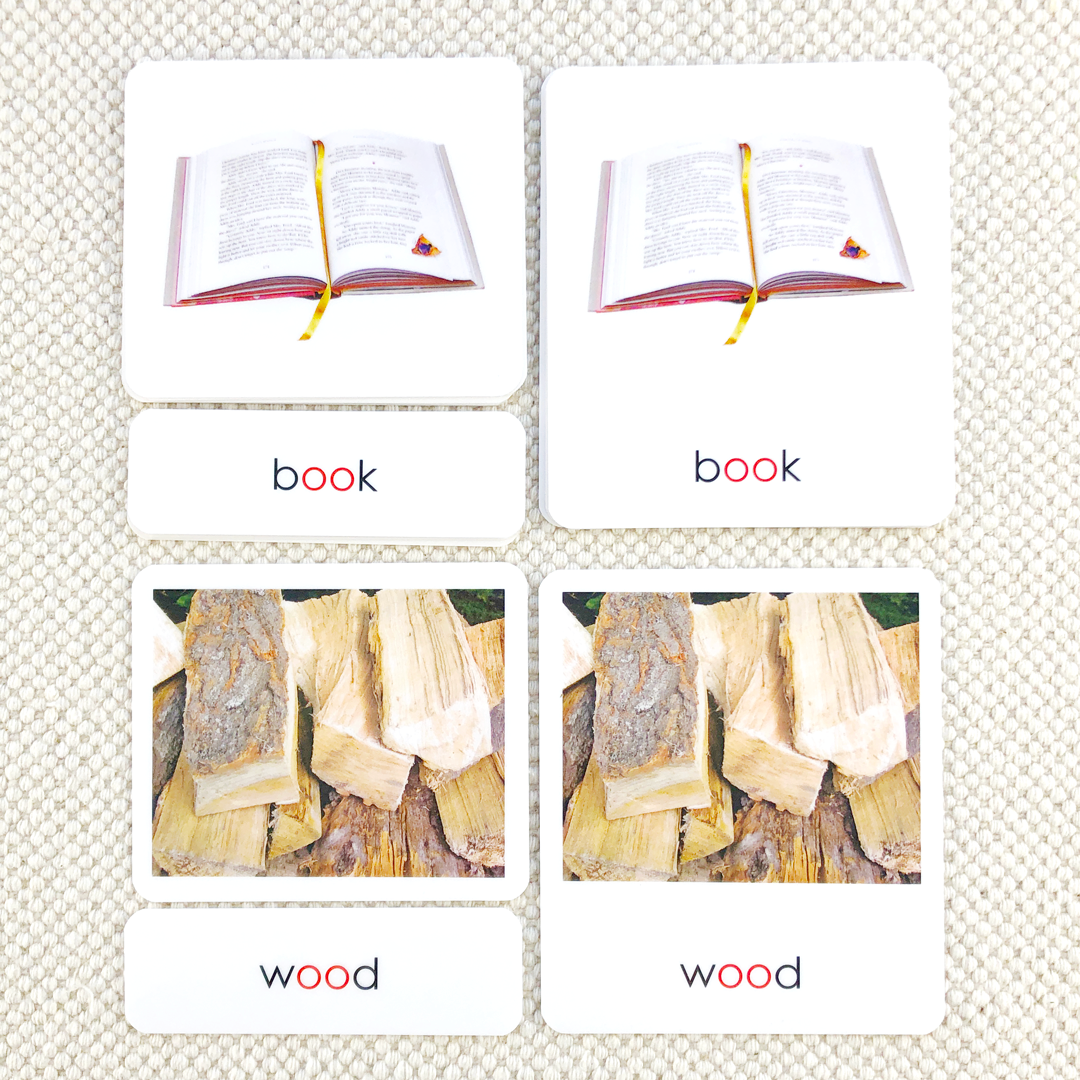
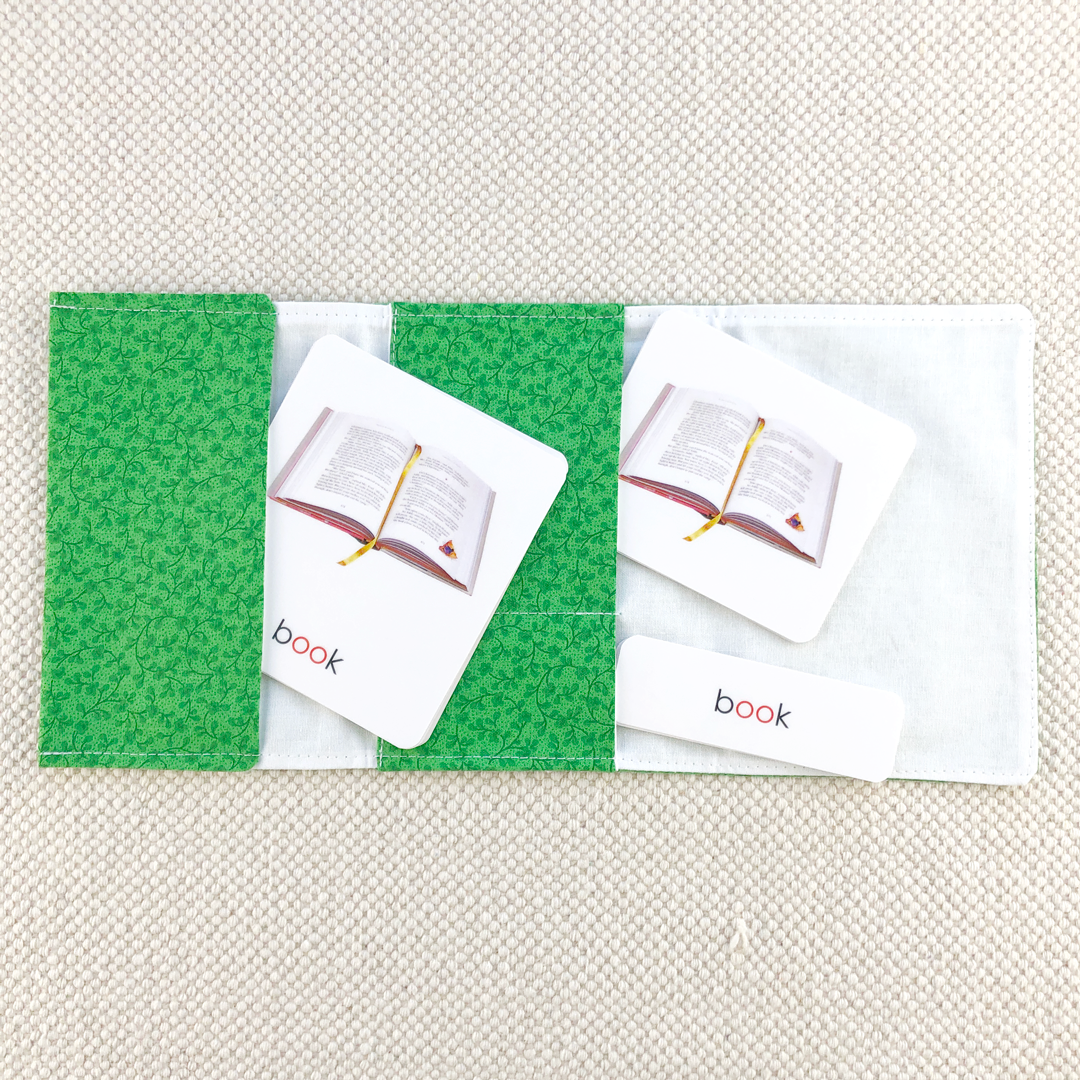

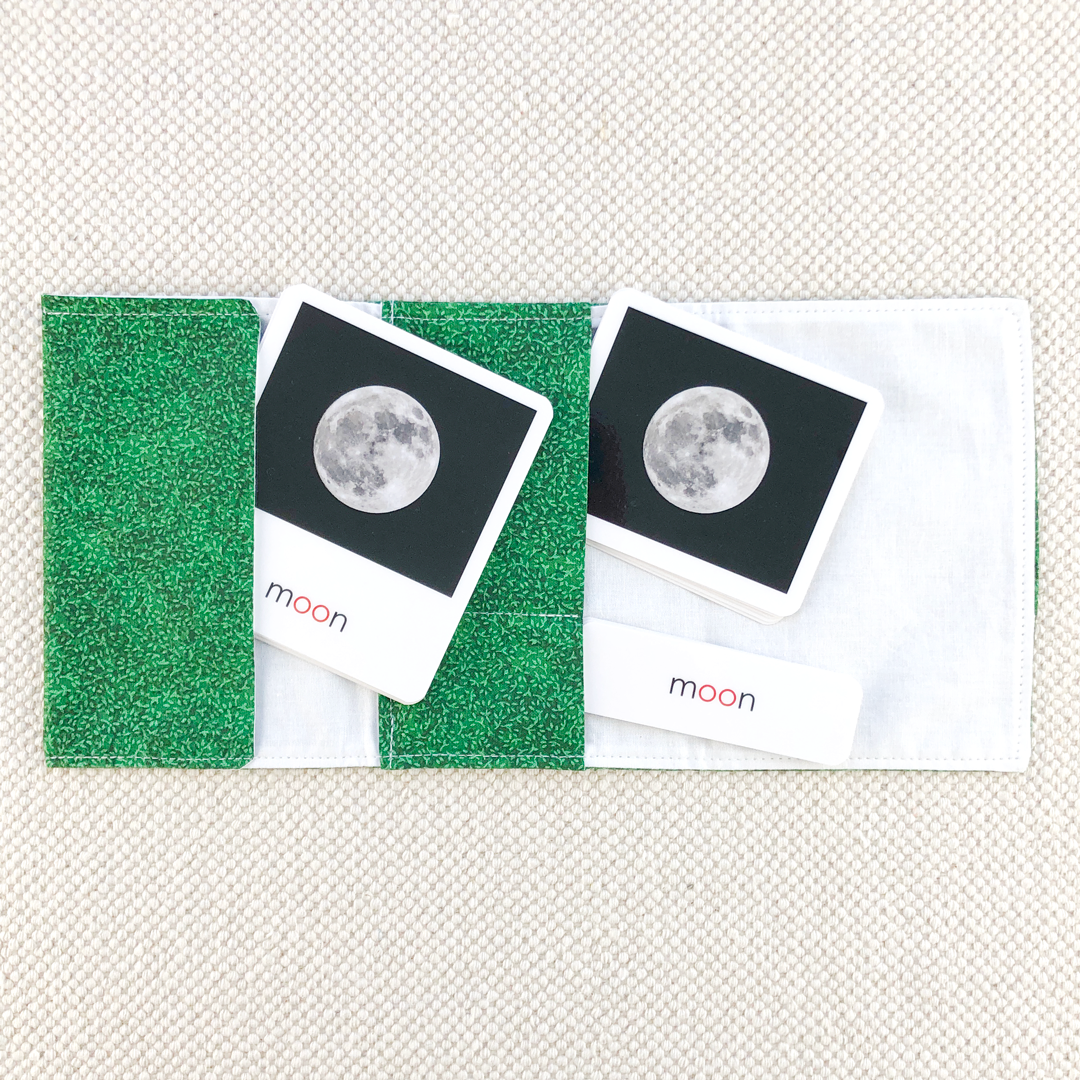
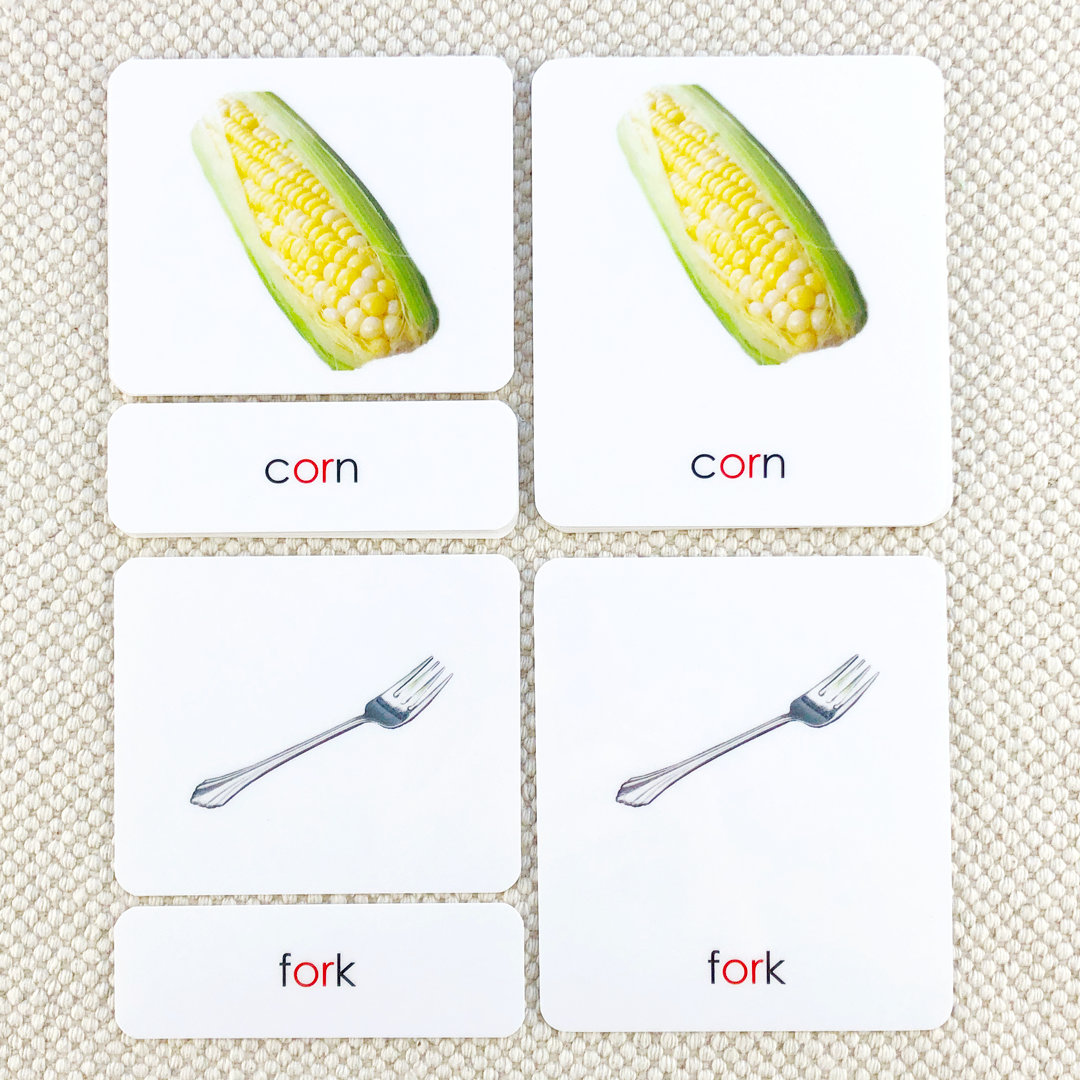
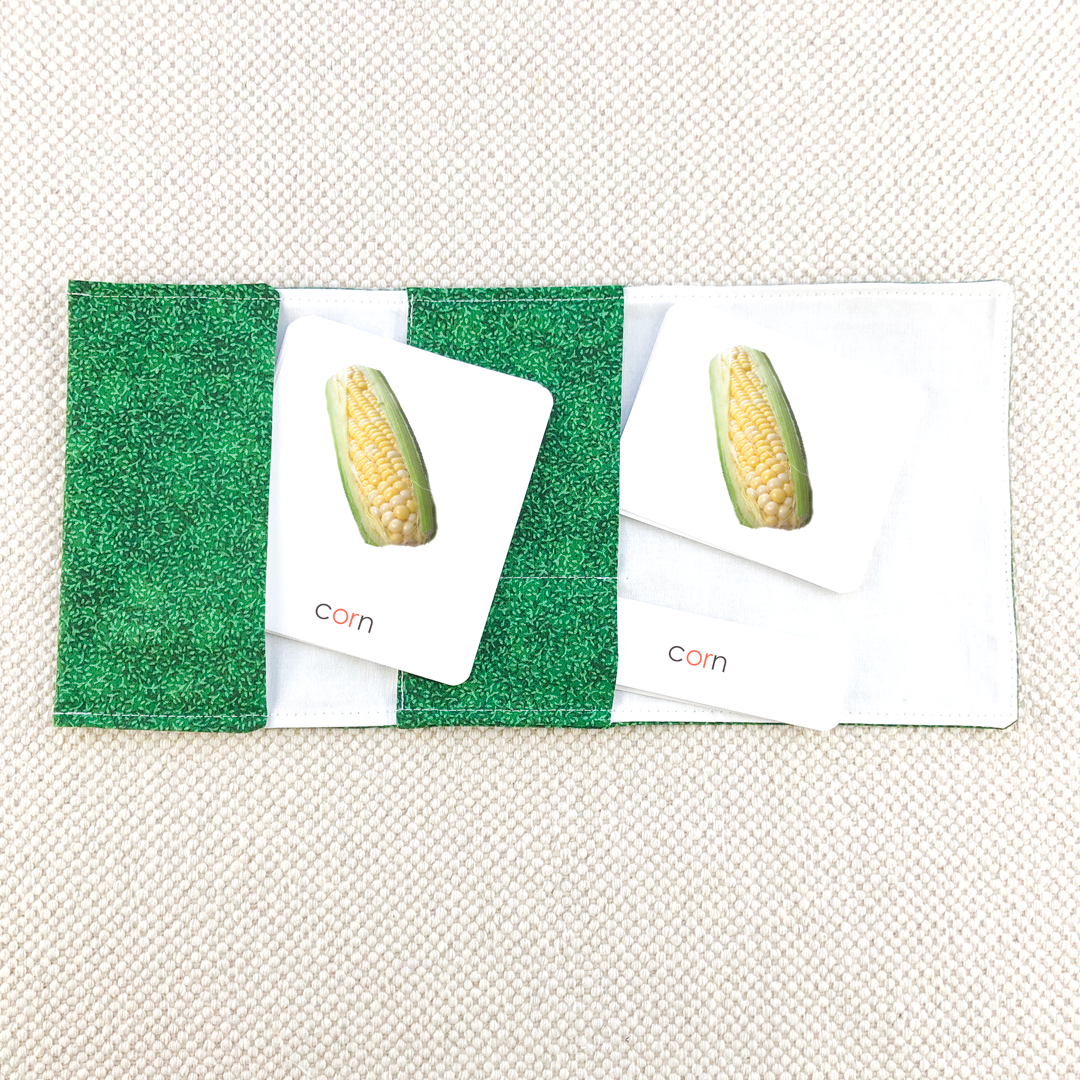
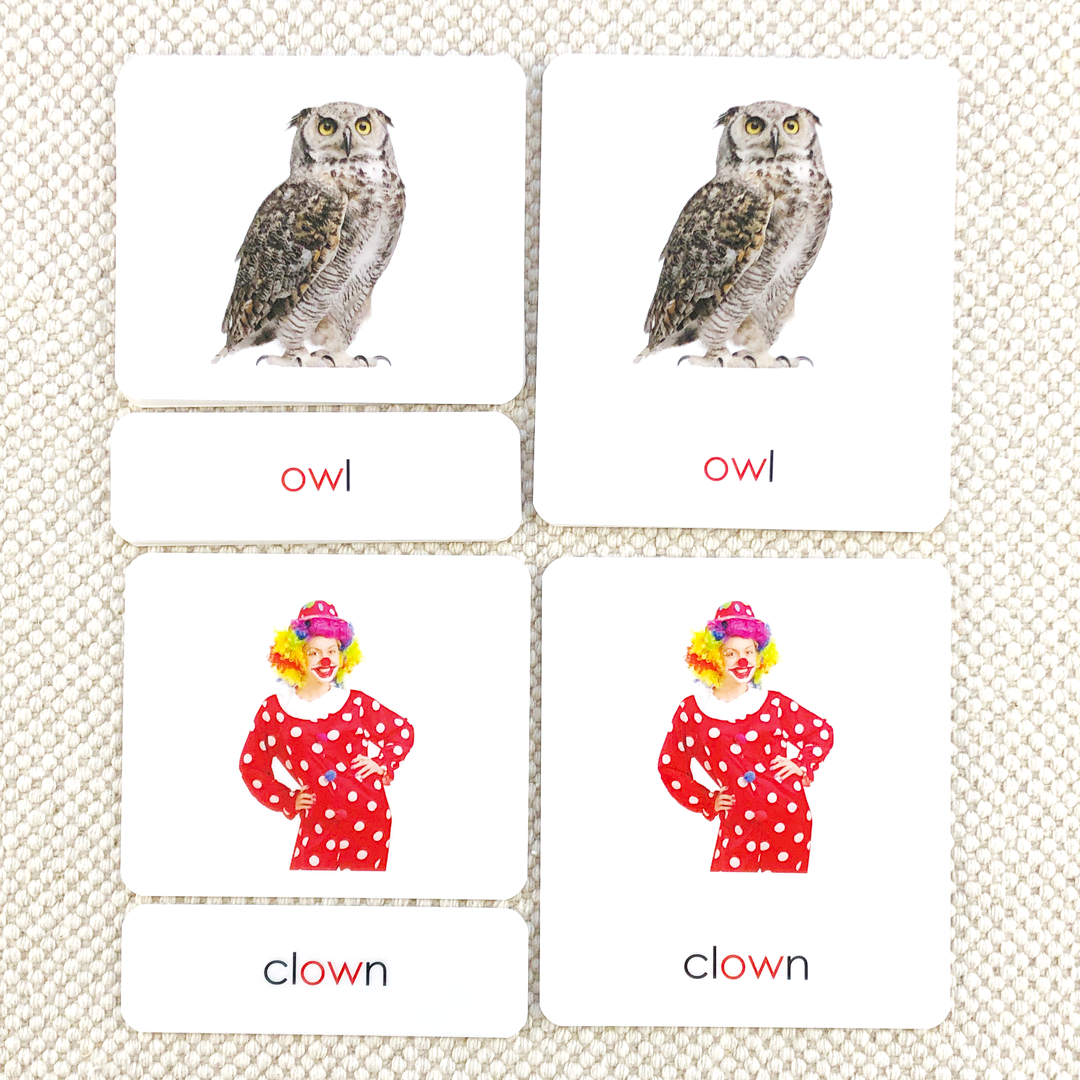
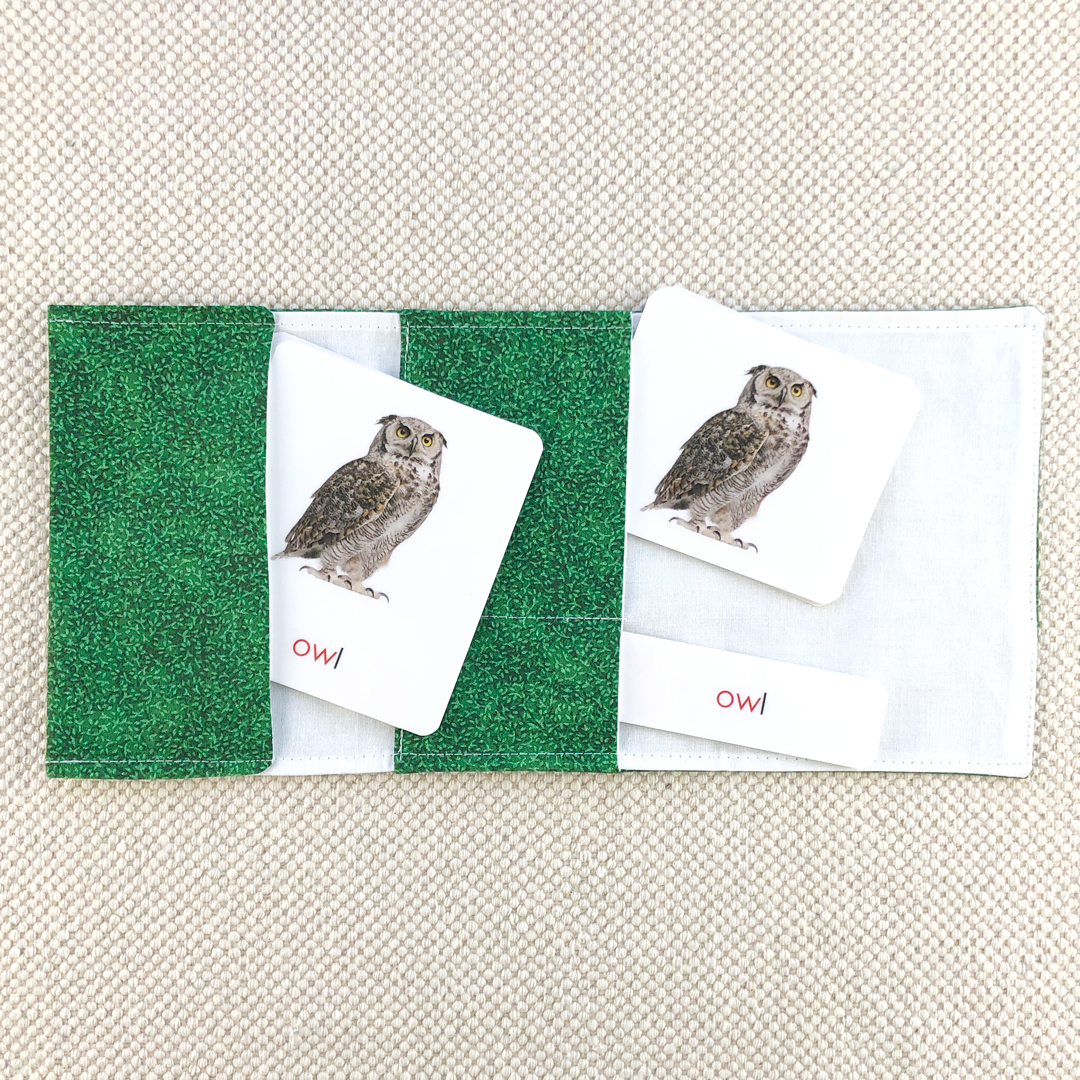
More Information:
Phonics & Decoding

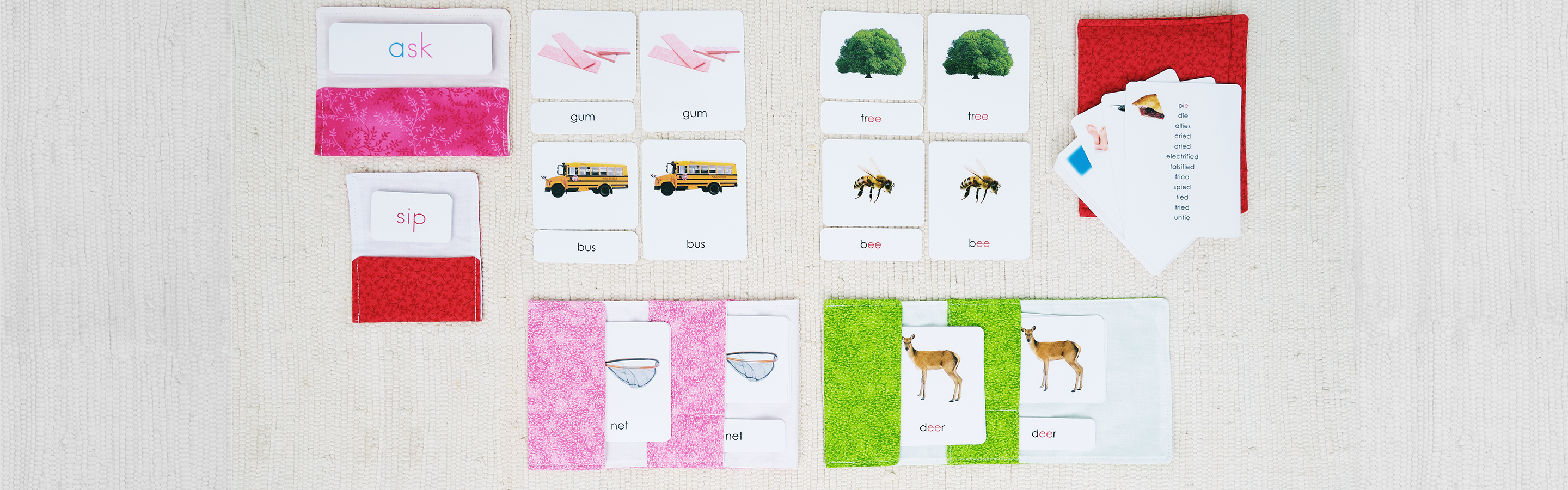
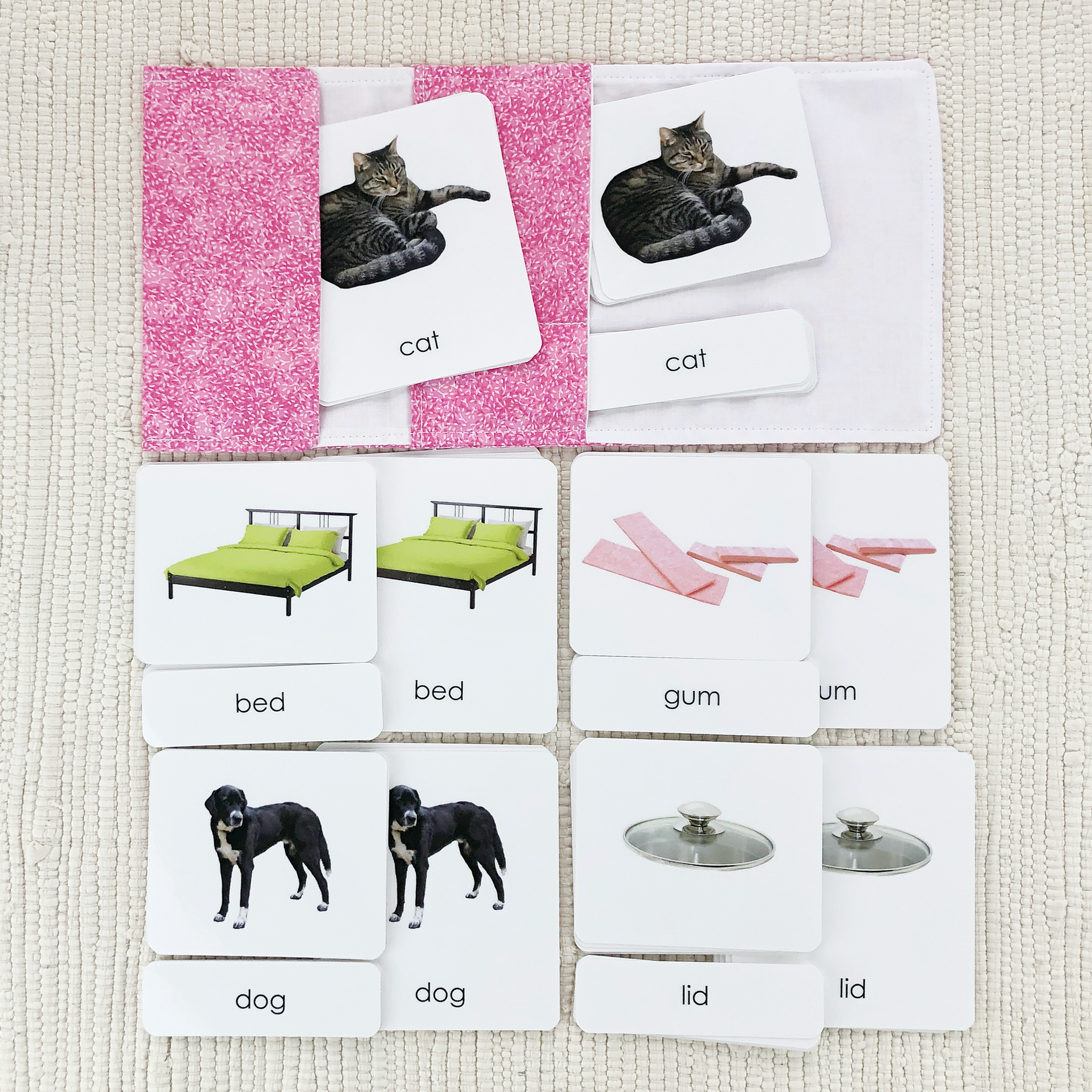
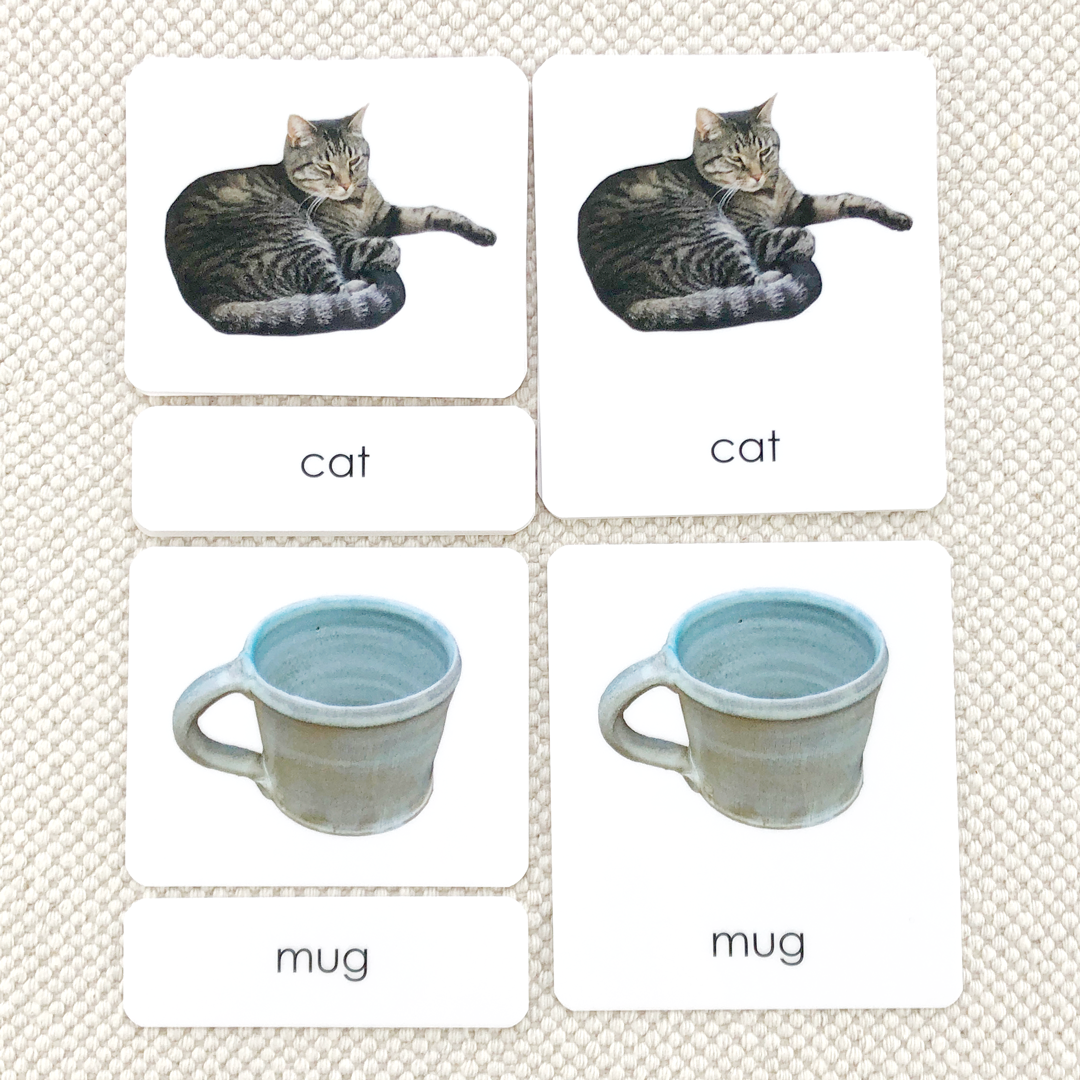
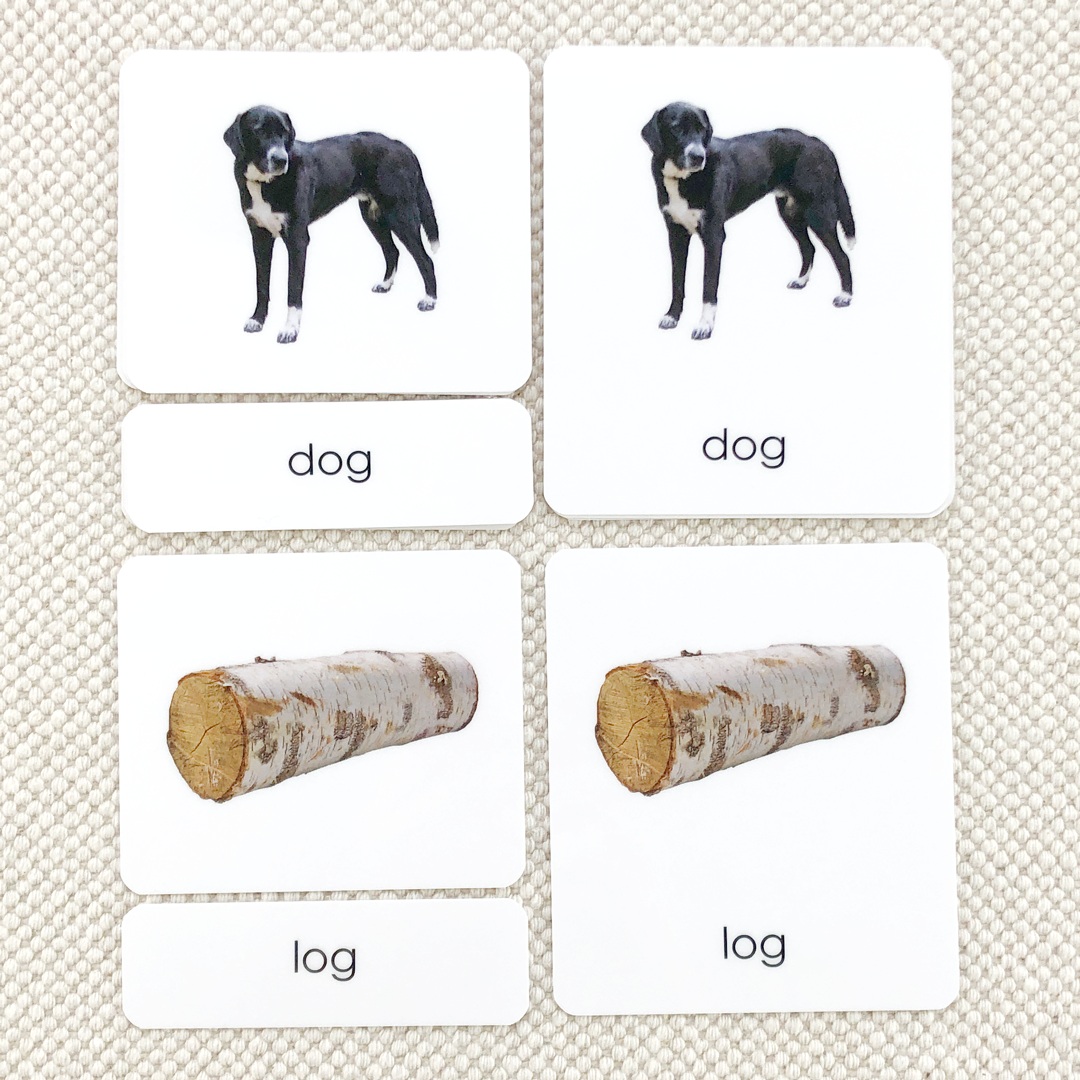
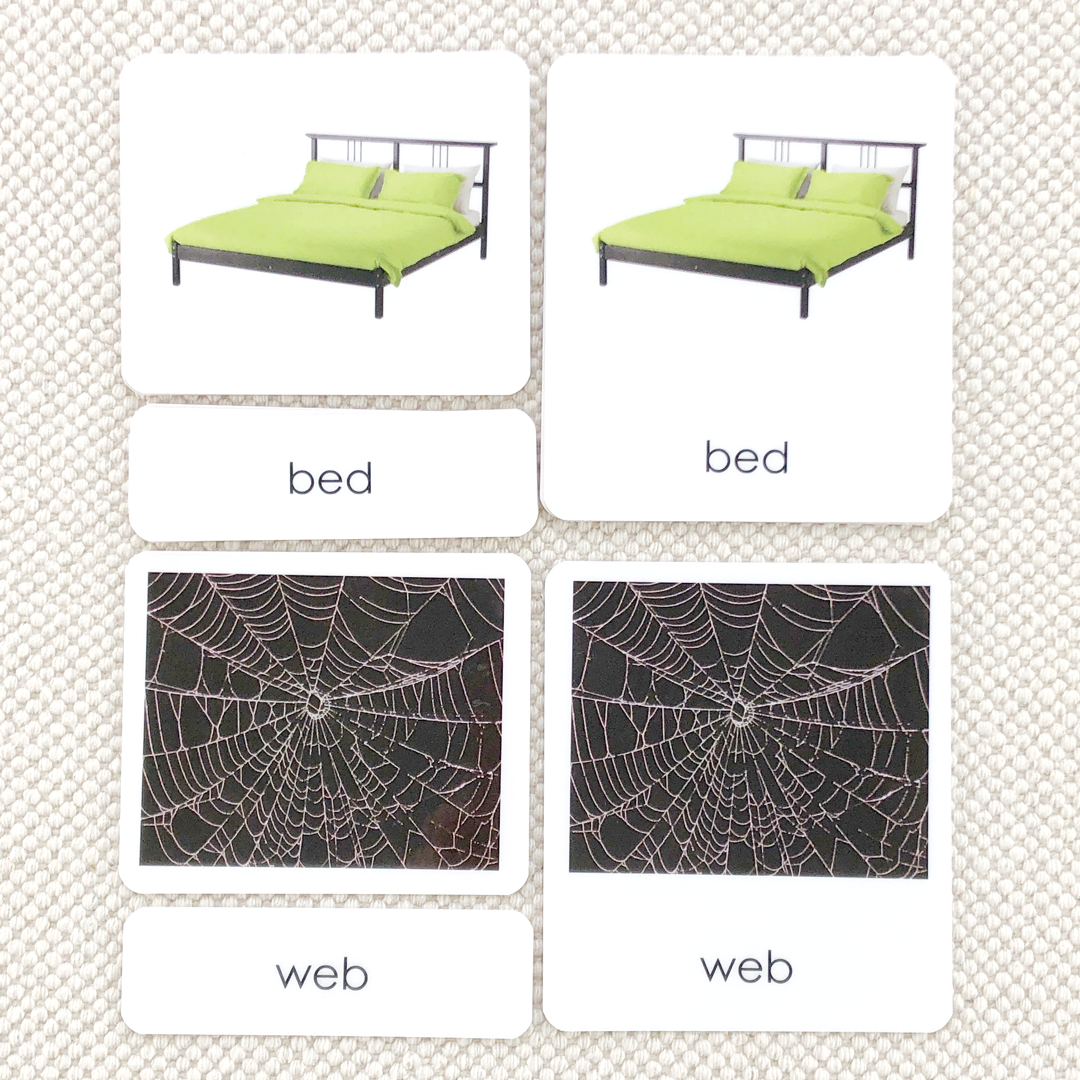
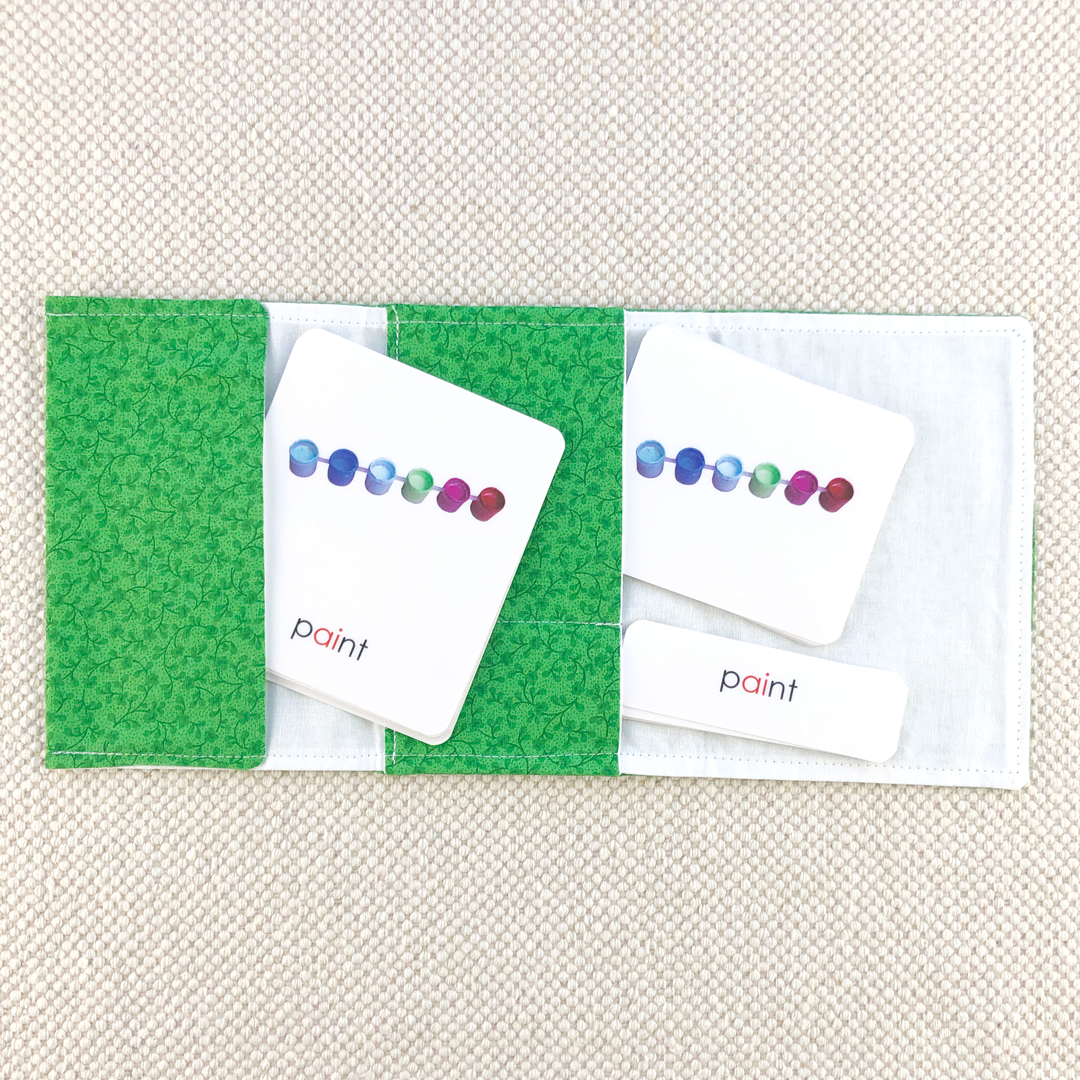
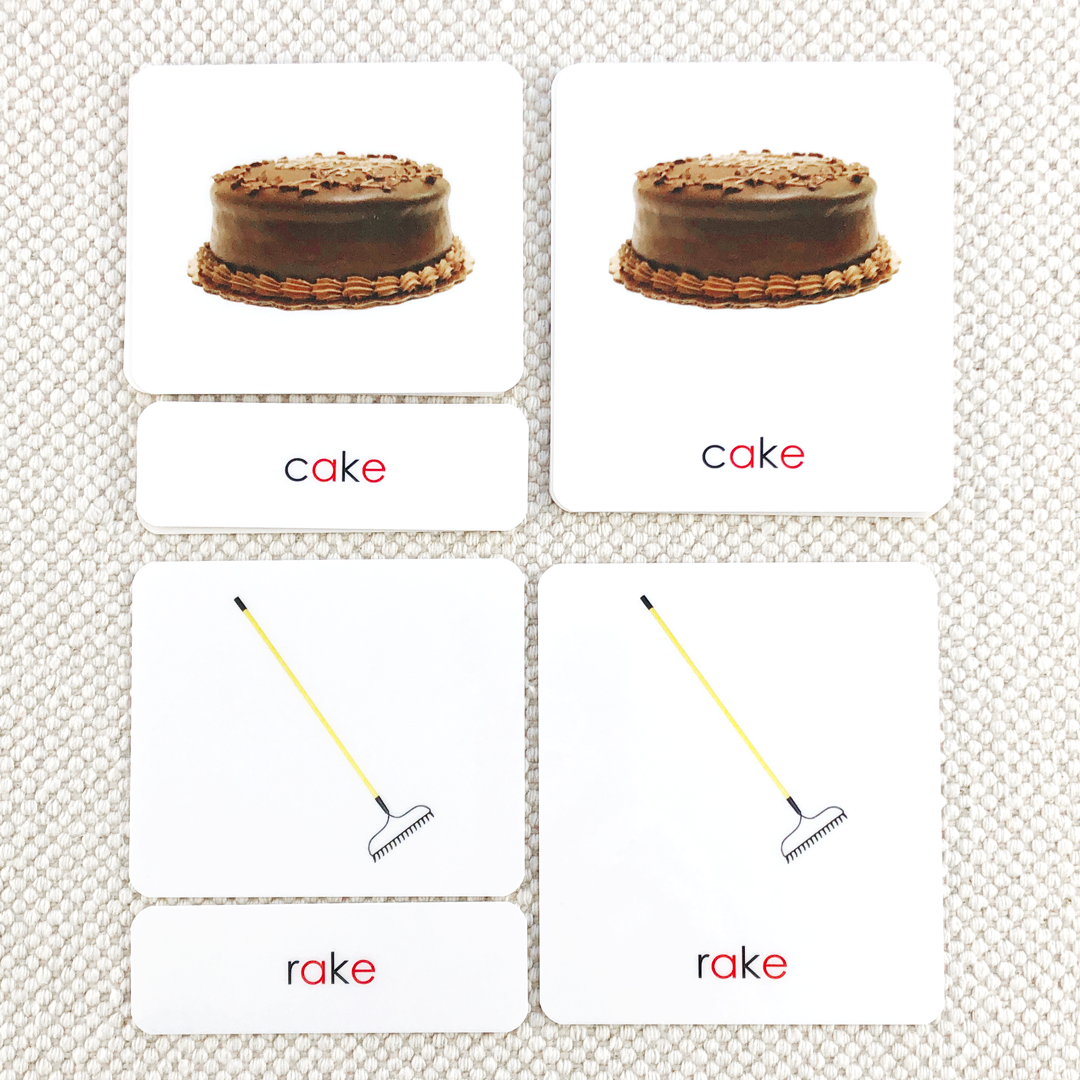
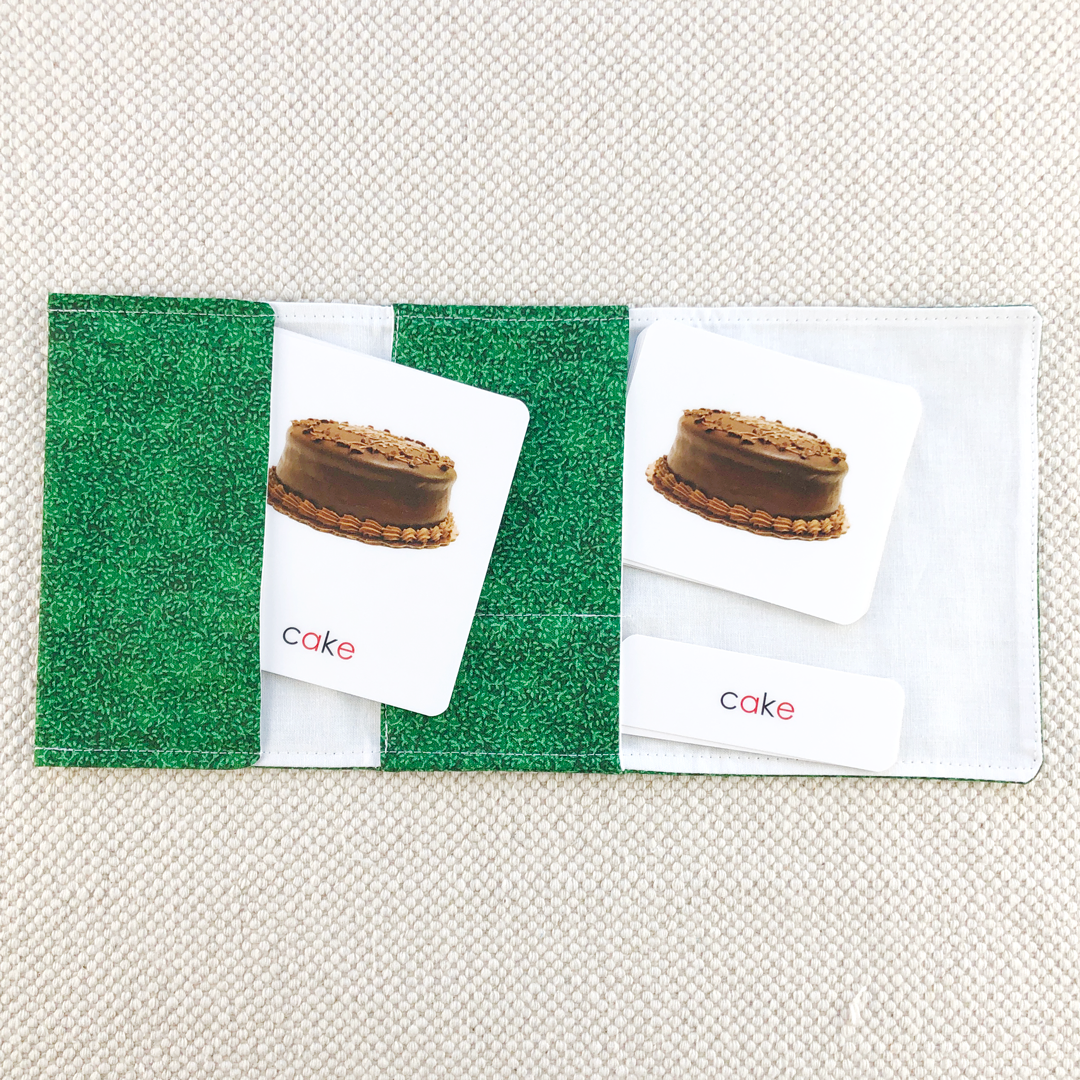
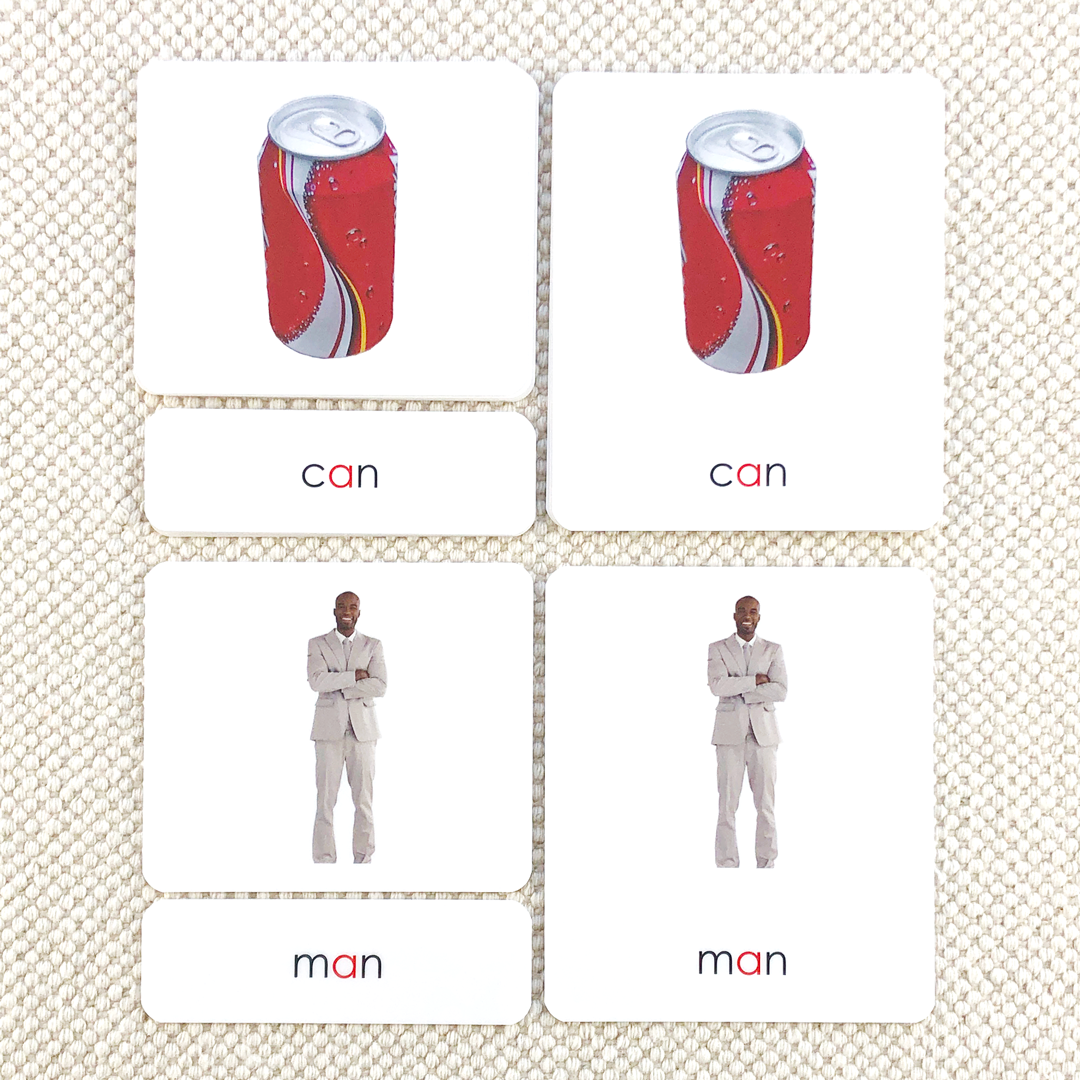
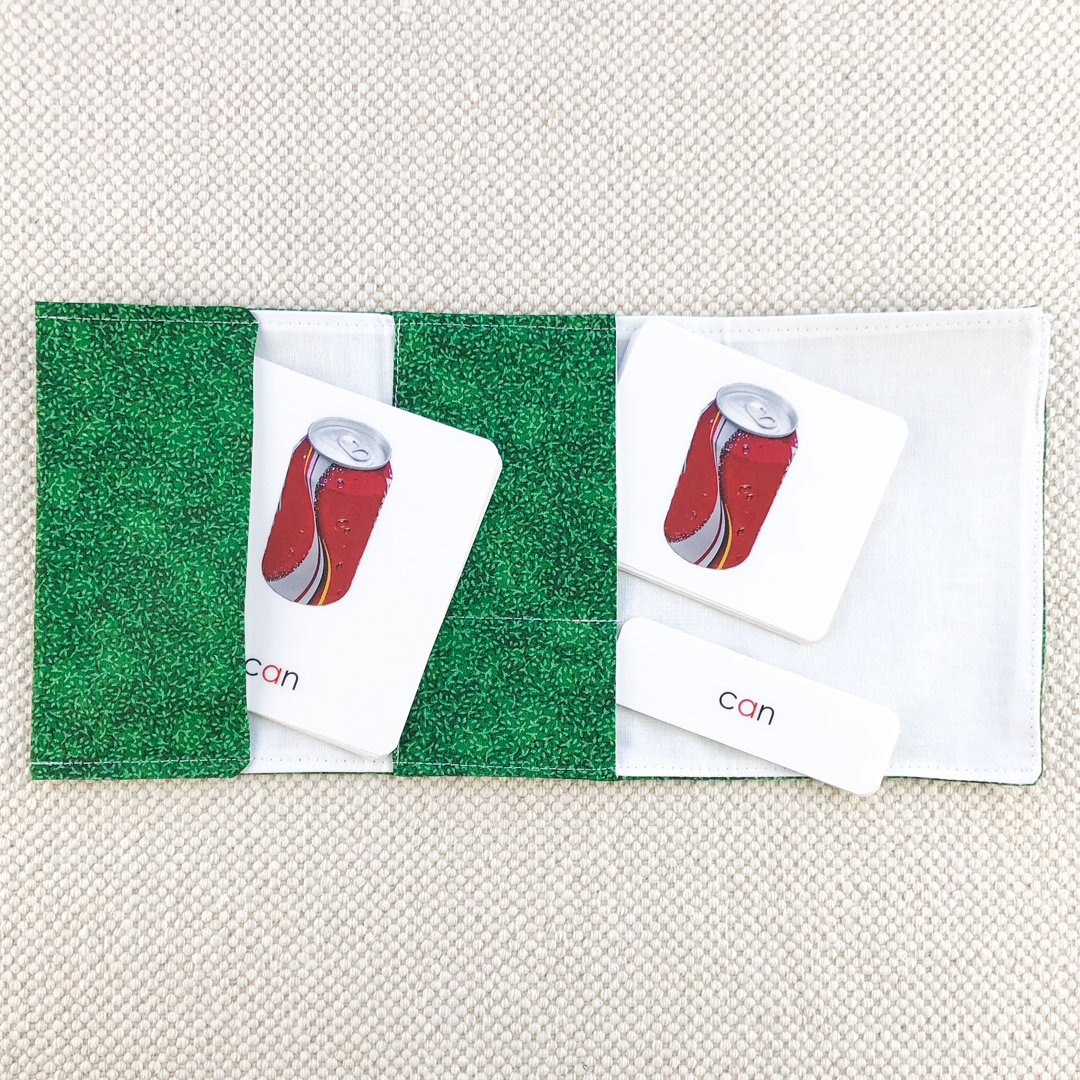
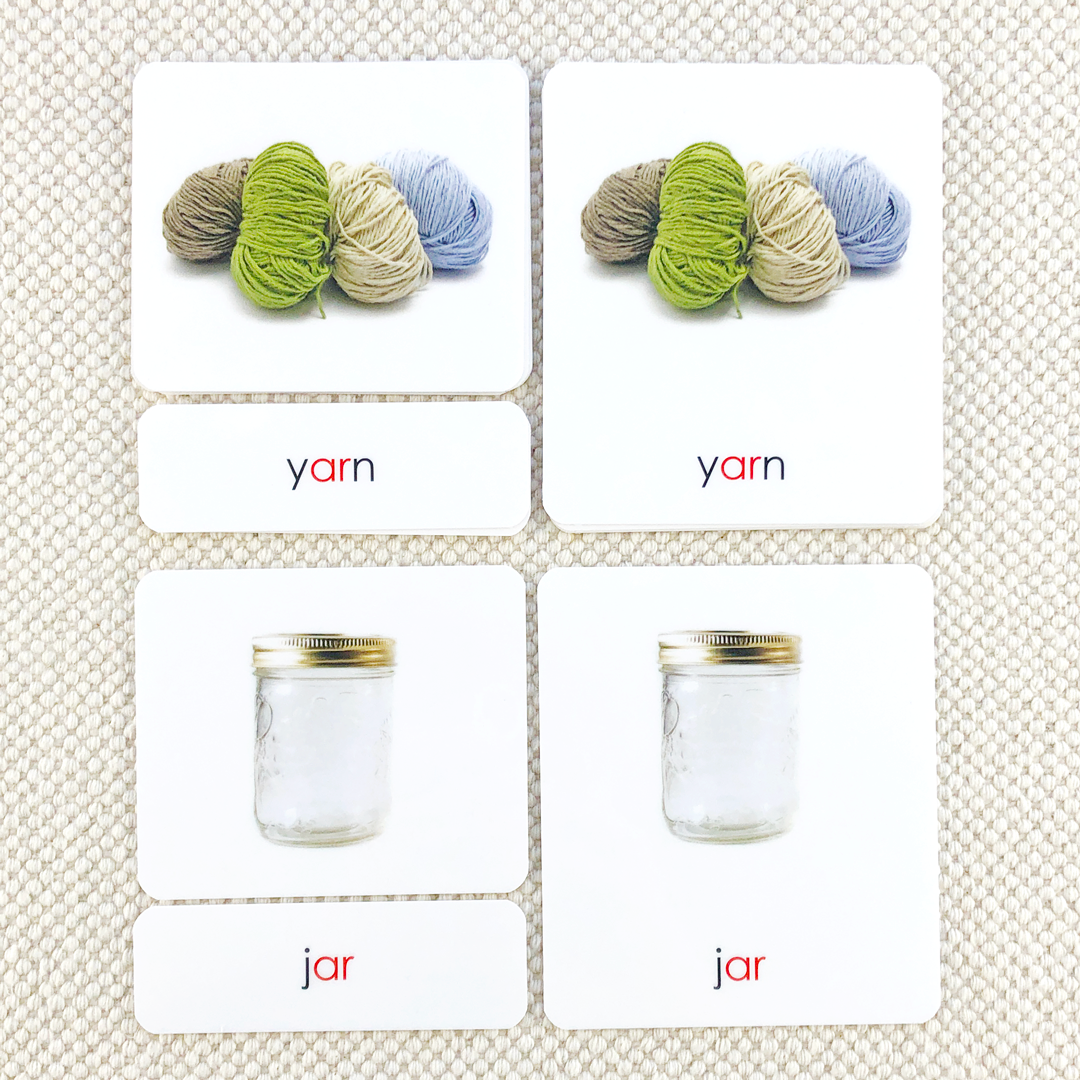
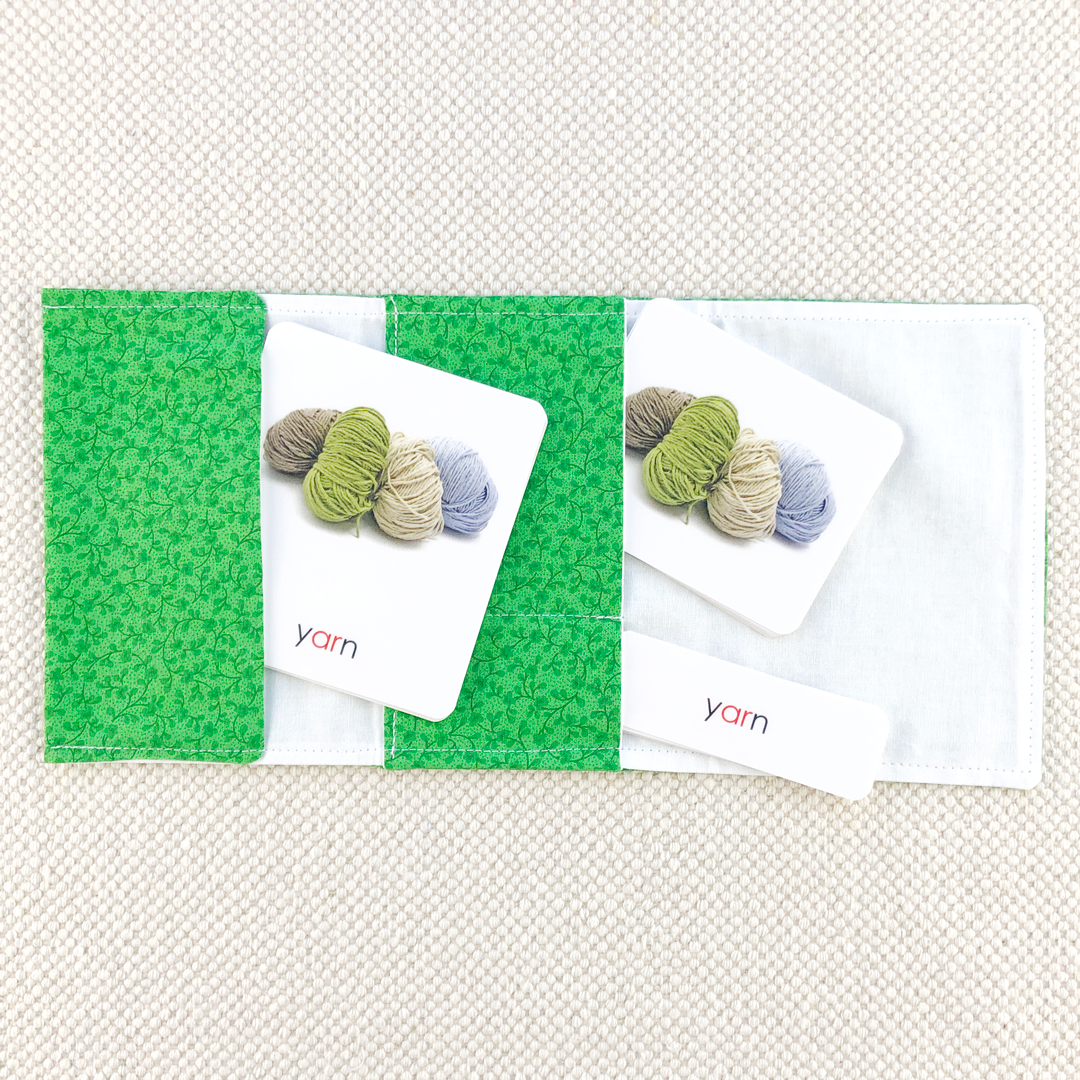
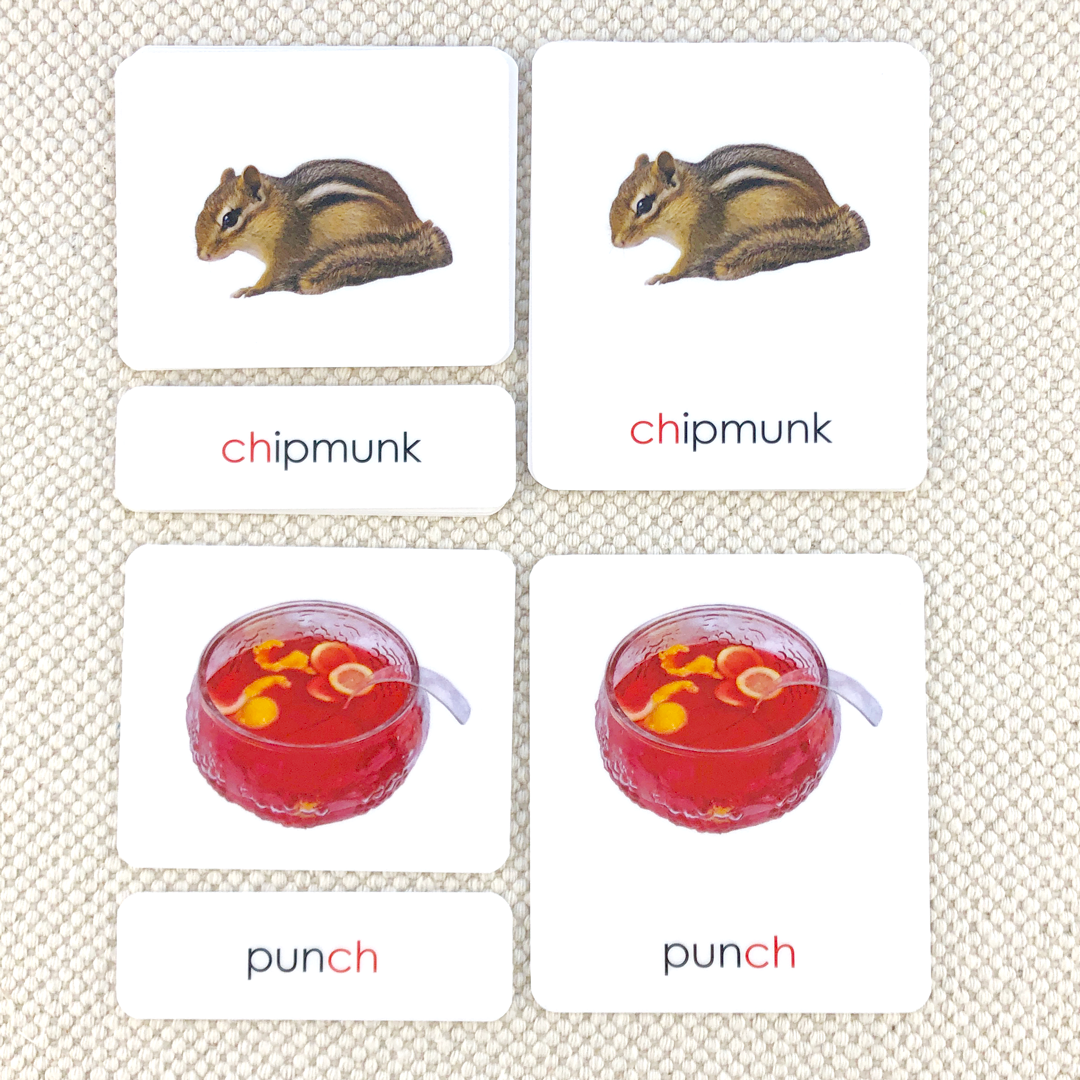
Our phonics and decoding materials give students lots of practice reading words that follow the predictable rules of English. Four levels of phonetic reading cards take students from simple CVC words like cat to words with blends, phonograms, and multiple syllables, building the confidence that comes from realizing "I can read!"
The right time to introduce these materials is when you notice a student trying to sound out the words around them. In Montessori, students usually reach this point after building their own words with the movable alphabet.
What's in this collection
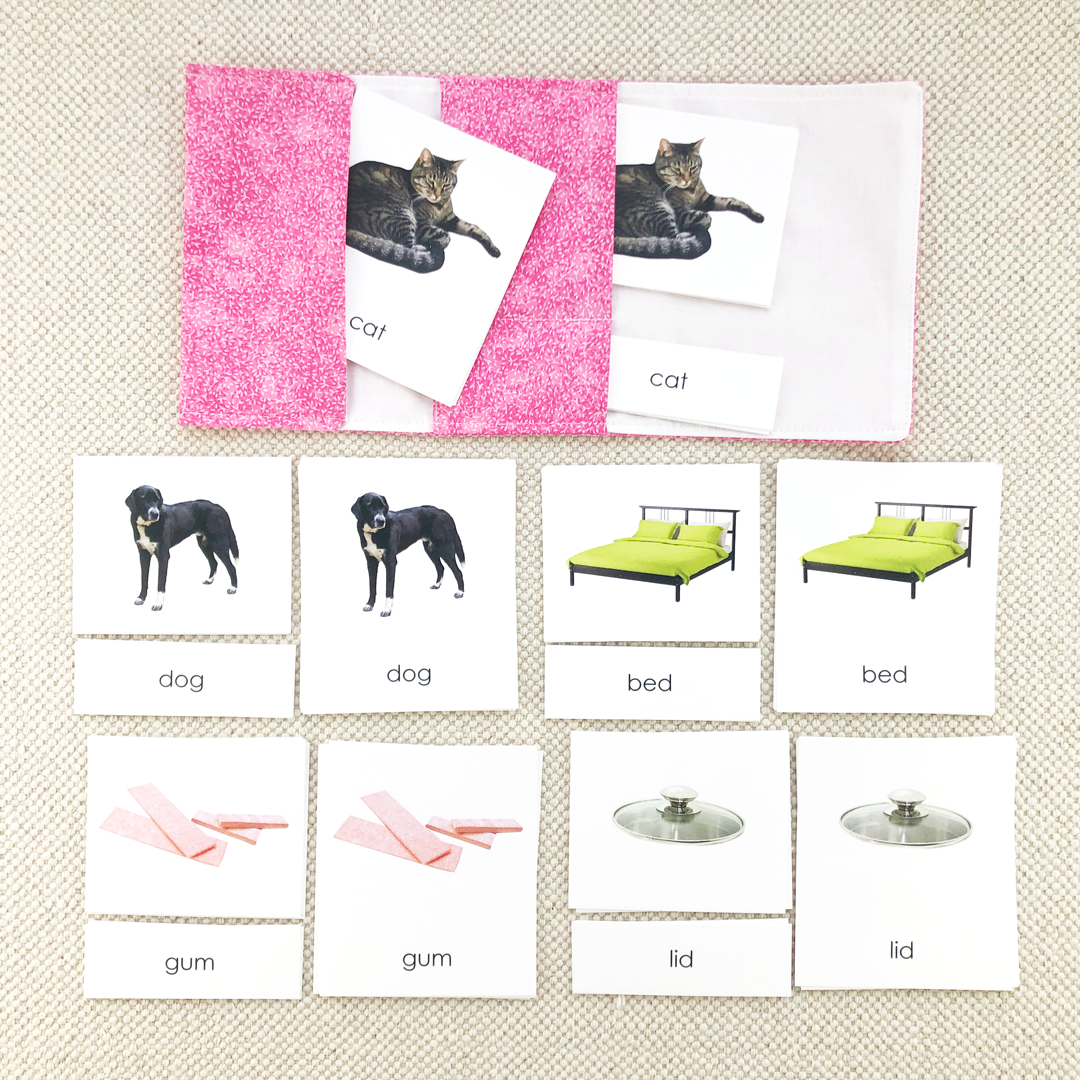
- Phonetic Level 1: the simplest CVC phonetic words (pink series).
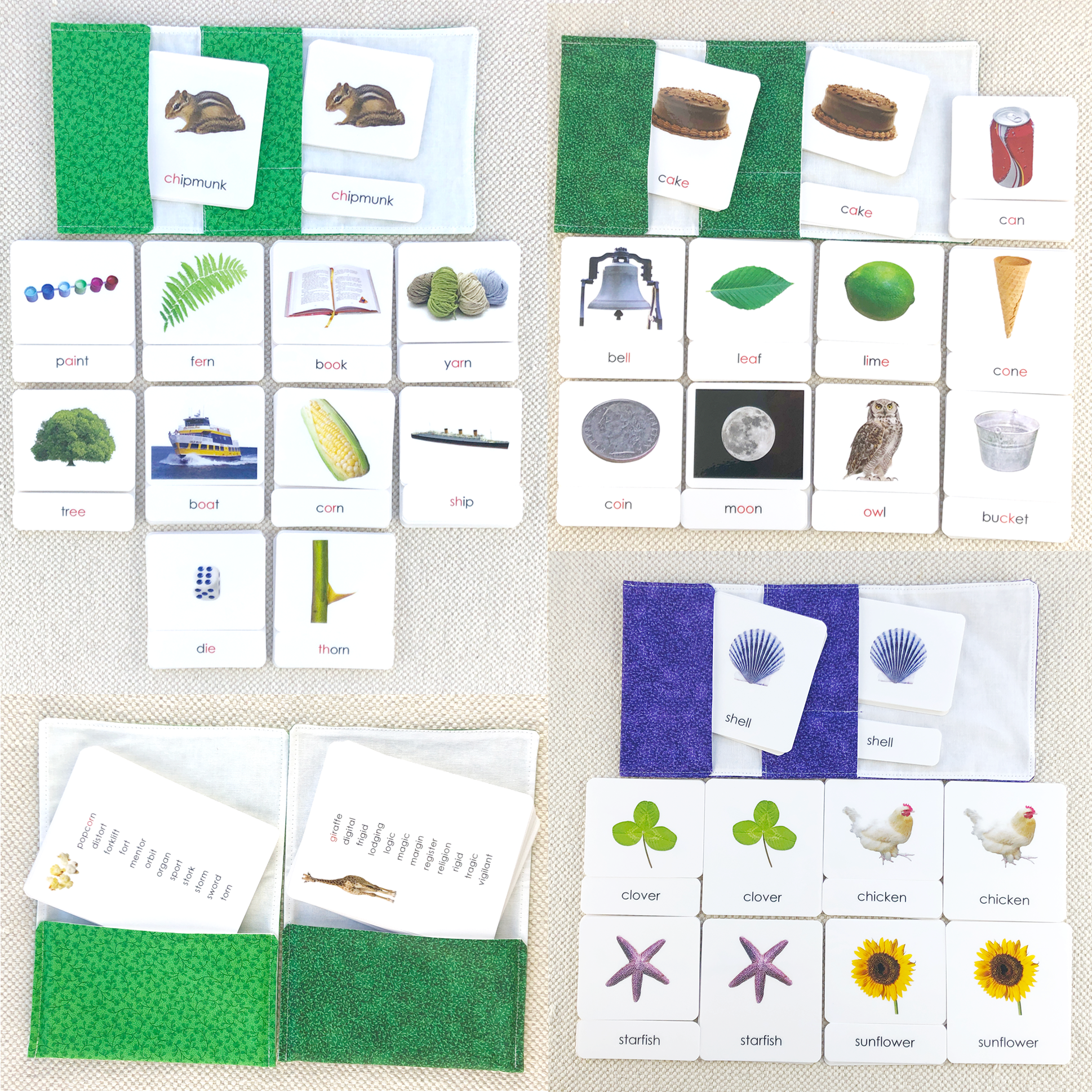
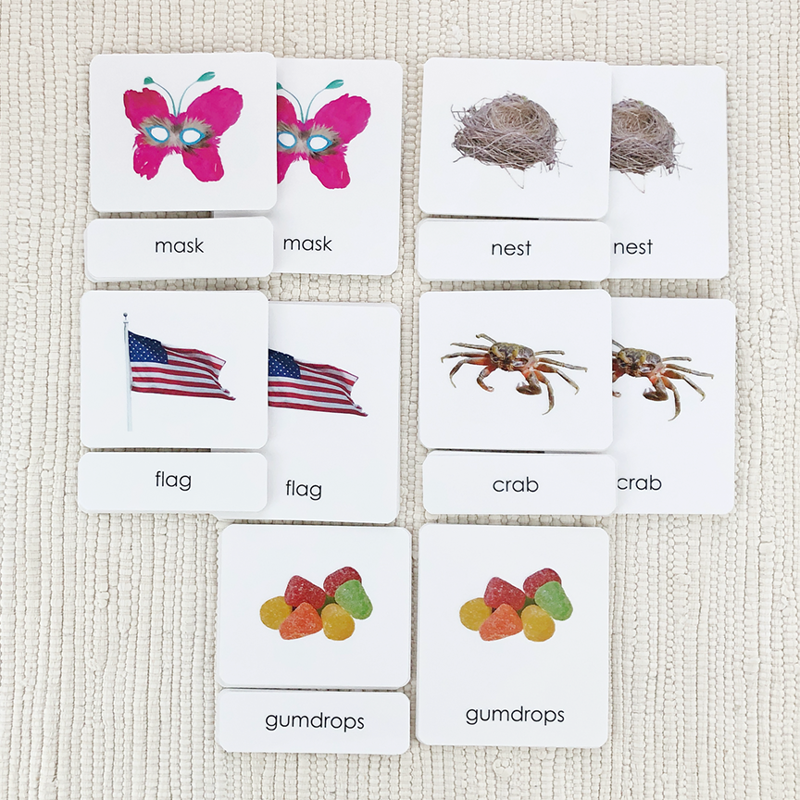
- Phonetic Level 2: phonetic words with consonant blends (blue series).
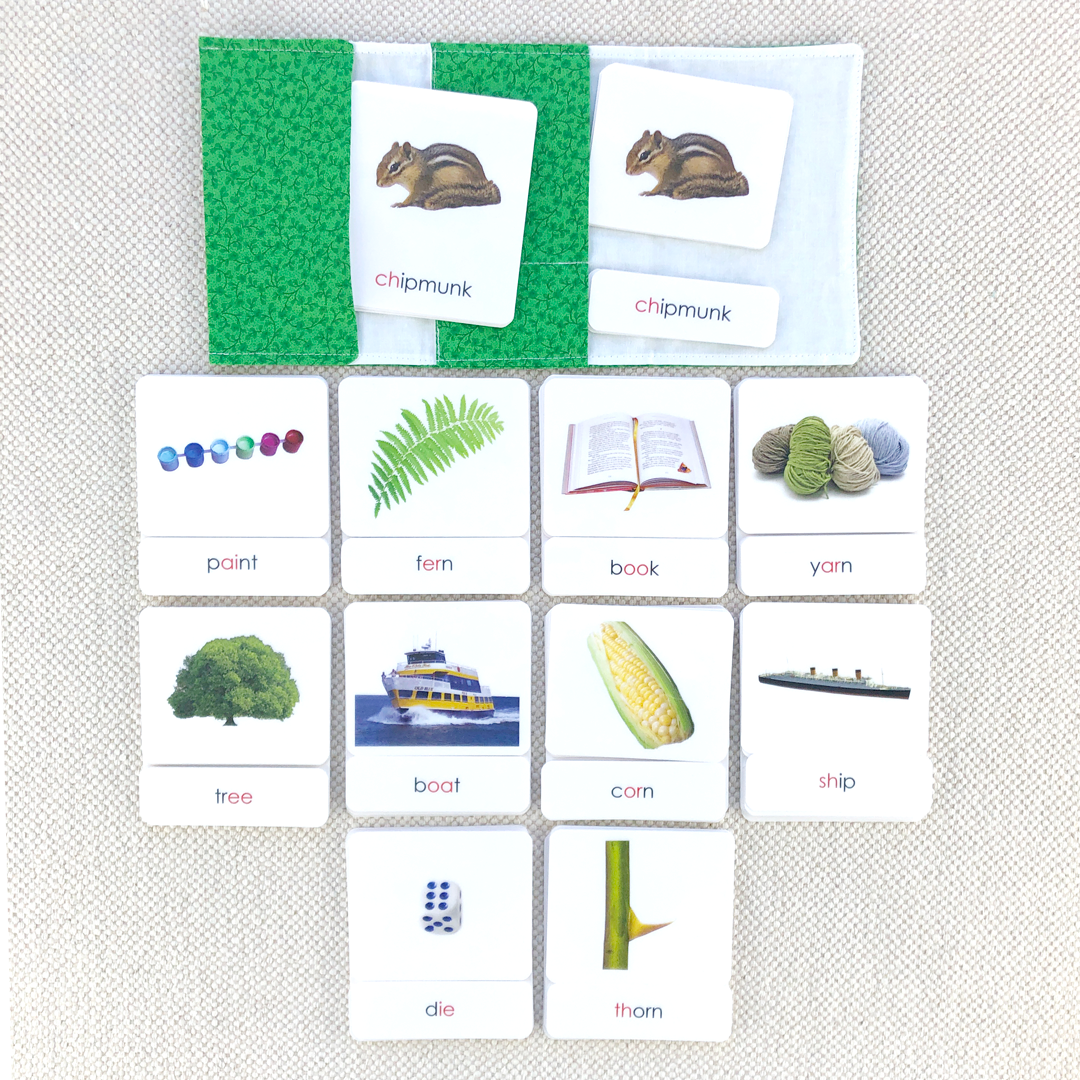
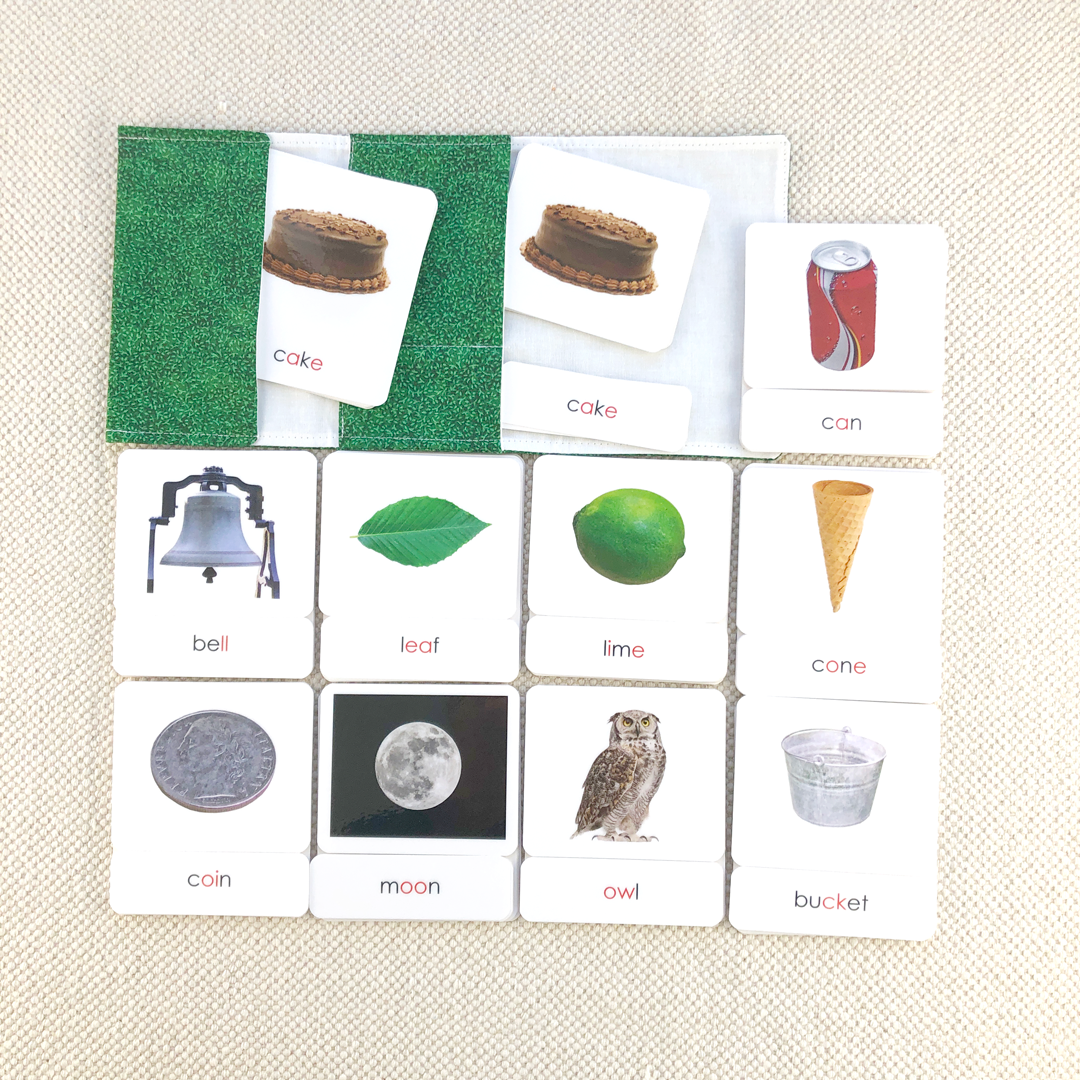
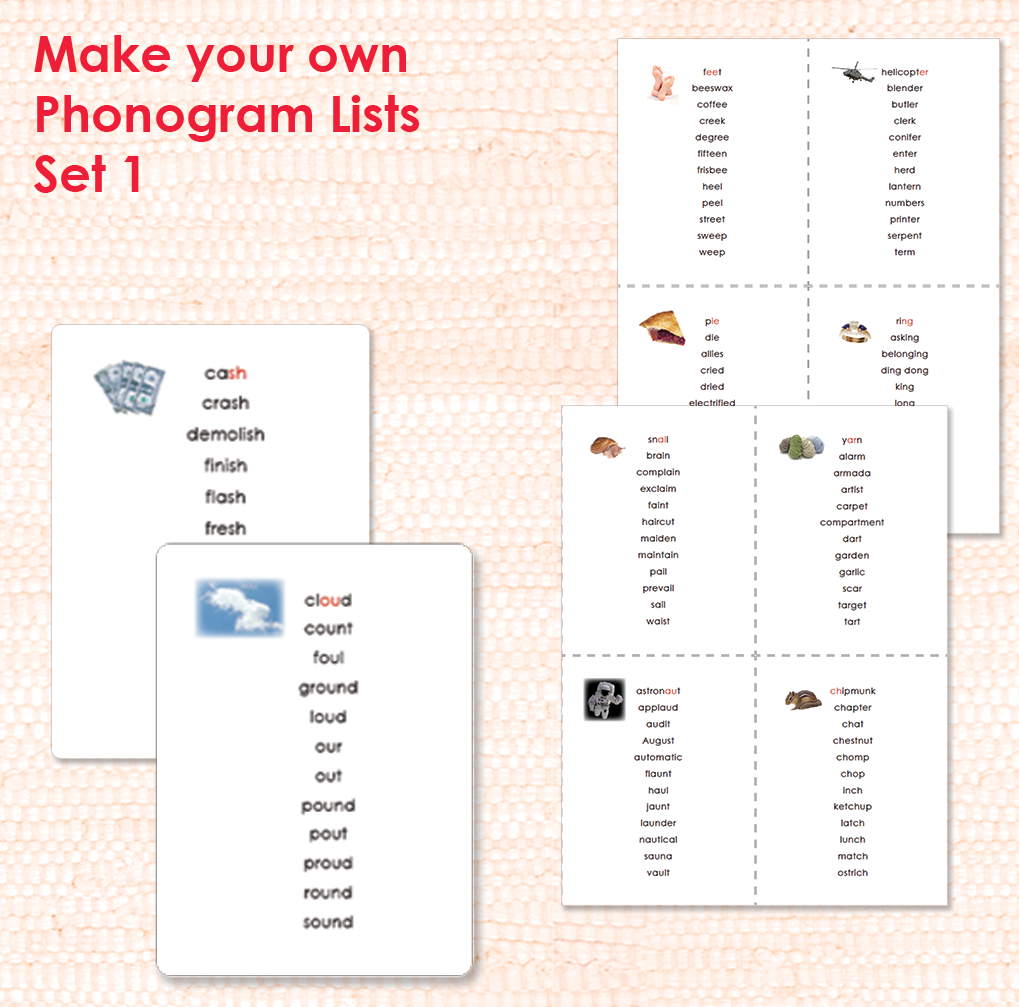
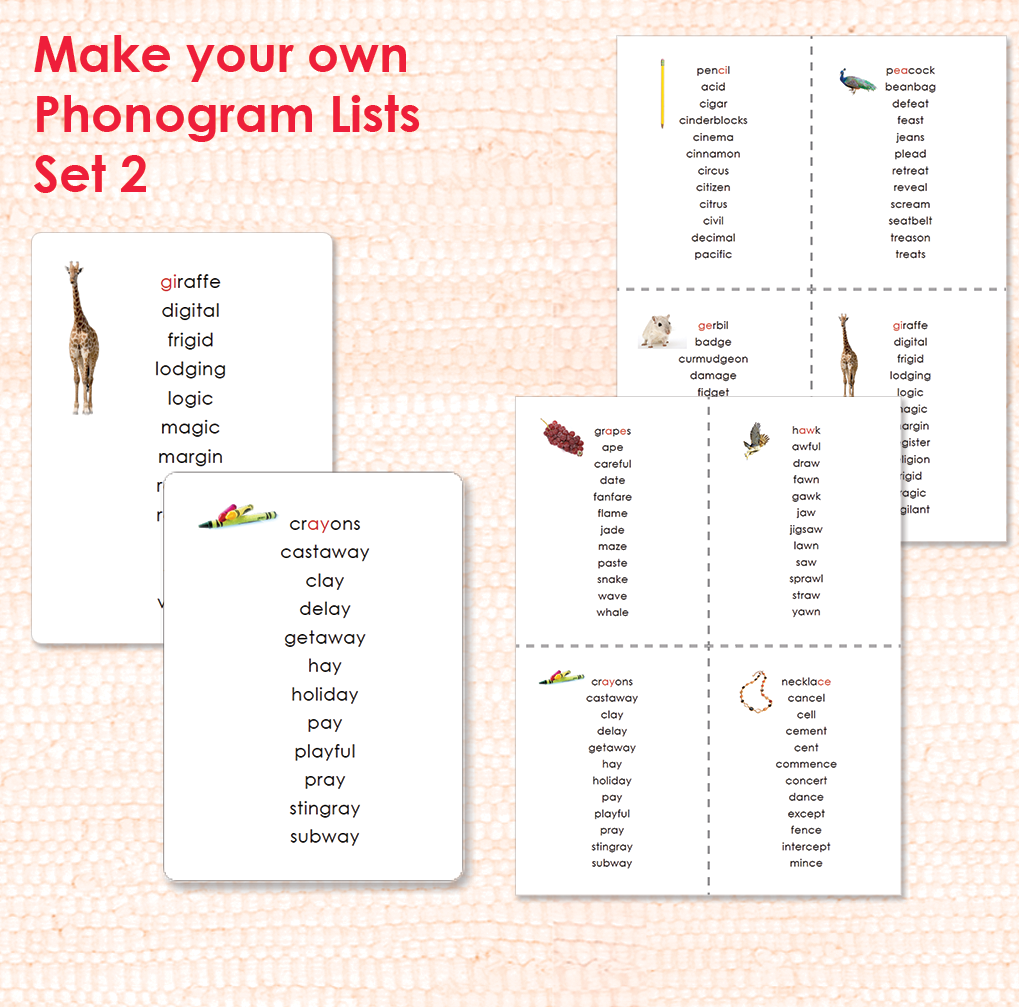
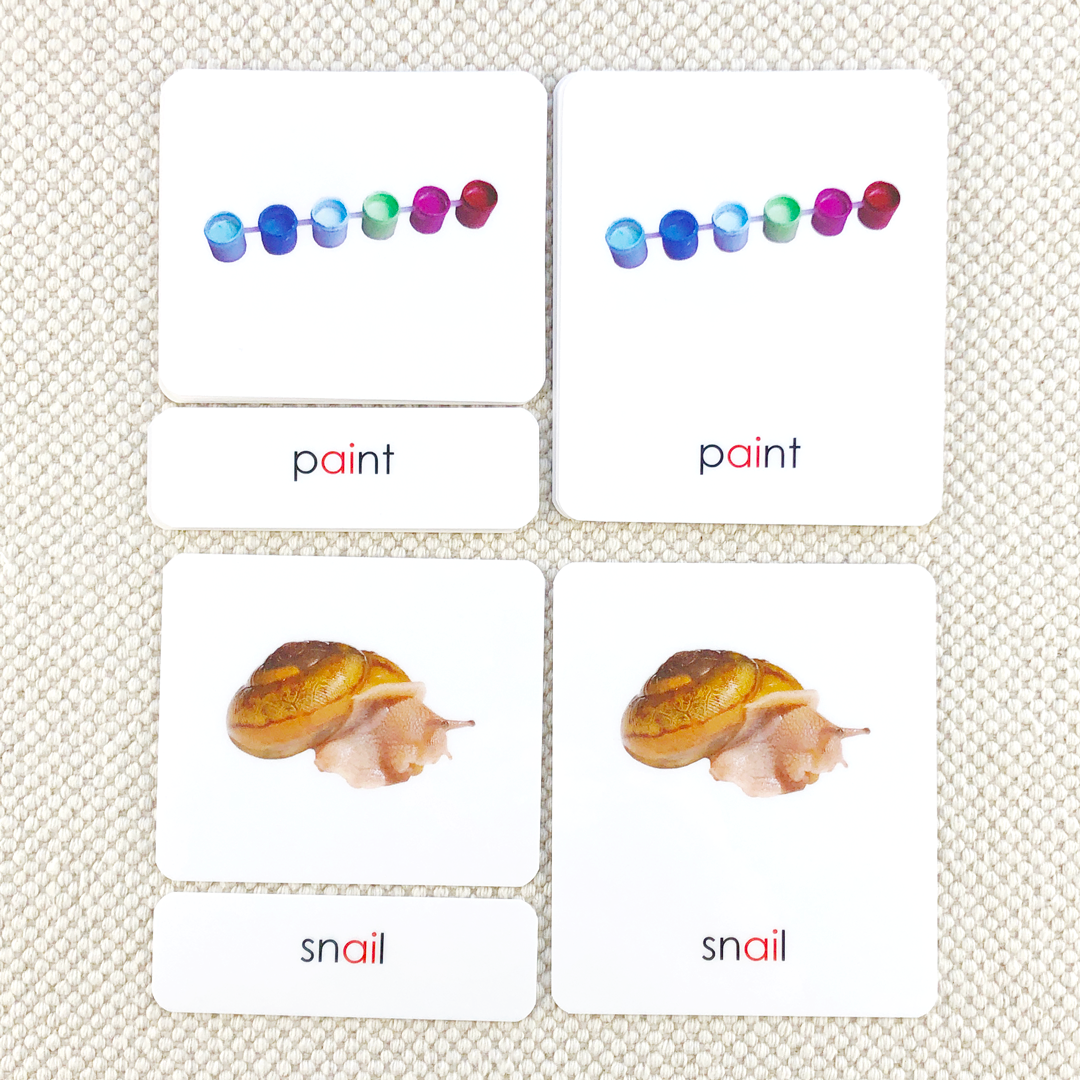
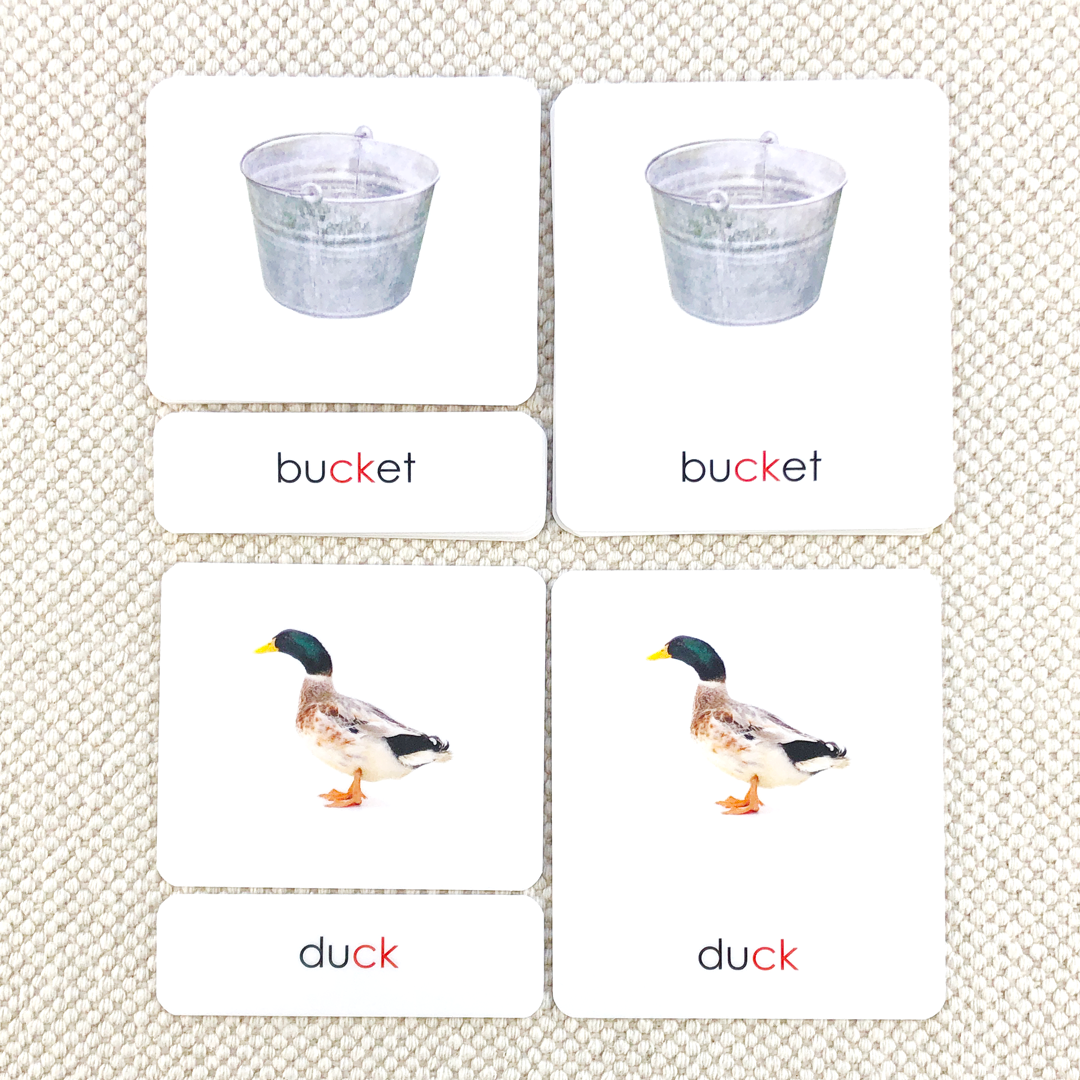
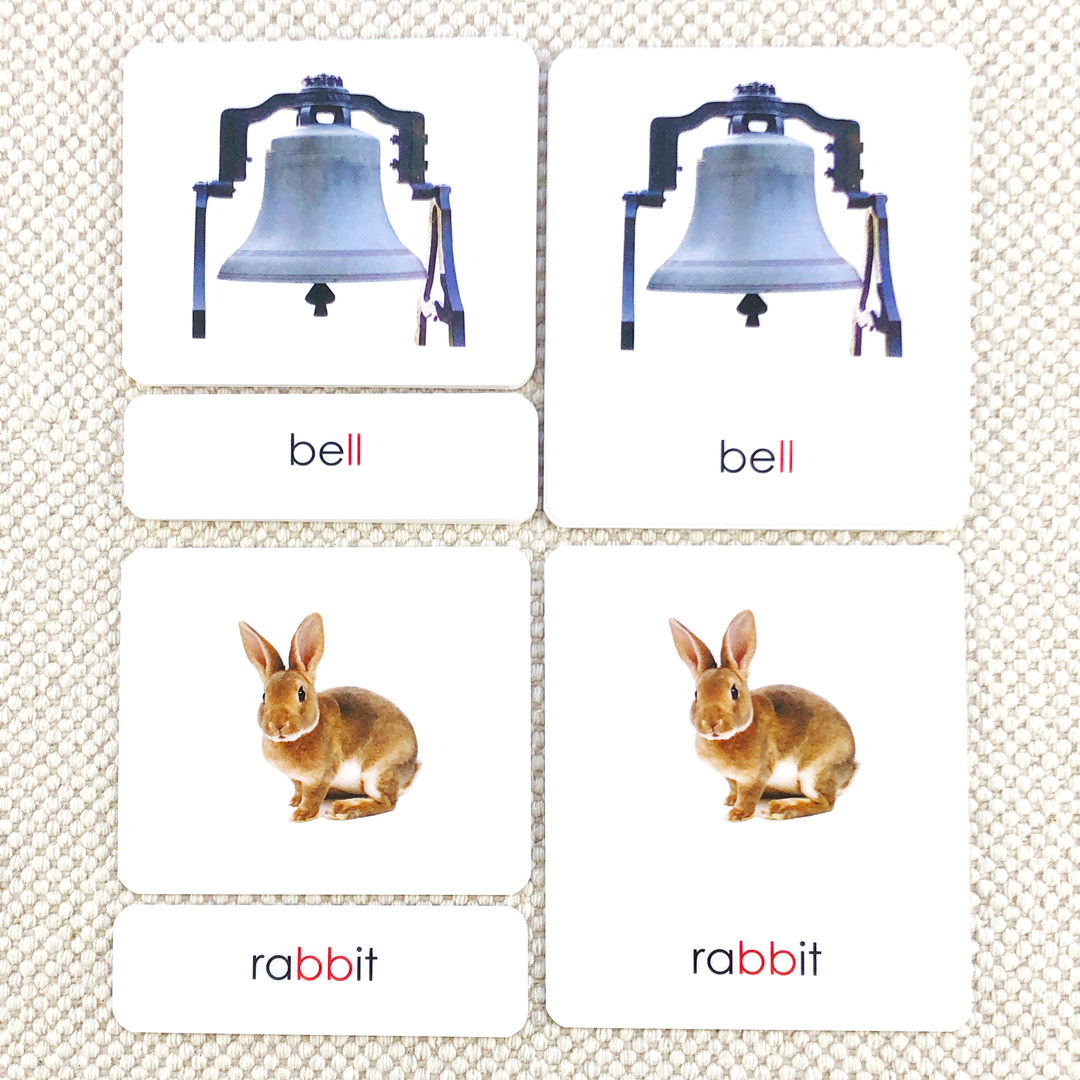
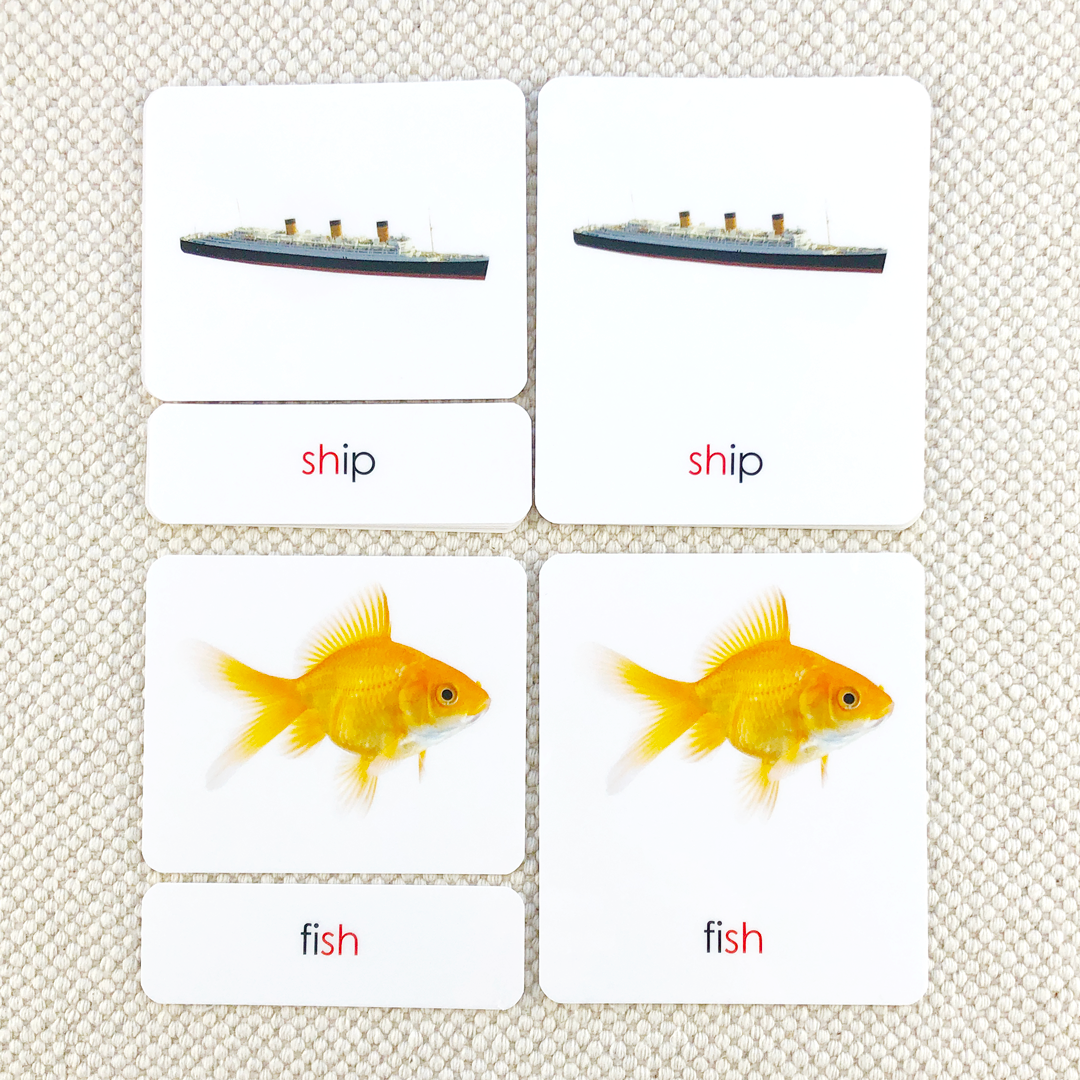
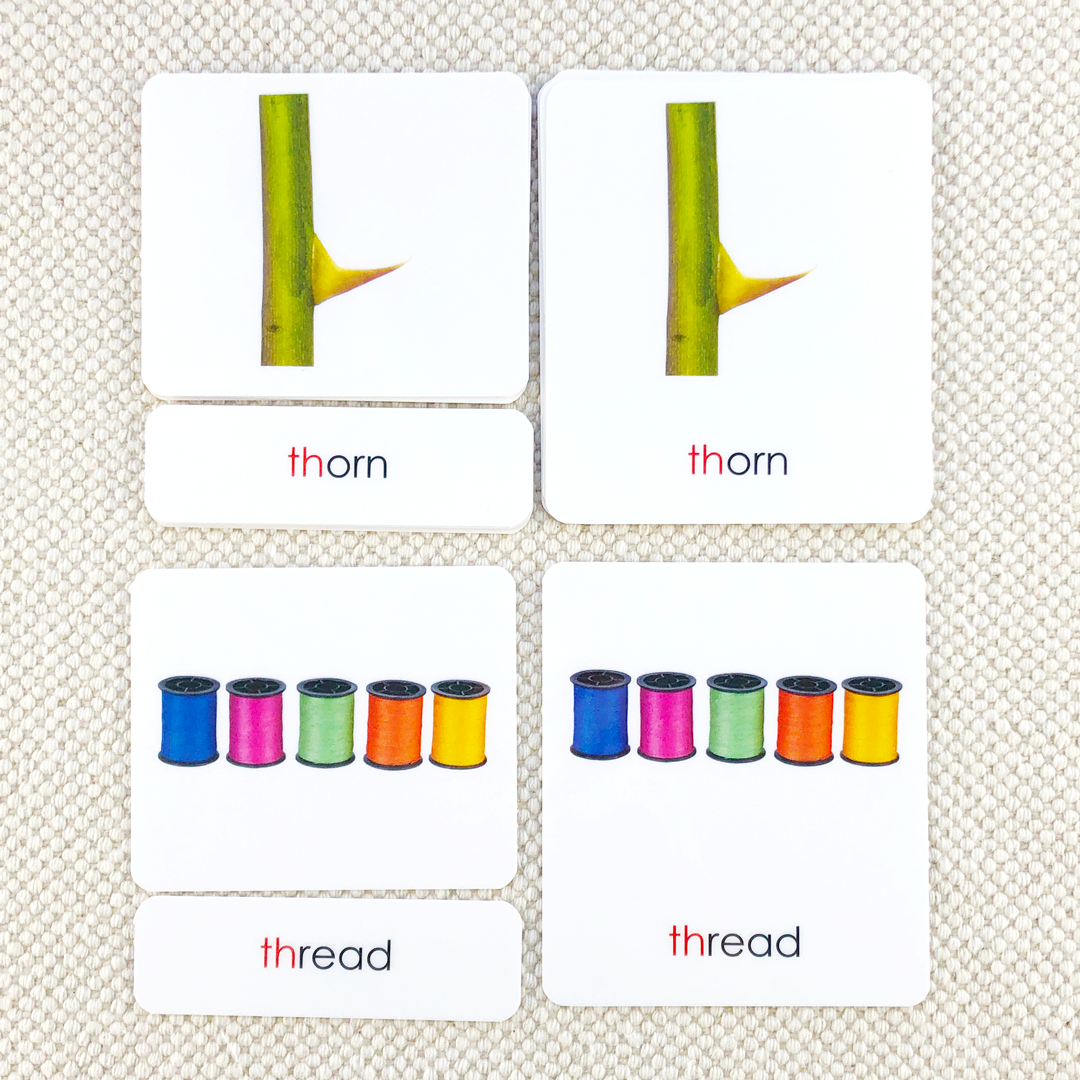
- Phonetic Level 3: Key Sound Phonograms (green series) and Level 3: Other Phonograms: phonetic words with one phonogram per packet, printed in red.
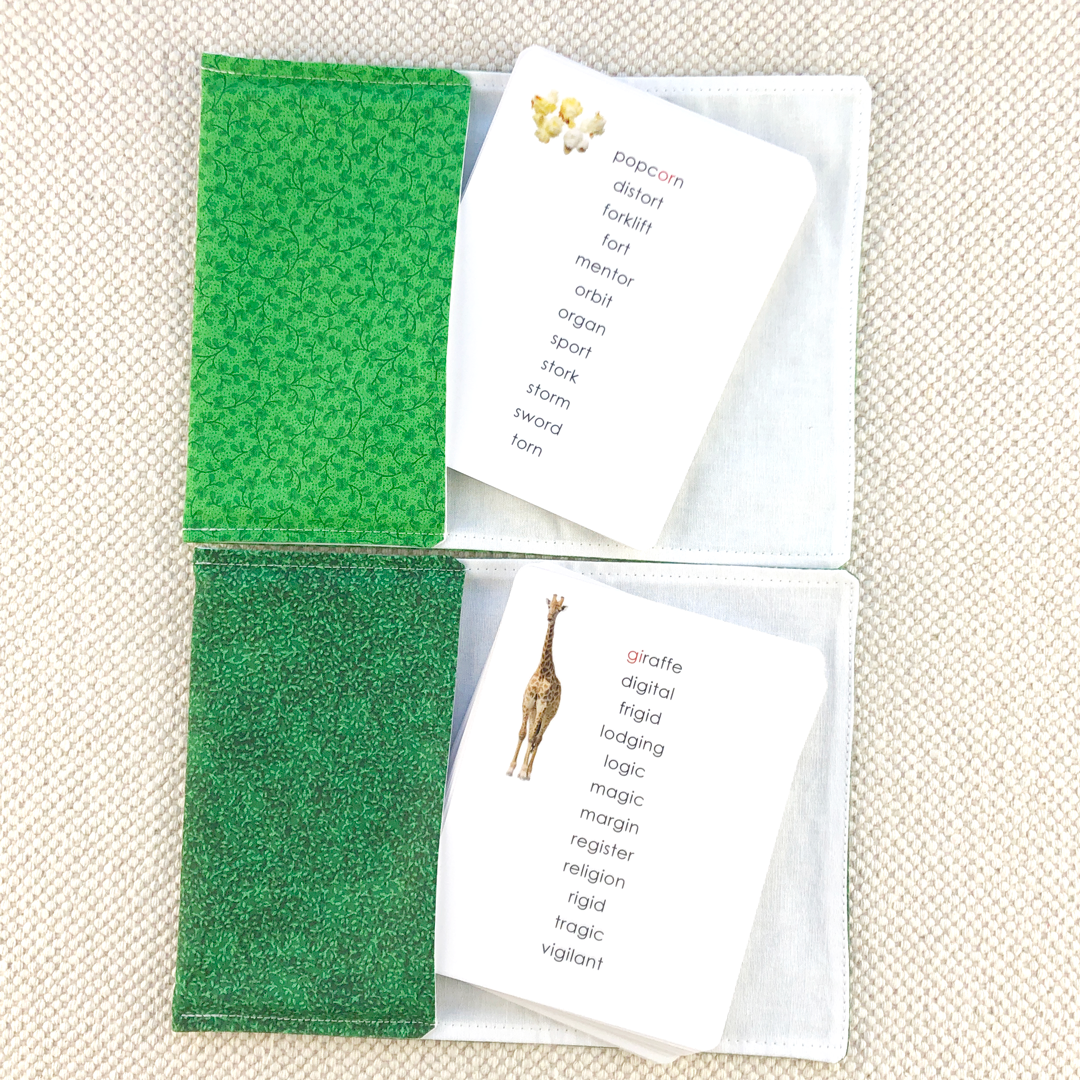
- Phonetic Level 4: phonetic words with more than one phonogram, including compound words.
- Word-only practice: Phonetic Word Cards, Phonetic Activity Cards, and Phonogram Lists.
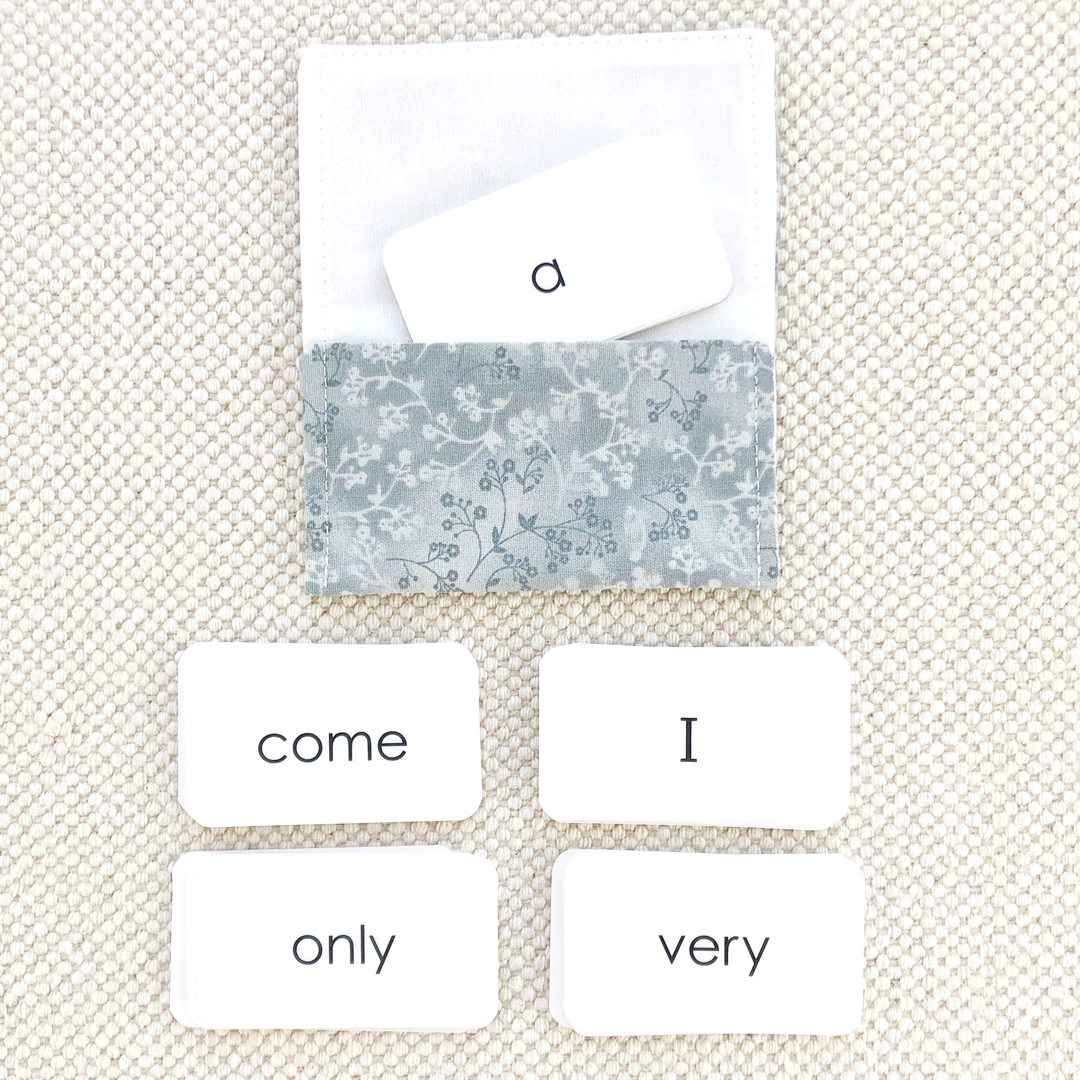
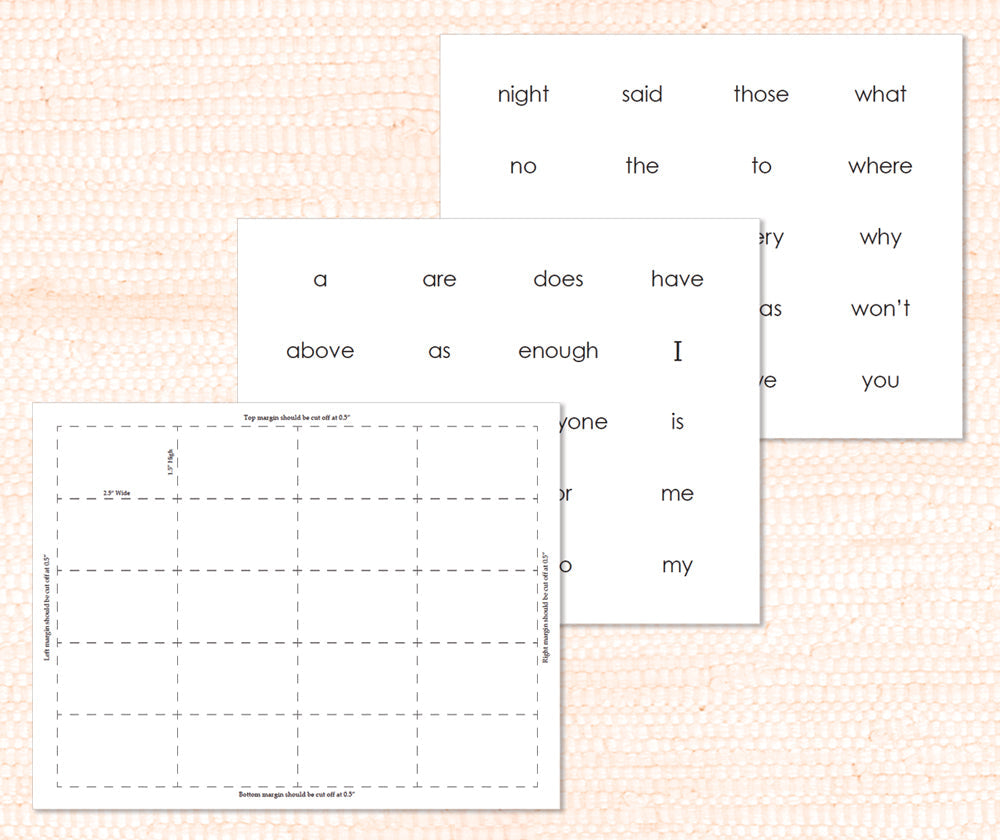
- Puzzle Words: common words that don't follow phonetic rules, learned by sight.
- Kits and sets: the Phonetic Decoding Kit, Digraph Decoding Kit, and the complete Phonetic Reading Card Set.
Why phonics matters for reading
Decoding, turning letters into sounds and blending them into words, is part of the word recognition side of Scarborough's (2001) reading rope. Roughly half of English words follow regular sound-spelling patterns, so starting with phonetic words lets students succeed right away. Repeated, successful practice at the word level is what builds the automatic word reading that fluent readers depend on.
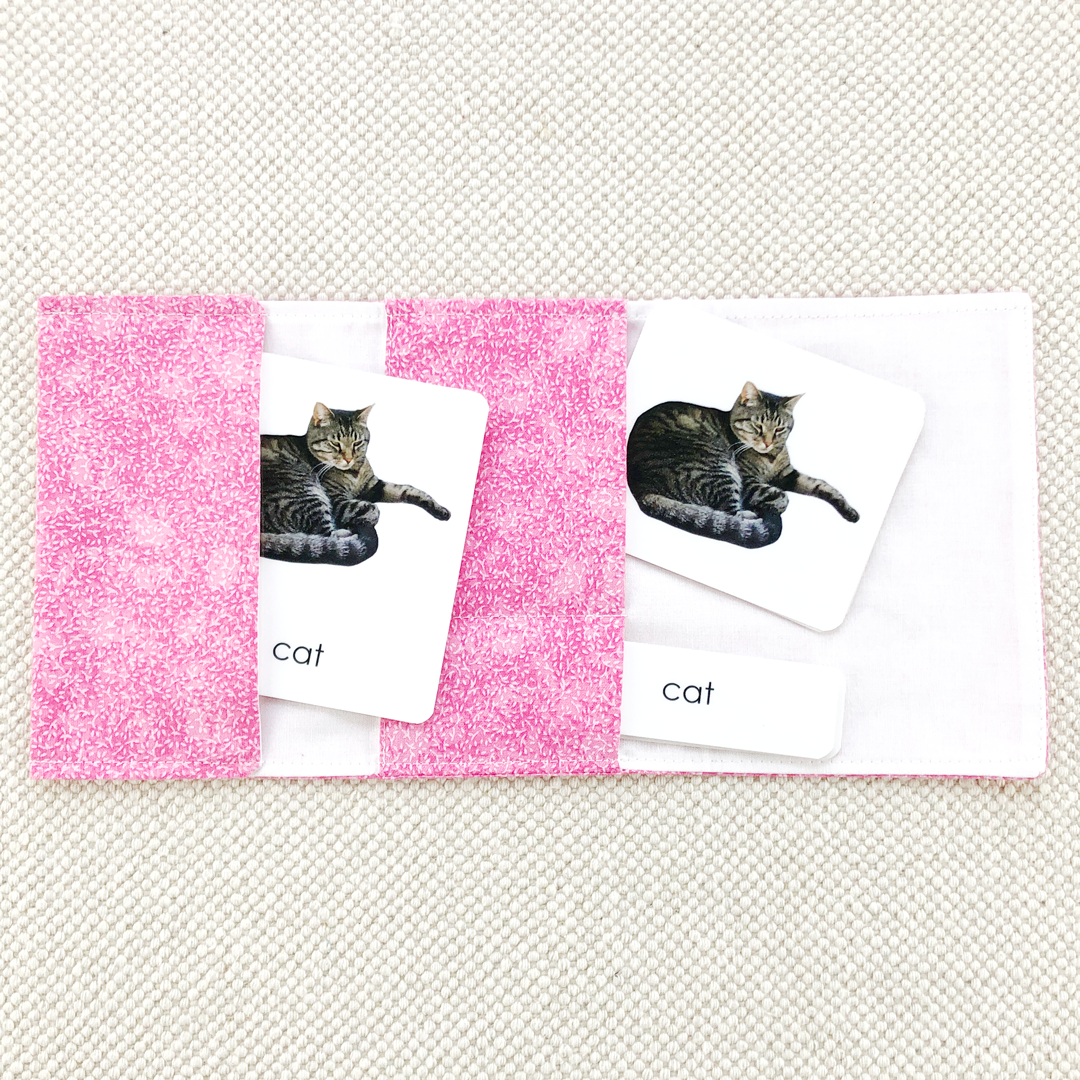
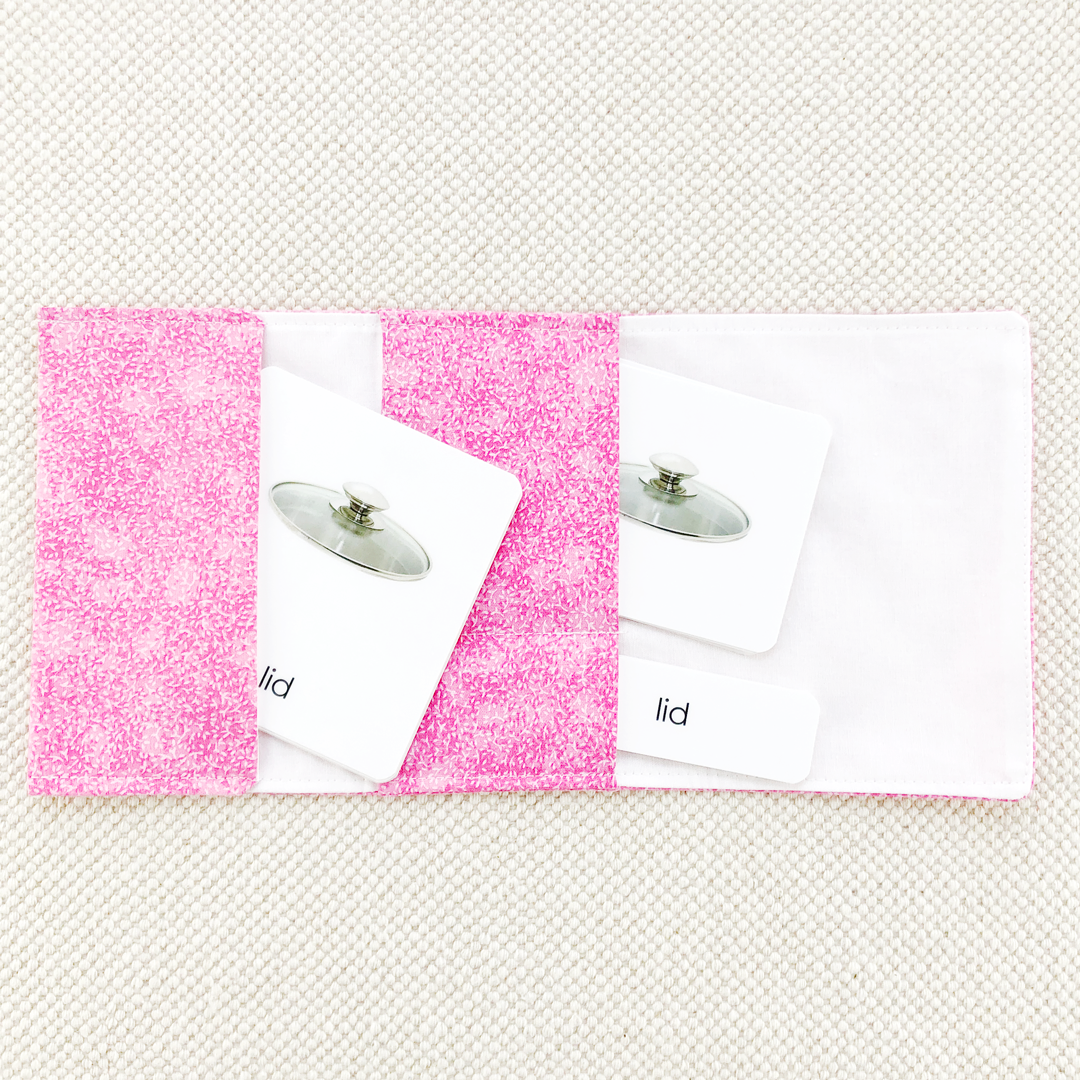
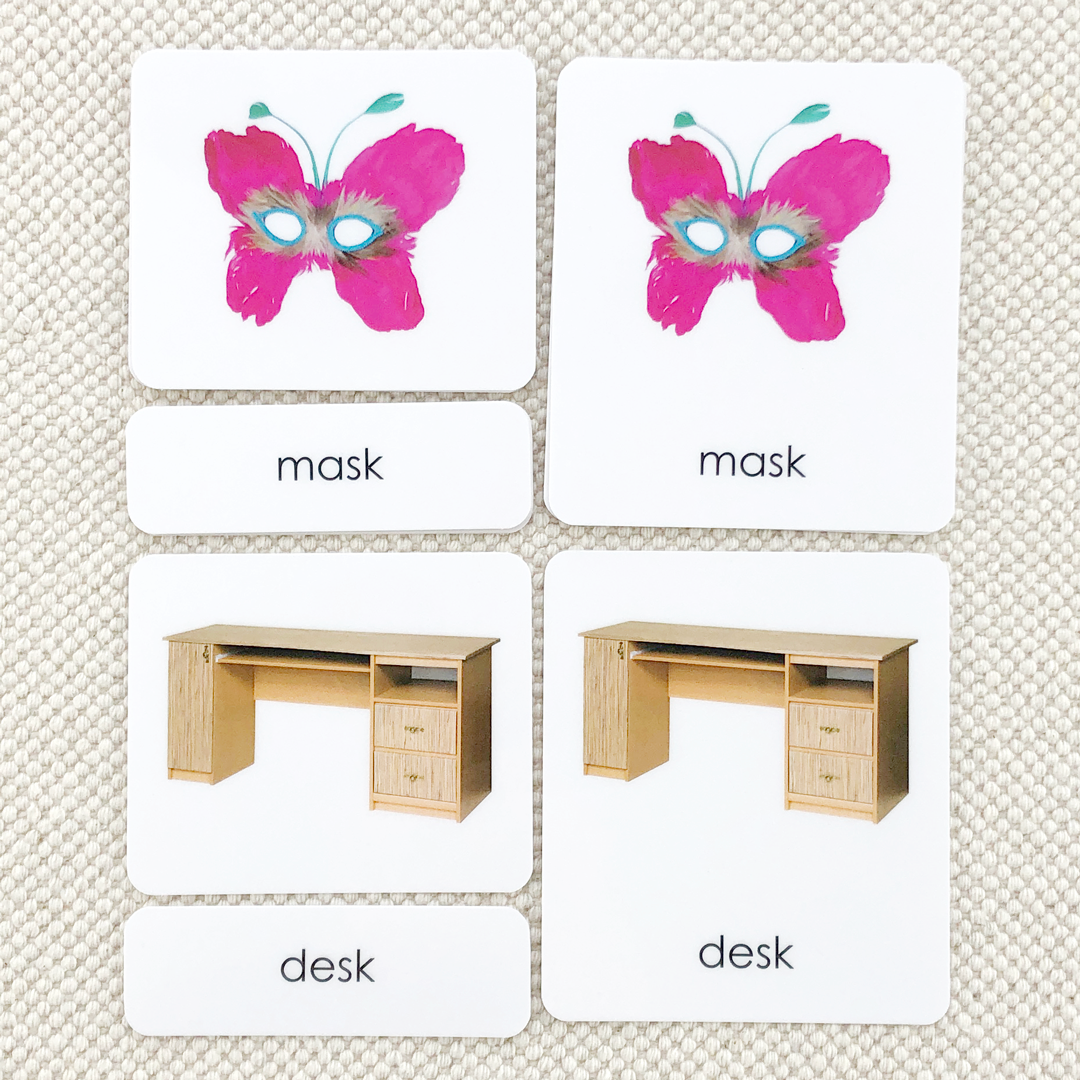
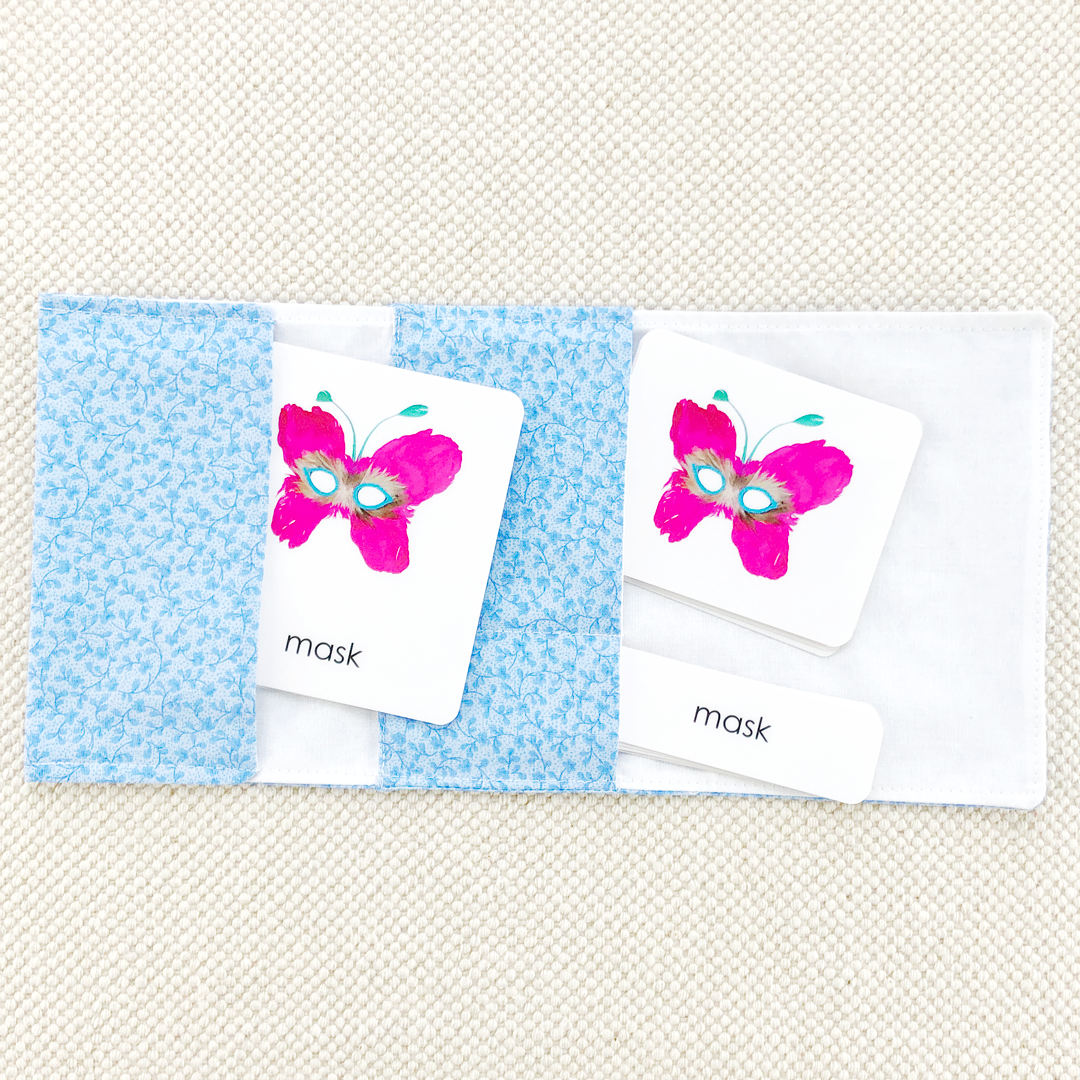
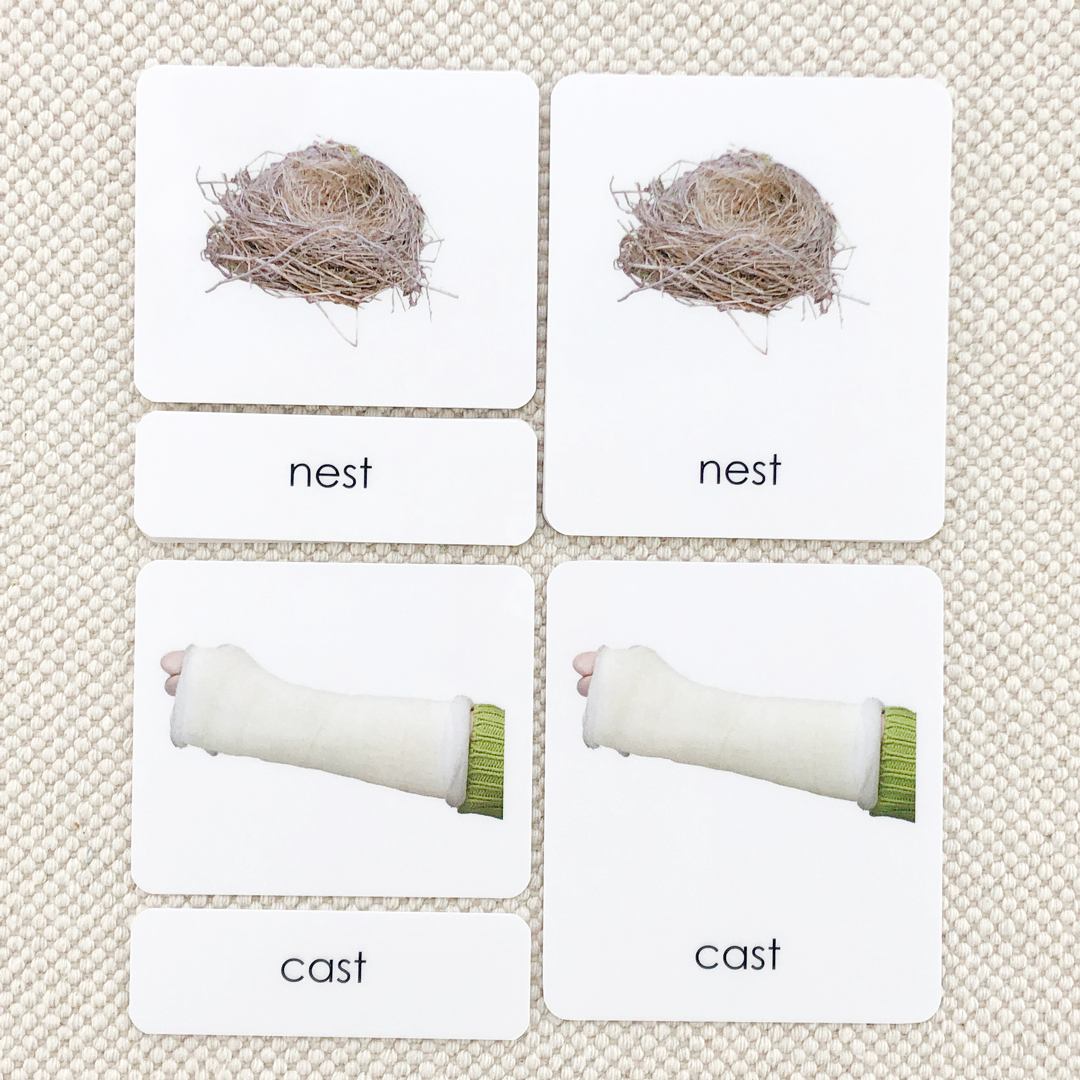
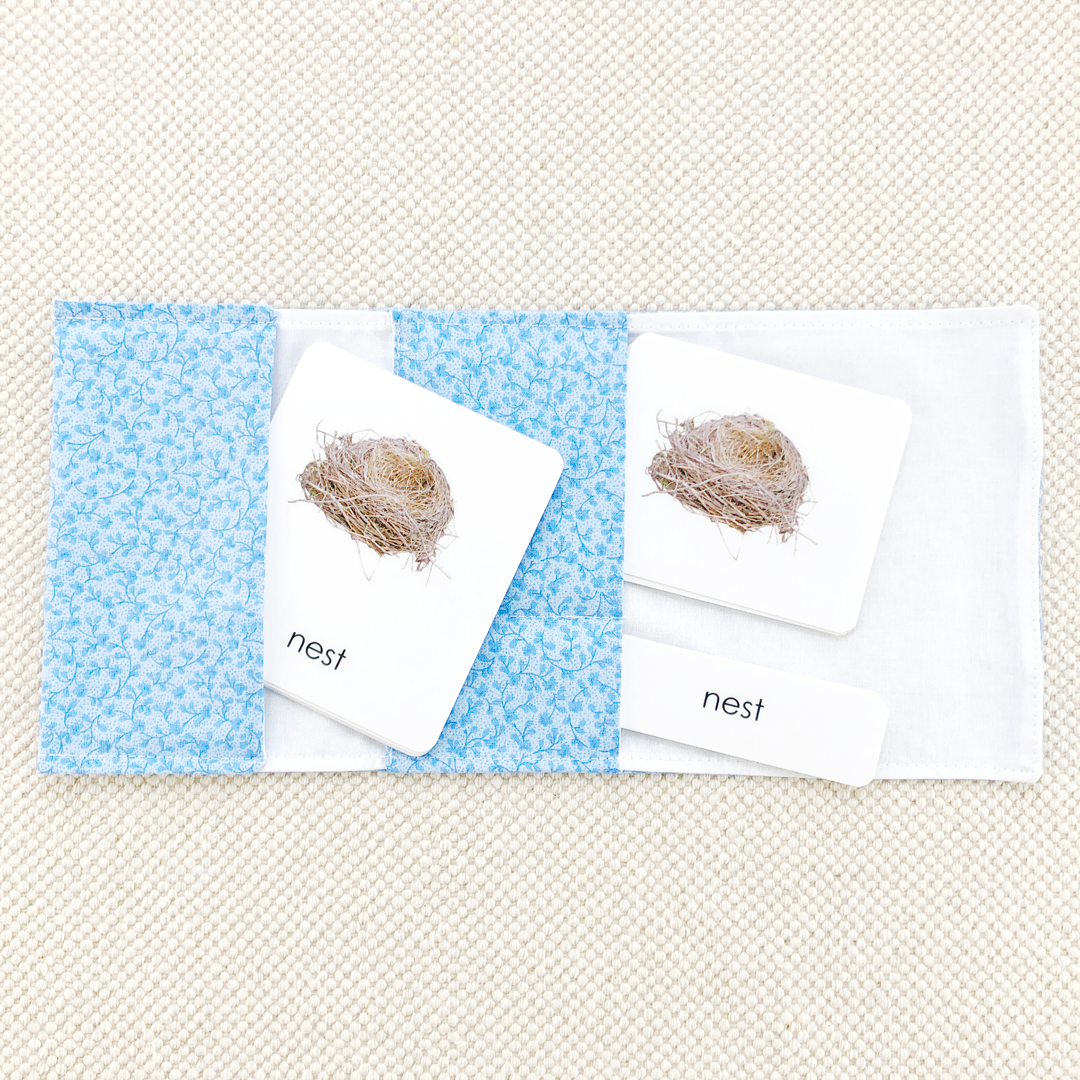
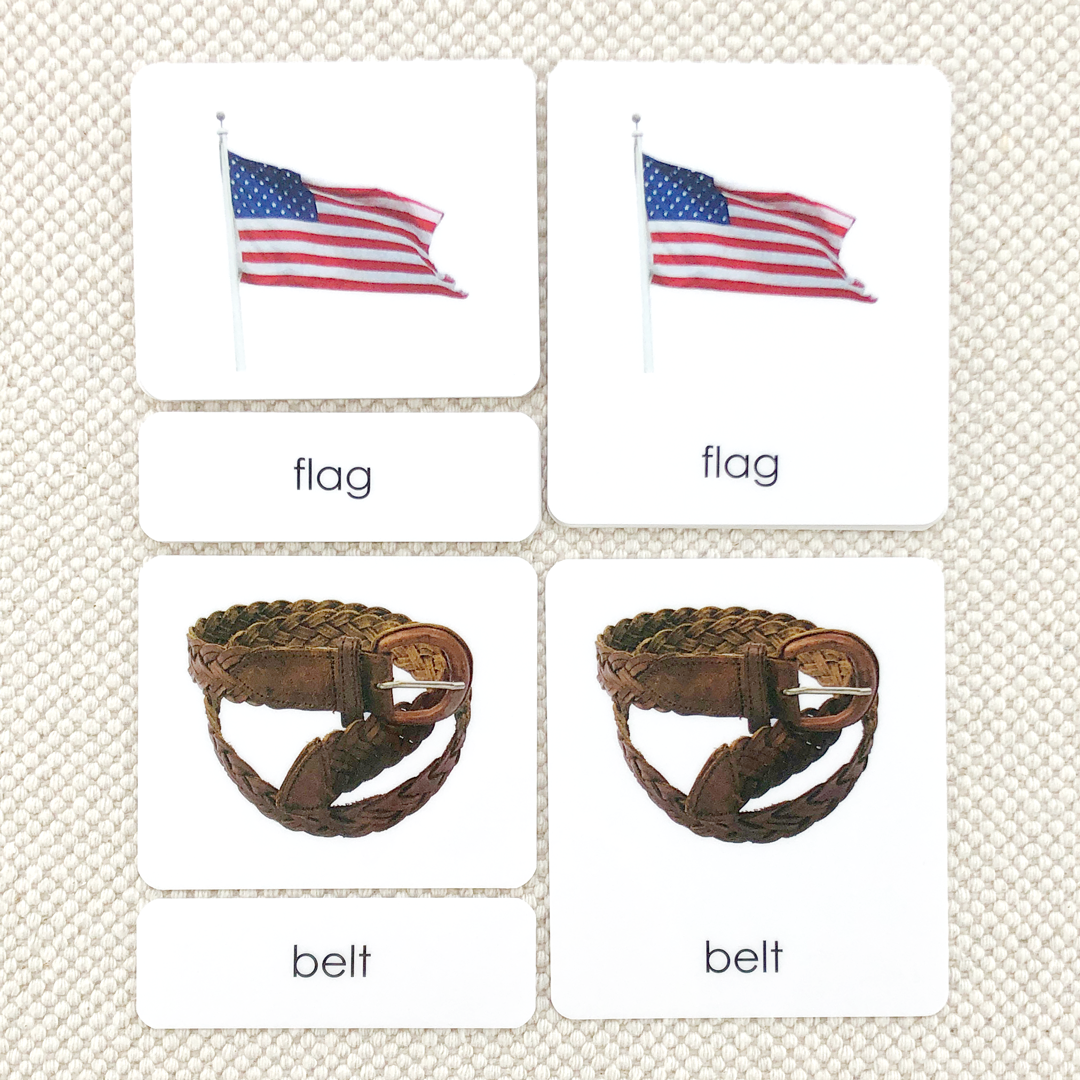
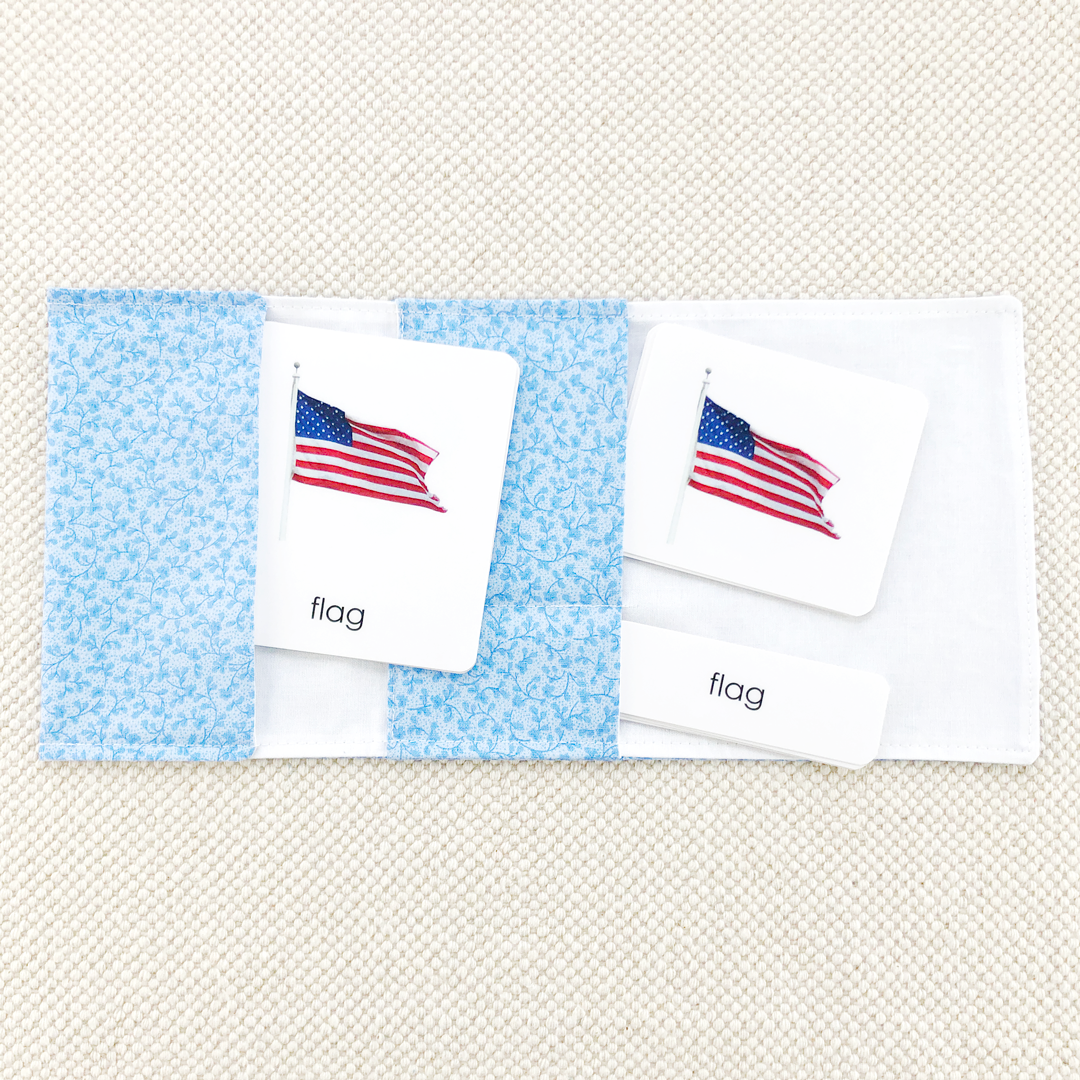
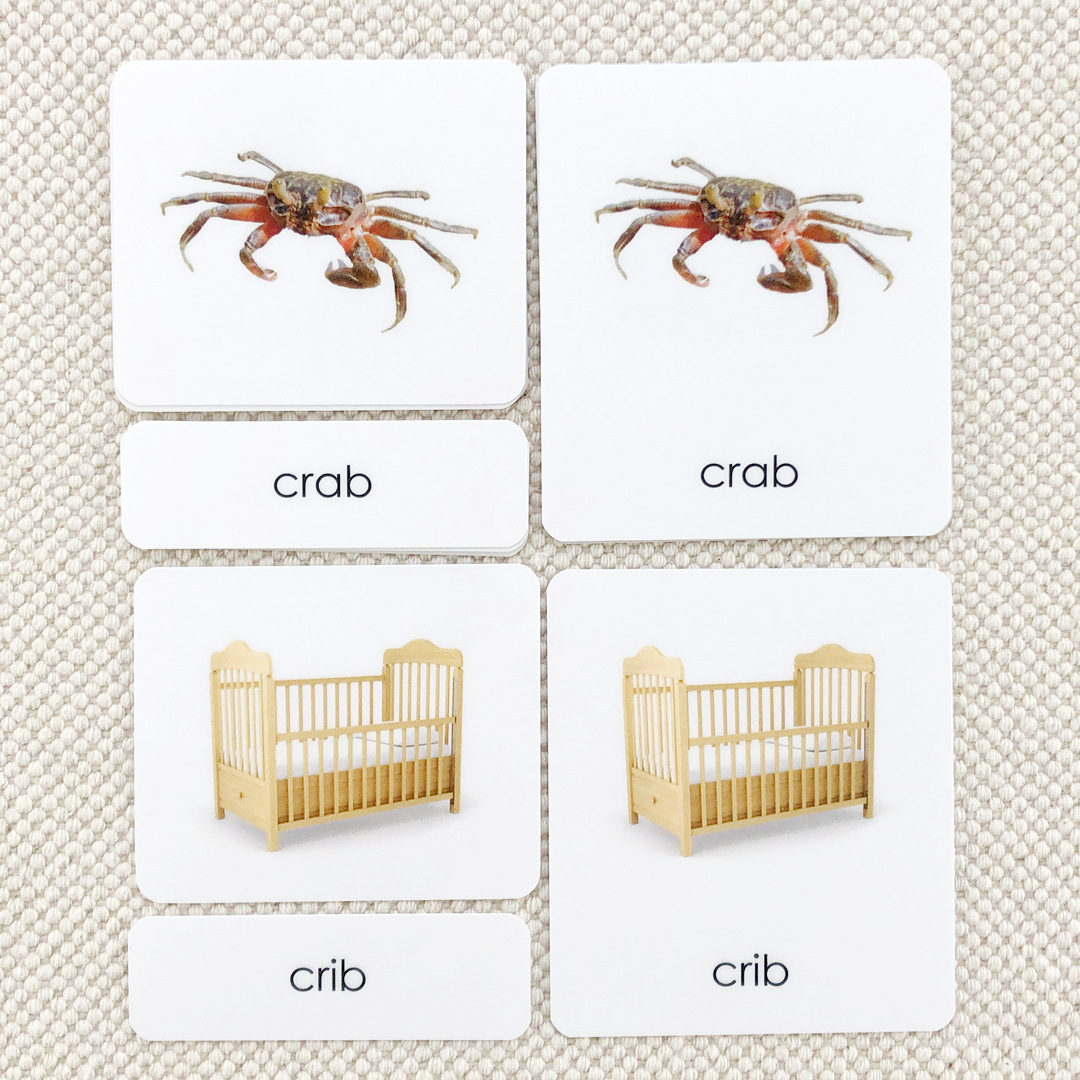
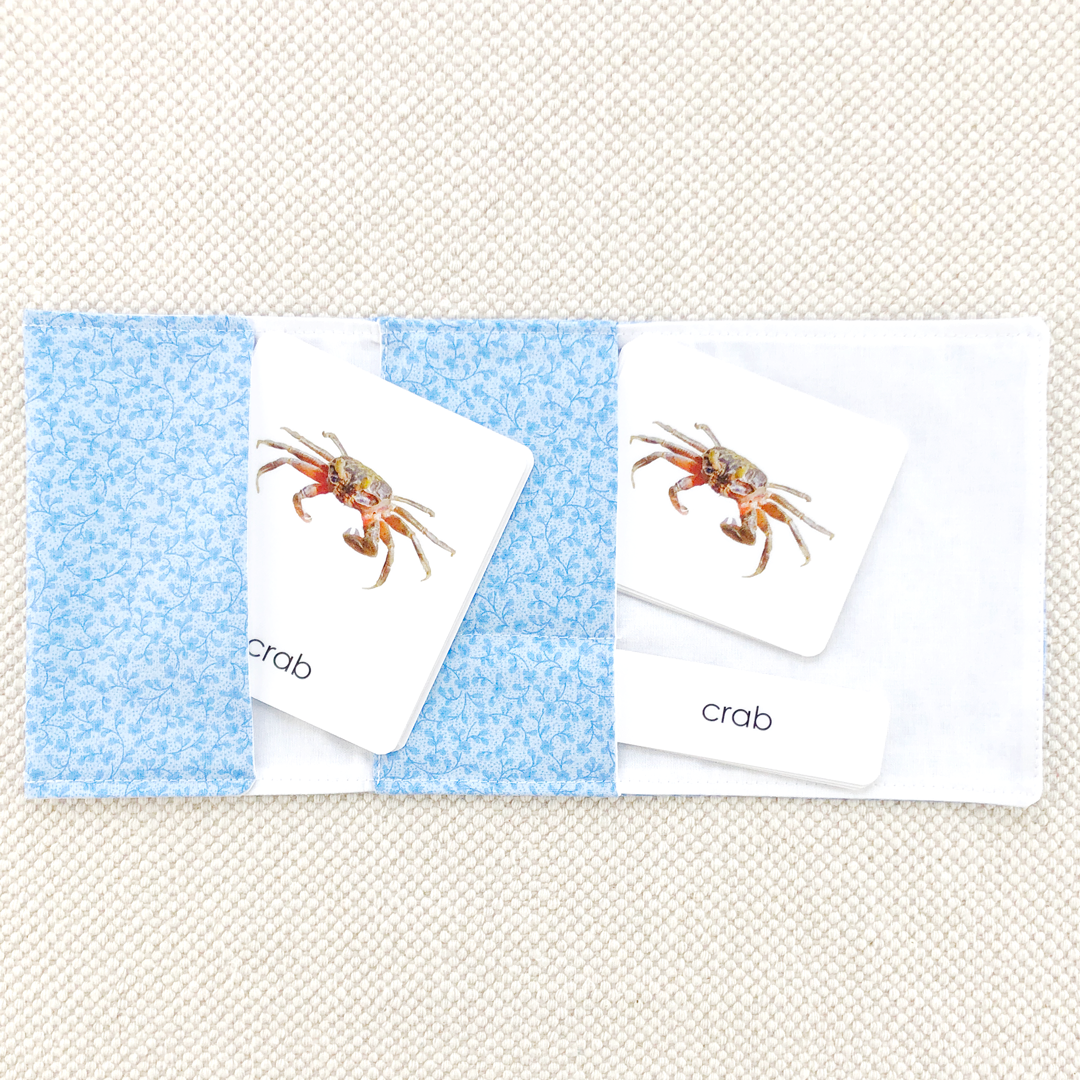
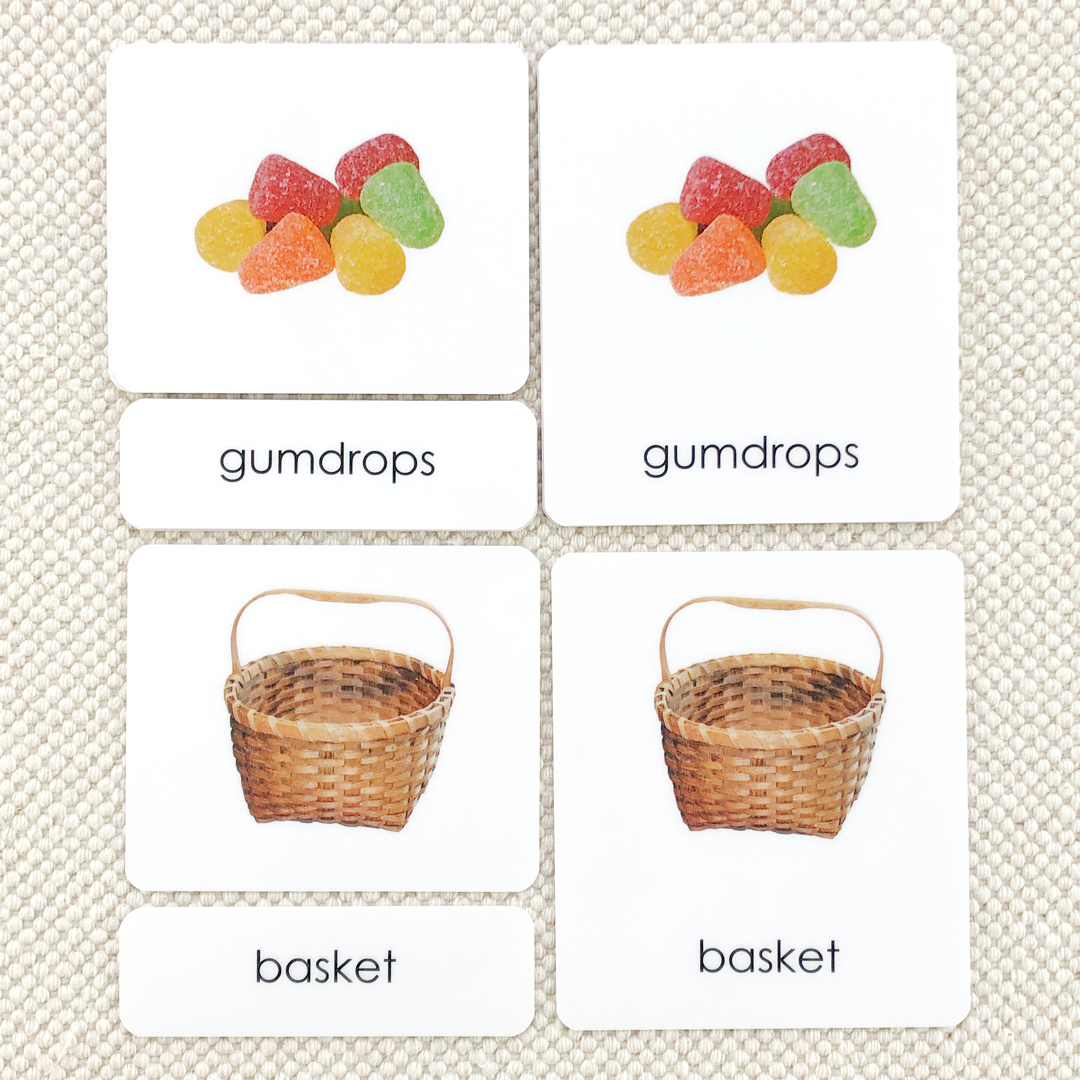
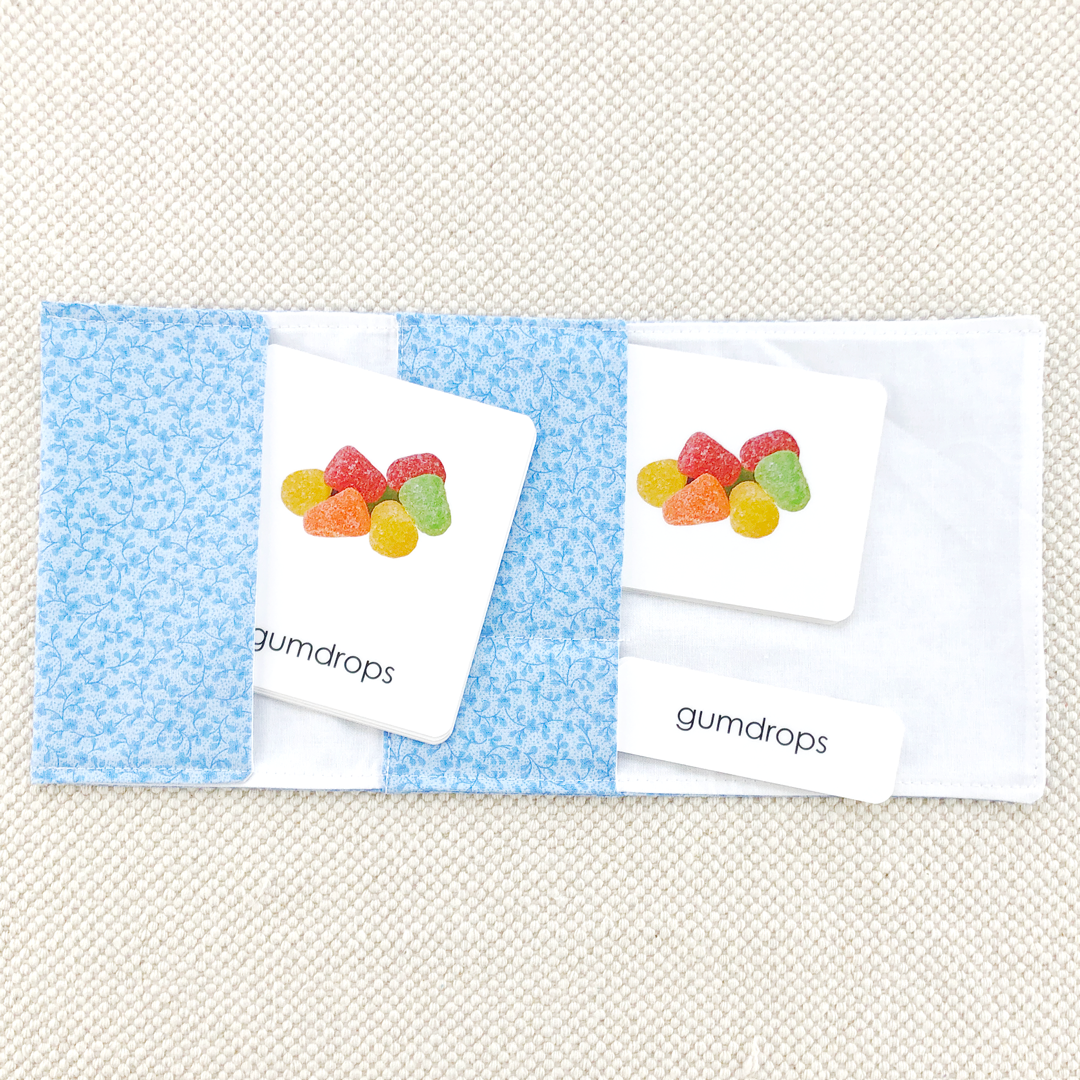
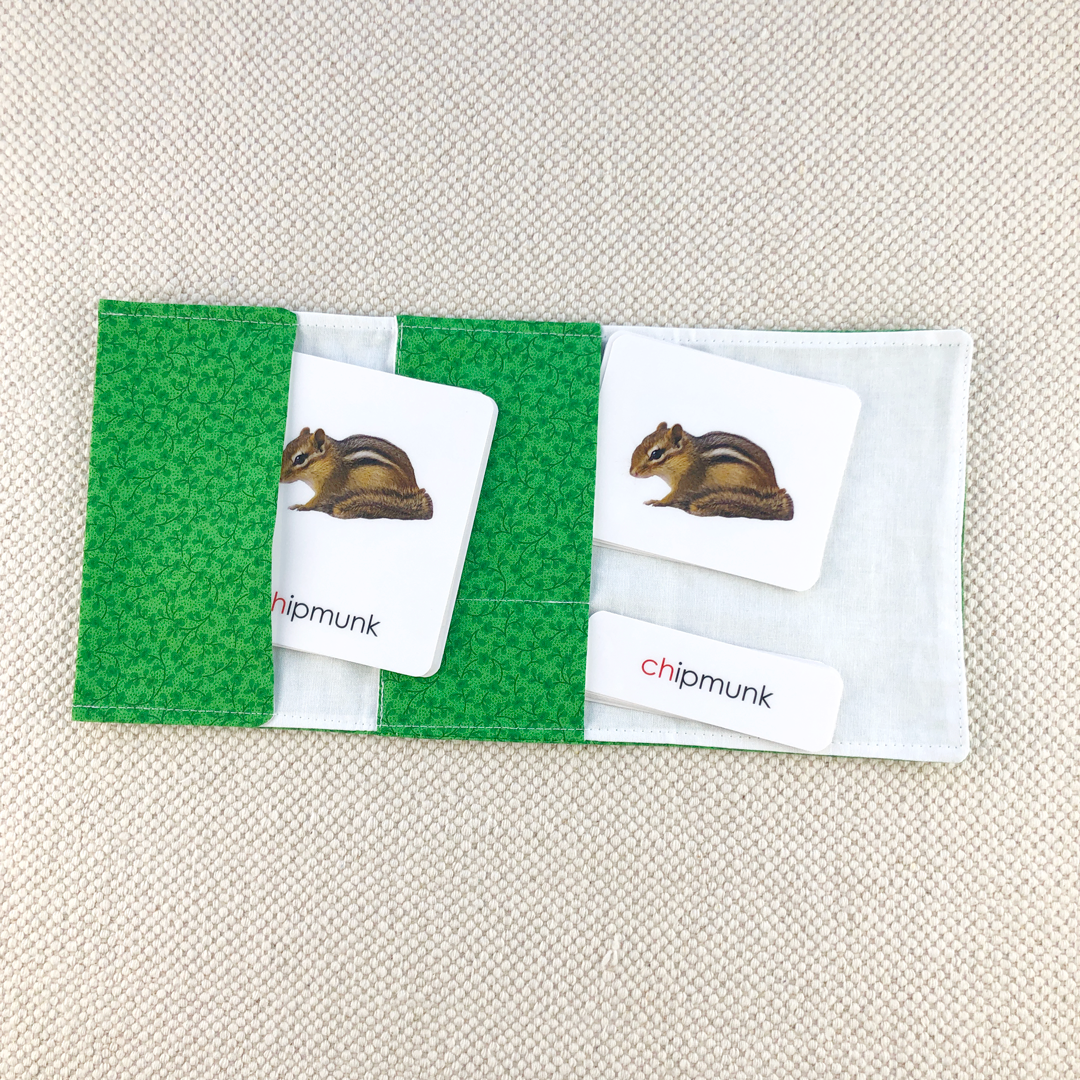
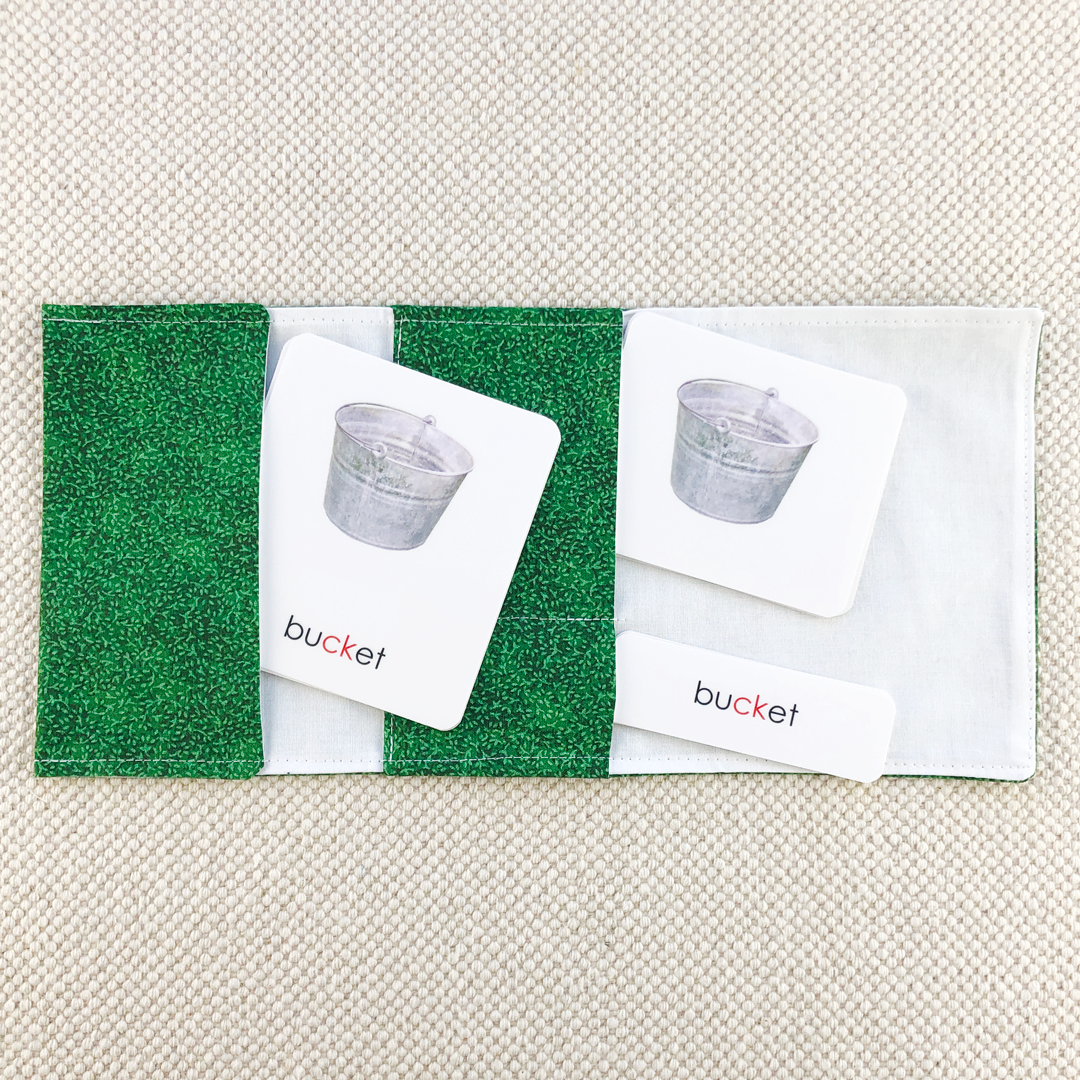
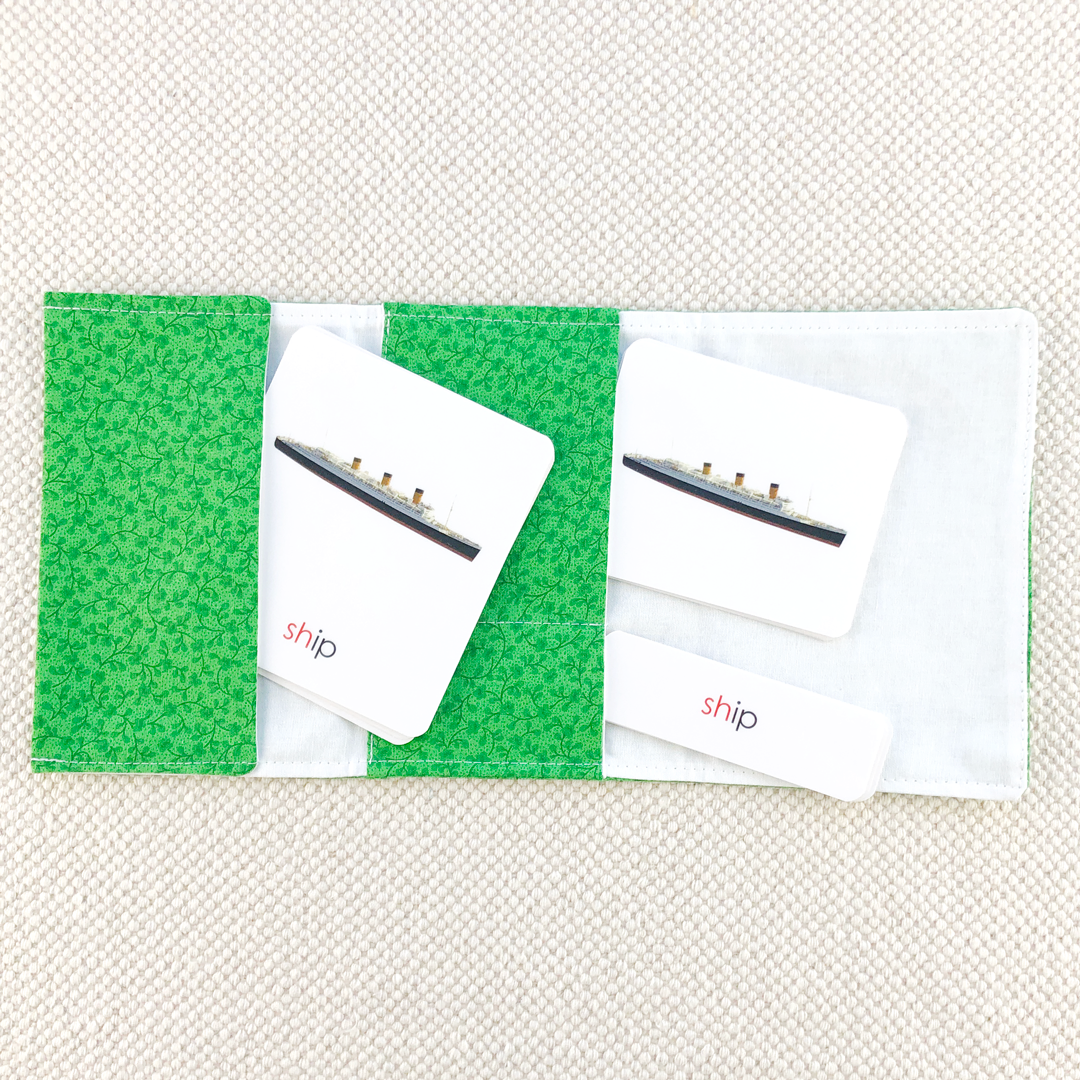
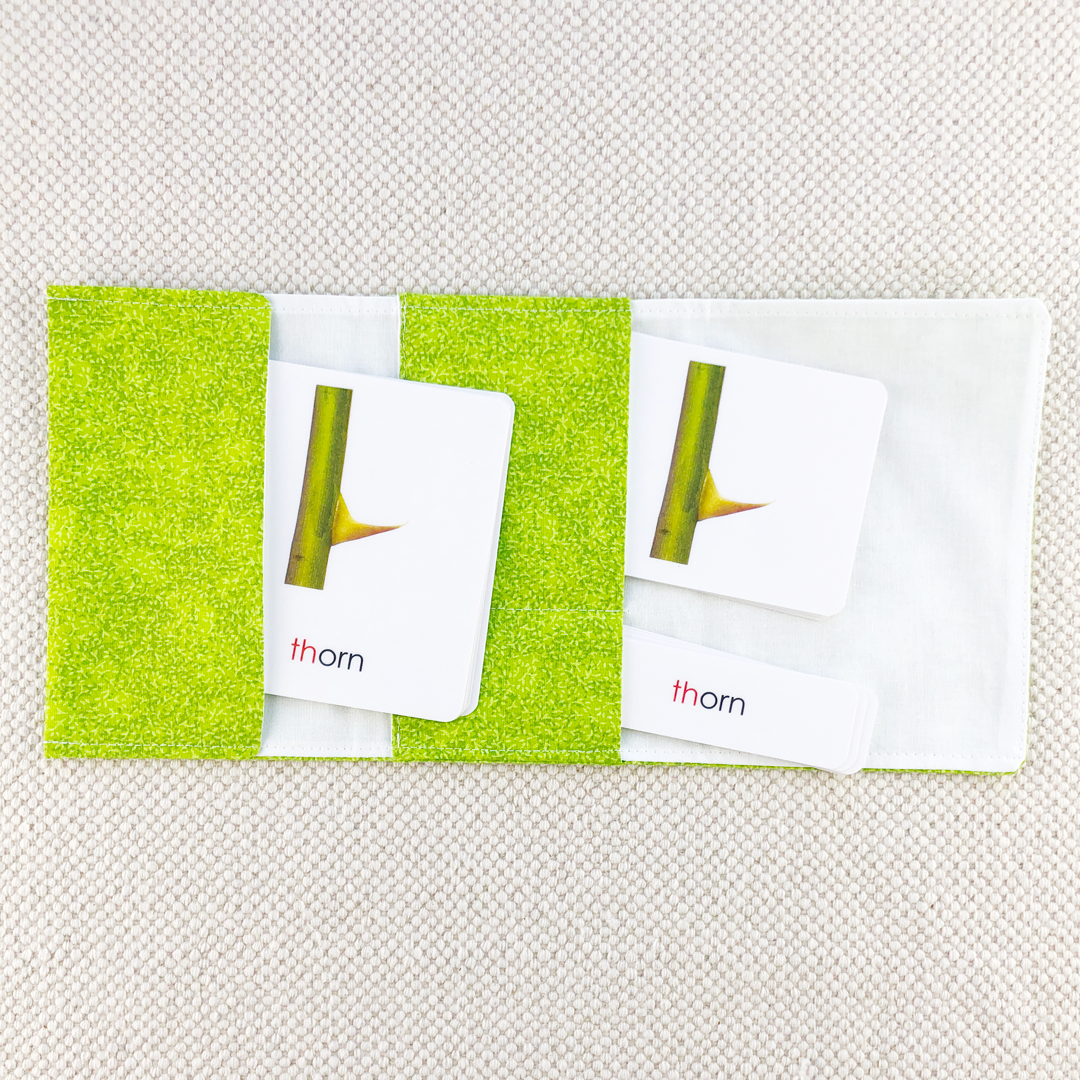
Our 3-part format makes that practice independent. Students lay out the picture cards, read and match the word labels, and check their own work with the control cards, with no teacher correction needed. See video lessons plans on our How to Use Phonetic Reading Cards page.
Watch a lesson
See how to present our phonetic reading cards.
What comes next
Once students read phonetic words with ease, they are ready for reading fluency work with our 3-Part Reading Cards and books. Phonogram work also continues with spelling refinement. Learn how Montessori and the Science of Reading align.
Which level should I start with?
Start with Phonetic Level 1 unless the student already reads simple CVC words with ease. Each level adds one new challenge, so move on when the student reads the current level confidently and independently.
Are these the Montessori pink, blue, and green series?
Yes. Level 1 corresponds to the pink series, Level 2 to the blue series, and Level 3 to the green series. Level 4 adds more challenging phonetic words, including compound words.
What is the difference between phonetic words and puzzle words?
Phonetic words can be read by sounding out each letter or phonogram. Puzzle words, often called sight words, are common words like the and was that don't follow those rules, so students learn them as whole words with phonetic clues.
What ages is this for?
Typically ages 4 and up, once a student can build words with the movable alphabet. Older students who need decoding practice, English learners, and students in intervention also benefit.
Download a PDF of our materials

Follow Us