Phonetic 3-Part Cards

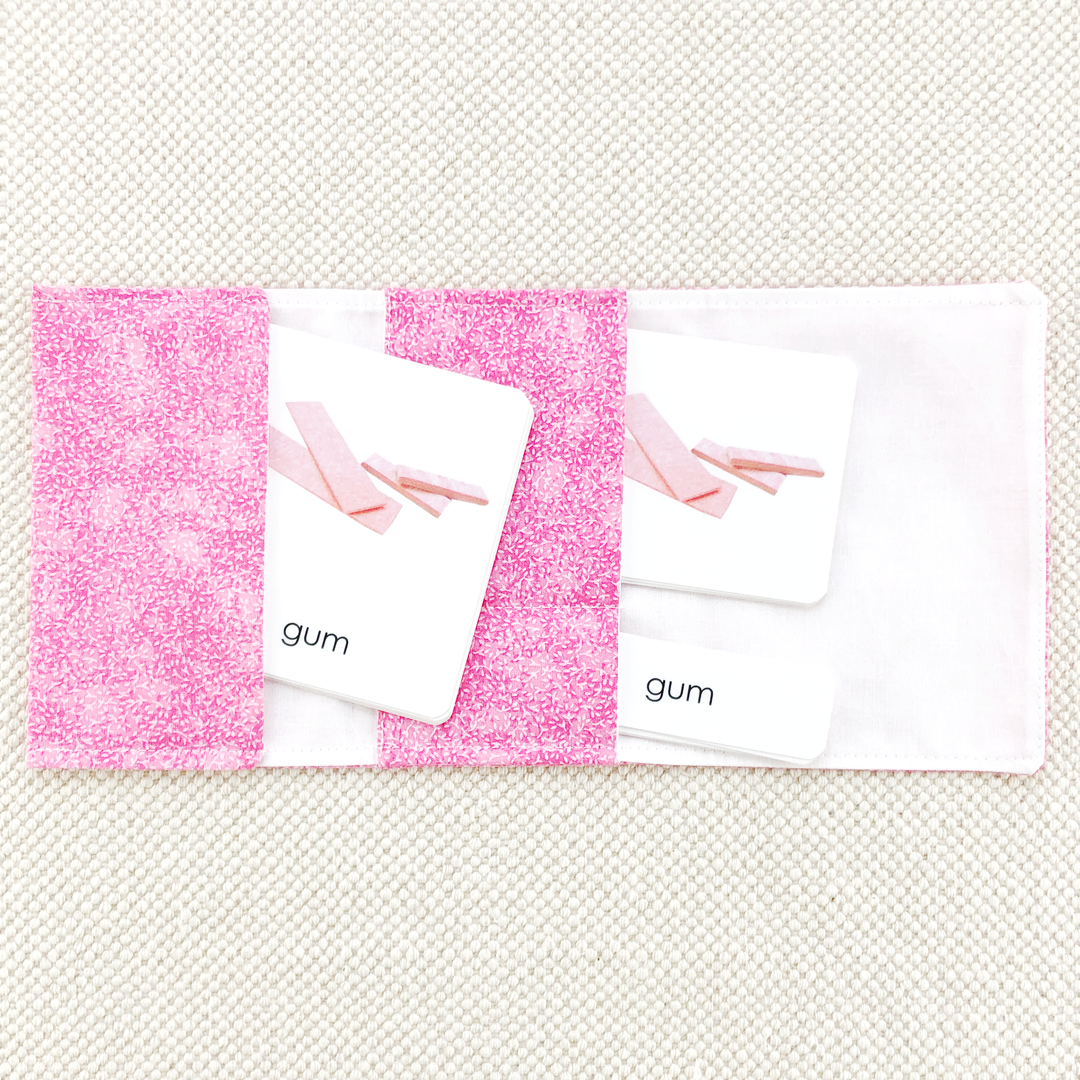
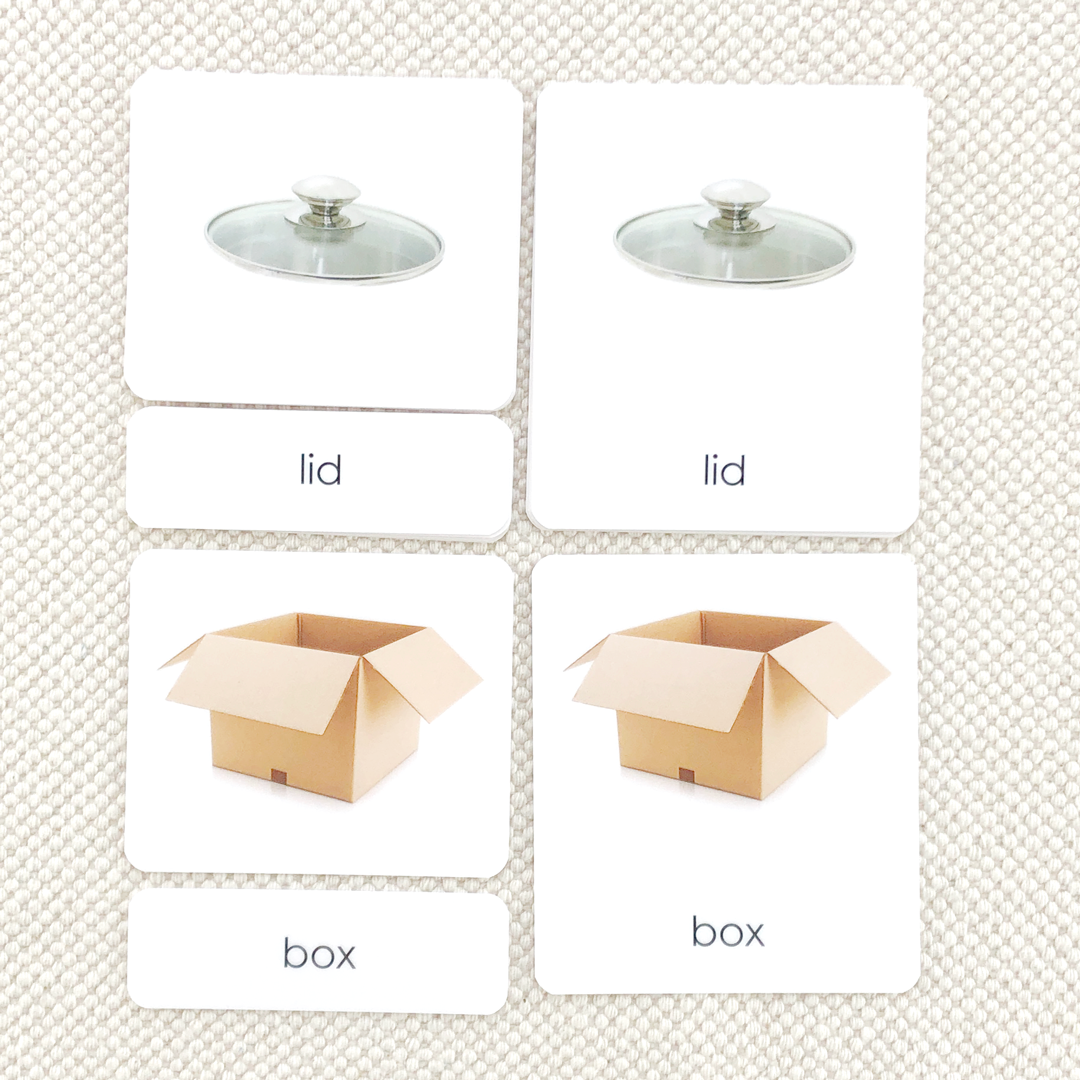
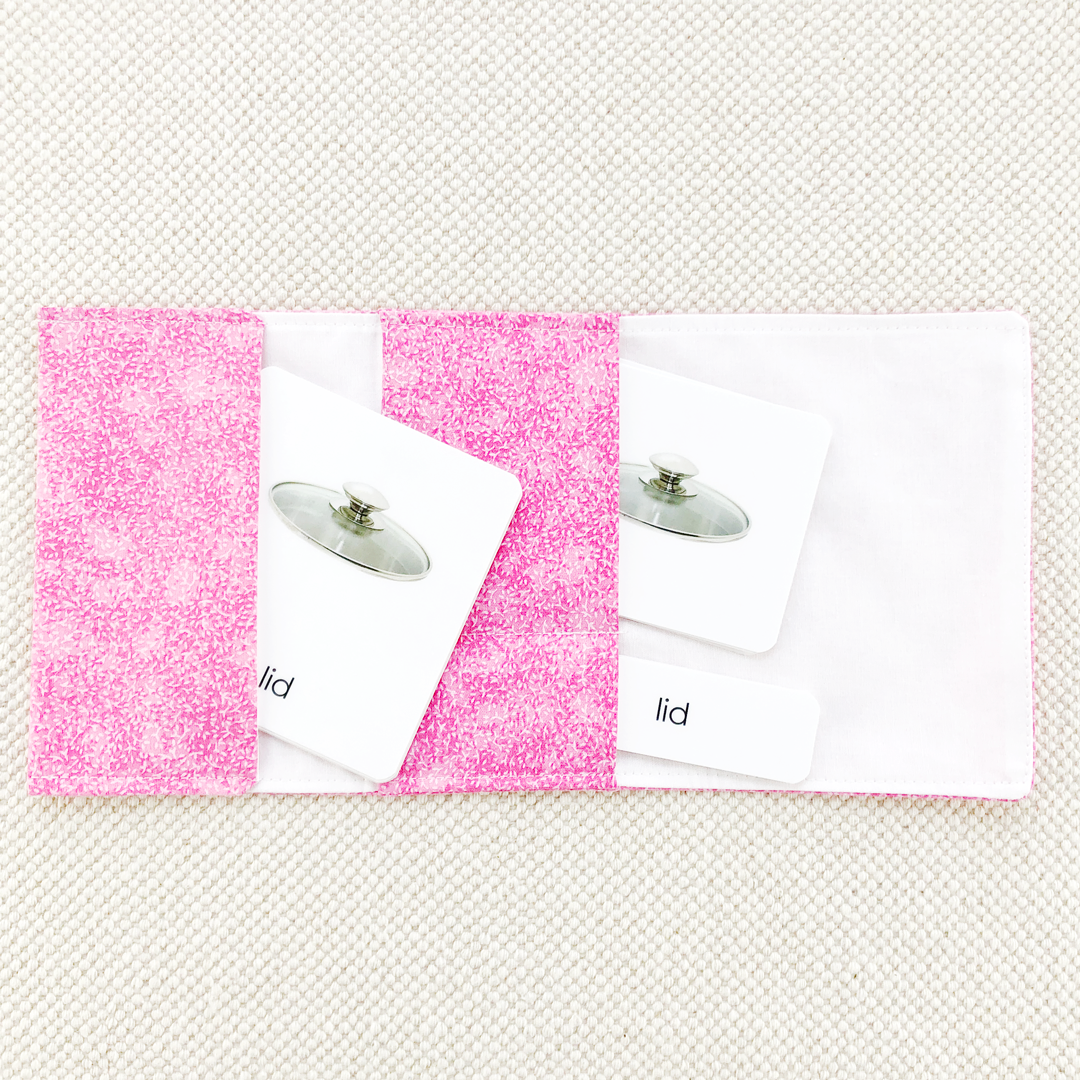
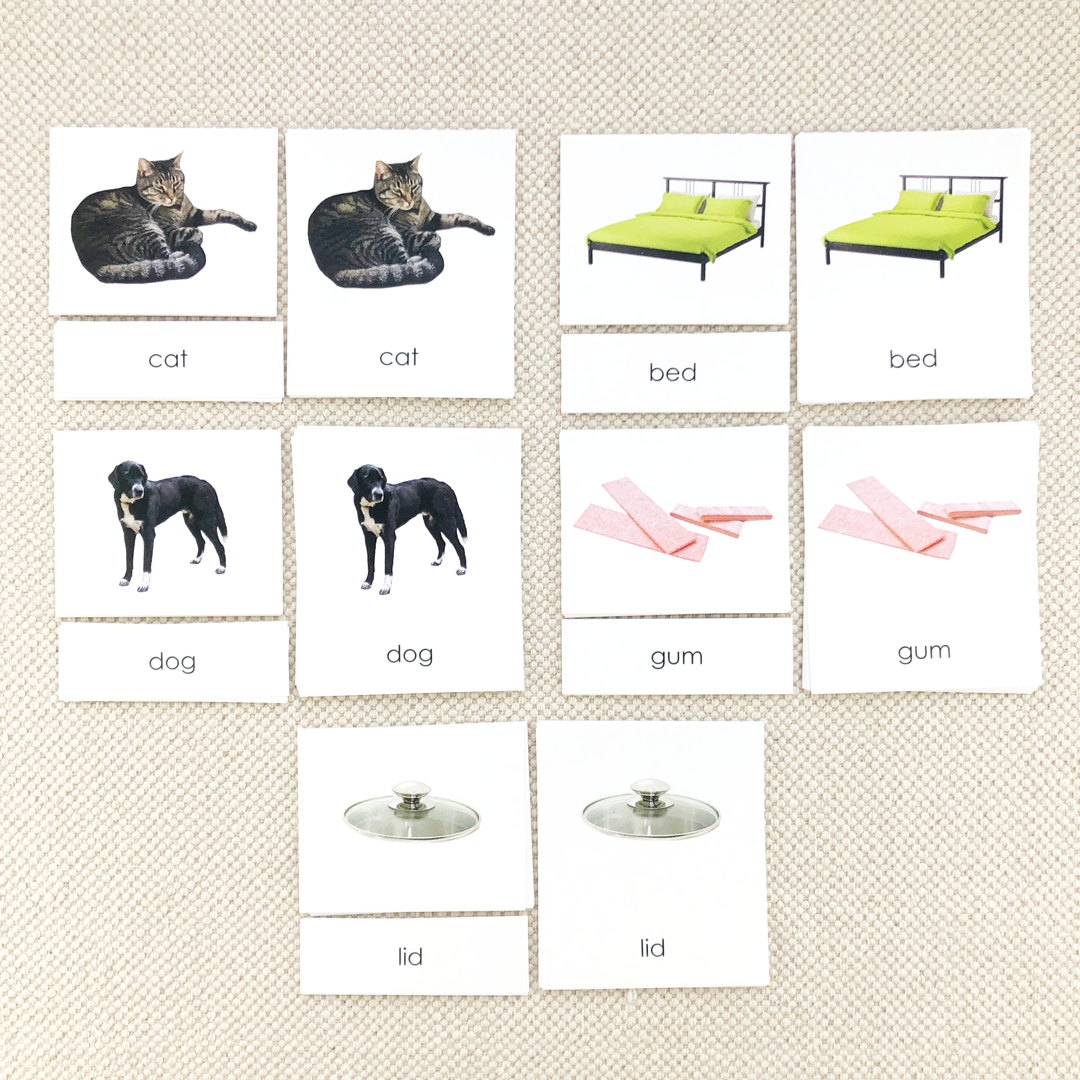


More Information:
Phonetic 3-Part Cards

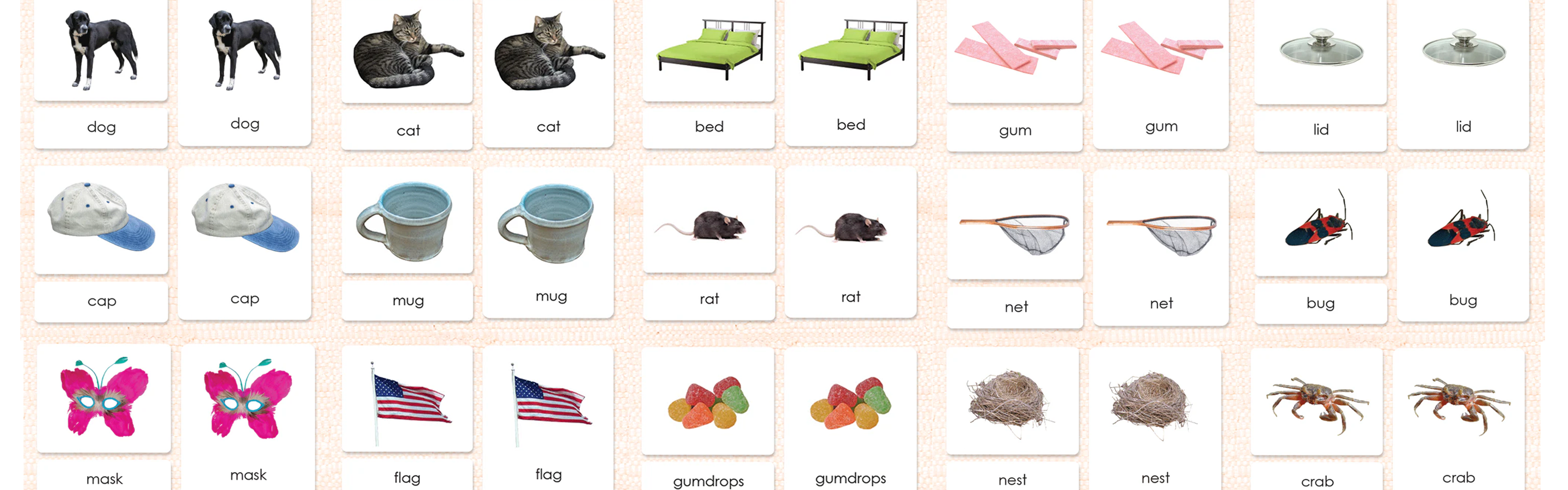
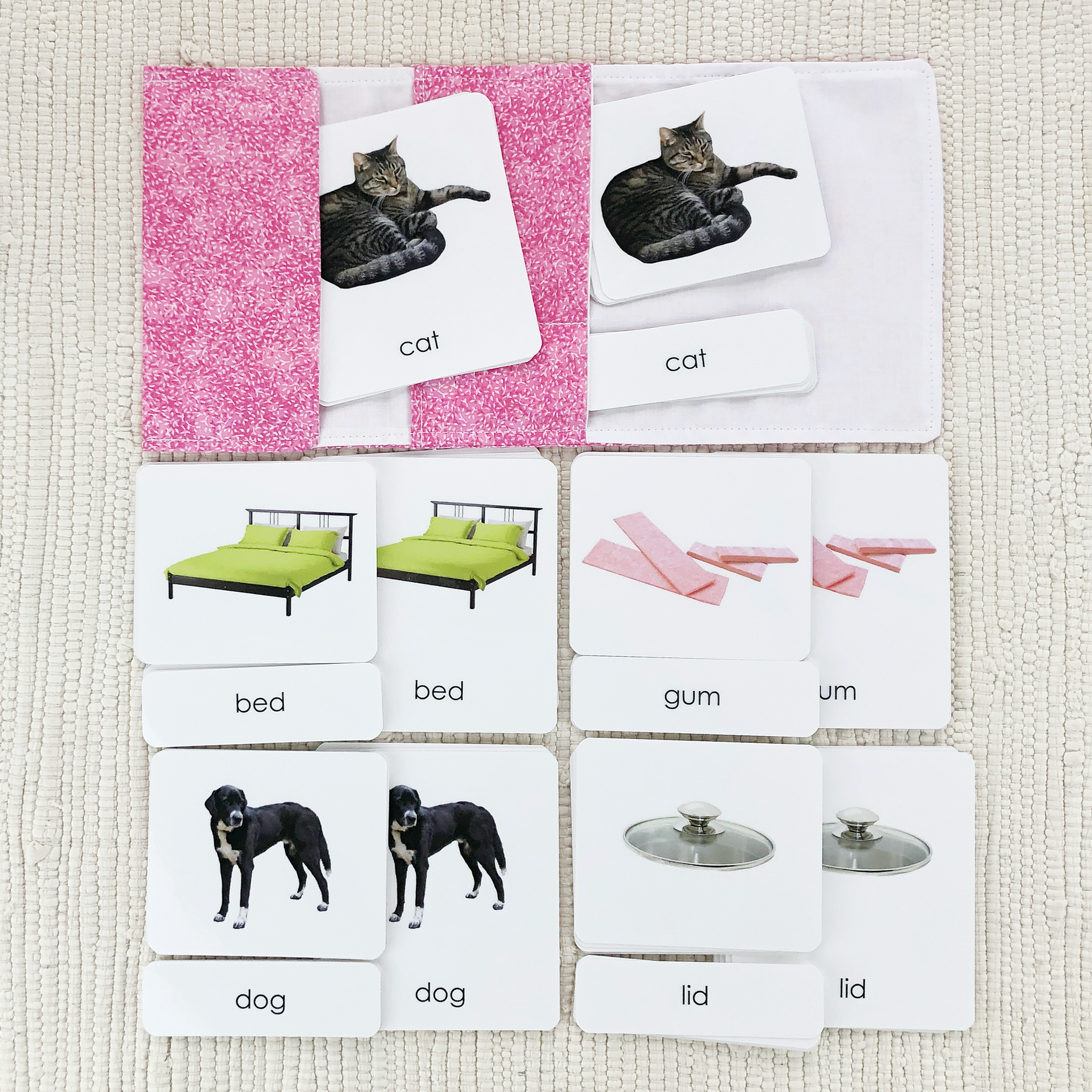
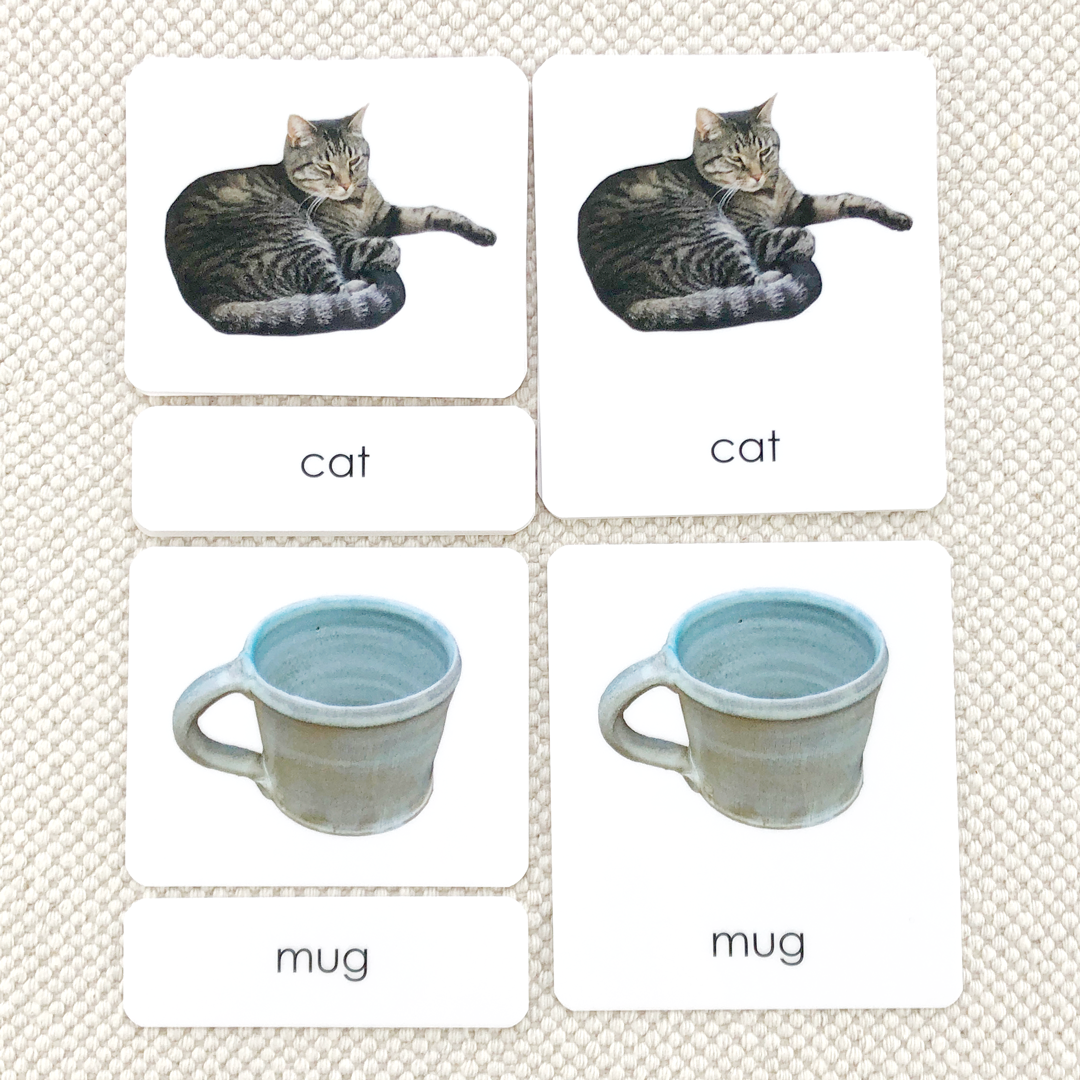
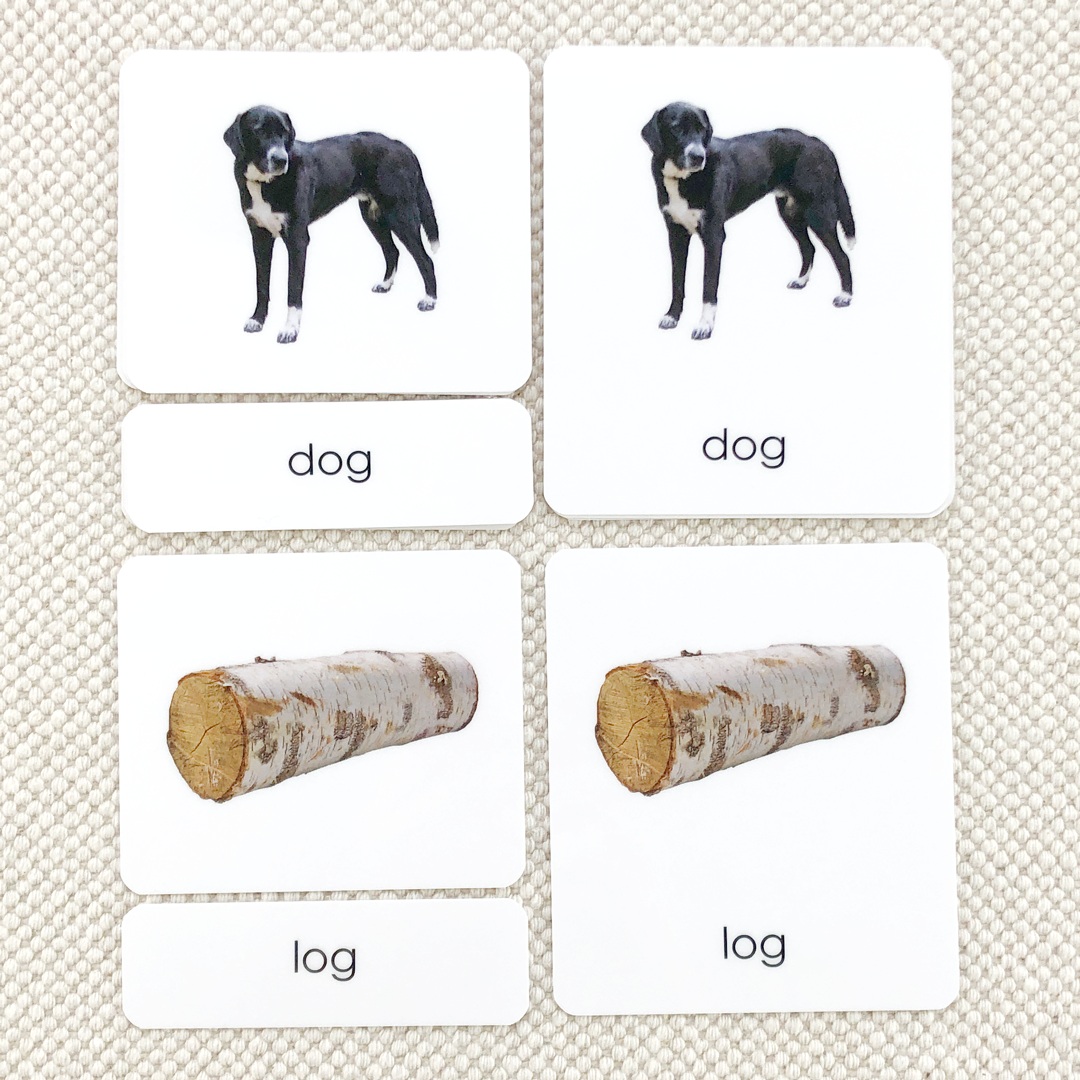
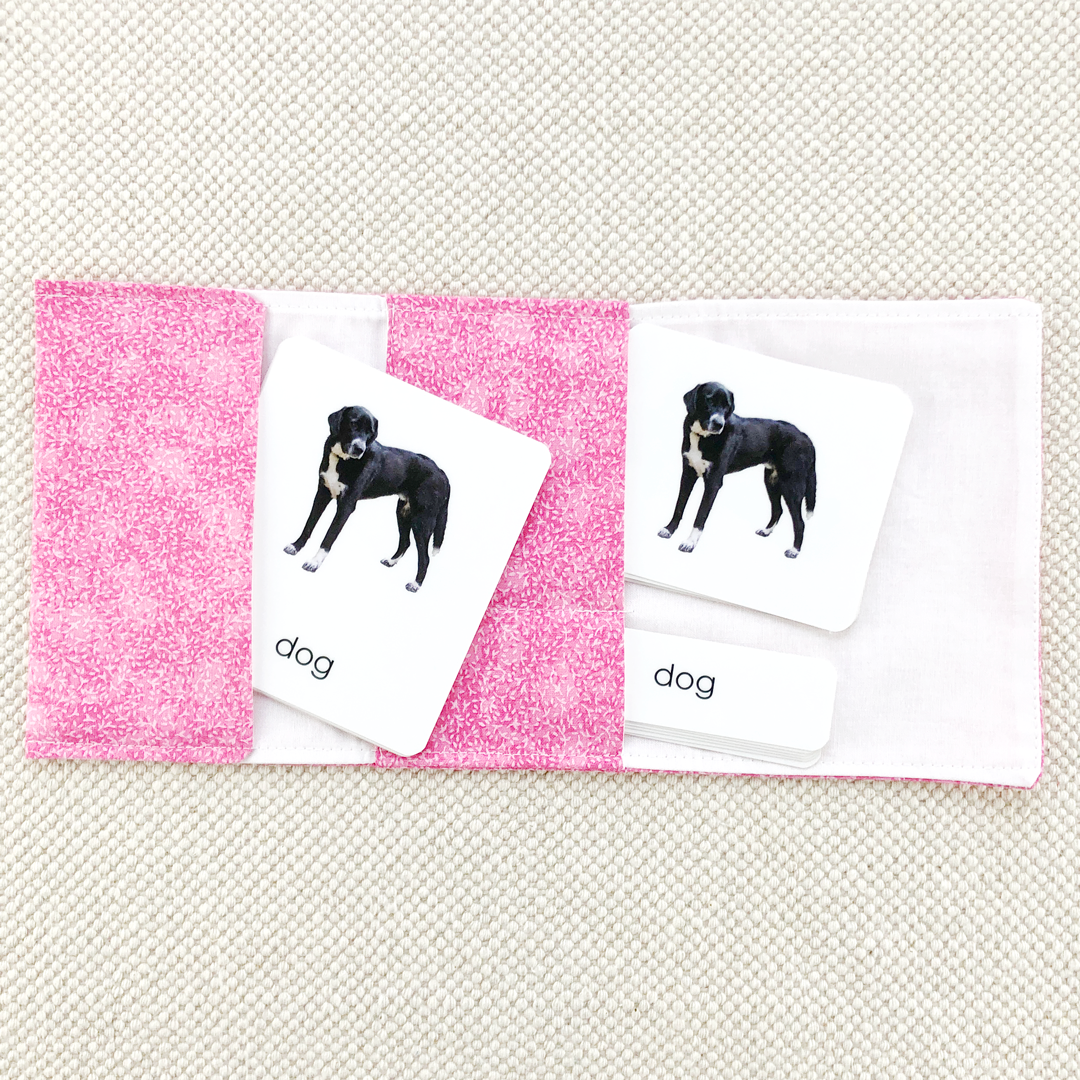
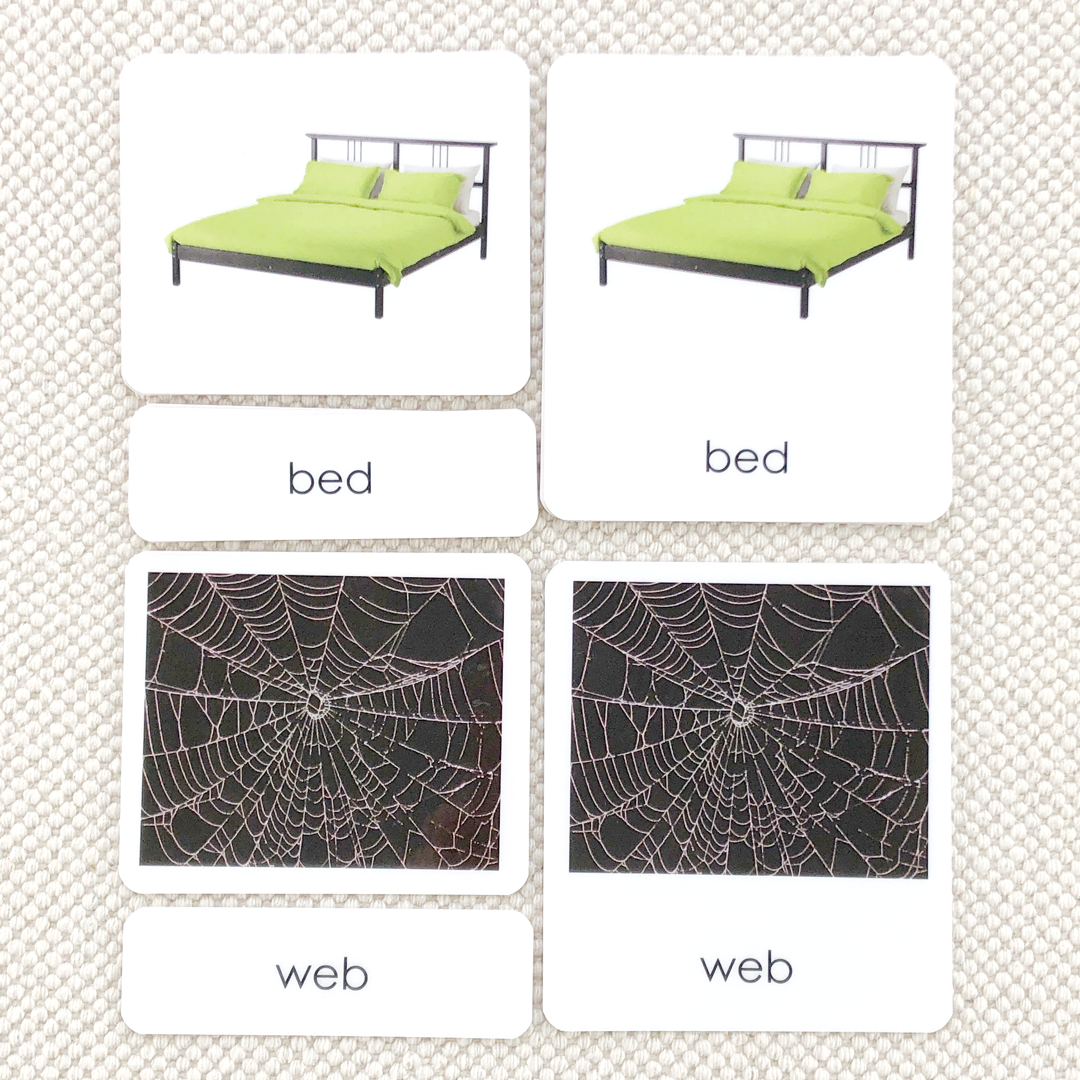
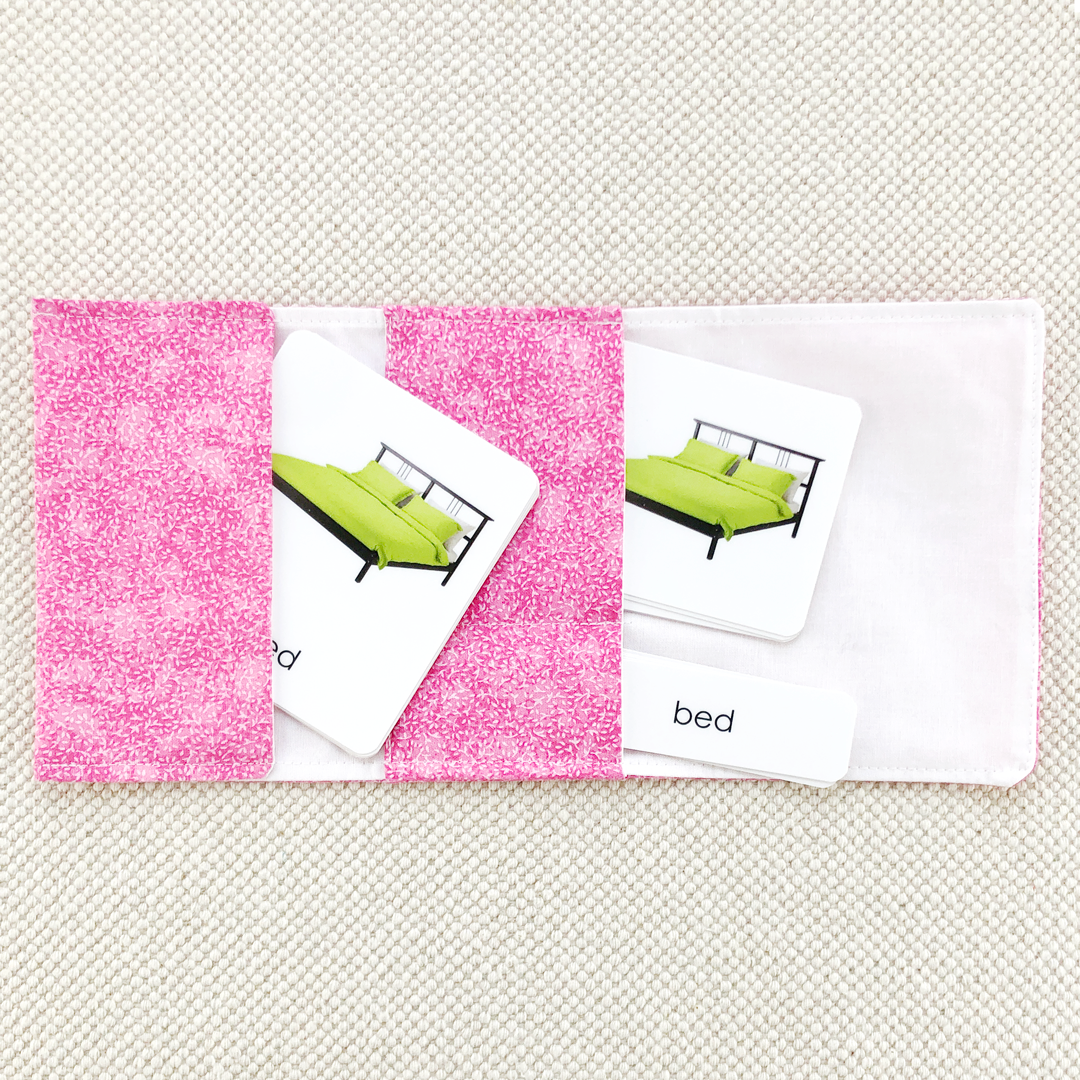
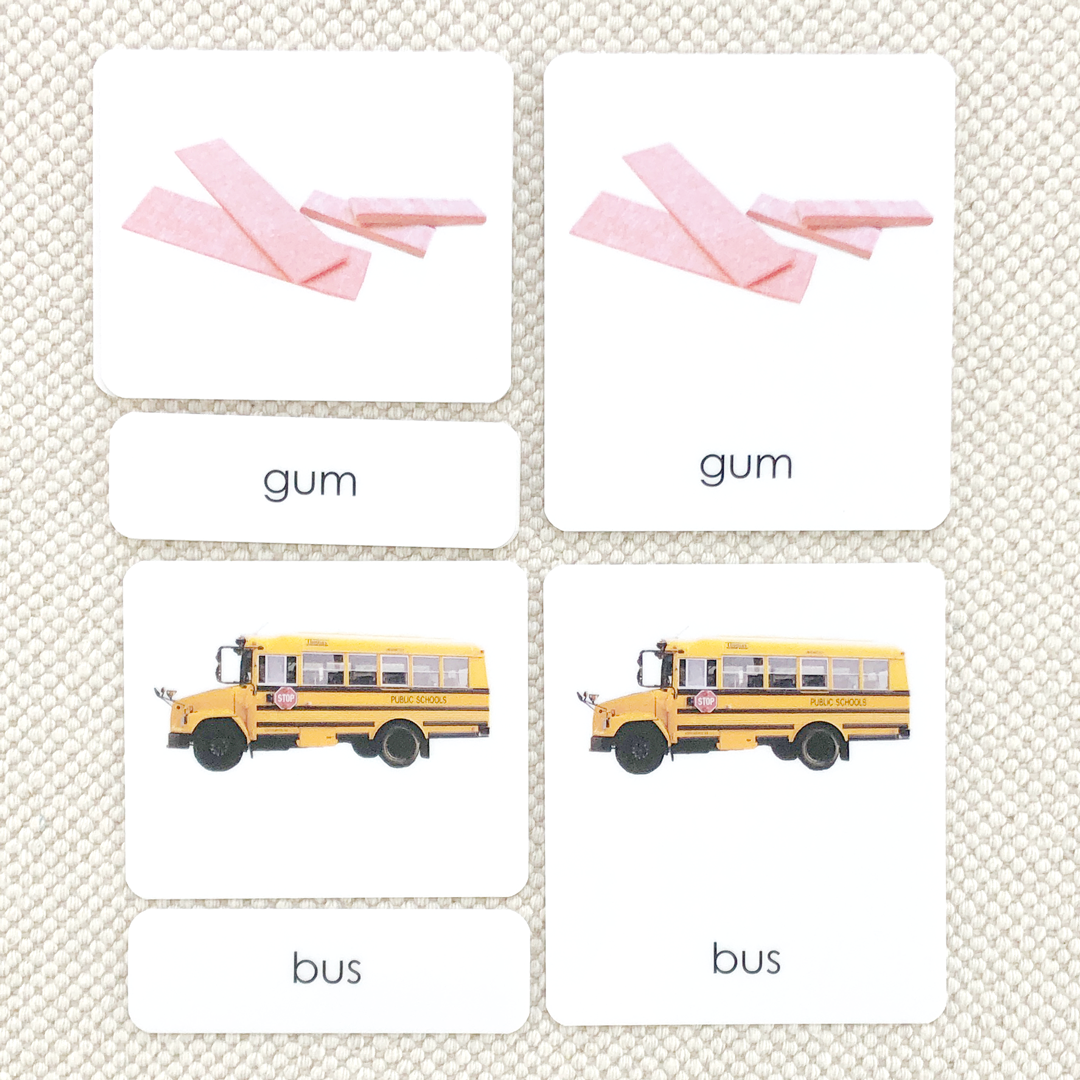
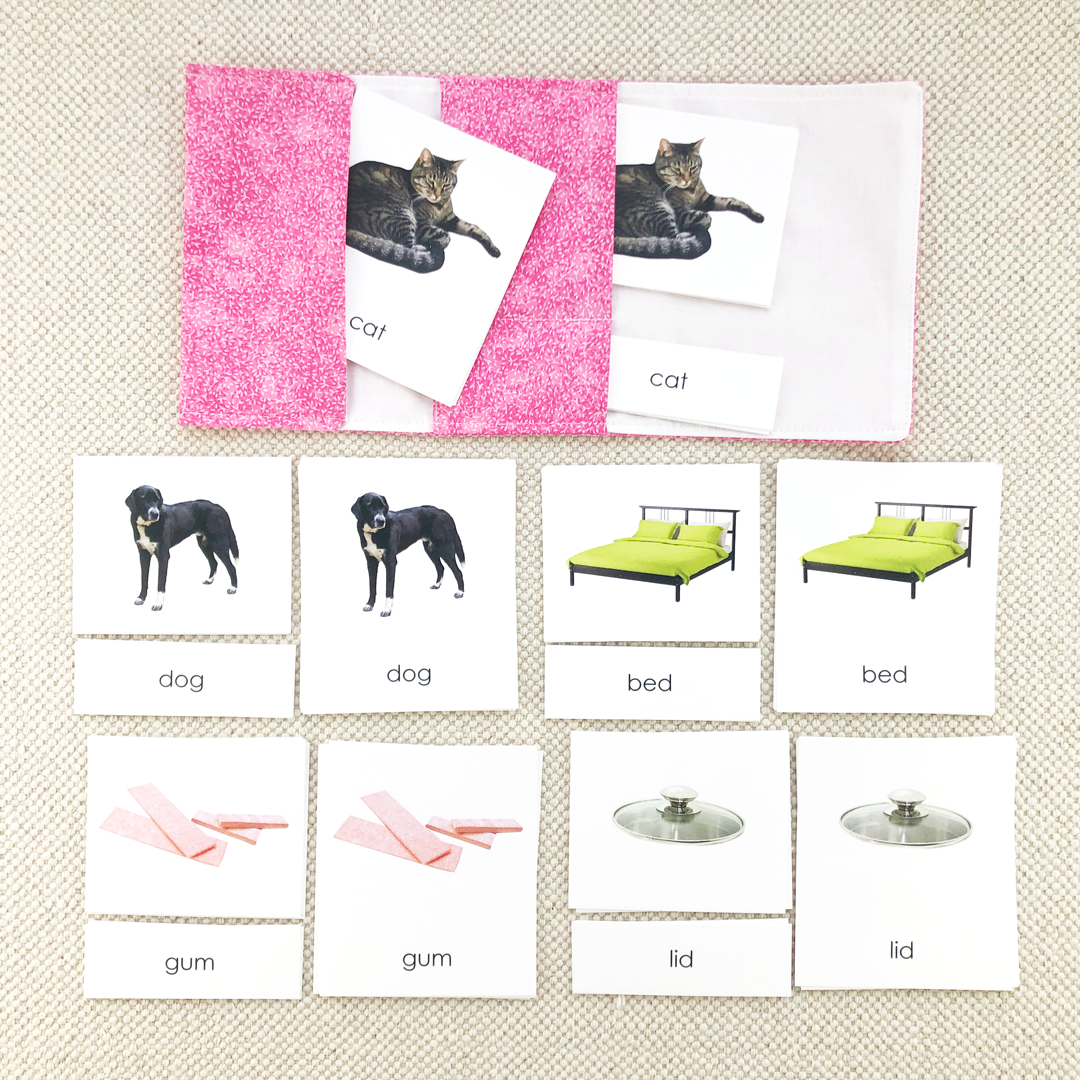
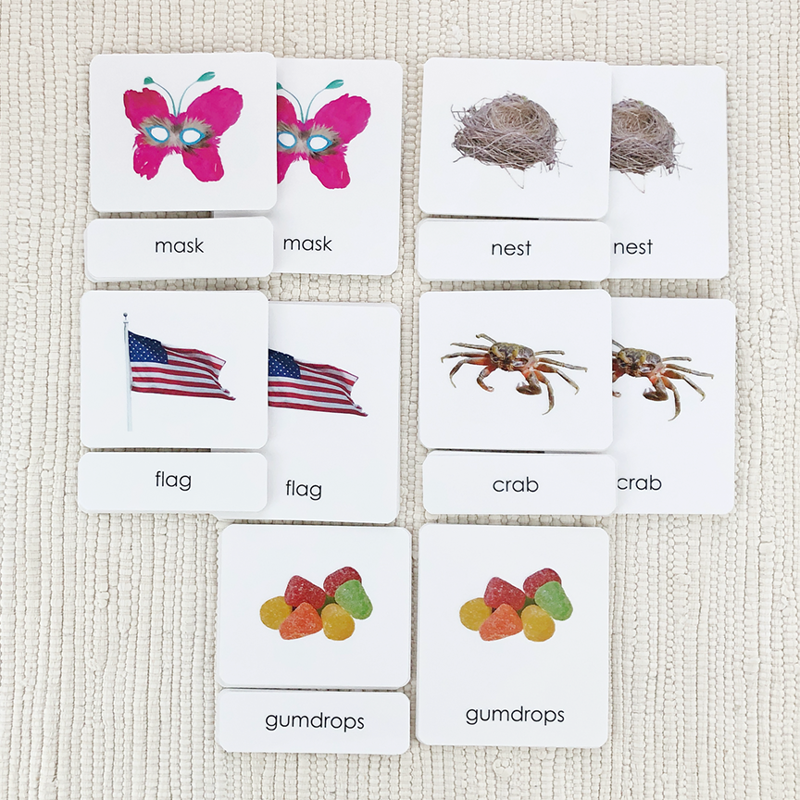
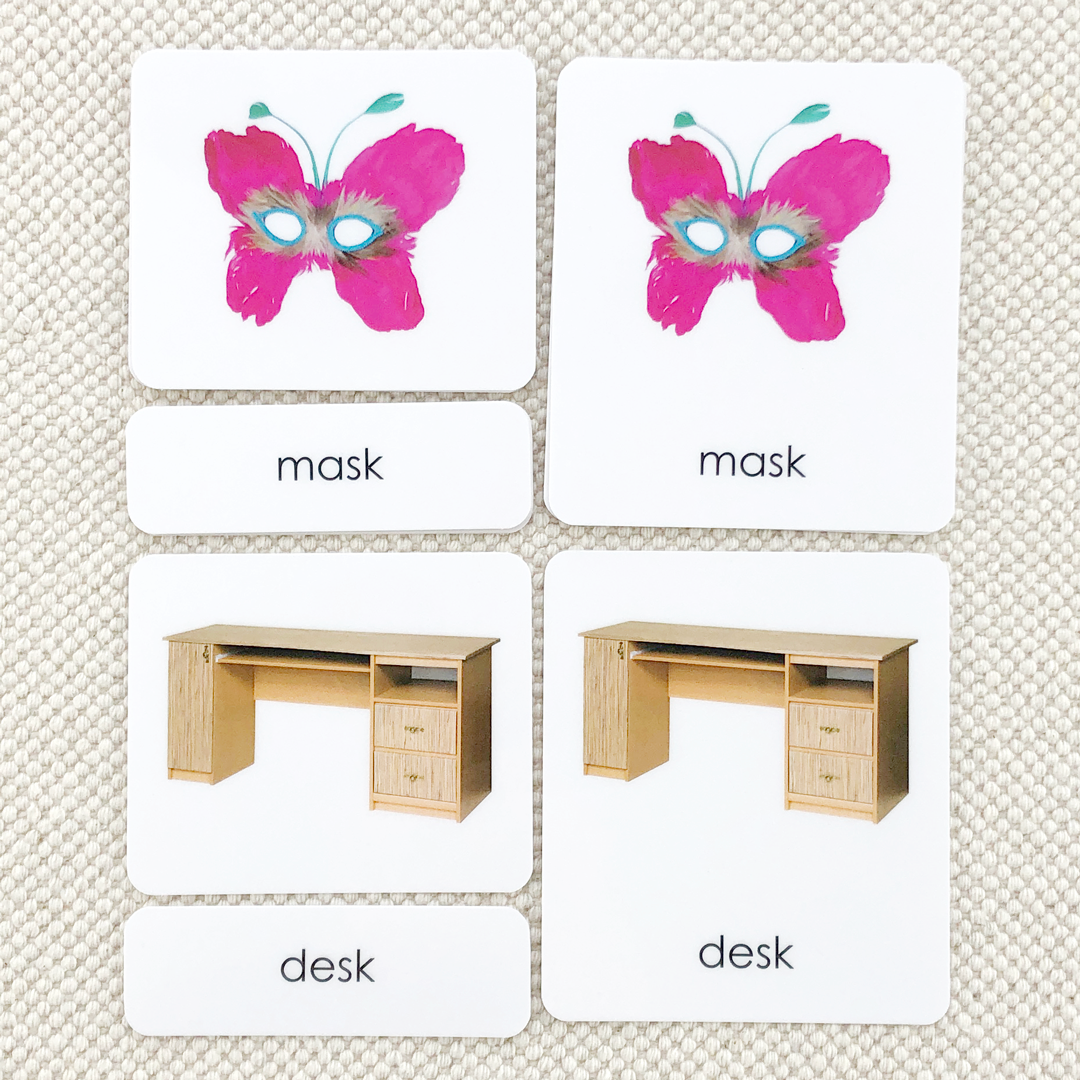
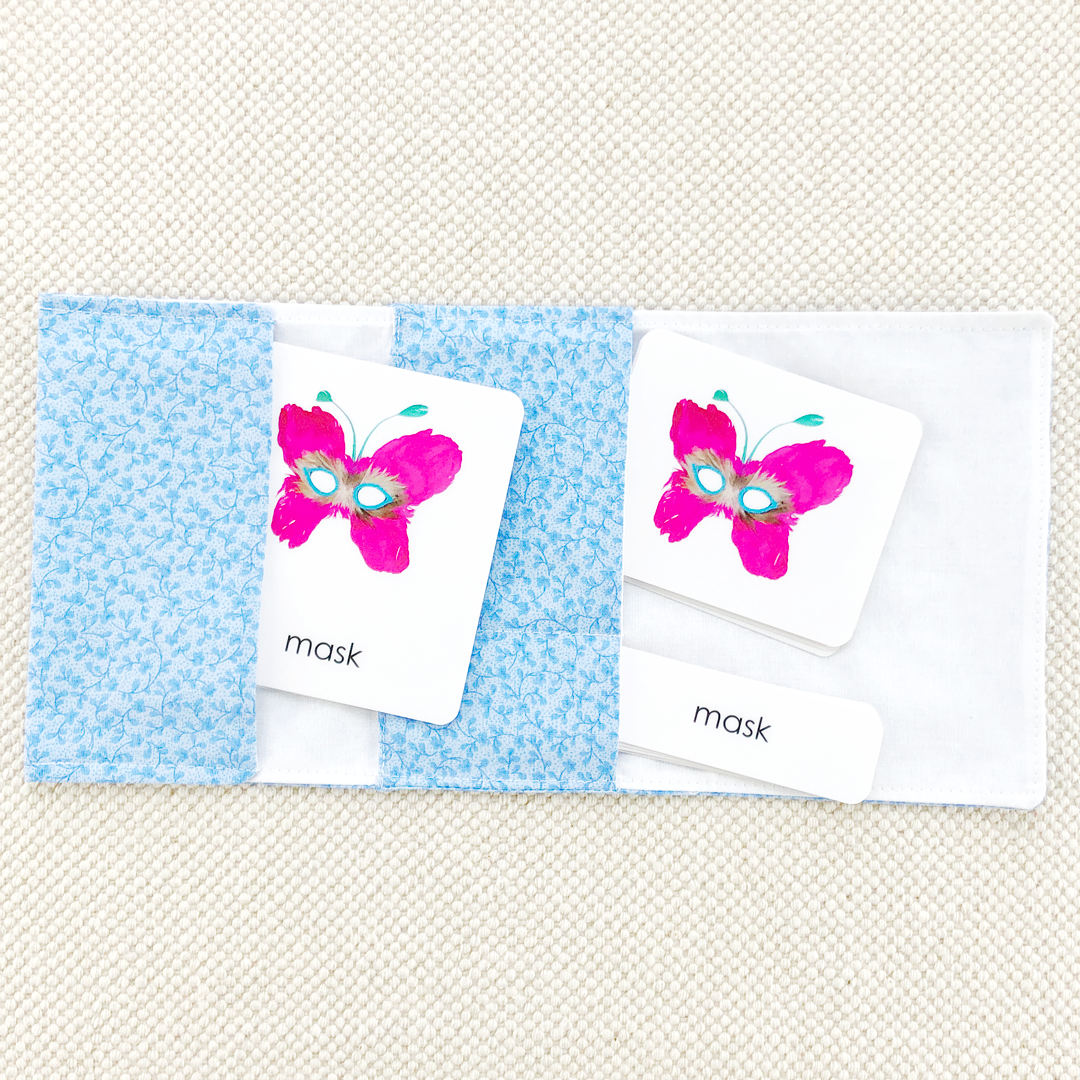
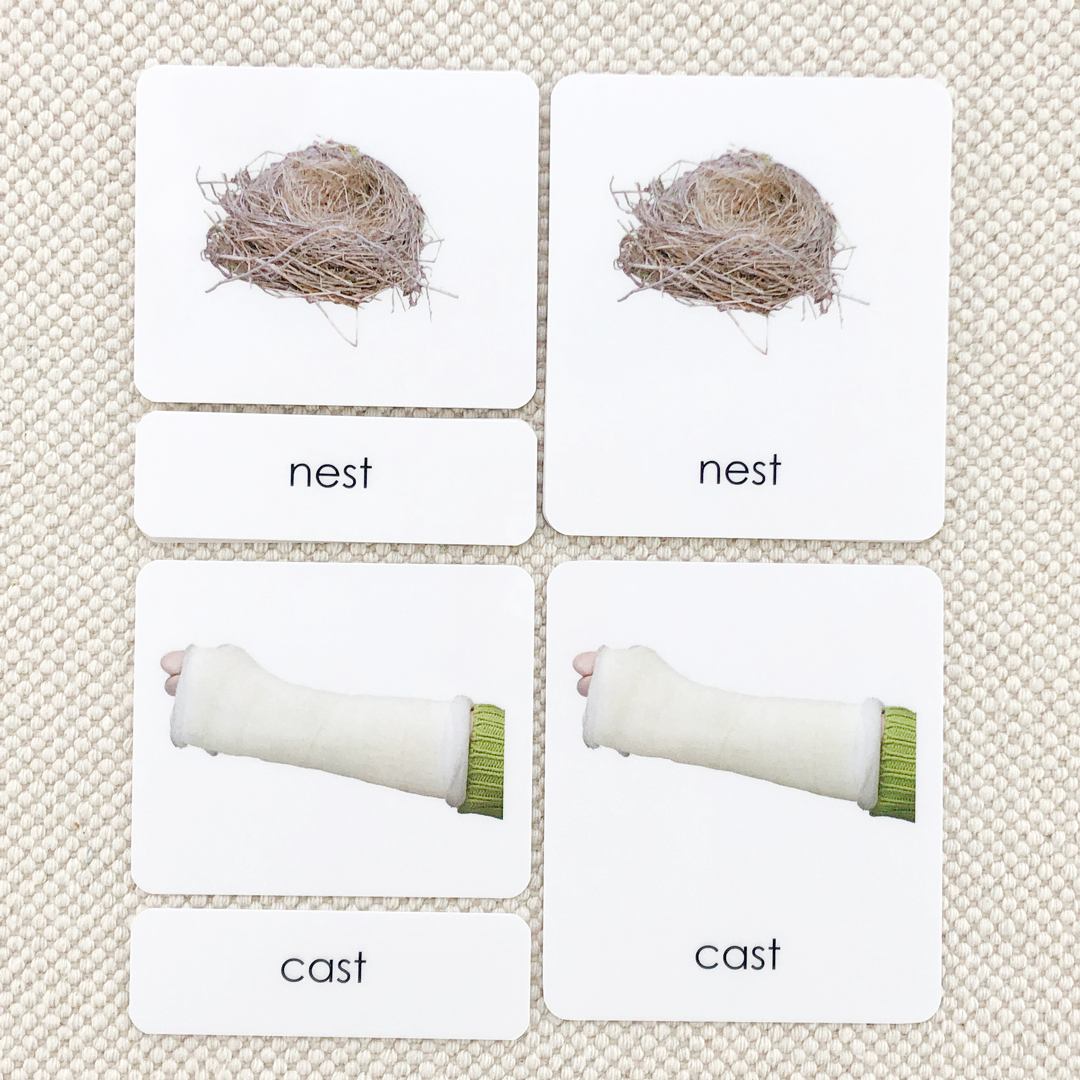
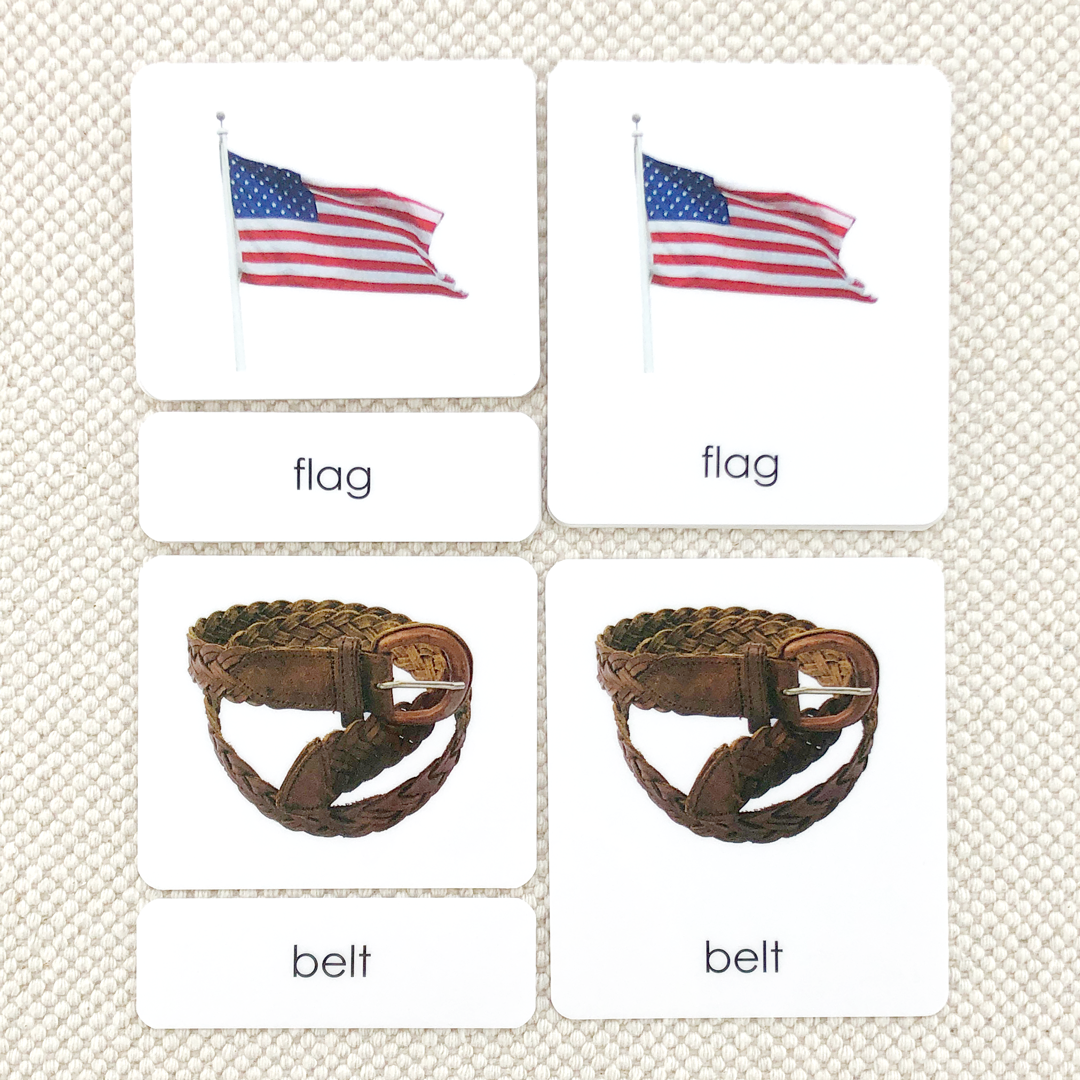
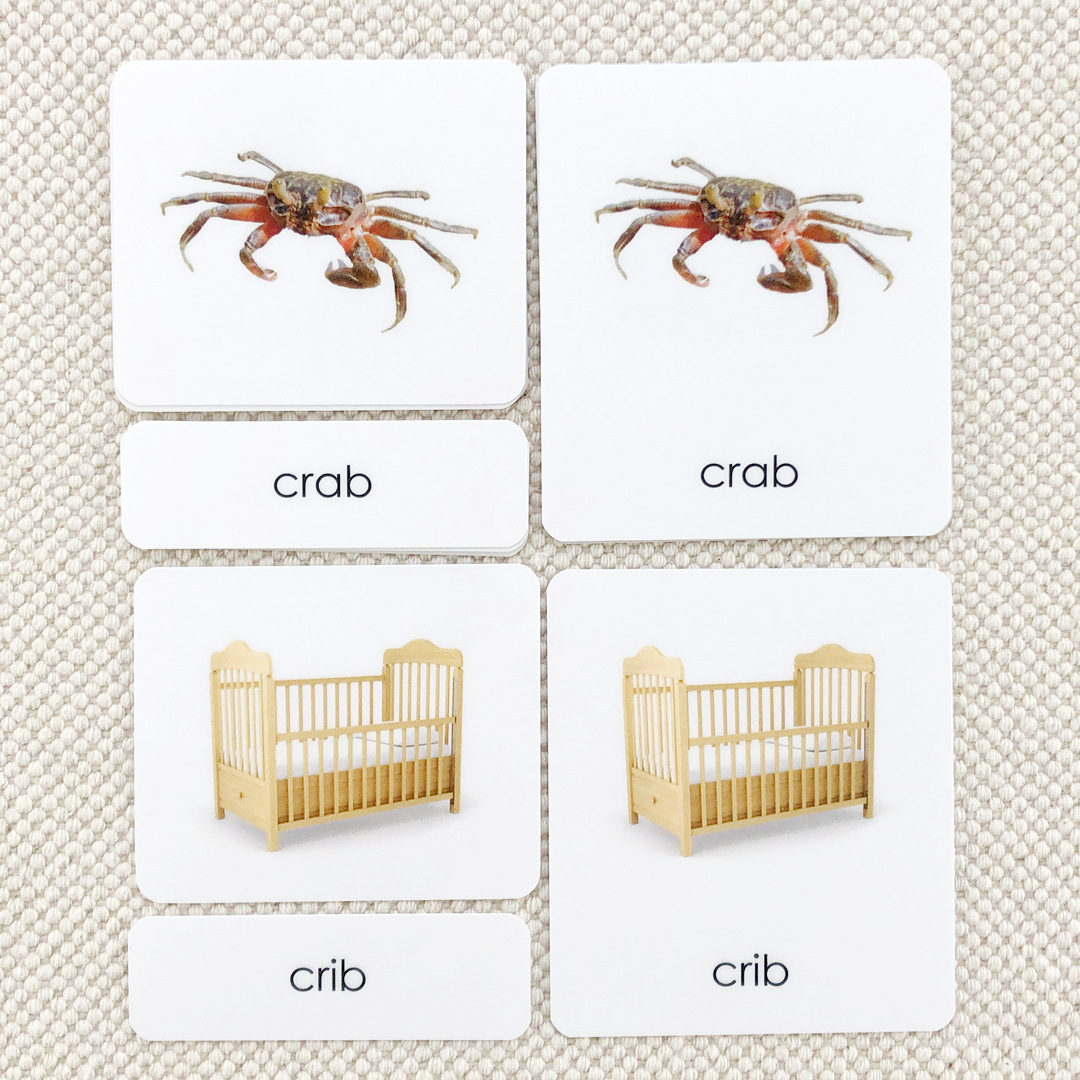
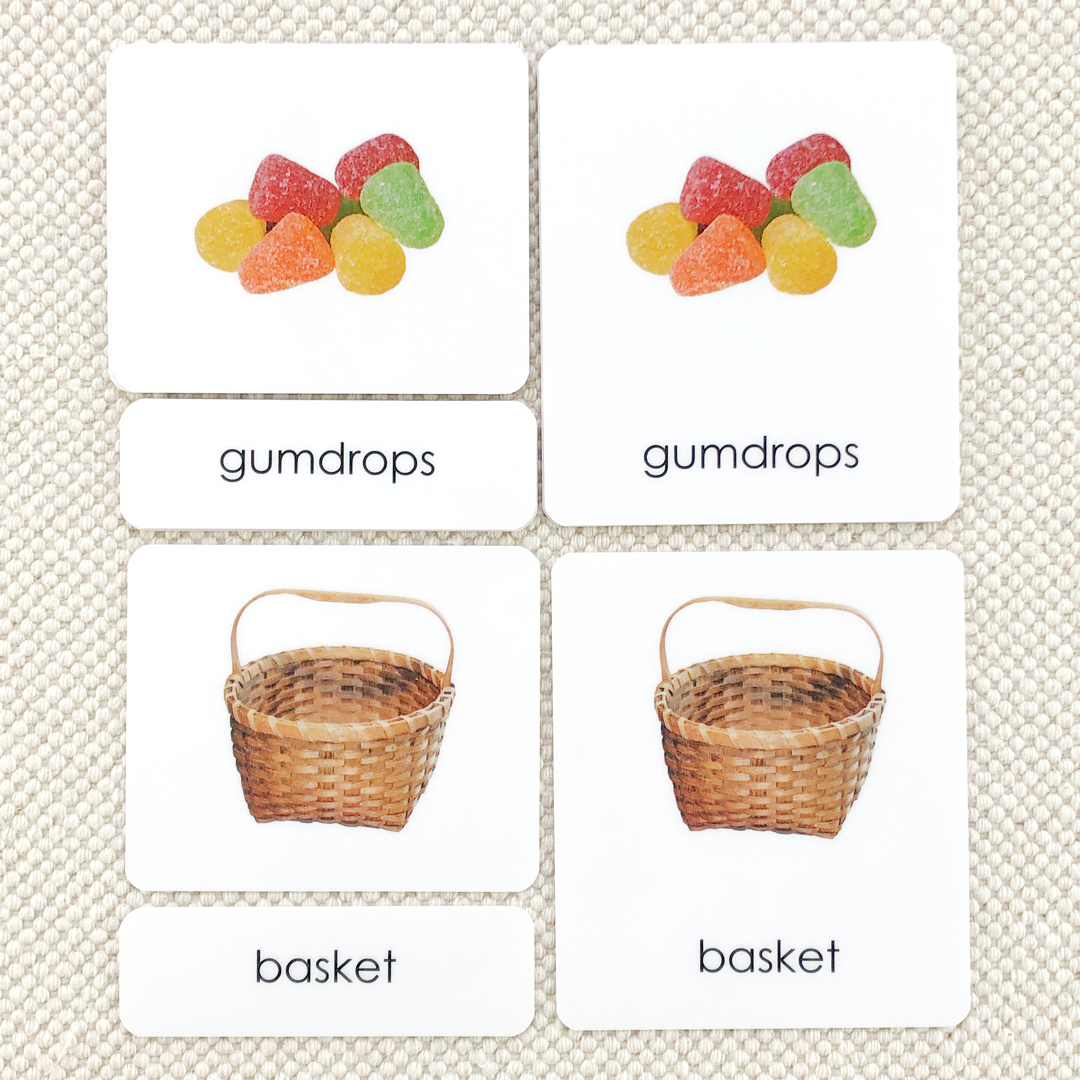
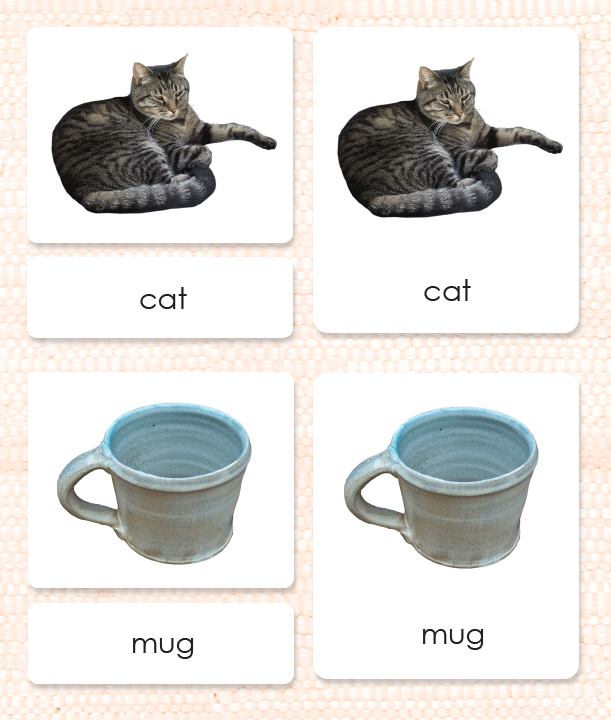
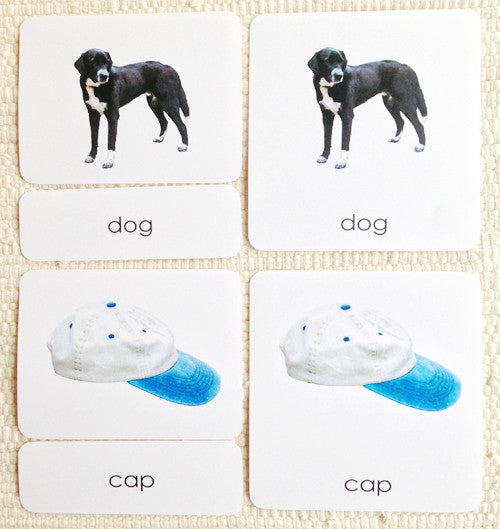
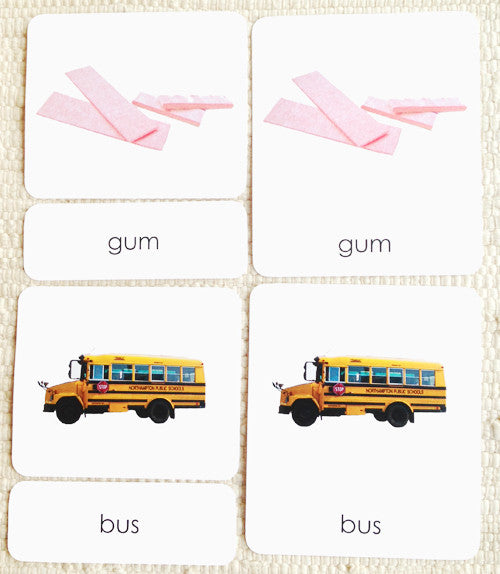
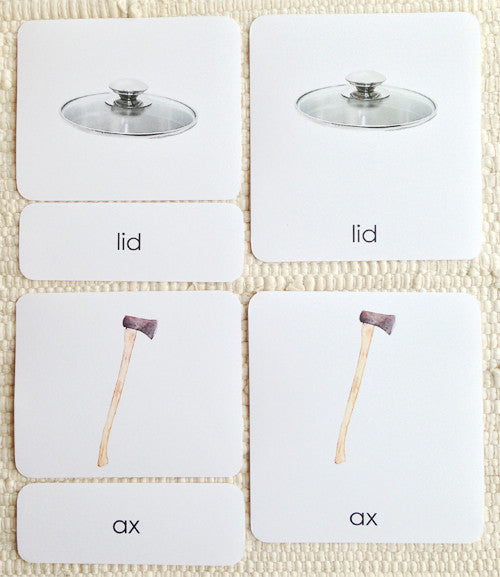
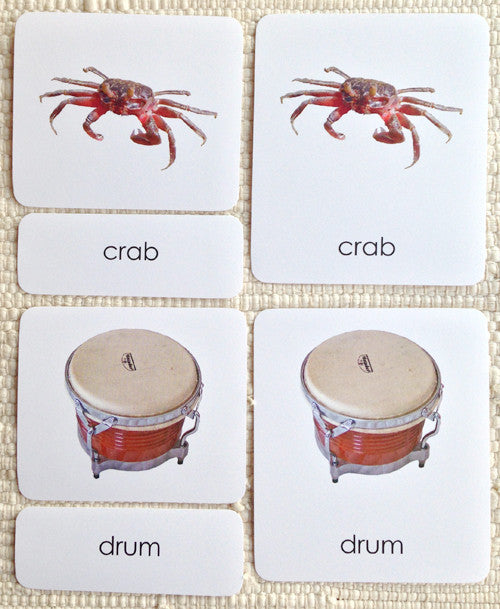
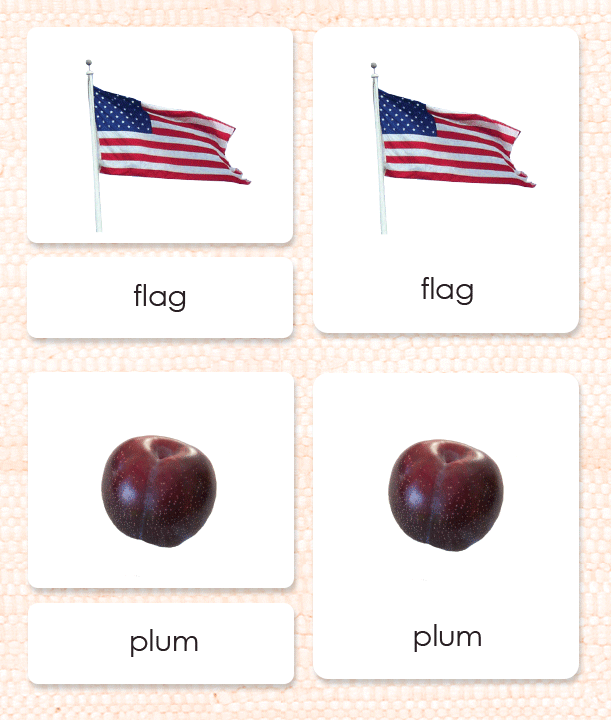
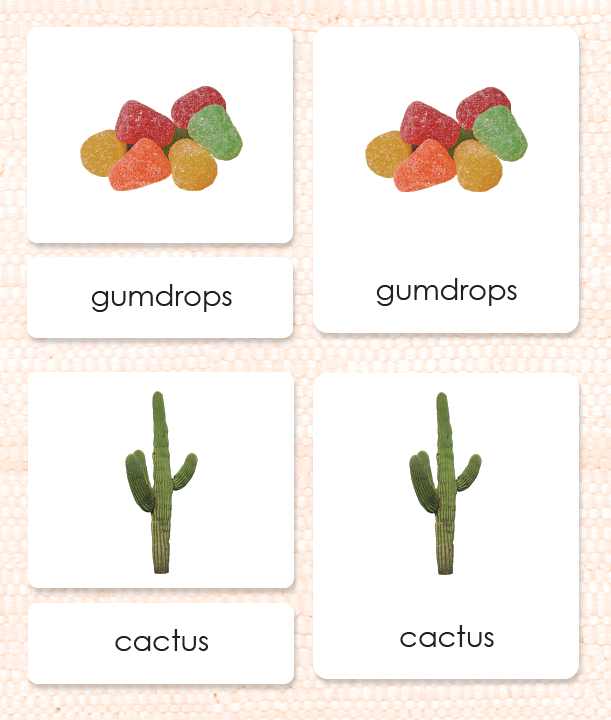
Montessori phonetic 3-part cards give beginning readers independent practice decoding words that follow simple letter-sound patterns. Each word has three cards: a real photo, a word label, and a control card showing the photo and word together. Students lay out the photos, sound out each word label and match it to its photo, then use the control cards to check their own work. The words are fully phonetic, so students can succeed as soon as they can blend sounds, without a teacher standing by to correct them.
What's in this collection
- Phonetic Level 1 Set: Simplest Phonetic Words (pink series): short-vowel, consonant-vowel-consonant (CVC) words, available as the complete set or as individual packets 1A through 1E
- Phonetic Level 1 Set: Cardstock: the Level 1 words on cardstock (not laminated)
- Phonetic Level 2 Set: Consonant Blends (blue series): phonetic words with consonant blends, available as the complete set or as individual packets 2A through 2E
Our laminated cards are eco-laminated with a food-grade laminate and rounded corners. Each packet comes in a sturdy, clear reclosable bag for teacher storage and includes a lesson plan. All cards are eco-made in the USA and are CPSIA compliant.
Why phonetic 3-part cards matter for reading
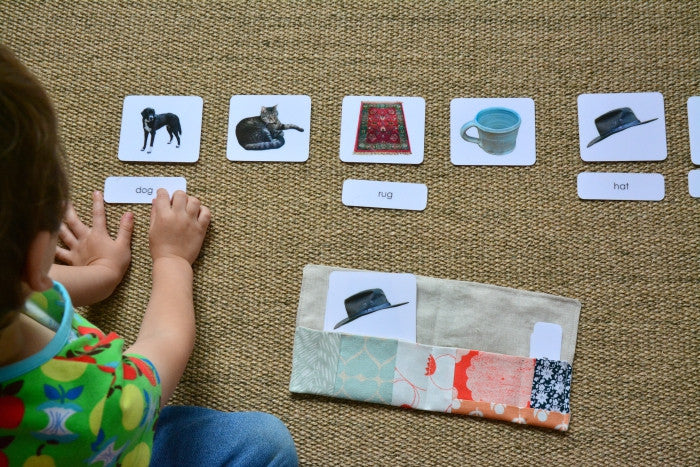
We need to practice reading for it to get easier/automatic. Phonetic 3-part cards provide that practice in small, manageable steps. Beginning readers want to read. This format shows them that they can. They simply lay out the photo cards and match the labels to each picture. Having the pictures before them gives them an important scaffold; it makes it easier to help them figure out how to pronounce each word label. Then, the self-correcting control cards let them see if they were right. They can find and fix their own errors which is how humans learn best. No teacher correction required.
How do you use phonetic 3-part cards?
- Make sure the student knows the name of each picture. Use the three-period lesson for any unfamiliar ones.
- Lay out the picture cards in a column.
- The student sounds out each word label and places it under the matching picture.
- The student places the control cards just to the right of each photo/word combination to see if they match. If they made an error, they will see it and can fix it independently.
Begin with Level 1. When a student reads the Level 1 words fluently, move on to Level 2.
What comes next
When students read consonant blends with ease, they're ready for words with more than one letter per sound. Continue with our phonogram 3-part cards and other phonogram materials. To see how decoding fits into the full sequence, read about the Montessori Science of Reading.
What ages are phonetic 3-part cards for?
Typically ages 3 to 6 (PreK through first grade), whenever a student can blend sounds into words. They also work well for older students who need decoding practice, English learners, and intervention settings.
What should students know before starting?
Students should know the sounds of the letters (see our letter-sound knowledge materials). Most Montessori students have also been building words with a movable alphabet, since encoding (spelling words out) usually comes before decoding (reading them).
Should I start with Level 1 or Level 2?
Start with Level 1 (pink series) unless the student already reads CVC words fluently. Level 2 (blue series) adds consonant blends, which require blending more sounds in a row.
How should I store and display phonetic 3-part cards?
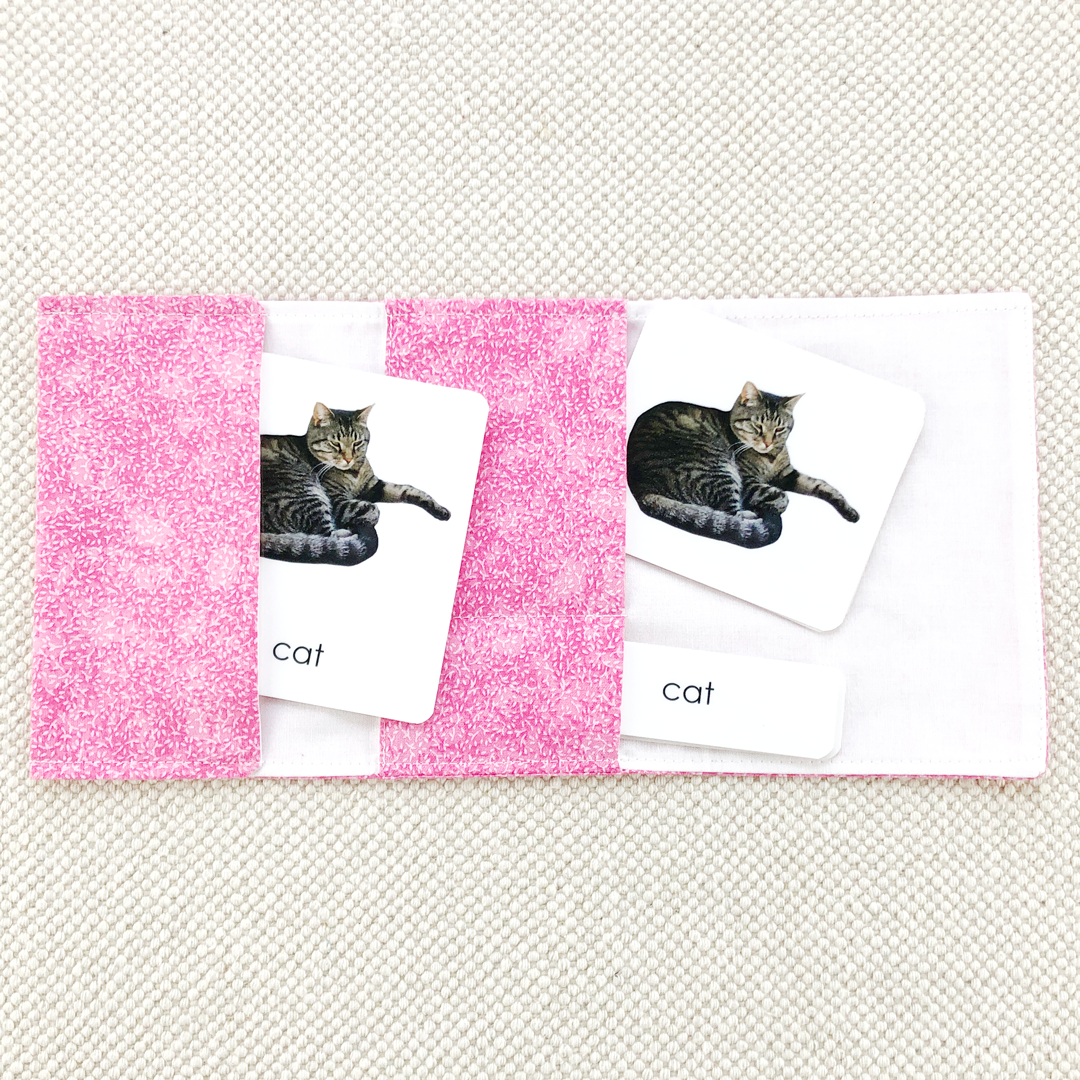
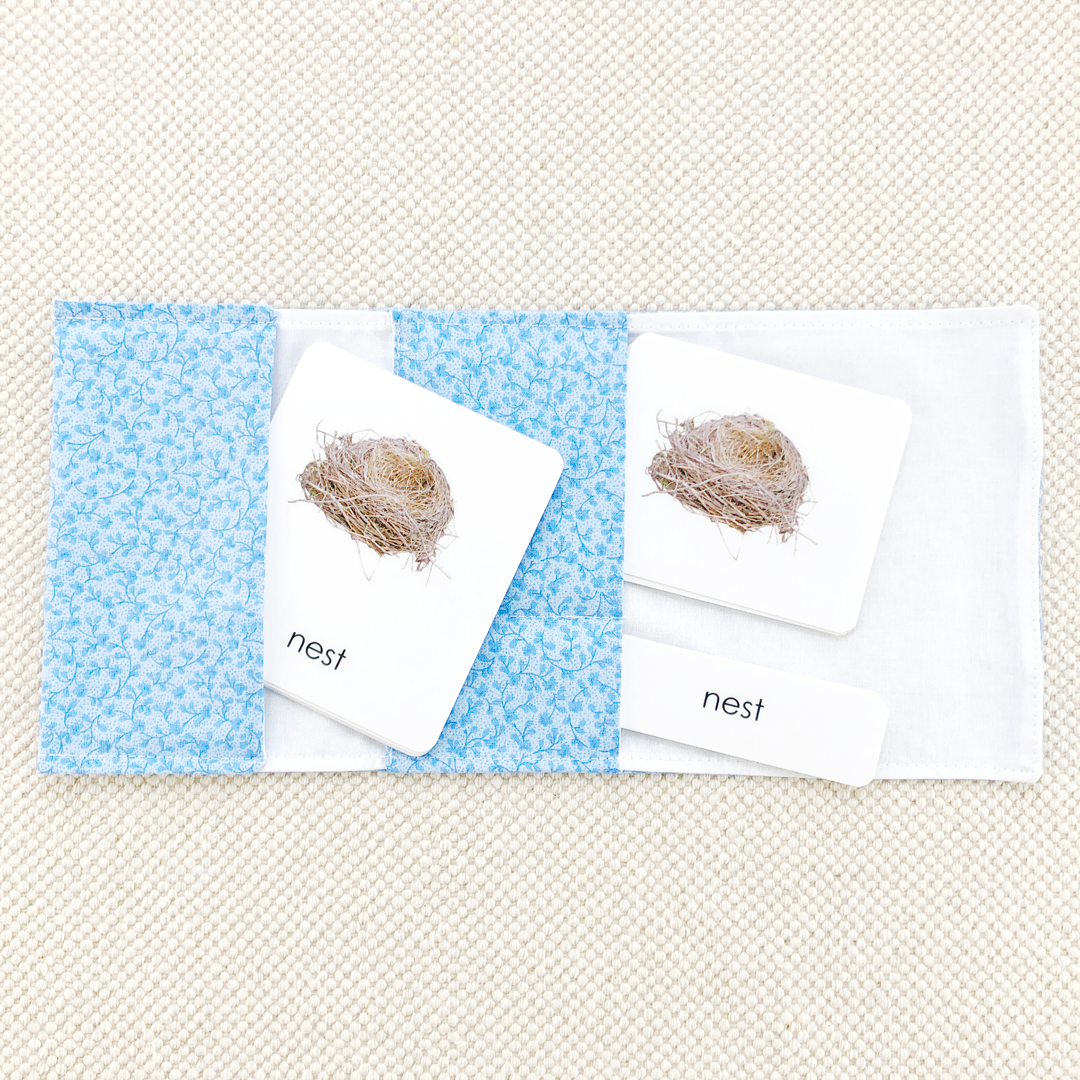
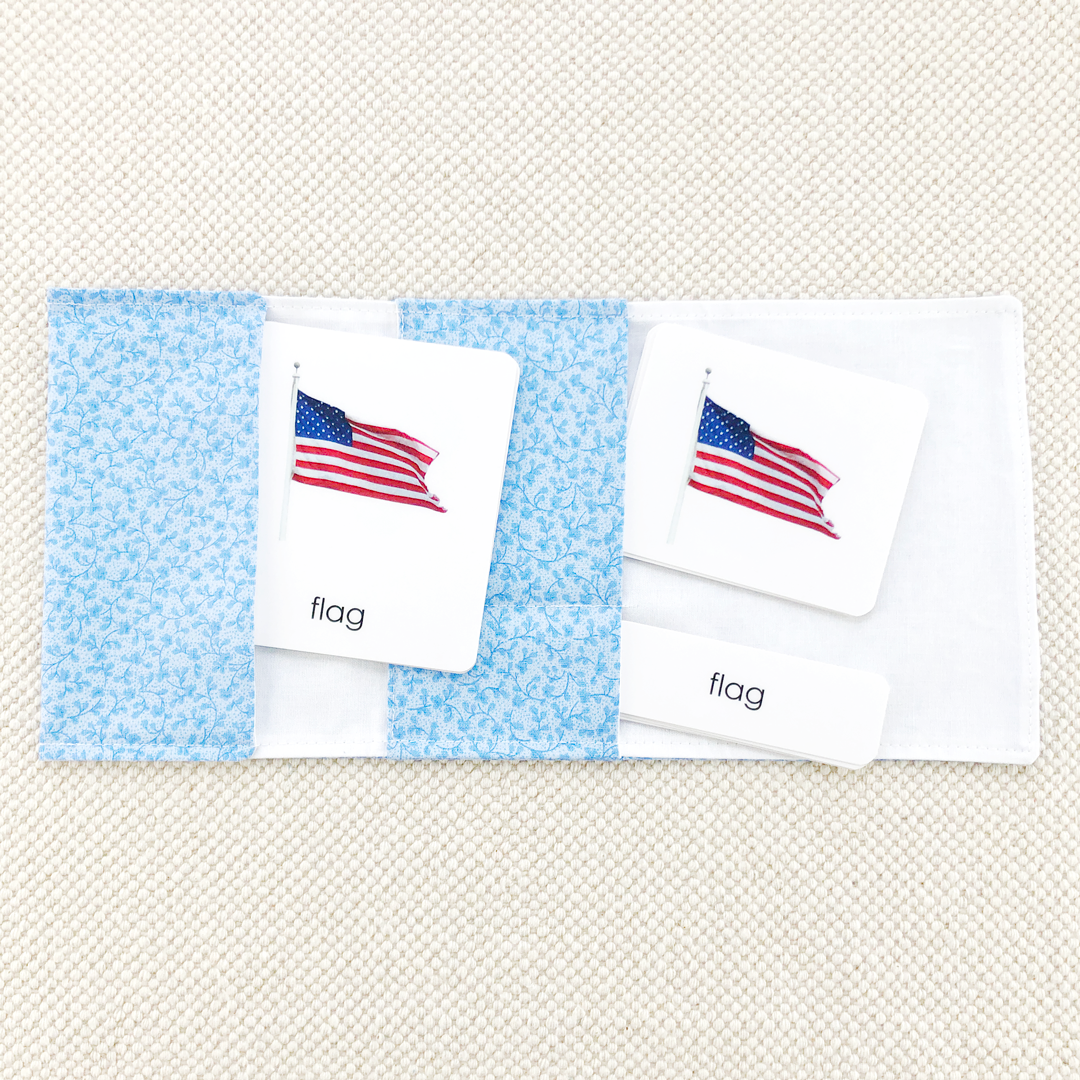
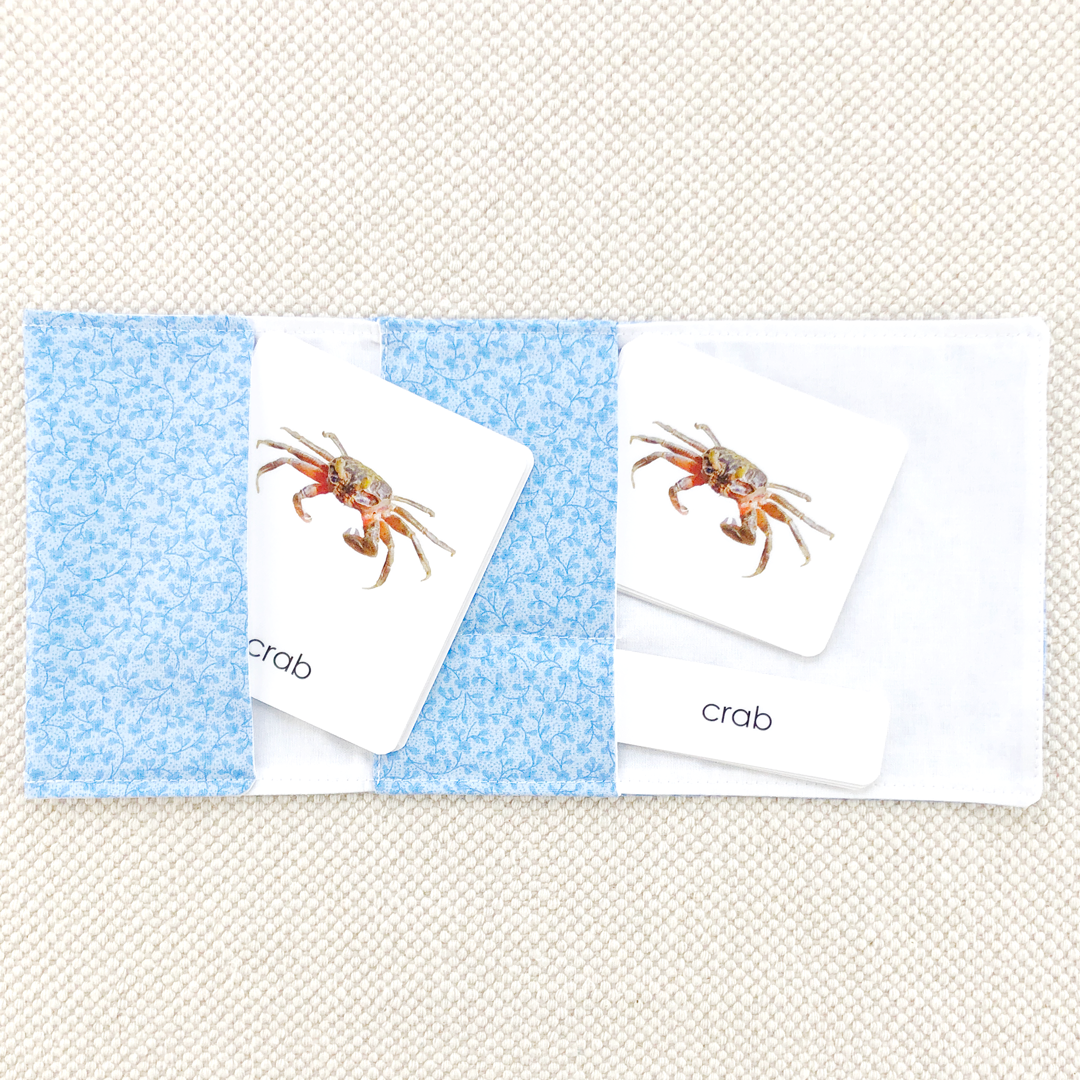
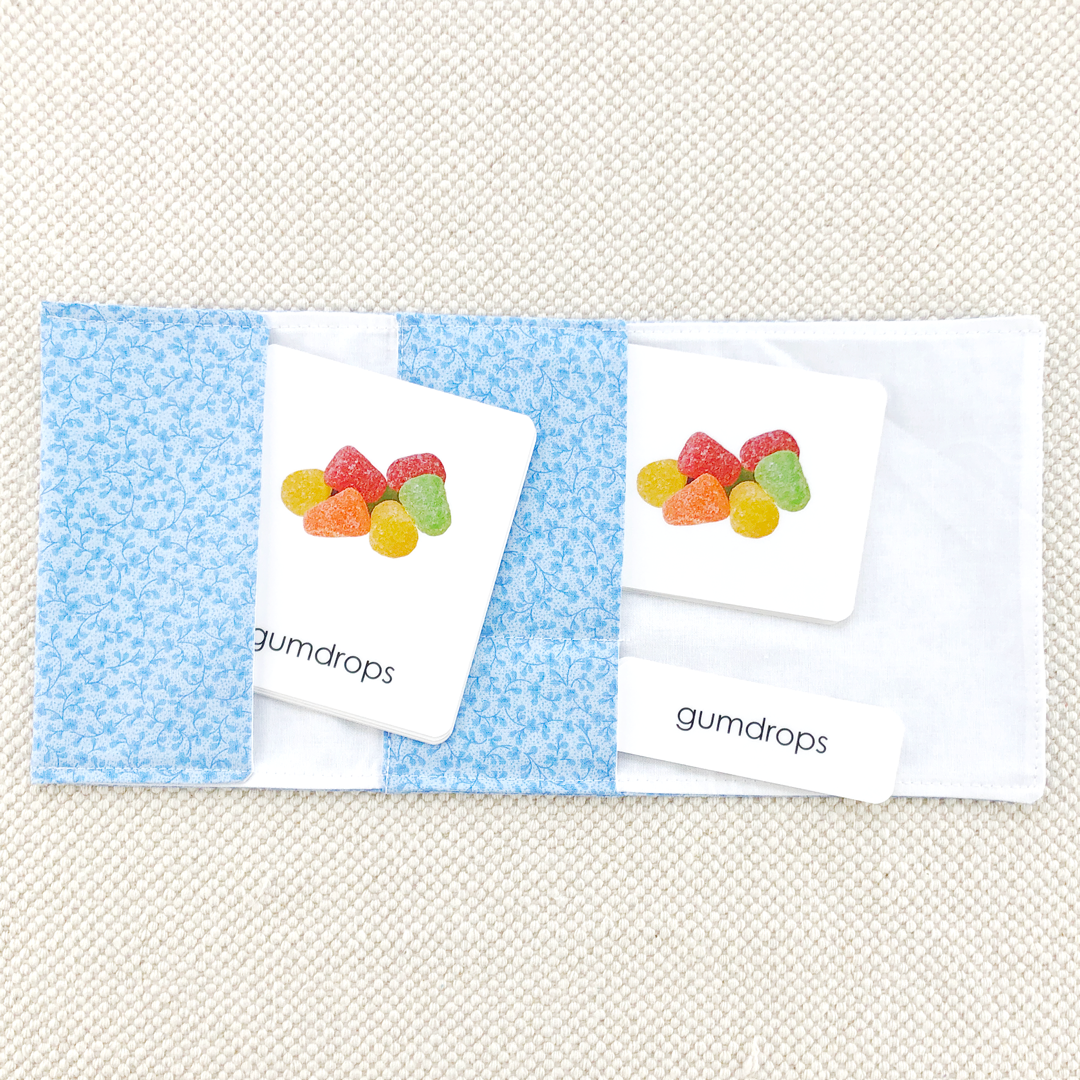
We recommend putting several packets out at one time to meet the needs of the whole room. We like to organize and display these in our 3-pocket foldover cloth pouches. (Each packet comes in a sturdy, clear reclosable bag that is for teacher storage only, not student use.) As students master the words on the shelf, swap in the next packets. You can use the same pouches in the same shelf location.
Download a PDF of our materials

Follow Us