Zoology













More Information:
Zoology

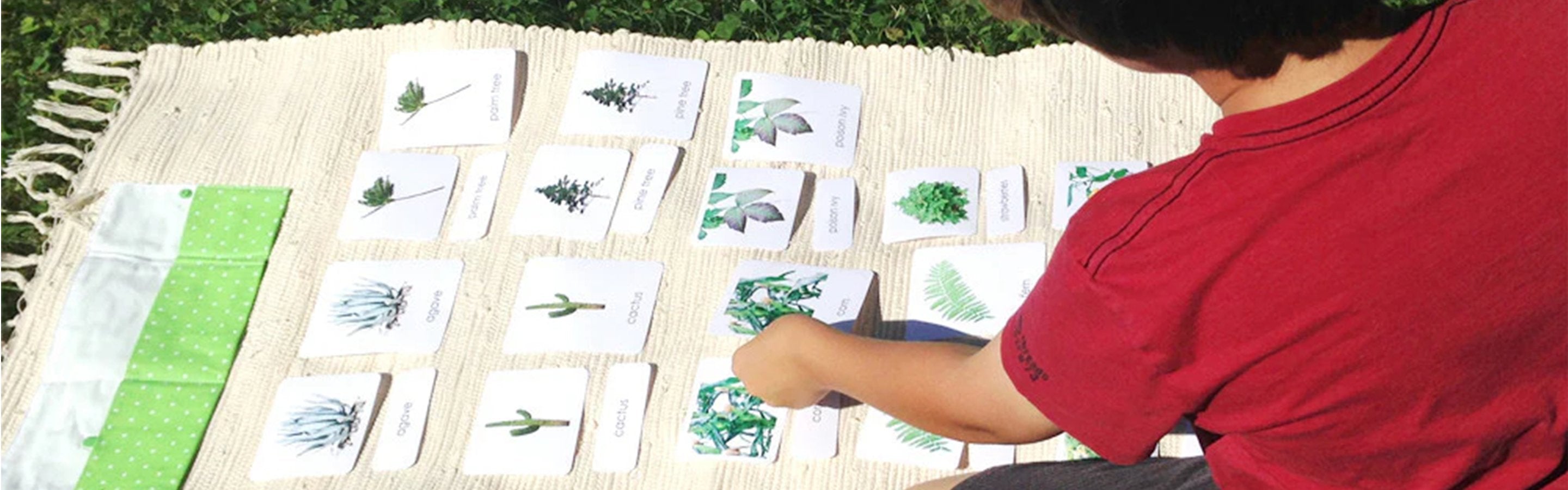
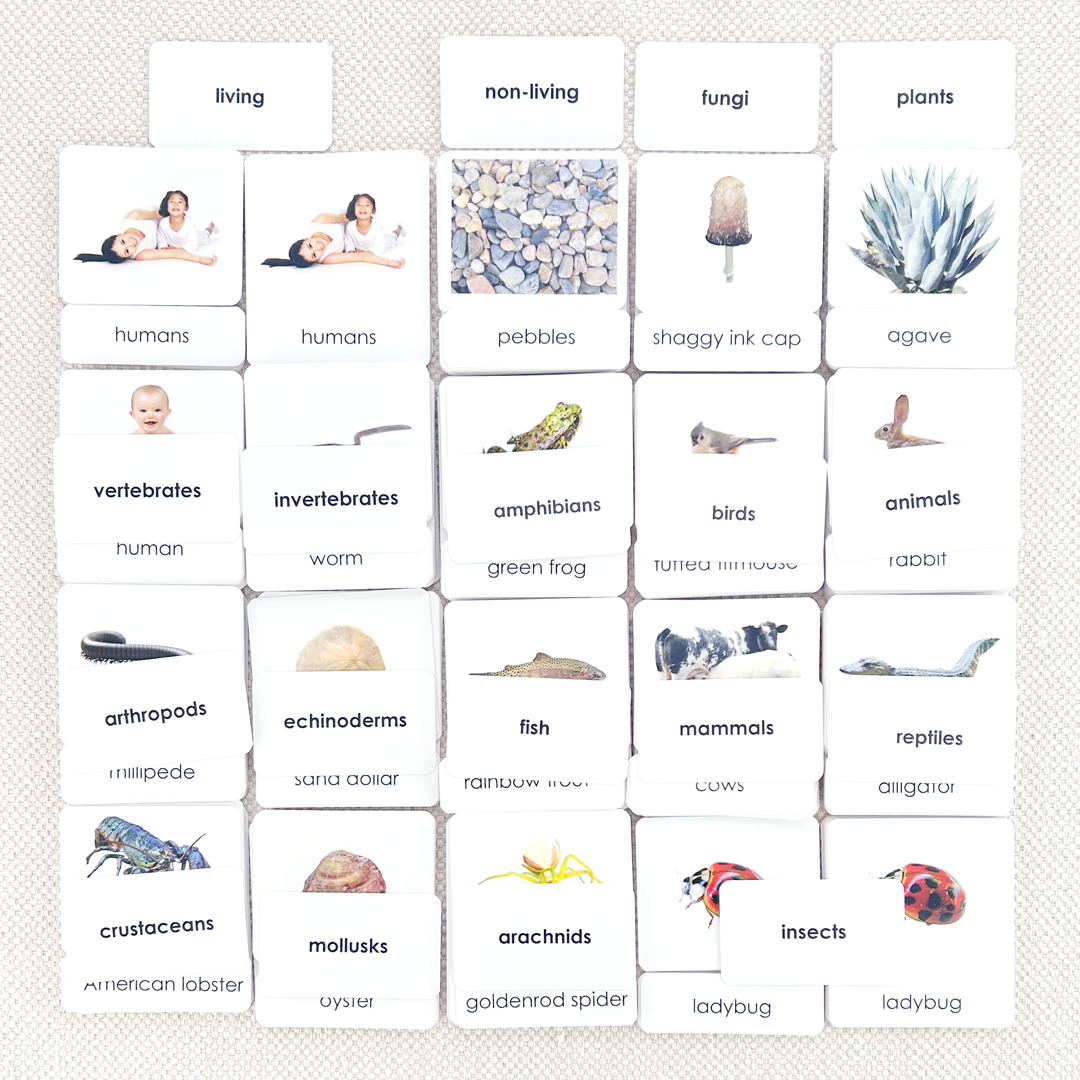
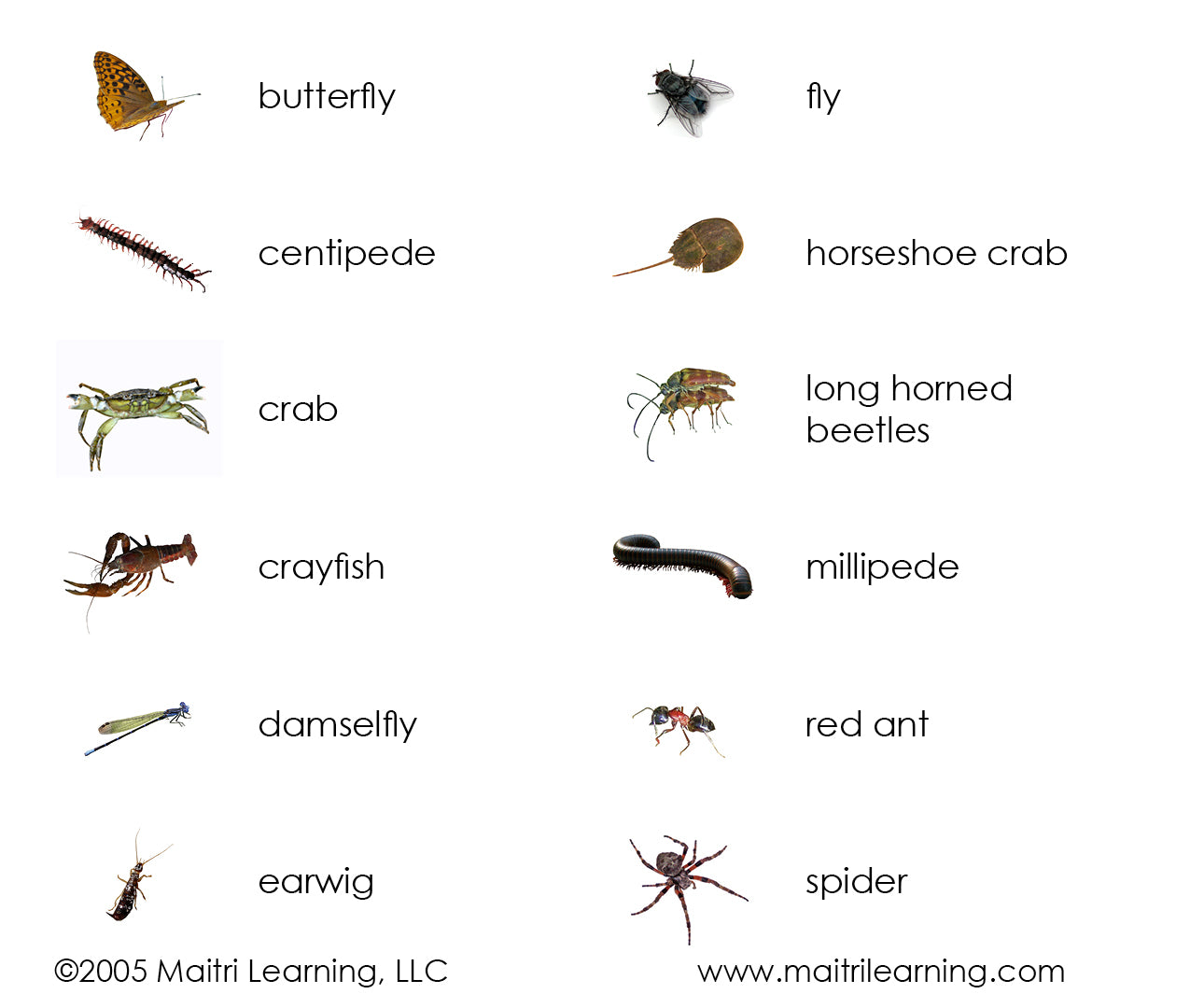
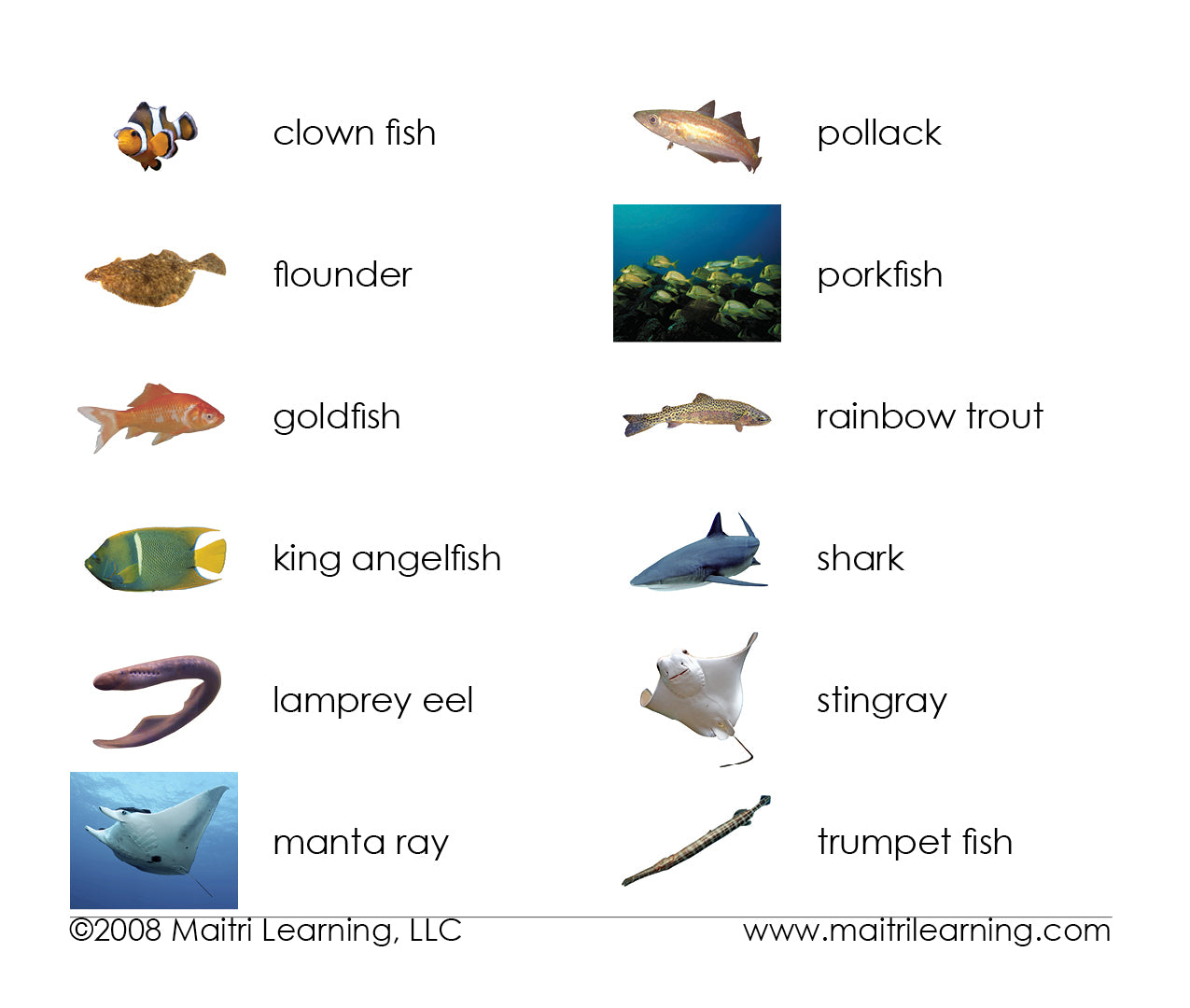
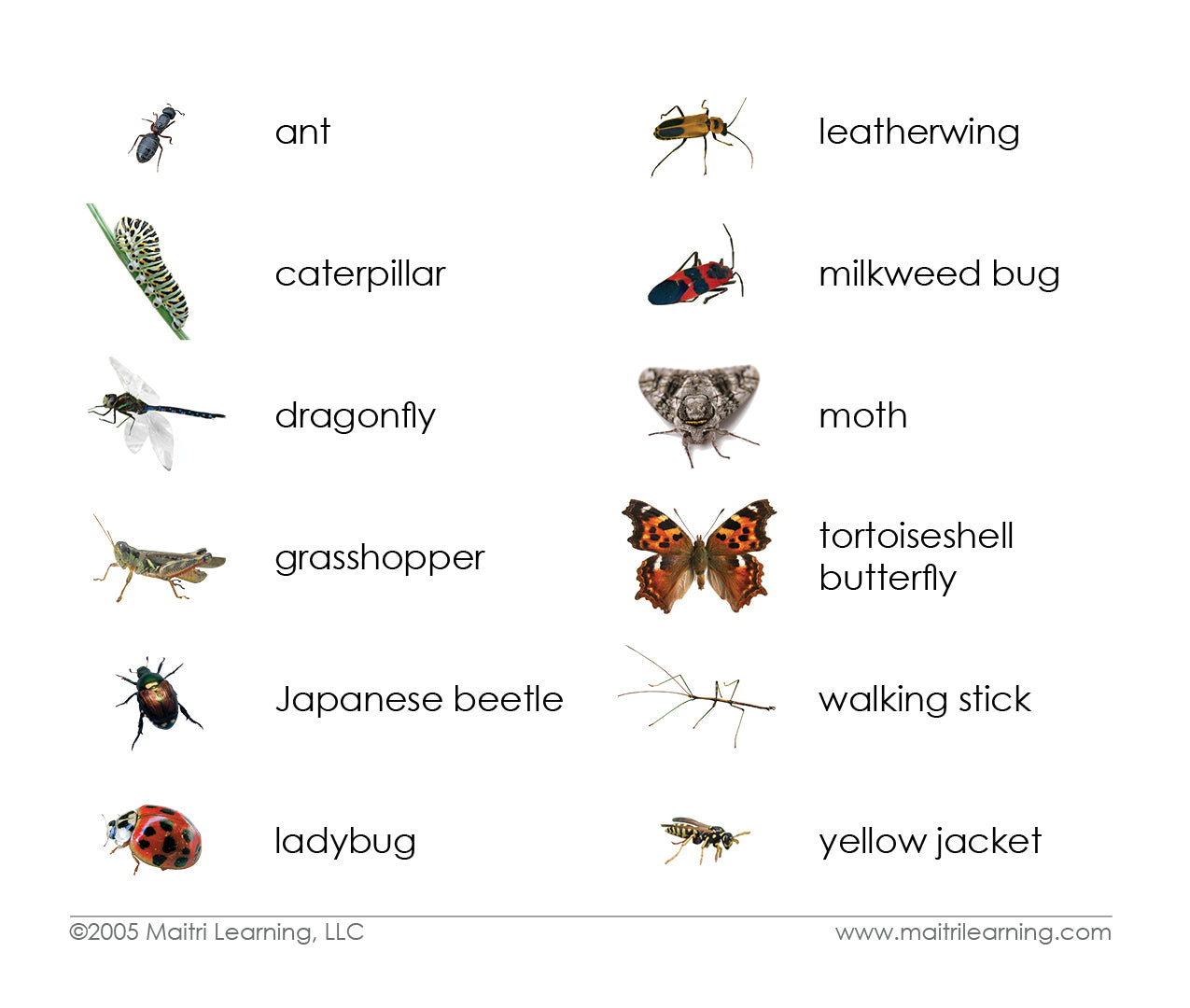
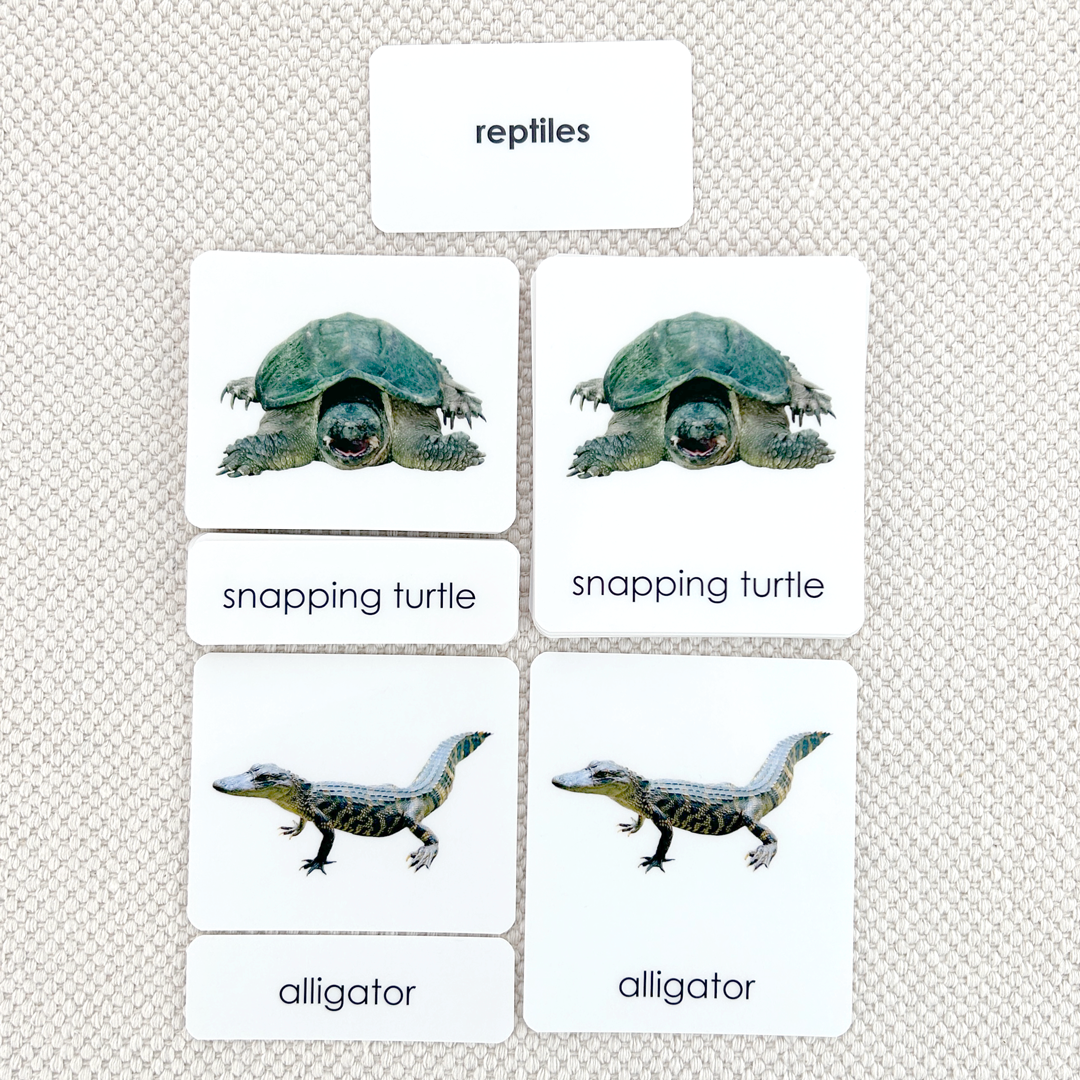
These Montessori zoology 3-part reading cards show real photo of individual species the represent the wondrous variety of the natural world. We worked with a zoologist so that each packet shows the true diversity of its group, not just the familiar favorites.
These cards do double duty. Students practice reading words that may or may not follow the phonetic rules while learning how living things are related. A student who loves spiders or sharks will choose the cards again and again, and each time is more reading practice.
What's in this collection
The collection moves from broad groups to specific ones, following the Montessori sequence:
- Living and non-living: Living and Non-Living
- Kingdoms: Animal, Plant, and Fungi
- Animals with and without backbones: Vertebrates and Invertebrates
- Vertebrate groups: Mammals, Birds, Reptiles, Amphibians, and Fish
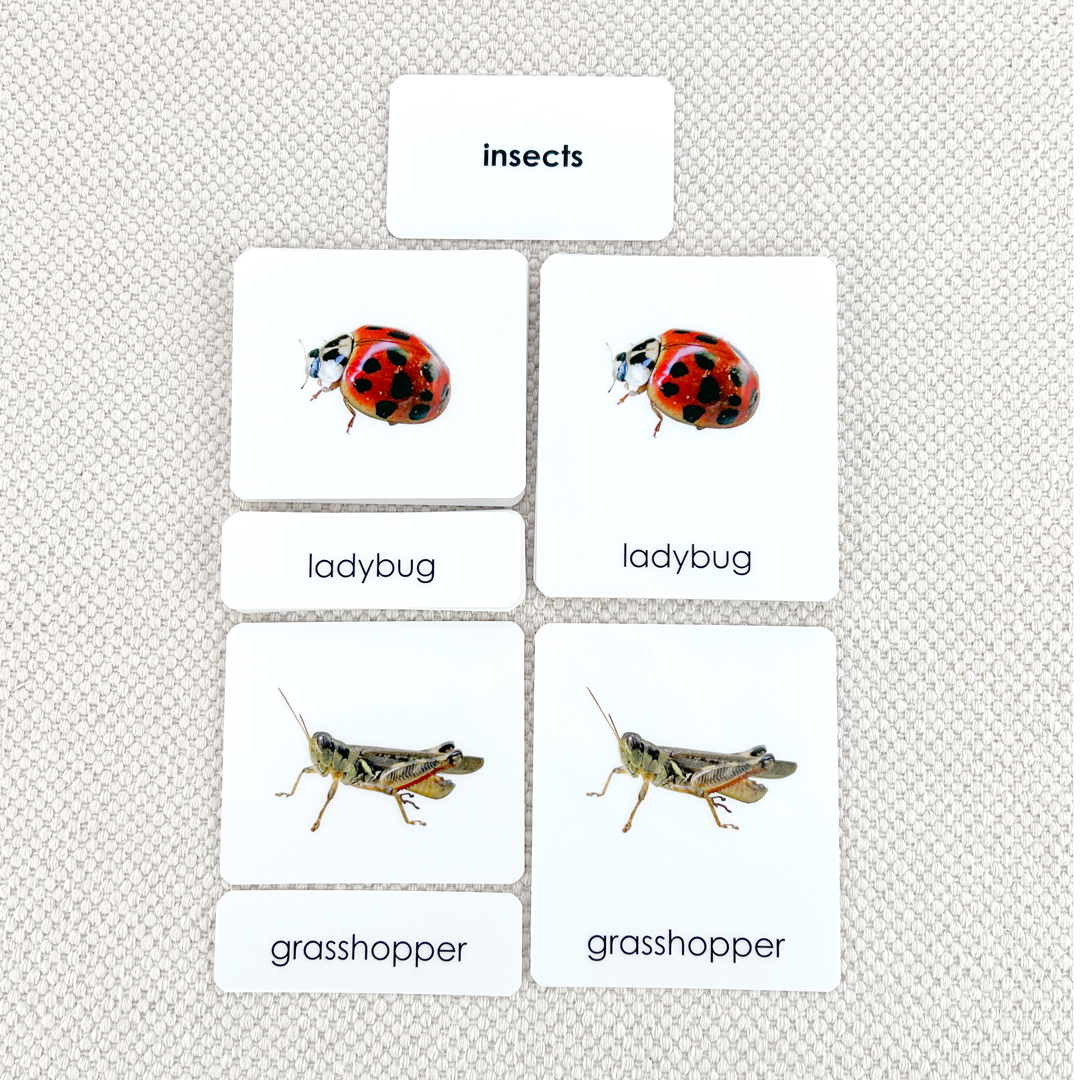
- Invertebrate groups: Arthropods (with Insects, Arachnids, and Crustaceans), Mollusks, and Echinoderms
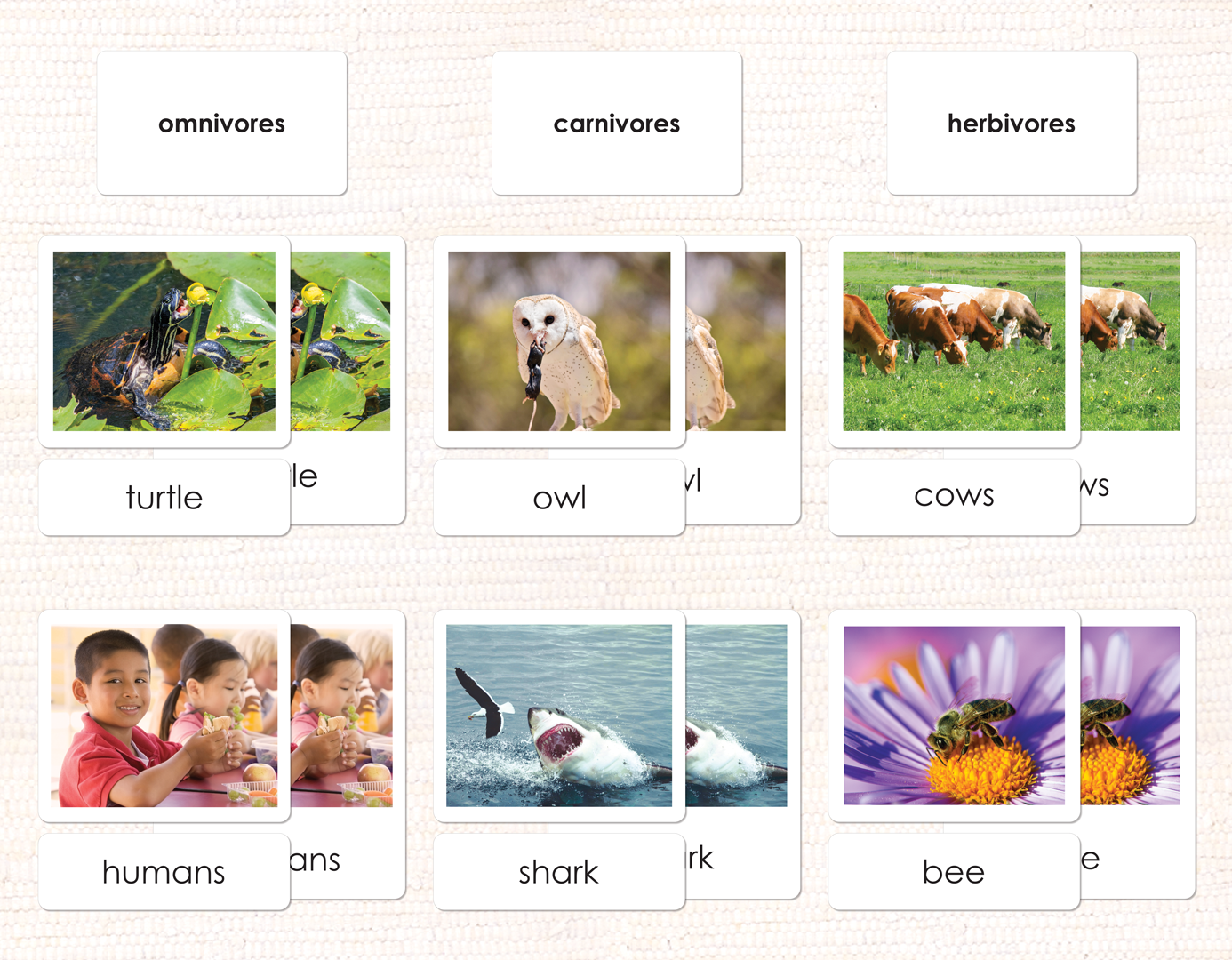
- What animals eat: Carnivores, Herbivores & Omnivores
- Everything together: the Reading Fluency: Zoology Kit
Add our 3-pocket foldover cloth pouches for an elegant, student-accessible display.
Why zoology cards matter for reading
Readers understand what they read when they already know something about the topic. In Scarborough's (2001) reading rope, background knowledge and vocabulary are core strands of language comprehension, alongside word recognition. Zoology cards build all three. The word labels give students practice reading real words, and the photos build vocabulary and knowledge about the natural world. A student who learns what an echinoderm is now will understand it when they meet the word in a book later.
Classification helps too. Learning how animals relate to each other builds webs of connected words, which support comprehension. And because interest drives learning, a student's curiosity about an animal group can carry them through the practice.
Reference
Scarborough, H. S. (2001). Connecting early language and literacy to later reading (dis)abilities: Evidence, theory, and practice. In S. B. Neuman & D. K. Dickinson (Eds.), Handbook of early literacy research (pp. 97–110). Guilford Press.
Free resources
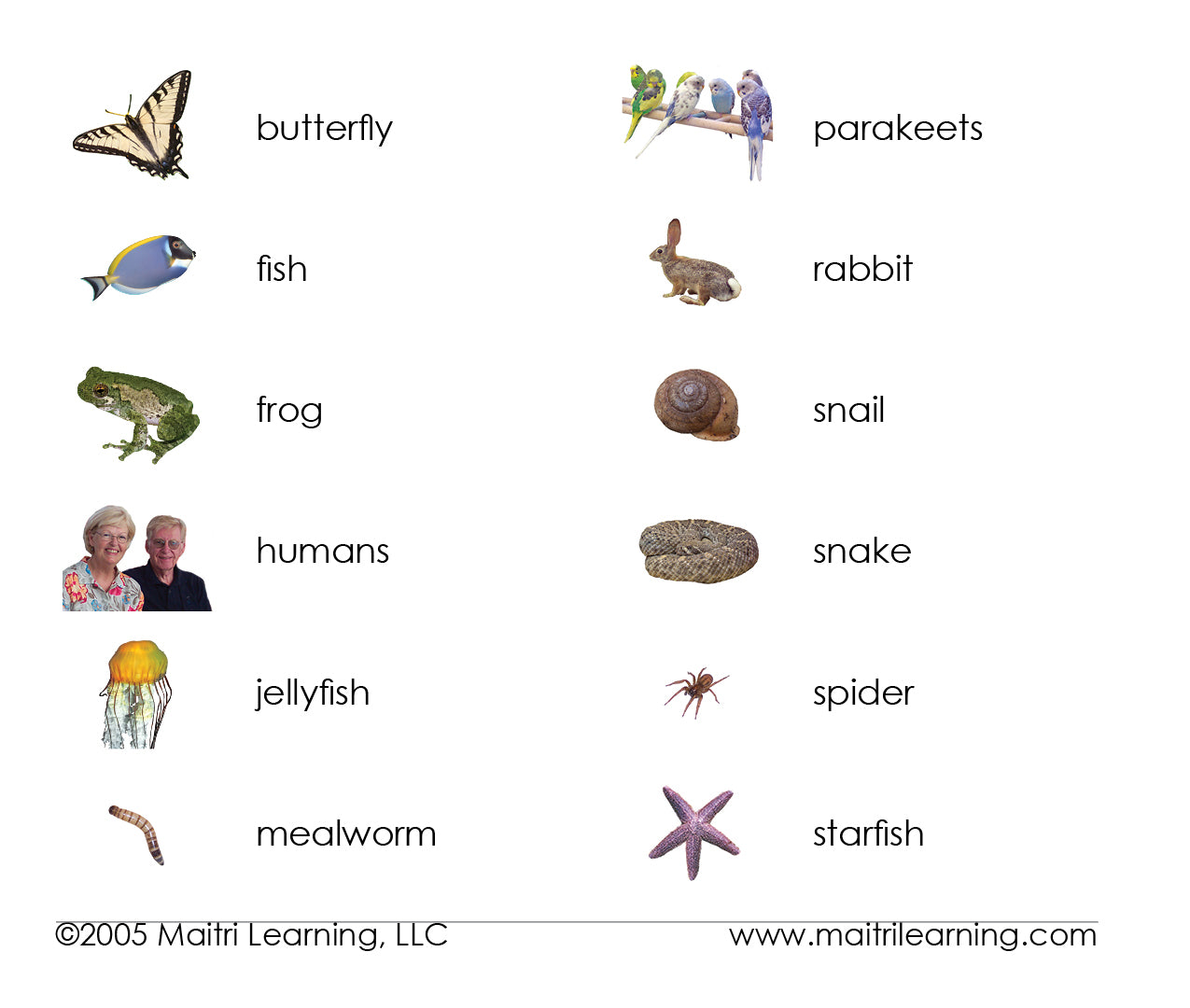
Download our free zoology lesson plan and our free zoology and natural world reference chart.
What comes next
Once students know an animal group, they can explore its external anatomy with our "Parts of" Cards. When they're ready for longer text, move on to build-a-book sets with definition books and definition cards.
How do you use 3-part cards?
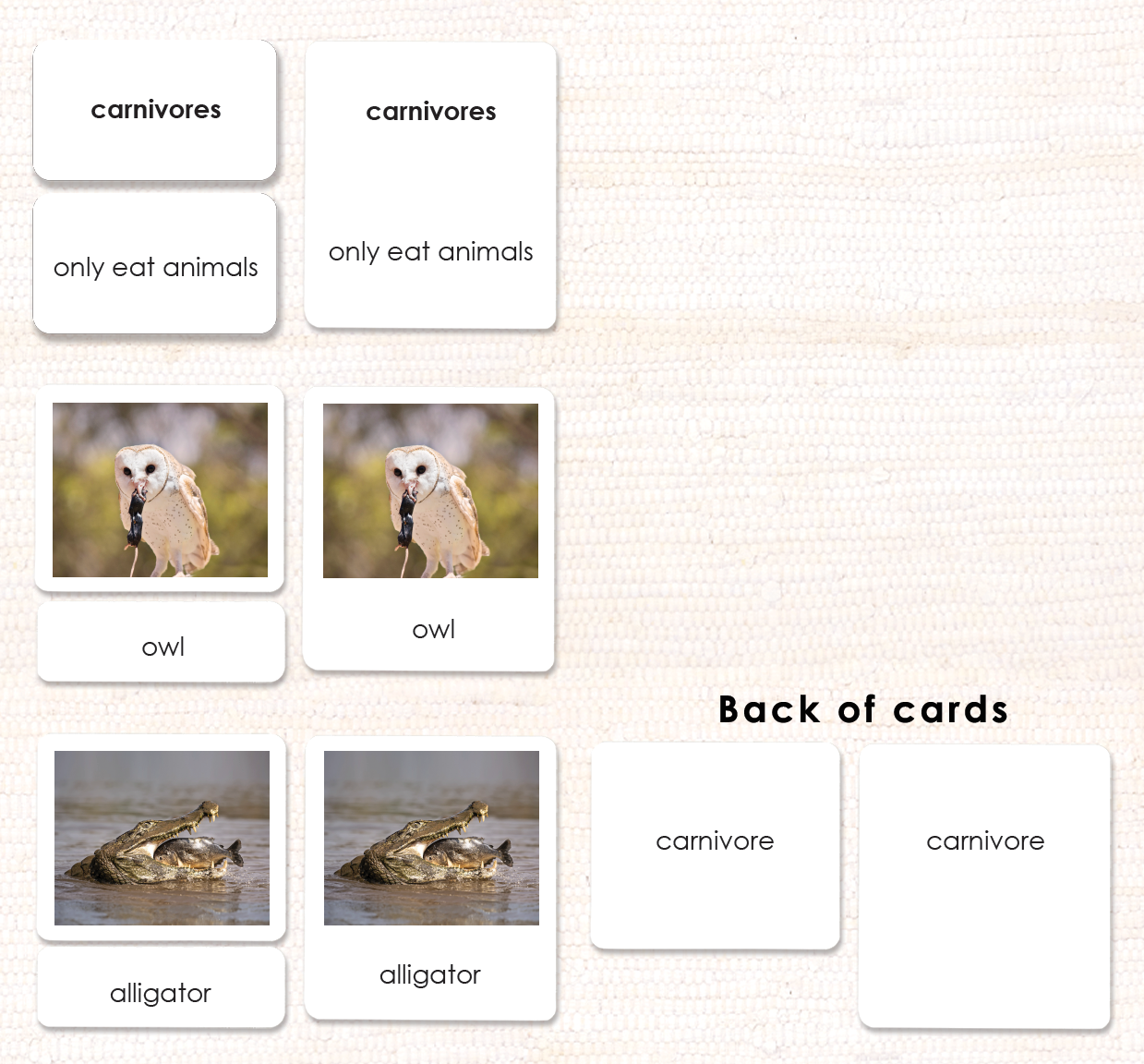
Begin by using the photo-only cards to teach vocabulary with the three-period lesson. Then use the photo-only cards from this and other packets for sorting work. Add the sorting labels for students who are reading. Finally, when students are stretching past phonetic reading, use all three parts: lay out the photo cards, read and match the word labels to the photos, and use the control cards to check for accuracy independently. No teacher help is required.
Where should I start?
Begin with the big contrast of living and non-living. Then introduce the kingdoms, then vertebrates and invertebrates, and then the smaller groups within them. Each step shows students a finer level of detail. You don't have to follow the order strictly. If a student is fascinated by insects, offer the insect cards and connect them back to the bigger picture as you go.
Should students learn the names before reading the cards?
Yes. Students read words more easily when they already know them in spoken language. Use the photo cards for three-period lessons first. Our sorting cards are another way to explore the groups before students can read.
What ages is this for?
Typically Kindergarten (ages 5–6) and above. Students of any age can benefit if they:
- Can read phonetically
- Are interested in animals and the natural world
- Need reading practice
- Prefer self-correcting activities to teacher correction
How should I store and display zoology cards?
We recommend putting several titles out at one time to meet the interest of the entire room. We like to organize and display these in our 3-pocket foldover cloth pouches. (Note that each packet comes in a sturdy, clear reclosable bag that is for teacher storage only, not student use.) As students lose interest in the topics on the shelf, swap them out for different zoology cards. You can use the same pouches in the same shelf location.
Download a PDF of our materials

Follow Us