Alphabets for Encoding



More Information:
Alphabets for Encoding
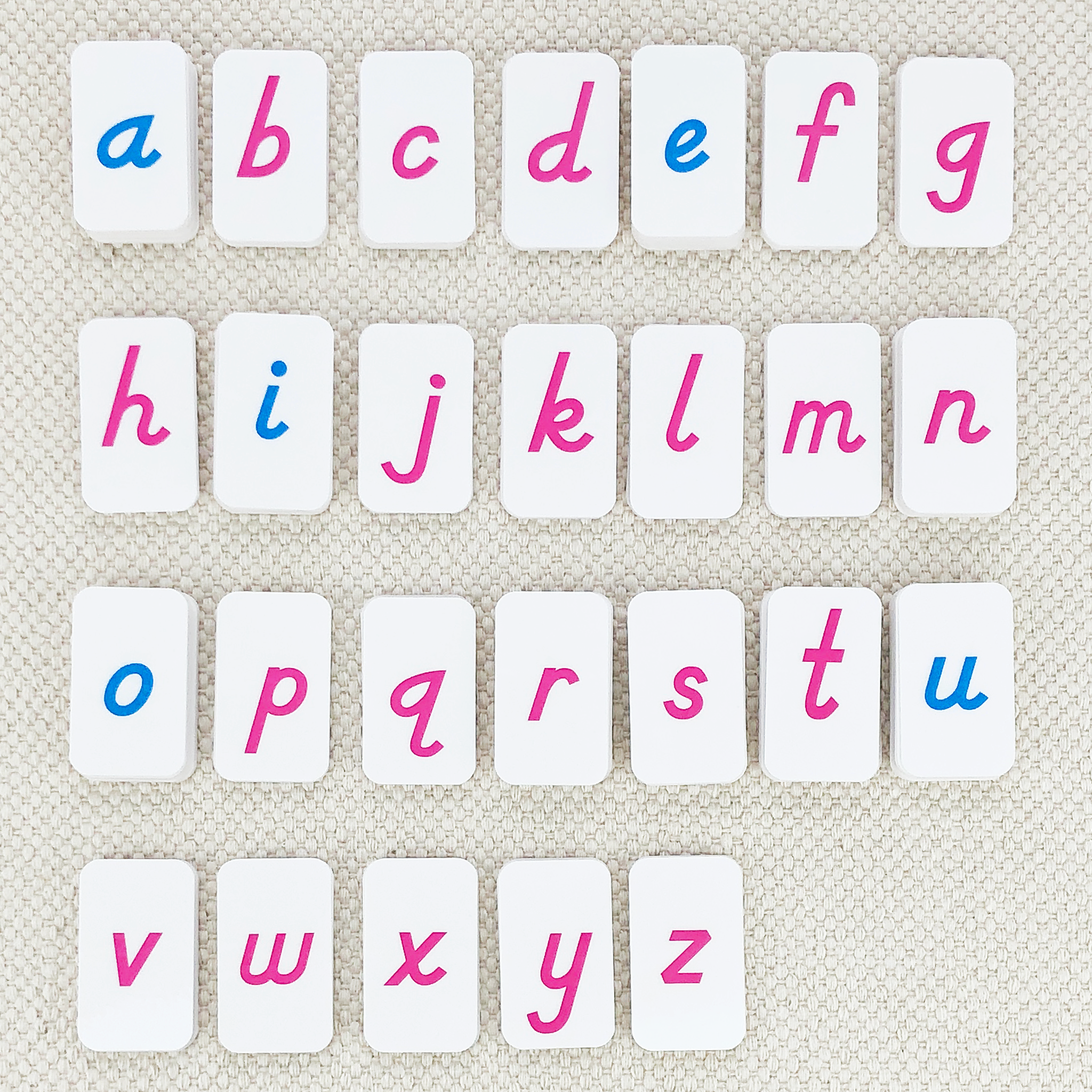
A movable alphabet is a set of loose letters that children arrange to build words, so they can:
- Spell and write before their hands are ready to hold a pencil
- Easily correct their spelling without erasing or crossing out
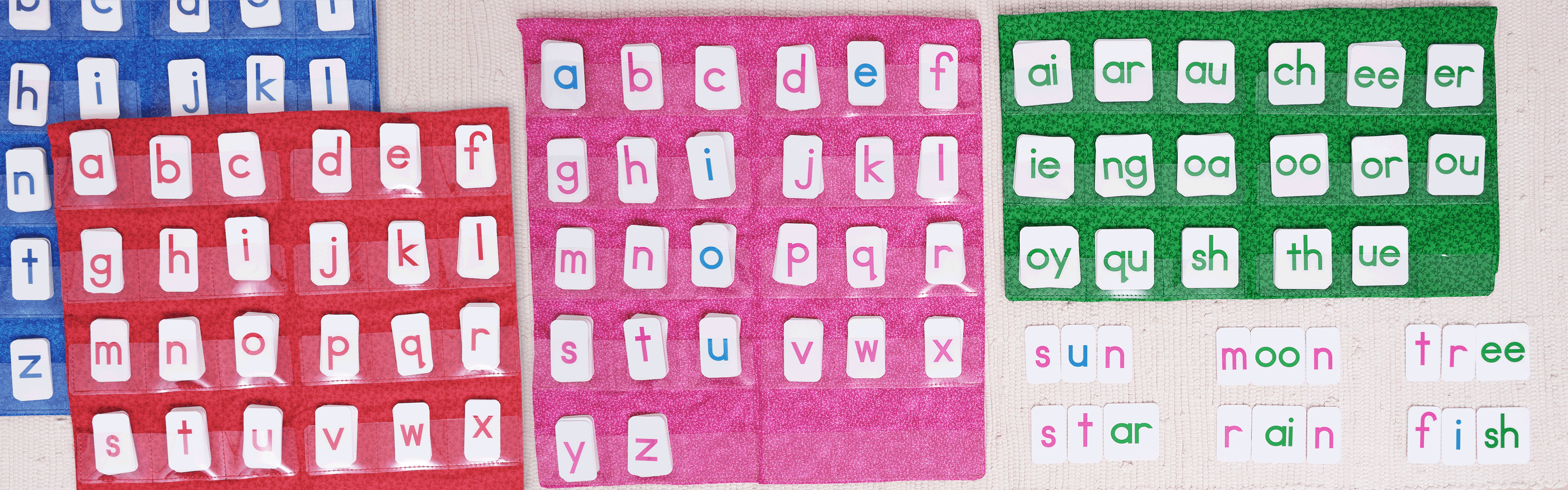
Maitri Learning's Montessori movable alphabets include the classic pink and blue alphabet, a green phonogram alphabet, and solid-color alphabets in Montessori print or cursive. All of our alphabets are sustainably-made in the USA.
What's in this collection
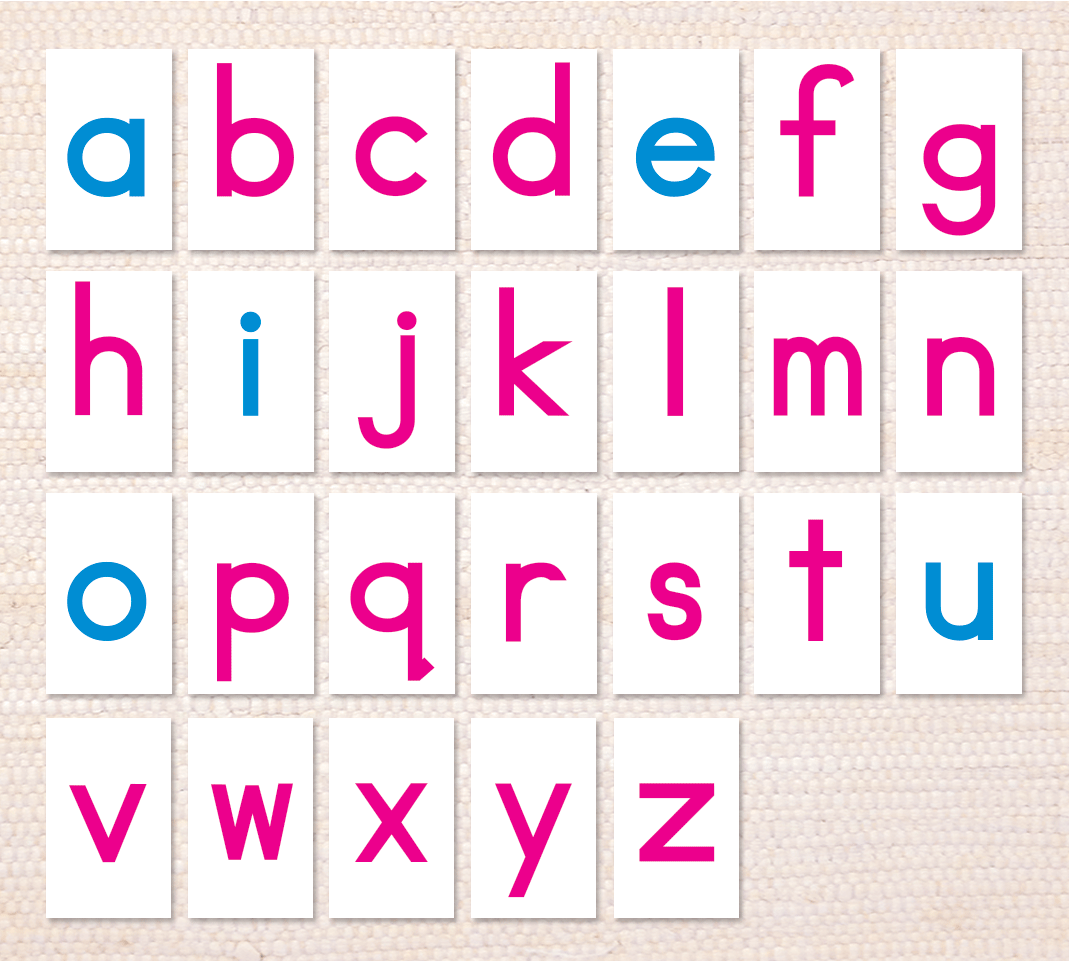
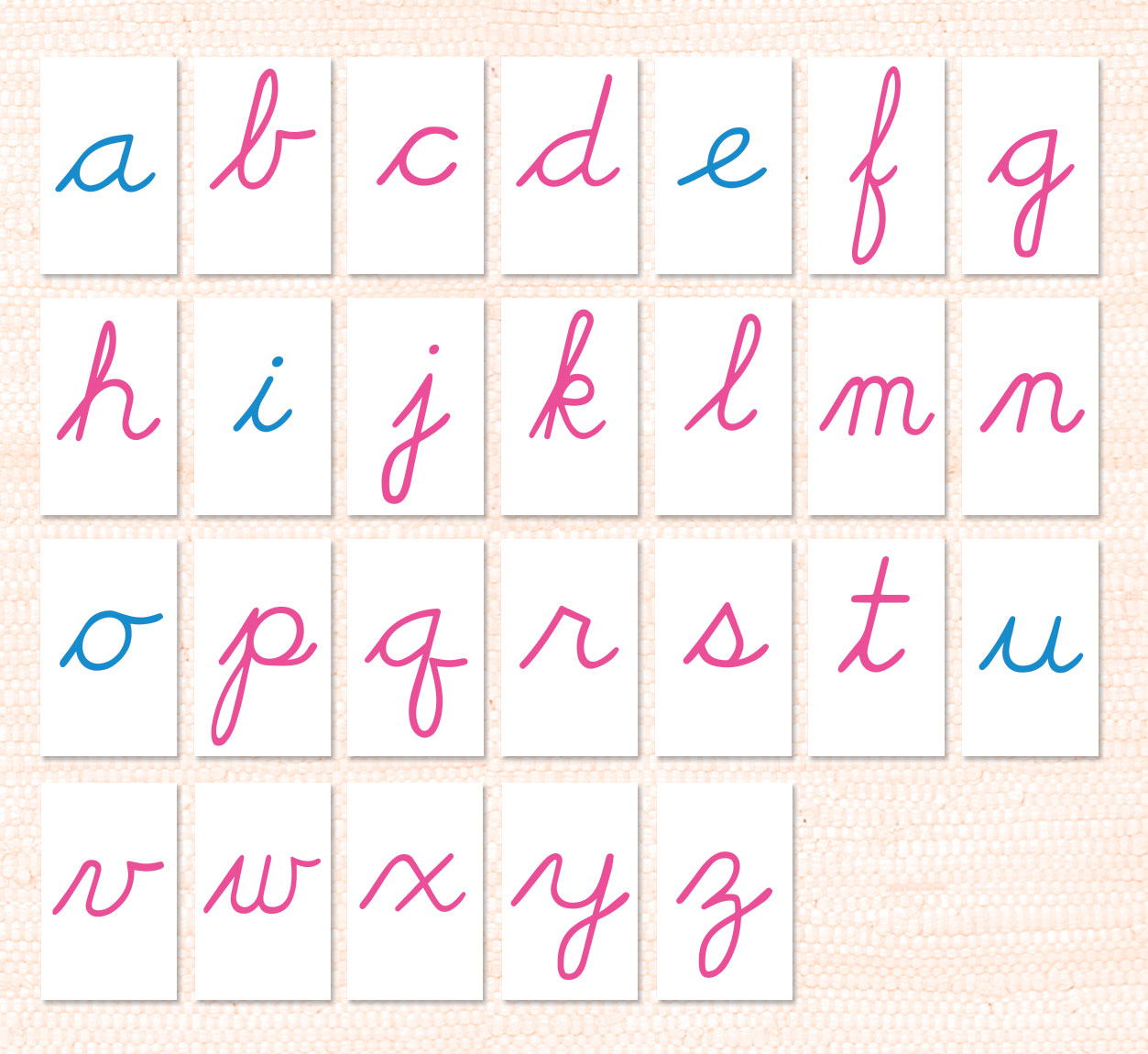
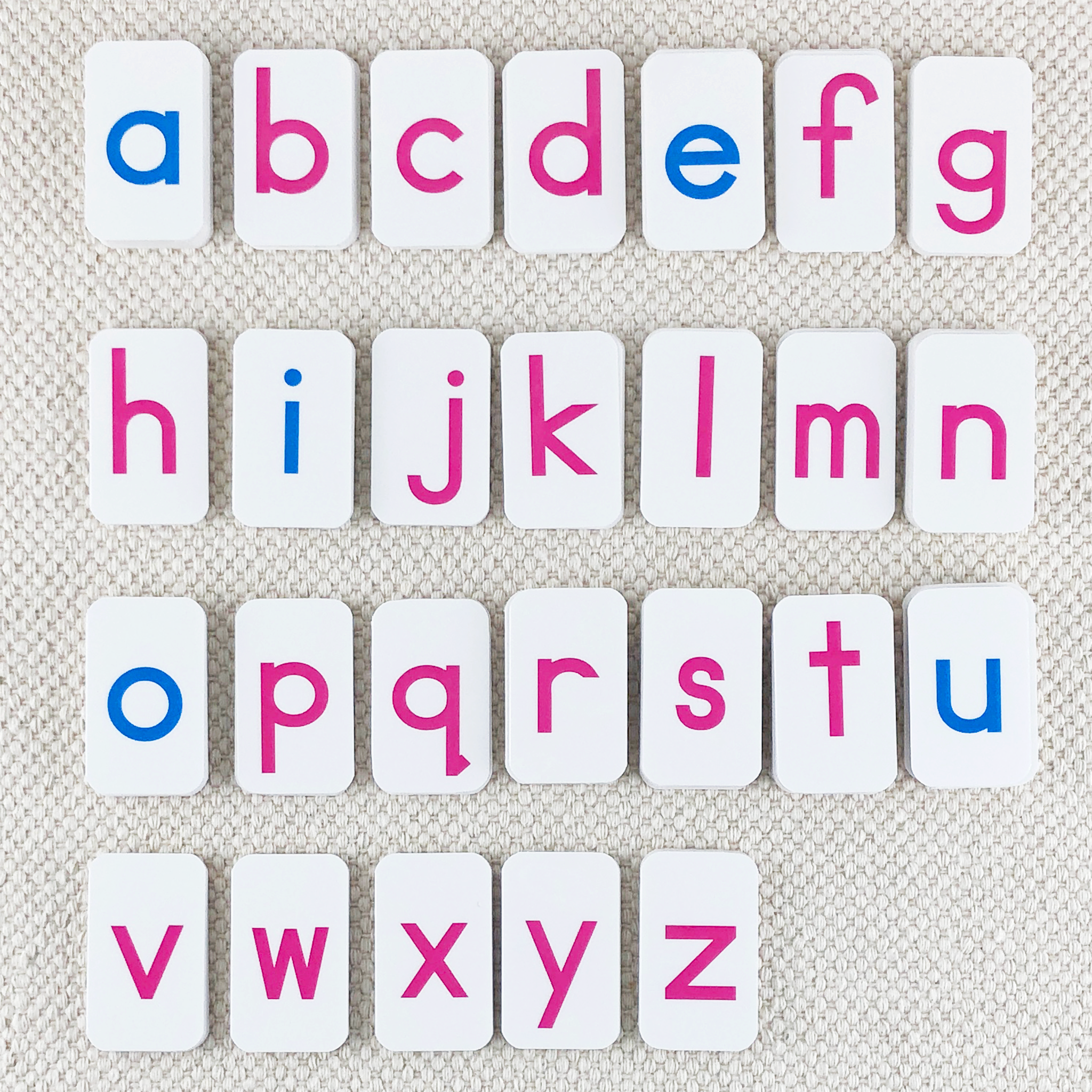
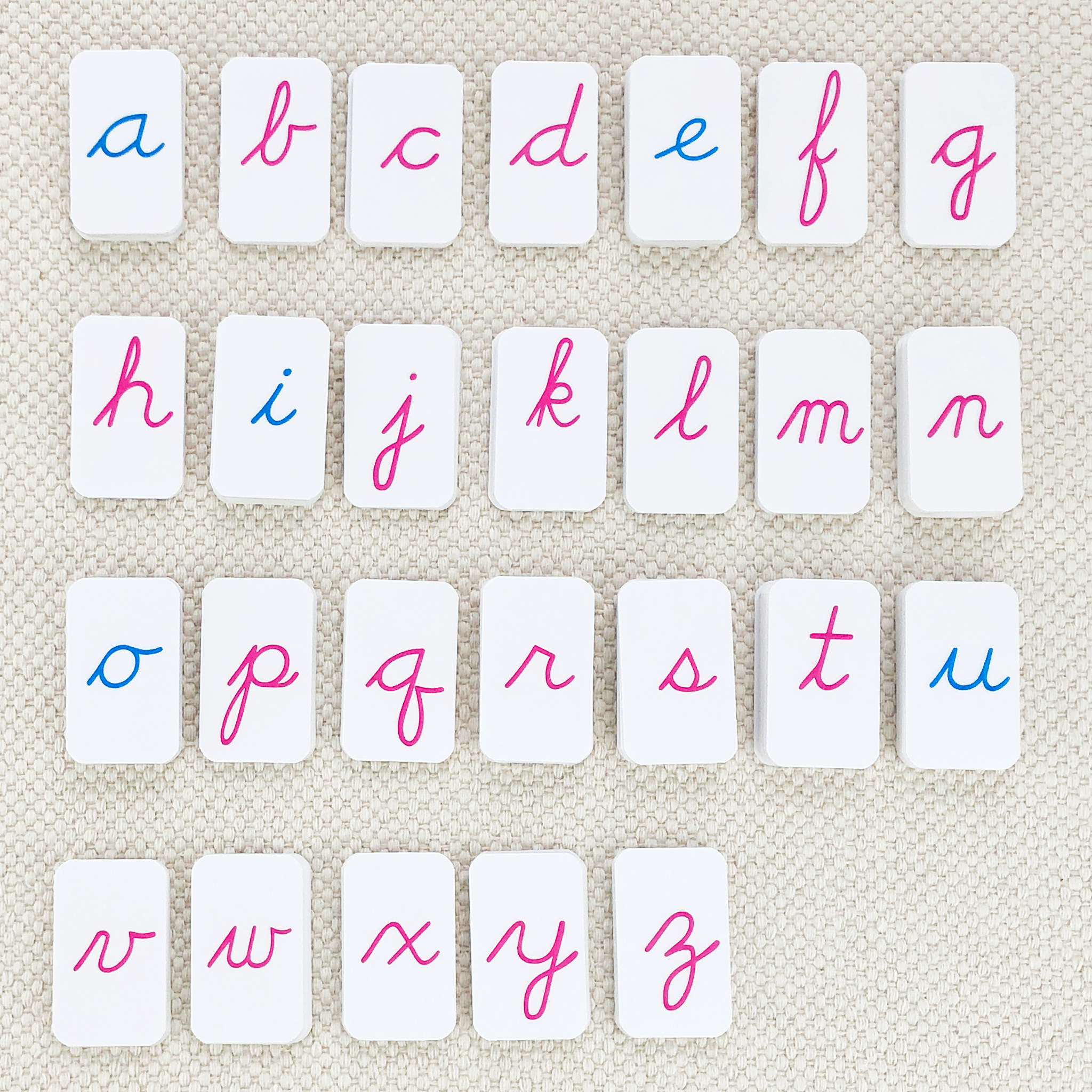
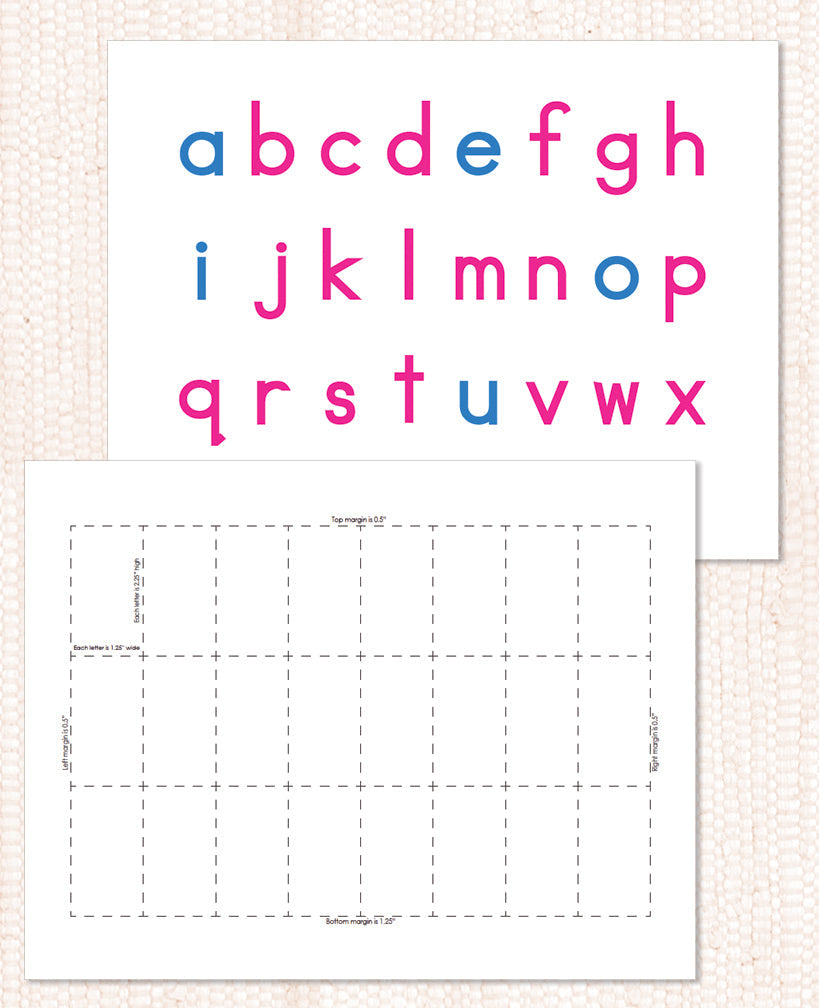
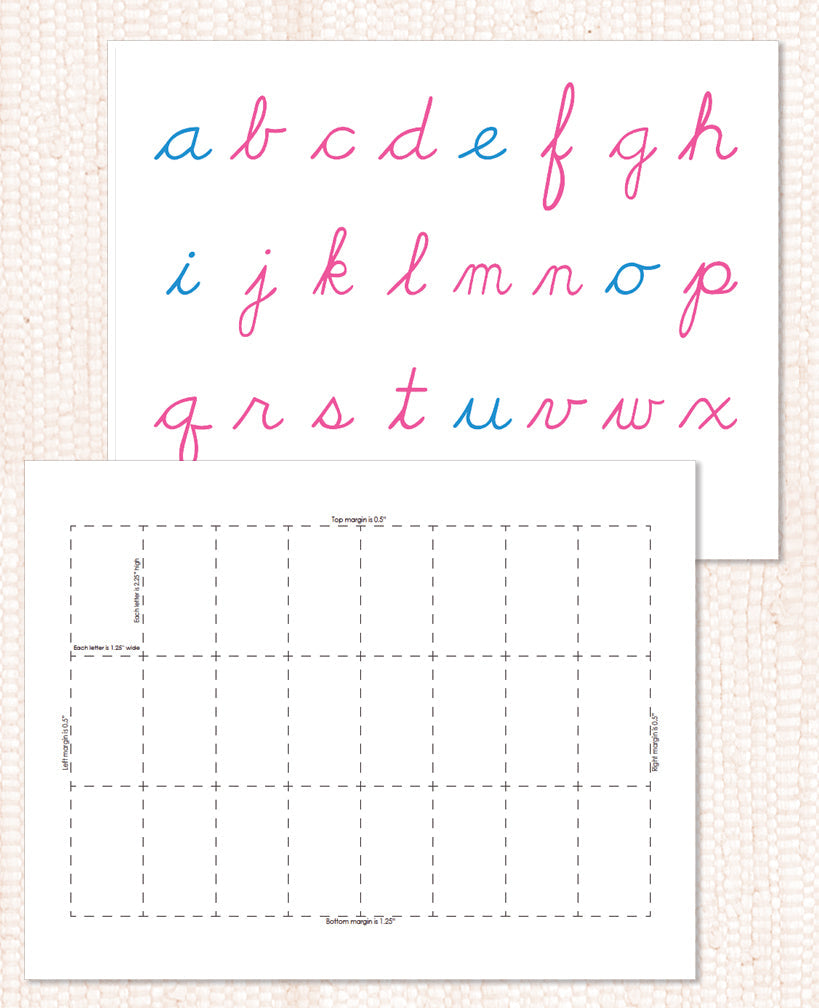
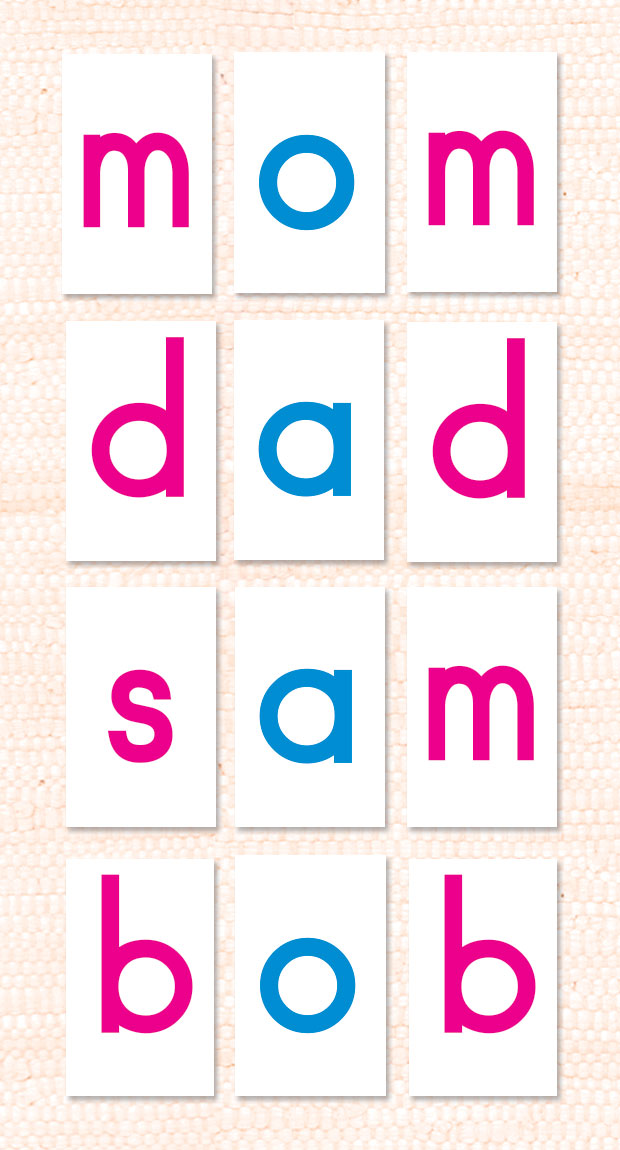
- Pink and blue alphabet in print, cursive, or pre-cursive: the classic Montessori alphabet, with pink consonants and blue vowels, used when children first link sounds together to write words phonetically.
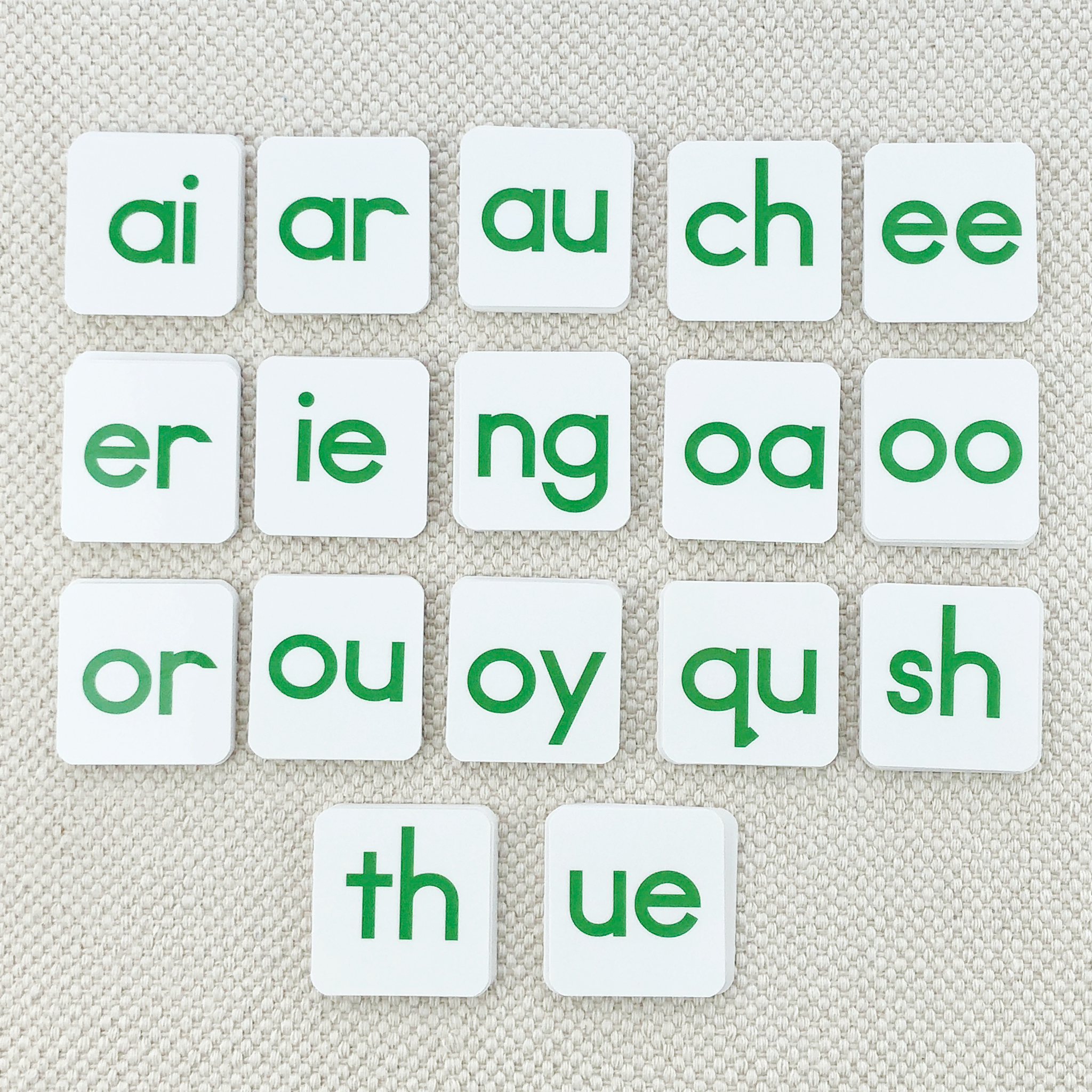
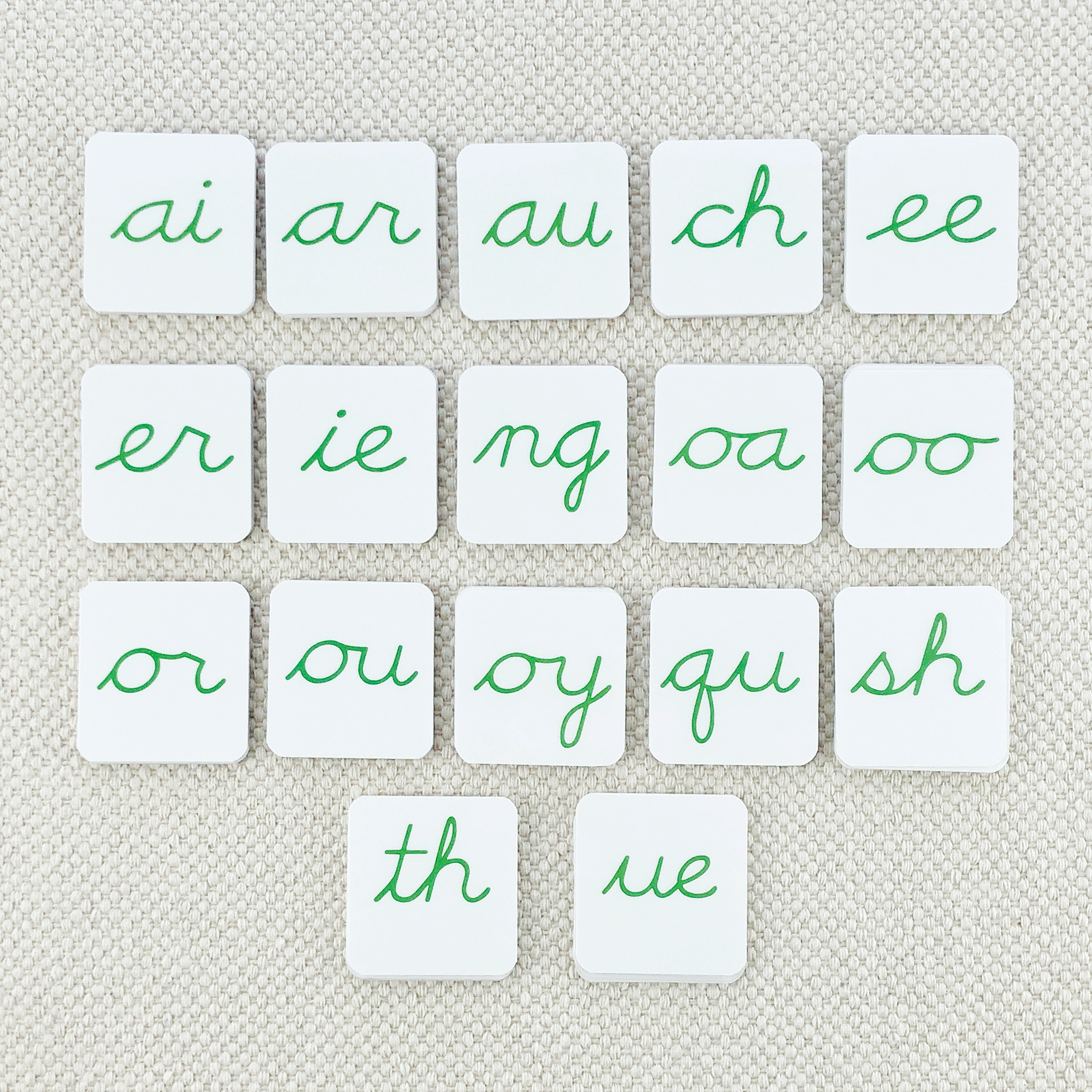
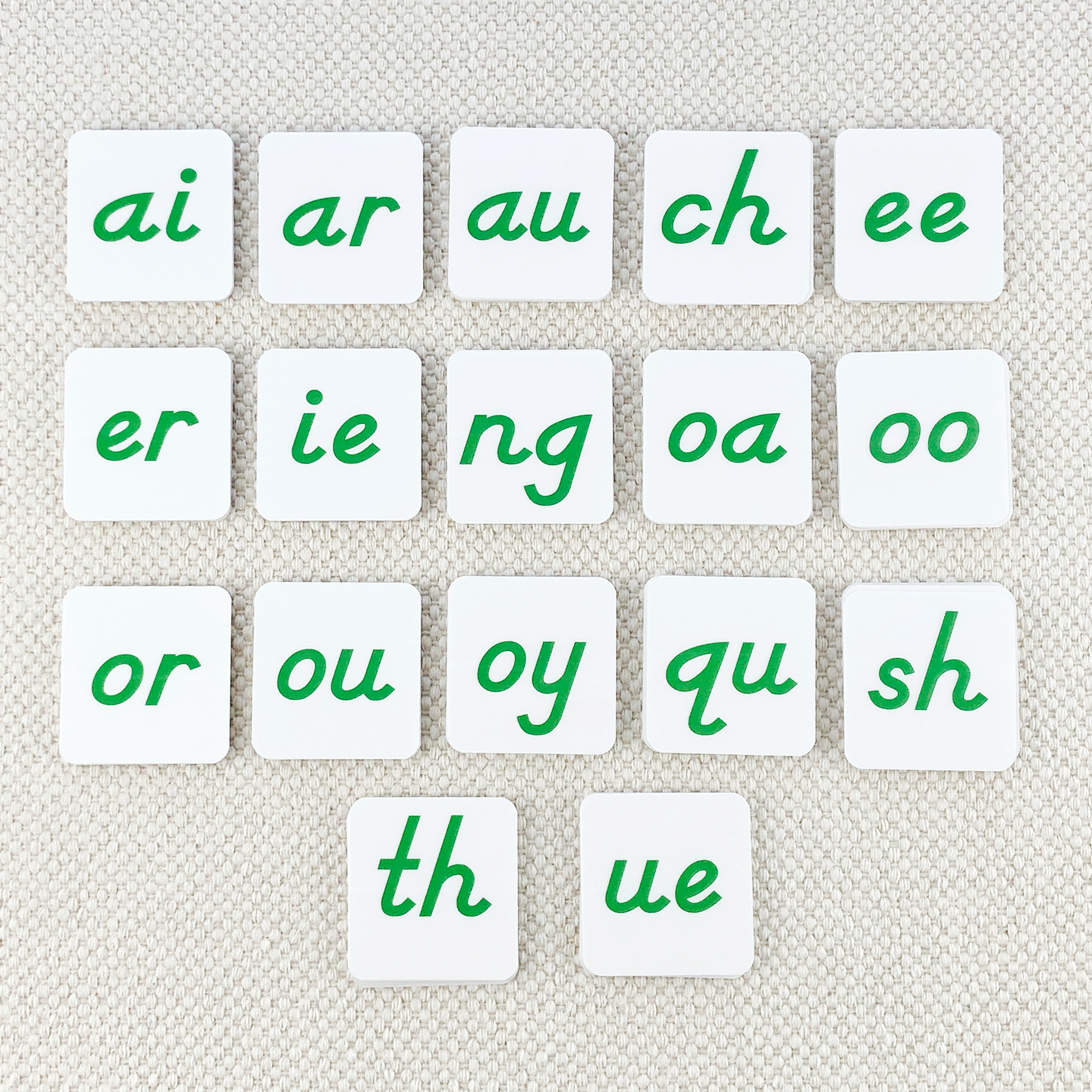
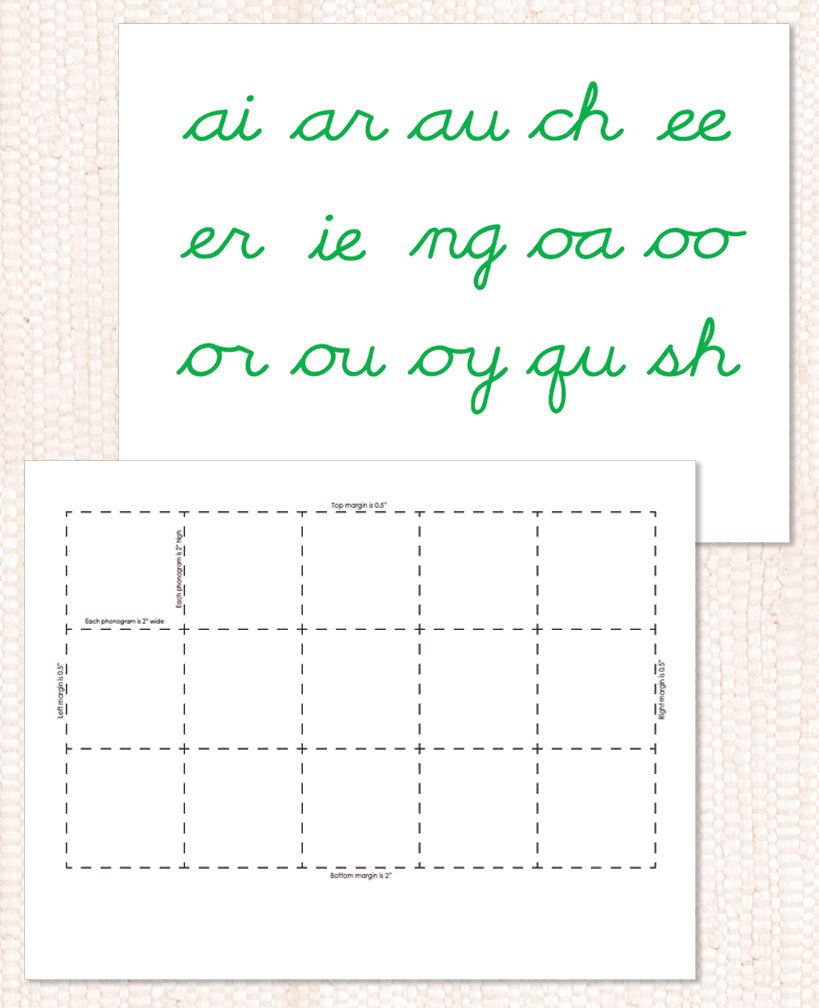
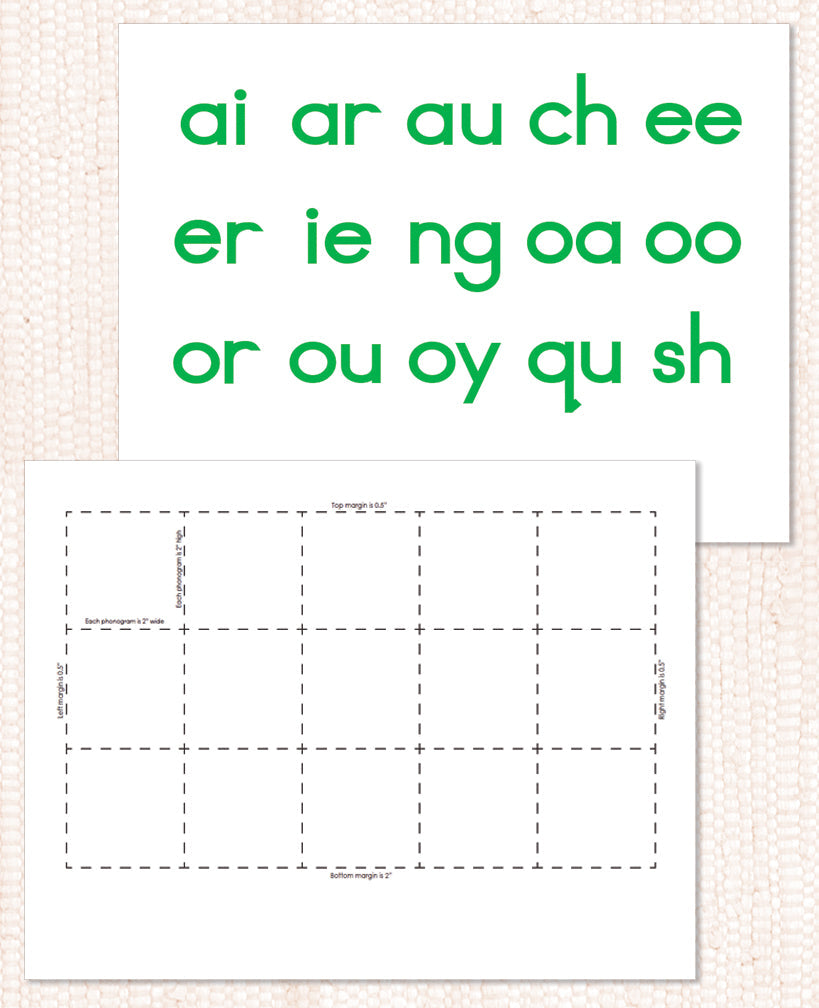
- Phonogram alphabet in print, cursive, or pre-cursive: 17 green phonograms (ai, ar, au, ch, ee, er, ie, ng, oa, oo, or, ou, oy, qu, sh, th, and ue) that match the green sandpaper letters. Use it alongside a single-letter alphabet to make the sounds a single letter can't.
-
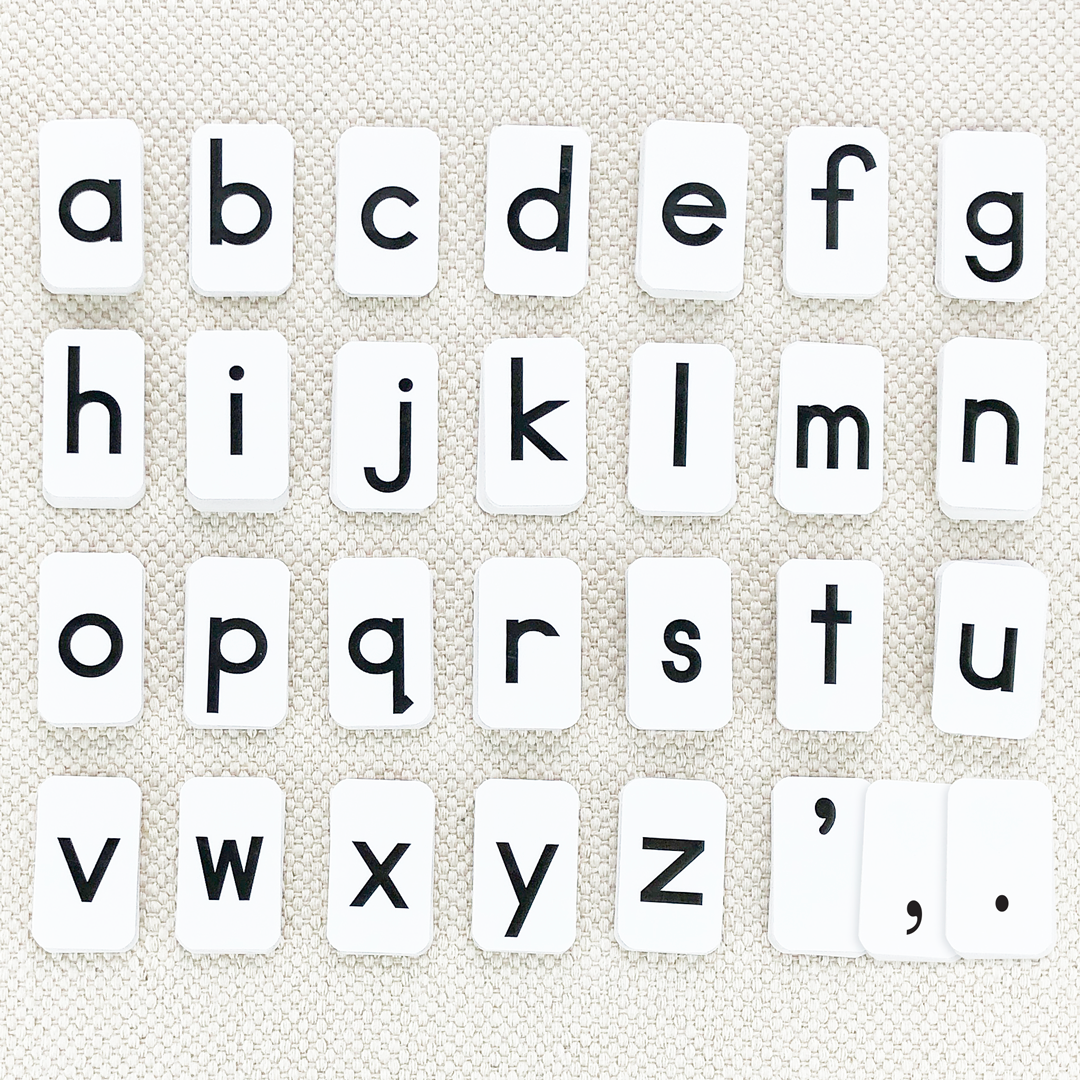
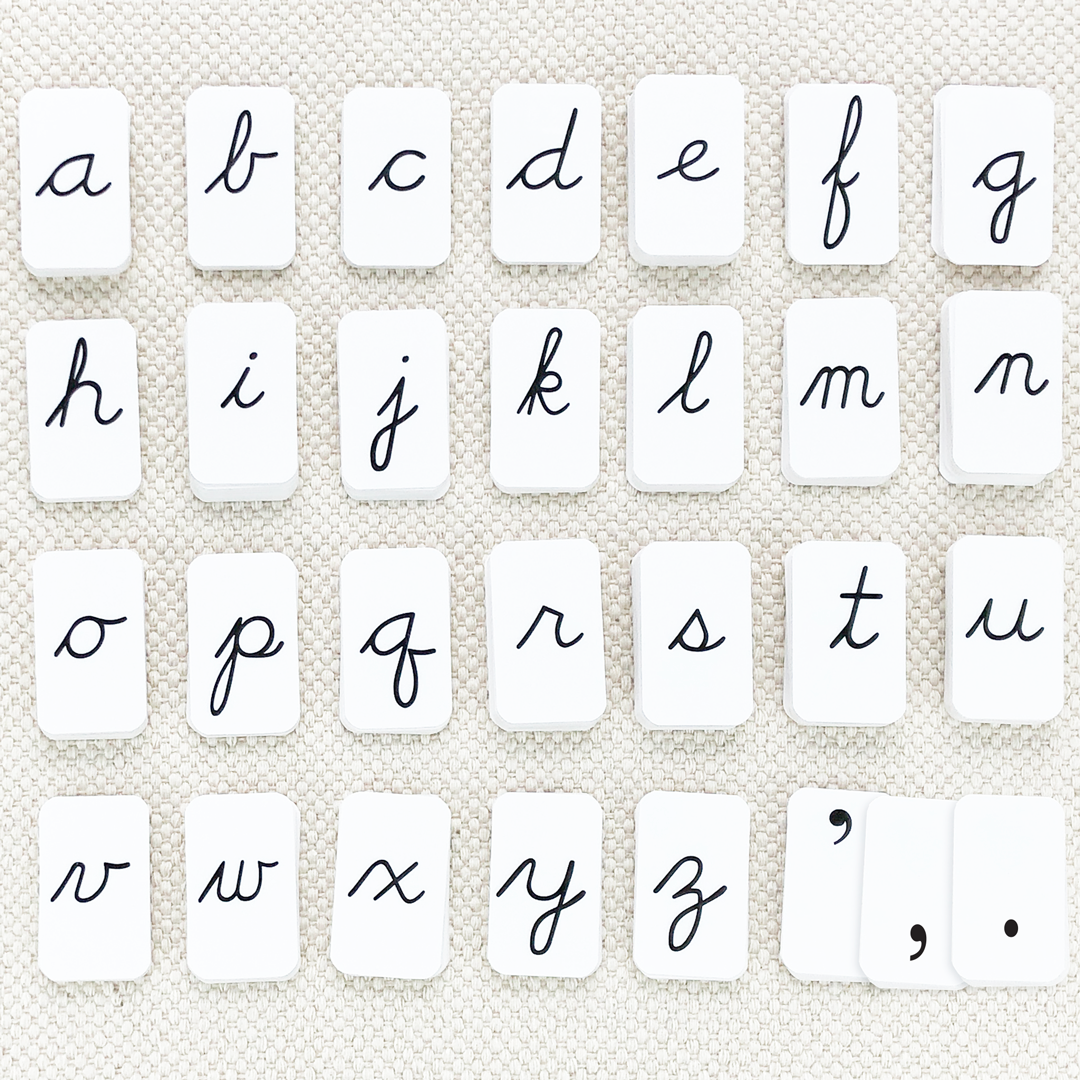
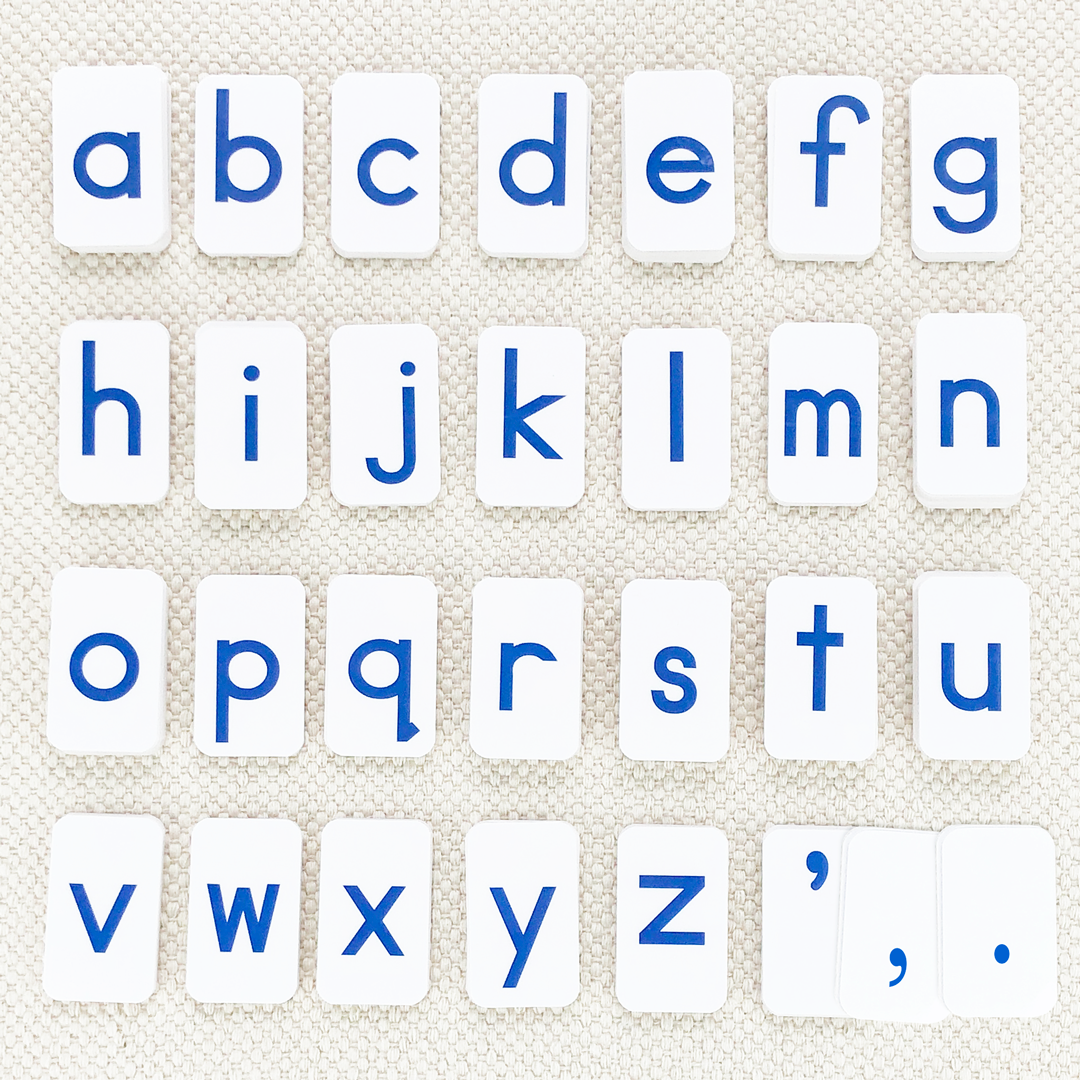
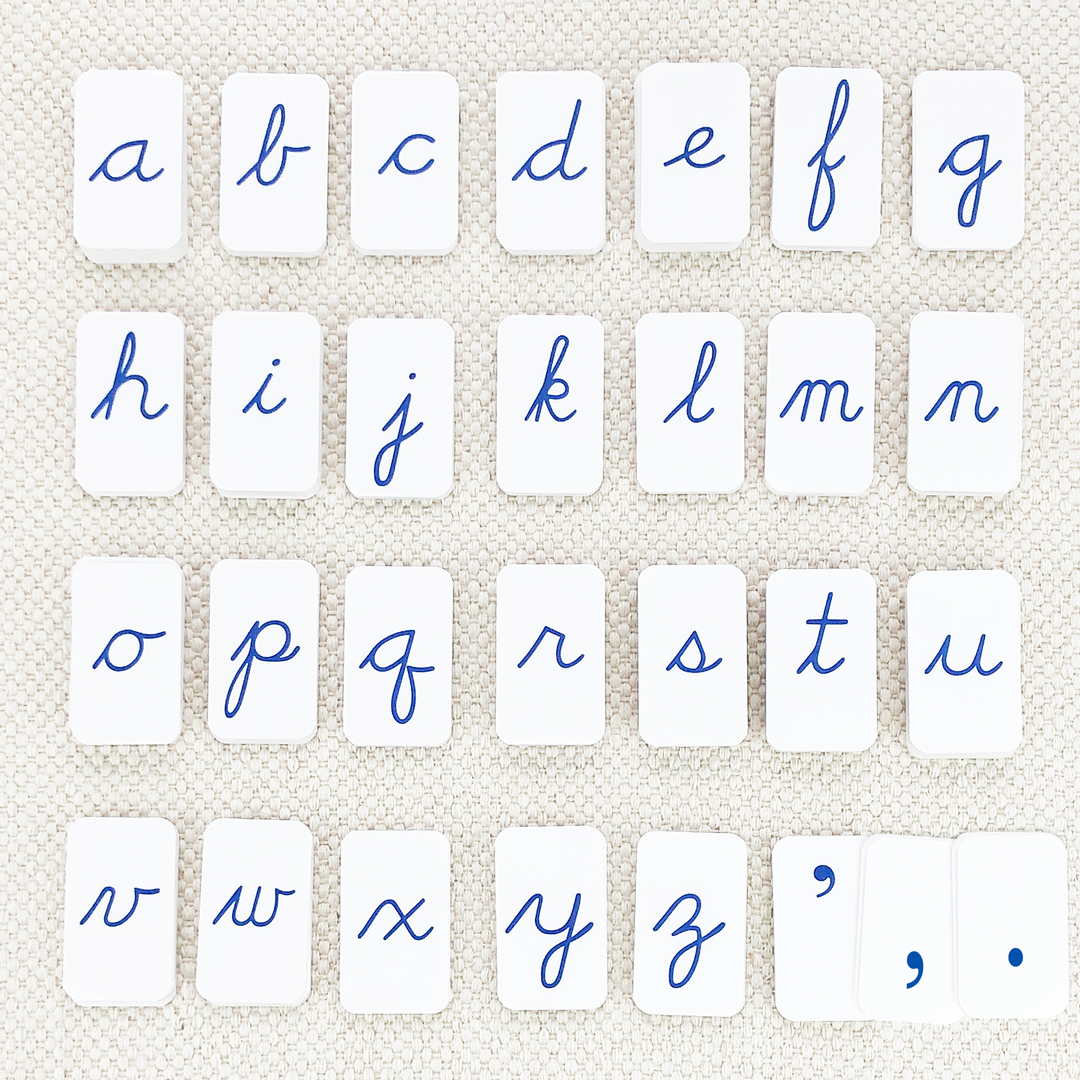
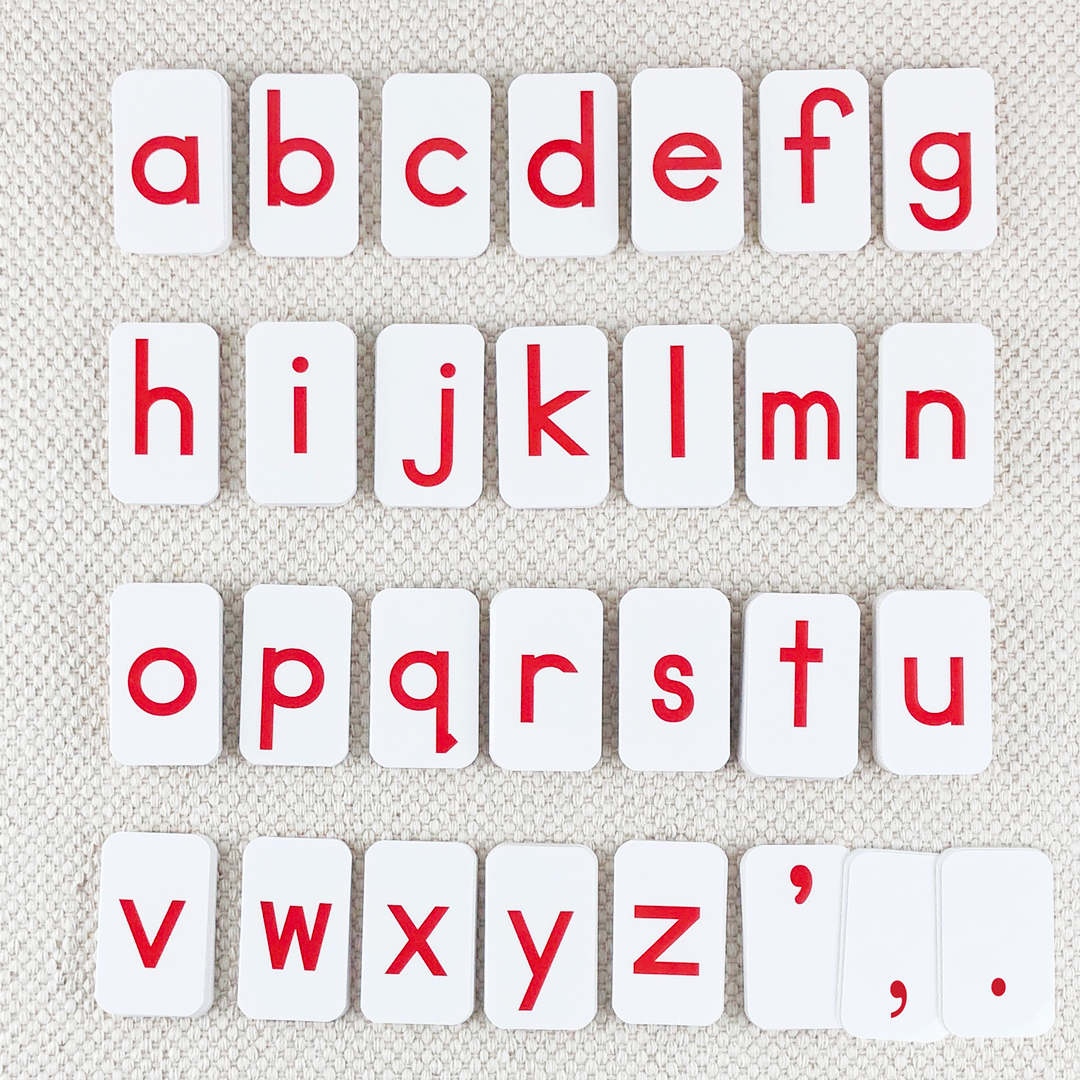
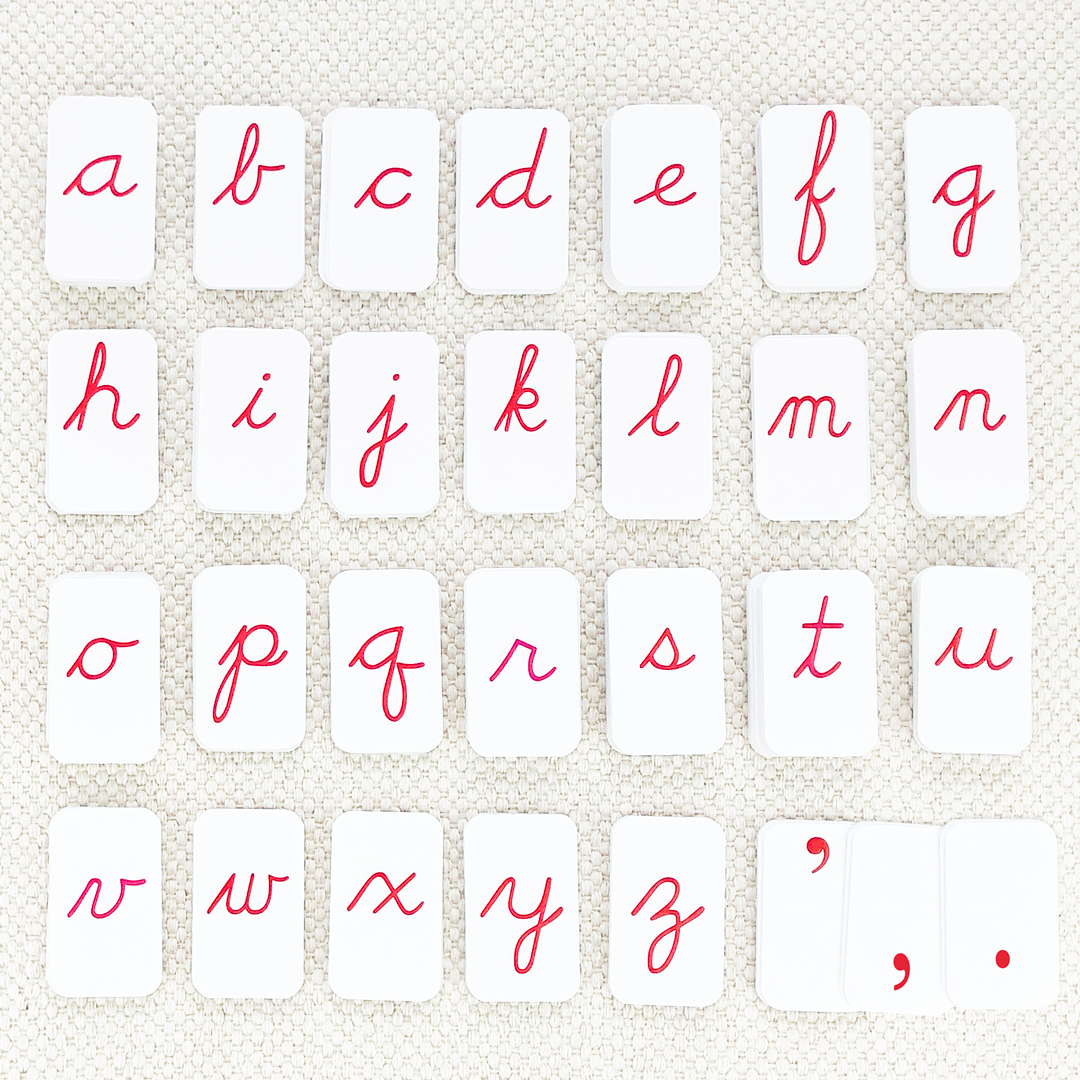
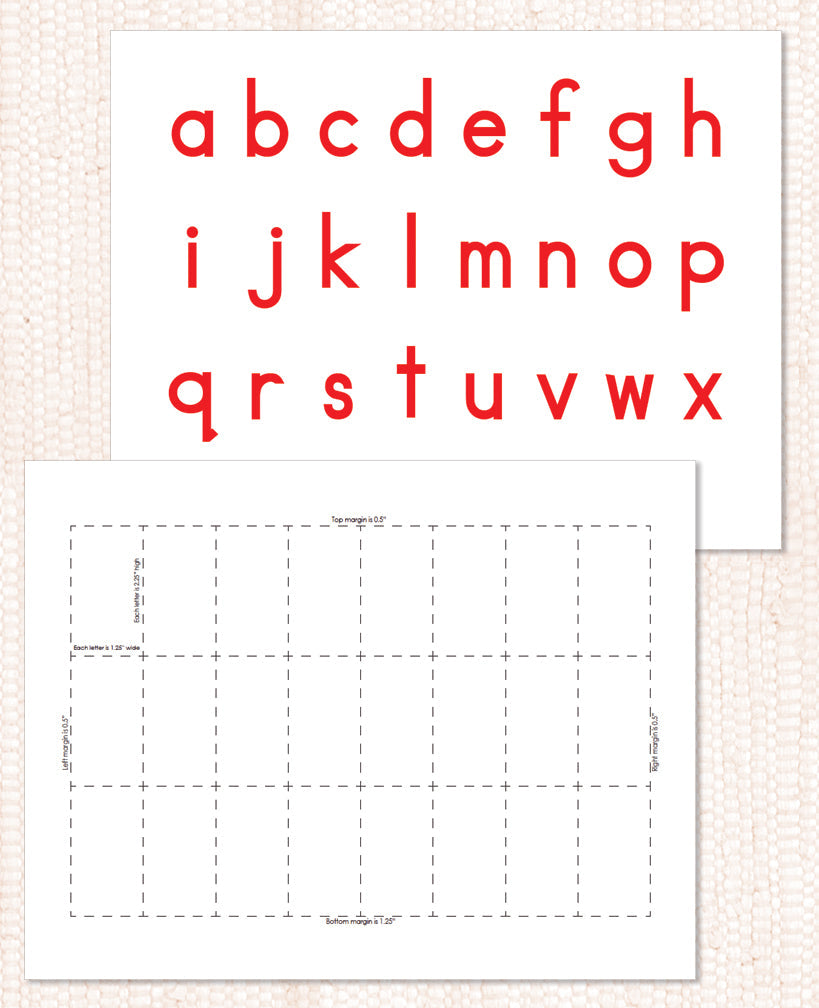
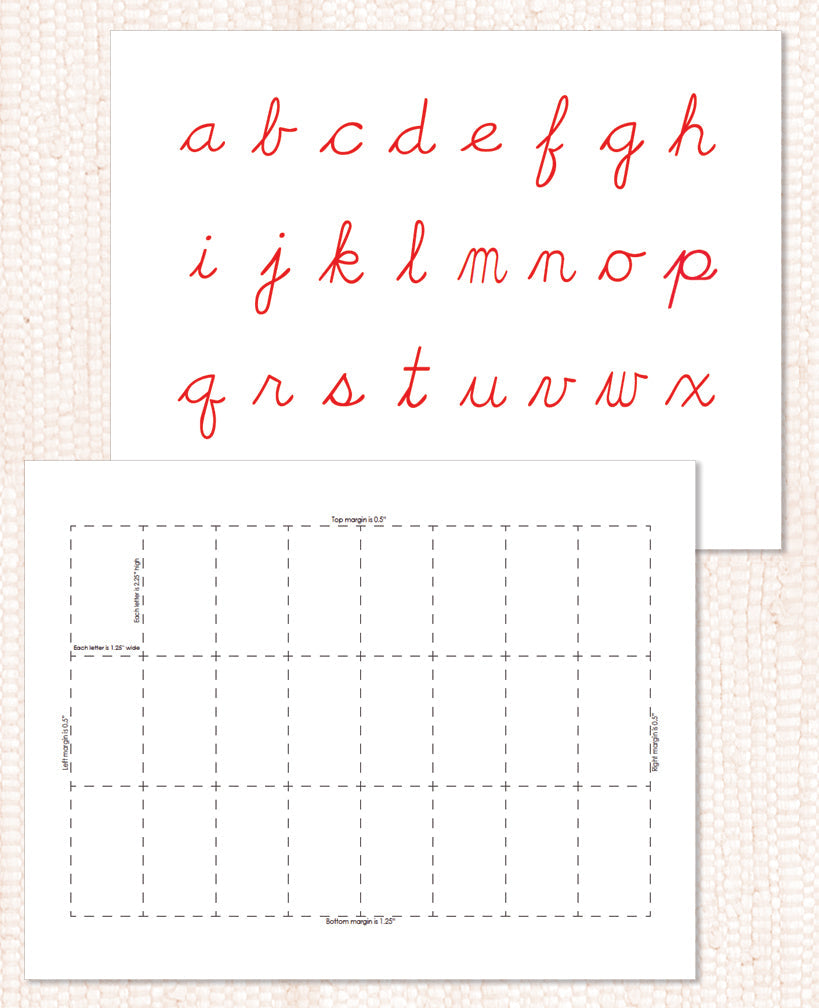
Solid-color alphabets in black (print, cursive), blue (print, cursive), and red (print, cursive): use them together to highlight phonograms, prefixes, suffixes, spelling variations during word study, and more. They include periods, commas, and apostrophes for contraction work.
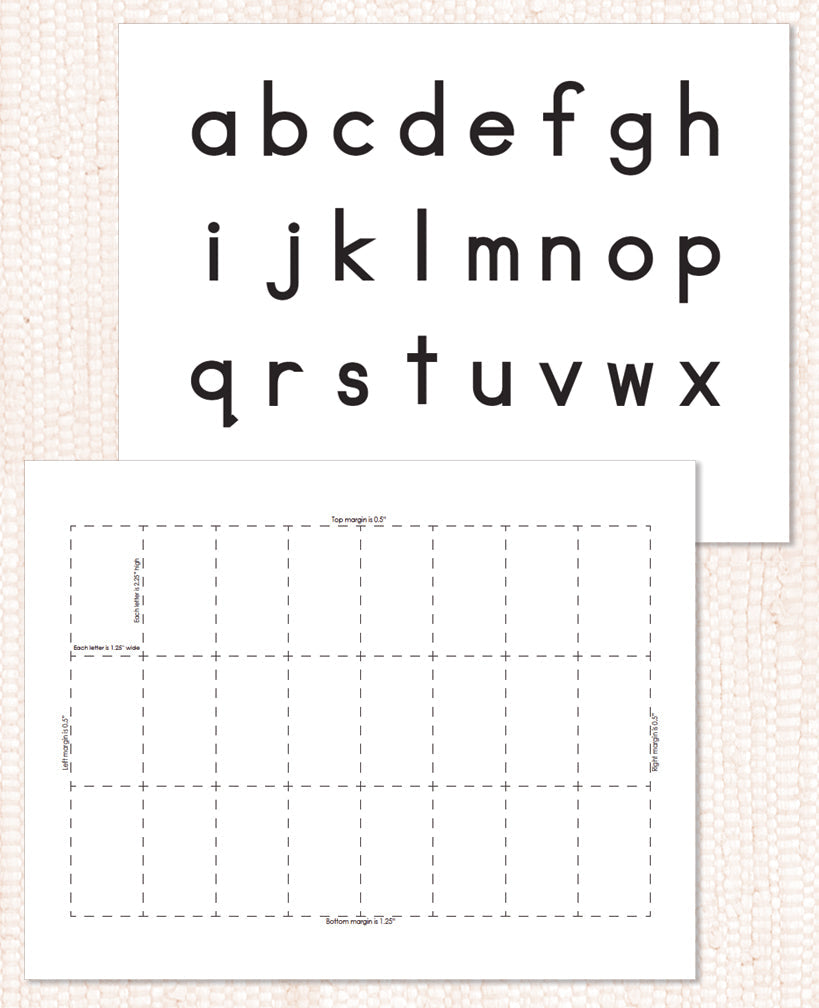
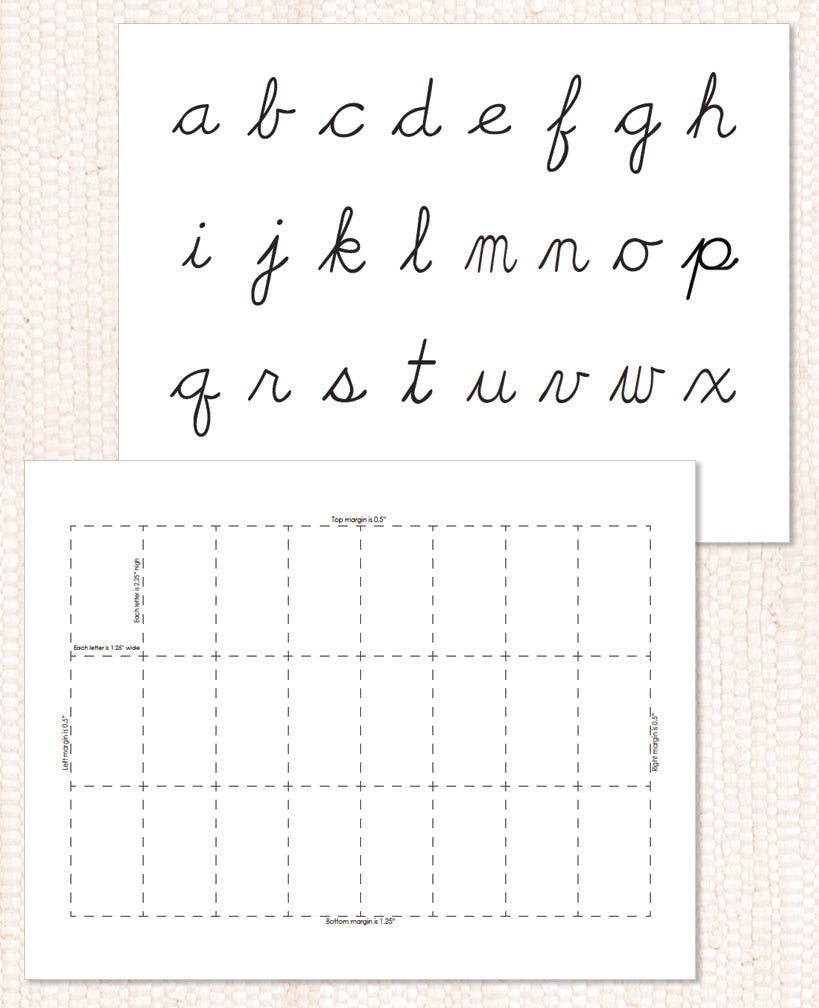
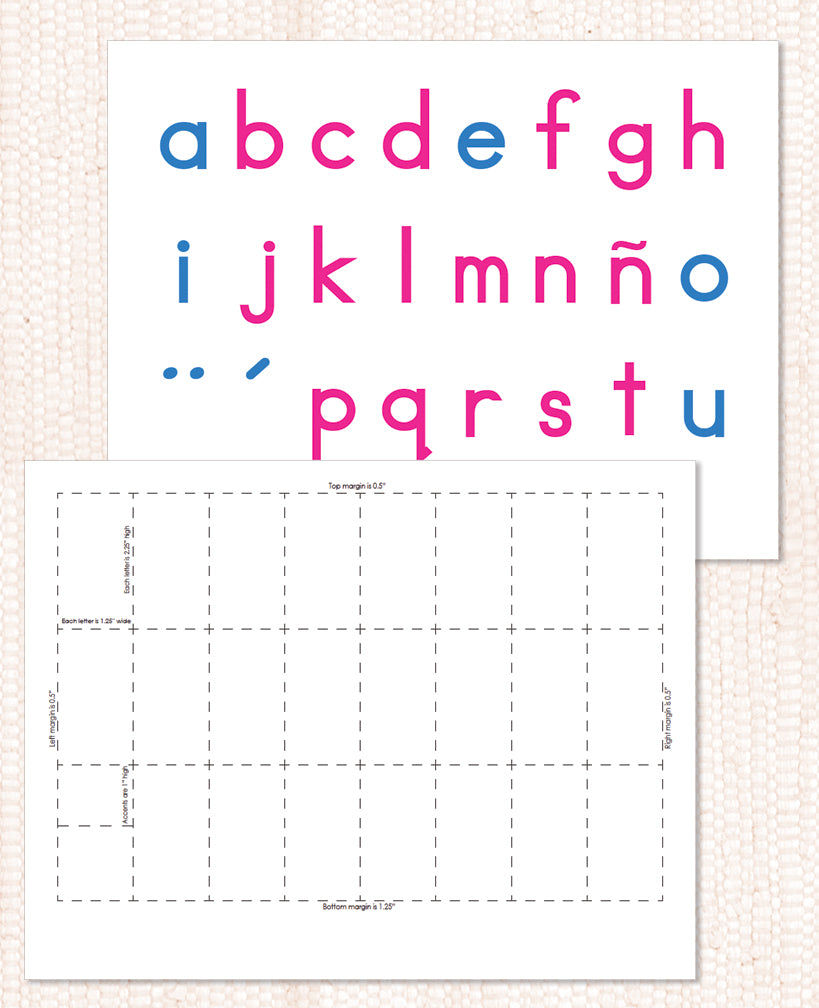
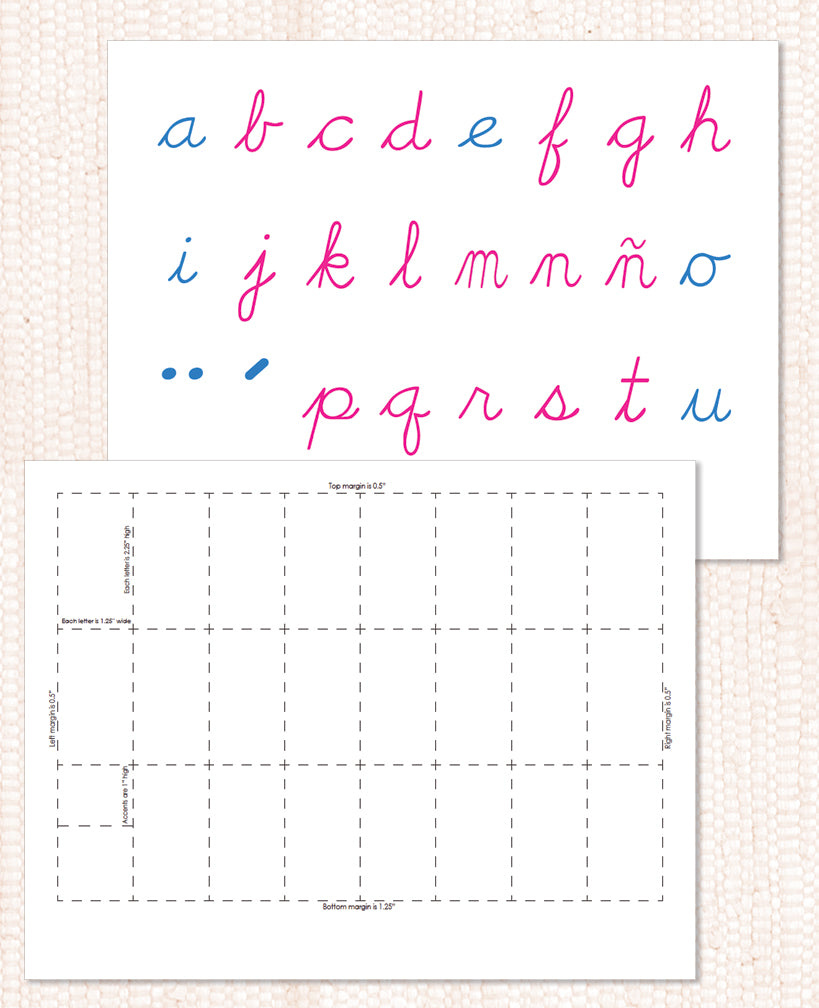
- Digital movable alphabets are secure PDC files for printing and cutting your own alphabet: Pink/Blue, Phonogram, Black, Red, and Spanish.
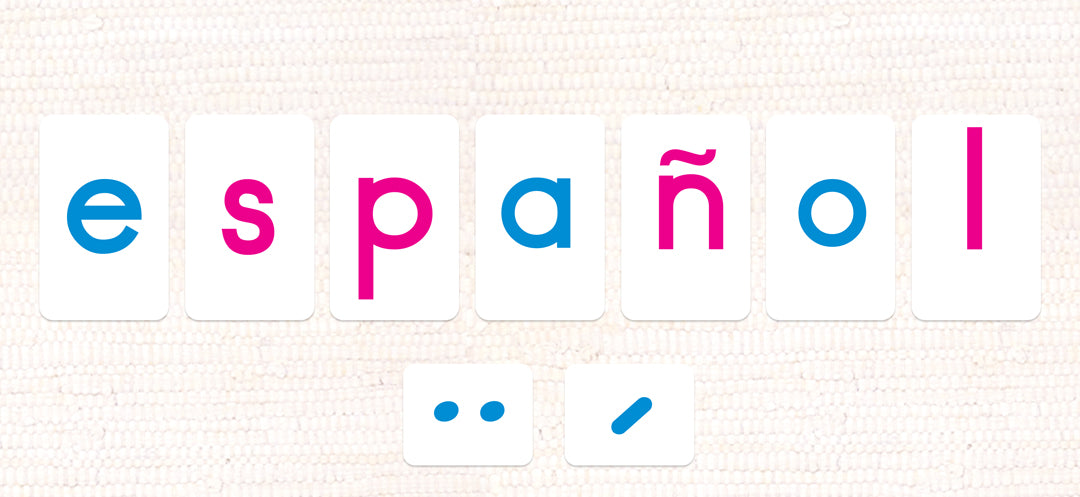
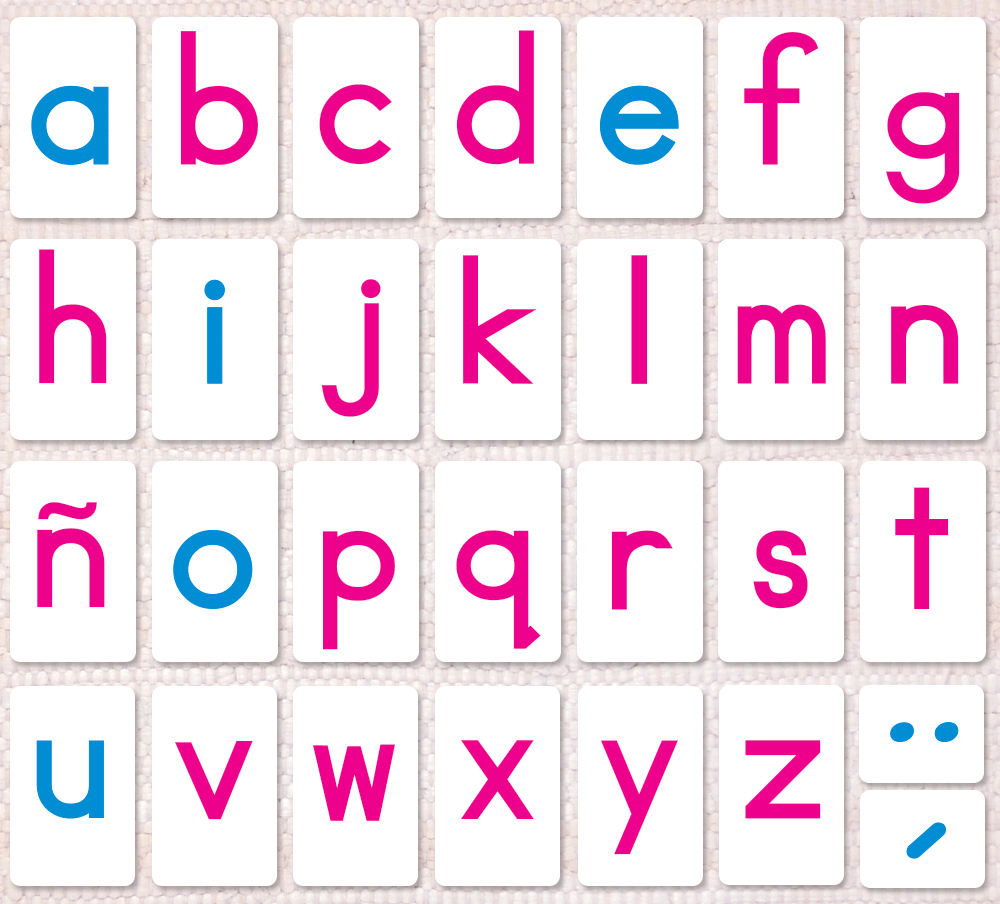
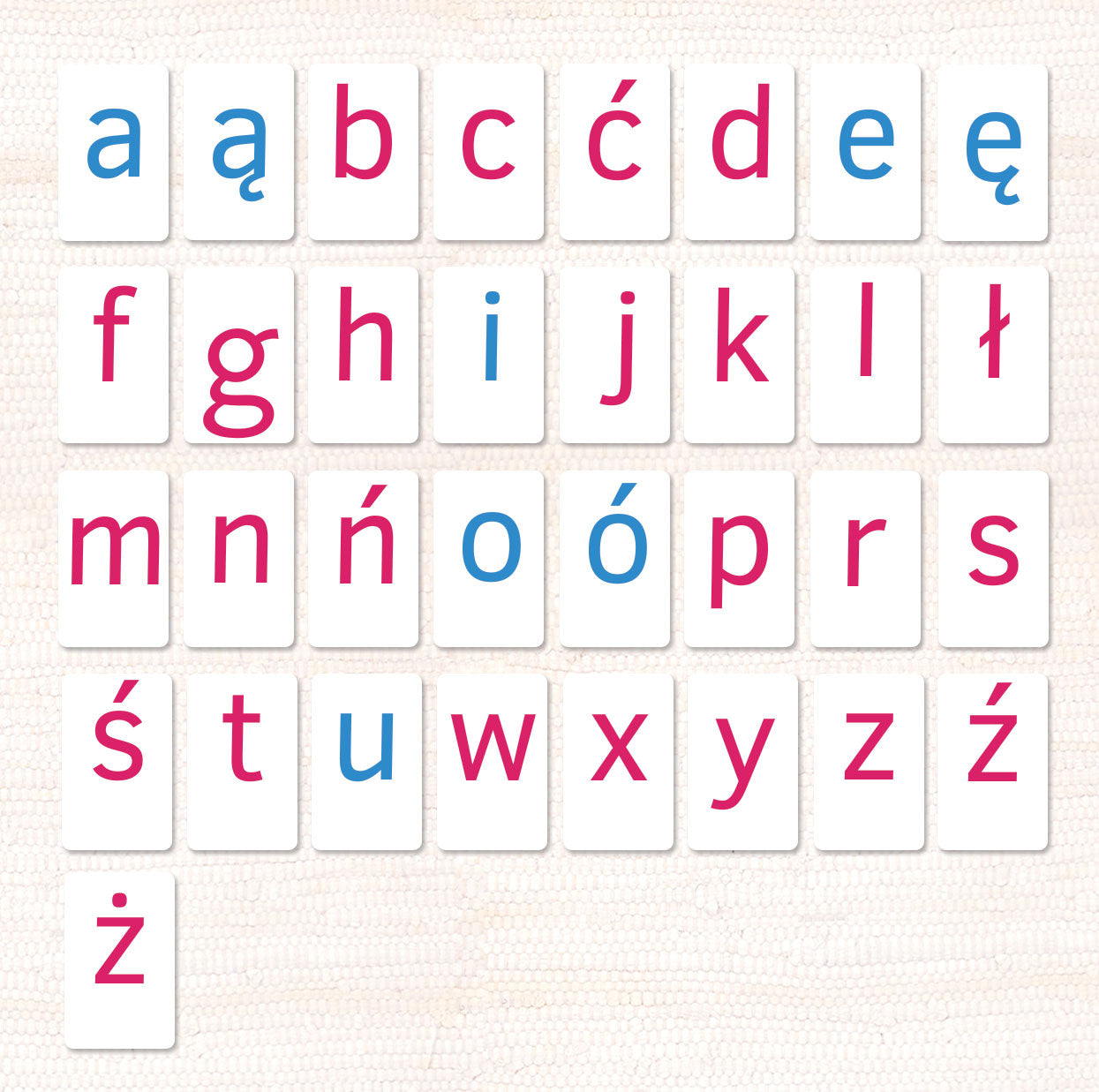
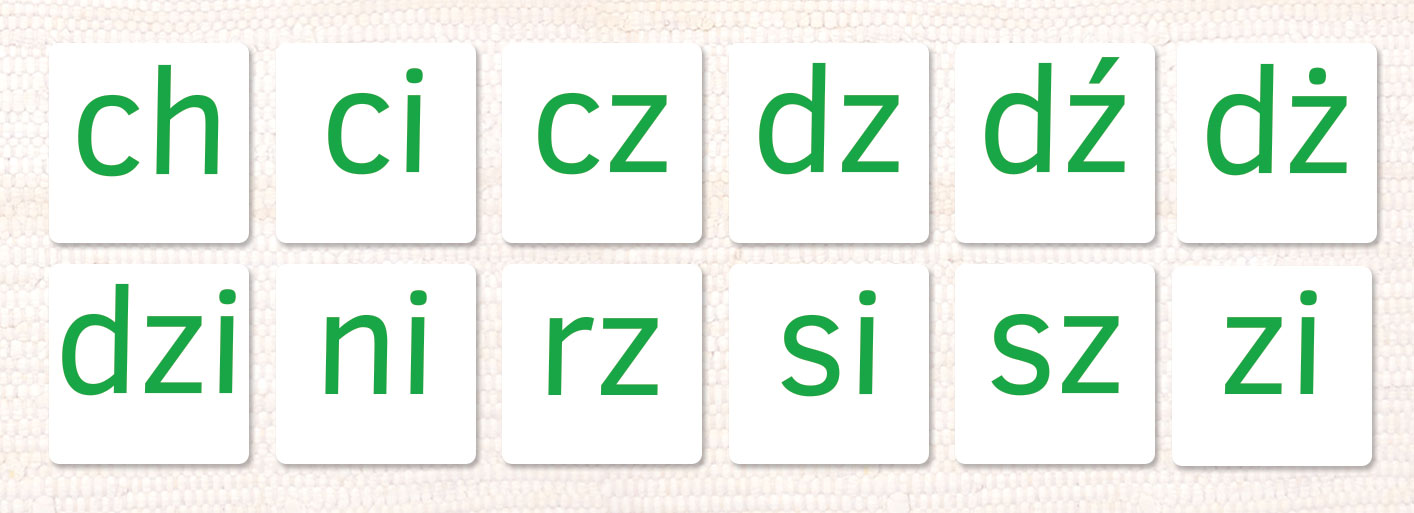
- Spanish and Polish alphabets: the Spanish Movable Alphabet includes the ñ and accent marks, and the Polish Movable Alphabet and Polish Phonogram Alphabet include the letters and sounds specific to Polish.
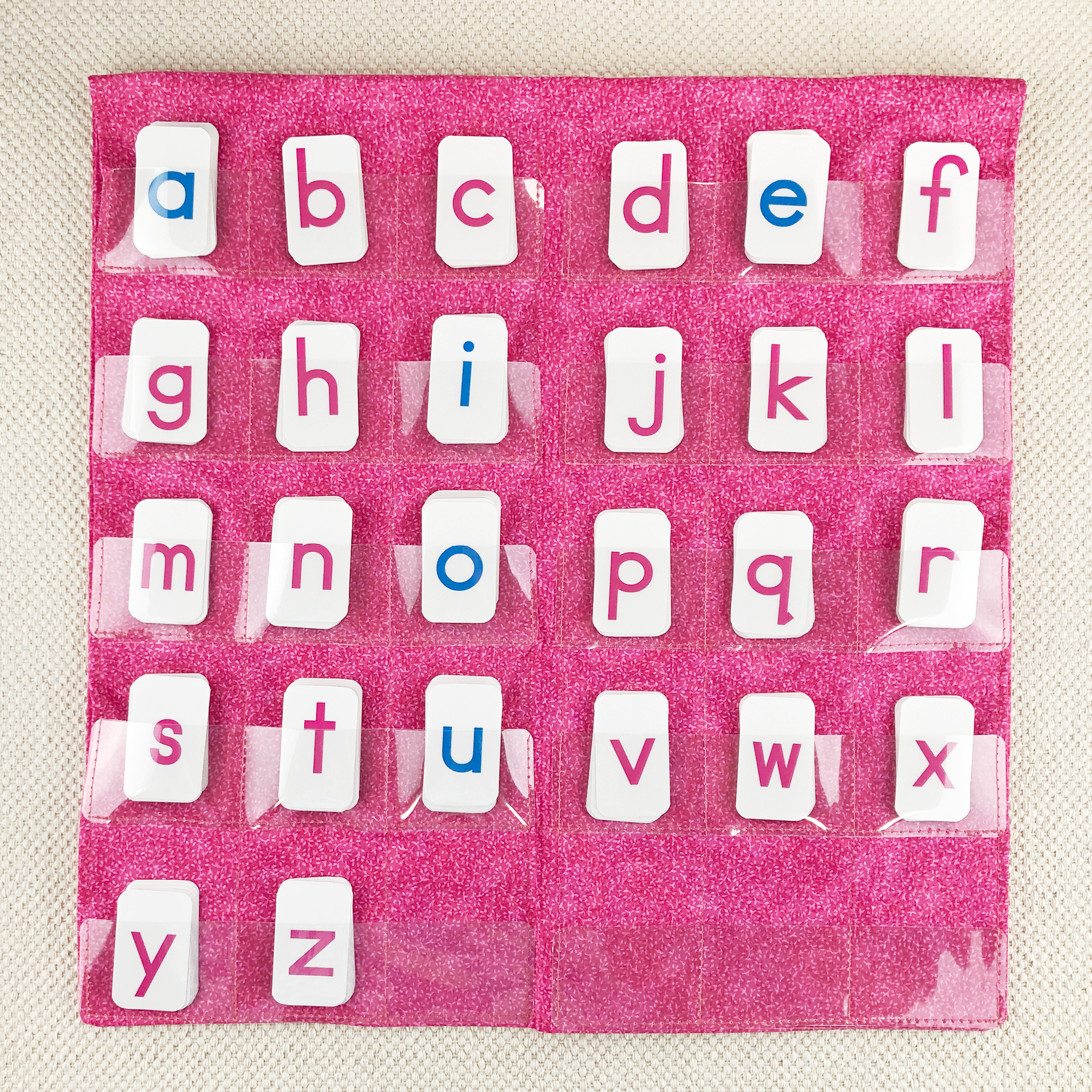
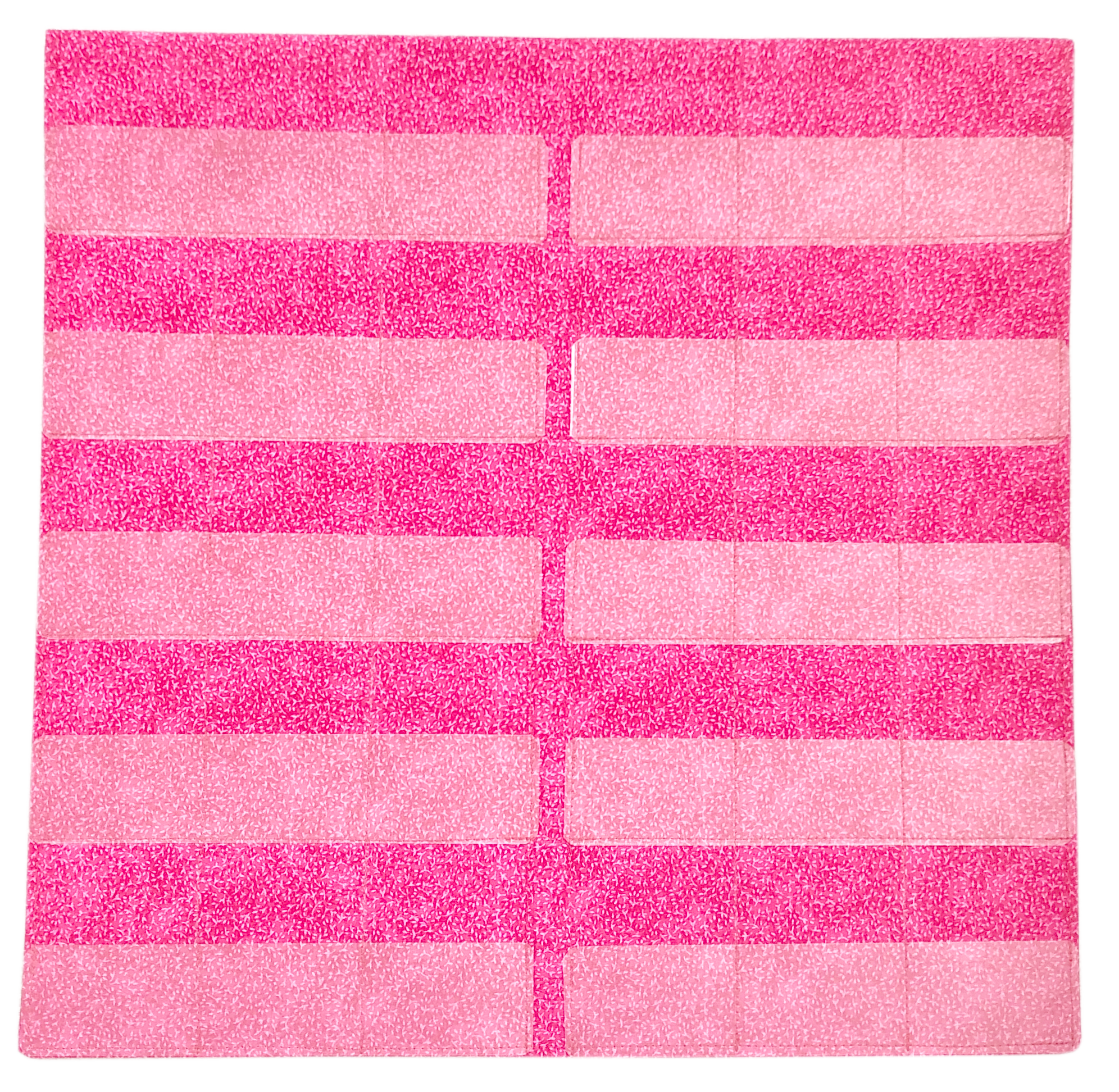
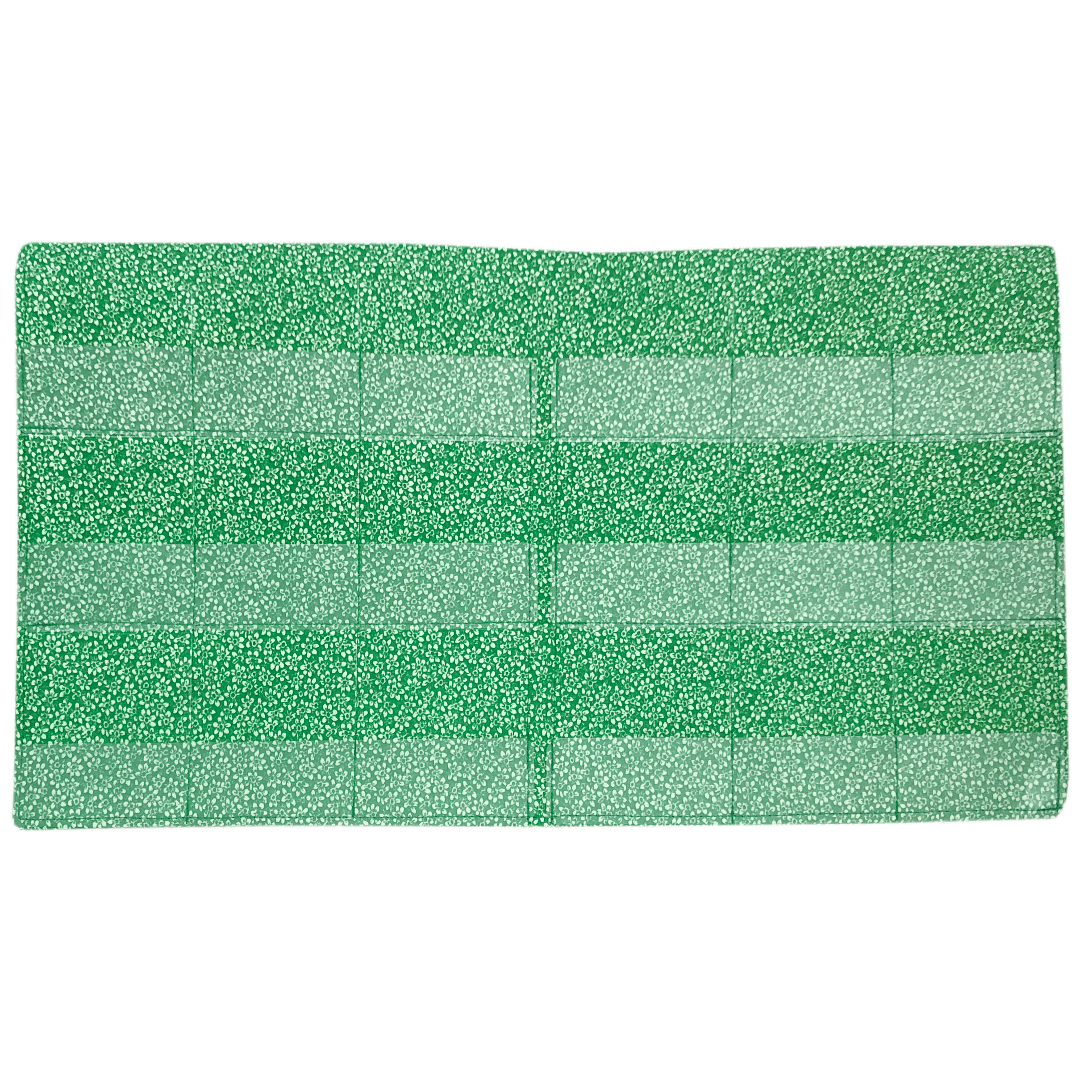
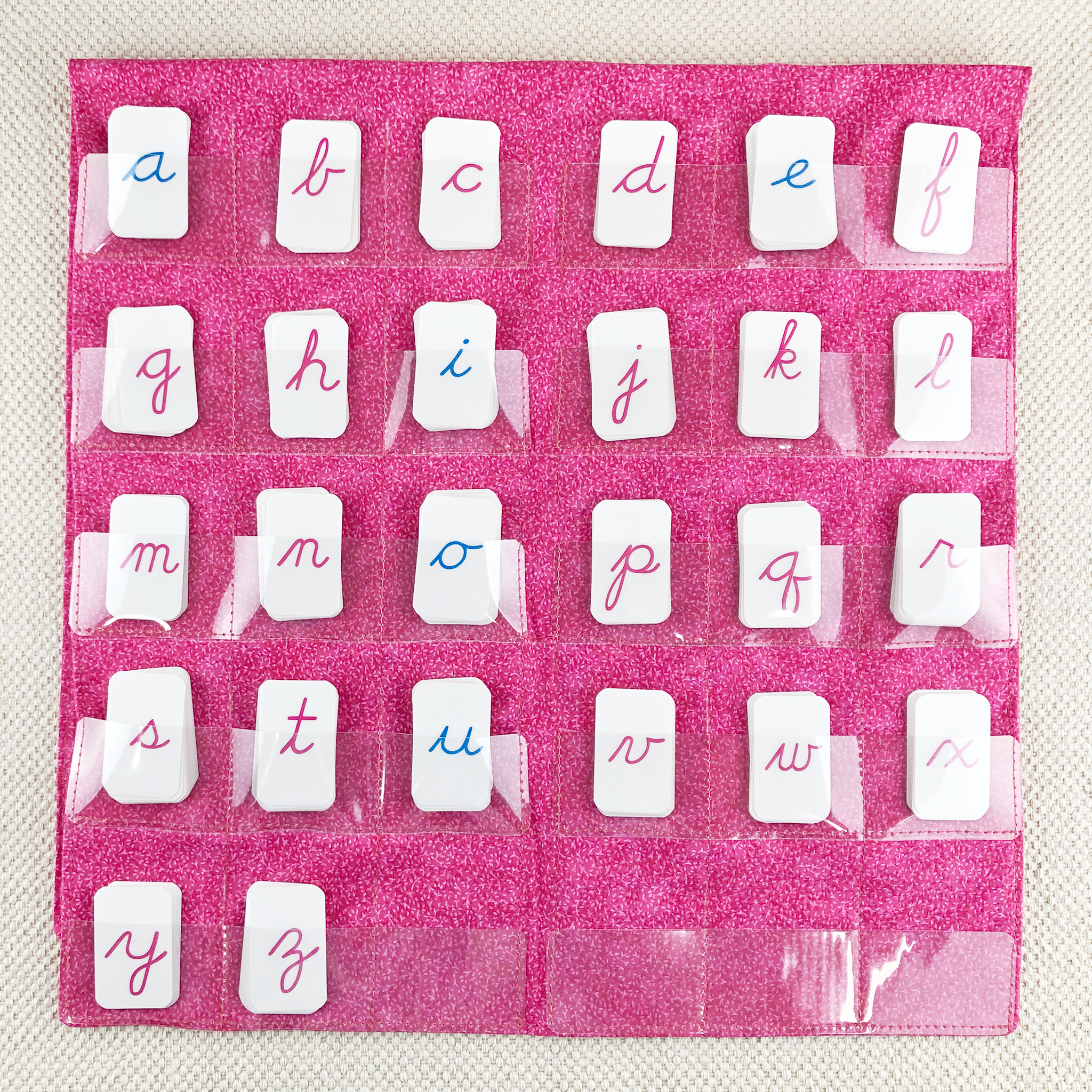
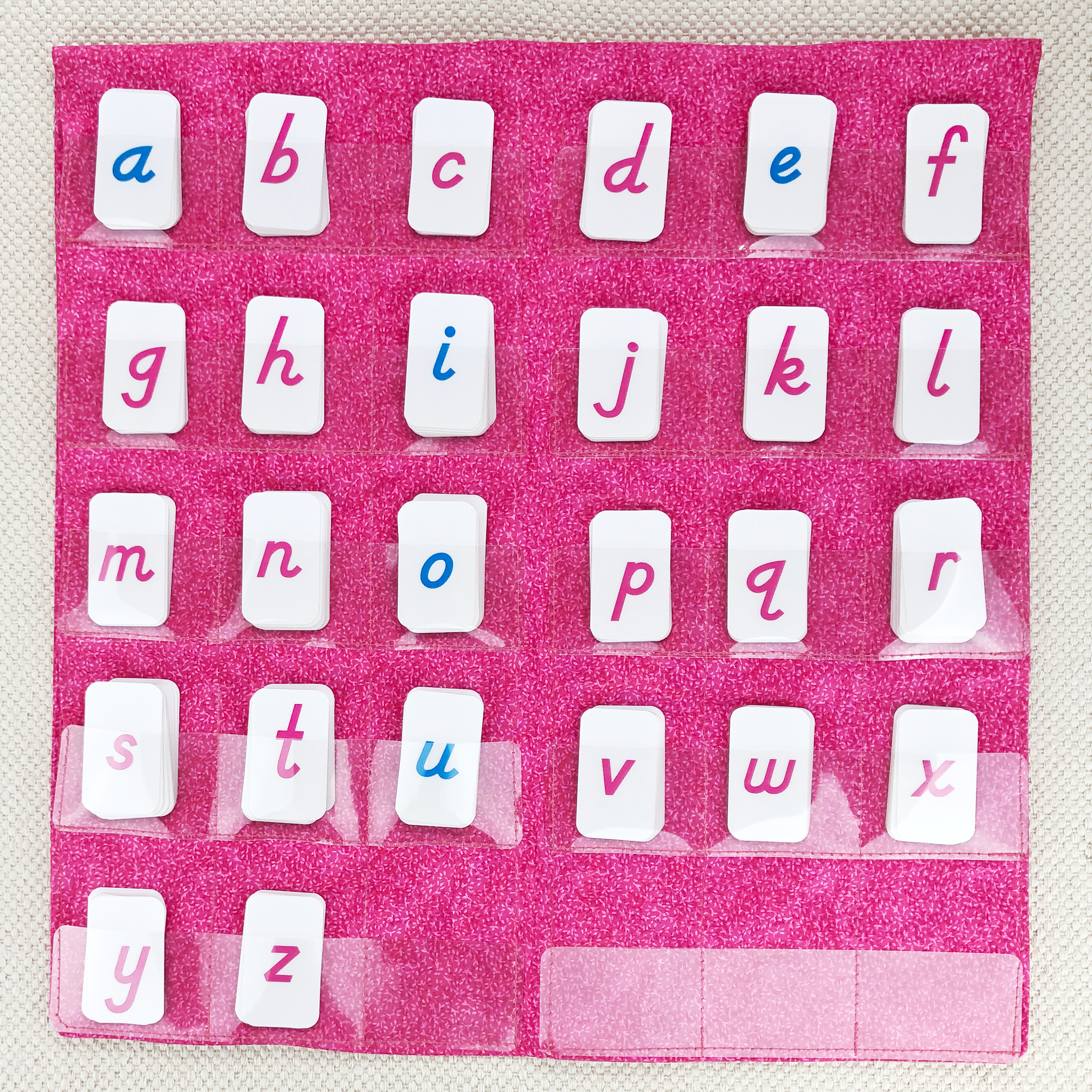
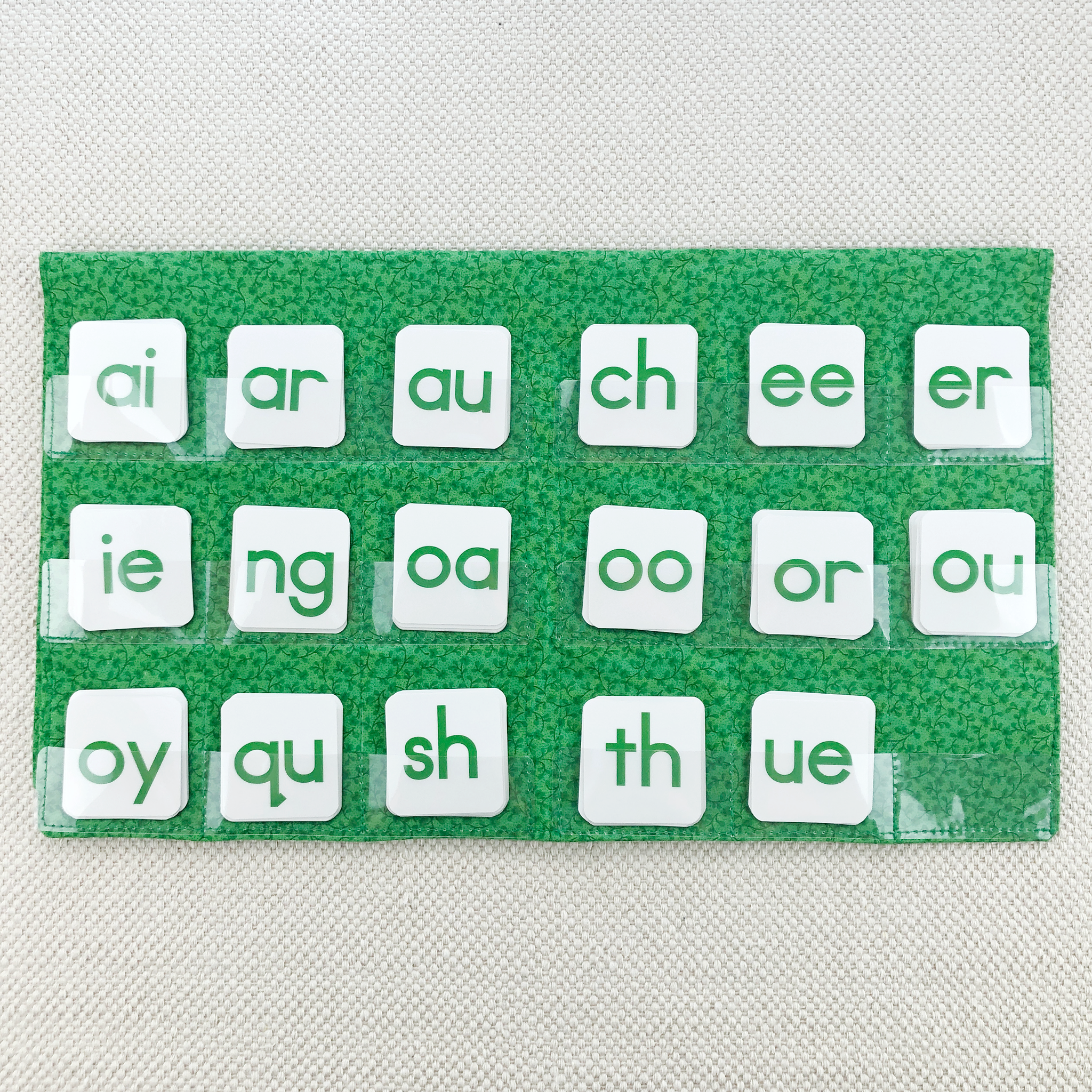
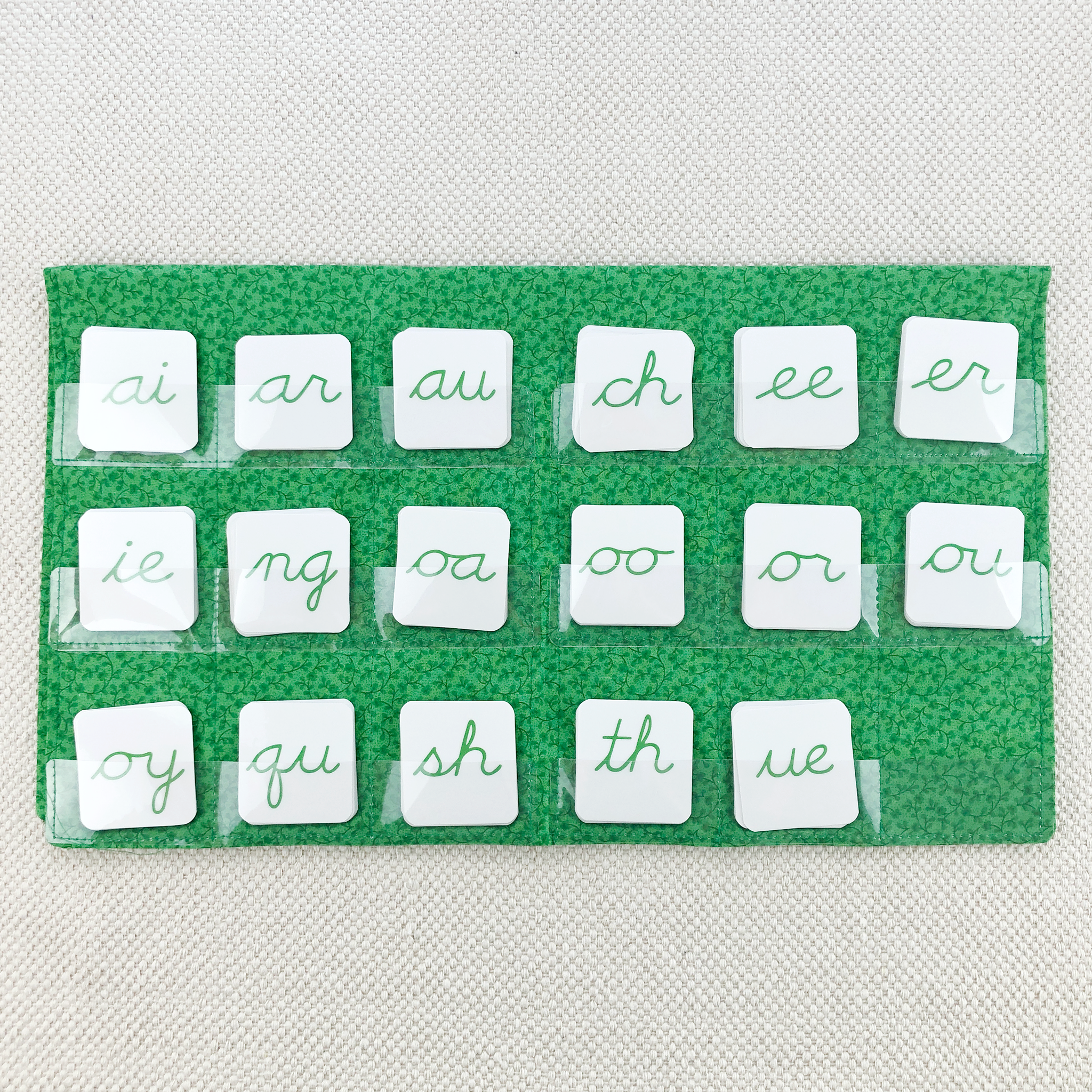
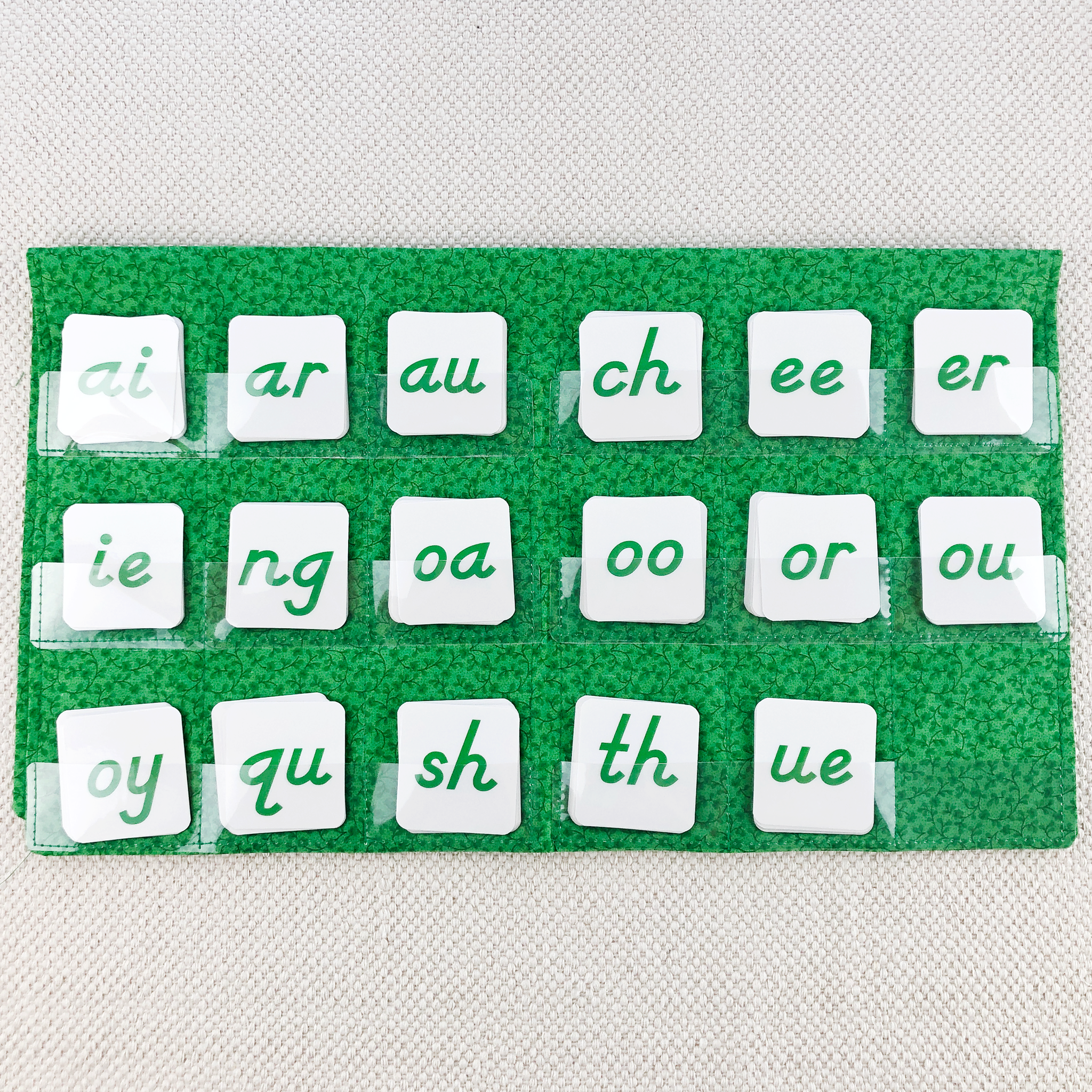
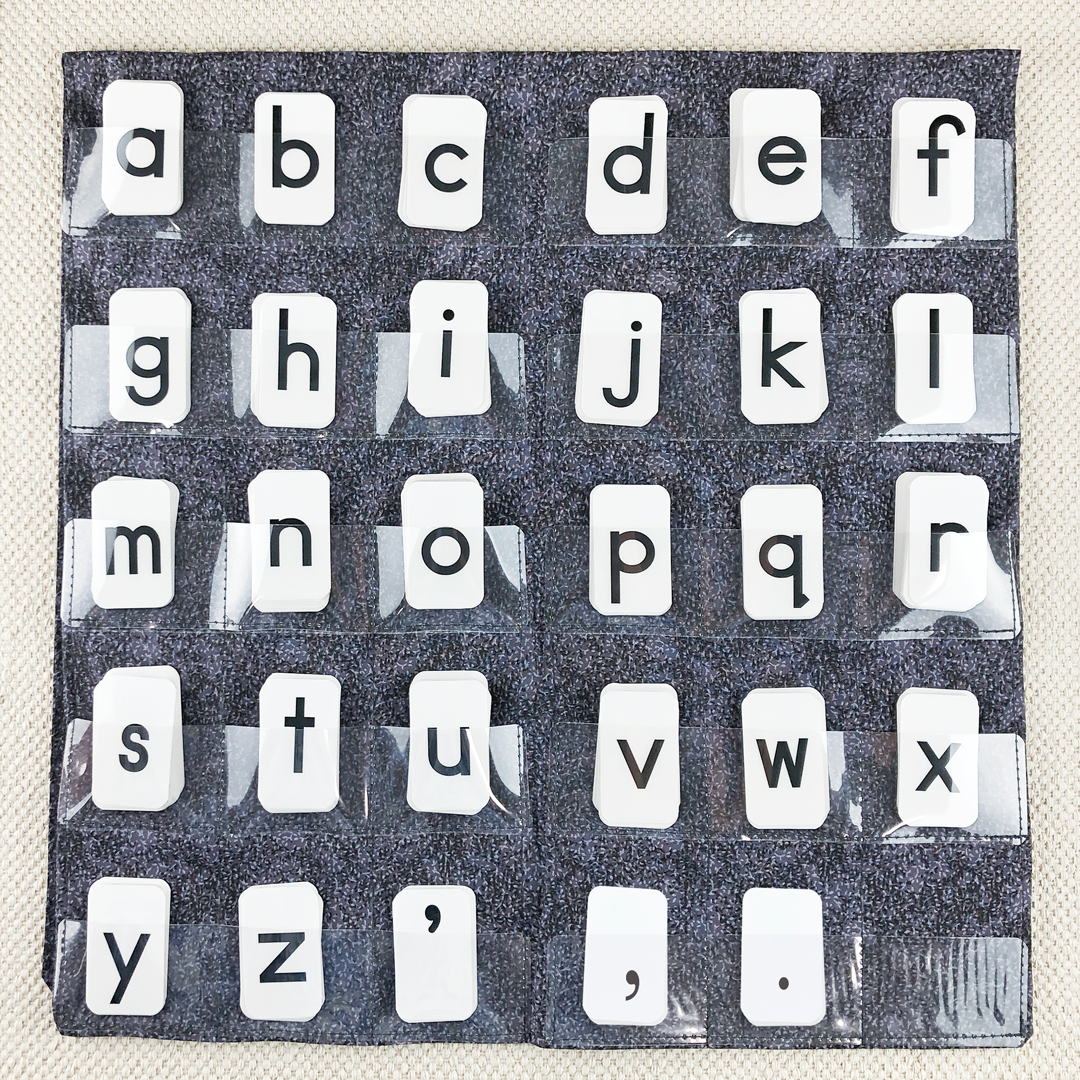
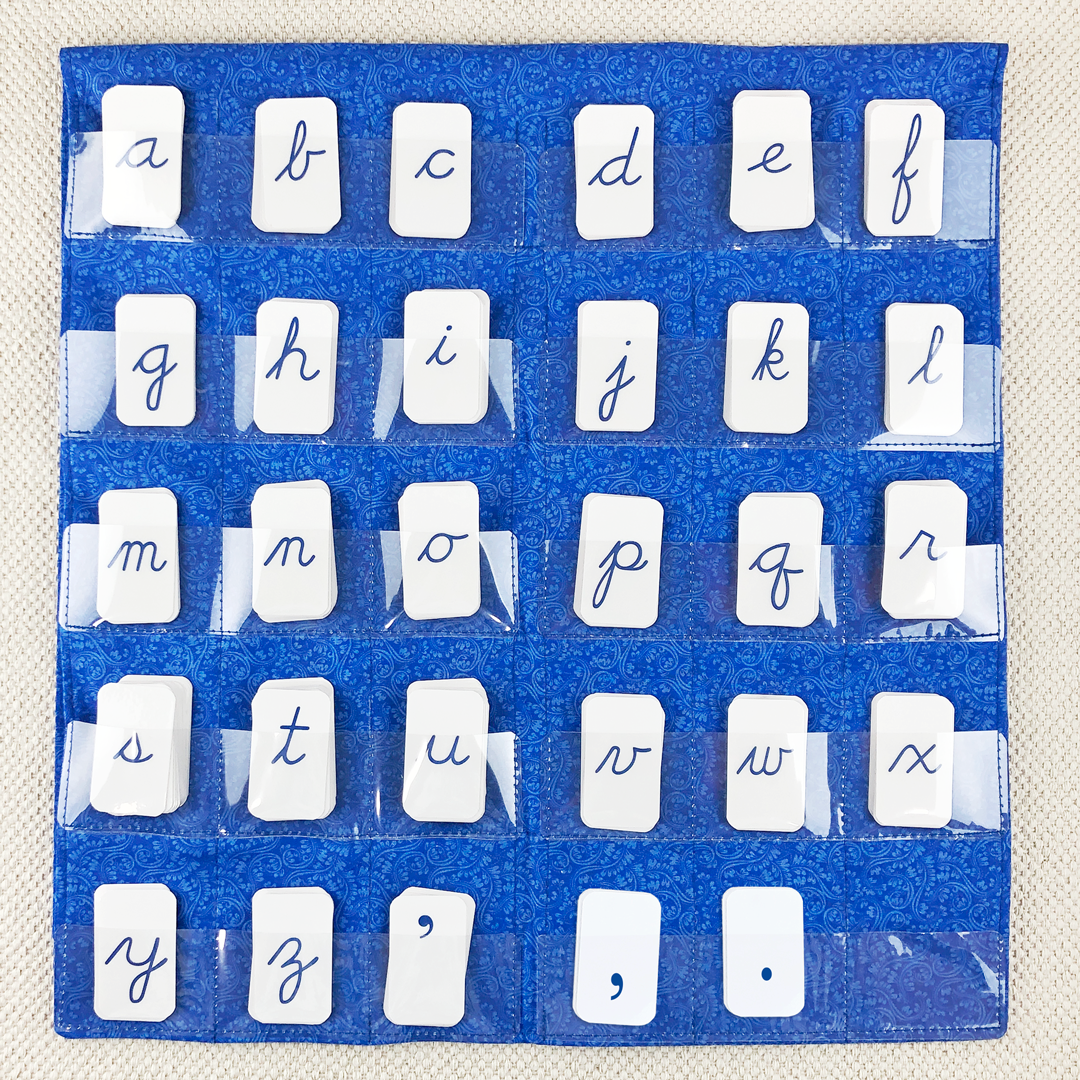
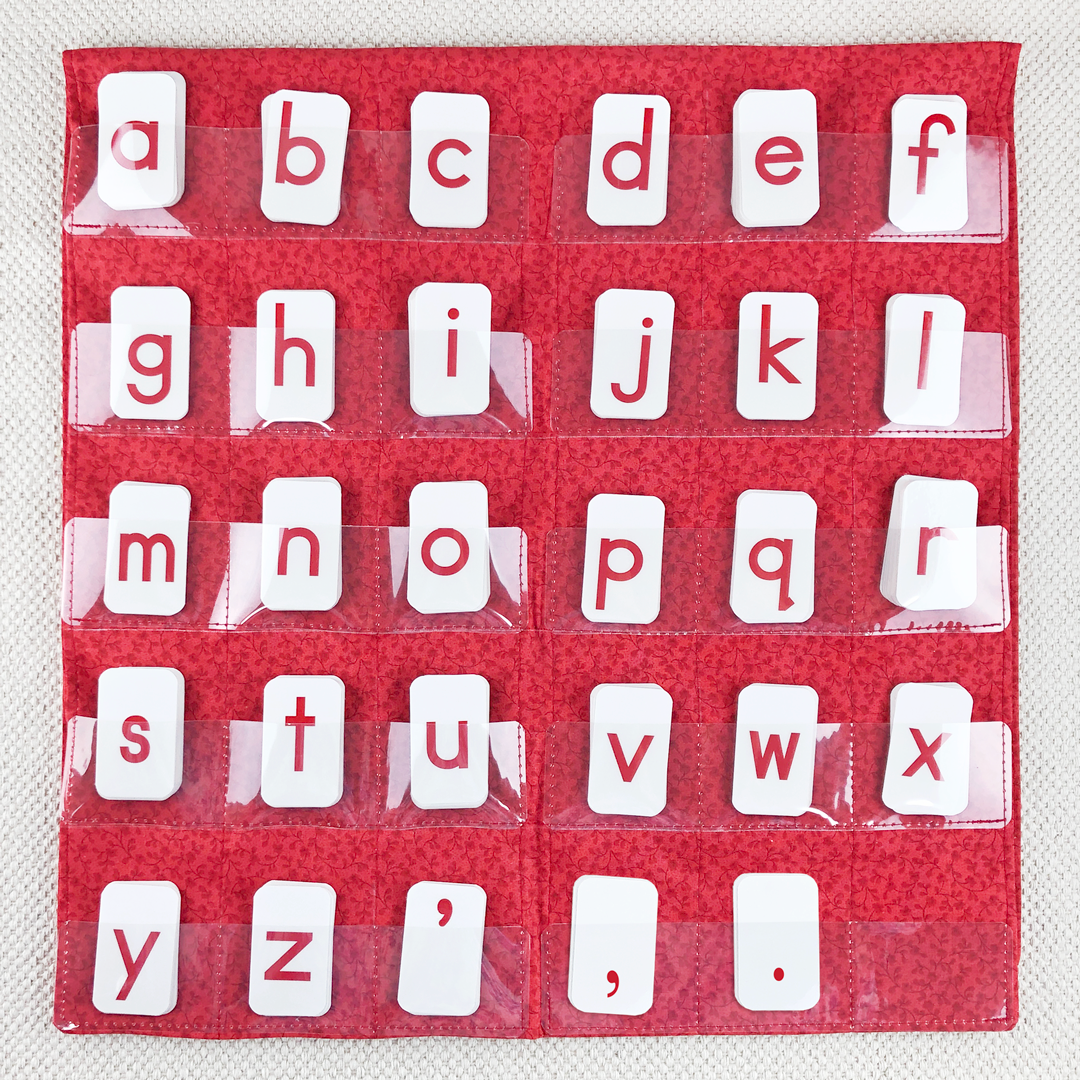
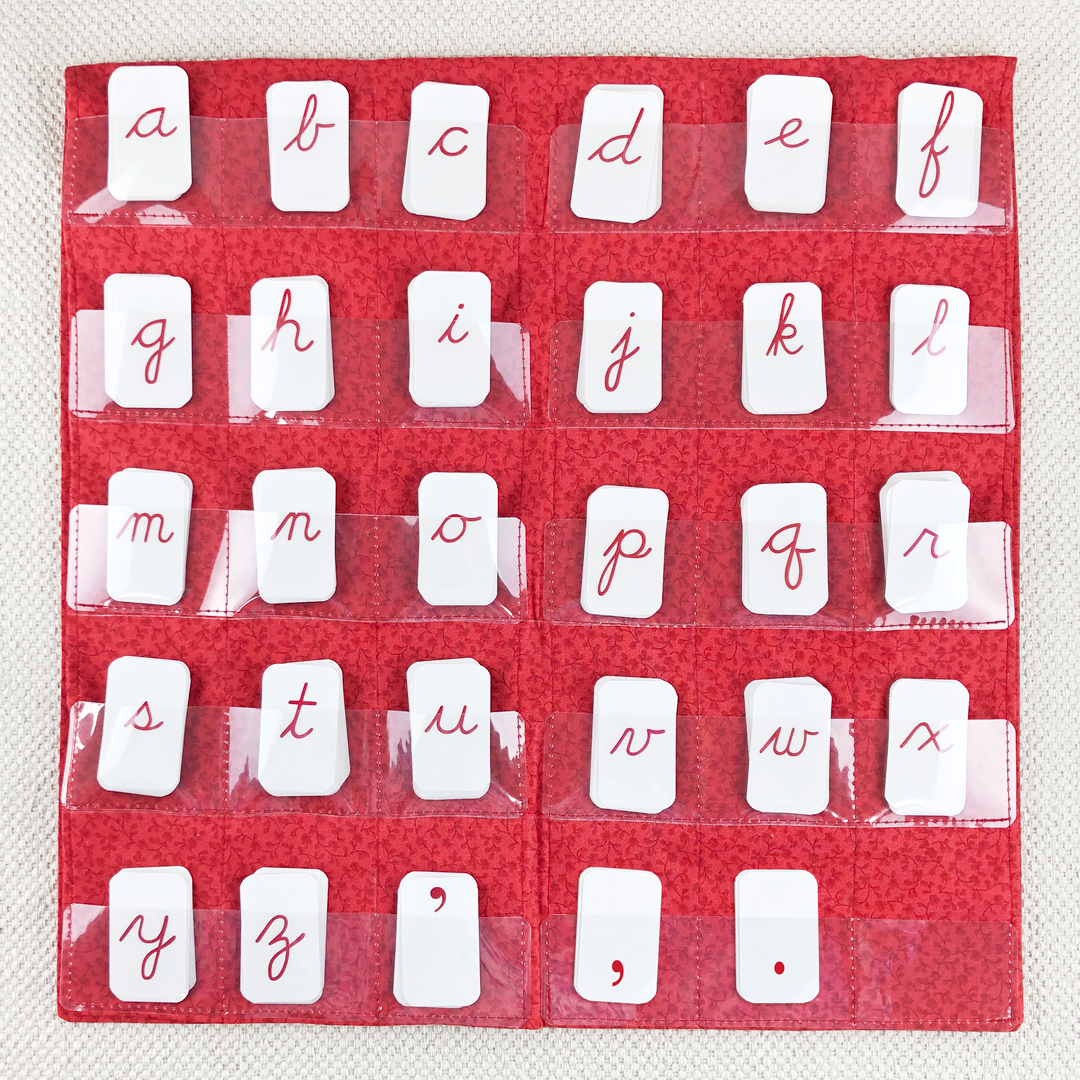
- Alphabet pocket charts are cloth pouches color-coded to match each alphabet, for storing and displaying letters. Choose the Alphabet Pocket Charts or the Phonogram Pocket Chart.
Why movable alphabets matter for reading
Building a word with loose letters lets children encode words before they can write. In our founder's Harvard research, 3- and 4-year-olds scored higher on a spelling assessment with a movable alphabet than on a handwritten one, and their movable alphabet scores predicted phonemic awareness and letter knowledge more strongly than their handwritten scores did (Volkman, 2017). Because a movable alphabet does not require handwriting and keeps every letter in view, the young child only needs to keep track of the sounds in the word; it isolates the stimuli of encoding words (lower working memory load).
Reference
Volkman, J. (2017). Scaffolds and spelling in preschool: Using a movable alphabet to measure early literacy. [Master's thesis, Harvard University Division of Continuing Education]. Harvard DASH. https://dash.harvard.edu/handle/1/37736756
Should I choose cursive or print letters?
If you have a choice, we recommend cursive. When we read cursive handwriting, the brain uses two systems: one that recognizes the shapes of the letters and another that recognizes the gestures used to write them (Nakamura et al., 2012). Learning the cursive sandpaper letters, and tracing them while saying each sound, may link the movement of writing to the shape and sound of each letter.
Cursive is also easier to write at the word level because children don't have to lift their pencil between letters, and the connected letters help show where one word ends and the next begins. We don't know of studies that directly compare which font children should learn first, so this is our reasoned recommendation, not a proven result. If your school or district teaches print, choose print so children have consistency from room to room.
Pre-cursive (also called italic or D'Nealian) is a third option: a slanted, print-like style that leads toward cursive. For the solid-color alphabets used later for word study, AMI recommends print, even if you used cursive for the sandpaper letters and the traditional alphabet. Read more in our post on which font to choose and our answer to a teacher's question about cursive vs. print.
Reference
Nakamura, K., Kuo, W.-J., Pegado, F., Cohen, L., Tzeng, O. J. L., & Dehaene, S. (2012). Universal brain systems for recognizing word shapes and handwriting gestures during reading. Proceedings of the National Academy of Sciences, 109(50), 20762–20767.
What comes next
Children are ready for movable alphabet work once they know their letter sounds, so if they need that step first, start with our letter-sound knowledge materials. Once children can build words with these alphabets, they are ready to read them with our Phonics and Decoding materials and to study spelling patterns with our phonogram study and spelling materials. See how every stage fits together in our Montessori scope and sequence, learn how Montessori and the Science of Reading align on our Montessori Science of Reading page, or read more about using the movable alphabet as a predictor of future literacy.
Frequently asked questions
What ages are movable alphabets for?
Movable alphabets are designed for PreK through Grade 3 (about ages 3 to 9) but they also work for ESL learners, intervention, and homeschool. Use them with any child who is ready to build words but still developing handwriting and/or spelling.
What should children know before they start movable alphabet work?
Before beginning alphabet work, students need:
- Knowledge of the words in the language (vocabulary)
- Experience turning their thoughts into spoken language
- Success with all four levels of the sound game (phonemic awareness)
- To know the sounds of the letters or phonograms they are working with (letter-sound knowledge).
Which movable alphabet should I start with?
We recommend offering the traditional pink and blue alphabet alongside the phonogram alphabet, in the same font as your sandpaper letters or letter sound charts. Together they give children all of the key sounds of English, so they can phonetically build any word they want to write. Phonograms are letter combinations that make one sound, like th, sh, and ch, which a single-letter alphabet can't make. Add the solid-color alphabets later for spelling explorations and word study.
How do I store a movable alphabet?
We think the best way to store alphabet cards is in our cloth alphabet pocket charts, which are color-coded to match each alphabet and sold separately. You can also use egg cartons (one 18-egg carton and one 12-egg carton, side by side and hot glued to foam board or chipboard, with the lids to keep off dust), a compartment craft box with a clear lid, or a velvet 30-compartment jewelry box.
Download a PDF of our materials

Follow Us