Fine Art
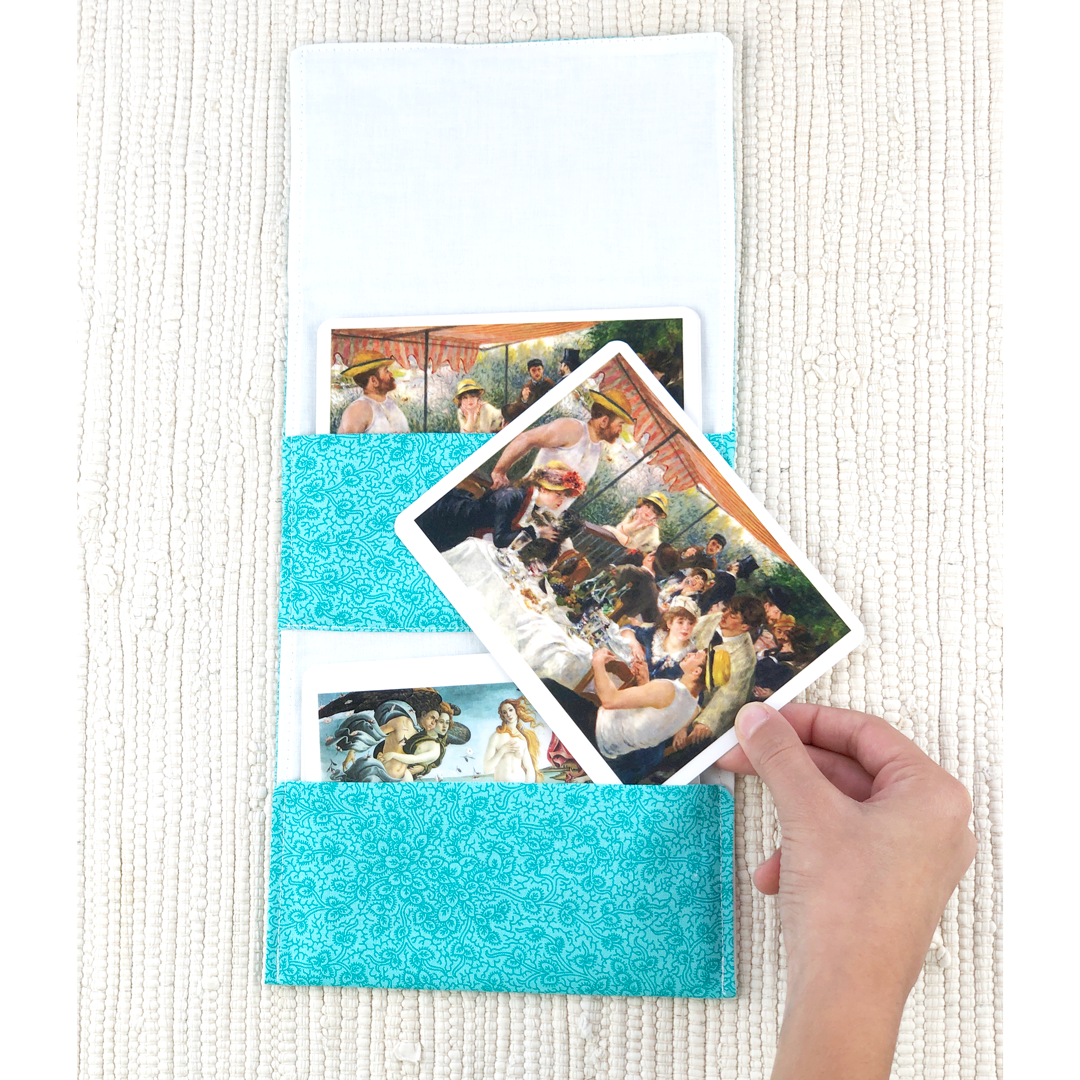
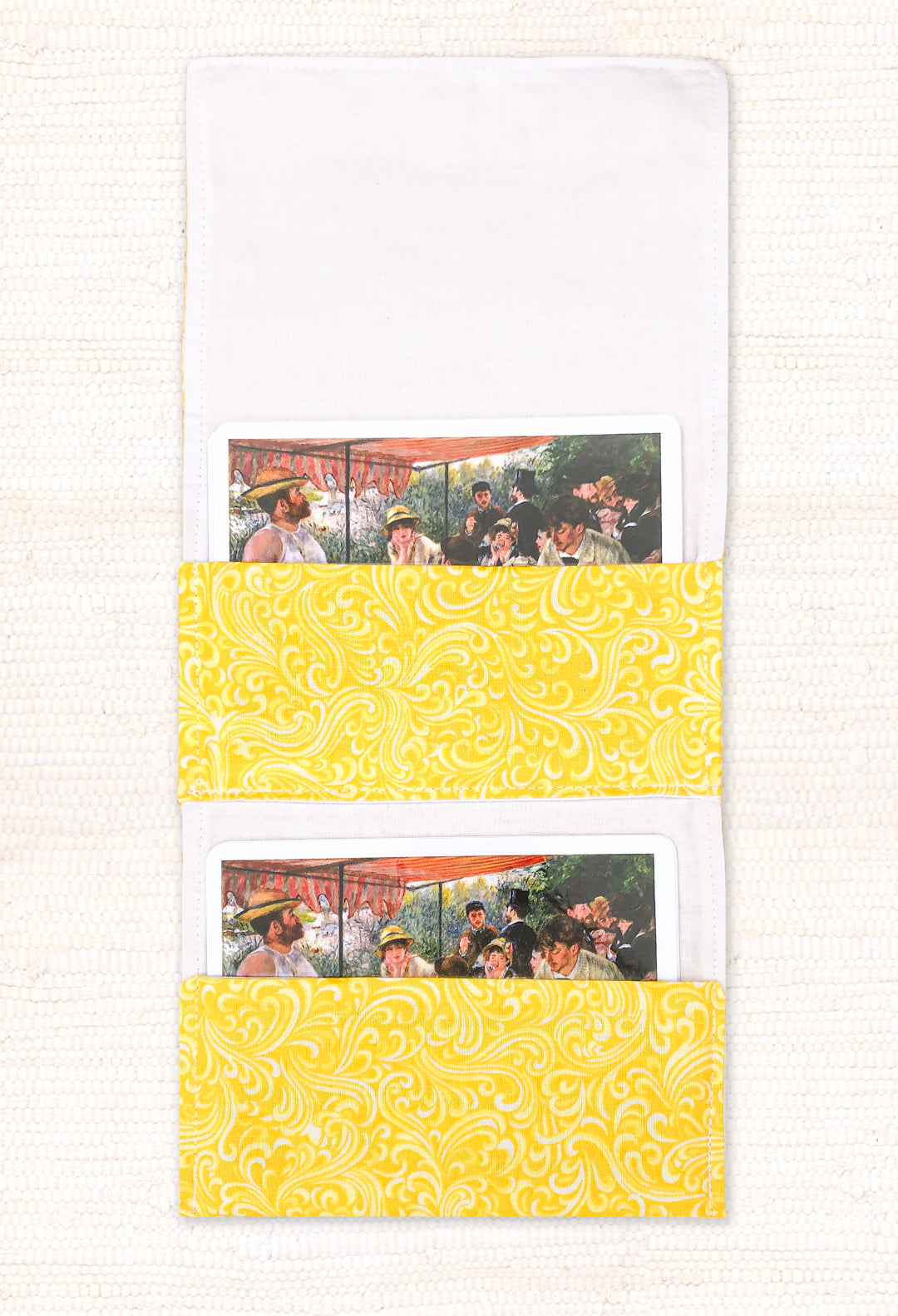
23 colors available
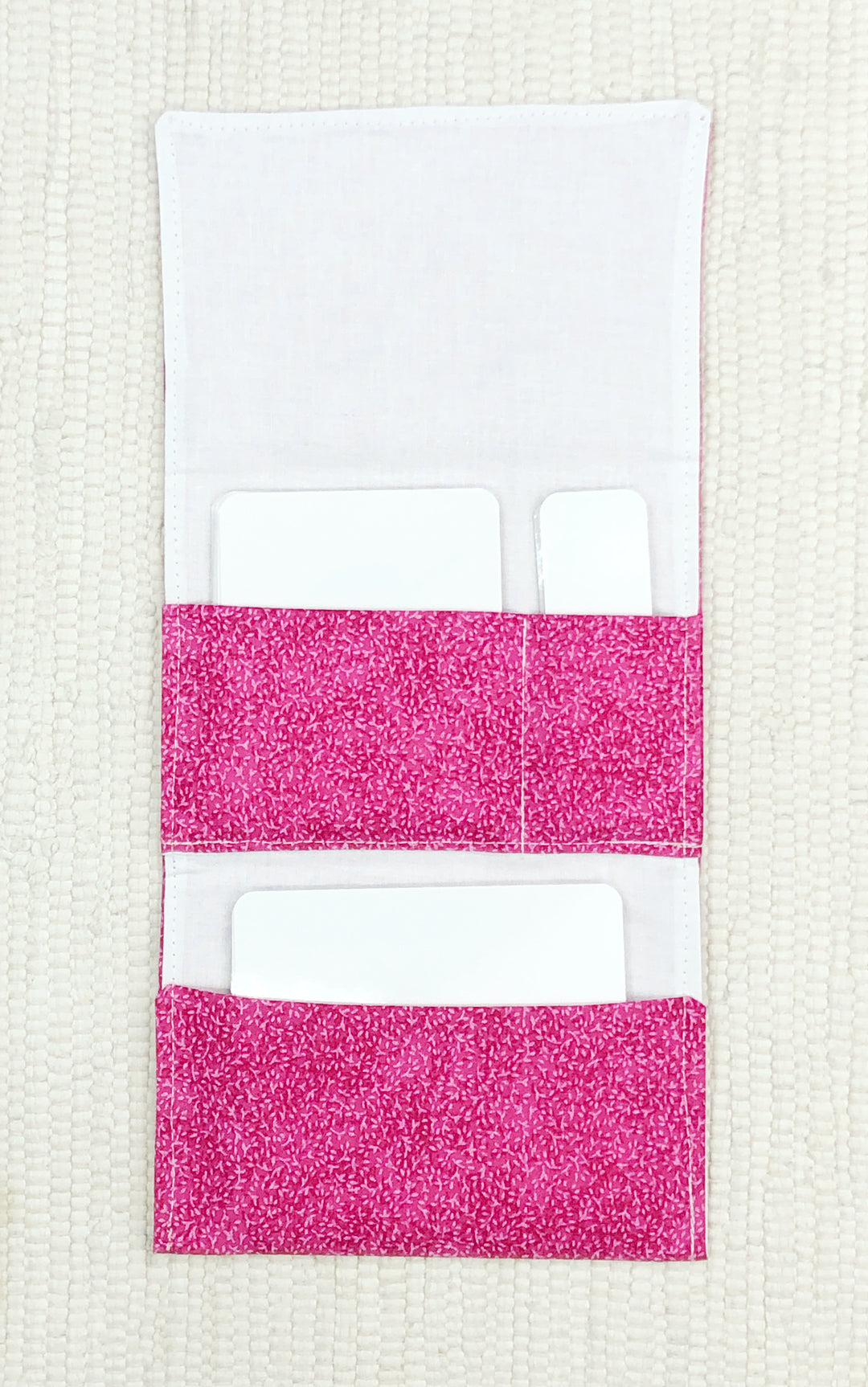
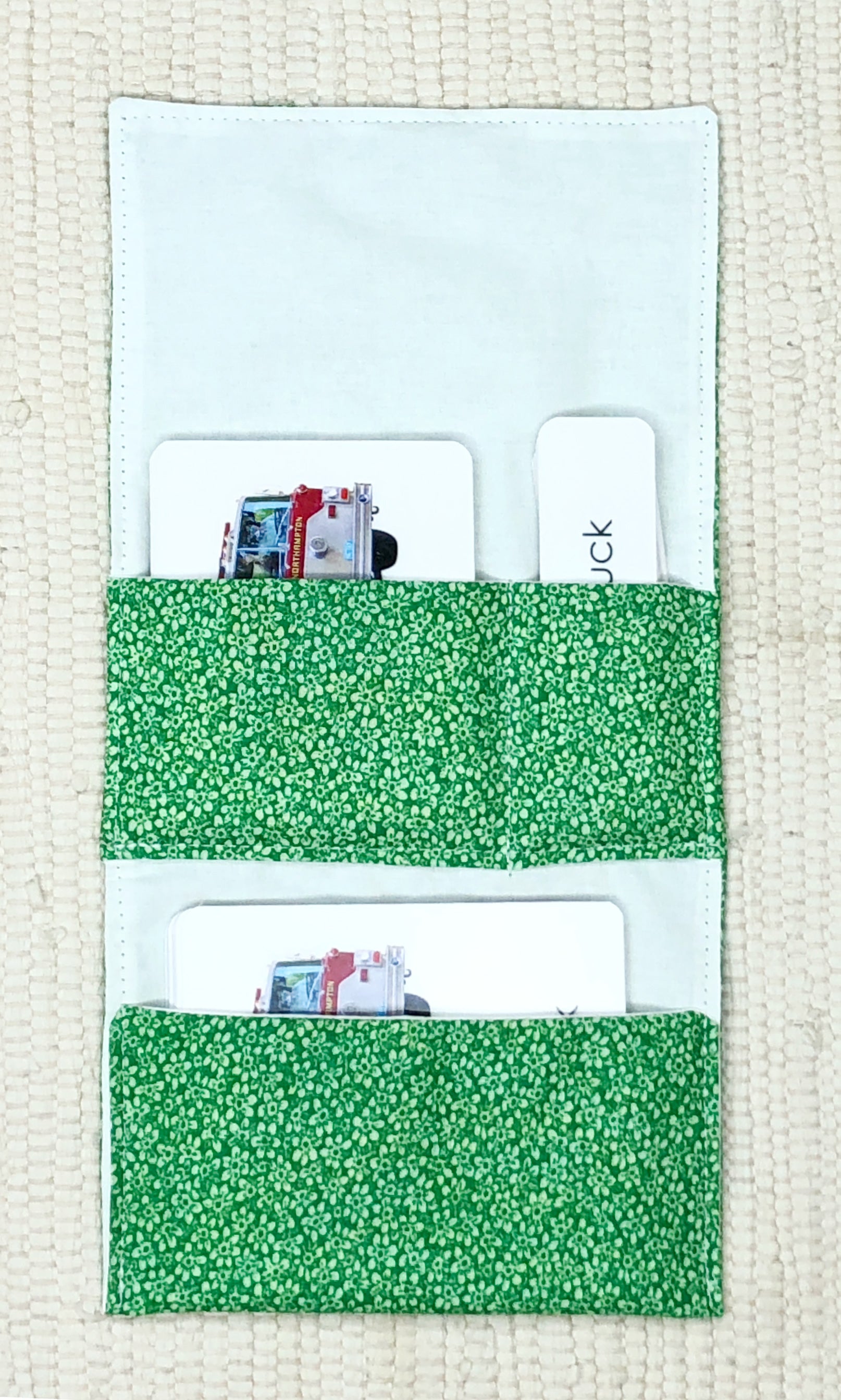
26 colors available

24 colors available


More Information:
Fine Art
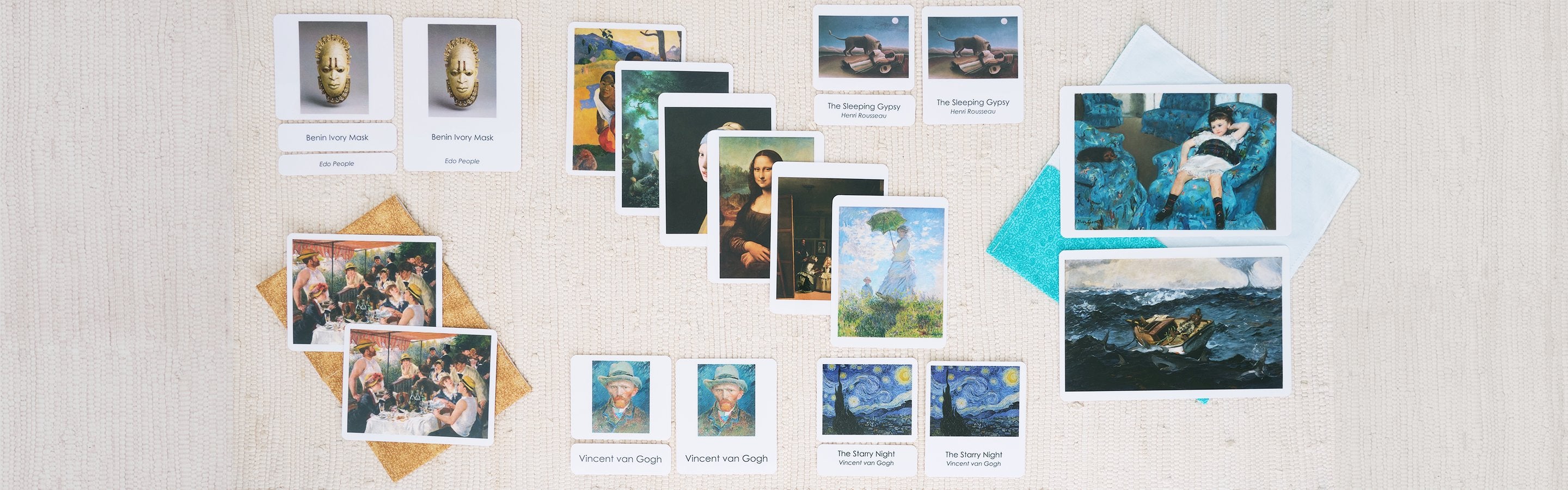
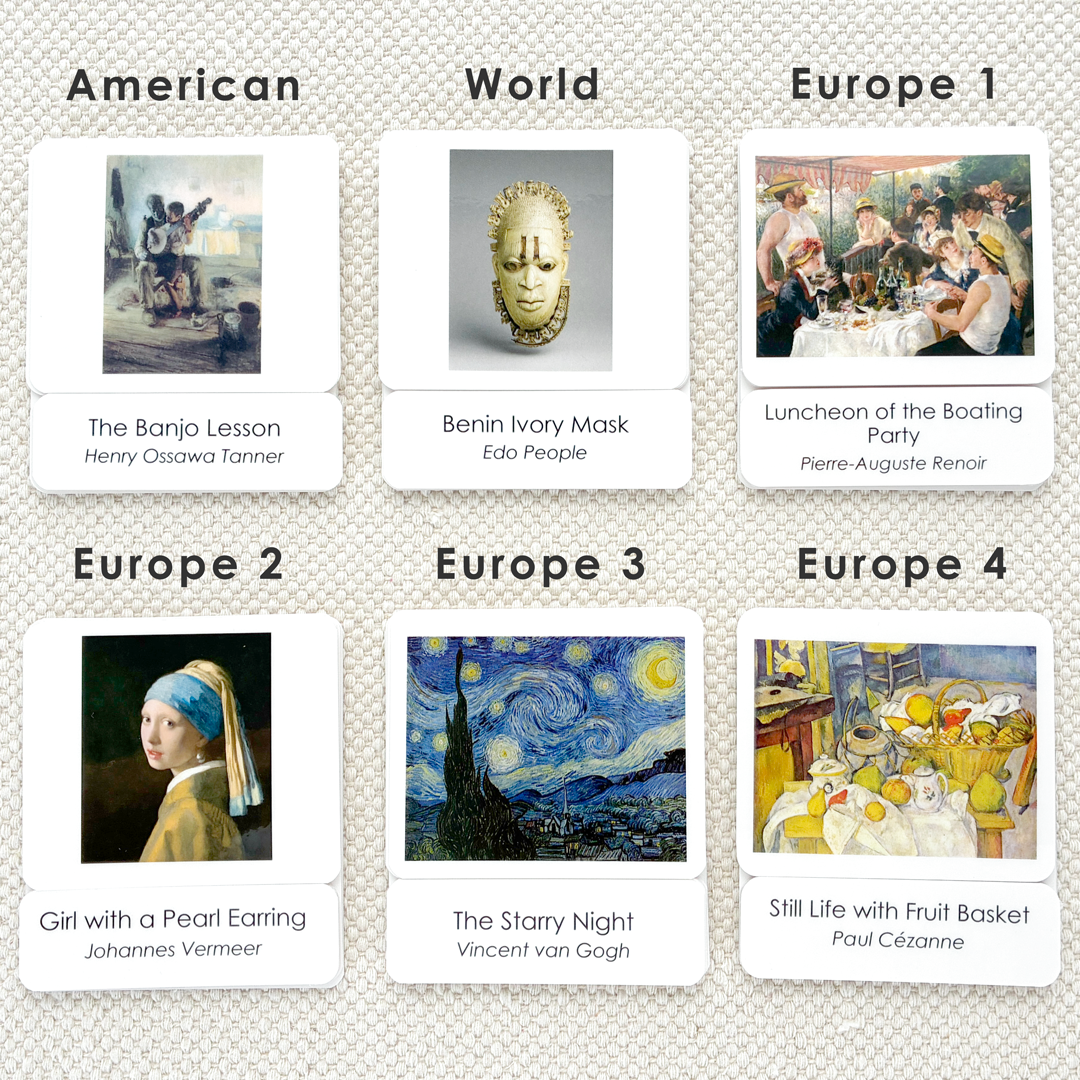
Montessori fine art cards are high-quality reproductions of famous works of art, made in several formats that grow with a student. Students first get to know each work through conversation and display. Then they return to the same art again and again through matching, writing, and reading work, learning each title and artist along the way.
What's in this collection
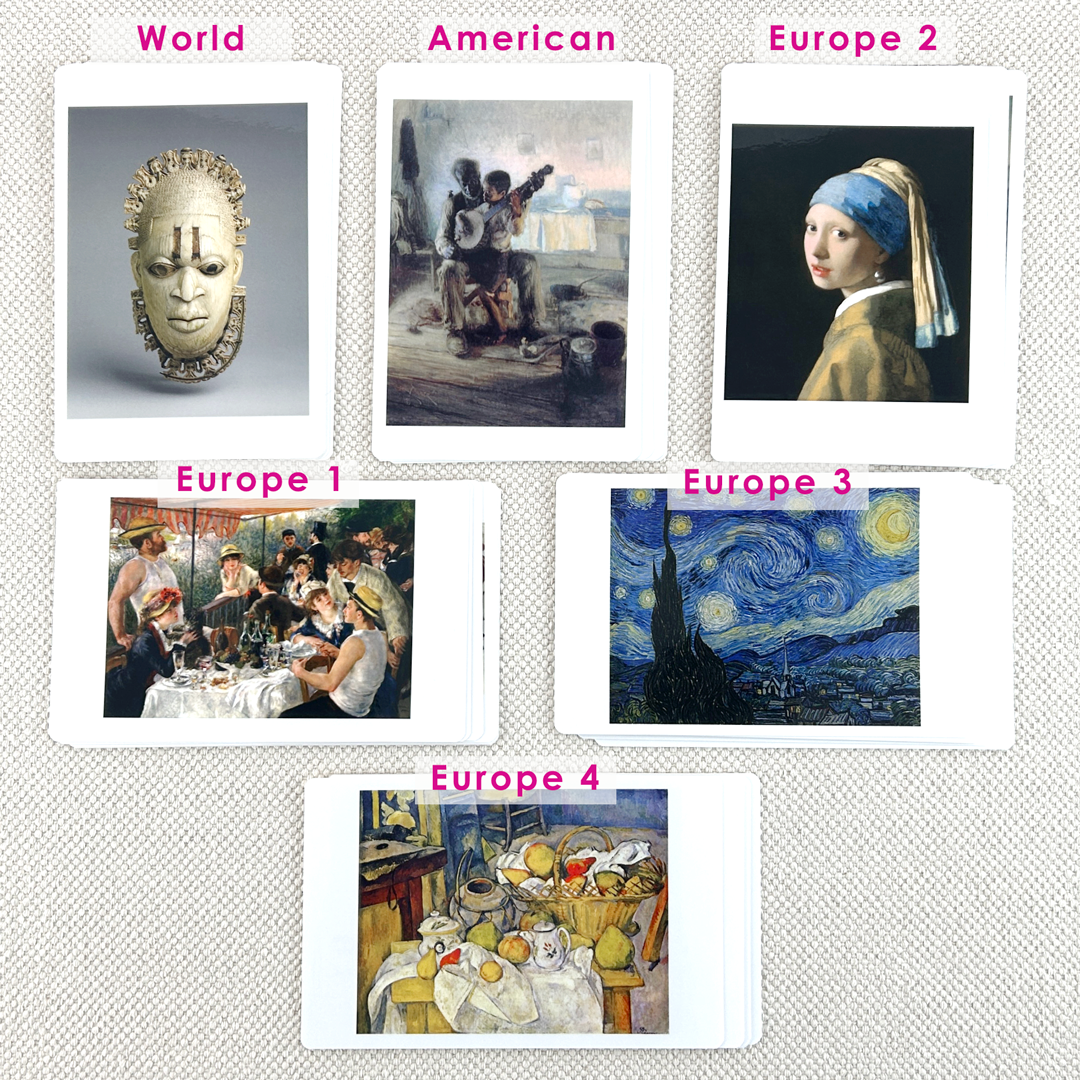
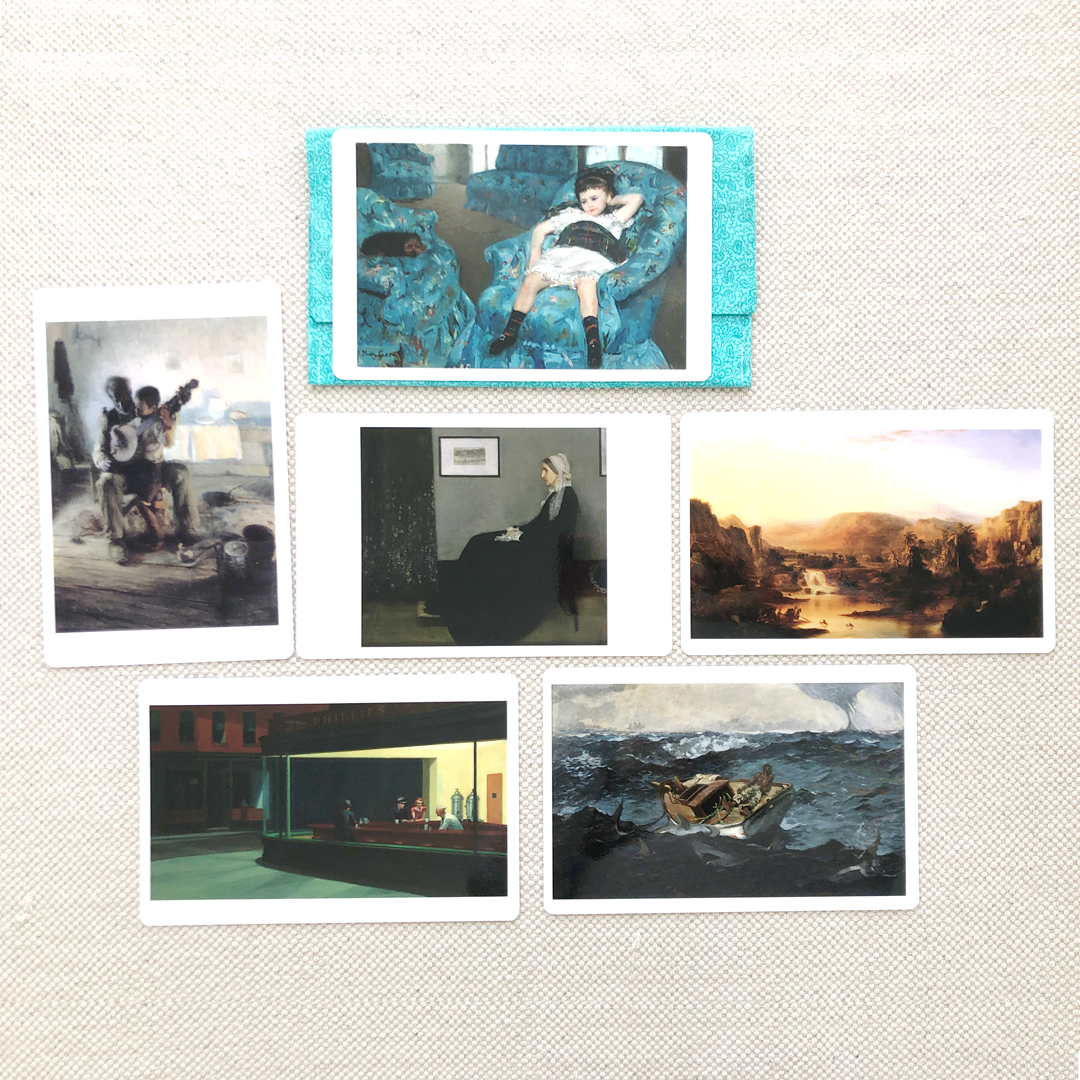
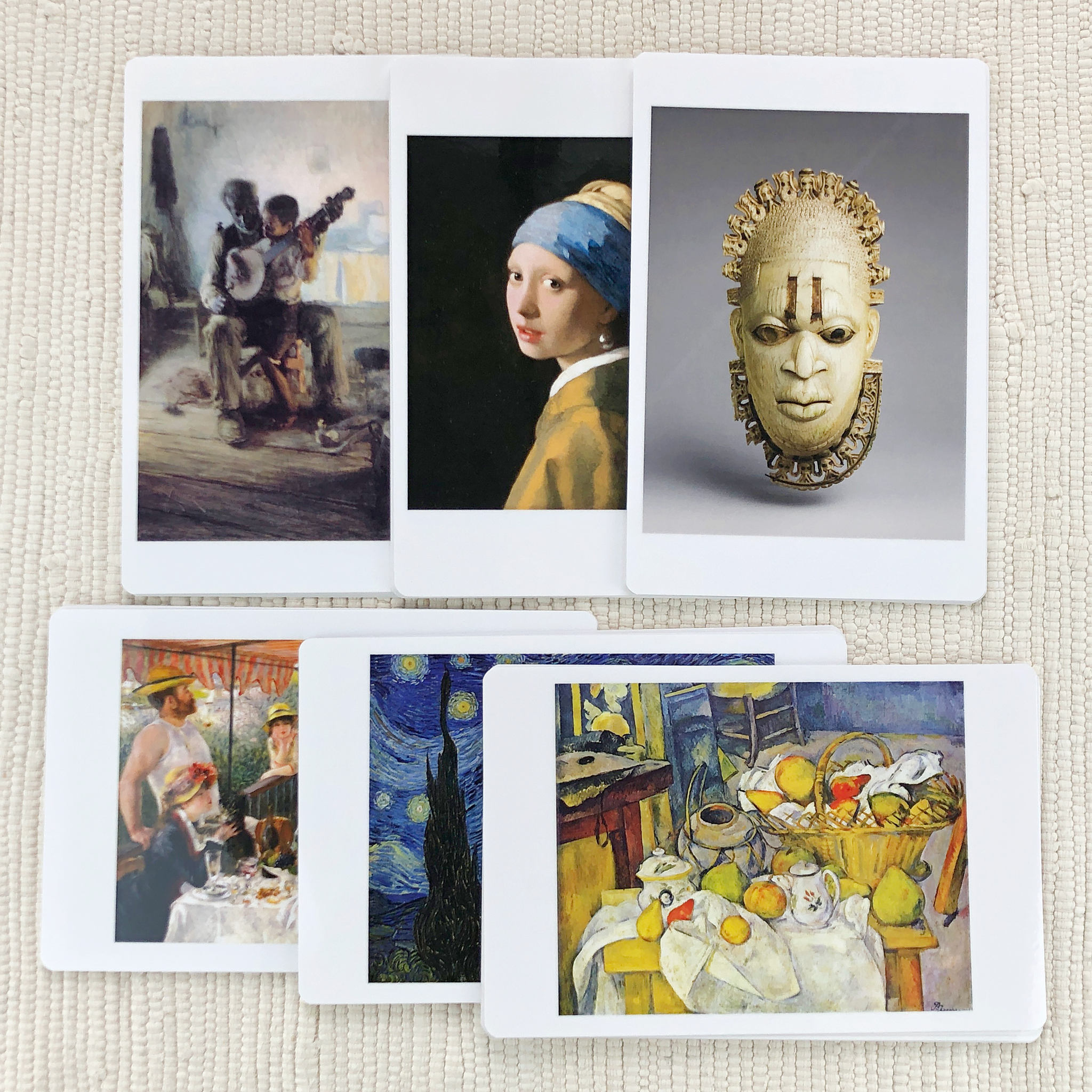
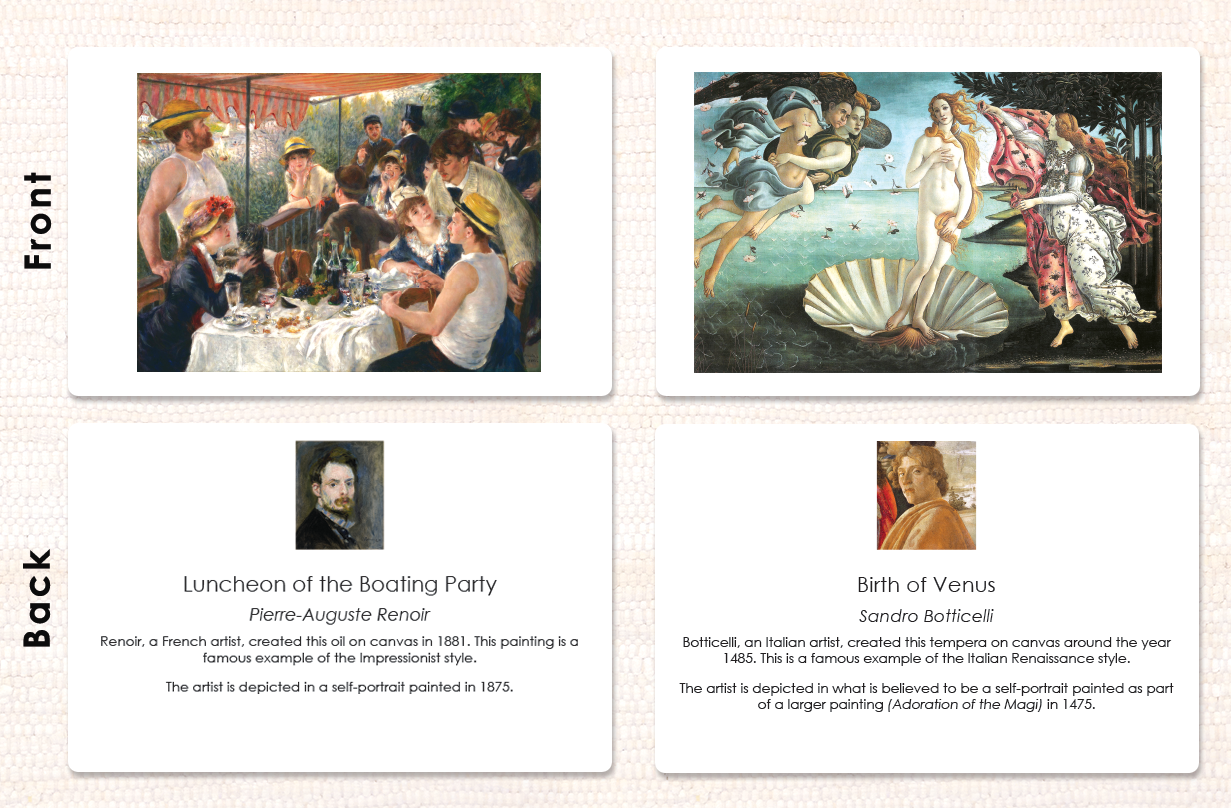
- Fine Art Display Cards: large cards for close looking, conversation, and classroom display on mini-easels
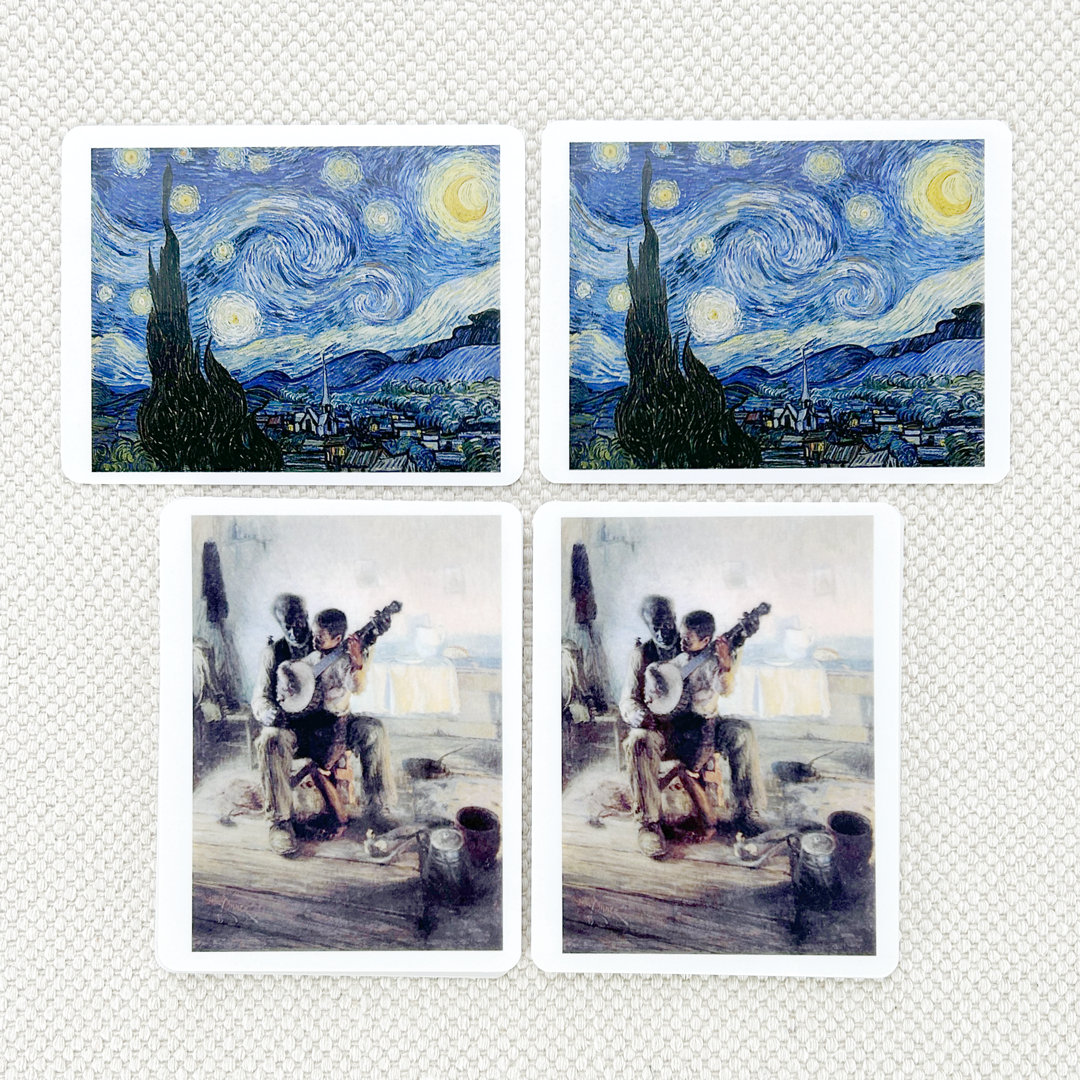
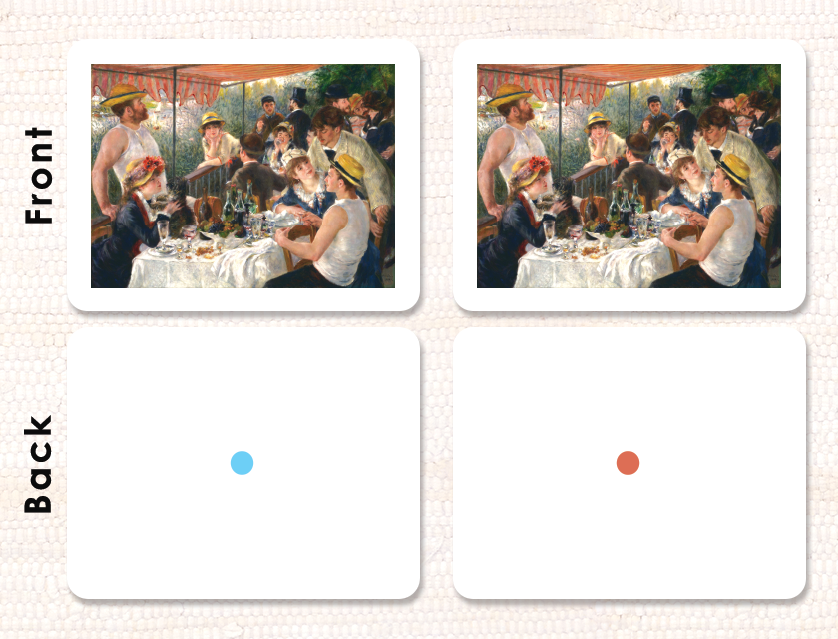
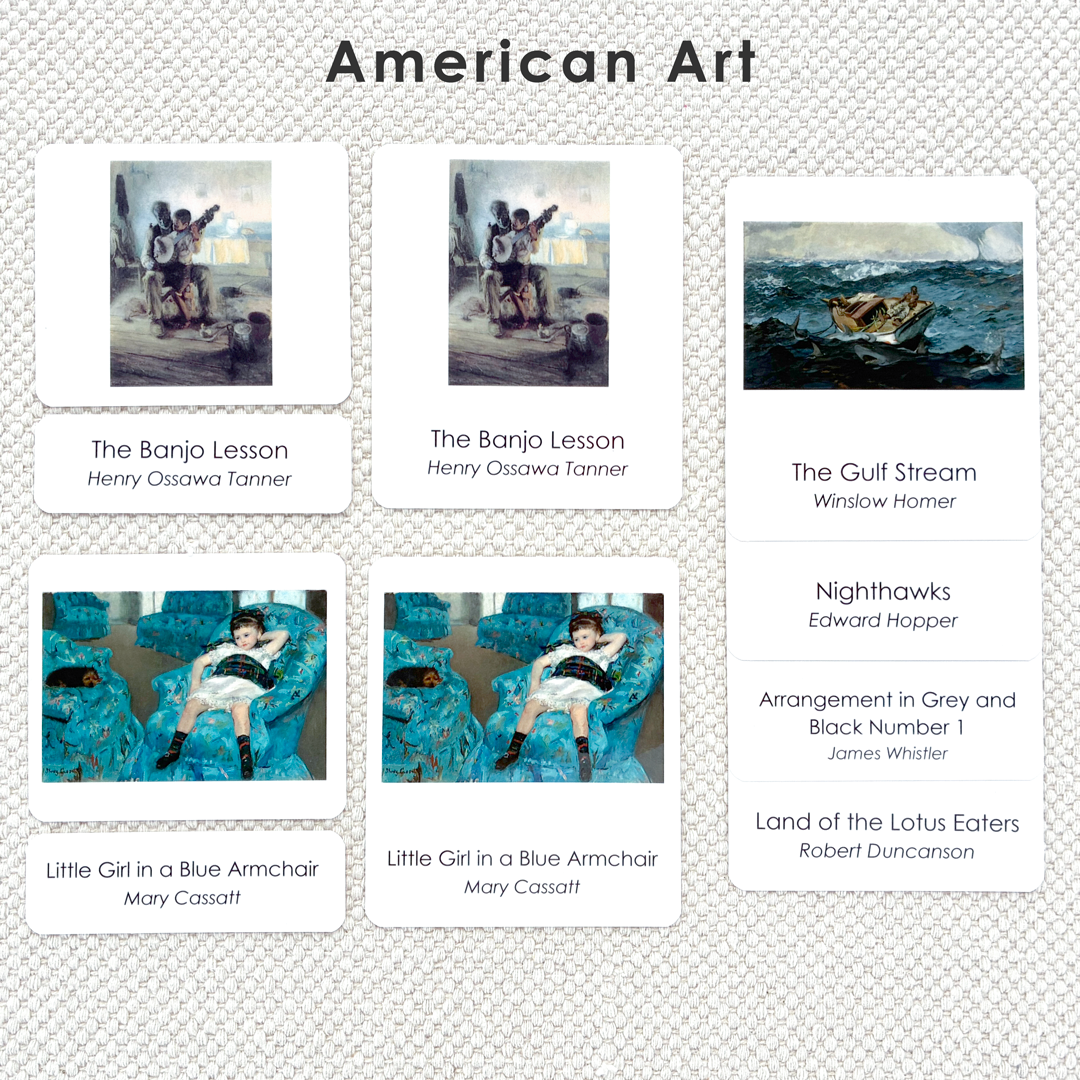
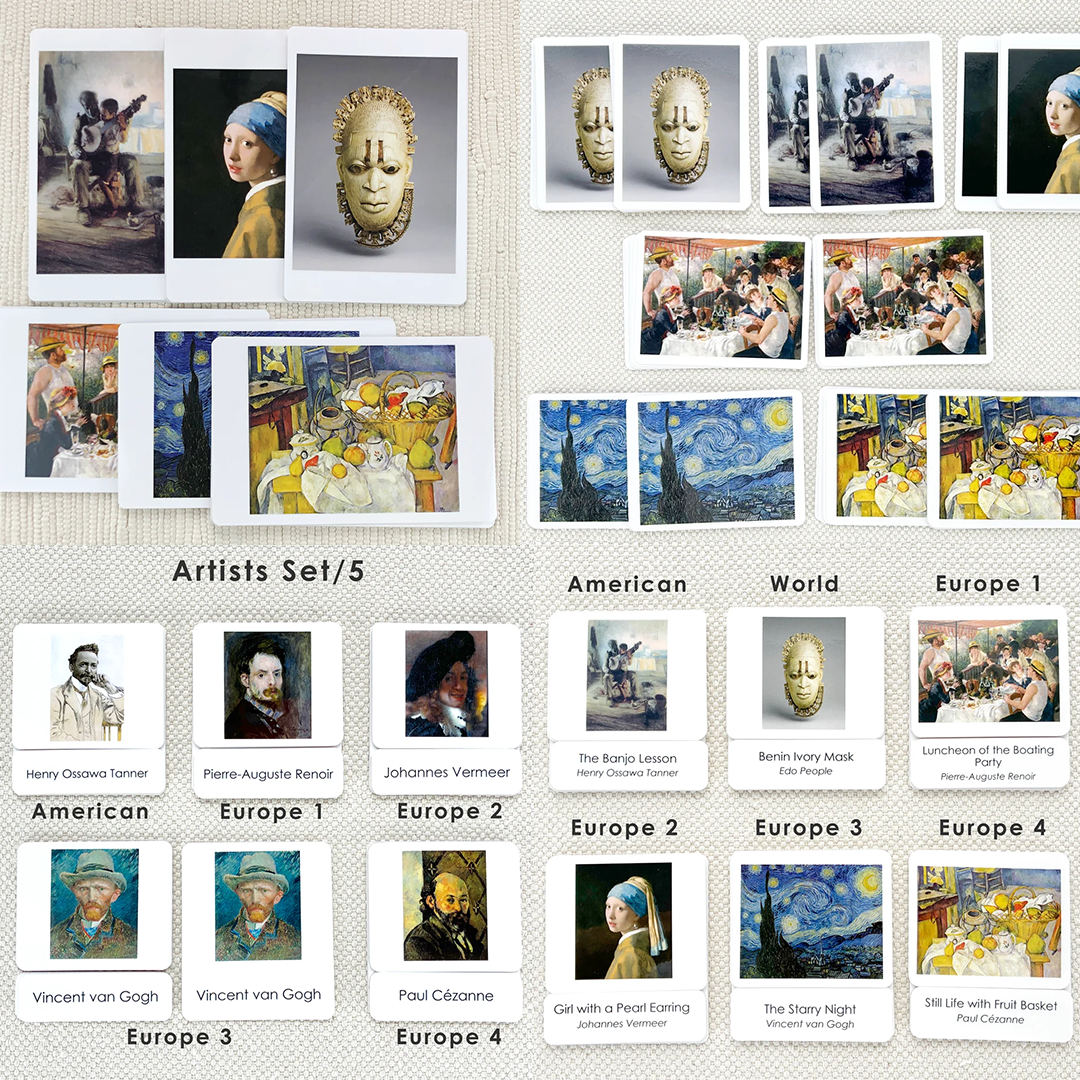
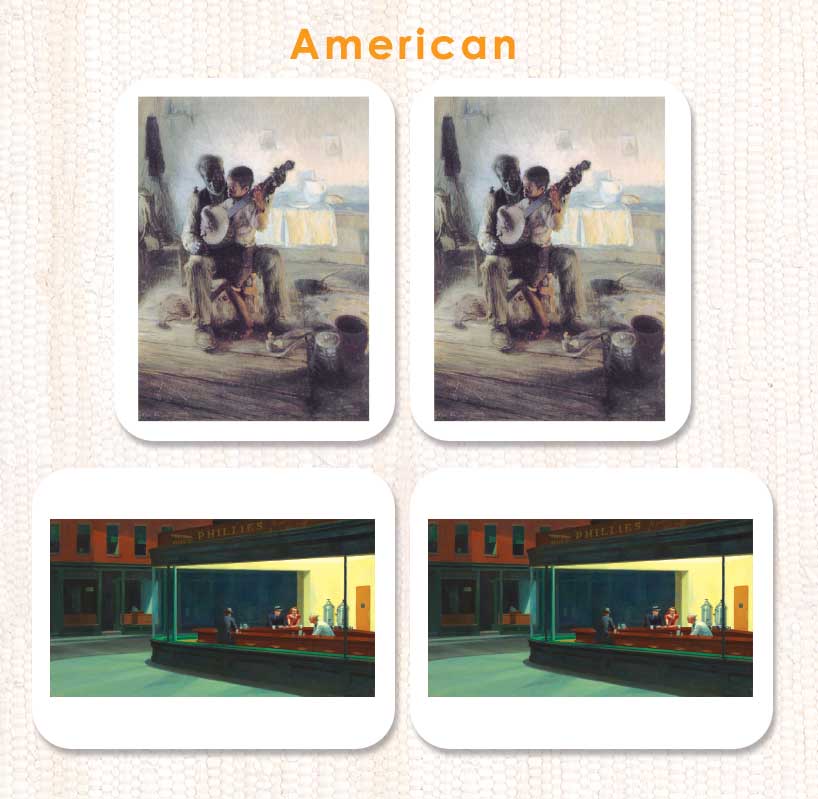
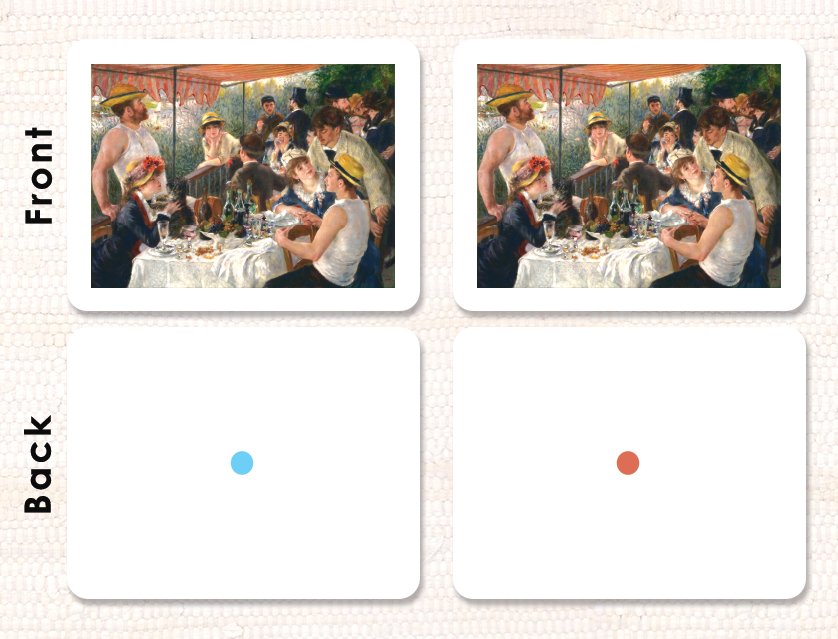
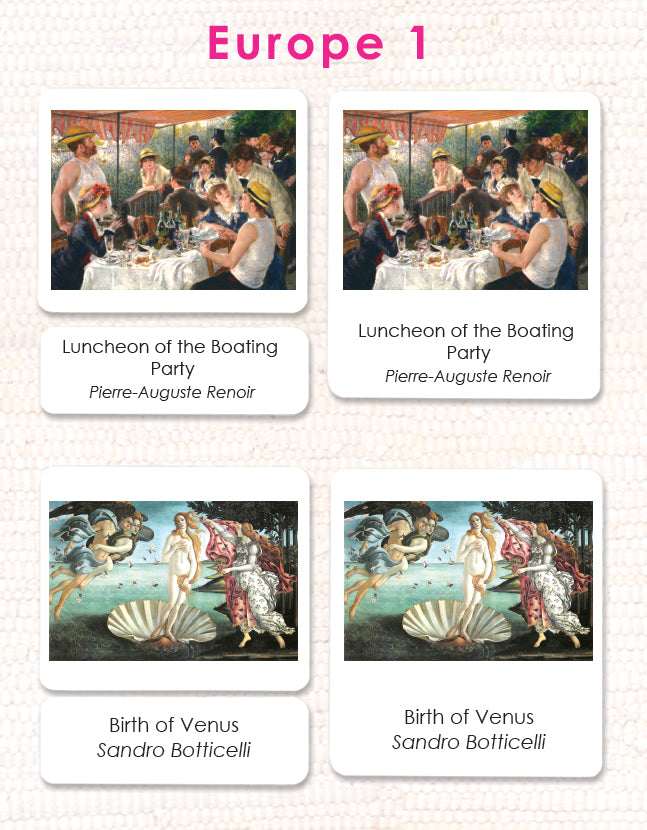
- Fine Art Matching Cards: two identical sets of each artwork for matching games
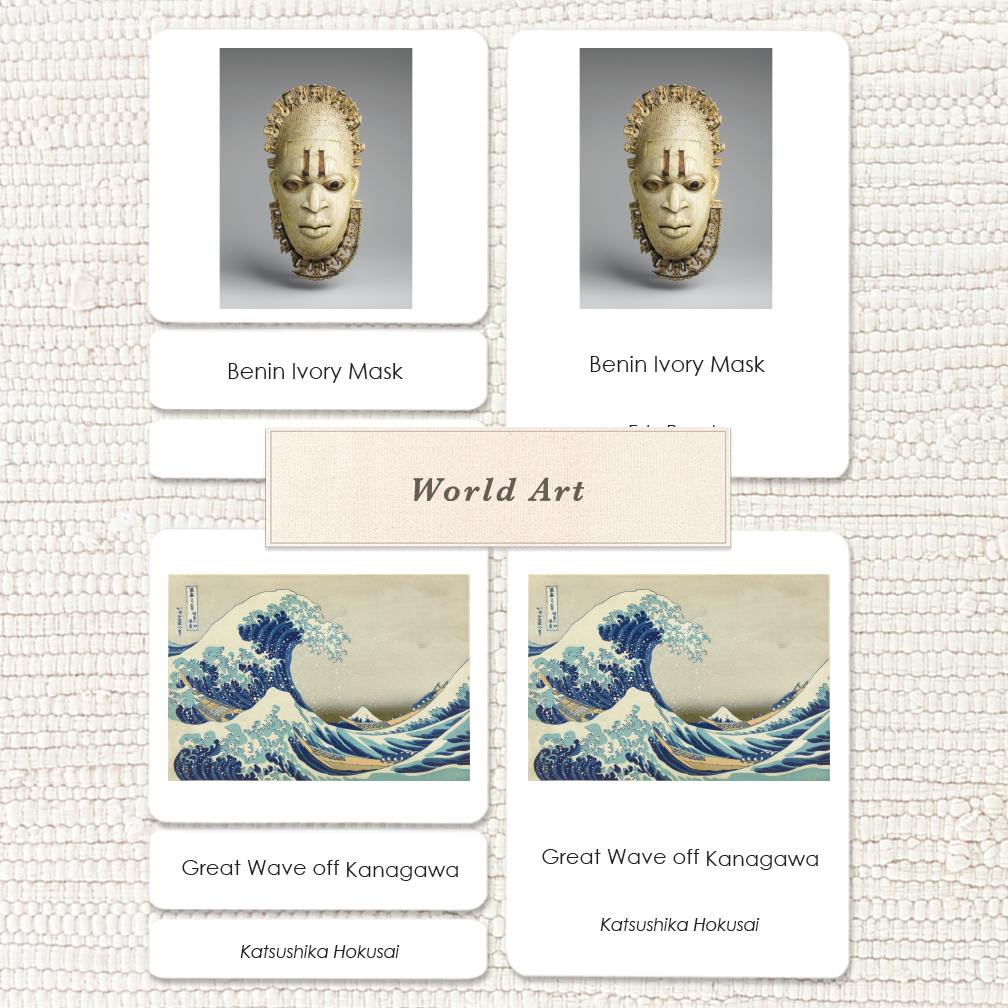
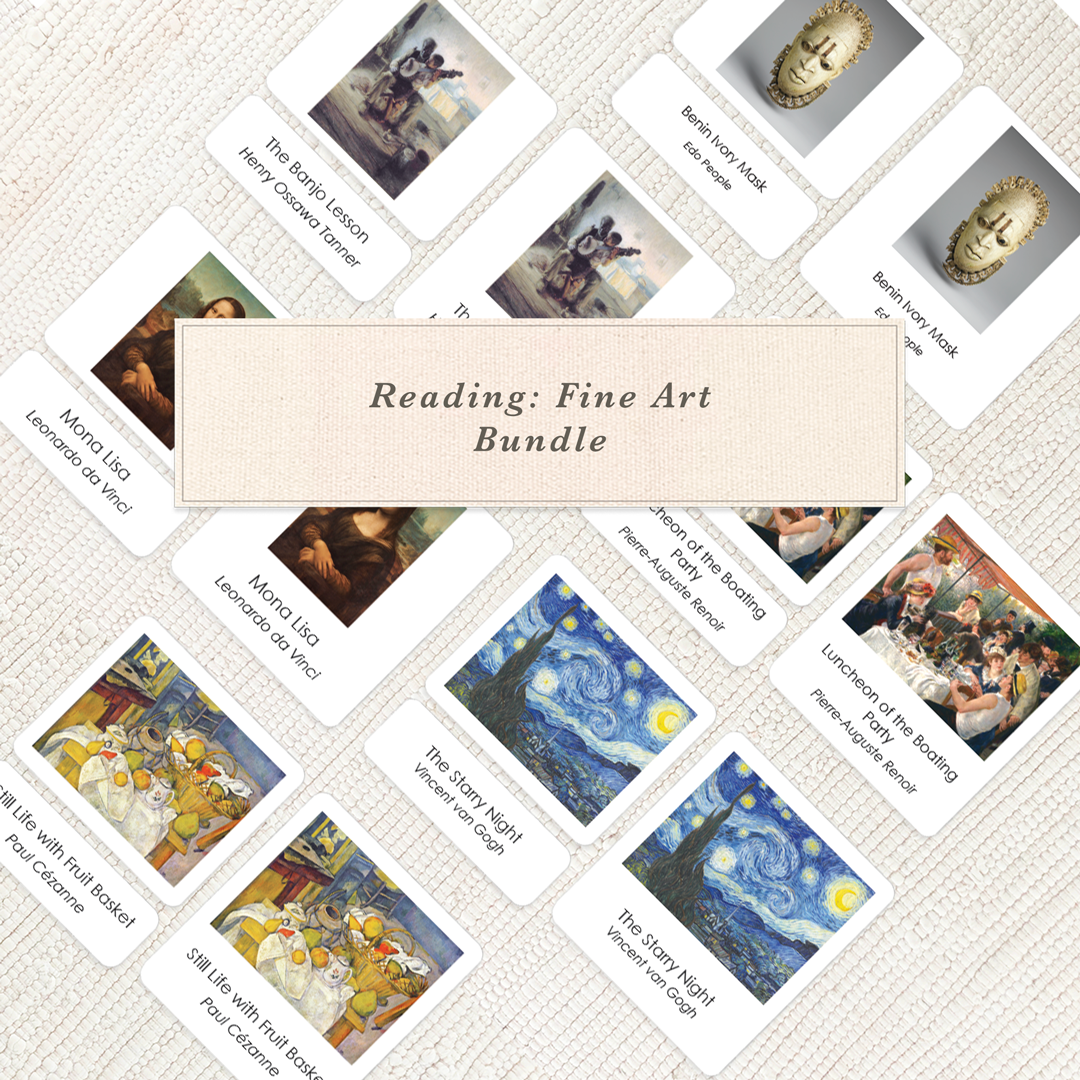
- Fine Art 3-Part Reading: pairs each artwork with its title
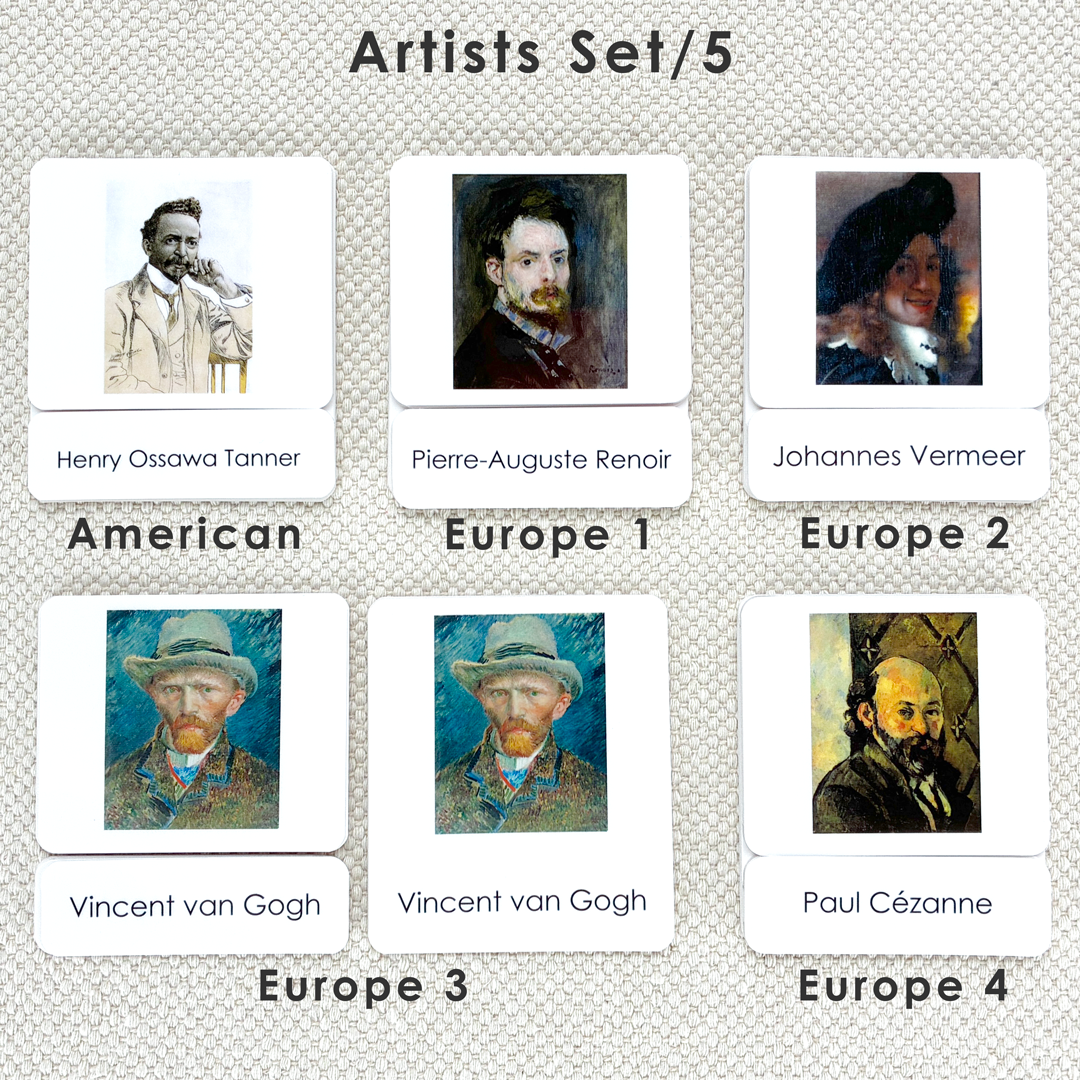
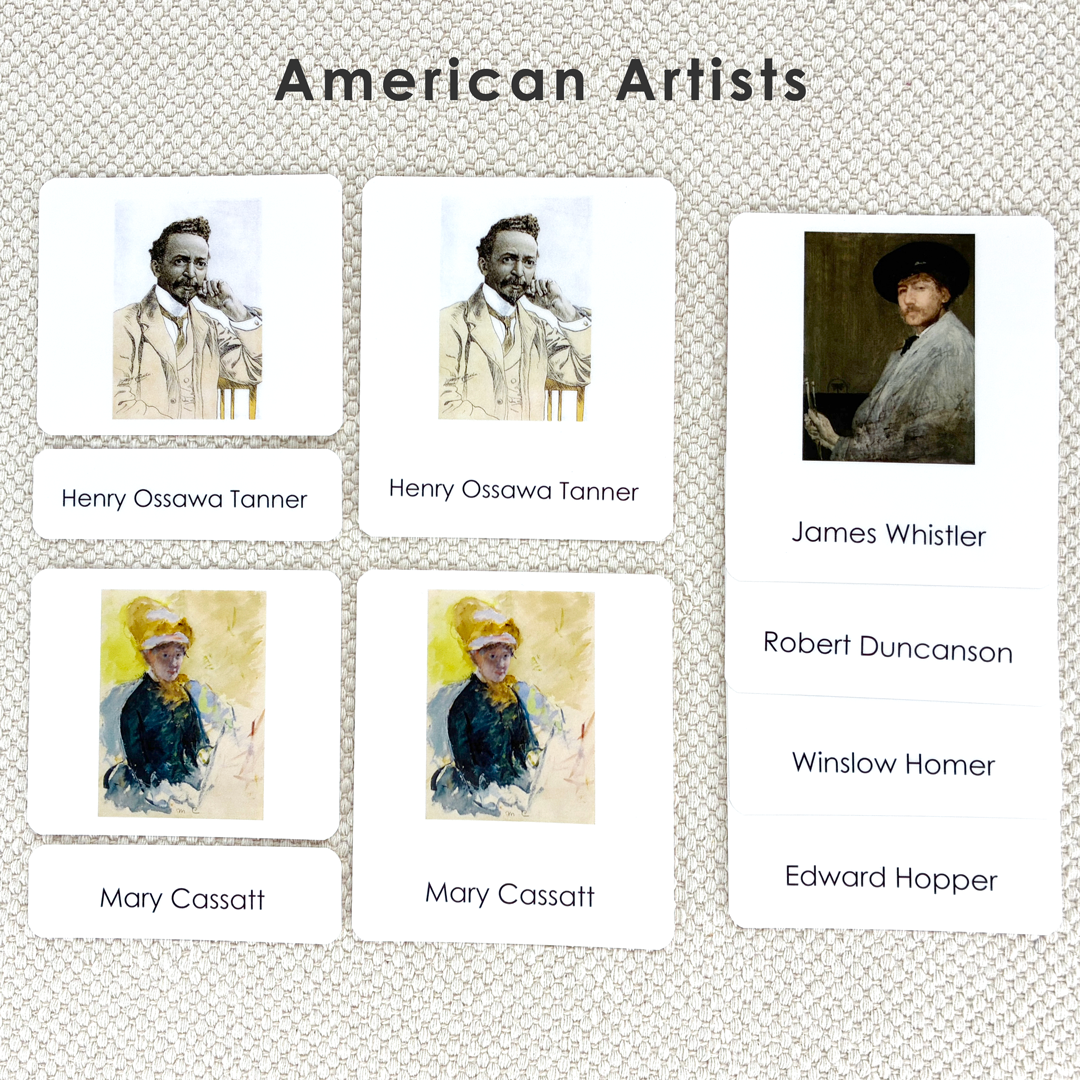
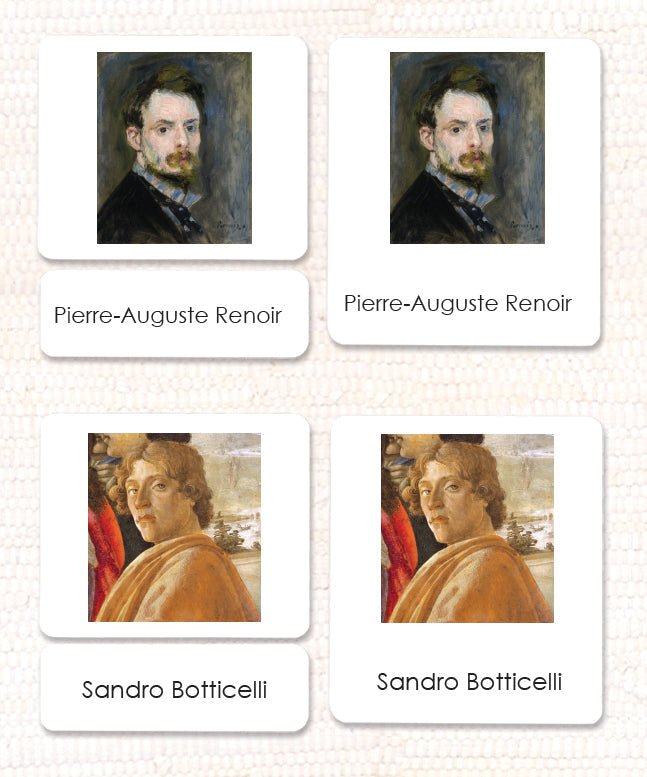
- Artists 3-Part Reading: pairs each artist's portrait with the artist's name
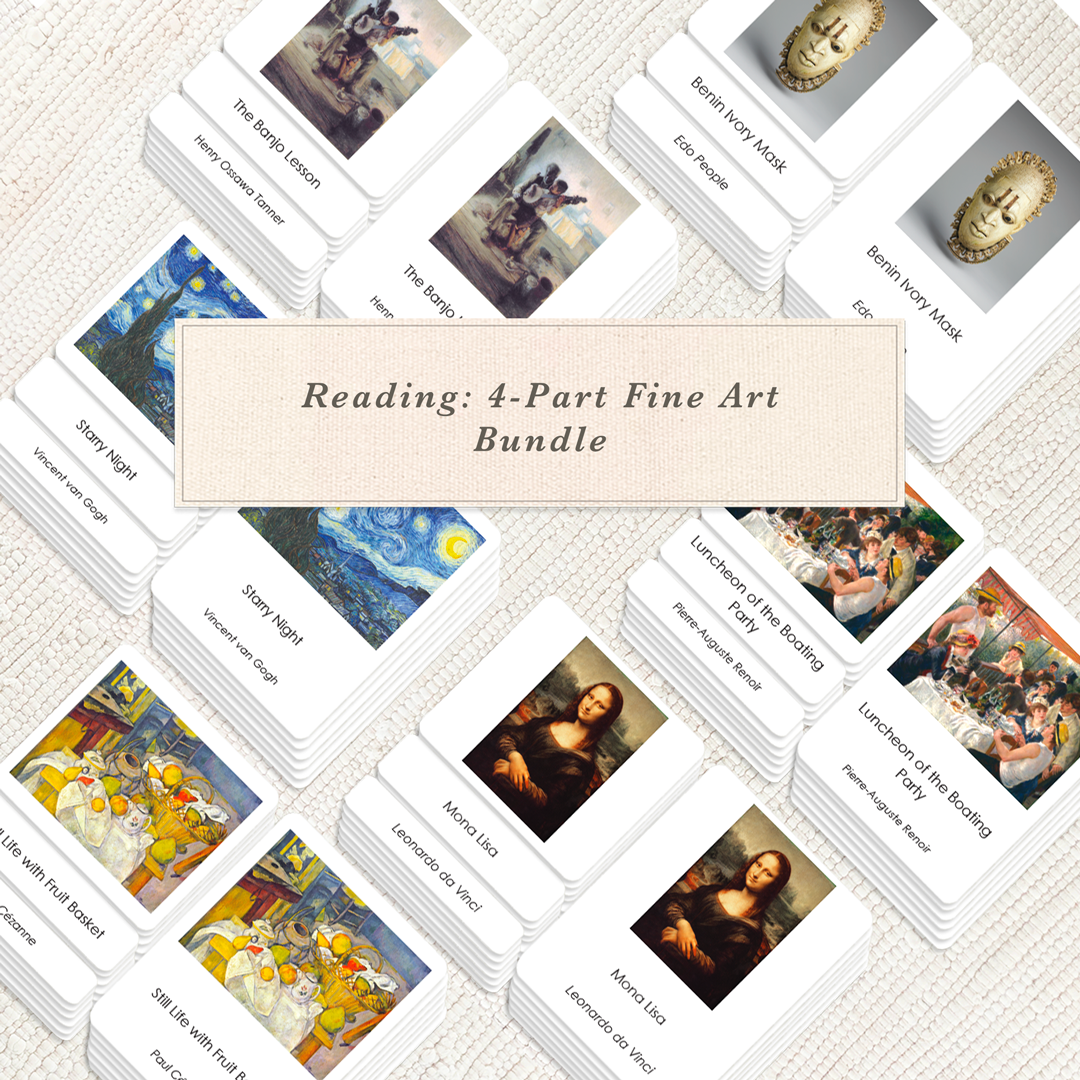
- Fine Art 4-Part Cards: matches each artwork with both its title and its artist
- Fine Art Bundles: several formats of the same series together
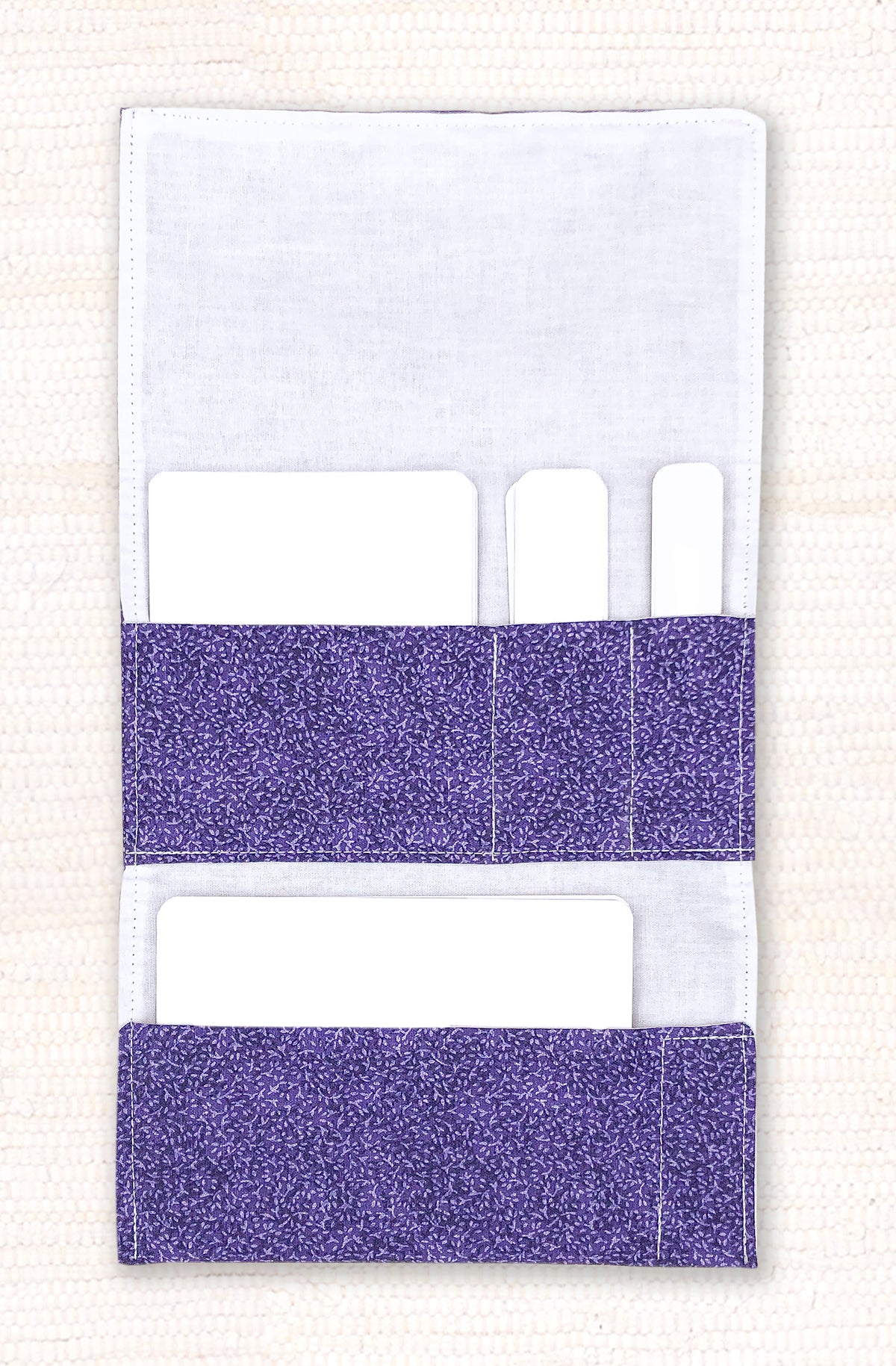
Each format comes in several series, so you can rotate new art onto the shelf throughout the year. You'll also find cloth pouches sized for each format: x-large card pouches, matching pouches, 3-part card pouches, and 4-part card pouches.
Why fine art cards matter for reading
Interest drives learning. Montessori is a student-centered approach: the teacher observes what each student is curious about and offers materials that match. Students often form strong attachments to particular works of art, and they will choose those works again and again. Each time is more practice naming the art, discussing what they see, and eventually reading and writing about it.
That practice builds vocabulary and background knowledge, two of the language comprehension strands of Scarborough's (2001) reading rope. A student who knows the names of artworks and artists, and something about when and where they were made, will understand more when they later meet them in text.
Reference
Scarborough, H. S. (2001). Connecting early language and literacy to later reading (dis)abilities: Evidence, theory, and practice. In S. B. Neuman & D. K. Dickinson (Eds.), Handbook of early literacy research (pp. 97–110). Guilford Press.
How do you use Montessori fine art cards?
The formats work as a sequence. Each step revisits the same artworks in a new way.
- Conversation and display: Use the Fine Art Display Cards to look closely at each work and discuss the artist, the year it was made, and its style. Then invite students to choose favorites and display them around the room on mini-easels.
- Matching: Offer the Fine Art Matching Cards so students can work with the art they know in a new way, naming each work as they match it.
- Writing: Invite students to write about their favorite artworks using the movable alphabet, a chalkboard, or pencil and paper, whichever fits the student.
- Reading titles and artists: Introduce the Fine Art 3-Part Reading and Artists 3-Part Reading cards. Students learn that both the name of the artwork and the name of the artist matter. The artists in each series match the artworks in that series.
- 4-part matching: Challenge fluent readers with the Fine Art 4-Part Cards, matching each artwork with both its title and its artist.
What ages are fine art cards for?
The display cards work for any age, including adults. Matching cards are typically for ages 4 and up. The 3-part and 4-part cards are for students who are reading, typically kindergarten and above.
Where should I start?
Start with the Fine Art Display Cards. Students need to know the art before the other formats are meaningful. Choose one series and add the matching, 3-part, and 4-part cards from that same series as students are ready. Our Fine Art Bundles group several formats of a series together.
How should I store and display fine art cards?
We like to use cloth pouches sized to each format: x-large card pouches, matching pouches, 3-part card pouches, and 4-part card pouches. As students lose interest in a series, swap in a new one using the same pouches in the same shelf location.
Download a PDF of our materials

Follow Us