Reading Fluency: Parts of Kits
 Teacher Favorite
 Rooted in Neurodevelopment
-

See the Guided Lesson Plan
 High quality materials
 Eco-Happy
 Fun & Engaging Activities
Ages/Stages
Common Core
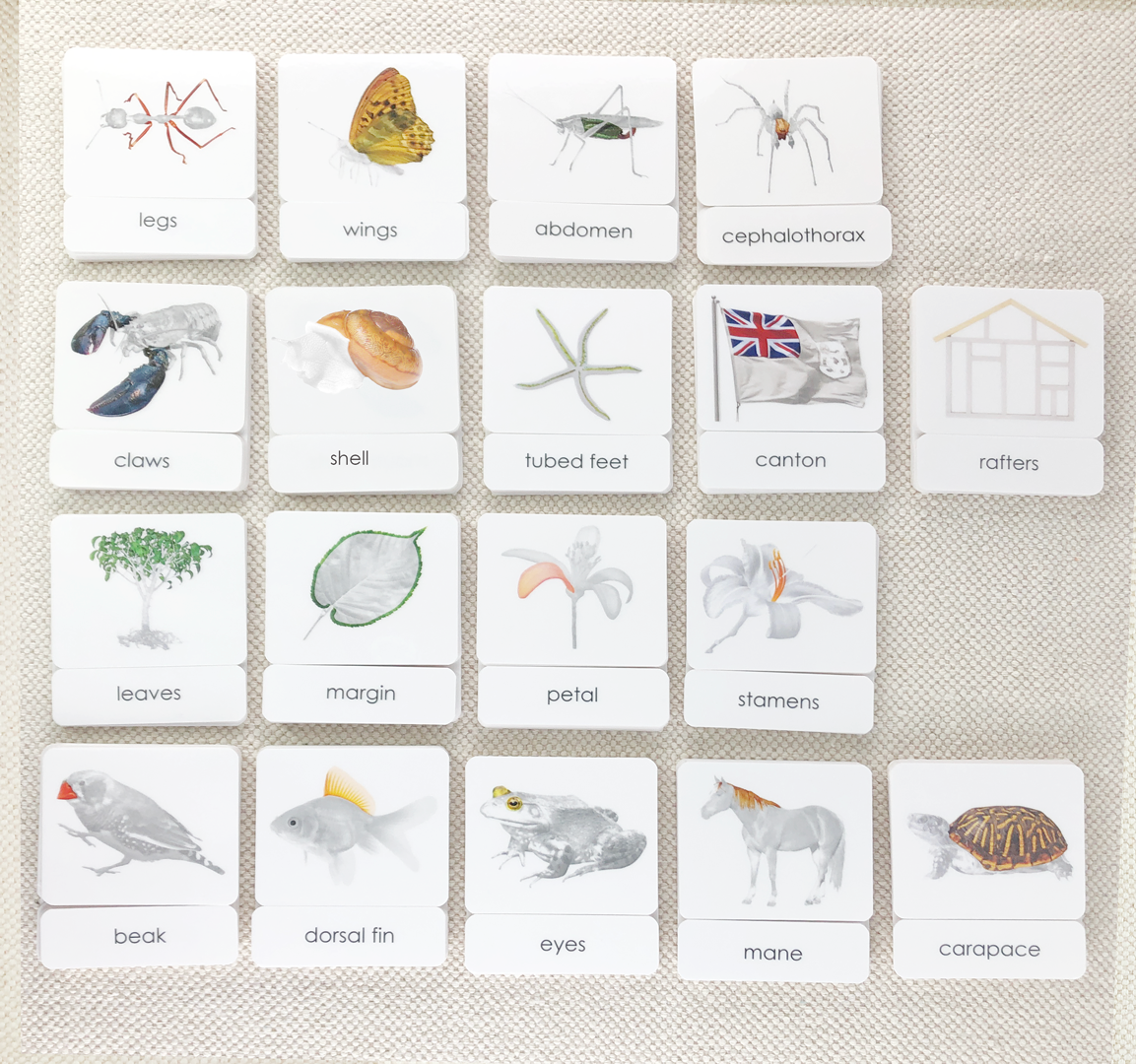
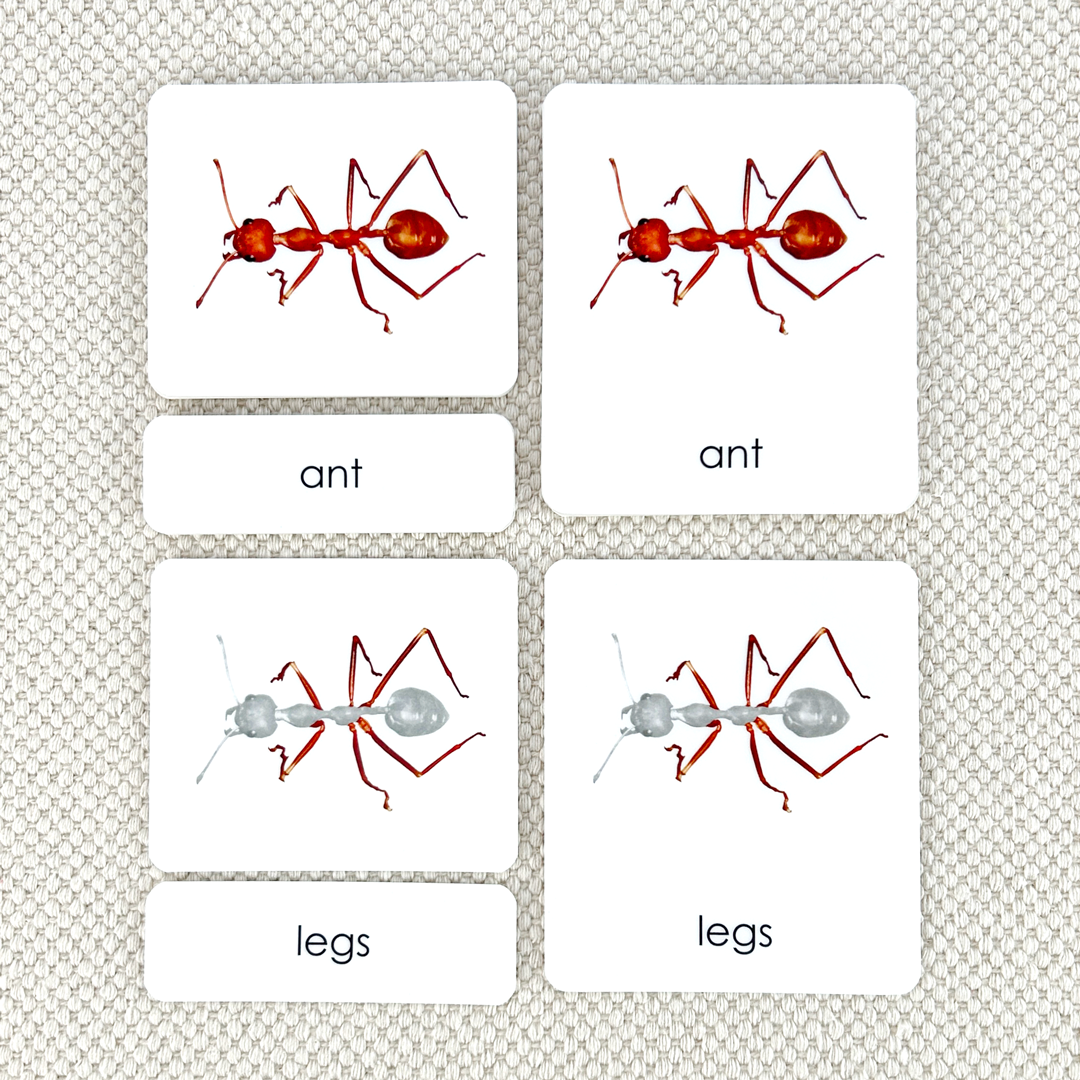
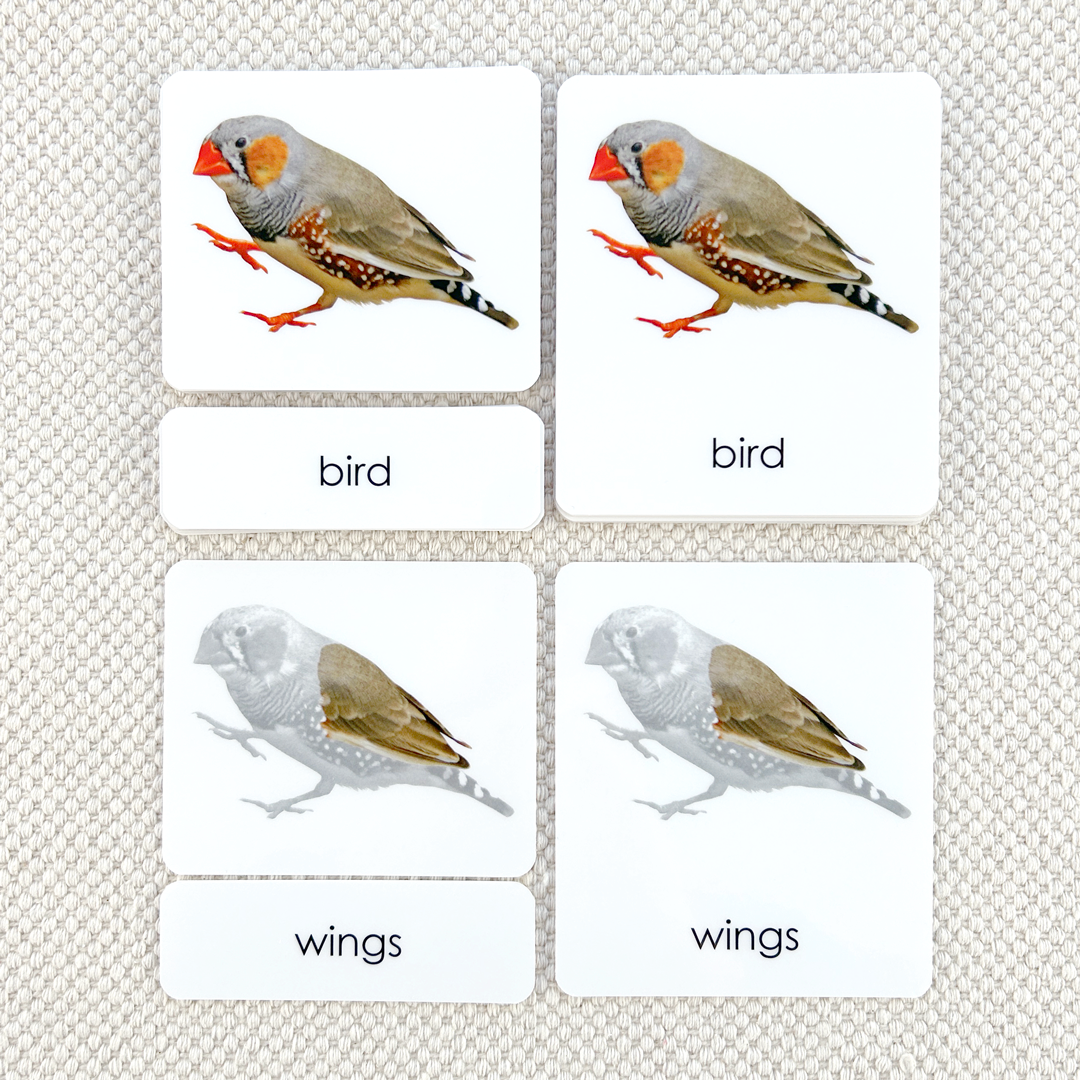
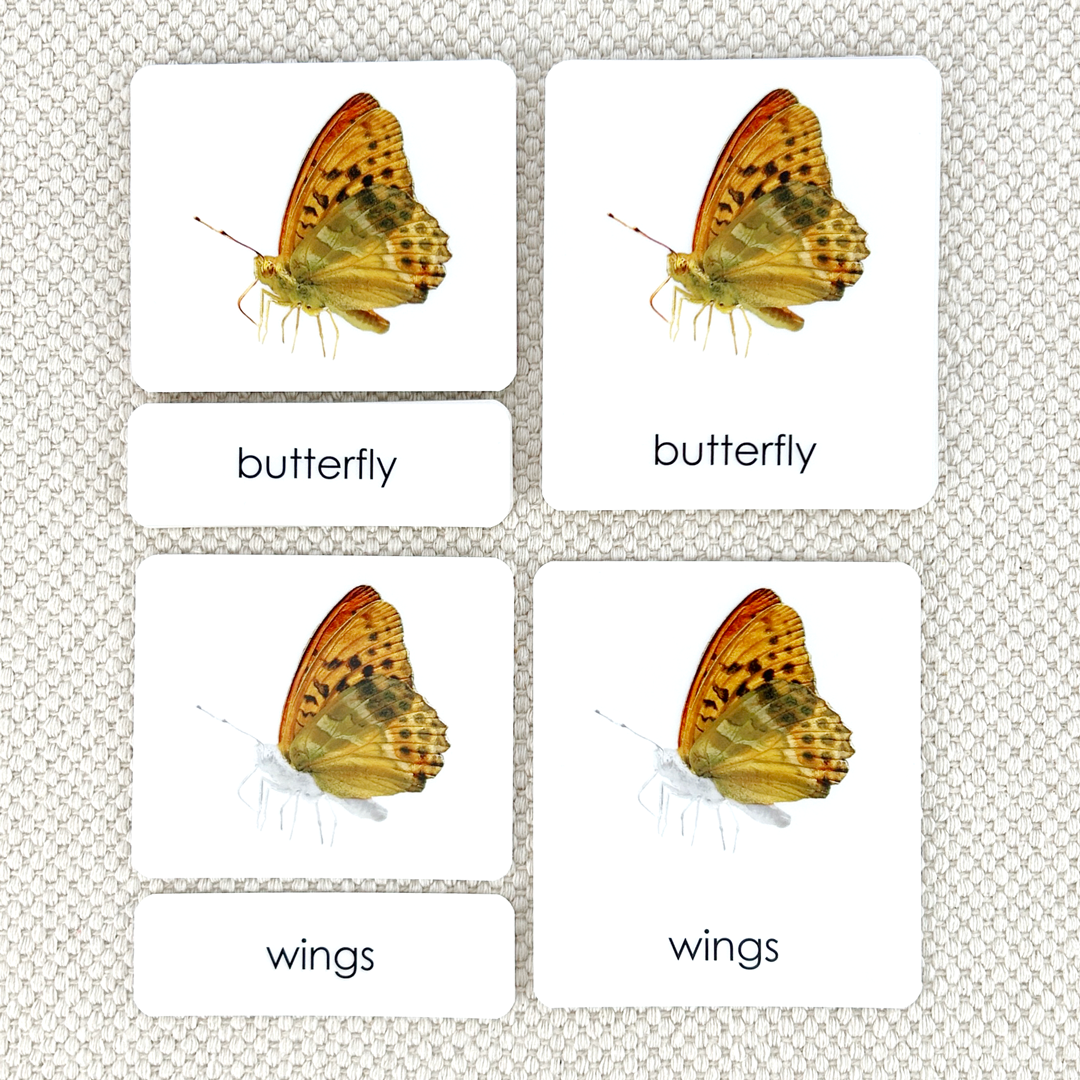
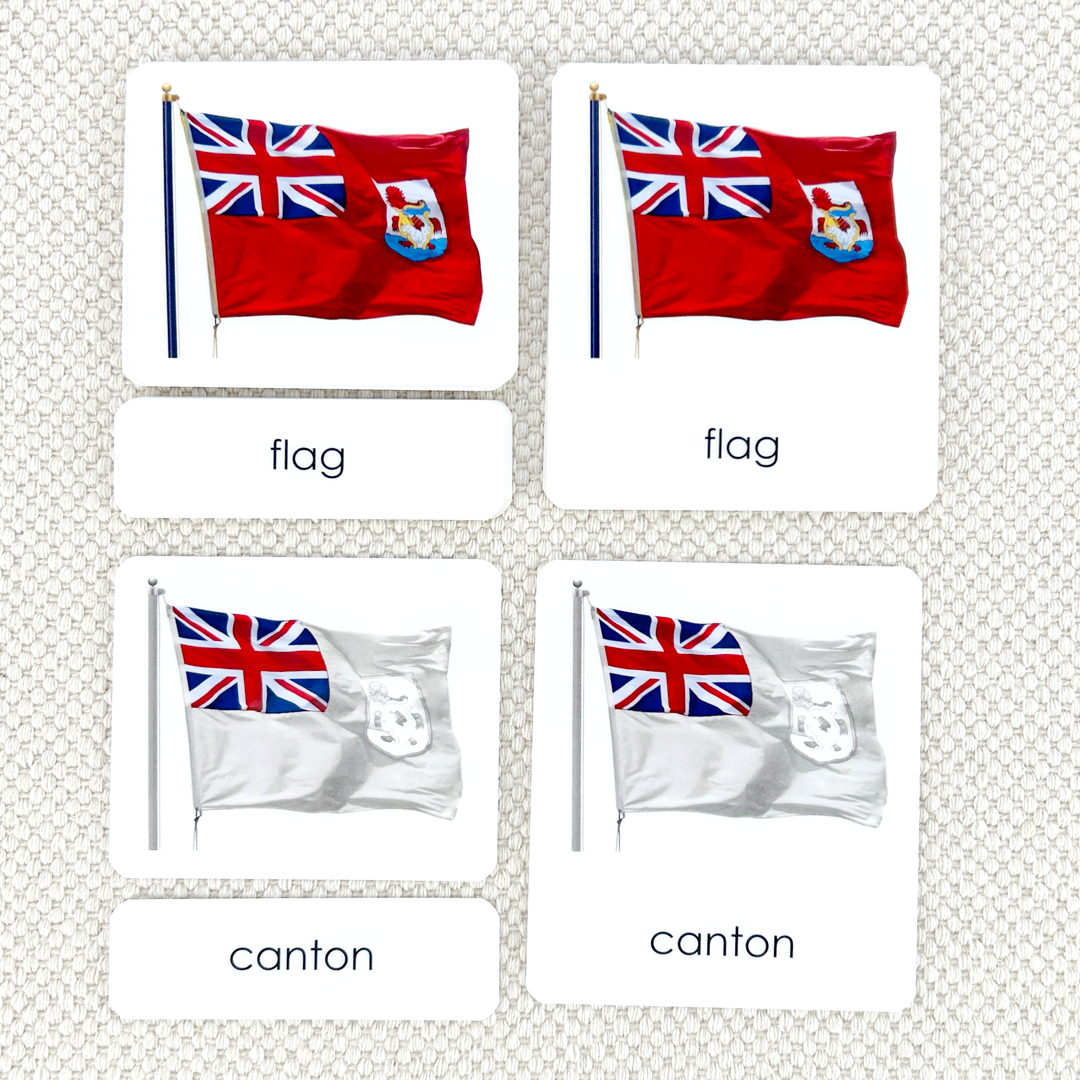
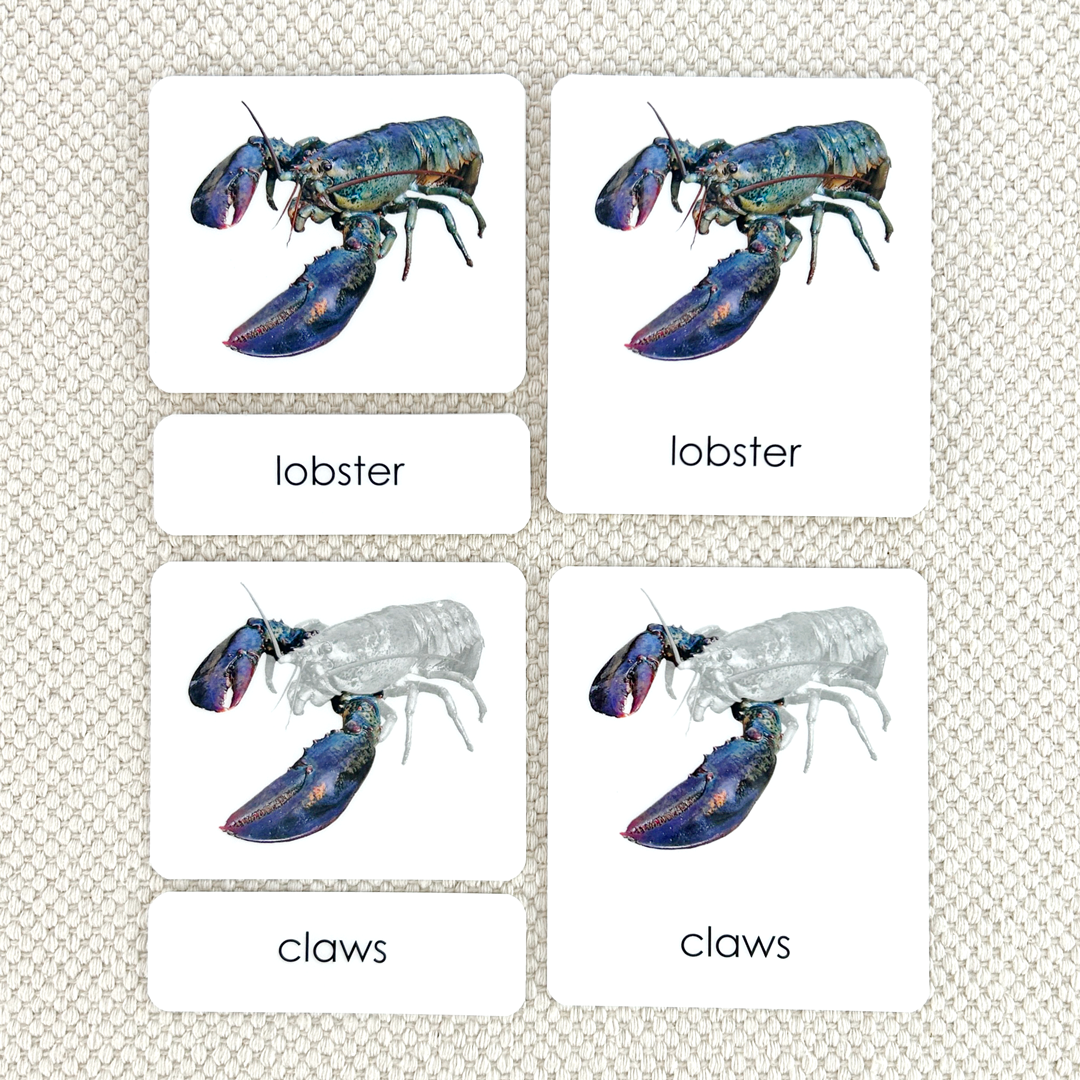
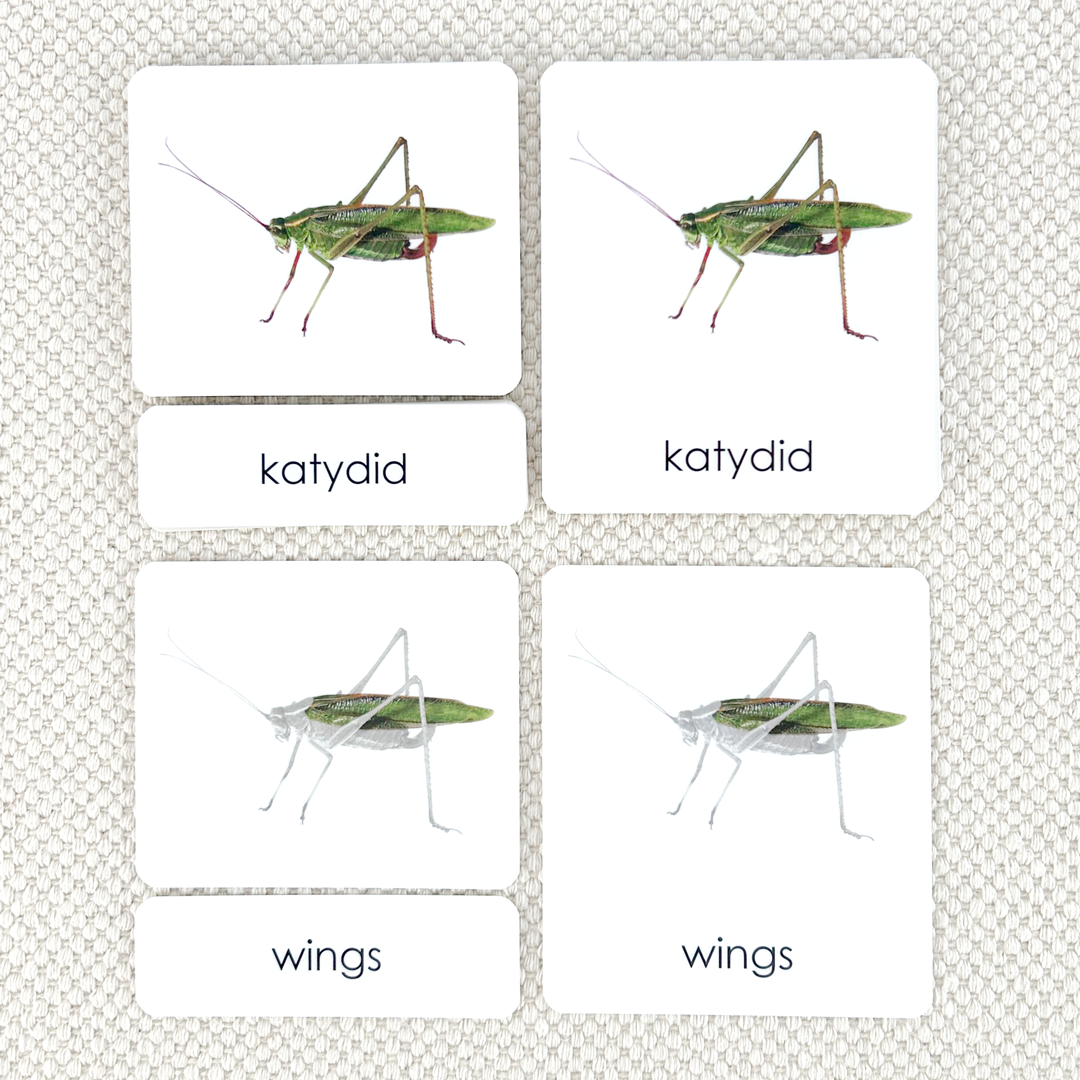
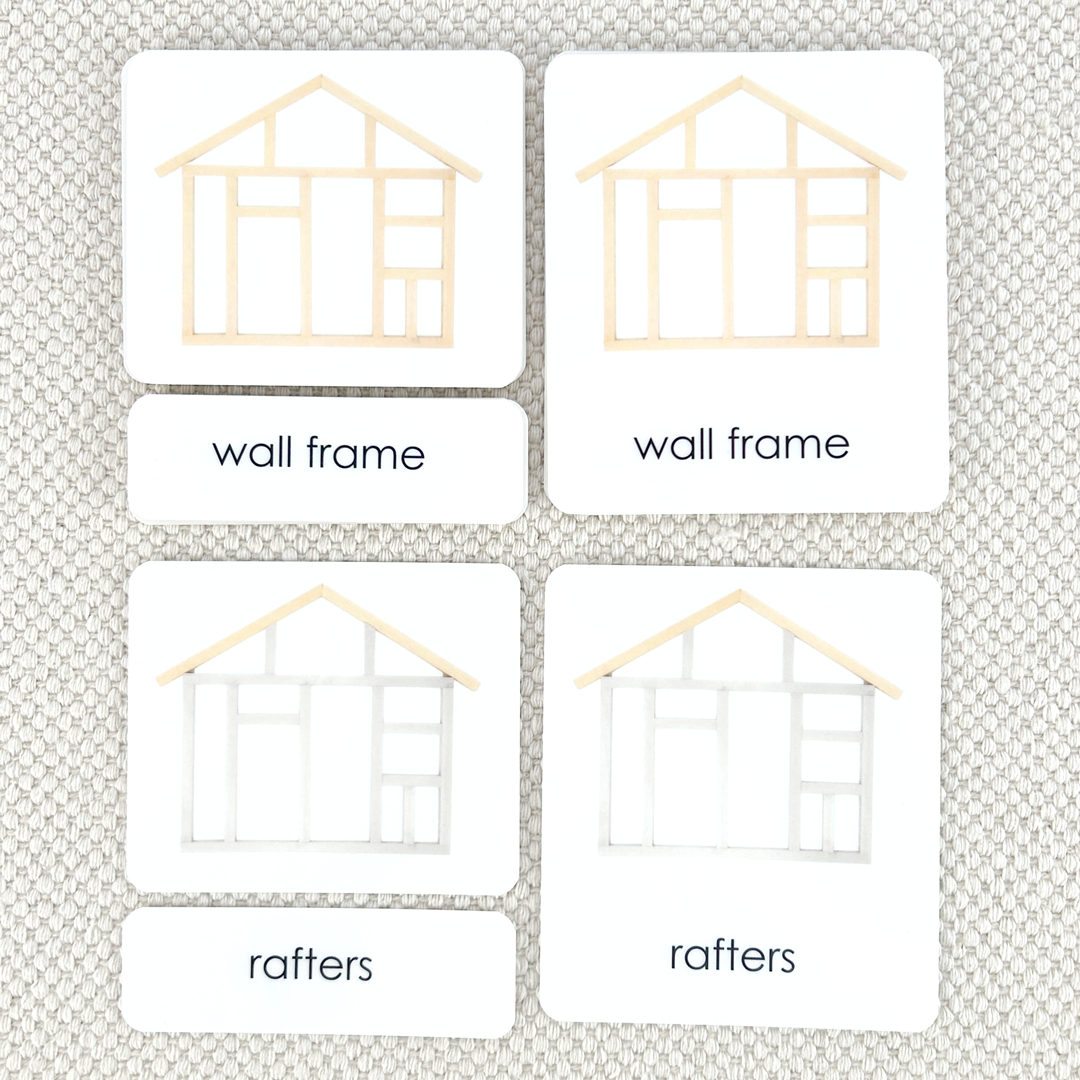
The Reading Fluency: Parts of Kit is a set of 18 Montessori 3-part card packets that build sight-word recognition of specialized vocabulary — the names for parts of animals, plants, and everyday structures. Use it once children can read basic phonetic words and are ready to stretch into specialized, non-phonetic terms based on their own interests. Each packet pairs a photo, a word label, and a self-correcting control card so children can read, match, and check their own work independently — no adult correction required.
How these materials work
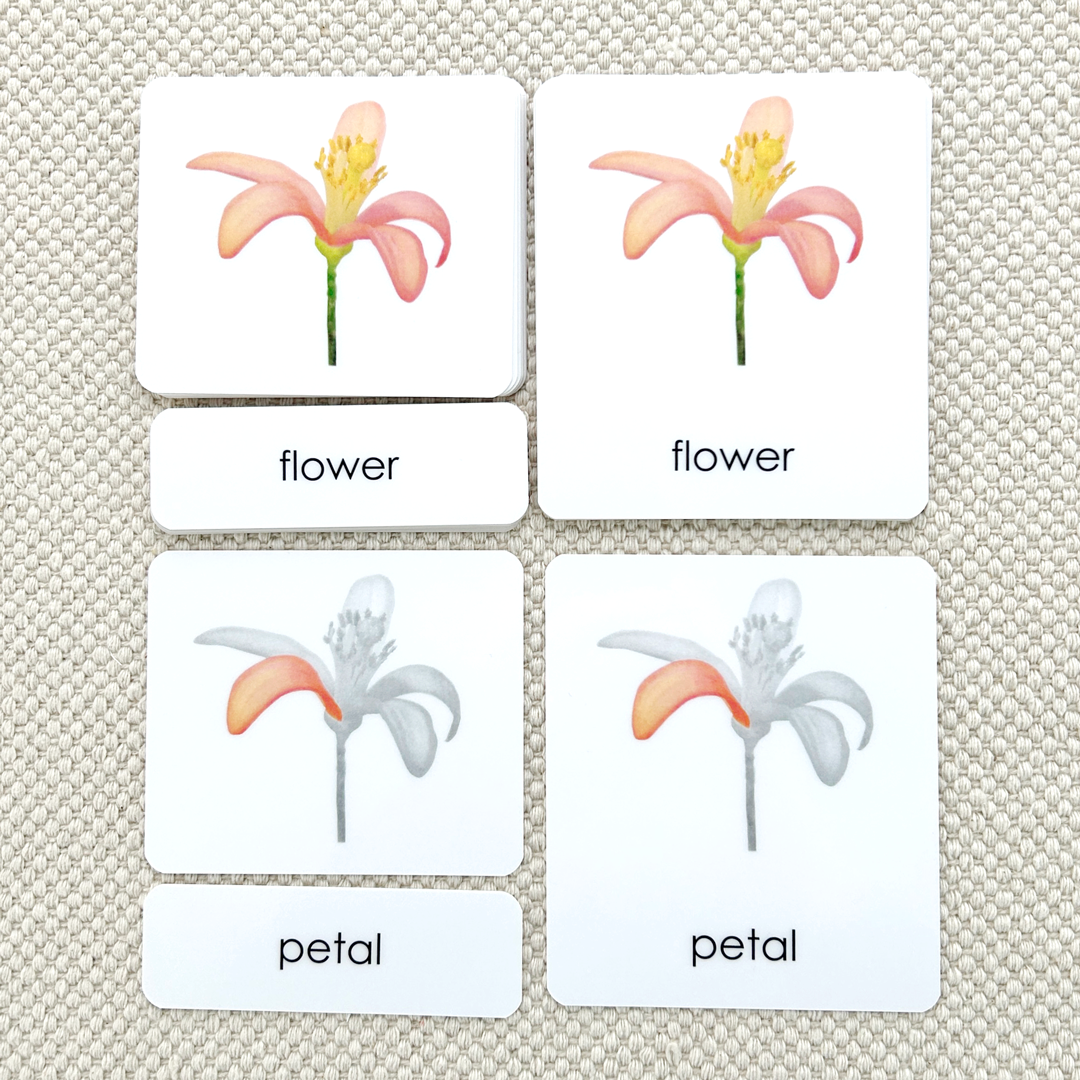
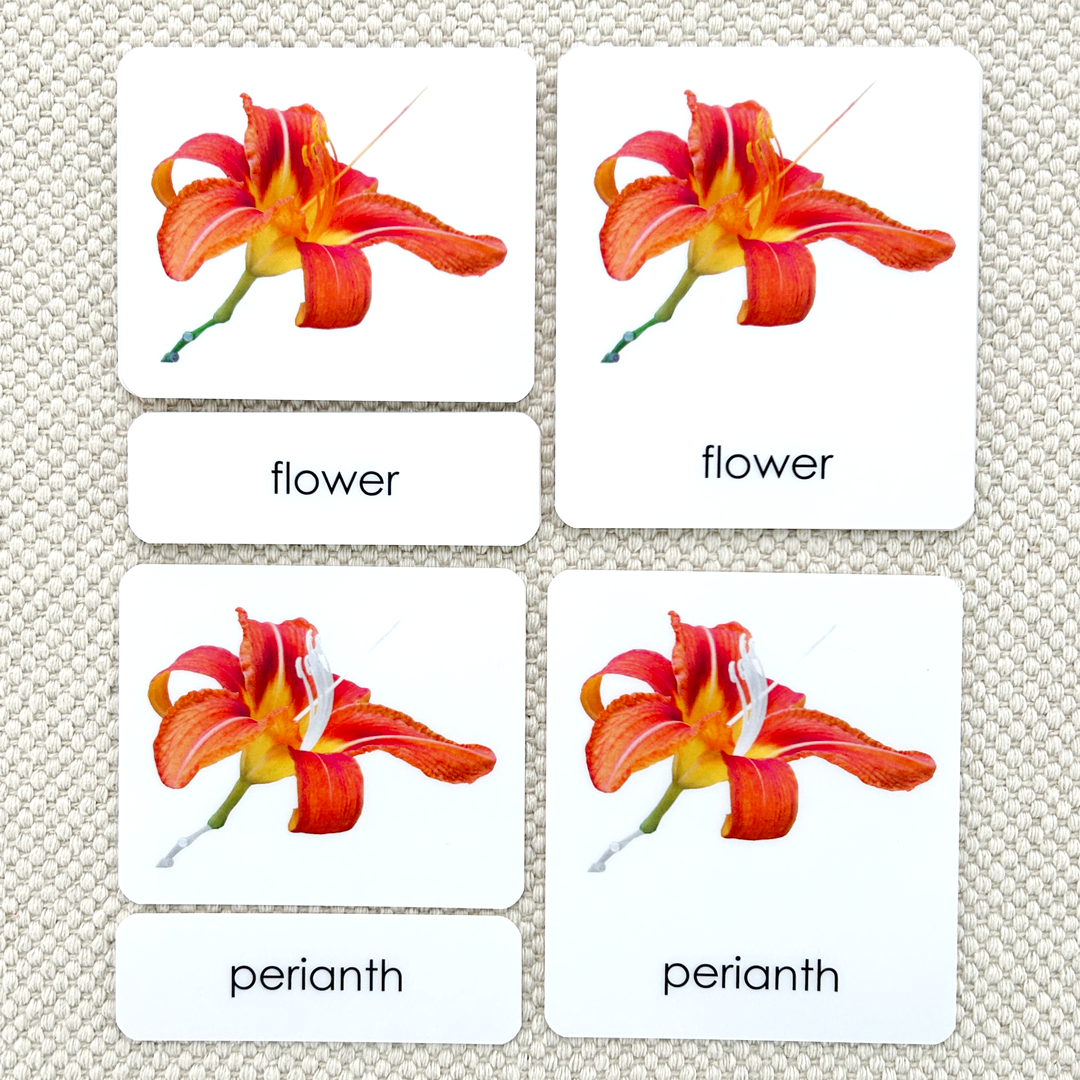
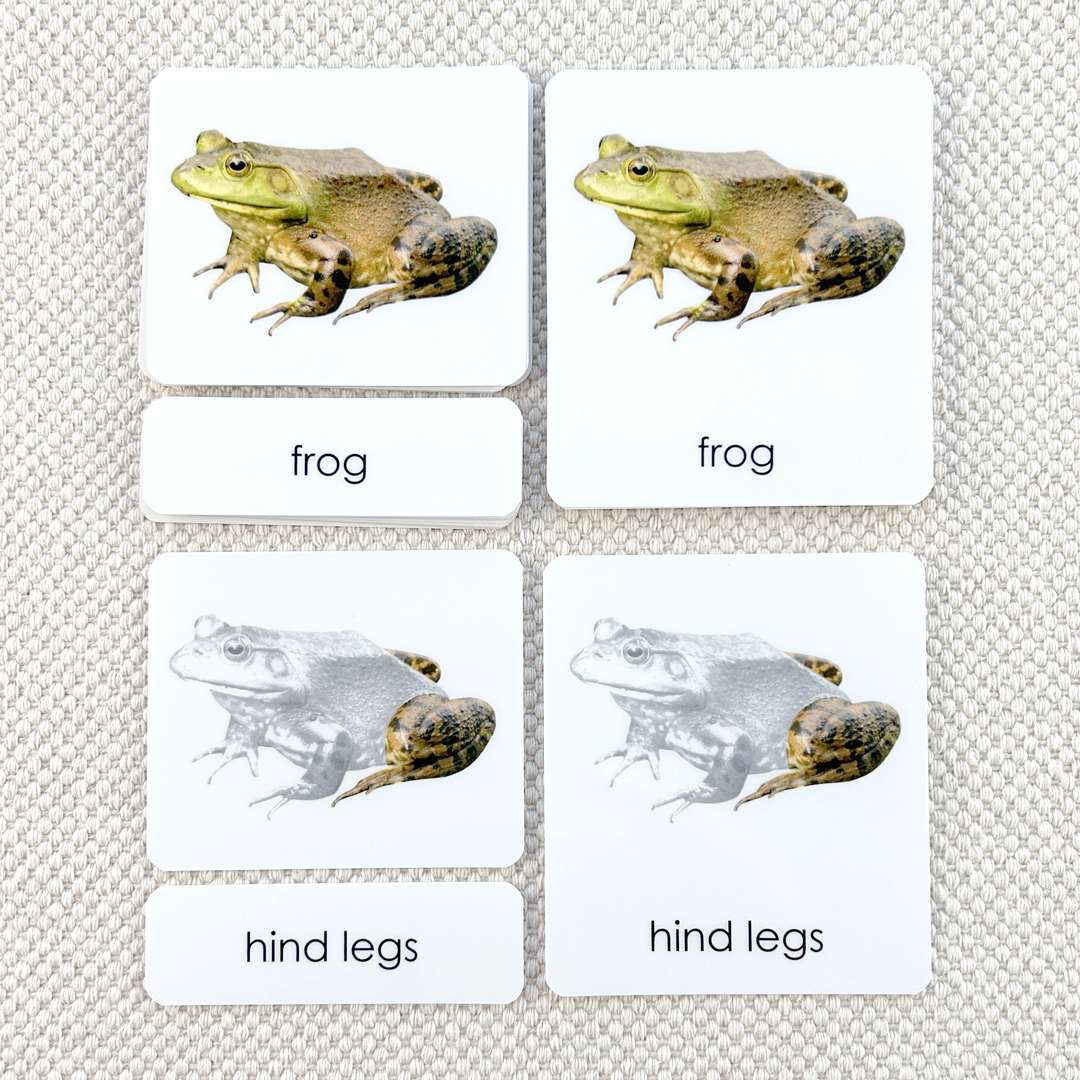
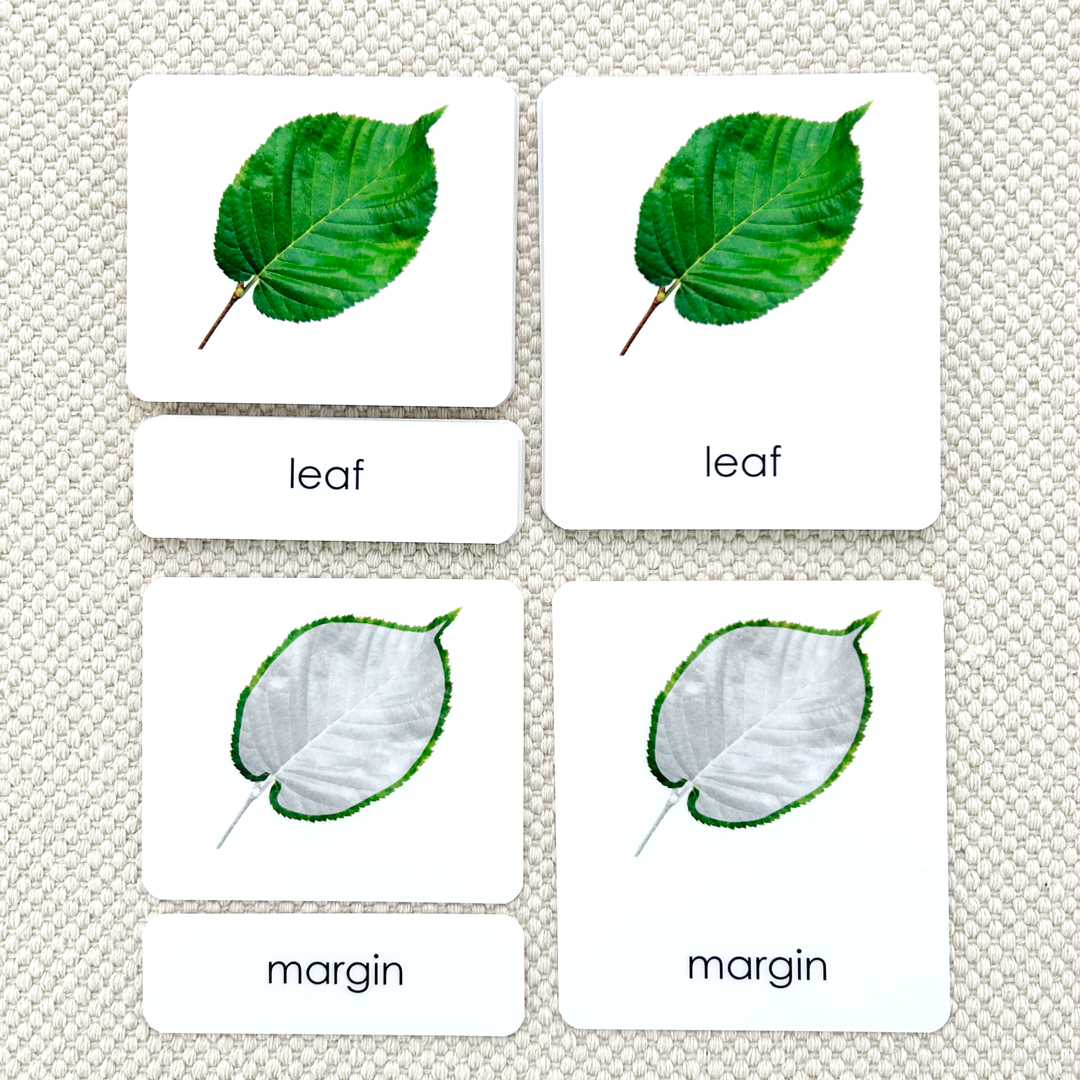
The self-correcting 3-part card format makes reading easy in three simple steps:
- Students lay out the photo cards.
- Students read the word labels and match them to the photos.
- Students use the control cards to check for accuracy (and find/fix any mistakes).
What's included
Choose your kit:
- Complete "Parts of" kit includes 18 packets of "Parts of" 3-part reading cards
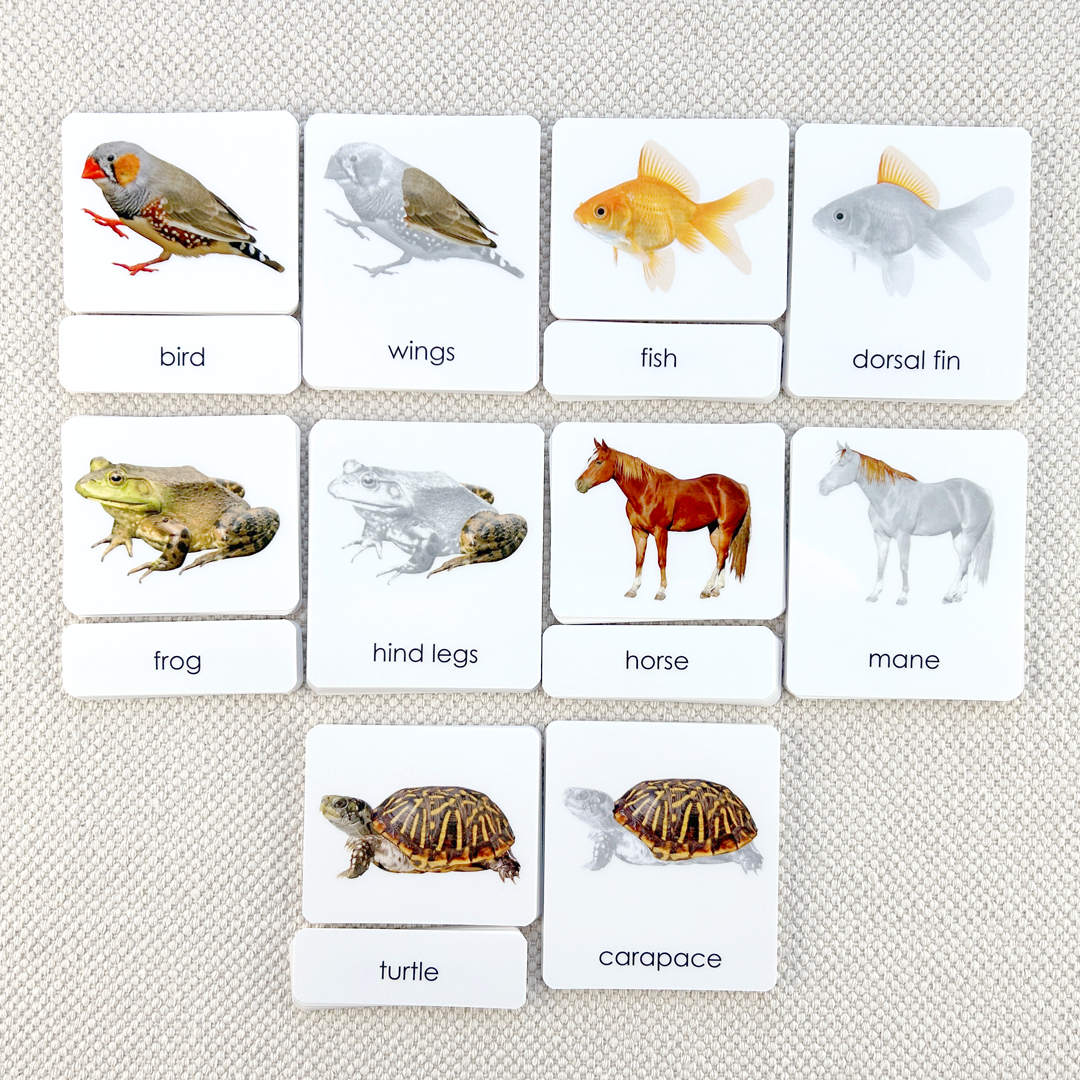
- Vertebrates kit includes 5 packets of "parts of" 3-part reading cards; one each for bird, fish, frog, horse, and turtle
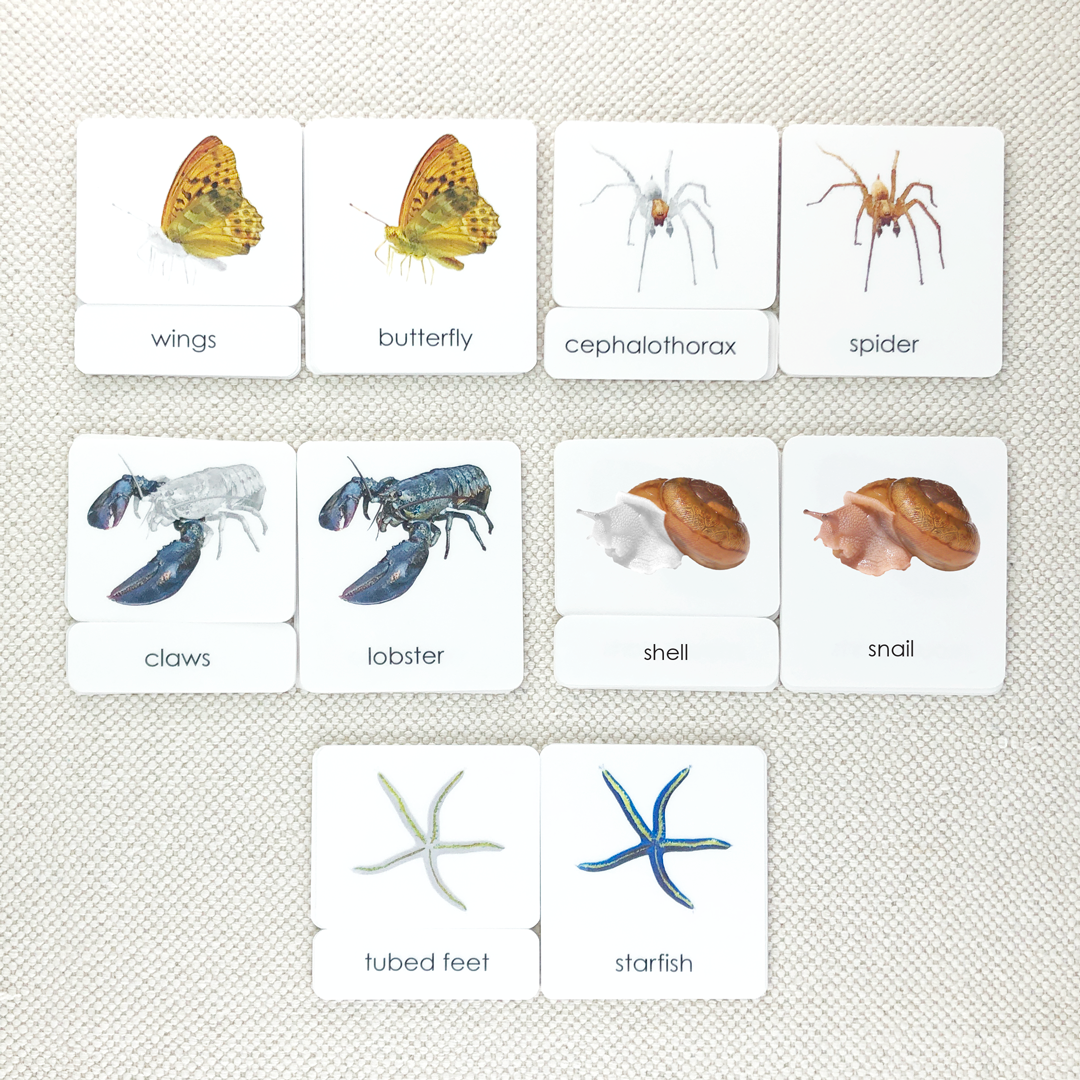
- Invertebrates kit includes 5 packets of "parts of" 3-part reading cards; one each for butterfly, lobster, spider, snail, and sea star (starfish)
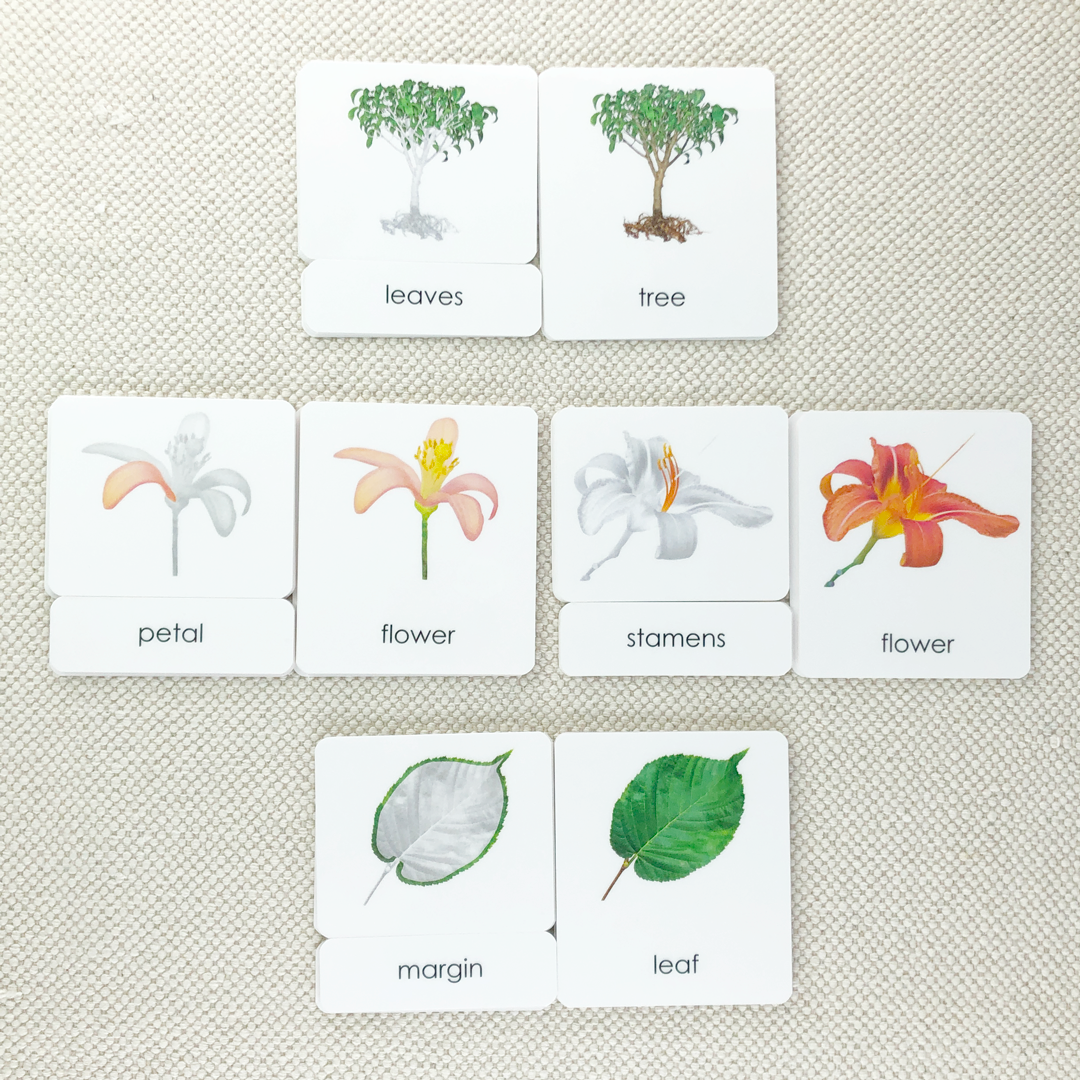
- Botany kit includes 4 packets of "parts of" 3-part reading cards; one each for tree, leaf, dicot flower, and monocot flower
All kits come with a detailed lesson plan with many ideas for use. Each packet features 5 to 13 photos in a 3-part format (15 to 39 cards per packet).
You'll find each of the following titles in the kit: Parts of the Ant, Bird, Butterfly, Fish, Flag, Frog, Dicot Flower, Monocot Flower, Horse, House Frame, Katydid, Leaf, Lobster, Spider, Snail, Starfish (Sea Star), Tree, and Turtle.
All cards are eco-made in the USA, laminated with a food-grade laminate, and ready to use right out of the box. CPSIA compliant.
Why reading fluency matters
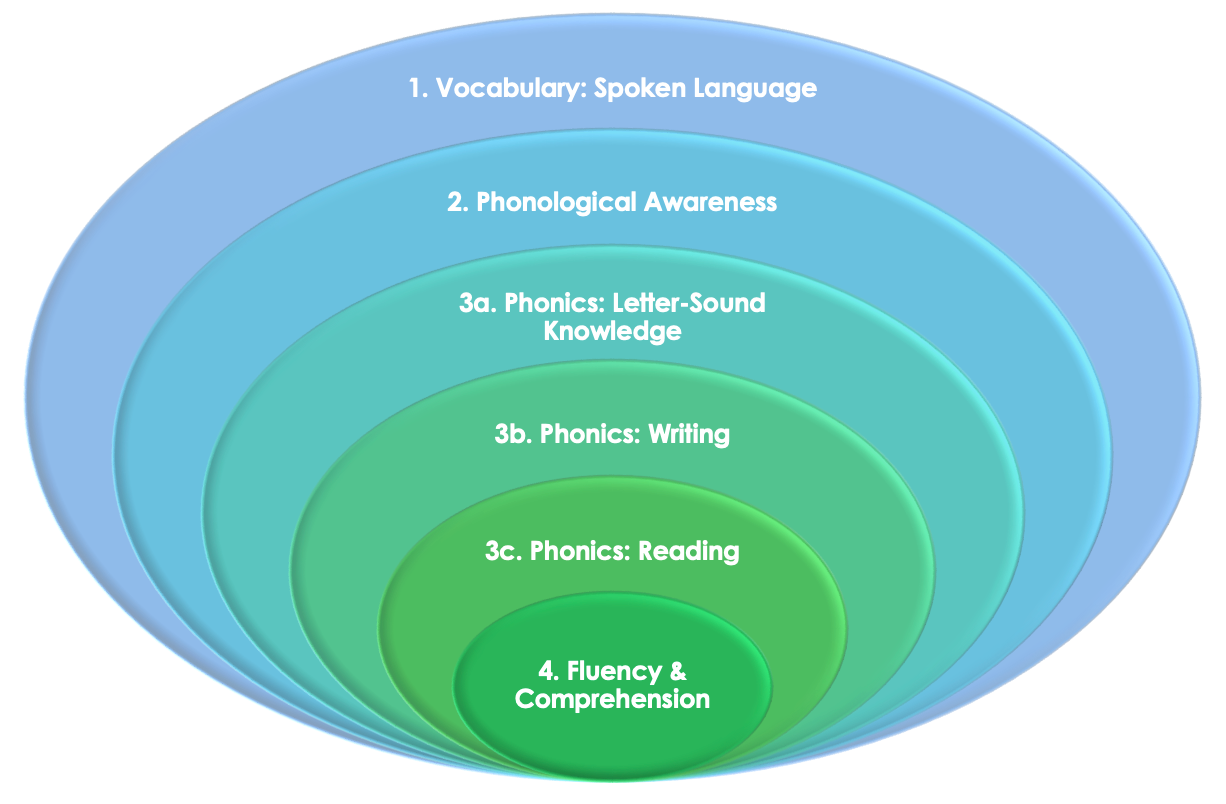
Scarborough's Reading Rope groups sight recognition alongside phonological awareness and decoding in the Word Recognition strand — the strand responsible for reading words accurately and automatically (Scarborough, 2001). Specialized vocabulary like "tympanum," "petal," or "carapace" doesn't follow common spelling patterns a child would sound out from phonics rules alone, so repeated exposure through the 3-part format is what bonds each word's sounds, spelling, and meaning in memory — a process called orthographic mapping — until it can be read on sight (Ehri, 2014). Because children choose packets based on their own interests, that repetition happens naturally rather than through drilling.
What is the Science of Reading?
The Science of Reading is the interdisciplinary body of research — from cognitive psychology, linguistics, and neuroscience — explaining how children learn to read. It identifies two foundational components of skilled reading: language comprehension and word recognition (decoding), which combine to produce reading comprehension (Gough & Tunmer, 1986).
What is the Word Recognition strand of Scarborough's Reading Rope?
Word Recognition is one of the two main strands of Scarborough's Reading Rope, made up of phonological awareness, decoding, and sight recognition of familiar words (Scarborough, 2001). This kit targets sight recognition directly: as children repeatedly match and read specialized vocabulary, those words move from being sounded out to being recognized automatically, freeing attention for comprehension.
What ages is this kit designed for?
Ages 5–9 (grades K–3). Children are ready for this material once they can read basic phonetic words and are beginning to stretch into non-phonetic, specialized vocabulary.
How is this kit Montessori-aligned?
The 3-part card format is a classic Montessori material: children work independently, using the control cards to verify and correct their own reading without adult intervention, and choose packets that follow their own interests — whether that's zoology, botany, or everyday structures.
Product Details
A Note to Teachers
Choose options
Included In This Bundle




Knowledge Bank
Recommended Articles

Download a PDF of our materials

Follow Us