
Phonogram 3-Part Cards
More Information:
Phonogram 3-Part Cards

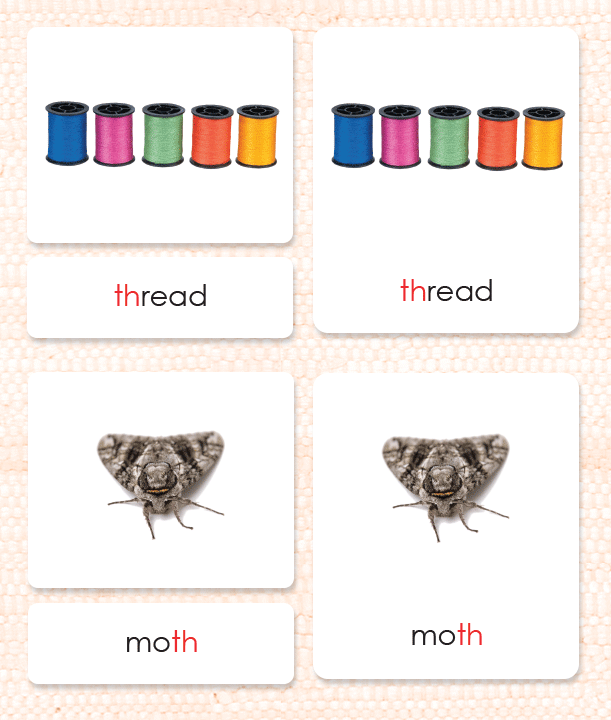
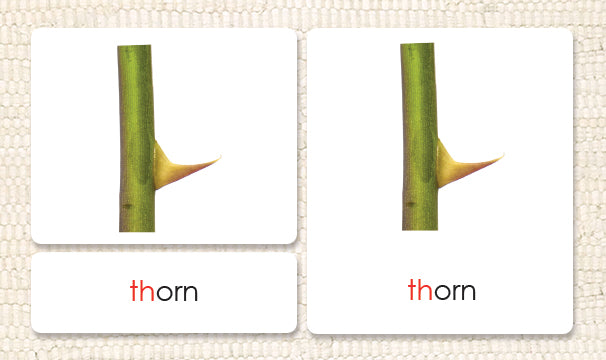
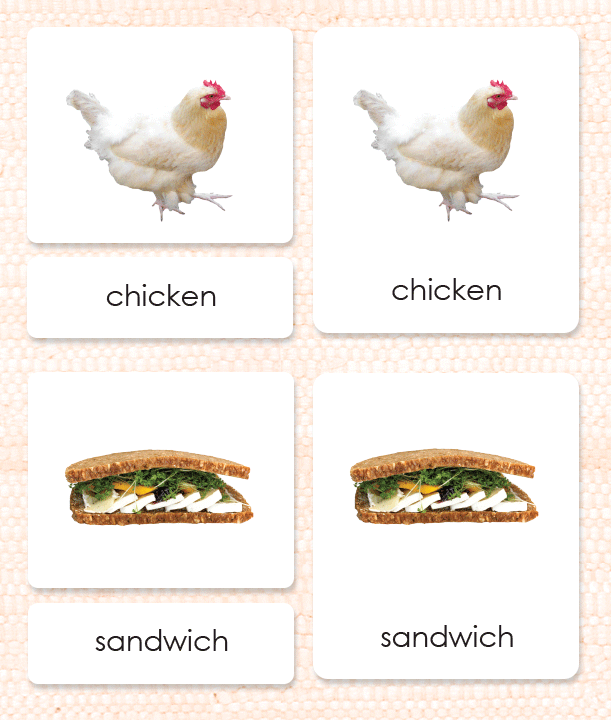
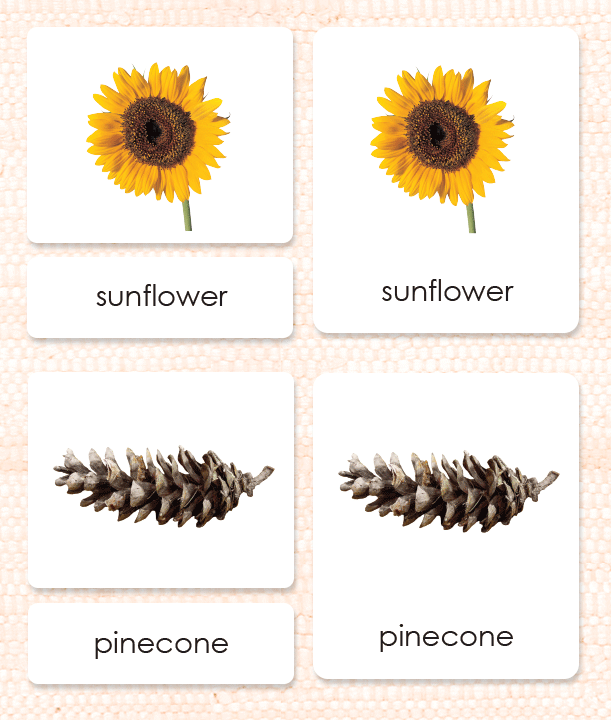
Montessori phonogram 3-part cards help students take the next step in reading: words with phonograms. A phonogram is two or more letters that work together to make one sound, such as the digraphs sh and th, vowel teams like ai and ee, silent e words, and r-controlled vowels like ar and or. Each word has three cards: a real photo, a word label, and a control card showing the photo and word together. Students match the labels to the photos, then check their own work with the control cards.
What's in this collection
- Phonetic Level 3 Set: Key Sound Phonograms: 11 packets, each focused on one phonogram included in the Montessori green sandpaper letters
- Phonetic Level 3 Set: Other Phonograms: 10 more phonogram packets with other common phonograms like silent e
- Phonetic Level 4 Set: Challenging Phonetic Words: 5 packets (4A through 4E) of longer words, including compound words
Every packet is also sold on its own, so you can start with the phonograms your students are learning now.
Our cards are eco-laminated with a food-grade laminate and rounded corners. Each packet comes in a sturdy, clear reclosable bag for teacher storage and includes a lesson plan. All cards are eco-made in the USA and are CPSIA compliant.
Why phonogram 3-part cards matter for reading
Many English words can't be read one letter at a time. Once students learn that letters can team up to make a new sound, a whole new world of words opens up. But they need lots of practice for these patterns to become automatic. Each packet focuses on one phonogram, so students practice it again and again. The photos help them figure out words they aren't sure how to pronounce. The control cards let them find and fix their own errors. No teacher correction required.
How do you use phonogram 3-part cards?
- Introduce the phonogram and its sound (see our phonogram materials).
- Make sure the student knows the name of each picture. Use the three-period lesson for any unfamiliar ones.
- Lay out the picture cards in a column.
- The student reads each word label and places it under the matching picture.
- The student places the control cards just to the right of each photo/word combination to see if they match. If they made an error, they will see it and can fix it independently.
What comes next
For more practice with each phonogram, add our phonogram lists. For words that can't be sounded out, try our puzzle words. Once students are reading with confidence, move on to our 3-part reading cards. To see how phonograms fit into the full sequence, read about the Montessori Science of Reading.
What ages are phonogram 3-part cards for?
Typically ages 4 to 7, once a student reads simple phonetic words and consonant blends with ease. They also work well for older students who need phonics practice, English learners, and intervention settings.
What should students know before starting?
Before beginning with these phonogram materials, students should be successfully reading short-vowel words and words with consonant blends, like the words in our phonetic 3-part cards (Levels 1 and 2). They should also know the sound of the phonogram in each packet before they begin this work.
Which set should I start with?
Start with the Key Sound Phonograms set, then add the Other Phonograms set. Level 4 comes last, once students read phonogram words with ease. You can also buy single packets to match the phonograms your students are learning.
How should I store and display phonogram 3-part cards?
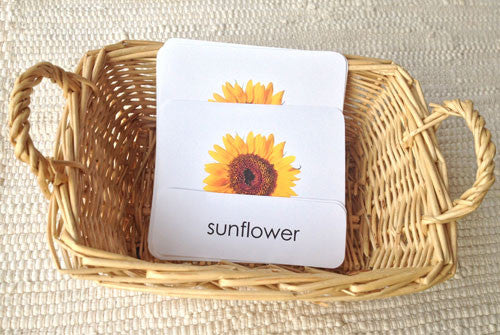
We recommend putting several packets out at one time to meet the needs of the whole room. We like to organize and display these in our 3-pocket foldover cloth pouches. (Each packet comes in a sturdy, clear reclosable bag that is for teacher storage only, not student use.) As students master the words on the shelf, swap in new phonograms. You can use the same pouches in the same shelf location.
Download a PDF of our materials

Follow Us