Reading Fluency: Common Nouns 3-Part Card Bundles
 Teacher Favorite
 Rooted in Neurodevelopment
-

See the Guided Lesson Plan
 High quality materials
 Eco-Happy
 Fun & Engaging Activities
Ages/Stages
Common Core
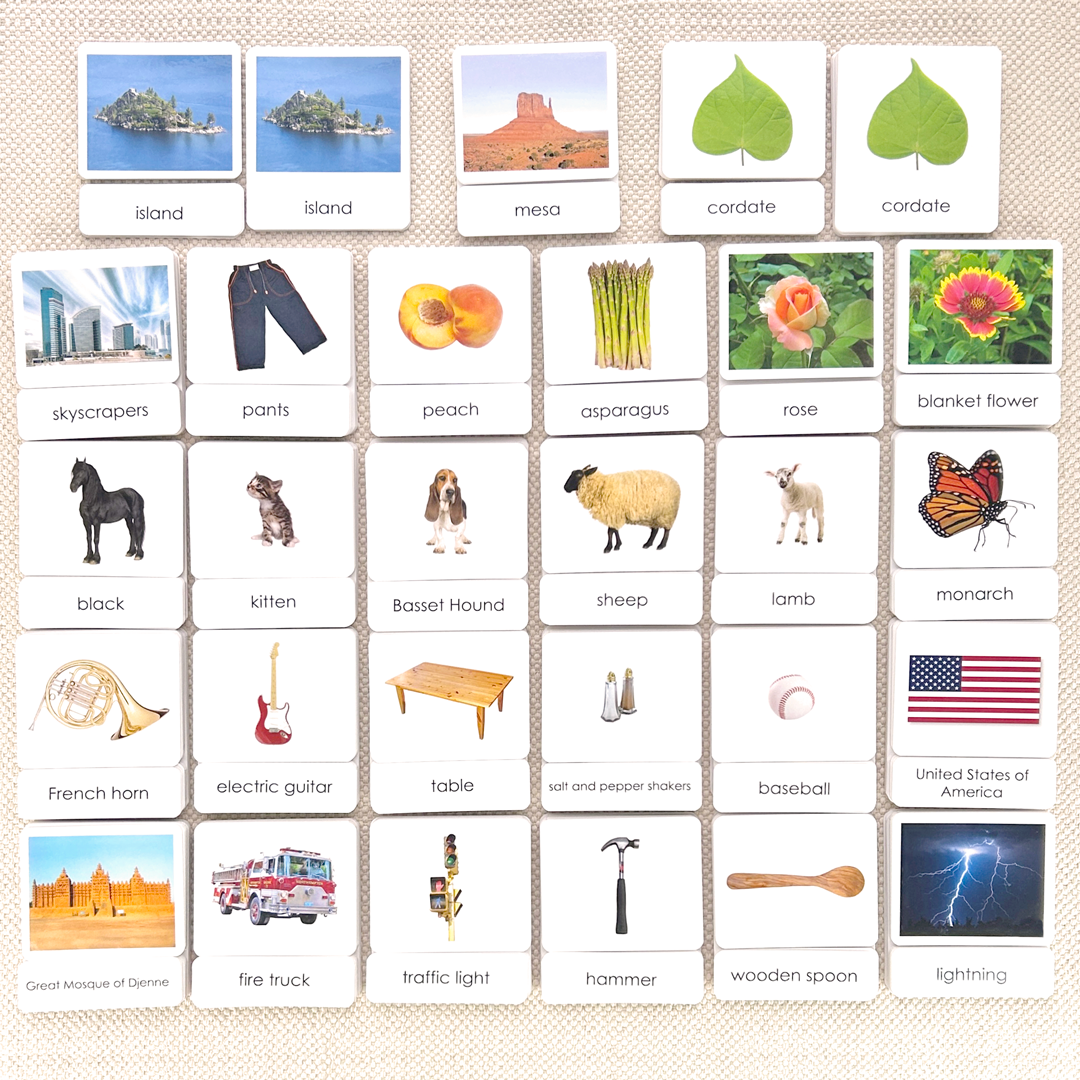
Common Nouns 3-Part Card Bundles are Montessori reading card sets that build word recognition and reading fluency. Use them once children can read basic phonetic words and are ready to stretch into non-phonetic vocabulary. Each packet pairs a photo, a word label, and a self-correcting control card, so children can read, match, and check their own work independently, with no adult correction required. Choose the complete 27-packet collection or a smaller themed bundle: Animals, Geography, or Plant Lovers.
How these materials work
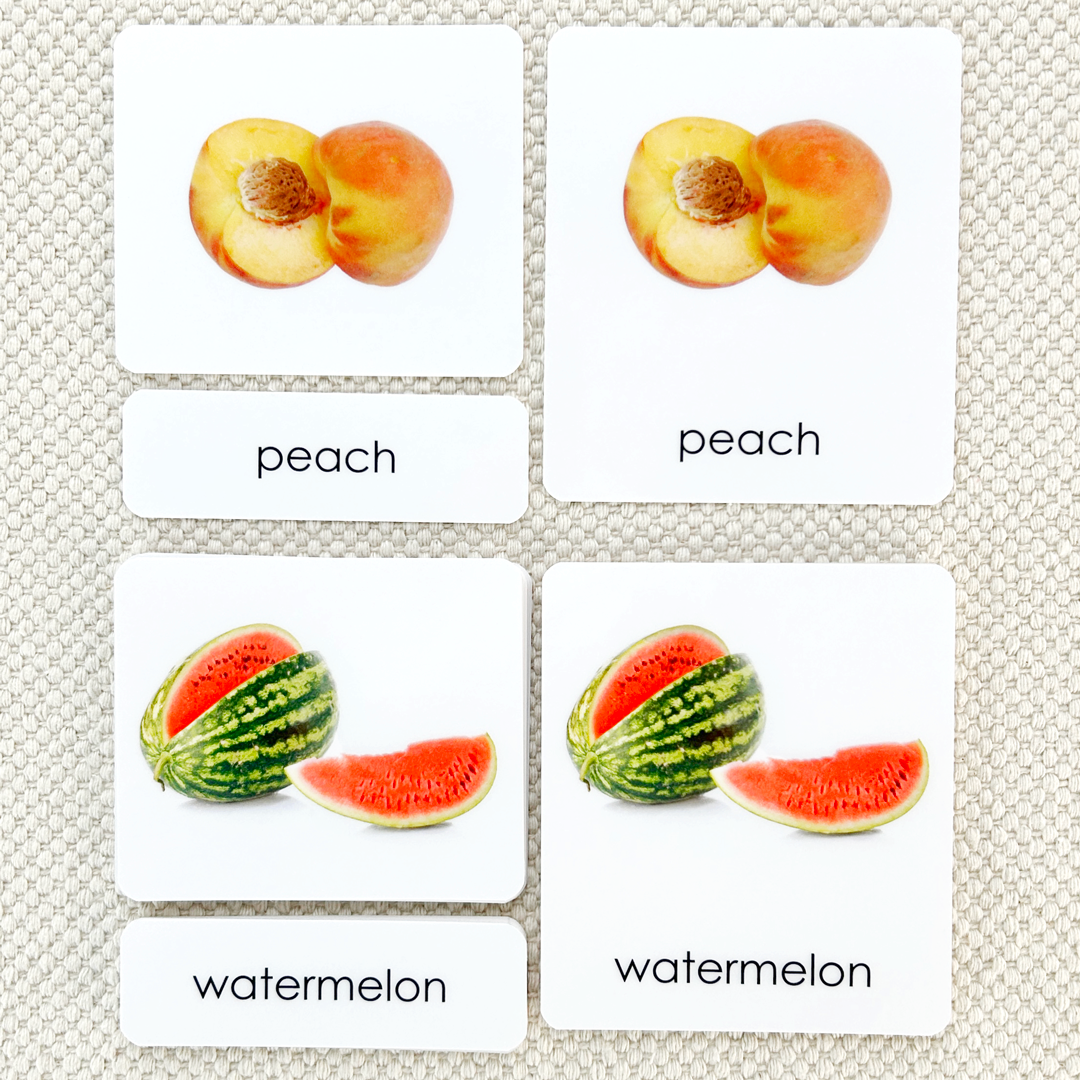
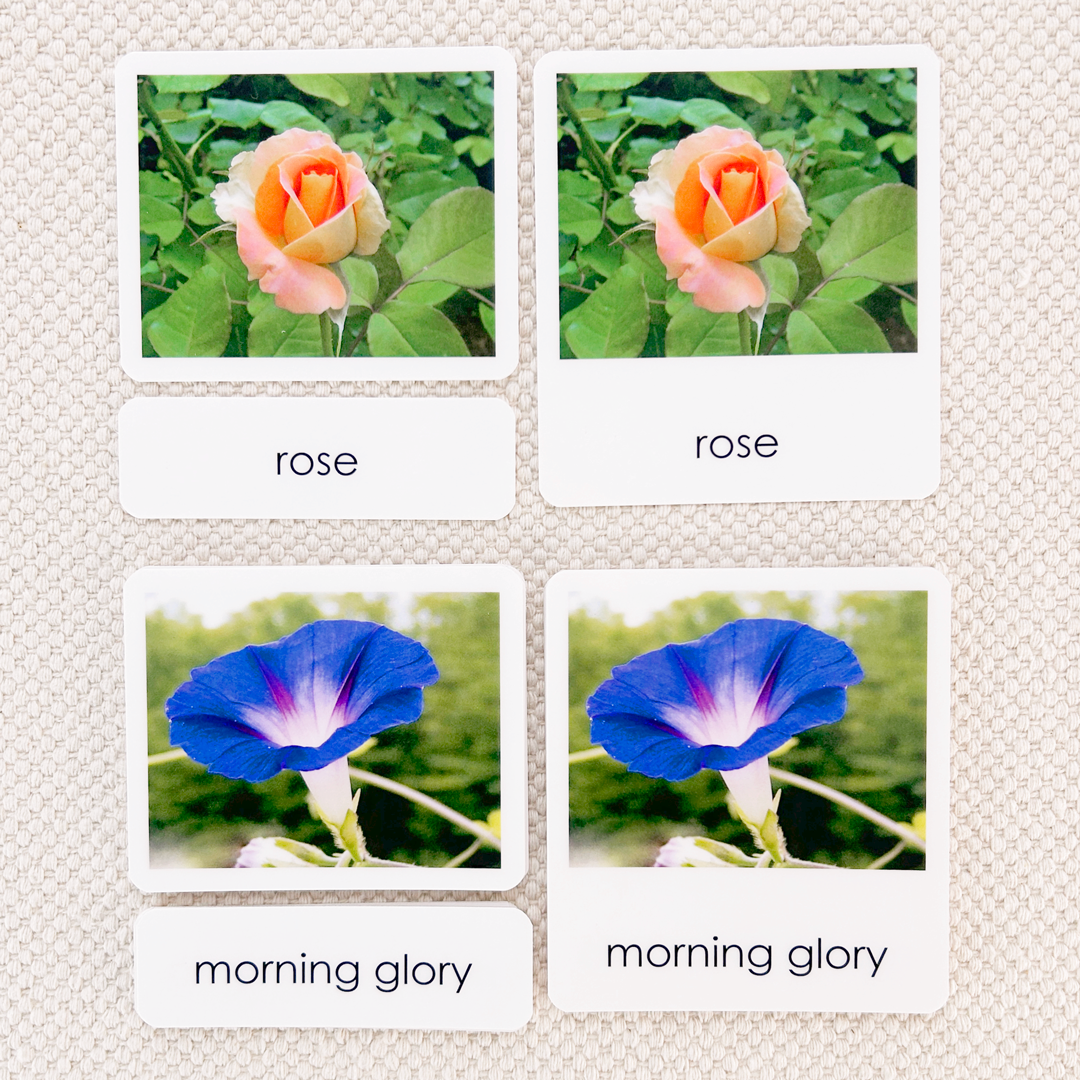
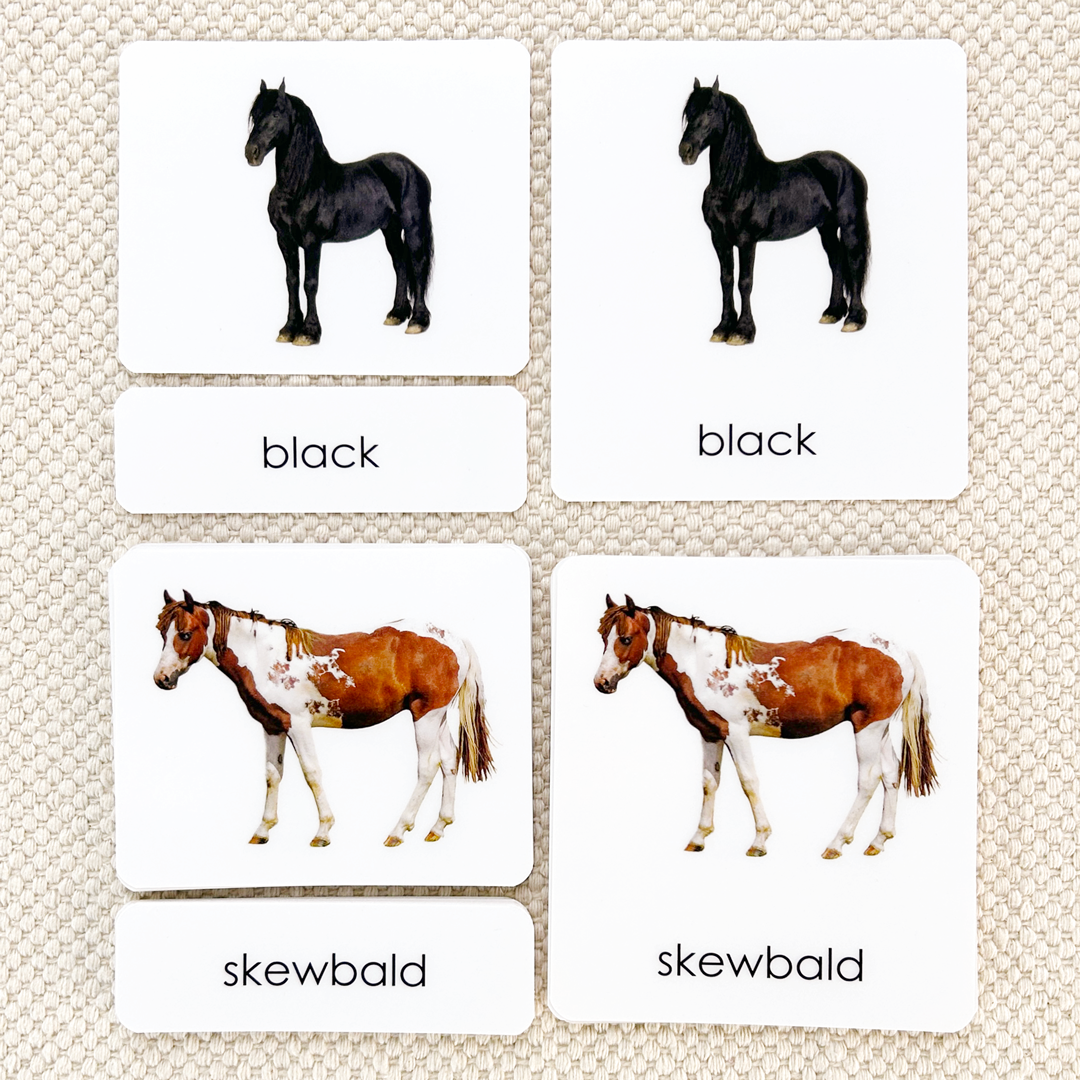
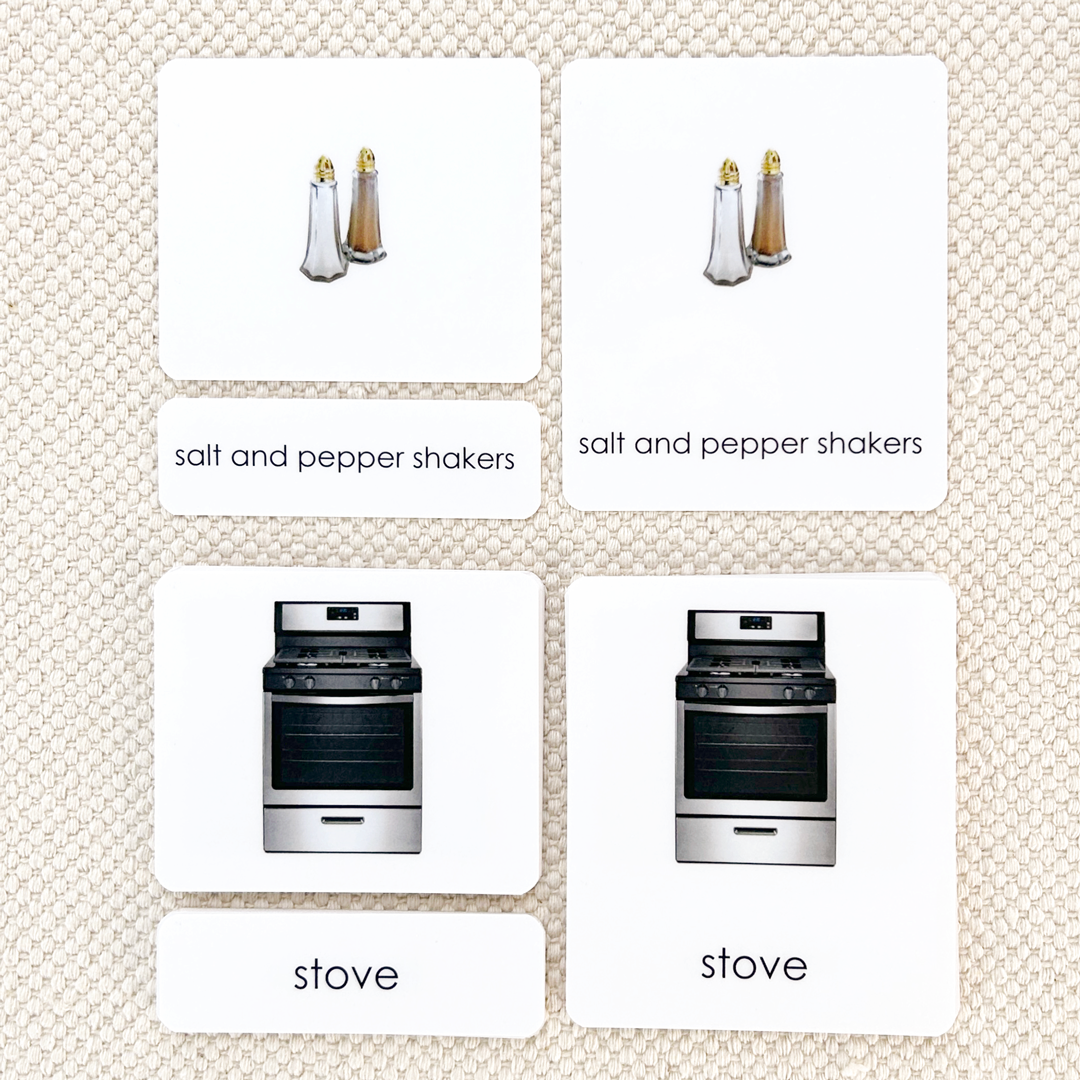
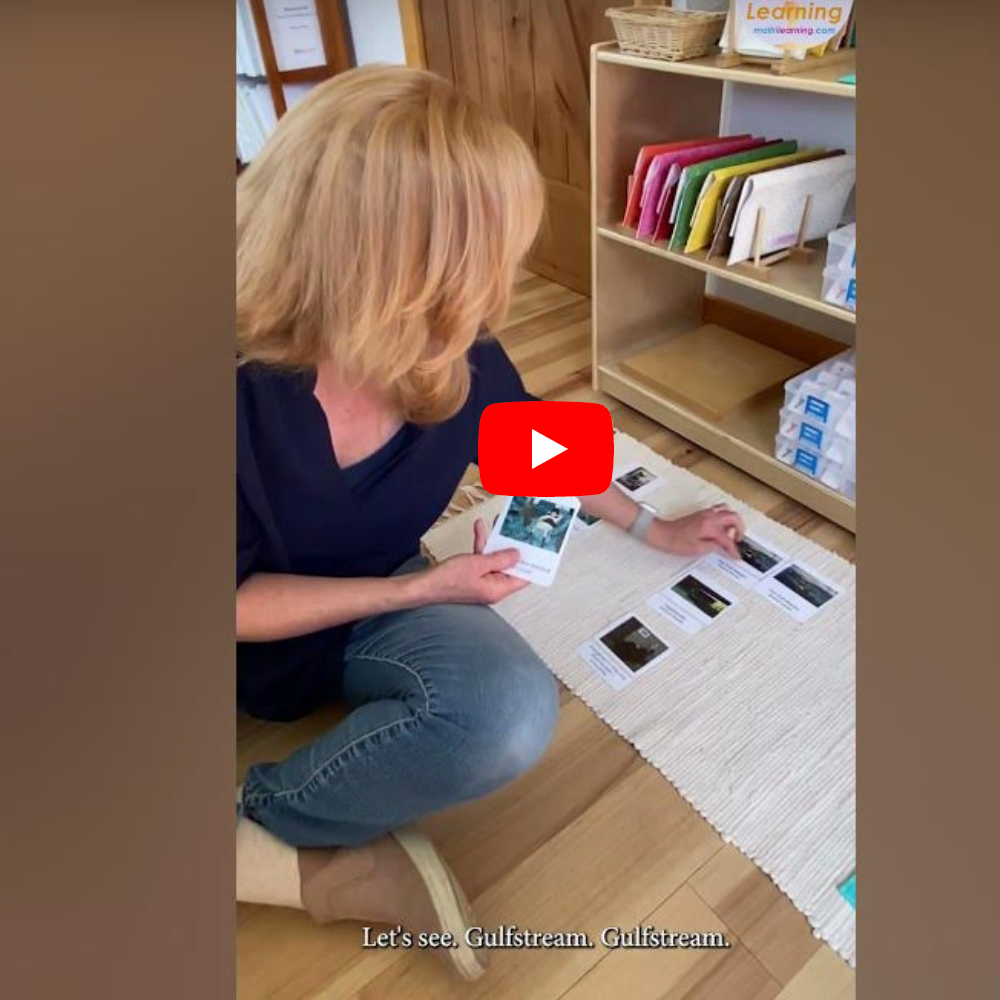
The self-correcting 3-part card format makes reading easy in three simple steps:
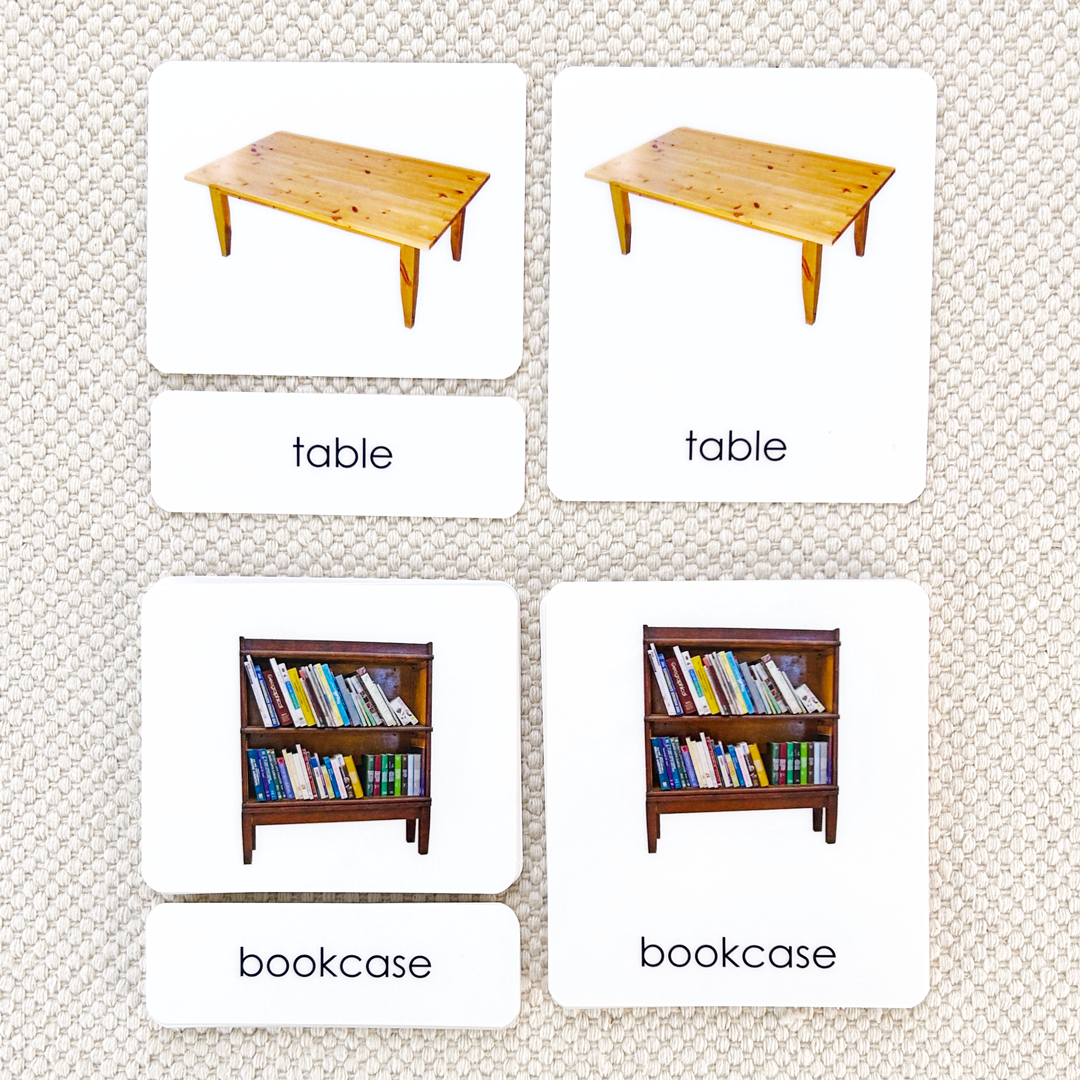
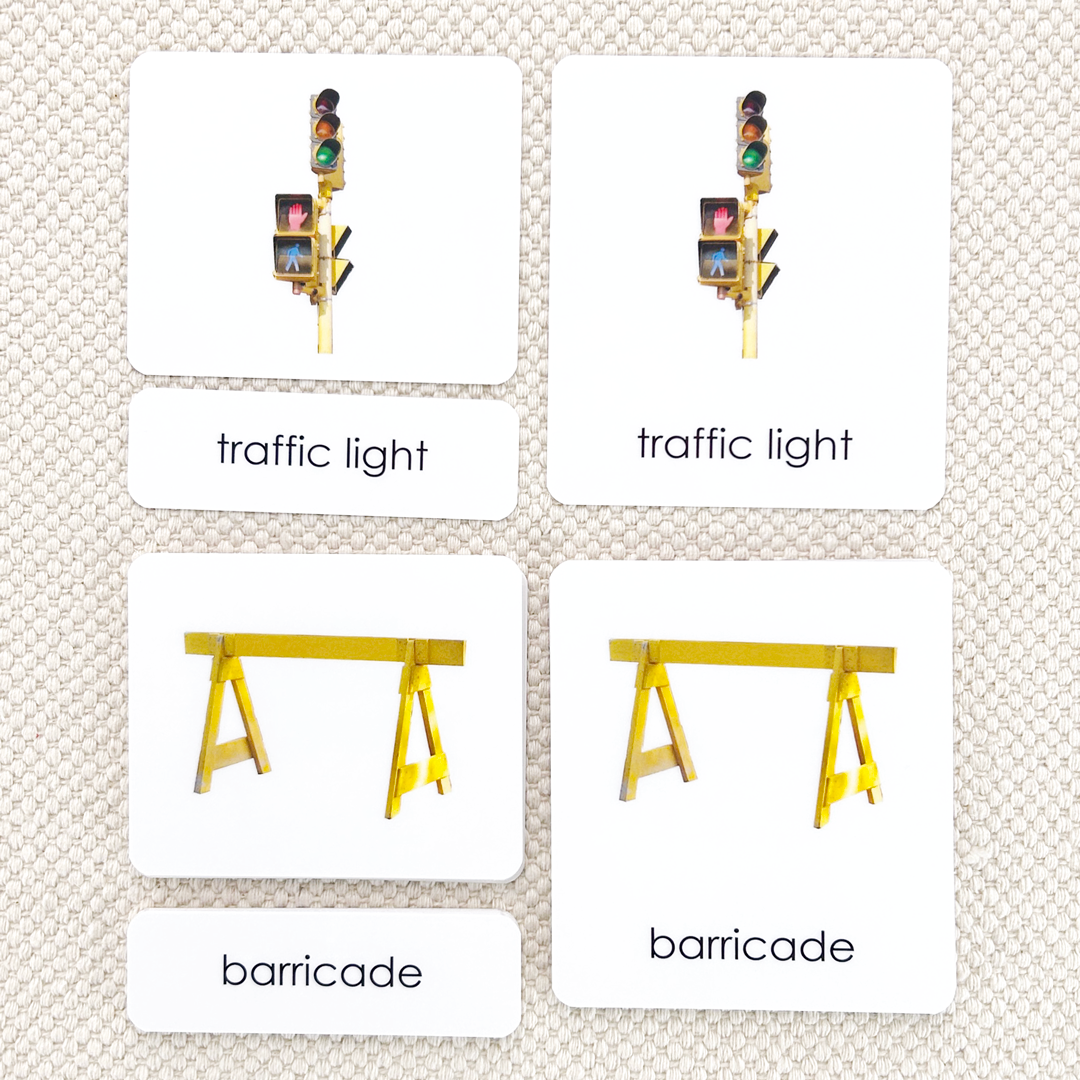
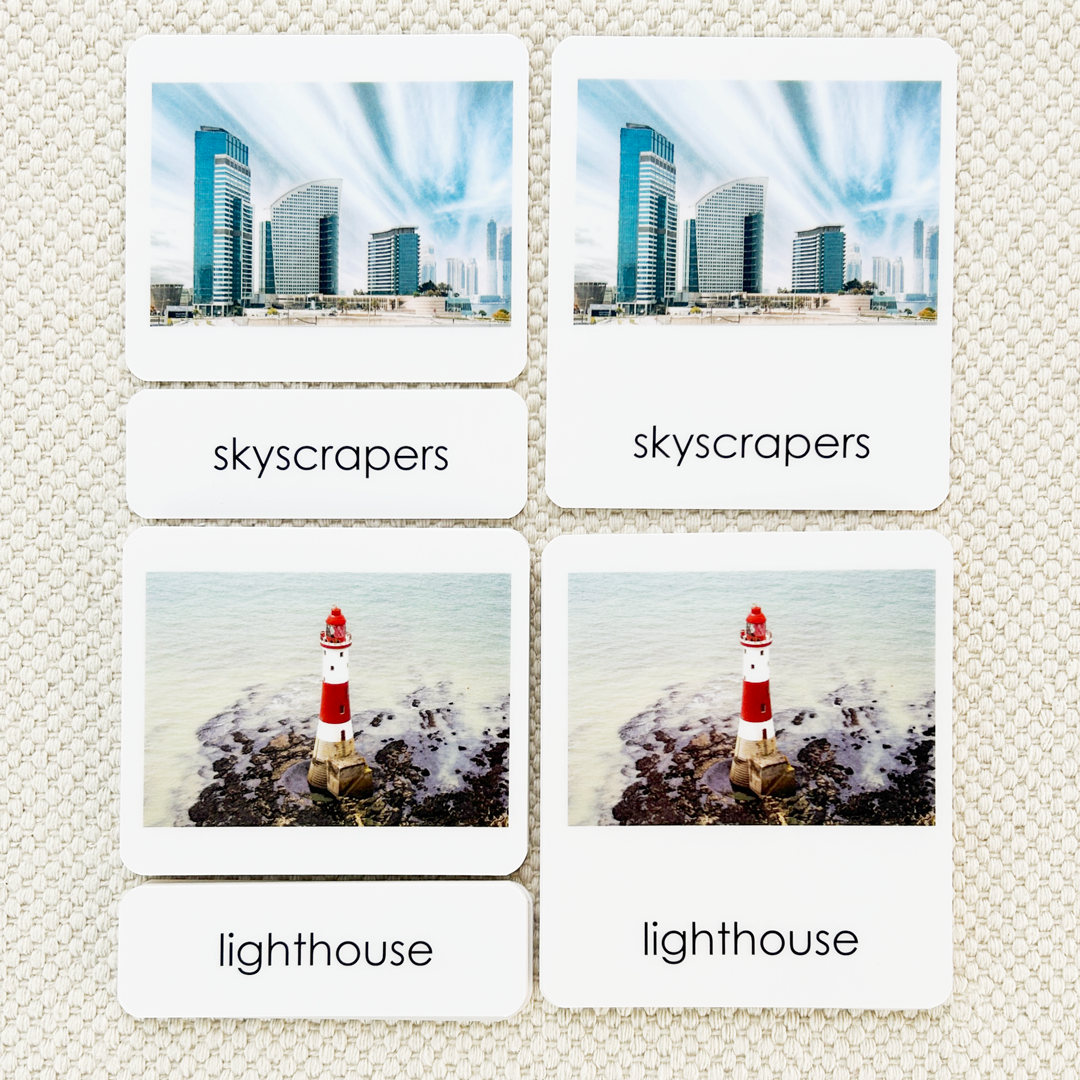
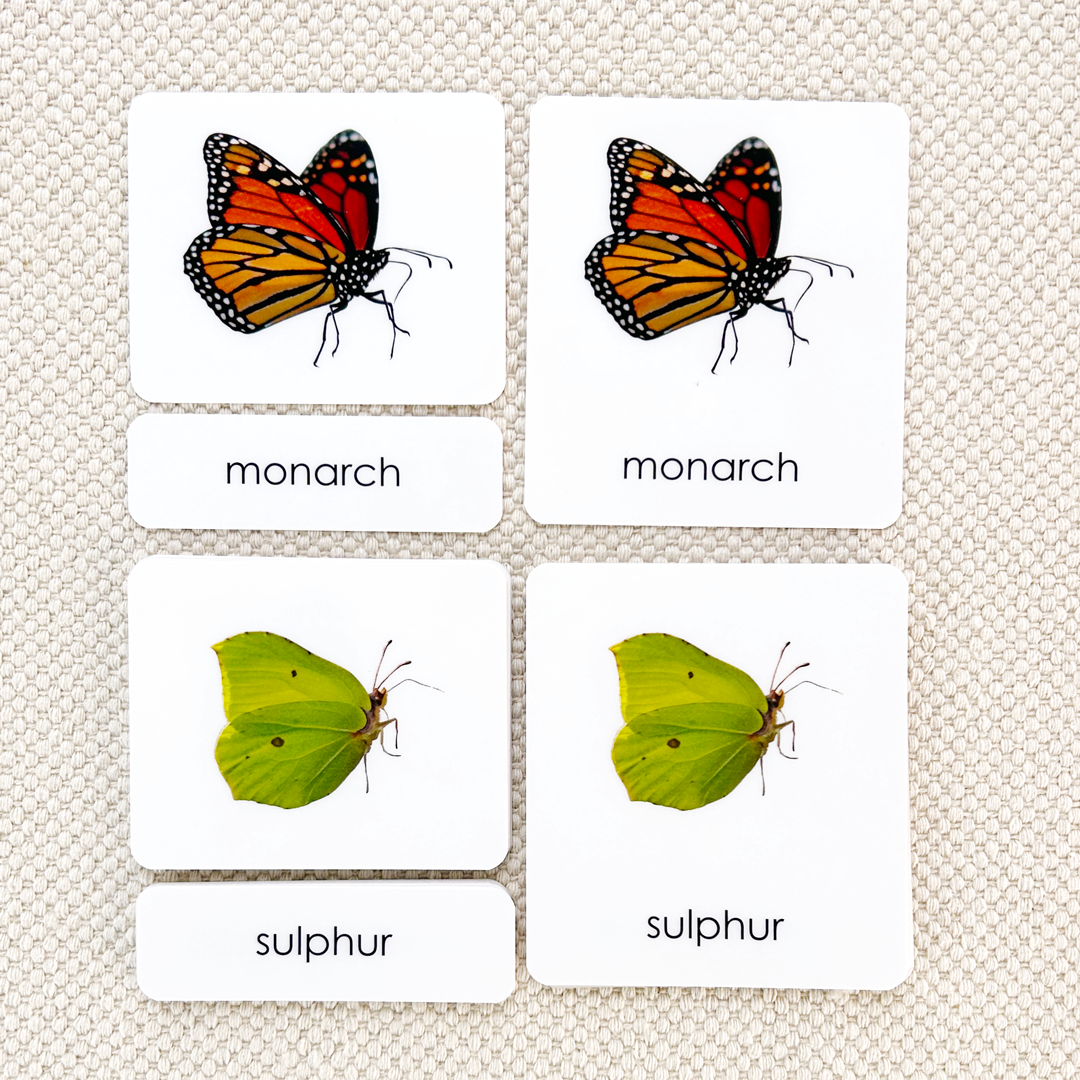
- Students lay out the photo cards.
- Students read the word labels and match them to the photo cards.
- Students use the control cards to find (and fix) their mistakes.
Choose your bundle
Pick the bundle your students will find most interesting. When children are interested, they persist.
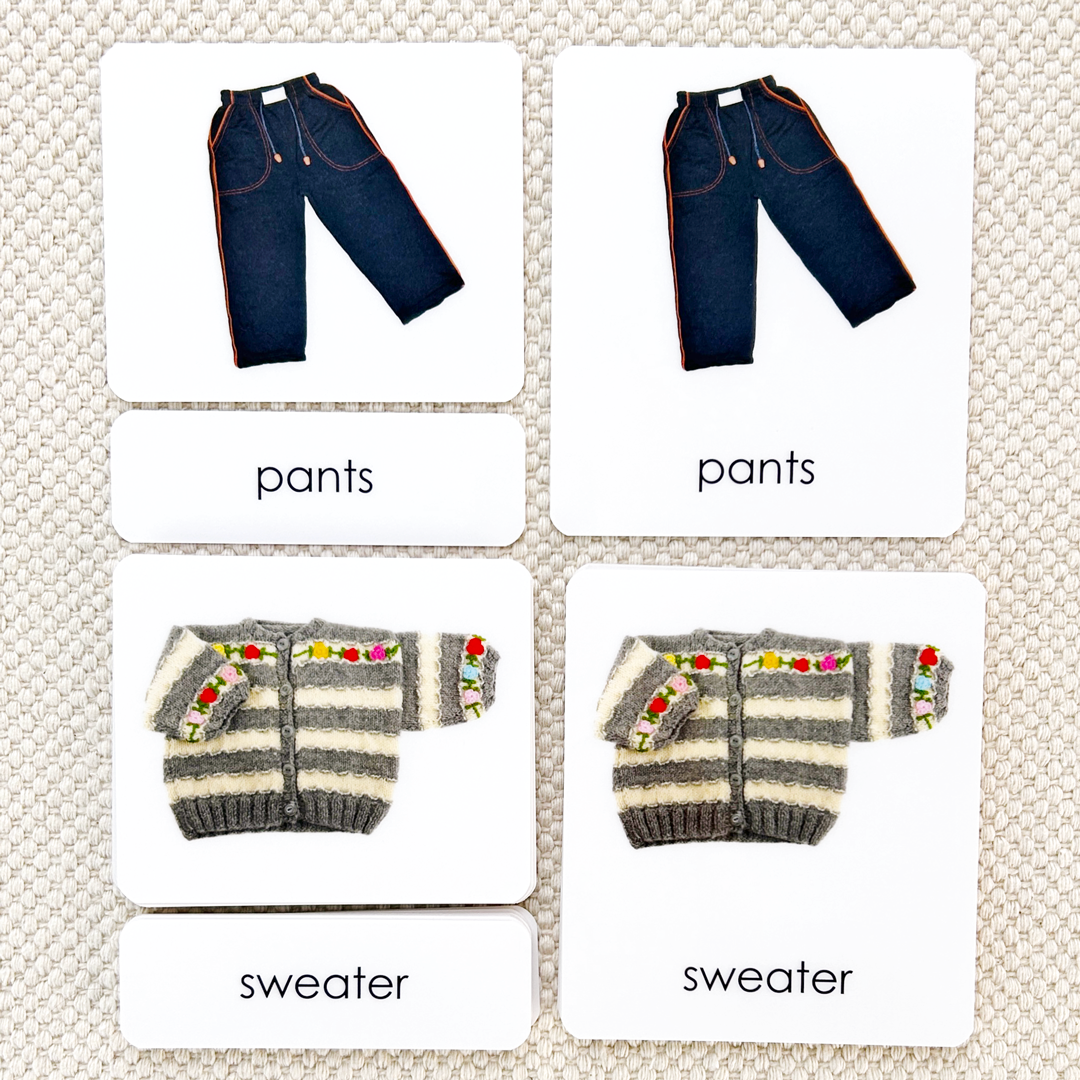
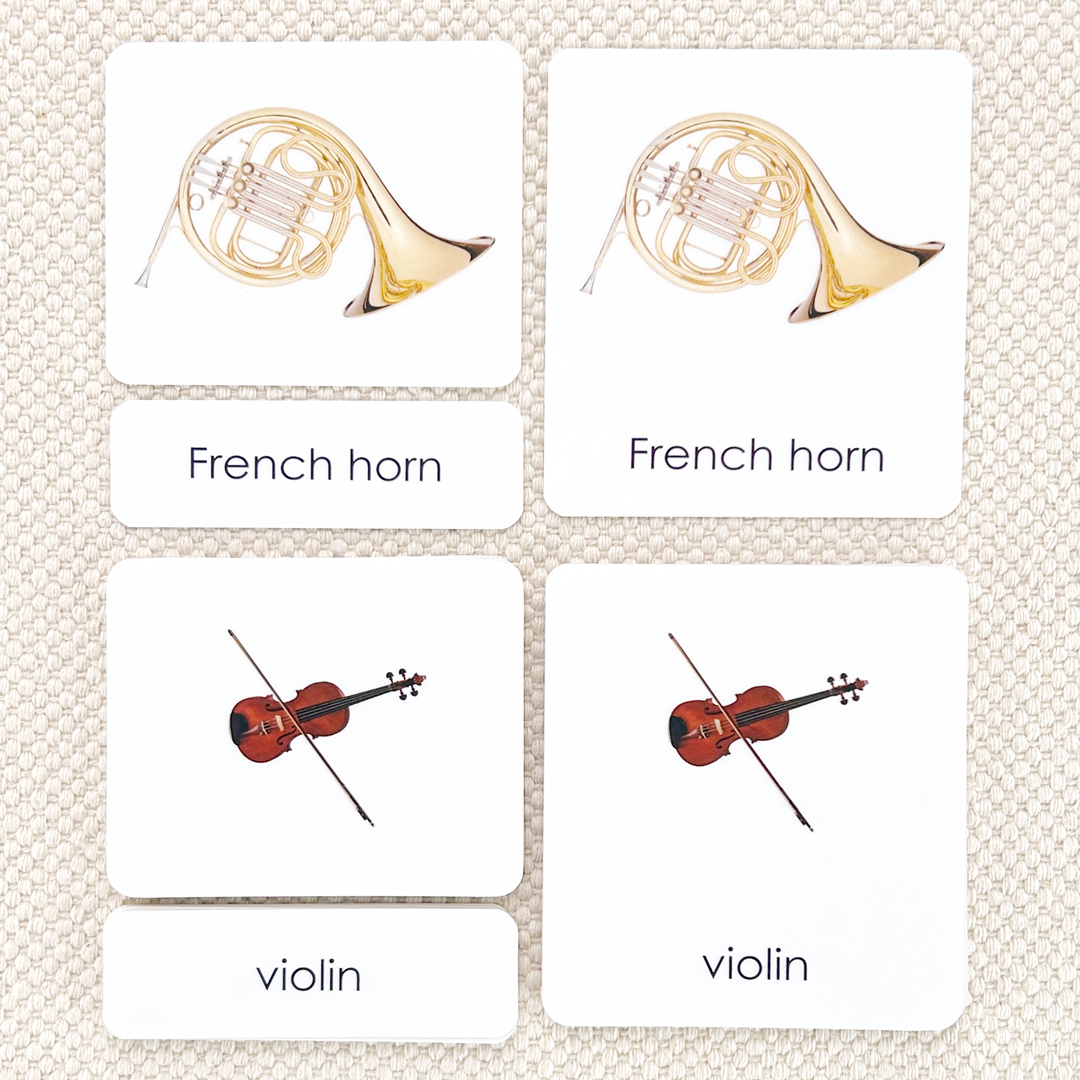
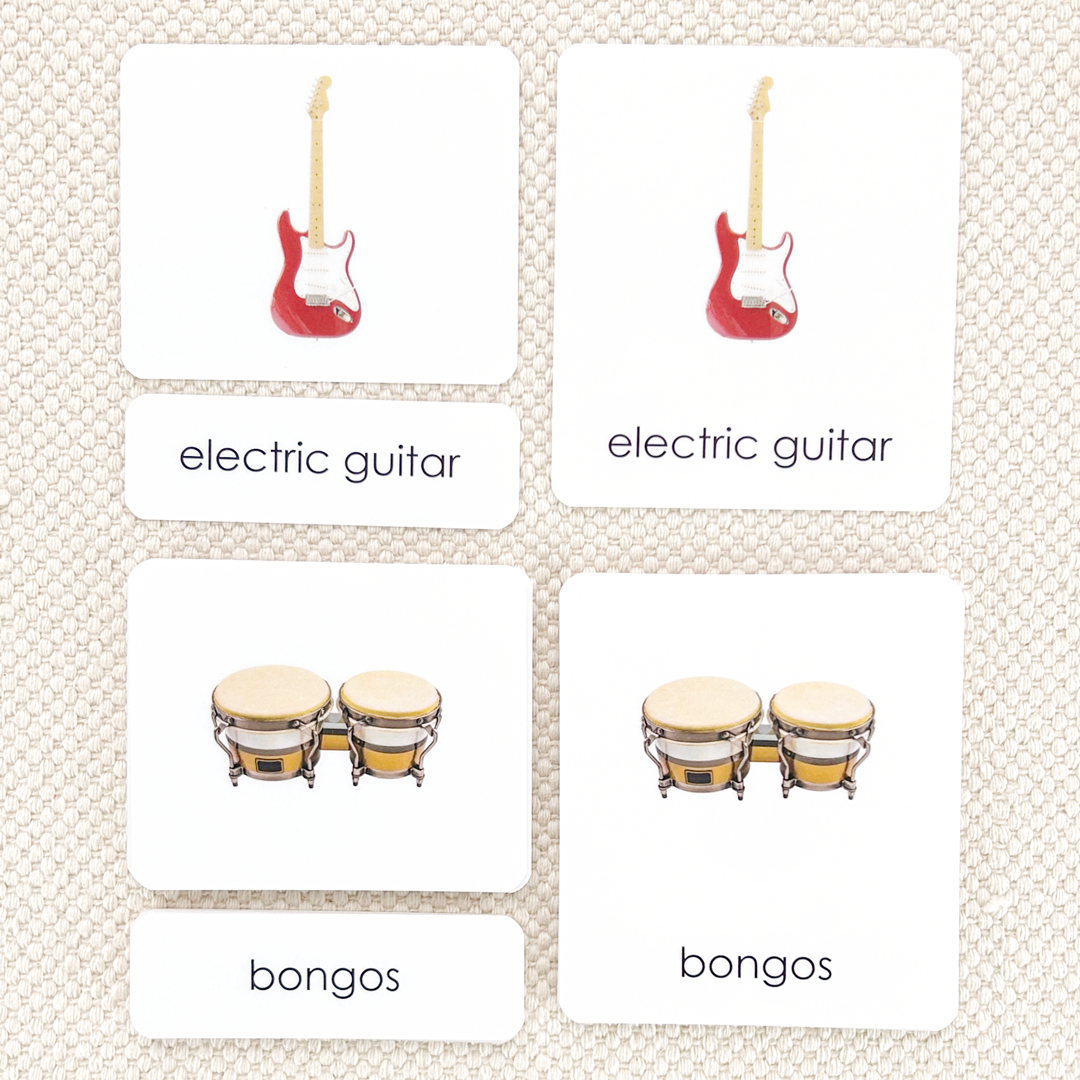
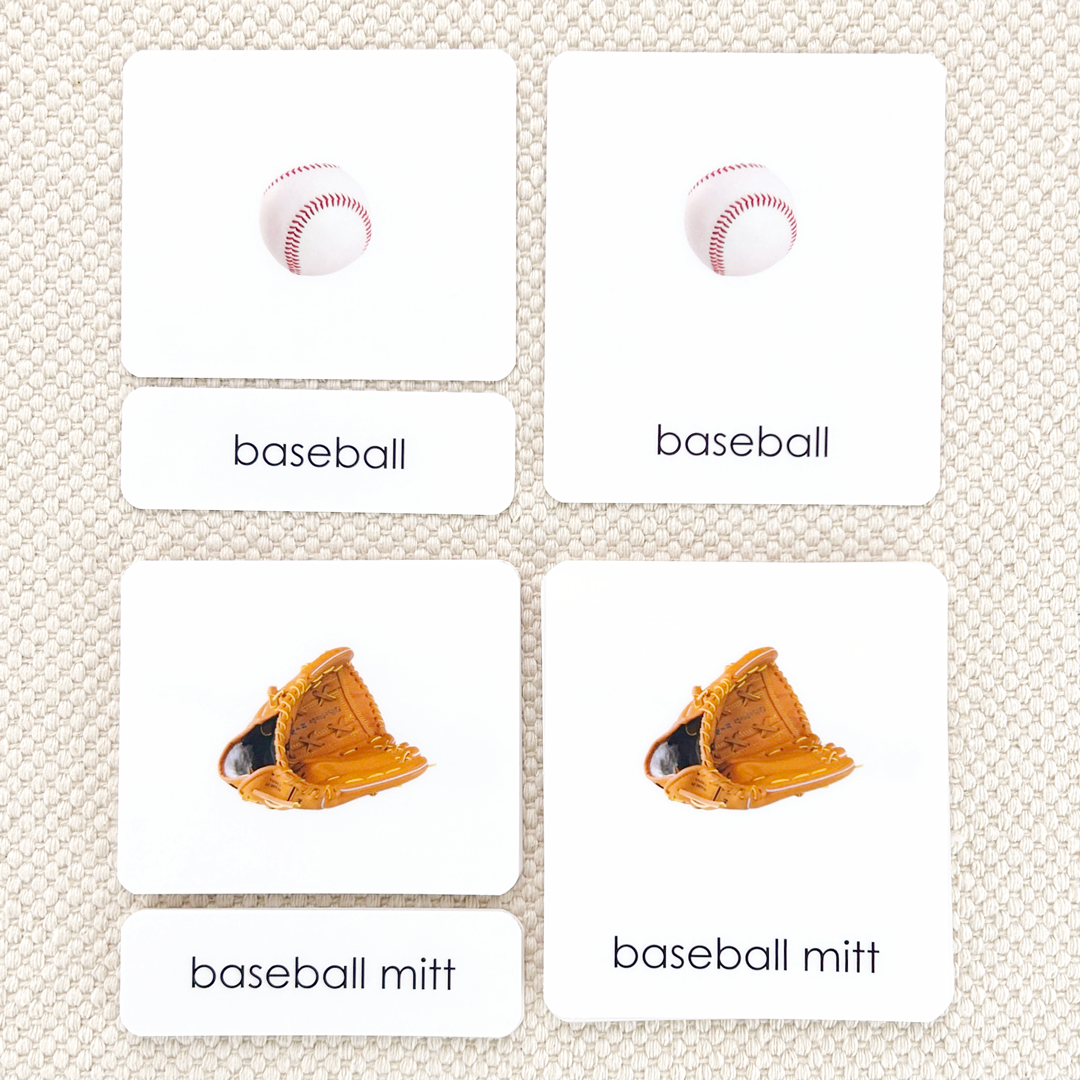
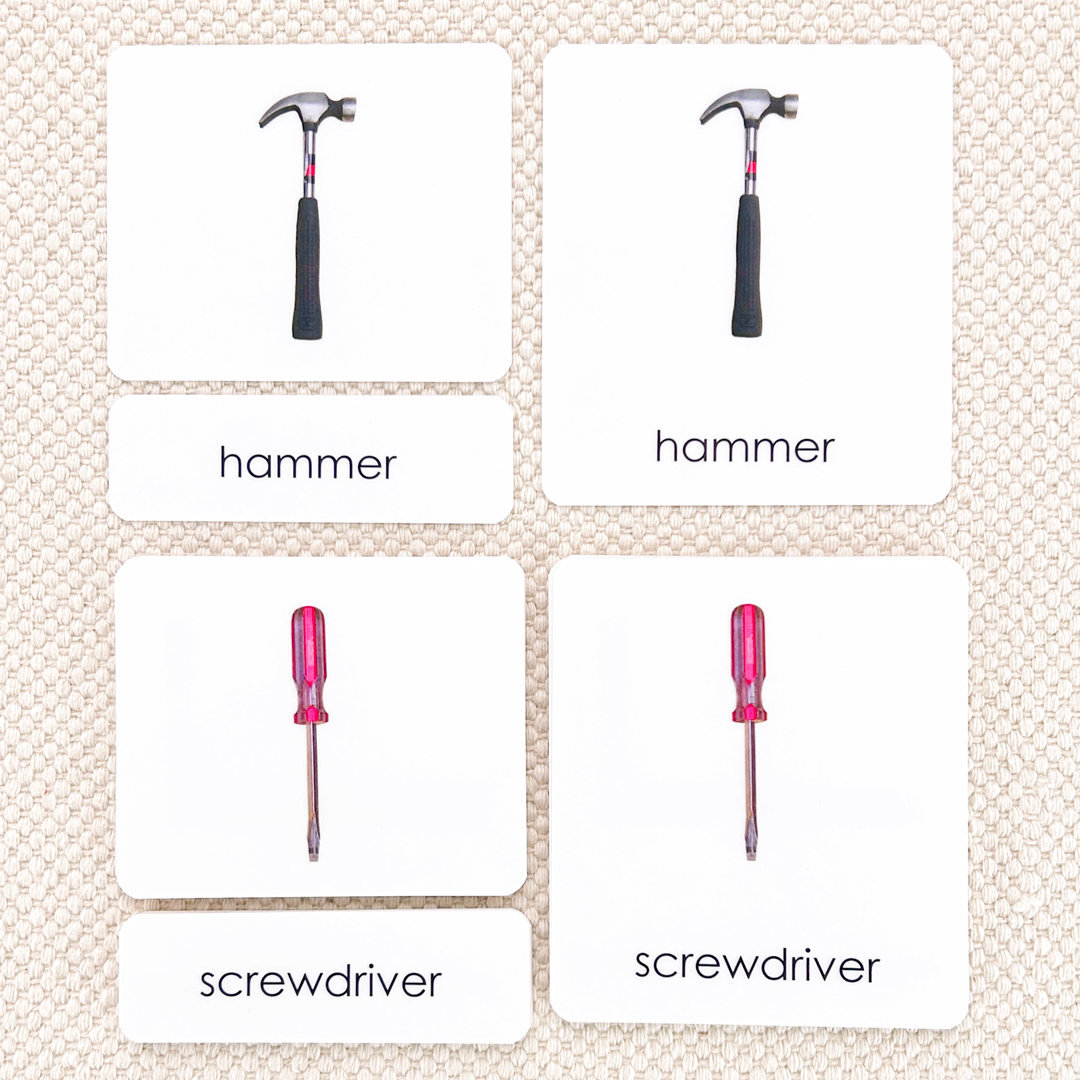
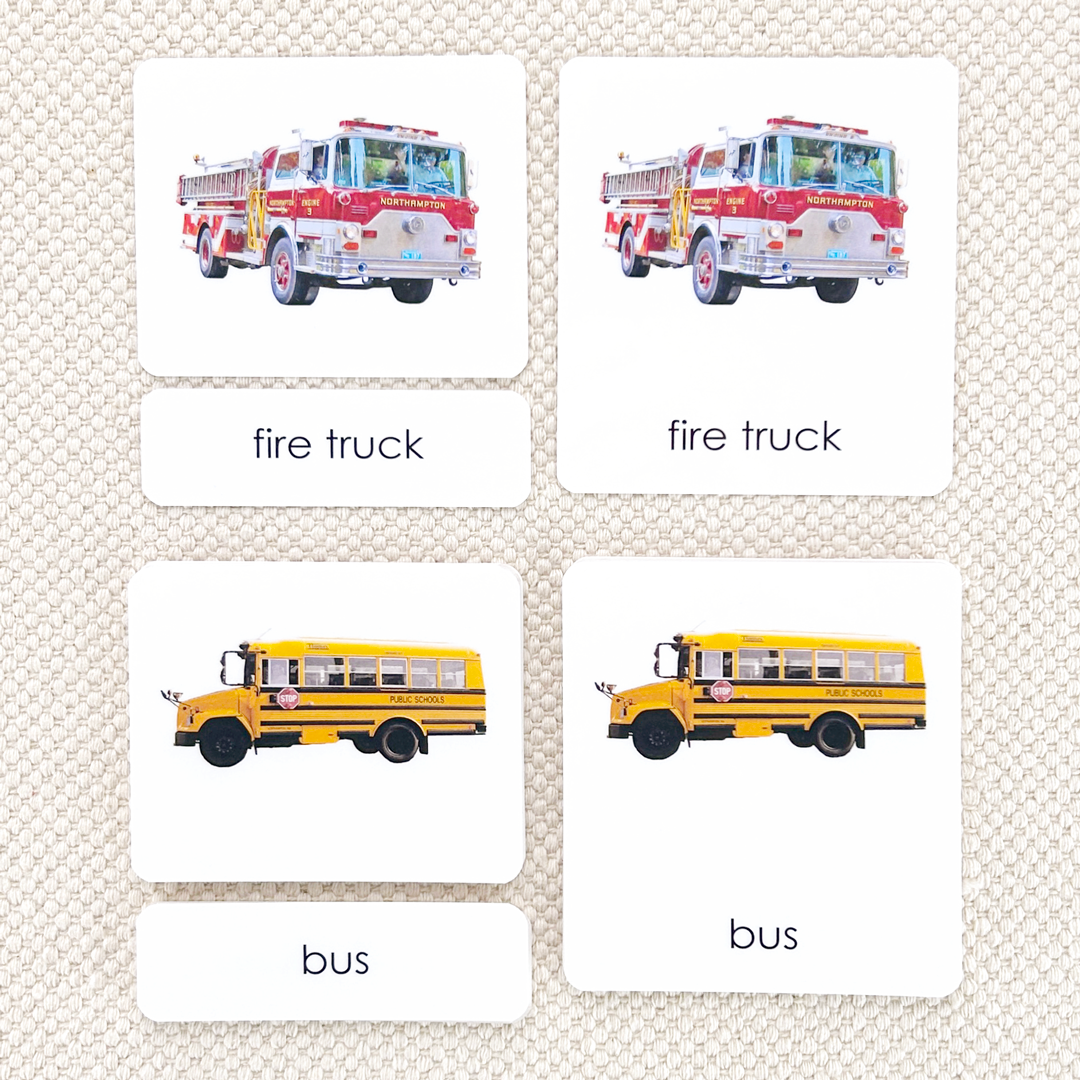
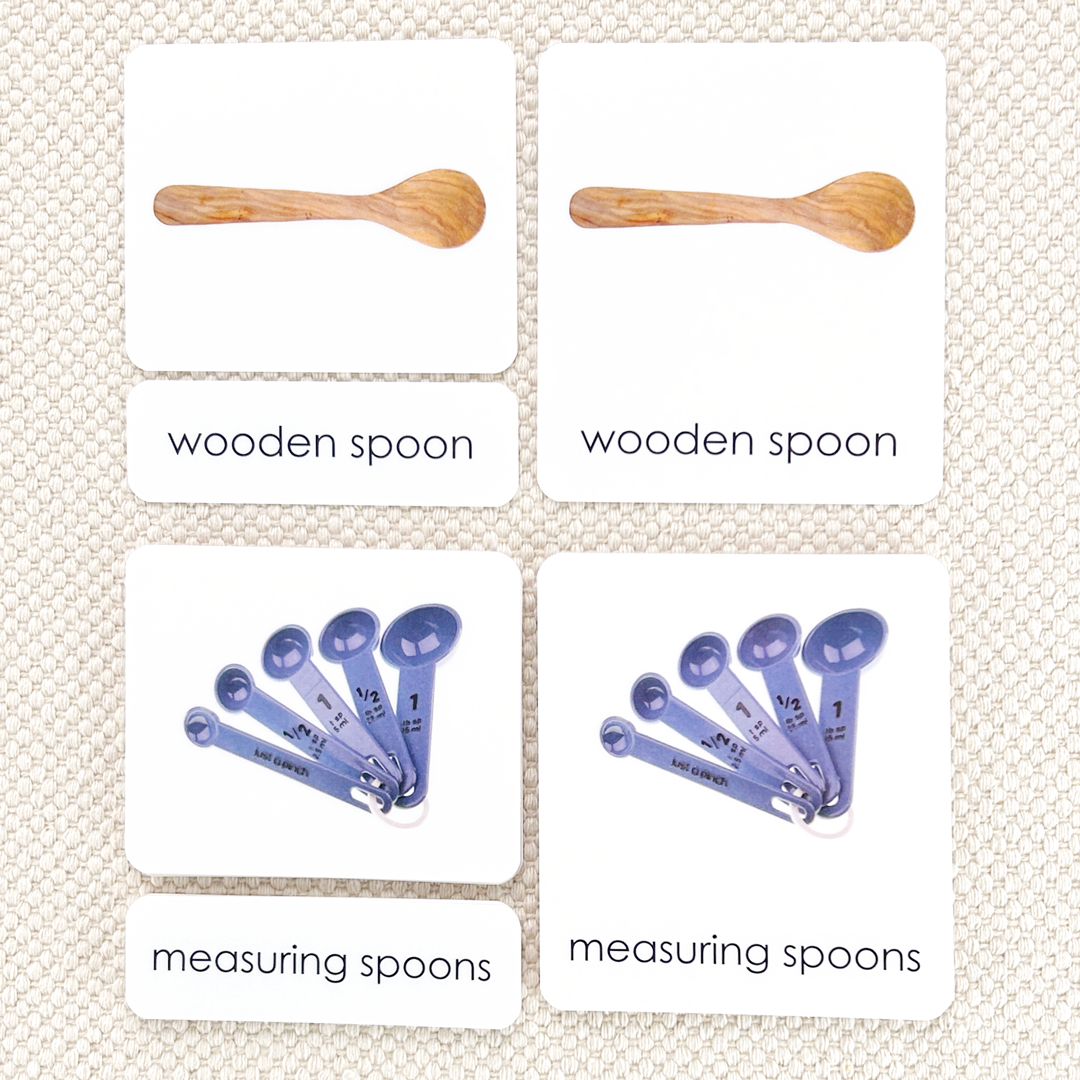
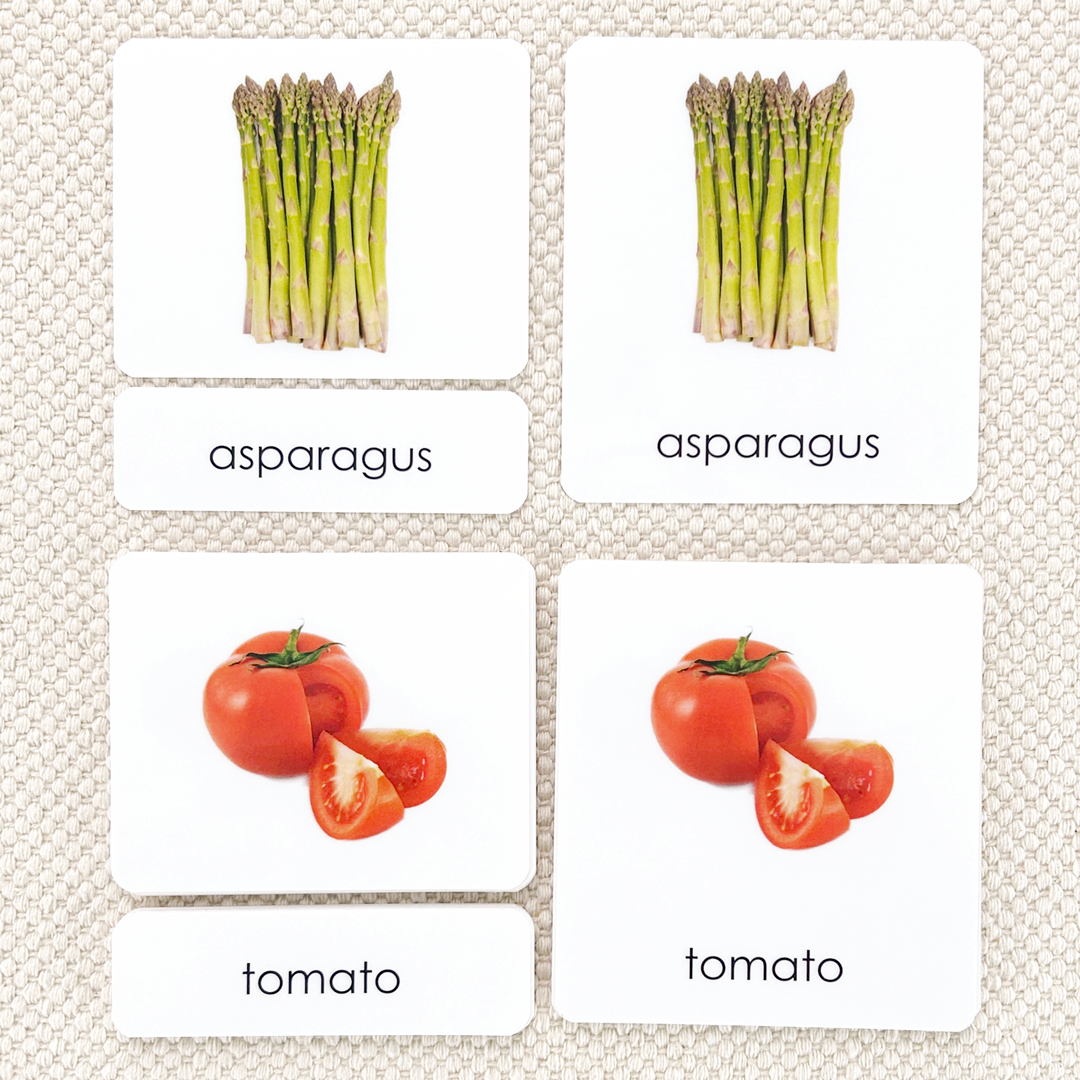
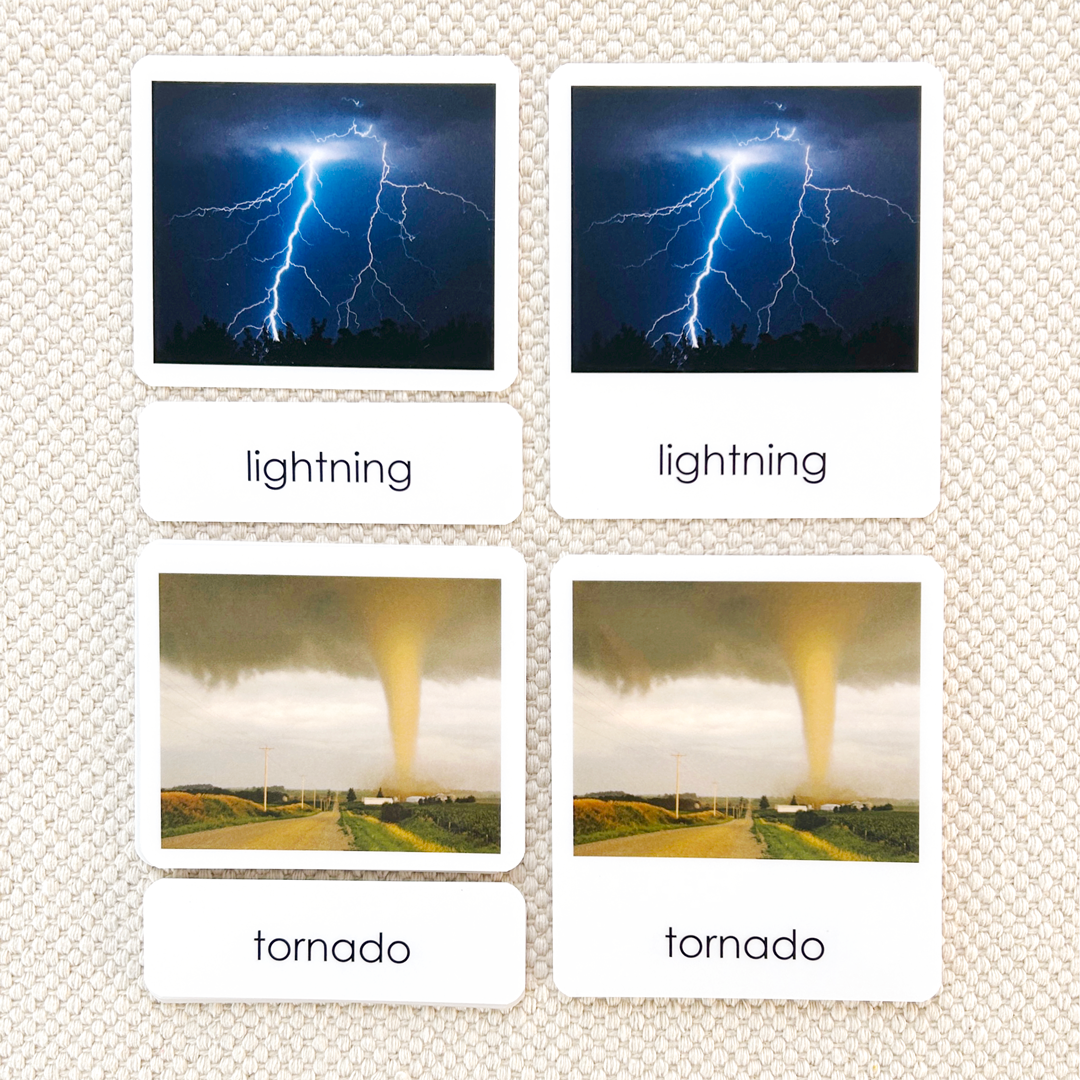
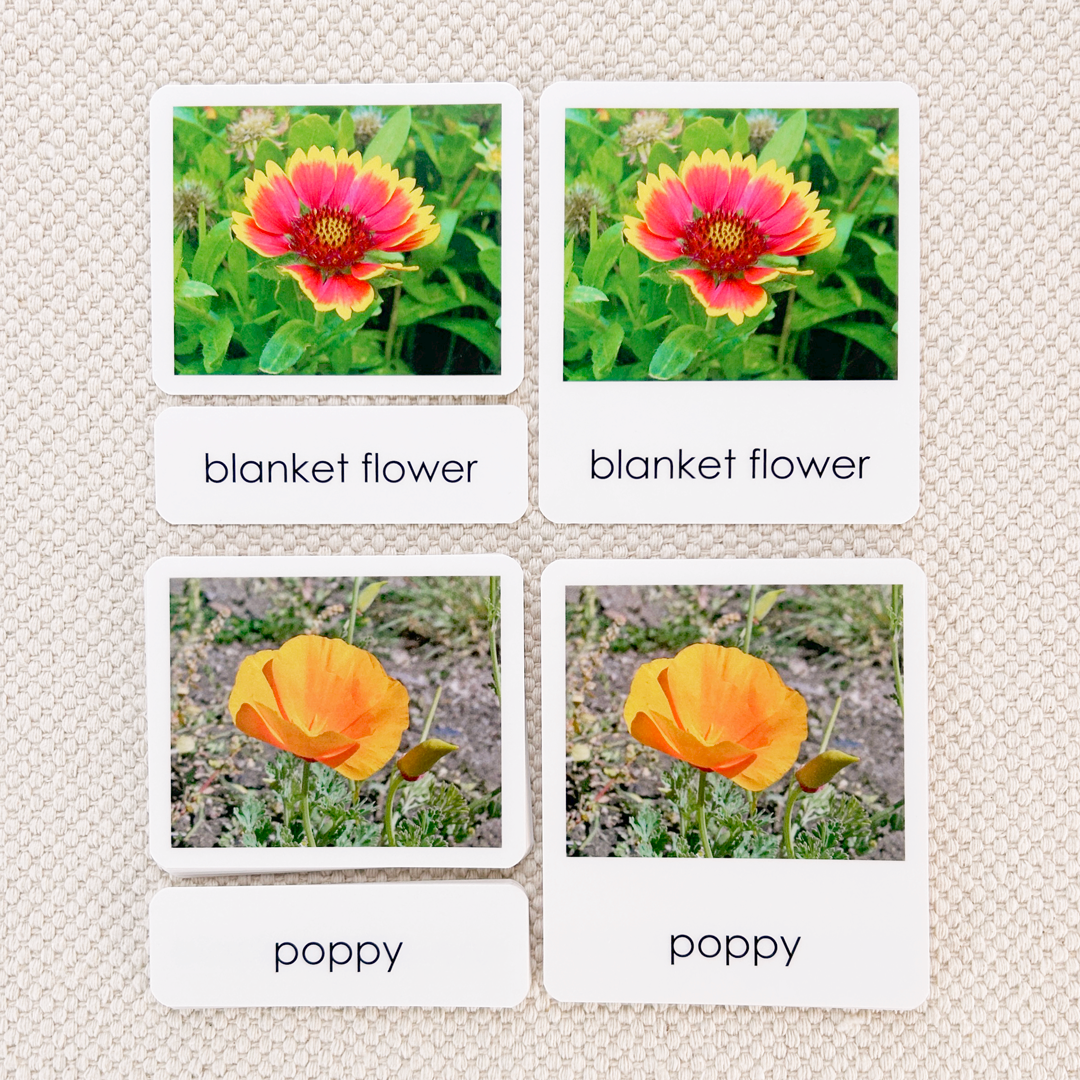
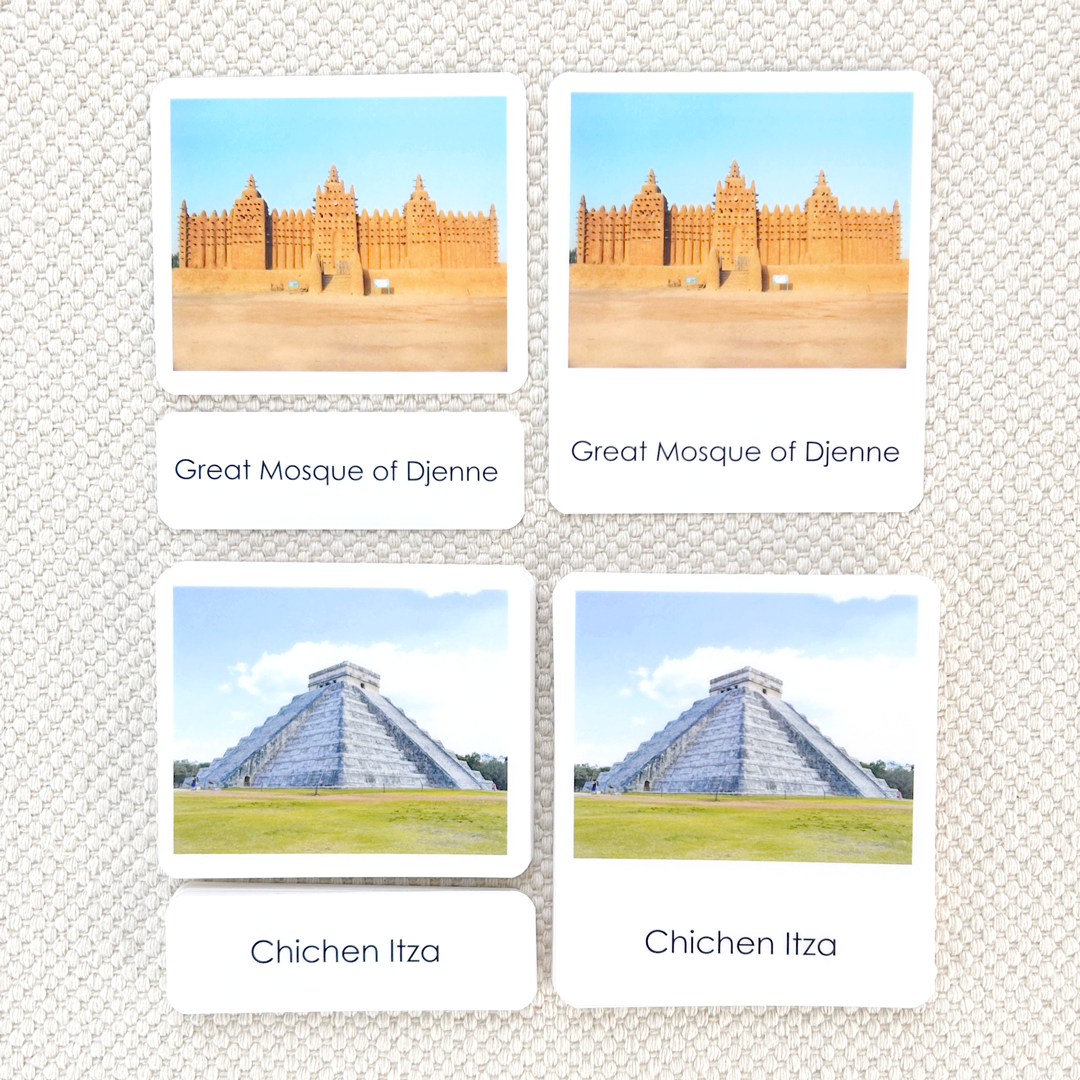
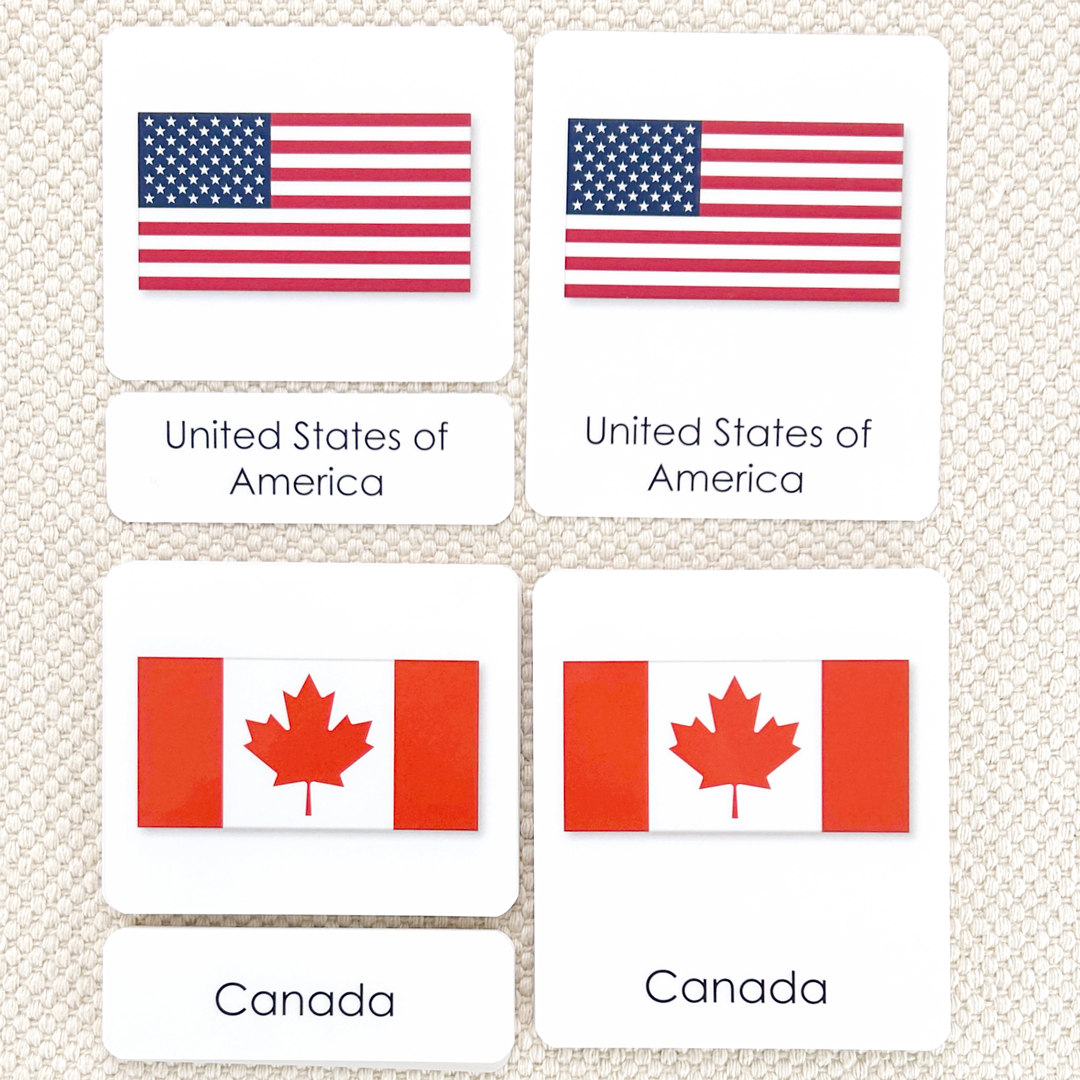
- All Common Nouns Bundle (27 packets): There's something for everyone in this complete collection: a full year of rotations in one economical set. It includes a 3-part card packet for each of the following titles: Around the House, Around Town, Buildings, Butterflies, Clothing, Dogs, Farm Animals (Adult), Farm Animals (Juvenile), Flags of North America, Fruit, Garden Flowers, Horses, In the Kitchen, Land & Water 1, Land & Water 2, Leaf Shapes (Botany Cabinet), Orchestral Musical Instruments, Pets, Popular Musical Instruments, Sports Equipment, Tools, Transportation, Utensils, Vegetables, Weather, Wildflowers, and World Landmarks.
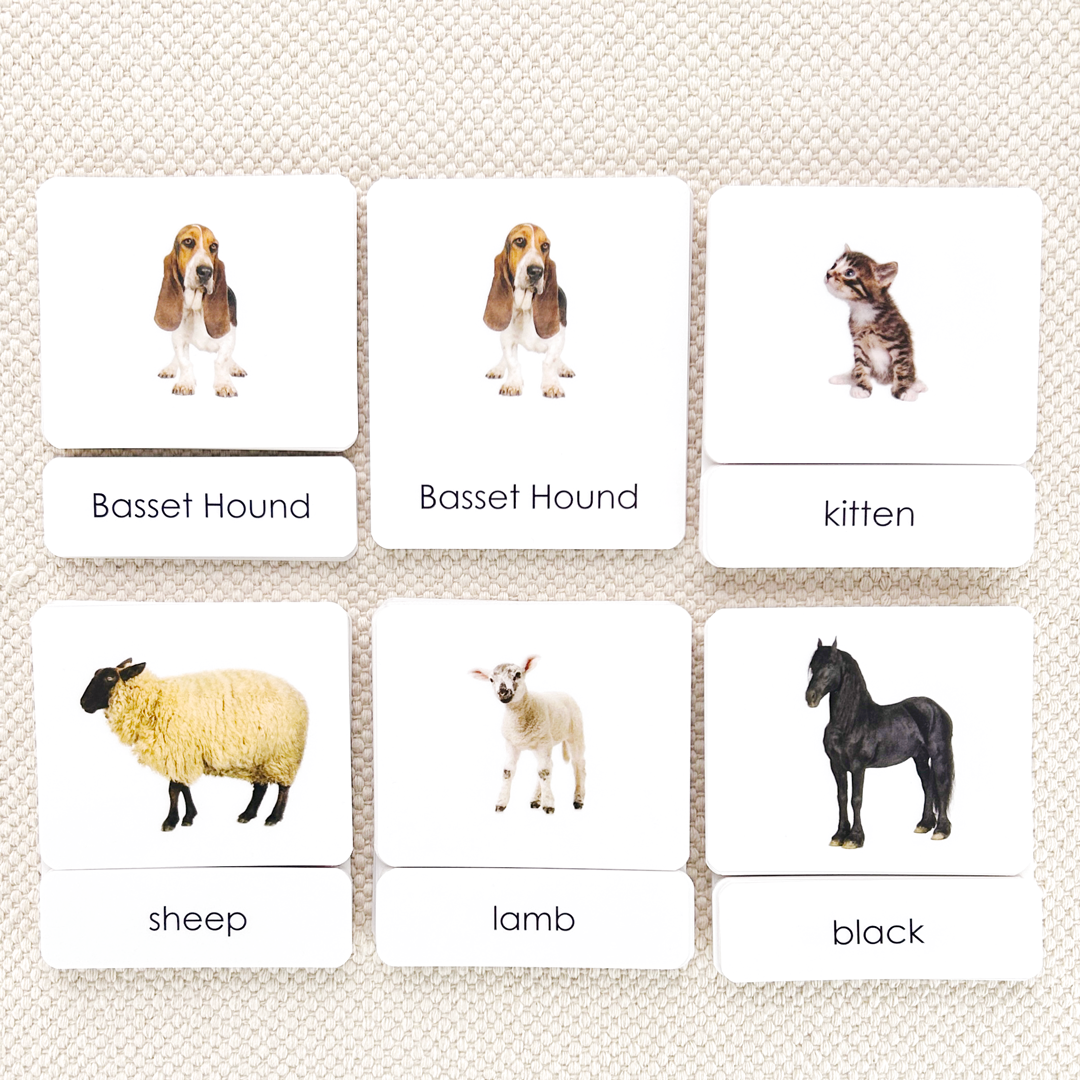
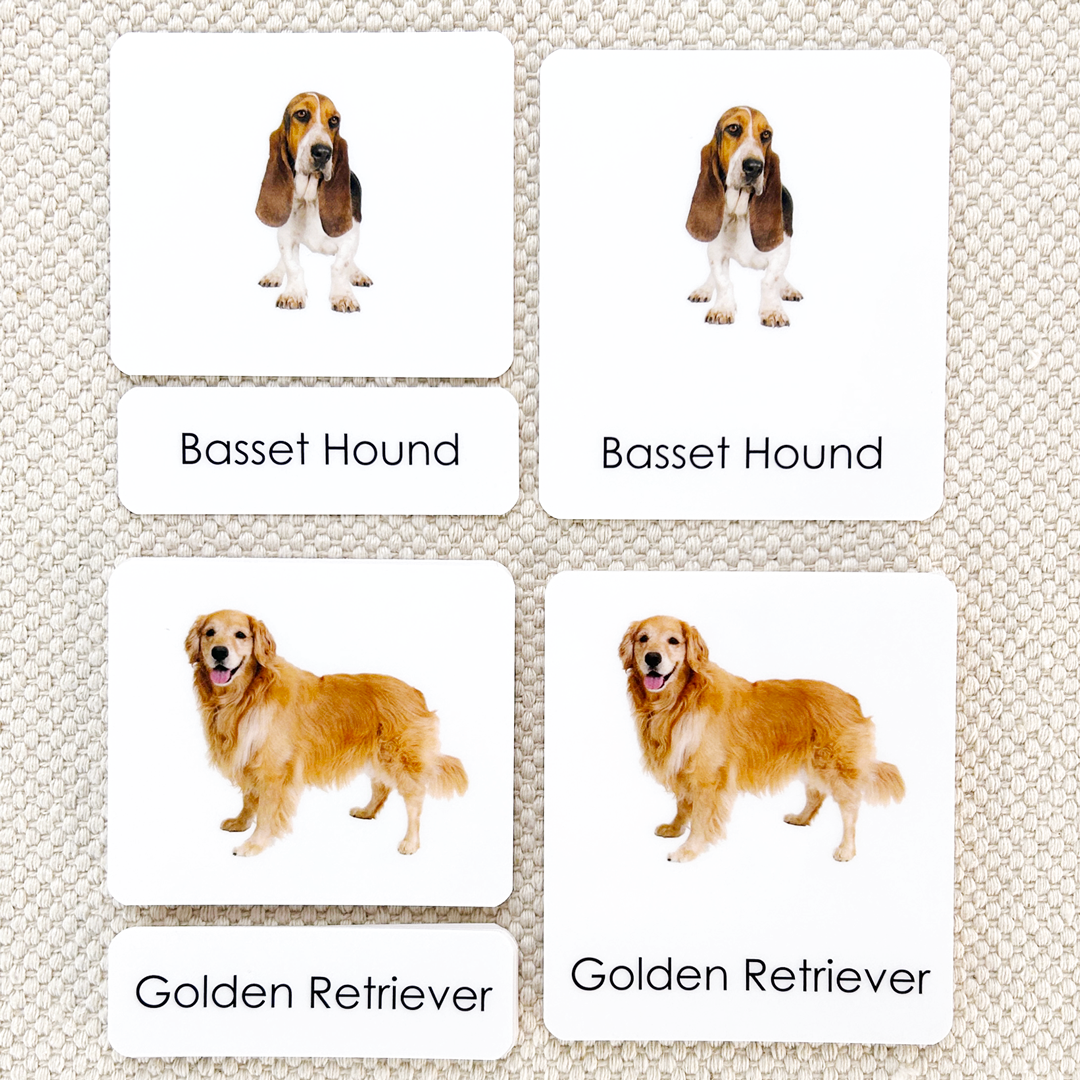
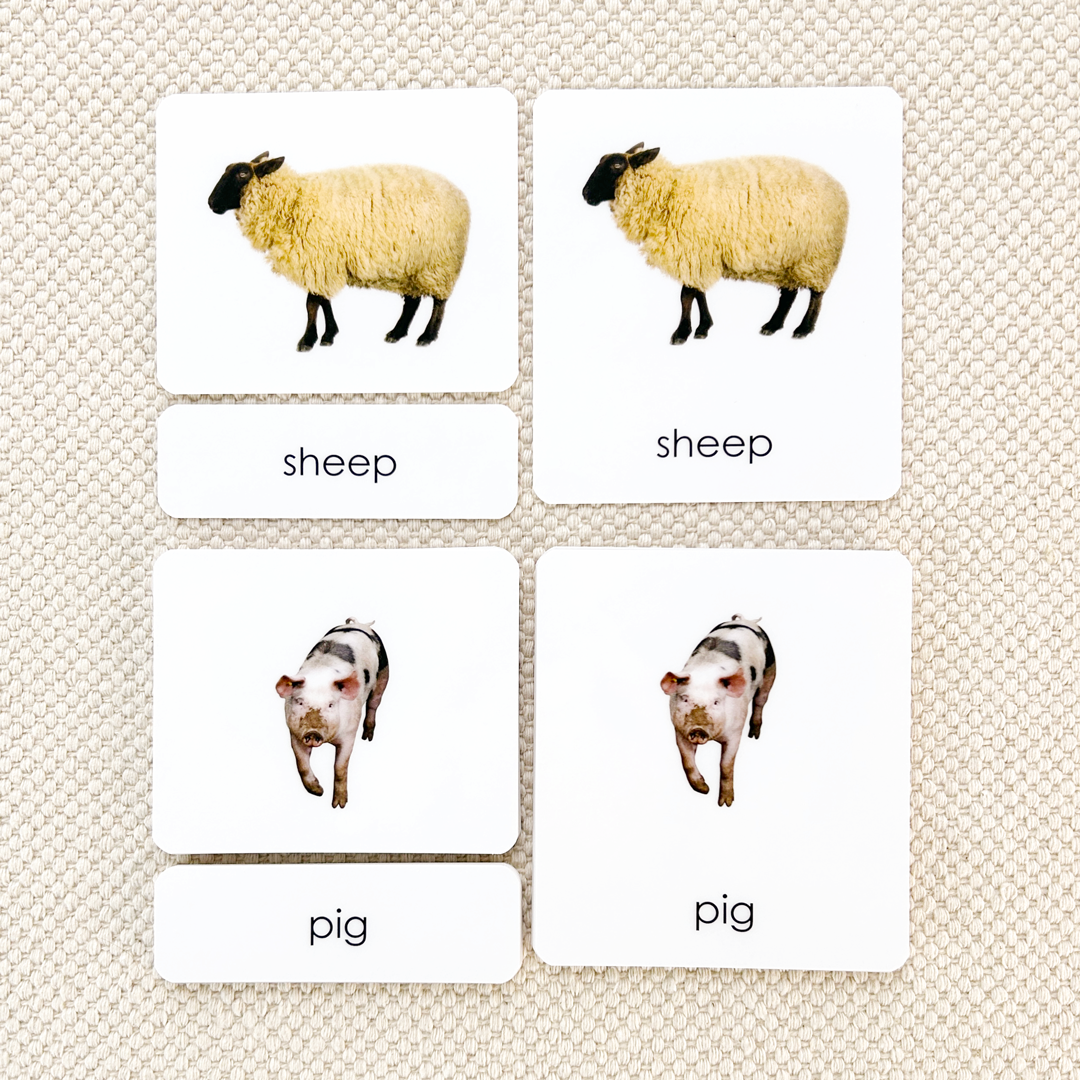
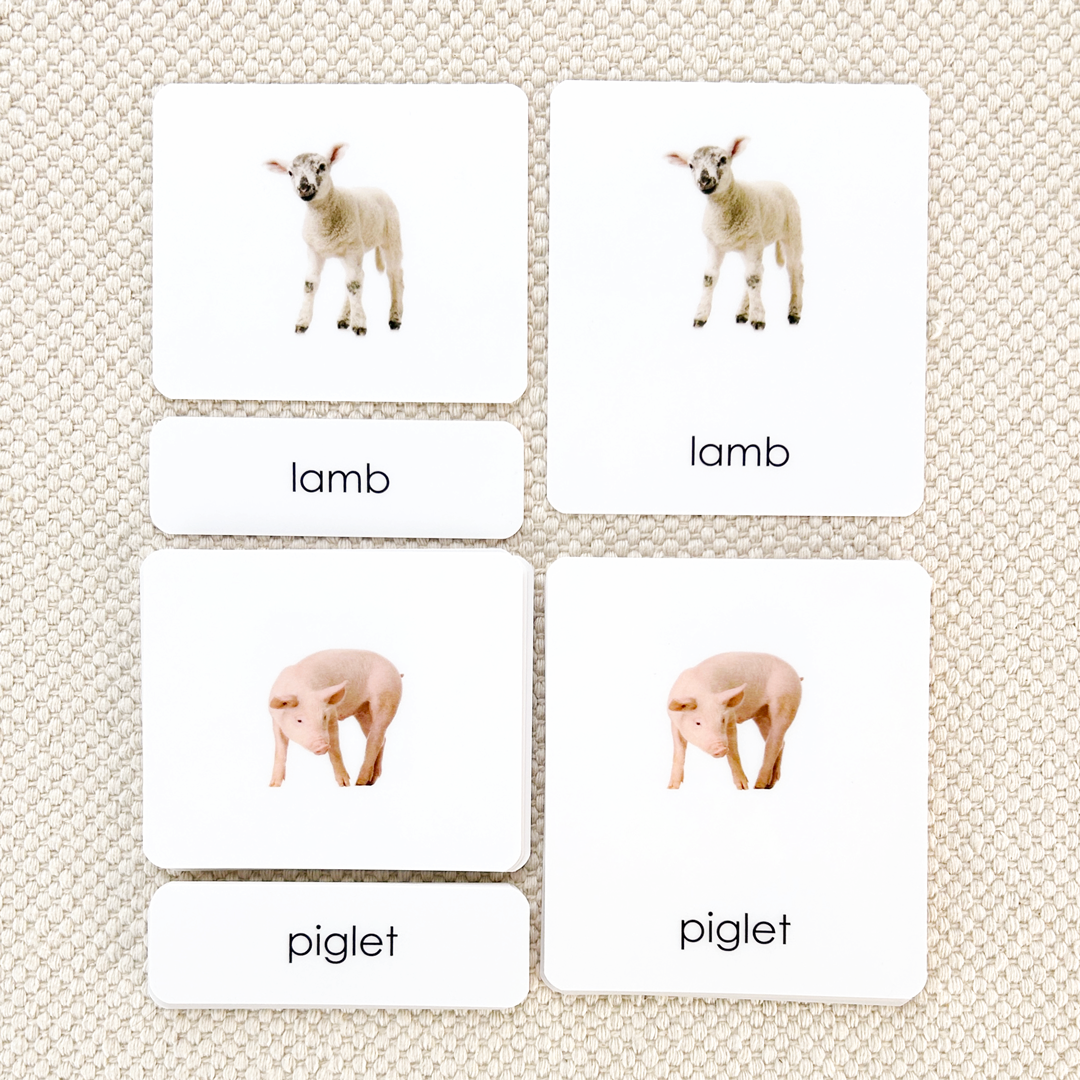
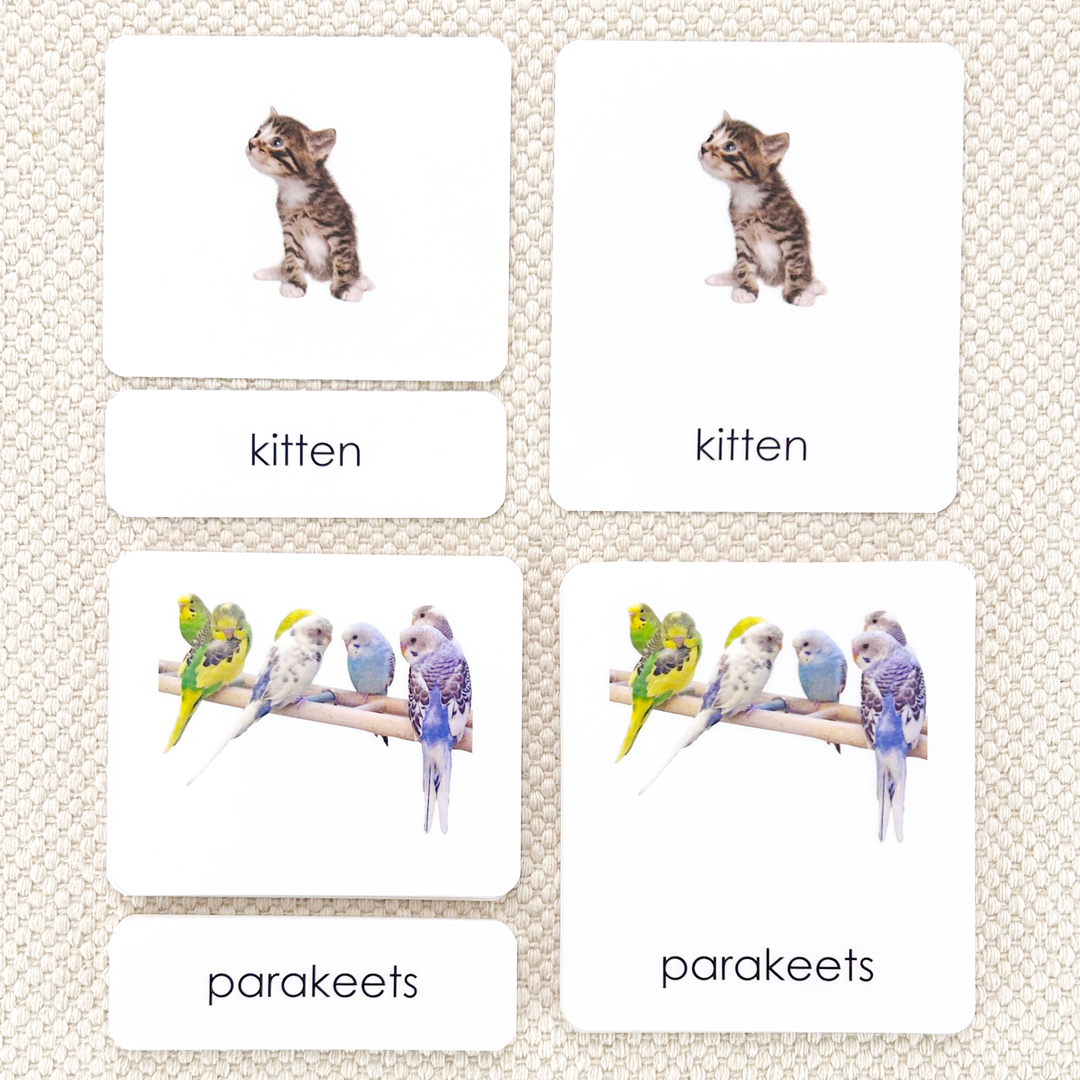
- Animals Bundle (5 packets): Dogs (Breeds), Farm Animals (Adult), Farm Animals (Juvenile, matched to the adults), Pets, and Horses (Coat Colors).
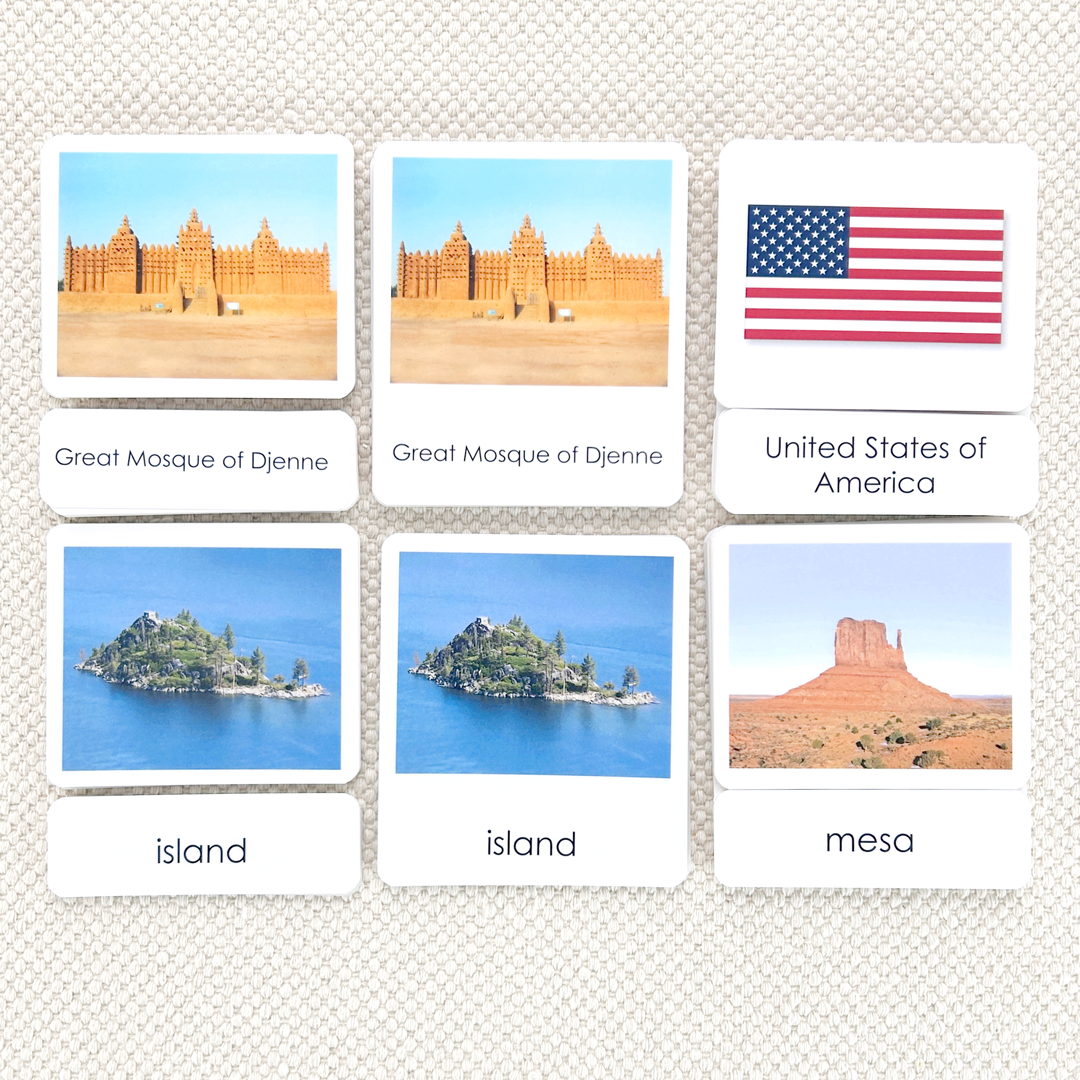
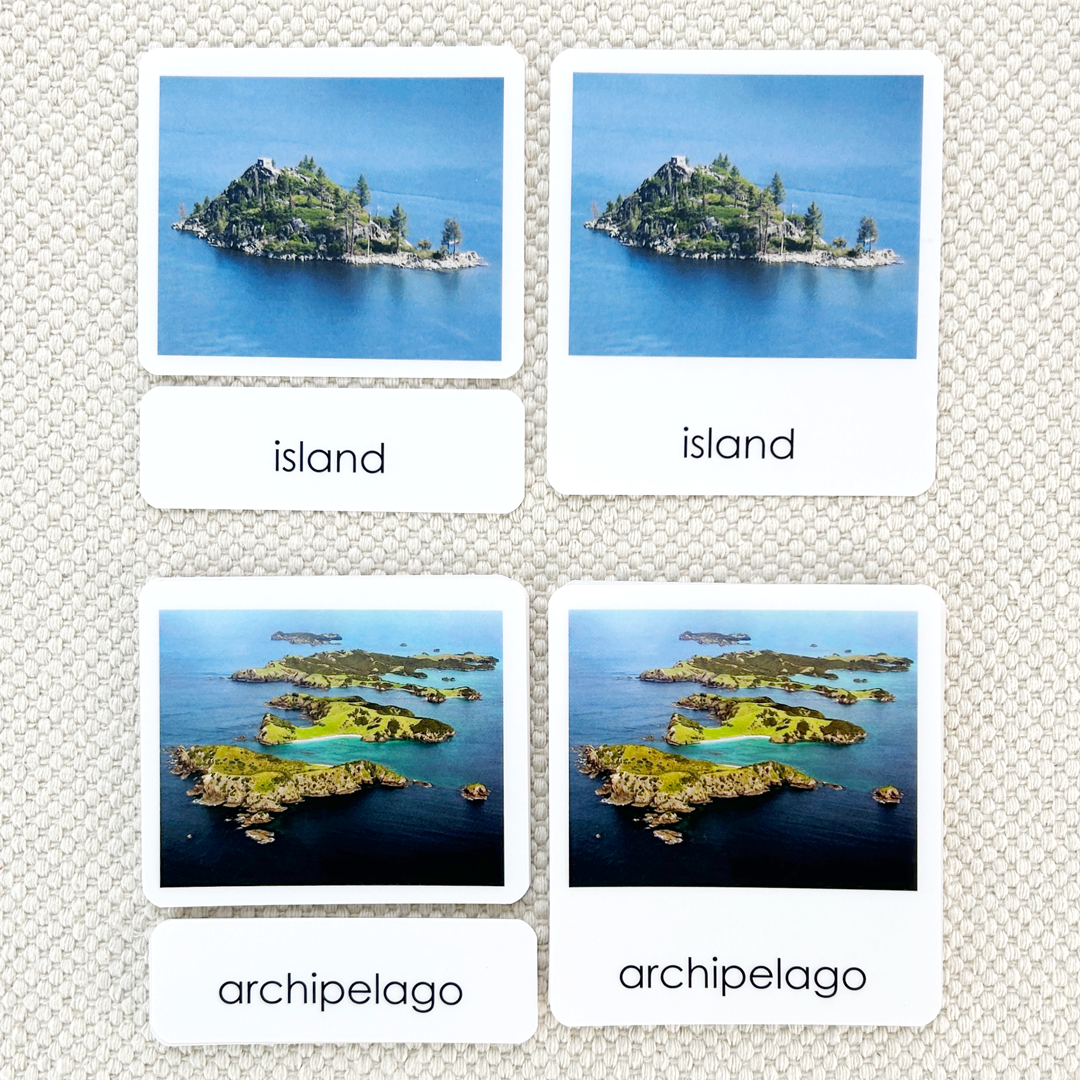
- Geography Bundle (4 packets): Land & Water 1 (Basic Forms), Land & Water 2 (Advanced Forms), Flags of North America, and World Landmarks.
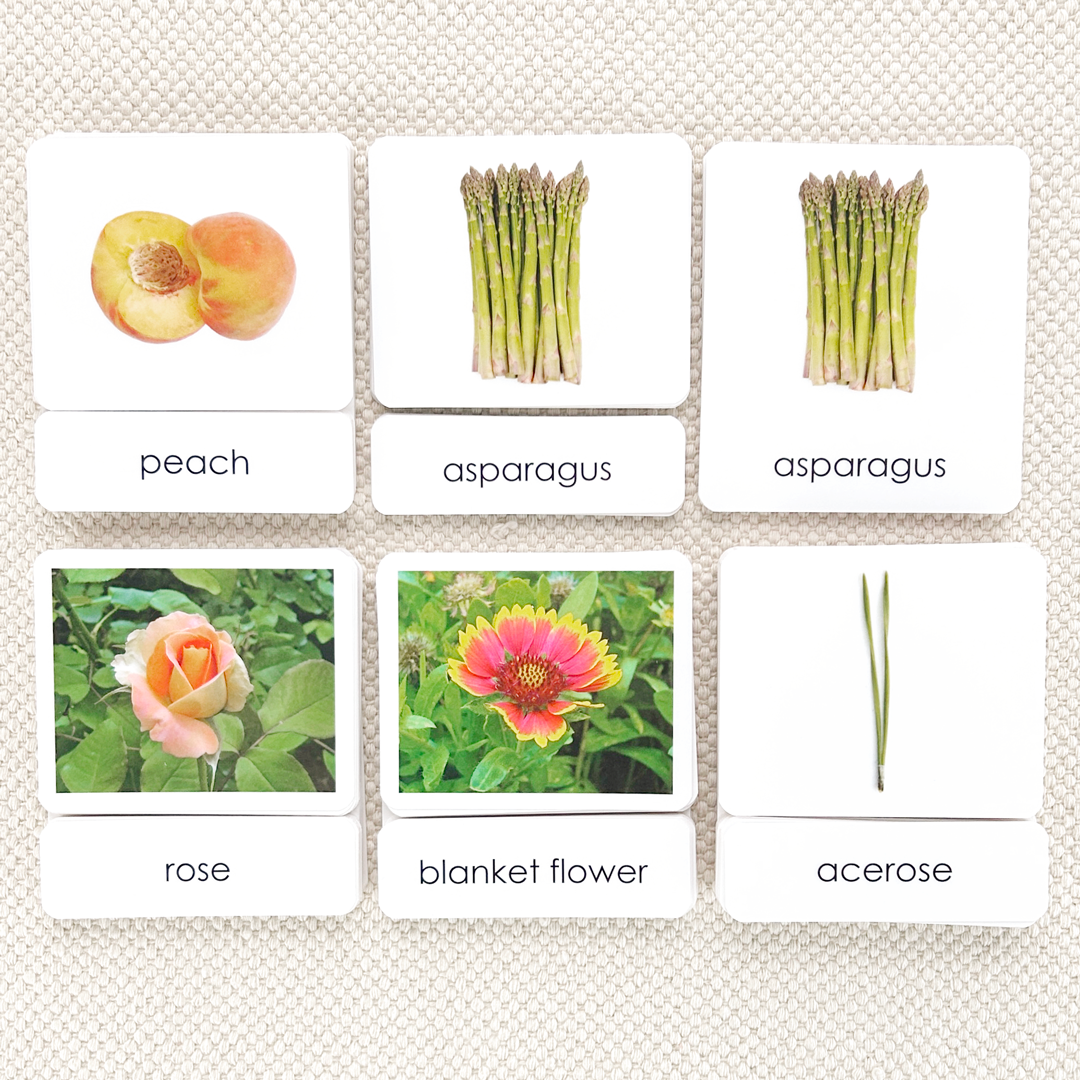
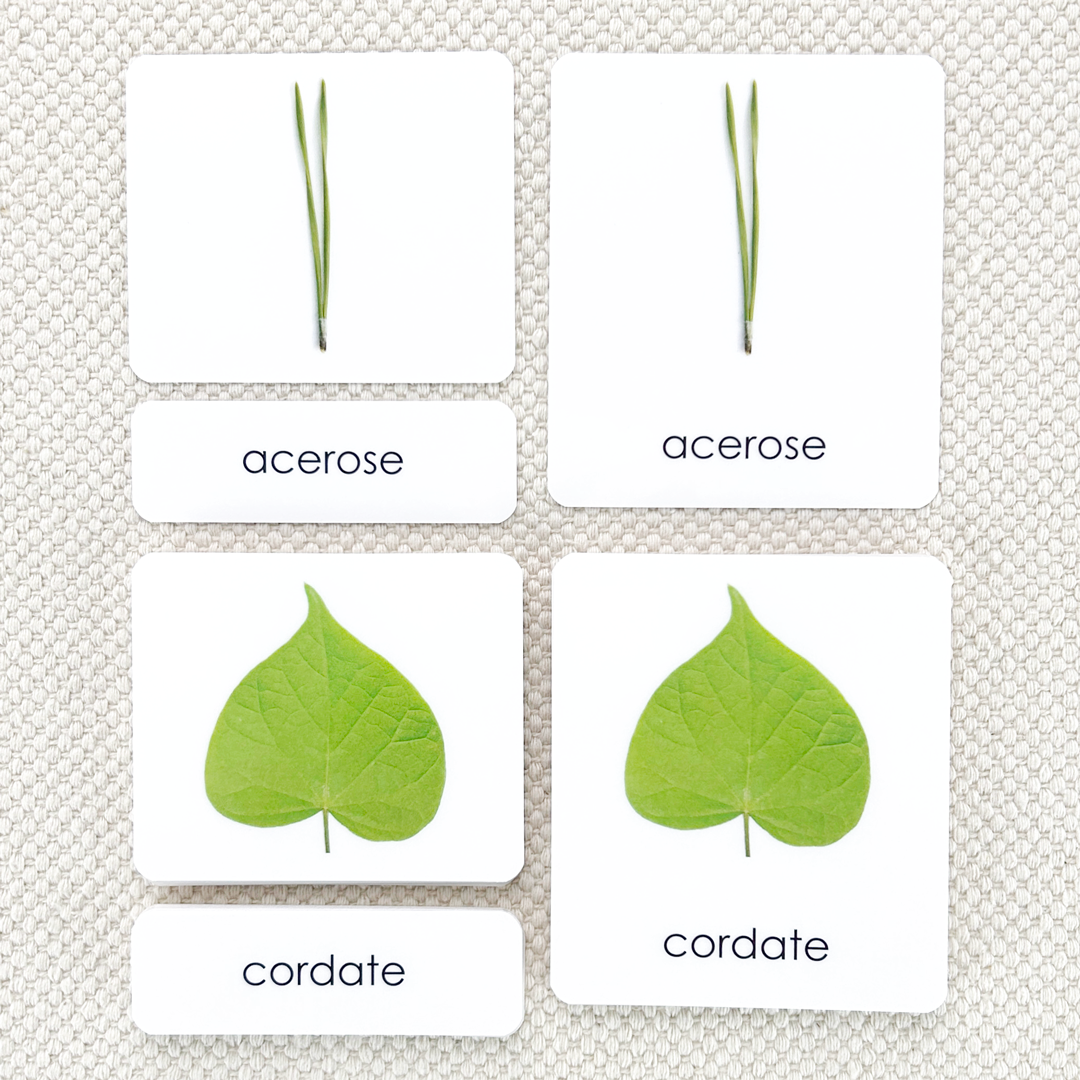
- Plant Lovers Bundle (5 packets): Garden Flowers, Wildflowers, Vegetables, Fruit, and Leaf Shapes (Botany Cabinet).
What's included in every bundle
- Each packet features 12 to 18 photos in a 3-part format (36 to 54 cards per packet): photo cards, word labels, and control cards.
- Cards are approx. 3¾" x 4¼" (control), 3¾" x 3" (photo), 3¾" x 1¼" (word).
- Laminated with a food-grade laminate, with rounded corners (no pricked fingers or dog-eared cards).
- Each packet comes in a sturdy, clear reclosable bag for storage and easy rotation.
- A detailed lesson plan with many ideas for use.
All cards are eco-made in the USA and ready to use right out of the package. CPSIA compliant.
How 3-Part Cards help reading fluency
Scarborough's Reading Rope groups sight recognition alongside phonological awareness and decoding in the Word Recognition strand. This strand is responsible for reading words accurately and automatically (Scarborough, 2001). Every time a child matches a new common noun to its printed word through the 3-part format, they strengthen orthographic mapping: bonding a word's sounds, spelling, and meaning in memory so it can later be read on sight rather than sounded out letter by letter (Ehri, 2014). Repeated, self-correcting practice across a wide bank of nouns (animals, geography, plants, tools, transportation, and more) builds this automaticity into lasting fluency.
Looking for more 3-part cards? See our Phonetic 3-Part Reading Cards, Zoology 3-Part Cards, Artists 3-Part Cards, and Parts of External Anatomy 3-Part Cards (not included in these bundles). All of our 3-part cards display beautifully in our 3-pocket cloth pouches (sold separately).
What is the Science of Reading?
The Science of Reading is the interdisciplinary body of research, from cognitive psychology, linguistics, and neuroscience, that explains how children learn to read. It identifies two foundational components of skilled reading: language comprehension and word recognition (decoding). Together, they produce reading comprehension (Gough & Tunmer, 1986).
Which bundle should I choose?
For a classroom that will rotate cards all year, the 27-packet All Common Nouns Bundle offers the widest range and the best value. If you're building out a specific area of your classroom, or following a child's particular interest, a themed bundle is a good starting point. Animals, Geography, and Plant Lovers each pair naturally with cultural and science work. Individual packets are also sold separately.
What ages are these bundles designed for?
Typically ages 5–9 (grades K–3), plus intervention use. Children are ready for this material once they can read basic phonetic words and are beginning to stretch into non-phonetic vocabulary.
A Note to Teachers
Choose options
Included In This Bundle

Knowledge Bank
Recommended Articles
Download a PDF of our materials

Follow Us