Supporting memory
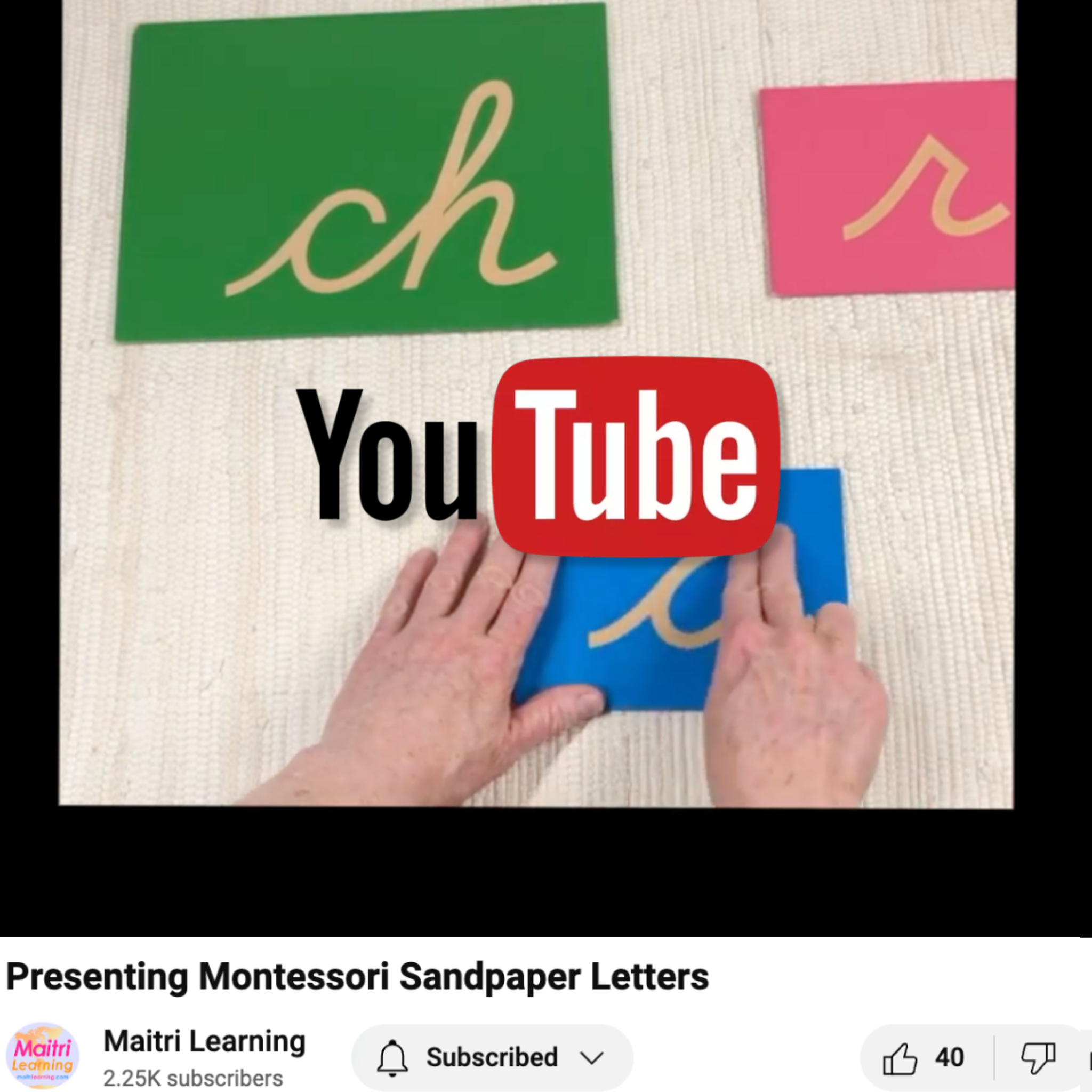
"Point to the..." This is a phrase teachers use all the time when helping students learn vocabulary. It's the second step in Seguin's 3-period lesson, a classic Montessori learning activity. But what do you do when the child can't point to the right thing? Should you give them a hint?
The New Research
New research from Ritter and colleagues suggests that yes! Giving hints is a good idea. The researchers set up different conditions to see which one was most effective in helping learners remember and retrieve new information.
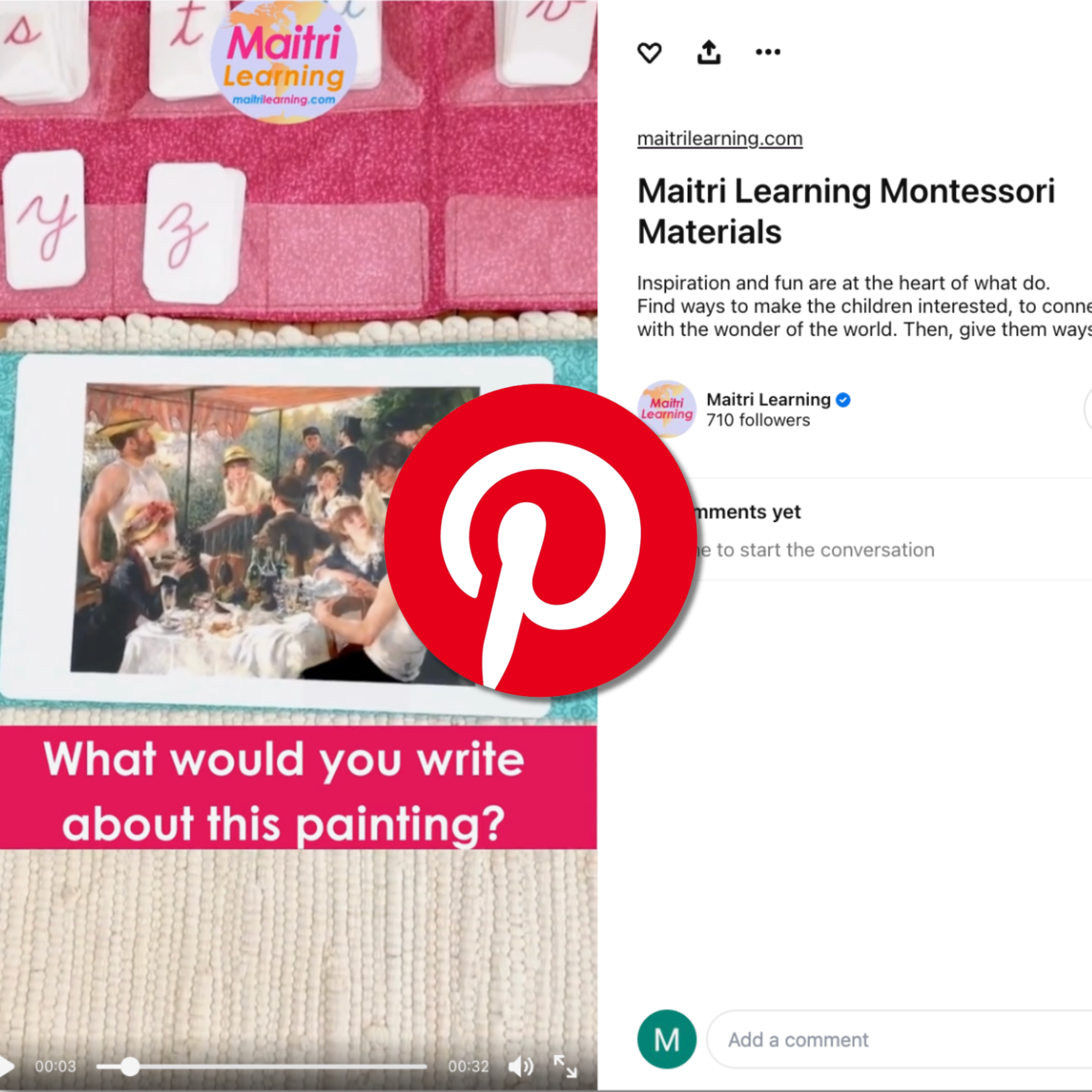
The first condition was like mutliple choice. They showed the target object (in this case, fine art) and then showed many word options beneath the vocabulary to "cue" the learner's recall about the name of the artist. This prompted students to test their memory in that moment. So it gave them a little practice or repetition by giving them hints.
The second condition showed the target vocabulary and then asked the learner how likely they thought they were to remember the artists name. This, called a cue-only judgment of learning (JOL), is a sneaky way to get people to scan their memory and retrieve the right answer. We don't actually tell them the correct vocabulary, we just ask if they think they can remember it.
The third condition gave them the vocabulary and asked if they thought they could remember it in the future. So here, they didn't actually have to remember because the information was given to them. They just had to guess how easily they thought they could remember it in the future. You can see this subtle change is actually quite a big difference! The brain is doing an assessment of learning rather than actually retrieving what they've learned.
In the fourth condition, they showed the learner the target piece of art along with the target vocabulary (artist's name) so they could "restudy" it. This is like returning to the first period in the 3-period lesson.
 From: The Forward Effect of Judgements of Learning on Memory and Transfer in Inductive Learning. Image reproduced in alignment with http://creativecommons.org/licenses/by/4.0/
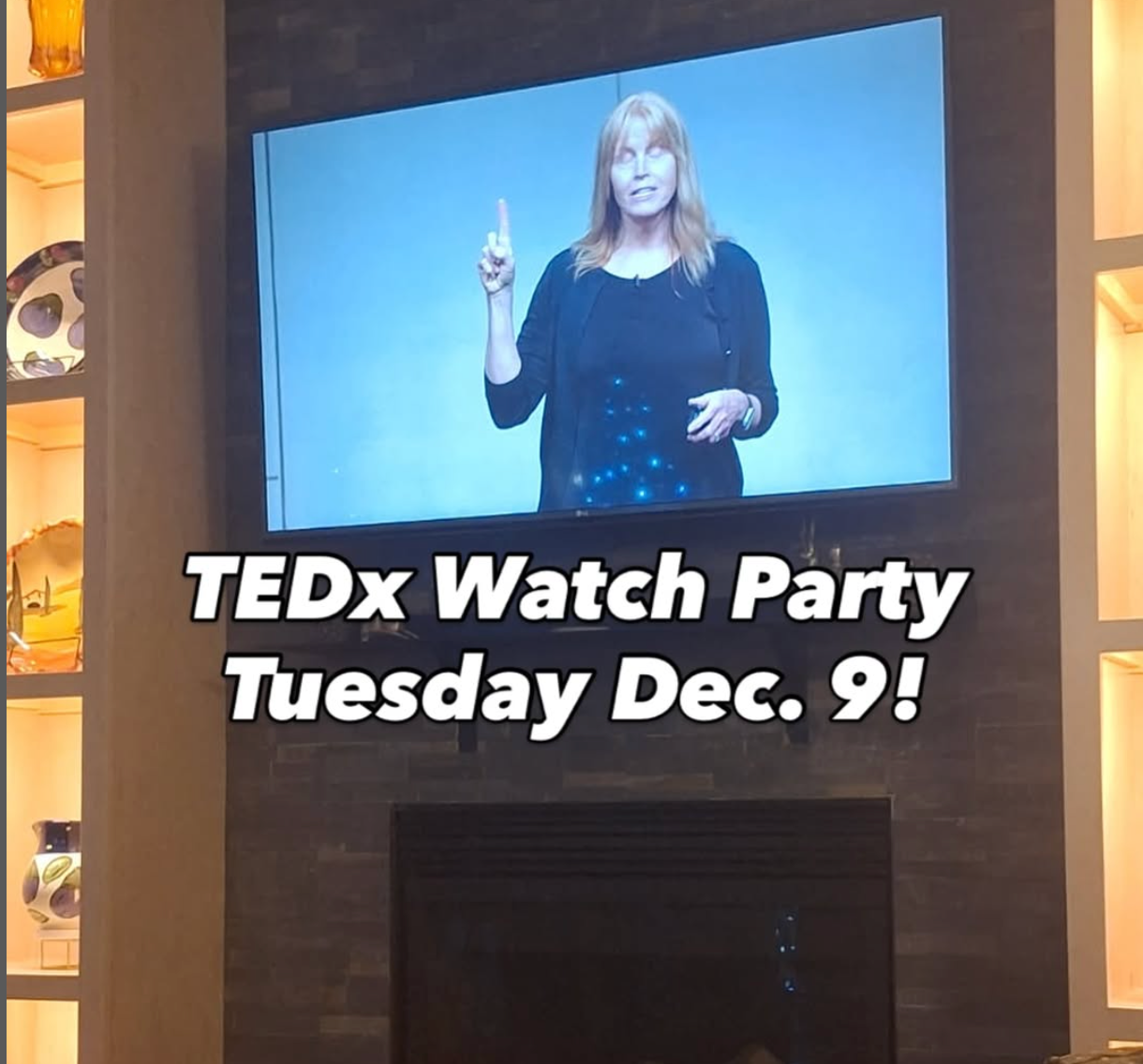
What they found is that the first two conditions (where the learner had to choose the right option or guess how well they would be able to recall the right answer) were associated with better memory recall than the second two conditions (that were more passive reminders of the accurate vocabulary). Why? Because in the first two conditions, the learners had to practice remembering. And, as I speak about in my TEDx talk, repetition is key for learning.
Research refers to this as "covert recall." We aren't telling the learner that they're practicing, but we're getting them to practice on the DL. It's the practice that helps recall down the road.
Implications for Early Childhood
So how does this tie back to teaching vocabulary in early education? I think it raises two possibilities.
- Give hints to help retrieval (as in research condition one)
- Ask students if they think they'll be able to remember what we're teaching (as in research condition two)
First, giving hints is something many of us already do. We want our students to succeed so we may place our hand near the right object to help guide their attention. When we do this, we are working like the multiple choice test condition in the study. We have options before them that they have to work with as they try to retrieve the correct answer but we're giving a scaffold to support that retrieval.
Second, would saying, "Let's see if you can remember these names" before we start period one help? I wonder if this would trigger/cue a judgment of learning just like in the research study.
Typically, in early childhood, we practice scarcity of language when we're giving lessons. Because young learners are still learning our language, we don't want to give them a heavy cognitive load by getting all chatty when we're teaching them. We want to focus on what we're teaching.
I wonder if we are missing a simple metacognitive, covert retrieval cue in our lesson structure. What if we started our 3-period lessons with a judgment of learning cue like, "Let's see if you can remember these names." But, if we put forward this memory challenge, new research by King-Shepard and colleagues suggests that we'll likely have better results if we give the students a moment to respond.
What do you think? Have you given your 3-period lessons this way? Please write a comment below to share your experiences and thinking with us. It takes a village!
References
King-Shepard, Q. W., Walker, J., Nokes-Malach, T. J., Carpenter, S. K., & Fraundorf, S. H. (2025). The Effect of Prequestions on Learning: A Multilevel Meta-Analysis. Educational Psychology Review, 37(4), 115.
Ritter, C., Hausman, H., Gaschler, R., Tiffin-Richards, S. P., & Kubik, V. (2025). The Forward Effect of Judgements of Learning on Memory and Transfer in Inductive Learning. Educational Psychology Review, 37(4), 116.





Leave a comment
This site is protected by hCaptcha and the hCaptcha Privacy Policy and Terms of Service apply.